This article contains AI generated content.
· UpdatedMucormycosis Arthritis Genes And Biomarkers: 5 Genes And 6 Biomarkers To Track
Introduction
If you or someone you care about is navigating the intersection of mucormycosis and joint disease, you already know how disorienting the medical landscape can feel. Mucormycosis is a rare, aggressive fungal infection caused by molds in the order Mucorales. When it spreads to joints or occurs in people already managing inflammatory arthritis, the clinical picture becomes layered, difficult to interpret, and frustratingly slow to resolve. Standard advice to "boost your immune system" or "control your blood sugar" barely scratches the surface of what is actually happening biologically.
What makes this condition particularly complicated is how many factors converge at once. Iron metabolism, immune signaling, metabolic control, and genetic susceptibility all intersect in ways that generic bloodwork panels rarely illuminate. A person with rheumatoid arthritis on a biologic therapy and a person recovering from diabetic ketoacidosis may both face mucormycosis, but for very different biological reasons, and with very different risk profiles going forward.
This article takes a more granular approach. Rather than repeating broad guidance, it maps out the specific biological signals worth tracking: the biomarkers that reveal your susceptibility and your recovery trajectory, and the genetic variants that may silently amplify your risk. Understanding these gives you something concrete to work with alongside your medical team.
The goal here is not to offer false comfort or miracle protocols. It is to give you better information so you can ask better questions, make more targeted decisions, and move from passive waiting to informed engagement with your own biology. What follows covers two complementary lenses: a practical biomarker framework for tracking and intervention, and a genetic perspective on the underlying vulnerabilities that make some people far more exposed than others.
Summary
This article covers 6 actionable biomarkers and 5 key genetic variants relevant to the mucormycosis-arthritis intersection. The biomarker section explains why serum iron, ferritin, HbA1c, hs-CRP, absolute neutrophil count, and LDH are the most clinically meaningful signals to monitor — and what to do when each comes back abnormal, both with and without supplementation. The genetics section explores how variants in CARD9, HFE, CLEC7A, TLR4, and the IL-17 pathway may silently increase your exposure and how epigenetic strategies can partially compensate. Beyond these two core frameworks, you will also find a synthesis of leading research on immune function and fungal disease, complementary approaches with actual clinical evidence, and a practical conclusion oriented toward your next real step.
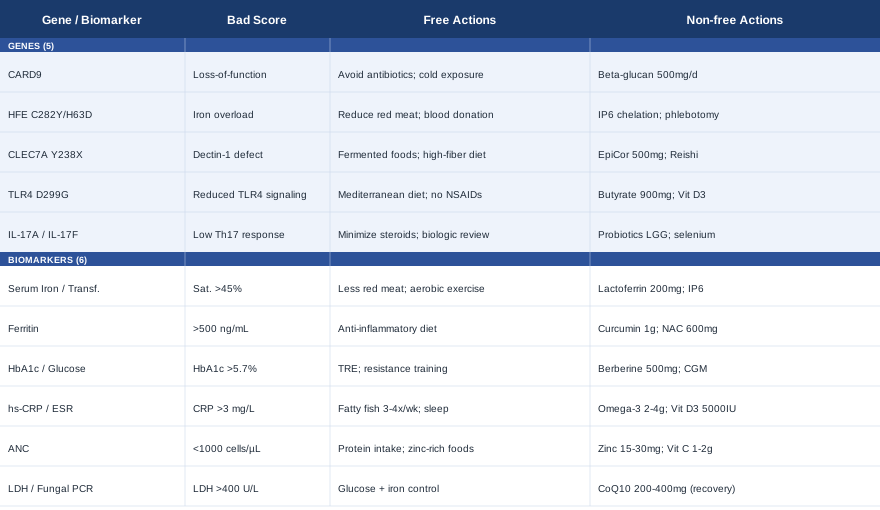
6 Biomarkers That Reveal Your Mucormycosis-Arthritis Risk
Biomarkers work best as a system, not as isolated numbers. For mucormycosis-related arthritis, the most useful markers cluster around iron metabolism, metabolic regulation, immune competence, and tissue damage signals. Together, they tell a story that imaging and symptom reports alone cannot.
Biomarker 1: Serum Iron and Transferrin Saturation
Why it matters
Iron is not just a nutrient. For Mucorales fungi, free iron is fuel. These organisms express high-affinity iron uptake systems that allow them to thrive in iron-rich environments, which is precisely why uncontrolled diabetes, iron overload states, and conditions treated with deferoxamine (a siderophore that paradoxically feeds Mucorales) dramatically increase infection risk. When serum iron is elevated and transferrin is saturated, available free iron creates an environment where these fungi can proliferate even when antifungal therapy has begun.
In the context of arthritis, this matters doubly. Chronic joint inflammation elevates hepcidin, which in turn restricts iron recycling. This can simultaneously produce anemia of inflammation and trap iron in macrophages — creating compartmentalized pools of iron that Mucorales can exploit in infected tissues. According to the StatPearls comprehensive review on mucormycosis, iron dysregulation is one of the most consistent biological features across mucormycosis cases.
How to measure it
A standard iron panel includes serum iron, total iron-binding capacity (TIBC), and transferrin saturation percentage. This is included in most comprehensive metabolic panels or can be ordered individually. Cost ranges from $15 to $50 in most laboratory settings. Optimal transferrin saturation is generally considered to be between 20% and 35%. Values above 45% are clinically concerning and warrant investigation.
If the score is bad, the plan without supplements
The first intervention is dietary iron reduction. This means reducing red meat, organ meats, and fortified processed cereals while increasing consumption of polyphenol-rich foods (coffee, tea, legumes) with iron-containing meals, as polyphenols inhibit non-heme iron absorption. Prioritize calcium-rich foods at main meals, as calcium competes with iron absorption in the gut. Avoid cooking with cast iron during recovery phases. Increasing aerobic exercise also mobilizes stored iron through erythropoiesis and sweat-based excretion — 30 to 45 minutes of moderate cardio three times per week has measurable effects on iron metabolism over 8 to 12 weeks.
If the score is bad, the plan with supplements or equipment
Lactoferrin (an iron-binding glycoprotein) taken orally at 100–300 mg per day with meals can bind free iron in the gut and reduce systemic iron load without causing frank iron deficiency. It also has direct antifungal activity in some in vitro studies. IP6 (inositol hexaphosphate) at 1–2 g per day on an empty stomach is a natural iron chelator that may help reduce excess stored iron. Note: Do not use these interventions without monitoring, as iron deficiency anemia is a real risk. Recheck the iron panel every 6 to 8 weeks. Therapeutic phlebotomy, conducted in a medical setting, is the most direct intervention for documented iron overload. Frequency is typically every 1 to 3 months depending on ferritin trajectory. Side effects of aggressive iron reduction include fatigue, cold intolerance, and reduced exercise capacity.
Biomarker 2: Ferritin
Why it matters
Ferritin is often described as an iron storage marker, but it is equally a marker of systemic inflammation. In the context of mucormycosis-arthritis, a high ferritin can reflect two entirely different problems: true iron overload (which feeds the fungus) or severe acute inflammation (which may indicate active fungal dissemination or a cytokine storm triggered by the immune response). Distinguishing between these requires pairing ferritin with transferrin saturation, CRP, and clinical context.
In post-COVID mucormycosis cases, hyperferritinemia has been documented as a consistent feature, suggesting that inflammatory iron sequestration plays a central role in creating the permissive environment for Mucorales invasion. Ferritin above 1000 ng/mL in a person with known arthritis and unexplained joint worsening should prompt consideration of fungal etiology.
How to measure it
Serum ferritin is a standard lab test available at any clinical laboratory. Cost ranges from $10 to $40. Optimal range for general health is considered 30–100 ng/mL in men and 15–80 ng/mL in women. In the context of mucormycosis risk, values above 500 ng/mL warrant attention, and values above 1000 ng/mL require urgent clinical evaluation.
If the score is bad, the plan without supplements
When ferritin is elevated primarily due to inflammation (normal or low transferrin saturation), the first priority is addressing the inflammatory driver. For arthritis-related inflammation, this means optimizing anti-inflammatory diet strategies: eliminating refined seed oils, reducing refined carbohydrates, prioritizing omega-3 fatty acids from fatty fish, and identifying food sensitivities through a structured elimination protocol. Ferritin elevation due to true iron overload is addressed through the iron-reduction strategies described above.
If the score is bad, the plan with supplements or equipment
Curcumin (as a phytosomal formulation, 500–1000 mg twice daily with meals) has documented effects on reducing hepcidin and inflammatory ferritin. Cycle it 5 days on, 2 days off to preserve gut tolerance. NAC (N-acetylcysteine) at 600 mg twice daily may reduce oxidative stress driving ferritin elevation. Side effects include gastrointestinal upset, and it should be cycled in 8-week blocks with 2-week breaks. Always recheck ferritin at 8 weeks.
Biomarker 3: HbA1c and Fasting Glucose
Why it matters
Diabetic ketoacidosis (DKA) is the single strongest predisposing condition for rhinocerebral and disseminated mucormycosis in most large case series. High blood glucose acidifies the tissue environment, reduces the pH-dependent binding of iron to transferrin (releasing free iron for fungal use), impairs neutrophil chemotaxis, and disrupts the respiratory burst that kills fungi. For people with arthritis, this is particularly relevant because many common treatments — including corticosteroids and even some JAK inhibitors — can significantly elevate blood glucose.
How to measure it
HbA1c reflects average blood glucose over 90 days and costs $20–$50. Fasting glucose is typically $10–$25. Optimal HbA1c for mucormycosis prevention is below 5.7% (pre-diabetic range begins at 5.7%, diabetic at 6.5%). Fasting glucose below 90 mg/dL is the functional medicine target, though the conventional cutoff is 100 mg/dL.
If the score is bad, the plan without supplements
Time-restricted eating (eating within a 8–10 hour window) has strong evidence for reducing fasting glucose and HbA1c without medication in pre-diabetic individuals. Resistance training three times per week increases GLUT4 expression in muscle tissue, improving glucose uptake independently of insulin. Walking 10 minutes after each meal has been shown in controlled studies to meaningfully blunt postprandial glucose spikes.
If the score is bad, the plan with supplements or equipment
Berberine at 500 mg three times daily with meals is the most studied natural intervention for blood glucose, with effects comparable to metformin in some trials. Cycle 8 weeks on, 4 weeks off. Monitor for gastrointestinal side effects. Magnesium glycinate at 300–400 mg before bed improves insulin sensitivity and is frequently deficient in people with elevated glucose. A continuous glucose monitor (CGM) — available without prescription in many countries at $30–$80 per sensor — provides real-time data on how specific foods, activities, and sleep affect your glucose, making interventions far more targeted.
Biomarker 4: High-Sensitivity CRP and ESR
Why it matters
C-reactive protein (hs-CRP) and erythrocyte sedimentation rate (ESR) are the frontline markers for tracking systemic inflammation in arthritis management. In the mucormycosis context, they serve two distinct purposes: first, they help assess the inflammatory burden that creates vulnerability to opportunistic infection; second, in someone already diagnosed with mucormycosis, they track the treatment response and the degree of joint involvement. Persistently elevated CRP despite antifungal therapy may indicate inadequate source control or secondary bacterial superinfection.
How to measure it
hs-CRP costs $15–$40 and is available through most standard labs. ESR is similarly priced. Optimal hs-CRP is below 1.0 mg/L for cardiovascular and general health purposes; in the mucormycosis context, values above 3 mg/L are significant and values above 10 mg/L require investigation. ESR above 40 mm/hr in combination with elevated CRP warrants workup.
If the score is bad, the plan without supplements
Fatty fish consumption (3–4 servings per week of salmon, sardines, or mackerel) is the most consistent dietary intervention for reducing CRP. Prioritize sleep quality — a single night of poor sleep can elevate CRP by 50% in vulnerable individuals. Cold water immersion (10–15 minutes at 55–60°F, three times per week) has emerging evidence for reducing systemic inflammatory markers, though it should be avoided in active mucormycosis.
If the score is bad, the plan with supplements or equipment
Omega-3 fatty acids (EPA + DHA at 2–4 g per day combined) are the most evidence-backed supplement for reducing hs-CRP. Take with fatty meals to improve absorption. Low-dose aspirin (81 mg) may reduce CRP in people with established cardiovascular risk but requires physician consultation. High-dose vitamin D3 (5000 IU per day with 100–200 mcg K2) has shown CRP-reducing effects in deficient individuals — check 25-OH vitamin D before supplementing and recheck at 90 days. Target serum level is 50–70 ng/mL.
Biomarker 5: Absolute Neutrophil Count
Why it matters
Neutrophils are the primary cellular defense against Mucorales. They kill the organism through oxidative burst mechanisms and direct hyphal damage. Neutropenia (ANC below 500 cells/µL) is one of the most powerful risk factors for invasive mucormycosis, particularly in hematological malignancy patients on chemotherapy. For arthritis patients on immunosuppressive biologics, TNF inhibitors, and corticosteroids, even moderate neutrophil dysfunction — rather than frank neutropenia — can increase risk substantially.
How to measure it
The absolute neutrophil count is derived from a complete blood count (CBC) with differential, which costs $20–$60. Normal ANC is 1800–7700 cells/µL. An ANC below 1000 is concerning; below 500 is a medical emergency in the context of any suspected infection.
If the score is bad, the plan without supplements
Addressing the cause of low ANC is the priority — if it is medication-related (methotrexate, cyclophosphamide, or corticosteroids at high doses), dose adjustment in consultation with your rheumatologist or oncologist is the only reliable intervention. Optimizing protein intake (1.2–1.6 g per kg body weight daily) supports immune cell production. Prioritize zinc-rich foods (oysters, pumpkin seeds, grass-fed beef) as zinc deficiency impairs neutrophil maturation.
If the score is bad, the plan with supplements or equipment
Zinc supplementation at 15–30 mg daily (as zinc picolinate or zinc glycinate) supports neutrophil function. Cycle 5 days on, 2 days off to avoid copper depletion — pair with 1 mg copper if supplementing long-term. Vitamin C at 1–2 g per day in buffered form supports neutrophil oxidative burst activity. G-CSF (granulocyte colony-stimulating factor) is a medical intervention reserved for severe neutropenia under physician supervision. Do not attempt to self-treat an ANC below 1000.
Biomarker 6: Lactate Dehydrogenase (LDH) and Synovial Fluid Fungal PCR
Why it matters
LDH is a marker of tissue necrosis — a hallmark feature of mucormycosis, which causes angioinvasion and tissue death as part of its pathology. Elevated LDH in the context of known or suspected mucormycosis is a signal of active fungal invasion and tissue destruction. In the joint, this is particularly significant: if LDH is elevated alongside arthritis symptoms, fungal septic arthritis must be considered and synovial fluid analysis is mandatory.
Synovial fluid fungal PCR (or direct culture and histology with Grocott-Gomori methenamine silver staining) is the only way to confirm mucormycosis arthritis. Standard synovial fluid analysis for bacterial infection is insufficient because Mucorales do not produce the same inflammatory markers and may be missed on standard culture. Note: Standard serum galactomannan and beta-D-glucan are typically negative in mucormycosis (unlike Aspergillus), making tissue sampling the gold standard.
How to measure it
Serum LDH is available through standard labs at $15–$40. Normal range is 140–280 U/L. Values above 400 U/L in a clinically suspicious context warrant immediate escalation. Synovial fluid PCR for fungal organisms is a specialized test available at academic medical centers and reference laboratories; cost ranges from $150 to $500 depending on the panel.
If the score is bad, the plan without supplements
Elevated LDH in active mucormycosis is not an outpatient biomarker issue — it signals the need for urgent medical intervention including surgical debridement and intravenous antifungal therapy (typically liposomal amphotericin B). For chronic, post-treatment monitoring, reducing ongoing tissue stress through anti-inflammatory nutrition, blood glucose control, and iron management (as described in biomarkers 1–5) supports the environment in which LDH normalizes.
If the score is bad, the plan with supplements or equipment
Coenzyme Q10 at 200–400 mg per day with a fatty meal supports mitochondrial health and reduces LDH elevation from oxidative stress in non-acute settings. This applies to the recovery phase, not active infection. Alpha-lipoic acid at 300–600 mg per day has also shown effects on reducing tissue oxidative damage. Both should be cycled every 12 weeks with 2 weeks off.
Genetics Behind the Risk: What Your DNA May Be Telling You
Understanding your genetic landscape does not change your diagnosis, but it can help explain why some people remain vulnerable to fungal infections even with well-controlled underlying conditions — and it points toward specific compensatory strategies that are more targeted than general advice.
Gene 1: CARD9
What it does
CARD9 (Caspase Recruitment Domain-containing protein 9) is a central hub in the innate antifungal immune signaling cascade. It sits downstream of fungal pattern recognition receptors (particularly Dectin-1 and Dectin-2) and is required for the inflammatory response that clears invasive fungi. Rare loss-of-function mutations in CARD9 cause severe susceptibility to invasive fungal infections, including mucormycosis, even in otherwise healthy individuals without the typical risk factors. Research published in PubMed-indexed studies on CARD9 and fungal susceptibility consistently identifies this pathway as central to host defense against Mucorales.
If the gene is bad, the plan without supplements
Since CARD9 deficiency impairs antifungal cytokine production (particularly IL-6 and TNF-alpha), the non-supplemental strategy focuses on optimizing upstream signals. Avoid prolonged use of broad-spectrum antibiotics, which disrupt the gut microbiome and reduce Dectin-1 stimulation from gut commensals — this can further dampen CARD9 signaling. Regular exposure to natural outdoor environments (forest bathing, gardening) maintains immune training through low-level environmental microbial exposure. Cold exposure protocols (progressive cold showers, building to 5 minutes at cold setting) have been shown to upregulate innate immune pathways.
If the score is bad, the plan with supplements or equipment
Beta-glucan supplementation (from Saccharomyces cerevisiae or Pleurotus ostreatus, at 250–500 mg per day) directly activates the Dectin-1 receptor that signals through CARD9, potentially providing a small compensatory stimulus. Cycle 4 weeks on, 1 week off. Andrographis paniculata extract (300–400 mg per day) has evidence for upregulating innate antifungal immune responses through NF-kB pathways. Do not use in pregnancy. These are adjunctive and not a substitute for antifungal prophylaxis in documented CARD9 deficiency, which requires physician guidance.
Gene 2: HFE (C282Y and H63D Variants)
What it does
HFE gene mutations, particularly the C282Y and H63D variants, are the most common cause of hereditary hemochromatosis — a condition of excessive iron absorption and organ iron deposition. Homozygous C282Y causes the most severe iron overload; compound heterozygotes (C282Y/H63D) have intermediate risk. As established in the iron biomarker section, iron overload directly fuels Mucorales growth. A person with HFE variants and untreated iron overload who develops an inflammatory arthritis (which itself causes iron dysregulation) represents a compounded vulnerability that standard rheumatology workup may not fully account for.
If the gene is bad, the plan without supplements
The foundational intervention for HFE variants is dietary: avoiding iron fortification by eliminating processed cereals and enriched flour products, reducing red meat to no more than 2–3 servings per week, and strategically pairing iron-containing foods with inhibitors (tea, coffee, legumes, dairy). Regular blood donation — in countries where this is permitted for hemochromatosis patients — is an effective and altruistic form of iron management. Exercise-induced iron loss through sweat and erythropoiesis is a meaningful adjunct.
If the score is bad, the plan with supplements or equipment
IP6 (inositol hexaphosphate) at 4–8 capsules on an empty stomach is a well-studied natural chelator for iron reduction. Lactoferrin at 200–300 mg twice daily can reduce gut iron absorption. Both require monitoring with iron panels every 6–8 weeks. Therapeutic phlebotomy remains the most effective medical intervention for HFE-related iron overload.
Gene 3: CLEC7A (Dectin-1) Y238X Polymorphism
What it does
Dectin-1, encoded by CLEC7A, is the primary pattern recognition receptor for fungal beta-glucans on the surface of innate immune cells. The Y238X early stop codon variant produces a truncated, non-functional receptor. This polymorphism has been associated with increased susceptibility to fungal infections including Candida and potentially Aspergillus in transplant settings. Its role in mucormycosis susceptibility is biologically plausible given that Mucorales cell walls contain glucan structures, though direct human evidence is still accumulating.
If the gene is bad, the plan without supplements
Since Dectin-1 recognizes environmental and gut fungi to maintain immune tone, maintaining a diverse gut microbiome through fermented food consumption (yogurt, kefir, sauerkraut, kimchi daily) and a high-fiber plant-diverse diet supports the commensal fungal immune education that partially compensates for reduced Dectin-1 signaling.
If the score is bad, the plan with supplements or equipment
Epicor (a fermented Saccharomyces cerevisiae metabolite) at 500 mg per day contains beta-glucans and other immunomodulatory compounds with clinical trial evidence for immune enhancement. Cycle 8 weeks on, 2 weeks off. Reishi mushroom extract (standardized to beta-glucan content, 500 mg twice daily) provides both Dectin-1 stimulation and direct antifungal compounds. Avoid raw yeast or unpasteurized fermented products in immunocompromised individuals.
Gene 4: TLR4 D299G Polymorphism
What it does
Toll-like receptor 4 (TLR4) recognizes lipopolysaccharides and certain fungal cell wall components, triggering innate immune activation. The D299G and T399I polymorphisms in TLR4 reduce receptor signaling capacity and have been associated with increased susceptibility to gram-negative bacterial infections and, in emerging research, with impaired clearance of opportunistic pathogens. In the arthritis context, TLR4 variants also influence the inflammatory tone of the synovium, potentially modulating how aggressively the joint responds to fungal invasion.
If the gene is bad, the plan without supplements
Optimizing gut microbiome diversity is the most actionable non-supplement strategy, as gut bacteria (particularly gram-negative commensals) provide ongoing low-level TLR4 training that maintains receptor sensitivity. A Mediterranean-style diet with high legume and fiber intake supports this. Avoiding NSAIDs chronically is relevant here, as chronic NSAID use can disrupt the gut lining and reduce microbial diversity.
If the score is bad, the plan with supplements or equipment
Butyrate (as tributyrin or sodium butyrate, 600–900 mg twice daily) has demonstrated effects on TLR4 signaling modulation in gut epithelial cells. Cycle 12 weeks on, 4 weeks off. Vitamin D3 at therapeutic doses (as above) also upregulates TLR4 downstream signaling in macrophages, partially compensating for receptor-level deficits.
Gene 5: IL-17A and IL-17F Pathway Variants
What it does
The IL-17 axis is critical for antifungal mucosal and systemic immunity. IL-17A is produced by Th17 cells and drives neutrophil recruitment and antimicrobial peptide production at infection sites. Variants that reduce IL-17 production — or conditions that suppress the Th17 response (including high-dose corticosteroids, which dramatically reduce IL-17 signaling) — impair the early antifungal response. This is particularly relevant for arthritis patients, where both disease biology and standard treatments can compromise the Th17 arm of immunity. Paradoxically, IL-17 inhibitors (secukinumab, ixekizumab) used for psoriatic arthritis and ankylosing spondylitis may theoretically increase fungal susceptibility, though clinical evidence for Mucorales specifically remains limited.
If the gene is bad, the plan without supplements
Avoiding unnecessary corticosteroids and minimizing exposure time when they are required is the most clinically meaningful intervention. Discussing with your rheumatologist whether your biologic choice preferentially impairs antifungal immunity (IL-17 inhibitors theoretically carry more risk than IL-6 or TNF inhibitors for fungal infections) is a reasonable evidence-based conversation to initiate.
If the score is bad, the plan with supplements or equipment
Probiotics with documented Th17-supporting strains (particularly Lactobacillus rhamnosus GG and Lactobacillus acidophilus NCFM) at clinically relevant doses (10–50 billion CFU daily) support the mucosal immune environment that sustains IL-17 production. Cycle with 4-week breaks every 12 weeks. Adequate selenium intake (through 2–3 Brazil nuts daily or a supplement of 100–200 mcg selenomethionine) supports Th17 differentiation. Do not exceed 400 mcg selenium daily due to toxicity risk.
What Immunology Research Teaches Us About Fungal Susceptibility and Joint Health
The Huberman Lab podcast, particularly its episodes on the innate immune system and on metabolic health (Episodes 57 and 58 in the series), brings together a body of research that has direct relevance to anyone navigating infection vulnerability. Andrew Huberman, a neuroscientist at Stanford, interviews leading immunologists and synthesizes findings in ways that translate directly into daily biology decisions. What follows are the ten most impactful insights from that research landscape.
1. Sleep Is the Most Powerful Immune Intervention Available
Consistent, high-quality sleep of 7–9 hours produces IL-12, enhances NK cell activity, and is the single most validated intervention for immune function across the literature. Missing even one night of sleep reduces neutrophil oxidative burst capacity by up to 30% in controlled studies — directly relevant to mucormycosis defense.
2. Morning Light Drives Cortisol Timing, Which Regulates Immune Timing
Viewing bright outdoor light within 30–60 minutes of waking anchors the cortisol morning peak, which coordinates innate immune cell mobilization. Disrupted circadian cortisol rhythms (common in shift workers and people with chronic pain disrupting sleep) impair the timed activation of antimicrobial immunity.
3. Chronic Stress Chronically Suppresses Th1 Immunity
Sustained psychological stress shifts the immune system toward Th2 dominance and away from the Th1/Th17 antifungal responses. Stress management is not ancillary — it directly modulates antifungal cytokine production.
4. Nasal Breathing Produces Nitric Oxide That Kills Fungi
The nasal passages produce nitric oxide (NO) in concentrations that are directly fungicidal. Mouth breathing bypasses this defense. Nose breathing during sleep (using medical tape or a chin strap if needed) represents a low-cost antifungal optimization.
5. Blood Glucose Spikes Suppress Neutrophil Function for Hours
A single high-glycemic meal can suppress neutrophil function for 4–6 hours post-ingestion. For someone with arthritis managing infection risk, meal composition directly affects the window of vulnerability to opportunistic infections.
6. Exercise Is Dose-Dependent for Immune Function
Moderate aerobic exercise (zone 2, 150–200 minutes per week) enhances NK cell circulation and macrophage activity. Overtraining (without recovery) suppresses immunity. The dose matters, and more is not always better.
7. Cold Exposure Activates Innate Immunity Through Norepinephrine
Brief cold water exposure triggers a catecholamine surge that transiently boosts innate immune cell counts. Huberman references the Wim Hof protocol and related controlled studies showing measurable improvements in innate immune response markers.
8. Social Isolation Is Biologically Immunosuppressive
Loneliness increases inflammatory cytokines and reduces antiviral and antifungal immune gene expression. Social connection and belonging have measurable molecular correlates.
9. Iron Is Not Just Nutrition — It Is an Immune Signal
The immune system deliberately sequesters iron during infection (via hepcidin) to starve pathogens. Supplementing iron during active infection or high-risk states can be actively harmful by providing the very fuel that Mucorales exploits.
10. The Microbiome Is an Active Immune Organ
Gut microbial diversity directly trains innate immune pattern recognition. Antibiotic-related microbiome depletion is consistently followed by windows of increased fungal susceptibility — a mechanism well-established in hospital settings and increasingly studied in outpatient arthritis populations.
Complementary Approaches With Clinical Evidence
The following approaches are selected for their relevance to joint health, immune function, or the inflammatory management that underpins recovery from mucormycosis-related arthritis. Each has meaningful human evidence in related conditions, though mucormycosis-specific trials are necessarily limited given the rarity of the disease.
Microbiome-Directed Therapies
The gut microbiome has bidirectional influence on both fungal susceptibility and arthritis severity. Gut dysbiosis is associated with reduced antifungal immune training and increased intestinal permeability, which elevates systemic inflammation. In arthritis specifically, multiple trials have documented associations between gut microbiome composition and disease activity in rheumatoid arthritis and ankylosing spondylitis.
A specific protocol with human trial support involves combining a high-fiber diet (target 30+ different plant foods per week) with a daily probiotic containing Lactobacillus acidophilus and Bifidobacterium longum. A 2019 Cochrane-adjacent meta-analysis on probiotics in inflammatory arthritis found meaningful reductions in CRP and DAS28 scores with probiotic supplementation. Fecal microbiota transplant (FMT) is an emerging but not yet standardized intervention for immune recalibration.
Practically, begin with fermented foods (one serving of kefir, yogurt, kimchi, or sauerkraut daily) before moving to supplements. Probiotic supplements should be refrigerated, taken with meals, and rotated every 8–12 weeks to maintain diversity. Evidence is limited for mucormycosis specifically, and probiotics should not be used in active immunosuppression without physician guidance.
Mindfulness-Based Stress Reduction (MBSR)
Mindfulness-based stress reduction is an 8-week structured program combining body scan, sitting meditation, and mindful movement. Its relevance here is not simply psychological — chronic stress in people with inflammatory arthritis has been shown to elevate proinflammatory cytokines (TNF-alpha, IL-6, and IL-1beta), directly worsening joint inflammation and impairing the Th1/Th17 antifungal immune axis.
A randomized controlled trial published in PubMed demonstrated that an 8-week MBSR program reduced DAS28 scores and inflammatory markers in rheumatoid arthritis patients compared to controls. The mechanisms include cortisol normalization, NF-kB pathway downregulation, and improvements in sleep quality — all of which have downstream immune consequences.
In practice, MBSR is most accessible through the Mindfulness-Based Stress Reduction program (available through hospital-based programs, online via Palouse Mindfulness, or with certified instructors). A realistic starting point is 10 minutes of daily body scan meditation, building to 30–45 minute sessions over 4 weeks. Evidence for mucormycosis-specific outcomes is indirect; the strongest case is through inflammation reduction and immune optimization.
Low-Level Laser Therapy (Photobiomodulation)
Low-level laser therapy (LLLT), also called photobiomodulation, uses specific wavelengths of red and near-infrared light (typically 630–850 nm) to stimulate mitochondrial function, reduce local inflammation, and promote tissue repair. Its relevance to mucormycosis-related arthritis is in the post-treatment phase: after antifungal therapy has controlled the active infection, the resulting joint damage, fibrosis, and residual inflammation can be targets for photobiomodulation.
A meta-analysis of LLLT in inflammatory arthritis (indexed on PubMed) found consistent reductions in pain and morning stiffness with clinical-grade devices. Parameters matter significantly: 5–50 mW/cm² at 810 nm for 30–60 seconds per point, three times per week for 4–8 weeks.
In practice, clinical LLLT devices are available through physiotherapists and rheumatology rehabilitation centers. Consumer-grade near-infrared panels (available at $150–$500) can supplement clinical treatment for home use. Apply to affected joints only, avoiding areas of active infection, open wounds, or unclear tissue viability. Results typically emerge at 4–6 weeks of consistent use.
Tai Chi
Tai chi is a mind-body practice involving slow, deliberate movement sequences that combine gentle joint mobilization, balance training, and rhythmic breathing. For arthritis specifically, it has one of the strongest evidence bases among complementary approaches: over 40 randomized trials have evaluated its effects on joint pain, stiffness, physical function, and inflammatory markers.
A 2016 randomized trial published in Annals of Internal Medicine (PMID 27159166) found that 12 weeks of tai chi practice was equally effective as physical therapy for knee osteoarthritis, with additional benefits for depression scores. In inflammatory arthritis, tai chi appears to reduce fatigue and CRP without exacerbating joint inflammation.
For practical application, the Sun-style tai chi form is most studied in arthritis populations and involves lighter, more upright movements appropriate for people with limited range of motion. Two to three sessions per week of 30–45 minutes each is the studied dose. Evidence for mucormycosis-specific outcomes is indirect, but the joint function and inflammatory management benefits are directly relevant to the arthritis component of this condition.
Breathing-Based Therapies
Controlled breathing techniques — including slow diaphragmatic breathing (4–7–8 breathing, box breathing, and the physiological sigh) — activate the parasympathetic nervous system and reduce the inflammatory tone driven by chronic stress. In the context of mucormycosis-related arthritis, breathing work addresses both the psychological burden of a serious infection and the immunological consequences of sustained sympathetic activation.
Cyclic sighing (a double inhale through the nose followed by a slow, extended exhale) has been studied at Stanford and shown in a published randomized trial to reduce physiological stress markers (cortisol, respiratory rate, heart rate variability) more effectively than other breathing techniques tested. Applying this as a daily 5-minute practice reduces the HPA axis activation that suppresses antifungal immunity.
For practical application, 5 minutes of structured breathwork twice daily — morning and before sleep — is a realistic starting point. No equipment is required. The Wim Hof method (cyclic hyperventilation followed by breath retention) is not appropriate in the acute infection phase, as the hypoxic phase may reduce oxidative burst in neutrophils transiently. Slow, coherent breathing (5 breaths per minute, 6 seconds in, 6 seconds out) is safer and broadly applicable across fitness levels and disease stages.
Conclusion
Mucormycosis-related arthritis sits at an uncomfortable intersection of rare infectious disease, immune vulnerability, metabolic dysfunction, and genetic predisposition. There is no single marker that explains everything, and there is no supplement stack that substitutes for antifungal therapy when active infection is present. But that does not mean biology is outside your influence.
What this article has mapped out is a layered framework: track the biomarkers that reveal your actual risk profile (iron, ferritin, glucose, CRP, neutrophil count, LDH), understand the genetic variants that may quietly amplify that risk, and apply the complementary strategies that support immune function and joint recovery through evidence rather than wishful thinking.
The next smart step is not to implement everything at once. Start by reviewing your last bloodwork for the six markers covered here. If iron, HbA1c, or CRP fall outside optimal ranges, that gives you a concrete target. If you have access to genetic testing through a platform like 23andMe or a clinical genomics service, ask your provider to review CARD9 or HFE variants in context of your clinical history. And if you are still in the treatment or recovery phase, bring this biomarker framework to your rheumatologist or infectious disease specialist — these are questions they can work with, because they are grounded in the same science your care team is using.
Better information, applied with appropriate medical oversight, is the most reliable tool available.
Endocrine & Metabolic Autoimmune
Musculoskeletal: Joint Conditions
Endocrine & Metabolic: Diabetes & Blood Sugar
Autoimmune: Inflammatory Conditions
Infectious: Fungal Infections