This article contains AI generated content.
· Updated[TITLE level="1"]Multicentric Castleman Disease — 5 Genes and 7 Biomarkers to Track
[TITLE level="2"]Introduction
Multicentric Castleman Disease sits in a strange corner of medicine — serious enough to be life-altering, rare enough to be regularly missed, and complex enough that even experienced hematologists sometimes spend months before arriving at the right diagnosis. If you or someone you care about has been diagnosed with MCD, or is still in the process of getting there, you already know how exhausting it is to find information that goes deeper than a one-paragraph overview in a medical reference site.
The challenge is that MCD is not one disease. There is HHV-8-associated MCD, where a specific herpesvirus drives periodic immune activation. There is idiopathic MCD (iMCD), where the trigger remains unknown but the inflammatory cascade — centered on interleukin-6 — is unmistakably present. Within iMCD, there is TAFRO syndrome, a severe subtype with its own biology and faster progression. Generic advice about managing inflammation barely scratches the surface of what is actually happening at a molecular level in each of these variants.
This article takes a more precise approach. Rather than offering broad lifestyle recommendations, it focuses on the specific molecules your body is producing, the genes that shape your inflammatory response, and the practical ways you can track and intervene with more accuracy. None of this replaces your specialist — siltuximab, the only FDA-approved therapy for iMCD, requires careful medical management. But understanding your biomarker landscape and the genetic pathways involved can make your conversations with your care team more productive and help you make better-informed decisions about what is within your control.
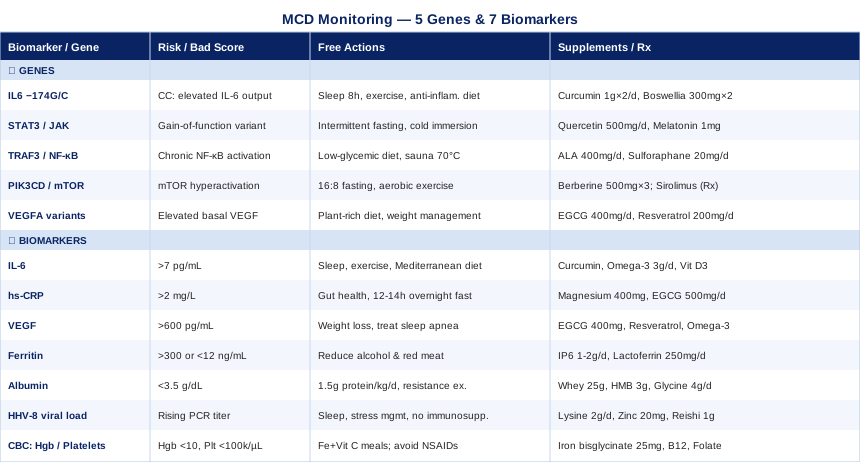
Two main paths are covered here. The first examines seven biomarkers with the most practical monitoring value — from IL-6 and VEGF to albumin and CBC trends — with specific guidance on what to do when each is off. The second looks at five genes and molecular pathways that shape how aggressively MCD operates in a given individual, with protocols for compensating when those pathways are unfavorable. Beyond that, you will find insights from Dr. David Fajgenbaum's landmark research and a look at complementary approaches with meaningful human evidence. Together, these give a clearer map of what is happening inside the body — and what might be done about it.
[TITLE level="2"]Summary
Multicentric Castleman Disease is a rare inflammatory disorder driven by a cytokine storm, with interleukin-6 at its center. This article focuses on 7 key biomarkers — IL-6, CRP, VEGF, ferritin, albumin, HHV-8 viral load, and CBC — each of which directly reflects disease activity and can guide both medical management and lifestyle decisions. For every biomarker that runs out of range, you will find a specific plan: what to do without supplements first, and what targeted supplements or interventions may help, with dosing, cycling, and side-effect guidance. The genetics section maps 5 key genes and pathways — IL6 promoter, STAT3/JAK, TRAF3/NF-κB, PIK3CD/mTOR, and VEGFA — with practical compensation plans. After the biomarkers and genetics, the article covers ten pivotal insights from Dr. David Fajgenbaum's research, including how an mTOR inhibitor put his own MCD into remission after five near-fatal flares. Finally, three evidence-grounded complementary approaches are outlined for managing the systemic inflammation and quality-of-life burden that MCD carries. Whether you were recently diagnosed or are years into managing this condition, the goal of this article is to give you more precise tools.
[TITLE level="2"]7 Biomarkers Worth Tracking Closely
Understanding MCD through its biomarkers is not just a research exercise — it is a practical framework for monitoring disease activity, evaluating treatment response, and catching early signs of a flare before symptoms become severe. These seven markers cover different aspects of MCD biology and together give a more complete picture than any single test alone. The goal is trending over time, not chasing single data points.
[TITLE level="3"]Biomarker 1: Interleukin-6 (IL-6)
Why it matters. Interleukin-6 is the central molecule in MCD pathophysiology. Across virtually all subtypes — HHV-8-associated, iMCD, and TAFRO — IL-6 is hypersecreted by lymph node plasma cells and macrophages, driving the systemic inflammation that produces fever, weight loss, anemia, night sweats, and lymphadenopathy. It is so central to iMCD that the only FDA-approved treatment for the disease — siltuximab — works entirely by neutralizing it. Elevated IL-6 is both a diagnostic marker and a disease-activity marker; normal reference values are typically below 7 pg/mL, though ranges vary by platform.
How to measure it. IL-6 is measured from a blood draw using ELISA or electrochemiluminescence assay. Most major labs offer serum IL-6 testing. Cost typically ranges from $50 to $150 depending on the lab and insurance coverage. Samples are time-sensitive — they should be centrifuged and frozen within two hours of collection to avoid false elevation from room-temperature degradation. Consistent use of the same lab platform matters for meaningful trend comparison.
If the score is bad, the plan without supplements. Lifestyle interventions that reduce IL-6 have meaningful human evidence, primarily from rheumatoid arthritis and metabolic disease research. Fajgenbaum's 2017 iMCD diagnostic criteria framework notes that immune activation events amplify flare risk — which means reducing chronic baseline immune activation is a legitimate target. Deep, consistent sleep (7–9 hours) is perhaps the single most powerful lever: sleep deprivation elevates circulating IL-6 within days. Moderate aerobic exercise (150 minutes per week at moderate intensity) reduces basal cytokine output over time by improving insulin sensitivity and reducing visceral adipose tissue, which is itself a major IL-6 source. A Mediterranean dietary pattern — olive oil, oily fish, vegetables, legumes, minimal ultra-processed food — reduces the baseline cytokine load. Eliminating alcohol and tobacco is non-negotiable; both directly stimulate IL-6 transcription.
If the score is bad, the plan with supplements or equipment. Curcumin (Longvida or BCM-95 formulation, 500–1,000 mg twice daily with food) is the best-evidenced natural IL-6 modulator — meta-analyses of curcumin supplementation consistently show reductions in circulating IL-6 in adults with chronic inflammatory conditions. Combine with piperine (5–10 mg) if using standard curcumin to increase absorption. Cycle 5 days on / 2 days off long-term; avoid if on anticoagulants or active chemotherapy without oncologist review. Omega-3 fatty acids (EPA/DHA): 2–4 g/day in divided doses with meals. EPA specifically reduces IL-6 via prostaglandin pathway modulation. Requires 8–12 weeks of consistent use before evaluating effect; monitor for increased bleeding tendency at higher doses if on anticoagulant therapy. Vitamin D3: if 25-OH-D is below 40 ng/mL, supplementing to optimal levels (2,000–5,000 IU/day with 100 mcg K2) consistently reduces inflammatory markers including IL-6 across multiple studies. Check levels every 3 months. None of these replace siltuximab or medical management — they are adjuncts that may reduce the baseline inflammatory load.
[TITLE level="3"]Biomarker 2: High-Sensitivity C-Reactive Protein (hs-CRP)
Why it matters. CRP is synthesized by the liver in direct response to IL-6 signaling, making it the most accessible downstream readout of the IL-6-driven inflammatory state. In MCD, hs-CRP is reliably elevated during active disease and reliably responsive to effective treatment. The Castleman Disease Collaborative Network includes hs-CRP in standard monitoring recommendations precisely because it is affordable, accessible, and correlates closely with disease severity. Values above 2 mg/L are noteworthy; MCD flares can drive CRP well above 100 mg/L.
How to measure it. Standard hs-CRP is available at any medical lab, typically costs $15–40, and is often included in metabolic panels. Request high-sensitivity CRP specifically — standard CRP and hs-CRP are different assays with different detection thresholds. Track on the same lab platform each time for meaningful comparisons over months.
If the score is bad, the plan without supplements. The same lifestyle interventions that reduce IL-6 reduce CRP downstream. Additional emphasis should go to gut health: intestinal permeability allows bacterial endotoxin (LPS) to translocate into the bloodstream, which independently activates CRP production via toll-like receptor signaling. Reducing ultra-processed foods, refined sugars, and industrial seed oils while increasing prebiotic fiber supports gut barrier integrity. Time-restricted eating (a 12–14 hour overnight fast) has shown hs-CRP reductions in multiple clinical trials, likely through reduced metabolic endotoxemia and improved mitochondrial function.
If the score is bad, the plan with supplements or equipment. In addition to curcumin and omega-3 described above, magnesium glycinate (300–400 mg at night) has consistent evidence for reducing hs-CRP, particularly in individuals with magnesium insufficiency (common in chronic inflammatory disease). Green tea extract (EGCG standardized, 400–600 mg/day) shows CRP-reducing effects in multiple RCTs in overweight and inflammatory-disease populations. Cycle 8 weeks on / 4 weeks off; rare hepatotoxicity risk at high doses or in individuals with pre-existing liver stress — monitor liver enzymes if using for extended periods. Low-level laser / photobiomodulation (660/850 nm device, 10 minutes daily over the chest) is an emerging option with preliminary evidence for reducing systemic inflammatory markers in rheumatic conditions; no meaningful side effects, though evidence specific to MCD is extrapolated from broader inflammatory disease research.
[TITLE level="3"]Biomarker 3: Vascular Endothelial Growth Factor (VEGF)
Why it matters. VEGF drives new blood vessel formation and increased vascular permeability. In iMCD — particularly in the TAFRO subtype — VEGF is significantly elevated and correlates with anasarca (widespread fluid accumulation), renal dysfunction, and overall disease severity. IL-6 stimulates VEGF production in lymph node stromal cells and activated plasma cells, and VEGF in turn amplifies the capillary leak that underlies pleural effusions and tissue edema. Monitoring VEGF alongside IL-6 provides information about the vascular dimension of disease activity that CRP and IL-6 alone miss.
How to measure it. Serum VEGF is measured by ELISA at specialty and academic labs. Cost ranges from $100 to $250. Normal serum VEGF is typically below 600 pg/mL, though reference ranges vary. VEGF should be interpreted alongside IL-6 and CRP — isolated VEGF elevation has different significance than combined elevation. For TAFRO patients specifically, VEGF is part of the clinical picture warranting more urgent attention.
If the score is bad, the plan without supplements. VEGF is powerfully stimulated by hypoxia and visceral fat. Addressing body composition through moderate caloric restriction and aerobic exercise directly reduces circulating VEGF. Treating sleep apnea if present is important — intermittent nighttime hypoxia is one of the strongest physiological VEGF stimuli. Avoiding smoking is essential: nicotine directly stimulates VEGF through nicotinic acetylcholine receptors, and smokers have substantially elevated baseline VEGF.
If the score is bad, the plan with supplements or equipment. EGCG (green tea extract) has perhaps the strongest evidence among natural compounds for VEGF pathway inhibition — it blocks VEGF receptor-2 phosphorylation in multiple cell and animal models. Use at 400–600 mg/day standardized extract; cycle 8 weeks on / 4 weeks off with liver monitoring if using long-term. Resveratrol (micronized trans-resveratrol, 150–500 mg/day) inhibits VEGF-driven angiogenesis in inflammatory models. Cycle 5 days on / 2 days off; avoid in the weeks before surgery due to antiplatelet effects. Omega-3 EPA/DHA again earns inclusion: EPA reduces VEGF in multiple cell studies through COX-2 inhibition. Anti-VEGF pharmacotherapy (bevacizumab) is sometimes used off-label in MCD refractory to standard treatment — if VEGF remains markedly elevated despite medical therapy, discuss this option with your specialist.
[TITLE level="3"]Biomarker 4: Serum Ferritin
Why it matters. Ferritin is simultaneously an iron-storage protein and a major acute-phase reactant — it rises sharply during systemic inflammation regardless of iron stores. In MCD, especially during flares or in TAFRO syndrome, ferritin can reach strikingly elevated levels (hundreds to thousands of ng/mL). Extreme hyperferritinemia (above 10,000 ng/mL) is associated with macrophage activation syndrome, a life-threatening complication in severe MCD. On the other end, very low ferritin (below 12 ng/mL) in a treated patient with persistent anemia may indicate iron deficiency compounding disease-related anemia of chronic inflammation.
How to measure it. Serum ferritin is one of the most affordable and accessible lab tests: $20–50 at most labs. Optimal range in the context of chronic disease monitoring is roughly 50–150 ng/mL; values persistently above 300 ng/mL without known iron overload warrant investigation. Ferritin must be interpreted alongside transferrin saturation and serum iron to distinguish iron deficiency from anemia of chronic disease — both are common in MCD and have different management implications.
If the score is bad, the plan without supplements. When ferritin is pathologically elevated due to inflammation rather than iron overload, treating the underlying disease is the primary lever. From a lifestyle standpoint: reducing alcohol intake significantly lowers ferritin — alcohol directly stimulates hepatic ferritin synthesis. Reducing red meat and replacing it with plant-based protein modestly reduces ferritin over months. In cases of true secondary iron overload, therapeutic phlebotomy may be considered medically. Never attempt iron chelation without discussing it with your hematologist, as this approach is context-dependent.
If the score is bad, the plan with supplements or equipment. IP6 (inositol hexaphosphate) at 1–2 g/day on an empty stomach has mild iron-chelating properties and has shown modest ferritin-reducing effects in preliminary human studies. Cycle 12 weeks on / 4 weeks off; use cautiously if iron deficiency is possible — check ferritin, serum iron, and transferrin saturation before starting. Lactoferrin (apo-lactoferrin, 250–300 mg/day) modulates iron distribution and inflammatory iron metabolism; it is particularly useful when inflammation-driven iron maldistribution (rather than true iron excess) is the primary issue. Recheck the full iron panel after 8–12 weeks of any intervention.
[TITLE level="3"]Biomarker 5: Serum Albumin
Why it matters. Albumin is a negative acute-phase reactant — it falls when inflammation rises, because the liver redirects its protein synthesis capacity toward acute-phase proteins like CRP and fibrinogen. In MCD, hypoalbuminemia (albumin below 3.5 g/dL) signals active, systemic disease and in severe cases contributes directly to anasarca by reducing osmotic pressure in the bloodstream. Low albumin is a recognized poor prognostic indicator in MCD, and as treatment brings inflammation under control, albumin typically rises back toward normal — making it a useful indirect treatment-response marker.
How to measure it. Serum albumin is included in most standard metabolic panels at a cost of $10–30. Normal range is 3.5–5.0 g/dL. Serial tracking across months is more informative than a single value — a persistent decline, even within the technically "normal" range, may signal early loss of disease control. A single low reading during an acute infection has different significance than sustained hypoalbuminemia over six months.
If the score is bad, the plan without supplements. Adequate dietary protein is essential: aim for at least 1.2–1.5 g of protein per kilogram of body weight per day, prioritizing leucine-rich complete protein sources (eggs, poultry, fish, whey protein). Resistance exercise twice weekly supports lean mass and hepatic protein synthesis — even modest amounts (two 30-minute sessions per week) maintain albumin-supporting pathways during chronic illness. Reducing excess dietary sodium (which worsens fluid retention when albumin is low) is practically useful. If albumin remains low despite good dietary protein, evaluate for gut malabsorption, which occasionally develops in systemic inflammatory disease.
If the score is bad, the plan with supplements or equipment. Whey protein isolate (20–30 g/day, preferably post-exercise) directly supports hepatic albumin synthesis and has the strongest nutritional evidence for maintaining albumin in chronic inflammatory states. HMB (beta-hydroxy beta-methylbutyrate) at 3 g/day reduces muscle protein breakdown and may indirectly support albumin by preserving lean mass in catabolic states — particularly relevant during disease flares. Glycine (3–5 g/day) provides a direct precursor for hepatic protein synthesis and carries anti-inflammatory properties through inhibition of the transcription factor AP-1. Note: severely low albumin in active MCD is primarily a disease-control problem; supplements support the system but cannot replace treating the underlying inflammatory driver.
[TITLE level="3"]Biomarker 6: HHV-8 Viral Load
Why it matters. Human Herpesvirus 8 (HHV-8), also known as Kaposi Sarcoma-associated herpesvirus (KSHV), is the causal driver in HHV-8-associated MCD. In this subtype, the virus periodically reactivates in lymph node plasmablasts, producing a viral IL-6 analog (vIL-6) and other oncoproteins that trigger disease flares. Monitoring plasma HHV-8 viral load by quantitative PCR is critical in HHV-8-positive patients — rising viral load typically precedes and correlates with clinical flares, and viral load response is used to gauge rituximab efficacy, the standard treatment for HHV-8-associated MCD.
How to measure it. HHV-8 viral load requires a specialized quantitative PCR assay on whole blood or plasma, available at major academic medical centers and reference labs. Cost ranges from $100 to $300. Before viral load testing, HHV-8 serostatus should be established via antibody testing ($50–100) — viral load monitoring is unnecessary if the antibody test is negative. In confirmed HHV-8-positive MCD, viral load should be tracked every 2–3 months during remission and more frequently during treatment changes or suspected flares.
If the score is bad, the plan without supplements. HHV-8, like all herpesviruses, establishes lifelong latency and cannot be eradicated. Viral reactivation is strongly driven by immune suppression, sleep deprivation, and psychological stress — evidence from CMV and EBV research (closely related herpesviruses) is clear on this point. Consistent 7–9 hours of sleep, evidence-based stress management (see MBSR section), and avoiding unnecessary immunosuppressive medications (where medically feasible) are the behavioral levers most directly relevant to reactivation risk.
If the score is bad, the plan with supplements or equipment. Lysine (1–3 g/day) competes with arginine, which herpesviruses require for replication. The evidence is stronger for HSV-1/2 than for HHV-8 specifically, but the mechanism is biologically shared. Reduce dietary arginine-rich foods (nuts, seeds, chocolate) during periods of rising viral load. Zinc picolinate or bisglycinate (15–30 mg/day) supports T-cell herpesvirus surveillance; cycle 12 weeks on / 4 weeks off and balance with copper (2 mg/day if supplementing zinc long-term). Reishi mushroom extract (standardized triterpenes, 1–2 g/day) has in-vitro antiviral activity against HHV-8 and meaningful immunomodulatory effects in human studies; safety profile is favorable. None of these reduce HHV-8 viral load with the reliability of rituximab in HHV-8-positive MCD — they serve as supportive adjuncts to standard antiviral and biological therapy.
[TITLE level="3"]Biomarker 7: Complete Blood Count — Hemoglobin and Platelets
Why it matters. Virtually every patient with active MCD develops anemia of chronic inflammation (ACI), where IL-6 drives hepcidin production, trapping iron in storage cells and away from red blood cell synthesis. Hemoglobin commonly falls to 10–11 g/dL during flares. Platelet behavior differs by subtype: thrombocytopenia is a defining feature of TAFRO syndrome and a warning sign for macrophage activation syndrome, while reactive thrombocytosis can occur in other MCD variants. Tracking CBC trends over months gives critical information about disease trajectory that individual markers can miss.
How to measure it. A complete blood count costs $20–40 and is universally available. Track hemoglobin, platelet count, and mean corpuscular volume (MCV) together. Even a decline within the "normal" range — for example, hemoglobin falling from 14.5 to 12.8 g/dL over three months — may signal early flare activity. In TAFRO syndrome, platelets below 100,000/μL are both a diagnostic criterion and an urgent monitoring trigger.
If the score is bad, the plan without supplements. Disease control is the primary intervention for ACI. From a dietary standpoint, optimizing iron absorption matters: pairing heme iron (meat, fish) and non-heme iron (lentils, spinach, pumpkin seeds) with vitamin C-rich foods at the same meal substantially improves uptake. Cooking in cast-iron cookware adds small but meaningful dietary iron. Avoiding coffee, tea, and calcium supplements at the same meal as iron-rich foods prevents competitive absorption inhibition. For thrombocytopenia in TAFRO, avoiding NSAIDs and aspirin is essential — discuss all OTC medications with your hematologist.
If the score is bad, the plan with supplements or equipment. Iron bisglycinate (25–50 mg elemental iron/day) is better tolerated than ferrous sulfate with fewer GI side effects; take on an empty stomach with 250 mg vitamin C if tolerated. Critical caveat: supplemental iron should not be taken when ferritin is already elevated — elevated ferritin with low hemoglobin suggests ACI, where iron supplementation does not help and may worsen inflammation. Methylcobalamin (B12) (500–1,000 mcg/day) and methylfolate (400–800 mcg/day) ensure adequate red blood cell maturation, especially if MCV is elevated. Papaya leaf extract has shown modest platelet-raising effects in dengue fever (a parallel model of acute immune-driven thrombocytopenia) but has no MCD-specific evidence — discuss with your hematologist before use.
[TITLE level="2"]5 Genes and Pathways That Shape MCD Biology
Genetics does not determine the fate of someone with MCD, but it shapes the terrain on which the disease operates — how intensely the inflammatory cascade fires, how well standard treatments work, and which molecular targets may offer additional leverage. Some of these variants are testable through consumer genetic platforms (23andMe, AncestryDNA, then analyzed through tools like Genetic Genie or SelfDecode), though clinical interpretation always requires specialist context. The five pathways below cover the most clinically and scientifically relevant genetic architecture of MCD.
[TITLE level="3"]Gene 1: IL6 Promoter Variants (rs1800795, −174G/C)
The IL6 gene encodes interleukin-6, and a well-characterized promoter polymorphism at position −174 (rs1800795) directly influences how actively the gene is transcribed. The C allele at this position is associated with higher basal IL-6 production and a more pronounced cytokine response to inflammatory triggers. Carriers of the CC genotype tend to have higher resting IL-6 and mount larger cytokine responses to infections, injuries, and immune dysregulation. While this variant has not been studied in large MCD-specific cohorts (given the disease's rarity), it is a validated modifier of IL-6-driven diseases including rheumatoid arthritis, sepsis, and metabolic syndrome.
If the gene is unfavorable, the plan without supplements. For individuals with high-IL-6-promoter genotypes, the same lifestyle interventions described in the biomarker section carry proportionally greater importance — the inflammatory penalty for sleep deprivation, sedentary behavior, or a pro-inflammatory diet is amplified compared to average-risk individuals. Consistent moderate aerobic exercise (150 minutes per week) is the single most effective long-term IL-6-modulating lifestyle intervention, reducing basal cytokine output through improved insulin sensitivity and reduced visceral fat — the primary peripheral IL-6 source.
If the gene is unfavorable, the plan with supplements or equipment. Curcumin (BCM-95, 500–1,000 mg twice daily) specifically downregulates IL-6 gene transcription via NF-κB inhibition. Cycle 5 days on / 2 days off; potential interactions include anticoagulants and cytochrome P450-metabolized drugs — review with your oncologist if on active treatment. Boswellia serrata extract (standardized to 60% boswellic acids, 300 mg twice daily) suppresses NF-κB-driven IL-6 transcription through 5-lipoxygenase inhibition, complementing curcumin through a distinct mechanism. Cycle 8 weeks on / 4 weeks off; mild GI side effects possible. The combination of curcumin + boswellia addresses IL-6 transcription from two angles simultaneously.
[TITLE level="3"]Gene 2: STAT3 and the JAK-STAT Signaling Pathway
IL-6 signals through JAK1/TYK2 to phosphorylate and activate STAT3 — a transcription factor that drives the acute-phase gene program responsible for most of MCD's systemic symptoms (anemia, fever, weight loss, elevated CRP). STAT3 gain-of-function variants have been reported in cases of early-onset systemic inflammatory disease with MCD-like features, and the JAK-STAT pathway is heavily implicated in cytokine storm conditions including iMCD. JAK inhibitors (ruxolitinib and others) are actively being investigated for MCD in clinical trials, reflecting the centrality of this pathway.
If the gene is unfavorable, the plan without supplements. STAT3 activation is proportional to the upstream cytokine signal — reducing IL-6 through the lifestyle interventions described above is the most direct approach. Additionally, intermittent fasting specifically reduces phosphorylated (active) STAT3 by lowering mTORC1 and insulin signaling, both of which amplify JAK-STAT activation. Cold water immersion (2–3 sessions per week at 10–15°C, 2–5 minutes) has anti-inflammatory effects including modulation of JAK-STAT target genes in human studies, though MCD-specific evidence does not exist.
If the gene is unfavorable, the plan with supplements or equipment. Quercetin phytosome (500–1,000 mg/day) is a direct JAK-STAT inhibitor with published evidence for blocking STAT3 phosphorylation in inflammatory cell models. Human trials are limited but the safety profile is excellent. Take with 500 mg vitamin C to enhance absorption; cycle 12 weeks on / 4 weeks off. Melatonin (0.5–3 mg at bedtime) modulates JAK-STAT signaling through MT1/MT2 receptor-mediated pathways and has anti-inflammatory properties independent of sleep induction at low doses. Photobiomodulation (660/850 nm red light device, 10–20 minutes daily) downregulates JAK-STAT through reduction of mitochondrial reactive oxygen species, a key amplifier of STAT3 activation; evidence is largely preclinical for this specific mechanism but the risk profile is minimal.
[TITLE level="3"]Gene 3: TRAF3 and the NF-κB Signaling Axis
Tumor necrosis factor receptor-associated factor 3 (TRAF3) acts as a key negative regulator of NF-κB activation. Loss-of-function TRAF3 variants result in constitutive NF-κB activity, producing chronic inflammatory cytokine secretion that mirrors what is seen in MCD's lymph node microenvironment. Both HHV-8 viral proteins (particularly vFLIP/ORF71) and the aberrant germinal center B-cell signaling in iMCD directly activate NF-κB. Research identifying TRAF3 deficiency as a driver of lymphoproliferative disease is ongoing, and this pathway represents a potentially actionable finding for patients with identifiable variants.
If the gene is unfavorable, the plan without supplements. NF-κB is acutely sensitive to oxidative stress — every source of excess free radicals amplifies its activity. Refined sugars, alcohol, smoking, chronic sleep debt, and unresolved psychological stress are the main dietary and lifestyle NF-κB activators. A low-glycemic diet rich in polyphenols from whole plant foods directly reduces NF-κB activation. Adequate sunlight exposure to optimize vitamin D suppresses NF-κB through the vitamin D receptor. Regular sauna use (3–4 sessions per week at 70–80°C, 15–20 minutes) activates heat shock proteins that transiently suppress NF-κB and improve overall cellular stress resilience.
If the gene is unfavorable, the plan with supplements or equipment. Alpha-lipoic acid (ALA, sustained-release) (300–600 mg/day) is one of the most potent natural NF-κB inhibitors studied in humans — it reduces NF-κB activation by regenerating glutathione and inhibiting IKK-beta. Cycle 8 weeks on / 4 weeks off; it significantly lowers blood glucose, so monitor if diabetic. Sulforaphane (from broccoli sprout extract, 10–30 mg/day, or 100 g fresh sprouts daily) induces Nrf2, which directly counter-regulates NF-κB activity through competitive binding to ARE sequences. Daily use, no cycling needed; adjust dose if GI symptoms develop. Vitamin D3 with K2 (optimize serum 25-OH-D to 50–70 ng/mL): vitamin D receptor signaling suppresses NF-κB through multiple mechanisms — this is one of the better-supported molecular explanations for the association between vitamin D insufficiency and inflammatory disease severity.
[TITLE level="3"]Gene 4: PIK3CD and the mTOR / PI3K Pathway
PIK3CD encodes the catalytic subunit p110-delta of phosphoinositide 3-kinase, which sits upstream of mTORC1 in immune cell signaling. Gain-of-function PIK3CD variants cause Activated PI3K-Delta Syndrome (APDS), characterized by lymph node enlargement and immune dysregulation that overlaps clinically with iMCD. More broadly, the PI3K-mTOR axis is activated in iMCD's aberrant germinal center and plasmablast biology. This is directly relevant to clinical practice because Dr. David Fajgenbaum's own remission from iMCD was achieved with sirolimus (rapamycin), an mTOR inhibitor, after he identified mTOR hyperactivation through biomarker analysis of his stored samples.
If the gene is unfavorable, the plan without supplements. mTORC1 is powerfully governed by nutrient availability. Intermittent fasting (16:8 daily, or one 24-hour fast per week) creates periods of low insulin and low amino acid signaling that directly suppress mTOR activity — this is one of the best-evidenced non-pharmacological mTOR modulators. Regular aerobic exercise maintains cellular mTOR sensitivity and prevents the chronic hyperactivation associated with caloric excess. Avoiding the combination of high-glycemic carbohydrates and high protein at the same meal reduces the synergistic mTOR activation from insulin plus leucine.
If the gene is unfavorable, the plan with supplements or equipment. Berberine (500 mg 2–3 times daily with food) activates AMPK — the primary upstream mTOR inhibitor — through effects on the AMP/ATP ratio. Growing evidence in metabolic and inflammatory conditions supports its efficacy. Cycle 8 weeks on / 4 weeks off to prevent adaptive suppression of AMPK sensitivity; monitor blood glucose if diabetic, as effects rival those of metformin. Sirolimus / rapamycin itself is prescription-only and directly relevant to MCD through Fajgenbaum's documented case and subsequent CDCN research — if your iMCD is refractory to siltuximab, this is a critically important conversation to have with your hematologist. Magnesium glycinate (300–500 mg nightly) improves insulin sensitivity, secondarily reducing basal mTOR activation from chronic hyperinsulinemia; extremely well tolerated with no meaningful drug interactions at standard doses.
[TITLE level="3"]Gene 5: VEGFA Variants and Vascular Biology
The VEGFA gene encodes vascular endothelial growth factor A, the primary isoform responsible for the angiogenesis and vascular permeability seen in MCD. Several promoter SNPs in VEGFA — including rs2010963 (+405G/C) and rs3025039 (+936C/T) — are associated with higher baseline VEGF secretion. In iMCD, and critically in TAFRO syndrome, elevated VEGF amplifies the capillary leak driving anasarca, pleural effusions, and renal compromise. Individuals with high-VEGF promoter variants may face greater vascular complications during flares and may be less likely to achieve full fluid resolution with standard therapies alone.
If the gene is unfavorable, the plan without supplements. Beyond the VEGF biomarker plan described earlier, dietary carotenoid patterns matter: a whole-food, plant-rich diet high in lycopene (cooked tomatoes), beta-carotene (sweet potatoes, carrots), and lutein (dark leafy greens) consistently reduces VEGF gene expression in multiple cancer and inflammatory disease studies, likely through effects on HIF-1alpha (hypoxia-inducible factor), the transcription factor that drives VEGF production. Maintaining a healthy body weight remains the most impactful single behavioral variable, as visceral adipose tissue is a major VEGF source.
If the gene is unfavorable, the plan with supplements or equipment. EGCG (400 mg/day) and resveratrol (150–300 mg/day) as described in the biomarker section. Mixed tocotrienols (vitamin E) (100–200 mg/day) inhibit VEGF expression through HIF-1alpha suppression, with evidence from cell studies and small human trials; cycle 12 weeks on / 4 weeks off, and choose a mixed tocotrienol formulation rather than alpha-tocopherol alone. Nattokinase (100 mg / 2,000 FU twice daily) may reduce VEGF-associated microvascular abnormalities in inflammatory conditions; avoid if on anticoagulants. All VEGF-targeted supplements should be disclosed to your treating oncologist or hematologist, as VEGF modulation has theoretical interaction potential with any co-existing malignancy management.
[TITLE level="2"]Chasing My Cure: What David Fajgenbaum's Research Reveals About MCD
Dr. David Fajgenbaum is a physician-scientist at the University of Pennsylvania who was diagnosed with iMCD as a medical student and nearly died five times before identifying a treatment that worked. His 2019 book Chasing My Cure documents his journey from patient to researcher, and in doing so reveals more about the operational biology of MCD than most specialist textbooks contain. The approach he developed — using systematic drug repurposing and biomarker-guided treatment selection — has since reshaped how researchers think about rare inflammatory diseases. Below are ten of the most impactful insights from his work.
[TITLE level="3"]1. iMCD Is a Cytokine Storm Disease
Fajgenbaum was among the first to rigorously establish that iMCD flares behave like localized cytokine storms — massive, dysregulated cytokine surges centered on IL-6. This reframing moved MCD away from the oncology paradigm (lymphoma-adjacent) and toward the immunology paradigm (storm-like), which opened the door to anti-cytokine therapies and eventually siltuximab's FDA approval.
[TITLE level="3"]2. Siltuximab Works — But Not for Everyone
The randomized trial of siltuximab demonstrated durable tumor responses in roughly 34% of iMCD patients, with symptom control in more. That leaves a significant minority with refractory disease. Fajgenbaum himself did not achieve lasting remission with siltuximab — his remission came through an entirely different molecular mechanism.
[TITLE level="3"]3. mTOR Was the Key in His Case
After repeated near-fatal flares, Fajgenbaum systematically analyzed his own stored biological samples and identified hyperactivation of the PI3K-mTOR pathway. He began taking sirolimus (rapamycin), an mTOR inhibitor normally used in organ transplantation, and achieved his first and longest-lasting remission. He has now been in remission for many years. This was not a fortunate accident — it was hypothesis-driven biomarker analysis applied rigorously to a single patient.
[TITLE level="3"]4. Drug Repurposing Is Vastly Underutilized in Rare Disease
One of the most transferable insights from Fajgenbaum's work is that existing approved drugs, used in entirely different contexts, may have untapped efficacy in rare inflammatory diseases. His team found sirolimus by methodically searching existing pharmacological databases for compounds that addressed the molecular pathway his biomarkers had identified. This principle — look at what already works in other diseases sharing the same molecular architecture — is increasingly influential in rare disease research globally.
[TITLE level="3"]5. Biomarker-Guided Treatment Selection Is the Future
Fajgenbaum's case illustrates precisely why a single standard-of-care approach fails so many patients. Different individuals with iMCD have different dominant pathways — some are primarily IL-6 driven (siltuximab responders), others are mTOR-driven, others may have different upstream triggers. Biomarker profiling at diagnosis and during follow-up is not academic excess; it may determine which treatment path has the highest probability of working.
[TITLE level="3"]6. Patient-Driven Research Compresses Timelines
Fajgenbaum co-founded the Castleman Disease Collaborative Network (CDCN), which built the ACCELERATE natural history registry — the largest dataset on MCD ever assembled. This patient-researcher collaboration accelerated understanding of MCD subtypes, biology, and treatment responses in ways that industry-driven research would have taken decades to achieve for a disease this rare.
[TITLE level="3"]7. Trending Multiple Biomarkers Together Is More Informative Than Individual Values
In tracking his own disease, Fajgenbaum found that the direction and combined movement of multiple biomarkers told a story that single data points could not. CRP trending upward alongside falling albumin, rising IL-6, and declining hemoglobin is a qualitatively different clinical signal than any single elevated value. This philosophy underlies the seven-biomarker tracking framework presented in this article.
[TITLE level="3"]8. TAFRO Requires Early Recognition and a Different Urgency
Fajgenbaum's work helped codify the recognition of TAFRO syndrome as a biologically distinct and rapidly progressing subtype of iMCD. TAFRO patients carry higher VEGF, more severe thrombocytopenia, faster progression toward multi-organ dysfunction, and different treatment-response profiles. Recognizing this subtype early through platelet count trends, VEGF levels, and renal function monitoring changes both the urgency and the approach to management fundamentally.
[TITLE level="3"]9. Inflammation in MCD Is Both Cause and Self-Perpetuating Consequence
A central insight from Fajgenbaum's molecular work is that cytokines in MCD do not simply reflect the disease — they sustain it. IL-6 activates pathways (including mTOR and NF-κB) that further stimulate cytokine gene expression, creating self-reinforcing feedback loops. This is why interrupting the loop at any of several points — IL-6 (siltuximab), mTOR (sirolimus), NF-κB (targeted approaches), or upstream triggers (lifestyle, viral reactivation) — can have outsized effects on the whole system.
[TITLE level="3"]10. Becoming an Expert on Your Own Disease Is a Legitimate Clinical Strategy
Fajgenbaum's story is not just one of personal survival. It is evidence that with the right data, the right questions, and the right biological framework, even a disease that has caused near-fatal crises can be understood and controlled. His message to patients is explicit: become the world's leading expert on your own disease, track your biomarkers rigorously, push your care team toward precision, and never accept that nothing can be done.
[TITLE level="2"]Complementary Approaches With Meaningful Evidence Behind Them
MCD is not a condition that will be reversed by meditation or a dietary protocol. The primary therapies are immunological and pharmaceutical. That said, the systemic inflammatory burden, immune dysregulation, fatigue, and quality-of-life impact of MCD mean that several complementary approaches — selected carefully and used alongside standard treatment — carry genuine value. The three below were chosen because they have the most relevant evidence for the biological mechanisms active in MCD.
[TITLE level="3"]The Autoimmune Protocol (AIP) — Dr. Sarah Ballantyne
The Autoimmune Protocol, developed by Dr. Sarah Ballantyne and systematically described in The Paleo Approach, is a structured elimination and reintroduction dietary framework designed to reduce systemic inflammation, restore gut barrier integrity, and modulate aberrant immune activation. While MCD is technically a lymphoproliferative inflammatory disorder rather than a classical autoimmune condition, the underlying biology — cytokine dysregulation, abnormal plasma cell and lymphocyte behavior, chronic NF-κB-driven signaling — overlaps substantially with autoimmune conditions for which AIP has the most evidence. A 2017 randomized study on the AIP in inflammatory bowel disease demonstrated significant reductions in inflammatory markers and clinical disease scores after 6 weeks, suggesting that gut-directed dietary intervention meaningfully modulates systemic inflammatory activity.
The core AIP protocol eliminates grains, legumes, dairy, eggs, nightshades, seed oils, alcohol, NSAIDs, and refined sugars for an initial 30–90 day elimination phase. This is followed by structured reintroduction (one food every 5–7 days) to identify individual inflammatory triggers. The framework is built around nutrient density rather than simple restriction: organ meats, bone broth, fermented vegetables, and a wide variety of colorful plant foods are emphasized to support mucosal immunity, gut repair, and micronutrient sufficiency.
For MCD patients, the AIP is most appropriate during disease monitoring phases when inflammation is being controlled — not during acute flares requiring urgent medical intervention. Begin only when medically stable, always discuss major dietary changes with your hematologist, and consider working with a registered dietitian experienced in autoimmune nutrition. Meaningful evaluation requires at least 30–60 days of adherence. The most direct biological benefits are through reduction of dietary inflammatory triggers, improvement of gut barrier integrity, and reduction of the chronic baseline immune activation that may amplify MCD's cytokine environment.
[TITLE level="3"]Mindfulness-Based Stress Reduction (MBSR)
MBSR — the structured 8-week program developed by Dr. Jon Kabat-Zinn at the University of Massachusetts Medical School — has accumulated substantial evidence for reducing inflammatory markers, including IL-6 and CRP, across multiple chronic disease populations. A study in Brain, Behavior, and Immunity (2012) found that MBSR reduced NF-κB-driven inflammatory gene expression profiles in breast cancer survivors, directly relevant given the NF-κB centrality in MCD's molecular biology. The mechanism of interest for MCD patients is that psychological stress directly stimulates cytokine production through HPA-axis dysregulation and sympathetic nervous system activation — reducing perceived stress load carries measurable biological consequences.
The MBSR program consists of weekly 2.5-hour group sessions plus a single 7.5-hour retreat day, combined with 45 minutes of daily home practice comprising body scan, sitting meditation, and mindful movement. The body scan meditation specifically has been associated with reductions in resting inflammatory tone in longitudinal studies. Programs are available in-person at many hospital systems and cancer centers as well as online; many institutions offer them free or at low cost to chronic illness patients.
For MCD patients managing chronic fatigue, the anxiety of a rare disease, and the physiological burden of persistent inflammation, MBSR addresses both psychological and biological dimensions simultaneously. Meaningful reductions in inflammatory markers typically emerge after 6–8 weeks of consistent practice — this is not a quick fix. Apps and online programs (Insight Timer, the MBSR program at palousemindfulness.com, and structured hospital-based online courses) provide accessible entry points. The main caution: meditation practices can occasionally amplify distress in individuals with unresolved trauma — screening for PTSD before beginning a full-intensity MBSR program is appropriate.
[TITLE level="3"]Microbiome-Directed Therapies
The gut microbiome is among the most powerful modulators of systemic immune function that can be directly influenced through lifestyle. Dysbiosis — imbalance in the gut microbial community — drives systemic translocation of bacterial lipopolysaccharide (LPS), activating toll-like receptors and NF-κB and amplifying the very inflammatory pathways central to MCD. Research published in Cell (2021) by Wastyk and colleagues demonstrated that a high-fiber diet significantly increased microbiome diversity and reduced 19 circulating inflammatory proteins, while a high-fermented-food diet showed even more potent reductions in IL-6, IL-17, and other directly MCD-relevant cytokines.
The practical intervention is two-pronged: prebiotic fiber diversity (targeting 30+ different plant foods per week, emphasizing resistant starch, inulin-rich vegetables like garlic, leeks, and chicory, and fermented plant foods) combined with fermented food intake (kefir, kimchi, sauerkraut, yogurt with live cultures, kombucha) at 4–6 servings per day. Commercial probiotic supplements have weaker evidence than whole-food approaches, though Lactobacillus rhamnosus GG and Bifidobacterium longum strains carry the best human evidence for reducing systemic inflammatory markers.
For MCD patients who have undergone chemotherapy or are on ongoing immunosuppressive therapy, the gut microbiome is frequently depleted and dysbiotic. Rebuilding it is a slow process requiring sustained dietary changes over weeks to months. Begin with well-cooked rather than raw vegetables to minimize GI stress on a potentially inflamed intestinal tract, introduce fermented foods gradually to avoid intolerance, and consider a targeted post-antibiotic probiotic protocol initiated within 24 hours of completing antibiotic courses. In severely immunocompromised patients, avoid aggressive probiotic supplementation without explicit medical guidance — the immune state determines the risk-benefit profile.
[TITLE level="2"]Conclusion
Multicentric Castleman Disease rewards precision. The seven biomarkers covered here — IL-6, CRP, VEGF, ferritin, albumin, HHV-8 viral load, and CBC — give you a concrete monitoring framework that reflects disease activity from multiple angles simultaneously. The five genes and pathways examined (IL6 promoter, STAT3/JAK, TRAF3/NF-κB, PIK3CD/mTOR, and VEGFA) map where the system is most vulnerable and where lifestyle choices and targeted supplementation can meaningfully reduce the inflammatory baseline. David Fajgenbaum's story adds something beyond data: a demonstrated proof that understanding your own molecular biology at this level can change outcomes, even in a condition as rare and serious as MCD.
None of the lifestyle or supplement protocols in this article are substitutes for medical treatment. Siltuximab, rituximab, and for some patients sirolimus, remain the critical interventions that require specialist oversight. What this article offers is the layer beneath that — the monitoring framework, the genetic context, and the complementary tools that help you understand your disease more completely and bring a richer picture to every conversation with your care team.
The next practical step is concrete: bring your biomarker list to your next specialist visit, ask whether IL-6, VEGF, and serum albumin are included in your current monitoring panel, and commit to tracking trends — not individual data points — over the coming months. If you are medically stable, begin with sleep, exercise, and diet. They have the strongest evidence, the fewest interactions with medical therapy, and the broadest downstream effects. Build from there, one variable at a time.