This article contains AI generated content.
· UpdatedMultiple Myeloma Genes and Biomarkers: 8 Genes And 7 Biomarkers To Track
Introduction
Living with multiple myeloma — or trying to understand it from the outside — quickly reveals how thin most general health content actually is. Standard summaries describe it as a plasma cell cancer, list the main drug classes, and stop there. What people managing this disease actually need is more precise: what their specific lab numbers mean, whether a trend is alarming or expected, and what they can actively do between appointments to support their biology rather than just wait.
The difficulty is that generic oncology advice misses what makes myeloma unusual. This is not one uniform disease. Two people with the same diagnosis can have entirely different genetic profiles in their myeloma cells, wildly different lab marker patterns, and dramatically different prognoses. A person with del(17p) and rising beta-2 microglobulin is in a different situation than someone with standard-risk cytogenetics and stable free light chains. Advice that doesn't reflect that difference is not very useful.
This article approaches the question from two directions. The primary section focuses on the seven most actionable laboratory biomarkers — the ones that best reveal disease burden, organ involvement, and depth of treatment response — including how each is measured, what "bad" looks like, and what can realistically be done about it with and without supplements. The second section covers the eight most clinically significant genetic abnormalities found in myeloma cells, what each one means for treatment strategy, and which lifestyle and nutritional approaches may support the relevant biological pathways.
Better information does not replace medical treatment. But it consistently improves the quality of conversations with care teams, and better conversations lead to better decisions. That is the goal here.
7 Biomarkers That Tell You the Most About Multiple Myeloma
Multiple myeloma is unusual among cancers in how visible it is through blood and urine tests. It produces measurable proteins, disrupts kidney function, suppresses normal blood production, and leaves molecular footprints even when the tumor is clinically silent. The following seven biomarkers were selected for their proven clinical significance, their ability to guide decisions, and their relevance across the full spectrum — from MGUS and smoldering myeloma through active disease and deep remission monitoring.
1. M-Protein (Serum Protein Electrophoresis / SPEP)
Why it matters: The M-protein is the direct fingerprint of myeloma activity. It is the abnormal monoclonal immunoglobulin secreted by malignant plasma cells, and its serum level reflects how many of those cells are present and how actively they are producing protein. A rising M-protein in someone with MGUS signals increasing progression risk. A falling M-protein during treatment confirms response. It is the single number most oncologists watch most closely.
How to measure it: Serum protein electrophoresis (SPEP) is a standard blood test that separates proteins by electrical charge and quantifies the monoclonal spike (M-spike). Immunofixation electrophoresis (IFE) is typically added to characterize the immunoglobulin class (IgG, IgA, IgM, IgD). Cost range: $30–90 for SPEP, with IFE adding $60–150. Both are covered by most insurance when ordered in an oncology context. A bad result for smoldering myeloma is an M-protein above 3 g/dL or any measurable level in someone supposed to be in complete remission.
If the score is bad — the plan without supplements
An elevated or rising M-protein always requires a clinical conversation first. From a lifestyle standpoint, the most meaningful contribution is anti-inflammatory nutrition: a Mediterranean-style pattern rich in vegetables, legumes, olive oil, and fatty fish, with consistent reduction of ultra-processed foods and refined carbohydrates. Regular moderate aerobic exercise — 30 minutes of brisk walking five days per week — reduces systemic inflammatory cytokines (particularly IL-6, a key myeloma survival factor) without overtaxing a potentially compromised immune system. Reducing alcohol meaningfully matters: ethanol impairs immunoglobulin metabolism and suppresses immune microenvironment function. Consistent sleep of 7–9 hours supports the circadian regulation of plasma cell activity and nocturnal immune surveillance.
If the score is bad — the plan with supplements or equipment
Curcumin is the most clinically evaluated natural compound for plasma cell dyscrasias. A randomized crossover study in the American Journal of Hematology found that curcumin at 4g/day significantly reduced M-protein in patients with MGUS and smoldering myeloma compared to placebo. Protocol: 4–8g daily in a bioavailability-enhanced form (phospholipid complex or nanoparticle curcumin) taken with a fatty meal. No established cycling protocol; daily continuous use appears appropriate. Side effects: mild GI upset at higher doses; rare hepatic enzyme elevation with prolonged use of very high doses.
Vitamin D3 (2,000–5,000 IU daily) is almost universally indicated — deficiency is common in MM patients and correlates with inferior outcomes in observational data. Recheck serum 25-OH-D at 3 months; target 40–60 ng/mL. Always pair with Vitamin K2 (100–200 mcg MK-7) to guide calcium appropriately. Omega-3 fatty acids (2–4g combined EPA+DHA daily): reduce IL-6 and other myeloma-supportive cytokines; take with the largest meal to minimize GI side effects; no established cycling needed.
2. Serum Free Light Chains (sFLC)
Why it matters: Serum free light chains — the kappa and lambda fragments shed by immunoglobulin-producing plasma cells — are cleared by the kidneys and provide a highly sensitive window into myeloma activity. The kappa/lambda ratio (normal range: 0.26–1.65) is critical for the approximately 20% of patients with light-chain-only myeloma, where standard SPEP produces no detectable spike. It is also the most sensitive marker in oligosecretory disease and is used to assess treatment depth in all subtypes.
How to measure it: The validated Freelite assay (Binding Site) is the clinical standard. A standard blood draw is sufficient. Cost: $80–180 out of pocket; typically covered when ordered for known myeloma. The result reports absolute kappa and lambda levels plus the ratio. A bad score is a ratio outside 0.26–1.65, particularly when the absolute involved free light chain exceeds 100 mg/L.
If the score is bad — the plan without supplements
An abnormal FLC ratio requires clinical evaluation — it is not addressable by lifestyle alone. However, kidney health is directly relevant: free light chains are renally cleared, and reduced kidney function artificially concentrates both chains. Hydration (2–2.5 liters of water daily), strict avoidance of NSAIDs (which reduce renal perfusion), and blood pressure control below 130/80 mmHg all support the clearance mechanism. Anti-inflammatory nutrition reduces the cytokine load on kidneys over time.
If the score is bad — the plan with supplements or equipment
N-Acetylcysteine (NAC): 600–1,200 mg twice daily. NAC is a glutathione precursor that provides documented protection to renal tubular cells against light chain cast nephropathy — one of the most feared complications of uncontrolled free light chain elevation. Side effects: occasional GI upset; avoid in active peptic ulcer disease. A reasonable cycling approach for long-term use: 5 days on / 2 days off at 1,200 mg, or continuous daily use at 600 mg. Vitamin D as above: the vitamin D receptor modulates plasma cell activity and free light chain secretion. Repletion to 40–60 ng/mL is a minimal intervention with strong safety profile.
3. Beta-2 Microglobulin (B2M)
Why it matters: Beta-2 microglobulin is shed from the surface of nucleated cells, including malignant plasma cells, at a rate proportional to their number and proliferative activity. It is one of the two anchors of the International Staging System (ISS) for myeloma — the other being serum albumin — and forms part of the Revised ISS (R-ISS) that combines it with LDH and FISH cytogenetics. A B2M above 5.5 mg/L defines Stage III ISS, associated with the worst prognosis category before treatment adjustments.
How to measure it: Standard laboratory blood test. Cost: $40–100. Included in many hematology monitoring panels. Critical interpretation note: B2M is also elevated by renal insufficiency independent of tumor burden. Always interpret it alongside creatinine and eGFR before drawing conclusions about disease staging. A result above 3.5 mg/L without significant renal impairment reflects meaningful tumor burden.
If the score is bad — the plan without supplements
When B2M elevation is primarily disease-driven, effective oncologic treatment is the main lever. The lifestyle contribution operates through two channels: reducing tumor burden indirectly (through anti-inflammatory interventions that reduce myeloma-supporting cytokines) and supporting renal clearance of B2M (through hydration, blood pressure control, and sodium restriction). Avoiding high-dose protein supplements and excessive high-intensity exercise during active disease reduces additional renal load. Consistent moderate exercise — not exhaustive training — is preferable.
If the score is bad — the plan with supplements or equipment
CoQ10 (ubiquinol form) 200–400 mg/day: supports mitochondrial integrity in renal tubular cells, which are metabolically demanding and vulnerable during myeloma treatment. Side effects are rare at these doses (occasional mild GI sensitivity). No cycling needed. Curcumin (as described in section 1): reduces myeloma cell mass through NF-κB inhibition, thereby reducing cellular B2M shedding. The indirect mechanism makes it a logical adjunct. Magnesium glycinate (300–400 mg nightly): supports renal vascular function and doubles as a sleep-quality supplement — relevant because poor sleep increases systemic inflammatory signaling that sustains plasma cell activity.
4. Lactate Dehydrogenase (LDH)
Why it matters: LDH is an intracellular enzyme released when cells lyse or proliferate at high rates. In the R-ISS system, an LDH level above the institutional upper limit of normal (approximately 250 U/L in most labs) combined with high B2M and high-risk FISH cytogenetics defines Stage III — the highest-risk category. Persistently elevated LDH in treated myeloma, or a sudden rise after a period of stability, can signal extramedullary disease or an aggressive relapse variant.
How to measure it: Routine serum chemistry, typically part of a comprehensive metabolic panel. Cost: $20–60. Important practical note: intense eccentric exercise raises LDH through muscle damage for 24–72 hours. Blood draws should ideally be timed before heavy training sessions when serial monitoring is taking place. A bad result is any value above the lab's upper normal limit in the context of known myeloma.
If the score is bad — the plan without supplements
LDH elevation from myeloma reflects rapid tumor cell turnover — treatment is the primary lever. Lifestyle interventions can reduce the background metabolic environment: an anti-inflammatory dietary pattern, consistent sleep, and effective stress management all reduce the cytokine signaling that promotes plasma cell proliferation. Time-restricted eating (16:8 protocol) has shown LDH-reducing effects in metabolic disease studies, likely through reduced oxidative stress and improved mitochondrial efficiency. Avoid exhausting exercise, which transiently raises LDH through muscle damage, particularly during monitoring periods.
If the score is bad — the plan with supplements or equipment
Resveratrol (250–500 mg/day, trans-resveratrol form): activates SIRT1 and AMPK pathways that reduce cellular oxidative stress and proliferation in malignant cells. Early in vitro and limited human data in hematologic malignancies. Side effects: generally well tolerated; possible mild estrogen receptor activity at high doses. Cycling: 5 days on / 2 days off is a common approach among practitioners. Magnesium glycinate (300–400 mg nightly): supports mitochondrial efficiency and reduces oxidative stress — pathways involved in LDH release. Well-tolerated with no established cycling requirement.
5. Hemoglobin
Why it matters: Anemia is one of the four CRAB criteria — Calcium elevation, Renal insufficiency, Anemia, Bone lesions — that define symptomatic, treatment-requiring multiple myeloma. Myeloma causes anemia through several simultaneous mechanisms: direct suppression of erythropoiesis by tumor cells occupying the marrow, inflammatory cytokines inhibiting red blood cell production, and renal insufficiency reducing erythropoietin (EPO) output. Hemoglobin below 10 g/dL (or 2 g/dL below the lower limit of normal) meets the CRAB criterion for symptomatic disease.
How to measure it: Complete blood count (CBC) with differential — the most fundamental hematology test. Cost: $10–35. Should be checked at every monitoring visit. Mean corpuscular volume (MCV) in the CBC differentiates iron-deficiency anemia (low MCV) from B12/folate deficiency (high MCV) from anemia of chronic disease (often normal MCV), each requiring a different response.
If the score is bad — the plan without supplements
Optimize dietary iron sources: grass-fed red meat 2–3 times per week provides heme iron (the most bioavailable form, 15–35% absorption versus 2–10% for non-heme iron). Pair plant-based iron sources — lentils, spinach, pumpkin seeds — with vitamin C-rich foods to convert ferric to ferrous iron and improve absorption. Avoid consuming tea or coffee within two hours of iron-rich meals (tannins bind iron). Restorative sleep supports both growth hormone secretion and nocturnal EPO production. Tolerable-intensity exercise — even light walking — reduces anemia-related fatigue through cardiovascular adaptation even when hemoglobin is low.
If the score is bad — the plan with supplements or equipment
Iron bisglycinate (25–30 mg elemental iron daily): significantly gentler on the GI tract than ferrous sulfate, with similar efficacy. Take 30 minutes before breakfast on an empty stomach with 250 mg vitamin C. Only supplement iron if iron studies (ferritin, serum iron, TIBC) confirm iron deficiency — in myeloma, anemia is usually not iron-deficient. Recheck ferritin at 8–12 weeks. Side effects: constipation (manage with fiber, hydration, and magnesium). Methylcobalamin (B12) 1,000 mcg sublingually daily and 5-MTHF folate 400–800 mcg daily if labs confirm deficiency. When EPO deficiency is confirmed by oncologist, prescription erythropoiesis-stimulating agents (ESAs) are a clinical option worth discussing.
6. eGFR / Serum Creatinine
Why it matters: Kidney function is a CRAB criterion and one of the most common serious complications of multiple myeloma. Myeloma damages kidneys through multiple mechanisms: light chains (particularly lambda) precipitate in tubules causing cast nephropathy; hypercalcemia constricts renal vasculature; infiltration of the kidney by myeloma cells causes direct damage; and recurrent infections can cause acute kidney injury. eGFR below 40 mL/min/1.73m² meets the CRAB threshold. Kidney impairment also affects drug dosing, B2M interpretation, and overall prognosis.
How to measure it: Serum creatinine with CKD-EPI calculated eGFR is available on any basic metabolic panel. Cost: $20–50. Peter Attia consistently recommends adding cystatin C to creatinine-based eGFR — cystatin C is a more sensitive and muscle-mass-independent marker of early GFR decline that catches kidney deterioration earlier than creatinine alone. Cystatin C adds $80–150. A bad score is eGFR below 60 mL/min/1.73m² on two consecutive measurements; below 40 meets CRAB criteria.
If the score is bad — the plan without supplements
Hydration is the single most impactful lifestyle intervention for myeloma-associated kidney disease: 2–3 liters of water daily, increasing to 3–4 liters when free light chain burden is high, to prevent light chain cast formation in tubules. Strict avoidance of NSAIDs (ibuprofen, naproxen, ketorolac) — they reduce renal perfusion and should never be used in myeloma patients without oncology review. Sodium restriction below 2,300 mg daily reduces renal workload. Blood pressure below 130/80 mmHg reduces glomerular hyperfiltration damage. A moderate-protein diet (0.8g/kg body weight) rather than high-protein reduces nitrogen load on impaired kidneys.
If the score is bad — the plan with supplements or equipment
NAC 600 mg twice daily: documented renal tubular protection, well-studied in contrast nephropathy and now increasingly used in oncology nephrology. Omega-3 fatty acids (3–4g EPA+DHA daily): reduce renal inflammatory prostaglandins; supported by multiple nephropathy trials. CoQ10 ubiquinol (200 mg/day): supports renal tubular mitochondrial function. Magnesium supplementation (300 mg/day glycinate form) may reduce renal calcium crystal formation. Avoid high-dose Vitamin C (above 1g/day) in compromised kidneys — it increases oxalate load and can worsen tubular disease.
7. Minimal Residual Disease (MRD)
Why it matters: MRD is the deepest measure of treatment response available — detecting one myeloma cell among 100,000 to 1,000,000 normal bone marrow cells. The IMWG consensus criteria established MRD negativity as a key response endpoint that predicts progression-free survival better than standard complete response alone. Sustained MRD negativity correlates with the longest remissions, and MRD status is increasingly used to guide maintenance treatment duration decisions.
How to measure it: Next-Generation Sequencing (NGS) — the clonoSEQ assay (Adaptive Biotechnologies) uses bone marrow aspirate DNA sequenced to 10⁻⁶ sensitivity. FDA-cleared for MM. Cost: $1,500–2,500; increasingly covered post-transplant and in clinical trial contexts. Multiparameter Flow Cytometry (MFC) — available at most major myeloma centers; sensitivity to 10⁻⁵; cost $400–900. Next-Generation Flow (NGF) — EuroFlow-based protocol achieving 10⁻⁶ sensitivity; emerging standard at specialized centers. A bad result is any detectable MRD after intended treatment, particularly after transplant or after an intended complete response.
If the score is bad — the plan without supplements
MRD positivity means the treatment regimen likely needs clinical reconsideration — this conversation belongs with your oncologist. From a lifestyle perspective, sleep quality is more relevant here than most patients realize: natural killer (NK) cells, which participate in residual myeloma cell clearance, are significantly depleted by poor sleep and restored by consistent high-quality sleep. A dedicated sleep routine — consistent bedtime and wake time, blackout curtains, room temperature 65–68°F, no screens within 60 minutes of bed — supports the NK cell activity relevant to tumor surveillance. Moderate exercise (not exhaustive) increases NK cell number and cytotoxic function by measurable amounts. Stress management reduces chronic cortisol elevation, which suppresses anti-tumor immune function through multiple mechanisms.
If the score is bad — the plan with supplements or equipment
Melatonin (starting at 0.5–1 mg, titrating to 3–10 mg, 30 minutes before bed): beyond sleep regulation, melatonin has direct anti-myeloma and immunostimulatory effects documented in preliminary studies. Side effects: daytime grogginess if dose is excessive; most adults tolerate 1–3 mg without next-day impairment. EGCG (green tea extract) 400–800 mg standardized extract daily: inhibits HSP90, which myeloma cells depend on for survival protein folding. Avoid within 30 minutes of iron supplements (EGCG chelates iron). Resveratrol (250–500 mg/day): SIRT1-mediated anti-proliferative effects with early human data in myeloma. Curcumin (4–8g/day): downregulates NF-κB, the central myeloma survival pathway, with the best human evidence among natural compounds for plasma cell dyscrasias.
8 Genetic Abnormalities in Multiple Myeloma: What They Mean and What You Can Do
The genetics of multiple myeloma are largely somatic — changes that occurred in the myeloma cells themselves during disease development, not inherited variants. This distinction is important: these mutations cannot be reversed by lifestyle. But several of them activate specific biological pathways — the RAS-MAPK cascade, epigenetic regulatory machinery, the cell cycle control system — that can be modulated by nutrition, activity, and targeted supplementation, at least in the cells that remain healthy. Understanding your myeloma's genetic profile also increasingly determines which treatments offer the best chance of response.
1. Del(17p) / TP53 — The Highest-Risk Deletion
What it is: Deletion of chromosome 17p removes one copy of the TP53 tumor suppressor gene. TP53 protein is the principal emergency brake of the cell cycle — it halts division when DNA damage is detected. When one copy is deleted and the remaining copy acquires a mutation (biallelic inactivation), myeloma cells lose this critical checkpoint entirely. Found in approximately 8–10% of newly diagnosed cases and enriches substantially at relapse.
Why it's bad: Del(17p) is a consistent high-risk marker in both ISS and R-ISS staging systems. It predicts shorter time to progression and shorter overall survival with standard therapy.
Treatment implications: No targeted therapy yet restores TP53 function in MM, though APR-246 (eprenetapopt, a TP53 reactivator) is in early trials. Intensified induction and early autologous stem cell transplantation are generally recommended for eligible patients.
If the gene is bad — the plan without supplements
TP53 pathway support through lifestyle targets the remaining functional p53 in non-tumor cells and the systemic environment. Aerobic exercise upregulates p53 activity in healthy cells and reduces the inflammatory cytokines (particularly IL-6 and TNF-α) that the myeloma microenvironment depends on. 150+ minutes per week of moderate-intensity exercise is the evidence-supported target; brisk walking, cycling, or swimming work equally well. Reduce exposure to DNA-damaging agents: tobacco (direct mutagen), excessive alcohol, processed meat (nitrosamines), and ultraviolet radiation without protection. Anti-inflammatory diet reduces oxidative DNA damage in healthy progenitor cells.
If the gene is bad — the plan with supplements or equipment
Quercetin (500–1,000 mg/day): a senolytic and TP53 pathway modulator shown to reduce senescent cell burden, which promotes myeloma-supportive inflammation. Cycle: 5 days on / 9 days off, mimicking the Mayo Clinic senolytic protocol. Side effects: generally minimal; GI sensitivity at high doses. Evidence in human MM is preliminary. Resveratrol (250–500 mg/day): activates SIRT1, which supports p53-independent apoptosis pathways in non-myeloma cells. Fisetin (100–500 mg/day): another senolytic with TP53-adjacent mechanisms, increasingly studied. Frequency: some practitioners pulse fisetin 2 consecutive days per month. These should be discussed with your oncologist and treated as adjuncts to treatment, not alternatives.
2. t(4;14) — FGFR3 and MMSET Overexpression
What it is: Translocation t(4;14) places both FGFR3 (a growth factor receptor) and MMSET (a histone methyltransferase, also called NSD2) under the IGH promoter, causing their overexpression. MMSET-driven histone methylation changes reprogram gene expression broadly, affecting DNA repair, inflammation, and drug resistance. Found in approximately 15% of newly diagnosed cases.
Why it's bad: Classified as high-risk by IMWG. However, bortezomib-containing regimens partially overcome the adverse prognosis of t(4;14) — making proteasome inhibitor selection particularly important for this subgroup. FGFR inhibitors (erdafitinib) are under investigation.
If the gene is bad — the plan without supplements
MMSET drives epigenetic reprogramming — histone deacetylase and methyltransferase activity rhythms are influenced by circadian biology and NAD+ availability. Sleep quality matters here specifically: HDAC activity follows circadian patterns, and poor sleep disrupts epigenetic regulation in residual healthy cells. Time-restricted eating (16:8) and moderate exercise both support NAD+ levels and SIRT1/SIRT3 activity — deacetylases with tumor-suppressive properties that partially counteract epigenetic dysregulation in non-tumor cells.
If the gene is bad — the plan with supplements or equipment
NMN or NR (NAD+ precursors) (250–500 mg NMN or 300 mg NR daily): support SIRT1/SIRT3 activity, which has theoretical relevance to MMSET-driven epigenetic dysregulation. Note: discuss with your oncologist — NAD+ precursors are potentially dual-use in cancer contexts; evidence in human MM is lacking. Berberine (500 mg 2–3 times daily with meals): AMPK activator with epigenetic effects; emerging preclinical data. Side effects: GI sensitivity; start with a single 500 mg dose. No established cycling protocol.
3. t(14;16) / c-MAF — Transcription Factor Overexpression
What it is: Translocation t(14;16) places c-MAF, a transcription factor, under IGH promoter control. c-MAF overexpression drives myeloma cell adhesion, invasiveness, and osteolytic bone destruction by activating multiple downstream oncogenes. Present in approximately 5% of newly diagnosed cases, higher at relapse.
Why it's bad: High-risk cytogenetic abnormality with consistently worse response to standard therapy. Associated with aggressive bone disease.
If the gene is bad — the plan without and with supplements
No supplement has demonstrated specific activity against MAF-driven myeloma. The practical focus shifts to bone protection: c-MAF overexpression promotes osteoclast activation, so reducing osteoclast-stimulating signals matters. Omega-3 fatty acids (3–4g EPA+DHA daily) reduce RANKL expression and osteoclast activation — supporting bisphosphonate therapy without replacing it. Vitamin D3 maintained at 40–60 ng/mL reduces osteoclast overactivation and supports the action of prescription bone agents. Weight-bearing exercise (when safe) maintains bone mineral density in uninvolved areas. Calcium through diet (not megadose supplements) supports bone matrix integrity.
4. KRAS / NRAS — The RAS Pathway Mutations
What it is: Mutations in KRAS or NRAS are collectively the most common genomic events in multiple myeloma, found in approximately 40–45% of cases. They lock the RAS protein in a permanently active state, driving MAP kinase (MAPK/ERK) signaling continuously without external growth factor stimulation. Myeloma cells proliferate faster and are more resistant to apoptosis.
Treatment implications: MEK inhibitors (trametinib, cobimetinib) and direct KRAS inhibitors (sotorasib, adagrasib) proven in solid tumors are in active clinical trials for RAS-mutant MM.
If the gene is bad — the plan without supplements
RAS pathway activation is amplified by insulin and IGF-1 signaling — making insulin resistance a meaningful modifier of the myeloma microenvironment. Reducing refined carbohydrates, prioritizing fiber, incorporating resistance training, and managing body weight all reduce chronic insulin and IGF-1 elevation. This reduces the co-stimulatory signaling that amplifies constitutively active RAS in myeloma cells and supports healthy cell signaling balance throughout the body.
If the gene is bad — the plan with supplements or equipment
Berberine (500 mg 3 times daily with meals): inhibits MAPK/ERK downstream of RAS through AMPK activation — mechanistically the closest natural compound to a clinical MEK inhibitor. Frequency: continuous with meals. Side effects: GI sensitivity, mild laxative effect initially. Sulforaphane (30–50 mg/day from broccoli sprout extract): shown to reduce RAS downstream signaling in multiple cancer models; human MM evidence is preclinical but mechanism is sound. Take with a selenium-containing food to maximize bioavailability. Quercetin (500–1,000 mg/day) also inhibits ERK1/2 signaling in multiple cell types.
5. Del(13q) / RB1 — Cell Cycle Brake Loss
What it is: Deletion of chromosome 13 is one of the most common chromosomal changes in myeloma (40–50% of cases). Standard del(13q) alone is no longer classified as uniformly high-risk. The concern rises significantly when the deletion results in biallelic RB1 loss — removing both copies of the retinoblastoma gene and fully deregulating the CDK4/6–cyclin D cell cycle axis.
If the gene is bad — the plan without and with supplements
CDK4/6 inhibitors (palbociclib, ribociclib) are in myeloma clinical trials specifically for RB1-deficient cases. Lifestyle contributions: time-restricted eating and moderate caloric reduction reduce CDK activity and slow cell cycling in several cancer models. Regular moderate exercise supports RB1 pathway integrity in normal tissue. Vitamin D (target 40–60 ng/mL) has documented CDK-inhibitory properties in non-malignant contexts. Quercetin directly inhibits CDK2 and CDK6 in in vitro systems; 500–1,000 mg/day.
6. BRAF V600E — The Most Directly Actionable Mutation
What it is: The valine-to-glutamic acid substitution at BRAF position 600 locks the BRAF kinase in constitutive activity, driving the MAPK cascade continuously. Found in approximately 4–8% of multiple myeloma cases — the same mutation targeted by approved melanoma drugs.
Why it matters most: This is the single most actionable mutation in myeloma. Approved BRAF inhibitors exist (vemurafenib, dabrafenib ± trametinib as MEK inhibition), with documented responses in BRAF V600E-positive MM case series. If you have relapsed or refractory myeloma with this mutation, discussing BRAF-targeted therapy with your oncologist is essential.
If the gene is bad — the plan without and with supplements
Same pathway as KRAS/NRAS: BRAF feeds MAPK/ERK, so insulin reduction and MAPK-modulating lifestyle factors are relevant. Avoid high-dose growth hormone secretagogues, which can amplify ERK signaling. Berberine (500 mg 3x/day) and quercetin (500–1,000 mg/day) as MAPK pathway modulators. Evidence for direct BRAF V600E inhibition by natural compounds is preliminary at best; the clinical targeted therapy opportunity here is the more important conversation.
7. MYC Translocations and Amplifications — Proliferation Overdrive
What it is: MYC is the master regulator of cellular proliferation. Structural MYC abnormalities — translocations, amplifications, secondary rearrangements — occur in approximately 15–20% of newly diagnosed cases and increase substantially at relapse. Activated MYC dramatically accelerates myeloma cell doubling time and contributes to immunotherapy resistance.
If the gene is bad — the plan without and with supplements
MYC is notoriously difficult to target directly — no approved MYC inhibitor exists in MM, though BET bromodomain inhibitors (JQ1 successors) are in trials. Lifestyle: fasting and caloric restriction directly suppress MYC expression in multiple cancer models — even intermittent 16:8 fasting consistently reduces MYC pathway activation in fed-state-dependent cancers. Resveratrol (250–500 mg/day): downregulates MYC through SIRT1-AMPK interactions. EGCG (400–800 mg/day): suppresses MYC transcription in multiple cancer cell types. Curcumin also inhibits MYC expression through NF-κB and AP-1 pathway downregulation. Human MM evidence for these compounds acting specifically through MYC is lacking; the rationale is mechanistically based.
8. CDKN2C Deletion — CDK4/6 Brake Failure
What it is: CDKN2C encodes p18INK4c, a direct inhibitor of CDK4 and CDK6 — it is the molecular brake on cell cycle entry. Deletion of CDKN2C, found in approximately 10–15% of MM cases, removes this brake entirely. It often co-occurs with other proliferative alterations and, paradoxically, may create sensitivity to CDK4/6 inhibitor therapy in preclinical models.
If the gene is bad — the plan without and with supplements
Same framework as del(13q)/RB1: time-restricted eating, caloric restriction, and moderate exercise support residual cell cycle regulation through metabolic pathways. Vitamin D (40–60 ng/mL): CDK4-inhibitory signaling documented in non-malignant cell types. Quercetin (500–1,000 mg/day): direct CDK4/6 inhibitory activity in vitro. CDK4/6 inhibitors in clinical trials for CDKN2C-deleted MM are the most relevant treatment development to monitor with your oncologist.
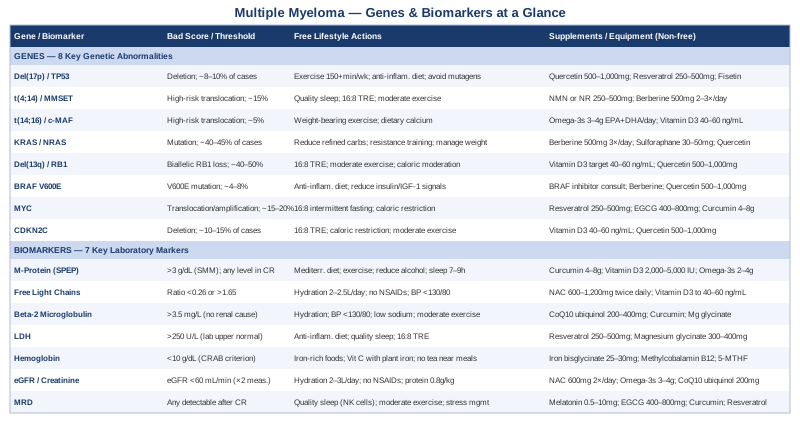
Summary Table: Genes and Biomarkers at a Glance
What "Outlive" and "The Cancer Code" Teach Us About Myeloma Biology
Two books — Peter Attia's Outlive (2023) and Jason Fung's The Cancer Code (2020) — approach cancer biology from directions that challenge the purely genetic framing most oncologists default to. Both argue, with substantial citation of human data, that metabolic and lifestyle factors shape the environment in which genetic abnormalities either accelerate or stagnate. Applied to myeloma, their frameworks are genuinely useful for understanding what lifestyle choices actually matter and why.
1. Insulin Resistance Creates a Growth-Permissive Environment
Both Fung and Attia emphasize that elevated insulin and IGF-1 directly stimulate plasma cell proliferation. The bone marrow microenvironment in myeloma expresses insulin receptors, and chronic hyperinsulinemia increases myeloma cell survival signaling through PI3K/AKT and MAPK pathways. Reducing fasting insulin — through dietary carbohydrate reduction, time-restricted eating, or resistance training — is not abstract. It changes the chemical environment your myeloma cells live in.
2. Time-Restricted Eating Does Something Fasting Doesn't
Fung distinguishes between chronic caloric restriction (which the body adapts to by reducing metabolic rate) and time-restricted eating, which triggers periodic autophagy — the cellular cleanup process. Autophagy selectively removes damaged organelles and aberrant proteins that cancer cells rely on, including the proteasomal substrates that proteasome inhibitors target therapeutically. A 16:8 TRE protocol consistently induces autophagy in human studies without triggering compensatory metabolic adaptation.
3. Zone 2 Cardio Is a Mitochondrial Medicine
Attia's detailed treatment of Zone 2 training — sustained aerobic work at lactate threshold 1, roughly 60–70% maximum heart rate for 45–60 minutes, four times per week — builds mitochondrial capacity in a way that reduces the ROS (reactive oxygen species) that damages DNA in normal cells and creates the inflammatory milieu myeloma thrives in. Impaired mitochondrial function is a feature of the myeloma bone marrow microenvironment; systemic mitochondrial health counteracts this at the level of the whole organism.
4. Cancer Thrives in a High-Insulin, Low-Movement Metabolic Context
Fung's argument is that cancer in general, and plasma cell cancers specifically, exploit the same nutrient-sensing pathways (mTOR, AMPK, IGF-1R) that drive normal cell growth — and that modern diet and sedentary behavior keep these pathways chronically activated. Multiple myeloma has a documented association with obesity: obese individuals have 1.5–2x the myeloma risk, and higher baseline insulin predicts faster MGUS progression. This is not a minor detail.
5. Sleep Is Cancer Immunotherapy You Already Have
Both authors treat sleep as a non-negotiable biological priority. During deep non-REM sleep, the lymphatic system (including the newly discovered glymphatic system) clears metabolic waste from neural tissue; simultaneously, NK cells and T cells undergo reconstitution and deployment. Chronic sleep deprivation (under 6 hours) reduces NK cell cytotoxicity by 70% in controlled experiments. In myeloma, NK cells represent one of the few immune mechanisms capable of residual myeloma cell surveillance.
6. Muscle Mass Is the Most Undervalued Cancer-Protective Factor
Attia calls muscle mass "the longevity organ." For myeloma patients specifically, adequate muscle mass: improves tolerance of cytotoxic chemotherapy; reduces treatment-interrupting toxicity; provides an amino acid reservoir during high-demand treatment phases; and independently predicts better outcomes in multiple hematologic malignancies. Resistance training 2–3 times per week targeting all major muscle groups is achievable even during active treatment and has published safety data in myeloma.
7. Senescent Cells Are a Cancer Accelerant
Fung's framework for cancer progression emphasizes that the accumulation of senescent cells — cells that have exited the cell cycle but remain metabolically active and pro-inflammatory — creates the "cancer microenvironment" that sustains tumor survival. The bone marrow stromal cells in myeloma patients show accelerated senescence, and their secretory profile (called the SASP: senescence-associated secretory phenotype) feeds myeloma cell growth directly. Senolytics (quercetin, fisetin) and exercise both reduce senescent cell burden and SASP activity in human studies.
8. Inflammation Is the Connecting Thread
Both authors converge on systemic inflammation as the mechanism that connects lifestyle choices to cancer progression. In myeloma, IL-6 is the critical survival cytokine — it is produced by senescent stromal cells, by adipose tissue in obese patients, and by the chronic inflammatory state that poor diet, poor sleep, and sedentary behavior sustain. Every lifestyle intervention that reduces systemic IL-6 (exercise, omega-3s, Mediterranean diet, sleep, weight management) works through this central myeloma pathway.
9. Stress Hormone Disruption Suppresses Your Own Anti-Tumor Immunity
Chronic cortisol elevation — from psychological stress, sleep deprivation, or metabolic distress — suppresses NK cell function, T cell proliferation, and interferon-gamma production. These are precisely the immune components that participate in residual myeloma cell control. Attia recommends structured stress management not as self-care luxury but as immune regulation: MBSR, coherent breathing, and consistent evening wind-down routines all reduce the cortisol load that degrades immune surveillance.
10. Biomarker Tracking Is an Empowerment Strategy, Not Anxiety
Attia's "Medicine 3.0" philosophy applied to myeloma: rather than waiting for symptoms to appear, tracking biomarkers continuously turns your own biology into a feedback loop. Trending direction matters more than any single value. A consistently improving free light chain ratio, a stable B2M, an improving eGFR — these are actionable signals that interventions are working. The goal is not to find bad news; it is to find trends early enough that the response options remain open.
Complementary Approaches with Meaningful Evidence for Multiple Myeloma
The following three modalities were selected from the evidence base specifically relevant to myeloma — emphasizing quality of life, immune support, and treatment tolerability rather than cure claims. They are adjuncts to, not replacements for, standard oncologic care.
Mindfulness Meditation and MBSR
Mindfulness-Based Stress Reduction (MBSR) is an 8-week structured program developed by Jon Kabat-Zinn combining meditation, body scan, and yoga elements. For myeloma patients, it is relevant on two levels: reducing the psychological burden of living with a chronic, incurable cancer and managing the biological effects of chronic cortisol elevation on immune function. IL-6 levels — the central myeloma survival cytokine — are significantly reduced by sustained mindfulness practice in cancer populations.
A randomized trial by Carlson et al. in cancer patients found that MBSR significantly improved cortisol patterns, immune cell counts, and quality-of-life scores compared to control. Subsequent meta-analyses of MBSR in cancer populations confirm consistent improvements in anxiety, depression, fatigue, and sleep quality. While MM-specific trial data is limited, the biological mechanisms — cortisol normalization, NK cell preservation — are directly relevant to this disease.
Practical application: Enroll in a structured 8-week MBSR course (available in person at most large hospitals and online through platforms like the MBSR Palouse Mindfulness program, free). Daily practice of 20–45 minutes is the evidence-supported dose. Maintenance: ongoing daily practice of even 10–15 minutes sustains measurable cortisol effects. Side effects are rare but can include temporary increase in emotional processing intensity early in the program; this is expected and manageable.
Yoga
Yoga — specifically gentle hatha or restorative yoga — is particularly relevant for myeloma patients because fatigue, bone pain, and the fear of pathological fractures can significantly limit physical activity. Yoga provides a structured, low-impact modality that addresses fatigue (the most common quality-of-life complaint in myeloma), improves balance and functional strength, and contributes to stress-cortisol reduction.
A systematic review and meta-analysis published in Cancer (2019) found that yoga significantly reduced fatigue, sleep disturbance, and anxiety in cancer patients, with the strongest effect sizes in hematologic malignancy populations. A randomized trial in lymphoma and myeloma patients specifically found that twice-weekly yoga improved sleep quality, fatigue, and physical function over 4 weeks compared to a waitlist control.
Practical application: Begin with gentle or restorative yoga — never hot yoga, and avoid inversions if bone lesions are present in the spine or ribs. A qualified yoga therapist with oncology experience (a Certified Yoga Therapist, C-IAYT credential) can modify postures around affected bone areas. Starting frequency: 2 sessions per week of 30–45 minutes. Progress to 3–4 sessions weekly as tolerated. Clear any yoga participation with your oncologist if you have confirmed bone lesions.
Microbiome-Directed Therapies
The gut microbiome is emerging as a meaningful modifier of myeloma outcomes, particularly in the context of autologous stem cell transplantation (ASCT). Gut microbial diversity before transplant correlates with engraftment success and transplant-related complications. The microbiome produces short-chain fatty acids (SCFAs) — butyrate, propionate, acetate — that reduce intestinal permeability, modulate systemic inflammation, and influence the bone marrow immune microenvironment through multiple documented pathways.
Several studies have found that patients with higher gut microbiome diversity before ASCT have fewer infectious complications, better engraftment, and improved outcomes. A study in myeloma and lymphoma patients found that Lactobacillus-dominant microbiomes were associated with lower rates of febrile neutropenia post-transplant. Fecal microbiota transplant (FMT) trials to restore microbiome diversity after transplant are in early stages but show signal for reduced graft-related morbidity.
Practical application: Start before and during treatment. Dietary foundation: 30+ different plant foods per week is the best-validated diversity driver; fermented foods (plain yogurt, kefir, sauerkraut, kimchi) should be introduced cautiously in neutropenic phases — consult your oncologist. Probiotic supplementation with multi-strain products (including Lactobacillus rhamnosus GG and Bifidobacterium longum) is reasonable outside of severe neutropenic phases; discuss timing around transplant with your care team, as the evidence is mixed for the peri-transplant period specifically. Prebiotic fiber (inulin, psyllium, resistant starch from cooled cooked potatoes) feeds beneficial microbiome populations. Avoid unnecessary antibiotics and proton pump inhibitors, both of which significantly disrupt microbiome composition.
Conclusion
Multiple myeloma is a disease where information quality genuinely changes outcomes. The seven biomarkers described here — M-protein, free light chains, beta-2 microglobulin, LDH, hemoglobin, eGFR, and MRD — collectively tell a far more complete story about disease activity, organ involvement, and treatment depth than any single number. The eight genetic abnormalities, while not reversible through lifestyle, define treatment selection opportunities and identify biological pathways that nutrition, exercise, and targeted supplementation can address in meaningful ways.
The next smart step is not to act on everything at once but to start with what is measurable: ask your care team for a comprehensive baseline panel if you do not have one, understand your cytogenetics if your disease has been genetically characterized, and identify the one or two lifestyle levers — sleep, exercise, dietary inflammation — that you can improve with the most impact on the pathways most relevant to your specific myeloma profile. Good information, applied consistently, in partnership with a qualified oncologist, is the highest-leverage position available.
Musculoskeletal: Bone Conditions
Autoimmune: Inflammatory Conditions
Urological: Kidney Conditions
Cancer & Oncology: Blood Cancer