This article contains AI generated content.
· UpdatedMultiple Sclerosis - 6 Genes And 7 Biomarkers To Track
Introduction
Living with multiple sclerosis — or trying to prevent further progression after a recent diagnosis — means navigating an enormous amount of conflicting advice. Rest more. Exercise more. Eat this. Avoid that. Most of it arrives without context, and none of it accounts for the fact that two people sharing the same diagnosis can have completely different underlying biology driving their disease.
That difference matters more than most clinicians have time to explain during a 20-minute appointment. MS is not a single, uniform disease process. It is shaped by immune genetics, vitamin and nutrient status, the health of the gut microbiome, and markers of neurodegeneration that can now be measured through a standard blood draw. Several of these variables respond to targeted intervention. Knowing which ones are out of range for you, specifically, is the difference between following broad protocols and actually moving the needle.
This article focuses on two lenses that emerging research is making increasingly actionable. The first is a set of seven biomarkers that you can track over time to monitor disease activity, nervous system health, and systemic inflammation. The second is a review of six genetic variants most consistently associated with MS susceptibility and progression — with concrete plans for addressing each one. Together they offer a more precise map of what to monitor, what to optimize, and what the research actually supports.
The science here does not replace your neurologist. But better information leads to smarter questions, and smarter questions lead to better outcomes. If you are ready to go deeper than generic recommendations, this is a practical place to start.
7 Biomarkers to Track When You Have Multiple Sclerosis
Biomarkers for MS have advanced considerably in the past decade. What once required spinal fluid analysis or expensive MRI protocols can increasingly be captured through blood — some at standard labs, others through specialty testing. The seven below are among the most clinically relevant for MS, combining direct measures of neurological damage, immune function, and systemic health. Each one tells a different story, and each one points toward specific, actionable steps.
1. Neurofilament Light Chain (NfL)
Why it matters: Neurofilament light chain is a structural protein found inside neurons. When axons are damaged — as they are during MS relapses, progressive disease, or subclinical inflammation — NfL leaks into cerebrospinal fluid and, to a measurable degree, into the bloodstream. Serum NfL is one of the most direct available proxies for ongoing neurodegeneration. Elevated levels between relapses suggest smoldering damage that MRI may not yet show. Longitudinal tracking every 3–6 months can reveal whether a treatment or lifestyle change is genuinely protecting the nervous system.
A growing body of published research links elevated serum NfL to faster disability accrual and greater brain volume loss in MS. Peter Attia has flagged NfL as a priority biomarker for anyone managing a neurodegenerative condition for exactly this reason: it reflects what is actually happening inside axons, not just what is visible on imaging.
How to measure it: Serum NfL is measured via ultra-sensitive single-molecule array (Simoa) technology, available at specialty labs including Quest Neurology in the US and through academic medical centers. Cost: $150–400 depending on the lab and insurance. It is not yet part of standard neurology follow-ups but can be ordered on request.
Target ranges: Values are age-adjusted. For adults under 40, below 10 pg/mL is typical. Above 20–25 pg/mL warrants attention. Above 40–50 pg/mL in the absence of a known acute event suggests active neurodegeneration.
If the score is high: approach without supplements
Prioritize 7–9 hours of restorative sleep — insufficient sleep measurably raises NfL. Eliminate or strictly minimize alcohol. Manage heat exposure carefully, as Uhthoff's phenomenon involves transient axonal stress. Incorporate moderate aerobic exercise (not intense during relapses) to support BDNF production and myelin repair signaling. Treat any untreated sleep apnea, which independently elevates neurodegeneration markers.
If the score is high: approach with supplements or equipment
High-dose omega-3 fatty acids (EPA + DHA, 2–4 g/day) provide neuroprotective and anti-inflammatory effects with strong supporting mechanistic evidence. Frequency: daily, continuous. Side effects: mild GI effects at high doses; slight antiplatelet effect relevant if on anticoagulants. NAD+ precursors (NMN or NR, 250–500 mg/day) support mitochondrial function in axons. Frequency: daily. Side effects: generally well-tolerated; nicotinic acid forms may cause flushing. Lion's mane mushroom (Hericium erinaceus, 500–1000 mg extract/day) stimulates nerve growth factor synthesis. Frequency: daily, continuous. Side effects: rare; occasional mild GI discomfort.
2. 25-OH Vitamin D
Why it matters: Vitamin D is arguably the most studied modifiable factor in MS. Epidemiological data consistently show that people who develop MS tend to have lower vitamin D levels before diagnosis. Active vitamin D (calcitriol) acts directly on T-regulatory cells, suppressing the autoimmune attack on myelin. Higher circulating 25-OH vitamin D is associated with lower relapse rates, fewer new MRI lesions, and slower disability progression in multiple clinical studies.
How to measure it: Standard blood test (25-hydroxyvitamin D), available at any lab. Cost: $30–80 without insurance. Test every 3 months during supplementation titration, then every 6 months once stable.
Target ranges for MS: Most MS-informed researchers target 60–80 ng/mL (150–200 nmol/L) — substantially higher than the conventional "normal" threshold of 30 ng/mL. Levels above 100 ng/mL without medical supervision carry toxicity risk.
If the score is low: approach without supplements
Increase midday sun exposure (arms and legs exposed, 10–20 minutes daily depending on skin tone and latitude). Include fatty fish 3–4 times per week, pastured eggs, and fortified foods. Reduce sunscreen use during brief optimal-sun periods only. Note: diet and sun exposure alone rarely bring levels above 50 ng/mL in people living above 35° latitude.
If the score is low: approach with supplements or equipment
Vitamin D3 (cholecalciferol), typically 5,000–10,000 IU/day. Always pair with vitamin K2 (MK-7 form, 100–200 mcg/day) to direct calcium appropriately and avoid arterial calcification. Magnesium glycinate or malate (200–400 mg/day) is essential — magnesium is a required cofactor for every enzyme involved in vitamin D metabolism, and deficiency blocks conversion even with aggressive supplementation. Frequency: daily, continuous. Retest every 3 months until stable, then every 6 months. Side effects: hypercalcemia risk if levels greatly exceed target without testing; magnesium may cause loose stool at high doses (glycinate form is gentler on the gut).
3. GFAP (Glial Fibrillary Acidic Protein)
Why it matters: GFAP is a structural protein in astrocytes. As MS transitions from relapsing-remitting to progressive forms, astrocyte activation becomes increasingly dominant. Elevated serum GFAP is recognized as a marker of astrocyte damage and is associated specifically with progressive MS — including the smoldering neuroinflammation that drives slow, continuous decline between clinical relapses. Unlike NfL, which reflects broad neuronal damage, GFAP tracks the glial scarring and astrocyte stress that characterize progressive disease. It is particularly relevant for patients with secondary or primary progressive MS wanting to measure whether their interventions are reducing this background process.
How to measure it: Also measured via Simoa technology, often available at the same labs offering NfL. Many labs now offer a combined NfL + GFAP panel. Cost: $200–400, typically paid out of pocket. Research on clinical thresholds is ongoing, so interpretation benefits from a neurologist familiar with these emerging assays.
If the score is high: approach without supplements
Optimize sleep architecture — astrocyte function and the glymphatic clearance system are most active during deep NREM sleep. Minimize alcohol, which directly impairs glymphatic function. Control blood glucose: chronic hyperglycemia independently activates astrocytes. Manage stress, as cortisol promotes astrocyte reactivity. Regular moderate aerobic exercise reduces astrogliosis markers in animal models and supports brain health broadly.
If the score is high: approach with supplements or equipment
N-acetyl cysteine (NAC) (600–1200 mg/day) is a glutathione precursor with astrocyte-protective properties. Frequency: daily; take with food. Side effects: occasional nausea. Palmitoylethanolamide (PEA) (600–1200 mg/day) reduces neuroinflammation through PPAR-α and GPR55 pathways. Clinical trials in neurological conditions show good tolerability. Frequency: daily, continuous. Side effects: very low. Photobiomodulation at 630–850 nm has shown astrocyte-calming effects in preclinical models; consumer devices range from $100 to $2,000+. Frequency: 10–20 minutes/day, 5 days/week.
4. Homocysteine
Why it matters: Homocysteine is a sulfur-containing amino acid produced during methionine metabolism. Elevated levels signal a B12, B6, or folate deficiency — or a methylation bottleneck from common genetic variants (notably MTHFR, relevant in MS). In MS specifically, elevated homocysteine is associated with greater white matter damage, accelerated brain atrophy, and impaired remyelination. The myelin sheath requires ongoing methylation reactions, and homocysteine accumulation directly disrupts this. Studies in MS populations show significantly higher homocysteine levels compared to healthy controls.
How to measure it: Standard blood test at any commercial lab. Cost: $20–50. Target: ideally below 8 µmol/L for neurological protection. Above 10 µmol/L warrants action. Above 15 µmol/L is a serious concern requiring prompt investigation.
If the score is high: approach without supplements
Increase dietary B12 (red meat, eggs, sardines), folate (leafy greens, legumes), and B6 (poultry, potatoes, bananas). Reduce alcohol, which depletes B vitamins and impairs methionine metabolism. Limit coffee to 1–2 cups/day. Address gut malabsorption issues that may impair B12 absorption, particularly if you have been on proton pump inhibitors.
If the score is high: approach with supplements or equipment
The methylated B vitamin stack is well-established: methylcobalamin (B12, 1000–2000 mcg/day sublingual), methylfolate (5-MTHF, 400–800 mcg/day), and pyridoxal-5-phosphate (P5P, active B6, 25–50 mg/day). Frequency: daily, continuous. Retest homocysteine every 2–3 months until below 8 µmol/L. Side effects: methylated forms can cause anxiety or palpitations in some individuals with certain genetic variants — if this occurs, reduce the dose or switch to hydroxocobalamin for B12. Avoid cyanocobalamin (the synthetic form), which is poorly utilized by many MS patients.
5. High-Sensitivity CRP and Interleukin-6
Why it matters: Chronic low-grade systemic inflammation is not identical to the autoimmune attack on myelin — but the two are not separate either. Elevated hs-CRP and IL-6 indicate that the immune system is in a generalized state of activation. This background inflammation amplifies MS disease activity, accelerates brain aging, impairs mitochondrial function in neurons, and undermines the effectiveness of disease-modifying therapies. Thomas Dayspring uses hs-CRP routinely as a metabolic health indicator. For MS specifically, managing systemic inflammation is a lever that most standard neurological protocols underemphasize.
How to measure it: hs-CRP is a standard blood test at any lab. Cost: $20–40. IL-6 is a specialty panel at $50–100 (often included in cytokine panels). Target hs-CRP: below 1.0 mg/L for optimal neurological and cardiovascular health. Target IL-6: below 3.1 pg/mL.
If the score is high: approach without supplements
Switch to an anti-inflammatory dietary pattern — Mediterranean or whole-food, plant-rich diet, eliminating refined vegetable oils, ultra-processed foods, and excess added sugar. Prioritize 7–9 hours of sleep (sleep deprivation directly and acutely raises IL-6). Engage in moderate aerobic exercise 4–5 times per week (vigorous exercise transiently raises CRP; sustained moderate exercise consistently lowers it). Maintain a healthy body weight, since visceral adipose tissue is a major IL-6 producer.
If the score is high: approach with supplements or equipment
Omega-3 fatty acids (EPA + DHA, 2–4 g/day) have among the strongest evidence for lowering both hs-CRP and IL-6. Frequency: daily, continuous. Curcumin phytosome (500–1000 mg/day of a bioavailable form with piperine or phospholipid complex) — multiple clinical trials demonstrate CRP reduction. Frequency: daily; cycling not required. Side effects: GI discomfort at high doses; mild blood-thinning effect. Quercetin (500–1000 mg/day) — anti-inflammatory flavonoid with emerging neurological data. Frequency: daily. Side effects: generally well-tolerated.
6. Omega-3 Index
Why it matters: The omega-3 index measures the percentage of EPA and DHA in red blood cell membranes, reflecting tissue-level omega-3 status over the prior 3–4 months. This is a more reliable measure than serum omega-3 testing, which only captures recent dietary intake. In MS, EPA and DHA are neuroprotective at multiple levels: they promote resolution of neuroinflammation, support myelin membrane integrity, enhance BDNF signaling, and reduce T cell reactivity driving MS lesion formation. An omega-3 index below 4% is associated with significantly elevated inflammatory risk. An index above 8% correlates with meaningful neuroprotective benefit. Peter Attia recommends this test as part of routine longevity monitoring for exactly this reason.
How to measure it: Dried blood spot test via OmegaQuant (the most validated methodology). A simple finger-prick test done at home with a mailed kit. Cost: $50–80. Retest every 3–6 months when supplementing to verify tissue-level response.
If the index is low: approach without supplements
Eat fatty cold-water fish (wild salmon, sardines, mackerel, anchovies) at least 3–4 times per week. Include walnuts and ground flaxseed daily (these provide ALA, which converts to EPA/DHA at a low but nonzero rate). Reduce omega-6 vegetable oils — soybean, corn, and sunflower oils compete with omega-3 integration at the cell membrane level and keep the index suppressed even with adequate intake.
If the index is low: approach with supplements or equipment
High-quality triglyceride-form omega-3 (not ethyl ester), providing 2–4 g EPA + DHA per day. Take with the largest meal of the day for maximum absorption. Frequency: daily, continuous. Retest in 3–4 months. Side effects: fishy breath (use enteric-coated forms or take with meals), mild antiplatelet effect, occasional GI symptoms. Algae-based EPA/DHA is a valid option for plant-based individuals and contains the same bioactive forms.
7. Gut Microbiome Markers
Why it matters: The gut-brain axis is not a future research area for MS — it is an active clinical reality. MS patients consistently demonstrate dysbiosis: reduced microbial diversity, lower levels of short-chain fatty acid (SCFA)-producing bacteria (notably Prevotella, Akkermansia muciniphila, and beneficial Firmicutes), and increased gut permeability. SCFAs — particularly butyrate — are essential for maintaining intestinal barrier integrity, promoting T-regulatory cell differentiation, and suppressing the inflammatory T helper responses central to MS. A dysbiotic gut environment directly promotes the immune imbalance at the core of the disease. Multiple peer-reviewed studies have now characterized the distinct microbiome signature of MS patients.
How to measure it: Comprehensive stool testing through labs such as Viome, Biomesight, Doctor's Data, or Genova Diagnostics (GI-MAP or GI Effects panels). These analyze microbial composition, SCFA production markers, zonulin (intestinal permeability), and digestive function. Cost: $200–400. Useful for baseline assessment and tracking response to dietary or supplemental interventions.
If the results show dysbiosis: approach without supplements
Dramatically increase dietary fiber diversity — aim for 30+ different plant foods per week, a threshold shown to significantly increase microbial richness. Include daily fermented foods: plain yogurt, kefir, kimchi, sauerkraut, miso. Eliminate ultra-processed foods and artificial sweeteners (saccharin and sucralose negatively impact Akkermansia and Bifidobacterium). Avoid unnecessary antibiotic use. Prioritize prebiotic foods daily: garlic, onions, leeks, asparagus, Jerusalem artichokes, and green bananas.
If the results show dysbiosis: approach with supplements or equipment
Multi-strain probiotic containing Lactobacillus acidophilus, Bifidobacterium longum, Bifidobacterium bifidum, and Lactobacillus rhamnosus — strains shown in a 2022 MS randomized trial to reduce inflammatory cytokines and fatigue scores. Frequency: daily, minimum 3-month trial. Side effects: bloating or gas in the first 1–2 weeks as the microbiome adjusts. Sodium butyrate or tributyrin (1–2 g/day) — direct SCFA precursors to support colonocyte health and Treg production. Spore-based probiotics (Bacillus coagulans, B. subtilis) survive stomach acid and help restore Clostridia clusters important for SCFA production. Cycling: 2 months on, 2 weeks off.
These seven biomarkers, tracked consistently over time, give you a real-time picture of how your nervous system and immune system are responding to everything you do. Understanding the genetic layer explains why certain deficiencies run deep — and why some people need to work harder than others to reach the same result.
6 Key Genes That Shape MS Risk and Treatment Response
Genetic testing for MS is not about receiving a life sentence. Most MS-related genes are risk modifiers, not determinants. They shift probabilities and reveal specific vulnerabilities — which often have concrete, addressable approaches. The six genes below are among the most well-validated in MS genomic research and each points toward something actionable.
HLA-DRB1*15:01 — The Strongest Genetic Risk Factor
What it does: HLA-DRB1*15:01 is part of the major histocompatibility complex (MHC) class II system, which governs how the immune system presents antigens to T cells. This specific allele facilitates the presentation of myelin peptides in a way that activates autoreactive T cells. Carried by approximately 30% of people of Northern European descent, it approximately triples MS risk in heterozygous carriers and is detected in 50–60% of all MS patients. Its interaction with Epstein-Barr virus through molecular mimicry is now one of the most studied mechanisms in MS etiology.
If the gene is unfavorable: plan without supplements
Minimize EBV reactivation — EBV is now strongly implicated as a molecular trigger for HLA-DRB1*15:01-mediated MS. Prioritize sleep and stress management to avoid immune dysregulation. Maintain vitamin D levels in the therapeutic range (see biomarker section above). Never smoke — smoking significantly amplifies the MS risk conferred by this allele. Avoid extreme or chronic night-shift work, which disrupts the immune circadian rhythm.
If the gene is unfavorable: plan with supplements or equipment
Vitamin D3 supplementation to reach 60–80 ng/mL (as described in the biomarker section). Lysine (1–3 g/day) — an amino acid that may reduce herpesvirus including EBV reactivation. Frequency: daily; side effects minimal at these doses. Zinc (25–50 mg/day) — supports immune regulation and T-regulatory cell function. Frequency: daily; cycling recommended (8 weeks on, 2 weeks off); avoid doses above 50 mg long-term due to copper depletion. Take at a different time than magnesium if combining.
CYP27B1 — The Vitamin D Activation Enzyme
What it does: CYP27B1 encodes the enzyme 1-alpha-hydroxylase, which converts 25-OH vitamin D (the storage form measured in blood tests) into calcitriol (1,25-OH2 vitamin D) — the immunologically active form. Variants in CYP27B1 reduce enzymatic activity, meaning a person may show acceptable 25-OH vitamin D on a blood test while remaining functionally vitamin D deficient at the immune cell level. This explains why some people need higher supplemental doses to achieve the same immunological effect. CYP27B1 variants have been associated with MS risk in multiple genome-wide association studies, connecting immune function directly to vitamin D metabolism capacity.
If the gene is unfavorable: plan without supplements
Maximize solar UVB exposure to drive skin-level vitamin D synthesis. Optimize magnesium intake through food, as magnesium is the cofactor enabling CYP27B1 to function — prioritize pumpkin seeds, dark leafy greens, dark chocolate, and nuts. Consider requesting both 25-OH and 1,25-OH2 vitamin D testing: a large discrepancy between the two may indicate CYP27B1 dysfunction.
If the gene is unfavorable: plan with supplements or equipment
Target the upper end of the therapeutic range (70–80 ng/mL on 25-OH testing) to compensate for reduced conversion efficiency. Maintain magnesium supplementation (300–400 mg/day glycinate or malate form) as a non-negotiable cofactor. Discuss with your physician whether periodic active vitamin D (calcitriol) monitoring provides useful additional information. Frequency: daily. Side effects: as per vitamin D biomarker section.
IL7R (rs6897932) — T Cell Survival and Autoimmunity
What it does: The IL7R gene encodes the interleukin-7 receptor alpha chain. IL-7 is critical for the development, maintenance, and survival of T cells. The rs6897932 risk variant promotes alternative splicing, producing increased soluble receptor that alters T cell homeostasis and the balance between effector and regulatory T cells. It is one of the most replicated non-HLA MS risk variants in large genome-wide association studies, appearing consistently across multiple populations.
If the gene is unfavorable: plan without supplements
Prioritize a high-fiber diet that supports SCFA-producing gut bacteria — butyrate directly promotes T-regulatory cell differentiation, partially compensating for the T cell imbalance associated with this variant. Reduce known immune activation triggers: chronic infections, sleep deprivation, and excessive psychological stress. Regular moderate exercise shifts the T cell balance toward anti-inflammatory phenotypes.
If the gene is unfavorable: plan with supplements or equipment
Omega-3 fatty acids (2–4 g EPA + DHA/day) — well-established modulating effect on T cell polarization. Vitamin D3 (as above) — direct influence on Treg expansion independent of the CYP27B1 pathway. Green tea extract (EGCG) (400–800 mg/day standardized extract) — EGCG modulates IL-7 signaling and supports Treg induction in early human studies. Frequency: daily; 8 weeks on, 2 weeks off. Side effects: potential hepatotoxicity at very high doses; stay within the recommended range and take with food.
CLEC16A — Autophagy and Thymic Immune Tolerance
What it does: CLEC16A regulates autophagy in immune cells, particularly the thymic selection process that eliminates self-reactive T cells before they reach circulation. Variants in this gene consistently appear in MS GWAS studies and appear to impair normal clearance of autoreactive clones, potentially allowing T cells that would later attack myelin to escape elimination. Interestingly, CLEC16A sits at the intersection of autophagy biology and MS risk, connecting disease susceptibility directly to cellular recycling mechanisms that respond to lifestyle interventions.
If the gene is unfavorable: plan without supplements
Incorporate time-restricted eating (14:10 or 16:8 patterns) to enhance autophagy through mTOR suppression. This is one of the few proven non-pharmacological methods to activate CLEC16A-relevant autophagy function. Aerobic exercise of 30+ continuous minutes also reliably triggers autophagy in immune cells. Brief cold exposure (cold showers or cool water immersion) has emerging mechanistic data on autophagy induction.
If the gene is unfavorable: plan with supplements or equipment
Spermidine (from wheat germ extract or supplement, 1–10 mg/day) is the most direct dietary autophagy inducer, now entering early human trials for neurodegeneration. Frequency: daily. Side effects: generally well-tolerated; avoid in pregnancy. Resveratrol (250–500 mg/day, high-bioavailability form) activates SIRT1 and promotes autophagy via AMPK pathways. Frequency: daily; 8 weeks on, 2 weeks off. Side effects: possible mild estrogen-like effects at high doses; occasional GI discomfort.
STAT3 — Inflammation Balance and Th17 Cells
What it does: STAT3 is a signal transducer involved in multiple cytokine pathways, including those controlling the balance between pro-inflammatory Th17 cells and protective Treg cells. In MS, Th17 cells are major drivers of the inflammatory cascade that damages myelin. STAT3 variants associated with MS appear to tip this balance toward Th17 dominance, amplifying autoimmune activity. STAT3 also connects to leptin signaling and metabolic health, meaning that excess adipose tissue and poor metabolic fitness can independently worsen the effect of this variant.
If the gene is unfavorable: plan without supplements
Minimize processed carbohydrates and added sugar, which activate STAT3/Th17 signaling through both gut microbiome disruption and direct inflammatory cascades. Maintain a healthy BMI — visceral adipose tissue releases IL-6 and leptin, both STAT3 activators. Address chronic stress, as glucocorticoid dysregulation interacts with the STAT3 pathway and Th17 differentiation.
If the gene is unfavorable: plan with supplements or equipment
Berberine (500 mg twice daily with meals) inhibits STAT3 activation and has demonstrated Th17-suppressing properties in human studies. Frequency: daily, 8–12 week cycles with 4-week breaks. Side effects: GI discomfort, potential interaction with certain medications; do not combine with metformin without supervision. EGCG (green tea extract, 400–800 mg/day) suppresses STAT3 phosphorylation via well-characterized pathways. Astaxanthin (8–12 mg/day) — a carotenoid with STAT3-inhibiting properties that penetrates the blood-brain barrier. Frequency: daily. Side effects: minimal; skin discoloration only at very high doses.
APOE ε4 — Neuroprotection and Remyelination Capacity
What it does: While APOE ε4 is most discussed in Alzheimer's research, it carries direct relevance in MS. APOE protein governs lipid transport within the CNS — essential for myelin synthesis and repair. The ε4 allele is associated with reduced remyelination efficiency following MS lesion formation, greater gray matter atrophy, and worse cognitive outcomes compared to ε2 or ε3 carriers. APOE ε4 carriers with MS may face a higher burden of cognitive symptoms and a steeper trajectory of brain volume loss, making the cognitive and neuroprotective interventions below particularly important for this subgroup.
If the gene is unfavorable: plan without supplements
Regular aerobic exercise is the single most evidence-backed intervention for APOE ε4 carriers — it promotes BDNF, supports oligodendrocyte precursor cell activity, and enhances the cholesterol transport needed for myelin repair. Engage in regular cognitive challenges (language learning, musical instruments, complex problem-solving). Eliminate alcohol entirely — its neurotoxic effects are amplified in APOE ε4 carriers. Prioritize deep sleep for glymphatic clearance, which removes amyloid fragments particularly relevant to this genotype.
If the gene is unfavorable: plan with supplements or equipment
DHA (1–2 g/day as a dedicated component of omega-3 supplementation) is preferentially incorporated into myelin membranes. Phosphatidylserine (300 mg/day) supports neuronal membrane integrity; the FDA allows a qualified health claim for cognitive function. Frequency: daily. Side effects: mild blood-thinning at very high doses; generally well-tolerated. Lion's mane mushroom (500–1000 mg/day) stimulates NGF and promotes oligodendrocyte activity in animal models. Sauna therapy — regular sauna use is associated with lower dementia risk and promotes BDNF, but heat sensitivity in MS requires caution. Use at lower temperatures (60–65°C or infrared sauna). Frequency: 3–4 sessions/week.
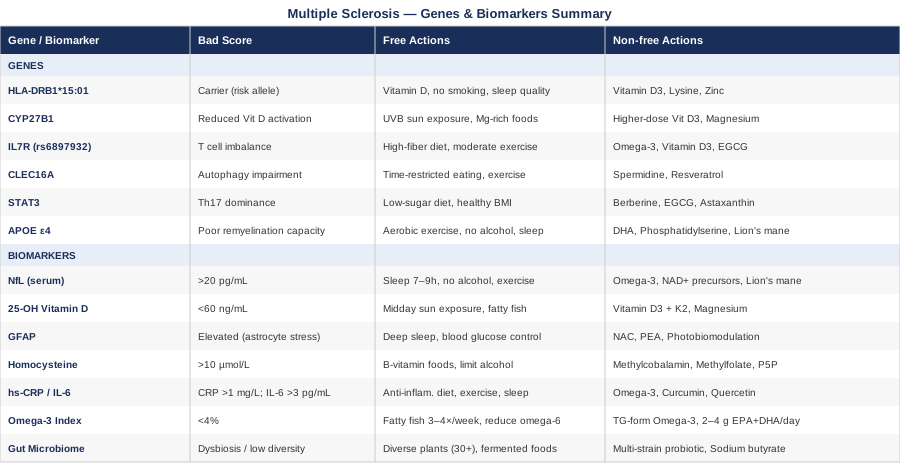
At a Glance: Genes and Biomarkers Summary
The Wahls Protocol: 10 Things It Teaches About Reversing MS From Within
Dr. Terry Wahls is a clinical professor of medicine at the University of Iowa who was diagnosed with secondary progressive MS in 2000. Despite being on the most advanced available therapies, she progressed to requiring a tilt-recline wheelchair. She then applied mitochondrial biology, functional medicine, and ancestral nutrition research to design her own protocol. By 2007 she was cycling 18 miles. Her case became a peer-reviewed pilot trial — and eventually a randomized controlled study. Her book The Wahls Protocol remains one of the most science-grounded and clinically tested dietary frameworks for MS. Here are the ten most important takeaways.
1. Neurons and Oligodendrocytes Are Mitochondrially Hungry
The Wahls Protocol begins with a single insight: the brain cells affected by MS — neurons and myelinating oligodendrocytes — have the highest mitochondrial density of any cells in the body. When mitochondria fail, myelin production fails. Standard MS drugs treat the immune system; the Wahls Protocol treats the energy supply. Every dietary and lifestyle recommendation downstream flows from this mitochondrial premise.
2. Nine Cups of Structured Vegetables Per Day
Wahls recommends 9 cups of vegetables and fruit daily, broken into three equal, targeted categories: 3 cups of leafy greens (kale, collards, chard — for B vitamins, folate, and vitamin K1), 3 cups of sulfur-rich vegetables (cabbage, onions, mushrooms, garlic — for glutathione synthesis and mitochondrial protection), and 3 cups of deeply colored produce (beets, carrots, peppers, berries — for antioxidants and myelin-building phytonutrients). This is not vague "eat more plants" advice. It is a targeted mitochondrial fueling architecture.
3. Organ Meats as Non-Negotiable Nutrient Density
Wahls includes liver and other organ meats as a central — not optional — element. Liver provides retinol (active vitamin A), B12, folate, CoQ10, and iron in concentrations unmatched by any other food. Grass-fed beef heart weekly supplies CoQ10 directly relevant to oligodendrocyte mitochondrial function. For MS, CoQ10 deficiency impairs the electron transport chains that maintain myelin.
4. The Elimination Tier — Where Autoimmune Triggers Are Addressed
The most intensive version (Wahls Elimination) removes all grains, legumes, eggs, and dairy — overlapping significantly with the Autoimmune Protocol. The rationale includes lectins and molecular mimicry between food antigens and myelin proteins. A pilot clinical trial published in Multiple Sclerosis and Related Disorders showed significant improvements in fatigue and quality of life after 12 weeks on this protocol.
5. Omega-3 to Omega-6 Ratio as a Therapeutic Architecture
Wahls frames the omega-3:omega-6 ratio as an issue of overall dietary architecture, not merely supplementation. The Western diet typically runs at a 1:15 to 1:20 omega-3:omega-6 ratio. Her target is 1:1 to 1:4. Achieving this requires eliminating seed oils completely and consuming daily fatty fish or wild game alongside omega-3 supplementation — not just adding a fish oil capsule to an otherwise unchanged diet.
6. Electrical Muscle Stimulation as a Rehabilitation Tool
Wahls integrated electrical muscle stimulation (NMES/e-stim) as a daily intervention during her own recovery, stimulating muscle fibers she could no longer voluntarily contract. Her research group subsequently published on e-stim combined with exercise for MS. This combination maintained muscle mass, improved walking speed, and supported peripheral nerve function — making NMES a meaningful non-pharmacological tool for patients with significant physical disability.
7. Stress Chemistry Is a Clinical Intervention, Not a Wellness Bonus
Chronic stress raises cortisol, suppresses Treg cells, and shifts immune balance toward Th1/Th17 dominance — directly worsening MS disease activity. Wahls treats stress regulation as a medical priority on par with diet, not an add-on. Practices she includes: mindfulness practice, therapeutic massage, time in natural environments, and addressing toxic relationships as genuine clinical risk factors.
8. Sulfur Foods and Glutathione as Myelin Protectors
The sulfur category in her 9-cup framework is specifically designed to boost glutathione — the body's primary antioxidant. The brain consumes 20% of total oxygen with only 2% of body mass and has lower endogenous antioxidant reserves than other tissues. Oxidative stress in MS contributes directly to axonal damage. Garlic, onions, crucifers, and mushrooms provide cysteine, methionine, and glutathione precursors that supplements cannot fully replicate.
9. Toxin Reduction and Supporting Liver Detoxification
Wahls addresses environmental toxin load — heavy metals, pesticides, industrial solvents — as underappreciated contributors to neuroinflammation and mitochondrial dysfunction. She recommends regular sauna use (with appropriate MS heat caution), filtered water, prioritizing organic produce for the highest-pesticide items, and supporting phase 2 liver detoxification through daily cruciferous vegetable consumption.
10. Randomized Controlled Trial Evidence Exists
The Wahls Elimination diet was evaluated in a 2014 pilot trial (n=20) showing a 60% reduction in fatigue scores after 12 weeks. A subsequent randomized controlled trial comparing Wahls Elimination to a Swank low-saturated-fat diet was conducted at the University of Iowa and found that both diets significantly reduced fatigue, with the Wahls diet producing additional improvements in mental quality of life. This is not anecdote — it is published clinical research with a registered protocol.
Complementary Approaches With Clinical Evidence
Beyond biomarkers, genetics, and diet, several complementary modalities carry meaningful human evidence for MS. The following five have the most relevant and best-supported profiles for this condition specifically.
Mindfulness Meditation and MBSR
Mindfulness-Based Stress Reduction (MBSR), the 8-week structured program developed by Jon Kabat-Zinn, directly targets the HPA axis dysregulation and chronic psychological stress that amplify MS disease activity. MS is associated with unusually high rates of depression (up to 50% lifetime prevalence), anxiety, and cognitive fatigue. Cortisol elevation from chronic stress impairs Treg function and activates microglia — both mechanisms directly relevant to MS progression. MBSR addresses these physiological consequences through consistent, measurable stress downregulation that produces changes in immune markers, not just subjective wellbeing.
A randomized controlled trial examining an adapted MBSR program in MS patients found significant reductions in fatigue, depression, and anxiety compared to controls, with maintained benefits at 6-month follow-up (Multiple Sclerosis Journal). A broader systematic review also identified mindfulness as one of the few psychological interventions with consistent positive effects across multiple MS-specific outcomes.
To apply practically: commit to the standard 8-week MBSR course, either in person or via validated online programs (Palouse Mindfulness is a free, evidence-based option). Daily sessions of 20–30 minutes are the target. For MS specifically, the body scan practice is particularly valuable — it improves somatic awareness and helps distinguish fatigue from mood-related factors. Use guided audio to reduce the friction of initiating practice when energy is low.
Yoga for Fatigue and Balance
Yoga in MS serves two distinct clinical purposes: fatigue management through parasympathetic activation and gentle energy conservation, and proprioceptive training that directly addresses the balance and coordination deficits that characterize MS disability. Unlike vigorous exercise, which can trigger Uhthoff's phenomenon in heat-sensitive patients, yoga can be performed in cooler environments, modified for any level of physical limitation, and provides sustained benefit to both neurological and psychological outcomes without demanding high aerobic output.
A randomized trial by Yadav et al. comparing yoga, aerobic exercise, and waitlist control found that yoga and aerobic exercise both significantly improved fatigue on the Modified Fatigue Impact Scale compared to controls. A systematic review of yoga in MS (accessible via PubMed) confirmed improvements in fatigue, balance, and quality of life across multiple trials. Evidence is generally rated moderate quality but consistent in direction.
Practically: chair yoga or adaptive yoga is appropriate for patients with significant mobility challenges. Hatha or restorative styles are better suited to MS than vigorous vinyasa. Aim for 2–3 sessions per week, 30–45 minutes each. Avoid hot yoga entirely — heat can precipitously worsen MS symptoms through Uhthoff's mechanism. Poses that challenge proprioception are particularly valuable: tree pose (modified with wall support), warrior variations, and standing balance progressions.
The Autoimmune Protocol (AIP) from Sarah Ballantyne
The Autoimmune Protocol (AIP), developed by Dr. Sarah Ballantyne (PhD), is a structured dietary and lifestyle framework specifically designed for autoimmune conditions. The elimination phase removes all grains, legumes, dairy, eggs, nightshades, nuts, seeds, alcohol, NSAIDs, and food additives — all compounds associated with intestinal permeability, molecular mimicry, and immune activation. The AIP then systematically reintroduces foods to identify individual triggers. For MS — definitionally an autoimmune condition — this framework is directly relevant: gut permeability and molecular mimicry between food antigens and myelin proteins are now established contributors to MS pathogenesis, not theoretical concerns.
A 2017 open-label trial by Konijeti et al. evaluating the AIP in inflammatory bowel disease found significant reductions in inflammatory markers and symptom scores after 6 weeks of strict adherence. While direct MS-specific AIP trials remain limited, the underlying mechanisms — reduced intestinal permeability, improved microbiome composition, and elimination of autoimmune dietary triggers — are directly applicable to MS. The mechanistic overlap with the Wahls Elimination tier is substantial. Dr. Ballantyne details the full scientific framework in The Paleo Approach and Autoimmune Wellness Handbook.
The AIP is best implemented in two phases: a strict elimination phase (minimum 30–60 days) followed by systematic reintroduction of individual foods every 5–7 days while monitoring symptom responses. The lifestyle components — 8+ hours of sleep, stress management, gentle movement, and consistent circadian light exposure — carry as much weight as the dietary changes and should not be treated as optional. A registered dietitian familiar with AIP is valuable for maintaining nutritional completeness during elimination. Free resources including detailed food reintroduction frameworks are available at ThePaleoMom.com.
Low-Level Laser Therapy and Photobiomodulation
Photobiomodulation (PBM) uses red (630–700 nm) and near-infrared (800–1100 nm) light to stimulate mitochondrial cytochrome c oxidase — the same enzyme whose dysfunction underlies much of the energy deficit in MS-affected neurons and oligodendrocytes. By improving mitochondrial efficiency without thermal damage, PBM may reduce neuroinflammation, promote oligodendrocyte survival, and support remyelination processes. Transcranial PBM (near-infrared light directed through the skull) and systemic PBM (via full-body panels) are both being explored in neurological conditions. This is an area of active and expanding research.
Preclinical studies in the EAE mouse model of MS show PBM reduces inflammatory cytokines, preserves axonal integrity, and improves motor function. A pilot randomized trial in mild cognitive impairment using transcranial PBM at 810 nm showed improvements in cognitive function and cerebral oxygenation. Human MS-specific PBM trials are in early phases; the evidence is promising but not yet definitive — it is worth monitoring as this research matures.
Consumer-grade near-infrared panels (630–850 nm) are available from $100 to $800. For potential neurological benefit, combine full-body panel exposure (10–20 minutes at 30–40 cm distance) for systemic mitochondrial support with a transcranial device if accessible. Frequency: daily or 5 sessions/week. Side effects are minimal at therapeutic parameters — avoid directly viewing bright LED sources. Consult your neurologist before beginning if on photosensitizing medications. This approach does not replace disease-modifying therapy and should be positioned as adjunctive support.
Microbiome-Directed Therapies
Beyond general probiotic use, targeted microbiome-directed interventions represent an increasingly specific frontier in MS management. Research has identified bacterial taxa consistently depleted in MS patients — particularly Prevotella copri, Akkermansia muciniphila, and SCFA-producing Firmicutes — and others that are overrepresented and associated with greater disability. This opens the door to precision probiotic strategies, prebiotic interventions, and dietary approaches designed around specific microbial restoration rather than generic gut health.
A 2022 randomized trial tested a multi-strain probiotic (containing Lactobacillus acidophilus, Bifidobacterium bifidum, Bifidobacterium longum, and Bifidobacterium lactis) in 40 MS patients over 12 weeks. The probiotic group showed significant reductions in IL-6, TNF-α, and fatigue scores compared to placebo, alongside improvements in the Multiple Sclerosis Quality of Life-54 scale. Gut microbiome composition also shifted measurably toward a more anti-inflammatory profile.
A practical protocol combines high dietary plant diversity (30+ species/week), daily fermented foods (2–3 servings of kefir, kimchi, or sauerkraut), the multi-strain probiotic described above (daily, minimum 3-month trial), and targeted prebiotic supplementation (inulin, FOS, or beta-glucans from oats and mushrooms). Sodium butyrate (1–2 g/day) directly supplements the SCFA production your microbiome should be generating. Comprehensive stool testing through Biomesight or Genova allows you to track specific taxa over time and confirm whether the intervention is actually shifting your microbiome in the intended direction — a meaningful layer of personalization that generic protocols cannot provide.
Conclusion
Multiple sclerosis is a condition where the gap between generic advice and precision-guided intervention is unusually wide. The genetic variants, biomarkers, dietary approaches, and complementary modalities covered in this article do not constitute a cure — but they represent a significant upgrade from passively waiting between appointments. They are tools for understanding what is specifically driving your disease activity, what is specifically protecting or failing your nervous system, and what the strongest available evidence actually supports.
The most useful next step is not to implement everything at once. Start with the accessible biomarkers: vitamin D, homocysteine, omega-3 index, and hs-CRP can all be measured at a standard lab for under $200 combined, and the results will immediately reveal whether you have actionable deficiencies to address. Build from there — discuss adding serum NfL or GFAP to your monitoring panel with your neurologist, explore the Wahls Protocol as a dietary framework, and consider working with a practitioner familiar with the genetic variants described here. Better information is not a shortcut, but it is a genuine advantage.