This article contains AI generated content.
· UpdatedMumps Arthritis — 5 Genes and 7 Biomarkers to Track
Introduction
If you have experienced joint pain, swelling, or stiffness following a mumps infection — or if you are managing arthritis that was triggered by a viral episode and never fully resolved — you have likely encountered a frustrating pattern: reassurance that it will pass, a short course of anti-inflammatory medication, and not much else. For many people, that is enough. But for those whose symptoms linger, migrate between joints, or recur without obvious reason, the standard approach misses something fundamental.
Mumps-associated arthritis is not a uniform condition. The mumps virus can directly invade synovial tissue, but in many cases, joint inflammation is driven by immune complex deposition and complement activation — a reaction to the virus rather than the virus itself. The difference matters. So does the question of who, biologically, is more prone to a severe or chronic response, and why. Two people exposed to the same viral strain can end up with completely different outcomes depending on factors that no blood pressure reading or BMI score will ever capture.
That is the gap this article addresses. Your HLA type, your vitamin D status, your baseline IL-6 level, and the genes that govern how much TNF-alpha your immune cells produce all influence the course of mumps arthritis. These are not immutable fates — several can be meaningfully influenced once they are identified. But they cannot be addressed if they are never measured. Generic advice to rest more, eat better, and manage stress is not wrong; it is simply insufficient without a biological context to work from.
What follows is a layered approach. The primary section covers seven biomarkers that provide objective data on inflammation, immune activity, and nutritional vulnerabilities — each with practical guidance on measurement, optimal ranges, and evidence-based interventions when results fall outside target ranges. The second section covers five genes that shape susceptibility and inflammatory intensity, with realistic protocols for carriers of risk variants. Additional sections translate leading research into practical takeaways and review evidence-backed complementary approaches. Better information does not guarantee recovery, but it meaningfully improves the quality of decisions along the way.
Summary
This article takes a precision approach to mumps arthritis — the kind of approach that goes beyond generic anti-inflammatory advice and into the measurable, actionable biology underneath the symptoms.
- 7 biomarkers are covered in depth, including hsCRP, IL-6, complement C3/C4, and 25-OH vitamin D — each with optimal target ranges, cost estimates, and two practical plans (with and without supplements) for when a result is off. These biomarkers reveal whether inflammation has truly resolved, whether your immune response is still active, and whether correctable deficiencies are sustaining your symptoms. - 5 genes — HLA-B27, HLA-DRB1*04, TNF-α, IL-6, and VDR — are examined for what they predict about your risk and inflammatory intensity after a mumps infection. For each high-risk genotype, there is a concrete protocol including specific supplements, dosing, cycling schedules, and side effect notes. - A synthesis of leading research on viral inflammation and immune regulation is translated into ten practical insights — covering sleep, zone 2 cardio, cold exposure, fasting, the gut-immune axis, and omega-3 to omega-6 ratio. - Five evidence-backed complementary approaches — including the Autoimmune Protocol, LLLT, Tai Chi, MBSR, and microbiome-directed therapy — are reviewed with specific protocols and their supporting clinical evidence.
The goal is not to replace medical care, but to make the reader a more informed participant in their own recovery.
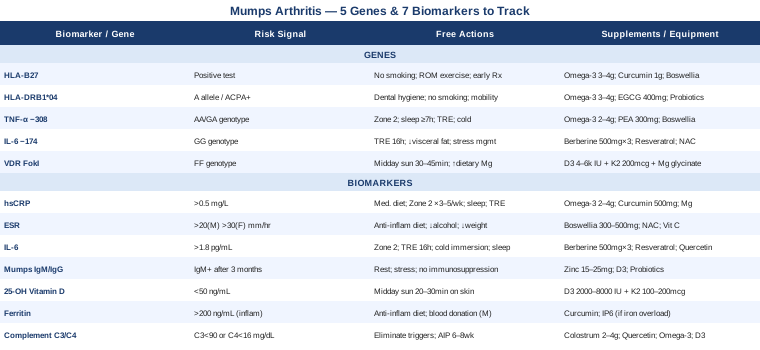
7 Biomarkers to Track for Mumps Arthritis
Biomarkers do not make diagnoses. What they do is provide objective data on what your body is doing when symptoms alone cannot tell the whole story. In the case of mumps-associated arthritis, they can answer questions that clinical examination alone rarely answers: Is inflammation truly resolved, or just quieter? Is the immune system still reacting to viral remnants? Are there correctable deficiencies making joint inflammation worse? The seven markers below are selected for their direct relevance to the mechanisms of viral and reactive arthritis, their availability in standard labs, and their potential to guide real interventions.
Biomarker 1: High-Sensitivity C-Reactive Protein (hsCRP)
Why it matters: CRP is one of the most reliable measures of systemic inflammation available. During active mumps arthritis, hsCRP is almost always elevated. More importantly, it can remain subtly elevated long after symptoms appear to resolve, signaling ongoing low-grade inflammatory activity that may be sustaining joint damage or joint sensitivity. High-sensitivity CRP detects the lower end of this range — levels that standard CRP tests routinely miss. Researchers including Peter Attia have consistently argued that hsCRP, not standard CRP, should be the default inflammatory screening tool given its superior sensitivity at clinically significant low levels.
How to measure it
Standard blood draw at any accredited laboratory. Cost: $15–50 depending on provider. No fasting required. Request high-sensitivity CRP specifically — standard CRP is not equivalent. Optimal range for immune and cardiovascular function: below 0.5 mg/L. Levels of 1–3 mg/L indicate moderate elevation; above 3 mg/L signals significant active inflammation; above 10 mg/L suggests acute infection or major inflammatory event.
If the score is bad, the plan without supplements
A Mediterranean-pattern diet has the strongest human evidence base for reducing hsCRP: olive oil, oily fish (sardines, mackerel, salmon), vegetables, legumes, and nuts, with ultra-processed foods, refined seed oils, and added sugars removed. Consistent zone 2 aerobic exercise — 30–45 minutes at conversational pace, 3–5 times per week — reduces CRP measurably over 8–12 weeks. Sleep is an underestimated lever: sleeping fewer than 7 hours consistently raises hsCRP in healthy adults. A 12–16 hour overnight fasting window (time-restricted eating) reduces hsCRP in several human randomized trials. Cold water immersion — 10 minutes in cold water or 2–3 minute cold showers — activates acute anti-inflammatory pathways.
If the score is bad, the plan with supplements or equipment
Omega-3 fatty acids (EPA+DHA): 2–4g per day from a quality triglyceride-form fish oil or algal source, taken with food. Cycle: 8–12 weeks on, 2–4 weeks off if used preventively; continuous use is appropriate for active elevation. Side effects: blood thinning at high doses — avoid combining with anticoagulants without supervision. Curcumin (as phospholipid complex or with piperine for absorption): 500–1000mg/day; multiple randomized trials show CRP reduction. Daily use is appropriate at standard doses; blood-thinning effects are relevant at very high doses. Magnesium glycinate: 200–400mg/day supports anti-inflammatory signaling and sleep quality; no cycling required; generally well tolerated. Red light / near-infrared therapy panels (660nm and 850nm, 10–20 min daily over affected joints) show anti-inflammatory effects in emerging human trials.
Biomarker 2: Erythrocyte Sedimentation Rate (ESR)
Why it matters: ESR measures how quickly red blood cells settle in a test tube — a process accelerated by inflammatory proteins in the blood. It is less specific than hsCRP but rises in response to many of the same conditions and sometimes moves more slowly, making it a useful complement. In reactive and viral arthritis, ESR rises with disease activity and should normalize with recovery. A persistently elevated ESR after acute mumps arthritis may signal ongoing inflammation, an unresolved infection elsewhere, or early transition toward a chronic inflammatory condition.
How to measure it
Standard blood test; cost $15–35. Normal reference ranges: under 20mm/hr for men, under 30mm/hr for women — though lower is generally better. ESR increases with age, anemia, and pregnancy, so context matters for interpretation. Always pair with hsCRP: the two markers do not always move together, and discordant results can be informative.
If the score is bad, the plan without supplements
Most interventions effective for hsCRP also reduce ESR: anti-inflammatory diet, aerobic exercise, improved sleep, and addressing any underlying infection. Reducing excess body adiposity — particularly visceral fat — is among the most impactful long-term strategies, as adipose tissue is itself a source of inflammatory cytokines driving ESR elevation. Minimizing alcohol intake has a consistent, dose-dependent impact on systemic inflammatory markers.
If the score is bad, the plan with supplements or equipment
Boswellia serrata extract (standardized to at least 30% AKBA): 300–500mg, 2–3 times daily. Human evidence for ESR and CRP reduction in inflammatory arthritis is consistent across multiple trials. Cycle: 8–12 weeks on, 2–4 weeks off. Side effects: occasional GI upset. N-Acetyl Cysteine (NAC): 600–1800mg per day. NAC reduces oxidative stress and has mild anti-inflammatory effects relevant to post-viral inflammation. Cycle: 4–6 weeks on, 2 weeks off to avoid adaptation; well-tolerated at standard doses. Vitamin C: 500–1000mg/day, taken in divided doses. Supports antioxidant defense and immune regulation; well-tolerated long-term at these levels.
Biomarker 3: Interleukin-6 (IL-6)
Why it matters: IL-6 is one of the most central cytokines in the immune response to viral infection. The mumps virus triggers significant IL-6 release, which drives fever, joint inflammation, and the acute-phase protein cascade that includes CRP elevation. What makes IL-6 particularly worth measuring is that elevated levels persist in a meaningful subset of patients long after the acute infection, sustaining a chronic low-grade inflammatory state that may be responsible for ongoing joint symptoms. The fact that pharmaceutical IL-6 blockers (tocilizumab, sarilumab) are now approved treatment options for several arthritis subtypes underlines how central this cytokine is to joint disease — which makes measuring it, rather than assuming, a high-value step.
How to measure it
Specialized blood test, not included in standard panels. Cost: $50–200 depending on laboratory. Request specifically, or use a functional medicine lab offering a comprehensive inflammatory cytokine panel. Optimal level at rest: below 1.8 pg/mL. Levels above 7 pg/mL indicate active immune activation. Important: IL-6 spikes transiently with vigorous exercise — measure at rest, at least 24 hours after any intense physical activity.
If the score is bad, the plan without supplements
Zone 2 aerobic exercise consistently reduces resting IL-6 over weeks to months, despite a brief acute rise during each session. The key is consistency and appropriate intensity — not occasional intense efforts. Time-restricted eating (16-hour fasting window) and caloric moderation reduce IL-6 in multiple human studies. Improving sleep quality is the fastest intervention: IL-6 rises robustly with even one night of poor sleep. Reducing visceral adiposity is the most powerful long-term lever, as visceral fat cells are major IL-6 production sites. Cold water immersion has shown acute IL-6-lowering effects in controlled settings.
If the score is bad, the plan with supplements or equipment
Berberine: 500mg, 2–3 times per day with meals. Documented IL-6 lowering in human studies on metabolic and inflammatory conditions. Cycle: 8–12 weeks on, 4 weeks off. Side effects: GI discomfort initially; interactions with some medications. Resveratrol: 250–500mg/day taken with a fat-containing meal (absorption is fat-dependent). Modest but consistent IL-6 reduction in human trials; cycle 8–12 weeks on, 4 weeks off. Quercetin: 500mg/day (synergistic with vitamin C). Anti-inflammatory flavonoid with several human studies showing cytokine-lowering activity; well-tolerated long-term.
Biomarker 4: Mumps Serology — IgG and IgM
Why it matters: Confirming the viral etiology of arthritis is not purely academic — it establishes the diagnosis, informs the prognosis, and prevents the misapplication of treatments intended for other arthritis types. IgM antibodies appear early in infection (within the first week) and typically decline over 1–3 months; their presence confirms recent or active mumps infection. IgG antibodies indicate past exposure or successful vaccination and persist for years. In a person presenting with arthritis of uncertain origin, a positive mumps IgM provides essential confirmatory information. Tracking IgG titers over time can also reveal whether the immune response is resolving appropriately or remaining persistently active.
How to measure it
Standard serology blood test at most accredited labs. Cost: $30–80. Results are reported as positive/negative or as numerical titers. IgM positivity within the first 3 months of an arthritis presentation following a mumps illness confirms the etiology. Serial IgG measurements (at 3 and 6 months) can be informative if the clinical course is uncertain.
If the score is bad, the plan without supplements
A positive IgM result in the presence of ongoing joint symptoms is a confirmation, not itself a modifiable result — the priority becomes supporting immune resolution. Prioritize adequate rest during the active phase: overexertion suppresses viral clearance. Manage psychological stress, since chronic cortisol release impairs the immune response's ability to clear viral remnants. Ensure close contacts are appropriately vaccinated (MMR) to prevent re-exposure. Avoid immunosuppressant medications unless clearly indicated, as these may prolong viral clearance.
If the score is bad, the plan with supplements or equipment
Zinc (as zinc glycinate or picolinate): 15–25mg/day supports antiviral immune function. Short-term use only — maximum 3 months before cycling off, due to the risk of copper depletion with prolonged use. Take with food to minimize nausea. Vitamin D3 (see Biomarker 5) plays a direct role in antiviral immune response and should be addressed regardless of other interventions. Multi-strain probiotics (Lactobacillus rhamnosus GG, Bifidobacterium lactis) support mucosal immune function and viral resolution; safe for continuous use.
Biomarker 5: 25-Hydroxyvitamin D (25-OH Vitamin D)
Why it matters: Vitamin D is a steroid hormone with profound effects on immune regulation — specifically the suppression of pro-inflammatory cytokines and the promotion of immune tolerance through regulatory T cells. Low 25-OH vitamin D levels are consistently associated in human studies with worse outcomes in inflammatory arthritis, higher IL-6 and TNF-alpha levels, and greater susceptibility to viral infections. In the context of mumps arthritis, vitamin D deficiency may amplify both the initial immune reaction and the tendency toward chronicity. This is among the most correctable biomarkers on this list, and it is frequently missed because standard laboratory "normal" thresholds are set for bone disease prevention, not immune optimization.
How to measure it
Standard blood test; cost $30–80. Request 25-hydroxyvitamin D specifically — not the activated 1,25 dihydroxy form. Optimal range for immune function: 50–80 ng/mL (125–200 nmol/L). The standard laboratory threshold of 30 ng/mL reflects the minimum for bone health, not immune optimization. Most researchers focused on inflammation — including Thomas Dayspring and Peter Attia — recommend targeting at least 50–60 ng/mL.
If the score is bad, the plan without supplements
For most people, midday sunlight is the primary vitamin D source. Aim for 20–30 minutes of direct sun (not through glass) on significant skin surface area — arms and legs, not just face — between 10am and 3pm when UVB is available. Dietary sources (fatty fish, egg yolks, liver, fortified foods) contribute modestly. Acknowledge a practical reality: achieving 50–80 ng/mL through sun and diet alone is very difficult for most people in northern latitudes or with indoor lifestyles — supplementation is typically required.
If the score is bad, the plan with supplements or equipment
Vitamin D3: 2000–5000 IU/day for levels in the 30–50 ng/mL range; 5000–8000 IU for levels below 30 ng/mL (confirm with a physician for higher doses). Always combine with vitamin K2 (MK-7 form, 100–200mcg/day) to direct calcium appropriately and avoid soft tissue calcification. Take with a fat-containing meal. Measure 25-OH vitamin D at 3 and 6 months to calibrate dose. No cycling required as a maintenance supplement. Side effects: hypercalcemia at very high doses (above 10,000 IU/day long-term) — stay within therapeutic range and monitor.
Biomarker 6: Ferritin
Why it matters: Ferritin is commonly described only as an iron storage protein, but in the context of active inflammation it functions as an acute-phase reactant — rising sharply with infection, immune activation, and inflammatory disease. During mumps infection, ferritin levels spike alongside other acute-phase proteins and should normalize as the illness resolves. Persistently elevated ferritin — even at levels within the wide standard laboratory normal range (which often extends to 300+ ng/mL) — signals ongoing inflammatory activity. This is a specific gap Thomas Dayspring has highlighted: what labs call "normal" ferritin can still indicate smoldering inflammation when viewed through an optimization lens.
How to measure it
Standard blood test; cost $20–60. Functional optimal range: 50–150 ng/mL for women; 75–150 ng/mL for men. Levels persistently above 200 ng/mL in the absence of obvious inflammatory triggers warrant investigation for hemochromatosis, non-alcoholic fatty liver disease, or ongoing inflammatory disease. Ferritin is consistently elevated during any active infection — interpret in context, not in isolation.
If the score is bad, the plan without supplements
If ferritin is elevated primarily due to inflammation rather than iron overload, the target is reducing the underlying inflammatory burden — all the interventions for hsCRP apply. Avoid adding iron supplementation if ferritin is already elevated. Reduce processed red meat and alcohol consumption, both of which raise ferritin independent of inflammation. For men with consistently elevated ferritin, regular blood donation (every 8–12 weeks) has documented benefit in normalizing ferritin and is worth discussing with a physician.
If the score is bad, the plan with supplements or equipment
If ferritin elevation is driven by confirmed iron overload (not inflammation): IP6 (inositol hexaphosphate) at 1–2g/day on an empty stomach has iron-chelating properties and human evidence for reducing ferritin in hemochromatosis — use only under physician supervision with confirmed iron overload. Curcumin has mild iron-chelating and broad anti-inflammatory effects. If ferritin is low: iron supplementation as ferrous bisglycinate, 25–50mg every other day (alternate-day dosing has better absorption in human trials) with vitamin C; recheck at 8 weeks. Avoid high-dose daily iron without confirmed deficiency — excess iron drives oxidative stress.
Biomarker 7: Complement C3 and C4
Why it matters: Complement proteins are central to the innate immune response and are directly activated during viral infections and immune complex-mediated disease. Mumps arthritis specifically is understood to involve immune complex deposition in joint tissue, triggering complement activation and inflammatory joint damage. Measuring C3 and C4 provides a window into this mechanism: during active immune complex-driven disease, C3 and C4 may be consumed and appear low; during the general acute inflammatory state, they may be elevated as part of the acute-phase response. Persistently low complement in a person with ongoing joint symptoms following mumps should prompt investigation for active immune complex disease — a finding that has direct clinical implications.
How to measure it
Blood test; cost $40–100 for both C3 and C4. Reference ranges: C3 90–180 mg/dL; C4 16–47 mg/dL. These are typically ordered when autoimmune or immune complex disease is clinically suspected — ask your physician explicitly. Interpretation is best done alongside ANA and anti-dsDNA antibodies if immune complex disease is a concern.
If the score is bad, the plan without supplements
Addressing complement dysregulation requires treating the root cause of immune complex formation. If complement consumption is active (low C3/C4 with ongoing joint disease), the priority is reducing antigenic load: ensure thorough viral resolution (see Biomarker 4), support gut barrier integrity (disrupted gut permeability is a major source of immune complex-triggering antigens), and identify food-based triggers through a structured elimination approach. Removing gluten, dairy, soy, eggs, and corn for 6–8 weeks, then methodically reintroducing one at a time, can identify relevant dietary triggers.
If the score is bad, the plan with supplements or equipment
Bovine colostrum: 2–4g/day on an empty stomach supports mucosal immunity and gut barrier function, reducing one key source of complement-activating immune complexes. Quercetin (500–1000mg/day with vitamin C) modulates complement over-activation through multiple inflammatory pathways. Vitamin D3 with K2 has documented effects on complement regulation in human studies. Omega-3 fatty acids reduce complement-mediated inflammatory signaling. If complement is consistently dysregulated and clinical symptoms persist, rheumatological evaluation is essential — some complement patterns indicate underlying autoimmune conditions that require targeted treatment beyond lifestyle intervention.
With the biomarker picture established, it helps to look upstream — at the genetic variants that explain why some people's immune systems respond to the mumps virus with more intensity, more joint involvement, and more chronicity than others.
Key Genes That Shape Susceptibility and Inflammatory Response
Genetic testing for the variants below is increasingly accessible through clinical panels or direct-to-consumer platforms such as 23andMe or Ancestry, though coverage varies. Knowing your genotype does not change your biology — but it does allow for targeted preventive strategies and a more realistic interpretation of your biomarker results. Evidence quality is noted clearly for each gene.
Gene 1: HLA-B27
What it may affect: HLA-B27 is the most clinically significant genetic marker associated with reactive and post-infectious arthritis. Individuals carrying HLA-B27 have approximately 6–10 times higher risk of developing reactive arthritis following an infectious trigger — bacterial or viral — compared to non-carriers. The proposed mechanism involves mispresentation of pathogen-derived peptides by the HLA-B27 molecule, which may trigger a cross-reactive immune response that attacks joint tissue. In the context of mumps arthritis, HLA-B27 positivity is associated with more severe initial joint involvement, greater risk of axial (spinal) extension, and a higher likelihood of a chronic course. Evidence level: strong — HLA-B27 testing is routine in rheumatology practice.
If the gene is bad, the plan without supplements
HLA-B27 carriers benefit from a more aggressive anti-inflammatory lifestyle than the general population. Specific priorities: complete smoking cessation (smoking measurably worsens HLA-B27-associated conditions, particularly axial involvement); daily gentle range-of-motion exercise (15–20 minutes of yoga or mobility work) to prevent morning stiffness and enthesitis; early treatment of any infection to minimize the inflammatory trigger window; avoidance of prolonged sitting or static positions that compromise spinal mobility. Sauna therapy (2–3 sessions per week, 15–20 minutes at 70–80°C) and warm baths help maintain joint mobility and reduce stiffness.
If the score is bad, the plan with supplements or equipment
Omega-3 EPA+DHA: 3–4g/day from a triglyceride-form fish oil. Cycle: 12 weeks on, 4 weeks off, or continuous if tolerated. Blood thinning at high doses — avoid with anticoagulants. Curcumin (phospholipid complex or with piperine): 1000mg/day; daily long-term use is appropriate at standard doses; mild blood-thinning effect. Boswellia serrata (65% AKBA): 400mg/day, with consistent evidence for HLA-B27-related inflammatory arthritis analogs. Cycle: 8–12 weeks on, 2–4 weeks off. Contrast bath therapy for affected joints (3 minutes cold / 1 minute warm, 4 cycles, daily during active flares) is an equipment-accessible tool with documented benefit for joint inflammation.
Gene 2: HLA-DRB1*04 (Shared Epitope)
What it may affect: Specific subtypes of HLA-DRB1, including DRB1*0401 and *0404, carry the shared epitope — a conserved amino acid sequence in the peptide-binding groove. Carriers of this epitope are significantly more prone to producing anti-citrullinated protein antibodies (ACPA), which are associated with more destructive and persistent arthritis. While the shared epitope is most extensively studied in rheumatoid arthritis, it is clinically relevant in the post-viral context because an infectious trigger can activate the transition from asymptomatic ACPA positivity to clinical arthritis in genetically susceptible individuals. Evidence level: strong for RA risk; early-but-suggestive for post-viral arthritis persistence.
If the gene is bad, the plan without supplements
Periodontal health is the most underappreciated lever for HLA-DRB1*04 carriers: certain oral bacteria — particularly Porphyromonas gingivalis — drive protein citrullination that directly stimulates ACPA production. Rigorous daily flossing, regular professional dental cleaning (minimum twice per year), and prompt treatment of any gum disease are specifically relevant actions for carriers. Smoking cessation is mandatory — smoking is the strongest environmental trigger for ACPA production in genetically susceptible individuals. Early mobilization following viral illness is protective; prolonged immobility encourages joint stiffness and inflammatory infiltration.
If the score is bad, the plan with supplements or equipment
Omega-3 EPA+DHA (3–4g/day): shown to reduce ACPA levels in some human studies of early arthritis; continuous use appropriate with blood-thinning monitoring. EGCG (green tea extract), standardized to at least 45% catechins: 400–800mg/day. Cycle: 8 weeks on, 4 weeks off; take with food; supplement with milk thistle (150mg/day) if using concentrated green tea extract long-term, as high-dose EGCG can stress the liver. Multi-strain probiotics (Lactobacillus and Bifidobacterium strains, 10–50 billion CFU/day) may reduce oral dysbiosis driving citrullination; safe for continuous use.
Gene 3: TNF-α −308G/A (rs1800629)
What it may affect: This promoter variant in the TNF-alpha gene influences how much TNF-alpha immune cells produce in response to inflammatory stimuli. The A allele (AA or GA genotype) is associated with significantly higher TNF-alpha production. In the context of mumps infection, higher TNF production translates to a more aggressive immune response: more intense joint inflammation, higher fever, and potentially more tissue damage. TNF-alpha is so central to inflammatory arthritis that multiple approved pharmaceuticals (adalimumab, etanercept, infliximab) are specifically designed to block it — which gives clinical context for why knowing your natural TNF-producing tendency matters. Evidence level: moderate-to-strong for associations with inflammatory disease severity in multiple human cohorts.
If the gene is bad, the plan without supplements
The most evidence-backed lifestyle approach for reducing chronic TNF-alpha is caloric restriction — or time-restricted eating as a practical proxy. Human studies in overweight individuals consistently show reduced TNF-alpha with weight loss and reduced caloric intake. Regular zone 2 aerobic exercise reduces resting TNF-alpha over time. Cold exposure has acute suppressive effects. Even a single night of poor sleep elevates TNF-alpha measurably in human controlled studies — sleep optimization is non-negotiable for A-allele carriers.
If the score is bad, the plan with supplements or equipment
Omega-3s (EPA+DHA 2–4g/day): directly suppress TNF-alpha production at the gene transcription level; among the best-evidenced supplements for this target. Cycle: 12 weeks on, 4 weeks off, or continuous. Palmitoylethanolamide (PEA): 300–600mg/day; a naturally occurring fatty acid amide with documented anti-inflammatory effects, particularly relevant for nerve and joint inflammation. Excellent safety profile; cycle 3–6 months, then reassess. Boswellia serrata (as above): 300–500mg, 2–3 times daily. Note: if joint symptoms persist in a confirmed A-allele carrier despite lifestyle and targeted supplement intervention, a discussion of pharmaceutical TNF-blocking options with a rheumatologist is a legitimate and evidence-based conversation — not a last resort.
Gene 4: IL-6 −174G/C (rs1800795)
What it may affect: This common promoter polymorphism in the IL-6 gene influences baseline IL-6 production. The GG genotype is consistently associated with higher IL-6 output compared to CC carriers. As detailed in the biomarker section, IL-6 is a primary driver of both acute viral inflammation and chronic joint disease. GG-genotype individuals exposed to a mumps infection may experience a more pronounced inflammatory response and a higher likelihood of IL-6 remaining elevated post-infection, sustaining joint symptoms beyond the expected recovery window. Evidence level: moderate — associations with inflammatory and autoimmune conditions are documented across multiple human cohorts.
If the gene is bad, the plan without supplements
Time-restricted eating (16:8 or 18:6 fasting windows) consistently reduces IL-6 in human studies, particularly in individuals carrying excess visceral fat. Aerobic exercise reduces chronic resting IL-6 levels over time — the acute elevation during exercise is temporary and adaptive, while the long-term resting level falls. The most powerful structural change is reducing visceral adiposity, the largest modifiable contributor to chronic IL-6 elevation. Psychological stress management matters independently: chronic HPA axis activation elevates IL-6 through pathways separate from adiposity and diet.
If the score is bad, the plan with supplements or equipment
The interventions here overlap with the IL-6 biomarker section: berberine (500mg 2–3x/day with meals, cycle 8–12 weeks on, 4 off), resveratrol (500mg/day with fat, cycle 8–12 weeks), quercetin (500mg 2x/day). Additionally, N-acetyl cysteine (NAC) at 600–1200mg/day has anti-inflammatory and antioxidant effects particularly relevant to IL-6 dysregulation in post-viral settings. Cycle: 4–6 weeks on, 2 weeks off. For GG carriers with confirmed and persistently elevated IL-6 that does not respond to conservative measures, discussion of IL-6 pathway inhibitors with a rheumatologist is a reasonable clinical step.
Gene 5: VDR FokI (rs2228570)
What it may affect: The VDR (vitamin D receptor) FokI polymorphism determines the structure of the vitamin D receptor protein. The FF genotype produces a longer, less transcriptionally active receptor isoform compared to ff carriers. In practical terms, FF carriers need higher circulating vitamin D levels to achieve the same degree of immune-modulatory effect. This is particularly relevant for mumps arthritis because VDR activation in immune cells directly suppresses pro-inflammatory cytokines and promotes regulatory T cells that dampen excessive immune responses. An FF carrier with a "normal" vitamin D level of 35 ng/mL may be functionally behaving as deficient from an immune standpoint. Evidence level: moderate — VDR polymorphism effects on immune function and inflammatory arthritis risk are documented in multiple human studies.
If the gene is bad, the plan without supplements
Maximize non-supplemental vitamin D inputs: 30–45 minutes of midday direct sun exposure on large skin areas. Equally important is magnesium sufficiency — magnesium is an essential cofactor for multiple steps in vitamin D metabolism and VDR activation, and most Western diets are consistently deficient. Prioritize dietary magnesium (dark leafy greens, pumpkin seeds, legumes, dark chocolate) and address any deficiency before assuming vitamin D supplementation alone will be sufficient.
If the score is bad, the plan with supplements or equipment
Vitamin D3 at higher doses (4000–6000 IU/day) may be necessary for FF carriers to achieve equivalent immune-modulatory effect — especially if baseline 25-OH vitamin D is below 50 ng/mL. Always combine with vitamin K2 (MK-7, 200mcg/day) and magnesium glycinate or malate (400mg/day). Monitor 25-OH vitamin D quarterly when starting or adjusting dose. No cycling required for D3 as a maintenance supplement — maintain consistently within the target range. Side effects: vitamin D toxicity is uncommon below 10,000 IU/day but monitor serum calcium if using doses above 6000 IU.
Both the biomarker picture and the genetic context point to the same conclusion: systemic inflammation is the common thread. The following section translates current science on inflammation and immune regulation into ten immediately practical insights.
Viral Inflammation and Recovery: Ten Insights from Leading Research
The Huberman Lab Podcast — produced by Dr. Andrew Huberman, professor of neurobiology and ophthalmology at Stanford University School of Medicine — has covered immune function, post-infectious recovery, cytokine regulation, and lifestyle tools for inflammation across multiple episodes and expert conversations. While no episode focuses on mumps arthritis specifically, the mechanistic science of viral-triggered immune dysregulation and joint inflammation is addressed in substantial depth. The following ten insights are drawn from that body of research and translated into actionable guidance for managing post-viral arthritis.
1. Adaptive Immune Memory Can Misdirect Against Self-Tissue
The adaptive immune system stores memory B and T cells after viral exposure. In some individuals, this memory is sufficiently cross-reactive with self-proteins that a low-grade immune response persists even after the virus has fully cleared — a mechanism termed molecular mimicry. This likely contributes to chronic post-viral arthritis in susceptible individuals. Recognizing this as a biological phenomenon, not a psychological one, is the necessary first step toward addressing it with biological tools.
2. Sleep Architecture Is Non-Negotiable for Immune Resolution
During slow-wave sleep, the glymphatic system clears cellular debris and the immune system shifts toward regulatory rather than pro-inflammatory mode. Sleeping fewer than 7 hours — or achieving chronically poor sleep quality — sustains elevated IL-6, TNF-alpha, and CRP independently of other factors. In post-viral arthritis, inadequate sleep is not just a symptom; it is an active driver of the inflammatory state that keeps joints symptomatic. A consistent sleep schedule, a dark and cool room (18–20°C), and avoidance of bright light before bed are the highest-leverage practical adjustments.
3. Cold Exposure Activates Measurable Anti-Inflammatory Pathways
Brief cold water immersion (10–15 minutes at 10–15°C) reliably activates norepinephrine release and anti-inflammatory signaling cascades. Research by Dr. Susanna Søberg, referenced in Huberman's episodes, quantified optimal protocols: approximately 11 minutes per week total, in multiple shorter sessions. For musculoskeletal inflammation, cold exposure is most useful between rather than immediately after resistance training sessions — immediate post-exercise cold may blunt beneficial muscle adaptation.
4. Zone 2 Cardio Is Systemically Anti-Inflammatory With Consistency
Exercise at zone 2 intensity (60–70% of maximum heart rate, sustainable conversation pace) consistently reduces systemic inflammatory markers across weeks to months of regular practice. The mechanism includes reduced visceral fat, improved mitochondrial function, and signaling through anti-inflammatory myokines. The critical variable is consistency: 3–5 sessions of 30–45 minutes per week, not sporadic intense efforts. High-intensity exercise without adequate recovery can paradoxically elevate inflammatory markers.
5. The Gut-Immune Axis Is Central, Not Peripheral
Approximately 70–80% of immune tissue is associated with the gastrointestinal tract. Gut barrier integrity — influenced by dietary choices, stress, sleep, and antibiotic use — determines how much bacterial product (lipopolysaccharide, LPS) enters systemic circulation and chronically activates immune responses. For post-viral arthritis, addressing gut permeability and microbiome composition is not a peripheral concern — it may be fundamental to resolving the immune dysregulation that keeps joints symptomatic.
6. Sunlight Operates Through Multiple Independent Anti-Inflammatory Channels
Direct sunlight on the skin activates several immune-relevant pathways beyond vitamin D synthesis: serotonin release (which modulates immune cell activity), melanocyte-stimulating hormone production (directly anti-inflammatory), and endorphin release. Morning sunlight also entrains circadian rhythm, downstream improving sleep quality. These effects are not redundant with vitamin D supplementation — they operate through distinct mechanisms, making direct sun exposure irreplaceable rather than merely convenient.
7. Chronic Psychological Stress Induces Glucocorticoid Resistance
Chronic activation of the HPA axis initially elevates cortisol, which suppresses inflammation. But with sustained activation, immune cells become resistant to cortisol's anti-inflammatory signal — they stop responding. This well-documented mechanism transforms what begins as a protective stress response into a sustained pro-inflammatory state. Physiological sighing (double inhale through the nose, long exhale through the mouth) has rapid, measurable effects on autonomic nervous system regulation and is one of the simplest tools for acutely down-regulating the stress response.
8. Intermittent Fasting Reduces Inflammatory Markers Independently of Weight
Time-restricted eating and caloric restriction consistently reduce CRP, IL-6, and TNF-alpha in human studies, including studies that controlled for weight change. Part of the mechanism involves autophagy — cellular self-cleaning processes activated during fasting that clear damaged proteins and organelles that can drive immune activation. A 16-hour fasting window is a practical starting point; meaningful effects begin appearing with 12–14 hours in metabolically flexible individuals.
9. The Omega-6 to Omega-3 Ratio Shapes Inflammatory Tone at the Gene Level
Omega-6 fatty acids — primarily from processed seed oils (soybean, corn, sunflower, safflower) — are the primary substrate for pro-inflammatory eicosanoids. Omega-3s (from fatty fish, algae, flaxseed) compete at the same enzymatic pathway, producing less inflammatory derivatives. The modern Western dietary pattern carries an omega-6:omega-3 ratio of approximately 15–20:1; an anti-inflammatory ratio is closer to 4:1. Reducing processed seed oils while increasing omega-3 intake is among the highest-yield dietary changes for any inflammatory condition, including post-viral arthritis.
10. Protein Adequacy Supports Immune Repair
Immune cells — including the lymphocytes and macrophages central to post-viral joint inflammation — require adequate amino acid supply for production, signaling, and resolution. Inadequate protein intake, common in plant-heavy diets not carefully planned for amino acid completeness, can impair immune resolution and tissue repair. A target of 1.6–2.0g of protein per kilogram of body weight per day, from diverse sources, supports both immune cell function and joint tissue repair during recovery.
The lifestyle and biological tools above address systemic drivers. The following section covers evidence-based physical and mind-body modalities with specific clinical evidence for inflammatory joint disease.
Complementary Approaches With Real Clinical Evidence
These modalities are adjuncts to medical care, not replacements. Each is selected because it has meaningful human clinical evidence for inflammatory arthritis or post-viral conditions, and because it is practically applicable without specialized infrastructure.
The Autoimmune Protocol (AIP) From Sarah Ballantyne
The Autoimmune Protocol, developed and extensively documented by Dr. Sarah Ballantyne (in The Paleo Approach and subsequent research-focused publications), is a dietary and lifestyle framework specifically designed to reduce immune dysregulation and support gut barrier integrity. Its relevance for mumps arthritis is direct: the condition sits at the intersection of infectious trigger and immune-mediated joint damage — precisely the scenario where molecular mimicry, gut permeability, and dietary immune triggers are most likely to sustain ongoing symptoms. The AIP begins with an elimination phase removing grains, legumes, dairy, eggs, nightshades, nuts, seeds, alcohol, NSAIDs (where medically appropriate), and all processed foods. The mechanism: remove dietary antigens most likely to cross-react with self-tissue and to disrupt gut barrier integrity.
The most relevant clinical evidence comes from a pilot trial by Konijeti et al., published in Inflammatory Bowel Diseases (2017), which showed significant reductions in disease activity scores and inflammatory markers in inflammatory bowel disease patients following an AIP intervention. A follow-up study by Chandrasekaran et al. (2019) replicated similar findings. While direct randomized controlled trials in viral arthritis are not yet available, the mechanistic rationale — gut permeability, dietary immune activation, molecular mimicry — applies across immune-mediated conditions.
In practice: commit to a strict 4–6 week elimination phase, tracking joint symptoms and energy levels daily with a simple symptom diary. Then reintroduce one eliminated food category at a time over an 8–10 day window per category, monitoring for symptom recurrence. The reintroduction phase is as important as the elimination — the goal is identifying your personal inflammatory triggers, not permanent restriction. Work with a registered dietitian familiar with the AIP; self-implementation is feasible but supervision improves adherence and outcomes.
Mindfulness-Based Stress Reduction (MBSR)
MBSR is an 8-week structured program developed by Dr. Jon Kabat-Zinn at the University of Massachusetts Medical School, combining mindfulness meditation, body scanning, and gentle yoga. Its relevance for inflammatory arthritis operates on two levels: it reduces stress hormones (cortisol, catecholamines) that sustain inflammatory signaling, and it has documented effects on pain intensity and quality of life in arthritis populations. Importantly, it is not only a pain-coping strategy — several human trials report measurable reductions in inflammatory markers alongside subjective improvements.
A meta-analysis focused on mindfulness interventions and IL-6 in stressed populations found consistent reductions in circulating IL-6 following structured MBSR programs. Pradhan et al. published a randomized controlled trial in rheumatoid arthritis patients showing significant psychological well-being improvement alongside reductions in disease activity measures following MBSR. Evidence for direct anti-inflammatory biomarker effects is moderate but increasingly consistent; evidence for pain reduction and quality-of-life improvement in arthritis is strong across multiple studies.
Practically: MBSR is delivered in weekly 2.5-hour group sessions over 8 weeks, plus a single full-day intensive retreat. Apps offering MBSR-adjacent guided meditation (Insight Timer, Waking Up, Ten Percent Happier) provide an accessible starting point. A realistic entry protocol for mumps arthritis patients is 15–20 minutes of guided mindfulness practice daily, with the full structured MBSR program as a higher-investment option for those with severe chronic symptoms. No adverse effects when practiced within normal parameters; avoid overexertion during yoga components if joints are acutely inflamed.
Tai Chi
Tai Chi is a low-impact movement practice originating in Chinese martial traditions, combining slow and deliberate postures with coordinated breathing. For inflammatory arthritis, it targets several relevant outcomes simultaneously: joint range of motion, periarticular muscle strength, proprioception and balance, and — through its meditative movement dimension — autonomic regulation and stress reduction. It is uniquely practical for those with active joint pain who cannot tolerate impact or resistance exercise, making it relevant precisely in the acute and subacute phases of mumps arthritis.
A systematic review published in Rheumatology covering multiple controlled trials found that Tai Chi significantly improved pain scores, physical function, and patient-reported quality of life in rheumatoid and osteoarthritis populations. A Cochrane-adjacent review of Tai Chi in inflammatory arthritis confirmed improvement in joint mobility and functional outcomes. Dr. Paul Lam's Tai Chi for Arthritis program has been specifically validated in randomized clinical settings and is widely recommended by arthritis societies.
Practically: 20–40 minutes of Tai Chi, 3–5 times per week. Beginners can start with 10–15 minute sessions, focusing on fundamental Yang-style postures or supervised beginner instruction. The pace should be slow enough that joint stress is minimal — if a position causes pain, modify or skip it. Dr. Paul Lam's structured video series is available for home practice; many community centers offer supervised classes. No significant adverse effects; adapt all postures to individual joint tolerance during active flares.
Low-Level Laser Therapy (LLLT) / Photobiomodulation
Low-level laser therapy uses red-to-near-infrared light (typically 630–1070nm) at low intensities that penetrate tissue without generating heat. At the cellular level, this wavelength range is absorbed by cytochrome c oxidase in mitochondria, stimulating ATP production, reducing reactive oxygen species, and downregulating pro-inflammatory signaling pathways. For joint inflammation, this mechanism is directly relevant: locally applied LLLT reduces synovial inflammation, decreases pain, and improves function without systemic side effects.
A systematic review and meta-analysis by Brosseau et al. conducted for the Cochrane Collaboration covering rheumatoid arthritis found that LLLT produced significant reductions in pain (approximately 70% greater than placebo) and morning stiffness, with improvements in hand strength. More recent reviews maintain this positive signal, identifying optimal wavelength (660nm and 850nm combination) and dosing (100–300 seconds per point, 20–100 mW/cm²) as important variables. Direct evidence in reactive or viral arthritis specifically is limited, but the mechanism of action applies regardless of arthritis etiology.
Practically: consumer photobiomodulation devices combining 660nm and 850nm light are available for home use at approximately $150–400 for quality panels. For knee or wrist joints affected by mumps arthritis: apply 10–20 minutes per joint daily, or 5 days per week during active phases. No cycling required, though rest days appear beneficial. Side effects are negligible; avoid direct exposure to eyes. Professional LLLT sessions are available at some physiotherapy and sports medicine clinics if home device investment is not preferred.
Microbiome-Directed Therapies
The gut microbiome is an increasingly recognized regulator of systemic immune function, and dysbiosis (disrupted microbial composition) has been documented in multiple inflammatory arthritis conditions. The gut-joint axis operates bidirectionally: inflammatory joint disease alters gut ecology, and a disrupted microbiome sustains systemic inflammatory signaling that reaches joints. Post-viral illness — including mumps — can itself disrupt microbiome composition, particularly if antibiotics were co-administered, creating a period of immune vulnerability.
A landmark study by Scher et al. (2013, eLife) identified specific microbiome patterns in new-onset rheumatoid arthritis, including enrichment of Prevotella copri and depletion of beneficial Bifidobacterium species, suggesting that gut ecology drives rather than merely follows inflammatory arthritis. Subsequent trials of probiotic interventions and dietary microbiome support have shown measurable improvements in inflammatory markers and joint symptoms in arthritis-relevant populations. Evidence for direct application to mumps arthritis is limited but mechanistically strong.
In practice, evidence-based microbiome support for post-viral arthritis involves several complementary steps: (1) Target 30+ different plant foods per week to maximize microbiome diversity through prebiotic fiber; (2) Include fermented foods daily if tolerated (unsweetened yogurt, kefir, kimchi, sauerkraut); (3) Use a multi-strain probiotic — L. acidophilus, B. longum, and L. plantarum — at 10–50 billion CFU/day; (4) Avoid unnecessary antibiotics and proton pump inhibitors that disrupt gut ecology. If dysbiosis is clinically suspected as a driver of persistent symptoms, comprehensive stool microbiome testing can guide more targeted intervention.
Conclusion
Mumps arthritis resolves fully in most people. But for those navigating a more complicated course, the tools in this article offer a more precise map than standard guidance provides. The mechanisms — immune complex deposition, complement activation, cytokine dysregulation, genetic susceptibility — are measurable, and several are modifiable.
The most immediately actionable step is to measure hsCRP, 25-OH vitamin D, ferritin, and ESR. These four markers alone will tell you considerably more about your inflammatory state than any symptom record. If access to genetic testing is available, HLA-B27 and VDR status add meaningful predictive and planning value. From there, the interventions described here — particularly omega-3s, curcumin, vitamin D3 with K2, zone 2 exercise, sleep optimization, and the AIP if immune dysregulation appears significant — are grounded in human evidence and carry low risk when applied at the stated doses.
The clearest next step: schedule a blood draw for the core inflammatory and nutritional markers, bring the results to your physician alongside the specific context this article provides, and begin with the one or two lifestyle changes most accessible to you. Better information leads to better conversations — and better conversations lead to better decisions.