This article contains AI generated content.
· UpdatedMycoplasma Arthritis — 7 Biomarkers And 5 Genes To Track
Introduction
When joint pain arrives without a clean explanation — no prior injury, no obvious autoimmune diagnosis, no real response to standard anti-inflammatories — mycoplasma infection sits in a diagnostic blind spot that most practitioners rarely examine. Mycoplasma pneumoniae, Mycoplasma fermentans, and Mycoplasma hominis are among the smallest self-replicating organisms known, and their ability to embed within host tissues and evade standard immune detection makes them unusually difficult to identify and treat. For people who have been cycling through inconclusive diagnoses, this matters enormously.
The difficulty is compounded by how mycoplasma-associated arthritis presents. Joint inflammation, morning stiffness, and elevated inflammatory markers can look identical to early rheumatoid arthritis or reactive arthritis. Conventional testing panels often miss the infection entirely, because mycoplasma lacks a cell wall — rendering penicillin and amoxicillin useless — and because standard serology is not routinely ordered unless a clinician specifically suspects it. The result is that many people are treated for symptoms rather than the source.
Generic approaches — rest, NSAIDs, broad anti-inflammatory diets — have a real but limited ceiling in this context. If the immune system is reacting to an active or latent mycoplasma infection, suppressing inflammation without addressing the trigger rarely produces lasting improvement. Tracking the right biological signals, and understanding the genetic factors that shape how your immune system responds to mycoplasma, is a more useful and more precise path.
This article takes that targeted approach. It walks through seven biomarkers worth monitoring — each chosen for its ability to reveal something specific about infection burden, immune activity, or joint damage — and five key genes that may explain individual differences in susceptibility and severity. There is also a summary of one of the most practically useful resources on infection-triggered autoimmunity, and a breakdown of complementary approaches with genuine clinical evidence.
Summary
This article covers seven trackable biomarkers — including one that can distinguish mycoplasma-triggered arthritis from classic rheumatoid arthritis and one that predicts cartilage damage before it becomes structural — and five genes that shape how your immune system responds to mycoplasma infection. You will find specific cost ranges for each test, concrete action plans for when results are abnormal both with and without supplements, and an honest account of what the evidence actually supports. The genetics section covers a variant that may explain why some people develop persistent autoimmune arthritis after a mycoplasma infection while others clear it without incident. Further on, a summary of Amy Myers' approach to infection-triggered autoimmunity challenges several assumptions most physicians still hold — including when immunosuppression may be the wrong first move.
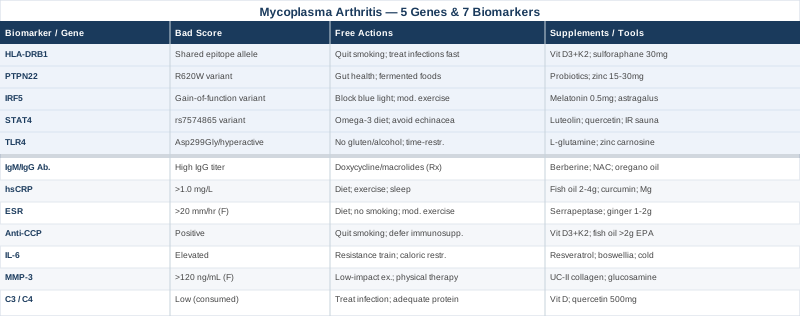
7 Biomarkers To Track In Mycoplasma Arthritis
Biomarker tracking in mycoplasma-associated arthritis serves three distinct purposes: confirming that mycoplasma is the active driver, monitoring the inflammatory state of the joints, and detecting early signs of structural damage before it becomes irreversible. The seven markers below cover all three functions and together provide a more complete picture than any single test can offer.
Biomarker 1: Mycoplasma-Specific IgM and IgG Antibodies
Why it matters
This is the most direct evidence available that mycoplasma is — or recently was — active in the body. IgM antibodies appear early in a new infection, typically within the first one to three weeks, and decline over a few months. IgG antibodies emerge later, persist longer, and indicate either prior exposure or ongoing chronic infection. In the context of arthritis, the presence of elevated IgG — especially against Mycoplasma pneumoniae or Mycoplasma fermentans — combined with joint symptoms is clinically significant and warrants targeted antibiotic evaluation.
The challenge is interpretation: a low-positive IgG may reflect past exposure without current disease activity, while a high-titer IgG in the context of active arthritis is more meaningful. Serial measurements — comparing titers over three to six months — are more informative than a single snapshot. Some patients with chronic mycoplasma-associated arthritis maintain persistently elevated titers, suggesting inadequate clearance rather than resolved infection.
How to measure it
Mycoplasma serology (IgM and IgG) is available through standard laboratory panels. Cost typically ranges from $40 to $120 depending on the laboratory and whether both antibodies are ordered together. Specialty labs such as IGeneX and Vibrant Wellness offer broader mycoplasma panels that include multiple species. A PCR test for mycoplasma DNA — ordered from synovial fluid or blood — is more specific but less widely available and more expensive, ranging from $150 to $400.
If the score is bad, the plan without supplements
If titers are elevated, the first priority is working with an infectious disease specialist or integrative practitioner experienced in mycoplasma. The standard antibiotic approach involves macrolides (azithromycin) or tetracyclines (doxycycline), typically given for a minimum of three to six weeks, sometimes longer for chronic cases. Extended low-dose doxycycline (100 mg daily) has also been studied in inflammatory arthritis for its anti-inflammatory properties independent of its antibiotic effect. Avoid taking doxycycline with dairy or calcium supplements, which impair absorption. Cycling protocols — three weeks on, one week off — have been used in integrative practice to reduce resistance risk, though this is not standardized in rheumatology guidelines.
If the score is bad, the plan with supplements or equipment
Berberine (500 mg two to three times daily with meals) has demonstrated antimicrobial activity against several mycoplasma species in vitro and may complement pharmaceutical approaches, though human clinical data specific to mycoplasma arthritis is limited. N-acetylcysteine (600–900 mg daily) disrupts bacterial biofilms that mycoplasma forms to evade antibiotics and immune detection — cycle four to six weeks, then reassess. Oregano oil standardized to carvacrol (200–400 mg daily with food) has in vitro activity against mycoplasma and is generally well tolerated. These should be viewed as adjuncts to, not replacements for, physician-guided antibiotic therapy.
Biomarker 2: hsCRP (High-Sensitivity C-Reactive Protein)
Why it matters
hsCRP is synthesized in the liver in response to IL-6 signaling and rises rapidly during active inflammation and infection. In mycoplasma arthritis, it serves as a real-time indicator of systemic inflammatory burden. Unlike standard CRP, which catches only large elevations, high-sensitivity CRP detects low-grade chronic inflammation — exactly the pattern seen in subclinical mycoplasma-driven joint disease. Peter Attia consistently highlights hsCRP as one of the most actionable blood markers for tracking inflammatory risk, and its relevance to joint disease is well established in the literature.
Target values: below 0.5 mg/L is optimal; 0.5–1.0 mg/L is borderline; above 1.0 mg/L warrants investigation. Values above 10 mg/L typically indicate acute infection or injury rather than chronic low-grade inflammation.
How to measure it
hsCRP is included in most comprehensive wellness panels and is inexpensive at $15–$40. It is not the same as standard CRP — specify high-sensitivity when ordering. Measure fasting, as recent meals and physical activity can transiently elevate results. Track trends over time rather than reacting to a single value in isolation.
If the score is bad, the plan without supplements
Elevated hsCRP in the setting of joint symptoms should prompt investigation into the source of inflammation, including mycoplasma serology if not already done. From a lifestyle standpoint, eliminating ultra-processed foods, refined vegetable oils high in linoleic acid, and added sugars produces measurable CRP reductions within four to eight weeks. Aerobic exercise at moderate intensity — approximately 150 minutes per week — consistently lowers hsCRP in clinical trials. Poor sleep under six hours per night reliably elevates it; prioritizing sleep hygiene is a genuine and underused intervention. Intermittent fasting on a 16:8 schedule has demonstrated CRP-lowering effects in randomized trials.
If the score is bad, the plan with supplements or equipment
Omega-3 fatty acids (EPA and DHA combined, 2–4 g daily with a fatty meal) have strong evidence for lowering hsCRP and IL-6. Use a triglyceride-form fish oil for better absorption; cycle for a minimum of three months and retest. Curcumin with piperine (500–1000 mg curcumin, 5–10 mg piperine, twice daily with meals) reduces CRP in multiple randomized trials — cycle six to eight weeks on, two to four weeks off. Magnesium glycinate (300–400 mg at night) supports anti-inflammatory pathways; deficiency is common and directly correlates with elevated CRP. Photobiomodulation applied to affected joints (red light at 630–850 nm, 10–20 minutes daily) has early evidence for reducing both local and systemic inflammatory markers in arthritis.
Biomarker 3: Erythrocyte Sedimentation Rate (ESR)
Why it matters
ESR measures how quickly red blood cells settle in a tube over one hour — a proxy for the presence of inflammatory proteins in the blood, particularly fibrinogen. While less specific than hsCRP, ESR provides a different dimension of information: it remains elevated longer after an inflammatory event, making it more useful for monitoring trends in chronic conditions. In mycoplasma-associated arthritis, persistently elevated ESR (above 20 mm/hr in women, above 15 mm/hr in men) combined with elevated hsCRP strengthens the case for active systemic inflammation and argues against a primarily mechanical joint problem.
How to measure it
ESR is a standard, inexpensive test at $10–$30 available through any clinical laboratory. Like hsCRP, it should be interpreted in trends rather than single values. Anemia, pregnancy, and obesity can artificially elevate ESR independent of inflammation; these confounders should be considered when interpreting results.
If the score is bad, the plan without supplements
Reducing ESR follows the same foundational pathway as reducing hsCRP: address the source of inflammation, optimize sleep, improve dietary quality, and maintain regular moderate exercise. Because ESR reflects fibrinogen levels, addressing cardiovascular risk factors — avoiding smoking, controlling blood pressure, and managing metabolic dysfunction — also matters. If both ESR and hsCRP are persistently elevated, this warrants a broader workup including comprehensive autoimmune panels and mycoplasma serology.
If the score is bad, the plan with supplements or equipment
In addition to omega-3 and curcumin, serrapeptase (120,000–250,000 IU on an empty stomach, cycling three to four weeks on, one week off) has been studied for its ability to reduce fibrin and systemic inflammation in musculoskeletal conditions, though evidence in mycoplasma-specific contexts is limited. Ginger extract (1–2 g daily, standardized to gingerols) has demonstrated ESR-lowering properties in randomized trials of osteoarthritis and rheumatoid arthritis. Side effects are minimal at standard doses; discontinue before surgery due to mild antiplatelet effects.
Biomarker 4: Anti-CCP Antibodies (Anti-Cyclic Citrullinated Peptide)
Why it matters
Anti-CCP is the most specific blood test for rheumatoid arthritis, with a specificity of approximately 95–98%. Its relevance in mycoplasma arthritis is nuanced: some patients with mycoplasma-associated arthritis test anti-CCP positive, raising the question of whether the infection triggered an autoimmune cascade against citrullinated proteins through molecular mimicry. Others test negative, which helps distinguish the condition from classical RA and shifts treatment priorities toward the infectious driver rather than immunosuppression.
Tracking anti-CCP over time in treated mycoplasma arthritis patients is therefore genuinely useful: if titers fall following antibiotic treatment, this supports the hypothesis that mycoplasma was driving the autoimmune response. If they remain elevated, an independent autoimmune process may be ongoing and requires separate management.
How to measure it
Anti-CCP is available through standard rheumatology panels at $50–$150. It is often ordered alongside rheumatoid factor (RF). Both can be positive in mycoplasma-associated arthritis, though RF is substantially less specific and must be interpreted in full clinical context.
If the score is bad, the plan without supplements
A positive anti-CCP in the context of mycoplasma suspicion should not automatically lead to immunosuppressive therapy without ruling out the infectious trigger first. Discuss with a rheumatologist who is open to infection-triggered autoimmunity models. An elimination diet removing gluten and dairy for eight to twelve weeks has some evidence for reducing citrullination-related immune activity in susceptible individuals. Tobacco cessation is among the strongest evidence-based interventions for lowering anti-CCP titers over time — the association between smoking and anti-CCP positivity is robust.
If the score is bad, the plan with supplements or equipment
Vitamin D3 (5,000–10,000 IU daily, adjusted to maintain serum 25-OH vitamin D between 60–80 ng/mL) modulates Th17/Treg balance and may slow autoimmune progression. Check serum levels before and after supplementation; always pair with vitamin K2 (MK-7, 100–200 mcg daily) to avoid arterial calcium deposition. Retest at three months. Fish oil at doses above 2 g daily EPA+DHA has some evidence for reducing autoantibody levels in inflammatory arthritis over 12-week periods.
Biomarker 5: Interleukin-6 (IL-6)
Why it matters
IL-6 is a master regulator of the acute-phase response and one of the most important cytokines in autoimmune joint disease. It drives the production of CRP and fibrinogen in the liver, promotes Th17 cell differentiation (which sustains joint inflammation), and directly stimulates osteoclast activity — meaning persistently elevated IL-6 contributes to bone erosion in chronic arthritis. Mycoplasma species are known to upregulate IL-6 production in infected cells, which may partly explain how mycoplasma triggers and perpetuates joint inflammation even after the initial acute infection.
Measuring IL-6 is particularly useful when hsCRP is elevated but the source is unclear, as it provides a one-step-upstream view into the inflammatory driver. It also serves as a potential target marker when evaluating the effectiveness of anti-inflammatory interventions over time.
How to measure it
IL-6 serum measurement is available through specialty labs and some hospital systems at $60–$200. It is not routinely included in standard panels but can be requested. LabCorp and Quest both offer IL-6 measurement. Levels should be measured fasting; note that exercise within 24 hours can transiently elevate IL-6 — exercise-induced IL-6 is actually a short-term anti-inflammatory signal, which is a different context from chronic elevation.
If the score is bad, the plan without supplements
Resistance training — two to three sessions per week of compound exercises — paradoxically lowers chronic IL-6 over time despite transiently raising it acutely. This is one of the most consistent anti-inflammatory interventions available. Mild caloric restriction (15–20% below maintenance) reduces IL-6 independent of weight loss. Addressing visceral adiposity through diet and exercise is particularly effective, as visceral fat is a major source of chronic IL-6 secretion that most standard care ignores.
If the score is bad, the plan with supplements or equipment
Resveratrol (500 mg daily with a meal, cycling three months on, one month off) inhibits NF-kB signaling and has demonstrated IL-6-lowering effects in randomized trials of inflammatory conditions. Boswellia serrata extract (300–500 mg twice daily, standardized to AKBA) reduces IL-6 and joint inflammation through 5-LOX inhibition and is well studied in knee osteoarthritis and early RA data. Take with food; do not combine with blood thinners without medical guidance. Cold water immersion or contrast therapy (three to five minutes at 50–59°F) has preliminary evidence for modulating inflammatory cytokines including IL-6 when practiced three to four times per week.
Biomarker 6: MMP-3 (Matrix Metalloproteinase-3)
Why it matters
MMP-3 is an enzyme that degrades cartilage matrix proteins and activates other MMPs involved in joint destruction. It is elevated early in the course of inflammatory arthritis — often before structural damage is visible on imaging — making it a valuable early warning signal. Preventive medicine specialists including Thomas Dayspring have pointed to damage-specific biomarkers like MMP-3 as more actionable than general inflammation markers alone, because they reflect what is actually happening to the tissue rather than just the immune response to it.
In mycoplasma arthritis, elevated MMP-3 indicates that joint degradation is underway, not merely that inflammation is present. This distinction matters for urgency and for choosing the right intensity of intervention.
How to measure it
MMP-3 can be measured in serum or synovial fluid. Serum MMP-3 runs $80–$180 and is available through specialty labs including LabCorp and Mayo Clinic Laboratories. Reference ranges vary by laboratory; in general, values above 120 ng/mL in women and above 60 ng/mL in men are considered elevated in the context of inflammatory joint disease.
If the score is bad, the plan without supplements
Eliminating joint-loading activities that provoke pain — replacing high-impact exercise with swimming or cycling during active flares — protects against further matrix degradation while maintaining cardiovascular fitness. Physical therapy focused on maintaining joint mobility without loading inflamed surfaces has evidence for preserving joint function over time. Addressing the upstream inflammatory driver (mycoplasma, elevated IL-6, high hsCRP) will over time reduce MMP-3 downstream — the earlier interventions in this list are directly relevant here.
If the score is bad, the plan with supplements or equipment
Type II collagen in undenatured form (UC-II, 40 mg daily on an empty stomach — not to be confused with denatured hydrolyzed collagen) has randomized trial evidence for reducing MMP-3 and improving joint function through oral tolerance induction. Cycle for three to six months; side effects are minimal. Glucosamine sulfate (1,500 mg daily) and chondroitin sulfate (1,200 mg daily) have some evidence for reducing cartilage degradation markers, though results are mixed in meta-analyses. Photobiomodulation applied directly to affected joints shows emerging evidence for reducing MMP activity in joint tissue at a cellular level.
Biomarker 7: Complement C3 and C4
Why it matters
The complement system plays a dual role in mycoplasma arthritis: it is activated to fight the infection, but when chronically overactivated, it contributes to tissue damage within the joints. Low C3 and C4 indicate complement consumption — the immune system is using complement faster than it can replenish it, suggesting active immune complex formation. This pattern is classically associated with lupus but can also occur in chronic infection-driven autoimmunity including mycoplasma.
Conversely, elevated C3 and C4 reflect an upregulated acute-phase response. Both patterns are informative. Tracking complement alongside anti-CCP and mycoplasma serology helps distinguish infection-driven arthritis from primary autoimmune disease and informs which treatment approach is more appropriate.
How to measure it
C3 and C4 are measured through a standard complement panel at $50–$100, typically ordered alongside ANA and anti-dsDNA when autoimmune arthritis is suspected. C3 normal range: 90–180 mg/dL. C4 normal range: 16–47 mg/dL. Values below the lower limit, especially in the context of active joint inflammation, warrant rheumatological evaluation.
If the score is bad, the plan without supplements
Low complement in the setting of mycoplasma infection should prompt aggressive treatment of the underlying infection, as immune complex formation will continue as long as the antigen load persists. Adequate protein intake (1.2–1.6 g/kg body weight daily) supports hepatic production of complement components — complement proteins C3 and C4 are synthesized in the liver and require sufficient dietary precursors.
If the score is bad, the plan with supplements or equipment
Vitamin D optimization (as above) modulates complement activity and reduces autoimmune-driven complement consumption in several studied autoimmune conditions. Quercetin (500–1,000 mg daily with food, cycling eight weeks on, two weeks off) has anti-complement activity in the context of autoimmunity and may reduce pathological immune complex formation. There are no common side effects at these doses; avoid high doses during pregnancy.
Reading All Seven Together
No single marker tells the full story. The most actionable pattern is a combination of elevated mycoplasma-specific IgG, elevated hsCRP and IL-6, positive or borderline anti-CCP, and elevated MMP-3 with low or borderline complement — this combination points strongly toward an active infection driving an autoimmune cascade with early joint damage underway. Conversely, elevated hsCRP with normal mycoplasma serology, normal complement, and negative anti-CCP points away from mycoplasma as the primary driver and toward other inflammatory triggers. The specific combination determines the treatment priority.
Genetics adds a third layer to this picture, explaining why some people's immune systems respond to mycoplasma with a cascade that others manage without incident.
The Genetics Behind Mycoplasma-Triggered Arthritis
Understanding why some people develop persistent joint inflammation after mycoplasma infection while others clear it within weeks comes down, in part, to genetics. The five genes below represent the current best evidence for individual susceptibility in infection-triggered inflammatory arthritis. Consumer genetic testing through platforms such as 23andMe, combined with third-party interpretation tools like Genetic Genie or SelfDecode, can provide initial access to several of these variants at accessible cost — typically $100–$250 total.
Gene 1: HLA-DRB1 — The Shared Epitope
What it does
HLA-DRB1 encodes a major histocompatibility complex class II protein that presents peptide antigens to T helper cells. Certain alleles — particularly those carrying the "shared epitope" sequence such as HLA-DRB1*04:01, *04:04, *01:01, and *01:02 — dramatically increase the risk of seropositive rheumatoid arthritis and, by extension, post-infectious arthritis that evolves into an RA-like phenotype. The shared epitope increases susceptibility because it binds citrullinated peptides (the targets of anti-CCP antibodies) particularly well, potentially explaining why mycoplasma infection triggers an anti-CCP response in genetically susceptible individuals while leaving others unaffected.
Research by Okada et al. (2014) published in Nature Genetics, analyzing over 100,000 subjects, confirmed HLA-DRB1 as the single strongest genetic locus for RA risk, accounting for approximately 40% of the genetic contribution to the disease.
If the gene is bad, the plan without supplements
Carrying HLA-DRB1 shared epitope alleles does not mean arthritis is inevitable — environmental triggers, particularly infection and smoking, are required to convert genetic susceptibility into disease. Tobacco cessation is the single most impactful modifiable risk factor in HLA-DRB1 carriers, reducing autoantibody formation significantly. Aggressive infection management — treating confirmed mycoplasma promptly rather than watchfully waiting — may be particularly important in this genetic context. Prioritizing sleep, managing chronic stress (which elevates IL-6 and promotes citrullination), and maintaining a high-fiber, low-ultra-processed diet all reduce the environmental inputs that activate this genetic risk.
If the gene is bad, the plan with supplements or equipment
Vitamin D optimization is particularly important for HLA-DRB1 carriers, as vitamin D directly suppresses Th17-driven joint inflammation. Sulforaphane from broccoli sprout extract (30–60 mg daily, cycling three to four months) activates Nrf2 pathways that modulate inflammatory gene expression — relevant in the context of genetically elevated inflammation thresholds. Side effects are limited to mild GI discomfort in sensitive individuals. Pair with a small amount of myrosinase-rich raw broccoli for better conversion if using the supplement form.
Gene 2: PTPN22 — The Hyperresponsive Immune Switch
What it does
PTPN22 encodes lymphoid tyrosine phosphatase, which regulates T and B cell activation thresholds. The R620W variant (rs2476601) — present in approximately 10–15% of people of European ancestry — reduces the signaling threshold needed to activate immune cells, resulting in a hyperresponsive immune system that is more likely to develop autoantibodies including anti-CCP after infectious triggers. Carriers of this variant have approximately 1.5–2x the general population risk of developing seropositive RA, type 1 diabetes, and several other autoimmune conditions.
In the context of mycoplasma arthritis, PTPN22 R620W may explain why some people mount an unusually aggressive and persistent immune response to an infection that others clear without developing joint disease.
If the gene is bad, the plan without supplements
The core strategy for PTPN22 R620W carriers is reducing unnecessary immune activation: prompt treatment of bacterial and viral infections, avoiding unnecessary antibiotic courses that disrupt the microbiome and alter immune tone, and prioritizing gut health through dietary fiber and fermented foods. The gut microbiome directly modulates PTPN22-dependent immune signaling — dysbiosis amplifies the variant's effect, while a diverse microbiome partially compensates for it.
If the gene is bad, the plan with supplements or equipment
Spore-forming probiotics (Bacillus subtilis, Bacillus coagulans) and Lactobacillus rhamnosus GG have the strongest human evidence for modulating autoimmune-related immune tone. Take daily for a minimum of three months; these are generally safe long-term with minimal side effects. Zinc (15–30 mg daily with food, cycling eight weeks on, two weeks off) supports regulatory T cell function, which counterbalances the low-threshold activation driven by this variant. Monitor copper levels with long-term zinc supplementation — an 8:1 zinc-to-copper ratio is a reasonable working guideline.
Gene 3: IRF5 — The Interferon Amplifier
What it does
IRF5 controls the transcription of type I interferons and inflammatory cytokines in response to pathogen recognition. Gain-of-function variants in IRF5 — particularly rs2004640 and rs10954213 — are associated with elevated interferon signatures and increased risk of lupus, primary Sjögren syndrome, and inflammatory arthritis. Mycoplasma activates toll-like receptor pathways that converge on IRF5, meaning that individuals with hyperactive IRF5 may mount a larger and more prolonged interferon response to mycoplasma infection, increasing the risk of post-infectious joint inflammation persisting well beyond the acute phase.
If the gene is bad, the plan without supplements
Excessive artificial light at night — particularly blue light — activates interferon pathways and may synergize with IRF5 variants to amplify inflammatory tone. Blue-light blocking glasses after sunset and eliminating screens two hours before bed are relevant and genuinely actionable interventions for this gene. High-intensity interval training at excessive frequency can transiently spike interferon activity; moderate-intensity exercise is preferable for high-IRF5 individuals.
If the gene is bad, the plan with supplements or equipment
Low-dose melatonin (0.5–1 mg at bedtime, not the commonly sold 5–10 mg doses) modulates interferon signaling and has anti-inflammatory properties at physiological concentrations. Cycle one month on, one month off; do not use if taking immunosuppressive medications without medical guidance. Astragalus membranaceus (500–1,000 mg daily, cycling two months on, one month off) has traditional use and some clinical evidence for immune modulation without the overstimulation risk associated with Echinacea — an important distinction for individuals who need to dampen, not amplify, their immune responses.
Gene 4: STAT4 — The Th1 Overdrive
What it does
STAT4 mediates signaling downstream of IL-12 and IL-23 — cytokines that drive Th1 and Th17 cell differentiation, respectively. The rs7574865 variant in STAT4 is associated with increased risk of RA, lupus, and primary Sjögren syndrome, and it amplifies the Th1 inflammatory response that is typically triggered by intracellular pathogens including mycoplasma. This gene is particularly relevant because mycoplasma specifically activates the IL-12/STAT4 pathway, and risk-variant carriers may have an exaggerated and prolonged Th1 response to mycoplasma that perpetuates joint inflammation even after the initial infection is controlled with antibiotics.
If the gene is bad, the plan without supplements
Dietary strategies that moderate Th1 dominance include increasing omega-3 relative to omega-6 fatty acids (targeting a dietary ratio of approximately 4:1 omega-6 to omega-3), increasing short-chain fatty acid production through fermentable fiber (oats, inulin, psyllium husk), and emphasizing polyphenol-rich foods such as berries, green tea, and dark chocolate. Avoid immune-stimulating herbs like Echinacea and high-dose beta-glucan if Th1 activity is already elevated — these would likely worsen the imbalance.
If the gene is bad, the plan with supplements or equipment
Luteolin (100–500 mg daily from standardized artichoke or chamomile extract, cycling six to eight weeks) specifically inhibits STAT4 signaling in vitro and has anti-inflammatory effects in human studies of allergic and autoimmune conditions. Quercetin (500–1,000 mg daily, as above) also has STAT4-modulating properties and complements luteolin well. Infrared sauna (20–30 minutes, three to four times per week) has early evidence for modulating Th1/Th2 balance and reducing joint inflammation in inflammatory arthritis, partly through IL-10 upregulation — relevant when Th1 overdrive is the underlying pattern.
Gene 5: TLR4 — The Gut-Joint Gateway
What it does
TLR4 is a pattern recognition receptor that detects bacterial lipopolysaccharides and certain mycoplasma-derived lipoproteins, triggering NF-kB activation and pro-inflammatory cytokine production. The Asp299Gly variant of TLR4 reduces receptor sensitivity — which sounds protective, but in the context of mycoplasma, reduced TLR4 sensitivity may impair early pathogen clearance, leading to prolonged infection and paradoxically more persistent joint inflammation. Variants associated with TLR4 hyperactivation may conversely amplify the inflammatory response to mycoplasma-derived lipoproteins, increasing arthritis severity.
TLR4 is also a key target of gut dysbiosis: a leaky gut allows bacterial LPS to enter systemic circulation and chronically activate TLR4, amplifying inflammatory arthritis independent of mycoplasma. This makes gut integrity particularly relevant for anyone with TLR4 variants, not as a secondary concern but as a direct therapeutic target.
If the gene is bad, the plan without supplements
Gut integrity maintenance is the highest-priority lifestyle intervention for TLR4-relevant genetics. Eliminating gluten (which activates TLR4 directly in susceptible individuals), reducing alcohol (which directly increases gut permeability), and prioritizing fermented foods all reduce LPS translocation. Time-restricted eating — stopping food intake by 7–8 pm — reduces LPS levels by improving gut motility and circadian alignment of gut barrier function.
If the gene is bad, the plan with supplements or equipment
L-glutamine (5–10 g daily on an empty stomach, cycling four to six weeks) supports gut epithelial integrity and reduces LPS translocation. Zinc carnosine (75 mg twice daily for eight weeks, then reassess) is specifically studied for gut barrier repair and reduces TLR4-activating LPS entry. Tributyrin or sodium butyrate supplements (600–1,800 mg daily, cycling three months) provide the short-chain fatty acid that most potently downregulates TLR4 expression in gut epithelial cells — directly relevant to this genetic pattern.
The five genes above are a starting framework, not a complete map. Genetic variants in CRP, IL-6, TNF-alpha promoter regions, and vitamin D receptor also modulate susceptibility and may be worth exploring with a practitioner who interprets raw genomic data. That said, environment remains more powerful than any single variant — the interventions above address both.
What The Autoimmune Solution Gets Right About Infection-Triggered Arthritis
Amy Myers' The Autoimmune Solution is one of the most practically useful books for understanding how infections like mycoplasma can trigger autoimmune arthritis and, critically, what to do about it. Myers draws on peer-reviewed research while translating it into actionable protocols, and she challenges several assumptions that most rheumatologists still operate under. Below are the ten most impactful insights from the book's model — particularly as they apply to mycoplasma-associated arthritis.
1. Infections Are Underrecognized as Autoimmune Triggers
Myers cites substantial research on molecular mimicry — the mechanism by which immune responses to bacterial antigens cross-react with self-tissues. Mycoplasma lipoproteins share structural similarities with human joint proteins, potentially explaining why some infections trigger lasting arthritis. Standard care stops looking for infection once basic serology panels return negative.
2. Intestinal Permeability Is a Required Precondition
Myers argues, with supporting citations, that leaky gut is a prerequisite for most autoimmune conditions — not a side effect. Increased intestinal permeability allows bacterial fragments including LPS to activate TLR4 and drive systemic inflammation, directly amplifying the joint response to mycoplasma. Zonulin (measurable in stool or serum) is the key biomarker for this state.
3. Gluten's Role Extends Far Beyond Celiac Disease
Myers presents research showing that non-celiac gluten sensitivity activates zonulin and increases gut permeability in genetically susceptible individuals, amplifying autoimmune triggers. She recommends a complete 30–60 day gluten elimination trial for anyone with autoimmune arthritis, regardless of celiac test results — this is not standard rheumatology practice.
4. The Microbiome Is the Missing Immune Regulator
Specific bacteria — particularly Lactobacillus species and Akkermansia muciniphila — produce short-chain fatty acids and other metabolites that downregulate IL-6 and TNF-alpha. Myers emphasizes targeted, evidence-based probiotic selection rather than generic multi-strain products, which often lack strains with meaningful clinical evidence.
5. Thyroid Dysfunction Commonly Co-Occurs With Infection-Triggered Autoimmunity
Mycoplasma can infect thyroid tissue and trigger a Hashimoto-like presentation. Myers recommends comprehensive thyroid panels including anti-TPO and anti-thyroglobulin antibodies as standard in any autoimmune arthritis workup — a reasonable recommendation that most standard care protocols do not include.
6. Toxin Burden Amplifies Autoimmune Risk
Mercury, mold toxins, and other environmental toxins impair immune regulation and increase autoimmune antibody production. Myers recommends urinary heavy metal testing and home mold screening as parallel investigations — not alternatives to infection treatment, but additional drivers that may prevent resolution if left unaddressed.
7. Immunosuppressants May Be Premature Without Infection Workup
Myers explicitly argues that starting immunosuppressants or biologics without first ruling out and treating underlying infections may allow infections like mycoplasma to proliferate under reduced immune surveillance. This requires individualized clinical judgment and is the point where her model most sharply diverges from standard rheumatology guidelines.
8. Cortisol Dysregulation Is Bidirectional With Autoimmunity
Chronic psychological stress elevates cortisol, which initially suppresses but eventually dysregulates immune responses — a pattern that amplifies autoimmune activity over time. HPA axis dysfunction (measurable with the DUTCH hormone test) is common in long-standing autoimmune arthritis and contributes to both fatigue and poor treatment response.
9. Key Nutrient Deficiencies Are Near-Universal in Autoimmune Arthritis
Myers identifies vitamin D, magnesium, zinc, selenium, and omega-3 fatty acids as near-universally deficient in autoimmune patients, and each plays a specific role in immune regulation. Rather than supplementing blindly, she recommends testing (25-OH vitamin D, RBC magnesium, serum zinc, plasma selenium) and correcting specifically based on individual results.
10. Recovery Requires Removing All Triggers Simultaneously
Partial approaches that address diet but not infection, or infection but not gut permeability, rarely achieve remission. Myers' four-pillar model — diet, gut healing, toxic burden reduction, and infection treatment — argues that addressing only one or two pillars is usually insufficient for lasting improvement. This is the hardest and most important insight in the book for anyone managing long-term mycoplasma arthritis.
The book is most valuable not as a strict protocol but as a systems-level framework that integrates the infection, immune, and gut dimensions that standard care addresses in isolation.
Complementary Approaches With Meaningful Clinical Support
The strategies below are not alternatives to antibiotic or immunomodulatory treatment — they are adjuncts that address dimensions of mycoplasma arthritis that pharmaceutical approaches alone do not cover: gut health, inflammatory regulation, pain processing, and joint mobility. Each has human clinical evidence; limitations are noted where relevant.
The Autoimmune Protocol (AIP) — Sarah Ballantyne
The Autoimmune Protocol, developed by Dr. Sarah Ballantyne in The Paleo Approach, is a structured dietary elimination and reintroduction protocol designed specifically for autoimmune conditions. Its relevance to mycoplasma-associated arthritis is high because the AIP removes foods known to increase intestinal permeability and immune activation — including grains, legumes, dairy, eggs, nightshades, nuts, and seeds — while emphasizing foods that support gut barrier integrity and immune regulation. Since infection-triggered arthritis often involves an autoimmune component driven by leaky gut and heightened TLR4 activity, the AIP addresses these upstream drivers directly rather than just managing downstream inflammation.
A pilot randomized trial by Konijeti et al. (2017) published in Inflammatory Bowel Diseases demonstrated significant reductions in inflammatory markers and improved quality of life in Crohn's disease patients following the AIP, supporting the mechanistic rationale for its use in other inflammatory conditions. Direct RCT evidence in mycoplasma arthritis specifically is absent, but the AIP reduces LPS translocation, lowers IL-6 and TNF-alpha, and improves intestinal tight junction integrity — all directly relevant to infection-triggered autoimmune joint disease. The elimination phase typically lasts four to eight weeks, followed by deliberate reintroduction of foods one at a time.
Realistically, the AIP is demanding, particularly the first two weeks. It works best when approached with meal planning support and a practitioner for the reintroduction phase. Common practical challenges include social eating and work travel — having a default set of compliant meals reduces decision fatigue significantly. The protocol is not intended as a permanent diet: the reintroduction phase is designed to identify your specific individual triggers so that long-term maintenance is personalized rather than maximally restrictive.
Low-Level Laser Therapy (LLLT) / Photobiomodulation
Low-level laser therapy applies specific wavelengths of red light (630–680 nm) and near-infrared light (810–850 nm) to tissue at non-thermal intensities, increasing mitochondrial ATP production, reducing oxidative stress, and modulating inflammatory gene expression — including downregulation of NF-kB and reduction of IL-6 and TNF-alpha at the treated site. In mycoplasma arthritis, LLLT may reduce local joint inflammation, decrease pain, and potentially improve cellular immune function in affected joint tissue. The modality is particularly appealing because it can be applied daily at home with consumer-grade devices once an appropriate protocol is established.
A Cochrane review by Brosseau et al. on LLLT for rheumatoid arthritis found statistically significant reductions in pain and morning stiffness compared to placebo, with a favorable safety profile. Optimal protocols use wavelengths of 780–860 nm at energy densities of 4–8 J/cm² per session, three to five times weekly for four to eight weeks. Consumer red light therapy panels in the 630/850 nm range are widely available at $200–$600 and deliver sufficient irradiance for joint penetration when used at appropriate distances.
For mycoplasma arthritis, apply treatment directly over the most affected joints for 10–20 minutes per session. Begin with three sessions per week for the first month and reassess at four weeks using your tracked biomarkers and pain scores. No serious side effects have been reported at therapeutic doses; avoid direct eye exposure and do not apply over active malignancy sites. Evidence in mycoplasma-specific arthritis is extrapolated from RA and OA studies — direct mycoplasma arthritis studies do not yet exist — which is a limitation worth acknowledging.
Microbiome-Directed Therapies
The gut microbiome plays a direct regulatory role in inflammatory arthritis through several mechanisms: it controls intestinal permeability (reducing LPS translocation that activates TLR4), produces short-chain fatty acids that downregulate systemic IL-6, and generates regulatory T cells that moderate autoimmune joint responses. In mycoplasma arthritis, antibiotic treatment — while necessary to address the underlying infection — can significantly disrupt microbial balance, potentially amplifying the inflammatory state it was meant to reduce. Intentional microbiome restoration during and after antibiotic treatment is not a secondary consideration; it is a direct therapeutic necessity for anyone carrying TLR4 or PTPN22 risk variants.
A 2019 systematic review published in Annals of the Rheumatic Diseases found that probiotic supplementation significantly reduced pain scores and inflammatory markers including CRP in patients with rheumatoid arthritis over periods of eight to twenty-four weeks. Specific strains with the most evidence include Lactobacillus casei, Lactobacillus acidophilus, and Bifidobacterium bifidum. Combining dietary prebiotic fiber (15–30 g daily from diverse vegetables, legumes, and oats) with targeted probiotic supplementation produces more consistent results than probiotics alone.
Practically, start microbiome support simultaneously with antibiotic therapy for mycoplasma — taking the probiotic four to six hours away from the antibiotic dose to minimize direct interference. Continue probiotic supplementation for at least three months after antibiotic completion. A daily serving of fermented foods (kefir, kimchi, sauerkraut, plain yogurt with live cultures) adds microbial diversity that capsules alone cannot replicate. Stool microbiome testing through Viome or Genova GI Effects ($150–$450) can identify specific imbalances and guide more targeted supplementation.
Mindfulness-Based Stress Reduction (MBSR)
MBSR is a structured eight-week program combining body scan meditation, mindful movement, and breathing practices, originally developed by Jon Kabat-Zinn at the University of Massachusetts. Its relevance to mycoplasma arthritis lies in the well-documented bidirectional relationship between psychological stress and inflammatory cytokines: chronic stress elevates IL-6, impairs regulatory T cell function, and accelerates disease progression in inflammatory arthritis. MBSR also directly addresses the chronic pain component of arthritis, which standard anti-inflammatory treatment often leaves only partially managed — particularly the anticipatory anxiety around flares and the sleep disruption caused by pain.
A randomized controlled trial by Pradhan et al. (2007) published in Arthritis and Rheumatism found that MBSR significantly improved psychological well-being and reduced depressive symptoms in patients with RA, with secondary benefits for pain perception and functional status. A subsequent meta-analysis found that mind-body interventions including MBSR reduced pain and improved physical function in inflammatory arthritis with modest but clinically meaningful effect sizes, particularly for pain experience and emotional regulation.
The standard MBSR format involves eight weekly two-hour group sessions plus daily 45-minute home practice. Online versions, including the free Palouse Mindfulness program and formal courses through UMASS Memorial, make this accessible without geographic constraints. Commit to the full eight-week program — benefits accumulate progressively and single-session effects are negligible. If the full daily practice feels overwhelming initially, start with 10-minute daily body scan sessions and build gradually. This is not an alternative to infection treatment; it is a tool for managing the psychological and inflammatory burden of chronic joint disease in parallel with medical care.
Tai Chi
Tai chi is a slow, flowing movement practice combining balance, strength, and focused breathing that is particularly suited to inflammatory arthritis because it maintains joint mobility and strengthens periarticular muscles without the high-impact loading that provokes flares. In mycoplasma arthritis, preserving joint function during active and recovery phases is a practical priority — and tai chi offers a way to remain physically active when higher-intensity exercise is not tolerable, avoiding the deconditioning that accelerates functional decline in chronic joint disease.
A landmark randomized trial by Wang et al. (2010) published in the New England Journal of Medicine demonstrated that twelve weeks of tai chi significantly improved pain, function, and quality of life in patients with knee osteoarthritis compared to control. For inflammatory arthritis specifically, a systematic review by Lee et al. (2007) in Rheumatology found that tai chi reduced pain and disability scores in RA patients without exacerbating joint inflammation. Sessions of 60 minutes, practiced two to three times weekly for a minimum of twelve weeks, produced the most consistent results across reviewed trials.
For mycoplasma arthritis specifically, begin tai chi during stable periods rather than active flares with significant joint swelling. The simplified 24-form Yang style is widely available on YouTube and in community classes, making entry straightforward without specialized equipment. Focus on smooth transitions and breathing rather than depth of stances — range-of-motion benefit occurs without needing full articular loading. Instructor-led group classes are preferred over solo video practice for the first eight to twelve sessions to establish correct form and avoid compensatory movement patterns that could place excess strain on unaffected joints.
Conclusion
Mycoplasma-associated arthritis is an underrecognized pattern that may explain a meaningful subset of inflammatory joint conditions that do not respond predictably to standard treatment. The tools to investigate it more precisely already exist: mycoplasma-specific serology, hsCRP, IL-6, anti-CCP, MMP-3, and complement panels can together reveal whether an infectious driver is active, whether an autoimmune cascade has been triggered, and whether joint damage is already underway.
Genetic information — particularly HLA-DRB1, PTPN22, IRF5, STAT4, and TLR4 variants — adds individual context that explains why two people exposed to the same mycoplasma organism can have completely different outcomes. Neither biomarker results nor genetic profile should be read in isolation; together, they define a personalized framework for action.
The next smart step is not to implement everything at once, but to start where the evidence is clearest for your situation. If you have not tested mycoplasma-specific antibodies, request them. If inflammatory markers are elevated without a clean diagnosis, add hsCRP, IL-6, and complement to your next blood draw. If genetic data interests you, consumer testing combined with third-party interpretation tools provides useful initial HLA and PTPN22 data at accessible cost.
Work with a practitioner who takes infection-triggered autoimmunity seriously — ideally an integrative rheumatologist or functional medicine physician with experience in post-infectious joint disease. Better information, followed by targeted action, is a reasonable and well-supported path forward.
Autoimmune: Inflammatory Conditions Connective Tissue Conditions
Infectious: Bacterial Infections