This article contains AI generated content.
· UpdatedNecrotizing Fasciitis Genes Biomarkers – 5 Genes And 7 Biomarkers To Track
Introduction
Necrotizing fasciitis is among the most feared infections in medicine — not because it is common, but because it moves with terrifying speed and leaves almost no room for error. Most people who develop it had no idea they were at higher risk, and many early cases are dismissed as ordinary skin infections until the damage becomes undeniable. If you or someone close to you has survived it, or if you are working to understand your own vulnerability, you already know that standard reassurance rarely feels sufficient.
The conventional approach focuses almost entirely on the acute phase: surgery, antibiotics, intensive care. That protocol saves lives and nothing here undermines it. What receives far less attention is the question of why certain individuals develop severe cases, why some recover faster than others, and how the body's biological signals — both genetic and biochemical — can tell a sharper story than clinical observation alone. Generic advice to "stay healthy" or "boost your immune system" does not address the specific mechanisms that actually govern risk and resilience in this disease.
This article takes a more targeted approach. The biomarker section identifies seven measurable lab values that either predict susceptibility, track disease severity, or reflect recovery quality — with specific numbers, realistic costs, and concrete action plans for each. The genetics section covers five gene variants that shape how the immune system mounts its initial response to aggressive bacterial invasion, and what can realistically be done when those variants work against you. Beyond biology, the article also reviews one essential book on immune function, and three complementary approaches with credible human clinical evidence.
Better data leads to better questions, and better questions lead to better conversations with the clinicians who treat you. That is the purpose here — not to replace medical judgment, but to sharpen it, whether you are trying to prevent a first episode, understand a current risk profile, or navigate the long road of recovery.
Summary
This article examines necrotizing fasciitis through the lens of measurable, actionable biology. The biomarker section covers seven lab values — CRP, WBC, serum lactate, procalcitonin, serum sodium, creatinine/eGFR, and HbA1c — explaining what each reveals, what problematic numbers look like in real terms, and what evidence-backed plans (with and without supplements) can move those numbers in the right direction. The genetics section explores five variants — TLR4, MBL2, IL1B, TNF, and NLRP3 — that influence how the immune system responds to bacterial invasion at its most critical early moments, and what practical steps can partially compensate for unfavorable results. Beyond biomarkers and genes, the article summarizes a landmark book on immune science, and covers four complementary approaches with genuine clinical support for infection recovery and immune resilience. Every section includes specific protocols, frequencies, cycling schedules, and known side effects — because vague recommendations serve no one.
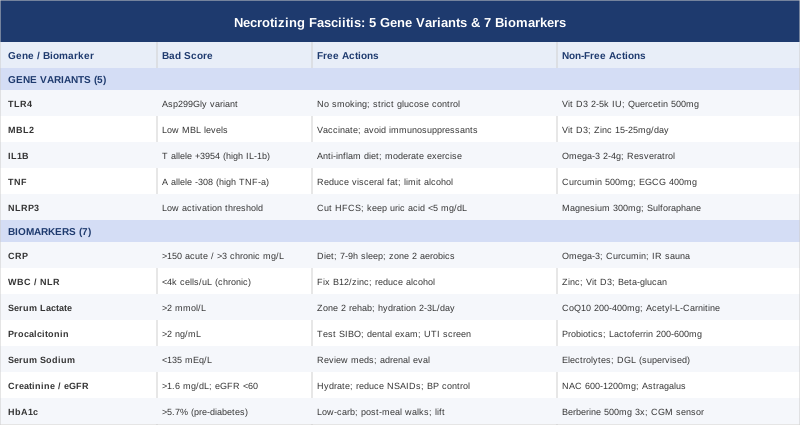
7 Biomarkers That Matter When Necrotizing Fasciitis Is On the Table
Necrotizing fasciitis does not announce itself cleanly. In the early hours, it can look like a bad cellulitis, a deep bruise, or an unusual muscle ache — and the window for effective intervention is measured in hours, not days. This is where laboratory biomarkers become genuinely critical: not as optional add-ons, but as early warning signals that can shift a diagnosis, accelerate a surgical decision, or guide post-operative recovery in ways that clinical examination alone cannot.
The seven markers below were selected because they are either components of validated diagnostic scoring tools already used in clinical practice, markers of immune competence that predict susceptibility before an infection occurs, or metabolic indicators that significantly amplify or reduce long-term risk. Understanding them does not require a medical degree — only the willingness to ask the right questions.
1. C-Reactive Protein (CRP)
Why it matters and what it reveals
CRP is a protein produced by the liver in response to inflammation signals, primarily interleukin-6. In the context of necrotizing fasciitis, it is one of the most heavily weighted variables in the LRINEC (Laboratory Risk Indicator for Necrotizing Fasciitis) score — the best-validated clinical tool for distinguishing NF from less dangerous soft tissue infections. A CRP above 150 mg/L alone scores 4 points on the LRINEC scale, where a total score of 6 or above flags high suspicion. For long-term risk assessment, high-sensitivity CRP (hs-CRP) above 3 mg/L indicates elevated baseline systemic inflammation — a chronic state that impairs neutrophil function, accelerates metabolic dysfunction, and increases susceptibility to bacterial complications.
How to measure it
Standard CRP is widely available and often covered by insurance when ordered with infection suspicion: cost approximately $15–$40. High-sensitivity CRP (hs-CRP) is the version most useful for preventive long-term monitoring and costs roughly $25–$60 at reference labs. Both require a simple blood draw with no fasting. Peter Attia includes hs-CRP routinely in his longevity panel, noting that chronically elevated values are among the most underappreciated markers of immune vulnerability in otherwise "healthy-looking" people.
If the score is bad, the plan without supplements
Chronically elevated CRP (above 3 mg/L when not acutely ill) almost always reflects ongoing metabolic dysfunction: excess visceral fat, poor sleep quality, a high glycemic load diet, or chronic low-grade infection from dental, gut, or sinus sources. The starting interventions require no pharmacy:
- Eliminate ultra-processed foods and refined carbohydrates for a minimum of 8–12 weeks. Visceral adiposity is a primary driver of IL-6 production, which directly stimulates hepatic CRP synthesis. - Prioritize 7–9 hours of consistent sleep. A single night of under 6 hours raises CRP measurably in controlled laboratory studies. Sleep is the most underrated anti-inflammatory tool available — and it costs nothing. - Introduce zone 2 aerobic exercise (3–5 sessions per week, 30–45 minutes each at a conversational pace). This intervention consistently reduces hs-CRP over 12–16 weeks across multiple population studies. - Investigate and treat hidden infection sources: periodontal disease, Helicobacter pylori, and chronic sinusitis are frequently overlooked drivers of persistently elevated CRP that do not respond to dietary change alone.
If the score is bad, the plan with supplements or equipment
Once lifestyle factors are addressed, targeted supplementation can further reduce CRP where it remains elevated:
- Omega-3 fatty acids (EPA + DHA combined): 2–4 g/day with a fatty meal. Meta-analyses confirm consistent CRP reduction across metabolic and cardiovascular populations. Take daily without cycling. Side effects: fishy burp (use enteric-coated forms); mild blood-thinning effect at higher doses, relevant if taking anticoagulants. - Curcumin (as phospholipid complex or BCM-95 form): 500–1000 mg/day with fat or piperine to enhance absorption. Human evidence for CRP reduction in metabolic syndrome is reasonably solid. Cycle: 8 weeks on, 2 weeks off. Side effects: may potentiate blood thinners at high doses; generally very safe at standard doses. - Magnesium glycinate: 300–400 mg before bed. Magnesium deficiency is associated with elevated CRP, and correction can modestly reduce it. Daily use is well tolerated. Side effects: loose stools at excessive doses; the glycinate form minimizes this risk considerably. - Infrared sauna: 3–4 sessions per week, 20 minutes at 170–190°F. Regular sauna use is associated with reduced CRP and hs-CRP in Finnish longitudinal research involving thousands of participants. This is a legitimate physiological intervention, not a marginal wellness trend.
2. White Blood Cell Count and Neutrophil-to-Lymphocyte Ratio
Why it matters and what it reveals
The white blood cell count (WBC) is a direct window into immune system activation state. In acute NF, a count above 15,000 cells/μL contributes to the LRINEC score and signals aggressive systemic infection. But the preventive relevance is equally important: a chronically low WBC (below 4,000 cells/μL) signals impaired immune surveillance — the kind of baseline vulnerability that allows bacterial infections to escalate rapidly once a skin barrier is breached. The neutrophil-to-lymphocyte ratio (NLR), derived from the differential portion of the complete blood count, adds meaningful nuance. An NLR consistently above 5 in a non-acute context is a sensitive indicator of chronic immune dysregulation.
How to measure it
The complete blood count (CBC) with differential is among the most widely ordered and affordable lab tests available: $15–$40 at most clinical labs, covered by most insurance for annual wellness visits. No fasting required. Request the differential specifically — the NLR calculation requires neutrophil and lymphocyte percentages that are not always reported automatically.
If the score is bad, the plan without supplements
- Eliminate or dramatically reduce alcohol if WBC is chronically suppressed. Alcohol directly impairs neutrophil mobilization and is one of the most commonly overlooked causes of subtle leukopenia in otherwise healthy adults. - Investigate nutritional deficiencies before assuming a functional problem: low B12, folate, copper, and zinc are the four most common causes of low WBC in people without autoimmune or hematological disease. A comprehensive micronutrient panel is worthwhile before other interventions. - Improve sleep architecture. Natural killer (NK) cell activity drops sharply with chronic sleep restriction. Improvements in sleep quality consistently raise NK cell counts within 4–6 weeks — a remarkably fast response. - Address chronic psychological stress systematically. Elevated cortisol suppresses lymphocyte activity through measurable hormonal mechanisms. This is not vague wellness advice — it is a well-documented neuroimmunological pathway.
If the score is bad, the plan with supplements or equipment
- Zinc bisglycinate: 15–30 mg/day with food. Zinc is essential for T-cell maturation, neutrophil function, and NK cell activation. Deficiency is common in aging adults and frequent antibiotic users. Monitor zinc and copper levels every 3 months — excess zinc depletes copper. Do not exceed 40 mg/day without monitoring. Side effects: nausea on an empty stomach; the bisglycinate form is significantly better tolerated than zinc sulfate. - Vitamin D3 with K2 (MK-7 form): 2000–5000 IU of D3 paired with 100–200 mcg MK-7 daily. Vitamin D receptors are present on virtually every immune cell type. Target serum 25(OH)D level: 50–70 ng/mL. Test first and calibrate dose to your baseline. Daily, no cycling needed for maintenance. Side effects: rare at this dose range; avoid in hypercalcemia or granulomatous disease. - Beta-glucan (from baker's yeast): 250–500 mg/day. Activates macrophages and NK cells via dectin-1 receptor binding. Human evidence for reducing respiratory infection incidence is solid across multiple trials. Daily use. No significant side effects at standard doses.
3. Serum Lactate
Why it matters and what it reveals
Lactate is the clearest biochemical signal that tissue is no longer receiving adequate oxygen. In necrotizing fasciitis, the invading bacteria destroy fascia and small blood vessels simultaneously, creating a hypoxic zone where lactate accumulates rapidly. Elevated serum lactate above 2 mmol/L is a hallmark of sepsis and tissue necrosis; values above 4 mmol/L correlate with significantly higher mortality in validated sepsis literature. This is not a preventive marker in the conventional sense — it is an emergency signal. However, understanding resting lactate physiology has genuine relevance for recovery monitoring and for identifying underlying circulatory or mitochondrial vulnerabilities that may persist long after the acute illness resolves.
How to measure it
In an acute setting, lactate is measured as a point-of-care test in the emergency department — results available in minutes. In outpatient settings, a resting venous lactate can be ordered as part of a metabolic workup, though this is less standard in preventive medicine practice. Cost in a lab setting: $30–$80. Some functional medicine physicians use exercise lactate threshold testing as a mitochondrial health metric, which provides additional information about aerobic capacity and metabolic flexibility.
If the score is bad, the plan without supplements
In recovery from NF, persistently elevated resting lactate signals ongoing circulatory impairment or mitochondrial dysfunction:
- Structured aerobic rehabilitation. Zone 2 training — maintaining heart rate at or below the lactate threshold — is the most evidence-based available approach to improving mitochondrial density and lactate clearance over time. In early NF recovery, begin conservatively: 15–20 minutes of gentle walking, three times per week, progressing slowly over 8–12 weeks. - Consistent hydration. Dehydration compromises tissue perfusion and elevates resting lactate. Two to three liters of fluid daily, adjusted upward for activity and environmental temperature, is a minimum target. - Vascular assessment. If resting lactate remains elevated several weeks post-acute illness, evaluate for residual vascular damage in affected tissue, anemia, or unrecognized cardiac compromise — all of which impair tissue oxygen delivery.
If the score is bad, the plan with supplements or equipment
- CoQ10 (ubiquinol form): 200–400 mg/day with a fatty meal. Ubiquinol supports mitochondrial electron transport and has the strongest evidence base among mitochondrial supplements for conditions involving impaired oxidative phosphorylation. Daily use; no cycling required. Side effects: very rare; occasional mild GI discomfort. - Acetyl-L-carnitine: 1–2 g/day, preferably in the morning. Facilitates fatty acid transport into the mitochondria and supports cellular energy production during recovery periods. Trial of 8–12 weeks, then reassess. Side effects: trimethylamine body odor in some individuals; may be contraindicated in certain cardiac conditions — discuss with prescribing physician. - Medical-grade compression therapy: For post-NF patients with compromised circulation in affected limbs, compression garments at 20–30 mmHg improve venous return and reduce local tissue hypoxia. Selection and fit should be guided by a physiatrist or vascular medicine specialist.
4. Procalcitonin (PCT)
Why it matters and what it reveals
Procalcitonin is a precursor to the hormone calcitonin, but in the presence of bacterial infection it becomes one of the most specific acute-phase biomarkers available. Unlike CRP, which rises with both bacterial and viral inflammation, PCT rises sharply and selectively with bacterial infection — and its kinetics track bacterial burden more precisely than either WBC or CRP. In NF specifically, PCT above 2 ng/mL is consistently associated with systemic bacterial spread and progression toward septic shock. Serial PCT measurements during treatment also serve as objective confirmation of whether the infection is genuinely responding — a clinically valuable tool when surgical staging decisions need to be made.
How to measure it
Available at most hospitals and reference laboratories. Less commonly included in primary care wellness panels but increasingly accessible. Cost in an outpatient setting: $50–$150. Some concierge and functional medicine physicians include it in infection surveillance panels for high-risk patients, particularly those with diabetes, recurrent skin infections, or a history of NF. Even mildly elevated PCT (0.25–2 ng/mL) in a non-acute context deserves investigation.
If the score is bad, the plan without supplements
Mildly but persistently elevated PCT in the absence of acute illness suggests ongoing bacterial activity somewhere — commonly in locations that produce no obvious symptoms:
- Evaluate for small intestinal bacterial overgrowth (SIBO): A hydrogen-methane breath test is the standard diagnostic and is widely available through gastroenterology practices. SIBO is a meaningful cause of low-level systemic bacterial antigen exposure. - Request a periodontal examination: Chronic periodontitis drives bacterial translocation into the bloodstream reliably and consistently. It is inexpensive to diagnose and often undertreated in the context of systemic immune health. - Screen for asymptomatic urinary colonization, particularly in patients who underwent catheterization during NF hospitalization. Residual bacterial colonization can drive subtle but persistent PCT elevation for months.
If the score is bad, the plan with supplements or equipment
- Multi-strain probiotics (clinically validated strains): Lactobacillus rhamnosus GG and Bifidobacterium longum at 10–50 billion CFU/day. Evidence for reducing systemic bacterial translocation markers exists across several populations. Daily use; no cycling required. Side effects: transient bloating during the first week of use. - Bovine colostrum: 1–2 g/day. Contains immunoglobulins, lactoferrin, and proline-rich polypeptides that support gut barrier integrity and reduce bacterial translocation. Daily use, 8–12 week trial. Side effects: generally well tolerated; avoid if there is a confirmed dairy allergy. - Lactoferrin: 200–600 mg/day. Directly binds iron, reducing availability to iron-dependent bacteria. Also has antimicrobial properties independent of iron chelation. Daily use. Side effects: minimal at standard doses; mild GI effects occasionally reported.
5. Serum Sodium (Na+)
Why it matters and what it reveals
Hyponatremia — serum sodium below 135 mEq/L — is one of the more counterintuitive markers in the LRINEC score, yet it consistently differentiates NF from other soft tissue infections in the original validation dataset and in subsequent studies. The mechanism is multifactorial: bacterial toxins disrupt the sodium-potassium ATPase pump in affected cell membranes, and the systemic inflammatory response shifts fluid compartments in ways that dilute serum sodium. Any presentation of apparent soft tissue infection combined with hyponatremia should dramatically raise clinical suspicion for necrotizing fasciitis and trigger rapid specialist evaluation. Over the long term, sodium reflects hydration status, hormonal balance (particularly ADH and aldosterone dynamics), and renal electrolyte handling.
How to measure it
Serum sodium is included in every basic metabolic panel (BMP). Cost: $15–$50 as part of a comprehensive panel. No fasting is required, though acute dehydration or aggressive oral hydration can transiently shift results. A consistently low-normal sodium (135–137 mEq/L) in an otherwise healthy person warrants deeper investigation: check ADH (vasopressin), aldosterone, morning cortisol, and thyroid function before drawing any conclusions.
If the score is bad, the plan without supplements
- Reassess fluid intake habits. Drinking large volumes of plain water without electrolyte replacement is a surprisingly common cause of dilutional hyponatremia in athletes and health-conscious individuals. Matching water intake to actual needs — and including electrolyte-containing whole foods — helps maintain balance. - Conduct a medication review. Thiazide diuretics are a leading pharmacological cause of hyponatremia. SSRIs, NSAIDs, and several other common medications also impair sodium handling. This review is best done with a pharmacist or physician. - Evaluate adrenal function thoroughly. Both primary and secondary adrenal insufficiency cause chronic hyponatremia through aldosterone deficiency. A morning cortisol measurement followed by an ACTH stimulation test if cortisol is below 15 mcg/dL is the standard workup.
If the score is bad, the plan with supplements or equipment
- Targeted electrolyte supplementation: Low-sugar electrolyte mixes providing sodium (500–1000 mg), potassium, and magnesium together — brands like LMNT or Precision Hydration — are appropriate for individuals who exercise regularly or live in hot climates. Use during and after exercise; cycle based on activity level and sweat rate. Side effects: excess sodium may raise blood pressure in sodium-sensitive individuals; test blood pressure response. - Licorice root (standardized glycyrrhizin) — only under medical supervision: Very low doses of deglycyrrhizinated licorice (DGL) support aldosterone-like activity and sodium retention. This should never be self-directed given the real risk of hypokalemia and secondary hypertension at higher doses. Mention to a physician if low aldosterone is suspected.
6. Creatinine and eGFR
Why it matters and what it reveals
Creatinine above 141 μmol/L (approximately 1.6 mg/dL) is the final LRINEC biomarker, reflecting that the kidneys are struggling to clear metabolic waste — a sign that the systemic toxin burden has overwhelmed normal renal capacity. In NF, renal impairment arises from direct bacterial toxins, inflammatory mediators, circulatory compromise, and sometimes from the antibiotics used to treat it. Over the long term, creatinine and its derived counterpart eGFR (estimated glomerular filtration rate) quantify kidney reserve — and reduced kidney function is a meaningful risk factor for impaired bacterial toxin clearance and slowed immune recovery. An eGFR above 90 mL/min/1.73m² is normal; values below 60 indicate chronic kidney disease requiring specialist involvement.
How to measure it
Both creatinine and calculated eGFR are included in the basic metabolic panel (BMP) or comprehensive metabolic panel (CMP). Cost: $15–$50. For more precise GFR estimation — particularly in individuals with very low or very high muscle mass, where standard creatinine can be misleading — cystatin C is the preferred alternative at $50–$100. Attia recommends cystatin-C-based eGFR as a standard inclusion in comprehensive metabolic assessment, noting that creatinine-based eGFR systematically over-estimates kidney function in lean, muscular individuals.
If the score is bad, the plan without supplements
- Optimize daily hydration. Chronic mild dehydration is the single most common cause of mildly elevated creatinine in otherwise healthy adults. Consistent 2–3 liters of fluid daily, increased during exercise and heat, is the foundational intervention. - Calibrate protein intake. Very high animal protein consumption (above 2.5 g/kg/day chronically) increases creatinine from non-renal sources. This does not mean eliminating protein, but aligning intake with actual needs rather than aggressive bodybuilding targets. - Eliminate or minimize regular NSAID use. Ibuprofen and naproxen chronically reduce afferent arteriolar tone and renal perfusion. If creatinine is borderline elevated, replacing habitual NSAID use with targeted physical therapy or topical analgesics is clinically warranted. - Assess and manage blood pressure carefully. Hypertension is the second leading cause of progressive CKD after diabetes, and even marginally elevated blood pressure (130–139/80–89 mmHg) over years causes measurable nephron loss.
If the score is bad, the plan with supplements or equipment
- NAC (N-acetylcysteine): 600–1200 mg/day. Supports glutathione synthesis, reduces oxidative stress in renal tubules, and has well-documented nephroprotective properties in contrast nephropathy studies. Cycle: 8–12 weeks on, 4 weeks off. Side effects: rare; occasional mild nausea; may modestly lower blood pressure. - Astragalus root (standardized to astragaloside IV): 500–1000 mg/day. Has traditional applications in kidney support with emerging human clinical evidence in CKD populations. Daily use; 12-week minimum trial for meaningful assessment. Side effects: generally mild; some immunomodulatory activity — use cautiously if on immunosuppressant medications.
7. HbA1c (Glycated Hemoglobin)
Why it matters and what it reveals
HbA1c is arguably the single most important long-term risk marker for necrotizing fasciitis susceptibility. Diabetes is present in 30–60% of NF cases across multiple epidemiological studies, and elevated HbA1c reflects the chronic hyperglycemia that impairs neutrophil migration, reduces phagocytosis efficiency, slows wound healing, and creates a metabolic environment where bacterial pathogens replicate unchecked. Even prediabetic ranges (HbA1c 5.7–6.4%) measurably compromise the immune response to skin and soft tissue infections — a threshold that is often dismissed as subclinical but represents real biological impairment at the cellular level.
How to measure it
HbA1c: $30–$80, widely available, no fasting required. Complemented meaningfully by a fasting glucose and, for those with suspected dysregulation, a 2-hour oral glucose tolerance test (OGTT) that captures post-load glucose handling that HbA1c can miss. For the most granular picture of glycemic behavior, a continuous glucose monitor (CGM) worn for 14 days reveals glucose variability patterns invisible to a single HbA1c value — a tool increasingly endorsed by both Thomas Dayspring and Attia for metabolic optimization in non-diabetic populations.
If the score is bad, the plan without supplements
Elevated HbA1c responds more robustly to lifestyle intervention than almost any other biomarker in chronic medicine:
- Reduce net dietary carbohydrates. Lowering to under 100 g/day consistently, or a ketogenic range under 30 g/day for more aggressive correction, has large-effect evidence for HbA1c reduction — often exceeding pharmaceutical interventions in compliant individuals. - Walk for 10–15 minutes after every main meal. Post-prandial walking activates GLUT-4 glucose transporters in muscle independently of insulin — one of the most efficient glucose management strategies identified in exercise physiology research. - Prioritize resistance training, 2–3 sessions per week. Skeletal muscle is the primary site of insulin-stimulated glucose disposal. Adding muscle mass directly improves insulin sensitivity and reduces HbA1c measurably over 12–24 weeks. - Practice time-restricted eating within an 8–10 hour window. Compressing the eating window consistently reduces mean glucose and HbA1c in randomized trials — even without deliberate caloric restriction.
If the score is bad, the plan with supplements or equipment
- Berberine: 500 mg, 2–3 times daily with meals. The most rigorously supported glucose-lowering supplement available, with meta-analyses demonstrating HbA1c reduction comparable to metformin in some populations. Cycle: 8–12 weeks on, 4 weeks off to prevent intestinal tolerance. Side effects: GI upset is common, particularly in the first 2 weeks; should not be combined with diabetes medications without medical supervision. - Magnesium glycinate: 300–400 mg/day. Magnesium deficiency is independently associated with insulin resistance, and supplementation modestly improves insulin sensitivity over 12 weeks in deficient individuals. Daily use; minimal side effects. - Chromium picolinate: 200–400 mcg/day. Supports insulin receptor sensitivity at the intracellular signaling level. Evidence is modest but consistent across multiple small trials. Daily use. Side effects: minimal at these doses; avoid in kidney disease. - Continuous glucose monitor (CGM) as a behavior-change tool: Seeing real-time glucose responses to specific foods is among the most effective behavioral interventions for metabolic health ever studied. One 14-day sensor ($80–$150 without prescription in many markets) delivers data that transforms HbA1c management from abstract numbers into vivid, immediate feedback.
The Genetic Layer: 5 Variants That Shape Your Immune Response
Genetics do not determine destiny in infection. But they do set the baseline parameters within which the immune system operates — and those parameters matter enormously when bacterial invasion moves fast. The five gene variants below are among the best-studied in the context of bacterial infection susceptibility and inflammatory severity. If whole genome or exome sequencing has been performed, a clinical geneticist or experienced functional medicine physician can interpret these variants in your full health context.
As Ali Torkamani at the Scripps Research Translational Institute consistently emphasizes, individual variant effects are often modest in isolation. What creates meaningful risk is the cumulative burden of multiple unfavorable variants interacting with lifestyle and environmental exposures. Gary Brecka, known for his work on genetic expression and supplementation strategies, similarly emphasizes that gene variants are best understood as adjustable tendencies rather than fixed sentences — and that targeted nutrient interventions can shift genetic expression meaningfully in many cases.
TLR4 (Toll-Like Receptor 4)
What it does
TLR4 is the primary receptor for lipopolysaccharide (LPS), the outer membrane component of gram-negative bacteria. It sits on macrophages and dendritic cells and fires the first inflammatory alarm within minutes of bacterial contact. The speed and strength of this initial response frequently determines whether an infection is contained locally or escapes into the fascia.
Key variant: Asp299Gly (rs4986790). This single amino acid substitution reduces TLR4 signaling efficiency, which can mean a blunted first-hour immune response to gram-negative bacteria — relevant because gram-negative species including Klebsiella pneumoniae and Escherichia coli are implicated in Type 2 NF, the polymicrobial subtype common in diabetic and immunocompromised individuals.
If the gene is bad, the plan without supplements
- Take skin breach seriously regardless of apparent severity — do not wait for classical NF signs before seeking medical evaluation for any rapidly expanding wound in a high-risk individual. - Eliminate smoking. Nicotine and combustion byproducts directly impair TLR4-mediated macrophage activation, compounding any genetic weakness in this pathway. - Maintain strict glycemic control. High ambient glucose synergizes with TLR4 insufficiency to impair phagocyte function, and the combination is substantially worse than either factor alone.
If the score is bad, the plan with supplements or equipment
- Vitamin D3: TLR4 signaling is positively modulated by vitamin D receptor activation on immune cells. Maintaining serum 25(OH)D above 50 ng/mL supports optimal function in this pathway. 2000–5000 IU/day, calibrated to lab values. Daily use. Side effects minimal at standard doses. - Quercetin: 500–1000 mg/day. Documented TLR4 modulatory effects in preclinical models, with emerging anti-inflammatory human data. Cycle: 6 weeks on, 2 weeks off. Side effects: minimal; possible interaction with certain quinolone antibiotics — note timing if relevant.
MBL2 (Mannose-Binding Lectin 2)
What it does
MBL2 encodes a protein that binds carbohydrate patterns on the surface of bacteria, fungi, and parasites — triggering the lectin complement pathway and opsonizing pathogens for phagocyte destruction. Low MBL levels represent one of the most common inherited immune deficiencies worldwide, affecting up to 30% of populations in milder forms. The critical window is the first several hours of infection, before antibody-mediated immunity has had time to mobilize.
Key variants: Multiple polymorphisms in the MBL2 promoter and structural exon 1 (including rs1800450, rs1800451, rs5030737) independently reduce circulating MBL levels. Compound heterozygotes — carrying two different deficiency alleles — have the most severely reduced innate complement activation and the highest demonstrated infection susceptibility in epidemiological studies.
If the gene is bad, the plan without supplements
- If MBL deficiency is confirmed clinically: discuss with an immunologist whether prophylactic strategies or intravenous immunoglobulin (IVIG) are appropriate for high-risk surgical or medical situations. - Ensure all recommended vaccinations are current — particularly for encapsulated bacteria (pneumococcal, meningococcal, Haemophilus influenzae B), since complement deficiency specifically impairs defense against these organisms. - Avoid unnecessary immunosuppressants, including high-dose long-term corticosteroids, unless clinically unavoidable.
If the score is bad, the plan with supplements or equipment
- Vitamin D3: Vitamin D upregulates MBL expression and complement activation in multiple human studies. Target above 50 ng/mL serum concentration. Daily use; dose calibrated to baseline levels. - Zinc: Supports multiple complement pathway proteins and is required for MBL multimerization into its active form. 15–25 mg/day, monitored every 3–6 months for copper balance. Side effects: as above.
IL1B (Interleukin-1 Beta)
What it does
IL-1β is a master pro-inflammatory cytokine released primarily by activated macrophages in response to bacterial invasion. It drives fever, recruits neutrophils, and amplifies the tissue-protective inflammatory response within the first hours. The challenge is that IL-1β is dual-natured: adequate production is essential for bacterial containment, but excessive or prolonged production amplifies the collateral tissue destruction that defines the worst NF outcomes.
Key variant: IL-1β +3954 C/T (rs1143634). The T allele associates with higher constitutive IL-1β production. Context matters significantly: a more vigorous IL-1β response may accelerate bacterial clearance in an early, localized infection, but also amplifies tissue destruction and systemic inflammatory damage when the infection is established and spreading.
If the gene is bad, the plan without supplements
- Adopt an anti-inflammatory dietary background as a long-term default: a Mediterranean or lower-glycemic dietary pattern consistently reduces the chronic IL-1β tone generated by visceral adiposity and metabolic dysfunction. - Avoid prolonged caloric excess. Adipose tissue, particularly visceral fat, is a chronic IL-1β production site independent of infection. Reducing adiposity directly lowers the baseline from which IL-1β escalates during infection. - Cap high-intensity exercise at 2–3 sessions per week. Regular moderate exercise is profoundly anti-inflammatory; 7-day high-intensity training is not — it chronically elevates IL-1β in the absence of adequate recovery.
If the score is bad, the plan with supplements or equipment
- Omega-3 fatty acids (EPA + DHA): 2–4 g/day. The strongest available supplement evidence for modulating IL-1β downstream signaling, operating through multiple mechanisms including competitive arachidonic acid displacement and specialized pro-resolving mediator generation. Daily, no cycling required. Side effects as above. - Resveratrol: 150–500 mg/day. Modulates NF-κB signaling upstream of IL-1β transcription. Human evidence for meaningful effect is weaker than preclinical data suggests, but the safety profile is strong and the mechanistic rationale is clear. Cycle: 8 weeks on, 4 weeks off. Side effects: minimal; possible mild blood pressure reduction at higher doses.
TNF (Tumor Necrosis Factor Alpha)
What it does
TNF-α is one of the earliest and most potent cytokines released in response to bacterial invasion. It directly causes apoptosis in infected cells, recruits immune effectors, and is absolutely central to the septic shock cascade. Its name reflects its original discovery as a substance capable of causing tumor necrosis — but it causes tissue necrosis in NF just as effectively. Dysregulation in either direction creates distinct vulnerabilities.
Key variant: TNF-α -308 G/A (rs1800629). The A allele is associated with higher constitutive TNF-α transcription. Higher baseline TNF-α production strengthens certain immune responses but also increases the risk of disproportionate cytokine release and tissue destruction during severe infections — a relevant concern in necrotizing fasciitis where the inflammatory amplification cascade is already a central mechanism of injury.
If the gene is bad, the plan without supplements
- Maintain metabolic health rigorously. Adipose tissue, especially visceral fat, is a major autonomous source of TNF-α that is independent of infection. Excess body fat in someone with the rs1800629 A allele creates a chronically elevated TNF-α background that worsens severity when any triggering infection occurs. - Limit alcohol intake to minimal or zero. Alcohol directly stimulates TNF-α production from liver Kupffer cells and is one of the most consistent and modifiable environmental TNF amplifiers.
If the score is bad, the plan with supplements or equipment
- Curcumin (phospholipid-bound): 500–1000 mg/day. Documented TNF-α inhibition at the transcriptional level through NF-κB suppression in multiple human trials, particularly in metabolic and inflammatory populations. Cycle: 8 weeks on, 2 weeks off. Side effects: as above. - EGCG (standardized green tea extract): 400–600 mg/day. Modulates TNF-α signaling through MAPK pathway interference. Human evidence is limited but mechanistically consistent. Daily use. Side effects: mild stimulant effect from residual caffeine; avoid on an empty stomach to minimize GI irritation.
NLRP3 (NOD-Like Receptor Protein 3 / Inflammasome)
What it does
NLRP3 is the central sensor of the inflammasome — an intracellular immune surveillance platform that, when activated by bacterial toxins, crystals, or damage signals, cleaves pro-caspase-1 into active caspase-1 and drives maturation of IL-1β and IL-18. In necrotizing fasciitis, the inflammasome is activated by streptococcal toxins, cellular debris, and the hypoxic metabolites released from dying tissue. Overactive NLRP3 variants contribute to the amplified, self-sustaining inflammatory cycle that characterizes the most severe NF presentations. These variants are increasingly linked to gout, type 2 diabetes, atherosclerosis, and several autoinflammatory conditions beyond infection alone.
Key variants: Multiple gain-of-function and expression-modifying variants exist. The rs35829419 and rs4612666 polymorphisms are among the best-characterized for modulating NLRP3 activation threshold and expression level.
If the gene is bad, the plan without supplements
- Eliminate high-fructose corn syrup and aggressively reduce refined sugar. Uric acid generated by fructose catabolism is among the most potent endogenous NLRP3 activators identified. This is not a hypothetical risk — it is a direct mechanistic pathway. - Keep serum uric acid below 5 mg/dL in individuals with overactive NLRP3 variants. This means reducing purine-rich foods (organ meats, shellfish, anchovies) in excess, limiting alcohol (particularly beer and spirits), and managing fructose intake. - Avoid chronic excess saturated fat intake. Palmitate — a saturated fatty acid — directly activates NLRP3 assembly in macrophages in well-replicated preclinical and mechanistic human studies.
If the score is bad, the plan with supplements or equipment
- Magnesium glycinate: 300–400 mg/day. Magnesium deficiency directly lowers the NLRP3 activation threshold. Repletion is one of the most foundational interventions for any inflammasome-related vulnerability. Daily. Minimal side effects. - Sulforaphane (broccoli sprout extract, standardized): 10–20 mg sulforaphane equivalent/day. Activates the Nrf2-ARE pathway and appears to inhibit NLRP3 complex assembly in human immune cell studies. Cycle: 8–12 weeks on, 2 weeks off. Side effects: strong sulfur odor; mild GI effects in some. - Brief cold water immersion: 1–3 minutes in 50–60°F water, 3–5 times per week. Cold exposure transiently suppresses inflammasome activity through adrenergic signaling pathways. This should be cleared with a physician first for any patient in active NF recovery or with cardiovascular compromise — but for healthy individuals assessing genetic risk, it is a cost-effective, zero-pharmacology inflammasome modulator.
What One Book Gets Right About Why Some People Survive Infection and Others Do Not
Immune: A Journey into the Mysterious System That Keeps You Alive by Philipp Dettmer (2021) is one of the most accurate and useful popular accounts of immunology published in recent years. While it was not written specifically about necrotizing fasciitis, it addresses precisely the mechanisms that determine whether a bacterial invasion gets contained within hours or spirals into a systemic emergency. It challenges several assumptions that conventional medicine rarely questions in patient conversations — including how much of the damage in severe infections is immune-mediated rather than bacteria-mediated, and how profoundly lifestyle factors reshape immune capability at the cellular level.
10 Things From This Book That Change How You Think About Infection Risk
1. Your skin is not a passive wall — it is an active immunological organ. Healthy skin continuously secretes antimicrobial peptides, maintains a pH that kills most bacteria, and supports a microbiome that competes directly with pathogens. Necrotizing fasciitis begins when this barrier fails — and understanding skin health as active immune preparation changes how seriously one takes skin integrity.
2. Neutrophils set the outcome in the first hours — and speed is everything. Neutrophils are the immune system's first responders. When their function is impaired — by hyperglycemia, alcohol, chronic stress, or genetic defects in chemokine signaling — bacteria that should be stopped locally establish a foothold. The difference between a skin infection and necrotizing fasciitis is often measured in a few hours of neutrophil response time.
3. The complement system is a molecular kill-chain that bacteria have evolved to specifically evade. Many NF-causing organisms, particularly Streptococcus pyogenes (Group A Strep), produce proteins — like streptococcal inhibitor of complement (SIC) — that are purpose-built to dismantle complement activation. This arms race underscores why baseline complement competence (including MBL2 function) matters so much.
4. Most of what kills tissue in severe bacterial infection is the immune system itself, not the bacteria. TNF-α, IL-1β, and the inflammasome-driven cascade cause the majority of collateral tissue destruction in septic conditions. Understanding this fundamentally changes the conversation about why inflammatory genetics matter in NF outcomes.
5. Dendritic cells are the bridge between innate and adaptive immunity — and they need 5–7 days to work. They carry bacterial fragments to lymph nodes to initiate antibody production. In a rapidly progressive NF case, this timeline is the problem: adaptive immunity arrives too late. This is precisely why innate immunity variables — TLR4, MBL2, complement — dominate early outcomes.
6. Regulatory T-cells are trained by gut bacteria — and their job is to stop the immune system from destroying everything. Short-chain fatty acids from gut microbiome fermentation are literally required for healthy immune regulation. A microbiome depleted by antibiotics, poor diet, or chronic stress directly impairs the braking system that prevents runaway inflammation.
7. Sleep is not passive rest — it is when the immune system actively rebuilds. Growth hormone pulses during deep sleep drive lymphocyte production, NK cell activation, and immune memory consolidation. Chronic sleep deprivation is not merely correlated with immune vulnerability — it is a direct causal mechanism operating through measurable cell biology.
8. Fever is a weapon, not a malfunction. Elevated body temperature directly slows bacterial replication rates and accelerates immune cell velocity. The reflex to suppress all fevers pharmacologically is not always in the immune system's best interest — particularly in early infection. This is a clinically contested area worth discussing with your physician.
9. Mast cells are your skin's early warning system — and they depend on nutritional status. Mast cells positioned just beneath the skin surface are among the first immune cells to detect bacterial invasion and release alarm signals. Their function depends meaningfully on vitamin D status, iron levels, and local tissue health — variables that are genuinely modifiable.
10. Immune memory is the most powerful protective tool available, and vaccination is how it is deliberately trained. While there is no specific vaccine for necrotizing fasciitis, staying current with pneumococcal, meningococcal, and Group A Strep research-in-progress vaccines reduces the bacterial reservoir in both the individual and community. Broad immune priming through regular vaccination is a systemic infection-risk reducer, not a disease-specific intervention.
Complementary Approaches With Meaningful Evidence for Recovery and Immune Resilience
The four approaches below have credible human clinical evidence relevant to infection recovery, immune function, or the metabolic conditions that determine NF susceptibility. None of them replace surgery or antibiotics in an acute setting — but all four have a legitimate, evidence-grounded role in recovery, risk reduction, and long-term immune resilience when applied appropriately.
Mindfulness Meditation and MBSR
Mindfulness-Based Stress Reduction (MBSR) is an 8-week structured program developed at the University of Massachusetts that combines seated meditation, body scanning, and gentle movement. Its relevance to NF is twofold: first, as a validated intervention for the significant psychological trauma that follows life-threatening infection and disfiguring surgery — post-traumatic stress responses are common among NF survivors, particularly those who spent extended time in the ICU. Second, as an immune modulator: chronic psychological stress elevates cortisol and suppresses NK cell activity and neutrophil mobilization through well-documented neuroimmunological pathways. MBSR directly addresses this at the root level.
A randomized controlled trial published in Psychosomatic Medicine demonstrated that MBSR significantly reduced inflammatory biomarkers including IL-6 and CRP compared to active control. Separate research has consistently shown that MBSR reduces anxiety, depression, and PTSD symptom burden in chronic illness and post-surgical populations — outcomes directly relevant to NF survivors who frequently report prolonged psychological sequelae from their hospitalization and recovery experience.
In practice: begin with a guided app-based program (Insight Timer, Waking Up, or Headspace) at 10 minutes daily for the first 4 weeks. Progress to 20–30 minutes as comfort grows. A formal MBSR course — available through many hospitals and university medical centers — provides the validated full protocol. In the acute post-surgical phase, mindfulness practices that bring concentrated attention to body sensations may require modification if traumatic sensory associations are strong; working with a trauma-informed teacher is advisable in those cases.
Microbiome-Directed Therapies
The gut microbiome is now understood to be a central regulator of systemic immune tone, not merely a digestive convenience. Short-chain fatty acids produced by commensal bacteria — particularly butyrate from Faecalibacterium prausnitzii and propionate from Akkermansia muciniphila — directly train regulatory T-cells and reinforce gut barrier integrity. A compromised microbiome from antibiotic treatment, dietary simplification, or chronic stress reduces this regulatory capacity and measurably raises systemic inflammatory baseline. For NF patients, antibiotic courses are frequently extensive and prolonged, making post-treatment microbiome rehabilitation not merely optional but medically important.
A 2022 meta-analysis confirmed that targeted probiotic supplementation following antibiotic therapy significantly reduced Clostridioides difficile infection rates and improved microbiome diversity metrics. For immune competence specifically, a randomized trial in elderly subjects found that a multi-strain probiotic containing Lactobacillus acidophilus and Bifidobacterium lactis reduced respiratory infection incidence by 27% over 6 months — a meaningful effect size on a comparable immune endpoint. Stanford's Sonnenburg Lab research further established that consuming 30 different plant foods per week significantly increases microbiome diversity compared to high-fiber supplementation alone.
Practical protocol: Following completion of antibiotic therapy, introduce a high-quality multi-strain probiotic (20–50 billion CFU/day) for 6–8 weeks. Simultaneously increase dietary plant food diversity — the goal of 30 different plant foods per week is a useful practical target from the Sonnenburg research. Introduce fermented foods (plain yogurt, kefir, kimchi, sauerkraut) gradually as gut tolerance improves post-antibiotic. A prebiotic supplement of partially hydrolyzed guar gum or inulin-FOS at 3–5 g/day supports proliferation of beneficial species. Timing of probiotics relative to antibiotics (during vs. after) should be discussed with the treating physician, as evidence for concurrent use is mixed.
Breathing-Based Therapies
Controlled breathing practices have a well-documented physiological mechanism: they directly modulate autonomic nervous system balance, shifting the system from sympathetic dominance (stress, cortisol elevation, immune suppression) toward parasympathetic tone (recovery, vagal activation, immune regulation). Heart rate variability (HRV) — the degree of beat-to-beat variability in heart rate — is the most accessible objective proxy for this autonomic balance, and it is reliably measurable with modern wearable devices. For post-NF patients managing pain, anxiety, and systemic inflammation during extended recovery, deliberate breathing protocols offer a zero-cost, zero-pharmacology intervention with immediate measurable effects.
A randomized controlled trial in Clinical Rehabilitation found that slow diaphragmatic breathing at 6 breaths per minute for 20 minutes daily significantly improved HRV and reduced inflammatory cytokine levels in post-surgical patients. Separately, the Wim Hof Method — combining cyclic hyperventilation with breath retention and cold exposure — showed modulated innate immune responses in a notable randomized controlled human trial by Kox and colleagues (published in the Proceedings of the National Academy of Sciences, 2014), including reduced TNF-α and IL-6 following experimental endotoxin challenge. These findings challenge the assumption that autonomic-based practices cannot produce objective immune effects.
In NF recovery, the appropriate starting protocol is simple slow breathing (4-second inhale, 4-second hold, 6-second exhale) for 10 minutes daily. Do not attempt the Wim Hof hyperventilation-based protocol until at least 12 weeks post-surgery and only with physician clearance — it involves significant cardiovascular demands and blood pressure fluctuations that are inappropriate in early recovery. A chest-strap HRV monitor (Polar H10 paired with a compatible app) provides reliable feedback on autonomic recovery over weeks. Trending morning HRV upward over 4–8 weeks is a meaningful signal of improving physiological resilience, and it gives the recovery process a measurable, objective dimension that most post-operative protocols entirely lack.
Low-Level Laser Therapy and Photobiomodulation
Low-level laser therapy (LLLT), also called photobiomodulation, uses specific wavelengths of red and near-infrared light (typically 630–1000 nm) at low intensities to penetrate tissue and stimulate cellular energy production, reduce inflammation, and accelerate tissue repair. Its relevance to NF recovery is specific and mechanistically grounded: NF surgical debridement leaves large, complex wound beds that often heal slowly, with high infection risk during the healing phase. LLLT has documented effects on fibroblast proliferation, collagen synthesis, and local immune modulation in wound healing contexts.
A meta-analysis of 34 randomized controlled trials published in the Journal of Biophotonics found that photobiomodulation significantly accelerated wound healing across diverse wound types, reducing healing time and improving tissue quality compared to sham treatment. For surgical wound beds specifically, multiple small randomized trials have demonstrated reduced pain, reduced local inflammatory markers, and improved epithelialization rates with LLLT applied 2–3 times per week beginning in the sub-acute phase of healing.
In post-NF practice, LLLT is typically applied by a physical therapist or wound care specialist using clinical-grade devices (not consumer LED panels, which rarely deliver sufficient irradiance for meaningful wound effects). Sessions typically last 10–20 minutes, 2–3 times per week during the active wound healing phase. Red light wavelengths (630–660 nm) target superficial tissue; near-infrared (800–850 nm) penetrates more deeply into fascia and muscle layers. Realistic expectations: LLLT does not replace standard wound care, debridement, or antibiotic treatment, but appears to meaningfully reduce healing timeline and improve tissue quality when added to standard post-surgical wound management — a genuinely useful adjunct in a condition where wound outcomes significantly affect long-term quality of life.
Conclusion
Necrotizing fasciitis is a medical emergency that demands immediate surgical intervention — nothing in this article changes that fundamental reality. But the biology surrounding it — who develops it, how severe it becomes, how quickly recovery unfolds, and how to reduce the risk of recurrence — is shaped by measurable, trackable, and often modifiable variables. CRP, WBC, lactate, procalcitonin, serum sodium, creatinine, and HbA1c are not merely numbers on a report; each one reflects a specific dimension of immune competence, metabolic function, and tissue resilience that matters far before and long after an acute event. Genetic variants in TLR4, MBL2, IL1B, TNF, and NLRP3 add another layer of insight into individual susceptibility — not as a fixed sentence, but as context for smarter prevention decisions and more targeted recovery strategies.
The next practical step is not to change everything simultaneously. Start with the most accessible and highest-yield marker: HbA1c if there is any metabolic risk, hs-CRP if chronic inflammation is suspected, or a basic metabolic panel if nothing has been checked recently. Bring these results to a physician willing to engage with the specifics. For those currently recovering from NF, consider adding the microbiome rehabilitation protocol and MBSR alongside standard surgical follow-up — both have meaningful evidence and neither conflicts with conventional care. Biology responds to consistent, targeted, evidence-based intervention, and that is exactly the kind of leverage this level of information is designed to provide.
Skin: Infectious Skin Conditions
Endocrine & Metabolic: Diabetes & Blood Sugar
Autoimmune: Inflammatory Conditions
Infectious: Bacterial Infections