This article contains AI generated content.
· UpdatedNemaline Myopathy Genes and Biomarkers — 10 Genes And 6 Biomarkers To Track
Introduction
Nemaline myopathy is one of those diagnoses that arrives with a clinical label but very little practical guidance attached to it. You or someone you care for may know by now that the condition involves abnormal protein aggregates — nemaline rods — accumulating inside muscle fibers, disrupting the architecture that makes contraction possible. What most resources do not explain is that nemaline myopathy is not a single disease. It is a collection of genetically distinct conditions that share a histological signature, each with its own molecular mechanism, severity range, and implications for how the body should be supported.
That distinction matters enormously. A mutation in NEB — the nebulin gene — disrupts thin filament length regulation and tends to cause moderate, stable weakness in the proximal limb muscles. A mutation in KLHL40 often produces a severe neonatal presentation with respiratory compromise requiring ventilatory support from the earliest weeks of life. These are not the same problem, and managing them as though they were means missing nearly everything useful. Generic physiotherapy advice and "stay active" instructions are not wrong, but they are incomplete in ways that leave real decisions unanswered.
This article takes a more specific approach. The first and largest section covers the ten most clinically significant nemaline myopathy genes — what each one does at the molecular level, how mutation disrupts that function, and what targeted lifestyle, exercise, and supplement strategies have a rational basis for supporting compensation. The second section covers six biomarkers worth tracking over time: measurable signals that help monitor muscle integrity, respiratory status, anabolic capacity, and potential cardiac involvement. Together, these two angles give a much clearer picture of what can actually be done.
The goal is not to offer false hope or replace specialist care. It is to make the available evidence more navigable. Better information leads to smarter conversations with neurologists, pulmonologists, and physiotherapists — and sometimes to interventions that would otherwise be overlooked. That is the kind of grounded progress worth working toward.
Summary
This article dives into the genetic architecture of nemaline myopathy, covering ten disease-causing genes — from NEB and ACTA1 to MYPN and KLHL40 — with specific plans for each, with and without supplements. It then covers six practical biomarkers — creatine kinase, FVC, lactate, vitamin D, troponin, and IGF-1 — including how to measure them and what to do when they are off. Beyond the core strategies, the article also summarizes key insights from the Huberman Lab series on exercise physiology that reframe how neuromuscular conditions can be approached, and reviews five complementary approaches — breathing therapy, biofeedback, yoga, mindfulness, and music therapy — that have meaningful evidence in chronic muscle disease. The conclusion brings these threads together into a practical next step.
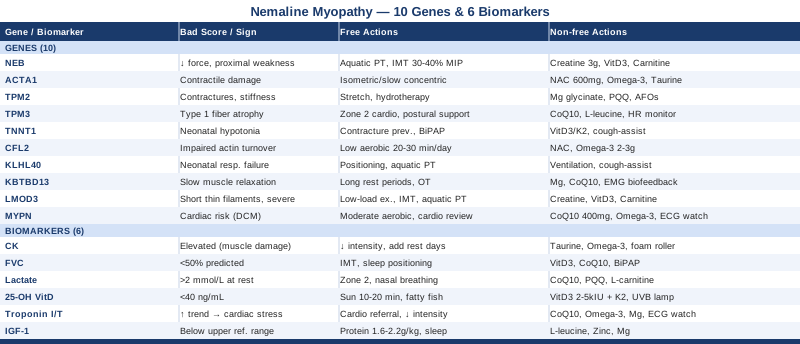
The 10 Most Important Nemaline Myopathy Genes — And What to Do When One Is Mutated
Understanding nemaline myopathy at the genetic level is not just an academic exercise. Each gene encodes a protein that plays a specific role in the sarcomere — the basic contractile unit of muscle — and knowing which link in that chain is broken changes both the clinical picture and the rational targets for support. What follows is a practical guide to the ten most clinically significant genes, along with evidence-informed strategies that can be discussed with a medical team.
NEB — The Nebulin Gene
NEB encodes nebulin, a colossal structural protein (~800 kDa) that runs the entire length of the thin actin filament in skeletal muscle. It acts as a molecular ruler — determining thin filament length — and simultaneously regulates actin-myosin cross-bridge cycling by stabilizing the thin filament structure. It is the most common genetic cause of nemaline myopathy, responsible for approximately 50% of all cases, and mutations are typically inherited in an autosomal recessive pattern (meaning two defective copies are needed for the condition to manifest). See the PubMed literature on NEB and nemaline myopathy for an overview of the mutation landscape.
Because nebulin regulates both thin filament architecture and force production efficiency, its loss leads to reduced specific force (force per unit of muscle cross-section), fatigue sensitivity, and the accumulation of nemaline rods. Weakness tends to be proximal and symmetrical, with the lower limbs often more affected than the upper. Respiratory muscle involvement is common and can progress independently of limb weakness.
If the Gene Is Affected: Without Supplements
The training priority for NEB-related myopathy is submaximal resistance exercise — specifically, low-to-moderate load (30–50% of 1-rep max) with higher repetitions (15–20 per set). This approach maximizes motor unit recruitment without imposing the eccentric loading that accelerates muscle damage when contractile efficiency is reduced. Aquatic physiotherapy is particularly useful because buoyancy reduces gravitational load while allowing full range of motion. Sessions of 30–45 minutes, three times weekly, are a practical and widely tolerated target.
For respiratory support, daily inspiratory muscle training (IMT) using a threshold resistance device — 20–30 repetitions at 30–40% of maximal inspiratory pressure, performed morning and evening — has shown benefit in neuromuscular disease management and directly targets the diaphragm and accessory inspiratory muscles. Postural management and sleeping position optimization (avoiding supine positioning when FVC is below 50% of predicted) also belong to this tier.
If the Gene Is Affected: With Supplements or Equipment
Creatine monohydrate is the most evidence-supported supplement for neuromuscular muscle disorders. A daily dose of 3–5 g (no loading phase necessary) supports phosphocreatine resynthesis in muscle, improving short-burst energy availability and potentially slowing atrophy. No cycling is required. Mild water retention (1–2 kg) is the most common side effect, resolving if supplementation is stopped. GI upset can be avoided by splitting the dose across two meals.
Vitamin D3 at 2,000–4,000 IU/day with vitamin K2 (100–200 mcg MK-7) addresses the near-universal deficiency seen in individuals with reduced mobility and limited sun exposure. Vitamin D has direct roles in muscle protein synthesis and neuromuscular function. Monitor serum 25-OH vitamin D and target 40–60 ng/mL. L-carnitine at 2 g/day (taken in two doses with meals) supports mitochondrial fatty acid oxidation and has shown some benefit in preserving muscle function in neuromuscular conditions. A three-months-on, one-month-off cycling pattern is sometimes practiced to prevent receptor downregulation, though evidence for cycling necessity is weak. GI intolerance is the main side effect. An inspiratory muscle trainer (threshold IMT device) such as the Threshold PEP or similar can cost $30–$60 and represents meaningful equipment support.
ACTA1 — Skeletal Muscle Alpha-Actin
ACTA1 encodes the predominant actin isoform in adult skeletal muscle — the building block of the thin filament itself. Over 200 distinct pathogenic variants have been identified, making ACTA1 the most genetically diverse of the nemaline myopathy genes. Mutations can be dominant (often de novo, meaning not inherited from either parent) or recessive. In dominant forms, the mutant actin protein interferes with normal actin function — a dominant-negative effect — making the overall contractile machinery less efficient even when one normal copy of the gene is present. See PubMed research on ACTA1 nemaline myopathy for the breadth of known variants.
Clinical severity ranges from mild adult-onset forms to severe neonatal disease. Because the mutation directly affects the thin filament's structural integrity, high-intensity or high-velocity muscle contractions can be particularly damaging.
If the Gene Is Affected: Without Supplements
Exercise programming should prioritize isometric holds and slow concentric movements over ballistic or explosive patterns. Eccentric loading — which produces the greatest mechanical stress and muscle damage in healthy individuals — should be minimized. A well-structured Pilates or slow-cadence resistance program (4–6 second concentric, 4 second hold, minimal eccentric) is a reasonable structural approach. Fatigue management is essential: sub-maximal effort across sessions, with rest-to-work ratios of at least 1:2, reduces the accumulation of contractile damage over time.
If the Gene Is Affected: With Supplements or Equipment
N-acetylcysteine (NAC) at 600 mg twice daily provides glutathione precursor support, targeting the oxidative stress generated by dysfunctional actin-myosin cycling. Some practitioners recommend cycling NAC five days on, two days off to avoid glutathione pathway downregulation with chronic use. GI upset is the most common side effect. Omega-3 fatty acids at 2–3 g EPA+DHA daily (taken with meals) address systemic inflammation and membrane integrity; they do not require cycling, though doses above 3 g/day carry a mild anticoagulant effect worth noting around surgical procedures. Taurine at 1–3 g/day supports muscle membrane stabilization and calcium handling — functions particularly relevant when actin thin filament structure is compromised.
TPM2 — Beta-Tropomyosin
TPM2 encodes beta-tropomyosin, one component of the tropomyosin coiled-coil dimer that wraps around actin thin filaments and regulates contraction by controlling the position of the troponin complex. Mutations are associated with multiple phenotypes — nemaline myopathy, cap myopathy, and distal arthrogryposis — reflecting the broad role of beta-tropomyosin in sarcomere regulation. Both dominant and recessive modes of inheritance occur.
Because beta-tropomyosin is expressed in both slow (type 1) and fast (type 2) muscle fibers, TPM2 mutations affect a broad range of muscle groups. A distinguishing feature in some TPM2 cases is joint contractures at birth (arthrogryposis), which significantly influences the physiotherapy approach from early life.
If the Gene Is Affected: Without Supplements
Daily passive and active-assisted stretching to maintain joint range of motion is the cornerstone of management, particularly for individuals with contractures. Hydrotherapy allows stretching with reduced gravity load, making it more effective and comfortable. Serial casting or splinting under an orthopaedic physiotherapist's guidance may be needed for persistent contractures. For muscle strengthening, the same low-load/high-rep approach applies, with special attention to wrist and ankle dorsiflexors where contractures are most common.
If the Gene Is Affected: With Supplements or Equipment
Magnesium glycinate at 300–400 mg nightly reduces muscle cramping and supports calcium-magnesium balance in the troponin-tropomyosin regulatory cycle. It does not require cycling and is generally well-tolerated; loose stools at higher doses is the main side effect, managed by titrating slowly. PQQ (pyrroloquinoline quinone) at 20 mg daily supports mitochondrial biogenesis in type 1 fibers, which are disproportionately affected when slow-fiber tropomyosin is disrupted. Ankle-foot orthoses (AFOs) are equipment-level interventions with strong functional evidence for maintaining gait quality in neuromuscular weakness with foot drop.
TPM3 — Slow Skeletal Muscle Alpha-Tropomyosin
TPM3 encodes the slow alpha-tropomyosin isoform, expressed predominantly in slow-twitch (type 1) muscle fibers. This specificity is clinically important: TPM3-related nemaline myopathy consistently shows type 1 fiber predominance and atrophy on muscle biopsy, meaning the endurance-related fibers that sustain posture and prolonged low-intensity activity are selectively affected. This creates a particular vulnerability to postural fatigue and prolonged standing or sitting.
Dominant mutations (causing nemaline myopathy 1) are well-described, as are recessive forms. Age of onset ranges from congenital to adult, and adult-onset forms tend to follow a slow, non-progressive or minimally progressive course.
If the Gene Is Affected: Without Supplements
Targeting type 1 fiber function means training at the appropriate intensity: long-duration, low-load endurance activity. Zone 2 cardio — sustained activity at roughly 60–70% of maximum heart rate, during which a full sentence can still be spoken comfortably — is the optimal zone for slow fiber mitochondrial adaptation. Cycling, swimming, or walking for 30–45 minutes, five days a week, is a realistic framework. Postural support tools (ergonomic seating, lumbar support, standing desks used in moderation) reduce the continuous demand on chronically fatigued postural muscles.
If the Gene Is Affected: With Supplements or Equipment
CoQ10 at 200–400 mg daily (taken with a fat-containing meal for absorption) directly supports mitochondrial electron transport chain efficiency in type 1 fibers — the fibers most at risk in TPM3 mutations. No cycling is required. L-leucine at 2–3 g with protein-containing meals stimulates muscle protein synthesis via the mTOR pathway, partially compensating for reduced slow fiber mass. A heart rate monitor or smartwatch with HR zones enables precise training zone adherence, preventing both over-exertion (which accelerates fatigue) and under-exertion (which fails to stimulate adaptation).
TNNT1 — Slow Skeletal Troponin T
TNNT1 encodes the slow skeletal muscle isoform of troponin T, which is part of the troponin complex responsible for calcium-regulated switching of muscle contraction. Without functional slow troponin T, the calcium signal that initiates contraction in type 1 fibers cannot be properly transduced. The result is a condition particularly severe in populations with a founder mutation — the E180X nonsense variant that is prevalent in the Old Order Amish community, where it causes nemaline myopathy 5 (also called Amish nemaline myopathy). This form is autosomal recessive and often presents with neonatal hypotonia, progressive contractures, and respiratory insufficiency.
If the Gene Is Affected: Without Supplements
Given the severity and early onset of TNNT1-related disease, the non-supplement approach is fundamentally contracture prevention and respiratory support. Daily physiotherapy, serial splinting or casting for joint contractures, and noninvasive ventilatory support (often BiPAP initially, progressing based on respiratory function testing) are the core interventions. Scoliosis surveillance from early childhood is important because thoracic deformity accelerates respiratory compromise.
If the Gene Is Affected: With Supplements or Equipment
Nutritional optimization takes priority over targeted supplementation in early life. High-calorie, high-protein nutrition — via nasogastric or gastrostomy tube if needed — supports residual muscle mass. Under medical supervision, vitamin D3 and K2 at age-appropriate doses address the immune and musculoskeletal effects of deficiency. A cough-assist device (mechanical insufflation-exsufflation) is a critical piece of equipment for managing respiratory secretions and preventing pneumonia in individuals with weak cough — these devices dramatically reduce hospitalization risk in neuromuscular disease.
CFL2 — Cofilin-2
CFL2 encodes cofilin-2, an actin-depolymerizing factor specific to muscle tissue. Cofilin-2 regulates thin filament dynamics by controlling the rate of actin turnover — the process by which old or damaged actin subunits are replaced to maintain sarcomere integrity. Without normal cofilin-2, this turnover is impaired, leading to abnormal actin accumulation and rod formation. CFL2 mutations cause a rare autosomal recessive form of nemaline myopathy (NM7), with a limited number of families described in the literature.
The rarity of CFL2 mutations means therapeutic evidence is sparse. However, because the protein's role is fundamentally about actin dynamics maintenance, interventions that support the actin regulatory system have a rational basis.
If the Gene Is Affected: Without Supplements
Low-intensity aerobic exercise stimulates the cellular pathways that regulate cofilin activity even in healthy muscle — in CFL2 variants, this means providing whatever stimulus the partially functional system can still respond to. Gentle, rhythmic movement (walking, cycling, swimming) for 20–30 minutes daily is appropriate. Avoiding prolonged immobilization prevents secondary atrophy and supports whatever residual actin turnover capacity remains.
If the Gene Is Affected: With Supplements or Equipment
NAC at 600 mg twice daily and Omega-3 fatty acids at 2–3 g EPA+DHA support the oxidative environment and membrane conditions under which actin dynamics operate. These are not CFL2-specific interventions but address the downstream consequences of impaired thin filament maintenance. Supplementation rationale and side effects are as described under ACTA1.
KLHL40 — Kelch-Like Family Member 40
KLHL40 encodes an E3 ubiquitin ligase adapter protein whose primary function is protecting key thin filament proteins — particularly LMOD3 and EBNA1BP2 — from proteasomal degradation. When KLHL40 is non-functional, these proteins are rapidly degraded, leading to severe disruption of thin filament assembly. KLHL40 mutations cause one of the most severe forms of nemaline myopathy: a neonatal presentation with profound hypotonia, respiratory failure, and frequent need for immediate ventilatory support. Many affected infants require tracheostomy and long-term ventilation. Autosomal recessive inheritance.
If the Gene Is Affected: Without Supplements
In the acute neonatal and infant period, intervention is almost entirely medical and respiratory support. The physiotherapy focus is positioning, preventing secondary contractures, and preserving what motor function exists. Over time, as some individuals survive with ventilatory support, aquatic physiotherapy and supportive mobility aids — adapted standers, power wheelchairs, communication devices — become relevant. This is one of the forms where aggressive medical advocacy for pulmonary management is the highest-priority intervention.
If the Gene Is Affected: With Supplements or Equipment
Nutritional optimization via enteral feeding with a high-calorie, protein-adequate formula is often necessary. Vitamin D3 and K2 supplementation under medical supervision remains relevant. The primary equipment priority is mechanical ventilation (noninvasive or invasive) and a cough-assist device, which have the largest documented impact on survival and quality of life in severe neonatal nemaline myopathy.
KBTBD13 — Kelch Repeat and BTB Domain-Containing Protein 13
KBTBD13 is another E3 ubiquitin ligase adapter, but with a phenotype strikingly different from KLHL40. Autosomal dominant KBTBD13 mutations cause nemaline myopathy 6 (NM6), which is notable for a clinically distinctive slow relaxation of muscle contractions. This "muscle sluggishness" — where the muscle is slower than normal to relax after a contraction — is detectable on clinical examination and represents a unique functional signature among the nemaline myopathies. Disease course is generally milder than several other forms. The exact mechanism by which KBTBD13 loss causes slow relaxation involves disruption of cofilin-mediated thin filament dynamics.
If the Gene Is Affected: Without Supplements
The slow relaxation feature has direct implications for exercise programming. Longer inter-repetition rest periods are needed to allow full muscular relaxation before the next contraction — cramming repetitions together will impair movement quality and potentially accelerate fatigue. Rest-to-work ratios of at least 2:1 within sets are a starting point. Occupational therapy assessment can help identify daily tasks where the slow relaxation creates practical difficulties, with targeted adaptive strategies for each.
If the Gene Is Affected: With Supplements or Equipment
Magnesium glycinate at 300–400 mg nightly supports the calcium-regulatory systems underpinning muscle relaxation, and is a reasonable first-line supplement choice given the relaxation-specific deficit. CoQ10 at 200 mg/day with fat supports mitochondrial efficiency. Both supplements are generally well-tolerated. An electromyography biofeedback device used under physiotherapy supervision can help train awareness of full muscle relaxation between contractions, improving movement economy.
LMOD3 — Leiomodin-3
LMOD3 encodes leiomodin-3, a protein that nucleates and elongates actin filaments at their pointed ends — the end opposite to where myosin binds. This makes LMOD3 a key regulator of thin filament length, similar in function concept to nebulin but through a different mechanism. LMOD3 mutations cause nemaline myopathy 10 (NM10), an autosomal recessive condition with typically severe presentation. Loss of LMOD3 leads to short, disorganized thin filaments and nemaline rod accumulation.
If the Gene Is Affected: Without Supplements
Given the mechanistic similarity to NEB-related myopathy (both involve thin filament length dysregulation), the management approach is comparable: low-load, high-repetition resistance exercise, aquatic physiotherapy, and respiratory muscle training with a threshold IMT device. The severity in LMOD3 cases may limit active exercise significantly, shifting the balance further toward respiratory management and postural support.
If the Gene Is Affected: With Supplements or Equipment
The supplement stack is parallel to NEB-related myopathy: creatine monohydrate (3–5 g/day, no cycling needed, monitor for water retention), Vitamin D3 with K2, and L-carnitine (2 g/day). A threshold IMT device for inspiratory muscle training and a pulse oximeter for oxygen saturation monitoring during activity are practical equipment choices.
MYPN — Myopalladin
MYPN encodes myopalladin, a Z-disc structural protein that links alpha-actinin to nebulin at the sarcomeric Z-disc while also connecting to the nucleus. This dual role — structural support for the sarcomere and nuclear signaling — means MYPN mutations can affect both skeletal and cardiac muscle. MYPN mutations are associated with nemaline myopathy, dilated cardiomyopathy, and distal myopathy, making cardiac screening a mandatory component of management for anyone with a confirmed MYPN variant. Both dominant and recessive inheritance have been described.
If the Gene Is Affected: Without Supplements
The cardiac risk dimension changes the exercise prescription. Moderate-intensity, continuous aerobic exercise — Zone 2 to Zone 3 (conversational to moderately challenging) — is generally safer than high-intensity interval work, which creates sudden cardiovascular demand. Cardiology clearance before initiating any exercise program is non-negotiable. Annual echocardiography and Holter monitoring should be part of the ongoing care plan. Avoiding contact sports and heavy isometric lifting (which elevates intrathoracic pressure) is prudent until cardiac function is established to be normal.
If the Gene Is Affected: With Supplements or Equipment
CoQ10 at 400 mg/day in two divided doses is relevant for cardiac muscle support — CoQ10 depletion in the myocardium is associated with reduced contractile function, and supplementation has shown favorable signals in cardiomyopathy trials. Omega-3 fatty acids at 2–4 g EPA+DHA/day support arrhythmia reduction and cardiac membrane function. Magnesium glycinate at 300–400 mg nightly supports electrolyte balance relevant to cardiac rhythm. A consumer ECG-capable smartwatch (Apple Watch or similar) provides low-cost, continuous cardiac rhythm monitoring and can flag arrhythmias between formal cardiology appointments.
6 Biomarkers Worth Tracking in Nemaline Myopathy
Genetic diagnosis answers the why of nemaline myopathy. Biomarkers answer the what is happening right now — how the disease is expressing itself at a given moment in time, whether a particular intervention is working, and whether a new problem (such as cardiac involvement or respiratory decline) is emerging before it becomes clinically obvious. The six biomarkers below are chosen for a combination of relevance to the condition, practicality of measurement, and actionability of results.
Creatine Kinase (CK)
Creatine kinase is an enzyme released by damaged muscle cells into the bloodstream, making it the most widely used serum marker of muscle injury and breakdown. In nemaline myopathy, CK levels are typically mildly elevated or near-normal — a stark contrast to conditions like Duchenne muscular dystrophy or inflammatory myopathies where CK is dramatically elevated. This near-normal value is actually diagnostically informative, distinguishing nemaline myopathy from higher-turnover muscle diseases.
Serial CK measurement over time matters more than any single reading. A sudden spike may indicate an intercurrent illness, overexertion, or a new muscle injury, and should prompt clinical review.
How to Measure It
Standard serum CK is measured on a basic metabolic or muscle enzyme panel at any clinical laboratory. Cost is typically $10–$40 through a physician order or $30–$80 through direct-to-consumer blood testing services. Reference ranges vary by laboratory and sex; establish a personal baseline when stable, as individual baselines differ. Testing 24–48 hours after any significant exercise will give an artifactually elevated result — always measure in a rested state.
If the Score Is Off: Without Supplements
If CK is unexpectedly elevated, the first step is ruling out exertion (recent strenuous activity), illness, or medication effects (statins, for instance, elevate CK). If the elevation persists at rest, reduce exercise intensity temporarily and allow 7–14 days of recovery. Review any recently introduced medications with a physician. Add 2–3 additional rest days to the weekly schedule and shift to lighter modalities (stretching, aquatic therapy at gentle intensity) while the value normalizes.
If the Score Is Off: With Supplements or Equipment
Taurine at 2–3 g/day has shown membrane-stabilizing properties in animal models of muscular dystrophy and may reduce CK leakage by stabilizing muscle fiber membranes. Omega-3 fatty acids at 2–3 g EPA+DHA/day reduce inflammatory signaling that accompanies muscle damage. Neither requires cycling. A foam roller or percussion massage device used post-exercise for 10–15 minutes can support metabolic clearance and reduce delayed-onset muscle soreness, though clinical CK reduction evidence for these tools is modest.
Forced Vital Capacity (FVC) and Pulmonary Function
FVC — the maximum volume of air that can be exhaled forcefully from full inspiration — is arguably the most important biomarker for long-term prognosis in nemaline myopathy. Respiratory muscle weakness is a common feature across multiple gene variants, and FVC is the clearest quantitative signal of whether it is stable, improving, or declining. An FVC below 50% of predicted values significantly raises the risk of nocturnal hypoventilation and daytime respiratory failure, triggering the threshold for considering noninvasive ventilation. See the published literature on respiratory function in nemaline myopathy for context on monitoring thresholds.
Companion measurements include maximal inspiratory pressure (MIP) and maximal expiratory pressure (MEP), which assess inspiratory and expiratory muscle strength directly, and peak cough flow, which predicts the ability to clear secretions independently.
How to Measure It
Full spirometry requires a pulmonary function lab visit, typically costing $100–$400 including the full panel. For ongoing home monitoring, a portable spirometer or FVC-capable peak flow meter ($30–$150) provides sufficient tracking precision between clinic visits. Measurement should be performed seated upright (not lying down, which worsens values in NM), at the same time of day, and ideally at the same point in a breathing cycle.
If the Score Is Off: Without Supplements
Inspiratory muscle training (IMT) with a threshold resistance device at 30–40% of MIP, 20–30 breaths, twice daily, is the cornerstone non-supplement intervention for low FVC due to muscle weakness. Singing, playing a wind instrument, or practicing sustained exhalation exercises (slow, complete exhale to residual volume) complements formal IMT. Postural optimization — especially sleeping position (elevated head of bed, lateral positioning) — can noticeably improve nocturnal oxygenation.
If the Score Is Off: With Supplements or Equipment
Vitamin D3 insufficiency is independently associated with worse respiratory muscle function in neuromuscular disease populations; correcting to 40–60 ng/mL is a low-risk priority. CoQ10 at 200–400 mg/day supports mitochondrial efficiency in the respiratory muscles themselves — relevant because the diaphragm is almost entirely composed of type 1 fatigue-resistant fibers. Equipment escalation when FVC declines below 50% predicted: noninvasive ventilation (BiPAP) during sleep is recommended by most neuromuscular disease guidelines and can substantially improve sleep quality, daytime function, and survival.
Serum Lactate (Resting and Post-Exercise)
Lactate is produced when muscle cells generate energy through anaerobic glycolysis — the pathway activated when oxygen delivery or mitochondrial capacity cannot meet demand. Elevated resting lactate, or an exaggerated lactate response to submaximal exercise, points to underlying mitochondrial dysfunction or reduced metabolic reserve in muscle tissue. In nemaline myopathy, this signal is relevant because the compromised sarcomere structure places extra metabolic demand on surviving motor units, and secondary mitochondrial dysfunction is increasingly recognized as a contributing factor in some forms.
How to Measure It
Resting serum lactate is part of a basic metabolic panel and can be ordered through a physician ($20–$60). Exercise lactate testing — measuring blood lactate at standardized workloads — is performed in sports medicine or pulmonary rehabilitation centers and provides a lactate-at-threshold profile. A point-of-care lactate meter (Lactate Plus by Nova Biomedical, approximately $300–$400 for device plus test strips) enables home monitoring. A normal resting lactate is typically below 2.0 mmol/L; values consistently above this threshold at rest warrant further metabolic evaluation.
If the Score Is Off: Without Supplements
Zone 2 aerobic training — the intensity at which you can hold a conversation without gasping — is the most powerful known stimulus for mitochondrial biogenesis and lactate clearance enzyme upregulation. For individuals with significant weakness, this may mean 10–20 minutes of aquatic walking or slow cycling. Frequency over intensity: five 20-minute sessions will produce more metabolic adaptation than two 50-minute sessions. Nasal-only breathing during low-intensity exercise forces lower intensity and has been proposed to improve mitochondrial efficiency.
If the Score Is Off: With Supplements or Equipment
CoQ10 (200–400 mg/day) and PQQ (20 mg/day) together support mitochondrial electron transport and biogenesis. L-carnitine (2 g/day) facilitates fatty acid entry into mitochondria, supporting oxidative capacity. Riboflavin (Vitamin B2) at 400 mg/day has direct roles in mitochondrial complex I and II function and is well-tolerated — urine will turn bright yellow, which is a normal and harmless effect.
25-OH Vitamin D
25-hydroxyvitamin D is the serum form of vitamin D measured to assess status. It is included here not as a general wellness recommendation but because the data in neuromuscular conditions are specific and meaningful. Vitamin D receptors are expressed in muscle tissue, and low vitamin D is independently associated with reduced muscle strength, increased falls, slower recovery from physical stress, and worse immune function — all compounding problems in a condition that already challenges these systems. Studies in various muscle diseases consistently show higher rates of deficiency than in the general population, partly because reduced mobility limits sun exposure.
How to Measure It
A standard 25-OH vitamin D blood test costs $30–$80 directly or is covered by insurance with physician order. Target range: 40–60 ng/mL (100–150 nmol/L), which is above the "technically sufficient" threshold of 20 ng/mL and closer to the levels associated with optimal neuromuscular function. Test at baseline, then 8–10 weeks after starting or adjusting supplementation, then twice yearly (fall and spring, when levels naturally fluctuate most).
If the Score Is Off: Without Supplements
Deliberate sun exposure — 10–20 minutes of midday sunlight on arms and legs (not behind glass), daily when possible — remains the most physiologically complete way to raise vitamin D. However, the mobility limitations common in nemaline myopathy make consistent sun exposure difficult. Food sources (fatty fish, egg yolks, fortified dairy) contribute but rarely restore significantly deficient levels on their own.
If the Score Is Off: With Supplements or Equipment
Vitamin D3 at 2,000–5,000 IU/day (paired with vitamin K2 MK-7 at 100–200 mcg to direct calcium toward bone rather than soft tissue) is the standard correction approach. Start at 2,000 IU, retest at 8 weeks, and adjust to target. At doses above 4,000 IU/day, periodic serum calcium monitoring is prudent. A UVB light therapy lamp (narrowband, medical-grade) can be used for 5–10 minutes several times per week to provide cutaneous vitamin D synthesis for individuals with very limited outdoor access.
Cardiac Troponin I or T
High-sensitivity cardiac troponin is a biomarker of cardiac myocyte damage and stress. Its inclusion here is specific: not all nemaline myopathy genes carry cardiac risk, but MYPN (myopalladin) mutations are associated with dilated cardiomyopathy, and there is emerging evidence of cardiac involvement in some TPM2 and ACTA1 variants. Annual troponin measurement in these specific genetic contexts provides a sensitive early signal of ongoing cardiac myocyte stress before functional decline is visible on echocardiography.
This biomarker is not indicated for all nemaline myopathy — it is gene-specific and should be discussed with a cardiologist or neuromuscular specialist who can weigh genetic and clinical context.
How to Measure It
High-sensitivity troponin I or T is ordered through standard laboratory testing and costs $30–$80 with a physician order. Values should be interpreted in the context of established reference ranges (which vary by assay), and a single elevated value means less than a rising trend over serial measurements. Cardiology involvement should be triggered by any confirmed elevation or trend upward.
If the Score Is Off: Without Supplements
Immediate cardiology referral and echocardiography is the primary step. Activity modification — reducing high-intensity exertion until cardiac function is characterized — is prudent. Salt reduction and fluid management align with standard cardiomyopathy care if left ventricular dysfunction is confirmed.
If the Score Is Off: With Supplements or Equipment
Under cardiology guidance: CoQ10 at 400 mg/day in divided doses, Omega-3 EPA+DHA at 3–4 g/day, and Magnesium glycinate at 400 mg nightly form a cardiac support stack with evidence across several cardiomyopathy types. A smartwatch with ECG capability provides accessible rhythm monitoring between formal cardiology visits.
IGF-1 — Insulin-Like Growth Factor 1
IGF-1 is the primary downstream mediator of growth hormone signaling in muscle tissue. It activates the mTOR pathway, which drives muscle protein synthesis, and promotes satellite cell activation — the stem cell-like process underlying muscle repair and regeneration. In a condition where baseline muscle mass is often below normal and the capacity for compensatory hypertrophy in surviving muscle fibers is critical, maintaining adequate IGF-1 signaling is a meaningful therapeutic lever. Low IGF-1 correlates with accelerated muscle loss and reduced anabolic response to exercise, regardless of the underlying diagnosis.
How to Measure It
Serum IGF-1 is a straightforward blood test, available through a physician or direct-to-consumer labs, costing $40–$100. Target range: the upper half of the age-and-sex-matched reference range. For an adult male aged 30, this is approximately 150–250 ng/mL; ranges shift significantly with age. The test is most informative when repeated under consistent conditions (similar time of day, similar recent exercise pattern) to reduce variability.
If the Score Is Off: Without Supplements
Protein intake is the most powerful nutrition lever for IGF-1 signaling in muscle. A target of 1.6–2.2 g of protein per kilogram of body weight per day — distributed across 3–4 meals rather than concentrated in one — maximizes leucine availability for mTOR activation. Progressive resistance exercise, even at the low loads appropriate for nemaline myopathy, stimulates IGF-1 signaling in muscle locally. Sleep duration of 7.5–9 hours per night is critical because 70–80% of daily growth hormone — and consequently IGF-1 — is secreted during deep sleep stages.
If the Score Is Off: With Supplements or Equipment
L-leucine at 2–3 g with each protein meal directly activates the mTOR pathway even when total protein intake is adequate, acting as a molecular trigger for muscle protein synthesis. Zinc bisglycinate at 15–30 mg/day corrects a frequently overlooked deficiency that blunts GH-IGF-1 signaling; monitor for copper competition with prolonged use above 30 mg/day. Magnesium at 300–400 mg nightly improves sleep quality and consequently growth hormone pulsatility. A continuous glucose monitor worn intermittently can help identify post-meal glucose patterns that blunt anabolic signaling when insulin response is chaotic.
What the Huberman Lab Series on Exercise Physiology Reveals for Muscle Disease
The six-part collaboration between Andrew Huberman and exercise physiologist Dr. Andy Galpin, available through the Huberman Lab podcast, is the most thorough public distillation of exercise science that has emerged in recent years. While it was not recorded for nemaline myopathy specifically, the precision of its frameworks — for muscle fiber types, fatigue, recovery, and adaptation — makes it unusually useful for anyone navigating a neuromuscular condition. These are the ten most impactful insights when filtered through that lens. Find the series at Huberman Lab with Dr. Andy Galpin.
1. Muscle Fiber Types Are Not Fixed — They Adapt
Even in compromised muscle, fiber type distribution can shift in response to training stimulus. Nemaline myopathy characteristically shows type 1 fiber predominance. Consistent zone 2 training deepens mitochondrial density in surviving type 1 fibers. This is not recovery, but it is meaningful adaptation — working the system that remains.
2. Zone 2 Cardio Is a Mitochondrial Medicine
The Galpin series devotes significant time to zone 2 training — the intensity at which fat oxidation is maximized and the mitochondrial biogenesis signal is strongest. At 30 minutes, five days per week, the effect compounds over months. For someone with reduced exercise capacity, the zone is lower in absolute terms but the principle is identical. Progress is measured in sustained minutes, not speed.
3. Eccentric Loading Is the Most Damaging Stimulus for Weak Muscle
The series details why eccentric contractions — the lowering phase in any movement — generate the most mechanical stress per unit of muscle activation. For already-compromised sarcomeres, this means eccentric-heavy exercise (downhill walking, slow negatives in resistance training) should be the last thing added and the first thing removed under fatigue or illness.
4. The Leucine Threshold Governs Muscle Protein Synthesis
Galpin and Huberman discuss the role of leucine as a molecular switch. Below approximately 2–3 g of leucine per meal, the mTOR-driven synthesis response does not fully engage — regardless of total protein quantity. Distributing protein intake with leucine-rich sources (whey, eggs, animal protein) across 3–4 meals activates this switch repeatedly throughout the day.
5. Sleep Is the Primary Anabolic Window
The episodes make clear that 70–80% of daily growth hormone secretion occurs during deep sleep, particularly in the first 90 minutes after sleep onset. Disrupted or shortened sleep blunts this signal. For individuals with nemaline myopathy — who may have nocturnal hypoventilation that fragments sleep — respiratory support (BiPAP, positional adjustments) is not just comfort: it directly protects the anabolic window that supports muscle maintenance.
6. Creatine Works Best When Combined with Exercise — Not Instead of It
The series is explicit that creatine's benefit on muscle function is exercise-dependent. The phosphocreatine system it supports is only depleted and replenished meaningfully during actual muscle contractions. Supplementing without consistent physical activity reduces the ergogenic effect significantly. Even low-load exercise maximizes creatine's utility.
7. Heart Rate Variability (HRV) as a Recovery Signal
A key tool discussed by Galpin is HRV — the beat-to-beat variability in heart rate that reflects autonomic nervous system recovery. Low HRV signals accumulated fatigue and inadequate recovery. For individuals with nemaline myopathy who may over- or under-train based on how they feel on a given day, morning HRV measurement with a consumer device (Oura ring, Garmin, Polar H10) provides an objective guide to whether the day warrants training or additional rest.
8. Nasal Breathing During Low-Intensity Exercise Improves Metabolic Efficiency
Huberman has discussed extensively the physiology of nasal vs. oral breathing. Nasal breathing during low-intensity exercise promotes nitric oxide production (improving pulmonary vascular efficiency), limits hyperventilation, and naturally caps exercise intensity at aerobic-zone levels — preventing inadvertent overexertion in individuals who may not feel exercise intensity accurately due to muscle fatigue patterns.
9. Inflammation Blocks Recovery — And Most Western Diets Sustain It
The series discusses how systemic inflammatory load — driven by processed food, poor sleep, and chronic stress — directly blunts satellite cell activation and muscle repair signaling. For nemaline myopathy, where repair capacity is already limited, chronic background inflammation represents a modifiable obstacle. An anti-inflammatory dietary pattern (Mediterranean or whole-food emphasis, minimal ultra-processed food) is the first tool Galpin identifies before any supplement.
10. Slow-Velocity Resistance Training Activates High Threshold Motor Units at Low Loads
One of the most counterintuitive findings Galpin discusses: slowing the tempo of a light resistance exercise to the point of momentary near-failure activates high-threshold motor units — normally only recruited at heavy loads — without the damaging mechanical forces of heavy lifting. For nemaline myopathy, where heavy loads are contraindicated, this principle enables meaningful recruitment of remaining motor units through technique rather than load, maximizing the training signal within safe parameters.
Complementary Approaches with Meaningful Evidence
The strategies covered so far address nemaline myopathy from genetic and physiological angles. The following modalities approach the same condition from different directions — supporting respiratory function, nervous system regulation, and quality of life in ways that complement rather than replace medical management.
Breathing-Based Therapies
Breathing therapies directly target respiratory muscle training, airway clearance, and the regulation of breathing mechanics — all of which are clinically impaired in nemaline myopathy to varying degrees depending on gene variant and disease severity. The diaphragm and intercostal muscles are skeletal muscles subject to the same sarcomeric dysfunction as limb muscles, and targeted respiratory rehabilitation is one of the best-evidenced interventions in the entire field of neuromuscular disease management.
Inspiratory muscle training (IMT) using threshold resistance devices has been evaluated in randomized controlled trials in patients with neuromuscular diseases. A 2013 review published in the journal Neuromuscular Disorders found that IMT programs (typically 30–45 minutes of training at 30–40% of maximal inspiratory pressure, 5 days per week for 8–12 weeks) produced significant improvements in MIP and FVC in participants with neuromuscular weakness. Buteyko breathing — emphasizing nasal breathing and CO2 tolerance — has clinical trial support in asthma and limited emerging evidence in chronic respiratory conditions; its nasal-breathing emphasis has theoretical benefit for individuals with reduced respiratory reserve.
Practically: begin with a threshold IMT device ($30–$60 at medical supply retailers), perform two 10–15 minute sessions daily (morning and evening), and track MIP monthly using a portable spirometer. Progress the resistance by 5% when the same resistance becomes comfortable across five consecutive days. Anyone with FVC below 40% predicted should begin this under pulmonologist or respiratory physiotherapist guidance rather than self-managing.
Biofeedback
Biofeedback trains individuals to gain conscious awareness and control over physiological processes that normally occur without awareness — heart rate, muscle activation, and breathing patterns — using real-time sensor feedback displayed on a screen or device. For nemaline myopathy, biofeedback is relevant in two specific ways: surface EMG biofeedback helps retrain movement patterns around weakened muscles, while respiratory biofeedback supports breathing retraining and can help manage the anxiety that accompanies respiratory insufficiency.
A Cochrane review (2013) on biofeedback for motor rehabilitation in neurological conditions found moderate evidence for EMG biofeedback improving targeted muscle activation and movement accuracy in conditions affecting motor control. While the evidence base specifically for nemaline myopathy is very limited, the mechanism — enhancing neuromuscular control through real-time feedback — is rational and directly applicable to compensatory motor learning in muscle weakness.
In practice, biofeedback is typically delivered through an occupational or physical therapist with EMG equipment in a clinical setting. Sessions of 30–45 minutes, two to three times weekly over 6–12 weeks, constitute a standard course. Home options (Muse headband for HRV/breathing, consumer EMG devices) exist but are less precise; clinical biofeedback is preferable for the initial learning phase.
Yoga — Modified for Neuromuscular Conditions
Yoga's relevance to nemaline myopathy is primarily through its applications for joint range of motion, postural control, diaphragmatic breathing, and parasympathetic nervous system activation — none of which require muscle strength at levels incompatible with nemaline myopathy. Standard yoga poses need significant modification; the value comes from the structural elements (controlled breathing coordinated with gentle movement, sustained holds) rather than the athletic demands of traditional practice.
A 2018 systematic review in the European Journal of Neurology examined exercise interventions in hereditary neuromuscular disease and found that structured, supervised movement programs improved functional outcomes including walking distance, balance, and quality of life. While yoga as a specific modality was not isolated in most trials, the structural elements of yoga practice align closely with the low-load, controlled-tempo protocols that benefit this population.
Modified yoga — chair yoga, supine yoga, or pool yoga — should be guided initially by an instructor experienced with mobility-limiting conditions. A focus on pranayama (breathing practice), gentle spinal mobility, hip flexor lengthening, and shoulder girdle opening is more appropriate than balance-intensive standing sequences. Sessions of 30–45 minutes, two to three times weekly, targeting flexibility and breathing quality rather than strength, is a sustainable and beneficial approach for most nemaline myopathy severity levels.
Mindfulness Meditation and MBSR
Mindfulness-Based Stress Reduction (MBSR) — the structured 8-week program developed by Jon Kabat-Zinn — has accumulated substantial evidence for improving psychological wellbeing and quality of life in people with chronic medical conditions. For nemaline myopathy, where the chronic nature of muscle weakness, respiratory monitoring, and functional limitation creates a significant psychological burden, MBSR addresses the experiential dimension of illness that purely biomedical interventions do not touch.
A 2017 meta-analysis in JAMA Internal Medicine covering 47 randomized controlled trials of mindfulness-based interventions found consistent reductions in anxiety, depression, and pain in participants with chronic illness. The effect sizes were moderate but meaningful and sustained at follow-up. Specific neuromuscular disease trials are limited, but the psychological mechanisms (reduced catastrophizing, improved pain tolerance, better sleep quality) are condition-agnostic.
The standard entry point is an 8-week MBSR course (available in-person, online, or through apps such as Insight Timer or Waking Up), involving 30–45 minutes of guided practice daily plus one full-day retreat near week six. After the structured course, independent practice of 15–20 minutes daily is sufficient for maintenance. The cardiovascular and respiratory calming effects of regular mindfulness practice also have a secondary benefit for anyone managing anxiety around breathing.
Music Therapy
Music therapy — particularly rhythm-based approaches — has established clinical evidence for improving movement quality, motor pacing, and motivation in conditions affecting motor control. For nemaline myopathy, the most relevant application is rhythmic auditory stimulation (RAS), where an external beat or musical tempo provides a timing cue that helps coordinate movement and improve gait consistency. This is particularly relevant for individuals whose movement timing is disrupted by asymmetrical weakness or the slow relaxation characteristic of KBTBD13-related disease.
A 2014 meta-analysis in the Journal of Music Therapy evaluated 52 controlled studies of music therapy in neurological and musculoskeletal rehabilitation and found consistent improvements in movement coordination, pace maintenance, and patient engagement. While nemaline myopathy was not specifically studied, the RAS mechanism is neurological — it uses auditory-motor coupling pathways that are intact in nemaline myopathy — rather than requiring strong sarcomeric function to be effective.
Practically: using music with a consistent, predictable beat (metronome-style or strongly rhythmic music) during walking or functional movement exercises helps externally pace movement. Apps like Metronome Beats or RockSteady allow precise tempo adjustment. More formalized music therapy sessions with a credentialed music therapist (MT-BC) are available through hospitals and rehabilitation centers, typically in 45–60 minute sessions one to two times weekly.
Conclusion
Nemaline myopathy is a complex genetic condition, but complexity is not the same as helplessness. What makes a real difference is working at the right level of specificity: knowing which gene is involved and what it does, tracking the biomarkers that reflect disease expression in real time, and applying interventions that are matched to the biology rather than generic. The genetics of the condition shape what is possible; the biomarkers tell you where you currently are; the lifestyle and supplement strategies give you the levers to work with.
No supplement stack replaces a specialist team — a neurologist, pulmonologist, physiotherapist, and cardiologist (for MYPN variants) form the core of appropriate care. But the evidence-informed information in this article can make those conversations more productive. The next smart step is choosing one or two areas — perhaps getting a baseline FVC measurement if it has not been done recently, or running a 25-OH vitamin D test, or discussing inspiratory muscle training with your physiotherapist — and building from there. Precision, patience, and persistence are the tools. Use them with good information behind them.
Musculoskeletal: Muscle Conditions
Neurological: Nerve Conditions Movement Disorders
Cardiovascular: Heart Conditions