This article contains AI generated content.
· UpdatedNeonatal-Onset Multisystem Inflammatory Disease — 3 Genes And 7 Biomarkers To Track
Introduction
If you are navigating a diagnosis of Neonatal-Onset Multisystem Inflammatory Disease — or if you are still searching for answers behind a persistent pattern of neonatal rash, recurrent fever, joint swelling, and neurological deterioration — you are dealing with one of the rarest and most biologically specific conditions in all of medicine. NOMID, also referred to as CINCA syndrome (Chronic Infantile Neurological Cutaneous and Articular syndrome), affects roughly one in a million people worldwide. The diagnostic journey is often measured in years, and the path to effective management depends almost entirely on understanding the molecular engine driving the disease.
Generic anti-inflammatory protocols were not built for this. Broad dietary advice, standard immunosuppressants, and general wellness frameworks rarely produce meaningful results in a condition where inflammation is not triggered by an external insult but by a constitutively active molecular switch inside innate immune cells. The biology of NOMID is precise, and managing it well requires precision in return.
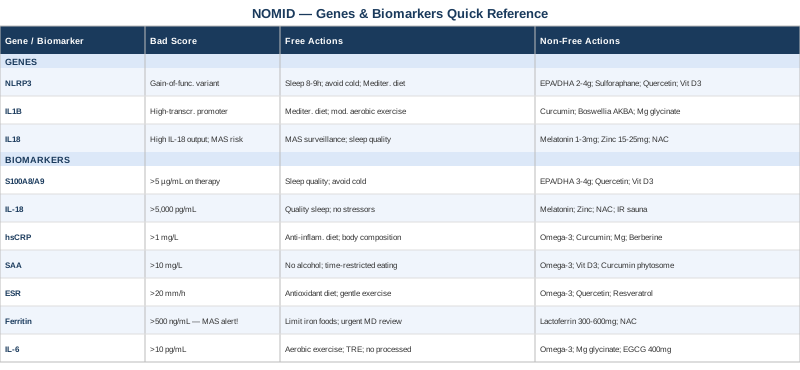
This article focuses on exactly that. Three genes sit at the center of the NOMID mechanism — and understanding what each one does, how variants amplify the disease, and what can realistically be done to compensate is genuinely useful information. Alongside that, seven specific biomarkers can be tracked over time to measure inflammation burden, monitor treatment response, and catch dangerous complications before they escalate. No cure claims are made here. But better measurement leads to better decisions.
The sections below move from the genetic root causes to the most meaningful labs to track, then into evidence-backed complementary strategies and lifestyle tools with real data behind them. NOMID is still medically demanding, but understanding it at this level is the most useful thing anyone in this situation can do.
Summary
This article is built around a core question: what actually drives Neonatal-Onset Multisystem Inflammatory Disease, and what can be measured and modified once you understand the mechanism? The answer begins with three genes — NLRP3, IL1B, and IL18 — that together form a molecular circuit responsible for runaway IL-1β production, neurological inflammation, joint destruction, and life-threatening complications like macrophage activation syndrome. For each gene, the article outlines what a problematic variant actually means and provides two specific action plans: one without supplements and one with evidence-based supplements and tools, including cycling protocols and side effect considerations. Then come seven biomarkers — including one most doctors rarely order but that predicts flares with striking accuracy — mapped with cost ranges, measurement methods, and exact correction strategies. Beyond the core science, a research-backed book and podcast section reframes what lifestyle factors can still modulate even in a genetically-driven disease. Finally, four complementary approaches with genuine human evidence round out the picture. NOMID is not manageable through generic health advice — but targeted, specific information changes the situation meaningfully.
The Genetic Architecture Behind NOMID: Three Genes That Drive the Disease
Researchers like Ali Torkamani at the Scripps Research Institute have spent years arguing that precision genomics — going beyond single-gene diagnostics to understand the full constellation of modifier variants — produces better clinical outcomes than any one-size-fits-all protocol. For NOMID, that argument is particularly compelling. The disease is defined by a genetic lesion, but the severity, complications, and treatment response all vary substantially based on the full genetic picture. Gary Brecka, whose work in nutrigenomics focuses on how specific gene variants respond to targeted nutritional interventions, adds another layer: even when the primary mutation cannot be corrected, downstream pathways can be modulated in ways that meaningfully reduce inflammatory burden.
NOMID belongs to the spectrum of Cryopyrin-Associated Periodic Syndromes (CAPS), with NOMID representing the most severe end. The mechanistic core is a gain-of-function mutation in NLRP3 that leads to constitutive assembly of the NLRP3 inflammasome — a molecular platform that processes and releases IL-1β and IL-18 continuously, without the external trigger that normally gates this response. Understanding the three genes below is not academic. It is the starting point for every meaningful intervention.
Gene 1 — NLRP3 (Cryopyrin/CIAS1): The Master Switch
NLRP3 encodes cryopyrin, a protein that serves as the core scaffold of the NLRP3 inflammasome. Under normal conditions, the inflammasome assembles only in response to danger signals — pathogens, cellular damage, crystalline compounds like uric acid. In NOMID, gain-of-function mutations in NLRP3 cause cryopyrin to adopt a permanently active conformation. The inflammasome assembles constitutively, caspase-1 is continuously cleaved, and IL-1β along with IL-18 are released in a sustained, uncontrolled stream. The result is a multi-system inflammatory state present from birth, involving the skin, joints, eyes, ears, central nervous system, and bones.
The gene sits on chromosome 1q44. More than 100 distinct pathogenic variants have been identified. Critically, research by Aksentijevich and colleagues established that de novo mutations are common in NOMID — meaning a child can carry the mutation without either parent being affected. An additional and often-overlooked fact: approximately 40 to 50% of clinically confirmed NOMID patients carry a somatic mosaic mutation rather than a germline one, meaning standard blood-based genetic tests may return a false negative. Skin biopsies or ultra-deep sequencing of affected tissue may be needed to find the variant.
If the NLRP3 Variant Is Active — The Plan Without Supplements
The cornerstone of NOMID management when an NLRP3 gain-of-function variant is confirmed is IL-1 inhibitor therapy. Three agents are clinically validated: anakinra (recombinant IL-1 receptor antagonist, daily subcutaneous injection), canakinumab (monoclonal antibody against IL-1β, given every 8 weeks), and rilonacept (IL-1 trap, weekly subcutaneous). Goldbach-Mansky et al. demonstrated in a landmark 2006 NEJM study that anakinra produced rapid, dramatic improvement in neurological, articular, and dermatological manifestations in NOMID patients, with normalization of inflammatory biomarkers. These medications do not modify the gene but suppress its downstream consequences.
Beyond pharmacological IL-1 inhibition, lifestyle strategies that reduce background inflammasome priming are meaningful. Sleep is among the most powerful. Sleep deprivation increases NLRP3 inflammasome activity and IL-1β transcription within 24 hours — this is not speculation, it is reproducible human data. Targeting 8 to 9 hours of consolidated sleep, with consistent timing, is a non-trivial intervention for anyone with constitutively elevated IL-1β. Avoiding cold exposure triggers is critical: the milder CAPS variant FCAS is specifically cold-triggered, and even in NOMID, cold exposure can prime neutrophil activation and worsen flares. Cold plunges and cryotherapy — popular in biohacking communities — are contraindicated in NLRP3 gain-of-function carriers. A Mediterranean-pattern anti-inflammatory diet (high in polyphenols, omega-3 fatty acids, low in processed fructose and refined seed oils) reduces the overall substrate for inflammasome activation. Chronic psychological stress, via sustained cortisol elevation, paradoxically increases NLRP3 priming over time despite the apparent immunosuppressive reputation of cortisol — stress management is therefore directly relevant.
If the NLRP3 Variant Is Active — The Plan With Supplements and Equipment
Several natural compounds have demonstrated direct NLRP3 inflammasome inhibition in human or high-quality animal studies. These are not replacements for IL-1 inhibitor therapy, but they can meaningfully reduce the baseline inflammatory burden in adults and older adolescents carrying NLRP3 variants who are already on stable medical management. Always consult with the treating rheumatologist before adding any supplement, particularly in pediatric patients.
Omega-3 fatty acids (EPA/DHA): EPA and DHA suppress NLRP3 inflammasome assembly through GPR120 receptor signaling and through their conversion to specialized pro-resolving mediators (SPMs) like resolvins. Dose: 2–4 g combined EPA/DHA daily with meals (use triglyceride-form for bioavailability). No need to cycle. Side effects: mild fishy taste, loose stools at high doses, theoretical bleeding risk at very high doses. Use pharmaceutical-grade (IFOS-certified) fish oil.
Sulforaphane (from broccoli sprout extract): Activates the NRF2 pathway, which directly suppresses NLRP3 inflammasome transcription and reduces oxidative stress that serves as an inflammasome activating signal. Dose: 20–40 mg sulforaphane equivalents daily (standardized sprout extract or fresh broccoli sprouts). Cycle: 5 days on, 2 days off to prevent NRF2 pathway desensitization. Side effects: mild gastrointestinal upset, potential interaction with thyroid function at very high doses.
Quercetin: Flavonoid with documented NLRP3 inhibitory activity in human immune cell studies. Dose: 500–1000 mg daily with fat-containing meals (bioavailability is poor without lipid carrier; look for phytosome-bound formulations). Cycle: use for 8 weeks, then 2 weeks off. Side effects: generally well tolerated; may interact with certain medications metabolized by CYP3A4.
Vitamin D3: Deficiency amplifies NLRP3 inflammasome priming via reduced expression of anti-inflammatory vitamin D receptor target genes. Target serum 25(OH)D: 50–80 ng/mL. Dose is individualized based on labs — typically 3000–5000 IU/day for adults with deficiency. Add K2 (MK-7, 100–200 mcg) to prevent soft tissue calcium deposition. No cycling required. Side effects: hypercalcemia at excess doses — monitor labs every 3 months when optimizing.
Infrared sauna (far infrared): Far infrared sauna at moderate temperatures (50–60°C) can promote inflammatory resolution through heat shock protein induction and improved lymphatic clearance. Important distinction: regular wet sauna (very high heat) or cold plunge are not appropriate here. Use 15–20 minutes per session, 2–3 times per week. Monitor tolerance carefully in pediatric patients; this tool is more relevant for adult NOMID patients.
Gene 2 — IL1B: How Your IL-1β Production Profile Shapes Disease Severity
The IL1B gene on chromosome 2q14.1 encodes interleukin-1 beta itself — the primary pro-inflammatory cytokine released by the activated NLRP3 inflammasome in NOMID. While the NLRP3 variant drives the upstream activation, the magnitude of IL-1β output is also shaped by promoter polymorphisms in the IL1B gene itself. Two variants are particularly studied: the -511C/T and -31T/C polymorphisms in the IL1B promoter region. The T allele at -511 and the C allele at -31 are associated with significantly higher transcriptional activity of IL1B, meaning more IL-1β protein produced per inflammasome activation event. In the context of a constitutively active NLRP3 inflammasome, this is a meaningful amplifier.
Carriers of high-transcription IL1B promoter variants alongside pathogenic NLRP3 mutations may experience more severe disease, faster progression to secondary complications (amyloidosis, hearing loss), and potentially require higher doses of IL-1 inhibitors to achieve biomarker normalization. This interaction is an active area of research but already justifies including IL1B genotyping in comprehensive CAPS/NOMID workups.
If the IL1B Promoter Score Is Unfavorable — The Plan Without Supplements
A high-transcription IL1B promoter profile means the system produces more IL-1β per inflammasome activation event. The primary non-pharmacological modifier is diet composition. A Mediterranean dietary pattern — specifically high in oleic acid (olive oil), omega-3 fatty acids, and polyphenol-rich vegetables — has demonstrated measurable reductions in IL-1β circulating levels in multiple human intervention trials. The mechanism involves both reduced arachidonic acid substrate availability and direct transcriptional suppression of NF-κB, the upstream regulator of IL1B expression.
Moderate aerobic exercise (30–45 minutes of moderate-intensity activity, 4–5 days per week) consistently reduces circulating IL-1β in adults with inflammatory conditions. The mechanism involves myokine release — particularly IL-6 from contracting muscle, which in this context acts paradoxically as an anti-inflammatory signal that downregulates IL-1β and TNF production. High-intensity exercise, conversely, can transiently spike NLRP3 inflammasome activity and is less appropriate here. Gut microbiome diversity directly influences IL-1β transcription through TLR4 and NLRP3 priming by bacterial lipopolysaccharide. Improving microbiome diversity through prebiotic fiber (20–40 g/day from whole food sources) and regular consumption of fermented foods reduces this priming signal meaningfully.
If the IL1B Promoter Score Is Unfavorable — The Plan With Supplements and Equipment
Curcumin (with piperine or as phytosome): Suppresses NF-κB-mediated IL1B transcription. Dose: 500–1000 mg curcumin phytosome or 1500 mg curcumin + 20 mg piperine daily. Cycle: 8 weeks on, 2 weeks off. Side effects: gastrointestinal discomfort at high doses; may reduce absorption of some medications — check with the prescribing physician.
Boswellia serrata extract (AKBA-standardized): Directly inhibits 5-lipoxygenase and NF-κB, reducing IL-1β transcription. Dose: 300–500 mg AKBA-standardized extract three times daily with food. Cycle: continuous use for 12 weeks, then 4 weeks off. Side effects: mild GI symptoms; may affect platelet function in high doses.
Magnesium glycinate: Magnesium deficiency independently upregulates IL-1β and NLRP3 expression. Dose: 300–400 mg elemental magnesium as glycinate before bed. No cycling needed. Side effects: loose stools at higher doses (switch to glycinate or threonate form to minimize).
Gene 3 — IL18: The Hidden Amplifier and Macrophage Activation Risk
IL18 encodes interleukin-18, the second major pro-inflammatory cytokine released when the NLRP3 inflammasome activates caspase-1. While IL-1β has received most of the clinical attention in NOMID, IL-18 is increasingly recognized as a critical independent driver of complications — particularly macrophage activation syndrome (MAS), a potentially fatal hyperinflammatory complication characterized by uncontrolled macrophage and T-cell activation. Circulating IL-18 levels in NOMID can reach 50 to 100 times normal values, and very high IL-18 levels are now considered a key warning signal for impending MAS.
Functional variants in the IL18 gene, including the -607A/C and -137G/C promoter polymorphisms, influence baseline IL-18 transcription. The -607A allele is associated with lower IL-18 production, while the -607C allele drives higher output. In the context of constitutively active caspase-1 from NLRP3 gain-of-function, higher IL-18 transcription alleles amplify the risk and severity of MAS. An emerging pharmaceutical approach — tadekinig alfa, a recombinant human IL-18 binding protein — is being evaluated specifically for NOMID patients with markedly elevated IL-18 and refractory MAS, representing a targeted addition to the IL-1 inhibitor backbone.
If the IL18 Variant Drives High Output — The Plan Without Supplements
The most important non-pharmacological modifier of IL-18 burden in NOMID is MAS surveillance and early escalation. This is not a lifestyle fix — it is a monitoring imperative. Ferritin above 500 ng/mL warrants immediate rheumatological review. Ferritin above 10,000 ng/mL in the context of NOMID flare is a medical emergency. Beyond surveillance, sleep architecture optimization is directly relevant: deep slow-wave sleep is the primary physiological period for IL-18 clearance and regulatory T-cell restoration. Fragmented sleep or sleep deprivation specifically elevates the IL-18/IL-18BP ratio, reducing the buffering capacity of the body's own IL-18 binding protein.
Stress-driven cortisol dysregulation — specifically elevated evening cortisol from chronic psychological or physiological stress — increases IL-18 secretion from macrophages. Practices that restore healthy HPA axis function (consistent sleep-wake timing, morning light exposure, limiting evening blue light) are directly applicable and low-risk.
If the IL18 Variant Drives High Output — The Plan With Supplements and Equipment
Melatonin: At pharmacological doses (but modest by biohacking standards), melatonin directly reduces IL-18 secretion from macrophages and increases the expression of endogenous IL-18 binding protein. Dose: 0.5–3 mg about 30 minutes before bed (lower doses can be sufficient; very high doses are unnecessary). No cycling required for this application. Side effects: morning grogginess if dose is too high; may affect timing of circadian rhythm if taken at variable times — be consistent.
Zinc (as zinc bisglycinate): Zinc deficiency substantially amplifies IL-18 secretion and reduces the T regulatory cell population that dampens cytokine storms. Dose: 15–25 mg elemental zinc daily with food. Cycle: supplement for 12 weeks, then recheck serum zinc — do not supplement indefinitely without testing. Side effects: nausea if taken without food; high long-term zinc supplementation depletes copper — consider a 1–2 mg copper supplement if zinc is used chronically.
N-Acetylcysteine (NAC): Replenishes glutathione and reduces mitochondrial reactive oxygen species, which are direct triggers of NLRP3-mediated IL-18 maturation. Dose: 600–1200 mg twice daily. Cycle: 4 weeks on, 1 week off. Side effects: rotten egg odor in some users, mild GI discomfort.
The genetic picture in NOMID is not a dead end — it is a map. Understanding which variants are driving the inflammatory amplification and which downstream pathways can be modulated allows for a much more targeted approach than generic anti-inflammatory advice will ever provide.
Seven Biomarkers Worth Tracking in Neonatal-Onset Multisystem Inflammatory Disease
Tracking NOMID by symptoms alone misses critical information. The disease can silently progress toward secondary amyloidosis, sensorineural hearing loss, and CNS injury even during periods of relative clinical calm. The seven biomarkers below provide an objective window into disease activity, treatment adequacy, and complication risk. Some are inexpensive and widely available; others require specialized labs but offer information that cannot be obtained any other way.
Biomarker 1 — S100A8/S100A9 (Serum Calprotectin / MRP8–MRP14)
What it is and why it matters: S100A8 and S100A9 are calcium-binding myeloid proteins released by neutrophils and monocytes during activation. As a complex (MRP8/14, also called calprotectin), they are among the most sensitive markers of NLRP3-driven neutrophilic inflammation available. In CAPS and NOMID specifically, serum calprotectin tracks disease activity more sensitively than CRP or ESR, and correlates with flare severity and tissue inflammation — including in the CNS. Unlike CRP, it does not require hepatic synthesis and therefore reflects peripheral immune activation more directly and rapidly.
How to measure it: Serum S100A8/A9 can be ordered through specialty reference laboratories (Mayo Clinic Laboratories, ARUP Laboratories). Cost range: $100–$220. Results are reported in µg/mL. Normal range: below 1.0 µg/mL in most reference labs. NOMID patients in flare commonly show values 10–50 times above normal. The test requires standard serum collection — no special preparation needed.
If the score is high — the plan without supplements: Elevated serum calprotectin above 5 µg/mL despite IL-1 inhibitor therapy indicates breakthrough inflammation and warrants dosing review with the treating rheumatologist. From a lifestyle standpoint, the most powerful modifiers of neutrophil calprotectin release are sleep quality (fragmented sleep spikes S100A8/A9 within 48 hours) and avoidance of cold triggers. A Mediterranean dietary pattern with high oleic acid and omega-3 intake reduces the baseline activation threshold of myeloid cells.
If the score is high — the plan with supplements and equipment: Omega-3 EPA/DHA at therapeutic doses (3–4 g/day in adults) reduces myeloid cell activation and S100A8/A9 release. Quercetin (500 mg twice daily with food) directly inhibits S100A8/A9 secretion from monocytes in human cell studies. Vitamin D3 optimization (target 60–80 ng/mL serum 25(OH)D) normalizes myeloid cell activity via the vitamin D receptor pathway. All three compounds work synergistically and can be combined.
Biomarker 2 — Interleukin-18 (IL-18)
What it is and why it matters: IL-18 is the second major product of caspase-1 cleavage in the NLRP3 inflammasome. In NOMID, circulating IL-18 can reach extraordinary levels — 10,000 to 100,000 pg/mL in severe cases, against a reference range typically below 200 pg/mL. Unlike IL-1β, which is largely captured by anakinra and canakinumab, IL-18 is not directly targeted by current first-line IL-1 inhibitors. This means a patient can appear well-controlled on anakinra — with normalized CRP and improved symptoms — while IL-18 remains massively elevated, silently driving macrophage activation and T-cell dysregulation. Tracking IL-18 independently is therefore not redundant with other inflammatory markers.
How to measure it: IL-18 is measured by ELISA in serum or plasma. Available through ARUP Laboratories, Mayo, and select academic medical centers. Cost range: $150–$350. No fasting required. Trend monitoring is more useful than single-point values — a rising IL-18 in the context of stable or declining CRP is a specific warning sign for approaching MAS.
If the score is high — plan without supplements: Very high IL-18 (above 5000–10,000 pg/mL) in an actively managed NOMID patient should trigger rheumatological escalation — specifically, discussion of tadekinig alfa (recombinant IL-18BP), which is available through compassionate use and in clinical trials. From a non-pharmacological standpoint: consistent, high-quality sleep is the strongest lifestyle lever for IL-18 normalization, since slow-wave sleep drives endogenous IL-18 binding protein production. Avoiding physiological stressors (infection, surgical procedures, extreme temperatures) that could push a high-IL-18 patient into MAS territory is the key practical goal.
If the score is high — plan with supplements and equipment: Melatonin (1–3 mg nightly) has direct IL-18 suppressive effects in macrophages. Zinc (15–25 mg/day) reduces IL-18 secretion and increases IL-18BP levels. NAC (600 mg twice daily) reduces the ROS-driven IL-18 release from mitochondria. Infrared sauna (far-infrared, moderate heat, 15–20 minutes, 2×/week) promotes heat shock protein expression, which reduces uncontrolled cytokine secretion — safer thermal exposure than conventional sauna for NLRP3 variant carriers.
Biomarker 3 — High-Sensitivity C-Reactive Protein (hsCRP)
What it is and why it matters: CRP is the most widely used acute-phase protein in clinical medicine, synthesized by the liver in response to IL-6 (which is itself driven by IL-1β). In NOMID, hsCRP is not the most sensitive marker — it can be normal or near-normal during subclinical inflammatory periods — but it is universally available, cheap, and useful for tracking treatment response and flare trajectories. As noted by Peter Attia in his clinical framework, hsCRP below 0.5 mg/L represents genuinely low inflammatory tone, while values above 1.0 mg/L indicate meaningful systemic activation even in the absence of obvious symptoms. For NOMID patients, normalized hsCRP on IL-1 inhibitor therapy is a minimum target, not a sufficient one.
How to measure it: Standard hsCRP blood test. Cost: $10–$30. Available at any clinical laboratory. Target in managed NOMID: consistently below 1 mg/L. An hsCRP above 3 mg/L in a patient on IL-1 inhibitors warrants dosing review.
If the score is high — plan without supplements: Beyond IL-1 inhibitor optimization, dietary modification produces measurable hsCRP reduction. Replacing refined carbohydrates and omega-6-rich seed oils with olive oil, oily fish, leafy greens, and polyphenol-dense vegetables (berries, tomatoes, cruciferous vegetables) consistently reduces hsCRP by 15–30% in controlled trials within 6–8 weeks. Reducing body fat percentage (in applicable adult patients) has particularly strong hsCRP effects, since adipose tissue is a major IL-6 source.
If the score is high — plan with supplements and equipment: Omega-3 EPA/DHA (2–4 g/day), curcumin phytosome (500–1000 mg/day), and magnesium glycinate (300–400 mg before bed) form a well-studied combination for hsCRP reduction with an additive effect across mechanisms. Berberine (500 mg twice daily with meals) reduces hepatic CRP synthesis via AMPK activation — cycle 8 weeks on, 4 weeks off; monitor liver enzymes. Side effects: mild GI discomfort with berberine; check for drug interactions with any current medications.
Biomarker 4 — Serum Amyloid A (SAA)
What it is and why it matters: Serum Amyloid A is an acute-phase protein produced by the liver in response to IL-1β and IL-6. In the context of NOMID, sustained SAA elevation is the primary driver of secondary AA amyloidosis — a potentially fatal complication in which amyloid A protein deposits in the kidneys, heart, liver, and gut. This complication was once a leading cause of death in CAPS patients before IL-1 inhibitor therapy became available. SAA is a more sensitive marker of residual inflammation than CRP in some patients, and it should be tracked as an independent variable because AA amyloidosis requires SAA normalization — not just CRP normalization. A patient can have an acceptable CRP while SAA remains elevated enough to drive amyloid deposition over years.
How to measure it: SAA ELISA through reference labs (ARUP, Mayo). Cost: $50–$110. Target: consistently below 10 mg/L (ideally below 5 mg/L). Even in well-controlled NOMID, SAA should be checked every 3–6 months.
If the score is high — plan without supplements: SAA elevation signals residual hepatic acute-phase activation beyond what current therapy is suppressing. The priority is medication optimization. From a lifestyle standpoint, alcohol elimination (even light alcohol use stimulates hepatic acute-phase responses) and caloric restriction (intermittent time-restricted eating can reduce SAA in inflammatory conditions) are the most impactful non-pharmacological moves.
If the score is high — plan with supplements and equipment: Omega-3 fatty acids reduce SAA independently of CRP effects. High-dose vitamin D3 (to achieve 60–80 ng/mL) has demonstrated SAA-lowering effects in inflammatory disease cohorts. Curcumin phytosome directly suppresses hepatic SAA transcription via NF-κB inhibition. These supplements do not replace the need for medication escalation when SAA is persistently elevated — they complement it.
Biomarker 5 — Erythrocyte Sedimentation Rate (ESR)
What it is and why it matters: ESR is one of the oldest and least specific inflammatory markers in medicine, yet it remains clinically useful in NOMID precisely because of its slow kinetics. While CRP and calprotectin change within hours, ESR lags by days — making it excellent for tracking subacute inflammation trends over weeks and months. In NOMID patients on IL-1 inhibitor therapy, a persistently elevated ESR despite normalized CRP can indicate ongoing low-grade inflammation not reflected in acute-phase proteins. It is also a useful longitudinal tracking tool for families managing NOMID at home, given its near-universal availability and low cost.
How to measure it: Standard CBC add-on or standalone test. Cost: $10–$20. Target in managed NOMID: below 20 mm/hour. ESR above 40 mm/hour warrants further investigation.
If the score is high — plan without supplements: Sustained ESR elevation in treated NOMID should prompt reassessment of medication adequacy, infection surveillance, and nutritional status. From a non-pharmacological standpoint, improving total dietary antioxidant capacity (through colorful vegetables, berries, and green tea) reduces ESR in chronic inflammatory conditions. Moderate physical activity (walking, gentle swimming) consistently reduces ESR in adults with inflammatory arthropathy.
If the score is high — plan with supplements and equipment: No single supplement targets ESR directly — it responds to overall inflammatory load reduction. The omega-3/quercetin/sulforaphane combination used for NLRP3 management produces downstream ESR reduction. Resveratrol (250–500 mg/day as a trans-resveratrol supplement, with a fat-containing meal) has shown ESR-lowering effects in inflammatory conditions through SIRT1-mediated NF-κB suppression. Cycle 6 weeks on, 2 weeks off. Side effects: estrogenic activity at very high doses — not appropriate for estrogen-sensitive conditions; check at standard doses.
Biomarker 6 — Ferritin (with Soluble Transferrin Receptor Context)
What it is and why it matters: Ferritin in NOMID carries a dual significance. At moderately elevated levels, it reflects the general acute-phase response. At dramatically elevated levels (above 500 ng/mL and particularly above 5000–10,000 ng/mL), it is a sentinel warning for macrophage activation syndrome (MAS) — the most immediately life-threatening complication of NOMID. MAS involves uncontrolled macrophage and T-cell hyperactivation, and very high ferritin is one of its most specific markers. Unlike CRP, ferritin provides this dual signal: chronic inflammation marker at lower levels, and MAS alarm at very high levels. Ferritin should always be interpreted alongside soluble transferrin receptor (sTfR) to distinguish inflammatory ferritin elevation from iron deficiency — both can be present simultaneously in NOMID.
How to measure it: Ferritin is a standard blood test. Cost: $10–$30. Target in managed NOMID: below 200 ng/mL. Any ferritin above 500 ng/mL in a NOMID patient should prompt urgent rheumatological contact.
If the score is high — plan without supplements: Ferritin elevation in NOMID is primarily treated by optimizing IL-1 inhibitor therapy. Dietary iron modulation (reducing red meat and iron-fortified foods temporarily) may be appropriate in cases of very high ferritin without concurrent iron deficiency, but this decision should be guided by sTfR and serum iron levels, not ferritin alone.
If the score is high — plan with supplements and equipment: Lactoferrin (300–600 mg/day) can modulate ferritin metabolism and has modest anti-inflammatory effects in inflammatory conditions — may be appropriate as an adjunct. N-Acetylcysteine (600–1200 mg/day) supports glutathione and reduces oxidative stress-driven ferritin release from macrophages. Any supplement intervention for elevated ferritin in NOMID must be discussed with the treating physician — the stakes are too high to self-manage.
Biomarker 7 — Interleukin-6 (IL-6)
What it is and why it matters: IL-6 is the primary hepatic inducer of CRP and SAA, but it also acts as an independent pro-inflammatory cytokine that drives T-cell differentiation, bone resorption, and vascular inflammation. In NOMID, IL-6 is elevated secondary to IL-1β signaling, but its levels track independently from IL-1 inhibitor responses in some patients. Persistently elevated IL-6 in a NOMID patient on optimized IL-1 inhibitor therapy may indicate a secondary inflammatory process or suggest that a combined IL-1/IL-6 inhibition strategy could be beneficial — an emerging consideration in refractory CAPS cases. Thomas Dayspring and others in the cardiovascular medicine space have highlighted IL-6 as an independent cardiovascular risk driver at chronically elevated levels, which is directly relevant to adult NOMID patients who face elevated long-term cardiovascular risk from sustained systemic inflammation.
How to measure it: IL-6 serum ELISA. Cost: $100–$200. Available at most reference labs. Target in managed NOMID: below 3 pg/mL (ideal), below 10 pg/mL (acceptable). A rising trend matters more than any single value.
If the score is high — plan without supplements: Moderate aerobic exercise (the most robust natural IL-6 modulator — the myokine response from contracting muscle eventually suppresses macrophage-sourced IL-6 over time). Intermittent time-restricted eating (8–10 hour eating window) consistently reduces circulating IL-6 in metabolically active patients. Eliminating ultra-processed foods and trans fats, which drive visceral adiposity and adipose-sourced IL-6, is the most impactful dietary move.
If the score is high — plan with supplements and equipment: Omega-3 EPA/DHA (3–4 g/day) reduces IL-6 synthesis by suppressing NF-κB and AP-1 transcription factors in macrophages. Magnesium glycinate addresses magnesium deficiency-driven IL-6 elevation specifically. Green tea extract (standardized to 400–600 mg EGCG/day) has shown consistent IL-6 reduction in controlled trials. Cycle EGCG 6 weeks on, 2 weeks off to avoid liver enzyme accumulation. Side effects: hepatotoxicity at very high doses (above 800 mg EGCG/day) — stay within recommended range and monitor LFTs if used long-term.
What the Science on Inflammasomes and Chronic Inflammation Actually Suggests — Key Insights From the Research
Rhonda Patrick, PhD (FoundMyFitness podcast and research communications) has produced some of the most cited lay-accessible content on NLRP3 inflammasome biology and IL-1β pathways, consistently grounding each claim in published human studies. While her work predates the recent wave of NLRP3-specific inhibitor trials, her synthesis of how lifestyle, nutrition, and sleep interact with inflammasome activity is directly applicable to NOMID management as an adjunct to medical therapy. The ten most impactful insights from her research synthesis on this topic:
1. Slow-Wave Sleep Is When IL-1β Is Cleared
Deep NREM sleep drives the lowest circulating IL-1β levels of any 24-hour period. Fragmented sleep — even one night of poor quality — measurably elevates NLRP3 gene expression by the following morning. For NOMID patients, sleep architecture is not optional wellness; it directly modulates the core pathological mechanism.
2. Mitochondrial Dysfunction Is the Upstream Match
Damaged mitochondria release mtDNA and ROS, which are potent NLRP3 inflammasome activators — independent of NLRP3 mutation status. This means NOMID patients with NLRP3 mutations experience additive inflammasome priming from mitochondrial damage. Supporting mitochondrial health (CoQ10, NAC, omega-3s, time-restricted eating) reduces this second-input priming.
3. Gut Barrier Integrity Controls Baseline NLRP3 Priming
Lipopolysaccharide (LPS) from gram-negative bacteria, which leaks into circulation when gut barrier integrity is compromised, is one of the most potent NLRP3 priming signals in the body. Patients with poor gut barrier function carry a constant priming load that amplifies any subsequent inflammasome activation — including the constitutive NOMID activation.
4. Omega-3 Metabolites Are Natural IL-1β Suppressors
EPA and DHA convert to specialized pro-resolving mediators — resolvins, protectins, and maresins — that actively switch off the IL-1β amplification loop. This is not a mild palliative effect. In human studies, high EPA/DHA status is associated with significantly lower NLRP3 activity markers. The mechanism is distinct from anti-inflammatory drugs and synergistic with them.
5. Sulforaphane Is One of the Most Potent Natural NLRP3 Suppressors
In animal and early human studies, sulforaphane from broccoli sprouts activates NRF2 more potently than almost any other dietary compound. NRF2 activation suppresses NLRP3 at the transcriptional level and neutralizes the ROS that serves as the inflammasome's secondary activation signal. Daily consumption of fresh broccoli sprouts (30–50 grams) produces measurable effects within one week.
6. Time-Restricted Eating Activates AMPK, Which Suppresses NLRP3
During the fasted period in time-restricted eating, AMPK (AMP-activated protein kinase) rises and directly phosphorylates NLRP3 in a way that inhibits its assembly. This is a pharmacologically distinct mechanism from any currently approved drug and potentially additive with IL-1 inhibitors. The required fasted window is modest — 14 to 16 hours — and does not require caloric restriction.
7. Cold Exposure Is Dangerous for NLRP3 Gain-of-Function Carriers
Cold water immersion, cryotherapy, and cold plunges — widely promoted in biohacking communities — trigger NLRP3 inflammasome activation in myeloid cells. For FCAS patients (the mildest CAPS form), cold is a defined disease trigger. For NOMID patients, the clinical picture is more complex, but any cold exposure that provokes rash, fever, or joint symptoms should be avoided completely. This is an important safety warning that most general wellness content misses entirely.
8. Vitamin D Deficiency Amplifies Inflammasome Activation by Reducing Cathelicidin
Cathelicidin (LL-37), a vitamin D-dependent antimicrobial peptide, also acts as an endogenous NLRP3 suppressor. Vitamin D deficiency reduces cathelicidin levels and removes this suppressive tone, effectively lowering the threshold for NLRP3 activation. Optimizing vitamin D status (50–80 ng/mL 25(OH)D) restores this suppressive buffer.
9. Psychological Stress Primes the Inflammasome Via Glucocorticoid Receptor Downregulation
Chronic psychological stress paradoxically increases NLRP3 activity through glucocorticoid receptor desensitization — the same receptor that acute cortisol uses to suppress inflammation. Chronically stressed individuals experience a state of "glucocorticoid resistance" in immune cells, meaning the anti-inflammatory cortisol signal stops working while pro-inflammatory priming continues. Stress management (and the evidence for MBSR is discussed below) directly addresses this priming mechanism.
10. SAA Normalization — Not Just CRP — Is the Long-Term Amyloidosis Prevention Target
Rhonda Patrick's analysis of CAPS literature, drawing on work from Goldbach-Mansky's group, emphasizes that SAA normalization — not CRP alone — is the threshold that predicts freedom from secondary amyloidosis. Patients and families focusing only on CRP may miss a dangerous residual inflammatory signal. This insight shifts the monitoring conversation from "are you feeling better?" to "what does your SAA trend look like over 6 months?"
Complementary Approaches With Meaningful Evidence
The approaches below are chosen for NOMID specifically — not because they address the NLRP3 gene directly, but because they have human evidence for modulating the systemic inflammatory burden, improving quality of life, or supporting the physical and neurological challenges that accompany the disease. None of these replace pharmaceutical management.
The Autoimmune Protocol (AIP) by Sarah Ballantyne
The Autoimmune Protocol developed by Sarah Ballantyne, PhD, is a dietary and lifestyle framework originally designed for autoimmune conditions but with documented mechanisms highly relevant to autoinflammatory diseases like NOMID. The protocol removes foods that increase intestinal permeability and NLRP3 priming (gluten-containing grains, legumes, nightshades, dairy, refined sugars) and emphasizes nutrient density, gut microbiome diversity, and anti-inflammatory fatty acid profiles. For NOMID, the relevance lies in reducing the background gut-LPS priming load that amplifies constitutive NLRP3 inflammasome activation — not in claiming to treat the disease independently.
Ballantyne's framework draws on studies of intestinal permeability in inflammatory conditions and the role of short-chain fatty acids from fermented and fiber-rich foods in downregulating NF-κB and NLRP3 gene expression. Her 2013 book The Paleo Approach compiles more than 1200 studies across gut health, immune regulation, and dietary interventions. The evidence base is stronger for autoimmune conditions than for CAPS specifically, and this should be kept in mind.
In practice: the AIP elimination phase lasts 30–90 days, after which foods are systematically reintroduced one at a time to identify individual triggers. For NOMID patients, the protocol is best implemented alongside, not instead of, medical therapy and rheumatological supervision. The lifestyle components (sleep, stress, movement) are directly actionable and not controversial regardless of dietary choices.
Mindfulness-Based Stress Reduction (MBSR)
MBSR is an 8-week structured program developed by Jon Kabat-Zinn at the University of Massachusetts that combines body scan, sitting meditation, and mindful movement. Its relevance to NOMID goes beyond quality-of-life improvements — as discussed above, chronic psychological stress reduces glucocorticoid receptor sensitivity and thereby removes one of the body's primary endogenous brakes on NLRP3 inflammasome activity. Restoring HPA axis coherence through MBSR directly reduces this priming signal at a mechanistic level.
In a randomized clinical trial published in Brain, Behavior, and Immunity, MBSR produced significant reductions in circulating IL-6 and CRP compared to an active control at 8-week follow-up, with effects persisting at 3 months. While this trial studied healthy adults rather than NOMID patients, the biological mechanism is directly applicable. A separate systematic review found consistent CRP and IL-6 reductions across MBSR trials in populations with chronic inflammatory conditions.
In practice: the standard 8-week MBSR program requires approximately 45 minutes daily of home practice plus weekly 2.5-hour sessions. Programs are available in-person at major medical centers or online (reduced access barriers). For families of children with NOMID, the parental stress reduction benefit is meaningful and directly measured — caregiver burnout and chronic stress elevate their own inflammatory markers in ways that indirectly affect care quality.
Microbiome-Directed Therapies
The gut microbiome is now a recognized modulator of NLRP3 inflammasome activity — not through the gut alone but systemically, through translocation of bacterial metabolites and LPS into circulation. In a disease where the NLRP3 inflammasome is constitutively active, any reduction in its upstream priming load is clinically meaningful. Specific microbial metabolites — particularly short-chain fatty acids like butyrate from Bifidobacterium and Faecalibacterium prausnitzii fermentation — directly suppress NLRP3 gene expression in intestinal and peripheral immune cells.
Human trials in other CAPS-adjacent inflammatory conditions (juvenile idiopathic arthritis, systemic lupus) have demonstrated that targeted probiotic interventions normalize microbiome diversity and reduce systemic LPS priming within 8–12 weeks. Strains with the best evidence for inflammasome modulation include Lactobacillus rhamnosus GG, Bifidobacterium longum, and Faecalibacterium prausnitzii-supporting prebiotic fibers (resistant starch, inulin). The evidence is not NOMID-specific — no dedicated trials exist in this ultra-rare population — but the mechanistic rationale is strong.
In practice: a microbiome-directed approach combines a high-diversity prebiotic fiber intake (20–40 g/day from vegetables, legumes, and whole grains, or modified to fit AIP if that protocol is also being followed), daily fermented foods (kefir, kimchi, unsweetened yogurt), and a targeted probiotic supplement (multi-strain, >10 billion CFU, refrigerated). Stool microbiome testing through companies offering clinical-grade analysis can provide baseline and follow-up comparisons. Implement gradually — rapid fiber increases cause significant GI discomfort. Over 4–6 weeks is the appropriate onboarding period.
Breathing-Based Therapies
Controlled breathing practices — specifically slow diaphragmatic breathing at approximately 5 to 6 breaths per minute (the resonance frequency breathing zone) — activate the vagus nerve and measurably increase heart rate variability (HRV). In chronic inflammatory conditions, low HRV is both a consequence and a driver of elevated inflammatory tone: the vagus nerve exerts direct anti-inflammatory control over macrophage IL-1β secretion through the cholinergic anti-inflammatory pathway. Stimulating vagal tone through breathing consistently reduces downstream inflammatory signaling.
A 2022 meta-analysis of breathing-based interventions in chronic inflammatory conditions found consistent significant reductions in CRP, IL-6, and inflammatory symptom scores compared to controls. The evidence base is growing, and the safety profile is excellent even in pediatric populations. For NOMID patients and their caregivers, breathing practice is one of the very few interventions that is age-appropriate, free, immediately implementable, and mechanistically relevant to the core NLRP3 inflammatory pathway.
In practice: 10 minutes of resonance frequency breathing (5–6 second inhale, 5–6 second exhale through the nose) twice daily produces measurable HRV improvements within 2–4 weeks. Apps like HeartMath Inner Balance (biofeedback device + app) or simple pacing audio tracks work well. HeartMath includes validated HRV feedback hardware ($130–$200) that allows tracking of vagal tone improvements over time — useful for objective monitoring alongside inflammatory biomarkers.
Conclusion
Neonatal-Onset Multisystem Inflammatory Disease is one of the most biologically specific conditions in inflammatory medicine. Its driver — a constitutively active NLRP3 inflammasome — is now well understood, and the tools to manage it have improved dramatically. But effective management requires precision: knowing which genetic variants are active, which biomarkers to track over time, and which complementary strategies have actual mechanistic relevance rather than generic appeal.
The NLRP3, IL1B, and IL18 gene picture tells you where the amplification is coming from. The seven biomarkers — especially S100A8/A9, IL-18, and SAA — tell you whether management is actually working below the symptom threshold. The lifestyle and supplementation strategies outlined here are not cure claims; they are targeted adjustments to the inflammatory system's background state that compound meaningfully over time.
The smart next step is not to implement everything at once. It is to bring the biomarker list to your rheumatologist or immunologist, establish a baseline, and begin with the two or three modifications that fit your current situation — sleep architecture, omega-3s, and a microbiome-supporting diet are the most universally accessible starting points. For complex cases with refractory IL-18 or persistent SAA elevation, a referral to an autoinflammatory disease specialist — many of whom are located at NIH's Undiagnosed Diseases Program or major academic medical centers — is the most important next step you can take.
Musculoskeletal: Joint Conditions
Neurological: Brain Conditions
Skin: Inflammatory Skin Conditions
Autoimmune: Inflammatory Conditions
Ear, Nose & Throat: Hearing & Balance Conditions