This article contains AI generated content.
· UpdatedNiemann-Pick Disease Genes and Biomarkers — 3 Genes And 5 Biomarkers To Track
Introduction
Niemann-Pick disease is not a single condition. It is a group of inherited lysosomal storage disorders defined by a molecular failure in how the body processes specific fats — primarily sphingomyelin and cholesterol — at the cellular level. Depending on which gene is affected and how severely, consequences range from enlarged organs and breathing problems to devastating progressive neurological decline. Types A and B arise from mutations in the SMPD1 gene, eliminating or severely reducing the enzyme acid sphingomyelinase. Type C, the most studied form in adolescents and adults, stems from mutations in NPC1 or NPC2 — a failure of intracellular cholesterol transport that triggers cascading lysosomal damage, particularly in neurons.
What makes navigating this disease so frustrating is how invisible it is to standard diagnostics. Routine lipid panels miss NPC entirely. Broad genetic screens can fail to catch low-frequency variants. Meanwhile, patients with Type B receive diagnoses of unexplained liver disease or pulmonary problems, not rare metabolic disorders. Generic wellness strategies — eat well, reduce stress, exercise — have a place in supporting health broadly, but they offer almost nothing specific to the molecular mechanisms involved here.
What does make a difference is specificity. A small set of plasma and blood-based markers can now detect Niemann-Pick disease earlier, stratify its severity, and track treatment impact in real time. Similarly, knowing the exact gene mutation — and what it does to protein function — opens the door to targeted interventions and informed trial enrollment. This article provides that specific information: five biomarkers that should be tracked in anyone with a confirmed or suspected Niemann-Pick diagnosis, and the three genetic drivers at the root of the disease, along with what current evidence supports in terms of monitoring and management.
For those navigating the longer landscape — beyond lab tracking — this article also draws on Peter Attia's framework from Outlive for principles that map directly onto biomarker-driven rare disease management, and explores three evidence-supported complementary approaches for managing the quality of life dimensions that specialist visits alone cannot fully address. Better information rarely cures a genetic disease. But it reliably leads to sharper questions, earlier interventions, and more informed decisions at every stage.
Summary
This article covers the 5 most clinically relevant biomarkers for Niemann-Pick disease — plasma oxysterols, lysosphingomyelin, acid sphingomyelinase activity, neurofilament light chain, and chitotriosidase — explaining what each one reveals, how to measure it, what an abnormal result means, and what strategies (medical, dietary, supplementary) currently exist to address it. Beyond biomarkers, the genetics section breaks down SMPD1, NPC1, and NPC2 — the three genes responsible for the disease — with specific plans for each. Following that, ten high-impact insights from Peter Attia's Outlive are mapped directly to Niemann-Pick management, alongside three evidence-backed complementary approaches for neurological and respiratory support. Whether you are newly diagnosed, managing long-term, or supporting a family member, this article offers the clearest available picture of what to track, what questions to ask, and how to take informed next steps.
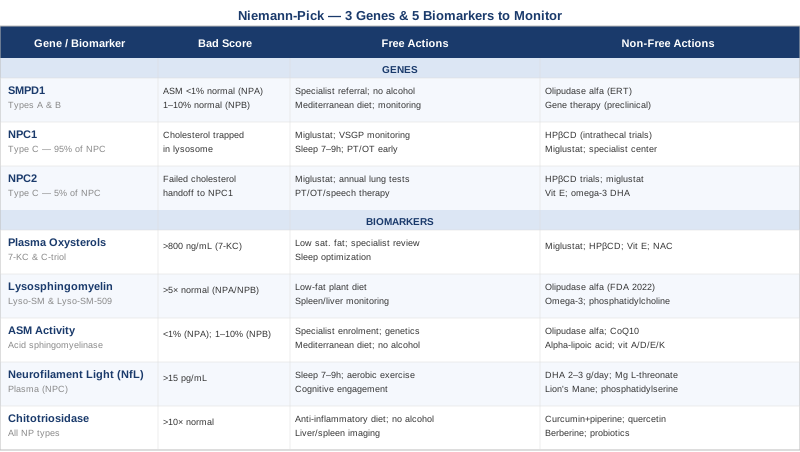
5 Biomarkers That Tell the Real Story
For a condition defined by molecular malfunction, standard lab panels offer almost nothing of diagnostic value. The biomarkers discussed here are condition-specific, validated in human cohorts, and increasingly used in specialist centers and clinical trials. Most require referral to an academic medical center or metabolic lab — they are not yet routine in community settings — but knowing what they are changes what you ask for and shapes every conversation with a specialist.
1. Plasma Oxysterols: 7-Ketocholesterol and Cholestane-3β,5α,6β-Triol
Why it matters
This is currently the most important diagnostic and monitoring biomarker for Niemann-Pick Type C. When NPC1 or NPC2 is non-functional, cholesterol cannot exit the lysosome efficiently. Trapped cholesterol undergoes spontaneous oxidation, generating 7-ketocholesterol (7-KC) and cholestane-3β,5α,6β-triol (C-triol) — not as a reflection of dietary cholesterol or generalized oxidative stress, but as a direct biochemical signature of failed lysosomal cholesterol egress. Plasma oxysterols have been validated in multiple human cohorts as highly sensitive and specific for NPC. They have largely replaced invasive filipin staining on skin fibroblasts as the first-line confirmatory test. Beyond diagnosis, oxysterols track treatment response: when substrate reduction therapy is working, levels tend to decline. A rising oxysterol level during treatment is an early signal worth urgent review. Published research on plasma oxysterols in NPC has helped establish these compounds as core monitoring tools.
How to measure it
Oxysterols are measured from plasma using liquid chromatography-tandem mass spectrometry (LC-MS/MS), available at academic metabolic centers and specialty reference labs (including Mayo Clinic Laboratories and ARUP in the US). Levels above 200–400 ng/mL for 7-KC are elevated relative to healthy controls; NPC patients in active disease typically range from 800 to over 10,000 ng/mL. Testing cost: approximately $250–$600 per panel. Frequency: at baseline, then every 6–12 months for monitoring or after treatment changes.
If the score is high: the plan without supplements
Elevated oxysterols in NPC call first for complete clinical staging and review with a specialist. The primary medical option is miglustat (Zavesca), a substrate reduction agent approved in Europe and many other countries for neurological manifestations of NPC, used off-label elsewhere. It does not reverse accumulated damage but slows ongoing lysosomal substrate loading. Alongside medical review, a dietary approach emphasizing reduced saturated fat and dietary cholesterol (limiting red meat, full-fat dairy, and egg yolks in excess) may modestly reduce substrate pressure. Neurological monitoring — including vertical supranuclear gaze palsy (VSGP) assessment, cognitive testing, and swallowing evaluation — should run in parallel with oxysterol tracking, as the biomarker and clinical picture must be read together.
If the score is high: the plan with supplements and equipment
Hydroxypropyl-β-cyclodextrin (HPβCD) is the most promising investigational compound for NPC; it extracts trapped cholesterol directly from lysosomes and has shown oxysterol reduction and neurological slowing in human compassionate-use cases and early trials. Intrathecal HPβCD is being studied in clinical trials — if an NPC specialist center is accessible, trial enrollment should be prioritized. For secondary oxidative effects from accumulated oxysterols, vitamin E (mixed tocopherols) at 400–800 IU daily provides antioxidant buffering of lipid peroxidation; N-acetylcysteine (NAC) at 600–1200 mg daily supports glutathione production. Neither directly lowers oxysterols — they address downstream oxidative consequences. Always coordinate with the treating specialist before initiating supplementation in active disease.
2. Lysosphingomyelin (Lyso-SM) and Lyso-SM-509
Why it matters
Lysosphingomyelin (lyso-SM) is the deacylated product of sphingomyelin — it accumulates in plasma when acid sphingomyelinase activity is reduced, making it the most direct biochemical signature of NPA and NPB. A structurally related compound, lyso-SM-509 (a specific lysosphingomyelin species detectable by mass spectrometry), has been identified as a sensitive marker for NPC, reflecting the broader disruption in sphingolipid handling triggered by impaired cholesterol transport. Together, these two markers allow meaningful differentiation between NPA/NPB and NPC from a blood sample and serve as objective treatment response endpoints. In Phase III clinical trial data for olipudase alfa in NPB, lyso-SM normalization correlated with improvements in spleen volume, pulmonary diffusion capacity, and platelet count. Research on lyso-SM as a treatment response marker continues to support its role in routine monitoring.
How to measure it
Both lyso-SM and lyso-SM-509 can be measured from dried blood spots (DBS) or plasma via LC-MS/MS. DBS collection requires only a finger prick and cards can be mailed to specialty labs — a significant advantage for patients without local metabolic labs. Reference range: lyso-SM below 5 nmol/L in healthy adults; NPA/NPB patients typically show 5- to 50-fold elevation. Cost: approximately $150–$350 through specialty labs. Frequency: baseline confirmation, then every 6 months on treatment or annually if stable.
If the score is high: the plan without supplements
Elevated lyso-SM in confirmed NPA or NPB primarily drives referral for enzyme replacement therapy assessment. Where ERT is not yet started, clinical management focuses on end-organ monitoring: abdominal imaging (spleen and liver volume, every 6–12 months), platelet and hemoglobin counts for bleeding risk, and pulmonary function tests including DLCO for NPB. A dietary strategy modestly reducing total fat — with emphasis on plant-based proteins, oily fish, and abundant vegetables — may reduce overall sphingomyelin substrate arriving at lysosomes. Evidence for this specifically in NPB is limited, but it is a low-risk, reasonable adjunct.
If the score is high: the plan with supplements and equipment
Olipudase alfa (XENPOZYME), FDA-approved in 2022 for NPB (acid sphingomyelinase deficiency), is the highest-impact intervention for elevated lyso-SM in NPB. Administered intravenously every two weeks, it produces significant and sustained lyso-SM reduction alongside clinical improvements. Accessing olipudase alfa through a metabolic specialist is the primary medical priority for confirmed NPB. As adjuncts alongside or while awaiting ERT: omega-3 fatty acids (EPA/DHA) at 2–4 g/day reduce hepatic inflammation and support membrane fluidity; take continuously, pause if combined with anticoagulants. Phosphatidylcholine at 500–1500 mg daily is sometimes considered in sphingolipid storage disorders for membrane health support, though clinical evidence in NPB is limited; cycle every 8–12 weeks.
3. Acid Sphingomyelinase (ASM) Activity
Why it matters
Acid sphingomyelinase is the enzyme directly encoded by SMPD1. When absent or severely reduced, sphingomyelin accumulates inside lysosomes throughout the body. ASM activity is the primary confirmatory diagnostic test for NPA and NPB: in NPA, activity typically falls below 1% of normal range; in NPB, it registers at 1–10%. The test anchors the clinical picture, distinguishes NPB from NPC with certainty (NPC patients have normal or near-normal ASM activity), and establishes the baseline before treatment. Unlike lyso-SM, ASM activity does not fluctuate as dynamically during treatment, making it more useful for diagnosis than ongoing monitoring — but it remains a foundational reference value throughout care.
How to measure it
ASM activity is measured from leukocytes in whole blood or plasma using a fluorometric enzyme activity assay, reported as nmol/h/mg protein. Academic medical centers and specialty metabolic labs can run this test; shipping logistics matter (temperature control, time constraints). Cost: approximately $150–$300. Reference labs with established programs include those at Mount Sinai Hospital (New York) and specialist European lysosomal storage disease centers. Confirm logistics with the ordering physician before drawing blood.
If the score is low: the plan without supplements
Confirmed low ASM activity with compatible clinical features triggers a full management workup. Without pharmaceutical intervention, the priorities are: specialist enrollment at a lysosomal storage disease center; abdominal ultrasound or MRI for spleen and liver volume baseline; pulmonary function testing (DLCO, spirometry) in NPB; bone marrow evaluation if cytopenias are significant; genetic counseling and cascade testing in family members. The NIH-indexed management literature for ASMD and patient advocacy networks (such as the National Niemann-Pick Disease Foundation) provide updated trial access information. Avoid alcohol entirely; maintain a healthy weight; follow a Mediterranean-pattern diet to reduce hepatic fat and inflammatory burden.
If the score is low: the plan with supplements and equipment
Olipudase alfa enzyme replacement is the primary intervention for NPB — it does not cross the blood-brain barrier, so NPA's neurological features are not addressed by ERT. For supportive supplementation in NPB: CoQ10 at 200–400 mg daily (two divided doses) supports mitochondrial function, which is secondarily compromised by lysosomal dysfunction; cycle 8 weeks on, 2 weeks off to prevent tolerance. Alpha-lipoic acid 300–600 mg daily adds antioxidant support with modest evidence in related lysosomal conditions. Fat-soluble vitamins (A, D, E, K) should be measured and supplemented guided by lab values, as hepatic involvement in NPB impairs their absorption.
4. Neurofilament Light Chain (NfL)
Why it matters
Neurofilament light chain is a structural protein inside axons. When neurons are damaged or dying, NfL leaks into the cerebrospinal fluid and, at lower concentrations, into the bloodstream. In NPC specifically, plasma NfL has emerged as one of the most sensitive markers of active neurodegeneration — it rises before clear clinical symptoms appear, tracks disease progression closely, and responds to treatment in ways correlated with neurological outcomes. Multiple NPC clinical trials — including those studying miglustat and arimoclomol — have incorporated plasma NfL as a key efficacy endpoint. Published evidence on NfL in NPC consistently shows its value as a dynamic biomarker of neurological injury rate. For patients and families, NfL offers something genuinely useful: an objective way to monitor whether the rate of neurological injury is stable, worsening, or responding to intervention — without relying solely on clinical exam findings that can be difficult to interpret between specialist visits.
How to measure it
Plasma NfL is measured by single-molecule array (SIMOA) immunoassay, which offers sensitivity in the low pg/mL range. Normal plasma NfL in young adults is typically below 10–15 pg/mL, rising modestly with age in healthy individuals; NPC patients with active neurological disease often have values several times higher. Plasma NfL is now offered at specialty neurology labs and some academic centers. Cost: approximately $80–$200. CSF NfL is more sensitive but requires lumbar puncture and is reserved for research contexts. Serial measurements every 6–12 months provide the most informative trend data.
If the score is high: the plan without supplements
A rising NfL in NPC signals accelerating neurological injury and warrants urgent specialist review — this may mean reassessing miglustat dosing, discussing trial eligibility, or revising the neurological management plan. Alongside medical review, the lifestyle factors with the strongest neuroprotective evidence should be maximized. Sleep quality and duration: the glymphatic system, which clears metabolic waste from brain tissue, is most active during deep sleep; consistent 7–9 hours, avoiding alcohol and sedatives that suppress deep sleep stages, and maintaining sleep-wake consistency directly support this clearance process. Structured aerobic exercise 3–4 times weekly (even low-intensity) drives BDNF upregulation and has documented neuroprotective effects; for NPC patients with ataxia, water-based exercise or stationary cycling maintains cardiovascular stimulus while minimizing fall risk. Consistent cognitive engagement — music, reading, learning, and structured conversation — preserves neural reserve and should be treated as active therapy, not passive recreation.
If the score is high: the plan with supplements and equipment
Omega-3 DHA at 2–3 g/day: DHA is the principal structural fatty acid in neuronal membranes and supports membrane fluidity under lipid stress; take continuously at maintenance dose; pause if taking anticoagulants. Phosphatidylserine 100–300 mg daily supports neuronal membrane integrity; modest evidence in aging-related cognitive conditions. Magnesium L-threonate 1500–2000 mg daily (standardized elemental magnesium ~140 mg): this specific form crosses the blood-brain barrier and has shown neuroprotective effects in animal neurodegeneration models; take at night for additional sleep benefit. Lion's Mane mushroom (Hericium erinaceus) extract 500–1000 mg daily stimulates nerve growth factor (NGF) production; early human cognitive trial data is encouraging, though NPC-specific evidence does not yet exist; well tolerated, cycle 8 weeks on, 2 weeks off. Transcranial near-infrared photobiomodulation (810–850 nm, devices available $200–$800): emerging evidence for supporting neuronal mitochondrial function; 10–20 minutes per session, 3–5 times weekly; evidence in lysosomal storage diseases is early-stage but the mechanism is consistent with the metabolic stress profile of NPC.
5. Chitotriosidase Activity
Why it matters
Chitotriosidase is an enzyme produced by activated macrophages — immune cells recruited to sites of lysosomal storage disease throughout the body. When sphingolipids or cholesterol accumulate in tissues, macrophages are activated and chitotriosidase levels rise dramatically in plasma — 10 to over 1000 times above normal in active disease. In both NPA/NPB and NPC, chitotriosidase reflects the systemic disease burden and the macrophage-driven inflammatory component of lysosomal storage. It responds to treatment: as ERT reduces substrate load in NPB, chitotriosidase falls. A critical caveat: approximately 6% of the general population carries biallelic mutations in the CHIT1 gene, producing genetic chitotriosidase deficiency. In these individuals, the marker appears falsely normal regardless of disease activity. Before interpreting a normal chitotriosidase result as reassuring, CHIT1 genotyping is essential. When chitotriosidase cannot be used, YKL-40 (chitinase-3-like protein 1) or CCL18 can substitute effectively and are not affected by CHIT1 mutations.
How to measure it
Chitotriosidase is measured from plasma using a fluorometric enzyme activity assay. Most metabolic specialty and academic hospital labs can run this. Cost: approximately $80–$180. A companion CHIT1 genotype test adds $100–$200 but is necessary for reliable interpretation and should be ordered simultaneously at baseline. Serial measurements every 6–12 months track disease trajectory and treatment response.
If the score is high: the plan without supplements
Elevated chitotriosidase reflects macrophage activation and systemic inflammatory burden from lysosomal storage. The primary direction is addressing the underlying disease — through ERT for NPB or substrate reduction for NPC. Alongside medical management, an anti-inflammatory dietary pattern is the highest-leverage lifestyle intervention: Mediterranean diet emphasizing oily fish, olive oil, abundant vegetables, legumes, and whole grains has documented effects on systemic macrophage activation and inflammatory cytokines. Eliminating pro-inflammatory inputs — alcohol entirely, excess saturated fat, refined sugars, and smoking — is the non-negotiable baseline. Elevated chitotriosidase correlates with liver and spleen involvement; abdominal imaging should be current when values are high.
If the score is high: the plan with supplements and equipment
Curcumin (standardized to 95% curcuminoids) at 500–1500 mg daily with piperine (5–10 mg for bioavailability enhancement): inhibits NF-κB signaling and macrophage activation in multiple human studies; cycle 8 weeks on, 2–4 weeks off; mild GI effects at high doses; do not combine with blood thinners without physician review. Quercetin 500–1000 mg daily: flavonoid with anti-inflammatory and lysosomal-stabilizing properties; early in vitro data also suggests potential as a pharmacological chaperone for the NPC1 I1061T variant; take with meals, cycle 6–8 weeks. Berberine 500 mg twice daily with meals: activates AMPK, reduces macrophage activation, and has emerging research interest in NPC lysosomal cholesterol trafficking; cycle 8 weeks on, 4 weeks off to prevent GI adaptation; avoid combining with metformin without supervision. Probiotics (Lactobacillus rhamnosus GG, Bifidobacterium longum) at standard dosing: specific gut microbiome strains reduce LPS-driven macrophage activation systemically; low-risk, ongoing use is reasonable.
Understanding what is driving these biomarker values requires going one level deeper — into the genes responsible for the underlying molecular failures.
The 3 Genes Driving Niemann-Pick Disease
Genetic knowledge here is not abstract. Knowing the specific gene, the class of variant, and the predicted impact on protein function shapes which biomarkers are most relevant, which treatments are applicable, and what the disease trajectory tends to look like. These are the three genes responsible for the full spectrum of Niemann-Pick disease.
SMPD1 — The Sphingomyelin Breakdown Gene
What the gene does
SMPD1 (Sphingomyelin Phosphodiesterase 1), located on chromosome 11p15.4, encodes the enzyme acid sphingomyelinase (ASM). ASM's function is to cleave phosphocholine from sphingomyelin inside lysosomes, reducing it to ceramide — a step essential for lysosomal membrane lipid recycling. When SMPD1 is non-functional, sphingomyelin accumulates inside every lysosome in every tissue in the body. Over 180 pathogenic variants have been identified. The general pattern: null variants (frameshift, nonsense) that eliminate enzyme production cause Type A (NPA) — severe, infantile-onset, typically fatal by age 3. Missense variants that produce a structurally altered but partially functional enzyme cause Type B (NPB) — attenuated visceral disease affecting primarily the spleen, liver, and lungs, with many patients surviving into adulthood. The boundary is not perfectly clean: some missense variants cause intermediate phenotypes depending on residual enzyme activity.
If the gene is mutated: the plan without supplements
Confirmed SMPD1 mutation requires specialist referral to a lysosomal storage disease center as the first step. Without medical intervention:
For NPB: establish organ volume baselines (spleen and liver by MRI or ultrasound), pulmonary function testing (DLCO annually), complete blood counts for platelets and hemoglobin (cytopenias from splenomegaly affect surgical and transfusion risk), and a lipid panel including LDL-C (NPB patients often have significantly elevated LDL-C due to disrupted cholesterol processing). Maintain a hepato-protective lifestyle: no alcohol, healthy weight, low-fat anti-inflammatory diet. NPB patients tolerate most of adult life reasonably well with good monitoring, but disease burden accumulates silently — regular specialist review changes outcomes.
For NPA: supportive neurological care, feeding and respiratory management, and specialist palliative support are the realistic framework. Genetic counseling for all first-degree relatives is essential; SMPD1 mutations are more prevalent in Ashkenazi Jewish populations and warrant cascade carrier testing within that community.
If the gene is mutated: the plan with supplements and treatment
Olipudase alfa (XENPOZYME), FDA-approved in 2022, is the first and currently only approved enzyme replacement therapy for SMPD1-related ASMD. Given intravenously every two weeks through an infusion center, clinical trial data demonstrates significant reductions in spleen volume, liver volume, pulmonary diffusion capacity improvement, and lyso-SM normalization in NPB. This is the single highest-impact medical intervention available for NPB patients — accessing it through a metabolic specialist should be the primary priority. It does not cross the blood-brain barrier and does not address the neurological features of NPA.
Supplementary support alongside ERT or while awaiting access: fat-soluble vitamins (A, D, E, K) guided by measured levels (hepatic involvement impairs absorption); CoQ10 200–400 mg daily in divided doses for mitochondrial support (lysosomal dysfunction secondarily impairs mitochondrial function; cycle 8 weeks on, 2 off); phosphatidylcholine 1000–1500 mg daily for membrane health support. Gene therapy for SMPD1 is in preclinical and early clinical investigation; monitoring enrollment opportunities at research centers is advised.
NPC1 — The Cholesterol Transport Gene
What the gene does
NPC1, located on chromosome 18q11.2, encodes a large transmembrane protein embedded in the lysosomal and late endosomal membrane. It functions as a cholesterol transporter — receiving cholesterol delivered to the lysosome and shuttling it out to the rest of the cell. When NPC1 is mutated, this export step fails. Cholesterol, gangliosides, and other lipids accumulate inside the late endosome and lysosome, triggering oxidative stress, neuroinflammation, and progressive neuronal death. NPC1 accounts for approximately 95% of NPC cases. The most common Western variant, NPC1 I1061T, causes the protein to misfold and be targeted for premature degradation rather than reaching the lysosomal membrane — this is the target of pharmacological chaperone research. This variant accounts for roughly 15–20% of mutant alleles in Western European populations. Research on NPC1 variant mechanisms continues to inform precision treatment approaches.
If the gene is mutated: the plan without supplements
NPC1 management requires a neurologist experienced with NPC alongside a metabolic specialist. The most important pharmaceutical option is miglustat (Zavesca), approved in Europe and used off-label in many countries for neurological manifestations of NPC. It reduces glucosylceramide synthesis, partially reducing lysosomal substrate burden. Key side effects — diarrhea, weight loss, tremor — require dose management by an experienced specialist.
Neurological monitoring must be structured and regular: vertical supranuclear gaze palsy (VSGP) testing using oculomotor assessment is one of the most specific clinical markers of NPC neurological progression — saccade velocity measurements provide an objective trajectory. Swallowing assessment (FEES or videofluoroscopy) proactively managed changes survival outcomes in NPC, as dysphagia becomes life-threatening when unmonitored. Physical and occupational therapy should begin early to maintain mobility, strength, and functional independence ahead of neurological deterioration. Sleep monitoring is relevant: cataplexy and narcoleptic symptoms occur in NPC at elevated rates, and their disruption of sleep accelerates neurological decline.
If the gene is mutated: the plan with supplements and treatment
Hydroxypropyl-β-cyclodextrin (HPβCD) is the most promising investigational compound for NPC — it extracts trapped cholesterol from lysosomes independently of the NPC1 protein, making it applicable regardless of which NPC1 variant is present. Intrathecal HPβCD has shown evidence of neurological slowing in human compassionate-use and early trial settings. Clinical trial enrollment should be actively sought if an NPC specialist center is within reach.
Supplementary options: Quercetin 500–1000 mg daily shows early in vitro evidence as a pharmacological chaperone for the I1061T variant — potentially helping the misfolded protein reach the lysosomal membrane rather than being degraded; human evidence is absent, but risk is low; cycle 6–8 weeks with breaks. NAC (N-acetylcysteine) 600–1200 mg daily supports glutathione, buffering the oxidative stress generated by cholesterol accumulation; take with food; 5 days on, 2 days off. Alpha-lipoic acid 300–600 mg daily: both water- and fat-soluble antioxidant that regenerates glutathione and vitamin E; modest evidence in NPC-adjacent neurodegenerative conditions. Avoid grapefruit (CYP3A4 inhibition may affect pharmaceutical NPC treatment metabolism).
NPC2 — The Soluble Cholesterol Shuttle
What the gene does
NPC2, located on chromosome 14q24.3, encodes a small soluble lysosomal protein of approximately 16 kDa that works in direct molecular partnership with NPC1. NPC2 binds cholesterol in the interior of the late endosome/lysosome and passes it to NPC1's transmembrane domain, which then moves it across the membrane and out of the compartment. Without functional NPC2, even an intact NPC1 protein cannot efficiently export cholesterol — the handoff fails. NPC2 mutations cause approximately 5% of NPC cases. The clinical phenotype largely parallels NPC1, with progressive neurological disease and hepatosplenomegaly, but NPC2 mutations tend to produce somewhat earlier and more significant pulmonary involvement. The E20X premature stop-codon variant is among the most common NPC2 pathogenic changes in Mediterranean European populations.
If the gene is mutated: the plan without supplements
Management closely parallels NPC1: miglustat (where approved) for neurological disease; specialist neurological monitoring; physical, occupational, and speech therapy beginning early. Additional emphasis specific to NPC2: pulmonary assessment from diagnosis — annual pulmonary function testing including DLCO should not wait for respiratory symptoms, given the higher rate of early pulmonary involvement. The same biomarker monitoring panel applies (oxysterols, lyso-SM-509, NfL, chitotriosidase), tracked every 6–12 months. Genetic counseling for both parents (obligate carriers of an autosomal recessive condition) is essential; prenatal testing and preimplantation genetic diagnosis are options for future pregnancies.
If the gene is mutated: the plan with supplements and treatment
Both miglustat and HPβCD are relevant for NPC2 as for NPC1 — since both result in the same downstream lysosomal cholesterol accumulation, and HPβCD extracts that cholesterol regardless of which transporter is absent. The supplementary protocol mirrors NPC1: Vitamin E (mixed tocopherols) 400–800 IU daily for antioxidant protection against lipid peroxidation; omega-3 DHA 2–3 g/day for neuroprotective membrane support; berberine 500 mg twice daily for AMPK activation and emerging lysosomal trafficking support (cycle 8 weeks on, 4 weeks off; avoid combining with metformin without supervision). Monitor carefully for drug-drug interactions when miglustat is prescribed alongside these supplements — review with the treating specialist.
Beyond the clinical and molecular specifics, applying a broader framework for biomarker-driven medicine adds a useful dimension to long-term management.
What Peter Attia's Outlive Teaches About Managing Niemann-Pick Disease
Peter Attia's 2023 book Outlive: The Science and Art of Longevity was written about metabolic health, cardiovascular disease, and neurological aging — not Niemann-Pick disease specifically. But its framework for understanding lipid biology, tracking biomarkers proactively, and optimizing the body's baseline function maps with surprising precision onto what matters most for NPC and NPB management. Here are the ten most impactful insights from Outlive as they apply to this disease context.
1. Medicine 3.0: Intervene Before Damage Is Done
Attia's central argument is that modern medicine waits for disease to cause damage before acting. For NPC, this is not a theoretical critique — it is the lived reality of most patients. Neurological damage in NPC is largely irreversible once established. Tracking oxysterols and NfL before symptoms become obvious is the Niemann-Pick version of Medicine 3.0. The earlier the biomarker signal is caught, the more treatment can realistically do.
2. Lipid Biology Is More Complex Than a Routine Cholesterol Panel
Attia's chapters on ApoB, LDL particle number, and intracellular cholesterol transport mechanics give patients and families a useful biochemical language for understanding NPC. The failure of NPC1/NPC2 to export lysosomal cholesterol is not captured by any standard lipid panel. Understanding that intracellular cholesterol trafficking follows distinct mechanisms from plasma cholesterol transport helps explain why a "normal" lipid panel provides no reassurance in NPC.
3. The Liver as Both Target and Readout
In NPB, hepatic involvement is central. Attia's framework for monitoring liver health — ALT, AST, GGT, ALP, imaging for fat content, elastography for fibrosis — translates directly to baseline and serial monitoring for NPB. The liver is simultaneously a target organ and a readout of disease burden. Chitotriosidase levels and lyso-SM both correlate with hepatic storage load.
4. Sleep as Active Neurological Therapy
Attia dedicates significant attention to sleep as the period when the brain clears metabolic waste via the glymphatic system — a process directly relevant to neurons operating under chronic metabolic stress, as in NPC. Consistently optimizing sleep quality and duration (7–9 hours, regular schedule, minimal alcohol, avoiding late-night stimulants) is probably the single highest-return lifestyle intervention for any NPC patient with neurological involvement.
5. Zone 2 Aerobic Exercise Preserves Metabolic and Neurological Function
Attia advocates for Zone 2 exercise (sustainable aerobic pace, 3–4 hours weekly) as foundational metabolic medicine. For NPC patients with progressive ataxia, this means adapting activity — cycling, swimming, supervised elliptical — to maintain cardiovascular fitness and BDNF-driven neuroplasticity while managing fall risk. The goal is preserving the aerobic base that supports brain health before neurological decline makes activity more difficult.
6. Muscle Mass Is Not Optional
Sarcopenia — the loss of muscle mass — accelerates in neurological disease and independently worsens metabolic health. Attia frames resistance training as non-negotiable for anyone wanting to preserve functional capacity across years. For NPC patients, maintaining muscle mass prolongs mobility, independence, and metabolic resilience even as neurological symptoms progress, and reduces the functional impact of ataxia on daily life.
7. Track Trends, Not Single Values
Attia argues consistently against treating one lab result as a verdict. The trend across multiple measurements matters far more than any single data point. For NPC, a single elevated NfL value tells one story; a rising NfL trajectory over 12 months tells a different, more actionable one. Build a biomarker log. Bring it to every specialist visit with date stamps.
8. Systemic Inflammation Amplifies Every Disease
Attia frames chronic low-grade inflammation as the amplifier of almost every deteriorating condition. For Niemann-Pick, neuroinflammation and macrophage activation — tracked by chitotriosidase — compound the primary storage pathology. An anti-inflammatory lifestyle (Mediterranean diet, sleep, movement, stress management) is additive to any medical treatment in a way that is directly measurable through these markers.
9. Cognitive Reserve Buffers Neurological Decline
Attia discusses cognitive reserve — the accumulated neural resilience from education, social engagement, and learning — as a genuine buffer in neurodegenerative disease. For NPC patients and families managing early cognitive symptoms, structured daily engagement (music, reading, learning new skills, meaningful conversation) is not passive comfort; it is active neuroprotection with documented slowing of functional decline in analogous conditions.
10. Seek Physicians Who Think Upstream
Attia's recurring emphasis is that quality care requires physicians willing to look upstream before events occur — not simply manage diagnoses reactively. For Niemann-Pick, this means actively seeking metabolic neurologists and lysosomal storage disease specialists at academic centers. The average community neurologist encounters NPC, at most, a handful of times in a career. A specialist center changes what is available diagnostically, therapeutically, and in terms of trial access.
Complementary Approaches With Evidence Worth Knowing
The clinical evidence for complementary approaches specific to Niemann-Pick disease is limited — this is a rare condition, and large trials of non-pharmaceutical interventions do not exist for it. What follows applies carefully: each approach is supported by evidence in closely adjacent conditions (neurological disease, restrictive lung disease, chronic rare disease) with a clear mechanistic rationale for relevance in Niemann-Pick. None replace or reduce the priority of specialist medical management.
Mindfulness Meditation and MBSR
Niemann-Pick disease — particularly NPC — often involves years of diagnostic uncertainty followed by a progressive neurological prognosis. The psychological burden on patients and families is substantial: chronic anxiety, anticipatory grief, caregiver fatigue, and social isolation are common features of this disease alongside the physical symptoms. Mindfulness-Based Stress Reduction (MBSR) is an 8-week structured program with a robust evidence base for reducing anxiety, improving sleep quality, and reducing inflammatory cytokine levels in chronic disease populations. Meta-analyses of MBSR in chronic conditions consistently demonstrate improvements in psychological quality of life, anxiety, and depression — outcomes directly relevant to any rare disease caregiving context.
The most applicable technique within MBSR for this population is the Body Scan practice — a 20–45 minute systematic attention practice through body regions that down-regulates the sympathetic nervous system and reduces cortisol. The full 8-week MBSR program is available through academic hospital programs, community health centers, and free online platforms (Palouse Mindfulness). Cost for in-person programs: $200–$500. Online versions are freely accessible.
Practically: a caregiver of an NPC child managing their own cumulative distress, or a young adult NPC patient experiencing anxiety about neurological progression, benefits meaningfully from MBSR without drug interactions or side effects. Commitment to the full 8-week structure — not occasional meditation — is what the evidence supports. Even 15–20 minutes of daily practice produces measurable changes in cortisol and inflammatory markers over weeks.
Music Therapy
Neurological manifestations of NPC include cerebellar ataxia, dystonia, dysarthria, and progressive cognitive decline. Music therapy — the clinical use of music by a board-certified therapist (MT-BC) — engages auditory-motor neural circuits that remain partially intact even when primary motor or cognitive pathways are compromised. Randomized trial evidence in Parkinson's disease and neurological rehabilitation demonstrates that rhythmic auditory stimulation (RAS) improves gait velocity, stride length, and motor coordination. A trial published in Archives of Physical Medicine and Rehabilitation specifically showed RAS-driven improvements in patients with neurological movement disorders — the symptom profile of which overlaps meaningfully with NPC (ataxia, motor slowing, cerebellar dysfunction).
Music therapy also engages the cerebellum, basal ganglia, and frontal cortex through active music-making and rhythmic movement — precisely the neural networks affected in NPC. For patients with early motor or cognitive symptoms, group music therapy sessions additionally provide social engagement with documented emotional regulation benefits.
Practically: working with a board-certified music therapist at 1–2 sessions per week, focusing on rhythmic movement, instrument playing, and singing, is a realistic and low-risk adjunct for NPC patients with motor or cognitive involvement. Sessions adapt to any level of physical ability. Cost ranges from $60–$150 per individual session; some pediatric neurology and metabolic disease centers include music therapy in their comprehensive care plans.
Breathing-Based Therapies
For patients with NPA or NPB, pulmonary infiltration is a major disease feature — sphingomyelin accumulates in alveolar macrophages and lung interstitium, reducing DLCO and causing restrictive lung physiology in severe cases. While no breathing intervention reverses the underlying storage pathology, breathing exercises have documented benefit for patients with restrictive lung conditions: they improve respiratory muscle strength, maintain chest wall compliance, and reduce dyspnea perception. A systematic review in Respiratory Medicine found pulmonary rehabilitation programs that include breathing exercises improve 6-minute walk distance and quality of life scores in restrictive lung disease patients — a finding directly applicable to NPB's pulmonary involvement.
The specific technique with the best evidence base is a combination of diaphragmatic breathing and pursed-lip breathing: inhale slowly through the nose over 4 counts (diaphragm expands), pause 2 counts, exhale through gently pursed lips over 6 counts. Practiced 10–15 minutes twice daily, this builds diaphragmatic efficiency, respiratory awareness, and reduces dyspnea at rest and on exertion in restrictive conditions.
Practically: for NPB patients with documented DLCO impairment, breathing-based therapy should be coordinated with a respiratory physiotherapist and incorporated into the broader pulmonary rehabilitation plan. This is an adjunct to pulmonary function monitoring and ERT — not a substitute for either. For patients with severe or progressing lung involvement, any new breathing exercise program should be reviewed with a pulmonologist first to confirm safety given current lung capacity.
Conclusion
Niemann-Pick disease — across all its types — is a condition where specificity of information determines the quality of decisions. Generic health advice does not reach the lysosomal level. The right biomarkers do: plasma oxysterols, lysosphingomyelin, acid sphingomyelinase activity, neurofilament light chain, and chitotriosidase each tell a precise part of the story — what is accumulating, how fast neurons are being damaged, and whether current treatment is making a difference. Knowing whether the root cause lies in SMPD1, NPC1, or NPC2, and specifically which variant, determines which treatments are applicable and what the natural history of the condition looks like.
The practical next step is not to pursue any of this independently. It is to bring this information to a specialist at a metabolic disease or lysosomal storage disease center — ask specifically about biomarker tracking, discuss trial eligibility, and build a structured monitoring plan. Supplementary and lifestyle strategies have a real but bounded role: they support the edges of a system that needs to be managed at its molecular core by qualified specialists. Tracking the right numbers, understanding what they mean, and adjusting based on real data is the most informed position any patient or family can hold.
Neurological Endocrine & Metabolic
Neurological: Brain Conditions Movement Disorders Memory & Cognitive Conditions
Respiratory: Lung Conditions
Digestive: Liver & Gallbladder Conditions