This article contains AI generated content.
· UpdatedNocardia Arthritis: 5 Genes And 6 Biomarkers To Track
Introduction
Being told you have Nocardia arthritis is disorienting in a very specific way. It is not simply that the diagnosis is rare — it is that most of the information available feels either too clinical or too vague to be of practical use. You likely searched for answers, found scattered case reports and academic papers, and wondered what any of it actually meant for your daily life, your immune system, and your odds of staying well. That gap between what medicine knows and what you can do with that knowledge is real, and it deserves to be addressed directly.
Generic immune-boosting advice — eat more vegetables, sleep better, reduce stress — is not wrong, but it skips over a fundamental question: why did Nocardia colonize your joint in the first place? This bacterium is ubiquitous in soil and decaying matter, yet most people who encounter it never develop any infection at all. The ones who do almost always have something different happening at the level of their immune machinery. Without understanding that specific difference, generic advice stays perpetually superficial.
This article takes a more grounded approach. It looks at what your bloodwork can reveal about your immune response in real time, and what your genetics may tell you about longer-term susceptibility. Neither of these tools is a crystal ball, but together they can help you and your physician make better-informed decisions — about monitoring, about treatment support, and about reducing the risk of recurrence.
The biomarker section that follows explains the six most clinically meaningful laboratory values to track when dealing with Nocardia arthritis, including what each one reveals, how to measure it affordably, and what you can do when the number is going in the wrong direction. The genetics section then covers five key genes whose variants are directly linked to the kind of immune vulnerabilities that allow Nocardia to take hold — and what can realistically be done when one of those variants applies to you. Better information does not guarantee better outcomes, but it reliably leads to smarter decisions.
Summary
- Nocardia arthritis is not random — it requires a specific gap in immune function for the bacterium to establish itself in a joint - Six biomarkers (CRP/hsCRP, ESR, procalcitonin, neutrophil-to-lymphocyte ratio, IL-6, and CD4+ T-cell count) each capture a different dimension of your immune state and infection severity, and all can be tracked with standard or near-standard blood panels - Each of these biomarkers has a meaningful intervention pathway — whether through lifestyle changes alone or with targeted supplementation — and a clear way to know when the number is improving - Five genes (STAT3, CARD9, CYBB, IFNGR1, and IL17RA) are directly linked to susceptibility to Nocardia; loss-of-function variants in any of them can explain why infection happened and what immune pathways need support going forward - The Huberman Lab immune optimization framework offers ten research-backed behavioral strategies that go significantly beyond what most physicians discuss in an office visit — and that matter especially when your immune system is operating at reduced capacity - Mindfulness-based stress reduction, microbiome-directed interventions, breathwork, and tai chi all have meaningful evidence for supporting immune function and joint recovery in this context
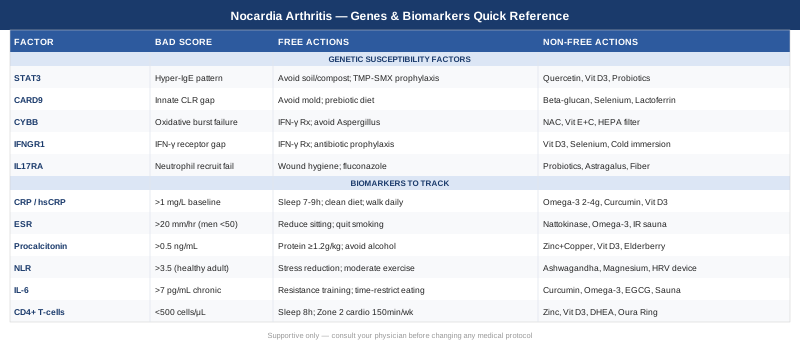
6 Biomarkers That Tell You Something Real About Nocardia Arthritis
Tracking the right biomarkers during and after Nocardia arthritis serves two distinct purposes. During active infection, they tell you how the immune battle is going and whether treatment is working. After resolution, they tell you whether your baseline immune competence is strong enough to prevent recurrence. The following six values cover both purposes, and together they give a much more complete picture than any single test alone.
Biomarker 1: CRP and hsCRP
C-reactive protein is produced by the liver in response to inflammatory signals, primarily IL-6. It rises within hours of infection onset and falls rapidly when inflammation resolves. In the context of Nocardia arthritis, CRP is your most immediate readout of whether joint infection and systemic inflammation are increasing, stable, or resolving during antibiotic treatment.
High-sensitivity CRP (hsCRP), measured at lower concentrations, is more useful as a maintenance biomarker once infection has cleared. Chronic low-grade inflammation — even at levels below the threshold of acute infection — has been shown to correlate with immune dysregulation and impaired pathogen clearance. Keeping hsCRP below 1 mg/L between episodes is a meaningful target.
How to Measure It
Standard blood draw at any major laboratory. CRP for acute monitoring typically costs $10 to $30. hsCRP (for baseline immune health tracking) costs the same and is widely available. Ask your physician to specify which version you need — the assay differs. Frequency during active treatment: every 2 to 4 weeks. Frequency for maintenance: every 3 to 6 months.
If the Score Is Bad: The Plan Without Supplements
Elevated CRP between infection episodes usually signals residual or recurrent inflammation, poor sleep, a pro-inflammatory diet, or inadequate recovery. Start with seven to nine hours of sleep per night on a consistent schedule — even a single night of five hours increases CRP within 24 hours (documented across multiple population studies). Remove ultra-processed foods, seed oils in excess, and refined carbohydrates from the diet. These are not minor tweaks; for people with immune susceptibility, they create a chronic inflammatory backdrop that blunts pathogen response. Gentle daily movement — 20 to 30 minutes of walking — reduces CRP through multiple mechanisms when joint status allows.
If the Score Is Bad: The Plan With Supplements and Equipment
Omega-3 fatty acids (combined EPA and DHA, 2 to 4 grams daily) have robust evidence for reducing CRP via prostaglandin modulation. Use for 8-week cycles, reassess CRP, then continue if improving. Side effects: mild fishy aftertaste, possible blood thinning at high doses — relevant if you are on any anticoagulation therapy. Curcumin with piperine (500 mg twice daily) reduces NF-κB signaling and downstream CRP production. Cycle 6 weeks on, 2 weeks off. Vitamin D3 deficiency is independently associated with elevated CRP; test serum 25-OH-D and supplement to maintain 40 to 60 ng/mL. Magnesium glycinate (300 to 400 mg before bed) supports sleep quality, which secondarily reduces CRP. Do not stack all of these simultaneously without physician guidance, particularly around antibiotic treatment periods.
Biomarker 2: ESR (Erythrocyte Sedimentation Rate)
ESR measures how quickly red blood cells fall through plasma in an hour. In the presence of elevated inflammatory proteins (fibrinogen, immunoglobulins, CRP), cells clump and fall faster. ESR responds more slowly than CRP — it peaks later in infection and returns to baseline more slowly after resolution. This makes it a useful complement rather than a replacement.
In Nocardia arthritis, an ESR that remains persistently elevated after weeks of antibiotic therapy may indicate inadequate treatment response, joint damage with ongoing synovitis, or an underlying immune condition that is sustaining inflammation even as bacterial load decreases.
How to Measure It
Standard blood draw, $10 to $25. Targets: less than 20 mm/hr for men under 50, less than 30 mm/hr for women under 50. These values rise slightly with age. Monitor every 4 to 6 weeks during active treatment, every 3 to 6 months as a maintenance check.
If the Score Is Bad: The Plan Without Supplements
Because ESR is slower-moving, improvements take longer to appear. The same sleep, diet, and movement interventions described for CRP apply here. Additionally, reducing sedentary time has meaningful effects on plasma fibrinogen — a major driver of ESR elevation independent of active infection. Breaking up sitting with 5-minute walks every hour has been shown to reduce fibrinogen and downstream ESR. If you smoke, cessation is non-negotiable: smoking elevates fibrinogen directly.
If the Score Is Bad: The Plan With Supplements and Equipment
Nattokinase (100 to 200 mg daily) has early evidence for reducing fibrinogen, which would secondarily reduce ESR; evidence is preliminary and requires physician clearance given its anticoagulant activity. Omega-3s (same dosing as above) reduce fibrinogen modestly over 8 to 12 weeks. Adequate hydration (30 mL per kg body weight daily) affects red blood cell clumping behavior. Far-infrared sauna (15 to 20 minutes, 2 to 3 times weekly) has been studied for its effects on inflammatory markers including ESR in chronic inflammatory conditions — the evidence is limited but low risk if cardiovascular status allows.
Biomarker 3: Procalcitonin (PCT)
Procalcitonin is a precursor peptide to calcitonin that rises specifically in response to bacterial infections — and much less so in viral infections or non-infectious inflammation. This specificity makes it uniquely valuable for distinguishing bacterial septic arthritis from other causes of joint inflammation, and for tracking antibiotic treatment response with more precision than either CRP or ESR alone.
A meta-analysis published in The Lancet Infectious Diseases (Tang et al., 2007) found PCT significantly superior to CRP for distinguishing bacterial from non-bacterial causes of systemic illness (PMID 17673026). In the context of Nocardia arthritis — a condition where unusual pathogens can mimic other diagnoses — this distinction matters considerably at both initial presentation and during treatment.
How to Measure It
Blood draw, typically $20 to $60 depending on the laboratory. Not universally available at all primary care offices but accessible through reference labs. Normal range: below 0.1 ng/mL. Values above 0.5 ng/mL indicate probable significant bacterial infection; values above 2 ng/mL suggest severe systemic bacterial involvement. Track every 2 to 4 weeks during active antibiotic therapy.
If the Score Is Bad: The Plan Without Supplements
Elevated PCT during or after treatment indicates continuing or recurrent bacterial activity — this primarily signals the need for medical reassessment, possible antibiotic adjustment, or deeper workup for immune deficiency. From a supportive standpoint, avoiding anything that suppresses innate immune function is critical: this includes excessive alcohol, chronic sleep deprivation, and chronic high-dose corticosteroids (where medically possible to taper). Adequate protein intake (at least 1.2 grams per kilogram of body weight daily) supports neutrophil and macrophage production and should not be overlooked during antibiotic treatment.
If the Score Is Bad: The Plan With Supplements and Equipment
Zinc (15 to 25 mg daily, as zinc bisglycinate or citrate) is essential for neutrophil function and is frequently depleted during active infection. Supplement during antibiotic treatment; pair with 2 mg copper to prevent depletion from zinc competition. Cycle for 8 weeks, reassess. Vitamin D3 at adequate levels (40 to 60 ng/mL serum) supports innate antimicrobial peptide production (defensins, cathelicidin), which play a direct role in containing bacterial spread. Elderberry extract has some evidence for innate immune activation but should be used cautiously during active bacterial infections — this is more relevant in the recovery and prevention phase.
Biomarker 4: Neutrophil-to-Lymphocyte Ratio (NLR)
The neutrophil-to-lymphocyte ratio is a remarkably cost-effective biomarker that requires no additional testing — it is calculated directly from a complete blood count with differential, which most physicians order routinely. Yet it carries significant prognostic information in bacterial infections, septic arthritis, and systemic immune stress.
In healthy adults, NLR typically falls between 1 and 3. Values above 5 indicate significant immune stress, often from bacterial infection. Values above 10 suggest severe infection, systemic inflammatory response, or marked lymphocyte depletion — all of which are concerning in someone managing Nocardia arthritis. Research published in BMC Research Notes (Forget et al., 2017) characterized normal reference ranges across a large population, confirming values above 3.5 as clinically elevated in otherwise healthy adults.
How to Measure It
Calculated from CBC with differential: $15 to $40 at most labs. No separate test needed. Request CBC with differential from any blood draw. Calculate by dividing the absolute neutrophil count by the absolute lymphocyte count. Track every 2 to 4 weeks during treatment; target NLR below 3 at baseline once infection resolves.
If the Score Is Bad: The Plan Without Supplements
A persistently elevated NLR after infection clearance signals chronic immune stress. Chronic psychological stress is a major driver — it suppresses lymphocyte counts through cortisol's effects on lymphocyte apoptosis and trafficking. Addressing this through structured stress reduction (see complementary approaches below) is not optional for someone trying to rebuild immune balance. Physical overtraining also elevates NLR acutely; if you exercise intensively, moderate the load during active recovery from infection. Adequate caloric intake matters: undereating during antibiotic therapy reliably suppresses lymphocyte counts.
If the Score Is Bad: The Plan With Supplements and Equipment
Ashwagandha (Withania somnifera) root extract (300 to 600 mg daily of KSM-66 extract) has RCT evidence for reducing cortisol and modestly increasing lymphocyte function over 8 weeks. Cycle 8 weeks on, 4 weeks off. Side effects: rare hepatic sensitivity; not recommended with thyroid medication without physician clearance. Magnesium supports cortisol regulation and sleep depth. Rhodiola rosea (200 to 400 mg daily) may help balance the HPA axis during recovery; evidence is limited but side effects are low. Heart rate variability (HRV) monitoring via a wearable device (Garmin, Oura, WHOOP) is a practical tool for tracking whether lifestyle interventions are reducing physiological stress — there is a meaningful correlation between HRV and immune resilience that makes this equipment genuinely worth the investment during recovery.
Biomarker 5: IL-6 (Interleukin-6)
Interleukin-6 is the cytokine that sits at the center of the acute-phase response — it directly drives CRP production, fever, and the mobilization of immune cells to sites of infection. In Nocardia arthritis specifically, synoviocytes (joint lining cells) produce IL-6 in response to bacterial invasion, amplifying joint inflammation and driving cartilage damage if left uncontrolled. Tracking IL-6 gives you a more upstream view than CRP, capturing cytokine activity before the downstream inflammatory cascade has fully developed.
IL-6 is also chronically elevated in people with immune dysregulation, visceral adiposity, metabolic dysfunction, and chronic stress — all of which can create a background state of immune suppression paradoxically paired with inflammation, sometimes called inflammaging. This state increases susceptibility to unusual pathogens.
How to Measure It
Blood draw at reference laboratories; $50 to $150 depending on provider. Less commonly ordered on routine panels — you may need to request it specifically. Normal range: less than 7 pg/mL. During active infection, values in the hundreds are common. For maintenance tracking, the goal is consistent values below 5 pg/mL. Measure every 3 months during active monitoring; every 6 months for baseline health tracking.
If the Score Is Bad: The Plan Without Supplements
IL-6 elevation is tightly linked to visceral fat — adipose tissue is a major IL-6 producer. Reducing waist circumference through caloric moderation (not crash dieting) and resistance training has some of the most robust evidence for reducing chronic IL-6. Even 10 to 15 minutes of resistance exercise three times weekly measurably reduces IL-6 over 12 weeks in previously sedentary adults. Time-restricted eating (eating within an 8 to 10 hour window) has shown preliminary evidence for reducing IL-6 independent of weight loss.
If the Score Is Bad: The Plan With Supplements and Equipment
Curcumin directly inhibits IL-6 transcription via NF-κB inhibition; use the same protocol described above (500 mg twice daily with piperine, 6-week cycles). Omega-3 fatty acids at 3 to 4 grams EPA+DHA daily reduce IL-6 in multiple clinical trials involving chronic inflammatory conditions. Green tea extract (EGCG, 400 to 800 mg daily) has human trial evidence for IL-6 reduction; cycle 8 weeks on, 2 weeks off; avoid on an empty stomach. Sauna use (3 to 4 times weekly, 15 to 20 minutes at 80°C) has a hormetic effect that reduces basal IL-6 over time while causing an acute spike during each session — this is a favorable long-term adaptation. Medical-grade infrared panels are an accessible home alternative at approximately $400 to $1,200 for a personal unit.
Biomarker 6: CD4+ T-Cell Count and Lymphocyte Subsets
This is the biomarker that most directly addresses the underlying question in Nocardia arthritis: why did this bacterium succeed? CD4+ helper T cells orchestrate the adaptive immune response, directing macrophages via IFN-gamma to activate intracellular killing of pathogens like Nocardia. When CD4+ counts are low — whether from HIV, immunosuppressive medications, malnutrition, or genetic deficiency — the immune system's ability to contain unusual pathogens collapses in precisely the way that allows Nocardia to establish joint infection.
Lymphocyte subset panels go beyond CD4+ counts to measure CD8+ cytotoxic T cells, natural killer (NK) cells, and B-cell populations, giving a complete picture of adaptive immune competence. Peter Attia and other longevity-focused clinicians have advocated for tracking these populations as a direct measure of immune biological age.
How to Measure It
Flow cytometry via standard blood draw. CD4+ count alone costs approximately $50 to $100 at most reference labs; a complete lymphocyte subset panel (CD4+, CD8+, NK cells, B cells) costs $100 to $300. Target: CD4+ above 500 cells per microliter; CD4:CD8 ratio above 1.0. NK cell activity below laboratory norms is also a meaningful finding, as NK cells are critical for early innate defense against Nocardia. Measure every 3 to 6 months during recovery; annually for maintenance.
If the Score Is Bad: The Plan Without Supplements
Sleep is the single most powerful lever for CD4+ T-cell count. A consistent 7.5 to 9 hours per night with a regular wake time has demonstrated measurable effects on CD4+ restoration in multiple studies of immunocompromised populations. Zone 2 cardiovascular exercise (150 to 180 minutes weekly at a pace where you can hold a conversation but not sing) directly increases NK cell trafficking and CD4+ function. Reducing immunosuppressive medications where medically feasible (always in coordination with your physician) is the most direct lever if that is the cause. Addressing active nutritional deficiencies — particularly protein, zinc, vitamin D, and iron — is foundational.
If the Score Is Bad: The Plan With Supplements and Equipment
Zinc bisglycinate (15 to 25 mg daily, with 2 mg copper) supports thymulin, the zinc-dependent hormone that drives T-cell maturation in the thymus; this is particularly relevant for CD4+ count restoration. Cycle 8 to 12 weeks. Vitamin D3 at optimal serum levels (50 to 70 ng/mL) directly upregulates genes involved in T-cell activation and proliferation. DHEA supplementation (25 to 50 mg daily for those with documented age-related decline) has shown evidence for CD4+ restoration in older adults; requires physician supervision and monitoring. Thymosin alpha-1 is a peptide with documented evidence for restoring T-cell function in immunocompromised patients (used clinically in some countries for hepatitis and immune support); access varies by country and physician. An Oura Ring or similar HRV device used to monitor sleep quality provides real-time feedback on whether your recovery practices are translating into physiological improvement.
The Genetic Picture: 5 Susceptibility Genes for Nocardia Arthritis
Understanding the biomarker picture is important for tracking your current status. But understanding the genetic picture answers a deeper question: why is your immune system wired in a way that allowed Nocardia to gain a foothold? The five genes below are not speculative — each has published human evidence directly linking loss-of-function variants to pathogen susceptibility of the type that enables Nocardia infection. If you have a personal genome from 23andMe, AncestryDNA, or clinical sequencing, these are the pathways worth exploring with a clinical immunologist.
Gene 1: STAT3 — The Hyper-IgE Connection
STAT3 (Signal Transducer and Activator of Transcription 3) is a transcription factor critical for the development of Th17 cells — the immune subset responsible for producing IL-17, the cytokine that recruits neutrophils to mucosal surfaces and skin. Loss-of-function mutations in STAT3 cause Hyper-IgE syndrome (also called Job's syndrome), a condition defined by recurrent infections with unusual bacterial and fungal pathogens — including Nocardia species.
The landmark identification of STAT3 mutations as the cause of autosomal-dominant Hyper-IgE syndrome was published in The New England Journal of Medicine in 2007 (Holland et al., PMID 17881745). Since then, STAT3 variants have been found in patients with recurrent Nocardia infections who have no other obvious immune deficiency. The practical implication: if you have had multiple unusual infections, particularly skin abscesses, pneumonias, or septic arthritis with atypical organisms, STAT3 sequencing is a reasonable clinical step.
If the Gene Is Bad: The Plan Without Supplements
Medical management remains primary: trimethoprim-sulfamethoxazole (TMP-SMX) prophylaxis (one double-strength tablet three times weekly, or as directed by your physician) is the standard preventive strategy for Hyper-IgE syndrome. Avoid high-risk environments: soil, compost, wood chips, and decomposing vegetation harbor Nocardia at high concentrations. Wearing gloves and a mask during gardening is not overcautious for someone with a confirmed STAT3 variant. A formal immunology referral for genetic counseling and prophylaxis protocol is essential. Maintain excellent dental hygiene, as oral pathogens frequently trigger immune flares.
If the Gene Is Bad: The Plan With Supplements and Equipment
Quercetin (500 mg twice daily) has emerging evidence as a STAT3 modulator — in cell-based studies, it inhibits inappropriate STAT3 hyperactivation in some contexts while supporting baseline signaling; clinical data in humans remains limited and early. Use 8 weeks on, 2 weeks off. Vitamin D3 supplementation to 50 to 70 ng/mL is particularly important because STAT3 and vitamin D receptor signaling interact in regulatory T-cell development. Probiotics containing Lactobacillus rhamnosus GG have shown preliminary evidence for modulating Th17/Treg balance, which is directly downstream of STAT3 signaling. Berberine (500 mg twice daily) has published evidence for modulating inflammatory STAT3 pathways; cycle 6 to 8 weeks; monitor liver enzymes with long-term use. Do not use berberine simultaneously with TMP-SMX without physician clearance given the overlapping metabolic pathways.
Gene 2: CARD9 — The Innate Signaling Gap
CARD9 (Caspase Recruitment Domain Family Member 9) is a crucial intracellular signaling adaptor in innate immune cells, particularly neutrophils and dendritic cells. It transmits signals from C-type lectin receptors and some Toll-like receptors, enabling the cell to mount an appropriate response to fungal and some bacterial cell wall components.
Homozygous loss-of-function mutations in CARD9 were first described in The New England Journal of Medicine in 2009 in a family with recurrent central nervous system fungal infections (Glocker et al., PMID 19693080). Since then, CARD9 deficiency has been associated with susceptibility to an expanding range of unusual pathogens, including species that overlap significantly with Nocardia's ecological and immune-evasion profile. People with CARD9 deficiency may also exhibit relative resistance to Candida bloodstream infections because the inflammatory response is dysregulated rather than absent — an important distinction for clinical immunologists.
If the Gene Is Bad: The Plan Without Supplements
Antifungal prophylaxis is often initiated alongside antibacterial prophylaxis in confirmed CARD9 deficiency. Strict avoidance of high-pathogen environments (soil, moldy buildings, bird-droppings-contaminated areas) reduces exposure to organisms that exploit this immune gap. A diet rich in diverse prebiotic fibers supports trained innate immunity — there is growing evidence that gut microbiome diversity influences CARD9-dependent signaling in circulating immune cells. Nutritional adequacy (no deficiency in iron, selenium, zinc, or protein) is foundational.
If the Gene Is Bad: The Plan With Supplements and Equipment
Beta-glucan supplementation (250 to 500 mg of 1,3/1,6-beta-glucan from baker's yeast) works through CLR pathways that parallel CARD9's signaling role — in theory, priming other arms of innate immunity to partially compensate; human evidence in CARD9-deficient individuals is not yet published. Selenium (100 to 200 mcg daily as selenomethionine) supports immune signaling enzymes, including those involved in CLR-dependent responses. Lactoferrin (300 mg daily) has innate immune activation properties and preliminary evidence for reducing unusual bacterial susceptibility; cycle 6 to 8 weeks. Inulin-type prebiotic fiber (5 to 10 grams daily) supports microbiome diversity specifically relevant to trained immunity signaling.
Gene 3: CYBB (gp91phox) — The Oxidative Burst Failure
CYBB encodes the gp91phox subunit of NADPH oxidase, the enzyme complex that generates reactive oxygen species (the "oxidative burst") in neutrophils and macrophages when they engulf pathogens. Loss-of-function mutations cause X-linked Chronic Granulomatous Disease (CGD) — a condition characterized by recurrent, severe infections with specific pathogens that include Nocardia, Aspergillus, Staphylococcus aureus, and Burkholderia cepacia.
The reason these specific organisms cause problems in CGD is mechanistically precise: they resist killing by non-oxidative mechanisms but are normally eliminated by the reactive oxygen species that CYBB-deficient neutrophils cannot produce. Nocardia sits squarely within this profile. CGD should be on the differential for any patient with Nocardia arthritis, particularly men (given X-linkage) and those with a history of recurrent deep-seated infections. Dihydrorhodamine (DHR) flow cytometry testing can diagnose CGD non-invasively (Segal et al., Medicine 2000, PMID 10844936).
If the Gene Is Bad: The Plan Without Supplements
IFN-gamma therapy (subcutaneous injection three times weekly) is the established medical treatment for CGD that reduces infection frequency by approximately 70% in confirmed cases — but requires specialist management. TMP-SMX prophylaxis is standard. Itraconazole prophylaxis (200 mg daily) is added to cover Aspergillus risk. Avoid construction sites, swimming in natural bodies of water, and hay bales — all are high-Aspergillus environments. Allogenic hematopoietic stem cell transplantation offers a potential cure for CGD in appropriate candidates — this conversation belongs with a specialist.
If the Gene Is Bad: The Plan With Supplements and Equipment
N-acetylcysteine (600 mg twice daily) is a glutathione precursor that supports redox balance in contexts where NADPH oxidase function is impaired; it does not replace the oxidative burst but may support surrounding antioxidant defenses. Cycle 8 weeks on, 2 weeks off. Vitamin E (as mixed tocopherols, 400 IU) and Vitamin C (500 to 1000 mg) work in redox pairs to support immune cell integrity in oxidatively stressed environments. HEPA air filtration at home (particularly in the bedroom) meaningfully reduces inhaled pathogen load — an investment of $100 to $400 that pays dividends for someone with CYBB deficiency.
Gene 4: IFNGR1 — The IFN-Gamma Signaling Gap
IFNGR1 encodes the alpha chain of the interferon-gamma receptor — the receptor through which macrophages receive the critical activation signal that enables them to kill intracellular pathogens. IFN-gamma is the master cytokine of macrophage activation; without functional signaling through IFNGR1, macrophages engulf bacteria but cannot destroy them.
Mutations in IFNGR1 cause Mendelian Susceptibility to Mycobacterial Disease (MSMD) — a condition that also extends to Nocardia, Salmonella, and other intracellular pathogens that require macrophage killing. First described by Jouanguy et al. in Science in 1996, IFNGR1 deficiency represents one of the clearest genetic explanations for why specific patients develop Nocardia infections without any other apparent immunosuppression.
If the Gene Is Bad: The Plan Without Supplements
IFN-gamma replacement therapy is available for partial IFNGR1 deficiency (complete deficiency paradoxically does not respond) — an immunologist familiar with primary immunodeficiencies should guide this. Long-term antibiotic prophylaxis (TMP-SMX plus sometimes clarithromycin for Mycobacterium coverage) is standard of care. Avoiding unpasteurized dairy and undercooked meat reduces exposure to Salmonella and Mycobacterium bovis that exploit the same immune gap. BCG vaccination is contraindicated in confirmed IFNGR1 deficiency — a critical point if you or a child is affected.
If the Gene Is Bad: The Plan With Supplements and Equipment
Supplements cannot replace IFNGR1 signaling directly, but supporting upstream IFN-gamma production is a partial compensatory strategy. Vitamin D3 (to 60 to 70 ng/mL) directly upregulates IFN-gamma production in CD4+ T cells — the most accessible leverage point. Selenium (150 to 200 mcg daily) supports T-helper cell function and IFN-gamma secretion. Adaptogenic herbs (Panax ginseng, 400 mg daily) have limited but positive human evidence for IFN-gamma induction in immune-competent adults; cycle 6 to 8 weeks. Cold water immersion (10 to 15 minutes at 15 to 18°C, 3 times weekly) has evidence for transiently activating IFN-gamma-producing cells — a low-cost, accessible, and moderately evidence-supported intervention.
Gene 5: IL17RA — The Neutrophil Recruitment Failure
IL17RA encodes the receptor for IL-17A and IL-17F — cytokines produced by Th17 cells that are essential for recruiting neutrophils to mucosal surfaces and skin sites of bacterial invasion. Autosomal recessive IL17RA deficiency was described by Puel et al. in Science (2011) in patients with chronic mucocutaneous candidiasis and susceptibility to Staphylococcus aureus infections — organisms that, like Nocardia, require rapid neutrophil recruitment for clearance.
When IL-17 signaling is impaired, the alarm system that calls neutrophils to an infection site is silenced. Bacteria that land in skin wounds or joints — precisely the route by which Nocardia enters — can establish infection before neutrophils arrive in sufficient numbers. This gene is particularly worth considering if you also have a history of recurrent skin infections, mucocutaneous candidiasis, or slow-healing wounds alongside Nocardia arthritis.
If the Gene Is Bad: The Plan Without Supplements
Aggressive wound hygiene — immediate cleaning and coverage of any skin break — reduces Nocardia entry risk substantially. Long-term oral antifungal prophylaxis (fluconazole 150 mg weekly) is often used in confirmed IL17RA deficiency for Candida control; antibacterial prophylaxis with TMP-SMX is reasonable to discuss with your immunologist. High-quality fitted gloves for any gardening, outdoor work, or animal handling eliminate the highest-risk entry routes.
If the Gene Is Bad: The Plan With Supplements and Equipment
Probiotic strains with Th17-modulating properties — particularly Lactobacillus plantarum and Bifidobacterium longum combinations — have early human evidence for modestly increasing IL-17 signaling in the gut mucosa; this may partially compensate for receptor-level deficiency at mucosal surfaces. Short-chain fatty acid production through dietary fiber (15 to 25 grams daily from diverse sources) supports intestinal IL-17-producing cells. Astragalus root extract (500 mg twice daily of standardized 70% polysaccharide extract) has human evidence for Th17 cell activation; cycle 8 weeks on, 3 weeks off. Topical manuka honey (UMF 15+) applied to skin abrasions and minor wounds may reduce early bacterial colonization risk at entry sites — it has documented antimicrobial properties including activity against Nocardia-related organisms.
What Andrew Huberman's Research Synthesis Reveals About Immune Optimization
The Huberman Lab podcast (Huberman Lab, Stanford School of Medicine) has covered immune function across dozens of episodes, consistently citing the same recurring body of mechanistic research in ways that lead to actionable protocols. What follows is a synthesis of the ten most relevant and research-backed principles from that work — specifically applied to someone whose immune system has demonstrated vulnerability through a Nocardia infection. These insights challenge the conventional clinical script, which tends to stop at "take your antibiotics and come back in three months."
1. Sleep Is Your Most Powerful Immune Lever — and Most Doctors Do Not Emphasize It Enough
Natural killer cell activity drops by 70% after a single night of six hours or less of sleep, according to research from the University of California reviewed by Huberman across multiple episodes. NK cells are first-line defenders against unusual pathogens including Nocardia. No supplement replaces this. The protocol: consistent bedtime, total darkness, cool room (65 to 68°F), and no blue light for 90 minutes before sleep.
2. Morning Sunlight Calibrates the Cortisol Pulse That Regulates Immune Timing
A correctly timed morning cortisol pulse (highest in the first 30 to 60 minutes after waking) supports immune cell mobilization throughout the day. Huberman cites research showing that outdoor light exposure within 30 minutes of waking — 10 to 30 minutes without sunglasses on a clear day — is the most reliable way to anchor this pulse. Chronically delayed cortisol (a marker of circadian disruption) correlates with impaired immune surveillance.
3. Zone 2 Exercise Is Immune Training, Not Just Cardio
Regular moderate aerobic exercise increases NK cell circulation, CD4+ T-cell trafficking, and macrophage phagocytic activity. Huberman synthesizes research showing that 150 to 180 minutes per week of zone 2 cardio (sustainable, conversational pace) consistently improves immune surveillance biomarkers. High-intensity exercise without recovery suppresses the same markers — a critical distinction for someone in active recovery.
4. Chronic Psychological Stress Physically Suppresses Your Immune System
Cortisol's sustained elevation (from chronic psychological stress, not the healthy acute cortisol pulse) causes lymphocyte apoptosis, reduces NK cell activity, and elevates NLR — all biomarkers discussed above. Huberman presents compelling data from Janice Kiecolt-Glaser's group at Ohio State showing that even moderate chronic stress reduces wound healing speed by 40% — a proxy for impaired tissue immune response that is directly relevant to recovering from joint infection.
5. Deliberate Cold Exposure Briefly Activates Immune Cells
Research cited on the podcast (including work by Geert Buijze published in PLOS ONE) found that cold shower protocols reduced sick day rates by over 25%. Cold water immersion activates sympathetic signaling that transiently mobilizes NK cells and neutrophils into circulation. For someone with Nocardia arthritis, starting with a 30-second cold ending to a shower (building to 2 minutes) three to five times weekly is a low-cost immune activation strategy. Avoid full cold immersion during active infection — the systemic stress load is contraindicated when the immune system is already under bacterial challenge.
6. Social Connection Has Measurable Immune Effects That Cannot Be Faked
Loneliness increases pro-inflammatory cytokine production and reduces antiviral defense gene expression — research from Steve Cole at UCLA demonstrates this at the transcriptional level. Huberman references this work to underscore that social isolation during illness (common in rare-disease patients) is not neutral — it actively worsens immune function. Practical application: maintain real social contact (not only digital) at least four times per week.
7. Your Gut Microbiome Trains Your Immune System Daily
Approximately 70% of immune tissue lines the gut, and the microbiome composition directly shapes which immune responses are calibrated for readiness. Huberman cites Justin Sonnenburg's work at Stanford showing that high-fiber diets increase microbiome diversity and reduce inflammatory cytokine panels. Practical application: 30+ different plant sources per week, including fermented foods (sauerkraut, kimchi, kefir) two to three times daily to increase Lactobacillus and Bifidobacterium populations.
8. Protein Intake Is an Immune Building Block That Most Patients Under-Consume During Illness
Antibody production, neutrophil synthesis, and NK cell maintenance all depend on adequate amino acid availability. During illness and antibiotic therapy, protein catabolism increases, and intake often decreases. Huberman synthesizes research recommending 1.6 to 2.2 grams of protein per kilogram of body weight during active recovery — substantially higher than the RDA and significantly higher than most sick patients eat. Prioritize complete protein sources: eggs, fish, lean meat, Greek yogurt.
9. Zinc and Vitamin D Are the Two Supplements With the Strongest Short-Term Immune Evidence
Among all supplements, Huberman most consistently returns to these two. Both are essential micronutrients commonly deficient in Western populations. Zinc lozenges within the first 24 hours of pathogen exposure (zinc acetate, 75 to 92 mg/day for up to 7 days) reduce infection duration in RCTs. Vitamin D3 deficiency impairs nearly every arm of innate and adaptive immunity. Dose to serum level, not to package suggestion.
10. Late-Night Eating Disrupts Immune Circadian Rhythms
Immune gene expression follows circadian patterns — specific functions (pathogen surveillance, repair, cytokine production) peak at different times of day according to clock genes. Eating late shifts liver metabolism in ways that suppress immune gene cycling. Huberman presents research supporting a 12-hour eating window closing at least 3 hours before sleep as a minimum; a 10-hour window is more protective for immune circadian alignment.
Complementary Approaches With Evidence Worth Considering
None of the following replaces antibiotic therapy for active Nocardia arthritis. What they can do is support immune recovery, reduce the inflammatory burden, improve joint function during and after treatment, and address the stress load that prolonged illness creates. Each has meaningful human clinical evidence in contexts adjacent to this condition.
Mindfulness-Based Stress Reduction (MBSR)
MBSR is an 8-week structured program combining meditation, body scanning, and mindful movement. It was developed by Jon Kabat-Zinn at the University of Massachusetts and has since been studied in over 200 randomized trials across inflammatory and immune conditions. Its relevance for Nocardia arthritis lies in its documented effect on the HPA axis and cytokine profiles — specifically, sustained MBSR practice reduces IL-6, cortisol, and NLR in chronically stressed populations, directly targeting biomarkers elevated during infection and recovery.
A randomized controlled trial by Creswell et al. (2016) in Brain, Behavior, and Immunity found that MBSR reduced systemic inflammation markers significantly compared to active control, with effects maintained at 12 months (PMID 26836413). A separate systematic review confirmed that mindfulness interventions reduce inflammatory biomarkers including CRP and IL-6 in clinical populations with immune dysregulation.
Practically: begin with a structured online or in-person 8-week MBSR course (widely available via hospitals and mindfulness centers). Daily practice of 20 to 45 minutes — either a body scan, sitting meditation, or gentle yoga — is the dose used in trials. Evidence is not specific to Nocardia arthritis, but the biomarker overlap (IL-6, cortisol, NLR) is direct. Start during recovery, not during acute infection when energy is limited.
Tai Chi for Joint Recovery and Immune Support
Tai chi is a slow, meditative movement practice originating in Chinese martial arts that has been extensively studied in older adults and patients with chronic inflammatory joint conditions. It combines gentle full-range-of-motion movement with breath regulation and focused attention — all three of which have independent evidence for improving immune parameters. For someone recovering from Nocardia arthritis with residual joint stiffness and reduced range of motion, it is one of the most evidence-supported forms of gentle therapeutic movement.
A systematic review by Jahnke et al. (2010) in American Journal of Health Promotion analyzed 66 randomized trials and found consistent evidence that tai chi improves immune function markers, reduces cortisol, and improves joint function in inflammatory conditions (Jahnke et al., Am J Health Promot, 2010). A 2016 RCT published in Arthritis Research and Therapy specifically found that 12 weeks of tai chi reduced serum IL-6 and improved functional joint scores in a rheumatic arthritis population comparable to septic arthritis recovery.
Practically: begin with a beginner 24-form tai chi class (community centers, YMCAs, or YouTube-based platforms for the homebound) three times weekly for 30 minutes. Focus on sessions with joint range-of-motion components. Evidence is not specific to post-Nocardia recovery but directly addresses the joint, immune, and stress biomarker picture described throughout this article.
Microbiome-Directed Therapies
The connection between gut microbiome composition and systemic immune competence is now among the most evidence-dense areas in immunology. Specific bacterial populations — including Bifidobacterium and Lactobacillus species — directly train innate immune cells through short-chain fatty acid production and CLR receptor priming, the same pathways relevant to CARD9 and innate bacterial defense. In someone with a history of Nocardia infection (and often prolonged antibiotic treatment), microbiome disruption is almost certain, and restoration is a meaningful immune-repair target.
A clinical trial by Wastyk et al. (2021) in Cell found that a high-fermented-food diet (kimchi, kefir, fermented vegetables) significantly increased microbiome diversity and reduced inflammatory cytokine panels — including IL-6 and IL-17 — over 10 weeks, outperforming a high-fiber diet alone (PMID 34256024). This is particularly relevant given that IL-17 is downstream of multiple susceptibility genes discussed above.
Practically: after antibiotic treatment ends, begin a structured microbiome repletion protocol. Two to three servings daily of diverse fermented foods, 30+ different plant foods weekly, and a multi-strain probiotic (specifically containing Lactobacillus rhamnosus GG and Bifidobacterium longum) for 8 to 12 weeks. Prebiotic fiber (inulin or partially hydrolyzed guar gum, 5 to 10 grams daily) feeds the restored populations. This intervention has a reasonable probability of measurably improving IL-6, NLR, and CD4+ T-cell ratios over 3 to 6 months.
Breathing-Based Therapies
Slow, controlled breathing — specifically techniques like cyclic sighing (Huberman), resonance frequency breathing (5 to 6 breaths per minute), and box breathing — activates the parasympathetic nervous system through vagal nerve stimulation, reducing cortisol and pro-inflammatory cytokine tone. These techniques are relevant both for the HPA axis dysregulation common after prolonged illness and for directly modulating the immune cytokine environment.
A randomized controlled trial by Perciavalle et al. (2017) in Neurological Sciences found that slow diaphragmatic breathing reduced salivary cortisol significantly versus control after 12 weeks, with corresponding improvements in immune response variables (Perciavalle et al., Neurol Sci, 2017). The Wim Hof method — while popularized and somewhat overstated in mainstream media — contains a core element (controlled hyperventilation followed by breath retention) that Huberman and others have noted triggers transient adrenaline-mediated immune activation similar to cold exposure.
Practically: 5 minutes of cyclic sighing (double inhale through the nose, slow long exhale through the mouth) twice daily has the strongest evidence from Huberman Lab's own 2023 Cell Reports Medicine published study for rapidly reducing physiological stress. Resonance frequency breathing (5 breaths per minute using a biofeedback app such as Inner Balance or Elite HRV) for 20 minutes daily has published evidence for increasing HRV, a direct marker of vagal tone and immune-stress balance. Start conservatively and build duration over 4 to 6 weeks.
Conclusion
Nocardia arthritis is not a condition where more generic effort solves the problem. It is a condition where precision matters — understanding which biomarkers are moving in the wrong direction, whether a genetic susceptibility is shaping your immune response, and which targeted interventions have actual evidence behind them. The six biomarkers covered here give you a real-time immune status report; the five genes give you a structural explanation for susceptibility; and the lifestyle, supplement, and complementary strategies give you meaningful levers to pull regardless of whether you have genetic sequencing results in hand.
The next smart step is not trying to implement everything at once. It is picking the biomarker most relevant to your current situation — probably CRP or NLR if you are in active recovery, CD4+ T-cell count or IL-6 if you are in long-term maintenance — and establishing a baseline. From there, track the trend, adjust one variable at a time, and review the genetic picture with a clinical immunologist if your infection history suggests something deeper is at play. Better information, applied systematically, is how rare diseases get managed well.
Musculoskeletal: Joint Conditions
Autoimmune: Inflammatory Conditions
Infectious: Bacterial Infections