This article contains AI generated content.
· UpdatedNonbacterial Osteitis — 5 Genes and 7 Biomarkers to Track
Introduction
Living with nonbacterial osteitis (NBO) — also called chronic recurrent multifocal osteomyelitis (CRMO) in its pediatric form — means navigating a condition that confuses even experienced clinicians. The bone pain is real. The swelling at lesion sites is real. The radiological changes are real. And yet there is no detectable bacteria. The immune system is attacking bone tissue through mechanisms that are still being unraveled, and that ambiguity often extends the diagnostic journey by months or years.
What adds another layer of difficulty is that standard anti-inflammatory advice offers only partial guidance. Naproxen helps many patients, biologic agents help others, and a subset never finds adequate relief. That variability is not random — it usually reflects real differences in individual biology: which inflammatory pathways are most overactive, which genetic variants are shaping the immune response, and which molecules are circulating at levels that happen to be modifiable.
This article takes a more precise approach than generic advice. The first angle is biomarker tracking: measuring specific molecules in blood and urine that reveal disease activity at the bone and immune level in ways that symptom assessment alone cannot. The second angle is genetics: identifying which gene variants may be increasing susceptibility to autoinflammatory bone disease and what targeted steps can address each one.
Neither approach replaces a rheumatologist or a pediatric autoinflammatory disease specialist. But both can make those clinical conversations more productive. Better data leads to more useful questions, and more useful questions lead to better decisions. That is the purpose of everything covered here.
Summary
This article profiles 7 biomarkers most relevant to nonbacterial osteitis monitoring — from S100A8/A9 (the most NBO-specific signal currently measurable) to bone resorption markers and vitamin D — including what each reveals, how to test it affordably, and what to do when results are abnormal. It also covers 5 genes most clearly linked to NBO susceptibility, with practical plans for each variant both with and without supplementation. Beyond these two frameworks, the article summarizes Sarah Ballantyne's autoimmune protocol as applied to NBO, covers four evidence-grounded complementary modalities with specific protocols, and ends with concrete next steps.
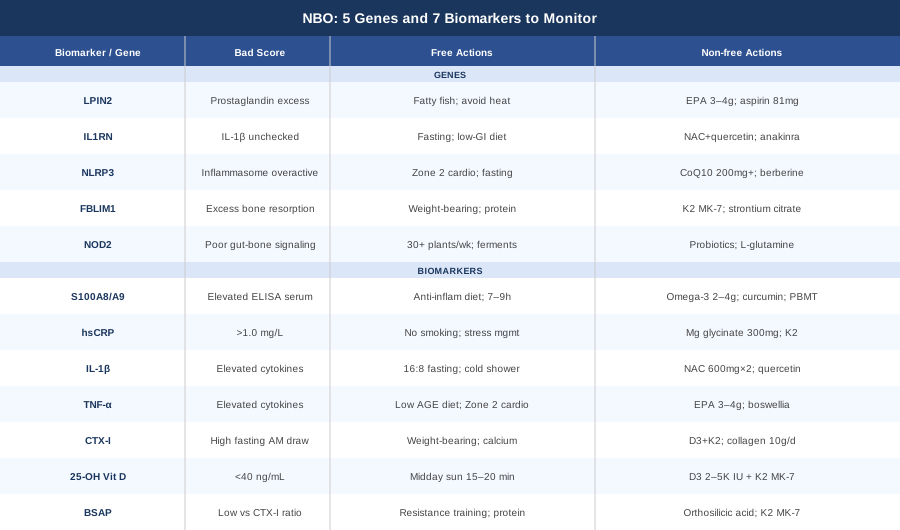
7 Biomarkers to Track in Nonbacterial Osteitis
Biomarker tracking in NBO serves two purposes: disease monitoring — understanding whether inflammation is active, stable, or progressing — and therapeutic guidance — identifying which biological pathways are most dysregulated and therefore most worth targeting. The seven markers below represent the most informative combination currently available for this condition, balancing NBO specificity, accessibility, and cost.
1. S100A8/A9 (MRP8/MRP14 Complex)
Why it matters: S100A8 and S100A9 are calcium-binding proteins released by activated neutrophils and monocytes when innate immune activation is high. They form a complex known as MRP8/MRP14 that functions as an alarmin — a danger signal amplifying downstream inflammatory cascades. In NBO and CRMO specifically, circulating MRP8/MRP14 levels correlate with disease activity more closely than standard markers like ESR or CRP, and they normalize during remission. This makes them uniquely useful for tracking whether a treatment is actually working at the immune level, even before symptoms fully respond.
What it may reveal: Elevated S100A8/A9 indicates active innate immune dysregulation at the bone-immune interface. Because these proteins directly promote osteoclast activation and bone resorption, persistently high levels suggest ongoing structural bone damage even when symptoms appear partially controlled.
How to measure it: Measured via ELISA-based serum assay. This is a specialized test not available at all standard labs; academic medical centers and rheumatology-focused reference labs typically offer it. Cost range: $80–$200 depending on the lab and insurance coverage. Some pediatric rheumatology programs measure it routinely in CRMO patients. Retest every 3 months during active monitoring, every 6 months during stable phases.
If the score is elevated — the plan without supplements
- Adopt an anti-inflammatory dietary pattern: Reduce ultra-processed foods, refined carbohydrates, and oils high in linoleic acid (corn, soybean, sunflower). These directly upregulate NF-κB signaling, which drives S100A8/A9 production. Replace with olive oil, fatty fish, and whole food carbohydrate sources. - Low-intensity aerobic activity: 30 minutes of walking, cycling, or swimming 5 days per week reduces systemic innate immune activation without stressing inflamed bone sites. Avoid high-impact loading over active lesions. - Sleep prioritization: Poor sleep quality drives sustained S100 protein elevation through disrupted immune regulation. Target 7–9 hours with consistent sleep/wake timing before adding any supplement layer.
If the score is elevated — the plan with supplements or equipment
- Omega-3 fatty acids (EPA+DHA): 2–4g daily from fish oil or algal oil. EPA and DHA reduce S100 protein signaling through competitive inhibition of arachidonic acid metabolism, reducing the substrate for pro-inflammatory eicosanoids. Take with food. At doses above 3g, discuss antiplatelet risk with a physician. Cycling: daily, ongoing. - Curcumin (formulated extract): 500–1000mg curcuminoid complex twice daily. Directly inhibits NF-κB, the transcription factor driving S100A8/A9 expression. Standard turmeric powder is minimally absorbed — use formulated extracts (BCM-95, Meriva, or Longvida). Cycling: 8 weeks on, 2 weeks off. Side effects: rare; potential iron absorption interference with long-term continuous use. - Photobiomodulation (home near-infrared device): Apply 810–850nm near-infrared light to affected bone regions for 10–20 minutes, 3–5 times per week. Emerging evidence supports local reduction of innate immune activation. Home devices range $200–$600. Safe, non-invasive, and painless.
2. High-Sensitivity C-Reactive Protein (hsCRP)
Why it matters: CRP is produced by the liver in response to IL-6 signaling, itself driven by TNF-α and IL-1β — the two cytokines most centrally implicated in NBO pathophysiology. Standard CRP is too imprecise for NBO monitoring: high-sensitivity CRP (hsCRP) detects subclinical inflammation that standard assays miss, and in NBO, disease may be active with only modestly elevated values (0.5–2 mg/L) that standard panels report as "normal."
What it may reveal: Persistently elevated hsCRP above 1 mg/L, even in the absence of acute symptoms, correlates with cumulative inflammatory burden and long-term structural bone damage risk. It is a quick, affordable way to confirm whether a lifestyle or medication change is reducing systemic inflammation.
How to measure it: Widely available through standard blood panels. Cost: $10–$40. Often included in cardiovascular risk panels. Always specify "high-sensitivity CRP" when requesting — the standard CRP assay has insufficient precision for NBO monitoring.
If hsCRP is above 1.0 mg/L — the plan without supplements
- Eliminate smoking and secondhand smoke exposure (independently raises CRP by a clinically relevant amount). - Reduce visceral fat where present: even a 5% reduction in body weight significantly decreases CRP in overweight individuals through reduced adipokine-driven IL-6 production. - Prioritize restorative sleep and sustained stress management — both independently reduce IL-6 and downstream CRP. - Retest: every 6–8 weeks during active treatment; every 3–6 months for stable monitoring.
If hsCRP is above 1.0 mg/L — the plan with supplements or equipment
- Magnesium glycinate: 300–400mg elemental magnesium nightly. Magnesium deficiency is significantly associated with elevated CRP; supplementation in deficient individuals reduces inflammatory markers measurably. Side effects: loose stool at high doses — reduce dose if this occurs. Cycling: daily, ongoing. - Vitamin K2 (MK-7 form): 100–200mcg daily. Modulates inflammatory cytokine expression and plays a critical role in bone calcium regulation (see BSAP section). Well tolerated. Important caveat: interacts with warfarin-type anticoagulants — check with a physician if on anticoagulant therapy. Cycling: daily, ongoing.
3. Interleukin-1β (IL-1β)
Why it matters: IL-1β is arguably the most important cytokine in NBO pathogenesis. The strongest clinical evidence for this comes from the consistent success of IL-1 blocking agents — particularly anakinra (recombinant IL-1 receptor antagonist) and canakinumab (anti-IL-1β antibody) — in treatment-resistant NBO cases. Measuring circulating IL-1β gives a direct window into how active this pathway is and whether interventions targeting it are working.
What it may reveal: Elevated IL-1β indicates active NLRP3 inflammasome processing, meaning the innate immune system is chronically primed for inflammatory secretion. This is particularly useful for identifying whether IL-1 pathway inhibition — pharmaceutical or lifestyle-based — should be prioritized.
How to measure it: Specialized cytokine panel (ELISA or multiplex bead-based assay). Available through reference labs (LabCorp, Mayo Medical Laboratories) and academic centers. Cost: $100–$300 for a full cytokine panel including IL-1β, IL-6, and TNF-α. Not routinely ordered — request specifically or have a rheumatologist order it. Sample handling matters: must be processed and frozen quickly.
If IL-1β is elevated — the plan without supplements
- Intermittent fasting (16:8 protocol): Ketone production from fasting periods — specifically beta-hydroxybutyrate — directly inhibits NLRP3 inflammasome activation, reducing the amount of pro-IL-1β converted to its active secreted form. Even a 12-hour overnight fasting window produces measurable beta-hydroxybutyrate. - Cold water exposure (gradual introduction): Ending showers with 2 minutes of cold water activates norepinephrine release, which modulates IL-1β production. Begin cautiously; avoid during acute bone pain flares in active lesion sites. - Moderate aerobic exercise: Despite initial IL-6 release from muscle during exercise, the net effect of regular moderate exercise is reduced IL-1β through downstream myokine signaling and improved metabolic health.
If IL-1β is elevated — the plan with supplements or equipment
- N-Acetylcysteine (NAC): 600mg twice daily. NAC reduces reactive oxygen species that activate the NLRP3 inflammasome upstream of IL-1β processing. Well tolerated. Cycling: 12 weeks on, 4 weeks off. Side effects: occasional GI discomfort; take with food. - Quercetin: 500–1000mg daily with vitamin C (enhances absorption). Directly inhibits NLRP3 inflammasome assembly. Synergistic with NAC — the two together address different points in the same pathway. Cycling: 8–12 weeks continuous; reassess response. Side effects: excellent tolerability; note potential interaction with quinolone antibiotics.
4. TNF-α (Tumor Necrosis Factor Alpha)
Why it matters: TNF-α works in concert with IL-1β to amplify bone inflammation in NBO. Critically, TNF-α directly activates osteoclasts through the RANK-L signaling pathway, accelerating bone resorption at lesion sites. TNF inhibitors (etanercept, adalimumab) are deployed in NBO refractory to first-line treatment, confirming the central role of this cytokine. Measuring TNF-α helps determine whether this pathway needs specific targeting.
How to measure it: Included in most cytokine multiplex panels alongside IL-1β. Cost: part of the same $100–$300 panel referenced above. Technical note: serum TNF-α requires rapid sample processing and freezing — poorly handled samples give unreliable results; confirm lab protocol before ordering.
If TNF-α is elevated — the plan without supplements
- Reduce dietary advanced glycation end-products (AGEs): high-temperature cooked meats, fried foods, and commercially baked goods raise TNF-α. Transition to lower-temperature cooking methods (steaming, poaching, slow cooking in liquid). - Prioritize anti-inflammatory fat sources: olive oil and avocado over processed vegetable oils for all cooking. - Zone 2 aerobic training (conversational pace, 30–45 min, 3–5x per week): consistently reduces TNF-α across multiple inflammatory disease populations.
If TNF-α is elevated — the plan with supplements or equipment
- High-EPA omega-3 concentrate: 3–4g EPA specifically (EPA has stronger TNF-α-suppressing effects than DHA in human trials). High-EPA concentrates are available OTC. Cycling: daily, ongoing. Side effects: mild GI at high doses; antiplatelet considerations above 3g. - Boswellia serrata extract: 300–500mg standardized to 65% boswellic acids, three times daily. Shows TNF-α inhibition in human studies of inflammatory arthritis through 5-LOX inhibition. Cycling: 8 weeks on, 2 weeks off. Side effects: mild GI; avoid in pregnancy.
5. CTX-I (C-Terminal Telopeptide of Type I Collagen)
Why it matters: CTX-I is a breakdown product of type I collagen released when osteoclasts resorb bone. Elevated CTX-I means bone is being degraded faster than it is being rebuilt — a key signature of active NBO lesion formation. This marker is more specific to bone than general inflammatory markers and can reveal silent disease activity between symptomatic flares.
How to measure it: Blood test (serum beta-CrossLaps / sCTX). Widely available through Quest Diagnostics and LabCorp. Cost: $30–$80. Critical note: must be drawn fasting in the morning (before 10 AM) — cortisol and food intake significantly suppress values, creating false reassurance. Paired with BSAP (biomarker 7), CTX-I gives a complete picture of remodeling balance.
If CTX-I is elevated — the plan without supplements
- Weight-bearing activity appropriate to disease state: Walking, body-weight resistance training (avoiding loaded positions directly over inflamed bones), and gentle yoga all reduce osteoclast activity through mechanical loading signals that favor bone formation. Even low-level vibration from daily walking is sufficient to shift the balance. - Adequate dietary calcium: 1000–1200mg daily from whole food sources (dairy, leafy greens, sardines with bones, fortified plant milks). Calcium adequacy reduces PTH-driven bone resorption. - Sun exposure for vitamin D synthesis: 10–20 minutes of midday sun on arms and legs at least 4 days per week — connecting directly to biomarker 6.
If CTX-I is elevated — the plan with supplements or equipment
- Vitamin D3 + K2: D3 2000–5000 IU daily (calibrate to serum 25-OH D level) combined with K2 MK-7 100–200mcg. D3 improves calcium absorption; K2 activates osteocalcin to direct calcium into bone rather than soft tissue. Cycling: daily, ongoing; retest vitamin D every 3 months until target range achieved. Side effects: hypervitaminosis D is rare below 10,000 IU/day but monitor serum calcium if supplementing above 5000 IU. - Hydrolyzed collagen peptides: 10–15g daily. Provides proline and hydroxyproline for osteoblast matrix synthesis, supporting bone formation in the context of elevated resorption. Some RCT data in bone density contexts. Cycling: daily for 12+ weeks minimum. Side effects: generally safe; sourcing from bovine or marine collagen.
6. 25-Hydroxyvitamin D (25-OH Vitamin D)
Why it matters: Vitamin D deficiency is strongly associated with dysregulated innate immunity. In autoinflammatory bone conditions, low vitamin D amplifies IL-1β and TNF-α production while simultaneously reducing regulatory T cell activity — a double hit that worsens the NBO immune landscape. Multiple published reports document that NBO and CRMO patients frequently present with insufficient or deficient vitamin D, often at levels the standard "normal" range misses. Optimizing vitamin D is one of the highest-leverage, lowest-cost interventions available.
What it may reveal: A 25-OH vitamin D below 30 ng/mL (75 nmol/L) is generally considered insufficient; below 20 ng/mL is deficient. For immune modulation purposes, many researchers now target 40–60 ng/mL as the functional range, a threshold above which immune regulatory effects are more consistently observed.
How to measure it: Standard blood test available at any lab. Cost: $20–$50. Often covered by insurance when ordered for bone or immune conditions. Retest every 3 months when supplementing until stable in target range.
If 25-OH D is below 40 ng/mL — the plan without supplements
- Maximize safe sun exposure: 15–20 minutes of midday sun (arms and legs exposed, without SPF) at least 4 days per week during warmer months. UVB rays are responsible for vitamin D synthesis; SPF blocks conversion almost completely at typical application amounts. - Dietary vitamin D from fatty fish, egg yolks, and liver contributes modestly (typically 400–1000 IU daily from food maximum). Diet alone rarely corrects a meaningful deficiency but helps maintain levels.
If 25-OH D is below 40 ng/mL — the plan with supplements
- Vitamin D3: 2000–5000 IU daily for maintenance; up to 10,000 IU for correction of frank deficiency (with physician oversight). Always pair with K2 MK-7 (100–200mcg) to direct calcium appropriately, and ensure magnesium sufficiency — magnesium is required for vitamin D metabolism and its absence limits supplementation effectiveness. Cycling: daily, ongoing; retest every 8–12 weeks until target range established. Side effects: hypervitaminosis D rare below 10,000 IU/day; monitor serum calcium if supplementing at higher doses.
7. Bone-Specific Alkaline Phosphatase (BSAP)
Why it matters: Bone-specific alkaline phosphatase is an enzyme produced by osteoblasts during active bone formation. In NBO, BSAP may be elevated at active lesion sites as the body attempts to repair damage, or it may be disproportionately low relative to CTX-I — revealing a net resorptive state where degradation exceeds rebuilding. Pairing BSAP with CTX-I provides the clearest picture of whether bone remodeling is balanced or tipped toward damage.
How to measure it: Measurable as total ALP (included in standard metabolic panels at no extra charge) or as bone-specific isoenzyme (BSAP), preferred because it excludes liver and intestinal ALP that confound interpretation. BSAP-specific test cost: $30–$60. Available through most reference labs.
If BSAP is low relative to CTX-I — the plan without supplements
- Progressive resistance training: The most powerful stimulus for osteoblast activation and BSAP increase available without medication. Body weight exercises (squats, lunges, push-ups) progressed over time show measurable BSAP increases within 8–12 weeks. Frequency: 3 sessions per week; avoid loading directly over inflamed bone sites. - Adequate dietary protein: 1.2–1.6g protein per kilogram body weight daily. Osteoblasts require amino acids — particularly glycine and proline — for collagen matrix synthesis; insufficient protein blunts the osteoblast response to mechanical loading.
If BSAP is low — the plan with supplements or equipment
- Orthosilicic acid (silicon supplement): 10–20mg orthosilicic acid daily. Silicon plays a key role in collagen cross-linking and has been shown in human studies to support osteoblast activity and bone mineralization. Cycling: 12 weeks on, 4 weeks off. Side effects: very low; exercise caution in kidney disease. - Vitamin K2 MK-7: As noted above — K2 activates osteocalcin, the osteoblast-produced protein that coordinates calcium deposition in bone matrix. Directly relevant when BSAP signals osteoblast underactivity. 100–200mcg daily, ongoing.
Taken together, these seven biomarkers build a real-time picture of NBO activity that symptom tracking alone cannot provide. The genetics of this condition add an important second layer — explaining why inflammatory signals run high in the first place and pointing toward more individualized interventions.
The Genetic Architecture of Nonbacterial Osteitis
Unlike single-gene Mendelian diseases, most NBO cases reflect polygenic risk — multiple variants each contributing modestly to a background of heightened autoinflammatory susceptibility, triggered by environmental or microbial stressors. Understanding which variants are present is not about predetermining outcomes; it is about identifying which biological pathways deserve the most attention for a given individual. Commercial genetic testing (23andMe, AncestryDNA) combined with interpretation tools can identify many of the relevant variants discussed below.
Gene 1: LPIN2 — Prostaglandin Dysregulation and the Majeed Syndrome Link
What it is: LPIN2 encodes lipin-2, a phosphatidic acid phosphatase involved in lipid metabolism and inflammatory signaling. Homozygous loss-of-function mutations in LPIN2 cause Majeed syndrome — a monogenic autoinflammatory condition defined by CRMO, congenital dyserythropoietic anemia, and inflammatory dermatosis. Heterozygous (single-copy) variants are more common and may contribute to elevated NBO susceptibility without causing the full syndrome.
How it affects the body: Lipin-2 deficiency leads to dysregulated prostaglandin synthesis and IL-1β hypersecretion. Macrophages produce excessive inflammatory lipid mediators, creating a sustained pro-inflammatory state in bone that responds poorly to standard NSAIDs because the defect is upstream of COX enzyme inhibition.
If the gene is unfavorable — the plan without supplements
- Dietary fat quality becomes especially important. A pattern favoring EPA/DHA (fatty fish) and oleic acid (olive oil) over excess linoleic acid (seed oils) reduces the arachidonic acid substrate pool that LPIN2 dysregulation amplifies into pro-inflammatory prostaglandins. - Avoid heat triggers: LPIN2 variants are associated with fever- and heat-triggered flares. Consistent ambient temperature and avoidance of heat stress during active disease phases can reduce flare frequency. - Consistent sleep and circadian rhythm alignment: circadian disruption independently upregulates prostaglandin synthesis pathways.
If the gene is unfavorable — the plan with supplements or equipment
- EPA-rich omega-3 supplementation: 3–4g EPA daily. EPA competes directly with arachidonic acid for COX enzymes, reducing prostaglandin production downstream of LPIN2 dysfunction. Cycling: daily, ongoing. Side effects: as noted above for omega-3 at higher doses. - Low-dose aspirin (adults, under physician guidance): By inhibiting COX-1 and COX-2, aspirin addresses prostaglandin overproduction downstream of LPIN2 dysfunction. Specifically contraindicated in children and adolescents under 16 without specific medical direction. Adults: 81mg daily. Always confirm with a physician before initiating in NBO context.
Gene 2: IL1RN — Reduced Capacity to Suppress IL-1β
What it is: IL1RN encodes the IL-1 receptor antagonist (IL-1Ra), the body's natural inhibitor of IL-1β signaling. Complete deficiency causes DIRA (Deficiency of IL-1 Receptor Antagonist) — a severe neonatal autoinflammatory condition with multifocal osteomyelitis as a defining feature. Partial variants reduce the body's ability to dampen IL-1β activity, increasing susceptibility to autoinflammatory bone disease and reducing response to innate immune resolution signals.
How it affects the body: Less functional IL-1Ra means the IL-1β signal operates with less natural counterbalance. Since IL-1β is a primary driver of osteoclast activation in NBO, reduced IL-1Ra activity creates a chronic pro-resorptive state in bone tissue.
If the gene is unfavorable — the plan without supplements
- Prioritize reducing upstream IL-1β production through the lifestyle tools covered in the IL-1β biomarker section: fasting windows, moderate exercise, and avoiding glycemic spikes. - Intermittent fasting with partial ketogenic shift: beta-hydroxybutyrate from fasting directly inhibits NLRP3 at the source, reducing the IL-1β load that reduced IL-1Ra then needs to manage. - Minimize food antigens that trigger mucosal immune activation: gluten (through zonulin-mediated tight junction opening) and potentially legume lectins amplify intestinal IL-1β production that propagates systemically.
If the gene is unfavorable — the plan with supplements or equipment
- NAC + Quercetin combination: Working at the inflammasome level (as detailed in the IL-1β biomarker section), these reduce the amount of active IL-1β the reduced IL-1Ra pool needs to suppress — addressing the source to reduce the demand on a limited brake. Dosing and cycling as listed above. - Anakinra (recombinant IL-1Ra, prescription biological): For confirmed severe IL1RN variants in treatment-resistant NBO, anakinra is the direct pharmacological replacement for what the gene fails to produce adequately. Daily subcutaneous injection, dosing calibrated by rheumatologist. Side effects: injection site reactions, modestly increased infection susceptibility. This is a specialized medical decision, not a self-directed supplement.
Gene 3: NLRP3 — The Inflammasome Gain-of-Function Risk
What it is: NLRP3 encodes a core component of the NLRP3 inflammasome — the intracellular protein complex responsible for converting pro-IL-1β into its active, secretable form. Gain-of-function mutations cause cryopyrin-associated periodic syndromes (CAPS) in severe forms, but subtler variants make the inflammasome hyperreactive to normal cellular stress signals, increasing IL-1β output across a range of autoinflammatory conditions including NBO.
How it affects the body: An overactive NLRP3 inflammasome amplifies IL-1β secretion in response to mitochondrial damage signals, crystalline debris in bone tissue, uric acid, and oxidative stress — creating a state where normal cellular turnover in bone generates an excessive inflammatory response.
If the gene is unfavorable — the plan without supplements
- Mitochondrial health is central: mitochondrial DNA and reactive oxygen species released by damaged mitochondria are primary NLRP3 triggers. Support mitochondrial function through consistent aerobic exercise (zone 2 cardio), adequate sleep, and avoidance of mitochondria-damaging exposures (alcohol, smoking, excess fructose). - Time-restricted eating or periodic carbohydrate reduction: ketone production (especially beta-hydroxybutyrate from 16–18 hour fasting windows) is one of the most potent known NLRP3 inhibitors, with direct molecular evidence from human studies.
If the gene is unfavorable — the plan with supplements or equipment
- CoQ10 (ubiquinol form): 200–400mg daily. Ubiquinol is a mitochondria-targeted antioxidant that reduces the ROS signals activating NLRP3. Ubiquinol is significantly better absorbed than ubiquinone, particularly above age 40. Cycling: daily, ongoing. Side effects: minimal; mild GI discomfort. - Berberine: 500mg twice daily with meals. Activates AMPK, which negatively regulates NLRP3 assembly and promotes mitochondrial biogenesis. A meaningful dual-action compound for this gene variant. Cycling: 8 weeks on, 2–4 weeks off. Side effects: GI adjustment; potential interaction with metformin and statins — check with a physician.
Gene 4: FBLIM1 — Osteoclast Attachment and Bone Resorption
What it is: FBLIM1 encodes filamin binding LIM protein 1, involved in cytoskeletal organization in osteoclasts. Variants in FBLIM1 were identified in genetic studies of CRMO patients (Ferguson et al., Arthritis & Rheumatism, 2014) and in a mouse model of chronic multifocal osteomyelitis. The gene appears to influence how osteoclasts adhere to and resorb bone surfaces.
How it affects the body: Dysregulated FBLIM1 may increase osteoclast attachment efficiency and resorptive activity at bone surfaces, contributing to accelerated bone degradation at NBO lesion sites independently of the cytokine environment.
If the gene is unfavorable — the plan without supplements
- Weight-bearing exercise remains the primary non-pharmacological lever: mechanical loading suppresses osteoclast dominance through sclerostin reduction and Wnt signaling activation, promoting osteoblast over osteoclast activity regardless of FBLIM1 variant status. - Adequate calcium and protein intake: ensures osteoblasts have the material to rebuild at a rate matching FBLIM1-associated resorption activity.
If the gene is unfavorable — the plan with supplements or equipment
- Vitamin K2 MK-7 (100–200mcg daily): K2 inhibits osteoclast differentiation through osteocalcin-mediated pathways, making it particularly targeted when FBLIM1 variants suggest osteoclast overactivity at the cellular level. - Strontium citrate (low-dose, under physician oversight): Strontium shifts the bone remodeling balance toward formation and away from resorption through dual action — stimulating osteoblasts while inhibiting osteoclasts. Low-dose OTC formulations (340–680mg strontium citrate) have a reasonable safety profile. Discuss with a physician, particularly if any cardiovascular risk factors are present.
Gene 5: NOD2/CARD15 — Gut-Bone Axis and Resolution Signaling
What it is: NOD2 encodes a pattern recognition receptor that detects bacterial cell wall fragments (muramyl dipeptide) as part of innate immune surveillance. Counterintuitively, NOD2 loss-of-function variants in NBO may impair the body's ability to properly resolve innate immune responses — leading to sustained, non-resolving bone inflammation. These variants are best known in Crohn's disease and have been identified in NBO/CRMO patient cohorts.
How it affects the body: Impaired NOD2 signaling disrupts intestinal barrier function and resolution signaling, allowing bacterial products to chronically prime bone-adjacent immune cells even in the absence of a true infection — sustaining the autoinflammatory cascade at a low but persistent level.
If the gene is unfavorable — the plan without supplements
- Gut microbiome health is the priority: NOD2 dysfunction amplifies with increased intestinal permeability. Anti-inflammatory diet, 30+ plant varieties per week for fiber diversity, and daily fermented foods (yogurt, kefir, kimchi, sauerkraut) support barrier integrity and microbial diversity. - Use antibiotics only when truly necessary: NOD2 variants are associated with dysbiosis susceptibility; unnecessary antibiotic courses disproportionately worsen the gut-immune situation.
If the gene is unfavorable — the plan with supplements or equipment
- Multi-strain probiotic: Lactobacillus rhamnosus GG, Bifidobacterium longum, and Lactobacillus plantarum — 10–100 billion CFU daily. These strains directly support intestinal barrier integrity and help compensate for NOD2-related permeability risk. Cycling: daily for 3–6 months; reassess. Side effects: mild GI adjustment in weeks 1–2. - L-Glutamine: 5–10g daily in a fasted state (morning or between meals). Intestinal epithelial cells use glutamine as their primary fuel; supplementation supports barrier repair in the context of NOD2-related permeability. Cycling: 8–12 weeks on, 4 weeks off. Side effects: very well tolerated; use caution in active liver disease or known glutamate sensitivity.
Understanding these genetic signals leads naturally to the broader lifestyle framework that addresses most of them simultaneously — which is where Sarah Ballantyne's systematically researched protocol becomes relevant.
What Sarah Ballantyne's Autoimmune Protocol Research Reveals for NBO
Sarah Ballantyne, PhD, a medical biophysicist, spent years reviewing thousands of peer-reviewed studies to build what is now known as the Autoimmune Protocol (AIP). Documented in The Paleo Approach and subsequent works, the protocol targets intestinal permeability, nutrient deficiency, and autoinflammatory dietary triggers in a structured elimination-and-reintroduction format. While NBO is classified as autoinflammatory rather than strictly autoimmune, the biological overlap is substantial — the same IL-1β pathway, gut-immune connection, and lifestyle modulators apply directly.
Here are the 10 most impactful insights from this research framework as they apply to NBO:
1. Intestinal Permeability Is Often an Upstream Driver
When the gut lining becomes porous, bacterial fragments, undigested proteins, and immunogenic molecules enter systemic circulation. In individuals with NOD2 or NLRP3 variants, this provokes exaggerated innate immune responses including at bone sites. Ballantyne synthesizes evidence demonstrating that intestinal permeability is measurably elevated in a wide range of inflammatory and autoinflammatory conditions.
2. Gluten Is the Highest Single-Impact Dietary Removal
Gliadin (the immunogenic protein component of gluten) directly opens tight junctions in the intestinal lining through zonulin activation, regardless of celiac disease status. Ballantyne's review of the evidence supports gluten removal as a first-order intervention for any autoinflammatory condition. Clinical effect is typically measurable within 3–6 weeks of elimination.
3. Nightshade Vegetables May Amplify Bone and Joint Inflammation
Tomatoes, peppers, eggplant, and potatoes contain saponins and glycoalkaloids that increase intestinal permeability and may stimulate innate immune cells. Ballantyne recommends a 60–90 day elimination trial for autoinflammatory conditions affecting bone and connective tissue, followed by systematic reintroduction.
4. Sleep Is the Most Underrated Immune Regulator
Ballantyne devotes significant coverage to sleep as the single most important non-dietary immune lever — specifically noting that poor sleep drives IL-1β, TNF-α, and disrupts regulatory T cells that prevent autoinflammatory escalation. Seven to nine hours with consistent sleep timing is treated as non-negotiable, not optional.
5. Nutrient Density Matters as Much as Exclusion
The AIP is not primarily a restriction diet. Organ meats, bone broth, wild-caught seafood, and a wide diversity of vegetables provide zinc, vitamin A, magnesium, and selenium — rate-limiting cofactors in immune regulation that are frequently deficient in people with chronic inflammatory conditions and that directly influence the biomarkers covered above.
6. Stress Is a Direct Autoinflammatory Trigger
Ballantyne synthesizes evidence showing that chronic psychological stress raises cortisol, which first temporarily suppresses and then rebounds to amplify inflammatory cytokine production. Specific stress-management practices — mindfulness, breathwork, adequate social connection — are treated as non-optional components of the protocol, not lifestyle suggestions.
7. Reintroduction Reveals Individual Triggers
After 60–90 days of strict elimination, the AIP involves systematic reintroduction of removed food groups, one at a time, monitoring for symptom response over 5–7 days per group. This phase reveals that autoinflammatory triggers are heterogeneous: what inflames one person's immune system may not affect another's. NBO patients often discover that specific foods reliably trigger bone pain flares.
8. The Gut-Bone Axis Is Central, Not Peripheral
Gut bacteria regulate systemic immune tone, RANKL expression, and osteoclast activity. Ballantyne reviews evidence that microbiome diversity — particularly butyrate-producing bacteria — reduces bone resorption signals. Fermented foods daily and diverse plant fiber (30+ species per week) are the primary microbiome levers in the AIP framework.
9. Exercise Type Must Match Disease Phase
While exercise is broadly anti-inflammatory, Ballantyne notes that high-intensity exercise during active disease phases can temporarily amplify inflammatory cytokines and trigger flares. The recommendation: restorative movement (walking, gentle yoga, light resistance work) during active phases; increase intensity progressively during remission.
10. The Protocol Is a Reset, Not a Permanent Diet
The AIP is designed as a time-limited reset, not a lifelong restriction. The goal is to reduce inflammatory burden sufficiently to allow healing and improve immune tolerance, then methodically expand food variety. Most people who complete 90 days of strict AIP find they can tolerate substantially more foods afterward than during the active autoinflammatory phase. The framework's value is diagnostic as much as therapeutic.
Complementary Approaches with Evidence for Nonbacterial Osteitis
The following modalities have the most meaningful clinical evidence applicable to NBO — drawn from NBO itself where possible, and from closely related autoinflammatory and musculoskeletal conditions where condition-specific data is limited. They are additions to medical care, not alternatives.
Low-Level Laser Therapy / Photobiomodulation
Photobiomodulation (PBMT) applies specific wavelengths of red and near-infrared light (630–850nm) to tissues to reduce local inflammation, stimulate cellular repair, and modulate cytokine expression. In NBO, where inflammation is localized to specific bone regions — commonly clavicle, pelvis, and long bone metaphyses — PBMT offers the advantage of targeted anti-inflammatory action at precisely the sites of interest without systemic side effects.
A systematic review published in Photomedicine and Laser Surgery documented PBMT's ability to reduce pro-inflammatory cytokines including TNF-α and IL-1β in musculoskeletal conditions, with the strongest evidence in temporomandibular joint disorders, rheumatoid arthritis, and post-fracture bone healing contexts. Evidence in NBO specifically remains limited to case series and mechanistic rationale; this should be factored into expectations.
Apply a class 3b or class 4 PBMT device to the affected bone region for 10–15 minutes, 3–5 times per week. Home near-infrared devices provide appropriate wavelengths. Clinical settings offer higher irradiance. Begin conservatively and monitor for symptom change over 4–6 weeks. PBMT has an excellent safety profile; it is non-invasive and painless. Do not apply directly over active growth plates in children without guidance from the treating physician.
Mindfulness Meditation / MBSR
Mindfulness-Based Stress Reduction (MBSR), the 8-week structured program developed by Jon Kabat-Zinn, has documented effects on both inflammatory biomarkers and pain processing. Chronic pain in NBO — particularly in adolescents and young adults — increasingly recognized as involving both inflammatory and central sensitization components, making MBSR more targeted than its general description suggests.
A randomized controlled trial published in Brain, Behavior, and Immunity demonstrated significant reductions in NF-κB-driven inflammatory gene expression in MBSR participants compared to controls. Since NF-κB is the master transcription factor driving IL-1β, TNF-α, and S100A8/A9 expression, this finding is directly relevant to the NBO inflammatory signature. The effect size in immune parameters was comparable to low-dose anti-inflammatory medication in some measures.
Enroll in an 8-week MBSR program — available in-person at many medical centers and free online through the Palouse Mindfulness curriculum. Core practice involves 30–45 minutes of formal meditation daily. Reduction in perceived pain and improved disease self-management are the most consistent reported outcomes. Particularly valuable for adolescents with CRMO, where the psychological burden of chronic recurrent bone pain substantially affects quality of life and school functioning.
Microbiome-Directed Therapies
The gut-bone axis is one of the most compelling emerging areas in bone immunology. Gut bacteria regulate systemic immune tone, RANKL-driven osteoclast activation, and intestinal permeability — all directly relevant to NBO pathophysiology, particularly in patients carrying NOD2 or IL1RN variants. Microbiome-directed therapy spans dietary fiber optimization, targeted probiotic supplementation, and stool microbiome testing to identify specific deficiencies.
A clinical trial examining probiotic supplementation in pediatric patients with juvenile idiopathic arthritis — the closest well-characterized autoinflammatory bone and joint condition with substantial pediatric data — demonstrated measurable reductions in inflammatory markers and disease activity scores over 12 weeks of Lactobacillus-based supplementation (Vásquez-Jiménez et al., Arthritis Research & Therapy). NBO-specific probiotic trial data remains sparse; the mechanistic logic — reducing gut-derived innate immune priming — remains strong.
Begin with the dietary foundation: 30+ plant species per week for fiber diversity, daily fermented foods (kefir, kimchi, sauerkraut, yogurt), and minimal ultra-processed food to avoid microbiome-disrupting emulsifiers and preservatives. Add a multi-strain probiotic covering Lactobacillus rhamnosus GG, Bifidobacterium longum, and L. plantarum at 10–100 billion CFU daily. Allow 8–12 weeks before assessing response. Consider stool microbiome testing to identify specific gaps. Side effects: mild GI adjustment in weeks 1–2.
Breathing-Based Therapies
Controlled breathing practices that emphasize extended exhalation and a reduced breathing rate (approximately 5–6 breaths per minute, sometimes called coherent or resonance breathing) activate the parasympathetic nervous system via the vagus nerve. Vagal activation suppresses NF-κB-driven inflammatory gene expression and has been shown to reduce circulating TNF-α and IL-6 through the cholinergic anti-inflammatory pathway.
A landmark study published in PNAS by Kox et al. (2014) demonstrated that trained breathing and mindfulness techniques (components of the Wim Hof Method) allowed participants to voluntarily suppress the innate immune response to intravenous endotoxin challenge, reducing TNF-α, IL-6, and IL-12 by clinically meaningful amounts. These cytokines are directly relevant to the NBO inflammatory cascade.
Practically: begin with 5 minutes of slow diaphragmatic breathing twice daily — inhale for 4–5 counts, exhale for 6–8 counts. This requires no equipment, costs nothing, and can be done during a NBO flare without physical risk. Apps (Calm, Breathwrk) provide guided protocols. More intensive hyperventilation-based cycles should be approached cautiously during active disease and avoided during acute bone pain flares. The slow exhalation protocol is the safest starting point with the clearest vagal anti-inflammatory mechanism.
Conclusion
Nonbacterial osteitis is a condition where individual biology matters more than most patients are initially told. The presence or absence of specific biomarkers — particularly S100A8/A9, IL-1β, CTX-I, and vitamin D — reveals which pathways are most active and where intervention will have the most impact. Genetic variants in LPIN2, IL1RN, NLRP3, FBLIM1, and NOD2 explain why two people with the same diagnosis can respond so differently to identical treatments. That information is not academic — it translates directly into more targeted decisions.
The most effective path forward combines close work with a rheumatologist or autoinflammatory specialist with informed monitoring of the markers discussed here. A practical starting panel — hsCRP, 25-OH vitamin D, CTX-I, and a morning fasting S100A8/A9 or cytokine panel — is affordable and actionable for most patients. Lifestyle work through dietary quality, sleep, movement, and stress regulation represents the strongest non-pharmaceutical layer, addressing multiple pathways simultaneously.
The next smart step is concrete: bring this article's biomarker list to your next rheumatology appointment, confirm which markers are currently being tracked, and request hsCRP and 25-OH vitamin D at minimum if they are not already part of your monitoring plan. One conversation informed by better data can change the trajectory of care. That is worth pursuing.
Musculoskeletal: Bone Conditions Joint Conditions
Autoimmune: Inflammatory Conditions