This article contains AI generated content.
· UpdatedNoonan Syndrome Genes and Biomarkers — 10 Genes and 6 Biomarkers to Track
Introduction
Noonan syndrome is one of those conditions that can feel deeply isolating — not because it is rare in the grand scheme of genetic disorders, but because so much of the standard conversation around it stops at the diagnosis. You get the name, perhaps a checklist of possible features, and a referral chain. What you rarely get is a clear picture of why this particular constellation of challenges is happening in your body or your child's body, and what that understanding could actually unlock.
The frustrating truth is that Noonan syndrome is not one condition. It is a family of related disorders, each driven by a different mutation in a different gene along the same signaling pathway — the RAS/MAPK cascade. Knowing which gene is involved changes the risk profile significantly. A person with a RAF1 mutation faces a very different cardiac trajectory than someone with a SOS1 mutation. Generic management guidelines, designed for the broadest population, often miss these distinctions entirely — and that gap has real clinical consequences.
That space between population-level advice and individual precision is exactly where this article lives. It is written for those who want to understand the specific genetic drivers at play, track the biomarkers most likely to signal problems early, and use that information to make better decisions alongside their medical team — not instead of it.
Better information does not guarantee better outcomes, but it consistently leads to better questions. And better questions, asked at the right time, can change a trajectory. What follows is a structured look at the 10 genes most commonly implicated in Noonan syndrome, 6 biomarkers worth tracking proactively, a research-backed deep dive into the growth hormone axis, and evidence-grounded complementary approaches — each chosen because it has enough science behind it to earn a place in a serious management conversation.
Summary
This article covers 10 genes across the RAS/MAPK pathway that can cause Noonan syndrome, from the most common (PTPN11, responsible for roughly half of all cases) to rarer variants like LZTR1 and SOS2. For each gene, you will find what the mutation means clinically, a monitoring plan, and concrete protocols — both supplement-free and supplement-based — targeting the systems most affected. Because gene subtype changes risk profile dramatically, this section alone may reframe everything you thought you knew about the condition.
The 6 biomarkers section explains what to measure, how often, at what cost, and what a poor result actually means in practice — from NT-proBNP as an early cardiac stress alarm to IGF-1 as a window into why short stature in Noonan syndrome often resists standard approaches. Beyond the core genetics and biomarker sections, the article examines what the latest growth hormone research reveals (including daily lifestyle levers most clinicians never mention), five evidence-backed complementary modalities for heart health, cognitive development, and physical function, and a conclusion that maps the single most useful next step.
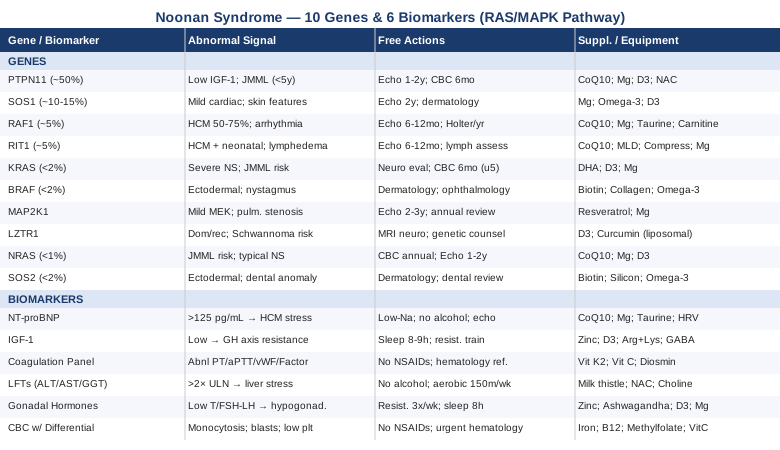
Understanding the Genetic Roots of Noonan Syndrome: 10 Key Genes
Noonan syndrome belongs to a broader class of conditions called RASopathies — disorders caused by dysregulation of the RAS/MAPK signal transduction pathway. This pathway acts as a cellular communication highway, relaying growth signals from the cell surface to the nucleus. When a mutation causes any component of this pathway to remain constitutively active, cells proliferate and develop abnormally, producing the characteristic features of Noonan syndrome: distinctive facial features, short stature, congenital heart defects, coagulation abnormalities, and variable cognitive challenges.
GeneReviews provides the most comprehensive and regularly updated clinical summary of Noonan syndrome genetics available, and it is the primary reference for any family navigating a new diagnosis. The 10 genes below represent the current diagnostic landscape, each with distinct phenotypic and clinical implications that should directly shape monitoring and management decisions.
1. PTPN11 — The Most Common Mutation (~50% of Cases)
PTPN11 encodes SHP-2, a protein tyrosine phosphatase that normally amplifies RAS/MAPK signaling in a tightly controlled manner. Gain-of-function mutations in PTPN11 cause SHP-2 to become constitutively active, meaning the pathway sends continuous growth and differentiation signals even without external stimulation.
Clinically, PTPN11 mutations are most strongly associated with pulmonary valve stenosis (the most common cardiac defect in this gene group), short stature, typical Noonan facial features, and an elevated risk of juvenile myelomonocytic leukemia (JMML) in early childhood. An important nuance: PTPN11 mutations also impair GH receptor signaling downstream (through JAK-STAT pathway disruption), which means these patients can show partial GH resistance even when GH secretion is technically normal — a finding with direct implications for interpreting IGF-1 levels and planning growth hormone therapy.
If the gene carries a mutation: the plan without supplements
- Echocardiography: every 1–2 years in children, every 2–3 years in stable adults; immediately if new symptoms arise - Complete blood count (CBC): every 6–12 months until age 5 to monitor for JMML; annually thereafter - Growth monitoring: height and weight at every clinical visit; refer to a pediatric endocrinologist if height velocity falls below the 25th percentile for age, or if IGF-1 is disproportionately low relative to GH stimulation test results - Neurodevelopmental assessment: at school entry, and again at ages 8 and 12 if learning difficulties emerge - Exercise guidance: moderate aerobic exercise is encouraged; avoid heavy isometric exercise (maximal weightlifting, wrestling) if any structural cardiac finding is present - Clinical review frequency: every 6 months in childhood, annually in stable adulthood
Side effects of the monitoring plan itself are negligible; the primary risk is under-monitoring, which allows cardiac or hematological changes to progress silently.
If the gene carries a mutation: the plan with supplements or equipment
- CoQ10 (ubiquinol form): 100–200 mg/day with a fat-containing meal. Supports mitochondrial energy production in cardiac and smooth muscle. Continuous use; no standard cycling protocol established. Side effects: mild GI upset at higher doses; take with food to minimize. - Magnesium glycinate: 300–400 mg at bedtime. Supports vascular tone and cardiac rhythm. Continuous. Side effects: loose stools if dose is too high — reduce to 200 mg if this occurs. - Vitamin D3 with K2: 2,000–4,000 IU D3 daily with 100–200 mcg MK-7 K2. Short stature correlates with vitamin D insufficiency in multiple studies. Check baseline 25-OH-D before starting; target 40–60 ng/mL. Side effects: hypercalcemia if chronically over-supplemented — recheck levels every 6 months. - N-Acetylcysteine (NAC): 600 mg once or twice daily with food. Preclinical data suggest NAC modulates oxidative stress associated with RAS pathway overactivation. Cycle 5 days on, 2 days off. Side effects: nausea on an empty stomach; take with meals. - Home pulse oximeter and blood pressure cuff: low-cost monitoring equipment for tracking oxygen saturation and blood pressure between clinical visits. No cycling required.
2. SOS1 — Second Most Common (~10–15% of Cases)
SOS1 encodes Son of Sevenless homolog 1, a guanine nucleotide exchange factor (GEF) that activates RAS by facilitating GDP-to-GTP exchange. Gain-of-function mutations cause excessive, prolonged RAS activation.
Phenotypically, SOS1 carriers often present with a more favorable profile than PTPN11: cardiac defects are present but typically milder (mainly pulmonary stenosis), adult height is closer to population norms, and cognitive function is generally preserved. JMML risk is not elevated. This gene subgroup tends to have the most manageable long-term outlook across the Noonan spectrum.
If the gene carries a mutation: the plan without supplements
- Echocardiography: every 2 years; more frequently if a structural defect is identified - Annual CBC and blood pressure monitoring - Dermatology review: SOS1 is associated with skin features including loose, easily-rubbed skin and café-au-lait spots - No specific leukemia surveillance protocol required - Orthodontic evaluation: dental malocclusion is more common in this subgroup
If the gene carries a mutation: the plan with supplements or equipment
- Magnesium glycinate: 300 mg/day. General cardiac and neuromuscular support. Continuous. Side effects: loose stools. - Omega-3 fatty acids (EPA+DHA): 2 g/day with meals. Anti-inflammatory support; modest vascular benefit. Continuous. Side effects: fishy aftertaste — use enteric-coated formulations if needed. - Vitamin D3: 2,000 IU/day with baseline level check. Side effects: as above.
3. RAF1 — Highest Cardiac Risk Gene (~5% of Cases)
RAF1 encodes a serine/threonine kinase acting immediately downstream of RAS in the MAP kinase cascade. RAF1 mutations represent one of the highest-risk genotypes for hypertrophic cardiomyopathy in the entire Noonan spectrum: estimates from multiple registry cohorts suggest 50–75% of RAF1-positive individuals develop HCM, compared to approximately 20–30% of the general Noonan population. HCM in this subgroup can present in infancy and may be rapidly progressive.
This is the gene group where cardiac management becomes the absolute central clinical priority. Every other aspect of management — growth, learning, bleeding — is secondary until the cardiac picture is clearly established and stable.
If the gene carries a mutation: the plan without supplements
- Echocardiography: every 6–12 months throughout childhood and into adulthood - 24-hour Holter monitor: annually to screen for arrhythmias (ventricular tachycardia is documented in RAF1-related HCM) - Cardiac MRI: every 2–3 years in adults for detailed myocardial fibrosis assessment; earlier if echo findings are progressive - Exercise restriction: avoid competitive sports, high-intensity interval training with extreme load peaks, and any heavy resistance exercise. Moderate aerobic activity (walking, swimming at moderate pace) is generally acceptable - Beta-blockers: may be prescribed by a cardiologist if HCM is symptomatic — this is a medical decision, not a self-managed one - Personal ECG device (AliveCor/Kardia): weekly rhythm monitoring at home; use immediately whenever palpitations or dizziness occur
If the gene carries a mutation: the plan with supplements or equipment
- CoQ10 (ubiquinol): 200–400 mg/day in two divided doses with food. CoQ10 deficiency is well-documented in HCM; supplementation may reduce NT-proBNP and wall stress markers in human studies. Continuous. Side effects: headache at initiation in some users; GI upset at high doses. - Magnesium malate: 400–500 mg/day. Particularly relevant for arrhythmia prevention; magnesium stabilizes cardiac membrane potentials. Continuous. Side effects: loose stools. - Taurine: 1–2 g/day. Taurine is an amino acid with direct cardiac membrane-stabilizing and anti-fibrotic properties. Animal models of HCM show clear benefit; human data is limited but the safety profile is excellent. Continuous. Side effects: minimal; very well tolerated. - L-Carnitine: 500 mg–1 g/day. Supports fatty acid oxidation in hypertrophied cardiac tissue where metabolic efficiency is reduced. Continuous. Side effects: fishy body odor at higher doses; GI upset in some individuals.
4. RIT1 — High HCM Risk with Lymphatic Involvement (~5% of Cases)
RIT1 encodes a RAS-like GTPase. Like RAF1, RIT1 mutations carry a significantly elevated HCM risk, with some registry data reporting rates comparable to RAF1. A distinguishing feature of the RIT1 subtype is a notable rate of neonatal complications including pulmonary disease and feeding difficulties, and a higher prevalence of lymphedema compared to other Noonan subtypes.
Early genetic identification is particularly valuable in this group, where neonatal presentation can be severe.
If the gene carries a mutation: the plan without supplements
- Same intensive cardiac monitoring protocol as RAF1: echocardiography every 6–12 months - Lymphedema surveillance: assess extremities at every visit; refer to certified lymphedema therapist if swelling develops - Neonatal pulmonary evaluation if complications arise at birth - Growth hormone axis assessment from early childhood (GH resistance mechanisms similar to PTPN11)
If the gene carries a mutation: the plan with supplements or equipment
- CoQ10 (ubiquinol): 200–300 mg/day. Same cardiac rationale as RAF1. Side effects: as above. - Manual lymphatic drainage (MLD): performed by a certified therapist; typically 1–2 sessions/week during active lymphedema episodes, monthly maintenance thereafter. Not a supplement but a first-line evidence-based physical intervention for lymphatic dysfunction. - Medical-grade compression garments: for lower limb lymphedema, properly fitted compression stockings worn daily during waking hours. - Magnesium glycinate: 300–400 mg/day. Continuous. Side effects: loose stools.
5. KRAS — Rare but Often More Severe Phenotype (<2%)
KRAS is one of the most studied oncogenes in cancer biology. In Noonan syndrome, KRAS gain-of-function mutations tend to produce a more severe phenotype: higher rates of intellectual disability, more pronounced facial features, greater cardiac complexity, and in some cases features overlapping with cardio-facio-cutaneous (CFC) syndrome. KRAS mutations carry elevated JMML risk, requiring close hematological surveillance.
If the gene carries a mutation: the plan without supplements
- Comprehensive neurodevelopmental evaluation at 12 months, 3 years, and school entry - Hematology referral for JMML surveillance (CBC every 6 months until age 5) - Formal speech and language therapy assessment from age 18 months - Echocardiography every 1–2 years - Neuropsychological testing if academic difficulties emerge
If the gene carries a mutation: the plan with supplements or equipment
- DHA (algal-based for children): 500 mg–1 g DHA/day. Neurodevelopmental support; DHA is essential for synaptic membrane composition. Continuous. Side effects: minimal. - Vitamin D3: 1,000–2,000 IU/day for children, 2,000–4,000 IU for adults. Side effects: as above. - Magnesium glycinate: 200–300 mg/day for children (age-adjusted), 400 mg for adults. Side effects: loose stools.
6. BRAF — Ectodermal Features and CFC Spectrum Overlap (<2%)
BRAF mutations in Noonan syndrome often represent the milder end of a spectrum whose more severe pole produces CFC syndrome. BRAF Noonan variants tend to feature ectodermal abnormalities (sparse or curly hair, keratosis pilaris-like skin changes), cardiac defects, and mild to moderate cognitive challenges. Ophthalmological issues including nystagmus are more prevalent in this subgroup.
If the gene carries a mutation: the plan without supplements
- Annual dermatology review for skin and hair abnormalities - Annual ophthalmology review from infancy; nystagmus and refractive errors require early intervention - Echocardiography every 1–2 years
If the gene carries a mutation: the plan with supplements or equipment
- Biotin: 2.5–5 mg/day. Anecdotally useful for brittle hair and skin in ectodermal dysplasia-like phenotypes; no large controlled trials in this exact population. Continuous. Side effects: biotin interferes with multiple lab assays — pause supplementation 48–72 hours before any blood draw. - Collagen peptides (hydrolyzed): 10 g/day in water or food. Skin structural support; modest evidence in connective tissue conditions. Continuous. Side effects: minimal. - Omega-3 EPA+DHA: 2 g/day. Skin barrier and cardiac support. Side effects: as above.
7. MAP2K1 — Mild Phenotype, Direct MEK Pathway
MAP2K1 encodes MEK1, a kinase directly downstream of RAF in the RAS/MAPK cascade. Mutations here typically produce a milder Noonan phenotype with less severe cardiac involvement, though pulmonary stenosis remains possible. This subgroup is sometimes the most responsive to MEK-targeted clinical interventions as they are being studied.
If the gene carries a mutation: the plan without supplements
- Standard Noonan cardiac monitoring (echocardiography every 2–3 years if stable) - Annual clinical review with height, weight, and blood pressure tracking - Neurodevelopmental screening at school entry
If the gene carries a mutation: the plan with supplements or equipment
- Resveratrol (trans-resveratrol): 250–500 mg/day. Preclinical data suggest modest modulation of MEK-ERK pathway activity through AMPK and SIRT1 activation. Evidence in humans for Noonan syndrome is absent; risk profile is low at these doses. Cycle: 5 days on, 2 days off. Side effects: GI upset; avoid combining with blood thinners or anticoagulants. - Magnesium glycinate: 300–400 mg/day. Continuous. Side effects: loose stools.
8. LZTR1 — Unique Inheritance Pattern and Neurological Overlap
LZTR1 encodes a regulator of RAS ubiquitination — it tags RAS proteins for proteasomal degradation. Loss-of-function mutations allow RAS to accumulate beyond normal limits. What makes LZTR1 unusual is that it is one of the few Noonan genes with both dominant and recessive inheritance — two copies of a mutant allele can cause disease even without a dominant-acting variant, which significantly affects recurrence risk calculations in families.
LZTR1 mutations have been associated with Schwannomatosis (peripheral nerve sheath tumors) in some kindreds, making neurological surveillance an additional management priority not typical of other Noonan subtypes.
If the gene carries a mutation: the plan without supplements
- Neurological assessment if focal pain, weakness, or sensory change emerges - MRI of the spine or peripheral nerves if Schwannomatosis phenotype is suspected, especially with a positive family history - Standard Noonan cardiac monitoring - Genetic counseling: the distinction between dominant and recessive LZTR1 mutations substantially changes risk for siblings and offspring
If the gene carries a mutation: the plan with supplements or equipment
- Vitamin D3: 2,000–4,000 IU/day. General immune and neurological support. Side effects: as above. - Liposomal curcumin: 500 mg–1 g/day. NF-κB pathway modulation and anti-fibrotic properties are documented preclinically; evidence specifically for LZTR1-driven Schwannomas is absent. Low-risk adjunct. Cycle 4 weeks on, 1 week off. Side effects: GI upset; avoid with anticoagulants.
9. NRAS — Rare, RAS Family, JMML Surveillance Required (<1%)
NRAS mutations are rare in Noonan syndrome. Like KRAS, NRAS is a canonical RAS family GTPase, and mutations tend to produce a broadly typical Noonan phenotype. JMML risk is elevated as with PTPN11 and KRAS, requiring the same hematological surveillance protocol.
Plan
- Annual CBC for JMML surveillance until age 5; annually thereafter - Standard cardiac monitoring (echocardiography every 1–2 years) - Supplement protocol follows the PTPN11 model: CoQ10 (100–200 mg/day), magnesium glycinate (300–400 mg/day), vitamin D3 (2,000–4,000 IU/day), cycling and side effects as described under PTPN11 above.
10. SOS2 — Ectodermal Dysplasia Features With SOS1-Like Cardiac Profile (<2%)
SOS2 functions similarly to SOS1 as a guanine nucleotide exchange factor for RAS. SOS2 mutations can produce ectodermal dysplasia features including sparse or abnormal scalp hair and skin texture changes, alongside typical Noonan cardiac and facial features. Dental anomalies including hypodontia have been reported.
If the gene carries a mutation: the plan without supplements
- Dermatology and trichology evaluation for hair and skin abnormalities - Dental review: ectodermal features may include missing or abnormally shaped teeth - Standard cardiac monitoring (echocardiography every 2 years)
If the gene carries a mutation: the plan with supplements or equipment
- Biotin: 2.5–5 mg/day. Hair and nail structural support. Cycle 8 weeks on, 4 weeks off. Side effects: biotin interference with lab assays — pause 48–72 hours before bloodwork. - Orthosilicic acid (silicon): 10 mg/day. Evidence from controlled trials supports improvement in hair tensile strength with ch-OSA supplementation. Continuous. Side effects: minimal. - Omega-3 EPA+DHA: 2 g/day. Skin barrier and cardiac support. Side effects: as above.
---
The genetic picture that emerges across these 10 genes is one of highly personalized risk. A single diagnosis of "Noonan syndrome" without knowing which gene leaves out the most clinically relevant information available. Genetic testing — if not yet done — is the single most important diagnostic step in translating a label into a meaningful action plan. And that genetic data becomes exponentially more useful when paired with objective biomarker tracking, which is the focus of the next section.
6 Biomarkers Worth Tracking When Living With Noonan Syndrome
Genetics tells you the starting conditions. Biomarkers tell you what is actually happening right now, inside the systems those genes are disrupting. For Noonan syndrome, the most relevant biomarkers cluster around cardiac function, the growth hormone axis, bleeding risk, liver health, gonadal function, and hematological surveillance. Tracking these consistently gives a real-time dashboard of how the affected pathways are performing — and when an intervention is genuinely warranted versus when watchful waiting is sufficient.
Biomarker 1: NT-proBNP (N-Terminal Pro-Brain Natriuretic Peptide)
Why it matters and how to measure it
NT-proBNP is released by ventricular cardiomyocytes when the heart wall is under mechanical stress — when the muscle is working harder than it should. In Noonan syndrome patients with hypertrophic cardiomyopathy, elevated NT-proBNP can predate symptoms by months to years, making it a genuinely early warning signal for worsening diastolic dysfunction or outflow tract obstruction.
This is a simple blood test available at any laboratory or through an ordering general practitioner. Cost range: $30–$80 in most healthcare systems; often included in standard cardiac follow-up panels. Normal reference ranges: below 125 pg/mL for adults under 75; age-specific pediatric ranges apply. Recommended frequency: every 12 months as routine monitoring; every 6 months if HCM is confirmed or previously elevated levels have been detected.
If the score is elevated: the plan without supplements
- Immediate echocardiographic evaluation to assess wall thickness, left ventricular outflow tract gradient, and diastolic function - Cardiology referral if not already established; urgency depends on degree of elevation - Reduce sodium intake to below 2,000 mg/day to lower cardiac preload - Eliminate alcohol completely during any period of elevation - Restrict vigorous exercise until cardiology assessment is complete; walking and gentle swimming are appropriate holding patterns - Prioritize consistent 7–9 hours of sleep nightly: cardiac remodeling and tissue repair occur preferentially during deep sleep, and sleep disruption independently elevates BNP
If the score is elevated: the plan with supplements or equipment
- CoQ10 (ubiquinol): 200–400 mg/day in two divided doses with fat-containing meals. Continuous. Side effects: headache at initiation; GI upset at high doses. - Magnesium malate: 400–500 mg/day. Supports diastolic function and arrhythmia prevention. Continuous. Side effects: loose stools. - Taurine: 2–3 g/day. Cardiac membrane stabilization and anti-fibrotic support. Continuous. Side effects: minimal. - Hawthorn berry standardized extract: 300–600 mg/day (standardized to 1.8% vitexin). Human randomized trials show modest improvements in cardiac output metrics in heart failure; evidence in HCM specifically is limited. Cycle 8 weeks on, 2 weeks off. Side effects: mild blood pressure lowering at high doses; potential interaction with cardiac medications — discuss with cardiologist first. - Wearable HRV and heart rate monitor: devices such as the Polar H10 chest strap or Apple Watch Series 8+ allow daily heart rate variability tracking as a proxy for autonomic cardiac health. Trends over weeks are more informative than single-point readings.
Biomarker 2: IGF-1 (Insulin-Like Growth Factor 1)
Why it matters and how to measure it
IGF-1 is the primary mediator of growth hormone's anabolic effects on bone, muscle, and soft tissue. In Noonan syndrome — particularly in PTPN11 and RIT1 carriers — the RAS/MAPK pathway disruption impairs GH receptor signaling at the JAK-STAT level, producing functional GH resistance even when GH secretion appears normal on stimulation testing. IGF-1 levels reveal whether the growth hormone axis is actually working end-to-end, not just secreting hormone at the pituitary level. This distinction matters enormously for treatment decisions.
Standard fasting blood draw; available at most clinical laboratories. Cost range: $60–$150; typically covered with an endocrinology referral. Normal ranges are highly age- and sex-dependent; pediatric values must always be interpreted against published reference standards. Frequency: annually in children; every 2 years in stable adults; every 6 months if GH therapy is active.
If the score is low: the plan without supplements
- Pediatric endocrinology consultation: FDA-approved recombinant growth hormone therapy for Noonan syndrome-related short stature has strong published evidence for improving final adult height and is a legitimate medical option when indicated - Prioritize 7–9 hours of sleep per night: 70–80% of daily GH secretion in children occurs during slow-wave sleep; consistently short sleep suppresses IGF-1 more reliably than most other modifiable factors - Resistance training 3x/week: compound movements (squat, hip hinge, upper body push and pull) at moderate loads produce the most consistent exercise-driven GH pulses - Avoid eating 2–3 hours before bedtime: elevated insulin at sleep onset directly inhibits the nocturnal GH pulse - Address overweight if present: visceral adipose tissue produces somatostatin that suppresses GHRH and blunts GH pulsatility
If the score is low: the plan with supplements or equipment
- Zinc bisglycinate: 15–25 mg at night. Zinc is required for GH receptor folding and IGF-1 production; deficiency is common in short-stature conditions. Continuous. Side effects: nausea on empty stomach — take with a small snack; do not exceed 40 mg/day long-term without concurrent 2 mg copper supplementation. - Vitamin D3: 2,000–4,000 IU/day. Vitamin D receptors are expressed on pituitary cells; deficiency impairs multiple aspects of GH axis function. Side effects: as previously noted. - L-Arginine + L-Lysine combination: 2–3 g of each taken together 30 minutes before bed on an empty stomach. This combination suppresses somatostatin (the GH inhibitor), allowing a larger nocturnal GH pulse. Small controlled studies show a statistically significant effect. Cycle 5 days on, 2 days off. Side effects: GI upset; avoid in renal insufficiency. - GABA (gamma-aminobutyric acid): 3 g before bed. A trial published in Medicine & Science in Sports & Exercise found GABA supplementation elevated resting and post-exercise GH levels compared to placebo. Use on sleep-optimization nights. Side effects: drowsiness; mild tingling in some users.
Biomarker 3: Coagulation Panel (PT, aPTT, Factor VIII, Factor XI, vWF Activity)
Why it matters and how to measure it
Bleeding disorders affect approximately 50% of individuals with Noonan syndrome. The defects span platelet dysfunction and factor deficiencies, most commonly involving Factor XI, Factor VIII, and von Willebrand factor. Most Noonan patients are never formally screened until surgery or significant trauma exposes the problem — at the worst possible moment. Proactive pre-operative documentation of coagulation status prevents catastrophic procedural complications.
A full coagulation screen includes: prothrombin time (PT), activated partial thromboplastin time (aPTT), Factor VIII activity, Factor XI activity, vWF antigen, and vWF ristocetin cofactor activity. Cost range: $100–$300 for a comprehensive panel; typically covered with a hematology referral. Frequency: once at diagnosis; repeat before any elective surgical or dental procedure.
If the score is abnormal: the plan without supplements
- Hematology referral for formal classification and a written management plan to share with all future surgeons and dentists - Carry a medical alert card or wear a medical ID bracelet documenting the specific coagulation defect - Avoid all NSAIDs (aspirin, ibuprofen, naproxen, diclofenac) as they additively impair platelet function - Desmopressin (DDAVP) nasal spray or infusion before procedures: effective for Factor VIII deficiency and some vWF subtypes; requires a prescription and prior laboratory response testing to confirm efficacy
If the score is abnormal: the plan with supplements or equipment
- Vitamin K2 (MK-7 form): 100–200 mcg/day. Supports activation of coagulation factors II, VII, IX, and X through carboxylation. Do not use if the patient is on warfarin anticoagulation. Continuous. Side effects: minimal. - Vitamin C: 500 mg–1 g/day. Supports vascular endothelial integrity and collagen synthesis in blood vessel walls. Continuous. Side effects: loose stools at doses above 2 g/day. - Diosmin/hesperidin blend (micronized): 500–1,000 mg/day. Bioflavonoids that reduce capillary fragility and have modest platelet-supportive effects in clinical trials for venous insufficiency. Cycle 8 weeks on, 4 weeks off. Side effects: minimal; well tolerated.
Biomarker 4: Liver Function Tests (ALT, AST, GGT)
Why it matters and how to measure it
Hepatosplenomegaly — enlargement of the liver and spleen — occurs in up to 25% of Noonan syndrome patients. Mild chronic liver enzyme elevation is more common still and is frequently missed without routine monitoring. In rare cases, hepatic fibrosis or peliosis hepatis can develop. Annual liver function testing catches early dysfunction before it becomes clinically significant, and identifies patients who need dedicated hepatology surveillance.
ALT, AST, and GGT are included in any standard metabolic panel (CMP). Cost range: $20–$50 as part of a CMP. Frequency: annually.
If the score is elevated: the plan without supplements
- Abdominal ultrasound to assess hepatic echogenicity and organ size - Eliminate alcohol entirely during any period of elevation - Reduce ultra-processed foods and refined carbohydrates, the primary dietary drivers of non-alcoholic hepatic fat accumulation - Increase moderate aerobic exercise to at least 150 minutes per week: this alone reduces hepatic fat by a clinically meaningful margin - Hepatology or gastroenterology referral if ALT or AST remain above twice the upper limit of normal for more than 3 months without a clear alternative explanation
If the score is elevated: the plan with supplements or equipment
- Milk thistle (silymarin 70–80% standardized extract): 140–420 mg/day in divided doses. Multiple randomized controlled trials document liver enzyme reduction in non-alcoholic fatty liver disease with silymarin. Evidence specific to Noonan syndrome is absent, but the mechanism and safety profile make it a reasonable adjunct. Cycle 8 weeks on, 2 weeks off. Side effects: mild laxative effect; rare allergic reaction in individuals with ragweed allergy. - NAC (N-Acetylcysteine): 600 mg twice daily with food. Supports hepatic glutathione synthesis, the liver's primary antioxidant. Cycle 5 days on, 2 days off. Side effects: nausea on empty stomach. - Choline bitartrate: 500 mg–1 g/day. Choline deficiency directly causes hepatic fat accumulation by impairing VLDL lipid export from hepatocytes. Continuous. Side effects: fishy body odor at very high doses (above 3.5 g/day — not an issue at these doses).
Biomarker 5: Gonadal Hormones (Testosterone, FSH, LH, Estradiol)
Why it matters and how to measure it
In males with Noonan syndrome, cryptorchidism affects approximately 60–80% of cases. Even after surgical correction with orchidopexy, testicular function can be impaired — particularly in bilateral cases or those corrected late. Hypogonadism in adult males with Noonan syndrome is substantially underrecognized; symptoms of low testosterone (fatigue, low muscle mass, cognitive slowing, reduced quality of life) are frequently attributed to the syndrome itself rather than investigated as a potentially treatable endocrine disorder. Females may experience delayed puberty and reduced ovarian reserve.
Panel includes: total testosterone, free testosterone (or calculated from SHBG), FSH, LH, and estradiol. Cost range: $80–$200 for a complete panel. Frequency: at puberty onset; every 2–3 years in adulthood; more frequently if symptoms develop.
If the score is low: the plan without supplements
- Endocrinology referral for formal hypogonadism evaluation and discussion of testosterone replacement if clinically indicated - Progressive resistance training 3x/week: well-documented to increase endogenous testosterone by 15–25% with consistent training, partly through reduced SHBG and improved LH pulsatility - Consistent sleep of 7–9 hours: testosterone is secreted predominantly during REM sleep; below 6 hours per night reduces total testosterone by 10–15% in controlled studies - Reduce excess adiposity: aromatase enzyme in adipose tissue converts testosterone to estradiol, compounding functional deficiency
If the score is low: the plan with supplements or equipment
- Zinc bisglycinate: 25–30 mg at night. Zinc is a co-factor in testosterone biosynthesis in Leydig cells. Continuous; add 2 mg copper if used for more than 3 months. Side effects: nausea on empty stomach. - Ashwagandha (KSM-66 extract): 300–600 mg/day. Double-blind randomized trials in healthy males with suboptimal testosterone document 15–17% total testosterone increase and meaningful reduction in cortisol. Cycle 8 weeks on, 4 weeks off. Side effects: sedation; potential interaction with thyroid medications; avoid in hypothyroidism without specialist guidance. - Vitamin D3: 3,000–5,000 IU/day. Vitamin D acts as a steroid hormone precursor; receptors are densely expressed in Leydig cells. Side effects: as above; monitor serum levels. - Magnesium glycinate: 400 mg/day at bedtime. Magnesium reduces SHBG binding affinity, increasing the biologically active free testosterone fraction. Continuous. Side effects: loose stools.
Biomarker 6: Complete Blood Count (CBC) With Differential
Why it matters and how to measure it
The CBC with differential provides surveillance across three distinct Noonan-associated risks simultaneously: leukemia (particularly JMML in PTPN11, KRAS, and NRAS carriers, where abnormal monocytosis or blasts may appear before frank disease), anemia (from chronic feeding difficulties or nutritional deficiencies common in childhood), and thrombocytopenia (low platelet counts, which compound the already-elevated bleeding risk). No single test offers more multimodal surveillance value in this condition.
Standard CBC with five-part differential; available at every clinical laboratory. Cost range: $20–$40. Frequency: every 6–12 months until age 5 in PTPN11 and KRAS carriers for JMML surveillance; annually in all Noonan patients as general monitoring.
If the score is abnormal: the plan without supplements
- Any unexplained monocytosis (monocytes persistently above 1,000/µL), thrombocytopenia, or blast cells in a child with PTPN11 or KRAS mutation: urgent hematology referral; do not wait for the next scheduled appointment - For thrombocytopenia: avoid NSAIDs; ensure all procedural teams are informed - For anemia: investigate cause before treating — distinguish iron deficiency, B12/folate deficiency, and anemia of chronic disease before selecting a supplement
If the score is abnormal: the plan with supplements or equipment
- Iron bisglycinate: 25 mg elemental iron every other day (alternate-day dosing consistently shown to improve absorption compared to daily dosing in recent pharmacokinetic studies). Take with vitamin C. Side effects: constipation; take with a small amount of food if GI upset is significant. - Vitamin B12 (methylcobalamin): 1,000 mcg/day sublingually if serum B12 is below 400 pg/mL. Continuous until levels normalize; recheck in 3 months. Side effects: minimal; very well tolerated. - Methylfolate (5-MTHF): 400–800 mcg/day. Essential for red blood cell maturation; preferred over folic acid in populations with MTHFR variants (common in the broader population). Continuous. Side effects: minimal. - Vitamin C: 250–500 mg with each iron supplement dose. Enhances non-heme iron absorption by 2–3-fold through reducing Fe³⁺ to Fe²⁺.
---
The combination of gene identification and systematic biomarker tracking gives a genuinely comprehensive management dashboard — one that goes well beyond what most annual reviews capture. The next section focuses on a body of research that most clinicians rarely integrate into the management conversation: the daily lifestyle factors that meaningfully interact with growth hormone therapy outcomes.
What the Growth Hormone Research Really Says — And What Most Doctors Don't Discuss
Growth hormone therapy for Noonan syndrome-related short stature has been an area of active research for over two decades. The FDA approved recombinant GH for this indication in 2007, and registry outcomes data since then have been broadly positive: treated children gain approximately 1–1.5 standard deviations in height compared to untreated controls over several years of therapy. But beyond the pharmacological decision, there is a substantial body of research — synthesized for a general audience across multiple Huberman Lab episodes covering growth hormone, sleep biology, and metabolic optimization — that reframes how one thinks about the GH axis at a daily practical level. This matters especially for Noonan patients, where partial GH resistance means every receptor-level and physiological optimization may compound the benefit of prescribed therapy.
1. The Nocturnal GH Pulse Is the Dominant Driver of Daily IGF-1
Approximately 70–80% of daily GH secretion in children and adolescents occurs during deep, slow-wave sleep. Noonan patients — who carry elevated rates of anxiety, feeding difficulties, and cardiac-related sleep disruption — may have significantly blunted GH production even when the pituitary is structurally normal. Sleep architecture should be assessed and optimized before assuming GH deficiency is purely physiological. This is not a widely discussed clinical step, but it matters enormously for interpreting IGF-1 results.
2. Eating Before Bed Is a Direct GH Suppressor
Insulin and GH are physiological antagonists. Elevated blood glucose at sleep onset — caused by eating carbohydrates or protein within 2–3 hours of bedtime — measurably blunts the first nocturnal GH pulse. This is a zero-cost, zero-side-effect modification that any Noonan patient on GH therapy should implement, since GH injections are typically given in the evening precisely to capitalize on the nocturnal pulse window.
3. Resistance Training Produces the Most Consistent Exercise-Driven GH Pulse
High-repetition resistance training with short inter-set rest intervals (30–60 seconds) generates the most substantial acute GH pulse from exercise. For Noonan patients who often have reduced muscle mass and hypotonia, age-appropriate resistance training serves a dual function: stimulating endogenous GH and providing direct musculoskeletal benefit. Moderate loads at 10–15 repetitions per set are most consistently supported in the research literature.
4. Visceral Adiposity Blunts GH Through Somatostatin Upregulation
Visceral fat contains high concentrations of somatostatin-producing cells that inhibit hypothalamic GHRH. Even modest excess body fat percentage reduces GH pulse amplitude meaningfully. For Noonan patients whose shorter stature may be accompanied by relative weight gain, managing adiposity is not just a metabolic issue — it is a direct GH axis intervention.
5. PTPN11 Mutations Create Partial GH Resistance, Not Classic GH Deficiency
An important and often clinically overlooked research finding is that PTPN11 mutation carriers show partial resistance to GH signaling via impaired JAK-STAT pathway activation downstream of the GH receptor. IGF-1 levels may be low not because GH secretion is insufficient, but because GH cannot signal properly at the receptor level. This distinction explains why some Noonan patients require higher-than-standard GH doses to achieve target IGF-1 responses, and why standard stimulation test cutoffs may lead to undertreatment if interpreted without gene-specific context.
6. Cold Exposure Has a Modest but Documentable Sympathetic GH Effect
Brief cold water exposure (10–15 minutes at 14–16°C) activates norepinephrine release, which in turn stimulates GHRH secretion. The effect size is modest and evidence primarily comes from athletic populations, but cold showers or brief cold-water immersion may serve as a useful adjunct for adolescent and adult Noonan patients seeking non-pharmacological GH support. Contraindicated in patients with uncontrolled HCM or significant outflow tract obstruction due to hemodynamic stress.
7. The Arginine GH Stimulation Test Illustrates a Practical Principle
L-Arginine is used clinically in GH stimulation tests because it suppresses endogenous somatostatin, allowing GH to rise unchecked. Supplemental arginine before bed (2–3 g on an empty stomach) works on the same physiological mechanism at a sub-clinical dose. Small controlled studies confirm a statistically significant increase in nocturnal GH pulse amplitude with pre-sleep arginine. This is one of the most directly evidence-grounded supplement strategies for non-pharmacological GH axis support in Noonan syndrome.
8. Zinc and IGF-1 Are Mechanistically Linked
Zinc is required for proper folding of the IGF-1 molecule itself, and for correct tertiary structure of the GH receptor binding domain. Zinc deficiency impairs both GH secretion and the IGF-1 response to GH. Noonan children with feeding difficulties in infancy — common in the RIT1 and KRAS subgroups — frequently have suboptimal zinc status. Correcting zinc insufficiency is one of the most overlooked and most practical levers for improving GH axis efficiency without any pharmaceutical intervention.
9. Chronic Cortisol Elevation Directly Suppresses GH Pulsatility
Cortisol and GH are inversely regulated through shared hypothalamic circuitry. Chronically elevated cortisol — from psychological stress, sleep deprivation, or inflammatory disease burden — directly reduces the amplitude of GH pulses. For Noonan patients who carry anxiety as a common comorbidity, stress reduction protocols are not merely quality-of-life interventions: they have direct physiological consequences for the GH axis.
10. Optimizing Vitamin D Supports GH Receptor Sensitivity
Vitamin D receptors are expressed in the hypothalamus, anterior pituitary, and liver. Population-based studies consistently find that individuals in the vitamin D-deficient range (below 20 ng/mL) have lower IGF-1 levels independent of age, sex, and BMI. Optimizing 25-OH-D to 40–60 ng/mL supports hypothalamic-pituitary-hepatic signaling along the GH axis — particularly relevant in Noonan patients with partial GH resistance who need every receptor-level advantage.
---
Beyond metabolic optimization of the GH axis, there are several complementary approaches with meaningful clinical evidence that address the cardiac, cognitive, and physical dimensions of Noonan syndrome directly.
Complementary Approaches With Evidence for Noonan-Relevant Conditions
Biofeedback and Heart Rate Variability Training
Biofeedback is a therapeutic technique in which patients receive real-time information about their own physiological signals — most relevantly for Noonan syndrome, heart rate and heart rate variability (HRV) — and learn to voluntarily modulate those signals through guided breathing and attention. In a population where autonomic dysregulation is common alongside structural cardiac disease, HRV biofeedback has a compelling dual rationale: improving autonomic balance and reducing the anxiety that compounds cardiac symptoms.
A randomized controlled trial published in Frontiers in Psychology demonstrated that five 20-minute HRV biofeedback sessions over 4 weeks significantly increased high-frequency HRV and reduced self-reported anxiety in individuals with chronic cardiac conditions. The protocol involved paced breathing at approximately 5–6 cycles per minute, with real-time HRV feedback guiding inhalation and exhalation timing. For Noonan patients managing both HCM risk and elevated anxiety rates, this combined benefit is directly relevant.
Practically, HRV biofeedback can now be delivered using consumer-accessible devices: HeartMath Inner Balance sensor, Polar H10 chest strap with a compatible app, or dedicated biofeedback software. A practical starting protocol would be 15–20 minutes of paced resonance breathing with feedback, 3–5 times per week. Patients with significant HCM should confirm with their cardiologist before starting, as some breathing techniques transiently alter cardiac loading. Side effects are otherwise minimal.
Mindfulness-Based Stress Reduction (MBSR) for Anxiety and Learning Support
Anxiety, social challenges, and attentional difficulties are among the most prevalent and least treated features of Noonan syndrome across all gene subtypes. Mindfulness-Based Stress Reduction is an 8-week structured program integrating seated meditation, body scan, and mindful movement, developed at the University of Massachusetts Medical School and subsequently the subject of hundreds of controlled trials.
A meta-analysis covering 47 randomized trials, published in JAMA Internal Medicine in 2014 (Goyal et al.), found that mindfulness meditation programs produced moderate improvements in anxiety, depression, and perceived stress with minimal adverse effects across chronic medical populations. While not Noonan-specific, the physiological mechanisms — cortisol reduction, HPA axis normalization, and prefrontal cortex engagement — are directly applicable to the anxiety and executive function challenges common in this population. A separate randomized study in adolescents with chronic medical conditions demonstrated improvements in perceived stress and self-reported quality of life after 8 weeks of adapted MBSR.
For Noonan patients, a practical entry point is a guided MBSR app (Insight Timer, Headspace for teens) or a local 8-week in-person course. The standard protocol is 45 minutes daily for 8 weeks; 15–20 minutes per day with consistent daily practice maintains meaningful benefit with higher long-term adherence in young patients. No serious adverse effects are documented; rare emotional discomfort during intensive body-scan practice can occur — having a therapist available for the first month of practice is a reasonable safeguard.
Music Therapy for Cognitive and Neurodevelopmental Support
Music therapy is a clinical discipline involving structured musical interaction delivered by a credentialed therapist (MT-BC or equivalent), encompassing active instrument play, rhythmic movement, vocal exercises, and receptive listening. For children with genetic syndromes affecting cognitive development, fine motor coordination, and social communication — features present across multiple Noonan gene subtypes — music therapy addresses multiple developmental domains through a single engaging modality.
A Cochrane Database of Systematic Reviews review on music therapy for children with neurodevelopmental disorders (updated 2023) found consistent evidence for improvements in social communication, verbal communication skills, and quality of life across included trials. The mechanisms relevant to Noonan syndrome include auditory-motor coupling (rhythm entraining motor sequencing), limbic emotional regulation through musical engagement, and the structured social interaction inherent in group music therapy sessions.
A practical application would involve bi-weekly 30–45 minute sessions with a certified music therapist focusing on rhythmic movement, simple percussive instruments, and call-and-response vocal exercises. For home reinforcement, structured daily music activities using simple instruments (5–10 minutes/day) extend the therapeutic effect between sessions. Music therapy is notably accessible for children who disengage from traditional educational therapy settings. No serious adverse effects are documented; it carries one of the most favorable risk-to-benefit ratios of any developmental intervention in pediatric genetic conditions.
Breathing-Based Therapies for Cardiac and Lymphatic Health
Structured diaphragmatic and paced breathing techniques have documented effects on multiple systems affected by Noonan syndrome: autonomic nervous system balance, blood pressure, cardiac loading, and — via the thoracic pump mechanism — lymphatic flow. For a condition involving both HCM risk and lymphedema susceptibility, breathing techniques represent a genuinely multi-target intervention with an outstanding safety profile.
Slow diaphragmatic breathing at 6 breaths per minute (5-second inhale, 5-second exhale) has been shown in multiple randomized trials to reduce systolic blood pressure by 8–14 mmHg in hypertensive populations and to improve vagal tone as measured by HRV. The lymphatic relevance comes from a different mechanism: deep diaphragmatic excursion compresses the cisterna chyli and drives flow through the thoracic duct, effectively acting as a manual lymphatic pump — a mechanism supported by physiological studies comparing diaphragmatic breathing to manual lymphatic drainage techniques.
A practical protocol: 10 minutes of paced diaphragmatic breathing at 6 cycles per minute, twice daily (morning and pre-sleep). Apps such as Breathwrk or the Apple Watch Breathe app provide reliable real-time pacing. Valsalva-type breathing, extended breath-holds, and forceful exhalation techniques should be explicitly avoided in patients with confirmed HCM or significant outflow tract obstruction; always confirm protocol safety with a cardiologist in those cases. Side effects in appropriately selected patients are minimal; hyperventilation can occur if the breathing rate is too fast — pacing tools prevent this reliably.
Yoga for Physical Rehabilitation and Cardiovascular Conditioning
Gentle yoga adapted for cardiac conditions offers Noonan syndrome patients a structured path to improved flexibility, core strength, balance, body awareness, and breathing efficiency — all of which tend to be underdeveloped in a population where exercise restrictions around cardiac management have limited physical activity opportunities. The physical deconditioning that accumulates over years of conservative activity restrictions can be partially reversed through a carefully designed yoga practice.
A randomized trial in children with congenital heart disease, published in the European Journal of Pediatrics, found that a 12-week adaptive yoga program (specifically designed to exclude breath-holding, Valsalva maneuvers, and inverted poses) produced significant improvements in 6-minute walk test distance, quality of life scores, and anxiety compared to a waitlist control. These are directly transferable considerations for Noonan syndrome patients with cardiac involvement.
Practically, Noonan patients with confirmed cardiac disease should practice only restorative, yin, or gentle hatha yoga under instruction from a teacher with experience in cardiac modifications. Weekly classes paired with 10–15 minutes of home practice on non-class days is a sustainable entry point. Hot yoga (Bikram) should be explicitly avoided due to hemodynamic stress in the context of possible HCM. Side effects: initial muscle soreness; risk of overstretching in individuals with joint hypermobility — which can co-occur in Noonan syndrome — requires a deliberately gradual progression.
Conclusion
Noonan syndrome is rarely as simple as its name suggests. It is a collection of distinct genetic conditions, each with a different risk architecture, a different set of biological consequences, and a different optimal management strategy. The gap between a broad clinical label and a gene-specific, biomarker-driven, individually calibrated approach is precisely where the most meaningful improvements in outcome are found.
The 10 genes covered here define the terrain and the risk hierarchy. The 6 biomarkers translate genetic risk into measurable, trackable, actionable signals. The growth hormone axis research provides a layer of daily practical optimization that most management guidelines simply do not discuss. And the evidence-based complementary approaches fill spaces where conventional medicine tends to stop short.
None of this replaces a specialized medical team — a pediatric cardiologist, endocrinologist, hematologist, and neurodevelopmental specialist. But it profoundly changes the quality of the conversation you can have with that team. Better questions lead to earlier investigations, earlier interventions, and shifted trajectories.
The most useful next step is concrete: confirm which gene is involved through comprehensive panel testing if not yet done, request a baseline run of the six biomarkers above, and bring both the data and the gene-specific questions raised in this article to the next specialist appointment. That combination of objective data and informed advocacy is where real, lasting progress begins.
Cardiovascular: Heart Conditions
Digestive: Liver & Gallbladder Conditions
Skin: Hair & Nail Conditions
Mental Health: Anxiety Disorders Neurodevelopmental Conditions
Cancer & Oncology: Blood Cancer