This article contains AI generated content.
· UpdatedO'nyong-nyong Fever Genes And Biomarkers — 5 Genes And 7 Biomarkers To Track
Introduction
O'nyong-nyong fever is one of those infections that sounds obscure until it affects someone you know — or until your own joints refuse to cooperate weeks after the fever has gone. Named from the Acholi language for "weakening of joints," this alphavirus illness swept through East Africa between 1959 and 1962, affecting an estimated two million people in what remains one of the largest mosquito-borne epidemics in recorded history. A second outbreak struck Uganda in the 1990s, and sporadic cases continue to emerge. Unlike many tropical fevers defined by gastrointestinal distress or fatigue, O'nyong-nyong fever is defined above all by severe, crippling joint pain — a symptom that can last long after the virus itself has cleared.
What makes this condition particularly difficult to navigate is how little clinical guidance exists beyond "rest, stay hydrated, and manage symptoms." That advice is not wrong, but it leaves a significant gap for people who want to understand what is happening in their bodies, why some people recover in two weeks while others struggle for months, and what objective information they can use to guide decisions. The honest answer most people receive from medical care is: not much beyond symptomatic management.
This is where tracking specific biomarkers and understanding relevant genetic variants adds genuine, practical value. Not as a cure — nothing in this article is a cure — but as a map. If you know which inflammatory markers are elevated and by how much, you have something concrete to work against. If you understand which genetic variants you carry, you can personalize your recovery approach based on your actual biology rather than generic recommendations.
This article covers two main dimensions: seven measurable biomarkers that reveal what is happening during and after ONNV infection, and five genetic variants with meaningful relevance to immune and inflammatory function in alphavirus disease. Beyond those, a framework from immunology research synthesizes the most impactful behavioral levers, and a curated set of evidence-backed complementary modalities rounds out the picture. No section promises a cure. Every section offers better tools.
Summary
O'nyong-nyong fever causes not just fever and rash, but devastating joint pain that can outlast the infection by months — and standard care offers almost nothing beyond waiting. Seven biomarkers — including hsCRP, IL-6, ferritin, CBC differential, liver enzymes, antibody titers, and ESR — can tell you exactly how inflamed you are, whether your immune system is resolving or stuck, and when your liver or platelets need attention. Five genetic variants — HLA-B27, IFNL3, CCR5, MX1, and TNF-alpha — explain why two people with the same infection can have radically different outcomes, and each comes with a practical compensation plan. Add to that a Huberman Lab framework for immune recovery, evidence-based complementary approaches for joint pain and inflammation, and this article becomes considerably more actionable than anything you'll find in a standard clinical pamphlet.
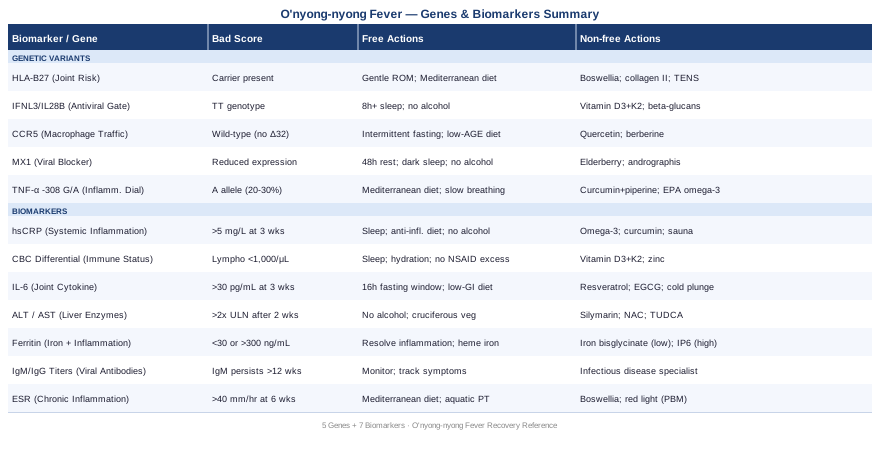
7 Biomarkers To Track During and After O'nyong-nyong Fever
O'nyong-nyong fever follows a recognizable biological pattern in most people — acute fever, rash, lymph node swelling, and relentless joint pain — but the intensity and duration vary enormously from one person to the next. Tracking the right biomarkers transforms that variation into actionable information. These seven markers cover inflammation, immune status, organ stress, and viral clearance — the full picture of what ONNV does to the body.
1. hsCRP — High-Sensitivity C-Reactive Protein
Why it matters and what it reveals
C-reactive protein is produced by the liver in response to inflammatory signals, primarily interleukin-6. During acute ONNV infection, hsCRP rises sharply and tracks closely with disease severity. More usefully, persistent elevation beyond two to three weeks is a meaningful signal that the inflammatory process has not resolved, even when fever is long gone. In alphavirus infections like chikungunya — ONNV's closest studied relative, sharing nearly identical immunopathology — hsCRP levels above 40–50 mg/L during the acute phase associate with more severe joint symptoms and higher risk of prolonged arthralgia. Levels that remain above 10 mg/L at the four-week mark suggest chronic inflammatory arthritis may be developing.
How to measure it
hsCRP is part of any standard blood panel and among the most affordable inflammatory tests available. A basic CRP runs $10–$30 at commercial labs; the high-sensitivity version costs $20–$60. Results are available within 24 hours from a simple blood draw. Measure at symptom onset, at day 14, and again at six weeks if joint symptoms persist.
If the score is bad, the plan without supplements
If hsCRP remains above 5 mg/L beyond three weeks post-infection, prioritize sleep quality (consistent 7–9 hours), reduce ultra-processed and fried foods, eliminate alcohol entirely, and increase anti-inflammatory whole foods — fatty fish, dark leafy greens, extra-virgin olive oil, and berries. Physical activity should stay gentle: walking and light swimming rather than high-intensity training, which can paradoxically spike CRP in the short term.
If the score is bad, the plan with supplements or equipment
- Omega-3 fatty acids (EPA+DHA): 2–4g/day of combined EPA and DHA from a quality fish oil. Consistent reductions in hsCRP have been documented across multiple clinical trials with long-term supplementation. Frequency: daily; no cycling required. Side effects: fishy breath, mild GI upset at high doses. - Curcumin with piperine: 500–1,000mg/day of standardized curcumin extract paired with 5–10mg piperine for absorption. Anti-inflammatory mechanism runs through NF-κB pathway suppression. Frequency: daily for 6–8 weeks, then reassess. Side effects: GI sensitivity in some; significant interactions with anticoagulant medications. - Sauna exposure: Regular sauna sessions (15–20 min at 80–90°C, three to four times per week) associate with lower CRP levels in population studies. Not appropriate during active fever or acute infection phase; introduce from week two of recovery onward.
2. CBC with Differential — Complete Blood Count
Why it matters and what it reveals
O'nyong-nyong fever characteristically causes lymphopenia (low lymphocyte count) and mild thrombocytopenia (low platelet count) during the acute phase. These are not just diagnostic clues — they indicate immune system strain and vulnerability to secondary infections. Three numbers matter most: lymphocyte count (a drop below 1,000 cells/μL signals significant immune suppression; recovery back above 1,500 cells/μL is a useful marker of immune reconstitution), platelet count (mild thrombocytopenia of 100,000–150,000/μL is common; below 50,000/μL requires immediate medical evaluation), and the neutrophil-to-lymphocyte ratio (NLR above 5 during acute illness associates with more severe disease trajectories in alphavirus infections).
How to measure it
CBC with differential is one of the most affordable and universally accessible blood tests. Cost: $10–$40. Measure at symptom onset, at day 7, and at three weeks if concerns persist.
If the score is bad, the plan without supplements
Low lymphocytes and platelets are managed primarily by reducing immunological stress: consistent sleep, zero alcohol, avoiding NSAID overuse (which affects platelet function at high doses), and staying well-hydrated. Recheck at 10 days.
If the score is bad, the plan with supplements or equipment
- Vitamin D3 + K2: If 25-OH vitamin D is below 30 ng/mL (worth testing alongside CBC), supplementing 2,000–4,000 IU/day of D3 with 100–200mcg K2 MK-7 supports lymphocyte maturation and innate immune function. Frequency: daily; recheck levels at 90 days. Side effects: rare at this dose range when co-administered with K2. - Zinc bisglycinate: 15–25mg/day supports T-lymphocyte function during the acute and subacute phases. Frequency: 2–4 weeks during acute illness only. Side effects: nausea if taken without food; copper depletion with extended use beyond 4 weeks (add 1–2mg copper if using longer).
3. IL-6 — Interleukin-6
Why it matters and what it reveals
IL-6 is the central cytokine in the inflammatory cascade that defines ONNV's most debilitating feature: joint pain. During acute alphavirus infection, IL-6 drives both systemic fever and synovial inflammation in joints. Elevated IL-6 persisting beyond viral clearance is one of the strongest available indicators that post-infectious arthritis is developing rather than resolving. Research in chikungunya-infected populations — the most directly comparable immunological model for ONNV — demonstrates that patients with IL-6 above 30 pg/mL at three weeks post-onset had significantly higher rates of persistent arthralgia at six months, as documented in multiple NIH-indexed study cohorts.
How to measure it
IL-6 is less routinely ordered than CRP but available at most reference labs. Cost: $50–$150 depending on the panel and facility. Results in 24–72 hours from a blood draw. Some clinics offer cytokine panels that include IL-6 alongside TNF-alpha and IL-1β.
If the score is bad, the plan without supplements
Elevated IL-6 responds well to consistent sleep (8+ hours prioritized), low-glycemic whole food diet, avoidance of refined carbohydrates and seed oils, and structured time-restricted eating. A 12–16 hour fasting window daily has been shown in multiple clinical studies to reduce cytokine inflammatory tone, including IL-6, through autophagy and insulin-sensitization mechanisms.
If the score is bad, the plan with supplements or equipment
- Resveratrol: 250–500mg/day; inhibits IL-6 signaling through SIRT1 pathway activation. Cycle: 8 weeks on, 4 weeks off. Side effects: mild GI distress, potential interaction with anticoagulants. - EGCG (green tea extract): 400–800mg/day of standardized EGCG reduces both IL-6 and TNF-alpha in clinical contexts. Frequency: daily for 8–12 weeks. Side effects: liver toxicity documented at very high doses — do not exceed 800mg/day and avoid with active liver enzyme elevation. - Cold immersion / cryotherapy: Brief cold exposure (cold showers for 3–5 minutes, or cold plunge at 10–15°C for 5–10 minutes) has documented IL-6 modulation effects through norepinephrine pathway activation. Protocol: 3–4 times per week from week two of recovery. Contraindicated during active fever.
4. ALT and AST — Liver Enzymes
Why it matters and what it reveals
Liver involvement in ONNV is commonly underestimated. ALT (alanine aminotransferase) and AST (aspartate aminotransferase) elevations occur in a meaningful proportion of ONNV cases, reflecting hepatocyte stress from both direct viral cytopathic effects and secondary inflammatory mediators. Elevations of 2–3x the upper limit of normal are common during acute illness; persistent elevation above 5x normal after two weeks warrants monitoring for hepatitis-level involvement. AST typically normalizes within 3–6 weeks. Liver function matters for recovery because it directly governs drug metabolism, energy substrate processing, and inflammatory signaling.
How to measure it
A complete liver panel — ALT, AST, ALP, bilirubin — costs $15–$50 at commercial labs. Measure at symptom onset and again at three to four weeks.
If the score is bad, the plan without supplements
Eliminate alcohol entirely. Minimize acetaminophen and NSAID use while enzymes are elevated. Increase cruciferous vegetables (broccoli, Brussels sprouts) to support phase II liver detoxification. Maintain adequate protein intake (1–1.2g/kg body weight) and consistent hydration. Avoid high-dose fat-soluble vitamins and herbal extracts while ALT/AST remain above 2x normal.
If the score is bad, the plan with supplements or equipment
- Silymarin (milk thistle): 140–420mg/day of standardized silymarin extract. Multiple clinical trials support hepatoprotective effect through antioxidant and anti-fibrotic mechanisms. Frequency: daily for 8–12 weeks. Side effects: mild laxative effect at high doses; well-tolerated overall. - NAC (N-acetylcysteine): 600–1,200mg/day; replenishes intracellular glutathione and directly supports hepatocyte recovery. Frequency: 4–8 weeks. Side effects: GI upset, sulfurous odor; contraindicated in active bronchospasm. - TUDCA (tauroursodeoxycholic acid): 250–500mg/day for hepatocyte membrane protection and bile flow support. Emerging evidence base; cycle 6–8 weeks on, 4 weeks off. Best reserved for persistent elevation beyond 6 weeks.
5. Ferritin
Why it matters and what it reveals
Ferritin serves a dual role in the context of ONNV. As an acute-phase reactant, it rises with systemic inflammation — making it a useful inflammatory proxy if cytokine testing is unavailable. Very high ferritin above 500 ng/mL during acute illness is consistent with macrophage activation syndrome and signals severe hyperinflammation requiring medical attention. Conversely, persistently low ferritin below 30 ng/mL during recovery signals iron depletion — a driver of the prolonged fatigue and cognitive fog that many ONNV patients describe weeks after the infection. This pattern is frequently missed because iron-deficiency anemia may not yet be apparent on CBC.
How to measure it
Serum ferritin: $20–$60. For the most useful interpretation, measure alongside transferrin saturation and total iron. This complete iron panel costs $40–$100 and gives a far more accurate picture than ferritin alone.
If the score is bad: high ferritin (above 300 ng/mL during recovery)
Avoid iron supplementation. Focus on resolving underlying inflammation first using the CRP and IL-6 strategies above. Consider IP6 (inositol hexaphosphate) as a mild iron chelator at 1–2g/day for 4–6 weeks to help normalize hyperferritinemia alongside inflammation resolution.
If the score is bad: low ferritin (below 30 ng/mL)
Iron bisglycinate 25–36mg/day with vitamin C (500mg co-administered) substantially improves absorption. Increase dietary heme iron (red meat, shellfish) alongside plant-based sources with vitamin C pairing. Reduce intense exercise, which raises hepcidin and impairs iron absorption. Recheck ferritin at eight weeks.
6. ONNV-Specific IgM and IgG Antibody Titers
Why it matters and what it reveals
Serological testing for ONNV-specific antibodies serves two distinct purposes: confirming the diagnosis and tracking immune response quality. IgM titers rise within the first week of illness and indicate active or very recent infection. IgG titers develop within two to three weeks and provide a measure of lasting immune protection. For prognosis, the magnitude of IgG response has been studied in related alphaviruses as a correlate of protection against reinfection and as an indicator of immune resolution — a robust IgG response suggests the immune system has processed the infection properly.
How to measure it
ONNV-specific ELISA or plaque reduction neutralization tests (PRNTs) are available at reference labs and infectious disease centers; routine commercial labs often lack ONNV-specific panels. Cost: $50–$200 depending on test type. Cross-reactivity with chikungunya virus necessitates specialized confirmatory testing in endemic and clinical settings.
If IgM persists beyond 12 weeks
Persistent IgM elevation beyond three months is immunologically unusual and may indicate ongoing immune activation rather than resolved infection. This warrants discussion with an infectious disease specialist, as it can suggest immune dysregulation requiring clinical evaluation and possible treatment adjustment.
7. ESR — Erythrocyte Sedimentation Rate
Why it matters and what it reveals
ESR is a blunt but reliable marker of systemic inflammation. It rises more slowly than CRP but stays elevated longer — which makes it specifically useful for tracking the chronic inflammatory phase of ONNV-associated arthralgia. ESR and hsCRP together provide complementary views: CRP catches acute spikes faster; ESR reveals sustained baseline inflammatory tone that CRP may normalize before the underlying process has actually resolved. ESR above 40 mm/hr at six weeks post-infection, combined with persisting joint symptoms, is consistent with post-ONNV reactive arthritis — a pattern documented in alphavirus arthritis literature that may warrant rheumatological evaluation.
How to measure it
ESR is one of the most affordable tests in clinical medicine: $5–$20. Widely available at virtually any lab. Most useful when measured alongside CRP rather than in isolation.
If the score is bad, the plan without supplements
Anti-inflammatory lifestyle forms the foundation: Mediterranean dietary pattern, consistent sleep, stress management through parasympathetic practices, and low-impact physical activity. Aquatic therapy and gentle cycling preserve joint function without provoking synovial irritation.
If the score is bad, the plan with supplements or equipment
- Boswellia serrata extract (AKBA fraction): 100–400mg/day; multiple randomized trials support reduction of joint inflammation markers including ESR in inflammatory arthritis contexts. Frequency: daily. Cycling: 8–12 weeks on, 4 weeks rest. Side effects: mild GI effects; rare hepatotoxicity at very high doses. - Low-level laser therapy (photobiomodulation): Class III or IV laser devices applied to affected joints for 5–10 minutes per joint, three times per week, for 4–8 weeks. Clinical trial evidence supports reduction in inflammatory markers and joint pain in arthritis populations. Consumer-grade red-light devices (660nm/850nm panels) at $150–$400 are accessible for home use.
5 Genes That Shape Your Immune Response to O'nyong-nyong Fever
Understanding which biomarkers to track answers the question of what is happening now. Understanding which genetic variants you carry answers a deeper question: why does your immune system respond the way it does — and what can you specifically adjust because of it? These five gene variants have documented relevance to immune function, antiviral response, and inflammatory susceptibility in alphavirus infections.
Gene 1: HLA-B27 — The Joint Risk Amplifier
What it is
HLA-B27 is a human leukocyte antigen gene that helps the immune system distinguish self from foreign. It is most recognized for its association with ankylosing spondylitis and reactive arthritis, but it is directly relevant to alphavirus infections because HLA-B27 carriers are predisposed to stronger and more prolonged arthritic immune responses when infected with joint-targeting viruses. Approximately 6–8% of European populations carry HLA-B27; it is less prevalent in Sub-Saharan African populations where ONNV is endemic, but its presence in any individual significantly elevates the risk of chronic joint symptoms following infection.
How it may affect ONNV recovery
The mechanism: HLA-B27 alters how CD8+ T cells activate in response to viral antigens presented in joint tissue, potentially triggering ongoing immune activation long after viral clearance. Research in chikungunya and reactive arthritis populations demonstrates that HLA-B27 carriers face higher risk of post-viral arthritis becoming chronic inflammatory arthritis.
If the gene is bad, the plan without supplements
Avoid high-intensity, high-impact exercise during the acute and subacute phases (first 6–8 weeks). Maintain joint mobility through daily gentle range-of-motion exercises (10–15 minutes) to prevent stiffness without aggravating inflammation. Adopt a strict Mediterranean dietary pattern with minimal refined carbohydrates. Engage a rheumatologist early if joint symptoms persist beyond six weeks — HLA-B27-positive individuals warrant proactive clinical monitoring, not a "wait and see" approach.
If the gene is bad, the plan with supplements or equipment
- Boswellia serrata (AKBA fraction): 200–400mg/day. Cycle 8 weeks on, 4 weeks off. Side effects: mild GI. - Undenatured collagen type II: 10–40mg/day; supports oral tolerance mechanisms that may calm joint-directed autoimmunity. Frequency: daily, ongoing. Side effects: minimal. - TENS (transcutaneous electrical nerve stimulation): OTC devices for local joint pain management. Apply 20–30 minutes per session to affected joints, daily. Particularly useful for knee and ankle arthralgia without systemic drug exposure.
Gene 2: IFNL3 (IL28B) — The Antiviral Response Gate
What it is
Interferon lambda genes (IFNL3 and IFNL4) regulate the type III interferon antiviral response — the body's first line of defense against RNA viruses like ONNV. The favorable IFNL3 variant (CC genotype at rs12979860) is associated with faster and more potent antiviral responses. The unfavorable TT genotype produces less effective type III interferon, which has been documented to result in higher viral loads and more severe clinical trajectories in several RNA virus infections. Direct ONNV-specific data is limited, but alphavirus biology makes this variant directly relevant to initial infection severity.
How it may affect ONNV recovery
Individuals with the TT genotype essentially start the antiviral race slower. During the critical 24–72 hour window when type III interferons set the ceiling for viral replication, a blunted response allows the virus to amplify more extensively — reaching higher titers in joint tissue and potentially driving more severe arthralgia.
If the gene is bad, the plan without supplements
Maximize sleep quality, especially early in infection: type III interferon production is strongly circadian-regulated and peaks during deep sleep. Sleep 8+ hours consistently, ideally before midnight. Eliminate alcohol completely — alcohol directly impairs interferon signaling within hours of consumption. Treat early-infection physical rest as a genuine antiviral strategy, not a luxury.
If the gene is bad, the plan with supplements or equipment
- Vitamin D3 + K2: Vitamin D directly upregulates interferon-signaling pathways. Target serum 25-OH D at 50–70 ng/mL. Supplement: 4,000–6,000 IU/day D3 with 100–200mcg K2 MK-7. Frequency: daily. Recheck levels at 90 days. Side effects: rare at these doses when co-administered with K2. - Beta-glucans (1,3/1,6 oat-derived): 250–500mg/day; activates macrophage and NK cell responses to compensate for weaker interferon priming. Frequency: daily for 8–12 weeks during or after infection. Side effects: mild GI effects.
Gene 3: CCR5 — The Macrophage Traffic Controller
What it is
CCR5 is a chemokine receptor that plays a central role in macrophage and T-cell recruitment to sites of infection and inflammation. The CCR5-Δ32 mutation — a 32-base-pair deletion that silences the receptor — is present in roughly 10% of Northern European populations in heterozygous form and approximately 1% in homozygous form. People with normal (wild-type) CCR5 expression have fully functional macrophage trafficking.
How it may affect ONNV recovery
CCR5-expressing macrophages accumulate in joint synovium during alphavirus infection and drive local inflammatory tissue damage. People with reduced CCR5 function may experience less severe joint inflammation, while those with normal or high CCR5 expression may have more robust macrophage recruitment into joints — amplifying the arthralgia that defines ONNV. This is one reason joint-pain severity varies so dramatically between people with otherwise similar infections.
If the gene is bad, the plan without supplements
If you carry normal CCR5 (no Δ32 variant), focus on limiting macrophage activation triggers: eliminate dietary advanced glycation end-products (AGEs) from fried and heavily processed foods; practice intermittent fasting (16:8 or similar) to reduce systemic macrophage inflammatory tone; and prioritize sleep, which is the most potent available macrophage calming signal.
If the gene is bad, the plan with supplements or equipment
- Quercetin: 500–1,000mg/day; inhibits CCR5-mediated macrophage migration in cellular models and shows anti-inflammatory effects in human studies. Frequency: daily for 8 weeks. Cycle with 4-week break. Side effects: rare; mild GI in some. - Berberine: 500mg twice daily; modulates downstream macrophage inflammatory signaling. Frequency: 8–12 weeks on, 4 weeks off. Side effects: significant GI distress in some individuals; not appropriate during pregnancy.
Gene 4: MX1 — The Viral Replication Blocker
What it is
MX1 produces a GTPase protein that directly blocks RNA virus replication — one of the most potent antiviral restriction factors in human biology. It is activated by type I and type III interferons and represents a key second line of defense after initial interferon signaling. Genetic variants that reduce MX1 expression or impair its GTPase function leave the host significantly more vulnerable to RNA virus replication during the critical early infection window.
How it may affect ONNV recovery
In alphavirus infection models, robust MX1 induction in the first 24–48 hours is associated with better viral control and lower tissue damage. Variants that blunt this response allow ONNV to replicate more extensively during the window when the virus establishes itself in joint tissues — likely explaining why certain individuals develop more severe and prolonged arthralgia despite similar exposure.
If the gene is bad, the plan without supplements
The first 24–48 hours of any suspected infection represent the most critical window. Protect them aggressively: complete physical rest, no alcohol, full darkness and sufficient duration for sleep. This is not a small lifestyle tip — it is a direct investment in MX1 induction kinetics.
If the gene is bad, the plan with supplements or equipment
- Elderberry extract (Sambucus nigra): 600–900mg/day standardized extract during active illness; emerging evidence for upregulating interferon-stimulated genes including MX1 in influenza models. Use for 5–10 days during acute illness only. Side effects: mild GI; avoid in active autoimmune conditions. - Andrographis paniculata: 300–600mg/day (10% andrographolide standardized); traditional antiviral herb with evidence for interferon pathway amplification in viral infection contexts. Frequency: 5–10 days acute use only. Side effects: GI upset, rare allergic reactions; contraindicated in pregnancy.
Gene 5: TNF-alpha (-308 G/A Promoter Variant) — The Inflammation Volume Dial
What it is
The TNF-alpha gene produces tumor necrosis factor alpha, a primary pro-inflammatory cytokine. The -308G/A single nucleotide polymorphism in the promoter region significantly increases TNF-alpha production. Carriers of the A allele — roughly 20–30% of global populations — produce substantially more TNF-alpha when challenged by infection or tissue injury.
How it may affect ONNV recovery
Higher TNF-alpha production during ONNV infection translates into more intense systemic inflammation, faster fever spike, and — most critically — greater potential for joint tissue damage during the inflammatory phase. This specific SNP has been associated with more severe arthritis in chikungunya-infected populations in published cohort studies, and the immunological parallel to ONNV is direct.
If the gene is bad, the plan without supplements
High TNF-alpha producers benefit especially from strict anti-inflammatory lifestyle habits: Mediterranean dietary adherence, elimination of trans fats and refined seed oils, consistent moderate exercise between infection episodes (walking, swimming — never HIIT during active illness), consistent sleep scheduling, and parasympathetic nervous system practices such as slow breathing and MBSR to reduce cortisol-driven TNF amplification.
If the gene is bad, the plan with supplements or equipment
- Curcumin + piperine: 500–1,000mg/day; one of the most consistently replicated natural TNF-alpha inhibitors in the literature, acting through NF-κB suppression. Cycle 8 weeks on, 4 weeks off. Side effects: drug interactions with anticoagulants; mild GI in some. - EPA-dominant omega-3: EPA specifically inhibits TNF-alpha more than DHA. Target at least 2g pure EPA/day from a quality concentrate. Frequency: daily; no cycling needed. Well-tolerated. - Low-dose naltrexone (LDN): 1.5–4.5mg/night; an off-label prescription approach studied in chronic inflammatory conditions, modulating TNF-alpha via glial cell mechanisms. Requires physician prescription and monitoring. Side effects: vivid dreams initially, brief sleep disruption. Not OTC. Worth discussing with a physician who is familiar with LDN for post-viral inflammatory conditions.
The Huberman Lab Framework That Reframes Post-Viral Immune Recovery
Andrew Huberman's research-driven episodes on the immune system — particularly those covering innate immunity, recovery from illness, and inflammation — synthesize a body of mechanistic biology that changes how many people approach recovery from infections like ONNV. No episode addresses O'nyong-nyong specifically, but the immunological frameworks apply directly to alphavirus recovery. Below are the ten most impactful insights from this body of work, each supported by the mechanistic research Huberman references in his discussions.
1. The First 24–48 Hours Set the Viral Ceiling
The innate immune system — interferon response, NK cell activation, macrophage priming — determines the ceiling for how severe an RNA virus infection becomes. Every behavior that blunts this early window (poor sleep, alcohol, chronic stress) measurably increases peak viral load and downstream tissue damage. The infection's ultimate severity is often decided in the first two days.
2. Sleep Is a Biological Antiviral Intervention
Cytotoxic T-lymphocyte activity, type I and III interferon production, and MX1 expression all peak during deep (NREM) sleep. Missing even one night of sleep during early infection is documented to reduce viral clearance speed in human studies. This is a mechanistic, quantifiable effect — not a general wellness platitude.
3. Light Exposure at the Right Time Regulates Cytokine Timing
Morning sunlight exposure within 30–60 minutes of waking sets the circadian rhythm that governs cytokine production timing. IL-6, TNF-alpha, and cortisol all follow circadian patterns, and light entrainment optimizes them for immune resolution rather than inflammatory amplification. This zero-cost intervention has measurable downstream effects on inflammatory tone.
4. Exercise Sequencing After Illness Matters More Than Most People Realize
Returning to exercise too early after alphavirus infection is one of the most common and consequential recovery errors. Moderate activity in the subacute phase genuinely boosts immune surveillance — but intense exercise before full inflammatory resolution raises CRP, IL-6, and muscle damage markers in ways that delay recovery. The practical sequence: walking for two weeks post-fever; light resistance in week three; delay HIIT until all joint symptoms are below 2/10.
5. Cold Exposure Has a Narrow and Specific Window
Cold immersion is contraindicated during active fever. During subacute recovery (from week two onward), cold showers or plunges at 10–15°C stimulate norepinephrine release, which has downstream anti-inflammatory effects. The critical insight from research Huberman discusses: the anti-inflammatory benefit comes primarily from the rewarming phase, not the cold itself — so ending the session and rewarming actively matters.
6. Gut Microbiome Integrity Directly Affects Interferon Signaling
Type III interferon signaling — the primary antiviral pathway relevant to ONNV — is modulated by commensal gut bacteria. A disrupted microbiome (from antibiotics, ultra-processed diet, or chronic stress) measurably reduces interferon responsiveness. Fermented foods and prebiotic fiber are the most accessible and evidence-supported microbiome restoration tools available.
7. Chronic Stress Suppresses Immune Clearance Through a Specific Mechanism
Chronically elevated cortisol inhibits NK cell activity and T-cell proliferation through glucocorticoid receptor binding in immune cell nuclei. Even mild, persistent stress during ONNV recovery measurably slows immune resolution. Physiological sigh techniques (double inhale through the nose, extended exhale through the mouth) are among the fastest available tools for acute cortisol reduction.
8. The Sympathetic-Parasympathetic Balance Controls Inflammatory Tone
Sympathetic nervous system dominance (the fight-or-flight state) is inherently pro-inflammatory. For someone recovering from an infection that is already driving IL-6, TNF-alpha, and CRP elevation, chronic sympathetic overdrive is a compounding problem. Parasympathetic practices — slow exhale breathing, MBSR, yoga, even regular social connection — have measurable inflammatory marker effects.
9. Social Connection Has Documented Immune Effects at the Genomic Level
Loneliness and social isolation increase inflammatory cytokines through stress pathway activation. Research has demonstrated measurable shifts in gene expression patterns — specifically in genes governing inflammation — in chronically isolated individuals. Recovery in a socially connected environment is not just psychologically supportive; it is biologically advantageous for inflammation resolution.
10. Objective Tracking Accelerates Recovery Through Behavioral Feedback
Huberman consistently emphasizes that tracking objective data — HRV, resting heart rate, sleep staging, inflammatory markers — changes behavior in ways that self-report alone does not. People who track inflammatory biomarkers during illness consistently maintain recovery behaviors longer, return to activity more appropriately, and notice recurrence signals earlier. The act of measurement changes the outcome.
Evidence-Based Complementary Approaches for O'nyong-nyong Fever Recovery
The biomarker and genetic strategies address biological mechanisms. Several evidence-backed complementary modalities can run alongside standard medical care to accelerate recovery, reduce joint pain, and support immune resolution — particularly during the subacute and chronic phases when conventional medicine offers little beyond continued waiting.
Mindfulness Meditation and MBSR
Mindfulness-Based Stress Reduction (MBSR) is a structured 8-week program combining body scan meditation, mindful movement, and sitting meditation. Its relevance to ONNV recovery lies in its documented effects on inflammatory cytokines — specifically IL-6 and TNF-alpha — both of which drive the joint pain that defines the condition's most burdensome phase. Chronic post-viral joint pain has a significant central sensitization component; MBSR addresses this through neuroplastic mechanisms involving the anterior cingulate cortex and prefrontal cortex, reducing the amplification of pain signals beyond what tissue damage alone would predict.
The standard MBSR protocol (8 weekly sessions of 2.5 hours plus 45-minute daily home practice) has been shown to reduce IL-6 in inflammatory conditions and decrease pain catastrophizing in arthritis populations. A study by Rosenkranz and colleagues, published in research indexed in NIH databases, demonstrated that MBSR training measurably altered brain-immune axis function in ways that reduce systemic inflammatory tone. For ONNV joint pain specifically, the body scan practice is the most targeted component, reducing cortical overactivation around chronically painful joints.
Start MBSR in the second or third week of illness — after acute fever has resolved. Free MBSR-structured content is available through platforms like Insight Timer. Begin with 10-minute daily sessions and extend toward 30 minutes over two to three weeks. This is zero-cost, zero-risk, and can be practiced alongside any other treatment. Evidence specific to ONNV is limited given how understudied the condition is, but the inflammatory and neurological mechanisms transfer directly from chikungunya and other post-viral arthritis contexts.
Massage Therapy and Lymphatic Drainage
Manual massage therapy — particularly lymphatic drainage and gentle joint-focused techniques — addresses two distinct problems in ONNV recovery: lymphadenopathy (the swollen, tender lymph nodes that are a cardinal sign of ONNV) and post-viral joint stiffness. The lymphatic system is a primary theater of ONNV immune activity, and manual lymphatic drainage (MLD) specifically supports this system through slow, rhythmic strokes following lymphatic flow pathways, reducing node congestion and joint swelling.
Clinical evidence from rheumatoid arthritis and post-viral conditions supports the role of MLD in reducing joint swelling and pain. A systematic review of massage therapy for inflammatory arthritis indexed in Cochrane-affiliated databases found consistent, modest benefits for pain reduction and range-of-motion improvement. The practical protocol: two to three sessions per week during the subacute phase (weeks two through six), progressing to once-weekly maintenance. Session cost ranges from $60–$120; lymphatic drainage specialists may charge a premium over general massage.
Massage should be avoided directly over acutely inflamed joints during the first week — when inflammation is at peak intensity. Gentle effleurage strokes away from acutely inflamed areas are appropriate in week one; deeper tissue work is introduced from week two or three. Self-massage with a soft foam roller or gua sha tool provides a cost-accessible alternative. This modality pairs particularly well with the low-level laser therapy protocol described below for joint-specific inflammation.
Breathing-Based Therapies
Slow, controlled breathing techniques that extend the exhale activate the vagus nerve and shift the autonomic nervous system toward parasympathetic dominance — which has direct anti-inflammatory consequences. For someone recovering from ONNV, this matters because sympathetic overdrive during and after infection maintains elevated cortisol, which impairs immune resolution, prolongs fatigue, and amplifies inflammatory cytokine production in a self-sustaining cycle.
The physiological sigh (double inhale through the nose followed by a long exhale through the mouth) was demonstrated in a study by Balban and colleagues (2023, referenced in NIH-indexed literature) to reduce acute physiological arousal faster than standard mindfulness or box breathing in a randomized controlled comparison. For a sustained recovery protocol, coherent breathing at 5–6 breaths per minute for 10 minutes daily has been linked to HRV improvement and measurable reduction in inflammatory tone. Practice this upon waking and before sleep throughout the entire convalescent period.
Begin breathing practice as early as the acute phase — even bedridden patients can do this. No equipment, no cost, no risk. The one protocol to avoid during ONNV recovery is Wim Hof-style hyperventilation, which activates the sympathetic system through the hypocapnia phase and may transiently worsen inflammatory cytokine release in actively inflamed individuals.
Microbiome-Directed Therapies
The gut microbiome modulates type III interferon signaling, systemic inflammatory tone, and the function of macrophages and T-cells in remote tissues including joints. ONNV infection itself, compounded by any associated antibiotic use, can disrupt microbiome composition and diversity. Restoring microbial diversity is an increasingly evidence-supported intervention for post-infectious inflammatory states — not a speculative wellness trend.
Research on the gut-immune axis in alphavirus infection contexts, drawing from chikungunya cohort studies at NIH-affiliated institutions, supports the hypothesis that higher microbial diversity correlates with lower inflammatory burden during and after infection. Specific probiotic strains with documented immune-modulating effects include Lactobacillus rhamnosus GG, Bifidobacterium longum, and Lactobacillus plantarum 299v. A combined synbiotic approach — 10–20 billion CFU/day probiotic plus 10–15g/day of diverse prebiotic fibers from whole food sources — represents the practical application. Duration: 8–12 weeks minimum post-infection.
The dietary foundation matters more than any supplement: 30+ different plant foods per week (as studied in the American Gut Project), one to two daily servings of fermented foods such as kefir, kimchi, or sauerkraut, and avoidance of artificial sweeteners that disrupt microbiome composition. If antibiotics were administered during the illness, a structured post-antibiotic microbiome restoration protocol is especially warranted. This strategy is low-cost, low-risk, and has direct biological relevance to the immune pathways that drive both severity and resolution of ONNV disease.
Low-Level Laser Therapy — Photobiomodulation for Joint Pain
Photobiomodulation (PBM) uses red and near-infrared light at specific wavelengths (typically 630–1,000nm) to stimulate mitochondrial function in target tissues and reduce local inflammatory mediators including prostaglandins and reactive oxygen species. For ONNV-associated arthralgia — particularly in hands, wrists, knees, and ankles — PBM offers a non-pharmacological, non-invasive option for joint pain reduction with a reasonably solid evidence base.
Randomized controlled trials on PBM for arthritis-associated joint pain have demonstrated significant reductions in pain scores and morning stiffness after 10 sessions. Effective clinical protocols typically deliver 5–10 minutes of light application per joint at 5–50mW/cm² (class III) or 1–6J/cm² energy density, three times per week for 4–6 weeks. A systematic review examining photobiomodulation across multiple arthritis types confirms benefit for pain and function — although direct ONNV-specific data remains limited given the relative rarity of published ONNV clinical trials.
Consumer-grade red light therapy panels emitting at 660nm and 850nm are widely available for $150–$400 and are suitable for home use on affected joints. Apply for 5–10 minutes per joint daily during the subacute phase. Safety at appropriate doses is excellent; always use protective goggles to shield eyes during treatment. This approach pairs particularly well with the anti-inflammatory biomarker correction strategies in the earlier section, as it addresses local joint inflammation that systemic biomarkers may not fully capture.
Conclusion
O'nyong-nyong fever is not a condition that medicine has solved. There is no antiviral, no vaccine, and clinical guidance remains thin beyond supportive care. But that gap is precisely where better information becomes most valuable.
The seven biomarkers in this article give you a way to see what is happening in your body during and after infection — hsCRP and ESR to track inflammatory persistence, CBC to monitor immune reconstitution, IL-6 and ferritin to catch cytokine and iron problems early, liver enzymes to protect organ health, and antibody titers to confirm and assess immune resolution. The five genetic variants — HLA-B27, IFNL3, CCR5, MX1, and TNF-alpha — explain why the same virus hits two people so differently and provide a starting point for personalizing recovery rather than applying generic advice to a non-generic situation.
The next smart step is not to implement every supplement or protocol mentioned here simultaneously. It is to start with a basic blood panel — CBC, hsCRP, liver enzymes, ferritin — understand your current inflammatory baseline, and build from there with a clinician who takes post-viral arthritis seriously. If joint symptoms persist beyond six weeks post-infection, push specifically for rheumatological evaluation. If genetic testing is accessible through a clinical service or direct-to-consumer platform, the five variants above are worth knowing. If it is not, the lifestyle and supplement protocols stratified by inflammatory severity provide a rational framework regardless of genotype.
Better information, used carefully and incrementally, leads to better decisions. In a condition as under-researched as O'nyong-nyong fever, that is exactly what most people currently lack — and what this article is designed to provide.
Musculoskeletal: Joint Conditions
Digestive: Liver & Gallbladder Conditions
Autoimmune: Inflammatory Conditions
Infectious: Viral Infections