This article contains AI generated content.
· UpdatedOsteoid Osteoma — 6 Biomarkers and 4 Genes to Track
Introduction
If you have been diagnosed with osteoid osteoma, you have probably heard a version of the same script: it is benign, NSAIDs will manage the pain, and radiofrequency ablation is available when things become intolerable. That framework is not wrong. But it does very little to explain why your pain spikes at 2 a.m. with near-clockwork precision, why one aspirin blunts it within an hour, or why the lesion keeps producing symptoms disproportionate to its size. Those questions have specific answers, and knowing them changes how you make decisions.
What makes osteoid osteoma unusual in the landscape of bone conditions is that its biology is remarkably well characterized. The small lesion at the center of the problem — the nidus — produces its own inflammatory mediators, builds its own blood supply, and generates a dense population of sensitized nerve endings. The pain is not just a side effect of having a lesion; it is an active biological output of a specific molecular program. That precision matters because it means there are measurable signals worth monitoring and modifiable pathways worth understanding.
Generic bone health advice blurs these specifics. Broad recommendations to eat more calcium, reduce stress, or take an anti-inflammatory supplement are not harmful, but they miss the fact that this condition has a particular driver: a prostaglandin-dominated, VEGF-fed, nerve-dense lesion with a recently identified genetic signature. Working with those specifics rather than around them leads to smarter conversations with your clinical team and better-calibrated personal choices.
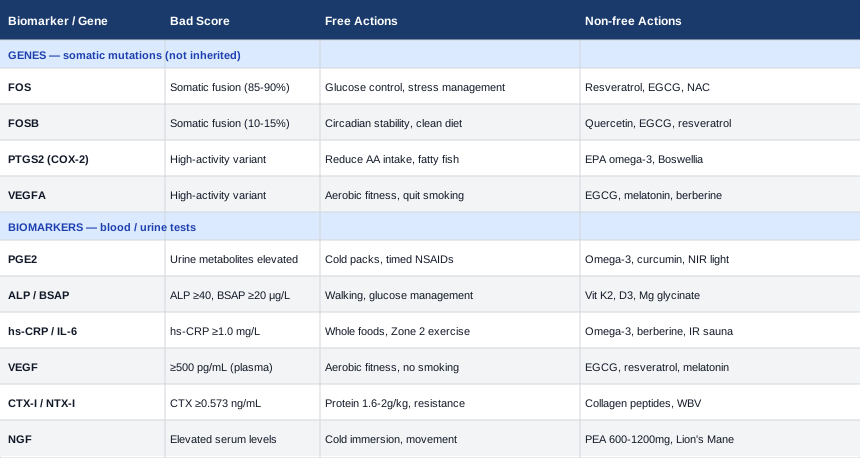
This article explores two frameworks for doing exactly that. The first focuses on six biomarkers that directly reflect what the lesion is doing — useful for monitoring inflammation, bone turnover, vascular activity, and pain signaling before, during, and after treatment. The second examines the four most clinically relevant genes involved in the condition, including the somatic driver mutations that have redefined how pathologists classify it and the germline variants that influence how your body responds. Neither replaces surgery or ablation. Both make the experience less opaque.
6 Biomarkers Worth Monitoring With Osteoid Osteoma
The biomarkers below were selected because each maps directly onto an active biological pathway in osteoid osteoma — not just general bone health. Tracking them around diagnosis, during watchful waiting, and after treatment creates a data layer that imaging alone cannot provide.
1. Prostaglandin E2 (PGE2)
Why it matters: Prostaglandin E2 is arguably the single most clinically important biomarker in osteoid osteoma. The nidus overexpresses cyclooxygenase-2 (COX-2), which converts arachidonic acid into PGE2 at elevated rates within the lesion tissue. PGE2 does two things simultaneously: it sensitizes local pain receptors by lowering their activation threshold, and it drives the reactive bone resorption and formation that produces the surrounding sclerotic rim visible on imaging. The fact that NSAIDs — which block COX-2 — relieve osteoid osteoma pain so selectively that it functions as a near-diagnostic test is a direct consequence of this pathway. Prostaglandin levels peak nocturnally, which explains why the pain reliably worsens at night.
How to measure it: Urinary PGE2 metabolites, specifically 11β-PGF2α (the stable urinary metabolite), are measured via mass spectrometry-based assays at specialty or university reference laboratories. Serum PGE2 is less reliable because it is rapidly cleared. Urine collection testing costs approximately $80–$200 depending on the panel. Some research protocols also measure PGE2 directly in biopsy tissue, but this is invasive and not relevant to ongoing monitoring.
Research on osteoid osteoma and prostaglandin E2
If the score is elevated — the plan without supplements: The most accessible non-pharmacological approach is structured cold application. Cold packs (not direct ice) over the affected limb for 10–15 minutes, two to three times daily, reduce peripheral PGE2 synthesis by lowering local tissue temperature and constricting prostaglandin-producing capillary beds. Scheduled NSAID dosing — taking them at a fixed preventive time rather than reactively when pain spikes — maintains consistent COX-2 suppression since PGE2 synthesis begins rising four to six hours before the nocturnal pain peak. Sleep in a cool room (below 19°C/67°F) and targeting seven to nine hours of restorative sleep each night also matters: sleep fragmentation worsens prostaglandin-mediated pain sensitivity the following day.
If the score is elevated — the plan with supplements or equipment: Omega-3 fatty acids (EPA and DHA combined, 2–4g daily with food) reduce the availability of arachidonic acid, the substrate for PGE2 synthesis, through competitive inhibition. Most studies suggest a four-to-eight-week period before meaningful PGE2 reduction is measurable. Curcumin with piperine (500–1000mg curcumin daily with a fat-containing meal) inhibits COX-2 transcription and has documented effects on prostaglandin levels in inflammatory models. Cycle curcumin on eight-week periods with a two-to-four-week break to reduce CYP450 enzyme competition. If combining omega-3 and curcumin with prescribed NSAIDs, inform your physician, as additive COX-2 inhibition increases gastrointestinal bleeding risk at higher doses. Near-infrared photobiomodulation panels (810–850nm wavelength, 10–20 minutes per session daily) have documented effects on COX-2 activity in bone tissue at the cellular level and are a low-risk adjunct.
2. Alkaline Phosphatase (ALP) and Bone-Specific Alkaline Phosphatase (BSAP)
Why it matters: Alkaline phosphatase is released by osteoblasts during bone matrix formation. In osteoid osteoma, the reactive sclerosis surrounding the nidus represents persistently elevated osteoblastic activity — meaning ALP, and especially the bone-specific isoform, tends to run higher than baseline. More practically, monitoring BSAP over time provides a proxy for the intensity of that remodeling response. Following successful radiofrequency ablation or surgical excision, BSAP typically normalizes within eight to twelve weeks. If it remains elevated, it may suggest incomplete ablation or early recurrence — a signal worth discussing with your orthopedic surgeon alongside imaging.
How to measure it: Total ALP is included in standard comprehensive metabolic panels and adds no extra cost to routine bloodwork. Bone-specific ALP (BSAP) requires a separate immunoassay, costing approximately $40–$80. In adults, total ALP above 40 U/L and BSAP above 20 μg/L warrant attention. Children and adolescents will show naturally elevated values due to active skeletal growth — context-specific interpretation is essential. Measure in the morning, fasted, for consistency.
If the score is elevated — the plan without supplements: Controlled mechanical loading of bone stimulates appropriate, ordered remodeling over disordered reactive formation. Walking 20–30 minutes daily or low-intensity resistance training in non-affected limbs supports this — but avoid high-impact loading on the affected limb until post-treatment clearance. Blood glucose management matters significantly here: sustained hyperglycemia drives disordered osteoblast signaling and elevates ALP independent of the lesion. Targeting fasting glucose below 90 mg/dL and HbA1c below 5.5% via dietary carbohydrate moderation reduces this background driver. Deep sleep — where growth hormone secretion peaks — regulates bone turnover through growth hormone's direct effects on osteoblast activity, making sleep architecture a legitimate bone health intervention.
If the score is elevated — the plan with supplements or equipment: Vitamin K2 in the MK-7 form (100–200mcg daily) activates osteocalcin and directs bone matrix formation toward orderly mineralization rather than reactive overgrowth. It works synergistically with Vitamin D3 (2,000–4,000 IU daily), which regulates osteoblast differentiation at the transcriptional level. Magnesium glycinate (300–400mg nightly) supports bone matrix quality and additionally improves sleep architecture — a dual benefit. These three are a low-risk long-term combination with no required cycling. Whole-body vibration platforms (25–40Hz, 10-minute sessions three times per week) have demonstrated effects on normalizing bone turnover markers in multiple clinical populations and represent a practical equipment option.
3. C-Reactive Protein (hs-CRP) and Interleukin-6 (IL-6)
Why it matters: While osteoid osteoma is a localized condition, the prostaglandin and cytokine activity in the nidus contributes to measurable systemic inflammation. High-sensitivity CRP (hs-CRP) values above 1.0 mg/L reflect meaningful inflammatory activity; values above 3.0 mg/L indicate high systemic inflammatory burden. IL-6 is the primary driver of hepatic CRP production and gives an upstream view of the same process. Both markers are also sensitive to NSAID therapy — a sustained reduction in hs-CRP while on scheduled NSAIDs confirms systemic prostaglandin suppression is occurring. If hs-CRP remains elevated despite consistent NSAID use, it may indicate systemic cofactors — metabolic, dietary, or sleep-related — that are amplifying the inflammatory baseline.
How to measure it: hs-CRP is inexpensive ($15–$30) and widely available. IL-6 requires a separate assay, costing $50–$100. Both should be drawn fasting and without acute illness, as viral infections independently spike both values and make interpretation unreliable. Peter Attia emphasizes tracking both together for a more complete inflammatory picture. Quarterly monitoring is reasonable during active disease; measuring at baseline and eight weeks post-treatment gives a before-and-after comparison.
Research on inflammatory markers and osteoid osteoma
If the score is elevated — the plan without supplements: Removing dietary ultra-processed foods is one of the most reliable non-pharmacological interventions for systemic inflammation. A diet centered on whole protein sources, diverse vegetables, and minimal refined seed oils (which are high in arachidonic acid precursors) reduces hs-CRP by 30–40% within eight to twelve weeks in intervention trials. Zone 2 aerobic exercise — sustained at a pace where conversation is still possible, three to four sessions weekly for 30–45 minutes each — is among the most potent anti-inflammatory lifestyle interventions available and also benefits sleep. Even a modest thirty-minute nightly sleep extension measurably reduces IL-6 in healthy adults.
If the score is elevated — the plan with supplements or equipment: EPA-dominant omega-3 supplementation (2–4g daily) specifically downregulates IL-6 production through competitive inhibition of arachidonic acid at the COX and LOX enzyme level. Berberine (500mg twice daily with meals, cycled eight weeks on and four weeks off) modulates the NF-κB inflammatory pathway and reduces IL-6 transcription. Infrared sauna sessions (15–20 minutes at 60–77°C, three times per week) have demonstrated hs-CRP-lowering effects in multiple randomized trials and are increasingly accessible in commercial wellness facilities. Side effects for both berberine and sauna use are mild when protocols are followed; discuss with your physician if you have cardiovascular comorbidities.
4. Vascular Endothelial Growth Factor (VEGF)
Why it matters: Osteoid osteoma nidi are among the most vascularized small lesions in all of bone pathology — a characteristic so consistent that it features prominently in dynamic contrast-enhanced MRI diagnosis. This hypervascularization is driven by elevated VEGF production within the lesion. VEGF sustains the proliferating capillary network that feeds the nidus, and the resultant elevated intraosseous pressure is one contributing factor to the nocturnal pain pattern (when systemic blood redistribution increases vascular pressure in closed bone compartments). Serum VEGF, while not diagnostic for osteoid osteoma specifically, reflects total angiogenic drive and provides a useful proxy for lesion vascular activity. A significant drop in VEGF following treatment is an additional signal of successful ablation.
How to measure it: Serum VEGF measured from platelet-poor plasma is the most reliable collection method, as platelets release large amounts of VEGF during clotting and will artificially inflate values. Specialty and university reference labs offer ELISA-based VEGF assays costing approximately $80–$150. Values above 500 pg/mL in adults generally warrant investigation. Platelet-rich plasma preparation protocols should be clarified with the lab before sample collection.
Research on VEGF and osteoid osteoma vascularity
If the score is elevated — the plan without supplements: VEGF is strongly upregulated by hypoxia and chronic hyperglycemia — both signal the body to grow more blood vessels to reach oxygen-starved or metabolically stressed tissue. Improving cardiovascular fitness through consistent aerobic conditioning reduces the baseline hypoxic signaling that drives systemic VEGF elevation. Blood glucose management (as discussed above for ALP) is the second lever. Smoking significantly amplifies VEGF through HIF-1α activation and warrants cessation as the highest-priority intervention for any smoker with osteoid osteoma. Prolonged static sitting creates local ischemic zones that upregulate VEGF; movement breaks every 45–60 minutes counteract this.
If the score is elevated — the plan with supplements or equipment: Green tea extract standardized to EGCG (400–800mg daily) has documented anti-angiogenic properties that reduce VEGF expression in multiple tissue models, including bone. Resveratrol (250–500mg daily with a fat-containing meal) downregulates VEGF transcription through SIRT1 activation. Both should be cycled (eight weeks on, two to four weeks off) due to CYP450 interactions and uncertain long-term effects at higher polyphenol doses. Melatonin (1–3mg taken thirty minutes before sleep) suppresses VEGF through HIF-1α modulation and carries the additional benefit of improving sleep quality for the nocturnal pain component. Hyperbaric oxygen therapy (HBOT, 1.5–2.0 ATA, 60-minute sessions, series of ten to twenty) paradoxically normalizes VEGF by resolving the hypoxic drive that sustains elevated levels; it has evidence in bone healing contexts and warrants discussion with a specialist.
5. Bone Resorption Markers: CTX-I and NTX-I
Why it matters: C-terminal telopeptide of type I collagen (CTX-I) and N-terminal telopeptide of type I collagen (NTX-I) are released into blood and urine, respectively, when osteoclasts degrade bone collagen. In osteoid osteoma, the reactive sclerosis process involves both accelerated bone formation and resorption cycling around the nidus. Tracking these markers distinguishes productive remodeling from net bone loss, and provides a sensitive treatment response indicator: a significant CTX-I or NTX-I drop within four to eight weeks of successful radiofrequency ablation indicates that the resorption-driving nidus has been eliminated. Persistently elevated levels suggest residual or recurrent disease worth investigating with follow-up imaging. Thomas Dayspring and Allan Sniderman both emphasize quarterly monitoring of bone turnover markers in any active bone condition.
How to measure it: Serum CTX-I is measured from fasting morning blood (the diurnal variation in CTX-I is large — it rises significantly after eating and with circadian phase — making morning fasted measurement essential for consistency). Cost is approximately $40–$80. Urine NTX-I from a second-morning void is similarly priced. Optimal adult ranges are below 0.573 ng/mL for CTX-I and below 50 nmol BCE/mmol creatinine for NTX-I, though lab reference ranges vary.
If the score is elevated — the plan without supplements: Dietary protein adequacy is among the most underappreciated factors in bone resorption biology. Protein deficiency accelerates osteoclast-driven matrix breakdown independent of calcium status; targeting 1.6–2.0g of protein per kilogram of body weight daily reduces CTX-I in intervention trials. Resistance training three sessions per week — even low-intensity — suppresses osteoclast activity through loading-induced reduction in sclerostin, a mechanical signaling molecule in bone. For smokers: smoking is a direct driver of elevated CTX-I through its dual effects on bone vascularity and osteoblast function, and cessation is the single highest-leverage intervention available.
If the score is elevated — the plan with supplements or equipment: Hydrolyzed collagen peptides (10–15g daily, type I collagen, preferably taken with 500mg vitamin C) reduce urinary NTX-I in studies on bone matrix integrity by providing the structural precursors that support collagen crosslinking. Orthosilicic acid (stabilized, 6mg daily) is a more targeted option that specifically supports collagen crosslinking in bone matrix and has reduced resorption markers in postmenopausal bone loss trials. Whole-body vibration (25–40Hz, 10 minutes daily) consistently reduces urinary NTX-I in trials involving osteopenic populations and is an accessible low-risk equipment option. Strontium ranelate, though potent, carries cardiovascular side effects and requires specialist supervision — not recommended without medical oversight.
6. Nerve Growth Factor (NGF)
Why it matters: Of all the biomarkers on this list, NGF is the least discussed in standard clinical contexts and arguably the most important for understanding the intensity of osteoid osteoma pain. The nidus is densely innervated with unmyelinated C-fiber nerve endings — a population that is essentially absent in normal bone but becomes prominent in osteoid osteoma tissue. The lesion itself produces high levels of NGF, which drives the hypersensitivity of those fibers and explains why a 5mm nidus can generate pain more severe than much larger structural lesions elsewhere in the body. Understanding that the pain mechanism is partly NGF-driven — not just COX-2/prostaglandin-driven — opens pain management angles that NSAIDs alone cannot fully address. Anti-NGF monoclonal antibodies (such as tanezumab and fasinumab) have been studied in bone pain contexts, though they remain investigational for this specific application.
How to measure it: Serum NGF measurement is available at specialty and academic reference laboratories via ELISA assay, costing approximately $100–$200. It is not yet a standard clinical panel. For most patients, monitoring NGF is a more advanced, self-directed quantitative approach — most useful for those engaged in detailed symptom tracking or in clinical research contexts. Correlation between serum NGF levels and pain intensity has been documented in multiple chronic pain populations, though evidence specific to osteoid osteoma is still emerging.
Research on NGF and pain mechanisms in osteoid osteoma
If the score is elevated — the plan without supplements: Reducing peripheral C-fiber sensitization without pharmacology relies primarily on calming the central and peripheral pain amplification cascades that NGF activates. Brief cold water immersion (10–15°C, five to ten minutes, three to four times weekly) reduces TrkA receptor activity — the receptor through which NGF drives sensitization — via catecholamine-mediated down-regulation. Crucially, gradual graded movement of the affected limb is superior to immobilization: immobility increases NGF production in periosteal tissue, while controlled movement normalizes it. Sleep depth is directly correlated with NGF normalization — NGF elevation correlates with sleep fragmentation in chronic pain populations, and every additional hour of restorative sleep reduces peripheral sensitization the following day.
If the score is elevated — the plan with supplements or equipment: Palmitoylethanolamide (PEA, 600–1200mg daily) is the most evidence-supported supplemental option for NGF-mediated pain. PEA reduces glial cell activation that amplifies NGF-driven sensitization and has documented pain-modulating effects in musculoskeletal pain contexts across multiple small randomized trials. Its safety profile is excellent, and it can be taken long-term without known cycling requirements. Lion's Mane mushroom extract (1,000–2,000mg daily, standardized to hericenones and erinacines) modulates NGF synthesis — it appears to normalize pathological NGF excess in inflammatory tissue settings, though evidence here is preliminary and primarily animal-model based. Combine PEA and Lion's Mane cautiously; monitor pain intensity and sleep quality as proxy readouts over four to six weeks.
Those six biomarkers sketch a coherent picture of osteoid osteoma's biology: a highly vascularized, prostaglandin-producing, densely innervated lesion driving reactive bone remodeling and disproportionate pain from within a sclerotic shell. That picture maps almost directly onto a set of genetic drivers worth understanding in parallel.
The 4 Key Genes in Osteoid Osteoma Biology
Our understanding of what drives osteoid osteoma at the genetic level shifted substantially in the late 2010s. What had been considered a reactive or developmental lesion of uncertain origin was reclassified — on molecular grounds — as a true neoplasm with consistent, predictable genetic alterations. That shift matters for patients because it changes how you interpret the condition and what downstream pathways are available to modulate.
Before going further, one distinction is worth making explicitly. The FOS and FOSB gene alterations described below are somatic mutations — they arise spontaneously in a single cell in the bone and are not inherited or heritable. You cannot pass them to children, you are not at elevated risk for other FOS-related conditions, and they cannot be reversed by any supplement or lifestyle modification. What can be influenced is the downstream activity of the pathways they activate. The PTGS2 and VEGFA variants discussed below are different — germline polymorphisms that shape your individual inflammatory and angiogenic baseline and have practical management implications.
Gene 1: FOS (AP-1 Transcription Factor)
What the gene does: FOS encodes a transcription factor subunit that pairs with JUN proteins to form the AP-1 complex — a master regulator of cell proliferation, differentiation, and stress response genes. In healthy bone, FOS coordinates normal osteoblast differentiation and matrix production. In osteoid osteoma, structural rearrangements of the FOS gene — most commonly FOS::LMNA or FOS::VIM fusions — generate a constitutively active version of this transcriptional program. The result is the unregulated but self-limited bone-forming activity that defines the nidus. Studies have now confirmed FOS rearrangements in approximately 85–90% of osteoid osteomas examined at the molecular level, making this the defining molecular event of the tumor.
Research on FOS rearrangements in osteoid osteoma
If the gene is active — the plan without supplements: The FOS rearrangement itself cannot be modified externally, but AP-1 transcriptional activity — the downstream consequence — is significantly amplified by systemic oxidative stress, inflammatory cytokines, and metabolic dysregulation. Maintaining fasting blood glucose below 90 mg/dL substantially reduces AP-1 activity across tissues. Chronic psychological stress directly upregulates AP-1 via cortisol-glucocorticoid receptor cross-talk; structured recovery time, consistent social connection, and daily leisure are not peripheral lifestyle considerations — they are cortisol management tools with documented AP-1 consequences. Limiting alcohol reduces AP-1 activation via acetaldehyde, which is a direct AP-1 transcriptional stimulus.
If the gene is active — the plan with supplements or equipment: Several polyphenols directly modulate AP-1 activity downstream of FOS: resveratrol (250–500mg daily with fat, cycled eight weeks on and four weeks off) inhibits AP-1 binding; EGCG from green tea extract (400–800mg daily) blocks AP-1 transcriptional coactivation; N-acetylcysteine (NAC, 600mg twice daily) reduces the oxidative stress that amplifies AP-1 signaling through NF-κB cross-talk. None of these will influence the tumor structurally, but they may reduce the inflammatory amplification in the surrounding periosteal environment. If radiofrequency ablation is scheduled, discuss NAC supplementation with your surgeon — antioxidant status can affect tissue response to thermal treatment.
Gene 2: FOSB (AP-1 Transcription Factor Subunit)
What the gene does: FOSB is the second major somatic driver identified in osteoid osteoma and functions similarly to FOS within the AP-1 transcriptional system. Rearrangements of FOSB — most commonly FOSB::VIM fusions — are found in the subset of osteoid osteomas without FOS rearrangements, accounting for approximately 10–15% of cases. FOSB carries a biologically important isoform, ΔFosB, that accumulates progressively with repeated stimulation. In the neurological literature, ΔFosB accumulation is well-studied as a driver of chronic reward-circuit sensitization; in the bone context, its persistence sustains osteoblast proliferation beyond the initial trigger, contributing to the self-reinforcing nature of the nidus.
If the gene is active — the plan without supplements: As with FOS, the mutation is somatic and not reversible. The accessible handles are circadian rhythm stability (FOSB expression in multiple tissue types tracks circadian oscillation — consistent sleep timing across the week stabilizes its expression pattern), dietary quality (refined carbohydrates and ultra-processed foods drive systemic AP-1 activation), and psychological stress management. Prioritizing sleep consistency — same bed and wake times seven days a week — is one of the most underutilized circadian stabilizers available.
If the gene is active — the plan with supplements or equipment: Quercetin (500–1000mg daily with fat, combined with the EGCG and resveratrol from the FOS section) adds complementary AP-1/FOSB pathway modulation. All three polyphenols together at the doses above form a reasonable protocol for reducing AP-1 amplification in the tissue environment. Since all three compete for phase II detoxification enzymes at higher doses, spacing them across meals throughout the day is preferable to taking them together, and cycling the full stack (eight weeks on, four weeks off) is sensible practice.
Gene 3: PTGS2 (COX-2 / Cyclooxygenase-2)
What the gene does: PTGS2 encodes cyclooxygenase-2 — the enzyme that converts arachidonic acid into prostaglandins, most critically PGE2. In osteoid osteoma, PTGS2 is massively overexpressed in the nidus tissue, driven partly by constitutive AP-1 activity from FOS/FOSB (AP-1 is a known transcriptional activator of PTGS2). This chain — FOS rearrangement → AP-1 activation → PTGS2 overexpression → PGE2 production → pain and bone remodeling — is the mechanistic skeleton of the entire condition. NSAIDs interrupt this chain at the PTGS2 step.
Beyond the somatic overexpression in the tumor, germline PTGS2 single nucleotide polymorphisms affect individual baseline COX-2 activity. Common variants including rs20417 (-765G>C) and rs689466 (-1195A>G) have been associated with altered PTGS2 promoter activity and differential COX-2 expression in response to inflammatory stimuli. Individuals with high-activity variants may mount a more vigorous prostaglandin response to the lesion and may also respond differently to NSAID dosing.
Research on PTGS2 polymorphisms and inflammatory signaling
If the gene variant is present — the plan without supplements: High-activity PTGS2 variants are amplified by dietary arachidonic acid availability. Arachidonic acid is found in high concentrations in grain-fed meat and processed foods using seed oils (corn, soybean, safflower). Shifting toward grass-fed or pasture-raised animal proteins (which carry a more favorable omega-3 to omega-6 ratio), increasing cold-water fatty fish consumption three to four times per week, and eliminating seed oil-heavy processed foods reduces the substrate available to COX-2. This is not a minor dietary adjustment for high-activity PTGS2 carriers — it measurably shifts the prostaglandin balance within two to four weeks.
If the gene variant is present — the plan with supplements or equipment: EPA-dominant omega-3 (2–4g daily) is the most targeted supplement for high-activity PTGS2 variants: EPA competes with arachidonic acid for COX-2 binding and measurably reduces PGE2 output at sustained supplementation. Boswellia serrata extract (standardized to AKBA, 200–400mg daily) inhibits the 5-LOX pathway — a complementary prostaglandin-generating enzyme that PTGS2 variants do not affect but that runs in parallel. Combining omega-3 and Boswellia provides dual-pathway prostaglandin reduction without the GI risks of adding more NSAID load. If NSAID therapy is ongoing, the combination of omega-3 with scheduled NSAIDs carries increased bleeding risk at higher doses — discuss with your physician.
Gene 4: VEGFA (Vascular Endothelial Growth Factor A)
What the gene does: VEGFA encodes the primary angiogenic signaling protein, driving the proliferation and recruitment of capillary networks into growing or healing tissue. In osteoid osteoma, VEGFA is strongly overexpressed in the nidus — directly responsible for its dramatic hypervascularization. The lesion's rich blood supply is the source of the contrast enhancement seen on MRI and contributes to the elevated intraosseous pressure driving nocturnal pain.
Germline polymorphisms in VEGFA — particularly the -634G>C and -2578C>A variants — influence baseline angiogenic drive and may contribute to individual variation in how robustly the nidus vascularizes, how significantly VEGF is elevated systemically, and potentially how well ablation penetrates the vascular tissue.
Research on VEGFA polymorphisms and angiogenesis
If the gene variant is present — the plan without supplements: High-activity VEGFA variants are amplified by hypoxia and hyperglycemia. The same cardiovascular fitness and blood glucose management interventions discussed for the VEGF biomarker apply here — and with higher priority for individuals who carry high-activity germline variants. Altitude environments and active smoking both powerfully upregulate VEGFA through HIF-1α stabilization. Avoiding significant altitude gain (above 2,000–2,500m) during active disease and quitting smoking are the highest-leverage environmental modifications.
If the gene variant is present — the plan with supplements or equipment: EGCG (400–800mg daily) and resveratrol (250–500mg daily) both downregulate VEGFA transcription, as discussed in the biomarker section. Melatonin (1–3mg before sleep) suppresses VEGF through HIF-1α inhibition and carries clear secondary benefits for nocturnal pain management. Berberine (500mg twice daily with meals, cycled eight on and four off) reduces VEGFA expression via AMPK activation. The EGCG-resveratrol-melatonin combination represents a well-tolerated starting stack for high-activity VEGFA carriers; add berberine as a second-phase addition if biomarker monitoring shows persistent elevation.
The genetic and biomarker pictures reinforce each other: a constitutively active AP-1 program drives COX-2 and VEGF overexpression, which drives PGE2 and NGF-mediated pain, and individual germline variants shape how intensely each step of that cascade runs. That understanding points toward specific management levers — and it maps closely onto what the most rigorous pain science has been saying about musculoskeletal pain more broadly.
What the Huberman Lab's Work on Pain Science Offers Osteoid Osteoma Patients
The Huberman Lab podcast has produced some of the most accessible and rigorously sourced content on pain neuroscience available to a general audience. Several principles covered in its pain and inflammation episodes have direct, practical implications for managing osteoid osteoma — and a few of them genuinely challenge assumptions embedded in standard clinical advice.
1. Pain severity does not equal tissue damage severity
One of the most clinically useful reframes in modern pain neuroscience is the decoupling of pain intensity from structural severity. A 5mm nidus in a richly innervated periosteal location can generate far more pain than a 15mm lesion in a less-innervated area. Pain is a brain-constructed output shaped by threat assessment, expectation, and context — not a direct readout of structural damage. This reframe does not minimize the pain; it opens the door to central-level interventions that reduce the amplification, even before the lesion is treated.
2. Expectation shapes pain experience mechanistically
When patients know their pain reliably worsens at night, anticipatory anxiety activates the anterior cingulate cortex and genuinely amplifies the incoming pain signal before it arrives. Research cited by Huberman from Tor Wager's lab shows that placebo analgesia is mechanistically real — expectation changes opioid and dopamine receptor activity in specific brain regions. Consciously reframing the nocturnal pain as a known, finite, biologically explained event — rather than a threatening unknown — shifts the ACC activation and measurably affects pain perception.
3. Sleep deprivation amplifies pain the following day
Osteoid osteoma creates a feedback loop: pain disrupts sleep, and disrupted sleep lowers pain thresholds the following day. Research from Matthew Walker's group at UC Berkeley, cited extensively in Huberman's sleep episodes, documents that even one night of partial sleep loss increases pain sensitivity by 15–20% the next day through reduced endogenous opioid activity. Treating sleep as a primary therapeutic target — not just a symptom to endure — is one of the highest-leverage interventions available to OO patients.
4. Cold exposure activates descending pain-inhibiting pathways
Brief cold water immersion (10–15°C, five to ten minutes) generates a catecholamine surge that activates descending noradrenergic pathways from the brainstem — pathways that actively inhibit ascending pain signals at the spinal cord level. Huberman cites multiple studies supporting this mechanism. Cold application to the affected limb (cold pack, not direct ice) for fifteen minutes before expected nighttime pain onset has a sound mechanistic basis and is one of the most accessible self-directed tools available.
5. Scheduled NSAID dosing outperforms reactive dosing
Most OO protocols prescribe NSAIDs reactively. Evidence reviewed in pain pharmacology episodes supports preventive scheduled dosing instead: PGE2 synthesis begins rising four to six hours before the nocturnal pain peak, and reactive dosing consistently catches the curve too late to prevent sensitization. Scheduled low-dose dosing timed to the expected pain window maintains COX-2 suppression throughout the vulnerable period while using less total drug than higher-dose reactive dosing.
6. Exercise timing can create an analgesia window
Moderate aerobic exercise (45–60 minutes at Zone 2 intensity) consistently triggers endogenous opioid and endocannabinoid release that persists two to four hours post-exercise. Huberman emphasizes that consistent exercise also reduces central sensitization progressively over weeks. Scheduling exercise in the late afternoon or early evening creates an analgesic window that can partially overlap with the nocturnal pain peak — a timing adjustment that requires no additional medication.
7. Serotonin tone modulates pain sensitivity
Pain sensitivity is partly mediated by serotonergic signaling — low serotonin tone correlates with heightened nociception in multiple chronic pain conditions. Approximately 90% of serotonin is produced in the gut, and gut microbiome composition significantly influences serotonin synthesis. A diet targeting 30 or more different plant species per week supports microbial diversity associated with higher serotonergic tone and measurably higher pain thresholds in chronic pain populations.
8. Morning light exposure stabilizes the circadian pain rhythm
Osteoid osteoma pain tracks circadian biology — reliably worse at night, often better after morning NSAID dosing. This pattern follows the circadian cortisol and prostaglandin rhythm. Morning bright light exposure (5,000–10,000 lux for ten to twenty minutes within thirty minutes of waking) anchors the circadian clock, normalizes the cortisol awakening response, and can shift the nighttime prostaglandin peak by stabilizing the overall oscillation.
9. Stress hormones directly sensitize bone pain receptors
Cortisol and adrenaline sensitize periosteal nociceptors through TRPV1 receptor interactions. Multiple studies cited by Huberman demonstrate that acute psychological stress measurably increases bone pain sensitivity within minutes — independent of prostaglandin levels. High-stress periods will reliably worsen OO pain regardless of NSAID compliance. Building even a minimal structured stress-regulation practice (ten minutes of controlled breathing daily, targeting five to six breaths per minute) is a genuinely evidence-based complement to pharmacological management with documented TRPV1 and cortisol effects.
10. Acetaminophen and NSAIDs target different mechanisms
Huberman references work showing that acetaminophen operates through the endocannabinoid system (FAAH enzyme pathway) rather than COX, providing analgesic effects that are additive rather than redundant to NSAIDs. For patients whose standard NSAID dose is managing but not eliminating pain, alternating or combining with acetaminophen at recommended doses — under physician guidance — can reduce the total NSAID burden while maintaining pain control, decreasing long-term GI exposure risk.
Complementary Approaches With Meaningful Clinical Backing
Standard treatment for osteoid osteoma is highly effective — radiofrequency ablation resolves symptoms in over 90% of cases — but the path to treatment often involves weeks or months of symptomatic management, and post-procedural recovery brings its own challenges. Three complementary modalities have sufficient human clinical evidence for chronic musculoskeletal and bone-adjacent pain to be worth considering as structured adjuncts.
Mindfulness Meditation and MBSR
Mindfulness-Based Stress Reduction is an eight-week structured program combining weekly group sessions, daily home practice (twenty to forty-five minutes), and a full-day retreat. Its mechanism of action in chronic pain is now well-characterized: regular practice strengthens prefrontal cortex regulation of the anterior cingulate cortex, reducing the central amplification of pain signals that becomes habitual in chronic pain conditions. For osteoid osteoma patients, the specific target is the anticipatory anxiety that precedes nocturnal pain and the emotional reactivity that follows repeated pain disruption — both of which measurably increase pain intensity beyond the underlying nociceptive input.
A randomized clinical trial published in JAMA Internal Medicine compared MBSR, cognitive behavioral therapy, and usual care in adults with chronic musculoskeletal pain. MBSR produced significantly greater reductions in pain interference and pain bothersomeness compared to usual care at both twelve and twenty-six weeks. The improvements were mediated largely through reductions in pain catastrophizing — a pattern directly relevant to the anticipatory and nocturnal pain cycle in osteoid osteoma.
For practical application: access MBSR through a hospital-affiliated or university program (most major medical centers offer it), or via thoroughly documented online versions such as the Palouse Mindfulness free program. The body scan practice is particularly useful for OO patients: it builds interoceptive awareness without amplifying threat-focused attention on the painful area. Aim for twenty to thirty minutes of daily practice, with the evening session timed before the expected nocturnal pain window. Evidence for benefit typically appears within four to six weeks of consistent practice.
Low-Level Laser Therapy (LLLT) / Photobiomodulation
Photobiomodulation uses red and near-infrared light wavelengths (600–1000nm) at low power densities to stimulate mitochondrial activity in target tissues through cytochrome c oxidase absorption, without generating tissue-damaging heat. In bone and periosteal tissue, PBM has been shown to accelerate osteoblast metabolic activity, reduce local IL-6 and TNF-α production, and modulate substance P-mediated peripheral pain signaling. Its potential application in osteoid osteoma is primarily during the symptomatic management phase (reducing periosteal inflammation and pain before treatment) and during post-ablation recovery (supporting healing of the thermally treated bone and reducing residual periosteal pain).
Meta-analyses on photobiomodulation for musculoskeletal bone pain document consistent moderate-quality evidence for pain reduction in bone-adjacent pain conditions, with wavelengths around 810–850nm providing the deepest tissue penetration. Evidence specific to osteoid osteoma is not yet available in the published literature; the available evidence base is from periosteal pain models, post-fracture recovery, and bone metastasis pain contexts.
Practically: seek a physiotherapist or sports medicine clinic offering Class 3B or Class 4 therapeutic lasers. A standard bone-adjacent pain protocol involves four to eight sessions over two to three weeks, five to ten minutes over the affected limb per session. Home near-infrared panels (850nm, commercial brands such as Joovv or Mito Red) can provide daily sessions of ten to twenty minutes for longer-term maintenance. Cost for clinic sessions is $50–$150 per session; home panels range from $400–$1,500. Do not apply directly over metal implants and confirm with your ablation team before using post-procedurally if hardware is in place.
Biofeedback for Nocturnal Pain Regulation
Biofeedback trains voluntary regulation of autonomic nervous system responses by feeding real-time physiological data — heart rate variability, skin temperature, muscle tension, skin conductance — back to the patient via audio-visual displays. Its specific relevance to osteoid osteoma is the nocturnal pain amplification cycle: patients who anticipate nightly pain develop persistently elevated sympathetic tone in the evening hours, which sensitizes peripheral nociceptors through cortisol-TRPV1 pathways (as described in the genetics section). Heart rate variability (HRV) biofeedback specifically trains a competing parasympathetic response that interrupts this cycle at its source.
A randomized controlled trial on HRV biofeedback for chronic musculoskeletal pain documented significant reductions in pain intensity and improved sleep outcomes over ten to twelve sessions. The mechanism involves direct downregulation of the cortisol-mediated nociceptor sensitization that drives the evening pain buildup. Resonance frequency breathing (approximately five to six breaths per minute, targeting 0.1Hz HRV oscillation) has the strongest evidence base in pain populations specifically.
For practical application: clinical biofeedback is offered at pain psychology clinics and some physiotherapy practices. Home HRV biofeedback devices (HeartMath Inner Balance, Emwave2, approximately $200–$250) have been validated in clinical trials and provide reliable daily practice. Protocol for pain management is fifteen to twenty minutes daily, with an evening session timed before the expected pain window. Improvement typically appears within four to six weeks of consistent practice, with no side effects and benefits that generalize to broad stress regulation.
Conclusion
Osteoid osteoma is one of the most molecularly specific conditions in musculoskeletal medicine. Its defining somatic mutations, its prostaglandin-dominated pain mechanism, its VEGF-driven vascularity, and its NGF-dense innervation are all now well-characterized — which means there is a genuine map for monitoring and engaging with the biology rather than simply enduring it. Tracking the six biomarkers covered here gives you a data-based view of how active the condition is and how well treatment is working. Understanding the four genetic drivers helps you make targeted rather than generic lifestyle choices, even where direct reversal is not possible.
The most productive next step is a specific one: bring two or three of the biomarkers most relevant to your current phase (PGE2, hs-CRP, and BSAP are reasonable starting points) to your next orthopedic or primary care appointment and ask about baselining them before and after planned treatment. That conversation, grounded in the specifics covered here, will give you measurable data to work with and a clearer basis for every decision that follows.