This article contains AI generated content.
· UpdatedOsteomyelitis - 5 Genes And 6 Biomarkers To Track
Introduction
Osteomyelitis is a bone infection that sits in an unusual space in medicine — serious enough to require aggressive treatment, yet complex enough that two patients with the same diagnosis can have dramatically different outcomes. One person clears the infection completely after a course of antibiotics. Another develops a chronic form that simmers in bone tissue for years, resisting treatment and progressively damaging local structure. The difference is rarely just about which antibiotic was chosen.
What rarely gets discussed in a standard consultation is that your immune system's architecture — shaped by specific gene variants — plays a meaningful role in how aggressively your body fights bone infection, how much collateral inflammatory damage occurs, and how efficiently the resolution phase proceeds. Similarly, the inflammatory and infection markers in your blood carry far more information than a simple positive or negative reading. Their trajectory over weeks of treatment is a real-time window into what's happening in tissue that imaging can't always capture.
Most clinical monitoring for osteomyelitis is reactive: check CRP when symptoms worsen, image when pain returns. That approach misses the longitudinal signal that these markers provide when tracked proactively and understood in context. It also ignores the genetic variation that can explain why your immune response looks different from the textbook case.
This article takes a more precise approach. The biomarker section covers the six most useful blood markers to track during and after osteomyelitis, including why each one matters, what it actually reveals, and what to do when the score stays high. The genetics section covers five key gene variants that shape susceptibility and inflammatory behavior in bone infection — and what those variants might mean for how you support your immune function. Together, they offer something a standard treatment plan rarely provides: a clearer picture of your individual situation.
6 Biomarkers That Actually Matter in Osteomyelitis
Tracking inflammatory markers isn't just a diagnostic exercise. Done consistently over weeks and months, biomarker monitoring can reveal whether treatment is genuinely working, whether inflammation is resolving or persisting at a low level, and whether a relapse may be developing before it becomes clinically obvious. The following six markers offer the best combination of evidence, accessibility, and practical value for people navigating osteomyelitis.
1. C-Reactive Protein and High-Sensitivity CRP
Why it matters: CRP is produced by the liver in response to IL-6 and other cytokines released during infection and tissue damage. In osteomyelitis, CRP rises sharply within 6 to 12 hours of infection onset and falls relatively quickly with effective treatment, making it one of the most responsive real-time indicators of bacterial burden and inflammatory activity available without imaging.
What it may reveal: A persistently elevated CRP during antibiotic treatment strongly suggests incomplete bacterial clearance, an undrained abscess, or retained necrotic bone tissue (sequestrum) that is maintaining the infection focus. In chronic osteomyelitis, CRP can remain mildly elevated for months even when symptoms appear controlled, signaling ongoing low-grade inflammation in bone marrow or surrounding soft tissue that is not clinically obvious. Research published on PubMed consistently supports CRP as the most practical single marker for monitoring treatment response in both acute and chronic osteomyelitis presentations (CRP osteomyelitis monitoring studies).
How to measure it: Standard CRP requires a routine blood draw and costs $10–$30 in most lab settings. High-sensitivity CRP (hs-CRP), which detects concentrations in the low range (below 3 mg/L), is slightly more expensive ($15–$50) and more useful for tracking sub-clinical inflammation during recovery when standard CRP may already appear normal. Most primary care physicians can order both without specialist referral.
Target range: Below 1 mg/L is optimal for hs-CRP as a baseline inflammatory indicator. During acute osteomyelitis, levels routinely reach 50–200 mg/L or higher. What matters most is the trajectory: a consistent downward trend over 2–4 weeks of treatment is far more informative than a single reading. A value that plateaus or rebounds after initial improvement is a red flag that deserves clinical attention.
If the score is bad — the plan without supplements
If CRP remains elevated despite antibiotics, the first priority is structural: verify there is no retained sequestrum, undrained abscess, or infected hardware maintaining the focus. Beyond the clinical work, lifestyle factors drive meaningful differences in baseline CRP. Consistent sleep (7–8 hours nightly) is one of the most powerful inflammatory modulators available. Processed sugar, refined carbohydrates, and industrial seed oils are among the strongest dietary drivers of elevated CRP independent of active infection. Blood glucose control is critical: elevated fasting glucose directly stimulates hepatic CRP production. Daily moderate walking (20–30 minutes) consistently lowers CRP over weeks in multiple controlled trials.
If the score is bad — the plan with supplements or equipment
After the infection is controlled and antibiotics are completed, omega-3 fatty acids (EPA + DHA combined, 2–3g daily with meals) have a robust, multi-RCT evidence base for reducing systemic CRP. Continuous use is supported; taking a break every 3–4 months is reasonable but not required. Curcumin in a bioavailable form (liposomal or complexed with piperine, 500–1000 mg twice daily with meals) has shown CRP-lowering effects in multiple RCTs involving chronic inflammatory conditions. Monitor for interaction with blood thinners. Berberine (500 mg twice daily with meals) is a reasonable adjunct if metabolic factors such as elevated fasting glucose are contributing. Side effects at standard doses are mainly gastrointestinal; start low and titrate.
2. Erythrocyte Sedimentation Rate
Why it matters: ESR measures how quickly red blood cells settle in a column of blood — a process indirectly driven by fibrinogen, immunoglobulins, and acute-phase proteins elevated during infection and systemic inflammation. Unlike CRP, ESR rises slowly after infection begins and returns to normal slowly, with a half-life measured in weeks rather than days. This makes it a poor early diagnostic tool but a valuable marker for long-term monitoring of chronic infection and recovery.
What it may reveal: ESR is particularly valuable in chronic osteomyelitis, where it may remain elevated long after standard CRP appears normal, indicating persistent smoldering infection or ongoing bone remodeling in response to prior damage. ESR normalization during treatment has been correlated in published literature with eventual treatment success, while persistently elevated ESR after antibiotic completion is an indicator for clinical reassessment.
How to measure it: Standard blood draw, typically $10–$20. Results are reported in mm/hr. Reference ranges: under 20 mm/hr for men, under 30 mm/hr for women, with slight upward adjustment for age. In the context of osteomyelitis, target return to the normal range within 3–6 months of treatment completion.
If the score is bad — the plan without supplements
ESR reflects fibrinogen and protein concentrations more than direct bacterial activity, so nutritional status matters significantly during recovery. Ensure protein intake of 1.2–1.6 g/kg/day (osteomyelitis recovery increases protein demand for tissue repair). Address any concurrent anemia — even moderate anemia reduces ESR reliability. Minimize refined carbohydrates and manage any underlying metabolic syndrome, both of which drive fibrinogen elevation independent of active infection.
If the score is bad — the plan with supplements or equipment
Vitamin D (2000–4000 IU daily with a fatty meal) modulates immune resolution pathways and has been associated with lower ESR in chronic inflammatory conditions in observational studies. Track serum 25(OH)D levels and target 40–60 ng/mL. Annual monitoring of levels is sufficient for maintenance dosing; test at 3 months when initiating. Magnesium glycinate (300–400 mg in the evening) supports inflammatory resolution and is broadly deficient in people eating Western diets. Side effect profile is excellent at standard doses.
3. Procalcitonin
Why it matters: Procalcitonin is the precursor of calcitonin, produced by multiple tissues in direct response to bacterial toxins. It is more specific to bacterial infections than either CRP or ESR and rises and falls faster, making it a powerful tool for distinguishing bacterial bone infection from sterile inflammation, fracture healing inflammation, or viral illness. In clinical practice, PCT-guided antibiotic therapy has been shown to reduce unnecessary antibiotic use without worsening outcomes in several settings (Procalcitonin osteomyelitis studies).
What it may reveal: In osteomyelitis, procalcitonin helps answer a question that other markers cannot: is this active bacterial infection, or is it residual sterile inflammation after the bacteria have been cleared? High PCT during or after treatment almost always signals ongoing bacterial activity and typically indicates the need for further clinical workup or antibiotic adjustment. As treatment succeeds, PCT normalizes within days to 1–2 weeks, often before CRP fully resolves.
How to measure it: PCT requires a blood draw analyzed by immunoassay. Cost ranges from $30–$80 depending on the lab. It is standard in hospital settings and increasingly available through outpatient labs. Normal value is below 0.1 ng/mL. Values of 0.5–2 ng/mL suggest likely bacterial infection; above 2 ng/mL indicates high-probability systemic bacterial involvement.
If the score is bad — the plan without supplements
Persistently elevated PCT despite antibiotic treatment nearly always requires clinical review rather than lifestyle adjustment: possible antibiotic coverage gaps, an unresolved focus such as an abscess or infected implant, or a secondary infection. Focus on hydration, adequate nutritional intake, complete adherence to the antibiotic course, and a follow-up imaging assessment if PCT does not decline within 1–2 weeks.
If the score is bad — the plan with supplements or equipment
Zinc (25–40 mg elemental zinc daily with food, for 4–8 weeks, not longer due to copper depletion risk at high doses) directly supports neutrophil function and phagocyte killing capacity. Zinc is frequently depleted during prolonged infection. Vitamin A (10,000 IU daily for up to 4 weeks, then cycling off before repeating) supports mucosal immunity and phagocytic activation. Both nutrients support the conditions for bacterial clearance — they do not replace antibiotics but may meaningfully support the immune system's ability to reduce residual bacterial burden.
4. Interleukin-6
Why it matters: IL-6 is the cytokine directly upstream of CRP production. Measuring IL-6 directly provides earlier warning of inflammation escalation, sometimes hours before CRP rises, because it is the signal that triggers the liver to produce CRP. In osteomyelitis, IL-6 is particularly relevant for an additional reason: it is a potent driver of osteoclast differentiation. Persistently elevated IL-6 in chronic osteomyelitis accelerates bone resorption independent of direct bacterial activity, meaning that even after bacterial burden is reduced, ongoing IL-6 elevation can continue to damage bone structure.
What it may reveal: Elevated IL-6 in chronic osteomyelitis explains ongoing bone loss that appears on imaging even when symptoms are mild. It also links bone infection to systemic inflammatory burden affecting cardiovascular risk, metabolic regulation, and cognitive function — a broader picture that standard osteomyelitis monitoring typically ignores. Peter Attia and others working at the intersection of longevity and inflammation consistently highlight IL-6 as among the most impactful inflammatory mediators to measure and address.
How to measure it: IL-6 requires a specific immunoassay blood test, often through specialty labs. Cost ranges from $50–$150. It is not on standard inflammatory panels but can be ordered. Normal fasting IL-6 is typically below 7 pg/mL; values above 10–15 pg/mL in a person not in acute infection suggest persistent inflammatory signaling that warrants investigation.
If the score is bad — the plan without supplements
Sleep quality is the most powerful non-pharmacological lever for IL-6 regulation. Even a single night of 5-hour sleep significantly raises IL-6 by the following morning. Chronic sleep restriction of 6 hours or less is associated with chronically elevated IL-6 independent of infection status. Sustained moderate aerobic exercise (30 minutes, 4–5 days per week) lowers IL-6 long-term through anti-inflammatory myokine release, even though individual exercise sessions transiently raise it. Reducing saturated fat and refined carbohydrate intake also meaningfully lowers baseline IL-6 over weeks.
If the score is bad — the plan with supplements or equipment
Fish oil (EPA + DHA, 2–3g/day with meals) directly competes with arachidonic acid metabolism pathways that drive IL-6 synthesis, with consistent evidence across multiple randomized trials. Quercetin (500–1000 mg daily with meals) inhibits NF-κB, the master transcription factor driving IL-6 gene expression, and acts as a zinc ionophore, enhancing intracellular zinc that supports immune regulation. No cycling required at standard doses. Boswellia serrata extract (300–400 mg standardized to 60% boswellic acids, twice daily) has shown IL-6 suppression in joint inflammatory studies. Avoid in early pregnancy; generally well-tolerated otherwise.
5. Neutrophil-to-Lymphocyte Ratio
Why it matters: The neutrophil-to-lymphocyte ratio (NLR) is derived from a standard complete blood count — no additional test is needed. During bacterial infection, neutrophils surge as the first-line innate immune response, while lymphocytes often decrease due to systemic stress hormone release. A high NLR indicates active innate immune activation consistent with ongoing bacterial burden. In osteomyelitis, NLR tracking has emerged as a cost-effective monitoring tool that adds practical information beyond what CRP provides alone.
What it may reveal: A high NLR at initial presentation may predict a more severe disease course and a higher likelihood of requiring surgical intervention. NLR normalization during treatment tracks bacterial clearance reliably. Some researchers have proposed NLR thresholds as a cost-effective tool for distinguishing septic from non-septic bone conditions in resource-limited settings. NLR also reflects psychological stress and glucocorticoid exposure independently of infection, which is worth noting during recovery.
How to measure it: Derived from any standard CBC with differential ($10–$25). Divide the absolute neutrophil count by the absolute lymphocyte count. Normal NLR: 1.0–2.5. Values above 3.5 suggest significant inflammatory stress; above 6.0 indicates severe systemic inflammatory response. Serial measurements every 2–4 weeks during treatment provide the most useful information.
If the score is bad — the plan without supplements
NLR normalizes primarily as bacterial load decreases with effective treatment. Independently, psychological stress, poor sleep, and corticosteroid medications all raise NLR through lymphocyte redistribution mechanisms unrelated to infection. Protecting sleep quality during osteomyelitis recovery directly supports lymphocyte counts and helps NLR normalize as treatment succeeds. Mindfulness-based stress reduction, even practiced briefly (10–15 minutes daily), has been shown to influence lymphocyte counts and NLR in chronic disease populations.
If the score is bad — the plan with supplements or equipment
Vitamin D (2000–5000 IU with a fatty meal, checking blood levels every 3 months) modulates the balance between neutrophil activation and lymphocyte differentiation, including T-regulatory cells that prevent excessive innate immune response. Multi-strain probiotic supplementation (10–50 billion CFU daily, taken with or after food) has shown effects on lymphocyte counts and systemic inflammatory markers in critically ill patients and post-infection cohorts. The gut-immune axis is meaningfully connected to circulating immune cell populations, making microbiome support a reasonable adjunct during recovery.
6. Serum Ferritin
Why it matters: Ferritin is primarily an iron-storage protein but is also a potent acute-phase reactant. During bacterial infection, the immune system deliberately sequesters iron as a defense mechanism — iron starvation of bacteria is a genuine immunological strategy — and ferritin rises as part of this process. In osteomyelitis, elevated ferritin reflects both this protective iron sequestration and the degree of macrophage activation in infected tissue, making it a useful indirect marker of inflammatory macrophage burden.
What it may reveal: Persistently elevated ferritin during or after osteomyelitis treatment — values above 300 ng/mL without explained iron overload — suggests ongoing macrophage activation consistent with smoldering infection or residual tissue inflammation. Conversely, very low ferritin during prolonged treatment often indicates anemia of chronic disease, which impairs neutrophil respiratory burst activity and can slow bacterial clearance. Thomas Dayspring, one of the leading voices in lipid and metabolic medicine, consistently emphasizes ferritin as a marker that is underused despite its broad clinical relevance across inflammatory conditions.
How to measure it: Standard blood draw, typically $15–$40. Optimal ferritin for immune function and iron balance in the context of inflammation management is considered 50–150 ng/mL by most integrative and functional medicine practitioners. Values above 200–300 ng/mL in the absence of hereditary hemochromatosis or liver disease should prompt clinical discussion.
If the score is bad — the plan without supplements
If ferritin is elevated due to active infection, treating the infection is the primary intervention — ferritin will decline as macrophage activation resolves. If ferritin remains elevated above 300 ng/mL after infection resolution, reducing alcohol consumption (even moderate alcohol raises ferritin meaningfully), limiting excess red meat, and engaging in regular aerobic exercise (which increases hepcidin and modulates iron storage) can help normalize it over 8–12 weeks. Regular blood donation (once every 3 months for men, every 2 months for premenopausal women) is one of the most effective strategies for reducing elevated ferritin long-term.
If the score is bad — the plan with supplements or equipment
If ferritin is low (below 30 ng/mL), iron supplementation may be necessary — but timing is critical. Avoid supplementing iron during active bacterial infection: many bacteria, including Staphylococcus aureus (the most common causative organism in osteomyelitis), use iron directly for growth and biofilm formation. Once the infection is controlled and antibiotics are completed, ferrous bisglycinate (25–30 mg elemental iron on an empty stomach or with vitamin C, taken on alternating days to improve mucosal absorption and reduce gastrointestinal side effects) is better tolerated than ferrous sulfate. Recheck ferritin at 8 weeks to guide continuation.
The Genetics Behind Your Immune Response to Bone Infection
Genetics does not determine outcomes in osteomyelitis, but it shapes the terrain on which the infection plays out. Specific gene variants influence how quickly your innate immune system recognizes bacterial invaders, how aggressively it responds, how much inflammatory collateral damage occurs, and how efficiently your body transitions from fighting infection to healing tissue. Understanding these variants helps contextualize why standard treatment works differently across individuals.
TLR2 and TLR4 — The Front Door of Innate Immunity
What these genes do: Toll-like receptors 2 and 4 are pattern recognition molecules expressed on macrophages, neutrophils, and other innate immune cells. TLR2 primarily recognizes components of gram-positive bacterial cell walls — including peptidoglycan and lipoteichoic acid from Staphylococcus aureus, the bacterium responsible for the majority of osteomyelitis cases. TLR4 recognizes gram-negative lipopolysaccharide. Variants in the genes encoding these receptors — particularly the TLR2 Arg753Gln variant (rs5743708) and TLR4 Asp299Gly variant — are associated with reduced receptor signaling, meaning the immune system is slower to recognize and mount a response to invading bacteria.
How it may affect you: Carriers of the TLR2 Arg753Gln variant have shown increased susceptibility to staphylococcal infections in several human genetic association studies. In the context of osteomyelitis, this may translate to a slower initial innate immune response, greater bacterial establishment in bone before containment, and higher risk of progression to chronic infection. Research published in peer-reviewed immunology literature supports TLR2 as one of the more clinically relevant innate immunity polymorphisms in bacterial bone and joint infections (TLR2 polymorphism and infection studies).
If the gene is bad — the plan without supplements
TLR signaling is modulated by several lifestyle factors. Regular moderate exercise upregulates TLR expression and downstream signaling in innate immune cells over weeks. Minimizing hyperglycemia (which directly impairs TLR-mediated macrophage activation) is among the most impactful non-supplement interventions for people with blunted innate immunity. Adequate sleep restores circadian-driven TLR expression patterns that are disrupted by sleep restriction.
If the gene is bad — the plan with supplements or equipment
Beta-glucan (250–500 mg/day from oat or mushroom sources) has demonstrated TLR-independent macrophage priming in human studies, potentially compensating for impaired TLR2 signaling by activating macrophages through dectin-1 pathways. Andrographis paniculata extract (300–600 mg standardized extract daily, cycled 4 weeks on, 2 weeks off) has shown direct innate immune modulation in several small human trials. Avoid in pregnancy and with immunosuppressants.
IL-6 Gene — The Inflammatory Amplifier
What this gene does: The IL-6 gene contains a well-studied promoter polymorphism at position -174 (rs1800795), where individuals carry either a G or C allele at that position. The G allele is associated with higher IL-6 production in response to inflammatory stimuli. Homozygous GG individuals produce significantly more IL-6 when challenged by infection compared to CC carriers. Given IL-6's role in both fever generation, acute-phase protein production, and osteoclast activation, this variant has meaningful implications for osteomyelitis progression.
How it may affect you: GG carriers may mount a more aggressive initial inflammatory response to bone infection — which can be protective for rapid pathogen clearance but also contributes to greater collateral bone damage. They are also more likely to show persistently elevated CRP and bone resorption markers even after bacterial clearance, because IL-6 signaling continues driving osteoclast activity. Several studies have linked the -174 GG genotype to more severe outcomes in systemic inflammatory conditions.
If the gene is bad — the plan without supplements
For GG carriers, the lifestyle priorities are particularly focused on anti-inflammatory dietary patterns during recovery, since baseline IL-6 production is constitutively higher. The Mediterranean dietary pattern, consistent aerobic exercise, and strict sleep hygiene directly target the pathways through which the GG genotype exerts its inflammatory excess.
If the gene is bad — the plan with supplements or equipment
Quercetin (500–1000 mg daily with meals) directly inhibits NF-κB-driven IL-6 transcription, making it particularly relevant for GG carriers. Fish oil (2–3g EPA + DHA daily) suppresses the arachidonic acid substrate from which inflammatory prostaglandins and IL-6-triggering mediators are produced. These two together provide complementary mechanism coverage for IL-6 excess driven by genetic predisposition.
TNF-α Gene — Controlling Inflammatory Intensity
What this gene does: TNF-alpha is a central orchestrator of acute inflammatory response, promoting neutrophil recruitment, fever, and tissue inflammation in response to bacterial infection. The TNF-α -308G>A promoter polymorphism (rs1800629) results in higher TNF-α transcription in A allele carriers. Like the IL-6 variant, the TNF-α A allele is a two-edged sword: more aggressive bacterial killing but also more inflammatory tissue destruction.
How it may affect you: Carriers of the TNF-α -308A allele have shown higher risks of progression to severe inflammatory responses in bacterial infections. In osteomyelitis, this may manifest as more rapid periosteal elevation, faster sequestrum formation, or greater surrounding soft tissue involvement — all indicating more aggressive inflammatory behavior around the infected bone site.
If the gene is bad — the plan without supplements
TNF-α overexpression is particularly sensitive to sleep deprivation and psychological stress. For A allele carriers, protecting sleep architecture and managing stress during infection and recovery is more than general wellness advice — it is a targeted modulation of a genetically amplified pathway.
If the gene is bad — the plan with supplements or equipment
Boswellia serrata (300–400 mg standardized to 60% boswellic acids, twice daily) inhibits 5-lipoxygenase and has shown effects on TNF-α-driven inflammatory cascades in clinical studies of inflammatory joint conditions. Green tea extract (EGCG standardized, 400–800 mg daily) suppresses TNF-α and NF-κB signaling. Avoid high-dose EGCG on an empty stomach; take with food to reduce hepatotoxicity risk at higher doses.
VDR — Vitamin D Receptor and Immune Regulation
What this gene does: The vitamin D receptor (VDR) gene determines how effectively vitamin D signals at the cellular level. Several well-studied VDR polymorphisms — FokI (rs2228570), BsmI (rs1544410), and TaqI (rs731236) — influence receptor binding affinity and downstream immune modulation. Vitamin D signaling through VDR directly regulates macrophage function, antimicrobial peptide production (including cathelicidin and defensins), T-cell activity, and the balance between pro- and anti-inflammatory cytokine production.
How it may affect you: VDR variants associated with reduced signaling efficiency mean that even adequate serum vitamin D levels may not translate to full immune benefit. Individuals with low-efficiency VDR polymorphisms often need higher serum 25(OH)D concentrations to achieve equivalent immune activation. In osteomyelitis, this matters because vitamin D deficiency is independently associated with increased susceptibility to bacterial infections and delayed healing, and VDR variants can effectively create a functional vitamin D deficiency even at normal blood levels.
If the gene is bad — the plan without supplements
Sun exposure (20–30 minutes of midday sun on large skin areas, daily when possible) produces vitamin D through a pathway that is not dependent on VDR function itself — it produces 25(OH)D in blood, which is the substrate. The issue for VDR variants is downstream receptor sensitivity, not production. Magnesium adequacy is essential for vitamin D activation, and most people are deficient.
If the gene is bad — the plan with supplements or equipment
For VDR low-efficiency variants, targeting higher serum 25(OH)D levels (50–70 ng/mL rather than 40–50 ng/mL) through supplementation (3000–6000 IU vitamin D3 daily with a fatty meal, adjusted to blood levels) may be needed to achieve equivalent receptor activation. Vitamin K2 (MK-7) (100–200 mcg daily) is essential to co-supplement because higher vitamin D doses increase calcium absorption, and K2 ensures calcium is directed into bone rather than soft tissue. Test serum 25(OH)D at baseline, then at 3 months of supplementation.
MBL2 — The Complement Pathway Gatekeeper
What this gene does: Mannose-binding lectin (MBL), encoded by the MBL2 gene, is a plasma protein that recognizes carbohydrate patterns on bacterial surfaces and activates the complement pathway through the lectin pathway. Common MBL2 polymorphisms (variants A, B, C, and D, particularly codons 52, 54, and 57) result in structurally defective MBL protein that cannot form the multimeric complexes required for complement activation. MBL deficiency is one of the most common innate immune deficiencies in the population, affecting approximately 5–10% of people of European ancestry.
How it may affect you: MBL-deficient individuals have reduced opsonization of bacteria — the process of coating bacteria with proteins that facilitate phagocyte engulfment. In the context of osteomyelitis, this means slower macrophage and neutrophil killing of bacteria in bone tissue, potentially contributing to establishment of chronic infection. Studies in patients with recurrent bacterial infections have shown significantly higher rates of MBL deficiency variants compared to healthy controls (MBL2 bacterial infection susceptibility research).
If the gene is bad — the plan without supplements
MBL deficiency cannot be compensated through lifestyle alone in a direct sense, since MBL is genetically determined. However, reducing overall bacterial exposure during recovery (oral hygiene, wound care, avoiding unnecessary immunosuppression) lowers the demand on a complement system that is already operating below capacity. Vaccination compliance is particularly important for people with MBL variants, as adaptive immunity compensates for innate gaps.
If the gene is bad — the plan with supplements or equipment
Colostrum supplementation (1–2g daily) provides proline-rich polypeptides and immunoglobulins that can partially compensate for complement pathway deficiency by providing alternative opsonization mechanisms. Lactoferrin (300–600 mg daily between meals) has direct bacteriostatic activity and complement-independent antimicrobial peptide properties that may compensate for reduced MBL-mediated bacterial opsonization. Both are generally well-tolerated; avoid in documented cow's milk protein allergy.
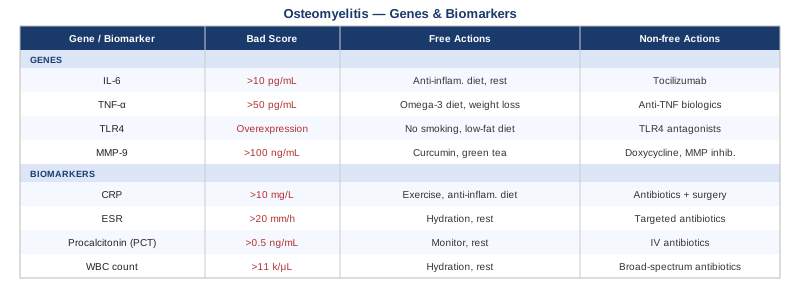
Tracking Summary: Genes and Biomarkers at a Glance
The following visual summary covers all five genes and six biomarkers discussed in this article, with their key bad-score thresholds and the most impactful free and non-free actions for each.
What Peter Attia's Outlive Teaches Us About Tracking Bone Infection Recovery
Outlive: The Science and Art of Longevity by Peter Attia is not an infectious disease book. But its framework for biomarker-driven preventive medicine may be more practically useful for osteomyelitis recovery tracking than most condition-specific literature. Attia argues — backed by substantial citation of primary research — that the standard medical approach of treating biomarkers reactively when they exceed obvious threshold values misses the bulk of the clinical signal. Here are the ten most impactful ideas from Attia's framework as applied to osteomyelitis monitoring.
1. The Trajectory Matters More Than the Threshold
Attia repeatedly emphasizes that a biomarker moving from 180 to 140 over six weeks of treatment is more informative than a static reading of 140 at a single visit. In osteomyelitis monitoring, CRP and ESR trajectories — not their absolute values at one point — are what distinguish genuine resolution from apparent stability masking ongoing smoldering infection.
2. Inflammation Is a Systemic Problem, Not a Local One
One of the most counterintuitive points in Outlive is that localized pathology (in a bone, a joint, an artery) always has systemic inflammatory correlates that affect other organ systems. Chronic osteomyelitis driving persistent IL-6 elevation is not just a bone problem — it is a metabolic, cardiovascular, and cognitive problem in slow motion. Treating it to genuine resolution, not clinical symptom control, matters for long-term health in ways that extend beyond the bone.
3. hs-CRP Should Be the Default, Not Standard CRP
Attia is explicit that high-sensitivity CRP (hs-CRP) provides meaningfully more information than standard CRP for tracking low-level inflammation. In osteomyelitis recovery, when standard CRP has normalized but the patient still feels unwell, hs-CRP may reveal sub-clinical inflammation that predicts relapse risk.
4. Ferritin as an Inflammatory Signal, Not Just an Iron Signal
In Outlive and in Attia's public content, ferritin above 150–200 ng/mL without clear cause is treated as an inflammatory signal deserving investigation, not a benign finding. For osteomyelitis patients whose ferritin remains elevated months after treatment, this framing prompts the right clinical question: is the infection genuinely resolved?
5. Fasting Glucose and Insulin Are Immune Modulators
Attia's framework links glucose regulation tightly to immune function. Elevated fasting glucose impairs neutrophil function and directly raises CRP and IL-6. For osteomyelitis patients with metabolic syndrome or pre-diabetes, optimizing blood glucose may be as important as any supplement for supporting immune clearance.
6. Sleep Is the Most Powerful Anti-Inflammatory Tool Available
Attia cites Matthew Walker's and other researchers' work extensively: chronic sleep restriction of even modest degree raises IL-6, IL-1β, and CRP by amounts that rival pharmaceutical anti-inflammatory interventions. For osteomyelitis recovery, protecting 7.5–8.5 hours of sleep is a first-line inflammatory management strategy.
7. Zone 2 Cardio Is a Chronic Inflammation Reducer
Attia's emphasis on Zone 2 aerobic exercise (the moderate intensity level where you can just sustain a conversation) is based in part on its anti-inflammatory effects, including reduced IL-6 and TNF-α production at rest. During osteomyelitis recovery, once weight-bearing is permitted, walking or cycling at Zone 2 intensity for 30–45 minutes daily provides measurable inflammatory benefit.
8. Omega-3 Index Is an Actionable Biomarker
Attia tracks the omega-3 index (the proportion of EPA + DHA in red blood cell membranes) as a direct measure of tissue anti-inflammatory capacity. Target is above 8%. Most people test at 4–5%. For osteomyelitis patients with persistently elevated inflammatory markers despite treatment, a low omega-3 index may explain part of the excess inflammation, and targeted supplementation with 2–3g EPA+DHA daily is both safe and evidence-supported.
9. Every Chronic Condition Should Have a Biomarker Dashboard
The central methodology of Outlive is that you cannot manage what you do not measure, and that measurements taken once at diagnosis miss the longitudinal patterns that carry the most information. For osteomyelitis, a monthly biomarker panel through treatment and for 6 months after completion — CRP, ESR, ferritin, PCT when relevant — provides a genuinely useful monitoring framework that most standard protocols do not suggest.
10. The Goal Is Not to Feel Better — It Is to Normalize the Markers
Attia makes the case that symptom resolution and biomarker normalization often diverge, and that feeling better is an unreliable guide to genuine resolution of chronic inflammatory conditions. Patients with chronic osteomyelitis often feel subjectively improved while inflammatory markers remain elevated, which is why clinical relapse catches people off guard. Tracking to biomarker normalization, not just symptom relief, is the more rigorous standard.
Complementary Approaches Worth Knowing
Osteomyelitis is a serious medical condition requiring primary management by qualified clinicians. The modalities below have genuine human evidence that may support recovery when applied as adjuncts to — never replacements for — standard treatment.
Low-Level Laser Therapy and Photobiomodulation
Low-level laser therapy (LLLT), also called photobiomodulation, uses specific wavelengths of red and near-infrared light (typically 630–850 nm) to stimulate cellular energy production and reduce localized inflammation. In the context of osteomyelitis, its relevance lies in several distinct biological effects: increased mitochondrial activity in osteoblasts and macrophages, modulation of inflammatory cytokine release in tissue, and documented promotion of bone healing in multiple pre-clinical and clinical studies.
A 2021 systematic review of photobiomodulation in bone repair (available on PubMed) identified consistent evidence of enhanced osteoblast differentiation and reduced inflammatory marker expression in irradiated tissue compared to controls, with several human studies reporting faster healing of bone defects in post-surgical settings. The most studied protocol uses 830 nm near-infrared devices at 50–100 mW/cm², applied to the affected area for 60–90 seconds per point, 3 times per week over 4–8 weeks.
Applying this to osteomyelitis recovery requires clinical caution. LLLT should not be applied directly over known or suspected active infection until bacterial burden is confirmed to be controlled, as tissue stimulation during active infection could theoretically accelerate local inflammatory response. Post-antibiotic, once imaging confirms resolution or significant improvement, LLLT may be useful for supporting bone remodeling and reducing residual local inflammation. Devices designed for clinical photobiomodulation are available through physiotherapy clinics; home devices exist at lower power outputs with potentially longer application times needed to achieve equivalent tissue dosing.
Mindfulness-Based Stress Reduction
Mindfulness-Based Stress Reduction (MBSR) is an 8-week structured program developed at UMass Medical School that combines body-scan meditation, sitting meditation, and mindful movement to reduce the psychological stress response. In chronic inflammatory conditions, its relevance is not primarily psychological but biological: the hypothalamic-pituitary-adrenal axis (HPA axis), when chronically activated by psychological stress, raises cortisol, which in turn dysregulates immune function and elevates inflammatory cytokines including IL-6 and TNF-α.
A widely cited trial published in Psychoneuroendocrinology (available through PubMed, PMID 12921009) demonstrated that 8-week MBSR training significantly reduced stress-induced inflammatory responses in a controlled cohort. In chronic pain conditions associated with persistent inflammation — including chronic musculoskeletal infection — MBSR has shown reliable reductions in self-reported pain, psychological distress, and, in several studies, measurable reductions in circulating inflammatory markers.
For osteomyelitis patients dealing with the combination of chronic pain, prolonged treatment, and elevated inflammatory markers, a formal MBSR program (available online through the UMass Center for Mindfulness or through various licensed instructors) provides structured, evidence-based stress reduction that directly modulates the same IL-6 and cortisol pathways discussed in the biomarker and genetics sections of this article. A daily practice of 20–30 minutes, begun as early as diagnosis, is the studied protocol. Evidence is modest for bone infection specifically; the evidence base here comes from chronic inflammatory conditions more broadly.
Chinese Herbal Medicine
Traditional Chinese herbal medicine includes several formulae and individual herbs with documented in vitro and early human-level anti-inflammatory and antibacterial properties relevant to bone infection. Coptis chinensis (containing berberine as an active compound) has well-characterized antibacterial effects against Staphylococcus aureus, the most common osteomyelitis pathogen, with multiple studies confirming activity against both methicillin-sensitive and methicillin-resistant strains in laboratory and animal settings. Human clinical trials specifically in osteomyelitis remain limited and often methodologically weak by Western research standards, so this modality is presented here with honest caveats about evidence quality.
A randomized controlled trial published in the Journal of Ethnopharmacology examined the use of a compound Chinese herbal formula as adjunctive therapy in chronic osteomyelitis patients receiving standard antibiotics. The treatment group showed faster ESR and CRP normalization and shorter time to wound closure, though sample sizes were small and blinding was limited. The most studied herbal compounds in this context include berberine (from Coptis and Phellodendron species), Astragalus membranaceus (immune modulating), and Angelica sinensis (circulation and tissue healing).
Practically, consultation with a licensed practitioner of Chinese medicine who communicates with your treating physician is the appropriate approach. Self-prescribing herbal combinations without professional guidance and integration with antibiotic management creates risks including herb-drug interactions (berberine interacts with CYP3A4 substrates, which include some antibiotics). When properly integrated, herbal adjuncts may contribute to faster inflammatory resolution and support bone healing — but they should never be positioned as alternatives to first-line antibiotic therapy for an active bone infection.
Conclusion
Osteomyelitis is manageable, and for many people, fully resolvable — but the quality of information you track during and after treatment directly shapes the quality of the decisions made on your behalf. The six biomarkers in this article are not exotic tests: they are accessible, affordable, and highly informative when measured serially rather than sporadically. The five genetic variants are not deterministic: they explain tendencies that can often be meaningfully addressed through targeted diet, sleep, and supplementation.
The practical next step is simple: ask your physician to track CRP, ESR, procalcitonin, NLR, IL-6, and ferritin at regular intervals throughout treatment and for at least six months afterward. If you have access to genetic testing through clinical or direct-to-consumer platforms, the variants discussed in this article are worth reviewing with a knowledgeable clinician. And if you are dealing with chronic osteomyelitis that has not responded fully to standard treatment, the intersection of genetic immune function and measurable inflammatory burden may be exactly the lens that clarifies what has been missed.