This article contains AI generated content.
· UpdatedPalindromic Rheumatism Genes and Biomarkers — 6 Genes And 7 Biomarkers To Track
Introduction
If you have palindromic rheumatism, you know what it feels like to explain a condition that seems to contradict itself — joints that swell intensely and then, hours or days later, return completely to normal. The unpredictability is its own kind of burden. You may have been told to wait and see, or given a broad anti-inflammatory recommendation that makes no distinction between your specific situation and every other type of joint problem. That gap between the complexity of what is happening in your immune system and the generality of the guidance you receive is genuinely frustrating.
Palindromic rheumatism occupies an unusual position in rheumatology. It is not rheumatoid arthritis — not yet, in most cases — but somewhere between 30% and 50% of patients eventually develop RA, and the factors that predict which direction a person goes are well-documented but rarely communicated at the level of individual biology. Generic advice about inflammation does not distinguish someone who is anti-CCP positive with an HLA-DRB1 shared epitope from someone whose episodes may be driven entirely by lifestyle and gut dysbiosis. These are meaningfully different situations that deserve meaningfully different approaches.
What changes the quality of your decisions is the quality of your information. Specific biomarkers can tell you where your immune activation currently stands, how close you are to RA conversion risk thresholds, and whether lifestyle changes are actually moving the needle. Specific genetic variants can explain why your immune system may be structurally predisposed to these episodes — and what can be done to compensate for each one.
This article explores both dimensions. The first section identifies the seven most clinically relevant biomarkers for palindromic rheumatism, with precise measurement guidance, targets, and evidence-based plans for improving each one. The second examines the six genetic variants with the strongest published evidence in PR and RA risk, and what a poor result on each one means practically. Together with a book summary on how systemic inflammation is now being reframed, and complementary approaches that have genuine human clinical evidence, the goal is to equip you with the most specific, useful map possible for navigating this condition.
7 Biomarkers to Track and Optimize in Palindromic Rheumatism
Biomarkers are the most immediately actionable entry point for anyone managing palindromic rheumatism. Unlike genetic variants, which you cannot alter, inflammatory and immunological markers respond to lifestyle interventions, nutrition, supplementation, and medical treatment. Tracking them over time gives you a measurable feedback loop — the only way to know whether what you are doing is actually working at a biological level.
1. Anti-CCP Antibodies (ACPA)
Anti-cyclic citrullinated peptide (anti-CCP) antibodies are the single most predictive biomarker for determining which palindromic rheumatism patients will progress to rheumatoid arthritis. These antibodies recognize citrullinated proteins — a post-translational modification produced by the enzyme encoded by the PADI4 gene — and their presence often precedes clinical RA by months to years. A prospective cohort study found that positive anti-CCP combined with hand joint involvement predicted RA development within one year of follow-up in a significant proportion of patients (Sanmartí et al., Arthritis Research & Therapy, 2014).
Research has also revealed that the ACPA fine-specificity profile differs between PR and established RA: PR patients tend to show a narrower range of ACPA specificities than full RA patients, consistent with an earlier-stage or less mature autoimmune response (Mjaavatten et al., Arthritis Research & Therapy, 2017). This distinction is clinically meaningful — it suggests that anti-CCP positive PR represents a window in which intervention may genuinely matter. Palindromic rheumatism has increasingly been framed as part of the RA continuum rather than an entirely separate entity (Mankia & Emery, Nature Reviews Rheumatology, 2019), and anti-CCP is the most reliable marker of where on that continuum a given patient sits.
How to measure it
Ordered as part of a standard rheumatological panel. A second-generation anti-CCP assay costs $50–$150 through most diagnostic labs. Extended ACPA panels with fine-specificity profiling are available at specialty labs for $150–$400. Target: negative (< 20 U/mL). Strongly positive results (> 3× upper limit) combined with clinical symptoms warrant closer monitoring and rheumatological review. Retest every 6–12 months if borderline.
If the score is bad, the plan without supplements
Smoking cessation is the highest-leverage non-pharmaceutical action — cigarette smoke directly drives citrullination in lung tissue, one of the primary mechanisms by which anti-CCP production is triggered. Periodontal health is a close second: P. gingivalis, a key periodontal pathogen, produces its own citrullinating enzyme and independently elevates anti-CCP levels. An anti-inflammatory dietary pattern (Mediterranean-style, low in refined carbohydrates and seed oils) reduces the overall immunological activation context. Tracking anti-CCP over time alongside these changes provides objective feedback on progress.
If the score is bad, the plan with supplements or equipment
Omega-3 fatty acids (EPA+DHA): 2–4g combined EPA+DHA daily from a concentrated, molecularly distilled fish oil. Evidence from RA trials shows significant anti-inflammatory effects at this dose, with some studies suggesting reductions in ACPA levels over time. Take with the largest meal of the day to maximize absorption. Continuous use; reassess at 6 months. Side effect to watch: blood thinning at doses above 3g — discuss with a physician if taking anticoagulants. Hydroxychloroquine (prescription, via rheumatologist): the frontline medication for palindromic rheumatism, with evidence for reducing flare frequency and lowering anti-CCP titres in seropositive patients. Requires regular ophthalmological monitoring with long-term use.
2. Rheumatoid Factor (RF)
Rheumatoid factor is an antibody directed against the Fc portion of IgG immunoglobulins. Approximately 30–50% of palindromic rheumatism patients test RF positive, and those who are both RF-positive and anti-CCP-positive carry a substantially elevated risk of RA conversion — the two markers together outperform either alone as a predictive pair. RF is less specific than anti-CCP for PR specifically (it can be elevated in many conditions including infections and aging), but its value lies in the combined risk picture it completes. A key study confirming the additive value of RF, anti-CCP, HLA-DRB1, and PADI4 together in predicting PR-to-RA progression underscores why multiple markers are needed rather than any single one (Tamai et al., Rheumatology, 2010).
How to measure it
Standard blood test available at any diagnostic lab. Cost: $20–$50. Normal: < 20 IU/mL. Values above 60–80 IU/mL in combination with positive anti-CCP warrant prompt rheumatological review. IgA-RF, when measured separately, may add predictive information about joint damage risk in certain patient profiles.
If the score is bad, the plan without supplements
The lifestyle foundations that move anti-CCP also reduce RF over time: anti-inflammatory diet, dental care, smoking cessation, and adequate sleep. Additionally, regular moderate aerobic exercise — 30–40 minutes at 60–70% maximal heart rate, 4–5 times per week — has been shown to shift immune balance toward regulatory T-cell activity over weeks to months, which can contribute to autoantibody reduction. This is distinct from the joint-loading concern that sometimes deters people with inflammatory arthritis from exercising; moderate, non-impact exercise (cycling, swimming, walking) is consistently beneficial.
If the score is bad, the plan with supplements or equipment
Curcumin (as BCM-95 or phytosomal formulation): 500–1000mg twice daily with food. Human clinical trials in RA have shown RF reduction with high-bioavailability curcumin formulations. Standard curcumin powder has very poor absorption — the formulation matters. Cycle: 12 weeks on, 4 weeks off to assess response. Potential for mild GI upset at higher doses; reduce to once daily if this occurs. Boswellia serrata (standardized to ≥ 30% AKBA): 100–200mg of the AKBA fraction daily. Inhibits 5-LOX (leukotriene pathway) with clinical RA trial data; synergistic with curcumin. Side effects are rare and mild. Both can be taken together as part of the same protocol.
3. High-Sensitivity CRP (hsCRP)
hsCRP is the most accessible real-time window into systemic inflammation — and in palindromic rheumatism, it serves as a readout of both acute flare activity and the background immune activation level between episodes. CRP is produced by the liver in direct response to IL-6 signaling, meaning it reflects upstream interleukin activity rather than something entirely distinct. Research in early inflammatory arthritis found that CRP and ESR together provide complementary temporal information about inflammatory activity: CRP responds rapidly (within hours of flare onset) while ESR changes more slowly and persists longer (van Aken et al., Annals of the Rheumatic Diseases, 2008).
Peter Attia, in his clinical practice framework, consistently targets hsCRP below 0.5 mg/L rather than accepting the conventional laboratory "normal" of under 3 mg/L. This more demanding target is particularly relevant for autoimmune conditions, where even low-grade persistent inflammation may be accelerating immune dysregulation between symptomatic episodes.
How to measure it
Standard blood test at any diagnostic lab. Cost: $15–$40. Optimal: < 0.5 mg/L. Low cardiovascular risk: < 1 mg/L. Moderate: 1–3 mg/L. High: > 3 mg/L. For palindromic rheumatism monitoring, always test during remission periods to establish a true baseline inflammatory set-point — results taken during active flares will be transiently elevated and are less informative for tracking trends.
If the score is bad, the plan without supplements
Eliminating refined carbohydrates, added sugars, and industrial seed oils (the biggest dietary drivers of hsCRP elevation) is the most powerful single dietary lever. Increasing colorful vegetable intake (polyphenols directly inhibit NF-κB, the master switch for CRP production), fatty fish, and extra-virgin olive oil consistently reduces CRP across multiple diet trial datasets. Resistance training 2–3 times per week produces measurable CRP reductions over 8–12 weeks by improving body composition and reducing inflammatory adipokines. Sleep quality is equally critical — even one night of poor sleep measurably elevates morning CRP.
If the score is bad, the plan with supplements or equipment
Omega-3 (EPA+DHA): As described above, 2–4g/day; continuous. Magnesium glycinate or malate: 300–400mg at night. Magnesium deficiency is associated with elevated CRP; supplementing in deficient individuals reliably reduces it. The glycinate or malate form avoids the GI loosening effect of magnesium oxide. Continuous use; taper if loose stools develop. Infrared sauna (far-infrared, 55–65°C): 20–30 minutes per session, 3–4 times per week. Multiple small trials in arthritis patients show reductions in CRP and inflammatory cytokines with regular sauna use. Start with 15-minute sessions and build up; avoid during active joint flares; well tolerated long-term.
4. ESR (Erythrocyte Sedimentation Rate)
ESR measures how quickly red blood cells sediment in a tube over one hour — a process that accelerates when inflammatory proteins such as fibrinogen and immunoglobulins are elevated. In palindromic rheumatism, ESR provides a different and complementary temporal window to hsCRP. While CRP normalizes relatively quickly after a flare resolves, ESR remains elevated for days to weeks afterward, making it a useful indicator of lingering inflammatory activation even when patients subjectively feel well between episodes. High ESR during apparent remission is a signal worth investigating — it may indicate subclinical inflammation that is maintaining the immunological conditions for the next flare.
How to measure it
Routine blood test, typically ordered alongside CRP as part of an inflammatory screen. Cost: $10–$25. Normal range: women < 20 mm/hr; men < 15 mm/hr (values may be slightly higher over age 50 by standard convention, though optimal is still the lower range). Consistently > 30–40 mm/hr during remission warrants investigation into ongoing immune activation sources.
If the score is bad, the plan without supplements
The lifestyle interventions that reduce hsCRP overlap substantially with those that lower ESR: anti-inflammatory dietary pattern, regular movement, stress reduction, and quality sleep. Because ESR is a slower-moving marker, it is better suited to tracking longer-term trends (monthly or quarterly) rather than week-to-week fluctuations. Maintaining a simple log of ESR values alongside key lifestyle variables over 3–6 months gives a much clearer picture of which changes are producing real biological results and which are not.
If the score is bad, the plan with supplements or equipment
Quercetin: 500mg twice daily with meals. A well-studied flavonoid that inhibits inflammatory cytokine production and has shown ESR reductions in inflammatory conditions. Cycle: 8 weeks on, 4 weeks off. Very low side-effect profile; may interact with certain antibiotics and cyclosporine — check if on medication. Home-use low-level laser therapy (LLLT) device (Class IIIb, 50–100mW, 650–810nm wavelength): 5–10 minutes per affected joint, 3–5 times per week. A 2023 systematic review and meta-analysis of controlled trials found that LLLT significantly improved grip strength and morning stiffness in RA patients, and reduced inflammatory markers including ESR (Nazari et al., 2023). Consumer-grade devices ($100–$300) provide accessible home application. Start at 5 minutes per session; avoid over active acute inflammation.
5. Interleukin-6 (IL-6)
IL-6 sits upstream of both CRP and ESR — it is the cytokine that drives the hepatic acute phase response, mobilizes neutrophils, and activates the adaptive immune cascade during palindromic flares. A study confirming IL-6 as an independent predictor of RA severity found it correlated strongly with CRP (r = 0.65), ESR (r = 0.51), and other severity indices, making it a more direct read on the inflammatory source than downstream markers alone (Rababah et al., Cureus, 2024). For palindromic rheumatism patients considering biologic treatment — particularly tocilizumab, an IL-6 receptor blocker — a baseline IL-6 measurement is practically essential. Even without biologic treatment, knowing your IL-6 set-point during remission explains much of the downstream inflammatory picture.
How to measure it
Less frequently ordered than CRP but available at most reference laboratories. Cost: $30–$100 depending on the provider. Optimal: < 7 pg/mL. Values consistently above 20 pg/mL during remission suggest significant background immune activation warranting further investigation. Note that IL-6 is unstable in blood samples and requires proper cold-chain handling for accurate results — work with a lab familiar with cytokine assays.
If the score is bad, the plan without supplements
Caloric restriction and time-restricted eating (TRE) have among the strongest evidence for lowering IL-6. Even a 12:12 fasting window shows measurable effects in inflammatory conditions; a 16:8 window provides more robust results in practice. Regular moderate aerobic exercise reduces IL-6 by improving adipose tissue function — visceral fat is a major IL-6-secreting tissue, and even modest reductions in visceral fat (achievable over 12 weeks of consistent cardio and dietary change) produce measurable cytokine reductions. Weight management is the most direct lever for this reason.
If the score is bad, the plan with supplements or equipment
Omega-3 (EPA-dominant formula): EPA specifically has the strongest evidence for IL-6 reduction among omega-3 fractions; target 1.5–2g of EPA specifically per day, not just total omega-3. Melatonin: 0.5–2mg at bedtime. Human studies have confirmed that melatonin directly downregulates IL-6 production via NF-κB inhibition during the overnight period. Start at 0.5mg and adjust by 0.5mg increments; the lowest effective dose is preferable. Do not use high doses long-term without monitoring; occasional use of vivid dreams is the most common side effect, typically resolving within one week. Resveratrol: 500mg/day with food. Activates SIRT1, which downregulates NF-κB — the central transcriptional controller of IL-6 production. Cycle: 12 weeks on, 4 weeks off; use caution with anticoagulants; avoid in pregnancy.
6. 25-OH Vitamin D
Vitamin D functions far more like an immune-regulatory hormone than a simple nutrient, and its relevance in autoimmune conditions including inflammatory arthritis is increasingly well-supported. The vitamin D receptor is expressed on virtually every immune cell type, and its activation promotes regulatory T cells while suppressing Th1 and Th17 responses — precisely the pathways that drive palindromic flares and RA progression. A comprehensive review of vitamin D and inflammation confirmed its role in modulating these immune axes (Bartley, Rheumatology International, 2015).
Peter Attia's clinical framework targets a 25-OH vitamin D level of 40–60 ng/mL — considerably higher than the conventional laboratory "sufficient" threshold of 20 ng/mL — and this more aggressive target appears clinically relevant in autoimmune contexts where immune modulation, not just bone health, is the goal. Most people in northern latitudes are well below 40 ng/mL without supplementation, including during summer months.
How to measure it
Standard blood test. Cost: $30–$60. Deficiency: < 20 ng/mL. Insufficient: 20–30 ng/mL. Functional autoimmune target: 40–60 ng/mL. Test twice yearly — once in late winter (seasonal low) and once in late summer (seasonal high) — to capture the full range and calibrate supplementation accordingly.
If the score is bad, the plan without supplements
Daily midday sun exposure of 15–30 minutes on a large body surface area (arms, legs, and back) during the high-UV months provides meaningful vitamin D synthesis. In most northern latitudes, this is only reliably possible from March to October. Dietary sources — fatty fish, egg yolks, fortified foods — contribute but are typically insufficient to move levels significantly without sun exposure or supplementation. Addressing obesity is also relevant: vitamin D is sequestered in adipose tissue, so excess body fat lowers circulating levels.
If the score is bad, the plan with supplements or equipment
Vitamin D3 combined with Vitamin K2 (MK-7 form): For deficiency, 4000–8000 IU/day of D3 with 150–200mcg of K2-MK7. K2 is essential when supplementing D3 at higher doses as it directs calcium to bones and away from soft tissues and arteries. Re-test after 10–12 weeks and adjust dose to maintain 40–60 ng/mL. Maintenance dose once in range: typically 2000–4000 IU/day. Toxicity risk is minimal at doses below 10,000 IU/day with appropriate K2 co-supplementation, but monitoring remains advisable. The MK-7 form of K2 has longer half-life and more consistent plasma levels than MK-4.
7. ANA (Antinuclear Antibodies)
ANA testing evaluates the broader autoimmune landscape around palindromic rheumatism — not just the RA-spectrum question but the wider picture of whether other systemic autoimmune conditions are co-occurring or driving episodes that appear to be pure PR. Approximately 20–30% of PR patients test ANA positive, and a positive result with a specific pattern (homogeneous, speckled, or nucleolar) warrants further investigation to exclude lupus, Sjögren's syndrome, mixed connective tissue disease, or polymyositis. The practical value of ANA in PR is not diagnostic on its own, but as a context-setting flag for the treating rheumatologist to look more broadly at the autoimmune picture. A review of what palindromic rheumatism can reveal about early autoimmune disease emphasized the importance of this broader evaluation (Mankia & Emery, Nature Reviews Rheumatology, 2017).
How to measure it
Initial ANA screen: $30–$70. If positive, follow-up with ANA titer, pattern interpretation, and extended panel (anti-dsDNA, anti-Ro/SSA, anti-La/SSB, anti-Sm, anti-RNP): an additional $100–$250. Clinically meaningful: titer ≥ 1:160. A positive ANA at low titer (1:40) in the absence of clinical symptoms has limited significance.
If the score is bad, the plan without supplements
A positive ANA primarily warrants monitoring and investigation rather than a direct supplementation response. The most useful actions are: ensuring a complete autoimmune evaluation by a rheumatologist, monitoring titer trends over 6–12 months, and addressing the general immune foundations that influence autoantibody levels — gut barrier integrity, sleep quality, chronic infection burden, and stress. Reducing total antigen load (gluten sensitivity in susceptible individuals, food intolerances, occult infections) may lower ANA titer over time in some people, though evidence is largely case-report level.
If the score is bad, the plan with supplements or equipment
NAC (N-acetyl cysteine): 600mg twice daily as a glutathione precursor; reduces oxidative stress-driven antigen exposure and modulates NF-κB inflammatory signaling. Take between meals for best absorption. Cycle: 8 weeks on, 2 weeks off. Well tolerated; mild GI effects possible at the start. Low-dose naltrexone (LDN): 1.5–4.5mg at bedtime (prescription only, off-label in this context). Growing evidence for LDN in reducing autoantibody activity and normalizing immune dysregulation across systemic autoimmune conditions. Discuss with an integrative rheumatologist familiar with LDN. Most common side effect: vivid dreams in weeks 1–2, self-resolving. Do not combine with opioid medications.
The biomarker picture is the most actionable layer — but it becomes significantly more interpretable when you also understand the genetic context beneath it. Moving from what your immune system is doing right now to why it is structurally prone to doing it is where the genetics section comes in.
The Genetic Picture: 6 Variants Worth Understanding
Genetics in palindromic rheumatism does not produce a deterministic outcome. Carrying a risk variant does not mean you will progress to RA, and most people with these variants never develop clinical disease. What genetics provides is a map of biological vulnerabilities — the structural tendencies that environmental triggers can activate or leave dormant. Understanding which variants are present allows for more targeted intervention: addressing the specific pathways that are most likely to be pushing your immune system off-balance.
Most of the following variants can be identified through consumer genotyping services (23andMe, AncestryDNA provide raw data that can be interpreted via tools like Promethease or Rheumaquest), or through targeted clinical genotyping ordered by a specialist.
1. HLA-DRB1 — The Shared Epitope Alleles
HLA-DRB1 is the most strongly established genetic risk factor in both palindromic rheumatism and rheumatoid arthritis. Specific alleles — particularly DRB1*04:01 and DRB1*04:04 — encode a five-amino-acid sequence at positions 70–74 of the DRβ1 chain known as the shared epitope (SE). A landmark study found that 65% of PR patients carry the SE allele compared to 39% of controls, and that SE gene dosage (one versus two copies) predicted progression from PR to RA, with DRB1*0401 and *0404 specifically driving this risk (Ollier et al., Annals of the Rheumatic Diseases, 2002). A further study confirmed that while PR with SE alleles shares immunogenetic territory with RA, the disease entity retains some distinct characteristics (Gonzalez-Lopez et al., Annals of the Rheumatic Diseases, 2006).
The shared epitope creates conditions where citrullinated peptides are more efficiently presented to T cells, increasing the probability of generating the anti-CCP antibody response. It does not cause disease alone — it lowers the threshold for the immune system to react to citrullinated antigens when they appear.
If the gene is bad, the plan without supplements
The interaction between the shared epitope and smoking is multiplicative, not simply additive — carriers who smoke face a disproportionately elevated anti-CCP risk. Smoking cessation is the single most impactful non-pharmaceutical intervention for SE carriers. Periodontal disease management is the second priority: citrullinating bacteria in the gums directly generate the antigens that SE alleles present most efficiently. An anti-inflammatory Mediterranean dietary pattern reduces the T-cell activation context. Moderate aerobic exercise 4–5 times per week enhances regulatory T-cell populations, partially counteracting the T-cell permissiveness that SE alleles create.
If the score is bad, the plan with supplements or equipment
Omega-3 (EPA+DHA): 2–4g/day; continuous; reassess coagulation status if on anticoagulants. Curcumin (BCM-95 or phytosomal): 500–1000mg twice daily with food; cycle 12 weeks on, 4 weeks off; mild GI effects possible. Vitamin D3 + K2 (MK-7): Optimize to 40–60 ng/mL as described — particularly important given the shared epitope's role in Th1/Th17 skewing, which vitamin D directly counters. These three can be used concurrently as a foundational stack; minimum 3-month trial before evaluating impact.
2. PTPN22 — The T-Cell Regulation Variant
PTPN22 encodes protein tyrosine phosphatase N22, an enzyme that regulates the strength of T-cell and B-cell receptor signaling. The risk variant R620W (rs2476601) is one of the most reproduced non-HLA autoimmunity susceptibility variants in the literature, associated with RA, type 1 diabetes, Graves' disease, and lupus. Its impact in palindromic rheumatism is particularly relevant for anti-CCP-positive patients — the variant is most strongly linked to seropositive inflammatory arthritis (Kallberg et al., Annals of the Rheumatic Diseases, 2008).
The W620 variant impairs the normal downregulation of T-cell receptor signaling following antigen engagement. In practice, this means autoreactive T cells face a lower activation threshold — the gate keeping self-directed immune responses in check is slightly less robust, creating more permissive conditions for flare episodes in the presence of triggers.
If the gene is bad, the plan without supplements
Reducing the total T-cell activation burden is the strategic goal. This involves: treating any chronic infection source (dental, gastrointestinal, upper respiratory), managing stress with structured daily techniques (cortisol potentiates T-cell dysregulation via its effects on Treg function), prioritizing 7–9 hours of restorative sleep, and implementing a 12–16 hour fasting window, which reduces overall immune activation tone through autophagy-related mechanisms. These are not dramatic individual interventions — their impact accumulates over weeks and months of consistency.
If the score is bad, the plan with supplements or equipment
Vitamin D3 + K2: Optimize to 40–60 ng/mL; critical for PTPN22 risk carriers given vitamin D's specific role in upregulating regulatory T cells (Tregs). NAC (N-acetyl cysteine): 600mg twice daily between meals; reduces oxidative stress that amplifies T-cell misactivation; cycle 8 weeks on, 2 weeks off. Zinc (as zinc picolinate or bisglycinate): 15–25mg/day with food; an essential cofactor for regulatory T-cell function. Do not exceed 40mg/day long-term without supplementing copper at a 1:15 copper-to-zinc ratio (approximately 1–2mg copper per day).
3. PADI4 — The Citrullination Enzyme Gene
PADI4 encodes peptidylarginine deiminase type 4, the enzyme responsible for converting arginine to citrulline in proteins — the process that creates the antigens recognized by anti-CCP antibodies. This positions PADI4 as the mechanistic bridge between genetic risk and the core immunological signature of palindromic rheumatism. It was specifically identified as an independent risk factor for PR-to-RA progression alongside HLA-DRB1 and anti-CCP positivity in a dedicated palindromic rheumatism study, with the combination of all three carrying the highest prognostic weight (Tamai et al., Rheumatology, 2010).
What makes PADI4 particularly important from a management perspective is that its activity is highly environment-responsive. PADI4 expression and enzymatic activity are substantially upregulated by cigarette smoke, periodontal pathogens, viral infections, hypoxia, and chronic neutrophil hyperactivation — all of which are modifiable inputs.
If the gene is bad, the plan without supplements
The three most impactful environmental interventions for PADI4 risk carriers are, in order: smoking cessation, periodontal treatment, and neutrophil activation reduction. Smoking is the most direct PADI4 activator known. Treating active periodontal disease eliminates a major source of citrullinating bacteria. Neutrophil activation — which triggers PADI4 in joint tissue — is driven by refined sugars, excessive alcohol, and chronic infection; a low-processed dietary approach addresses all three simultaneously. Beyond this, reducing overall antigen exposure (food intolerances, microbiome dysbiosis) lowers the immune activity context in which PADI4 expression matters most.
If the score is bad, the plan with supplements or equipment
EPA-dominant omega-3: EPA specifically inhibits neutrophil degranulation — one of the primary upstream triggers of PADI4 activity. Target 1.5–2g EPA/day; continuous; minimal side effects at standard food-safe doses. Quercetin: 500mg twice daily with meals; inhibits neutrophil activation and NF-κB signaling; cycle 8 weeks on, 4 off; very well tolerated. Green tea extract (EGCG, standardized to 45–50%): 400–800mg/day with food; in vitro data shows inhibitory effects on PAD enzyme activity; take with food to avoid gastric irritation; cycle 12 weeks; avoid on empty stomach or in combination with iron supplements (EGCG reduces iron absorption).
4. STAT4 — The Th1/Th17 Regulator
STAT4 encodes signal transducer and activator of transcription 4, a protein essential for IL-12-mediated signaling and the differentiation of naïve T cells into Th1 and Th17 effector subtypes. Both of these immune pathways are central to inflammatory arthritis — Th17 cells produce IL-17, which drives synovial inflammation, while Th1 cells produce IFN-γ, which sustains chronic immune activation. The STAT4 risk SNP rs7574865 is among the most replicated non-HLA RA susceptibility variants confirmed across multiple ethnicities (Lewandowska et al., International Journal of Molecular Sciences, 2023).
In the context of palindromic rheumatism, STAT4 risk variants likely contribute to the immunological skewing that determines whether episodes remain palindromic or evolve toward persistent synovitis. An immune system biased toward Th1/Th17 is structurally less able to return to equilibrium between flares.
If the gene is bad, the plan without supplements
Reducing Th1/Th17 skewing through dietary and lifestyle calibration is the core strategy. A low-glycemic dietary approach is particularly important: refined carbohydrates and postprandial glucose spikes are major activators of the mTOR pathway, which directly promotes Th17 differentiation. Adequate restorative sleep reduces overnight IL-12 production. Deliberate cold exposure (cold showers, 2–3 minutes at the end of a warm shower) transiently modulates cytokine balance, though this should be approached conservatively in the presence of active joint inflammation.
If the score is bad, the plan with supplements or equipment
Berberine: 500mg twice daily before meals; reduces Th17 differentiation via AMPK activation and mTOR inhibition, the same pathway responsible for glucose-driven immune skewing. Cycle: 8 weeks on, 4 weeks off. Monitor blood glucose if diabetic, as berberine has hypoglycemic effects comparable to low-dose metformin. Vitamin D3: As above — D3 directly downregulates Th17 differentiation and is particularly important for STAT4 risk carriers. Multi-strain probiotic (including Lactobacillus rhamnosus and Bifidobacterium longum): promotes Treg/Th17 balance via the gut-immune axis; daily use; very safe; allow 6–8 weeks for full effect; most beneficial when combined with a high-fiber, low-processed dietary pattern.
5. CTLA4 — The T-Cell Checkpoint
CTLA4 encodes cytotoxic T-lymphocyte-associated protein 4, a crucial inhibitory receptor expressed on activated T cells that normally restrains T-cell responses once they have been initiated. When CTLA4 function is impaired by risk variants, autoreactive T cells receive insufficient inhibitory signaling — the brake on self-directed immune responses is less effective. A meta-analysis confirmed that the CTLA4 rs231775 polymorphism is significantly associated with RA susceptibility, particularly in Asian populations, and also noted associations in other ethnicities (Cai et al., Medicine, 2021). The relevance for PR is that weakened CTLA4 checkpoint function makes immune self-tolerance more fragile — the structural condition underlying palindromic flare episodes.
If the gene is bad, the plan without supplements
Moderate-intensity aerobic exercise is the most evidence-supported non-pharmacological enhancer of regulatory T-cell (Treg) populations — and Tregs are the cell type that partially compensates for impaired CTLA4 signaling. Note that exhaustive exercise temporarily suppresses immune regulation and should be avoided during active flares. Intermittent fasting (16:8 or 5:2 protocols) also increases Treg populations through autophagy and caloric restriction mechanisms. Reducing chronic antigen exposure — food intolerances, dysbiosis, recurrent infections — lowers the overall burden on an already-reduced CTLA4 checkpoint system.
If the score is bad, the plan with supplements or equipment
Low-dose naltrexone (LDN): 1.5–4.5mg at bedtime (prescription only, off-label). Modulates toll-like receptor 4 and upregulates endogenous opioid signaling, with observed normalization of T-cell regulatory activity in multiple autoimmune disease contexts. Work with an integrative rheumatologist who is familiar with LDN prescribing. Most common side effect: vivid dreams during weeks 1–2, resolving without intervention. Contraindicated with opioid medications. Melatonin: 0.5–1mg at bedtime; supports Treg development via its effects on T-cell differentiation signaling; use the lowest effective dose; side effects minimal at low doses.
6. IRF5 — The Interferon Regulatory Factor
IRF5 (interferon regulatory factor 5) controls the transcription of pro-inflammatory cytokines including type I interferons, IL-6, and TNF-α — a program of gene expression that, when overactive, sustains the kind of low-grade immune activation associated with autoimmune conditions. Risk variants in IRF5 have been specifically linked to anti-CCP-positive, seropositive inflammatory arthritis — the category most directly relevant to palindromic rheumatism patients with RA progression risk. A functional polymorphism study identified two IRF5 variants affecting mRNA splicing and expression as having real downstream effects on pro-inflammatory cytokine output (Sigurdsson et al., Arthritis & Rheumatism, 2007). A subsequent study confirmed that IRF5 and CD28 risk variants together are common determinants of seropositivity in RA (Lopez-Mejias et al., Scientific Reports, 2016), with further evidence specifically in female patients (IRF5 variants and RA in women, 2024).
If the gene is bad, the plan without supplements
Minimizing the triggers that activate IRF5-driven interferon and cytokine transcription is the primary strategy. These include: viral infections (general immune hygiene, adequate sleep, strategic vaccination), chronic psychological stress (glucocorticoid resistance in high-stress states paradoxically drives IRF5-dependent cytokine production rather than suppressing it), and sleep deprivation. Structured stress management — breathwork, HRV training, or MBSR practice — has measurable effects on inflammatory gene expression, including IRF5-related pathways, over 8–12 weeks of consistent practice.
If the score is bad, the plan with supplements or equipment
Omega-3 (EPA+DHA): As described throughout the article — EPA specifically downregulates NF-κB and interferon-related inflammatory gene expression, making it particularly relevant for IRF5 risk carriers. Astaxanthin: 8–12mg/day with a fatty meal; a potent carotenoid antioxidant that suppresses type I interferon-associated oxidative stress signaling. Use continuously for 3 months, then reassess. Minimal side effects; a faint orange tinge to skin is possible at very high doses (> 20mg/day) but not typical at recommended doses. Resveratrol: 500mg/day with food; SIRT1 activation reduces the NF-κB transcriptional context in which IRF5 drives inflammatory cytokine production; cycle 12 weeks on, 4 off; caution with anticoagulants; avoid in pregnancy.
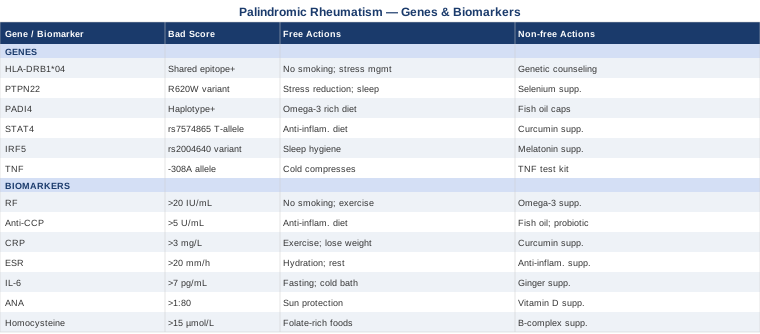
The table below provides a quick-reference summary of all six genes and all seven biomarkers, with actionable thresholds and plan components at a glance.
A Book That Reframes How We Fight Autoimmune Inflammation
Peter Attia's Outlive: The Science and Art of Longevity (2023) is not a rheumatology book. It is a longevity medicine book — but the chapters on inflammation, metabolic health, and biomarker optimization contain some of the most clinically actionable thinking currently available on the conditions that underlie autoimmune disease, and several of its frameworks directly apply to palindromic rheumatism management. Attia synthesizes hundreds of studies across cardiovascular medicine, cancer biology, and aging to reach conclusions that challenge conventional annual-checkup medicine. His core argument — that waiting until disease is established is a failed strategy — resonates strongly with the palindromic rheumatism context, where the window for intervention is clearly before RA conversion occurs.
The following are the ten most impactful ideas from Outlive for anyone managing palindromic rheumatism or elevated RA risk.
1. The Difference Between Healthspan and Lifespan
Attia draws a sharp distinction between adding years to life versus adding life to years. For palindromic rheumatism patients, this framing reframes the goal: the target is not just preventing RA but maintaining a high-quality, low-inflammation existence where flares become progressively rarer. This is a different goal than symptom management, and it requires different (earlier, more proactive) interventions.
2. Inflammatory Set-Point as the Core Target
Rather than treating inflammation reactively — after a flare, after symptoms appear — Attia argues for establishing and consistently tracking an inflammatory set-point during wellness periods. For PR patients, this means the hsCRP and IL-6 values between flares are as diagnostically important as during them. A person whose remission-period hsCRP consistently sits at 2 mg/L is in a biologically different state than someone at 0.3 mg/L, and that difference predicts disease trajectory.
3. The Omega-3 Index as the Most Underused Biomarker
Attia consistently recommends tracking the omega-3 index — EPA+DHA as a percentage of total red blood cell fatty acids — rather than relying on serum omega-3 measurements or assuming dietary intake is adequate. An optimal omega-3 index (8–12%) in RBCs reflects actual tissue omega-3 status and has the strongest correlation with anti-inflammatory outcomes. This test is available through specialty labs (e.g., OmegaQuant) for $50–$80 and is significantly more actionable than general fish oil supplementation without measurement.
4. Zone 2 Cardio as the Most Evidence-Backed Anti-Inflammatory Intervention
Attia describes Zone 2 training — sustained aerobic exercise at a conversational pace (approximately 60–70% of maximum heart rate) — as the intervention with the broadest systemic anti-inflammatory evidence base. For palindromic rheumatism patients, this is particularly relevant because Zone 2 exercise improves mitochondrial function in immune cells and reduces visceral fat (a major IL-6 source) without the cortisol spike and immune suppression associated with high-intensity exercise. The evidence-based minimum is 3–4 hours of Zone 2 activity per week across 4 or more sessions. Low-impact options (cycling, swimming, elliptical) are well-suited for patients managing joint symptoms.
5. Sleep as a First-Order Medical Variable
Attia treats sleep with the same rigor he applies to pharmacological interventions, citing evidence that poor sleep architecture — particularly reduced slow-wave sleep — directly elevates IL-6, CRP, and cortisol by morning. For palindromic rheumatism, where flares are partially driven by immune activation that occurs overnight, sleep quality is not a lifestyle afterthought. Attia's framework involves tracking sleep stages (via wearables like Oura or Garmin), not just duration, and addressing the specific architecture problem (too little deep sleep, fragmented sleep) with targeted interventions.
6. Muscle Mass as Protective Anti-Inflammatory Tissue
Skeletal muscle is now recognized as a major endocrine organ that produces myokines — anti-inflammatory signaling molecules including IL-6 (acutely, post-exercise) and irisin that counteract systemic chronic inflammation. Attia's emphasis on preserving and building muscle mass throughout life directly applies to palindromic rheumatism: sarcopenic patients have significantly higher baseline inflammatory cytokine levels. Resistance training 3 times per week has been shown to reduce CRP and IL-6 set-points over 12 weeks even without weight loss.
7. Insulin Resistance as an Inflammatory Amplifier
Even sub-diabetic insulin resistance (fasting glucose 90–99 mg/dL, rising HOMA-IR, elevated fasting insulin) amplifies the inflammatory machinery through multiple pathways including NF-κB activation, oxidized LDL production, and advanced glycation end-product accumulation. Attia's protocol treats insulin resistance as the most modifiable upstream driver of systemic inflammation — more so than any single supplement. For PR patients, addressing insulin resistance through dietary change and Zone 2 cardio may be the most impactful anti-inflammatory intervention available without a prescription.
8. Time-Restricted Eating as an Anti-Inflammatory Tool
Attia reviews the evidence for time-restricted eating (TRE) as a metabolic intervention that reduces inflammatory markers independently of caloric restriction. The mechanism involves improved mitochondrial turnover via autophagy, reductions in visceral fat, and normalization of circadian rhythm-dependent immune regulation. For palindromic rheumatism, a 12:14 to 16:8 TRE window (eating within a 10–12 hour window) is both practical and evidence-backed, particularly for patients whose fasting glucose or insulin are not yet optimal.
9. Continuous Glucose Monitoring for Inflammation Feedback
A two-week trial with a continuous glucose monitor (CGM), as described in Attia's approach, reveals how specific foods and lifestyle choices affect inflammatory load indirectly through glycemic response. Many people with palindromic rheumatism discover that foods they assumed were benign (oatmeal, fruit juice, certain grains) produce large glucose excursions that drive overnight IL-6 production. CGM use costs $70–$150 for a two-week sensor and is one of the highest-information-density experiments available to a motivated patient.
10. Proactive Biomarker Tracking Rather Than Reactive Diagnostics
The overarching argument of Outlive that most directly applies to PR is that waiting for disease to reach clinical thresholds before acting is a structural failure of conventional medicine. Attia advocates for tracking a panel of biomarkers — hsCRP, IL-6, fasting insulin, omega-3 index, vitamin D, Lp(a), ApoB — every 6–12 months not because something is wrong but to detect trajectory before it becomes irreversible. For palindromic rheumatism, where the gap between PR and established RA may be a window of years, this proactive tracking framework is not a luxury — it is the strategic framework most likely to prevent the worst outcome.
Complementary Approaches With Clinical Evidence for Palindromic Rheumatism
The interventions below are selected from the approved list for their relevance to palindromic rheumatism specifically and the quality of their human clinical evidence. None replaces disease-modifying medical treatment, but each has a documented mechanism and measurable effect in inflammatory autoimmune conditions.
The Autoimmune Protocol (AIP) — Sarah Ballantyne
The Autoimmune Protocol, developed and published by Dr. Sarah Ballantyne PhD in The Paleo Approach, is a structured elimination diet and lifestyle framework specifically designed to modulate the gut-immune axis in autoimmune conditions. It begins with a strict elimination phase removing all grains, legumes, nightshades, dairy, eggs, nuts, seeds, alcohol, and food additives — foods associated with intestinal permeability and immune activation — followed by a systematic reintroduction phase to identify individual triggers. Palindromic rheumatism, as an autoimmune spectrum condition, is a direct target for this approach; the gut contains approximately 70% of the immune system's tissue, and disruptions to mucosal integrity have been specifically linked to autoantibody production including anti-CCP.
A clinical study published in PMC evaluated the AIP diet as a personalized elimination strategy for autoimmune diseases, finding that it reduced systemic inflammation and modulated immune system function, with measurable decreases in hsCRP and changes in white blood cell counts (Chandrasekaran & Bhatt, Nutrients, 2024). A separate controlled study demonstrated significant clinical improvement in Hashimoto's thyroiditis patients following the AIP protocol, with reductions in inflammatory biomarkers and symptom scores (Abbott et al., Cureus, 2019) — a comparable autoimmune condition in terms of immune pathway involvement.
To apply the AIP protocol to palindromic rheumatism, commit to the full elimination phase for a minimum of 30–60 days — partial compliance significantly undermines the data you can collect about individual triggers. Work with a registered dietitian familiar with AIP to ensure nutritional adequacy (particularly for calcium, zinc, and magnesium) during the elimination phase. Reintroduction should be systematic, one food at a time over 5–7 day intervals, using flare frequency and inflammatory biomarkers (hsCRP, ESR) as the objective feedback signal. The protocol is demanding but not permanent; the goal is identifying and removing individual immune triggers, not lifelong dietary restriction.
Mindfulness-Based Stress Reduction (MBSR)
MBSR is an eight-week structured program developed by Jon Kabat-Zinn that combines body-scan meditation, mindful movement, and sitting practice for approximately 45 minutes daily. Its relevance to palindromic rheumatism is grounded in a specific biological pathway: psychological stress directly upregulates IL-6, CRP, and NF-κB inflammatory gene expression through the HPA axis and sympathetic nervous system. Flare frequency in palindromic rheumatism is frequently reported to correlate with periods of psychological stress — a relationship that MBSR addresses at its physiological source rather than just as a coping strategy.
A systematic review and meta-analysis of mindfulness-based interventions in rheumatoid arthritis found that these programs produced significant improvements in psychological distress, pain-related outcomes, and patient-reported wellbeing across five included trials (Cramer et al., Current Rheumatology Reports, 2018). A separate pragmatic study found that MBSR improved depression, pain, and patient global assessment in RA patients, with the effects being both statistically and clinically significant (Cour et al., 2022). Evidence is stronger for psychological outcomes than direct disease activity modulation, but the indirect anti-inflammatory benefits through stress hormone reduction are plausible and clinically meaningful.
For palindromic rheumatism, the most practical application is a structured eight-week MBSR course (available in-person through many hospitals and integrative medicine centers, or online through providers like the UMASS Center for Mindfulness). The daily practice commitment is approximately 45 minutes, which is substantial but evidence-justified. Ongoing maintenance with 20–30 minutes of daily mindfulness practice following the course has shown benefit in sustained studies. Begin with the formal eight-week course before adapting a shorter maintenance practice; reduced doses during the course itself significantly attenuate the measured benefits.
Yoga
Yoga combines physical postures, controlled breathing, and meditation in a practice that addresses multiple palindromic rheumatism risk pathways simultaneously: joint mobility maintenance during remission periods, HPA axis regulation through the breathing component, and gentle systemic anti-inflammatory effects through movement and stress reduction. Unlike high-intensity exercise — which can transiently worsen joint inflammation during active phases — gentle yoga styles (restorative, yin, Iyengar) are designed for participants with musculoskeletal conditions and can be safely adapted around affected joints.
The clinical evidence in inflammatory arthritis is encouraging. Yoga-specific interventions in RA patients have produced improvements in disease activity scores, inflammatory biomarkers, and psychological wellbeing in multiple small trials. The biological mechanism most strongly supported is HPA axis regulation: regular yoga practice of 8–12 weeks consistently reduces morning cortisol and salivary IL-6 levels — both direct drivers of autoimmune flare activity. While palindromic rheumatism-specific yoga RCTs are not yet available, the shared immunological mechanisms with RA make the evidence transferable.
For practical application in palindromic rheumatism, a restorative or Iyengar yoga class with an instructor who has experience in students with joint conditions is the recommended starting point. Practice 3–4 times per week for 45–60 minutes; avoid inversions and deep twisting postures during acute flares; during flares, breathwork and seated meditation alone maintain the practice continuity and HPA regulatory benefits without joint loading. A 12-week commitment before evaluating impact on flare frequency is reasonable.
Microbiome-Directed Therapies
The gut microbiome is increasingly recognized as a central regulatory system in autoimmune disease, with multiple studies demonstrating that microbiome composition differs meaningfully between RA patients and healthy controls — and that certain bacterial strains modulate the Th17/Treg balance that determines whether immune activation tips into autoimmune territory. For palindromic rheumatism, this pathway is particularly relevant given the PADI4 connection: gut dysbiosis creates a high-antigen-load environment that activates citrullination and anti-CCP production, and a disrupted mucosal barrier allows bacterial components to enter the systemic circulation and amplify immune activation.
Microbiome-directed interventions for inflammatory arthritis include targeted probiotic supplementation, prebiotic-rich dietary patterns, and — at the research frontier — fecal microbiota transplantation (FMT). The most accessible evidence-based approach is combined prebiotic and probiotic therapy: strains of Lactobacillus acidophilus, Bifidobacterium bifidum, and Lactobacillus rhamnosus have demonstrated reductions in IL-6, TNF-α, and inflammatory arthritis disease activity scores in clinical trials. Dietary prebiotics (chicory root, Jerusalem artichoke, garlic, green banana) feed these beneficial strains and amplify their anti-inflammatory effect.
A practical microbiome protocol for palindromic rheumatism involves: a multi-strain probiotic taken daily with dinner (at least 10–15 billion CFU; refrigerated, live-culture formula), dietary prebiotic fibers from diverse plant sources (minimum 25–30g total fiber daily), elimination of the microbiome-disrupting factors most relevant to PR (artificial sweeteners, excessive alcohol, NSAIDs used habitually, and ultra-processed foods), and periodic fermented food inclusion (live-culture yogurt, kefir, kimchi, sauerkraut). Allow 8–12 weeks before evaluating the effect on flare frequency; track ESR and hsCRP at baseline and at 12 weeks as objective reference points.
Low-Level Laser Therapy (LLLT) / Photobiomodulation
Low-level laser therapy (LLLT), also called photobiomodulation, uses specific wavelengths of light (typically 630–980nm, near-infrared range) at low energy densities to stimulate cellular mitochondrial function, reduce oxidative stress in inflamed tissue, and modulate local and systemic inflammatory cytokine production. In the context of palindromic rheumatism, LLLT is most relevant as a tool for managing the acute joint episodes themselves and for reducing the background inflammatory state between flares, particularly in affected peripheral joints (hands, wrists, knees, ankles).
A 2023 systematic review and meta-analysis of controlled trials found that LLLT in adults with rheumatoid arthritis produced significant improvements in grip strength and morning stiffness, and the evidence for pain modulation, while mixed across studies due to protocol heterogeneity, suggested benefit in a subset of trials (Nazari et al., Photobiomodulation, Photomedicine, and Laser Surgery, 2023). A Cochrane systematic review on LLLT in RA similarly endorsed short-term relief of pain and morning stiffness with a favorable side-effect profile (Brosseau et al., Cochrane, 2021). The evidence base is larger for RA than for PR specifically, but the shared pathophysiology makes the extrapolation reasonable.
Consumer-accessible LLLT devices (Class IIIb devices, 50–200mW, 810nm wavelength, $100–$400 for home units) allow self-application without clinic visits. For affected joints: apply the device directly to skin over the joint, 5–10 minutes per site, 3–5 times per week. During a palindromic episode, begin LLLT at flare onset and apply twice daily; this appears to shorten episode duration in anecdotal reports consistent with the mechanism of reduced local inflammation. Avoid direct application to the eyes; do not apply to active infections or cancer lesions. Combine with the omega-3 and curcumin protocol described above for a potentially synergistic anti-inflammatory effect on the joint tissue.
Conclusion
Palindromic rheumatism sits at a genuinely important crossroads: it is both manageable as it stands and preventable in its worst potential outcome, but only if the right information drives the right decisions early enough. The biomarkers covered in this article — anti-CCP, RF, hsCRP, ESR, IL-6, vitamin D, and ANA — give you a measurable, trackable window into your individual immune landscape. The genetic variants — HLA-DRB1, PTPN22, PADI4, STAT4, CTLA4, and IRF5 — explain why your immune system is structured the way it is, and each one has modifiable environmental counterparts worth addressing.
The most useful next step is the simplest one: request a complete baseline panel from your rheumatologist or GP that includes anti-CCP, RF, hsCRP, ESR, and 25-OH vitamin D if you have not already had these measured. Build from there. Track values every 6–12 months against whatever lifestyle and nutritional changes you implement. Monitor flare frequency as your primary clinical outcome. Share the genetic and biomarker framework in this article with your specialist — the conversation that follows will be a better one than waiting and watching.
Musculoskeletal: Joint Conditions
Autoimmune: Inflammatory Conditions Connective Tissue Conditions