This article contains AI generated content.
· UpdatedPancreatic Panniculitis-Arthropathy: 5 Genes and 7 Biomarkers to Track
Introduction
Pancreatic panniculitis-arthropathy syndrome is one of those conditions that most physicians encounter only a handful of times in a career. It sits at a strange crossroads between dermatology, rheumatology, and gastroenterology — painful subcutaneous nodules that dissolve fat tissue beneath the skin, accompanied by swollen, aching joints, and all of it driven by a pancreas in distress. If you or someone close to you is navigating this diagnosis, you already know that standard reassurances often feel inadequate. The condition is rare, the flares are unpredictable, and the advice you tend to receive is written for average patients, not for the specific biology you are dealing with.
Generic advice — eat better, reduce stress, take an anti-inflammatory — is not wrong, but it is incomplete. Pancreatic panniculitis-arthropathy involves a cascade of enzyme dysfunction, immune dysregulation, and inflammatory signaling that can vary significantly from person to person. Two patients with the same diagnosis can have radically different underlying drivers: one might have a hereditary enzyme mutation silently feeding recurrent flares; another might have chronically elevated triglycerides triggering pancreatic overload; a third might have a cytokine pattern that bridges skin and joint inflammation in a way that's quietly treatable once you know to look for it.
That is why this article takes a more granular approach. Rather than repeating what a textbook says about the condition, it focuses on the measurable signals — both in your blood work and in your genetic profile — that can tell you where your personal vulnerabilities lie. Understanding those signals is the first step toward targeted decisions rather than guesswork.
The two main frameworks explored here are biomarker tracking and genetic and epigenetic risk profiling. The biomarker section covers seven specific lab values that are the most informative for monitoring disease activity, predicting flares, and evaluating whether your interventions are working. The genetics section examines five genes with documented relevance to pancreatic enzyme dysfunction and systemic inflammation — and for each one, a realistic action plan. Neither section promises a cure. Both are designed to give you better information so you can have better conversations with your clinical team and make more informed choices about your health.
Summary
This article covers 7 targeted biomarkers — including serum lipase, hsCRP, IL-6, and triglycerides — that can help you monitor disease activity in pancreatic panniculitis-arthropathy and respond before a flare escalates. For each marker, you will find normal ranges, testing costs, and concrete action plans both with and without supplementation. The genetics section examines five genes (PRSS1, SPINK1, CFTR, TNF-α, MTHFR) that can silently amplify your susceptibility to enzyme-driven inflammation — and what to do if you carry a risk variant. Beyond these two frameworks, the article also covers insights from Outlive by Peter Attia that reframe how to think about chronic inflammatory disease, followed by evidence-based complementary approaches including the Autoimmune Protocol, photobiomodulation, and microbiome therapy. Everything here is practical, cited where possible, and written for someone who wants to understand, not just manage, their condition.
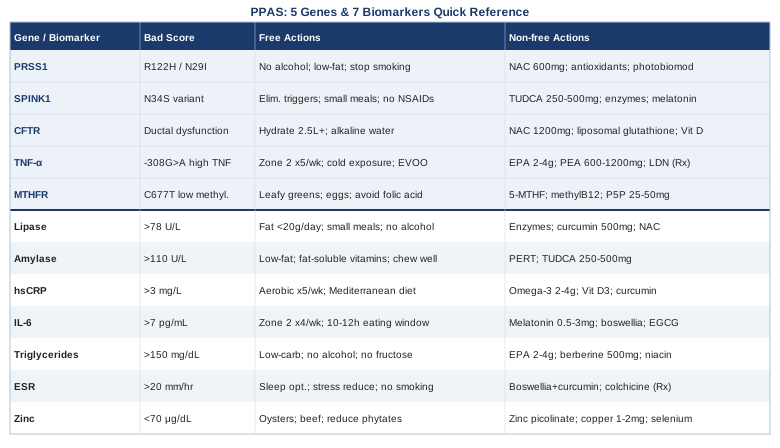
7 Biomarkers That Tell You the Real Story
Biomarkers are the most actionable starting point for managing pancreatic panniculitis-arthropathy. Unlike genetic variants, which are fixed, biomarker levels change in response to diet, lifestyle, treatment, and disease progression. Tracking the right set of markers gives you a dynamic picture — one that can guide real-time decisions rather than after-the-fact reactions.
Biomarker 1: Serum Lipase
Why It Matters for Pancreatic Panniculitis-Arthropathy
Serum lipase is the single most specific pancreatic enzyme in circulation. In pancreatic panniculitis-arthropathy, elevated lipase is not just a diagnostic criterion — it is the mechanism of tissue injury. When lipase leaks from damaged pancreatic acinar cells into the bloodstream and eventually into subcutaneous tissue, it hydrolyzes neutral fat in adipocytes, causing the painful nodules that define panniculitis. Persistently elevated lipase, even at two or three times the upper limit of normal between flares, signals ongoing pancreatic stress that should not be ignored. Research on lipase in pancreatic panniculitis consistently identifies it as the primary driver of skin and joint involvement.
How to Measure It
Lipase is measured via a standard serum blood draw and is included in most comprehensive metabolic panels or can be ordered alone. The normal range is typically 8–78 U/L, though laboratories differ slightly. In active panniculitis, levels are often more than three times the upper limit of normal. In chronic or quiescent disease, even a persistent mild elevation (1.5–2x upper limit) can be significant. Testing costs $15–45 out-of-pocket at most commercial labs, including Quest Diagnostics and LabCorp. Testing frequency during active disease: every 2–4 weeks. During stable periods: every 3 months.
If the Score Is Bad: The Plan Without Supplements
The most powerful non-supplemental intervention for elevated lipase is strict dietary fat reduction during active phases, aiming for less than 20g of fat per day temporarily while the pancreas heals. Small, frequent meals rather than large ones reduce the secretion demand on the pancreas. Complete alcohol elimination is non-negotiable — even a single episode of moderate drinking can trigger a flare in susceptible individuals. Adequate hydration (2.5–3 liters of water daily) supports pancreatic duct flow and reduces the viscosity of pancreatic secretions. Identifying and removing other pharmacological triggers — valproate, azathioprine, corticosteroids, certain antibiotics — in collaboration with your physician is essential.
If the Score Is Bad: The Plan With Supplements or Equipment
Pancreatic digestive enzyme replacement (lipase, amylase, protease combined, such as Creon or plant-based enzyme supplements) can reduce the functional burden on a stressed pancreas by pre-digesting dietary fat before it demands endogenous enzyme secretion. Start at meals, 1 capsule, increasing under guidance. Curcumin (500–1000mg standardized to 95% curcuminoids, with piperine or phospholipid complex for absorption) has demonstrated anti-inflammatory effects on pancreatic tissue in preclinical and early human studies. NAC (N-acetylcysteine) at 600mg twice daily supports glutathione production and reduces oxidative stress on acinar cells — a factor that amplifies lipase leakage. Cycle curcumin: 8 weeks on, 2 weeks off. NAC can be taken continuously unless GI tolerance is an issue.
Biomarker 2: Serum Amylase
Why It Matters for Pancreatic Panniculitis-Arthropathy
Amylase is less specific than lipase (it is produced by salivary glands as well), but it rises faster in acute pancreatic injury and provides a complementary data point. In pancreatic panniculitis-arthropathy, amylase tracking alongside lipase gives a more complete picture of enzyme dynamics — a pattern where amylase normalizes but lipase remains elevated suggests persistent chronic acinar injury rather than resolved acute inflammation. Some patients with chronic forms of the disease may show low amylase due to pancreatic exocrine insufficiency developing over time, a finding that can be missed if only lipase is tracked.
How to Measure It
Serum amylase is a simple blood test, cost $10–35, normal range approximately 30–110 U/L. It should always be ordered alongside lipase for meaningful interpretation. In chronic cases, also consider a fecal elastase-1 test ($50–120) to directly assess pancreatic exocrine function — a low result below 200 μg/g indicates insufficiency that can silently worsen nutritional status and amplify systemic inflammation.
If the Score Is Bad: The Plan Without Supplements
Low-fat, low-glycemic eating reduces amylase demand. For elevated amylase, the same dietary protocol as for lipase applies. For chronically low amylase suggesting exocrine insufficiency, focusing on fat-soluble vitamin repletion through food (eggs, liver, full-fat dairy if tolerated, fatty fish) becomes critical, as malabsorption of vitamins A, D, E, and K is common and worsens the inflammatory picture. Eating mindfully, chewing thoroughly, and avoiding meals within 2 hours of bedtime all reduce acute pancreatic secretion load.
If the Score Is Bad: The Plan With Supplements or Equipment
For chronic exocrine insufficiency (low amylase, low fecal elastase), prescription pancreatic enzyme replacement therapy (PERT) is the evidence-based standard. Over-the-counter plant-based digestive enzymes are a lower-cost complement (not replacement) that can help with day-to-day digestion. TUDCA (tauroursodeoxycholic acid) at 250–500mg with meals has emerging evidence for protecting pancreatic and biliary ductal cells from enzymatic stress. Take with food; cycle every 12 weeks with a 2-week break. Side effects are generally mild (loose stools at higher doses).
Biomarker 3: High-Sensitivity CRP (hsCRP)
Why It Matters for Pancreatic Panniculitis-Arthropathy
hsCRP is the most accessible and widely validated marker of systemic inflammation. In pancreatic panniculitis-arthropathy, it tracks the inflammatory cascade that connects pancreatic enzyme release to the skin and joint manifestations. Peter Attia considers hsCRP below 0.5 mg/L optimal for long-term health; values above 3 mg/L indicate significant ongoing inflammation that is driving tissue damage in multiple systems simultaneously. During a panniculitis or arthropathy flare, hsCRP values above 50–100 mg/L are common. What matters as much as the acute peak, however, is the baseline value between flares — if it never returns below 2 mg/L, chronic inflammation is still active. PubMed: hsCRP and chronic inflammation
How to Measure It
hsCRP requires a specific order (not standard CRP, which is less sensitive at low values). Cost: $15–50. Optimal: below 0.5 mg/L. Acceptable: 0.5–1 mg/L. Concerning: above 3 mg/L. Test every 6–8 weeks when adjusting interventions; every 3 months when stable.
If the Score Is Bad: The Plan Without Supplements
The lifestyle interventions with the strongest evidence for lowering hsCRP are moderate aerobic exercise (30 minutes, 4–5x per week — notably, excessive high-intensity exercise can transiently raise CRP), Mediterranean dietary pattern, weight loss if BMI is above 27, sleep optimization (7–9 hours consistently), and elimination of ultra-processed foods and refined carbohydrates. Cold water immersion (2–5 minutes at 10–15°C, 3x per week) has preliminary data supporting anti-inflammatory effects through vagal nerve activation and norepinephrine release.
If the Score Is Bad: The Plan With Supplements or Equipment
High-dose omega-3 fatty acids (EPA+DHA combined, 2–4g daily from pharmaceutical-grade fish oil) have robust evidence for lowering hsCRP and inflammatory cytokines. Curcumin with piperine 500–1500mg daily. Vitamin D3 (2000–4000 IU daily, targeting serum 25-OH vitamin D above 50 ng/mL) has been associated with reduced hsCRP in multiple trials. Magnesium glycinate 300–400mg nightly supports anti-inflammatory pathways and is often deficient in people with chronic inflammatory disease. Fish oil: continuous use; curcumin: 8 weeks on, 2 off; vitamin D: year-round. Side effects of high-dose fish oil include blood thinning at doses above 3g — discuss with a physician if on anticoagulants.
Biomarker 4: Interleukin-6 (IL-6)
Why It Matters for Pancreatic Panniculitis-Arthropathy
IL-6 is the cytokine that most directly bridges pancreatic inflammation to joint and skin manifestations in this syndrome. When pancreatic acinar cells are injured, they release IL-6 into the circulation, which then activates synoviocytes (causing arthropathy), stimulates adipose tissue inflammation (driving panniculitis), and signals the liver to produce acute phase proteins including CRP and fibrinogen. Measuring IL-6 directly provides a level of resolution that hsCRP alone cannot — it can remain elevated even when CRP normalizes superficially, indicating smoldering immune activation below the threshold that standard labs flag. PubMed: IL-6 and panniculitis-arthropathy
How to Measure It
IL-6 requires a specialized serum test available through commercial labs (LabCorp, Quest, or specialty panels). Cost: $50–150. Normal: below 7 pg/mL; optimal: below 2 pg/mL. Note that IL-6 rises transiently with exercise, so samples should be drawn at rest, ideally 24 hours after any intense physical activity. Testing frequency: quarterly during active disease management.
If the Score Is Bad: The Plan Without Supplements
Zone 2 aerobic exercise (conversational pace, 45–60 minutes, 4x weekly) chronically lowers IL-6 despite acute transient rises — the key is consistency over weeks, not individual sessions. Time-restricted eating (10–12 hour eating window) has preliminary evidence for reducing resting IL-6. Reducing saturated fat intake and increasing oleic acid (olive oil, avocado) shifts macrophage phenotype in adipose tissue from pro-inflammatory M1 to anti-inflammatory M2, lowering IL-6 secretion from fat tissue.
If the Score Is Bad: The Plan With Supplements or Equipment
Melatonin (0.5–3mg at bedtime) has documented IL-6 suppressive effects beyond its sleep role, acting directly on immune cells. Boswellia serrata extract (AKBA-standardized, 200–400mg daily) inhibits leukotriene B4 synthesis and reduces IL-6 in several human trials on inflammatory conditions. EGCG from green tea extract (400–500mg daily, standardized extract) downregulates NF-κB signaling, the key transcription factor driving IL-6 production. Melatonin: nightly, long-term fine; boswellia: 12 weeks on, 4 weeks off; EGCG: avoid on empty stomach (nausea risk at higher doses).
Biomarker 5: Fasting Triglycerides
Why It Matters for Pancreatic Panniculitis-Arthropathy
Hypertriglyceridemia is one of the most important yet underappreciated drivers of recurrent pancreatitis and, by extension, pancreatic panniculitis-arthropathy. When triglycerides exceed 500 mg/dL, the risk of acute pancreatitis rises sharply as excess triglycerides are hydrolyzed by pancreatic lipase within the gland itself, producing cytotoxic free fatty acids. Even at levels between 150–500 mg/dL, chronic low-grade pancreatic stress can perpetuate the enzyme leakage that drives panniculitis and arthropathy. Thomas Dayspring and Allan Sniderman have consistently emphasized that triglycerides are a neglected cardiometabolic biomarker — their relevance extends well beyond heart disease to inflammatory cascade activation. PubMed: hypertriglyceridemia and pancreatitis
How to Measure It
Fasting triglycerides are part of a standard lipid panel. Cost: $15–50, often covered by insurance. Optimal target: below 100 mg/dL (Attia, Dayspring), not simply below 150 as conventional guidelines state. Borderline high: 150–200 mg/dL. High risk for pancreatitis: above 500 mg/dL. Test fasted (12 hours). Frequency: every 3 months if elevated; every 6 months if optimized.
If the Score Is Bad: The Plan Without Supplements
A low-carbohydrate dietary approach is the single most powerful non-pharmacological intervention for elevated triglycerides — reducing refined carbohydrate and sugar intake typically drops triglycerides by 30–50% within 6–8 weeks. Complete alcohol elimination (alcohol preferentially drives hepatic triglyceride synthesis). Aerobic exercise 30+ minutes daily. Fructose elimination (including fruit juice) is particularly impactful since fructose is the primary dietary driver of hepatic de novo lipogenesis. If triglycerides are above 500 mg/dL, consider referral for plasmapheresis or fibrate therapy urgently — the pancreatitis risk at that level is acute.
If the Score Is Bad: The Plan With Supplements or Equipment
High-dose EPA (icosapentaenoic acid) — either pharmaceutical prescription omega-3 (Vascepa/icosapent ethyl, 4g daily) or high-quality fish oil with 2–4g EPA/DHA — can reduce triglycerides by 20–50% in hypertriglyceridemic individuals. Berberine (500mg with meals, 2–3x daily) activates AMPK and PCSK9 pathways, significantly lowering triglycerides with comparable data to mild-dose statins in some trials. Niacin (vitamin B3) at therapeutic doses (500–2000mg extended-release) remains one of the most potent triglyceride-lowering agents available without prescription, but requires gradual dose escalation (flushing side effects) and is contraindicated in active liver disease — use only with physician oversight. Fish oil: continuous; berberine: cycles of 12 weeks with 4-week breaks due to limited long-term safety data.
Biomarker 6: Erythrocyte Sedimentation Rate (ESR)
Why It Matters for Pancreatic Panniculitis-Arthropathy
ESR is a non-specific but highly practical marker of inflammatory burden, particularly useful for tracking the joint component (arthropathy) in this syndrome. While hsCRP reflects the acute phase better, ESR tracks the cumulative inflammatory state over the preceding days and provides information about fibrinogen, immunoglobulins, and other acute phase reactants that CRP does not capture. In rheumatologic management, the combination of CRP and ESR together has better sensitivity for detecting and monitoring inflammatory arthropathy than either alone. A persistently elevated ESR between flares — above 30–40 mm/hr in women or above 20 mm/hr in men — indicates that the immune system is still activated even in the absence of obvious clinical symptoms.
How to Measure It
Simple blood test, cost $10–30. Normal: men below 15 mm/hr; women below 20 mm/hr. Values above 40–50 mm/hr indicate significant inflammatory activity. ESR rises naturally with age, so use age-corrected reference ranges. Test alongside hsCRP for best interpretive value. Frequency: every 6–8 weeks when monitoring response to treatment.
If the Score Is Bad: The Plan Without Supplements
All anti-inflammatory lifestyle interventions that lower hsCRP will also lower ESR, but ESR responds more slowly. Sleep quality optimization is particularly important — fragmented or insufficient sleep independently elevates ESR through cortisol dysregulation and heightened inflammatory signaling. Stress reduction practices (discussed further below) reduce cortisol-mediated immune activation. Smoking cessation, if applicable, can reduce ESR by 20–30% within weeks.
If the Score Is Bad: The Plan With Supplements or Equipment
Boswellia serrata (200–400mg AKBA-standardized) combined with curcumin shows synergistic anti-inflammatory effects in several human arthritis trials and is well-supported for inflammatory joint conditions. Colchicine is a prescription option with good evidence for reducing ESR in crystal-related and neutrophilic inflammatory states — worth discussing with a rheumatologist given that panniculitis often involves neutrophilic infiltration. For equipment: transcutaneous electrical nerve stimulation (TENS) and infrared sauna (3–4 sessions per week, 20 minutes at 65–70°C) have preliminary evidence for reducing systemic inflammation markers including ESR over 8–12 weeks.
Biomarker 7: Serum Zinc
Why It Matters for Pancreatic Panniculitis-Arthropathy
Zinc is rarely mentioned in conventional discussions of pancreatic disease, but it plays a central regulatory role in pancreatic exocrine and endocrine function. The pancreas has one of the highest zinc concentrations of any organ in the body. Zinc is essential for insulin crystallization, for the function of digestive enzyme precursors (zymogens), and for anti-inflammatory signaling through zinc-finger transcription factors. Deficiency — common in people with chronic pancreatitis, malabsorption, or inflammatory disease — worsens oxidative stress in acinar cells, impairs immune resolution of inflammation, and slows wound healing in panniculitis lesions. Several studies have documented zinc deficiency in chronic pancreatitis patients, and it is frequently overlooked in standard lab panels. PubMed: zinc deficiency and pancreatitis
How to Measure It
Serum zinc (or plasma zinc) is the most accessible measurement, cost $30–80. Optimal: 80–120 μg/dL. Below 70 μg/dL indicates deficiency. More accurate: RBC zinc, which reflects tissue stores better than serum levels ($60–120). Also worthwhile: the copper-to-zinc ratio — an optimal ratio is approximately 0.8–1.2; ratios above 1.5 indicate relative copper excess and zinc deficiency with pro-inflammatory consequences. Test every 3 months when supplementing to avoid toxicity.
If the Score Is Bad: The Plan Without Supplements
Dietary zinc repletion: oysters (the highest dietary source by far — one medium oyster contains ~5–6mg), followed by beef, lamb, pumpkin seeds, and hemp seeds. Reducing phytate intake (present in raw grains and legumes) increases zinc absorption — soaking, sprouting, or fermenting grains and legumes reduces phytate content significantly. Addressing any underlying gut malabsorption (a consequence of chronic pancreatitis) is essential, as zinc absorption is intestine-dependent.
If the Score Is Bad: The Plan With Supplements or Equipment
Zinc picolinate or zinc bisglycinate are the best-absorbed forms: 25–50mg elemental zinc daily with food (not on empty stomach — nausea risk). Always balance with copper (1–2mg daily) when supplementing zinc long-term, as high-dose zinc depletes copper. Selenium (100–200mcg as selenomethionine) works synergistically with zinc through the selenoprotein GPx4, protecting pancreatic tissue from lipid peroxidation. Cycling for zinc supplementation: 8 weeks on, 2 weeks off, with re-testing. Do not exceed 40mg zinc daily without monitoring — excess zinc suppresses immune function, the opposite of the intended effect.
The Genetic Layer: 5 Genes Worth Knowing
Biomarkers tell you what is happening right now. Genes tell you why your system is wired the way it is — and where it has structural vulnerabilities that lifestyle changes and targeted interventions can meaningfully offset. For pancreatic panniculitis-arthropathy, genetic susceptibility tends to cluster around enzyme regulation, inflammatory amplification, and cellular repair pathways. None of the variants below are destiny; each represents a probability shift that becomes relevant when combined with environmental triggers. Understanding your profile allows you to remove triggers more precisely and to support compensatory pathways before they fail.
Gene 1: PRSS1 — The Trypsin Activation Gene
What This Gene Does
PRSS1 encodes cationic trypsinogen, the most abundant form of trypsin precursor secreted by pancreatic acinar cells. Under normal conditions, trypsin is only activated in the duodenum by enteropeptidase. Gain-of-function mutations in PRSS1 — most notably R122H and N29I — cause premature trypsinogen autoactivation within the pancreatic gland itself, triggering autodigestion, chronic inflammation, and eventually recurrent pancreatitis. This is the primary genetic driver of hereditary pancreatitis, which carries significant risk for panniculitis-arthropathy development. Carriers have a markedly elevated lifetime risk of pancreatic injury even without the typical environmental triggers. PubMed: PRSS1 mutations and hereditary pancreatitis
If the Gene Is Bad: The Plan Without Supplements
Absolute alcohol avoidance — unlike the general population where moderate alcohol carries modest risk, PRSS1 carriers have significantly amplified pancreatic injury from even small amounts. Strict low-fat diet during high-risk periods (illness, travel, stress) reduces acinar cell activation demand. Regular monitoring — serum lipase and amylase every 3 months, even asymptomatically. Smoking cessation is imperative — smoking doubles the risk of PRSS1-related pancreatitis progression to chronic disease. Genetic counseling for first-degree relatives, particularly for the R122H variant which has nearly 80% penetrance.
If the Score Is Bad: The Plan With Supplements or Equipment
Antioxidant combination therapy has the strongest evidence base for PRSS1-related chronic pancreatitis: selenium (200mcg), vitamin C (500mg twice daily), vitamin E as mixed tocopherols (270mg), methionine (2g), and beta-carotene (9mg) — a combination used in the ANTICIPATE trial for recurrent pancreatitis with meaningful reduction in pain episodes. NAC (600mg twice daily) specifically increases intracellular glutathione in acinar cells, protecting against oxidative trypsin activation. Consider infrared light (photobiomodulation) therapy to the epigastric region: preliminary evidence suggests it reduces local oxidative stress in pancreatic tissue via cytochrome c oxidase activation.
Gene 2: SPINK1 — The Trypsin Inhibitor
What This Gene Does
SPINK1 encodes the pancreatic secretory trypsin inhibitor (PSTI), which acts as a first-line defense against premature trypsin activation within the gland. The N34S variant (the most common pathogenic variant) reduces SPINK1 expression and function, leaving the pancreas less protected against autodigestion. Unlike PRSS1, SPINK1 N34S is generally considered a disease modifier rather than a causative mutation — it dramatically increases the susceptibility to pancreatitis from other triggers (alcohol, high-fat diet, ductal obstruction) rather than causing disease on its own. Its prevalence in patients with chronic pancreatitis is approximately 20–25%, versus 2% in the general population. PubMed: SPINK1 N34S and pancreatitis
If the Gene Is Bad: The Plan Without Supplements
Because SPINK1 increases environmental sensitivity, the primary strategy is aggressive trigger elimination: alcohol, high saturated-fat meals, smoking, and NSAID use (NSAIDs can impair pancreatic blood flow). Eating smaller, more frequent meals (5–6 small meals rather than 2–3 large ones) reduces peak acinar activation. Managing hypertriglyceridemia aggressively (see biomarker section) is especially important in SPINK1 carriers, as triglyceride-induced pancreatitis risk is synergistically amplified.
If the Score Is Bad: The Plan With Supplements or Equipment
TUDCA (tauroursodeoxycholic acid) 250–500mg with meals has been studied for its ability to reduce endoplasmic reticulum (ER) stress in acinar cells — ER stress is a key mechanism by which SPINK1 deficiency leads to cell injury. Digestive enzyme supplementation with meals reduces the secretory demand on an already vulnerable gland. Melatonin 3–5mg nightly (not just for sleep) — there is direct evidence that melatonin upregulates SPINK1 expression in pancreatic tissue through its antioxidant and mitochondrial protective effects in preclinical models, making it particularly relevant for this gene. TUDCA: 12-week cycles with 4-week breaks.
Gene 3: CFTR — The Ductal Flow Gene
What This Gene Does
The CFTR (cystic fibrosis transmembrane conductance regulator) gene encodes an ion channel that regulates chloride and bicarbonate secretion from pancreatic ductal cells. In full cystic fibrosis mutations, this leads to thick secretions and pancreatic insufficiency. But at the level of single-copy or mild compound heterozygous CFTR variants — increasingly recognized as "CFTR-related disorder" — the effect is subtler: reduced ductal bicarbonate secretion creates a more acidic pancreatic environment that favors trypsinogen misfolding and premature activation. CFTR variants are found in approximately 20–30% of idiopathic chronic pancreatitis patients. PubMed: CFTR and idiopathic pancreatitis
If the Gene Is Bad: The Plan Without Supplements
Aggressive hydration — CFTR-related ductal dysfunction is worsened by dehydration, which further concentrates and acidifies ductal secretions. Target 2.5–3 liters of water daily. Bicarbonate-buffering alkaline water (pH 8+) or adding a pinch of baking soda to water has theoretical but unproven benefit for ductal pH. Avoiding dry environments and maintaining optimal ambient humidity (40–60%) reduces the general mucus-viscosity burden across secretory epithelia. Any respiratory symptoms should be evaluated separately, as CFTR variants affect lung secretions similarly.
If the Score Is Bad: The Plan With Supplements or Equipment
NAC at 600–1200mg daily has the strongest mucolytic and secretion-thinning evidence, directly relevant to ductal CFTR function. Glutathione (liposomal form, 500mg daily) is depleted in CFTR dysfunction and its restoration supports epithelial redox balance. Magnesium glycinate 400mg nightly supports CFTR channel gating through its role in ATP-dependent channel opening. Importantly, vitamin D optimization (target above 60 ng/mL) upregulates CFTR expression in ductal epithelium — this is one of the strongest gene-supplement interactions in pancreatic biology. NAC: continuous at lower doses; glutathione: 8-week cycles.
Gene 4: TNF-α — The Inflammatory Amplifier
What This Gene Does
TNF-α (tumor necrosis factor-alpha) is a master regulator of the acute inflammatory response, and the -308G>A promoter polymorphism (rs1800629) is one of the most studied inflammatory genetic variants. Carriers of the A allele (-308A, GA or AA genotype) have substantially higher TNF-α transcription rates in response to immune stimuli — meaning the same injury or infection triggers a more intense inflammatory cascade. In the context of pancreatic panniculitis-arthropathy, this variant can explain why some individuals have dramatically worse arthropathy (joint destruction, prolonged swelling) and more extensive panniculitis lesions compared to patients with similar underlying pancreatic disease. The TNF-α connection also explains why some patients respond well to anti-TNF biologic therapies in refractory cases. PubMed: TNF-α -308 polymorphism and inflammation
If the Gene Is Bad: The Plan Without Supplements
The lifestyle practice with the most consistent evidence for reducing TNF-α signaling (not just downstream CRP) is progressive aerobic conditioning — specifically Zone 2 training, 45+ minutes, 5x weekly for at least 12 weeks. Cold exposure (10–15°C water immersion, 3–5 minutes, 3–4x weekly) activates the sympathoadrenal axis and norepinephrine release, which directly suppresses macrophage TNF-α production through beta-3 adrenergic receptor signaling — Huberman has covered this mechanism in detail. A diet high in oleocanthal (found specifically in high-polyphenol extra virgin olive oil) non-selectively inhibits COX-1/2 and modulates TNF-α in a manner analogous to low-dose ibuprofen.
If the Score Is Bad: The Plan With Supplements or Equipment
Fish oil EPA (2–4g daily) competes with arachidonic acid for COX enzymes, directly reducing TNF-α-driven eicosanoid production. Palmitoylethanolamide (PEA) at 600–1200mg daily is an endogenous lipid mediator with documented TNF-α suppression in human studies on inflammatory pain and dermatological inflammation — particularly relevant for panniculitis. Low-dose naltrexone (LDN) at 1.5–4.5mg nightly (prescription required) has emerging clinical evidence for reducing TNF-α and IL-6 in inflammatory and autoimmune conditions, acting via Toll-like receptor 4 modulation — worth discussing with a physician given the TNF-α genetic predisposition. PEA: 12-week cycles; LDN: requires medical supervision; no significant drug interactions at low doses.
Gene 5: MTHFR — The Methylation and Resolution Gene
What This Gene Does
MTHFR (methylenetetrahydrofolate reductase) is the most commonly tested methylation gene. The C677T (rs1801133) and A1298C (rs1801131) variants reduce the enzyme's ability to convert folate into its active form (5-MTHF), impairing the methylation cycle. Reduced methylation capacity has downstream consequences that are relevant to inflammatory conditions: impaired synthesis of the anti-inflammatory phospholipid phosphatidylcholine, elevated homocysteine (independently inflammatory and pro-thrombotic), reduced glutathione production, and impaired resolution of inflammation through specialized pro-resolving mediators (SPMs). In PPAS, homocysteine elevation — a common consequence of MTHFR dysfunction — is particularly relevant because it directly activates NF-κB, amplifying the same inflammatory pathway that PRSS1 and TNF-α variants also upregulate. PubMed: MTHFR C677T homocysteine and inflammation
If the Gene Is Bad: The Plan Without Supplements
Dietary folate from food (not folic acid, which requires conversion via the impaired MTHFR enzyme) is the first-line approach: dark leafy greens (spinach, arugula, romaine lettuce), lentils, asparagus, and avocado are rich in natural 5-MTHF. Choline from eggs (2–4 whole eggs daily if tolerated) supports phosphatidylcholine synthesis via an alternate methylation-independent pathway. Avoiding folic acid fortification (common in processed grain products) is increasingly recommended for homozygous C677T carriers, as unmetabolized folic acid can paradoxically impair MTHFR function further.
If the Score Is Bad: The Plan With Supplements or Equipment
Methylfolate (5-MTHF, 400–800mcg daily) bypasses the impaired MTHFR enzyme and directly replenishes the active form. Methylcobalamin (B12, 1000mcg sublingual) works in tandem with methylfolate in the homocysteine remethylation cycle. Pyridoxal-5-phosphate (P5P, the active B6, 25–50mg daily) supports transsulfuration, the other pathway for homocysteine clearance into glutathione and cysteine. Targeting serum homocysteine below 10 μmol/L (ideally below 7) is the functional goal. Check homocysteine before and after 8–12 weeks of supplementation to confirm response. Note: in a minority of individuals with MTHFR variants, methylfolate can cause anxiety or irritability at higher doses — start low and titrate. Riboflavin (B2) at 400mg daily specifically stabilizes the TT variant of MTHFR, and has clinical trial evidence for reducing homocysteine in TT homozygotes independent of folate supplementation.
What Peter Attia's Outlive Gets Right About Inflammatory Disease
Outlive: The Science and Art of Longevity by Peter Attia (2023) is not a book about rare inflammatory conditions, but it contains some of the most paradigm-shifting thinking currently available about how chronic disease develops — and how to intercept it early. Several of its core insights apply directly and powerfully to the management of pancreatic panniculitis-arthropathy.
1. The Distinction Between Medicine 2.0 and Medicine 3.0
Attia argues that conventional medicine ("Medicine 2.0") waits for disease to declare itself, then treats it. "Medicine 3.0" identifies risk trajectories decades earlier and intervenes before damage accumulates. For PPAS, this means tracking lipase, hsCRP, triglycerides, and IL-6 between flares — not just during them. A persistently elevated lipase at 1.5x normal during remission is a warning that conventional medicine often ignores. Attia would treat it as a signal requiring action.
2. The Five Tactics of Longevity Medicine Applied to Inflammation
Attia's five pillars — exercise, nutrition, sleep, stress management, and drugs/supplements when appropriate — are not generic wellness advice in his framing; they are specific interventions with defined doses. For PPAS, Zone 2 aerobic exercise (not high-intensity) is the most evidence-supported anti-inflammatory intervention across all five pillars, consistently reducing every biomarker discussed in this article when practiced at 3–4 hours per week.
3. Triglycerides as an Underestimated Danger Signal
Attia and Thomas Dayspring have consistently argued that the conventional triglyceride threshold of 150 mg/dL is dangerously permissive. At 150 mg/dL, residual lipoprotein particles (VLDL remnants) are already elevated and contributing to systemic inflammation. For PPAS patients, Attia's target of below 100 mg/dL fasting triglycerides is not aggressive — it is appropriate.
4. Sleep as the Master Regulator of Inflammation Resolution
Attia dedicates an entire chapter to sleep quality, noting that chronic sleep fragmentation (even without total deprivation) raises IL-6, CRP, and TNF-α through HPA axis dysregulation. For PPAS patients, 7–9 hours of high-quality sleep, measured objectively if possible (sleep trackers like Oura Ring provide useful data), is not optional — it is one of the most powerful anti-inflammatory interventions available.
5. The Relationship Between Visceral Adiposity and Pancreatic Inflammation
Visceral fat is itself an endocrine organ secreting IL-6, TNF-α, and leptin — directly amplifying the inflammatory state that drives PPAS flares. Attia's approach measures visceral adiposity via DEXA scan (not just BMI, which is inadequate), targeting visceral fat index in the lowest quartile. Even a 10% reduction in visceral fat produces measurable drops in systemic inflammatory markers within 8–12 weeks.
6. Alcohol's Outsized Role in Metabolic Inflammation
Attia is unusually clear in Outlive that the evidence for "safe" alcohol consumption has been significantly overstated by studies with methodological flaws (the "sick quitter" confound). For anyone with a pancreatic vulnerability — which PPAS categorically is — Attia's position is that no level of alcohol is neutral. The hepatic triglyceride synthesis and direct acinar cell toxicity of even moderate alcohol are not acceptable risks in this context.
7. The Limits of Standard Lipid Panels
Both Attia and Dayspring argue that a standard lipid panel is insufficient for assessing metabolic inflammation risk. For PPAS patients, adding ApoB (the most accurate measure of atherogenic particle count) and Lp(a) provides clinically relevant information about why some patients have accelerated vascular and inflammatory co-morbidities alongside their pancreatic disease.
8. Continuous Glucose Monitoring as an Inflammation Proxy
Glycemic variability — large swings in blood glucose throughout the day — activates NF-κB and drives inflammatory cytokine production independent of average glucose level. Attia recommends CGM (continuous glucose monitoring) for a 2-week diagnostic period even in non-diabetic patients to identify post-prandial glucose spikes (above 140 mg/dL) that drive subclinical inflammation. This is particularly important for PPAS patients with any degree of pancreatic exocrine or endocrine insufficiency.
9. Strength Training as an Anti-Inflammatory Medicine
Beyond Zone 2 cardio, Attia emphasizes that resistance training (2–3 sessions per week) builds muscle mass, which functions as a metabolic sink for glucose and lipids — reducing the substrate available for inflammatory triglyceride synthesis and lowering post-prandial insulin spikes. For PPAS patients, even moderate resistance training during remission phases provides measurable anti-inflammatory benefit.
10. The Non-Negotiable Value of a Proactive Lab Protocol
Attia's most actionable recommendation for anyone with a chronic inflammatory condition is to establish a quarterly biomarker panel with trend tracking rather than single-point measurements. A lipase reading of 95 U/L means something very different if it was 45 three months ago versus if it has been 95 for two years. Trend is the signal; single values are often noise.
Complementary and Alternative Approaches With Meaningful Evidence
For a condition as systemic as pancreatic panniculitis-arthropathy, standard pharmacological treatment often manages acute flares without fully addressing the chronic inflammatory environment that drives recurrence. Several evidence-based complementary modalities offer meaningful additional benefit when selected carefully.
The Autoimmune Protocol (Sarah Ballantyne)
Pancreatic panniculitis-arthropathy involves immune dysregulation that shares mechanistic features with autoimmune disease — abnormal cytokine patterns, inappropriate tissue targeting, and chronic low-grade immune activation. Sarah Ballantyne's Autoimmune Protocol (AIP), detailed in The Paleo Approach, is an elimination-reintroduction dietary strategy designed to reduce intestinal permeability, rebalance immune cell populations (Th1/Th2/Th17/Treg), and identify food triggers that perpetuate systemic inflammation.
The AIP eliminates grains, legumes, dairy, eggs, nightshades, nuts, seeds, alcohol, and refined foods for 30–90 days, then systematically reintroduces categories to identify individual triggers. In a pilot clinical study on inflammatory bowel disease, participants showed significant reductions in clinical disease activity scores and inflammatory markers — evidence that the protocol's mechanisms extend beyond IBD to inflammatory conditions generally.
For PPAS patients, AIP is particularly practical because it simultaneously removes the most common dietary triggers for pancreatic stress (refined fats, alcohol, processed foods) while optimizing anti-inflammatory nutrient density. Start with a supervised 30-day elimination phase; reintroduce one food category every 5–7 days with symptom and biomarker monitoring. Work with a registered dietitian familiar with AIP, as the protocol requires careful nutritional planning to prevent deficiencies.
Mindfulness Meditation and MBSR
Pain from panniculitis lesions and joint inflammation in PPAS is not only a physical but also a psychoneuroimmunological phenomenon — the central nervous system's perception and response to pain actively modulates peripheral inflammation through the HPA axis and sympathetic nervous system. Mindfulness-Based Stress Reduction (MBSR), the structured 8-week program developed by Jon Kabat-Zinn, addresses this connection directly.
A randomized controlled trial published in Psychoneuroendocrinology demonstrated that MBSR participants showed significantly greater reductions in IL-6 and CRP compared to controls after 8 weeks, independent of medication changes. The mechanism involves reduced cortisol reactivity and re-regulation of NF-κB-driven inflammatory gene expression.
A practical starting point: 20–30 minutes of guided body scan or breath-focused meditation daily, using a validated app (Insight Timer, Waking Up, or the MBSR curriculum available through Palouse Mindfulness for free). The standard 8-week MBSR course is the evidence-based protocol; informal mindfulness practice outside sessions amplifies benefit. For PPAS, prioritize practices that reduce pain catastrophizing — a well-documented amplifier of inflammatory perception.
Low-Level Laser Therapy and Photobiomodulation
Photobiomodulation (PBM) — the therapeutic use of red and near-infrared light — has accumulated meaningful evidence for both local tissue healing and systemic anti-inflammatory effects. For PPAS, its relevance is two-fold: local application over panniculitis lesions may accelerate resolution of fat necrosis by promoting macrophage-driven tissue remodeling, while systemic near-infrared protocols may reduce circulating inflammatory cytokines through mitochondrial cytochrome c oxidase activation.
A meta-analysis of photobiomodulation trials found consistent reductions in TNF-α and IL-6 with red (630–670nm) and near-infrared (810–850nm) wavelengths applied at 4–6 J/cm² dose. Inflammatory arthropathy studies using PBM show comparable or superior outcomes to NSAIDs for joint inflammation without systemic side effects.
For PPAS: use a panel or handheld red/NIR device with 660nm (red) and 850nm (near-infrared) diodes. Apply to panniculitis lesions at 4–6 J/cm² for 3–5 minutes per lesion, daily during active flares, 3x weekly during maintenance. For joint inflammation, apply to the periarticular region. Do not apply over suspected malignant lesions without physician clearance — relevant in PPAS cases secondary to pancreatic cancer. Devices range from $150 (consumer handheld) to $1000+ (medical-grade panels).
Microbiome-Directed Therapies
The gut-pancreas axis is bidirectional: pancreatic exocrine insufficiency alters gut microbiota composition by reducing the digestive enzyme supply to the intestinal lumen, promoting dysbiosis; conversely, dysbiosis increases intestinal permeability and bacterial translocation, which directly activates pancreatic stellate cells and inflammatory cascades. Microbiome-directed therapies target this axis to interrupt the cycle.
Research documenting dysbiosis in chronic pancreatitis patients shows reduced populations of short-chain fatty acid (SCFA)-producing bacteria (Faecalibacterium prausnitzii, Bifidobacterium) and increased intestinal permeability markers (zonulin, LPS) in parallel with inflammatory disease activity. Restoration of microbial diversity is associated with reduced systemic inflammation.
Practical protocol: begin with soluble fermentable fiber (inulin, PHGG, partially hydrolyzed guar gum) at low doses (2–5g daily), gradually increasing to 10–15g daily to avoid gas and bloating. Add a multi-strain probiotic containing Lactobacillus rhamnosus, Bifidobacterium longum, and Saccharomyces boulardii — the last particularly useful during and after antibiotic exposure. Note that high-dose probiotic use in the context of severe acute pancreatitis has been associated with increased complications in one major Dutch trial — restrict probiotic use to remission phases and avoid during acute flares.
Chinese Herbal Medicine
Several compounds in Chinese herbal medicine have been studied at the mechanistic level for their effects on pancreatic inflammation, and a small number have meaningful human clinical evidence. Da Cheng Qi Tang (a formula containing rhubarb root/Da Huang as primary constituent) has been studied in Chinese clinical trials for acute and recurrent pancreatitis, with meta-analyses suggesting reduced levels of inflammatory biomarkers and faster clinical recovery when added to standard care.
A 2020 systematic review in a peer-reviewed gastroenterology journal analyzed 14 randomized trials using rhubarb-based Chinese herbal formulas in acute pancreatitis, finding significant reductions in CRP, amylase, and lipase duration compared to conventional treatment alone. The proposed mechanisms include direct pancreatic anti-inflammatory effects, reduced intestinal bacterial translocation, and improved gut motility.
For PPAS, Chinese herbal medicine should be approached only under the guidance of a licensed TCM practitioner with gastroenterological experience, and formulas must be checked for herb-drug interactions with any medications being taken. The most accessible individual herb is berberine (already discussed under triglycerides) — it originates from the Chinese herb Coptis chinensis and has the strongest evidence base among TCM-derived compounds for metabolic and inflammatory conditions relevant to PPAS. Da Huang (rhubarb) preparations are not self-medicable at therapeutic doses due to anthraquinone content and laxative potency; seek professional guidance for formula-based use.
Conclusion
Pancreatic panniculitis-arthropathy is a condition that sits at the intersection of several systems, which means it responds — positively or negatively — to decisions made across several systems simultaneously. The most important takeaway from this article is that your specific biology matters more than a generic management protocol. The seven biomarkers covered here — lipase, amylase, hsCRP, IL-6, triglycerides, ESR, and zinc — each tell a distinct part of the story of what is driving your inflammation, and together they give you and your clinical team a map of where to intervene most precisely. The five genes — PRSS1, SPINK1, CFTR, TNF-α, and MTHFR — help explain why your pancreatic system has the vulnerabilities it does, and they point toward targeted compensatory strategies that go beyond avoiding obvious triggers.
None of this is about replacing your medical care. It is about becoming an informed partner in that care — arriving at appointments with data, asking better questions, and understanding why specific interventions make mechanistic sense for your situation. The next smart step is a straightforward one: review your most recent labs to see which of the seven biomarkers you have not yet measured, identify any gaps in your genetic testing if accessible, and bring this framework to your next appointment. Small, precise improvements in multiple systems compound over time. Better information, consistently applied, leads to better outcomes — not dramatically, not overnight, but reliably.
Musculoskeletal: Joint Conditions
Digestive: Pancreatic Conditions
Skin: Inflammatory Skin Conditions
Autoimmune: Inflammatory Conditions