This article contains AI generated content.
· UpdatedPAPA Syndrome Genes and Biomarkers: 4 Genes and 6 Biomarkers to Track
When a Rare Diagnosis Leaves More Questions Than Answers
Being told you have PAPA syndrome — or spending years working toward that diagnosis — places you in unusual clinical territory. The condition is rare enough that most primary care physicians have never encountered it. Rheumatologists and dermatologists may treat individual symptoms without connecting them to a single underlying mechanism. If you have spent time being managed for joint disease, skin ulcers, and severe acne as three separate problems before anyone named the triad, that experience is more common than the medical literature suggests.
PAPA stands for Pyogenic Arthritis, Pyoderma gangrenosum, and Acne. What makes it distinct from other inflammatory conditions is that all three features share a single molecular origin: a hyperactivated innate immune pathway that produces excessive IL-1β, the most potent short-range inflammatory cytokine the body generates. The standard clinical response — biologics, colchicine, corticosteroids — targets the output of this pathway. What it rarely addresses is why the pathway misfires, how severely it is firing right now, or what environmental and metabolic factors are amplifying it in your specific case.
That gap is where genetics and biomarker tracking become genuinely useful tools — not as replacements for medical care, but as an additional layer of precision. Identifying which genetic variants you carry explains the mechanism. Tracking specific biomarkers over time gives you a real-time read on inflammatory activity, flare risk, and early warning of serious complications before they fully develop.
This article covers both of those tools in depth. The first major section examines the four genes most relevant to PAPA syndrome — including what specific mutations do, how they interact, and what evidence-based approaches with and without supplements may support each pathway. From there, six trackable biomarkers are covered with measurement guidance and action plans. A third section distills the most important and often overlooked insights from inflammasome research that challenge how most physicians currently approach autoinflammatory disease. Finally, a set of complementary approaches with real human clinical evidence rounds out the picture. Each section is meant to give you something actionable, not just informative.
Summary
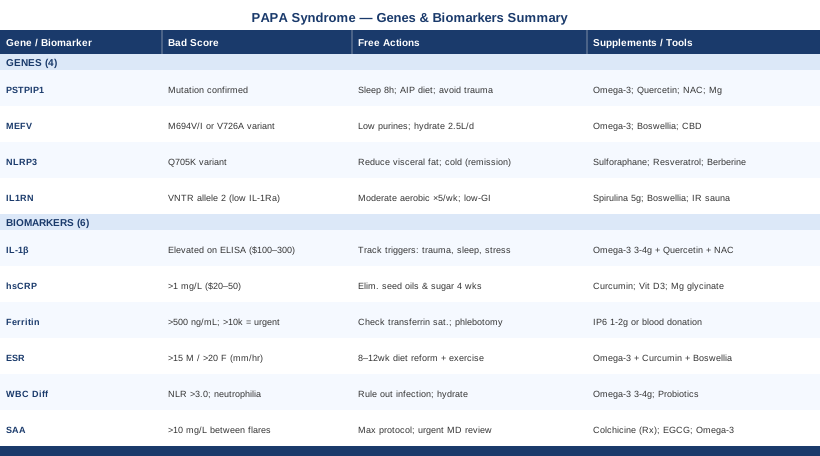
PAPA syndrome is driven by specific mutations across four genes — PSTPIP1, MEFV, NLRP3, and IL1RN — that together determine whether your inflammasome fires appropriately or enters chronic, damaging overactivation. Understanding which variants you carry explains phenotype severity, why flares are triggered by certain events, and why some patients respond dramatically to anakinra while others need higher doses or different biologics.
Beyond the genetic blueprint, six biomarkers — IL-1β, high-sensitivity CRP, ferritin, ESR, white blood cell differential, and serum amyloid A — tell you where inflammation currently stands. One of them, SAA, screens for the most serious long-term complication of untreated PAPA: amyloidosis.
This article breaks down each gene with actionable plans both with and without supplements, including specific dosing, cycling protocols, and side effect profiles. The biomarker section provides cost ranges and interpretation guidance. After that, a deep look at the ten most impactful insights from inflammasome research — many of which are not yet standard in clinical practice — offers a framework that goes beyond reactive treatment. Complementary approaches with genuine human clinical evidence, including the Autoimmune Protocol developed by Dr. Sarah Ballantyne, close the article with practical options that integrate alongside medical management.
If you have been managing PAPA by reacting to flares rather than tracking what drives them, this article offers a more systematic way forward.
What Your Genes Are Really Saying: The Molecular Roots of PAPA Syndrome
Understanding PAPA syndrome at the genetic level is not an academic exercise. This condition is, at its core, a genetic disorder of innate immune regulation. Unlike many inflammatory conditions where lifestyle accounts for the majority of variance, PAPA begins with a specific error in the genetic code that governs the body's most powerful sterile alarm pathway — the inflammasome. Identifying which variants are present, how they interact, and what they each do mechanistically changes how management decisions get made.
Researchers working in precision genomics, including Ali Torkamani at Scripps Research Institute, have argued that genetic variants should never be read in isolation. Each gene contributes part of the inflammatory burden. What matters clinically is the combination — which pathways are compromised, which remain intact, and what dietary, lifestyle, or supplemental interventions have documented effects on the relevant molecular targets. That is the framework applied here.
One important clarification before diving in: for gain-of-function mutations like those in PSTPIP1, the goal is not to "fix" the gene — that is not currently possible outside of gene therapy research. The goal is to understand and modulate the downstream consequences of that mutation. MedlinePlus provides a clinical overview of PAPA syndrome's genetic basis for additional reference.
Gene 1: PSTPIP1 — The Master Switch Behind the Triad
PSTPIP1 (Proline-Serine-Threonine Phosphatase Interacting Protein 1, also known as CD2BP1) is the primary causal gene in PAPA syndrome. Located on chromosome 15q24–q25.1, it encodes a cytoskeletal scaffolding protein with a single critical function in immune regulation: binding pyrin (the protein encoded by MEFV) and keeping the pyrin inflammasome in a resting, non-activated state.
In healthy immune cells, this interaction is precisely calibrated. PSTPIP1 forms a complex with pyrin that holds the inflammasome components apart, preventing the spontaneous assembly that would trigger caspase-1 activation and IL-1β release. When PSTPIP1 carries a pathogenic mutation — most commonly A230T, E250Q, or E250K — this regulatory complex is disrupted. The mutant protein does not simply fail to hold pyrin in check; it hyperactivates the pyrin inflammasome, leading to constitutive caspase-1 activation and excessive processing of pro-IL-1β and pro-IL-18 into their active forms.
This is the molecular event that drives all three features of the syndrome. IL-1β in joint spaces causes the neutrophilic infiltration and sterile pyogenic arthritis. IL-1β and downstream cytokine signaling in the dermis triggers the ulcerative skin lesions of pyoderma gangrenosum. The severe cystic acne arises through inflammasome-mediated sebaceous gland inflammation amplified by IL-1β. Three anatomical targets, one molecular driver.
The mutations are inherited in an autosomal dominant pattern — a single pathogenic copy is sufficient to cause disease. This is relevant both for diagnosis and for understanding why first-degree relatives have a fifty percent risk of inheriting the condition.
If the PSTPIP1 gene is mutated — the plan without supplements
Because this is a gain-of-function mutation, the gene itself cannot be corrected through lifestyle. The goal is to systematically reduce the environmental and metabolic inputs that compound the genetically elevated inflammasome baseline.
Trigger avoidance is the most powerful available non-pharmacological tool. Physical trauma — including minor injury — is a well-documented flare initiator for pyogenic arthritis, particularly in the first two decades of life. Contact sports, high-impact activities, and repetitive joint stress should be assessed honestly given current disease activity. During remission phases, gentle low-impact movement (walking, swimming, cycling) is appropriate and beneficial.
Sleep optimization deserves emphasis beyond general health advice. Human studies using whole-blood gene expression analysis have demonstrated that a single night of sleep deprivation measurably increases IL-1β and NLRP3 inflammasome-associated gene expression the following day. For a patient with a PSTPIP1 mutation, this is a specific genetic-to-molecular pathway: poor sleep adds inflammasome activation signal on top of the genetically elevated baseline. Consistent 7-9 hours in a cool, dark environment should be treated as a therapeutic intervention with a documented molecular rationale, not a lifestyle preference.
Anti-inflammatory dietary pattern: eliminating ultra-processed foods, refined vegetable oils high in linoleic acid, and added sugars removes the primary metabolic inflammasome activators. Linoleic acid metabolites are direct NLRP3 and pyrin inflammasome priming signals in human macrophage studies. A Mediterranean dietary pattern or Autoimmune Protocol (AIP) provides the most consistent anti-inflammatory dietary framework with human clinical evidence backing.
Psychological stress management: chronic stress activates the NF-κB transcription pathway through glucocorticoid resistance, directly upregulating pro-IL-1β gene expression independent of immune stimulation. Structured stress reduction — breathwork, MBSR, or cognitive behavioral approaches — is not a soft recommendation but a targeted intervention for a documented molecular pathway.
If the PSTPIP1 gene is mutated — the plan with supplements or equipment
The following supplements have human evidence — from clinical trials, human cell studies, or replication across multiple human inflammatory condition studies — for modulating pyrin or NLRP3 inflammasome activity. None replace medical treatment; patients on anakinra, canakinumab, or colchicine should discuss additions with their rheumatologist before starting.
Omega-3 fatty acids (EPA + DHA): 2,000–4,000 mg/day of combined EPA and DHA from high-quality fish oil or algae-derived DHA/EPA. Omega-3s inhibit NLRP3 inflammasome activation through multiple documented mechanisms including GPR120 receptor signaling on macrophages, reduced arachidonic acid availability for pro-inflammatory eicosanoid synthesis, and generation of specialized pro-resolving mediators (SPMs). This is among the most replicated anti-inflammatory interventions in human clinical trials across multiple inflammatory conditions. Frequency: daily, continuous use. Side effects: mild fishy aftertaste (reduce with enteric-coated form or freezing capsules), loose stools at high doses, mild effect on platelet function — relevant if on anticoagulants.
Quercetin: 500–1,000 mg/day with meals. Quercetin directly inhibits NLRP3 inflammasome assembly by preventing the interaction of NLRP3 with ASC, reducing caspase-1 activation and IL-1β secretion in human macrophage and monocyte studies. A flavonoid widely studied for its immunomodulatory effects. Cycling: 8 weeks on, 2 weeks off, to prevent CYP enzyme saturation and allow recovery. Side effects: generally well tolerated; mild GI upset possible; theoretical interactions with CYP3A4-metabolized medications.
Curcumin (BCM-95 or Meriva phospholipid form): 500–1,000 mg/day with food. Curcumin inhibits NF-κB transcription, reducing pro-IL-1β mRNA expression upstream of inflammasome cleavage, and independently inhibits caspase-1. Standard curcumin powder has poor bioavailability — phospholipid-complexed or piperine-enhanced formulations are required for plasma concentrations sufficient to have biological effect. Cycling: 12 weeks on, 4 weeks off. Side effects: well-tolerated at standard doses; may mildly affect warfarin activity at high doses; avoid in gallstone disease.
N-Acetyl Cysteine (NAC): 600–1,200 mg/day in divided doses. Reactive oxygen species (ROS) — particularly mitochondrial ROS — serve as a key activation signal for pyrin and NLRP3 inflammasome assembly. NAC increases intracellular glutathione, directly reducing this ROS activation signal. Human studies in chronic inflammatory conditions show measurable reductions in IL-1β and inflammatory markers with regular NAC supplementation. Cycling: 5 days on, 2 days off weekly. Side effects: sulfurous odor, occasional nausea on an empty stomach; take with food.
Magnesium glycinate: 200–400 mg before bed. Magnesium deficiency has been shown in human studies to directly activate NLRP3 through calcium channel dysregulation — a mechanism where the normally low intracellular calcium that keeps inflammasome components inactive is disrupted. Magnesium supplementation at physiological doses is safe, well-supported, and addresses a prevalent deficiency (estimated at 45–60% of the general population). Side effects: loose stools at higher doses (glycinate form is less laxative than oxide or citrate); avoid oxide form.
Vitamin D3 with K2: optimize serum 25-OH vitamin D to 40–60 ng/mL. Vitamin D3 inhibits inflammasome activation through VDR receptor signaling in immune cells and modulates the ratio of Th1/Th2 and regulatory T cell activity. Deficiency is common in autoinflammatory disease patients and is independently associated with worse inflammatory outcomes. Test serum 25-OH vitamin D before supplementing; typical maintenance dose: 2,000–5,000 IU/day D3 with 90–200 mcg MK-7 form K2 to ensure proper calcium routing. Side effects: excess supplementation without monitoring can cause hypercalcemia — test every 6 months.
Gene 2: MEFV — When the Inflammasome's Partner Protein Is Also Compromised
MEFV encodes pyrin (also called marenostrin), the exact protein that PSTPIP1 regulates. In PAPA syndrome, MEFV variants act as disease severity modifiers rather than primary causes. Patients who carry both a pathogenic PSTPIP1 mutation and a heterozygous MEFV variant typically show more severe phenotypes, earlier age of onset, or a larger number of affected systems compared to those with PSTPIP1 mutations alone.
The most clinically relevant MEFV modifier variants are M694V (the strongest FMF-associated mutation in homozygous form), M694I, V726A, and the common variant E148Q (more disputed but plausible as a modifier). In two-mutation form, these cause Familial Mediterranean Fever. As single heterozygous variants in a PAPA patient, they appear to reduce the stability of the PSTPIP1–pyrin regulatory complex, compounding the PSTPIP1 gain-of-function effect.
Clinical genetic panels ordered by rheumatologists or clinical geneticists investigating autoinflammatory disease typically test MEFV alongside PSTPIP1. Confirming whether a MEFV variant is present is worth verifying with the ordering clinician.
If the MEFV variant is concerning — the plan without supplements
Colchicine (prescription medication, 0.5–1.2 mg/day) is the established standard of care for MEFV-associated inflammation in FMF and has been used in PAPA syndrome when the MEFV co-mutation is confirmed. It works by inhibiting microtubule polymerization in neutrophils, disrupting inflammasome assembly indirectly. Whether colchicine is appropriate as a background agent in your specific case is a rheumatology decision based on phenotype and mutation status.
Dietary purine management: high-purine dietary loads (organ meats, shellfish, high-fructose corn syrup) generate uric acid crystals and urate, which are documented NLRP3 and pyrin inflammasome activators. Reducing dietary purine burden and ensuring adequate hydration (minimum 2-2.5L water daily) reduces one of the most modifiable inflammasome trigger inputs.
Temperature regulation: extreme cold is a documented flare trigger in some pyrin-related autoinflammatory conditions. Monitoring personal trigger patterns in relation to environmental temperature may help identify and avoid precipitating situations.
If the MEFV variant is concerning — the plan with supplements or equipment
Omega-3 fatty acids remain essential here. For MEFV variants specifically, the relevance is the generation of resolution-phase lipid mediators (resolvins E-series and D-series from EPA and DHA respectively) that actively terminate inflammatory episodes — a process that appears impaired in pyrin-pathway autoinflammatory disease.
Boswellia serrata extract: 300–500 mg, three times daily, standardized to AKBA (acetyl-11-keto-β-boswellic acid). Human clinical trials in inflammatory arthritis have demonstrated meaningful reductions in joint pain, synovial inflammation, and ESR with boswellic acid supplementation. It inhibits 5-lipoxygenase (5-LOX), the enzyme responsible for leukotriene production that drives neutrophilic inflammation in PAPA joints. Cycling: 12 weeks on, 4 weeks off. Side effects: mild GI upset; do not use if allergic to frankincense resin.
Cannabidiol (CBD): 20–50 mg/day from a tested, pharmaceutical-grade source. Preliminary preclinical data and small human studies suggest CBD modulates inflammasome activation via CB2 receptor signaling on myeloid cells. The evidence remains early — this is not a replacement for colchicine or biologics. Side effects: drowsiness, mild liver enzyme elevation at high doses, significant interactions with CYP3A4-metabolized medications; start at 10 mg and titrate.
Gene 3: NLRP3 — The Inflammasome Amplifier Variant
NLRP3 encodes cryopyrin, the central sensing component of the NLRP3 inflammasome — the most studied inflammatory signaling complex in human immunology. While PAPA syndrome is driven primarily through the pyrin inflammasome rather than NLRP3 directly, NLRP3 variants can amplify the overall IL-1β output and worsen the systemic inflammatory phenotype in patients who already have dysregulated innate immunity through PSTPIP1 mutations.
The best-documented variant is Q705K (rs35829419), found in approximately 3-5% of European-ancestry populations. This variant lowers the threshold for NLRP3 inflammasome activation, meaning the same metabolic or environmental trigger generates a larger inflammatory response. The variant R262W has also been associated with increased NLRP3-driven cytokine production in human cell studies. For a PAPA patient who carries one of these variants in addition to a PSTPIP1 mutation, the compounding effect may explain phenotypic severity that seems disproportionate to the PSTPIP1 mutation alone.
Dr. Rhonda Patrick, whose research on the NLRP3 inflammasome and dietary interventions has been presented across multiple academic platforms, has specifically described how NLRP3 variant status changes the practical activation threshold — the same food, stress load, or sleep disruption that a person with wild-type NLRP3 might tolerate without consequence triggers a measurable IL-1β response in someone with an activating variant.
If the NLRP3 variant score is concerning — the plan without supplements
Body composition management is specifically relevant for NLRP3 variants. Visceral adipose tissue macrophages express NLRP3 at high levels and are a major source of IL-1β in metabolically overweight individuals. In autoinflammatory disease patients with NLRP3 variants, even a modest reduction in visceral fat (5-10% body weight reduction in those with excess) translates to measurably lower circulating IL-1β in human trials. This is not a cosmetic consideration — it is a specific molecular intervention.
Cold hormesis during stable periods: brief cold water exposure (1-3 minutes of cold shower or cold water immersion) appears to upregulate anti-inflammatory adaptations with consistent practice, including reduced baseline NLRP3 sensitivity through heat shock protein and NRF2 pathway activation. Critical caveat: avoid during active joint flares or when inflammatory markers are elevated. This approach is appropriate only during stable remission phases.
If the NLRP3 variant score is concerning — the plan with supplements or equipment
Sulforaphane: from broccoli sprout supplements providing 50–100 µmol/day, or approximately 60-100g of fresh broccoli sprouts daily (activated by chewing to enable the myrosinase enzyme to convert glucoraphanin to sulforaphane). Sulforaphane inhibits NLRP3 inflammasome priming at the transcriptional level through NRF2 pathway activation, reducing pro-IL-1β gene expression before assembly even occurs. Human studies confirm bioavailability from both food and supplements at anti-inflammatory concentrations. Cycling: 5 days on, 2 days off weekly. Side effects: sulfurous breath; start at low doses and titrate; supplement source should be third-party tested for glucoraphanin concentration.
Resveratrol (trans-resveratrol form): 250–500 mg/day. Resveratrol activates SIRT1, a deacetylase that directly inhibits NLRP3 inflammasome components and reduces downstream IL-1β production. Human cell studies show meaningful reductions in NLRP3-driven cytokine production; clinical trials in inflammatory conditions support anti-inflammatory efficacy. Cycling: 8 weeks on, 2 weeks off. Side effects: may modestly affect estrogen metabolism; take with food containing fat (fat-soluble compound); avoid at high doses during pregnancy.
Berberine: 500 mg with meals, two to three times daily. AMPK activation by berberine has been shown in human cell studies to phosphorylate and inhibit NLRP3 assembly. Small human trials in metabolic and inflammatory conditions show reductions in IL-1β and inflammatory markers. Berberine also improves insulin sensitivity, reducing the glucose-driven NLRP3 activation signal. Cycling: 8 weeks on, 4 weeks off (extended use can reduce gut microbiome diversity). Side effects: GI discomfort, constipation; do not combine with prescription antibiotics.
Gene 4: IL1RN — The Body's Natural Brake on IL-1 Signaling
IL1RN encodes interleukin-1 receptor antagonist (IL-1Ra) — the endogenous protein whose sole function is to compete with IL-1β and IL-18 for binding to IL-1 receptors on target tissues. When IL-1Ra is abundant and functional, it blunts the cellular response to IL-1β even when production is elevated. When IL-1Ra is insufficient, even moderate IL-1β levels drive disproportionate tissue inflammation.
The most studied functional variant in IL1RN is the VNTR (variable number tandem repeat) polymorphism in intron 2. Allele 2 (the shorter repeat variant) is associated with lower constitutive IL-1Ra production. In a population without PAPA syndrome, this variant is associated with modestly increased inflammatory disease risk. In a PAPA patient with PSTPIP1-driven IL-1β overproduction, carrying low-IL-1Ra IL1RN variants means the natural molecular brake is partially disengaged on top of the already elevated IL-1β production.
This gene is not abstract. The primary biologic treatment for PAPA syndrome — anakinra — is a recombinant form of human IL-1Ra. Understanding your IL1RN status helps explain dose requirements for anakinra: patients with lower intrinsic IL-1Ra production may require higher doses or more frequent injection schedules to achieve the same clinical effect as patients with normal IL-1Ra genetics.
If the IL1RN variant score is concerning — the plan without supplements
Regular moderate aerobic exercise (30–45 minutes at 60–70% of maximum heart rate, 4–5 days per week) increases circulating IL-1Ra through myokine signaling from contracting muscle. This is one of the most replicated findings in exercise immunology — moderate intensity consistently and measurably shifts the IL-1Ra:IL-1β ratio toward anti-inflammation. Intensity is critical here: high-intensity training acutely spikes IL-1β and should be avoided during active disease or when markers are elevated.
Reducing sugar and refined carbohydrate intake addresses the IL-1Ra deficit at the dietary level. Human feeding studies comparing high- and low-glycemic diets have shown that high-glycemic dietary patterns consistently reduce IL-1Ra production relative to IL-1β — directly worsening the ratio in patients who already have genetic variants reducing IL-1Ra. This represents a specific, addressable dietary target beyond general "anti-inflammatory eating."
Omega-3 fatty acids generate resolution-phase lipid mediators that partially mimic IL-1Ra's downstream effects, reducing tissue sensitivity to IL-1 signaling through separate molecular mechanisms. This complements rather than replaces IL-1Ra function.
If the IL1RN variant score is concerning — the plan with supplements or equipment
Spirulina: 5–10 g/day (powder or capsule from a heavy-metal-tested source). Human clinical trials in inflammatory conditions have found that spirulina supplementation increases IL-1Ra expression and reduces circulating IL-1β over 12-week supplementation periods. Its phycocyanin component appears to modulate NF-κB-driven cytokine production. Cycling: continuous use for at least 12 weeks before assessing effect; re-evaluate at 6 months. Side effects: initial nausea possible; mild anticoagulant effect; ensure source is tested for microcystins and heavy metals.
Boswellia serrata: as previously described (300–500 mg AKBA-standardized extract, three times daily). Its combined IL-1β-reducing and leukotriene-blocking effects are directly relevant to the IL-1Ra deficit context — it reduces the inflammatory demand on the IL-1Ra system.
Infrared sauna: 3–4 sessions per week, 15–20 minutes at 50–60°C. Regular sauna use has been shown in Finnish population cohort data and randomized trials to reduce IL-6, hsCRP, and systemic inflammatory markers, while increasing heat shock protein expression that helps resolve misfolded proteins contributing to sterile inflammation. Important restriction: avoid during acute joint flares. Hydration protocol: 500ml water before and after each session. Contraindicated with certain cardiovascular conditions — discuss with physician.
6 Biomarkers That Tell You Where You Stand Right Now
Genetics explains the molecular architecture. Biomarkers reveal what that architecture is actually producing at this moment. Disease activity in PAPA syndrome is not fixed — it fluctuates with triggers, seasons, stress load, treatment adherence, and cumulative inflammatory burden. The six markers below are the most clinically meaningful to track across time, collectively offering visibility into active inflammation, flare risk, and the early warning signs of complications that develop silently over years of inadequately controlled disease.
Biomarker 1: IL-1β — The Central Signal
Why it matters: IL-1β is the terminal effector cytokine of the pyrin inflammasome activation that PSTPIP1 mutations drive. It directly mediates the neutrophil recruitment, tissue destruction, and systemic inflammatory signaling that produces all three features of PAPA syndrome. In the context of confirmed PSTPIP1 mutations, elevated serum IL-1β is not a nonspecific finding — it directly reflects the degree of inflammasome overactivity at the time of measurement.
How to measure it: Serum IL-1β is measured by ELISA or Luminex multiplex cytokine panel. Major reference labs (LabCorp, Quest) offer this test, though it is not routine. Specialty immunology and rheumatology centers may offer more sensitive panels. Cost range: $100–$300 depending on whether it is measured alone or in a multiplex panel. Sample handling affects results — IL-1β should be measured from freshly processed plasma with a cold chain. Test during both quiescent periods and during flares to establish your personal baseline and flare-associated range.
If the score is elevated — the plan without supplements
Systematically review the most common current triggers: recent minor trauma (including dental procedures or injections), subclinical infectious illness, recent dietary changes introducing seed oils or high-sugar foods, sleep disruption, and significant psychological stress load. A simple flare diary tracking IL-1β draw dates, symptom severity, and recent exposures is the most actionable dataset a patient can generate — it transforms a single lab value into a pattern.
If the score is elevated — the plan with supplements or equipment
The three-supplement stack most directly targeting IL-1β production and release: omega-3 fatty acids at 3–4g EPA+DHA daily, quercetin at 1,000 mg/day (8 weeks on/2 off), and NAC at 600–1,200 mg/day (5 days on/2 off). If IL-1β remains persistently elevated despite lifestyle and supplement optimization, this finding should be reported specifically to your rheumatologist as a trigger for reassessing biologic therapy dosing or agent.
Biomarker 2: High-Sensitivity CRP (hsCRP) — The Flare Alert
Why it matters: High-sensitivity CRP is the most accessible real-time inflammation marker and correlates well with disease activity in autoinflammatory conditions. It rises within hours of acute IL-1β elevation and returns toward baseline within days of resolution, making it the most practical flare-tracking tool for ongoing monitoring between specialist appointments.
How to measure it: Standard lab panel, $20–$50. Optimal target: below 1 mg/L. Values of 1–3 mg/L during apparent remission indicate persistent low-grade inflammation that warrants investigation. During active PAPA flares, CRP values above 50–100 mg/L are common and should prompt clinical contact.
If the score is elevated — the plan without supplements
A structured 4-week elimination of refined sugars, seed oils (soybean, corn, canola, sunflower), and ultra-processed foods produces measurable reductions in hsCRP in the majority of compliant individuals in human dietary trials, even in the presence of underlying genetic risk. Additionally, assess for occult inflammatory contributors: dental infections, sinus inflammation, and gut dysbiosis are frequently overlooked and each independently elevates hsCRP.
If the score is elevated — the plan with supplements or equipment
Curcumin (BCM-95) has the most consistent evidence for CRP reduction across human trials in inflammatory conditions: 500–1,000 mg/day, 12 weeks on/4 off. Vitamin D3 supplementation to achieve 40–60 ng/mL serum 25-OH consistently reduces hsCRP in randomized trials, particularly in deficient patients — test before supplementing. Magnesium glycinate at 300–400 mg at night has shown CRP-lowering effects in human supplementation studies in inflammatory populations.
Biomarker 3: Ferritin — Activity Marker and Complication Sentinel
Why it matters: Ferritin serves two distinct monitoring purposes in PAPA syndrome. First, as an acute phase reactant, it rises during flares and provides additional corroboration of inflammatory activity alongside CRP and ESR. Second, and more critically, extreme ferritin elevation is an early warning sign for macrophage activation syndrome (MAS) — a life-threatening immunological emergency in which the innate immune system enters runaway activation. Ferritin values above 500 ng/mL during apparent stability require investigation; values above 10,000 ng/mL in any clinical context demand urgent evaluation.
How to measure it: Standard lab, $20–$40. Functional range: 30–200 ng/mL for women, 40–300 ng/mL for men. Test during both remission (baseline) and active flares (to establish personal acute-phase change magnitude).
If the score is elevated — the plan without supplements
Distinguish between iron overload (elevated ferritin + elevated transferrin saturation, typically above 45%) and inflammatory elevation (elevated ferritin + normal transferrin saturation). These require different responses. Inflammatory ferritin elevation resolves as the underlying inflammation is managed. Iron-overload ferritin elevation requires physician discussion, potentially including therapeutic phlebotomy.
If the score is elevated — the plan with supplements or equipment
For inflammation-driven ferritin elevation, addressing the underlying inflammatory burden through the supplement strategies described above is the primary approach — ferritin follows the inflammation. For an iron-overload component confirmed by iron studies, IP6 (inositol hexaphosphate) at 1–2g/day between meals can modestly reduce iron absorption over time; discuss with your physician before starting. Regular blood donation (2–4 times/year) is the most direct non-pharmacological intervention for confirmed iron overload with elevated ferritin — it removes iron that supplements cannot.
Biomarker 4: ESR — The Long Game Marker
Why it matters: Erythrocyte sedimentation rate changes more slowly than CRP and is less specific for the acute phase. Its value in PAPA syndrome is in tracking trends over months rather than capturing individual flare events. Chronically elevated ESR between flares — even mildly — suggests persistent subclinical inflammation that may be silently contributing to joint damage or increasing the risk of amyloidosis accumulation over years of disease.
How to measure it: Standard lab, $15–$30. Target values: below 15 mm/hr in men under 50, below 20 mm/hr in women under 50. Trend across multiple measurements matters far more than any single reading.
If the score is elevated — the plan without supplements
ESR responds slowly — allow 8–12 weeks of consistent lifestyle change before reassessing. The most impactful no-supplement interventions are complete dietary anti-inflammatory reform (removing processed foods and seed oils), structured sleep improvement, and regular moderate exercise. Treat an unexpectedly elevated ESR during clinical remission as a signal to reassess whether disease is truly quiescent or simmering subclinically.
If the score is elevated — the plan with supplements or equipment
The omega-3/curcumin/boswellia combination provides the best evidence across human trials for ESR reduction in chronic inflammatory conditions. Boswellia serrata (500mg, 3x/day) specifically has shown ESR reduction in multiple human arthritis trials. Allow 12 weeks of consistent use before re-testing and assessing effect.
Biomarker 5: WBC Differential and Neutrophil Count — Reading Active Flare Biology
Why it matters: PAPA syndrome is defined pathologically by neutrophil-rich sterile inflammation — in synovial fluid, in skin lesions, and in follicular acne tissue. Peripheral blood neutrophilia during active disease reflects ongoing inflammasome-mediated neutrophil mobilization from bone marrow. The neutrophil-to-lymphocyte ratio (NLR) provides additional context: an NLR above 3.0 is increasingly recognized across autoinflammatory and autoimmune condition research as a systemic immune activation marker independent of specific diagnoses.
How to measure it: Complete blood count (CBC) with differential, $20–$40 at any commercial lab. Track both absolute neutrophil count and calculated NLR (neutrophils divided by lymphocytes).
If the score is elevated — the plan without supplements
Confirm absence of infectious trigger first — neutrophilia from infection and neutrophilia from autoinflammatory disease require different clinical responses. Beyond infection exclusion: ensure adequate hydration (dehydration mildly concentrates blood counts), address any acute psychological stress (cortisol independently causes transient neutrophilia), and optimize sleep.
If the score is elevated — the plan with supplements or equipment
High-dose omega-3s (3–4g EPA+DHA daily) specifically reduce neutrophil activation magnitude and improve resolution of neutrophilic inflammation through increased SPM synthesis — this is one of omega-3's most documented mechanisms in human physiology. Probiotic supplementation with Lactobacillus and Bifidobacterium strains has shown modest neutrophil-modulating effects in human trials; this functions as a long-term microbiome strategy rather than an acute intervention.
Biomarker 6: Serum Amyloid A (SAA) — The Complication Screen That Most Patients Are Never Offered
Why it matters: SAA is the most sensitive acute phase protein available — more sensitive to subclinical inflammation than hsCRP and ferritin combined. It is also the direct precursor protein to AA amyloid, the protein deposited in kidneys, liver, and other organs when chronic autoinflammatory disease produces sustained elevated serum amyloid A over years. AA amyloidosis is a serious, potentially fatal long-term complication of inadequately controlled PAPA syndrome. SAA persistently above 10 mg/L between flares — even when CRP appears normal — is the key risk indicator for amyloidosis trajectory, and most PAPA patients are never offered this test.
How to measure it: Specialty immunology or rheumatology labs; not routinely available at all commercial labs. Some academic medical center labs and European reference laboratories offer it routinely. Cost range: $80–$150. If unavailable, hsCRP serves as a partial proxy — but SAA can remain elevated even when CRP has normalized after a flare, making it a more sensitive marker for truly quiescent versus ongoing disease.
If the score is chronically elevated — the plan without supplements
Chronic SAA elevation above 10 mg/L between flares in PAPA syndrome requires medical review and frank conversation with your rheumatologist about whether current treatment adequately controls disease activity. It is a direct indicator that the biological disease burden is not fully suppressed. Maximum anti-inflammatory lifestyle intervention, elimination of every identifiable flare trigger, and strict dietary anti-inflammatory protocol should all be implemented in parallel with medical management escalation.
If the score is chronically elevated — the plan with supplements or equipment
Colchicine (prescription, 0.5–1.2 mg/day) has the strongest evidence across autoinflammatory disease literature for preventing amyloidosis progression in conditions with chronic SAA elevation — established primarily through FMF research but plausibly applicable to PAPA. This is a medical conversation, not a self-directed supplement decision. From the natural supplement side, the omega-3/quercetin protocol continues to be the most relevant addition for its direct inflammation-reducing effect. Emerging research on EGCG (epigallocatechin gallate from green tea extract) at 400–600 mg/day suggests potential to disrupt amyloid fibril formation at the molecular level — the evidence is early and mechanistic, not yet clinical, but the risk profile is low.
What Inflammasome Research Is Telling Us That Most Clinicians Haven't Caught Up To Yet
The molecular biology of autoinflammatory conditions like PAPA syndrome has advanced dramatically in the past fifteen years, largely through work by researchers studying the genetic and cellular mechanisms of the inflammasome. What has emerged from this research challenges several embedded assumptions in conventional inflammatory disease management — particularly the idea that genetic conditions are simply managed with drugs and that lifestyle interventions are secondary or cosmetic.
Dr. Rhonda Patrick, a biomedical scientist and founder of the Found My Fitness research platform, has been among the most active translators of complex inflammasome biology into practical frameworks. Over dozens of episodes and published analyses, she has synthesized the human and preclinical literature on NLRP3 inflammasome modulation through nutrition, sleep, heat stress, and specific molecular compounds — with detailed reference to underlying studies at each step. The insights below draw on that body of research alongside the work of foundational autoinflammatory disease scientists including Dr. Daniel Kastner at the NIH, who coined the term "autoinflammatory disease" and whose lab identified key inflammasome pathways now central to understanding PAPA.
1. The Inflammasome Responds to Metabolic State, Not Just Genetic Defaults
Perhaps the most important shift in inflammasome research over the past decade is the recognition that the threshold for inflammasome activation is not fixed — it fluctuates significantly with metabolic context. Cholesterol crystals, urate, mitochondrial DNA, high blood glucose, and specific lipid species (particularly saturated fatty acids) are all direct NLRP3 and pyrin inflammasome activators in human macrophage studies. This means that even with a fixed PSTPIP1 mutation, the actual cytokine output of the inflammasome varies substantially depending on the metabolic environment. Reducing metabolic inflammasome input signals can meaningfully reduce IL-1β production even when the underlying genetic mutation is present and unchanged.
2. Sleep Deprivation Is a Specific Molecular Trigger, Not a General Health Factor
Human studies using whole-blood gene expression analysis after sleep restriction have demonstrated that a single night of sleep deprivation — defined as less than 6 hours — measurably increases NLRP3 and pyrin inflammasome gene expression and elevates circulating IL-1β the following day. For PAPA patients, this is not general wellness advice. It is a specific, documented pathway connecting nightly sleep quality to inflammasome firing rate — on top of the already genetically elevated baseline. Treating 7–9 hours of quality sleep as a therapeutic intervention rather than a lifestyle preference is grounded in molecular data.
3. Sulforaphane Acts on the Inflammasome Before It Assembles
Sulforaphane's mechanism is unusually specific: it does not simply reduce inflammatory cytokine levels downstream. Through NRF2 pathway activation, it inhibits the priming step — the transcription of pro-IL-1β mRNA that must occur before the inflammasome can cleave it to active form. This upstream target makes sulforaphane distinct from most dietary anti-inflammatory compounds, which act after priming has already occurred. For PAPA patients with NLRP3 variants compounding their PSTPIP1 effect, fresh broccoli sprouts (50–100g daily) or standardized sulforaphane supplements represent a targeted dietary intervention with this specific molecular rationale.
4. Omega-3 Fatty Acids Resolve Inflammation — They Do Not Simply Block It
The distinction between blocking inflammation and resolving it has become biologically fundamental in modern immunology. NSAIDs, corticosteroids, and biologics block specific inflammatory signals. Omega-3 fatty acids, through their EPA and DHA metabolites, generate a separate family of compounds — specialized pro-resolving mediators (SPMs) including resolvins, protectins, and maresins — that actively return inflamed tissue to homeostasis. In autoinflammatory disease where the resolution mechanism may itself be impaired (recent research suggests this), SPM generation from adequate omega-3 intake may be addressing a deficit that blocking cytokines alone does not correct.
5. Visceral Fat Amplifies the Genetic Signal
Visceral adipose tissue macrophages express high NLRP3 and produce substantial IL-1β autonomously, independent of genetic mutations. For a PAPA patient, excess visceral fat directly adds an IL-1β production source on top of the PSTPIP1-driven baseline — a double amplification. Human trials consistently show that modest visceral fat reduction (5–10% body weight in overweight individuals) produces measurable reductions in circulating IL-1β. This is a direct molecular intervention, not a general health recommendation.
6. The Gut Microbiome Modulates Inflammasome Sensitivity in Both Directions
Gut microbiome composition influences inflammasome activation through at least three documented pathways: short-chain fatty acid (SCFA) production from fermentation of dietary fiber (SCFAs inhibit NLRP3 activation), intestinal barrier integrity (leaky barrier allows bacterial LPS to activate macrophage inflammasomes systemically), and direct immune cell programming in gut-associated lymphoid tissue. Studies in autoinflammatory mouse models and human IBD research consistently find that reduced gut microbiome diversity increases inflammasome sensitivity. This provides a mechanistic basis for dietary fiber, prebiotic, and probiotic interventions in PAPA management that extends beyond general digestive health.
7. Magnesium Deficiency Has a Direct Inflammasome Activation Mechanism
A widely replicated human and cellular finding: magnesium deficiency activates the NLRP3 inflammasome through calcium channel dysregulation. Normally, low intracellular calcium maintains inflammasome component separation. In magnesium deficiency, calcium channel regulation fails, intracellular calcium rises inappropriately, and NLRP3 assembly is triggered. Considering that estimated functional magnesium deficiency affects 45–60% of the general adult population by dietary intake measures, and that magnesium glycinate supplementation carries an extremely low risk profile, testing RBC magnesium (not standard serum magnesium, which is insensitive) and supplementing to optimize range is a simple, widely overlooked intervention.
8. Exercise Intensity Has Opposite Inflammatory Effects Depending on Threshold
High-intensity exercise — defined as above approximately 80% of VO2 max — acutely activates NLRP3 inflammasome and spikes IL-1β in human blood studies during and immediately after sessions. Moderate-intensity aerobic exercise — 60–70% of maximum heart rate, sustained for 30–45 minutes — consistently increases circulating IL-1Ra, reduces visceral fat over time, and generates anti-inflammatory myokines with net anti-inflammatory systemic effects. For PAPA patients, the practical implication is specific: high-intensity training should be avoided during elevated inflammatory marker periods; moderate intensity is the target protocol during stable disease phases.
9. Chronic Psychological Stress Activates NF-κB Through a Distinct Pathway
Chronic psychological stress produces sustained activation of the NF-κB transcription pathway through a mechanism independent of immune stimulation: glucocorticoid receptor resistance that develops with chronic HPA axis activation. NF-κB directly upregulates pro-IL-1β gene transcription — the first required step before any inflammasome activation can produce active IL-1β. Human studies show measurable increases in pro-inflammatory gene expression in chronically stressed individuals that are not explained by infectious or metabolic triggers alone. For PAPA patients who notice that stress reliably precedes flares, this molecular pathway explains the connection and justifies structured stress reduction as a disease management tool.
10. The IL-1Ra:IL-1β Ratio Is More Predictive Than Either Marker Alone
Research in autoinflammatory and autoimmune disease has increasingly focused on the ratio between IL-1Ra and IL-1β rather than absolute levels of either cytokine. A low IL-1Ra:IL-1β ratio predicts worse tissue outcomes independent of absolute IL-1β levels — this explains why some patients with moderate IL-1β elevation develop severe disease while others with higher absolute levels have milder presentations. The IL1RN gene variants covered earlier directly affect this ratio. Strategies that simultaneously reduce IL-1β production and increase IL-1Ra (omega-3 fatty acids, moderate exercise, spirulina) are theoretically superior to strategies that only address one side of the equation. When discussing biologic therapy with a rheumatologist, requesting measurement of both IL-1β and IL-1Ra to calculate this ratio provides more complete information than IL-1β alone.
Complementary Approaches With Clinical Evidence Worth Considering
None of the following replaces medical management of PAPA syndrome. These approaches have been selected because they have human clinical evidence relevant to the specific biological features of the condition — not because they treat PAPA directly (none has been studied in PAPA specifically due to its rarity), but because the pathways they target — inflammasome activity, pain modulation, skin integrity, and stress-mediated immune activation — are directly germane to this condition.
The Autoimmune Protocol (AIP) From Dr. Sarah Ballantyne
The Autoimmune Protocol developed by Dr. Sarah Ballantyne — covered in depth in The Paleo Approach (2014) and subsequent research — is a structured dietary and lifestyle intervention specifically designed for autoimmune and autoinflammatory conditions. It works by systematically removing foods that increase intestinal permeability, drive immune activation, or disrupt the gut microbiome, while emphasizing nutrient density and anti-inflammatory food choices. The protocol begins with an elimination phase that removes grains, legumes, nightshades, eggs, nuts, seeds, and dairy, before reintroducing foods individually to identify personal triggers.
A pilot study published in Inflammatory Bowel Diseases by Konijeti et al. (2017) demonstrated significant clinical remission in IBD patients following the AIP, providing the first prospective human clinical evidence for the protocol in an inflammatory condition. Subsequent case series and observational studies in various autoimmune and autoinflammatory conditions have supported the framework's relevance to conditions involving excessive innate immune activation — the precise mechanism involved in PAPA. The dietary changes align closely with the inflammatory biomarker modulation strategies covered throughout this article.
For PAPA patients, the AIP represents the most systematically constructed dietary approach with the clearest mechanistic fit for the underlying inflammasome biology. The protocol is restrictive in its initial phase (typically 30–90 days), and working with a registered dietitian experienced in the AIP is strongly recommended to ensure nutritional adequacy. Reintroduction phases are as important as the elimination phase and should be approached methodically to identify personal triggers.
Mindfulness-Based Stress Reduction (MBSR)
MBSR is an 8-week structured program developed by Dr. Jon Kabat-Zinn, combining meditation, body scan practice, and gentle movement to train attentional regulation and reduce the physiological stress response. Its relevance to PAPA syndrome is direct: as covered in the inflammasome research section, chronic psychological stress activates NF-κB-mediated pro-IL-1β transcription through glucocorticoid receptor resistance. MBSR specifically targets this pathway by reducing chronic HPA axis activation and restoring cortisol sensitivity.
A randomized controlled trial by Rosenkranz et al. (2013) published in Brain, Behavior, and Immunity demonstrated that MBSR training in inflammatory disease patients produced measurable reductions in IL-6 and stress-related cortisol reactivity compared to active control interventions — with the inflammatory effect mediated through changes in psychological stress response, not through any direct immune intervention. Additional human trials in rheumatoid arthritis and other inflammatory conditions have found MBSR-associated reductions in pain catastrophizing and improvements in function that are relevant to the chronic pain burden in PAPA.
In practice, MBSR is available as in-person 8-week programs through major medical centers, and as structured online programs. The commitment is approximately 45 minutes of daily practice during the program — a real time cost that should be weighed against a documented molecular rationale for stress-triggered flare reduction. Following the 8-week program, maintaining a 20–30 minute daily sitting meditation practice sustains the stress-regulatory benefits.
Microbiome-Directed Therapies
The gut-immune axis in autoinflammatory disease is supported by a growing body of human research. Gut microbiome composition affects inflammasome activation through SCFA production, intestinal barrier function, and immune cell programming — all mechanisms documented to influence IL-1β output and innate immune regulation. While no direct clinical trials exist for microbiome interventions in PAPA specifically, research in related autoinflammatory conditions (FMF, Still's disease, IBD) consistently finds reduced microbiome diversity and altered SCFA-producing bacterial populations compared to healthy controls.
Human clinical trials support two primary microbiome-directed interventions. First, high-fiber dietary patterns (targeting 35–45g total fiber daily from diverse vegetables, legumes where tolerated, and fruits) consistently increase populations of Lactobacillus, Bifidobacterium, and Faecalibacterium prausnitzii — bacteria whose SCFA output most directly inhibits NLRP3 inflammasome activation in colonocytes and macrophages. Second, probiotic supplementation with combinations of Lactobacillus acidophilus, Lactobacillus plantarum, and Bifidobacterium longum at doses of 10–50 billion CFU/day has shown modest but consistent reductions in systemic inflammatory markers (CRP, IL-6) across multiple human trials in inflammatory conditions.
In practice, microbiome-directed strategies are best implemented gradually: introduce dietary fiber increases slowly over 4–6 weeks to avoid GI discomfort, and select probiotic products with documented CFU counts at expiration date from tested manufacturers. The effects are slow-acting — allow 12–16 weeks before assessing impact on inflammatory markers. This is a long-term terrain-building strategy, not an acute flare intervention.
Low-Level Laser Therapy (Photobiomodulation) for Skin Manifestations
Photobiomodulation (PBM) — the application of red light (630–680nm) and near-infrared light (800–950nm) to tissue — has documented wound-healing and anti-inflammatory effects relevant to the skin features of PAPA syndrome, particularly pyoderma gangrenosum ulcers. PBM enhances mitochondrial cytochrome c oxidase activity, increasing local ATP production, reducing oxidative stress, and promoting tissue regeneration and anti-inflammatory signaling in treated areas.
A systematic review published in the Journal of Photochemistry and Photobiology B (2013) examined LLLT effects on wound healing and found consistent improvements in healing rate and tissue quality across multiple controlled human trials. For pyoderma gangrenosum specifically, evidence consists of positive case series and case reports rather than randomized trials — limitations that should be acknowledged. However, the mechanism is well-supported and the risk profile of PBM is excellent, making it a reasonable adjunct to wound care management when standard treatments are insufficient.
In practice, PBM for skin wounds is available through dermatology and wound care centers, and consumer-grade panels for home use have become increasingly available. For pyoderma gangrenosum lesions, treatment at a wound care clinic using medical-grade devices (typically 50–150 mW/cm² at the wound surface, 3-5 sessions/week) is preferable over home devices for active ulcerative lesions. Always apply PBM as an adjunct alongside, not instead of, medical wound management. Avoid direct application over suspected active infection.
Moving Forward With Better Information
PAPA syndrome sits at the intersection of genetics, innate immunity, and chronic inflammation — a combination that makes it simultaneously more complex and more amenable to targeted approaches than conditions driven by environmental factors alone. The genetic variants covered here explain the mechanism. The biomarkers tell you the current state of that mechanism. The research insights show how much the expression of even fixed genetic mutations can be modified by metabolic context, sleep, stress, and specific nutrients.
None of this replaces the rheumatologist, clinical geneticist, or dermatologist who manages your care. What it offers is a more complete picture — one that shifts your role from passive recipient of flare management to active participant in tracking and influencing your inflammatory terrain over time.
The most practical next steps are straightforward: confirm your genetic variant profile with your clinical team, request the biomarker panel most relevant to where you currently are (hsCRP and ferritin are the easiest starting points; SAA should be added if available), and identify the one or two modifiable factors — sleep, stress, diet quality, a nutrient deficit — that you can begin addressing now. Small, consistent changes in metabolic context measurably change how a PSTPIP1 mutation expresses itself. That is not a promise of remission, but it is a reason for a more informed, more active approach.
Musculoskeletal Skin Autoimmune
Musculoskeletal: Joint Conditions
Skin: Inflammatory Skin Conditions
Autoimmune: Inflammatory Conditions Connective Tissue Conditions