This article contains AI generated content.
· UpdatedParaneoplastic Arthritis Genes And Biomarkers — 5 Genes And 6 Biomarkers To Track
Introduction
Paraneoplastic arthritis sits in one of the most diagnostically frustrating corners of rheumatology. Joint pain, swelling, and morning stiffness appear — sometimes weeks or months before a cancer is ever found — and the picture looks almost identical to rheumatoid arthritis or reactive arthritis. Imaging looks similar. Symptoms feel familiar. And yet standard treatments for inflammatory arthritis produce partial responses at best, because the actual driver is not originating in the joints at all. Something else is happening upstream.
The mechanism is distinct. In paraneoplastic arthritis, the immune system mounts a response against tumor-expressed antigens, and that response either cross-reacts with joint tissue or floods the joints with pro-inflammatory cytokines secreted by the tumor itself. Treating the arthritis while ignoring this context is like trying to put out a fire by cooling the smoke. It does not work well, and more importantly, it can delay the cancer diagnosis that changes everything.
This creates a specific gap in most generic rheumatology advice. Standard protocols for inflammatory arthritis were not designed with a concurrent or occult malignancy in mind. The biomarker panels ordered, the treatment escalation logic, and the follow-up intervals are all calibrated for a different disease category. People dealing with paraneoplastic arthritis need a different information framework — one that accounts for what is actually driving the inflammation.
That is what this article provides. The core section covers six biomarkers that help distinguish paraneoplastic arthritis from primary autoimmune arthritis, track inflammatory activity in real time, and guide practical intervention. A complementary genetics section explores five gene variants that shape immune reactivity in cancer contexts and offers specific compensation strategies. Both sections include actionable plans — not just what to measure, but what to do when results come back abnormal. Better information, carefully applied, leads to better decisions. That is the goal here.
Summary
This article covers six measurable biomarkers — including anti-CCP antibodies, paraneoplastic autoantibody panels, IL-6, LDH, hsCRP/ESR, and CBC with ferritin — with specific protocols for what to do when each comes back abnormal, including supplement plans with frequencies, cycling, and side effects. It also examines five gene variants — HLA-DRB1, CTLA4, PTPN22, IL6/IL6R, and STAT3 — and explains exactly how each shapes immune over-reactivity in cancer contexts, along with actionable compensation plans. Beyond biomarkers and genetics, the article draws on ten pivotal insights from Peter Attia's Outlive applied directly to cancer-adjacent inflammation, and concludes with four evidence-supported complementary approaches including the Autoimmune Protocol from Sarah Ballantyne. If you have been told your arthritis is "probably autoimmune" without a clear diagnosis, or if standard treatments are not producing the response expected, this material is specifically relevant to you.
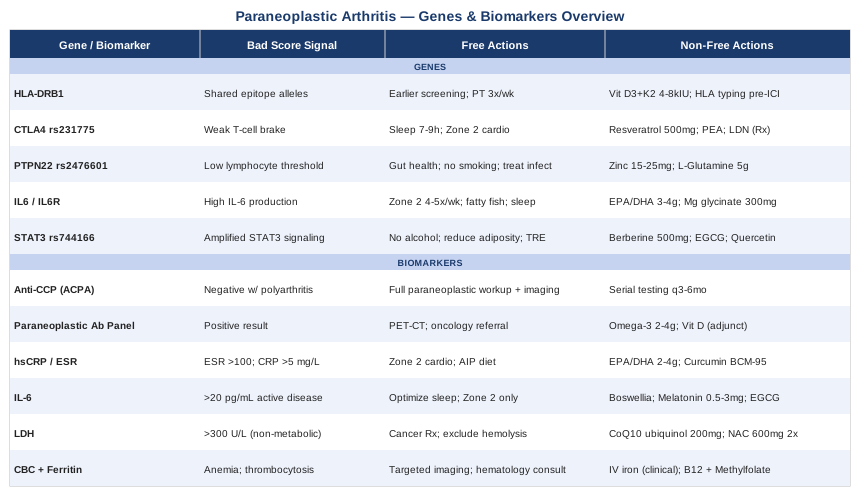
6 Biomarkers to Track in Paraneoplastic Arthritis
In standard rheumatology practice, paraneoplastic arthritis is frequently missed because the biomarker panel being ordered is the wrong one. Anti-CCP and rheumatoid factor are checked, one comes back weakly positive or equivocal, and the patient gets started on methotrexate or hydroxychloroquine — while an underlying malignancy continues to drive the entire picture. The biomarkers below reframe that panel. Some serve as differential diagnosis tools. Others quantify the inflammatory mechanism directly. Together they form a coherent monitoring framework — one built for tracking this specific condition over time rather than for a one-off workup.
Biomarker 1 — Anti-CCP Antibodies (ACPA)
Why it matters and what it reveals
Anti-cyclic citrullinated peptide antibodies are the most specific laboratory test for rheumatoid arthritis, with specificity above 95% in most populations. Their diagnostic role in paraneoplastic arthritis is largely negative: in the majority of paraneoplastic cases, anti-CCP is absent or only weakly positive, whereas joint symptoms can be clinically indistinguishable from seropositive RA. Recognizing this pattern — active inflammatory polyarthritis with negative or borderline anti-CCP — is one of the clearest signals available that prompts the right follow-up workup. In roughly 15–20% of paraneoplastic arthritis cases, joint symptoms emerge before the cancer is diagnosed; anti-CCP negativity in this window is the critical clue. Studies across multiple tumor types, particularly lung adenocarcinoma, breast, and colorectal cancers, consistently show this pattern of seronegative inflammatory arthritis preceding or coinciding with diagnosis.
How to measure it
Anti-CCP is performed by ELISA from a standard venous blood draw. Cost range: $50–$150 out of pocket; typically covered under a rheumatology or autoimmune workup code. Request the second-generation anti-CCP2 assay, which has higher specificity than earlier versions. Results are returned within 2–3 business days. This test should be part of every initial arthritis workup in adults over 50 with unexplained polyarthritis, regardless of prior cancer history.
If the score is bad — the plan without supplements
In this context, a "bad" result is a negative anti-CCP in the presence of inflammatory polyarthritis and no established RA diagnosis. The appropriate action is not reassurance — it is a paraneoplastic workup. This means ordering a full paraneoplastic autoantibody panel (see Biomarker 2), a CT chest/abdomen/pelvis with contrast, and a referral to oncology if any imaging findings are suspicious. This workup should not be deferred. No lifestyle modification or supplement changes the relevance of a negative anti-CCP in this setting; the signal demands investigation.
If the score is bad — the plan with supplements or equipment
No supplement addresses anti-CCP negativity itself. However, if the differential is between early seronegative RA and paraneoplastic arthritis, serially tracking anti-CCP every 3–6 months is informative: true RA often eventually becomes seropositive, while paraneoplastic arthritis typically does not. If anti-CCP is borderline positive (weakly reactive), it does not rule out paraneoplastic origin; add a paraneoplastic panel and track the trajectory rather than assuming primary RA.
Research: anti-CCP and paraneoplastic arthritis on PubMed
Biomarker 2 — Paraneoplastic Autoantibody Panel
Why it matters and what it reveals
Paraneoplastic autoantibodies are produced when the immune system identifies proteins expressed by tumor cells that also appear — in normal physiology — only in the nervous system or certain specialized tissues. These antibodies are highly specific for underlying malignancy. The most clinically relevant include anti-Hu (ANNA-1) — associated with small cell lung cancer and neuroblastoma; anti-Yo (PCA-1) — associated with ovarian and breast cancers; anti-Ri (ANNA-2) — breast and gynecological tumors; anti-CV2 — small cell lung and thymoma; and anti-amphiphysin — lung and breast. While these are classically studied in neurological paraneoplastic syndromes, several have been documented in patients whose primary symptom is arthritis or polyarthritis. Their presence in a patient with unexplained inflammatory joint disease is a medical urgency requiring immediate cancer investigation.
How to measure it
Paraneoplastic autoantibody panels are performed by immunofluorescence assay plus confirmatory line blot or ELISA at specialized reference laboratories (Mayo Clinic Laboratories and Quest Diagnostics Nichols Institute are the two most commonly used in North America). Cost range: $200–$450 out of pocket; insurance coverage varies but is typically obtainable with appropriate clinical documentation. Results take 5–10 business days. The test should be ordered as a "paraneoplastic evaluation panel" — which usually includes 8–12 individual antibody assays simultaneously.
If the score is bad — the plan without supplements
A positive paraneoplastic autoantibody result in a patient with inflammatory arthritis and no confirmed cancer diagnosis is a directive to act within 2–4 weeks. Order a PET-CT if available — it provides the highest sensitivity for occult primary tumors. If PET-CT is unavailable, CT chest/abdomen/pelvis with contrast combined with mammography (for women) or testicular ultrasound (for men under 50) covers the most common primary sites. Involve oncology and, if neurological symptoms coexist, a neurologist experienced in paraneoplastic syndromes. If a cancer diagnosis already exists, a positive panel may inform immunotherapy decisions; discuss directly with the treating oncologist.
If the score is bad — the plan with supplements or equipment
No supplement reduces paraneoplastic autoantibodies. These antibodies reflect active immune response to tumor antigens — they are a diagnostic signal, not a therapeutic target for nutraceuticals. The only intervention that reliably reduces them is successful cancer treatment. Supportive measures that reduce overall inflammatory burden (omega-3 fatty acids 2–4g/day, vitamin D optimization, anti-inflammatory diet) are appropriate additions but should not substitute for oncology care. Document the antibody titer at baseline so that changes over time can be tracked in parallel with cancer treatment response.
Research: paraneoplastic autoantibodies and arthritis on PubMed
Biomarker 3 — High-Sensitivity CRP and ESR
Why it matters and what it reveals
C-reactive protein and erythrocyte sedimentation rate are the standard first-line inflammatory markers in any arthritis workup. In paraneoplastic arthritis, both are almost universally elevated — often dramatically so. ESR above 100 mm/h with seronegative inflammatory polyarthritis in a patient over 60 is a well-documented paraneoplastic pattern across multiple published case series. More importantly, the trajectory of these markers over time tells the most useful story: when cancer treatment produces meaningful tumor reduction, CRP and ESR typically fall in parallel with joint symptoms. When they fail to fall despite immunosuppressive treatment, persistent elevation signals ongoing malignancy-driven inflammation rather than primary autoimmunity. Peter Attia's framework in Outlive treats hsCRP as a foundational longevity biomarker precisely because it is inexpensive, available everywhere, and correlates with multiple chronic disease processes simultaneously.
How to measure it
hsCRP: $15–$30; ESR: $10–$25. Both are available through any clinical laboratory or direct-to-consumer testing services (Labcorp, Quest, Let'sGetChecked). Always request high-sensitivity CRP (hsCRP), not standard CRP — it resolves values below 3 mg/L that standard assays report as simply "normal." Monitoring frequency in active disease: every 4–8 weeks. Functional target (Attia's framework): hsCRP below 1 mg/L.
If the score is bad — the plan without supplements
Persistently elevated hsCRP (above 5–10 mg/L) in the context of inflammatory arthritis should redirect evaluation toward malignancy, particularly if anti-CCP is negative. Avoid the instinct to suppress CRP pharmacologically with NSAIDs as the primary goal — doing so obscures a diagnostic signal. For patients in active cancer treatment, discuss the CRP trajectory at every oncology visit. If CRP remains elevated after confirmed tumor remission, investigate for residual disease, secondary malignancy, or treatment-related inflammation (particularly relevant with checkpoint inhibitors, which can drive immune-related arthritis with markedly elevated CRP).
If the score is bad — the plan with supplements or equipment
For patients with confirmed cancer treatment and persistent low-to-moderate CRP elevation (2–10 mg/L) as residual inflammation: — EPA/DHA (omega-3s): 2–4g/day with the largest meal. Multiple meta-analyses confirm 0.3–0.5 mg/L reduction in hsCRP. Long-term continuous use is appropriate. Side effects: mild anticoagulant effect at higher doses; mild GI discomfort; monitor if on blood thinners. — Curcumin (BCM-95 or phytosome form): 500 mg twice daily with food. Anti-inflammatory effect on NF-kB pathway confirmed in multiple RCTs. Cycling: 8 weeks on, 2 weeks off. Side effects: GI upset at high doses; mild anticoagulant effect; avoid within 2 weeks of surgery. — Zone 2 aerobic exercise: 30–45 minutes, 4–5x/week. The most consistently documented lifestyle intervention for hsCRP reduction in the literature — no equipment beyond comfortable footwear required.
Research: CRP/ESR in paraneoplastic conditions on PubMed
Biomarker 4 — Interleukin-6 (IL-6)
Why it matters and what it reveals
Interleukin-6 is the primary cytokine driving joint pathology in paraneoplastic arthritis. Tumor cells — particularly from lung, colorectal, renal cell, gastric, and hematologic malignancies — either secrete IL-6 directly or stimulate surrounding stromal cells to do so. This tumor-derived IL-6 activates synovial fibroblasts, promotes pannus formation, stimulates osteoclastogenesis (bone erosion), and recruits inflammatory immune cells to the joint space. The resulting arthritis is mechanistically IL-6-driven even when it looks clinically identical to RA. This is precisely why tocilizumab, the anti-IL-6 receptor monoclonal antibody developed for RA, has been used as a bridge therapy in select paraneoplastic arthritis cases — and why measuring IL-6 directly provides mechanistic clarity that CRP alone does not.
How to measure it
IL-6 is measured by chemiluminescent immunoassay from serum. Cost range: $100–$200 out of pocket; typically covered in cancer patients with documented inflammatory symptoms. Normal range: below 7 pg/mL. Active paraneoplastic arthritis commonly produces values of 20–200 pg/mL. Reorder every 6–8 weeks during active monitoring or following any change in cancer treatment. Available through major reference labs without specialized testing.
If the score is bad — the plan without supplements
An IL-6 above 20–30 pg/mL in confirmed or suspected paraneoplastic arthritis supports a clinical argument for IL-6 pathway intervention. Discuss tocilizumab (or sarilumab) with the treating rheumatologist — not as a long-term immunosuppressive, but as a temporary bridge to reduce joint inflammation while the underlying cancer is being addressed. Avoid factors that acutely amplify IL-6: sleep deprivation (doubles overnight IL-6), high-intensity exercise during inflammatory flares (acutely spikes IL-6), and sustained psychological stress (chronic cortisol-driven IL-6 elevation).
If the score is bad — the plan with supplements or equipment
— Boswellia serrata (AKBA-enriched extract): 100–200 mg AKBA content/day. Inhibits 5-LOX and documented IL-6 reduction in human trials. Cycling: 12 weeks on, 4 weeks off. Side effects: mild GI effects; caution with antiplatelet medications. — Melatonin: 0.5–3 mg at bedtime. Immunomodulatory effects in cancer contexts; modest IL-6 reduction in human studies. Cycling: as needed for sleep, or continuous in low doses (0.5 mg). Side effects: morning grogginess at higher doses; avoid daytime use. — EGCG (green tea extract, standardized): 400–800 mg/day with food. Anti-inflammatory cytokine effects including IL-6 reduction documented in human supplementation trials. Cycling: 8 weeks on, 2 weeks off. Side effects: caffeine sensitivity in some; gastric irritation if taken fasted; hepatotoxic risk at very high doses (above 1200 mg/day) — stay within recommended range.
Research: IL-6 in tumor-associated arthritis on PubMed
Biomarker 5 — LDH (Lactate Dehydrogenase)
Why it matters and what it reveals
Lactate dehydrogenase is an intracellular enzyme released into the bloodstream during cell damage and death. In the context of cancer, elevated LDH reflects tumor cell turnover — the rate at which malignant cells are proliferating, competing for oxygen, and dying. It is not cancer-type specific, but it is a reliable proxy for tumor burden and metabolic activity across lymphomas, lung cancers, solid tumors, and hematologic malignancies. For paraneoplastic arthritis, LDH matters because higher tumor burden means more tumor antigen release, more immune activation, and more cytokine secretion reaching the joints. When LDH is elevated and arthritis symptoms are active, the correlation is mechanistically coherent. Both Peter Attia and Thomas Dayspring cite LDH as an underused systemic health indicator worth including in routine monitoring precisely because it costs almost nothing and integrates multiple signals about cellular health simultaneously.
How to measure it
LDH is included in most standard comprehensive metabolic panels (CMP). Cost range: $15–$25 standalone; often zero additional cost when part of a routine CMP. Normal range: approximately 140–280 U/L in most adult populations. Sustained elevation above 300 U/L in the context of inflammatory arthritis without a clear metabolic explanation (liver disease, hemolysis) warrants cancer reassessment. Monitor every 6–8 weeks in active disease, monthly if on cancer treatment.
If the score is bad — the plan without supplements
Persistently elevated LDH should be contextualized against concurrent liver enzymes (ALT, AST), bilirubin, and the CBC to rule out non-cancer explanations (hemolysis, hepatitis, muscle breakdown). If liver and hematologic causes are excluded and cancer is confirmed or suspected, discuss LDH trajectory directly with the oncologist — it functions as a real-time proxy for treatment efficacy. A falling LDH after initiating cancer treatment is a positive signal; a rising LDH despite treatment warrants a response evaluation.
If the score is bad — the plan with supplements or equipment
LDH elevation in a cancer context is treated by treating the cancer. Supportive measures that reduce mitochondrial oxidative stress and cellular damage: — CoQ10 (ubiquinol form): 200–400 mg/day in divided doses with fat-containing meals. Supports mitochondrial membrane integrity and reduces oxidative cellular damage. Particularly important if on statin therapy, which depletes CoQ10. Cycling: long-term continuous use is common and well-tolerated. Side effects: mild GI effects; generally very safe. — NAC (N-acetylcysteine): 600 mg twice daily. Supports glutathione production; documented reduction in oxidative cellular damage markers. Cycling: 8–12 weeks on, 4 weeks off. Side effects: GI discomfort at initiation; nausea; avoid concurrent nitroglycerin use.
Research: LDH as a cancer-related biomarker on PubMed
Biomarker 6 — Complete Blood Count with Differential and Ferritin
Why it matters and what it reveals
The CBC with differential and ferritin are the most information-dense inexpensive tests available for characterizing cancer-related inflammation. In paraneoplastic arthritis, several distinct patterns carry specific diagnostic weight:
Anemia of chronic disease: Low hemoglobin (typically 9–11 g/dL), low-normal MCV, low serum iron, elevated ferritin. This triad distinguishes cancer-related anemia from iron-deficiency anemia; ferritin rises as an acute-phase reactant while true iron stores may be adequate. Reactive thrombocytosis: Tumor-secreted IL-6 stimulates hepatic thrombopoietin production, driving platelet counts above 450,000/μL. Unexplained thrombocytosis combined with seronegative inflammatory arthritis is a recognized paraneoplastic flag. Leukocytosis with neutrophilia: Tumor secretion of G-CSF and GM-CSF drives neutrophil production independent of infection. Ferritin above 1000 ng/mL: At this level, ferritin signals macrophage activation syndrome or aggressive tumor-driven inflammation — a situation requiring immediate specialist evaluation. Combined as a pattern, these CBC abnormalities narrow the differential and often point toward specific cancer types before imaging findings become obvious.
How to measure it
CBC with differential and ferritin are among the most universally available laboratory tests. Cost range: $20–$50 together; covered by insurance in virtually all clinical scenarios. Request ferritin as an explicit add-on if not automatically included in the panel. Baseline testing, then every 4–8 weeks during active monitoring. If ferritin is significantly elevated, concurrent iron studies (serum iron, TIBC, transferrin saturation) add necessary context.
If the score is bad — the plan without supplements
CBC patterns should guide the cancer search strategy. Anemia of chronic disease with seronegative polyarthritis directs attention toward solid tumors. Lymphocyte-predominant leukocytosis raises concern for lymphoma or CLL. Marked eosinophilia in the arthritis context is associated with Hodgkin lymphoma and some solid tumors. Each pattern warrants a targeted imaging and hematology consultation rather than a generic full-body scan — specificity in the workup improves both efficiency and yield.
If the score is bad — the plan with supplements or equipment
For anemia of chronic disease driven by cancer-related inflammation: — IV iron (ferric carboxymaltose or iron sucrose, administered in a clinical setting) is more effective than oral iron when inflammation is high — because oral iron absorption is blocked by elevated hepcidin, which is itself an acute-phase reactant. Oral iron (ferrous bisglycinate, 25 mg elemental iron daily on an alternate-day schedule) is appropriate for milder cases. — Methylcobalamin (B12): 1000 mcg sublingual daily, and methylfolate: 400–800 mcg daily. Essential if methotrexate is being used concurrently, as it depletes both. Cycling: continuous. Side effects: methylfolate in MTHFR C677T homozygotes occasionally causes irritability at high doses; start at 400 mcg. — For markedly elevated ferritin above 1000 ng/mL: no supplement is appropriate — this requires emergency evaluation for macrophage activation or rapidly progressing malignancy.
Research: CBC patterns in cancer-associated arthritis on PubMed
Biomarkers give a clear picture of what the immune system is doing right now. But to understand why some people develop paraneoplastic arthritis while others with the same cancer do not, the answer is partly written in genetics.
What Recent Genetics Research Suggests About Paraneoplastic Arthritis
Paraneoplastic arthritis has no single causative gene. What genetics provides instead is a susceptibility landscape — a set of immune regulation variants that determine how strongly the immune system responds to tumor antigens, how likely it is to produce cross-reactive autoantibodies that target joint tissue, and how aggressively inflammatory cytokines are amplified in response to cancer signals. Knowing which variants you carry does not change the diagnosis, but it meaningfully informs which aspects of immune regulation to prioritize and which interventions are most mechanistically aligned with your biology. Most evidence in this section comes from autoimmunity and cancer immunology research broadly; evidence specifically in paraneoplastic arthritis populations is limited. Where that applies, it is stated explicitly.
Gene 1 — HLA-DRB1
What this gene does
The HLA-DRB1 gene encodes a surface protein on antigen-presenting cells — the cells that determine whether a foreign or tumor-associated protein gets flagged for immune attack. Specific HLA-DRB1 alleles — particularly the shared epitope alleles (DRB1*04:01, *04:04, *01:01) — increase the immune system's tendency to generate anti-citrullinated protein antibodies and drive inflammatory joint disease. These same alleles also influence how the immune system presents tumor antigens, with some alleles generating stronger anti-tumor responses that are more prone to off-target tissue damage — including joint inflammation. The paradox is that HLA alleles offering better cancer immune surveillance simultaneously increase paraneoplastic complication risk. In populations of cancer patients who develop immune-related arthritis following checkpoint inhibitor therapy, HLA-DRB1 allele status is an emerging predictor.
If the gene is bad — the plan without supplements
Carriers of shared epitope HLA-DRB1 alleles benefit from proactive cancer screening starting 5 years earlier than standard guideline recommendations — not because HLA variants cause cancer, but because the immune complications when cancer does occur may be more severe. For joint management: physical therapy emphasizing joint protection and mobility (3 sessions per week), daily low-impact aerobic activity (walking or cycling, 30 minutes), and ergonomic modifications to reduce cumulative mechanical joint loading. Avoid NSAIDs as the default long-term solution — they suppress pain but also suppress the immune monitoring that may detect tumor recurrence.
If the gene is bad — the plan with supplements or equipment
— Vitamin D3 with K2: 4000–8000 IU D3/day combined with 100–200 mcg MK-7 K2. Vitamin D directly modulates HLA-DRB1-associated immune dysregulation through the vitamin D receptor on antigen-presenting cells. Optimize serum 25-OH vitamin D to 50–80 ng/mL. Cycling: year-round in northern latitudes or indoor lifestyles; test levels every 6 months. Side effects: at doses above 10,000 IU/day without K2, risk of hypercalcemia — stay within range and recheck blood levels. — HLA allele typing before checkpoint inhibitor therapy: For cancer patients, requesting HLA genotyping prior to starting immunotherapy is increasingly standard in academic oncology centers and can inform both efficacy prediction and side effect risk stratification.
Research: HLA-DRB1 and immune-related arthritis on PubMed
Gene 2 — CTLA4 (rs231775)
What this gene does
CTLA-4 functions as a molecular brake on T-cell activation. When a T-cell engages a target, CTLA-4 provides the inhibitory signal that prevents over-activation and self-tissue damage. The rs231775 variant (G-to-A substitution in exon 1) reduces CTLA-4 expression, weakening this brake. The immune system of someone carrying the risk allele is biologically more reactive — better at mounting responses to new antigens (including tumor antigens), but more prone to collateral tissue damage from those responses. Ali Torkamani and Gary Brecka's work on immune over-reactivity patterns frequently references this type of checkpoint gene variant as a key contributor to why the same environmental trigger produces dramatically different immune outcomes between individuals.
The clinical relevance for paraneoplastic arthritis is direct: ipilimumab — the anti-CTLA-4 cancer immunotherapy — causes immune-related arthritis as one of its most common adverse effects. People who carry the CTLA4 rs231775 risk allele have a biologically analogous situation occurring naturally in response to their own tumor antigens.
If the gene is bad — the plan without supplements
Prioritize immune regulatory lifestyle habits: consistent sleep of 7–9 hours (sleep deprivation acutely amplifies T-cell reactivity), Mediterranean-style diet high in polyphenols and fiber (modulates gut-immune axis), and regular moderate aerobic exercise (consistently shown to improve T-regulatory cell function). Avoid prolonged fasting during active inflammatory flares — caloric restriction can paradoxically increase certain T-cell activation markers acutely. During flares, reduce exercise intensity to Zone 2 or below and prioritize recovery.
If the gene is bad — the plan with supplements or equipment
— Resveratrol (trans-resveratrol): 250–500 mg/day with a fatty meal. Modulates T-cell activation through SIRT1 and AMPK pathways. Cycling: 12 weeks on, 4 weeks off. Side effects: mild estrogen-mimicking effect at high doses; avoid in hormone-sensitive cancers without physician discussion. — Palmitoylethanolamide (PEA): 600 mg twice daily. Endocannabinoid-related compound with documented immune-modulating properties; well-tolerated safety profile in human trials. Cycling: continuous use acceptable. Side effects: minimal; occasional drowsiness at high doses. — Low-dose naltrexone (LDN): 1.5–4.5 mg nightly. Off-label immune modulator with emerging evidence in autoimmune conditions, including RA. Requires a prescription; discuss with a functional medicine physician or rheumatologist. Cycling: typically continuous in autoimmune contexts. Side effects: vivid dreams in the first 1–2 weeks; contraindicated with opioid medications.
Research: CTLA4 variants and immune-related conditions on PubMed
Gene 3 — PTPN22 (rs2476601)
What this gene does
PTPN22 encodes a phosphatase enzyme that regulates the activation threshold of T and B lymphocytes. The rs2476601 variant — known as R620W — is one of the most replicated autoimmunity risk variants in genetics, associated with rheumatoid arthritis, systemic lupus erythematosus, type 1 diabetes, and psoriatic arthritis across multiple large genome-wide association studies. It functions by lowering the activation threshold of lymphocytes, meaning a weaker or more ambiguous signal (such as a tumor antigen that partially resembles a joint protein) is more likely to trigger a full immune response. In the paraneoplastic context, PTPN22 risk allele carriers have a theoretically higher predisposition to mounting cross-reactive immune responses between tumor antigens and joint tissues. The evidence specifically in paraneoplastic arthritis populations is limited; the link is mechanistic and extrapolated from primary autoimmunity data. Treat it as directional.
If the gene is bad — the plan without supplements
The primary non-supplement strategy for PTPN22 carriers is reducing autoimmune triggers: identify and address intestinal permeability (which increases translocation of microbial antigens that can prime cross-reactive lymphocytes); manage infections aggressively and completely (dental, urinary, and respiratory infections are known triggers for PTPN22-amplified autoimmune cascades); eliminate cigarette smoke exposure, which is the most thoroughly documented environmental amplifier of PTPN22-associated RA risk across multiple population studies.
If the gene is bad — the plan with supplements or equipment
— Zinc bisglycinate or picolinate: 15–25 mg/day. Supports T-regulatory cell function and reduces lymphocyte hyperreactivity. Cycling: 12 weeks on, 4 weeks off (prolonged high-dose zinc depletes copper; monitor). Take with food to reduce GI discomfort. — L-glutamine: 5–10 g/day in water, away from meals. Supports intestinal barrier integrity, reducing antigen translocation that can prime cross-reactive lymphocytes. Cycling: continuous use at 5 g/day is generally well-tolerated. — Tributyrin (butyrate precursor): 300–600 mg/day. Supports gut barrier epithelial function and T-regulatory cell induction in the colon. Cycling: 8–12 weeks.
Research: PTPN22 variants in autoimmune conditions on PubMed
Gene 4 — IL6 / IL6R (Interleukin-6 Pathway)
What this gene does
Variations in the IL6 gene — particularly rs1800795, the -174 G/C promoter polymorphism — influence baseline IL-6 transcription under inflammatory conditions. Carriers of the G allele at this position produce higher IL-6 levels when stimulated by inflammatory signals, including tumor-secreted factors. Since tumor-derived IL-6 is the central cytokine mechanism in paraneoplastic arthritis (see Biomarker 4), genetic variants that amplify IL-6 production create a compounding effect. The IL6R gene rs2228145 variant (Asp358Ala) alters receptor shedding kinetics — producing more soluble IL-6 receptor, which extends the reach of IL-6 signaling to cells that do not express the membrane-bound receptor. This variant is the same genetic target tocilizumab acts on, and it is associated with both higher inflammatory burden and better response to IL-6 blockade.
If the gene is bad — the plan without supplements
Lifestyle interventions with the strongest human evidence for sustained IL-6 reduction: regular moderate aerobic exercise (30–45 minutes Zone 2, 4–5x/week — the single most consistently replicated lifestyle intervention for chronic IL-6 lowering in the literature); high omega-3 dietary intake (fatty fish 3–4 servings/week); sleep optimization with a consistent schedule (poor sleep acutely doubles overnight IL-6 even in healthy volunteers); and visceral fat reduction through caloric moderation — adipocytes in visceral fat are independent IL-6 producers unrelated to tumor activity.
If the gene is bad — the plan with supplements or equipment
Priority supplement for IL6 gene carriers: EPA/DHA at 3–4g/day is the highest-evidenced single supplement for IL-6 modulation in human trials, particularly in inflammatory states. Continuous use; monitor bleeding time if on anticoagulants. Add magnesium glycinate: 300–400 mg at bedtime — low magnesium status is independently associated with elevated IL-6 across multiple large population studies, the correction is inexpensive and well-tolerated, and it improves sleep quality as a secondary benefit (further reducing IL-6 through sleep normalization).
Research: IL6 gene variants and inflammatory conditions on PubMed
Gene 5 — STAT3
What this gene does
STAT3 is a transcription factor sitting at the convergence of multiple pro-inflammatory and pro-tumorigenic cytokine pathways. IL-6, IL-10, IL-22, oncostatin M, and several tumor-derived growth factors all activate STAT3 — it is a master amplifier. Common STAT3 polymorphisms (rs744166, rs2293152) are associated with enhanced STAT3 signaling in Th17 cells — the lymphocyte subset most responsible for joint inflammation in autoimmune and paraneoplastic contexts. Gain-of-function STAT3 mutations are directly associated with large granular lymphocyte leukemia and other hematologic malignancies that are among the most common causes of paraneoplastic arthritis.
STAT3 is also a tumor immune evasion factor: chronically active STAT3 in the tumor microenvironment suppresses anti-tumor T-cell responses while simultaneously driving inflammation in bystander tissues including the synovium. Targeting STAT3 is therefore both anti-inflammatory in the joints and potentially anti-tumorigenic — an unusual dual relevance.
If the gene is bad — the plan without supplements
Factors that activate STAT3 beyond its baseline and should be minimized: visceral obesity (adipokine-driven STAT3 activation), high alcohol consumption (directly activates STAT3 in hepatocytes and immune cells), processed food and AGE-rich diets (advanced glycation end-products activate RAGE/STAT3 signaling). Time-restricted eating (16:8 intermittent fasting) shows STAT3-suppressive effects in animal models and is directionally consistent with limited human evidence; appropriate to apply cautiously during remission phases, not during active cancer treatment without physician guidance.
If the gene is bad — the plan with supplements or equipment
— Berberine: 500 mg twice daily with meals. STAT3 inhibition documented in human cancer cell line studies and emerging human supplementation research. Cycling: 8 weeks on, 4 weeks off (berberine significantly alters gut microbiome composition with prolonged use). Side effects: GI discomfort at initiation; lowers blood glucose — relevant for anyone on hypoglycemic medications. — EGCG (standardized green tea extract): 400–800 mg/day with food. Inhibits STAT3 phosphorylation in multiple human cancer and inflammatory studies. Cycling: 8 weeks on, 2 weeks off. Side effects: hepatotoxicity risk at doses above 1200 mg/day; stay within range. — Quercetin: 500 mg twice daily with meals. Modulates the JAK1/2-STAT3 signaling axis in human cell studies. Cycling: 12 weeks on, 4 weeks off. Side effects: generally well-tolerated; potential interactions with cyclosporine and quinolone antibiotics.
Research: STAT3 in cancer-associated inflammation on PubMed
Understanding the genetic drivers of immune over-reactivity gives a clearer picture of why standard anti-inflammatory treatments often fall short. The next section zooms out to a broader framework — the longevity medicine approach to cancer-related inflammation that has reshaped how a growing number of clinicians think about this problem.
Ten Insights From Peter Attia's Outlive Applied to Cancer-Adjacent Inflammation
Outlive: The Science and Art of Longevity by Peter Attia, MD (2023) does not specifically address paraneoplastic arthritis. What it provides is something arguably more useful: a systematic framework for thinking about chronic disease, cancer biology, and inflammatory monitoring that runs directly counter to standard reactive medicine. The following ten insights from the book are the most directly applicable to paraneoplastic arthritis — presented as direct takeaways, not general wellness commentary.
1. Early Detection Changes Everything — Don't Wait for Standard Screening Ages
Attia builds the case that standard cancer screening protocols are calibrated for population-average risk, not for individuals showing early warning signals. Seronegative inflammatory arthritis in an adult over 50, with markedly elevated inflammatory markers and no prior autoimmune history, is exactly the type of warning signal that should trigger an earlier and more aggressive cancer search — not a wait-and-see approach until the next scheduled screening age.
2. hsCRP Below 1 mg/L Is the Functional Target — Not Just "Normal Range"
Standard labs flag CRP as normal below 3–5 mg/L. Drawing on JUPITER trial data and Framingham Heart Study research, Attia argues that the functional longevity target is below 1 mg/L. For paraneoplastic arthritis patients, this does not mean pharmacologically suppressing CRP regardless of cause — it means a persistently elevated CRP after cancer treatment is not acceptable as a baseline, and continued investigation is warranted.
3. Metabolic Health Is Not Separate From Cancer Biology — It Is Central to It
Attia's "four horsemen" framework argues that insulin resistance, visceral adiposity, and mitochondrial dysfunction create the biological soil in which cancer cells thrive. For paraneoplastic arthritis patients, metabolic health optimization — maintaining insulin sensitivity, reducing visceral fat, improving mitochondrial function — is mechanistically anti-cancer and anti-inflammatory simultaneously, not merely general wellness.
4. Zone 2 Cardio Is the Anti-Inflammatory Sweet Spot
High-intensity exercise during active cancer-related inflammation can temporarily spike inflammatory cytokines. Attia recommends Zone 2 cardio (conversational pace sustainable for 45+ minutes) as the optimal intensity: it improves mitochondrial function, chronically reduces IL-6 and CRP, reduces visceral fat, and does not acutely amplify the cytokine environment. For paraneoplastic arthritis patients in treatment, 30–45 minutes of Zone 2 cardio 4–5 times per week is the evidence-grounded starting target.
5. Muscle Mass Is a Longevity Marker — and Cancer Accelerates Its Loss
Sarcopenia — age-related muscle loss — is dramatically accelerated by cancer-driven IL-6 and TNF-alpha, which promote muscle catabolism directly. Attia frames muscle mass preservation as one of the highest-yield longevity investments. For paraneoplastic arthritis patients: resistance training 3 times per week at progressive load (as tolerated by joint symptoms), and adequate protein intake (1.6–2.2 g/kg body weight/day using high-quality sources) are both anti-inflammatory and directly protective of functional outcomes.
6. Fasting Insulin Is an Underused Biomarker Worth Checking
Attia consistently highlights fasting insulin and HOMA-IR as clinically underused tools in routine medicine. Hyperinsulinemia activates NF-kB — one of the master transcription factors for IL-6, TNF-alpha, and CRP production. In paraneoplastic arthritis, chronically elevated insulin adds a secondary inflammatory driver on top of tumor-derived signals. Fasting insulin testing ($30–50) and targeting a fasting value below 5 mIU/L through dietary carbohydrate modulation is inexpensive, actionable, and mechanistically sound.
7. Sleep Is Mechanistically Anti-Inflammatory — Not a Lifestyle Preference
Sleep deprivation below 7 hours consistently elevates CRP, IL-6, cortisol, and NF-kB activity — all three of which are already problematic in paraneoplastic arthritis. Attia cites Matthew Walker's research to argue that sleep optimization is not optional self-care — it is mechanistically critical to reducing inflammatory burden. Practical tools: Oura ring or Apple Watch for sleep staging, consistent sleep/wake schedule, CBT-I for chronic insomnia before considering pharmacological sleep aids.
8. Alcohol Has No Safe Threshold for Cancer Patients
Attia's position on alcohol — updated from earlier, more permissive views — is that there is no demonstrated safe threshold for individuals at cancer risk or with active malignancy. Alcohol activates STAT3, increases gut permeability (increasing immune antigen exposure), is hepatotoxic (complicating interpretation of LDH and liver enzymes), and independently promotes IL-6 secretion. For paraneoplastic arthritis patients, eliminating alcohol is one of the highest-yield, lowest-cost interventions available.
9. Statins Have Off-Target Anti-Inflammatory Effects — But Muscle Side Effects Complicate the Picture
Attia discusses statins' pleiotropic effects — beyond LDL lowering, they reduce CRP and IL-6 through NF-kB downregulation and have modest anti-tumor activity in some cancer types. This is relevant for paraneoplastic arthritis. However, statin-induced myopathy can complicate the clinical picture: muscle pain and weakness from statins may be mistaken for paraneoplastic joint and muscle symptoms. If on a statin: add CoQ10 ubiquinol (200–400 mg/day), monitor CK levels, and explicitly distinguish statin myalgia from paraneoplastic musculoskeletal symptoms before changing either treatment.
10. Continuous Longitudinal Tracking Outperforms Episodic Panels
Attia's "Medicine 3.0" model emphasizes tracking biomarkers over time rather than relying on single annual lab draws. A single LDH or CRP value is a snapshot; LDH, CRP, CBC, and ferritin tracked every 6–8 weeks tells a story about trajectory — tumor burden changes, treatment response, and emerging complications — that no single data point can provide. This longitudinal approach is precisely what paraneoplastic arthritis management demands.
The Attia framework brings analytical rigor to biomarker monitoring. The complementary approaches in the final section take a different angle — interventions that support immune regulation, joint health, and inflammatory balance from a clinical modality perspective.
Complementary Approaches With Clinical Support
The Autoimmune Protocol (Sarah Ballantyne)
The Autoimmune Protocol (AIP), developed by Dr. Sarah Ballantyne PhD and detailed in The Paleo Approach, is a dietary and lifestyle intervention specifically designed for autoimmune-driven conditions. It removes foods hypothesized to contribute to gut permeability and immune dysregulation — including grains, legumes, dairy, eggs, nightshades, seed oils, and alcohol — while emphasizing nutrient-dense animal proteins, vegetables, and fermented foods. In paraneoplastic arthritis, where immune over-reactivity is central to joint inflammation and where the gut-immune axis is increasingly recognized as a modulator of systemic autoimmunity, the AIP provides a structured dietary framework aligned with the underlying mechanism. It is not a cure, but it removes multiple concurrent inflammatory inputs simultaneously.
The clinical evidence for AIP comes primarily from two studies: a 2017 pilot study published in Inflammatory Bowel Diseases showing significant clinical improvement in Crohn's disease patients on AIP, and a 2019 study by Konijeti et al. demonstrating improved clinical outcomes and biomarker changes in patients with inflammatory bowel disease. While direct RCT evidence specifically in paraneoplastic arthritis is absent (the condition is too rare for large dietary trials), the mechanism overlaps substantially with the autoimmune conditions where AIP evidence exists. Ballantyne's framework also includes sleep protocols, stress management, and movement guidelines — making it a coherent lifestyle intervention rather than a diet in isolation.
For practical application in paraneoplastic arthritis: begin with the elimination phase (strict AIP) for 30–60 days, then systematically reintroduce foods one at a time every 5–7 days while tracking symptom and biomarker responses. Given the cancer context, always coordinate with the oncologist before starting — certain dietary changes can affect drug absorption, nutritional status, and treatment tolerance. Do not use AIP to delay or replace cancer treatment; frame it as an adjunct that reduces the inflammatory burden the immune system is managing.
Research: AIP dietary intervention in autoimmune conditions on PubMed
Mindfulness-Based Stress Reduction (MBSR)
Mindfulness-Based Stress Reduction is an 8-week structured program developed by Jon Kabat-Zinn at the University of Massachusetts Medical Center, combining mindfulness meditation, body scan practices, and gentle yoga. For paraneoplastic arthritis specifically, MBSR is relevant because chronic psychological stress directly amplifies IL-6 and CRP through cortisol-driven NF-kB activation — adding a stress-derived inflammatory layer on top of the tumor-driven inflammation already present. In cancer patients, psychological distress is near-universal and systematically undertreated; its inflammatory consequences are measurable and mechanistically meaningful.
A 2014 randomized trial and subsequent meta-analyses have documented that MBSR reduces CRP, cortisol, and inflammatory cytokine levels in cancer patients, while simultaneously improving pain perception, sleep quality, and psychological wellbeing. A 2016 Cochrane review covering mindfulness-based interventions in cancer populations confirmed benefits across multiple quality-of-life domains. The reduction in perceived pain intensity is particularly relevant for joint pain — chronic pain perception is modulated by central sensitization pathways that MBSR demonstrably affects.
Protocol: the standard MBSR program runs 8 weeks with weekly 2.5-hour group sessions and a 1-day retreat; formal home practice of 45 minutes daily is recommended. Online-delivered MBSR (through platforms like Palouse Mindfulness or Insight Timer) provides comparable outcomes to in-person delivery based on a 2019 non-inferiority trial. For paraneoplastic arthritis patients in active cancer treatment, even abbreviated practice (10–20 minutes daily of body scan or breath-focused meditation) produces measurable reductions in stress biomarkers. The goal is not relaxation but a trained reduction in chronic threat-response activation.
Tai Chi
Tai chi is a slow, deliberate movement practice originating from traditional Chinese martial arts, involving coordinated weight shifting, postural alignment, and breath regulation. In the context of cancer-associated joint disease, it is one of the best-studied complementary movement modalities — a 2015 review in the Journal of Cancer Survivorship covering 13 trials in cancer populations found consistent benefits for fatigue, anxiety, sleep quality, and physical function with no reported serious adverse events. Its gentle, non-impact nature makes it appropriate for patients with joint inflammation who cannot tolerate higher-intensity exercise.
For paraneoplastic arthritis specifically, research in cancer patients with musculoskeletal symptoms — including immune-related arthritis from checkpoint inhibitor therapy, a mechanistically adjacent condition — shows improvements in joint function, grip strength, and inflammatory markers. A 2011 RCT in breast cancer survivors demonstrated that 12 weeks of tai chi practice significantly reduced CRP and IL-6 compared to psychosocial support controls, with joint mobility benefits extending beyond the study period.
Practical protocol: Begin with a beginner tai chi class (Yang style is the most widely taught and studied) 3 times per week for 45–60 minutes. Live instruction is preferable initially to ensure correct posture and weight transfer mechanics that protect inflamed joints. Online programs (through platforms such as YMAA Publication Center or Patience T'ai Chi) offer accessibility for patients with mobility limitations or treatment schedules that make in-person attendance difficult. Tai chi is not a replacement for physical therapy in severe joint disease — use it as a maintenance and adjunct practice alongside structured physiotherapy.
Low-Level Laser Therapy (Photobiomodulation)
Low-level laser therapy (LLLT), also called photobiomodulation, involves the application of red (630–700 nm) or near-infrared (780–1100 nm) light at non-thermal intensities to stimulate cellular energy production (via cytochrome c oxidase in mitochondria) and reduce local inflammation. It has the most robust clinical evidence of any physical therapy modality for inflammatory joint disease, with a 2007 Cochrane review of 16 trials in RA patients finding consistent short-term reductions in pain, morning stiffness, and hand grip strength improvement. More recently, photobiomodulation has been studied in checkpoint inhibitor-induced arthritis — a mechanistically close parallel to paraneoplastic arthritis — with favorable early results.
The mechanism is relevant to paraneoplastic arthritis: photobiomodulation at therapeutic doses reduces IL-6, TNF-alpha, and PGE2 production in synovial tissue in human studies, without systemic immunosuppression. This local cytokine modulation provides joint-specific inflammation reduction without interfering with the anti-tumor immune response — an important practical advantage over systemic immunosuppressants in the paraneoplastic context. A 2020 randomized trial in inflammatory arthritis patients confirmed significant pain reduction and CRP lowering with near-infrared photobiomodulation applied to affected joints.
For practical application: professional-grade photobiomodulation devices (e.g., Erchonia, Theralight, or clinical-grade panels) deliver optimal dosing and are available in physiotherapy and sports medicine clinics. Consumer-grade red light therapy devices (100–300 mW at 660 nm and 850 nm, applied for 5–15 minutes per joint area) offer a home option at lower cost ($150–$600). Apply directly over affected joints 3–5 times per week; reduce frequency to maintenance (2x/week) once symptoms stabilize. Contraindications include direct irradiation of active tumor sites and photosensitizing medications — confirm both with the treating oncologist before starting.
Microbiome-Directed Therapies
The gut microbiome is an emerging player in paraneoplastic immune dysregulation. The intestinal microbiome contains approximately 70% of the body's immune cells and is a primary site for the induction and education of T-regulatory cells — the very cells whose reduced function underlies both autoimmune and paraneoplastic immune over-reactivity. Research in checkpoint inhibitor immunotherapy — the oncology context most analogous to paraneoplastic syndrome — has documented that gut microbiome composition predicts both treatment efficacy and immune-related adverse events, including immune arthritis. Patients with higher microbiome diversity respond better to anti-tumor therapy and experience fewer off-target inflammatory complications.
A 2019 study in Science by Routy et al. demonstrated that gut microbiome composition (specifically Akkermansia muciniphila abundance) was one of the strongest predictors of response to PD-1 checkpoint inhibitor therapy. Subsequent work has extended this to immune-related arthritis outcomes. For paraneoplastic arthritis patients, microbiome optimization represents a systems-level intervention that may simultaneously improve cancer treatment response and reduce paraneoplastic joint inflammation — by restoring T-regulatory cell populations and reducing systemic immune hyperactivation.
Practical microbiome-directed approaches: dietary fiber diversity (30+ different plant species per week — practical, free, and one of the most potent microbiome diversity interventions documented); fermented foods (kefir, yogurt, kimchi, sauerkraut, miso — daily consumption shown in a 2021 Cell paper to increase microbiome diversity and reduce inflammatory markers); targeted probiotics — Lactobacillus rhamnosus GG (10 billion CFU/day) and Bifidobacterium longum show immune-modulating effects in human trials, though species selection matters considerably; prebiotic fibers (inulin-FOS, resistant starch) at 5–10 g/day to selectively nourish anti-inflammatory bacterial species. Avoid broad-spectrum antibiotic use without clear clinical indication — each course depletes microbiome diversity for weeks to months. Coordinate any probiotic use with the oncology team, as some protocols actively discourage probiotics during immunosuppressive phases of treatment.
Conclusion
Paraneoplastic arthritis is manageable — not by treating it as ordinary inflammatory arthritis and hoping the standard protocols catch up, but by tracking the signals it produces and acting on them deliberately. The six biomarkers covered here — anti-CCP, paraneoplastic autoantibody panel, hsCRP/ESR, IL-6, LDH, and CBC with ferritin — give a real-time picture of what the immune system is doing and why. The five genetic variants — HLA-DRB1, CTLA4, PTPN22, IL6/IL6R, and STAT3 — explain why immune responses vary so dramatically between individuals with the same tumor type. Together, they form a framework for informed, personalized management rather than trial-and-error treatment escalation.
The clearest next step is to bring this framework into your next clinical conversation. Whether that means requesting a paraneoplastic autoantibody panel, discussing IL-6 levels with a rheumatologist, or getting a baseline hsCRP measured, each data point narrows the uncertainty. Better tracking does not replace oncology or rheumatology care — it sharpens both. Start with one test, build the picture over time, and let the evidence guide the next decision.