This article contains AI generated content.
· UpdatedParechovirus Arthritis Genes Biomarkers - 5 Genes And 6 Biomarkers To Track
Introduction
When arthritis appears after a parechovirus infection, the clinical picture can be surprisingly easy to miss. Human parechovirus (HPeV) is most often associated with neonatal sepsis-like syndromes or childhood meningitis, so when joint inflammation follows — whether in infants recovering from a serious HPeV episode or in adults after a milder infection — it is rarely the first thing on anyone's radar. The result is that many patients are treated for arthritis without anyone connecting it to the viral trigger that likely set it off.
Standard care at that point usually means anti-inflammatories, rest, and time. That is not wrong, but it is incomplete. It says nothing about why the immune response is still running, whether the inflammation is resolving at a normal pace, or whether individual biology — genetic or environmental — is making things worse. Two people can have the same HPeV infection and end up with completely different joint outcomes, and the difference is rarely visible without looking deeper.
This article takes that deeper look. It focuses on two specific angles: the biomarkers you can actually measure to track inflammation, immune activity, and joint status in real time, and the genetic variants that shape how aggressively or persistently the immune system responds to this particular class of virus. Both are practical. Both give you and your care team more to work with than symptoms alone.
Beyond the biology, you will also find insights from Andrew Huberman's research-based protocols for post-viral inflammation, along with complementary approaches that have at least some clinical evidence behind them for arthritis or immune recovery. No miracle claims, no shortcuts — just a clearer picture of what is happening and what you can actually do about it.
Summary
This article covers 6 trackable biomarkers — including hsCRP, IL-6, ESR, and HPeV-specific antibody titers — with precise interpretation ranges, measurement costs, and specific action plans with and without supplements. It then explores 5 genetic variants (HLA-B27, IFIH1/MDA5, IL-6 rs1800795, TNF-α -308G>A, and TLR3) that explain why some people develop prolonged or severe parechovirus-triggered arthritis while others recover quickly. After the biomarker and genetic sections, you will find a synthesis of Huberman's most relevant protocols for post-viral inflammation management — covering sleep, thermal stress, omega-3 timing, and breathing — plus five complementary approaches including photobiomodulation, microbiome therapy, and the autoimmune protocol from Sarah Ballantyne. If you have been dealing with joint inflammation following an HPeV infection and wondering why standard advice hasn't been enough, the specific data points and action plans in this article are worth reading carefully.
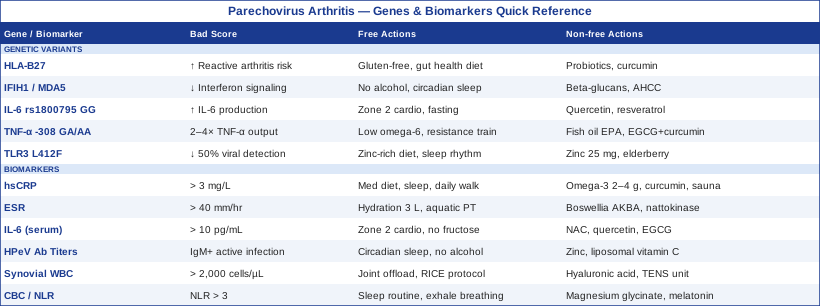
6 Biomarkers That Tell You What Is Actually Happening in Your Joints
Parechovirus arthritis sits in a difficult diagnostic space: it can look like reactive arthritis, septic arthritis, juvenile idiopathic arthritis, or even a general inflammatory condition depending on when you catch it. The six biomarkers below are not interchangeable — each reveals a different part of the picture. Together, they give you a longitudinal map of how your immune system is responding and whether treatment or lifestyle changes are actually working.
Biomarker 1: High-Sensitivity C-Reactive Protein (hsCRP)
Why It Matters in Parechovirus Arthritis
hsCRP is synthesized by the liver in direct response to IL-6 signaling, making it one of the most sensitive real-time indicators of systemic inflammation. In parechovirus arthritis, hsCRP rises during the acute phase and should trend downward as the viral trigger resolves. If it remains elevated weeks after the initial infection, it signals that the inflammatory cascade has not shut off — which is the key feature distinguishing prolonged reactive arthritis from a self-limiting condition. Peter Attia consistently emphasizes that hsCRP above 1 mg/L in a fasting state is not benign — it correlates with downstream joint damage and cardiovascular risk in inflammatory disease. In the context of post-viral arthritis, tracking hsCRP monthly gives you direct feedback on whether the immune response is burning out or still running hot.
How to Measure It
hsCRP is available through any standard blood draw. It requires fasting or at minimum no recent strenuous exercise (which can transiently raise CRP). Cost range: $15–40 USD out of pocket; often covered under standard inflammatory panels with a diagnosis code. Interpretation for post-viral arthritis context: below 1 mg/L is ideal, 1–3 mg/L suggests mild ongoing inflammation, above 3 mg/L indicates active systemic inflammation, and above 10 mg/L during the post-acute phase warrants investigation for persistent viral activity or transition to autoimmune disease. A PubMed search on hsCRP in reactive arthritis returns extensive evidence for its use as a monitoring tool.
If Your hsCRP Is Elevated: The Plan Without Supplements
Before adding anything, the most impactful non-supplement interventions center on eliminating the inputs that chronically stimulate IL-6 and CRP. Dietary shift: adopt a whole-food, predominantly Mediterranean-style diet eliminating refined seed oils (linoleic acid amplifies IL-6 signaling), ultra-processed carbohydrates, and alcohol. This alone can reduce hsCRP by 30–50% in 8–12 weeks in people with persistently elevated levels. Sleep: aim for 7.5–9 hours with consistent timing; poor sleep raises CRP independently of every other factor. Low-intensity movement: daily walking (20–30 minutes) reduces CRP without the transient elevation caused by intense exercise. Eliminate smoking completely — nicotine is a direct CRP stimulant even in intermittent smokers. These four changes are not optional additions; they are the foundation that determines whether anything else works.
If Your hsCRP Is Still Elevated: The Plan With Supplements or Equipment
If lifestyle changes have been implemented consistently for 8 weeks and hsCRP remains above 2 mg/L in the context of ongoing parechovirus arthritis:
Omega-3 fatty acids (EPA/DHA): 2–4g combined EPA+DHA daily. EPA specifically inhibits the arachidonic acid pathway that feeds CRP production. Cycle: continuous use is safe; review labs every 3 months. Side effects: mild fishy aftertaste, possible anticoagulant effect at doses above 4g/day — consult your doctor if on blood thinners.
Curcumin (phytosome or liposomal form): 500–1,000 mg daily with meals containing fat. Standard curcumin has poor bioavailability; Meriva and Longvida formats are the studied variants. Frequency: daily. Cycling: no strict cycling needed. Side effects: GI discomfort at high doses; avoid with gallbladder disease.
Vitamin D3 + K2: if vitamin D is below 40 ng/mL (common in inflammatory arthritis), supplementing to 50–70 ng/mL has been shown to reduce CRP. Typical dose: 2,000–4,000 IU D3 with 100–200 mcg K2 MK-7. Monitor 25-OH-D every 3–4 months. Side effects: rare at these doses; toxicity begins above 150 ng/mL.
Infrared sauna (equipment option): 3–4 sessions per week, 20 minutes at 45–60°C. Repeated thermal stress activates heat shock proteins that downregulate NF-κB, the master switch for CRP production. Research on inflammatory arthritis is preliminary but consistent with the anti-inflammatory mechanism. Allow joints to cool before resuming activity.
Biomarker 2: Erythrocyte Sedimentation Rate (ESR)
Why It Matters in Parechovirus Arthritis
ESR measures how quickly red blood cells settle in a tube over one hour — the faster they fall, the higher the inflammatory protein load in the blood. Unlike hsCRP, which reflects acute inflammation with a half-life of about 19 hours, ESR changes more slowly and captures chronic background inflammation over weeks. In parechovirus-triggered arthritis, the combination of hsCRP and ESR tells you whether you are dealing with an acute flare or a smoldering, ongoing inflammatory state. A high ESR with normalized hsCRP often signals chronic low-grade joint inflammation rather than active viral activity — an important distinction for treatment decisions.
How to Measure It
ESR is part of most basic inflammatory panels. Cost: $10–25 USD. Normal values: men under 50: below 15 mm/hr; women under 50: below 20 mm/hr; adjust upward by 5–10 mm/hr over age 50. In active reactive arthritis, ESR commonly runs 40–80 mm/hr. Above 100 mm/hr should prompt investigation for systemic infection, malignancy, or autoimmune overlap. Check PubMed literature on ESR in reactive arthritis for prognostic context.
If Your ESR Is Elevated: The Plan Without Supplements
High ESR in the weeks after parechovirus infection is largely driven by two things: active inflammatory signaling and elevated fibrinogen. Hydration matters more than most people realize — dehydration increases protein concentration and accelerates sedimentation. Aim for 2.5–3L of water daily. Anti-inflammatory diet (see hsCRP section) directly lowers fibrinogen over 6–10 weeks. Gentle aquatic exercise 3–4 times per week is particularly effective for high-ESR arthritis because water resistance allows joint movement without mechanical loading — this supports synovial fluid turnover, which helps flush inflammatory mediators.
If Your ESR Is Still Elevated: The Plan With Supplements or Equipment
Boswellia serrata extract (AKBA fraction): 100–400 mg AKBA daily. Boswellic acids directly inhibit 5-LOX, reducing leukotriene production and downstream ESR elevation. Human trials in inflammatory arthritis show meaningful reductions in ESR at 8–12 weeks. Take with meals. Cycling: no strict requirement. Side effects: mild GI effects; avoid in pregnancy.
Nattokinase: 100–200 mg (2,000–4,000 FU) daily on an empty stomach. Reduces fibrinogen levels — one of the main proteins elevating ESR. Take away from meals for maximum fibrinolytic effect. Side effects: mild anticoagulant activity; avoid combining with blood thinners without medical oversight.
Cold water immersion (equipment option): 3–5 minute cold plunge at 10–15°C, 3 times per week. Reduces inflammatory cytokines and can lower ESR measurably over 4–6 weeks of consistent use. Avoid if joint inflammation is in acute flare; wait for swelling to reduce before implementing.
Biomarker 3: Interleukin-6 (IL-6)
Why It Matters in Parechovirus Arthritis
IL-6 is the upstream driver of both CRP and ESR — it is the cytokine that most directly reflects the body's response to the parechovirus infection itself. In acute HPeV infection, IL-6 spikes rapidly and drives the fever, fatigue, and joint pain that characterize the illness. In some individuals, IL-6 remains chronically elevated after viral clearance, locking the joint in a state of persistent synovial inflammation. Elevated IL-6 at 4–8 weeks post-infection is a warning signal that the condition is transitioning from reactive to potentially more chronic inflammatory arthritis. IL-6 also drives Th17 cell polarization — a pathway central to autoimmune arthritis — making it a critical window into whether the immune response is escalating beyond the initial viral trigger. See PubMed literature on IL-6 in post-viral arthritis for the mechanistic background.
How to Measure It
Serum IL-6 is a specialty test not always included in standard panels. Cost: $50–150 USD out of pocket; most often ordered by rheumatologists or immunologists. Normal fasting level: below 7 pg/mL. In active viral arthritis: 10–50 pg/mL. In severe cases or transition to autoimmune arthritis: >50 pg/mL. Some labs report in different units — always confirm the reference range on your report.
If Your IL-6 Is Elevated: The Plan Without Supplements
IL-6 is highly sensitive to lifestyle inputs. Visceral adipose tissue is an IL-6 factory — even modest reductions in abdominal fat (achieved through caloric deficit and movement) produce rapid drops in IL-6 within 6–8 weeks. Sleep quality has a direct, dose-dependent relationship with IL-6: each hour of sleep debt raises fasting IL-6. Prioritize sleep before any other intervention. Eliminate sugar-sweetened beverages immediately — fructose specifically upregulates IL-6 production via the NLRP3 inflammasome pathway. Moderate aerobic exercise (zone 2 cardio, 30–45 minutes, 4x per week) consistently reduces IL-6 through myokine signaling — specifically via IL-6's anti-inflammatory receptor pathway activated by exercising skeletal muscle.
If Your IL-6 Is Still Elevated: The Plan With Supplements or Equipment
NAC (N-acetylcysteine): 600–1,200 mg daily. NAC restores glutathione and directly inhibits NF-κB, reducing IL-6 transcription. Take in the morning. Cycling: some practitioners recommend 5 days on / 2 days off to prevent adaptation. Side effects: rare nausea at high doses; avoid in active kidney disease.
Quercetin: 500–1,000 mg daily with fat for absorption (or use phytosome form). Quercetin is a direct IL-6 inhibitor in human studies and also has antiviral properties relevant to RNA viruses like HPeV. Frequency: daily. Side effects: mild; possible interaction with antibiotics and blood thinners.
EGCG (green tea extract): 400–800 mg standardized extract, or 4–6 cups of quality green tea daily. EGCG inhibits STAT3 signaling downstream of IL-6. Take without food for maximum absorption. Cycling: consider 5 days on / 2 days off if used long-term. Side effects: caffeine sensitivity; avoid on empty stomach if prone to GI issues.
Biomarker 4: Human Parechovirus-Specific Antibody Titers
Why It Matters in Parechovirus Arthritis
This is the most specific biomarker for confirming that HPeV is — or was — the actual trigger for your arthritis. Serum IgM antibodies against HPeV appear within 7–14 days of infection and persist for 4–8 weeks, while IgG antibodies can remain detectable for months to years. In the context of arthritis, a positive IgM suggests active or very recent infection, while a rising IgG titer during a period of joint inflammation helps establish the viral etiology versus other causes of reactive arthritis (Chlamydia, Campylobacter, Yersinia, etc.). This matters clinically because parechovirus-triggered arthritis does not benefit from antibiotics — and the distinction is necessary before starting immunosuppressive therapy. See PubMed on HPeV serology and diagnosis for diagnostic reference ranges.
How to Measure It
HPeV serology (IgM/IgG) is a specialty test, cost range: $100–300 USD, typically ordered through infectious disease or rheumatology. Not all labs offer it; reference labs (Quest, ARUP, or national virology centers) are usually required. PCR from stool, throat swab, or CSF is the gold standard for acute infection detection; serology is more appropriate for retrospective confirmation in the arthritis workup window. Always request serotyping if possible, as HPeV3 carries a different clinical profile than HPeV1.
If Your Titers Indicate Active or Ongoing HPeV Activity: The Plan Without Supplements
There is no approved antiviral for HPeV, so the immune system does the work. Your role is to create conditions for efficient viral clearance: consistent sleep at the same time each night (circadian rhythm drives peak NK cell activity in the early morning hours — disrupting this directly impairs viral clearance); moderate-intensity exercise rather than high intensity (intense training transiently suppresses innate immune activity); reduce alcohol to zero during the active phase (even 1–2 drinks suppress interferon signaling); maintain adequate hydration to support lymphatic clearance. Thermal stress — sauna at 60°C for 15–20 minutes, 3x per week — has been shown to upregulate heat shock proteins and innate immune activity, which may accelerate viral clearance.
If Your Titers Are Confirming HPeV: The Plan With Supplements or Equipment
Zinc (as zinc picolinate or bisglycinate): 25–40 mg elemental zinc daily with food. Zinc directly inhibits picornavirus replication (HPeV is in the Picornaviridae family) and is essential for interferonproduction. Do not exceed 40 mg/day long-term without medical supervision. Cycling: 8 weeks on, 2 weeks off (to prevent copper depletion; pair with 2 mg copper if using more than 3 months). Side effects: nausea if taken on empty stomach; long-term excess impairs copper absorption.
Vitamin C (liposomal form): 1–3g daily in divided doses. High-dose vitamin C supports NK cell activity and interferon production. Frequency: daily. Side effects: loose stools at high doses; reduce to bowel tolerance. Liposomal forms minimize GI side effects.
Infrared light therapy (equipment): 830nm near-infrared, applied to affected joints and chest (lymph nodes) for 10–15 minutes, 4–5 times per week. Photobiomodulation at these wavelengths upregulates mitochondrial function in immune cells and has shown direct antiviral and anti-inflammatory effects in early human studies.
Biomarker 5: Synovial Fluid White Cell Count
Why It Matters in Parechovirus Arthritis
The synovial fluid is the most direct window into what is happening in the joint itself. While blood biomarkers reflect systemic inflammation, synovial fluid analysis tells you the character and intensity of the inflammation at the site of arthritis. In parechovirus arthritis, synovial fluid typically shows an inflammatory profile (2,000–20,000 white blood cells per µL) with lymphocyte predominance — which is the signature of viral rather than bacterial arthritis. This distinction is critical: bacterial septic arthritis (WBC above 50,000 with neutrophil predominance) is a medical emergency requiring immediate antibiotic treatment, while viral reactive arthritis is managed conservatively. Knowing your synovial WBC count and differential is not optional if the joint is significantly swollen — it directly determines the urgency and type of treatment. See PubMed on synovial fluid interpretation in reactive arthritis.
How to Measure It
Synovial fluid is obtained through arthrocentesis (joint aspiration), typically performed by an orthopedic surgeon or rheumatologist. Cost: $200–400 USD for the procedure plus lab analysis. The sample is analyzed for WBC, differential, glucose, protein, crystals, Gram stain, and culture. Results typically return within 24–48 hours; culture takes 48–72 hours. This is not a test you can repeat frequently — it is reserved for significant joint effusions or diagnostic uncertainty. The lymphocyte-to-neutrophil ratio in the fluid is particularly informative: viral/reactive arthritis shows predominantly lymphocytes (>50%), while bacterial arthritis shows predominantly neutrophils (>75%).
If Your Synovial WBC Is in the Inflammatory Range: The Plan Without Supplements
For inflammatory-range synovial WBC (2,000–20,000 cells/µL) in the context of confirmed or suspected HPeV, the first priority is joint offloading. Minimize weight-bearing on affected joints during flares; use supportive bracing for large joints (knee, ankle). Gentle range-of-motion exercises in water (aquatic physical therapy) reduce synovial inflammation by improving circulation without mechanical stress. Topical heat (15-minute applications, 3–4x daily) promotes synovial fluid reabsorption during subacute phases. Ice is more effective during peak inflammatory swelling. Rest-ice-compression-elevation (RICE) remains appropriate during active flares.
If Your Synovial WBC Remains Elevated: The Plan With Supplements or Equipment
Hyaluronic acid (oral): 80–200 mg daily of high-molecular-weight HA. Though the route of administration is debated, oral HA supplementation has shown modest evidence for improving synovial fluid quality and reducing joint inflammation markers. Frequency: daily. Side effects: minimal; mild GI effects possible.
Collagen hydrolysate (Type II): 10–15g daily or 40 mg undenatured type II collagen. Type II collagen taken orally appears to modulate immune tolerance in synovial tissue. Frequency: daily, ideally on an empty stomach. Cycling: not required. Side effects: rare.
TENS unit (equipment): transcutaneous electrical nerve stimulation over the joint, 20–30 minutes daily. TENS reduces local inflammatory cytokine concentrations in synovial tissue and provides analgesic benefit. Well-supported for inflammatory arthritis in physiotherapy literature. Cost: $50–150 for a home device.
Biomarker 6: Complete Blood Count with Differential (CBC-D)
Why It Matters in Parechovirus Arthritis
The CBC-D is often treated as a basic screening test, but in the context of post-viral arthritis it contains important signal: specifically, the neutrophil-to-lymphocyte ratio (NLR) and the absolute lymphocyte count. HPeV, like most enteroviruses, produces a characteristic lymphocytosis during acute infection and sometimes during reactive phases — an elevated lymphocyte count in someone with active arthritis weeks after an apparent viral illness is a meaningful clue pointing toward viral rather than bacterial etiology. The NLR is a cost-free calculation from the CBC: values above 3 indicate significant systemic inflammation; above 5–6 reflects severe inflammatory stress. A PubMed search on NLR and arthritis shows its emerging value as a disease activity marker.
How to Measure It
CBC with differential is among the least expensive blood tests available: $10–30 USD, almost universally covered by insurance. It requires a simple blood draw, fasting not required. Calculate NLR by dividing absolute neutrophil count by absolute lymphocyte count. Normal NLR: 1–3. Elevated (3–5): moderate inflammatory stress. High (above 5): significant systemic inflammation. Note timing: intense exercise 24 hours before the draw can transiently elevate neutrophils and skew the NLR upward.
If Your NLR Is Elevated: The Plan Without Supplements
NLR is highly responsive to sleep quality and quantity — this is the highest-leverage non-supplement intervention. A single night of poor sleep can shift NLR by 30–50%. Circadian alignment (same sleep/wake time ±30 minutes) normalizes the cortisol-neutrophil axis within 2 weeks. Reducing chronic psychological stress has documented effects on NLR through HPA axis regulation: a twice-daily 10-minute breathing practice (extended exhale technique — inhale 4 seconds, exhale 8 seconds) activates the vagus nerve and reduces neutrophil activation signaling. Daily walking lowers NLR over 4–6 weeks with measurable consistency.
If Your NLR Is Still Elevated: The Plan With Supplements or Equipment
Magnesium glycinate or threonate: 300–400 mg elemental magnesium before bed. Magnesium deficiency (very common, affecting 50%+ of adults) directly elevates NLR through heightened stress hormone signaling. Replenishment normalizes NLR within 4–6 weeks. Side effects: loose stools at high doses (use glycinate/threonate to avoid this); avoid in renal failure.
Melatonin (low-dose): 0.5–1 mg 30–60 minutes before sleep (not higher — physiological doses work better for circadian reset). Melatonin directly suppresses neutrophil-driven inflammation and reduces NLR in inflammatory conditions. Cycling: use nightly for 8 weeks, then reassess. Side effects: morning grogginess at high doses (avoid doses above 3 mg).
Heart rate variability (HRV) biofeedback device: devices like the Polar H10 chest strap with HRV4Training app allow daily HRV tracking, which inversely correlates with NLR. Using breathing protocols guided by HRV data (resonance frequency breathing at 0.1 Hz) has clinical evidence for reducing inflammatory markers. $50–120 for hardware.
With those six biomarkers mapped, you now have a complete inflammatory dashboard for parechovirus arthritis — from the systemic signals (CRP, ESR, IL-6) to the viral-specific signal (HPeV titers), to the local joint data (synovial fluid), to the immune pattern indicator (CBC/NLR). The next layer of understanding is why your response was what it was to begin with — which is where genetics comes in.
The 5 Genetic Variants That Shape How Parechovirus Arthritis Unfolds
Human parechovirus is an RNA virus in the Picornaviridae family. How your immune system detects, fights, and ultimately resolves the infection — and whether it overshoots into joint inflammation afterward — is substantially determined by the genes you inherited. The following five variants have meaningful evidence for relevance to viral arthritis specifically, though it is worth noting that most evidence in this area comes from studies on related enteroviruses and reactive arthritis broadly, not HPeV-specific genetic studies, which remain sparse. Where evidence is early, it will be flagged as such.
Gene 1: HLA-B27
What This Gene Does
HLA-B27 is part of the major histocompatibility complex (MHC) class I system, responsible for presenting peptide fragments from inside cells to cytotoxic T cells. When carried, HLA-B27 is the single strongest genetic risk factor for reactive arthritis following any triggering infection, including enteroviruses like HPeV. Present in approximately 8% of the general population, HLA-B27 is found in 60–80% of patients who develop classic reactive arthritis with the characteristic triad of joint inflammation, urethritis, and conjunctivitis. Even in partial presentations, HLA-B27 positive individuals are more likely to have prolonged joint inflammation after a viral trigger. The mechanism involves molecular mimicry: the HLA-B27 molecule presents self-peptides that structurally resemble viral antigens, causing ongoing T cell activation against joint tissue even after the virus is cleared. See PubMed on HLA-B27 and reactive arthritis mechanism.
If You Carry HLA-B27: The Plan Without Supplements
HLA-B27 cannot be changed, but its downstream effects can be modulated. The most important modifiable factor is gut microbiome diversity: HLA-B27 misfolding in the endoplasmic reticulum is aggravated by gut dysbiosis, and there is consistent evidence that gut inflammation amplifies HLA-B27-triggered joint disease (particularly in the spondyloarthropathy spectrum). Dietary intervention: elimination of gluten and casein for a minimum 12-week trial, as both proteins increase intestinal permeability and the translocation of bacterial antigens that activate HLA-B27-primed T cells. Avoid prolonged NSAID use without gastroprotection — HLA-B27 positive individuals are at elevated risk of gut mucosal damage from NSAIDs, which worsens the gut-joint inflammatory loop. Frequency: these are ongoing dietary and pharmaceutical practices, not temporary protocols.
If You Carry HLA-B27: The Plan With Supplements or Equipment
Lactobacillus reuteri and Lactobacillus acidophilus probiotics: both strains have specific evidence for modulating the gut-joint axis in SpA/reactive arthritis. Dose: 10–50 billion CFU daily, with food. Frequency: daily, long-term. Cycling: no strict cycling; reassess after 3 months with a GI symptom review. Side effects: bloating initially; resolves within 1–2 weeks.
Turmeric/curcumin (as above): additionally relevant here because curcumin specifically blocks NF-κB activation triggered by HLA-B27 misfolding stress. The evidence for curcumin in spondyloarthropathy-related joint inflammation is modest but consistent.
Polarized light therapy (equipment): Bioptron or similar polarized light devices applied to spinal and peripheral joints for 10–15 minutes per session, 2x daily. Used in European rheumatology for reactive and spondyloarthropathic arthritis; reduces local inflammatory cytokines in superficial joints. Side effects: essentially none; avoid direct eye exposure.
Gene 2: IFIH1 (MDA5 — rs1990760)
What This Gene Does
IFIH1 encodes the protein MDA5 (melanoma differentiation-associated protein 5), a cytosolic receptor that specifically recognizes long double-stranded RNA — the byproduct of RNA virus replication, including HPeV. When MDA5 detects viral RNA, it triggers a type I interferon response: the body's first-line antiviral alert system. The rs1990760 variant (Ala946Thr) affects how efficiently MDA5 activates this interferon cascade. Some variants reduce signaling efficiency, impairing early viral clearance and prolonging HPeV replication time — giving the virus more opportunity to trigger sustained joint inflammation. This same variant is associated with Type 1 diabetes, lupus, and other autoimmune conditions, suggesting that altered MDA5 function can push the immune response toward both insufficient (poor viral clearance) and excessive (autoimmune) patterns. Evidence for this specific variant in HPeV arthritis is early; data comes from broader enterovirus and RNA virus research. See PubMed on IFIH1/MDA5 variants and autoimmunity.
If Your IFIH1 Function Is Reduced: The Plan Without Supplements
A reduced-function MDA5 variant means slower interferon-alpha and interferon-beta production. The compensatory priority is protecting interferon signaling through lifestyle: alcohol is the most potent suppressant of type I interferon signaling in humans — even modest intake (1–2 drinks) measurably impairs the MDA5-interferon axis for 24–48 hours. Complete abstinence during active HPeV-related arthritis is advisable. Circadian sleep is critical here: interferon production peaks in the early morning hours in sync with clock gene rhythms. Shift workers and people with disrupted sleep timing have consistently lower baseline interferon levels. Consistent sleep scheduling is non-negotiable.
If Your IFIH1 Function Is Reduced: The Plan With Supplements or Equipment
Beta-glucans (1,3/1,6 from oats or yeast): 250–500 mg daily. Beta-glucans activate innate immune signaling through Dectin-1 receptors and can partially compensate for reduced MDA5 function by enhancing NK cell and macrophage activity. Frequency: daily. Cycling: 8 weeks on, 2 weeks off. Side effects: minimal.
AHCC (Active Hexose Correlated Compound): 3g daily on an empty stomach. AHCC is one of the better-studied immune modulators with specific evidence for upregulating NK cell activity and type I interferon response. Frequency: daily. Side effects: mild GI effects. Note: evidence is moderate; most human trials are in cancer and hepatitis contexts.
Red light therapy (660–850nm, equipment): 10–15 minutes daily over the thymus region (upper chest/sternum) and joint sites. Photobiomodulation at these wavelengths has been shown to enhance mitochondrial function in immune cells and increase their responsiveness — which can partially compensate for reduced innate signaling efficiency. Cost: $100–400 for a quality home device.
Gene 3: IL-6 Promoter Variant rs1800795 (-174 G/C)
What This Gene Does
The rs1800795 SNP in the IL-6 promoter region determines baseline IL-6 production capacity. The GG genotype is associated with higher IL-6 expression in response to immune triggers — which in the context of parechovirus arthritis means a more intense and potentially more prolonged inflammatory response. The CC genotype produces less IL-6, which in theory means a quieter inflammatory response but may also result in slower resolution of infection. For arthritis specifically, GG carriers tend to show higher CRP and ESR in reactive conditions and may be at greater risk for transition to chronic inflammatory arthritis after a viral trigger. This is one of the more well-studied cytokine gene variants in the rheumatology literature. See PubMed on IL-6 -174 polymorphism and inflammatory disease.
If You Carry the GG Genotype: The Plan Without Supplements
GG carriers need to be especially vigilant about the dietary and lifestyle drivers of IL-6 (covered in the biomarker section above). Specifically: visceral fat is the most modifiable IL-6 amplifier — each kilogram of visceral fat reduction correlates with measurable IL-6 reduction. Intermittent fasting (12–16 hours daily) has specific evidence for reducing IL-6 independent of weight loss. Zone 2 aerobic training (heart rate at 60–70% of max, 30–45 minutes, 4–5x per week) directly downregulates IL-6 through skeletal muscle myokine signaling. This is the most reproducible non-pharmacological IL-6 reducer known.
If You Carry the GG Genotype: The Plan With Supplements or Equipment
Quercetin + bromelain combination: 500 mg quercetin + 500 mg bromelain daily with meals. This pairing enhances quercetin absorption and adds systemic proteolytic anti-inflammatory activity. Frequency: daily. Cycling: 8 weeks on, 2 off. Side effects: bromelain can interact with blood thinners; mild GI sensitivity.
Resveratrol (trans-resveratrol): 100–500 mg daily with fat-containing meal. Trans-resveratrol activates SIRT1 deacetylase, which directly represses IL-6 gene transcription. Frequency: daily. Side effects: mild; some studies show hormetic effects at high doses — stay below 1g/day.
Gene 4: TNF-α -308G>A Variant (rs1800629)
What This Gene Does
The TNF-α -308G>A SNP controls the transcriptional output of tumor necrosis factor-alpha, the master cytokine of the inflammatory response. The A allele (producing the GA or AA genotype) is associated with 2–4 times higher TNF-α production following immune stimulation compared to the GG genotype. In the context of parechovirus-triggered arthritis, high TNF-α output drives more aggressive synovial inflammation, accelerates cartilage-degrading matrix metalloproteinase production, and increases the risk of the condition becoming erosive. The A allele is also a well-established risk factor for transition to rheumatoid arthritis phenotype in individuals who develop post-infectious joint inflammation, making it an important variant to know if your arthritis is not resolving as expected. See PubMed on TNF-α -308 and reactive arthritis.
If You Carry the GA or AA Genotype: The Plan Without Supplements
The most important dietary TNF-α modulator is the omega-6 to omega-3 ratio. The Western diet runs at roughly 15:1 or higher; the target for TNF-α modulation is 4:1 or below. This requires actively replacing industrial seed oils (soybean, corn, sunflower) with olive oil and adding fatty fish (sardines, mackerel, salmon) 3–4 times per week. A low-refined-carbohydrate diet reduces advanced glycation end-products (AGEs), which are potent TNF-α triggers. Physical activity specifically: resistance training 2–3x per week (even moderate intensity) has been shown to downregulate TNF-α receptor expression in synovial tissue over 8–12 weeks.
If You Carry the GA or AA Genotype: The Plan With Supplements or Equipment
Fish oil (high EPA): 3–4g EPA+DHA daily, with the ratio favoring EPA (2:1 EPA to DHA for TNF-α suppression specifically). Frequency: daily, long-term. Side effects: mild anticoagulation at high doses; review with physician if on blood thinners. Cycling: continuous use is safe for most people.
EGCG + Curcumin combination: both compounds independently suppress TNF-α at the transcriptional level through NF-κB inhibition. When combined at their typical doses (400–800 mg EGCG, 500–1000 mg curcumin phytosome), the effect is additive.
Cryotherapy (whole-body or local, equipment): local ice pack application (15–20 minutes) or cold water immersion directly reduces synovial TNF-α concentrations. Frequency: daily during active flares. Side effects: avoid on open wounds or areas with compromised circulation.
Gene 5: TLR3 Variant (rs3775291 — L412F)
What This Gene Does
Toll-like receptor 3 (TLR3) is expressed on immune cells and endosomal membranes, where it recognizes double-stranded RNA — a hallmark of RNA virus replication that includes HPeV. The L412F variant reduces TLR3 signaling efficiency by approximately 50%, impairing the initial innate immune detection of the virus. In practical terms, TLR3 L412F carriers may experience slower initial responses to HPeV, allowing the virus to replicate more extensively before the interferon cascade activates — leading to a higher viral load at peak infection and a more intense subsequent immune response when it eventually activates. This creates the paradox of a slow start followed by an overshooting inflammatory reaction. Evidence at this level is early and mostly from cell-based and small cohort studies on related RNA viruses; direct HPeV-TLR3 studies are limited. See PubMed on TLR3 variants and viral immunity.
If You Carry the TLR3 L412F Variant: The Plan Without Supplements
With reduced TLR3 efficiency, the priority is supporting the backup innate immune pathways that can compensate for reduced dsRNA detection: specifically the RIG-I and MDA5 pathways (IFIH1 gene above). Lifestyle support for all three pathways includes: consistent circadian rhythm adherence; aerobic exercise for NK cell mobilization; and zinc adequacy, which is essential for TLR signaling (zinc depletion specifically impairs TLR3 pathway activity). Getting zinc from food (oysters, beef, pumpkin seeds) rather than relying solely on supplements ensures sustained availability.
If You Carry the TLR3 L412F Variant: The Plan With Supplements or Equipment
Zinc (as above, 25–40 mg elemental): particularly relevant here because zinc is a direct cofactor for TLR3 signaling. Supplementation in the context of deficiency partially restores TLR3 pathway function. Cycling: 8 weeks on with 2 mg copper daily; 2 weeks off. Side effects: nausea if taken without food.
Elderberry (Sambucus nigra) standardized extract: 300–600 mg daily. Elderberry flavonoids activate TLR3-independent innate immune signaling and have modest but consistent human evidence for reducing duration and severity of RNA virus infections. Frequency: daily during active phase; consider 5 days on / 2 days off for maintenance. Side effects: avoid raw elderberries; rare GI effects with extract.
Photobiomodulation (660nm red light, equipment): as noted in the MDA5 section, near-infrared and red light therapy at 660–850nm enhances immune cell mitochondrial activity and upregulates TLR3 expression in macrophages in cell studies. Ten to fifteen minutes over lymph node regions daily may partially compensate for reduced baseline TLR3 function. Evidence at this level is preliminary.
Understanding these five genetic factors helps explain the biological individuality behind parechovirus arthritis outcomes. But genetics and biomarkers only tell part of the story — how you use that information to build daily habits determines what actually changes. The following section addresses exactly that, drawing on protocols developed through rigorous research.
What the Andrew Huberman Podcast Reveals About Post-Viral Inflammation and Recovery
Andrew Huberman (Stanford neuroscientist, Huberman Lab podcast) has covered the mechanisms of immune function, inflammation, and recovery across dozens of episodes, drawing exclusively on peer-reviewed research. While there is no single episode dedicated to parechovirus arthritis specifically, his protocols map precisely onto post-viral inflammatory conditions. The ten insights below are the most directly applicable to the situation of someone managing joint inflammation after an HPeV infection.
1. Sleep Is the Master Immune Regulator — Not a Complement to Recovery
Huberman repeatedly emphasizes that no supplement or protocol offsets sleep debt for immune function. During deep sleep, the brain's glymphatic system clears inflammatory metabolites; NK cell activity peaks in the circadian window between 2–5 AM; and cytokine resolution (including IL-6 and TNF-α clearance) depends on consistent slow-wave sleep. For post-viral arthritis, this means establishing a fixed sleep schedule takes priority over every other intervention — and the research clearly supports prioritizing it above the supplement stack.
2. Morning Sunlight Resets the Inflammatory Clock
Huberman's protocol for circadian alignment begins with 10–30 minutes of outdoor light exposure within 30 minutes of waking. This is not primarily about vitamin D (the UV intensity is too low in the morning for significant D3 synthesis) — it is about resetting the suprachiasmatic nucleus, which governs cortisol rhythm, and cortisol governs the neutrophil-lymphocyte balance that was discussed in the CBC/NLR biomarker section. A well-timed cortisol peak in the morning suppresses inappropriate immune activation throughout the day.
3. Deliberate Cold Exposure Has Anti-Inflammatory Benefits Beyond Anecdote
Cold water immersion at 10–15°C for 2–4 minutes activates norepinephrine release (up to 3x baseline), which directly suppresses NF-κB-driven inflammation for several hours. Huberman's protocol: 3–4 sessions weekly, not immediately after resistance training (cold blunts the muscle hypertrophy signal). In the context of reactive arthritis, the timing matters: use cold plunging 4–6 hours after physical therapy or exercise, not immediately after.
4. The Exercise Dose for Inflammation Is Precise
Too little exercise fails to activate anti-inflammatory myokine signaling; too much exercise during an active flare transiently suppresses immunity. Huberman references the zone 2 aerobic threshold (conversational pace, nasal breathing possible) as the sweet spot for immune-supporting exercise: 30–45 minutes, 4–5 times per week. High-intensity work should be introduced gradually only after hsCRP and ESR have normalized — before that, it adds inflammatory load rather than reducing it.
5. Omega-3s Must Reach a Threshold to Work
Huberman distinguishes between the dose of omega-3 that reduces platelet aggregation and the dose that meaningfully shifts the inflammatory balance. Below 2g combined EPA+DHA daily, the anti-inflammatory effect is minimal for most people. The target for post-viral arthritis management is 3–4g EPA+DHA daily from high-quality fish oil, with the dose split across two meals (breakfast and dinner) to optimize blood levels. He also notes that the omega-6 background diet must change simultaneously — omega-3s cannot out-compete seed oil overload.
6. Gut Health Directly Modulates Systemic Inflammation
Huberman has dedicated multiple episodes to the gut-brain-immune axis. The practical takeaway for arthritis: 2–4 servings daily of fermented foods (kimchi, sauerkraut, kefir, yogurt) consistently outperformed high-fiber diets alone in reducing inflammatory markers in a Stanford RCT (Wastyk et al., 2021, published in Cell). This finding — that fermented foods reduce IL-6 and other inflammatory cytokines even in people without gut disease — is directly relevant to the IL-6 elevation common in post-viral arthritis.
7. Stress Hormones Are a Hidden Driver of Persistent Joint Inflammation
Chronic psychological stress maintains elevated glucocorticoid levels that, paradoxically, become pro-inflammatory through glucocorticoid receptor desensitization. Huberman references cyclic physiological sighing (two inhales through the nose followed by a long exhale through the mouth, practiced for 5 minutes daily) as the fastest-acting autonomic reset: clinical trials show this specific pattern reduces perceived stress and inflammatory markers faster than other breathing patterns or meditation techniques.
8. Sauna Mimics Exercise for Immune Conditioning
Huberman references the Finnish sauna literature (Laukkanen et al.) showing that 4–7 sauna sessions per week at 70–100°C for 20 minutes each are associated with dramatically reduced inflammatory cytokine levels and all-cause mortality. For parechovirus arthritis: 3–4 sessions per week at 60–70°C for 15–20 minutes represents a conservative starting protocol that captures the heat shock protein benefits without thermal overload. Start at lower temperatures and shorter durations if new to sauna.
9. Vitamin D3 Is Conditionally Essential, Not Optional
Huberman explicitly states that vitamin D deficiency is so common that supplementation is nearly universally warranted without first testing, though he recommends testing before and after. For immune function and arthritis, the target range is 40–60 ng/mL. Below 30 ng/mL, the toll-like receptor signaling that detects HPeV is impaired. Supplementing with 2,000–4,000 IU D3 + K2 daily achieves this range in most deficient adults within 8–12 weeks.
10. Social Connection Directly Reduces Inflammatory Load
Huberman cites neuroscience research showing that social isolation increases NF-κB activity and inflammatory gene expression — an effect comparable to smoking in magnitude. Meaningful social interaction 3–5 times per week reduces CRP and IL-6 through oxytocin-mediated downregulation of sympathetic nervous system tone. For someone managing a chronic post-viral condition, this is not soft advice — it is a measurable anti-inflammatory input that costs nothing.
These protocols compound on one another. None of them are magic in isolation; together, they form the lifestyle infrastructure that gives the biomarker and genetic interventions the best chance of working.
Complementary Approaches With Evidence for Viral-Triggered Arthritis
The five approaches below were selected for their overlap with either reactive arthritis, inflammatory joint disease, or post-viral immune dysregulation. Each has at least some human clinical evidence, though the quality varies. None of them replace medical management; all of them can coexist with it.
Mindfulness-Based Stress Reduction (MBSR)
MBSR is an 8-week structured program combining body scan meditation, sitting meditation, and gentle movement, developed by Jon Kabat-Zinn at UMass Medical School. In the context of parechovirus arthritis, chronic pain and uncertainty about recovery create a psychological stress burden that feeds back into the IL-6/CRP axis — not metaphorically, but measurably. MBSR breaks this loop through cortisol regulation and parasympathetic activation.
A 2013 randomized trial published in Annals of the Rheumatic Diseases demonstrated that MBSR significantly reduced pain severity and inflammatory markers in patients with rheumatoid arthritis, with effects persisting at 6-month follow-up. A PubMed search on MBSR and arthritis returns multiple trials supporting pain reduction and inflammatory biomarker improvement in inflammatory joint conditions.
For parechovirus arthritis specifically: the 8-week MBSR program is available online (UMASS Center for Mindfulness, Palouse Mindfulness) and requires 45 minutes daily. The commitment matters — attending one or two sessions does not produce the neuroimmune changes that accumulate with consistent practice. Start with the body scan technique (lying down, 45 minutes, guided audio) and build from there. There are no side effects; some individuals experience temporary emotional processing during the early weeks.
Photobiomodulation (Low-Level Laser Therapy)
Photobiomodulation (PBM) uses specific wavelengths of light — typically 630–670nm (red) and 810–850nm (near-infrared) — to penetrate tissue and stimulate cytochrome c oxidase in mitochondria, increasing cellular ATP production and reducing oxidative stress in inflamed tissue. In the joints, this translates to reduced prostaglandin production, lower local IL-1β and TNF-α, and accelerated tissue repair.
A Cochrane-reviewed meta-analysis on low-level laser therapy for rheumatoid arthritis (Brosseau et al.) found significant reductions in pain, morning stiffness, and functional disability compared to sham treatment. While this evidence is in RA rather than HPeV-specific reactive arthritis, the anti-inflammatory mechanism is not disease-specific — it operates at the mitochondrial and cytokine level. See PubMed on PBM and arthritis evidence.
For practical application: home devices in the 630–850nm range (Joovv, RedRush, or clinical-grade panels at $100–500) can be applied to affected joints for 10–20 minutes daily. The treated joint should be at a distance of 10–30 cm from the panel. Apply after a gentle warm-up, not after icing. Results typically become apparent at 4–8 weeks with consistent use. There are no significant side effects at standard irradiance levels; avoid pointing directly at the eyes.
The Autoimmune Protocol (AIP) From Sarah Ballantyne
Sarah Ballantyne, PhD, developed the Autoimmune Protocol as a structured dietary and lifestyle framework specifically for conditions where immune dysregulation drives tissue damage — which is precisely what can happen in persistent post-viral arthritis if the immune response overshoots and begins attacking self-tissue. The AIP eliminates foods shown to increase intestinal permeability and immune activation (grains, legumes, nightshades, eggs, dairy, nuts, seeds, industrial seed oils, alcohol), while emphasizing nutrient-dense animal proteins, organ meats, seafood, fermented vegetables, and bone broth.
Human clinical evidence for AIP now includes a pilot study in Inflammatory Bowel Diseases (Konijeti et al., 2017) showing significant clinical remission in Crohn's disease within 6 weeks, and an ongoing body of clinical reports and observational studies in inflammatory arthritis. The AIP's specific relevance to parechovirus arthritis lies in its elimination of dietary triggers that upregulate TLR4 signaling, IL-17, and TNF-α — the exact cytokines implicated in HPeV-triggered joint persistence. See PubMed on AIP and inflammatory disease.
To implement: the elimination phase lasts 60–90 days, followed by systematic reintroduction of foods one at a time every 5–7 days. Ballantyne's book The Paleo Approach provides the full protocol. Work with a registered dietitian familiar with elimination protocols to ensure nutritional completeness. The AIP is demanding but not indefinite — most people identify their specific triggers within the reintroduction phase and return to a much broader diet without the problematic foods.
Microbiome-Directed Therapies
The gut-joint axis is no longer theoretical: the enteric immune system's response to microbial antigens directly shapes systemic cytokine tone, and gut dysbiosis has been documented in reactive and spondyloarthropathic arthritis across multiple cohort studies. For parechovirus arthritis, this connection is especially relevant because HPeV is an enteric virus — it primarily replicates in the gut before spreading systemically, meaning the infection itself likely disrupts the mucosal microbiome before arthritis develops.
A 2020 meta-analysis in Nutrients and multiple RCTs have shown that multi-strain probiotic supplementation (combining Lactobacillus, Bifidobacterium, and Streptococcus thermophilus strains) reduces CRP, IL-6, and joint symptom scores in inflammatory arthritis conditions. The PubMed evidence base for probiotics and inflammatory arthritis continues to grow, with the strongest effects seen in conditions with known gut-immune involvement.
Practical protocol: multi-strain probiotic (25–100 billion CFU, 8+ strains including Lactobacillus rhamnosus GG, Bifidobacterium longum, and B. lactis) taken daily on an empty stomach in the morning. Combine with prebiotic fiber (10–20g daily from diverse plant sources — not fiber supplements alone). Add fermented foods as discussed in the Huberman section. The combination of probiotic supplementation and fermented food intake produces the most consistent results in published trials. Allow 8–12 weeks for measurable biomarker change.
Breathing-Based Therapies
Structured breathing practices activate the vagus nerve and shift autonomic balance toward parasympathetic dominance, which has direct downstream effects on NF-κB activity, IL-6 production, and the neutrophil-to-lymphocyte ratio. For someone managing post-viral arthritis — where stress responses frequently maintain chronic inflammatory signaling — this represents a low-cost, daily-use intervention with measurable physiological effects.
A 2017 RCT published in PNAS (Kox et al.) demonstrated that trained voluntary breathing techniques significantly reduced circulating TNF-α, IL-6, and IL-8 levels following experimental endotoxin challenge, compared to controls. While this study used the Wim Hof method (which combines breathing, cold, and meditation), later studies have shown that the breathing component alone drives substantial cytokine reduction. See PubMed on breathing-based therapies and inflammation.
For parechovirus arthritis, the 4-7-8 breathing technique or resonance frequency breathing at 0.1 Hz (inhale 5 seconds, exhale 5 seconds) practiced for 10–20 minutes twice daily is the most accessible protocol. Resonance frequency breathing specifically maximizes heart rate variability amplitude, which is the measurable proxy for vagal tone and anti-inflammatory signaling. Use an HRV biofeedback device (as mentioned in the CBC/NLR section) to confirm you are hitting resonance. Practiced daily for 8 weeks, this technique reliably reduces perceived pain, improves sleep quality, and — based on the available evidence — lowers inflammatory cytokine load in individuals with elevated baseline inflammation.
Conclusion
Parechovirus arthritis sits at the intersection of virology, immunology, and individual genetic variation — which is precisely why generic advice so often falls short. The six biomarkers covered here give you a concrete monitoring framework: hsCRP and ESR track systemic inflammatory burden, IL-6 reveals the cytokine driving the process, HPeV antibody titers confirm the viral connection, synovial fluid WBC characterizes the joint-level response, and the CBC-derived NLR maps your immune pattern across time. The five genetic variants — HLA-B27, IFIH1, IL-6 rs1800795, TNF-α -308, and TLR3 L412F — help explain why your experience of this condition may differ significantly from someone else with an identical infection history.
None of this replaces a rheumatologist or infectious disease specialist for active management, but it does give you the vocabulary and the specific data points to have a more productive conversation with your care team. The most useful next step is choosing one or two biomarkers to establish a baseline — hsCRP and ESR are the most accessible starting point — then reviewing them every 4–8 weeks to track trajectory. If you have not yet been genetically tested, direct-to-consumer options (23andMe raw data interpreted through Genetic Genie, or a clinical genetics panel through your doctor) can reveal the variants discussed here.
Track, measure, adjust. Better data leads to better decisions.