This article contains AI generated content.
· UpdatedParkinson's Disease Genes and Biomarkers — 7 Genes And 6 Biomarkers To Track
Introduction
Living with Parkinson's disease — or supporting someone who does — brings a particular kind of uncertainty that most clinical visits do not fully address. The tremors, the rigidity, the gradual erosion of movement confidence: these are real, and they are frustrating. And yet the standard medical conversation often stays at the level of symptom management rather than examining the upstream biological signals that might explain why the disease is progressing the way it is for you specifically.
Most public information about Parkinson's stops at dopamine depletion and motor symptoms. That framing is accurate but far from complete. Two people carrying the same diagnosis can have starkly different genetic profiles, different inflammatory states, different mitochondrial function, and different levels of the proteins implicated in the disease. Grouping them under identical advice leaves real leverage points untouched.
This article takes a more precise approach. It focuses on biological signals that can actually be measured — biomarkers accessible through blood tests, cerebrospinal fluid analysis, and specialized panels — and on seven genes for which meaningful human research now exists. Neither replaces a qualified neurologist. But understanding them puts you in a better position to ask the right questions, interpret your results, and participate more actively in your own care.
The goal here is not to promise a reversal or a cure. The goal is to help you find your specific signal within what often feels like a great deal of noise. This article first covers six biomarkers worth tracking, including some rarely discussed outside of research settings, with a clear plan for each abnormal result. It then examines seven genes with evidence-backed strategies for compensating for each one. Additional sections cover a book that is reshaping how clinicians think about Parkinson's prevention, and a selection of complementary approaches supported by clinical trials.
Summary
This article identifies six measurable biomarkers — including alpha-synuclein detection via seed amplification assay, neurofilament light chain, uric acid, homocysteine, hs-CRP, and CoQ10 — and explains exactly what each reveals about disease activity, how to get tested (with real cost estimates), and what to do if a result comes back unfavorable, both with and without supplements. The genetics section covers seven genes — LRRK2, SNCA, GBA1, PINK1, PRKN, MAPT, and VPS35 — with practical compensatory strategies for each. Beyond the core strategies, the article summarizes ten breakthrough insights from the book Ending Parkinson's Disease that challenge conventional thinking, and reviews three complementary approaches — tai chi, rhythmic music therapy, and mindfulness — backed by randomized controlled trials. If you have ever felt that standard Parkinson's advice was not specific enough to be actionable, this is where that changes.
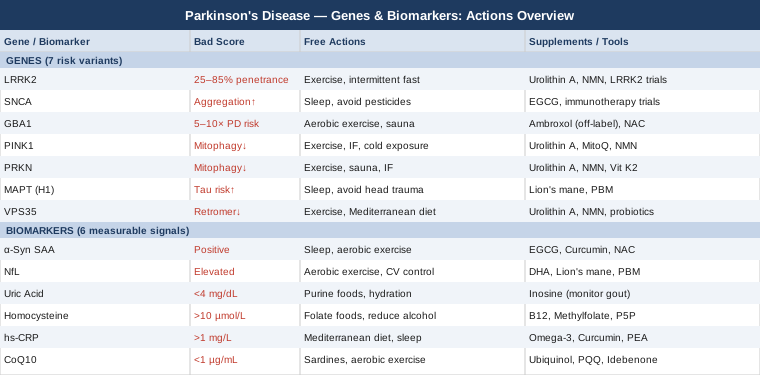
6 Biomarkers Worth Tracking in Parkinson's Disease
Biomarkers are not just research tools. In Parkinson's disease, several of them are becoming accessible enough to integrate into real clinical monitoring, and each one tells a different part of the same story: what is happening in the nervous system, how fast, and which pathways are under stress. The six below range from cutting-edge tests now entering clinical use to affordable panels available at most standard labs. Together they form a meaningful picture.
Biomarker 1: Alpha-Synuclein via Seed Amplification Assay (SAA)
Why it matters and what it reveals
Alpha-synuclein is the protein at the center of Parkinson's disease biology. In healthy brains, it helps regulate synaptic vesicles. In Parkinson's, it misfolds, aggregates, and forms the Lewy bodies that define the disease pathologically. For decades, there was no reliable way to detect this abnormal protein in living patients. The seed amplification assay (SAA), also called real-time quaking-induced conversion (RT-QuIC), changed this. It detects misfolded alpha-synuclein in cerebrospinal fluid and, more recently, in nasal brushings and skin biopsies, achieving sensitivity and specificity exceeding 85–90% in several published studies. The Parkinson's Progression Markers Initiative (PPMI), a large longitudinal study supported by the Michael J. Fox Foundation, has validated this approach across thousands of participants and it is now considered the closest thing Parkinson's research has to a definitive diagnostic biomarker.
How to measure it
CSF collection via lumbar puncture: $400–$1,800 depending on facility and insurance coverage. Skin biopsy (phosphorylated alpha-synuclein staining via Syn-One Test by CND Life Sciences): increasingly available through specialized neurology centers, approximately $300–$600. Nasal brushing SAA is still largely in research settings. This test is most relevant at diagnosis or when diagnosis is uncertain, rather than for routine quarterly monitoring.
If the result is abnormal — plan without supplements
Optimizing sleep architecture is the single most underutilized intervention here. The glymphatic system — the brain's waste clearance network — operates primarily during deep non-REM sleep and clears alpha-synuclein from interstitial fluid. A consistent 7.5–8.5 hour sleep window, sleep position (lateral/side sleeping enhances glymphatic flow), and treating sleep apnea if present directly support this clearance mechanism. Aerobic exercise at moderate intensity (150 minutes/week), shown in animal models and early human studies to reduce alpha-synuclein toxicity, is the other pillar. Eliminating exposure to known environmental triggers — particularly organochlorine pesticides (paraquat, rotenone), trichloroethylene (TCE), and manganese — is non-negotiable if exposure is possible.
If the result is abnormal — plan with supplements or equipment
EGCG (epigallocatechin-3-gallate, the active compound in green tea extract) has demonstrated inhibition of alpha-synuclein aggregation in multiple cell and animal studies at doses of 400–800 mg/day. Evidence in humans remains early. Curcumin in a bioavailable form (theracurmin or meriva formulation, 500–1000 mg/day with meals) has shown disaggregation activity in vitro. N-acetyl cysteine (NAC) at 600–1200 mg/day supports glutathione synthesis and reduces oxidative stress, which accelerates aggregation. For sleep enhancement: a continuous positive airway pressure (CPAP) device for sleep apnea and blue-light blocking glasses 90 minutes before bed are equipment-level interventions with direct mechanistic relevance. Cycle curcumin 6 weeks on, 2 weeks off to avoid saturation effects. NAC is generally well tolerated but may cause nausea at higher doses; take with food.
Biomarker 2: Neurofilament Light Chain (NfL)
Why it matters and what it reveals
Neurofilament light chain is a structural protein released from the axons of neurons when they are damaged. When neurons die or their axons are injured — as happens in Parkinson's and many other neurodegenerative conditions — NfL leaks into cerebrospinal fluid and, at lower concentrations, into the bloodstream. Serum NfL is emerging as a sensitive marker of neurodegeneration rate: higher levels correlate with faster clinical progression, greater motor impairment, and increased cognitive symptoms. Critically, NfL can help differentiate typical Parkinson's from atypical parkinsonian syndromes like PSP or MSA, which show much higher elevations. In the context of monitoring, rising NfL over time suggests accelerating neurodegeneration, while stable levels are a reassuring sign.
How to measure it
Serum NfL via ultra-sensitive immunoassay (Simoa or Lumipulse technology). Cost: $150–$400 through specialty labs; increasingly ordered through academic medical centers and some neurologists. Baseline measurement plus repeat at 12-month intervals provides a useful trajectory. The test is not yet universally available at standard labs, but this is rapidly changing as clinical demand grows.
If the result is elevated — plan without supplements
The priority is reducing the drivers of ongoing neuronal damage. This means maximizing aerobic exercise (which upregulates BDNF and has neuroprotective effects in multiple PD studies), aggressively managing cardiovascular risk factors (high blood pressure, blood glucose, and LDL all contribute to vascular neuronal injury that compounds NfL elevation), and ensuring sleep quantity and quality are optimized for glymphatic clearance. Alcohol consumption should be minimized, as even moderate intake accelerates neuroinflammation in susceptible individuals.
If the result is elevated — plan with supplements or equipment
DHA (docosahexaenoic acid, the omega-3 found in fatty fish) at 1–2 g/day in triglyceride form (fish oil or algae-based) supports neuronal membrane integrity and reduces neuroinflammation. Lion's mane mushroom (Hericium erinaceus, 500–1000 mg/day standardized extract) promotes nerve growth factor (NGF) synthesis; a small Japanese RCT showed cognitive improvement in older adults with MCI. Phosphatidylserine (400 mg/day in divided doses) supports membrane composition in neurons. Near-infrared photobiomodulation helmets targeting the prefrontal cortex and other brain regions are in early trials for neurodegeneration support (10–20 minute sessions, several times per week); results in PD are preliminary but mechanistically plausible through cytochrome c oxidase activation.
Biomarker 3: Uric Acid
Why it matters and what it reveals
Uric acid functions as a powerful endogenous antioxidant in the bloodstream, scavenging reactive oxygen species and peroxynitrite. In Parkinson's disease research, lower serum uric acid has consistently been associated with both higher risk of developing PD and faster disease progression once diagnosed. The PRECEPT study (a large multicenter trial of the neuroprotective agent creatine in PD) confirmed that lower baseline uric acid predicted faster motor decline. Women, who naturally have lower uric acid levels, have shown the most pronounced associations. The SURE-PD and SURE-PD3 trials investigated whether raising uric acid with inosine could slow Parkinson's progression, providing important mechanistic validation even though the Phase 3 results were mixed.
How to measure it
Standard serum uric acid test: $15–$50 and available at any routine lab. This is one of the most accessible biomarkers on this list. Optimal range in the context of PD research is approximately 5.0–6.5 mg/dL for men and 4.0–5.5 mg/dL for women — the upper end of normal without entering gout territory. Levels below 4 mg/dL warrant attention.
If the result is low — plan without supplements
Dietary strategies to modestly raise uric acid include increasing consumption of lean meats, seafood (particularly shellfish), legumes (lentils, beans), and mushrooms — all of which contain purines that metabolize to uric acid. Maintaining adequate hydration paradoxically supports a healthier uric acid metabolism by reducing the risk of crystallization at higher levels. Avoiding diuretics when possible and discussing alternatives with your physician is worth raising if uric acid is persistently low.
If the result is low — plan with supplements or equipment
Inosine supplementation (a purine precursor that the body converts to uric acid) was studied in the SURE-PD3 trial at doses ranging from 500–3,000 mg/day, titrated to raise serum uric acid to 6.0–8.0 mg/dL. The trial found it was safe and effectively raised uric acid but did not show a statistically significant effect on motor progression. Despite this, inosine remains a rational option for individuals with very low uric acid and high concern about progression, used under physician monitoring. Key caution: gout and kidney stone risk increase with elevated uric acid. Monitor uric acid every 3 months if using inosine; do not exceed 7 mg/dL in those with a history of gout or nephrolithiasis. Start at 500 mg/day and titrate slowly.
Biomarker 4: Homocysteine
Why it matters and what it reveals
Elevated homocysteine is neurotoxic. It damages the endothelium of cerebral blood vessels, promotes oxidative DNA damage in neurons, and accelerates neurodegeneration. In Parkinson's disease, homocysteine elevation is particularly significant because levodopa therapy itself raises homocysteine: the metabolism of levodopa via catechol-O-methyltransferase (COMT) consumes S-adenosylmethionine (SAM) and generates homocysteine as a byproduct. Patients on long-term levodopa without B-vitamin supplementation frequently develop hyperhomocysteinemia, which independently predicts cognitive decline, white matter lesions, and cardiovascular events in PD populations. This is one of the most actionable biomarkers on this list because the elevation is both predictable and highly responsive to supplementation.
How to measure it
Standard plasma homocysteine test: $30–$80, available at most labs. Target: below 10 µmol/L is optimal; below 15 µmol/L is the clinical cutoff. Anyone on levodopa therapy should be tested at baseline and every 6–12 months. MTHFR genetic variants (C677T and A1298C) dramatically affect how the body handles homocysteine and may necessitate higher doses or specific forms of B-vitamins.
If the result is elevated — plan without supplements
Increasing dietary intake of folate-rich foods (leafy greens, lentils, chickpeas, asparagus) and vitamin B12-rich foods (eggs, fish, meat, dairy) addresses the nutritional foundation. Limiting high-methionine foods (excessive red meat) reduces the upstream precursor load. Avoiding alcohol (which depletes B-vitamins and impairs methylation) is important. Discussing a COMT inhibitor (entacapone) with your neurologist is worth raising: entacapone reduces levodopa metabolism via COMT, which directly decreases the homocysteine-generating pathway.
If the result is elevated — plan with supplements or equipment
The evidence-backed protocol: methylcobalamin (B12) 500–1000 mcg/day, methylfolate (5-MTHF) 400–800 mcg/day (preferred over folic acid for those with MTHFR variants), and pyridoxal-5-phosphate (active B6) 25–50 mg/day. If MTHFR C677T homozygous, doses may need to be higher and forms more carefully chosen. SAM-e (S-adenosylmethionine, 400–800 mg/day on empty stomach) supports methylation directly and has antidepressant properties relevant to PD's mood symptoms, but avoid if on antidepressants due to serotonin interactions. Retest after 8–12 weeks. No cycling required for B-vitamins at these doses.
Biomarker 5: High-Sensitivity CRP and Neuroinflammation Markers
Why it matters and what it reveals
Neuroinflammation is not a side effect of Parkinson's disease — it is a central driver of it. Activated microglia, elevated interleukins (IL-1β, IL-6, IL-18), and elevated TNF-alpha have been found in post-mortem PD brains and in the cerebrospinal fluid of living patients. Peripheral markers — particularly high-sensitivity C-reactive protein (hs-CRP) — provide an accessible proxy for systemic inflammatory load that partially reflects central nervous system inflammatory activity. Elevated hs-CRP in PD patients has been associated with faster motor progression and increased cognitive impairment in prospective studies. While peripheral inflammation is not identical to neuroinflammation, reducing it has documented effects on brain inflammation via the gut-brain axis, the vagal nerve, and circulating cytokines.
How to measure it
hs-CRP: $15–$50, standard lab. IL-6 and TNF-alpha via specialty immunoassay panels: $80–$250. An erythrocyte sedimentation rate (ESR) provides a rough additional signal. Target: hs-CRP below 1.0 mg/L is ideal; 1–3 mg/L is moderate concern; above 3 mg/L warrants active intervention. Retest every 3–6 months when addressing elevated levels.
If hs-CRP is elevated — plan without supplements
The Mediterranean dietary pattern is the most evidence-backed anti-inflammatory diet for brain health: extra-virgin olive oil (2–4 tablespoons/day), fatty fish (3+ servings/week), abundant vegetables, nuts, legumes, and minimal processed foods. Sleep quality is an inflammation amplifier — even one night of poor sleep raises IL-6 and TNF-alpha measurably. Treating obstructive sleep apnea reduces CRP significantly in controlled trials. Aerobic exercise (moderate intensity, 150 minutes/week) reduces systemic inflammatory markers in PD specifically. Chronic stress management through structured relaxation practice reduces cortisol-driven inflammation.
If hs-CRP is elevated — plan with supplements or equipment
EPA+DHA omega-3 fatty acids at 2–4 g/day (in triglyceride form for best absorption) reduce hs-CRP and IL-6 across multiple meta-analyses. Curcumin (theracurmin or meriva form, 500–1000 mg/day with fat-containing meals) has shown hs-CRP reduction in RCTs; cycle 6 weeks on, 2 off. Palmitoylethanolamide (PEA) at 600 mg twice daily has demonstrated anti-neuroinflammatory effects and is well tolerated with minimal side effects — one of the more compelling options for PD-related neuroinflammation given its microglia-modulating mechanism. Quercetin at 500–1000 mg/day (with bromelain for absorption) inhibits NF-κB and reduces several inflammatory cytokines. Infrared sauna sessions (3–4 per week, 20 minutes at 140–160°F) reduce systemic inflammation markers and are being studied in the context of neurodegeneration.
Biomarker 6: Coenzyme Q10 and Mitochondrial Function
Why it matters and what it reveals
Mitochondrial dysfunction is not peripheral to Parkinson's disease — it is at the core of its pathophysiology, especially in genetic forms involving PINK1 and Parkin. Complex I of the mitochondrial electron transport chain shows consistent deficiency in the substantia nigra of PD brains. CoQ10 (ubiquinone/ubiquinol) is an essential electron carrier in this chain. Blood CoQ10 levels can reflect mitochondrial stress, particularly when patients are on statin medications, which block the mevalonate pathway that produces both cholesterol and CoQ10. Statins are commonly co-prescribed in older adults and can significantly deplete CoQ10, worsening an already compromised mitochondrial system in PD.
How to measure it
Plasma or whole-blood CoQ10 level: $100–$200 through specialty labs (including ZRT Laboratory, Boston Heart Diagnostics). Target: plasma CoQ10 above 1.0 µg/mL; above 1.5 µg/mL is preferred in the context of PD. Lymphocyte Complex I activity (research-grade, available through some academic centers) provides deeper mitochondrial assessment. If on a statin, always measure CoQ10.
If the result is low — plan without supplements
Dietary CoQ10 sources: sardines, mackerel, herring, organ meats (heart, liver), and beef contain meaningful amounts. Regular aerobic exercise is one of the most powerful inducers of mitochondrial biogenesis and increases endogenous CoQ10 production indirectly via PGC-1α activation. Resistance training also improves mitochondrial function in older adults. Heat stress from sauna (Finlandia-style sauna, 3–4x/week) activates heat shock proteins and mitochondrial quality control pathways.
If the result is low — plan with supplements or equipment
Ubiquinol (the reduced, active form of CoQ10) at 200–400 mg/day with the largest meal of the day is significantly more bioavailable than ubiquinone at equivalent doses, particularly in older adults. Those on statins should use at least 200 mg/day ubiquinol. PQQ (pyrroloquinoline quinone) at 10–20 mg/day promotes mitochondrial biogenesis (upregulates PGC-1α) and has shown modest cognitive benefits in human studies. Combine with ubiquinol for synergistic effect. Idebenone (a CoQ10 analog that more readily crosses the blood-brain barrier) at 150–300 mg/day in divided doses is used in Leber's hereditary optic neuropathy and has theoretical advantages in CNS applications; evidence in PD specifically is limited. Note: the QE3 trial tested high-dose CoQ10 (1,200 mg/day) for PD motor progression and found no benefit over placebo — this does not discount mitochondrial support, but it argues against expecting CoQ10 alone to halt motor decline.
Tracking these six biomarkers over time — rather than measuring them once and moving on — turns them from snapshots into a genuine monitoring strategy. What changes, and how fast, carries as much information as any single value.
7 Genes Linked to Parkinson's Disease and What to Do About Each
Genetics does not determine destiny in Parkinson's disease, but it does define the terrain. Several well-established genes meaningfully raise individual risk or shape how the disease unfolds. Understanding which of these variants you carry opens up targeted compensatory strategies — most of them modifiable through lifestyle, a few augmented by specific supplements or investigational agents. Genetic testing through services like GeneDx, Invitae, or the Global Parkinson's Genetics Program (GP2) can identify most of the mutations below.
Gene 1: LRRK2 (Leucine-Rich Repeat Kinase 2)
What this gene does
LRRK2 G2019S is the most common dominant Parkinson's mutation in populations of European descent, and carries penetrance rates of 25–85% depending on age and ancestry. In Ashkenazi Jewish and North African Berber populations, it accounts for up to 40% of familial PD cases. LRRK2 regulates vesicle trafficking, autophagy, and lysosomal function. The G2019S variant increases kinase activity abnormally, impairing protein clearance and promoting alpha-synuclein accumulation.
If the gene is bad — plan without supplements
Aerobic exercise reduces LRRK2 kinase hyperactivity in preclinical models and promotes autophagy through AMPK activation. Intermittent fasting (16:8 protocol, 5–7 days/week) powerfully induces autophagy — the cellular recycling process that LRRK2 dysfunction impairs. Avoiding head trauma is critical as TBI dramatically accelerates LRRK2-related progression. Prioritizing restorative sleep for glymphatic clearance, and minimizing environmental toxin exposure, complete the foundation.
If the gene is bad — plan with supplements or equipment
LRRK2 kinase inhibitors (DNL151/BIIB122 from Denali/Biogen) are now in Phase 2/3 clinical trials and represent the closest thing to gene-targeted therapy for LRRK2 PD. Eligibility for these trials is worth discussing with a neurologist. Until proven, the supportive strategy centers on urolithin A (500–1000 mg/day, promotes mitophagy via a PINK1-independent pathway, studied in human muscle aging), NMN (nicotinamide mononucleotide, 250–500 mg/day, supports NAD+ and autophagy via SIRT1), and spermidine (1–2 mg/day from wheat germ extract, an autophagy inducer with human evidence in aging contexts). No cycling required for NMN; urolithin A is well tolerated with no known serious side effects.
Gene 2: SNCA (Alpha-Synuclein)
What this gene does
Point mutations and gene multiplications in SNCA cause rare familial Parkinson's, but common variants in the SNCA regulatory region (particularly rs356219) increase PD risk in the general population. SNCA encodes alpha-synuclein directly — variations that increase its expression or alter its structure accelerate the protein's tendency to misfold and aggregate into Lewy bodies.
If the gene is bad — plan without supplements
Sleep optimization is the primary lever: glymphatic alpha-synuclein clearance occurs during deep sleep. Side sleeping enhances this clearance compared to supine position (demonstrated in rodent models with glymphatic tracer studies). Treating REM sleep behavior disorder (a prodromal PD symptom that appears in many SNCA carriers) with a sleep specialist is important both for sleep quality and fall risk. Eliminating organophosphate pesticide exposure — both in diet (choose organic for the "dirty dozen" produce list) and occupational settings — is among the highest-leverage lifestyle modifications given direct causal links established in epidemiological literature.
If the gene is bad — plan with supplements or equipment
EGCG from green tea extract (400–800 mg/day) inhibits alpha-synuclein fibril formation in vitro and reduces aggregation in animal models — human evidence is preliminary but the safety profile is favorable at these doses. Avoid on an empty stomach (GI irritation); cycle 8 weeks on, 4 off to prevent catechin tolerance. Squalamine (a naturally occurring aminosterol from dogfish sharks) disrupts alpha-synuclein membrane binding in early research — not widely available commercially, but worth monitoring. Immunotherapy approaches targeting alpha-synuclein (prasinezumab, cinpanemab) are in clinical trials for SNCA-variant carriers and may be worth discussing with a movement disorders specialist.
Gene 3: GBA1 (Glucocerebrosidase)
What this gene does
GBA1 mutations are the most common genetic risk factor for Parkinson's disease worldwide, present in 5–15% of PD patients depending on population. Heterozygous mutations (N370S, L444P) increase PD risk 5–10-fold. GBA1 encodes the lysosomal enzyme glucocerebrosidase, which degrades glycolipids. When this enzyme is impaired, glycolipid accumulates in lysosomes, lysosomal function degrades broadly, and alpha-synuclein clearance collapses. GBA-related PD often progresses more rapidly and carries higher cognitive risk.
If the gene is bad — plan without supplements
Aerobic exercise upregulates lysosomal pathways (via TFEB activation) and has documented effects on overall autophagy-lysosomal function. A lower-carbohydrate dietary pattern reduces the glycolipid substrate burden on lysosomes. Heat stress from sauna or hot baths activates heat shock proteins (HSP70, HSP90) that serve as chaperones for glucocerebrosidase, potentially improving residual enzyme function. Avoiding alcohol is particularly important in GBA carriers as it further impairs lysosomal activity.
If the gene is bad — plan with supplements or equipment
Ambroxol is the most clinically advanced option here. This pharmacological chaperone (approved as a mucolytic cough medicine at 30–90 mg) at investigational doses of 150–1350 mg/day has shown evidence of increasing glucocerebrosidase activity in GBA-PD patients in Phase 2 trials (AiM-PD trial, UCL). It is not yet approved for this indication but is being actively researched. Some neurologists prescribe it off-label in GBA carriers — a conversation worth having with a specialist. Glucosylceramide synthase inhibitor (substrate reduction therapy, eliglustat) is approved for Gaucher disease and is under investigation for GBA-PD. Additionally, NAC (1200–1800 mg/day intravenous has been studied in PD; oral 600–1200 mg/day as a more practical option) supports GSH and lysosomal antioxidant capacity.
Gene 4: PINK1 (PTEN-Induced Kinase 1)
What this gene does
Biallelic PINK1 mutations cause autosomal recessive early-onset PD (often before age 50). Heterozygous mutations increase general PD risk. PINK1 is the gatekeeper of mitophagy — the selective removal of damaged mitochondria. When a mitochondrion loses its membrane potential, PINK1 accumulates on its surface, recruits Parkin, and tags it for degradation. Without PINK1, damaged mitochondria accumulate, generating excessive reactive oxygen species and triggering neuronal death.
If the gene is bad — plan without supplements
Resistance and aerobic training combined is the most powerful non-pharmacological mitophagy inducer available. Exercise acutely upregulates PINK1 expression and creates the metabolic stress that signals mitophagy even in the context of PINK1 reduction. Intermittent fasting (18–20 hour fasts, 3–4x/week) further deepens the mitophagic signal. Cold exposure (cold showers, ice baths) activates brown adipose tissue and upregulates mitochondrial uncoupling, improving mitochondrial quality control. Avoiding mitochondrial toxins — excess alcohol, aminoglycosides, and statins if CoQ10 is not co-supplemented — is essential.
If the gene is bad — plan with supplements or equipment
Urolithin A (500–1000 mg/day) is the most validated mitophagy inducer in humans — it works via a PINK1-independent pathway, making it specifically valuable in PINK1 mutation carriers where the canonical pathway is impaired. A 2019 randomized trial in older adults showed urolithin A improved mitochondrial and cellular health markers including NfL. MitoQ (mitoquinone mesylate, 10–20 mg/day, taken on empty stomach) is a mitochondria-targeted antioxidant that concentrates inside mitochondria approximately 1000-fold. NR or NMN (nicotinamide riboside 300–500 mg or NMN 250–500 mg/day) support NAD+ levels, which are required for SIRT1/SIRT3-mediated mitochondrial quality control. Side effects of urolithin A are minimal; MitoQ may lower blood pressure modestly — monitor if on antihypertensives.
Gene 5: PRKN / Parkin
What this gene does
Biallelic PRKN mutations are the most common cause of early-onset recessive PD, accounting for up to 50% of familial cases with onset before 45. Parkin is an E3 ubiquitin ligase that acts downstream of PINK1: when PINK1 accumulates on damaged mitochondria, it phosphorylates ubiquitin and Parkin, activating Parkin's activity. Impaired Parkin leads to the same mitophagic failure as PINK1 mutations — damaged mitochondria accumulate unchecked. Clinical presentations often show slower progression and good levodopa response compared to idiopathic PD.
If the gene is bad — plan without supplements
The approach mirrors PINK1: intensive exercise, intermittent fasting, and heat exposure. Sauna use is particularly relevant here: Finnish cohort data (from the Kuopio Ischemic Heart Disease study) showed that frequent sauna use (4–7 times/week) was associated with dramatically lower risk of neurodegenerative disease. Saunas upregulate HSP70, which supports protein quality control analogous to the function Parkin serves in organelle quality control.
If the gene is bad — plan with supplements or equipment
Urolithin A, NMN/NR, and MitoQ apply here as in PINK1. Additionally, vitamin K2 MK-4 (45 mg/day — the therapeutic dose used in Japanese osteoporosis research) has shown mitochondrial membrane-stabilizing properties and upregulates gas6 signaling with potential neuroprotective effects. Idebenone (150–300 mg/day) crosses the blood-brain barrier more readily than standard CoQ10 and provides electron shuttle support within dysfunctional mitochondria — a logical addition given Complex I deficiency in Parkin-PD. Combine with the highest-priority metabolic lifestyle interventions; supplements support but cannot replace the exercise and fasting signals.
Gene 6: MAPT (Microtubule-Associated Protein Tau)
What this gene does
The H1 haplotype of MAPT is an established genetic risk factor for typical Parkinson's disease and particularly for atypical parkinsonian syndromes (PSP, CBD). MAPT encodes tau protein, which stabilizes neuronal microtubules. The H1 haplotype is associated with higher tau expression, increased tauopathy risk, and Lewy body disease susceptibility. Unlike LRRK2 or GBA, MAPT variants confer more modest individual risk but are common enough in the population to contribute substantially to overall PD burden.
If the gene is bad — plan without supplements
Sleep quality and duration are the primary tau management tools: tau clearance occurs predominantly during sleep, and sleep restriction — even short-term — measurably increases tau in CSF. Aerobic exercise reduces tau pathology in animal models and improves CSF clearance dynamics. Avoiding head trauma absolutely: TBI dramatically accelerates tau accumulation and is especially dangerous in MAPT H1 carriers. Contact sports, high-fall-risk activities, and unprotected cycling should be discussed with a physician.
If the gene is bad — plan with supplements or equipment
Lion's mane mushroom (500–1000 mg/day of standardized extract with minimum 30% beta-glucans) promotes NGF synthesis and has neuroprotective effects in animal tauopathy models. Phosphatidylserine (400 mg/day, soy-derived) supports neuronal membrane integrity and has shown modest cognitive benefits in human trials in older adults with memory complaints. Methylene blue at very low doses (0.5–4 mg/day, pharmaceutical grade only — not the aquarium product) is being researched as a tau aggregation inhibitor and mitochondrial electron shuttle; evidence is early but the compound has a long safety history at low doses. Note: methylene blue interacts with serotonergic medications. Low-level laser / photobiomodulation transcranially (810 nm infrared, 10–15 min/day) activates cytochrome c oxidase in remaining neurons and is being studied in frontotemporal dementia (tauopathy) with preliminary positive signals.
Gene 7: VPS35 (Vacuolar Protein Sorting 35)
What this gene does
The VPS35 D620N mutation is a rare but mechanistically illuminating cause of dominant late-onset PD. VPS35 is a core component of the retromer complex, which retrieves proteins from endosomes back to the trans-Golgi network. The D620N mutation destabilizes the retromer, impairs endosomal sorting, activates LRRK2 aberrantly, and disrupts lysosomal function — connecting several major PD pathways. Though rare as a direct mutation, retromer dysfunction may be relevant in a broader subset of PD cases.
If the gene is bad — plan without supplements
Exercise and autophagy-inducing fasting apply as with LRRK2, given the mechanistic overlap. Mediterranean dietary patterns that support gut microbiome diversity are relevant since the retromer is also involved in gut epithelial protein sorting and intestinal homeostasis — and gut microbiome changes are increasingly documented in PD.
If the gene is bad — plan with supplements or equipment
Retromer-stabilizing compounds (R55 and analogues) are in early preclinical development at the University of Wisconsin and other centers, not yet in clinical trials. Current practical options mirror the LRRK2 protocol: urolithin A, NMN, and spermidine for autophagy and lysosomal support. Gut microbiome support — including targeted prebiotic fiber (inulin 5–10 g/day, arabinogalactan) and probiotic strains with documented gut-brain axis effects (Lacticaseibacillus rhamnosus, Bifidobacterium longum) — addresses the gut-retromer-PD connection being explored in current research.
Beyond genetics and biomarkers, a broader shift in how the scientific and medical community understands Parkinson's disease has been taking shape over the last decade — and a few sources distill this shift with unusual clarity.
The Book That May Change How You Think About Parkinson's Prevention
Ending Parkinson's Disease by Ray Dorsey, Todd Sherer, Michael Okun, and Bas Bloem (PublicAffairs, 2020) is one of the most important books on Parkinson's disease written for a general audience, authored by four leading neurologists. It argues — with citations from hundreds of studies — that Parkinson's is in large part an environmental disease, that it is partly preventable, and that the medical community has been too slow to act on evidence already available. Here are the ten most impactful claims from the book.
1. Parkinson's Disease Is an Epidemic — and It Is Accelerating
PD has more than doubled in prevalence since 1990, making it the fastest-growing neurological disease globally. The authors argue this rate of increase cannot be explained by aging alone and points to environmental drivers that are worsening over time.
2. Trichloroethylene (TCE) Is a Hidden Culprit
TCE — a solvent used in dry cleaning, metal degreasing, and as a contaminant in military bases and industrial sites — has strong epidemiological and mechanistic links to PD. Camp Lejeune contamination data and occupational exposure studies are among the book's most alarming sections. Checking local environmental contamination records is a legitimate step the book encourages.
3. Paraquat and Rotenone Cause Parkinson's — Full Stop
These pesticides replicate Parkinson's disease pathology in animals with remarkable fidelity. Paraquat is still legal in the United States despite being banned in 32 countries. Rural living and agricultural work near fields using these chemicals are documented risk factors. The book advocates for an outright ban.
4. Exercise Is the Only Proven Neuroprotective Intervention Available Right Now
The authors are unusually direct: exercise slows Parkinson's disease progression more than any available drug. High-intensity interval training, boxing, cycling (forced-cycling at higher cadence than self-selected), and tango dancing all have supporting data. The recommendation is clear — more vigorous, more frequent, and earlier.
5. The Gut Is Where Parkinson's May Begin
Building on Braak staging theory (which proposes the disease begins in the enteric nervous system and climbs the vagal nerve to the brainstem before reaching the substantia nigra), the book reviews the epidemiological evidence linking gut microbiome disruption, constipation, and prior appendectomy to PD risk. Gut health is not incidental — it may be the origin.
6. REM Sleep Behavior Disorder Is a 10-Year Warning
RBD (acting out dreams during REM sleep) predicts development of Parkinson's disease with extraordinary specificity — up to 90% of people with idiopathic RBD will develop a synucleinopathy (PD, DLB, or MSA) within 10–14 years. This is the clearest prodromal signal available, offering a decade-long window for intervention that medicine has barely begun to exploit.
7. Smell Loss Is an Early Alarm Signal
Anosmia — loss of sense of smell — frequently predates motor symptoms of PD by 5–10 years. A validated smell test (University of Pennsylvania Smell Identification Test, UPSIT) costs approximately $35 and can be used as a screening signal in people with family history or other risk factors.
8. Air Pollution Drives PD Risk
Fine particulate matter (PM2.5) exposure from traffic and industrial sources increases PD risk in epidemiological studies. Urban populations with chronic air pollution exposure have higher PD rates. Air purification in sleeping environments (HEPA filters) and avoiding outdoor exercise near heavy traffic are practical responses.
9. Diagnosis Comes Too Late — 80% of Dopaminergic Neurons Are Already Gone
By the time a clinical Parkinson's diagnosis is made, 80% of the dopamine-producing neurons in the substantia nigra have already been destroyed. The book makes the case for biomarker-based early detection and argues that neuroprotective trials must target people before symptom onset.
10. Prevention Requires Systemic Change — But Individuals Can Act Now
The authors close with a public health call to action, but also note that individuals can take concrete steps: eliminating known toxin exposures, exercising aggressively, sleeping adequately, monitoring gut health, and advocating for biomarker testing if they have risk factors or prodromal symptoms. The personal interventions are not trivial — they are the only proven tools currently available.
Complementary Approaches Supported by Clinical Evidence
The biomarkers, genes, and the book above all point toward the same cluster of modifiable factors. Several complementary modalities have been tested specifically in Parkinson's disease populations in randomized trials and deserve mention for their practical value — not as replacements for neurological care, but as adjuncts with meaningful evidence.
Tai Chi
Tai chi is a Chinese mind-body practice involving slow, controlled, flowing movements combined with breath awareness and balance challenges. In Parkinson's disease, the relevance is immediate: the disease progressively undermines balance, gait, and postural stability, and falls are a leading cause of disability and injury. Tai chi directly trains the proprioceptive and vestibular systems responsible for maintaining upright balance, and it does so in a low-impact format appropriate across a wide spectrum of motor impairment.
The evidence is unusually strong for a complementary modality. A landmark randomized controlled trial by Fuzhong Li et al. published in the New England Journal of Medicine (2012) enrolled 195 people with mild-to-moderate PD and randomized them to tai chi, resistance training, or stretching over 24 weeks. The tai chi group showed significantly better performance on postural stability tests, reduced stride length variability, improved functional reach, and reduced number of falls compared to both other groups. The benefits persisted at follow-up. This is one of the highest-quality exercise studies in PD and has been replicated in subsequent trials and meta-analyses.
For realistic application: look for programs specifically designed for Parkinson's — some tai chi instructors have no experience modifying for PD-specific movement challenges. The Parkinson's Foundation maintains a list of PD-specific exercise programs. Aim for 2–3 sessions per week, 45–60 minutes each, with a qualified instructor to start. Chair-modified tai chi exists for those with significant motor limitations. Consistency over 8–12 weeks is where measurable balance improvement typically appears.
Music Therapy and Rhythmic Auditory Stimulation (RAS)
Music therapy in Parkinson's disease takes several forms, but its most validated application is rhythmic auditory stimulation (RAS) — the use of an external rhythmic beat (metronome or music with a clear tempo) to entrain gait. Bradykinesia (slowness of movement) and freezing of gait are among the most disabling PD symptoms. RAS exploits the brain's powerful response to rhythmic auditory input to bypass the disrupted basal ganglia timing circuits that cause these symptoms, engaging corticocerebellar pathways that remain more intact.
Multiple randomized trials and a systematic review by Thaut and colleagues have demonstrated that walking to rhythmic auditory cues at a tempo set approximately 10% above the patient's natural cadence consistently improves gait velocity, stride length, and cadence in PD patients. The mechanism — auditory-motor coupling through the supplementary motor area and cerebellum — is well established in neuroscience. Effects are measurable within a single session and accumulate with regular practice. Singing and group drumming interventions have also shown benefit for respiratory function, speech volume, and quality of life in PD.
Practical application: listen to music playlists constructed at a specific BPM (beats per minute) while walking. Starting at your natural cadence's BPM and incrementally raising it by 5–10% over weeks is the standard RAS protocol. Apps like NeuroBeat and websites like jog.fm allow BPM selection. 20–30 minutes daily of RAS-guided walking is a meaningful starting dose. If freezing of gait is prominent, discuss with a physiotherapist trained in PD — they can create personalized RAS programs and teach cueing strategies for freezing episodes.
Mindfulness-Based Stress Reduction (MBSR)
MBSR is an 8-week structured program of mindfulness meditation, body scan, and gentle yoga developed by Jon Kabat-Zinn, with a large evidence base across chronic conditions. In Parkinson's disease, its relevance spans several domains: depression and anxiety (present in 40–50% of PD patients and often undertreated), pain (PD-associated musculoskeletal pain is frequently disabling), cognitive symptoms, and the chronic psychological burden of living with a progressive condition. MBSR does not treat motor symptoms directly, but its effects on the quality of daily experience in PD are clinically meaningful.
Randomized trials have supported MBSR's effects on anxiety, depression, and quality of life in PD populations. A trial by Advocat et al. and separate work by Fitzpatrick and colleagues demonstrated significant reductions in psychological distress and improvements in overall well-being. A 2018 systematic review confirmed effects on depression, anxiety, and sleep quality in PD. Evidence for cognitive effects is more preliminary, though MBSR's engagement of attentional networks may support executive function in the early stages of PD cognitive involvement.
The standard application is the 8-week MBSR course (2.5 hours/week plus daily home practice of 30–45 minutes). Online versions of this program are accessible and have been validated in remote formats during and after the pandemic. For those with advanced motor symptoms, instructor guidance on posture modifications matters. Following the 8-week course, maintaining a 10–20 minute daily sitting practice is the realistic long-term protocol. When combined with physical exercise (tai chi, walking), MBSR appears to complement motor interventions by improving the internal experience of movement and reducing symptom-triggered anxiety.
Conclusion
Parkinson's disease is complex — but it is not featureless. The six biomarkers covered here give you concrete, measurable signals to track over time. The seven genes give you specific biological vulnerabilities with targeted compensatory strategies rather than generic advice. The book Ending Parkinson's Disease reframes the condition as something that could be — and should be — partly prevented and better managed through environmental and lifestyle action. And the complementary approaches offer meaningful, evidence-backed additions for motor function, gait, and psychological wellbeing that work alongside standard neurological care.
The next smart step is not to attempt all of this at once. It is to identify which single measure or intervention is most accessible and most relevant to your situation — and to start there. Ask your neurologist about testing homocysteine if you are on levodopa. Request an hs-CRP. Find a tai chi class designed for Parkinson's. Get a genetic panel if you have family history. Better information, applied one step at a time, genuinely changes what is possible.
Neurological: Brain Conditions Movement Disorders Memory & Cognitive Conditions
Respiratory: Sleep & Breathing Disorders
Autoimmune: Inflammatory Conditions