This article contains AI generated content.
· UpdatedParvovirus B19 Arthritis Genes Biomarkers — 5 Genes And 7 Biomarkers To Track
Introduction
If your joint pain and swelling have been linked to parvovirus B19 — the virus most people associate with a childhood rash called fifth disease — you may have found that the clinical conversation moves fairly quickly from diagnosis to "it usually resolves on its own." For many people, that is true. But for those whose symptoms linger for months, cycle in and out, or gradually start to look more like a rheumatoid condition than a passing viral aftermath, that answer leaves a frustrating gap between knowing what happened and knowing what to actually do about it.
Parvovirus B19 is one of the most commonly overlooked triggers of adult polyarthritis. It affects small joints symmetrically, tends to strike women more than men, and can convincingly mimic early rheumatoid arthritis — closely enough that it is regularly misdiagnosed or, conversely, dismissed once the initial serology comes back. What does not get discussed nearly enough is why some people clear the infection and return to normal in a few weeks while others deal with persistent joint symptoms for months or years. That variability is not random. It reflects real, measurable differences in immune genetics, inflammatory regulation, and the body's capacity to resolve viral-driven inflammation.
Generic advice — rest, NSAIDs, possibly hydroxychloroquine if symptoms persist — helps a meaningful number of people. But it does not explain the underlying mechanisms driving your individual response, and it does not point you toward what to monitor over time to know whether things are genuinely improving or quietly worsening.
This article takes a more targeted approach. The first section covers seven specific biomarkers worth tracking in B19-associated joint disease — from basic inflammation markers to serology, hematopoietic indicators, and cytokine measurements — with practical guidance on how to measure each one, what elevated or abnormal results mean, and what to do about them with and without supplementation. The second section addresses the genetic side of the equation: five key gene variants that influence individual susceptibility and the severity of the joint response, along with concrete compensation strategies. Both frameworks rest on the same premise: better information, measured consistently over time, gives you and your care team a far more rational basis for every decision that follows.
7 Biomarkers to Track for Parvovirus B19 Arthritis
Tracking the right markers serves two distinct purposes. It confirms that joint symptoms are genuinely B19-driven rather than the beginning of a separate autoimmune process, and it provides a real-time window into whether inflammation is resolving or persisting. The following seven were selected for their clinical utility, availability, and specific relevance to B19-driven joint disease.
1. Parvovirus B19 IgG and IgM Antibodies
Why it matters
This is the cornerstone diagnostic marker for B19-associated arthritis. IgM antibodies appear within one to two weeks of infection and indicate recent or active disease. IgG develops later and reflects prior exposure or established immunity. Critically, around 60% of adults are IgG-positive without any current joint involvement — so IgG alone cannot confirm that B19 is causing your current symptoms. The timing and the presence or absence of IgM are what matter diagnostically.
How to measure it
Serology via ELISA is the standard method, available at all major commercial labs. Cost typically ranges from $40 to $120 depending on insurance coverage and lab. In atypical presentations or in immunocompromised individuals, PCR testing for B19 DNA in blood or synovial fluid is more sensitive and costs $100 to $200. PCR is the appropriate choice when serology is equivocal and clinical suspicion remains high.
If the score is bad — the plan without supplements
A positive IgM confirms active or recent infection. The non-supplement first line is rest, joint protection during the acute phase, and serial monitoring every four to six weeks. The key question is whether IgM is still positive at retest after six to eight weeks. Persistence of IgM or detectable B19 DNA beyond three months in an immunocompetent individual warrants further immune workup. Mechanically, reduce stress on affected joints through activity modification and use cold briefly for acute swelling and warmth for morning stiffness.
If the score is bad — the plan with supplements or equipment
For persistent viremia — particularly in immunocompromised individuals or those with documented chronic B19-related arthropathy — intravenous immunoglobulin (IVIG) is the only evidence-based medical intervention. It delivers B19-specific antibodies that accelerate viral clearance. Dosing is typically 400 mg/kg for five days or 1 g/kg for two days under physician supervision. This is a hospital or infusion clinic treatment, not a self-administered supplement, and it is reserved for chronic, refractory cases — not standard acute presentations. Side effects include headache, fever, and rare thromboembolic events.
2. C-Reactive Protein (High-Sensitivity)
Why it matters
CRP is a liver-produced acute-phase protein that rises rapidly in response to systemic inflammation and infection. In the context of B19 arthritis, an elevated CRP confirms that joint symptoms are driven by active inflammatory biology rather than a mechanical or psychosomatic issue. High-sensitivity CRP (hs-CRP), the format consistently recommended by longevity-focused physicians including Peter Attia, provides finer resolution — distinguishing low-grade chronic inflammation (1–3 mg/L) from acute inflammatory states (above 10 mg/L). Serial hs-CRP measurements over weeks and months tell you in concrete terms whether the inflammatory response is resolving.
How to measure it
Standard blood draw, broadly available. Request hs-CRP specifically rather than standard CRP for more granular data. Cost is $15 to $40 at most labs. Results return in 24 to 48 hours. Retest every four to six weeks during the active recovery period.
If the score is bad — the plan without supplements
If hs-CRP is elevated above 3 mg/L, the non-supplement priorities are: consistent 7–9 hours of sleep per night (sleep deprivation raises CRP within days), reducing dietary ultra-processed and high-glycemic foods during the acute phase, managing stress, and maintaining moderate-intensity physical activity rather than either full sedentary rest or high-intensity exertion. High-intensity exercise acutely elevates CRP, while regular moderate activity lowers it chronically.
If the score is bad — the plan with supplements or equipment
Omega-3 fatty acids (EPA + DHA combined, 2–4 g/day from fish oil or algae-based sources) are the best-studied nutritional CRP-lowering intervention, with multiple meta-analyses supporting significant reductions in inflammatory markers (PubMed search: omega-3 and CRP meta-analyses). Take with meals to reduce GI side effects. Ongoing daily use is appropriate; reassess at three months. High-bioavailability curcumin formulations (phosphatidylcholine or piperine-enhanced, 1500–2000 mg/day) also reduce CRP meaningfully in clinical trials. Note potential interactions with anticoagulants — flag to your physician if on blood thinners.
3. Erythrocyte Sedimentation Rate (ESR)
Why it matters
ESR measures the rate at which red blood cells settle in a tube — a proxy for the presence of acute-phase proteins and systemic inflammation. While less specific than hs-CRP, ESR provides complementary information, particularly because it tends to remain elevated for longer after the acute phase than CRP does. This makes it a useful tool for monitoring subacute persistence of inflammation, distinguishing genuine resolution from apparent improvement in CRP alone.
How to measure it
Routine blood test, $10 to $30 at most labs. Normal ranges are typically under 20 mm/hr for men and under 30 mm/hr for women, with variation by age and laboratory. In the acute phase of B19 arthritis, values in the 50–100+ mm/hr range are not unusual.
If the score is bad — the plan without supplements
ESR normalizes with resolution of the underlying infection and inflammation. Priority support includes maintaining zinc-adequate nutrition (whole grains, legumes, animal protein), consistent sleep, and avoiding immunosuppressant medications that would delay viral clearance. Monitor monthly. If ESR remains persistently elevated beyond three months without a clear downward trend, rheumatology referral is warranted to rule out a secondary autoimmune process that may have been triggered by the initial B19 infection.
If the score is bad — the plan with supplements or equipment
Magnesium glycinate (200–400 mg/day in the evening) supports immune function and contributes modest anti-inflammatory benefit with a very low side effect profile. Low-level laser therapy (LLLT) applied to affected joints has been shown in randomized controlled trials to reduce local inflammatory mediators, pain, and morning stiffness in arthritis conditions (PubMed search: LLLT arthritis randomized trials). Typical protocol: 10–15 minutes per joint area, three times per week, for four to eight weeks. Side effects are minimal; avoid use over active viral skin eruptions.
4. Complete Blood Count (CBC) with Reticulocyte Count
Why it matters
Parvovirus B19 has a direct tropism for erythroid progenitor cells — it infects and destroys the red blood cell precursors in bone marrow. This makes the CBC uniquely informative in B19 infection beyond the standard inflammation markers. The typical pattern includes mild to moderate anemia (particularly in individuals with underlying hemolytic conditions such as sickle cell disease or thalassemia), reticulocytopenia (low reticulocyte count indicating suppressed RBC production), and in some cases neutropenia or lymphopenia. Monitoring the CBC and reticulocyte count tracks how significantly the virus has affected hematopoiesis — a consideration separate from but concurrent with joint inflammation.
How to measure it
Standard blood draw. CBC with differential costs $10 to $40 and is universally available. Request a separate reticulocyte count if not included — typically $10 to $30 additional — as this is a more sensitive direct indicator of bone marrow suppression than hemoglobin alone.
If the score is bad — the plan without supplements
Mild anemia from B19 in immunocompetent individuals typically resolves as the infection clears and erythroid progenitor cells recover, usually within two to three weeks of the acute phase. Avoid strenuous exercise that demands high oxygen delivery. Focus on an iron-replete and folate/B12-adequate diet (red meat, dark leafy greens, legumes, eggs) to support RBC regeneration. Monitor weekly if hemoglobin drops below 10 g/dL. In rare cases of severe aplastic crisis (hemoglobin under 7 g/dL, as may occur in sickle cell patients), medical transfusion support is necessary — this is beyond the scope of dietary management.
If the score is bad — the plan with supplements or equipment
If ferritin is low (check concurrently), elemental iron supplementation at 25–45 mg taken with vitamin C supports RBC regeneration. Alternate-day dosing improves absorption compared to daily dosing, according to research on hepcidin-mediated iron regulation (PubMed search: alternate-day iron and hepcidin). For B12 or folate deficiency, methylcobalamin 1000 mcg sublingually daily and methylfolate 400–800 mcg/day are the preferred active forms. Continue until CBC normalizes, then reassess at three-month intervals.
5. Rheumatoid Factor (RF)
Why it matters
Rheumatoid factor — an antibody against the Fc portion of IgG — is positive in roughly 70–80% of established rheumatoid arthritis cases, but it can also be transiently positive during acute viral infections including B19. The clinical importance here is differential diagnosis: if RF is positive alongside B19 serology, it creates genuine uncertainty between a self-limiting post-viral polyarthropathy and early RA coinciding with B19 exposure. Serial RF testing over three to six months resolves this ambiguity — in B19, RF typically normalizes; in RA, it persists or rises. Getting this distinction right has major treatment implications.
How to measure it
Serology, $20 to $60. Request quantitative RF (reported in IU/mL) rather than qualitative positive/negative, as the trend over time is more informative than a single result. Results available in 24 to 48 hours.
If the score is bad — the plan without supplements
A mildly elevated RF in the context of acute B19 infection warrants serial testing at three and six months, not immediate immunosuppressive treatment. Declining RF over time strongly supports B19 etiology. The most important action is avoiding premature initiation of disease-modifying antirheumatic drugs (methotrexate, hydroxychloroquine) before confirming whether the condition is genuinely resolving. Joint protection, anti-inflammatory diet, and sleep optimization are the first-line approach.
If the score is bad — the plan with supplements or equipment
No supplement directly lowers RF, as it is an antibody whose production reflects active immune dysregulation. The focus is on immune modulation. Vitamin D3 with K2 (D3 at 2000–4000 IU, K2 as MK-7 at 100–200 mcg daily) supports regulatory T-cell function and may help modulate autoantibody production. Target serum 25-OH vitamin D at 40–60 ng/mL and adjust dose accordingly. N-acetylcysteine (NAC, 600 mg twice daily) supports glutathione levels and immune regulatory balance. Both interventions are low-risk and appropriate for ongoing use alongside standard monitoring.
6. Anti-Cyclic Citrullinated Peptide Antibodies (Anti-CCP)
Why it matters
Anti-CCP antibodies are the most specific serological marker for rheumatoid arthritis, with a specificity of approximately 95%. Critically, they are typically negative in parvovirus B19 arthritis, making them a decisive differentiator. If anti-CCP is positive in someone with both joint symptoms and positive B19 serology, the clinical situation is more complex: either true RA was triggered by the viral exposure (a known phenomenon), or B19 seroconversion occurred coincidentally in a patient who already had early RA. This distinction carries enormous weight for treatment decisions — particularly whether to start aggressive DMARDs.
How to measure it
Serology, $50 to $150. Anti-CCP2 is the current clinical standard; anti-CCP3.1 is available at specialty labs and offers marginally improved sensitivity. Order alongside RF whenever evaluating symmetric polyarthritis of unclear etiology.
If the score is bad — the plan without supplements
A positive anti-CCP requires rheumatology referral regardless of B19 status — this is not a marker you manage independently through lifestyle alone. While awaiting specialist evaluation, apply the foundational anti-inflammatory protocol: omega-3-rich foods (fatty fish 3+ times per week), consistent sleep, stress reduction, and avoidance of ultra-processed foods and trans fats that amplify synovial inflammation.
If the score is bad — the plan with supplements or equipment
In the context of early anti-CCP-positive arthritis, EPA + DHA at 2–4 g/day has been shown in an RCT by Proudman and colleagues to reduce tender joint counts and morning stiffness, with a subset achieving drug-free remission in early RA (PubMed search: Proudman fish oil early RA RCT). Boswellia serrata extract standardized to 30% AKBA (300–500 mg twice daily) inhibits 5-lipoxygenase through a distinct mechanism from NSAIDs and is used adjunctively in joint inflammatory conditions. Cycle for 8–12 weeks and reassess. These are adjuncts to, not replacements for, rheumatological care if anti-CCP is confirmed positive.
7. Interleukin-6 (IL-6)
Why it matters
IL-6 is one of the central orchestrators of the inflammatory cascade in both viral arthritis and autoimmune joint disease. In B19 arthritis, elevated IL-6 drives synovial inflammation and, in chronic cases, contributes to progressive joint tissue damage. Persistently elevated IL-6 beyond four to six weeks post-acute infection is a red flag for chronic arthropathy trajectory — it is the same pathway targeted by tocilizumab (an IL-6 receptor blocker) in established RA, which tells you how mechanistically central it is. Measuring IL-6 early gives you and your physician a more granular picture of whether the inflammatory machinery is winding down or staying active.
How to measure it
Serum IL-6 via ELISA. Less routinely ordered than CRP, but available at most hospital labs and through functional medicine panels. Cost: $50 to $150. In functional medicine contexts, IL-6 is often included in comprehensive cytokine panels alongside TNF-alpha and IL-10, which gives a more complete picture of your individual inflammatory phenotype. Request separately or as part of a cytokine panel.
If the score is bad — the plan without supplements
IL-6 is directly responsive to several lifestyle variables. Sleep duration is critical — even one night of poor sleep raises IL-6 measurably, and chronically short sleepers have significantly elevated resting IL-6. Excess adipose tissue (particularly visceral fat) is a major source of IL-6 secretion, making body composition management relevant. Chronic psychological stress raises IL-6 through both HPA axis and sympathetic nervous system pathways. Regular moderate aerobic exercise (not sedentary, not high-intensity during flares) reduces resting IL-6 over time despite acutely raising it during individual sessions. Retest at six to eight weeks.
If the score is bad — the plan with supplements or equipment
Quercetin (500–1000 mg/day with food) inhibits IL-6 production through NF-kB pathway interference and has clinical study support in inflammatory contexts. Resveratrol (150–500 mg/day, typically in the morning) has shown IL-6-lowering effects in trials addressing metabolic and inflammatory conditions through SIRT1 activation. Cold water immersion (10–15°C water for 10–15 minutes, three to four times per week) reduces systemic resting IL-6 through neuroimmune adaptation involving norepinephrine signaling — a protocol with documented benefits for inflammatory modulation. Cycle quercetin and resveratrol for 8–12 weeks then reassess with repeat IL-6 measurement.
With a clear picture of what to measure in your blood, the next layer of the equation explains why your body responds differently than someone else who had the same infection — and that answer lives in your genes.
5 Genes That Shape Your Response to Parvovirus B19
Genetic factors do not determine your outcome, but they do shift the odds. Understanding which variants you may carry helps explain why some individuals mount a prolonged inflammatory response and offers specific targets for compensation strategies.
Gene 1: HLA-DRB1*04 (HLA-DR4)
What it affects
HLA-DRB1*04, commonly called HLA-DR4, is the strongest genetic risk factor for both established rheumatoid arthritis and persistent post-viral inflammatory joint disease. This gene shapes how the immune system presents viral peptides to T-cells, and variants associated with DR4 can produce prolonged and dysregulated T-cell responses to viral antigens. Carriers of HLA-DR4 are significantly more likely to develop persistent arthritis following B19 infection rather than clearing it cleanly over a few weeks.
If the gene is bad — the plan without supplements
Knowing you carry HLA-DR4 should lower the threshold for early rheumatology referral if joint symptoms are not clearly improving by six weeks. Prioritize anti-inflammatory sleep hygiene: consistent bed and wake times, darkness and cool temperatures in the bedroom, and no blue light within 90 minutes of sleep. Reduce dietary AGEs (advanced glycation end-products concentrated in high-heat-cooked, processed foods), which amplify HLA-DR-mediated immune responses. Daily gentle joint mobility exercises to prevent stiffness from accumulating.
If the gene is bad — the plan with supplements or equipment
Vitamin D3 with K2 is particularly relevant for HLA-DR4 carriers, since vitamin D directly modulates HLA-DR expression and regulatory T-cell development. Target serum 25-OH vitamin D at 50–70 ng/mL, typically requiring 3000–5000 IU D3 plus 200 mcg K2 (MK-7) daily. Omega-3 EPA + DHA at 3 g/day attenuates the DR4-associated inflammatory response at the synovial level. These interventions are appropriate for long-term continuous use; recheck 25-OH vitamin D annually and adjust dose. HLA typing is available through specialized clinical labs and through some expanded genomics testing panels.
Gene 2: TNF-Alpha Promoter Polymorphism (rs1800629, -308G>A)
What it affects
TNF-alpha is a primary pro-inflammatory cytokine in synovial tissue. The -308G>A variant (rs1800629) increases TNF-alpha transcription, meaning carriers produce significantly more TNF-alpha in response to the same inflammatory signal — including a viral infection. Higher TNF-alpha drives more aggressive synovial inflammation and is associated with worse joint outcomes across multiple inflammatory arthropathies. The biological logic is straightforward: if your inflammatory thermostat is set higher, the same trigger causes more damage.
If the gene is bad — the plan without supplements
Smoking dramatically amplifies TNF-alpha production and is a known modifier of genetic risk in inflammatory arthritis — this is not a negotiable lifestyle factor for TNF-alpha variant carriers. Regular moderate aerobic exercise (at least 150 minutes per week) consistently downregulates TNF-alpha signaling over time. Time-restricted eating or mild caloric reduction reduces the TNF-alpha contribution from adipose tissue, which secretes this cytokine in proportion to fat mass.
If the gene is bad — the plan with supplements or equipment
Palmitoylethanolamide (PEA, 600 mg twice daily) is an endogenous lipid mediator that downregulates mast cell and macrophage TNF-alpha production through PPAR-alpha receptor activation. It is used clinically in Europe for chronic inflammatory pain conditions and has an excellent safety profile without the GI or cardiovascular risks of NSAIDs. Green tea extract standardized to EGCG (400–800 mg/day) inhibits NF-kB, the primary transcription factor upstream of TNF-alpha. Cycling: EGCG for 8 weeks, then a two-week break to avoid hepatic load accumulation. Avoid EGCG on an empty stomach as it causes GI sensitivity.
Gene 3: IL-10 Promoter Polymorphism (rs1800896, -1082G>A)
What it affects
IL-10 is a key anti-inflammatory cytokine produced by regulatory T-cells and macrophages — essentially the brake pedal of the immune system. The -1082G>A variant (rs1800896) is associated with reduced IL-10 production, which means the immune system has a weaker capacity to shut down inflammatory responses once they are initiated. Low IL-10 function has been linked to more persistent inflammatory joint disease in viral arthritis contexts. If TNF-alpha is the gas pedal and IL-10 is the brake, this variant effectively makes the brake less responsive.
If the gene is bad — the plan without supplements
Parasympathetic nervous system activation directly supports IL-10 production via the cholinergic anti-inflammatory pathway — a well-established neuroimmune mechanism. Diaphragmatic breathing at 5–6 breaths per minute for 10–20 minutes daily increases vagal tone and supports this pathway. Gut microbial diversity is the other major driver of regulatory T-cell and IL-10 function: a high-fiber, plant-diverse diet with 30+ different plant foods weekly supports the short-chain fatty acid production that drives regulatory T-cell development.
If the gene is bad — the plan with supplements or equipment
Probiotics with strains documented to promote regulatory T-cells and IL-10 production — specifically Lactobacillus rhamnosus GG and Bifidobacterium longum — are the most evidence-directed supplement option here. Dose: 10–20 billion CFU/day with food. Use for 8–12 weeks, then evaluate symptom response and reassess. Sodium butyrate (300–600 mg/day) also promotes IL-10 through histone deacetylase inhibition in regulatory T-cells. Cycle alongside dietary changes rather than substituting for them.
Gene 4: STAT4 (rs7574865)
What it affects
STAT4 is a transcription factor that mediates intracellular signaling from IL-12 and type I interferons — the immune system's primary antiviral response cytokines. The rs7574865 variant of STAT4 is associated with heightened susceptibility to multiple autoimmune conditions and may drive an exaggerated interferon-mediated immune response following B19 infection, increasing the probability that the viral arthritis does not fully resolve after the acute phase. The STAT4 risk variant essentially keeps the antiviral immune program running at a higher level even after the immediate viral threat is reduced.
If the gene is bad — the plan without supplements
Avoid secondary triggers that stack additional interferon signal onto an already hyperactive pathway: chronic sleep deprivation activates type I interferon production (sleep is when interferon signaling normally downregulates), excessive UV exposure during the active inflammatory phase can amplify the type I interferon load, and concurrent unrelated infections add additional interferon burden. The practical principle is minimizing immune system co-activation during the B19 recovery period. Activity pacing — resting when fatigued rather than pushing through — is particularly important for STAT4 carriers during recovery.
If the gene is bad — the plan with supplements or equipment
Low-dose melatonin (0.5–1 mg taken 30 minutes before sleep) modulates STAT signaling and type I interferon activity, with emerging evidence in autoimmune contexts suggesting a modulatory rather than simply sedative role. Use the lowest effective dose rather than high pharmacological amounts. Resveratrol (150–250 mg/day) modulates STAT4 downstream via SIRT1 activation and has a favorable safety profile at this dose range. Take melatonin cyclically (8 weeks on, 4 weeks off to avoid dependence adaptation). STAT4 testing is available through direct-to-consumer platforms such as 23andMe or clinical genomics panels ordered through functional medicine providers.
Gene 5: FCGR3A (FcγRIIIA, rs396991 158F/V)
What it affects
FCGR3A encodes the Fc gamma receptor IIIa, expressed on NK cells and macrophages and central to antibody-dependent cellular cytotoxicity (ADCC) — the mechanism by which the immune system destroys antibody-coated infected cells. The 158F variant (compared to the more efficient 158V variant) has reduced binding affinity for IgG1 and IgG3, meaning NK cells and macrophages in these individuals grip antibody-coated targets less effectively. In the context of B19, this can impair clearance of antibody-bound infected erythroid progenitors and potentially prolong viremia — extending the time the virus has to drive joint inflammation.
If the gene is bad — the plan without supplements
NK cell activity is directly modifiable through lifestyle. Regular moderate exercise is the most well-established NK cell activator in the literature. Chronic psychological stress suppresses NK cell function through cortisol-mediated mechanisms — stress management is not peripheral for FCGR3A variant carriers but mechanistically central to their immune clearance capacity. Maintaining normal dietary zinc intake is important, as zinc specifically supports ADCC efficiency and NK cell cytotoxicity.
If the gene is bad — the plan with supplements or equipment
Zinc supplementation at 15–30 mg elemental zinc with food (never on an empty stomach, as nausea is predictable) supports NK cell function and ADCC, particularly if dietary zinc is inadequate or if serum zinc is low. Beta-glucans from medicinal mushrooms — reishi, shiitake, or purified beta-1,3/1,6-glucan extracts at 250–500 mg/day — prime macrophage and NK cell activity through dectin-1 receptor activation, offering a partial functional compensation for reduced FCGR3A binding efficiency. Cycle: 8 weeks on, 4 weeks off. Critical caution: do not exceed 40 mg/day of supplemental zinc long-term, as excess zinc impairs copper absorption and can cause its own immune dysfunction.
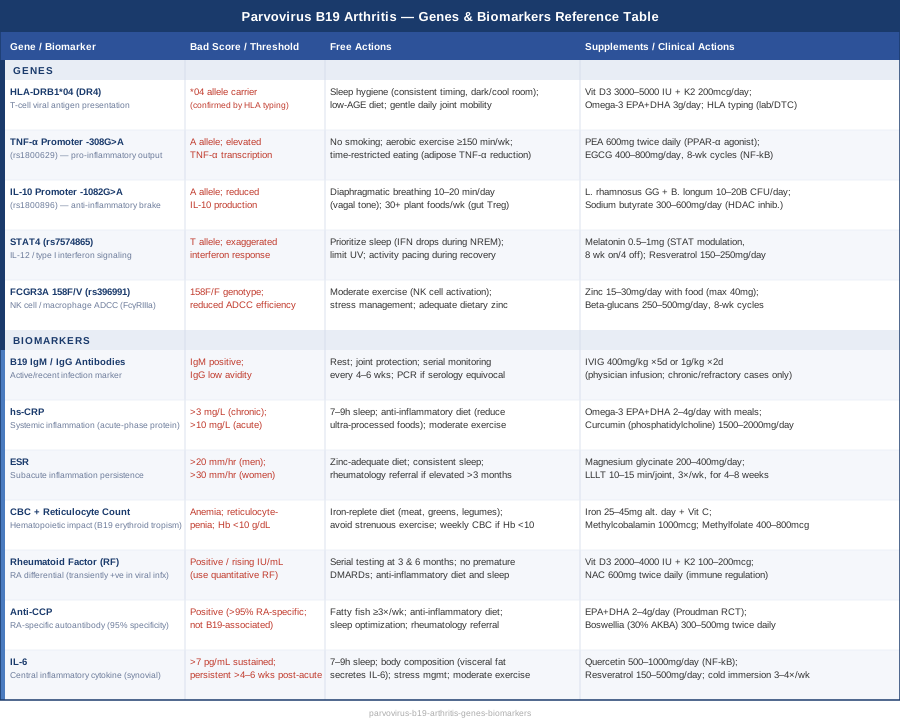
The interplay between these genetic variables and the biomarkers covered in the previous section is summarized in the reference table below.
The Huberman Framework for Post-Viral Immune Regulation
Andrew Huberman's extended episode on the immune system and inflammation, released as part of the Huberman Lab Podcast series, synthesized a number of study-backed insights that apply directly to post-viral arthritis — not as a treatment protocol, but as a systems-level understanding of how the nervous system, immune function, and inflammatory resolution interact. For those managing B19-associated joint disease, the framing is unusually practical.
10 Study-Referenced Insights Worth Applying
1. The autonomic nervous system directly governs inflammatory gene expression. Parasympathetic dominance suppresses NF-kB transcription factor activity and reduces TNF-alpha and IL-6 production in immune cells. Vagus nerve activation through slow breathing, cold exposure, and social connection is mechanistically anti-inflammatory — not metaphorical.
2. Sleep is the most powerful anti-inflammatory intervention available without a prescription. During deep NREM sleep stages, cortisol drops to its daily nadir and growth hormone — a key driver of tissue repair and immune regulation — peaks. Consistently sleeping under 7 hours raises hs-CRP, IL-6, and TNF-alpha within days. For someone managing post-viral joint disease, sleep is pharmacology.
3. Morning light within 30–60 minutes of waking calibrates circadian immune rhythms. NK cell activity, T-cell function, and cytokine timing are all clock-controlled. Disrupted circadian timing specifically impairs inflammatory resolution, not just acute immune response. This is one of the reasons shift workers have markedly elevated inflammatory marker profiles.
4. Low-dose regular exercise reduces resting IL-6 chronically even though it raises it acutely. Myokines released from working muscle send anti-inflammatory signals that reshape immune cell phenotypes over time. The key is moderate intensity — not sedentary rest, and not high-intensity exercise during active joint inflammation.
5. Deliberate cold exposure reduces systemic inflammation via norepinephrine release. Huberman references studies supporting 11 total minutes of cold exposure (10–15°C) per week, broken into shorter sessions. The initial spike in norepinephrine from cold has downstream anti-inflammatory effects in peripheral tissues and has been applied in recovery and inflammation management contexts.
6. Nasal breathing during exercise increases nitric oxide, which has antiviral and anti-inflammatory properties. Nasal passages produce nitric oxide that sterilizes airway microbes and modulates immune cell activity. In the context of ongoing B19 immune activity, the shift from mouth breathing to nasal breathing during exercise is a zero-cost optimization.
7. Chronic stress simultaneously suppresses viral clearance and amplifies joint inflammation. This counterintuitive effect — cortisol is immunosuppressive and pro-inflammatory at the same time — reflects its distinct effects on different arms of the immune system. It impairs NK cell-mediated viral clearance while upregulating cytokine production in synovial tissue. Managing chronic stress is not complementary to managing post-viral arthritis; it is mechanistically central.
8. Omega-3 fatty acids change the physical structure of immune cell membranes, shifting them from pro-inflammatory to pro-resolving signaling. The EPA/DHA ratio within membrane phospholipids determines whether eicosanoid synthesis amplifies or resolves inflammatory signals. Huberman endorses 2 g/day of EPA + DHA as a baseline for most adults, with higher doses in active inflammatory states — consistent with the rheumatology literature.
9. Weekly sauna exposure (80–100°C, 15–20 minutes, three to four times per week) induces heat shock proteins with direct anti-inflammatory functions. Heat shock proteins stabilize misfolded proteins, modulate NF-kB activity, and support tissue repair. Observational studies consistently link regular sauna use with lower resting inflammatory biomarkers and reduced all-cause mortality.
10. The gut microbiome is upstream of immune tone — and fermented foods are more effective than fiber alone at reshaping it. A 2021 Stanford RCT demonstrated that 10 weeks of a high-fermented food diet increased microbial diversity and reduced 19 inflammatory cytokine markers, including IL-6 and IL-12 — an effect not achieved by a high-fiber diet alone (Wastyk et al., Cell 2021). Two to four servings of live-culture fermented foods daily is a practical starting point.
Together, these ten principles form a coherent daily protocol that costs nothing beyond behavioral change: morning sunlight, nasal breathing during exercise, adequate sleep, deliberate cold, regular sauna, stress management, omega-3 intake, and fermented food integration. The compound effect of applying all of them is substantially greater than any single intervention.
Complementary Approaches with Meaningful Evidence
The Autoimmune Protocol (AIP) — Sarah Ballantyne
Parvovirus B19 arthritis occupies a clinical gray zone between post-infectious reactive arthritis and triggered autoimmune joint disease — both of which are directly targeted by the Autoimmune Protocol developed by Dr. Sarah Ballantyne, a research scientist and author of The Paleo Approach. The AIP is a structured elimination and reintroduction dietary protocol designed to remove dietary triggers of intestinal permeability and immune dysregulation, which are increasingly understood as central mechanisms in both viral-triggered and autoimmune arthritis. The premise is that a leaky gut allows bacterial fragments and undigested food particles to activate immune responses that cross-react with joint tissue.
The protocol begins with a 30–90 day elimination phase that removes grains, legumes, dairy, nightshades, eggs, nuts, seeds, alcohol, and NSAIDs (which themselves increase intestinal permeability), while emphasizing nutrient-dense foods: organ meats, bone broth, fatty fish, fermented vegetables, and a wide variety of colorful non-nightshade vegetables. A 2017 pilot study published in Inflammatory Bowel Diseases provided the first clinical trial evidence for this protocol, showing significant reductions in inflammatory disease activity scores and biomarkers in IBD patients following the AIP (Konijeti et al., 2017).
For someone with B19-associated joint disease that is not resolving on standard management, a structured 8-week AIP trial is a well-defined and reasonable dietary intervention. The reintroduction phase is systematic and identifies which specific food categories trigger symptom flares in your individual case. Apply cautiously if underweight, pregnant, or with any history of disordered eating — the elimination phase is significantly restrictive and requires nutritional planning to maintain adequate caloric and micronutrient intake.
Mindfulness-Based Stress Reduction (MBSR)
Chronic joint pain — even when its origin is primarily post-infectious — is processed through the central nervous system in ways that involve pain sensitization, sympathetic nervous system amplification, and measurable neuroimmune interactions. MBSR, the 8-week structured meditation program developed by Jon Kabat-Zinn at the University of Massachusetts Medical School, addresses this central sensitization component directly. It is not a substitute for resolving the underlying viral or immunological drivers of joint inflammation, but it modifies how the nervous system amplifies and maintains pain signals.
Multiple randomized controlled trials and systematic reviews support MBSR's efficacy in reducing pain severity, functional disability, and inflammatory markers including IL-6 and CRP in chronic pain conditions. In arthritis-specific studies, MBSR participants consistently show reduced disease activity scores, improved psychological flexibility around pain, and lower reports of fatigue — all relevant to B19-associated joint disease where the fatigue burden is frequently underappreciated.
The standard protocol is eight weeks of two-hour group sessions plus daily 45-minute home practice. Accessible through the UMass Center for Mindfulness, and through numerous validated digital programs. No significant side effects. If acute joint pain makes 45 minutes of seated practice difficult, chair-based or lying-down adaptations are fully supported and available in most formal MBSR programs.
Low-Level Laser Therapy (LLLT) / Photobiomodulation
LLLT uses specific wavelengths of red (630–680 nm) and near-infrared (780–940 nm) light to stimulate cytochrome c oxidase in mitochondria, reducing oxidative stress and local inflammatory signaling. In joint conditions, LLLT has been studied for reducing synovial inflammation, decreasing local production of IL-1β and TNF-alpha, and improving range of motion without the systemic effects of anti-inflammatory medications.
A Cochrane review of LLLT in rheumatoid arthritis found short-term statistically significant reductions in pain, morning stiffness, and CRP with low risk of adverse events. While the evidence base is more developed for established RA than specifically for viral arthritis, the local anti-inflammatory mechanisms are agnostic to the etiology of joint inflammation — making LLLT a rational adjunct in B19-associated joint disease as well. Evidence is more consistent for hand and wrist joints than for larger joints, which is clinically relevant given B19's typical joint pattern.
Clinical-grade units and high-quality home devices (Joovv, Mito Red, Erchonia handheld units) are available at $300 to $2000+, or sessions can be arranged at physical therapy clinics at $50 to $150 per visit. Apply to affected joints for 10–20 minutes per area, three times per week. Avoid use directly over active viral skin lesions or erythematous rashes. Expect meaningful results after four to eight weeks of consistent application.
Tai Chi
Tai chi is a slow, deliberate mind-body movement practice with a growing evidence base in inflammatory joint conditions. Its value in B19 arthritis specifically lies in its ability to maintain joint range of motion during the recovery phase (when high-impact activity is contraindicated), reduce inflammatory tone through vagal activation and neuroimmune modulation, and improve proprioception — which is reliably disrupted in inflamed joints.
A 2016 meta-analysis of tai chi in rheumatoid arthritis (14 randomized controlled trials, 977 participants) found statistically significant improvements in pain, functional ability, and balance compared to control conditions (PubMed search: Kang 2016 tai chi rheumatoid arthritis meta-analysis). Secondary analyses also showed consistent moderate reductions in systemic inflammatory markers — consistent with the neuroimmune mechanism.
Begin with beginner Yang-style tai chi: 20–30 minute sessions, three to five times per week. Classes are widely available at community centers and through free online programs. No equipment needed. The only practical caveat: during acute flares with significant joint swelling, reduce range of motion practice to your comfortable limits and prioritize gentle weight-bearing movement over full forms, allowing the practice to adapt around your symptoms rather than pushing through them.
Conclusion
Parvovirus B19 arthritis is treated too simply too often. For the majority of people in the acute phase, watchful waiting and anti-inflammatory support is appropriate and sufficient. But for those with persistent symptoms, equivocal serology, or inflammatory markers that are not resolving on schedule, the tools to understand what is happening are more precise and more available than standard care typically reflects.
The biomarker framework — hs-CRP, ESR, CBC with reticulocyte count, B19 IgG/IgM, RF, anti-CCP, and IL-6 — gives you a comprehensive, serially trackable picture of viral activity, inflammatory severity, and diagnostic trajectory. The genetic layer explains why your individual response differs from someone else's, and it opens up specific, evidence-grounded compensation strategies rather than generic immune support advice. The lifestyle and dietary approaches are not peripheral — for the gene variants and biomarkers covered here, they are mechanistically central.
The most useful next step is to work with your physician to establish a baseline panel covering these markers, then commit to serial tracking over three to six months alongside any interventions you adopt. If inflammatory markers remain elevated beyond three months or joint symptoms are not improving, rheumatology referral should be the next move. Direct-to-consumer genomics testing can add the genetic context without requiring a specialist referral. The goal is not to treat a condition blindly — it is to measure what is actually happening, respond specifically, and make genuinely informed decisions at every step.