This article contains AI generated content.
· UpdatedPatella Baja Genes & Biomarkers — 6 Genes and 7 Biomarkers to Track
Introduction
If your kneecap sits too low and you have been told to rest, strengthen your quad, and stretch, you have probably already discovered the limits of that advice. Patella baja — a condition where the patella is displaced inferiorly relative to the joint line — is not simply a mechanical misalignment you can train away with a generic exercise sheet. The stiffness, the anterior knee pain, the hard ceiling on flexion range, the sense that recovery is slower or more complicated than it should be: these experiences are real, measurable, and frequently tied to biology that standard physio protocols never examine.
What rarely comes up in the rehabilitation conversation is why some people develop severe infrapatellar fibrosis and patellar tendon contracture after a routine knee procedure while others recover fully within months. Why some individuals respond to mobilization and loading while others plateau early. The difference is often not technique or effort — it is the underlying inflammatory environment, metabolic status, connective tissue genetics, and fibrotic tendency that the rehabilitation protocol was designed for everyone and therefore truly optimized for no one.
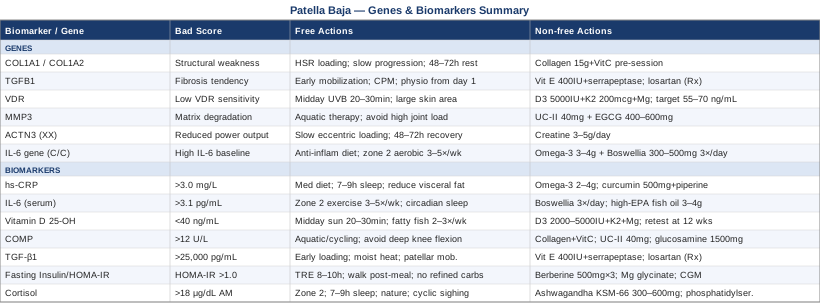
This article takes a more targeted approach by examining two layers of biology that directly shape how patella baja develops, progresses, and can be slowed. The first and primary layer is biomarker tracking: seven measurable signals in your blood that reflect systemic inflammation, tissue remodeling, fibrosis risk, metabolic health, and cartilage integrity. The second layer covers genetic variants that influence your personal baseline for fibrosis susceptibility, collagen quality, vitamin D receptor sensitivity, and inflammatory tendency. Together, these create a biological map that makes your rehabilitation decisions more specific and, ultimately, more effective.
None of this replaces structural treatment or physiotherapy. What it does is change the environment in which that treatment operates. A targeted supplement protocol that genuinely reduces TGF-β1 before physiotherapy begins is not the same as adding a generic anti-inflammatory — it is addressing a specific driver of the specific pathology at work. That level of precision is the goal of everything that follows.
7 Biomarkers That Reveal What Your Knee Is Actually Doing
Patella baja is typically framed as a mechanical problem — the patella is in the wrong place, so fix the mechanics. That framing is correct but incomplete. Below the structural issue lies a biological substrate: inflammation that drives fibrosis, metabolic dysfunction that slows tissue repair, connective tissue turnover that either protects or erodes cartilage. The seven biomarkers below give you visibility into those processes so that intervention can be specific rather than broad.
1. High-Sensitivity CRP (hs-CRP) — Your Systemic Inflammation Meter
High-sensitivity CRP (hs-CRP) is the most accessible systemic inflammation marker in clinical practice. CRP is produced by the liver in response to inflammatory cytokines — principally IL-6 — circulating in the blood. Chronically elevated CRP does not just signal that inflammation is present; it reflects an environment in which fibroblasts are more active and scar tissue formation is more likely to run unchecked. In the context of patella baja, where infrapatellar fat pad fibrosis and patellar tendon contracture are the primary structural drivers of inferior patellar displacement, systemic inflammation is not a peripheral concern — it is directly relevant to whether the condition progresses or stabilizes.
Target range: Below 1.0 mg/L is considered optimal by most longevity and sports medicine clinicians, including Peter Attia. Below 3.0 mg/L is clinically acceptable. Anything above 3.0 mg/L in the absence of acute infection warrants systematic investigation.
How to measure it
hs-CRP is a standard blood test available through any primary care provider or direct-to-consumer lab. Cost ranges from approximately $20 to $60. Request high-sensitivity CRP specifically — the standard CRP test is too coarse to detect differences below 10 mg/L and provides little actionable information at the range that matters here.
If the score is high — the plan without supplements
Mediterranean-style diet: Multiple randomized controlled trials associate this dietary pattern with hs-CRP reductions of 20–30%. The emphasis is on extra-virgin olive oil, fatty fish, legumes, vegetables, nuts, and a near-complete elimination of ultra-processed foods. Implement for at least 8 weeks before retesting.
Sleep optimization: Less than 6 hours of sleep per night is independently associated with elevated CRP, separate from any other lifestyle factor. Target 7–9 hours with consistent timing. This single change can reduce hs-CRP measurably within 4–6 weeks.
Reduce sedentary behavior: Short walks every 30–60 minutes reduce post-meal inflammatory spikes. For knee patients with limited weight-bearing capacity, seated leg movements, upper-body movement, or even arm ergometer work maintains this benefit.
Visceral fat reduction: Visceral adipose tissue is a major cytokine production site. Even a 3–5% reduction in body weight in individuals with excess visceral fat produces significant CRP reductions.
If the score is high — the plan with supplements or equipment
Omega-3 fatty acids (EPA + DHA): 2–4 grams of combined EPA/DHA daily from a triglyceride-form concentrate for better absorption. Take with the largest meal of the day. No cycling required at this dose; safe for long-term use. Note: those on anticoagulant therapy should confirm this dose with their physician. Evidence level is strong across multiple meta-analyses.
Curcumin with piperine: 500–1000 mg curcumin extract (standardized to 95% curcuminoids) combined with 5–10 mg piperine to enhance bioavailability. Cycle: 4 weeks on, 2 weeks off to avoid GI tolerance issues. Avoid without medical supervision if on anticoagulant therapy. Side effects: mild GI discomfort in some individuals.
High-polyphenol extra-virgin olive oil: Beyond being a dietary choice, olive oil with polyphenol content above 500 mg/kg shows direct anti-inflammatory signaling effects distinguishable from standard supermarket olive oil. Use 2–4 tablespoons daily in cooking or raw.
2. Interleukin-6 (IL-6) — The Fibrosis Signal Worth Watching
IL-6 is a pro-inflammatory cytokine that sits upstream of CRP production and directly drives fibroblast activation — the cellular process by which scar tissue is deposited and organized. In the knee joint, chronically elevated IL-6 has been linked to infrapatellar fat pad hypertrophy, patellar tendon thickening, and altered joint mechanics. For someone managing patella baja, these are not background processes: they are the structural mechanisms pushing the patella further inferiorly and limiting recovery of flexion range.
What makes IL-6 worth a dedicated biomarker slot is its dual identity: acute IL-6 released during exercise is transiently anti-inflammatory and metabolically beneficial; chronic baseline IL-6, driven by visceral fat, persistent tissue injury, or poor sleep, is pro-fibrotic. The blood test captures the chronic baseline, which is what matters here.
Target range: Below 3.1 pg/mL (laboratory reference range varies; functional medicine clinicians often target below 2.0 pg/mL for optimized joint tissue health).
How to measure it
IL-6 is not included in standard metabolic panels — request it specifically as "serum IL-6." Available through most major labs with a physician or functional medicine provider's order. Cost: $50–$150. Because IL-6 is highly variable with exercise and acute infection, test in a fasted, rested state at least 24 hours after any intense physical activity.
If the score is high — the plan without supplements
Consistent moderate aerobic exercise: Sustained zone 2 aerobic activity (roughly 60–70% of maximum heart rate, conversational pace) reduces chronic baseline IL-6 even though it acutely raises it during each session. Cycle ergometer and swimming are appropriate choices that minimize patellofemoral compressive load. Target 3–5 sessions per week, 30–45 minutes each.
Circadian sleep alignment: IL-6 follows a circadian secretion pattern and is reliably elevated when sleep is mistimed or insufficient. Sleeping before midnight and maintaining a consistent wake time within 30 minutes daily normalizes this rhythm within 2–4 weeks.
Visceral fat and refined carbohydrate reduction: Adipose tissue is a primary IL-6 production site. Reducing refined carbohydrates and alcohol — the fastest-acting dietary levers for visceral fat — lowers IL-6 measurably within 6–8 weeks.
If the score is high — the plan with supplements or equipment
Boswellia serrata: 300–500 mg three times daily, standardized to at least 30% AKBA (the primary bioactive constituent). Boswellia inhibits 5-lipoxygenase, suppressing the leukotriene pathway and reducing joint-specific inflammation via a mechanism distinct from omega-3s. Cycle: 8 weeks on, 4 weeks off. Take with food; mild GI effects possible. Side effects: occasional heartburn.
Fish oil (high-EPA formulation): EPA specifically downregulates IL-6 gene transcription. Prefer formulations with an EPA:DHA ratio of at least 2:1 for anti-inflammatory emphasis. 3–4 grams EPA+DHA daily.
Vitamin D (if deficient — see next section): Vitamin D receptor (VDR) activation directly suppresses IL-6 transcription via nuclear receptor signaling. This is one of the clearest mechanistic links between vitamin D status and joint inflammation, making correction of deficiency an immediate priority if IL-6 is elevated.
3. Vitamin D (25-OH) — The Forgotten Driver of Musculoskeletal Recovery
Vitamin D deficiency is pervasive and profoundly underappreciated in musculoskeletal conditions. 25-hydroxyvitamin D (25-OH Vitamin D) is the storage form and the most clinically reliable indicator of overall vitamin D status. The vitamin D receptor (VDR) is expressed in muscle cells, tendon fibroblasts, and ligament cells — all structures directly involved in patellar stability and rehabilitation. Low vitamin D is associated with greater post-surgical inflammation, weaker quadriceps recovery, slower tendon repair, and higher rates of joint stiffness.
For patella baja specifically, where infrapatellar contracture and quadriceps inhibition are the core functional problems, vitamin D status may determine how quickly muscle strength returns, how aggressively surrounding soft tissue fibroses, and how effectively the inflammatory cascade resolves. Several studies document an association between vitamin D deficiency and elevated TGF-β activity — the primary fibrosis signal — creating a mechanistic argument for correcting vitamin D status as a prerequisite for effective rehabilitation.
Target range: 40–60 ng/mL (100–150 nmol/L). This is the range endorsed by Peter Attia and most functional sports medicine clinicians. The conventional lab reference range starting at 20 ng/mL was established to prevent rickets, not to optimize musculoskeletal tissue healing.
How to measure it
Order as "25-OH vitamin D" or "25-hydroxyvitamin D" through any primary care or direct-to-consumer lab. Cost: $30–$80. Retest 12 weeks after starting supplementation. Testing in late winter or after a period of limited sun exposure gives the most meaningful clinical baseline.
If the score is low — the plan without supplements
Solar UVB exposure: 20–30 minutes of direct midday sun (UV index above 3) on arms and legs without sunscreen raises vitamin D meaningfully in fair-skinned individuals. Darker skin requires significantly longer exposure for equivalent synthesis. This strategy is seasonal and geography-dependent.
Dietary sources: Wild-caught salmon, sardines, herring, egg yolks, and liver provide meaningful dietary vitamin D. Aim for 2–3 servings of fatty fish per week. Important caveat: diet and sun alone rarely achieve the 40–60 ng/mL target from a deficient baseline, particularly in northern latitudes or for people with limited outdoor exposure.
If the score is low — the plan with supplements or equipment
Vitamin D3 with vitamin K2: Start with 2000–4000 IU of D3 daily if baseline is in the 20–30 ng/mL range; 4000–5000 IU if below 20 ng/mL. Always pair with vitamin K2 (MK-7 form, 100–200 mcg daily) to direct calcium appropriately and avoid soft tissue calcification. Both are fat-soluble — take with the largest meal of the day. Retest after 12 weeks and adjust.
Magnesium: Magnesium is required for the enzymatic conversion of vitamin D to its active hormonal form. Supplementing 300–400 mg elemental magnesium (glycinate or malate for best GI tolerance) alongside D3 meaningfully improves D3 efficacy. Take in the evening. Side effects: mild laxative effect at higher doses. Cycling: none needed; use daily.
Vitamin D toxicity is theoretically possible above 10,000 IU daily long-term; at 4000–5000 IU the risk is negligible in most individuals. Annual 25-OH vitamin D testing is a sufficient safety check.
4. COMP (Cartilage Oligomeric Matrix Protein) — A Window Into Cartilage and Tendon Integrity
COMP (Cartilage Oligomeric Matrix Protein) is a structural glycoprotein found in cartilage, tendons, ligaments, and meniscus. When these tissues experience mechanical overload or active degradation, COMP is released into the bloodstream. Elevated serum COMP is a sensitive marker of connective tissue breakdown — and in the context of patella baja, it can reveal whether the mechanical disadvantage of the inferiorly positioned patella is actively damaging patellar cartilage or surrounding soft tissue before that damage appears on imaging.
This matters clinically because patella baja concentrates contact pressure between the patella and the distal femoral trochlea and anterior tibial plateau. That abnormal load distribution can accelerate cartilage degeneration — and COMP may catch this process early, creating a window for intervention before the damage becomes structural and irreversible.
Target range: Reference ranges vary by lab, but values consistently above the upper limit of normal (typically above 12 U/L in most assays) in a non-exercise context are clinically significant.
How to measure it
Serum COMP is not universally available through standard primary care. Functional medicine providers and sports medicine specialists can order it. Cost: $100–$250 depending on the lab. Critical caveat: COMP rises transiently after vigorous exercise — running or jumping particularly — so test in a fasted, rested state at least 24 hours after any strenuous physical activity. Testing acutely post-exercise produces falsely elevated values.
If the score is high — the plan without supplements
Joint unloading strategies: If COMP is elevated, aggressive compressive loading is likely counterproductive. Transition to aquatic therapy, stationary cycling on a seat adjusted to minimize knee flexion arc, or walking on soft surfaces. These maintain joint nutrition through synovial fluid movement without generating the high joint reaction forces of impact activity.
Avoid deep knee flexion under load: In patella baja, the inferior patellar position dramatically increases contact pressure during deep flexion. Limit exercises involving full squat depth or heavy leg press until COMP normalizes and physiotherapy has restored more patellar mobility.
Body composition optimization: Every kilogram of excess body weight multiplies compressive knee force by approximately 3–4 times during walking. Weight loss in overweight individuals reliably reduces COMP elevation independent of other interventions.
If the score is high — the plan with supplements or equipment
Hydrolyzed collagen peptides with vitamin C: 10–15 grams of hydrolyzed collagen taken 30–60 minutes before rehabilitation exercise, combined with 500 mg vitamin C. The timing is mechanistically important: collagen amino acids peak in circulation and are taken up preferentially into the loaded tissue during the exercise session immediately following. Several randomized controlled trials support this combination for tendon and ligament matrix synthesis.
Undenatured type II collagen (UC-II): 40 mg daily on an empty stomach. Works via oral immune tolerance, downregulating the immune response to joint cartilage degradation products — a distinct mechanism from hydrolyzed collagen. These two collagen products can be used simultaneously.
Glucosamine sulfate: 1500 mg daily. Evidence is mixed, but the highest-quality European trials show benefit for moderate cartilage degeneration. Allow 6–8 weeks to observe effect; reassess after a 3-month trial. Side effects: minimal; occasional GI discomfort.
Patellar taping or knee unloader brace: Kinesiotape or rigid McConnell taping applied to bias the patella superiorly can reduce patellofemoral contact stress during rehabilitation activities, protecting cartilage while strength and mobility are being restored.
5. TGF-β1 (Transforming Growth Factor Beta-1) — The Master Fibrosis Switch
If there is one biomarker that most specifically maps to the core pathology of patella baja, it is TGF-β1 (Transforming Growth Factor Beta-1). TGF-β1 is the primary molecular driver of fibroblast activation and excessive collagen deposition — it is the signal that instructs the body to lay down scar tissue. In the knee joint, post-surgical or post-injury TGF-β1 surges drive infrapatellar fat pad fibrosis, patellar tendon contracture, and ultimately the inferior patellar displacement that defines this condition.
Elevated baseline TGF-β1 in circulation does not guarantee fibrosis, but it strongly suggests a biological environment where the regulatory brakes on scar tissue formation are compromised. This may explain why some patients develop progressive patella baja following routine knee procedures while others with identical surgeries recover fully — the difference may partially lie in a TGF-β1-driven fibrotic phenotype that the structural intervention alone cannot address.
Target range: Serum TGF-β1 reference ranges vary by assay. Generally, values below 20,000 pg/mL are considered within normal limits. Values consistently above 25,000–30,000 pg/mL in a non-acute, resting context suggest a pro-fibrotic state worthy of intervention.
How to measure it
Serum TGF-β1 requires a specialized test not universally available through standard primary care. Order through functional medicine, integrative, or sports medicine providers. Cost: $150–$300. Sample handling matters: platelet activation during clotting artificially elevates TGF-β1 values in serum — request EDTA plasma TGF-β1 where possible for more accurate results.
If the score is high — the plan without supplements
Early progressive mechanical loading: Controlled, graded mechanical load on healing connective tissue paradoxically downregulates excessive TGF-β1 signaling and provides counter-regulatory mechanical cues. This is the scientific basis for early mobilization after knee surgery — immobilization allows TGF-β1 to drive unchecked fibrosis, while graded loading signals a shift toward organized matrix remodeling. Work with a physiotherapist experienced in post-surgical knee management and advocate for mobilization beginning as early as surgically permitted.
Moist heat therapy before sessions: Repeated application of moist heat (15–20 minutes before rehabilitation exercises) has been shown in both cell culture and small clinical studies to modulate TGF-β1-driven fibroblast activity and improve tissue extensibility. Dry heat is less effective for penetrating deep tissue.
Patellar manual mobilization: Hands-on patellar mobilization by a skilled physiotherapist directly counters the mechanical consequence of TGF-β1 overactivity in the surrounding soft tissue. Superior patellar glides, transverse glides, and infrapatellar fat pad release are standard techniques. Early introduction — as soon as the surgeon permits — is significantly more effective than delayed application.
If the score is high — the plan with supplements or equipment
Vitamin E (mixed tocopherols): 400 IU daily. Vitamin E has demonstrated TGF-β1 modulating properties in several clinical contexts including post-surgical scar formation and fibrotic tissue conditions. Choose mixed tocopherols rather than pure alpha-tocopherol, as gamma-tocopherol carries the stronger anti-fibrotic signal. Take with meals. Side effects: at this dose, minimal; avoid doses above 400 IU if on anticoagulant therapy.
Serrapeptase: A proteolytic enzyme used in European clinical practice for post-surgical edema and fibrosis management. Typical dose: 10–30 mg (10,000–60,000 IU) on an empty stomach. Evidence specific to knee fibrosis is limited but mechanistically plausible — it appears to degrade fibrin and inflammatory proteins accumulating in affected soft tissue. Cycle: 4 weeks on, 2 weeks off. Avoid with anticoagulants.
Losartan (prescription): This angiotensin receptor blocker has a well-documented TGF-β1 antagonist effect that is entirely separate from its blood pressure action. It has been studied clinically in Marfan syndrome and systemic fibrotic conditions. If TGF-β1 remains consistently elevated and conservative measures are insufficient, discussing losartan with your physician is a legitimate, evidence-backed conversation. This is not a self-prescription item.
6. Fasting Insulin and HOMA-IR — Metabolic Health as a Recovery Lever
Metabolic dysfunction — specifically insulin resistance — is a profoundly underappreciated driver of impaired musculoskeletal healing. Fasting insulin and HOMA-IR (Homeostatic Model Assessment of Insulin Resistance) are the most practical routine-accessible markers of this dysfunction. Insulin resistance promotes systemic inflammation through elevated glucose, elevated insulin, and resulting cytokine production. It impairs collagen synthesis, accelerates cartilage degradation, and creates an environment where healing is slower and fibrosis is more aggressive.
For patella baja recovery, this creates a direct line: poor metabolic health → elevated inflammatory cytokines → accelerated fibrosis and cartilage breakdown → worse outcomes from the same rehabilitation investment. Peter Attia has consistently emphasized HOMA-IR as one of the most important yet routinely ignored markers in preventive medicine — and this holds equally in musculoskeletal recovery contexts.
Target range: Fasting insulin below 5 μIU/mL (optimal per Attia), fasting glucose below 90 mg/dL, HOMA-IR below 1.0. The conventional clinical cutoff for "normal" fasting insulin of 25 μIU/mL is designed to identify overt pathology, not to optimize tissue healing.
How to measure it
Fasting insulin requires an 8–12 hour fast and a specific blood draw — it is not included in standard metabolic panels. Request it alongside fasting glucose. HOMA-IR is calculated as: [fasting insulin (μIU/mL) × fasting glucose (mg/dL)] ÷ 405. Available through most providers. Cost: $30–$60 combined.
If the score is high — the plan without supplements
Time-restricted eating (TRE): Compressing daily food intake to an 8–10 hour window (for example, 9am–7pm) consistently improves insulin sensitivity without requiring caloric restriction in most individuals. Multiple controlled trials demonstrate meaningful reductions in fasting insulin within 4–8 weeks.
Strength training: Skeletal muscle is the primary site of glucose disposal, and resistance training dramatically improves insulin sensitivity by increasing GLUT4 transporter expression in muscle cells. For patella baja patients with knee loading limitations, prioritize upper body and non-patellar-stressing lower body work (hip hinges, seated leg press at limited range, hip abduction and adduction work). 3–4 sessions per week.
Walk after meals: Even 10 minutes of gentle walking after eating significantly blunts postprandial glucose spikes and reduces cumulative daily insulin demand. Highly practical for knee patients as it requires only low-intensity walking on level ground.
Eliminate liquid sugar and refined grains: Fruit juice, soda, white bread, and refined cereals create repeated insulin surges with minimal nutritional return. Replacing these with whole food equivalents reduces daily insulin load rapidly.
If the score is high — the plan with supplements or equipment
Berberine: 500 mg three times daily with meals. Berberine activates AMPK — the same metabolic pathway as metformin — and has demonstrated insulin-sensitizing effects comparable to metformin in several head-to-head randomized trials. Cycle: 8 weeks on, 4 weeks off, as tolerance to the GI effects builds. Start at 250 mg twice daily and titrate up over 1–2 weeks. GI side effects (loose stools, nausea) are common initially.
Magnesium (glycinate or malate): 300–400 mg elemental magnesium daily. Magnesium deficiency is independently associated with insulin resistance, and supplementation improves insulin sensitivity in deficient individuals. Take in the evening with food. Side effects: loose stools at higher doses; malate form typically best tolerated.
Continuous glucose monitor (CGM): Consumer-grade CGMs (available over the counter from brands such as Abbott Libre Sense or Stelo) provide real-time glycemic data for 10–14 days. Seeing exactly how specific foods, meal timing, and activity affect blood glucose is one of the most powerful behavioral tools available for improving insulin management. Two to four weeks of CGM data reveals specific dietary triggers that standard fasting blood tests entirely miss.
7. Cortisol (Salivary or Serum) — The Stress Hormone That Can Stall Recovery
Cortisol is the body's primary stress hormone, and at chronically elevated levels it becomes a direct suppressor of connective tissue repair. Cortisol inhibits collagen synthesis, promotes protein catabolism in tendons and ligaments, impairs immune regulation, and sustains systemic inflammation through secondary mechanisms. For someone recovering from the source of patella baja — whether a surgical procedure, prolonged immobilization, or progressive fibrosis — a chronically high-cortisol environment is a recovery inhibitor operating silently in the background.
The frustration and pain of living with a chronic joint condition also tends to sustain cortisol elevation, creating a feedback loop: pain raises cortisol, cortisol impairs healing, healing is incomplete, pain continues. Measuring cortisol makes this loop visible — not because measurement cures anything, but because it distinguishes individuals for whom stress biology is an urgent clinical priority from those for whom it is general advice.
Target range: Morning serum cortisol 10–18 μg/dL (reference range 6–23, but chronically high-normal or above-range values in a non-stressed context are clinically relevant). A 4-point salivary cortisol ideally shows a declining curve throughout the day, with nighttime values below 0.1 μg/dL.
How to measure it
Morning serum cortisol: Collected between 8–9am when cortisol naturally peaks. Most accessible and affordable option. Cost: $30–$60.
4-point salivary cortisol: Measures at morning, noon, afternoon, and evening. Reflects the daily cortisol curve more accurately than a single blood draw and reveals flattened or inverted patterns that single-time-point testing misses. Available through functional medicine labs. Cost: $150–$300.
24-hour urinary free cortisol: The gold standard for cortisol excess. Typically reserved for suspected Cushing's syndrome. Cost: $80–$150.
If the score is high — the plan without supplements
Sleep prioritization: Cortisol is tightly regulated by the circadian rhythm, and sleep deprivation raises morning cortisol significantly and independently. 7–9 hours, consistent timing, dark and cool room. This is the highest-impact single intervention for cortisol normalization.
Zone 2 aerobic exercise instead of high-intensity training: Chronic high-intensity exercise raises cortisol over weeks and months. Zone 2 aerobic activity (conversational pace, sustainable for extended periods) has the opposite effect, lowering baseline cortisol with consistent practice. 30–45 minutes, 3–4 times per week. For knee patients, stationary cycling or swimming allows zone 2 training without patellofemoral stress.
Nature exposure: Even 20–30 minutes in a natural environment measurably reduces cortisol in multiple controlled studies. This is a reproducible physiological effect, not a metaphor.
Cyclic sighing (breathing protocol): The physiological sigh — a double inhale through the nose followed by an extended exhale through the mouth — has been studied and documented to downregulate acute cortisol and sympathetic nervous system tone rapidly. Five minutes of cyclic sighing practiced daily produces measurable effects within days, at zero cost.
If the score is high — the plan with supplements or equipment
Ashwagandha (KSM-66 or Sensoril extract): 300–600 mg daily of a standardized root extract. Multiple double-blind randomized controlled trials demonstrate cortisol reductions of 20–30% after 8 weeks of consistent use. Take in the evening for optimal effect on nighttime and next-morning cortisol. Cycle: 8 weeks on, 4 weeks off. Side effects: mild GI effects in some. Avoid without medical guidance if you have a thyroid condition, as ashwagandha may influence thyroid hormone levels.
Phosphatidylserine: 400–800 mg daily taken before exercise. Best studied as a blunter of exercise-induced cortisol surges, though it also provides general HPA axis support. No significant side effects at standard doses.
L-theanine: 200 mg as needed for acute stress or sleep support. Dampens sympathetic activation, improves sleep quality, and indirectly supports cortisol rhythm normalization. Cycle: 5 days on, 2 days off for daily use to maintain sensitivity.
Red light / near-infrared therapy panel: Emerging evidence suggests that full-body near-infrared exposure (660–850 nm) reduces inflammatory markers and autonomic stress responses. Devices in the $300–$700 range; typical protocol is 10–20 minutes daily at a distance of 6–12 inches from affected areas. This modality overlaps with the photobiomodulation strategy discussed later, with relevance to both local tissue healing and systemic stress biology.
Key Genetic Variants That Shape Your Fibrosis and Healing Profile
Understanding the biomarker picture is already actionable without genetic testing. But genetic data adds a layer of explanation — and sometimes, a meaningful shift in how aggressively certain interventions should be prioritized. If you have poor response to standard rehabilitation, or want to understand why your biological healing environment works the way it does, genetic testing through platforms like SelfDecode or via raw DNA data from 23andMe analyzed through Genetic Genie or StrateGene can surface relevant variants. The six genes below are the most directly relevant to the biology of patella baja.
COL1A1 and COL1A2 — Collagen Structural Quality
COL1A1 and COL1A2 encode the two polypeptide chains of type I collagen — the primary structural protein in tendons, ligaments, and bone. Several well-studied polymorphisms, particularly the COL1A1 Sp1 binding site SNP (rs1800012), affect collagen cross-linking density and tensile strength. Individuals carrying the T allele at this locus consistently demonstrate weaker tendons and ligaments and higher rates of soft tissue injury and post-surgical complications in multiple human cohort studies.
If the gene is unfavorable — plan without supplements: Emphasize slow, progressive tendon loading programs — specifically heavy slow resistance (HSR) protocols developed for tendinopathy rehabilitation. Tendon remodeling requires mechanical stimulus delivered consistently and at sufficient load; these genotypes require this more reliably, not less. Avoid rapid increases in training volume or intensity. Allow extended rest periods between loading sessions (48–72 hours).
If the gene is unfavorable — plan with supplements or equipment: Hydrolyzed collagen peptides (15 g) combined with 500 mg vitamin C, taken 30–60 minutes before each loading session. Frequency: before every rehabilitation session. No cycling needed. Side effects: minimal; GI discomfort at higher doses in sensitive individuals.
TGFB1 — Fibrosis Susceptibility
The TGFB1 gene encodes TGF-β1, and functional polymorphisms including rs1800469 (C-509T) and rs1982073 (T869C) are associated with higher circulating TGF-β1 levels and greater fibrotic responses to tissue injury. Carriers of high-expression alleles at these loci are more likely to develop post-surgical fibrosis in orthopaedic contexts. For patella baja, this may predict elevated risk of infrapatellar fat pad contracture and patellar tendon shortening following any knee procedure.
If the gene is unfavorable — plan without supplements: Prioritize early mobilization above all other priorities. The window immediately following surgery or injury is when TGF-β1 activity peaks — immobilization during this period allows unchecked fibrosis. Advocate explicitly with your surgical team for continuous passive motion (CPM), early active mobilization, and aggressive physiotherapy beginning within days rather than weeks. This genetic profile makes the timing of mobilization significantly more consequential than for average patients.
If the gene is unfavorable — plan with supplements or equipment: Vitamin E (mixed tocopherols, 400 IU daily) combined with serrapeptase (10,000–30,000 IU on an empty stomach). Cycle serrapeptase: 4 weeks on, 2 weeks off. Avoid with anticoagulant therapy. For persistent progression despite conservative measures, discuss losartan with your physician — the most pharmacologically direct approach to excess TGF-β1 signaling available in clinical practice.
VDR — Vitamin D Receptor Sensitivity
The VDR gene encodes the vitamin D receptor, and common polymorphisms — BsmI (rs1544410), TaqI (rs731236), and FokI (rs2228570) — alter the receptor's sensitivity to circulating vitamin D. The practical implication: some individuals need significantly higher serum 25-OH vitamin D concentrations to achieve equivalent VDR activation compared to others. A reading of 35 ng/mL may be functionally adequate for one person and functionally deficient for another, depending entirely on receptor genotype.
If the gene is unfavorable — plan without supplements: Maximize UVB-derived vitamin D through consistent midday sun exposure on a large skin surface area. Skin-synthesized vitamin D bypasses some downstream receptor variation, though it cannot fully compensate for meaningfully reduced receptor sensitivity in all carriers.
If the gene is unfavorable — plan with supplements or equipment: Target the upper end of the optimal range: 55–70 ng/mL rather than 40–50 ng/mL. Supplement with D3 (5000 IU daily) + K2 (200 mcg MK-7) + magnesium (400 mg). Test every 6 months. This elevated target is the primary practical adjustment for confirmed unfavorable VDR genotype — standard dosing is insufficient for this profile.
MMP3 — Connective Tissue Remodeling Efficiency
MMP-3 (Matrix Metalloproteinase 3) is an enzyme that breaks down extracellular matrix proteins — necessary for healthy tissue remodeling but damaging when overactive. The rs679620 and 5A/6A promoter polymorphisms in the MMP3 gene affect baseline enzyme expression. High-expression variants accelerate connective tissue breakdown and have been linked to greater knee joint space loss and cartilage degeneration in human cohort studies.
If the gene is unfavorable — plan without supplements: Avoid loading patterns that generate high joint reaction forces during the acute or subacute phase. Aquatic therapy, stationary cycling, and gentle walking provide the mechanical signals necessary for remodeling without overwhelming a system already prone to accelerated matrix degradation. Gradual load progression is especially important — the usual "push through" mentality is counterproductive for this genotype.
If the gene is unfavorable — plan with supplements or equipment: Undenatured type II collagen (UC-II, 40 mg daily on an empty stomach) to downregulate immune-driven cartilage attack. EGCG (epigallocatechin gallate from green tea extract, 400–600 mg daily) has demonstrated MMP-3 inhibitory activity in vitro and in early clinical studies. Cycle EGCG: 4 weeks on, 2 weeks off. Do not take EGCG simultaneously with iron supplements — it chelates iron and impairs absorption.
ACTN3 (R577X) — Muscle Fiber Composition and Power Recovery
The ACTN3 R577X polymorphism is among the most studied performance-relevant genetic variants in human physiology. The XX genotype (complete absence of alpha-actinin-3, the "speed protein") is associated with reduced muscle power output but better endurance recovery capacity. For patella baja rehabilitation, where quadriceps strength recovery and patellofemoral mechanics both depend on muscle quality and response to training, the XX genotype may mean that strength returns more slowly and responds better to sustained low-intensity loading than to explosive or high-power protocols.
If the gene is unfavorable (XX genotype) — plan without supplements: Prioritize slow-tempo eccentric resistance training over explosive or plyometric work. Decline board Spanish squats, slow eccentric leg presses, and submaximal VMO isolation exercises at controlled tempo are better matched to this genotype than high-power training. Allow 48–72 hours of recovery between focused quadriceps loading sessions.
If the gene is unfavorable — plan with supplements or equipment: Creatine monohydrate (3–5 g daily, no cycling required) partially compensates for the power deficit of the XX genotype by expanding phosphocreatine stores. A loading phase (20 g/day in 4 divided doses for 5 days) followed by 5 g/day maintenance accelerates saturation; alternatively, 5 g/day from the outset achieves full effect within 3–4 weeks. Side effects: transient water retention (benign); GI discomfort at very high loading doses.
IL-6 Gene Promoter Polymorphisms — Inflammatory Set Point
The IL-6 gene contains promoter polymorphisms — particularly rs1800795 (-174 G/C) — that influence baseline IL-6 production capacity. The C/C genotype is associated with higher resting IL-6 levels and more robust inflammatory responses to tissue injury. When this genetic finding aligns with elevated serum IL-6 measured by biomarker testing, the picture becomes clearer: both the gene and the blood test point in the same direction, elevating the priority of anti-inflammatory interventions from "worth doing" to "essential."
If the gene is unfavorable — plan without supplements: A strict anti-inflammatory diet and consistent zone 2 aerobic exercise are not optional lifestyle tweaks for C/C carriers — they function as primary biological regulators of an elevated inflammatory baseline. Implementation intensity matters more than it does for other genotypes. These interventions require genuine consistency (not occasional compliance) to produce meaningful IL-6 reduction.
If the gene is unfavorable — plan with supplements or equipment: Omega-3 fatty acids (3–4 g EPA+DHA daily) combined with Boswellia serrata (300–500 mg 3x/day, standardized AKBA) represent the two most directly targeted supplements for IL-6 pathway modulation at clinically meaningful doses. Both are appropriate for long-term use with Boswellia cycled 8 weeks on, 4 weeks off. Retest serum IL-6 after 12 weeks of consistent use to assess response.
Outlive by Peter Attia — 10 Principles That Change How You Approach Musculoskeletal Recovery
Outlive: The Science and Art of Longevity by Peter Attia with Bill Gifford is not a book about knee conditions. It is, however, one of the most rigorously grounded clinical frameworks available for understanding how metabolic health, inflammation, biomarker interpretation, and musculoskeletal resilience interact. Read through the lens of patella baja recovery, it contains some of the most useful thinking you will find outside specialist physiotherapy literature. What follows are the ten most directly applicable ideas, framed specifically around joint and connective tissue health.
1. HOMA-IR Is More Important Than Most Doctors Measure
Attia argues that insulin resistance — measurable through HOMA-IR — is one of the earliest detectable signals of metabolic dysfunction, often present a decade before blood sugar abnormalities appear in standard tests. Chronically elevated insulin directly promotes inflammation and impairs collagen synthesis. His target — HOMA-IR below 1.0 — is well below what most clinical labs flag as abnormal, meaning significant metabolic dysfunction passes undetected in routine care. For joint recovery, this gap is not academic; it is the difference between an optimized healing environment and an impaired one.
2. Muscle Is the Organ of Longevity and of Rehabilitation
Attia frames skeletal muscle as the primary metabolic organ in the body — responsible for glucose clearance, mitochondrial efficiency, hormonal regulation, and structural joint protection. Loss of muscle mass accelerates metabolic dysfunction, increases joint loading, and reduces the protective capacity surrounding injured joints. For patella baja specifically, a strong and well-functioning quadriceps is not just a rehabilitation goal — it is the primary structural protector of the patellofemoral joint, and its recovery is inseparable from overall metabolic health.
3. Zone 2 Exercise Is the Foundation, Not an Add-On
Attia dedicates substantial attention to zone 2 aerobic training — low-intensity exercise at a pace at which full conversation remains comfortable — as the primary driver of mitochondrial density, fat metabolism, and long-term metabolic health. Zone 2 reliably lowers baseline inflammation and improves insulin sensitivity over weeks. For patella baja patients with limited knee loading capacity, stationary cycling, swimming, and upper-body ergometer work all deliver zone 2 benefit without patellofemoral stress. This is not supplementary — it is foundational.
4. Protein Intake Is Almost Always Too Low in Those Who Need Tissue Repair
The book argues that recommended dietary protein intake dramatically underestimates what is needed to maintain and rebuild muscle and connective tissue — particularly in anyone recovering from injury or surgery. Attia recommends approximately 1 gram of protein per pound of ideal body weight daily (roughly 2.2 g/kg). Adequate protein is a prerequisite for collagen synthesis, muscle protein synthesis, and structural tendon and ligament repair. Most rehabilitation patients are operating at a significant protein deficit without knowing it.
5. Visceral Fat Is a Cytokine Factory, Not a Cosmetic Problem
Attia distinguishes between subcutaneous fat and visceral fat, emphasizing that visceral adipose tissue is metabolically active — continuously releasing TNF-α, IL-6, and CRP-triggering signals. For joint conditions where these cytokines drive fibrosis and inflammation, visceral fat reduction is not optional background advice. He notes that visceral fat is disproportionately responsive to exercise and dietary change, often declining meaningfully before total body weight shows significant movement — an important observation for patients who may not see scale changes quickly.
6. ApoB Over LDL — A Lesson in Biomarker Precision
While less directly relevant to joint conditions, Attia's framework for lipid assessment — arguing that apolipoprotein B (ApoB) is a more accurate cardiovascular risk marker than LDL cholesterol — teaches a broader principle: the biomarker most commonly tested is not always the most informative one. Applied to musculoskeletal recovery, this same reasoning supports tracking hs-CRP, TGF-β1, COMP, and HOMA-IR rather than relying on the standard blood panel, which was designed for other purposes and leaves most relevant biology unmeasured.
7. Sleep Is a Metabolic Variable, Not a Lifestyle Choice
Attia frames sleep as the primary metabolic regulatory window — when growth hormone pulses, cortisol resets, and tissue repair is maximized. Sleeping less than 7 hours is independently associated with higher insulin resistance, elevated cortisol, impaired muscle protein synthesis, and increased systemic inflammation. For someone recovering from a joint condition, chronic sleep debt is a measurable, direct impediment to recovery — not a background inconvenience. Fixing sleep often unlocks improvements in other biomarkers without any additional intervention.
8. Time-Restricted Eating Works Partly Through Circadian Biology
Attia reviews evidence for time-restricted eating as an insulin-sensitizing strategy that works not only through reducing total calorie access but through circadian alignment — matching food intake to the body's metabolically active window. An 8–10 hour eating window with the last meal consumed 2–3 hours before sleep consistently improves fasting insulin and glucose and reduces inflammatory markers within 4–8 weeks. This is achievable without calorie counting and is compatible with a high-protein, rehabilitation-supporting diet.
9. Psychological Health Directly Affects Physical Recovery
One of the most striking sections of the book is Attia's frank treatment of mental health — specifically the role of unresolved psychological stress in chronic disease and suboptimal physical outcomes. The HPA axis connection between chronic stress and systemic cortisol elevation is a direct, measurable mechanism by which psychological state affects healing. Addressing sleep, relationships, psychological distress, and sense of agency over recovery is framed not as soft advice but as evidence-based biological infrastructure for physical healing.
10. Annual Proactive Biomarker Tracking Changes Trajectory
One of Attia's central arguments is that the conventional medical model — testing reactively when symptoms appear — catches dysfunction far too late for effective prevention. For musculoskeletal conditions, this means tracking hs-CRP, vitamin D, fasting insulin, HOMA-IR, and cortisol annually (or more frequently during active rehabilitation) to detect metabolic contributors to joint inflammation before they compound. The financial cost of this testing is trivial relative to the cost of delayed intervention and progressive joint damage.
Complementary Approaches With Meaningful Clinical Evidence
The modalities below were selected specifically for their relevance to the inflammation, tissue repair, pain modulation, and neuromuscular dysfunction seen in patella baja. Each has human clinical evidence — not just plausibility — and each is positioned as an adjunct to medical and physiotherapy care, not a replacement for it.
Low-Level Laser Therapy (Photobiomodulation)
Low-level laser therapy (LLLT), also called photobiomodulation (PBM), uses specific wavelengths of red (630–680 nm) and near-infrared (780–1100 nm) light to stimulate cellular energy production, reduce local inflammation, and accelerate tissue repair. The primary mechanism involves activation of cytochrome c oxidase in the mitochondria, increasing ATP synthesis and triggering anti-inflammatory cellular signaling cascades within irradiated tissue. For patella baja, where connective tissue fibrosis, patellar tendon contracture, and impaired local tissue circulation are central concerns, photobiomodulation uniquely targets both the inflammatory biology and the tissue repair process simultaneously.
For knee conditions specifically, LLLT applied at doses of 4–6 J/cm² over the patellofemoral joint and surrounding soft tissue has been studied in randomized controlled trials. A 2012 systematic review in Photomedicine and Laser Surgery demonstrated significant pain reduction and anti-inflammatory effects in patients with knee osteoarthritis and tendinopathy — conditions sharing the inflammatory pathology underlying patella baja. Optimal protocol: 660–850 nm wavelength, 4–6 J/cm², applied over the infrapatellar tendon, medial and lateral retinaculae, and infrapatellar fat pad region, 3–5 sessions per week for 4–8 weeks.
In practice, photobiomodulation can be delivered clinically by physiotherapists or sports medicine professionals using class 3B or class 4 laser devices, or at home using consumer-grade red light panels ($300–$800). Clinical sessions cost approximately $50–$100 each. For patella baja rehabilitation, applying LLLT immediately before physiotherapy sessions — to reduce local inflammation and improve tissue extensibility before mechanical loading — is a logical and practical protocol. Evidence in this specific condition is indirect (derived primarily from tendinopathy and knee OA research), so this is best positioned as an adjunct with meaningful biological rationale rather than a primary treatment.
Biofeedback
Biofeedback uses real-time physiological monitoring to help patients consciously retrain neuromuscular patterns that have become dysfunctional. In patellar conditions, surface electromyography (sEMG) biofeedback is the most clinically relevant form — it provides real-time visual or auditory feedback on activation of the vastus medialis oblique (VMO), the portion of the quadriceps most responsible for medial patellar stability and superior patellar positioning. In patella baja, quadriceps inhibition is a well-documented complication — joint pain and swelling neurologically suppress quadriceps firing, and the VMO is disproportionately affected. Standard exercise alone does not reliably correct this inhibition pattern; biofeedback makes the invisible visible.
A randomized controlled trial in the Journal of Orthopaedic & Sports Physical Therapy demonstrated that sEMG biofeedback significantly improved VMO activation ratios and reduced patellofemoral pain compared to conventional physiotherapy alone, using a 6-week protocol of 12 sessions. The protocol placed electrodes over the VMO and lateral vastus lateralis (VL), providing visual threshold-based activation feedback during quad sets, terminal knee extension, and supported mini-squats. Home practice between sessions using a portable sEMG unit reinforced gains made clinically.
Clinical biofeedback units are available through physiotherapy practices; a growing number of sports physiotherapists incorporate sEMG as part of knee rehabilitation programs. Consumer-grade portable EMG devices exist but require professional guidance for correct placement and interpretation. Biofeedback is most useful in the early-to-middle rehabilitation phase — when quad recruitment patterns are still being re-established — and is not a substitute for loading, but rather a tool to ensure the correct muscles are actually activating during loading exercises.
Massage Therapy
Manual soft tissue massage — specifically deep tissue work and myofascial release targeting the patellar retinaculum, infrapatellar fat pad, iliotibial band, and quadriceps musculature — directly addresses the mechanical and tissue contributors to patella baja. Scar tissue and fascial restrictions in the soft tissue surrounding the knee can maintain the patella in an inferior position even when surgical or inflammatory causes are being managed. Skilled massage mobilizes these restrictions, improves local circulation, and reduces the neural guarding that chronically limits knee range of motion in ways that passive stretching cannot fully access.
A clinical trial published in the Journal of Manual & Manipulative Therapy found that targeted soft tissue mobilization of the patellar retinaculum and surrounding structures significantly improved patellar mobility and reduced anterior knee pain compared to stretching alone. The protocol involved 30-minute sessions combining transverse friction massage of the patellar tendon, cross-fiber retinacular release, and longitudinal quadriceps stripping, administered twice weekly for 6 weeks. Gains in patellar mobility translated into measurable improvements in knee flexion range of motion.
For patella baja, seek a physiotherapist or massage therapist with specific training in knee soft tissue work — general sports massage is not equivalent to targeted patellar mobilization. Realistic frequency is 1–2 professional sessions per week during active rehabilitation, transitioning to monthly maintenance once mobility improves. Cost: $60–$150 per session. Self-massage with a foam roller (quadriceps and IT band) and a massage ball (applied cautiously to the infrapatellar region) can supplement professional sessions. Evidence is strongest when massage is integrated with active rehabilitation exercises, not used in isolation.
Mindfulness-Based Stress Reduction (MBSR)
Mindfulness-Based Stress Reduction (MBSR), the structured 8-week program developed by Jon Kabat-Zinn, has accumulated a substantial evidence base for chronic musculoskeletal pain. It works not through generic relaxation but by changing how the brain processes and amplifies pain signals — reducing emotional pain reactivity, decreasing sympathetic nervous system tone and cortisol, and improving pain self-efficacy. For patella baja patients dealing with chronic anterior knee pain and the psychological frustration of prolonged or incomplete recovery, unmanaged psychological distress is a measurable biological impediment. MBSR addresses this through a mechanism with real physiological consequences.
A landmark randomized controlled trial published in JAMA Internal Medicine (Cherkin et al., 2016) found that MBSR produced clinically meaningful improvements in chronic musculoskeletal pain and function at 26 weeks compared to standard care, with effects maintained at 52 weeks and comparable in magnitude to cognitive behavioral therapy. The MBSR protocol involves 8 weekly group sessions of 2.5 hours each, one full-day retreat, and 45 minutes of daily home practice combining body scan, mindful movement, and seated meditation.
Formal MBSR programs are available through hospital and community settings, and a complete free curriculum is available at Palouse Mindfulness online. A practical entry point for a knee patient is 10 minutes of guided body scan meditation daily for 4 weeks — building body awareness, reducing pain reactivity, and lowering cortisol before committing to the full format. Apps such as Insight Timer or Waking Up provide accessible starting points. This practice works best as an adjunct when the physical treatment plan is already in place and pain remains the primary barrier to functional recovery.
Conclusion
Patella baja is not a simple mechanical problem with a single mechanical fix. The seven biomarkers covered in this article — hs-CRP, IL-6, vitamin D, COMP, TGF-β1, fasting insulin, and cortisol — paint a biological picture of the inflammatory, fibrotic, and metabolic processes that either drive or limit the condition's trajectory. The six genetic variants add another layer: your baseline fibrosis susceptibility, collagen structural quality, vitamin D receptor sensitivity, and inflammatory set point are not fixed limitations — they are known variables that can be partly offset through targeted, specific intervention.
None of this replaces structural treatment. Physiotherapy, patellar mobilization, quadriceps loading programs, and in some cases surgical intervention remain the structural foundation. But biology and structure are not independent — a rehabilitation program delivered into a chronically inflamed, insulin-resistant, vitamin D-deficient, high-cortisol biological environment will produce worse outcomes than the same program delivered into a metabolically optimized one. The gap between these two environments is measurable, and it is addressable.
The next smart step is to pick the most accessible and highest-impact starting point for your specific situation — hs-CRP and vitamin D are the logical first tests for most people — establish a baseline, and act on what you find. Track changes over 3–6 months. Discuss relevant findings with your physician, physiotherapist, or a sports medicine clinician experienced in biomarker-informed rehabilitation. Better information does not guarantee recovery, but it consistently produces better decisions — and better decisions, compounded over months of rehabilitation, are what ultimately determine outcomes.