This article contains AI generated content.
· UpdatedPeripheral Neuropathy: 5 Genes and 7 Biomarkers to Track
Tingling that starts in the toes and creeps upward. A burning sensation at night that no position fixes. Feet that feel like they're wrapped in cotton, or hands that fumble buttons they used to manage without thinking. If you're dealing with peripheral neuropathy, you've probably already heard the standard advice: control your blood sugar, take a B-complex vitamin, maybe try gabapentin. And if none of that fully explains what's happening to you, you're not imagining things — generic advice is built for the average case, not for your specific combination of metabolism, genetics, and nerve exposure history.
Peripheral neuropathy isn't one condition with one cause. It can come from diabetes, from a vitamin deficiency, from an inherited gene variant, from autoimmune activity, from a thyroid problem, or from a combination of several small issues that individually wouldn't cause symptoms but together tip the nerves into dysfunction. That's exactly why broad reassurances like "just manage your diabetes" or "take some vitamin B12" often leave people frustrated. They're not wrong — they're just incomplete.
This article takes a more specific approach. Instead of general lifestyle tips, it walks through the actual biomarkers that clinicians and researchers use to understand nerve health, what a poor result on each one might mean, and what a realistic plan looks like — with and without supplements or equipment. It also looks at the genetic side of the picture, since a meaningful share of neuropathy cases (especially the ones labeled "idiopathic") trace back to inherited variants that were never tested for.
None of this promises a cure — peripheral nerves are slow to heal, and some causes of neuropathy are only partially reversible. But better information changes what you can act on. Knowing which biomarker is out of range, or which gene might be contributing, turns a vague diagnosis into a short list of testable, fixable — or at least manageable — targets.
Summary
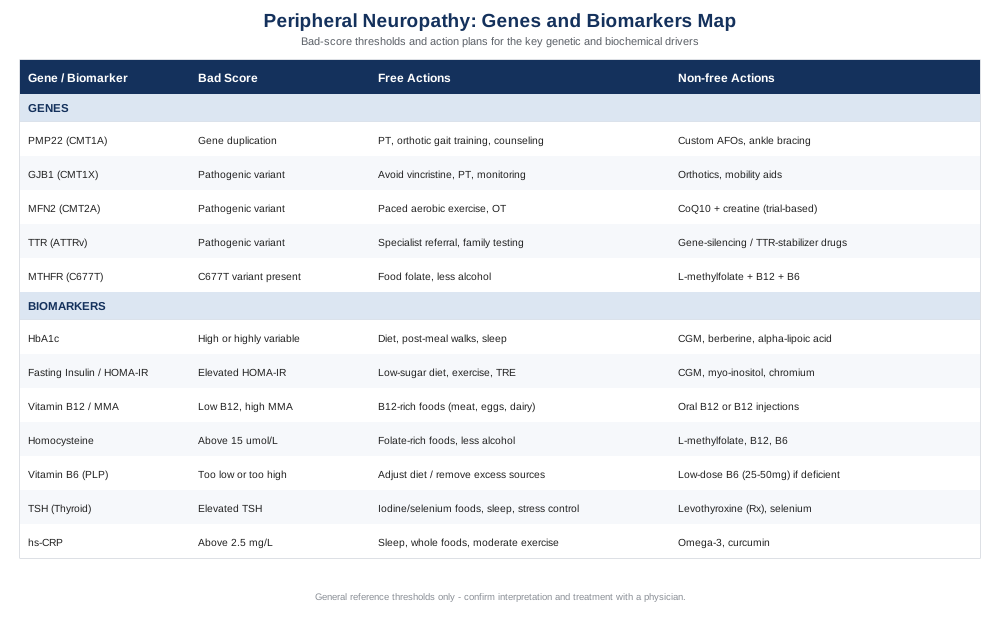
The article below is built around one idea: peripheral neuropathy usually has a measurable driver, and most of those drivers show up on standard or slightly-less-standard lab tests years before symptoms are labeled "chronic." The core section walks through seven biomarkers — from glycemic markers most people already know about to inflammation and thyroid markers that get overlooked — with realistic cost ranges, what a bad number usually means, and two-tier action plans (lifestyle-only versus lifestyle-plus-supplement) for each one, including dosing, cycling, and side effects. A shorter section after that covers five inherited genes tied to neuropathy, from the well-known Charcot-Marie-Tooth genes to the quietly common MTHFR variant that a growing number of clinicians now test for. There's also a look at one of the more practical books on self-managing nerve symptoms, and a rundown of complementary approaches — tai chi, mindfulness, massage, light therapy, and biofeedback — that have actual clinical trial data behind them for neuropathy specifically, not just general wellness claims. By the end, you should have a working map of what to test, what a bad result means, and what step to take next.
7 Biomarkers Worth Tracking If You Have Nerve Symptoms
Most cases of peripheral neuropathy that aren't clearly hereditary trace back to one of a handful of metabolic or nutritional imbalances. The biomarkers below are the ones with the strongest and most actionable evidence, chosen because they're either directly causal (like B12 or B6 status) or strongly correlated with nerve damage risk (like insulin resistance and inflammation). For each one, there's a practical path forward — one that doesn't assume you're willing or able to take supplements, and one that does.
1. HbA1c and Glycemic Variability
Hemoglobin A1c reflects average blood glucose over roughly three months, and it remains the single most important number in neuropathy risk assessment because sustained high glucose damages small nerve fibers directly. But A1c alone can miss the picture: research shows that variability in A1c over time — not just the average — is independently associated with diabetic peripheral neuropathy, in both type 1 and type 2 diabetes HbA1c variability and diabetic peripheral neuropathy in type 2 diabetic patients. Someone who swings between well-controlled and poorly-controlled glucose can be at meaningful risk even with a "good" average.
How to measure it: A standard HbA1c blood draw costs roughly $15–$50 out of pocket in the US (often covered by insurance as part of routine bloodwork), and results are usually available within a day or two. For variability, a continuous glucose monitor (CGM) — like Freestyle Libre or Dexcom — provides a much richer picture and typically costs $75–$150 per month without insurance, or can be obtained through some direct-to-consumer metabolic programs.
If the score is bad, the plan without supplements: Prioritize consistent meal timing, a lower-glycemic-load diet, post-meal walking (even 10 minutes measurably blunts glucose spikes), resistance training two to three times a week to improve insulin sensitivity, and consistent sleep, since poor sleep raises next-day glucose variability. Re-check HbA1c every 3 months until stable, then every 6 months.
If the score is bad, the plan with supplements or equipment: A CGM used for 2–4 week stretches (not necessarily continuously) helps identify which specific foods and habits spike your glucose, so you can adjust without guessing. Berberine (500 mg, two to three times daily with meals) has glucose-lowering effects comparable to some oral medications in trials, but it can cause GI upset and should not be combined with diabetes medication without medical supervision; cycle for 8–12 weeks, then reassess, since long-term safety data beyond a year is limited. Alpha-lipoic acid (600 mg once daily, ideally on an empty stomach) has multiple randomized trials behind it specifically for diabetic neuropathy symptoms, including the ALADIN trials, though effects on underlying nerve conduction were more modest than on symptom scores Alpha Lipoic Acid for Symptomatic Peripheral Neuropathy: Meta-Analysis of RCTs. Mild nausea is the most common side effect; it can also lower blood glucose further, so anyone on insulin or sulfonylureas should monitor closely.
2. Fasting Insulin and HOMA-IR
Insulin resistance often precedes a diabetes diagnosis by years, and it turns out nerves don't wait for an official diagnosis to start being affected. Studies have found that peripheral neuropathy is associated with insulin resistance independent of full metabolic syndrome Peripheral neuropathy is associated with insulin resistance independent of metabolic syndrome, and among non-diabetic overweight adults, HOMA-IR (a calculation combining fasting glucose and fasting insulin) predicted nerve dysfunction even before blood sugar reached diabetic thresholds BMI, HOMA-IR, and fasting blood glucose predict peripheral nerve dysfunction. This makes HOMA-IR one of the most underused early-warning markers for "idiopathic" neuropathy.
How to measure it: Requires a fasting blood draw for glucose and insulin (roughly $20–$50 combined), then a simple calculation (fasting glucose × fasting insulin ÷ 405). Many functional and preventive medicine labs will calculate HOMA-IR automatically.
If the score is bad, the plan without supplements: Reduce refined carbohydrate and added sugar intake, prioritize protein and fiber at each meal to blunt insulin response, walk after meals, and aim for at least 150 minutes per week of moderate exercise. Time-restricted eating (an 10–12 hour eating window) has shown modest improvements in insulin sensitivity in trials and requires no equipment or cost.
If the score is bad, the plan with supplements or equipment: Myo-inositol (2–4 grams daily, split into two doses) has evidence for improving insulin sensitivity with a favorable safety profile; mild GI upset is the main side effect. Chromium picolinate (200–400 mcg daily) has weaker but positive evidence; take with food to reduce stomach upset. A CGM (see above) is arguably the single most useful piece of equipment here, since it turns insulin resistance from an abstract lab number into visible, food-specific feedback. Re-check HOMA-IR every 3–6 months.
3. Vitamin B12 and Methylmalonic Acid (MMA)
B12 deficiency is one of the few reversible causes of peripheral neuropathy, which is exactly why it should never be skipped in a workup — including in people who already have another explanation, like diabetes, since deficiencies can stack. Because serum B12 alone can be misleading (some people have "normal" B12 but functional deficiency), methylmalonic acid is used as a more sensitive marker: elevated MMA confirms a true cellular B12 deficiency even when B12 levels look borderline-normal Vitamin B12 and methylmalonic acid levels in patients presenting with polyneuropathy. This matters especially for anyone on metformin, acid-reducing medications, or a plant-based diet, all of which impair B12 absorption over time.
How to measure it: Serum B12 costs roughly $20–$40; MMA testing runs $60–$100 and is worth adding if B12 is in the low-normal range (under roughly 400 pg/mL) or if symptoms persist despite a "normal" B12 result.
If the score is bad, the plan without supplements: Increase intake of B12-rich foods — meat, eggs, dairy, fortified nutritional yeast — and address any underlying absorption issue (review metformin dose with a physician, treat reflux without long-term acid suppression where possible).
If the score is bad, the plan with supplements or equipment: Oral methylcobalamin or cyanocobalamin, 1,000 mcg daily, is sufficient for most mild-to-moderate deficiencies; for confirmed deficiency with neuropathy symptoms, B12 injections (1,000 mcg intramuscular, weekly for 4–8 weeks, then monthly) are more reliably absorbed and are the standard approach when absorption is impaired. Side effects are rare (occasional injection-site irritation); there's no known toxicity ceiling for B12, so cycling isn't necessary, but MMA and B12 should be rechecked at 3 months to confirm correction.
4. Homocysteine
Homocysteine is a byproduct of methionine metabolism that the body normally clears using folate, B12, and B6. When it builds up, it's associated with vascular and nerve damage, and it's frequently elevated in people with the MTHFR C677T gene variant, which reduces the enzyme's ability to process folate efficiently — a topic covered in more detail in the genetics section below. A meta-analysis found the MTHFR variant associated with diabetic peripheral neuropathy specifically, largely through its effect on homocysteine Effects of MTHFR and ACE polymorphisms on diabetic peripheral neuropathy progression.
How to measure it: A fasting homocysteine blood test costs roughly $40–$90. Levels above 15 μmol/L are generally considered elevated; optimal is often cited as under 8–9 μmol/L.
If the score is bad, the plan without supplements: Increase dietary folate (leafy greens, lentils, asparagus) and B12 (see above), reduce alcohol intake (which depletes folate), and address kidney function if relevant, since impaired clearance also raises homocysteine.
If the score is bad, the plan with supplements or equipment: A randomized, placebo-controlled trial found that 1 mg of folic acid daily for 16 weeks significantly reduced homocysteine and improved nerve conduction measures in diabetic neuropathy patients, particularly those carrying the MTHFR C677T variant MTHFR C677T polymorphism and folic acid supplementation in diabetic polyneuropathy. A practical approach: L-methylfolate (400–800 mcg daily) combined with methylcobalamin (500–1,000 mcg) and a moderate B6 dose (see below for limits). Recheck homocysteine at 3 months; if normalized, continue at a maintenance dose rather than stopping abruptly. Side effects are uncommon, though some people report irritability or sleep disruption on higher methylfolate doses, in which case reducing to every-other-day dosing usually resolves it.
5. Vitamin B6 (Pyridoxine / PLP)
B6 is unusual on this list because it cuts both ways: deficiency causes neuropathy, but so does excess. Chronic high-dose B6 supplementation — often from mega-dose B-complex products or energy drinks — is a well-documented, and probably underrecognized, cause of sensory neuropathy. Doses above roughly 1,000 mg/day are the clearest risk, but case reports exist even below 500 mg/day with prolonged use, and symptoms can continue to worsen ("coasting") for weeks after stopping before they improve Dose response, coasting, and differential fiber vulnerability in pyridoxine neurotoxicity. A systematic review confirms both deficiency and excess as legitimate, distinct causes of peripheral neuropathy The Role of Vitamin B6 in Peripheral Neuropathy: A Systematic Review.
How to measure it: The active form, pyridoxal-5-phosphate (PLP), is the most accurate test, costing roughly $50–$90. It's worth checking specifically if you take a multivitamin, energy drink, or B-complex supplement regularly, since many products contain far more B6 than realized.
If the score is bad (too low), the plan without supplements: Increase intake of poultry, fish, potatoes, chickpeas, and bananas.
If the score is bad (too low), the plan with supplements: 25–50 mg daily is generally sufficient to correct deficiency; there's rarely a reason to exceed 100 mg/day for supplementation purposes. Recheck PLP at 8–12 weeks.
If the score is bad (too high) or symptoms suggest toxicity: The plan here has no supplement component — it's stopping the source. Review every supplement, multivitamin, and energy drink label for B6 content, discontinue anything containing more than roughly 25–50 mg per serving, and expect gradual improvement over months, since peripheral nerve recovery is slow and some sensory loss can be prolonged or, in heavy chronic use, only partially reversible.
6. TSH (and Thyroid Panel)
Thyroid dysfunction is an underappreciated contributor to nerve symptoms, and it doesn't need to be full-blown hypothyroidism to matter — subclinical hypothyroidism (a mildly elevated TSH with normal T4) has been specifically linked to painful peripheral neuropathy Painful neuropathy in subclinical hypothyroidism, and in people with type 2 diabetes, subclinical hypothyroidism independently raises the risk of diabetic peripheral neuropathy even when thyroid hormone is technically "in range" Association between thyroid function and diabetic peripheral neuropathy in euthyroid patients.
How to measure it: Basic TSH testing costs roughly $30–$70; a fuller panel including free T4, free T3, and thyroid antibodies (to rule out autoimmune thyroiditis) runs $100–$200.
If the score is bad, the plan without supplements: Ensure adequate iodine and selenium intake through diet (seafood, dairy, Brazil nuts — one to two per day covers selenium needs without overdoing it), manage stress and sleep, since both affect thyroid hormone conversion, and get retested in 6–8 weeks if levels are borderline rather than assuming a single result is definitive.
If the score is bad, the plan with supplements or equipment: This is one area where supplements are not a substitute for medical management — confirmed hypothyroidism is typically treated with prescription levothyroxine, dosed and monitored by a physician, not by self-directed supplementation. Selenium (100–200 mcg daily) has some evidence for supporting thyroid antibody reduction in autoimmune thyroiditis specifically, but should be used short-term (3–6 months) and monitored, since chronic high-dose selenium has its own toxicity risks. TSH should be rechecked 6–8 weeks after any dose change.
7. High-Sensitivity C-Reactive Protein (hs-CRP)
Chronic low-grade inflammation is increasingly recognized as a driver — not just a bystander — in diabetic peripheral neuropathy. Elevated hs-CRP correlates with both the presence and severity of neuropathy in type 2 diabetes, and levels above roughly 2.5 mg/L have been proposed as a threshold for elevated risk Serum CRP-to-albumin ratio as a marker of diabetic neuropathy. This makes hs-CRP a useful, affordable way to gauge whether inflammation is part of what's keeping nerves irritated.
How to measure it: An hs-CRP blood test costs roughly $20–$40 and is widely available as part of cardiometabolic panels.
If the score is bad, the plan without supplements: Address the upstream drivers of inflammation: improve sleep quality and duration, reduce ultra-processed food intake, maintain regular moderate exercise (over-exercising can transiently raise CRP, so consistency matters more than intensity), and address periodontal disease and other chronic low-grade infections, which are often-overlooked CRP contributors.
If the score is bad, the plan with supplements or equipment: Omega-3 fatty acids (2–3 grams combined EPA/DHA daily, taken with food) have consistent evidence for modestly lowering CRP; the main caution is a mild blood-thinning effect, which matters if you're on anticoagulants or have surgery scheduled — stop 1–2 weeks prior in that case. Curcumin (500–1,000 mg daily, with piperine or a phospholipid formulation for absorption) has anti-inflammatory evidence, though quality varies widely by brand; it can interact with blood thinners and some chemotherapy agents, so check with a physician if you're on either. Recheck hs-CRP every 3 months; if it doesn't improve despite these steps, it's worth investigating a specific inflammatory or infectious source rather than continuing supplements indefinitely.
Tracking these seven markers together, rather than in isolation, tends to reveal patterns — for instance, someone with borderline HOMA-IR, elevated homocysteine, and low-normal B12 is telling a different story than someone with isolated B6 excess. That pattern-level view is where a lot of the practical value lies. It's also worth remembering that genetics shapes how your body handles several of these same pathways, which is where the next section picks up.
What Your Genes May Reveal About Nerve Vulnerability
Most peripheral neuropathy is acquired rather than inherited, but a meaningful minority of cases — especially ones labeled "idiopathic" after a metabolic workup comes back clean — trace back to a single gene variant. Genomics researchers like Ali Torkamani, whose work at Scripps Research has focused heavily on how polygenic and single-gene risk information can be turned into actionable prevention steps, have argued that genetic risk scoring is most useful when it changes a concrete decision, not just when it satisfies curiosity The personal and clinical utility of polygenic risk scores. Gary Brecka, known for popularizing accessible genetic panels through his work in performance and longevity medicine, has made a similar case specifically for MTHFR testing, arguing that a huge number of people are supplementing with synthetic folic acid their bodies can't efficiently process. Here's what the current evidence actually supports for genes tied to nerve health.
PMP22 (Charcot-Marie-Tooth Type 1A)
A duplication of the PMP22 gene is the single most common cause of hereditary neuropathy, accounting for a large share of all genetically diagnosed Charcot-Marie-Tooth disease Charcot-Marie-Tooth Hereditary Neuropathy Overview. It causes a slowly progressive demyelinating neuropathy — distal weakness, foot deformities, and reduced nerve conduction velocity — usually starting in the first two decades of life PMP22-related neuropathies: CMT1A and HNPP. This is a dosage-sensitive gene, meaning having one extra copy causes disease and one missing copy causes a different condition (pressure-sensitive neuropathy) — evidence is strong and well-established, based on decades of genetic and clinical data, not early or preliminary research.
If the gene is bad, the plan without supplements: There's no dietary or lifestyle fix for a duplication itself, but management matters enormously for quality of life: physical therapy focused on gait and balance, custom ankle-foot orthoses (AFOs) to correct foot drop, regular podiatry care to prevent injury from reduced sensation, and genetic counseling for family planning, since it's autosomal dominant with a 50% transmission risk to children.
If the gene is bad, the plan with supplements or equipment: No supplement reverses PMP22 duplication. The most useful "equipment" is properly fitted orthotics and, for some patients, ankle-foot bracing systems that meaningfully improve walking mechanics. Ascorbic acid (vitamin C) at high doses was studied as a potential PMP22-lowering therapy in earlier trials but did not show clinically meaningful benefit and is no longer recommended — a useful reminder that not every plausible-sounding supplement pans out in trials.
GJB1 (X-Linked Charcot-Marie-Tooth, CMT1X)
GJB1 encodes connexin 32, a protein that forms communication channels within the Schwann cells that insulate peripheral nerves. Mutations disrupt this insulation, causing a moderate demyelinating neuropathy that's typically more severe in men (who have only one X chromosome) than in female carriers GJB1 Disorders: Charcot-Marie-Tooth Neuropathy (CMT1X). Evidence here is also well-established rather than early-stage.
If the gene is bad, the plan without supplements: The single most important action item is avoiding known neurotoxic drug exposures — particularly vincristine, a chemotherapy agent that can cause severe, rapid neurological deterioration in people with this gene variant. Anyone who knows they carry a GJB1 variant should flag it clearly before any chemotherapy regimen. Beyond that, the same supportive measures as PMP22 apply: PT, orthotics, and monitoring for the central nervous system symptoms (some carriers experience transient stroke-like episodes) that occur in a subset of cases.
If the gene is bad, the plan with supplements or equipment: No supplement regimen alters disease course. Equipment-wise, orthotics and, in more affected individuals, mobility aids are the realistic tools available; the priority is medical awareness (especially around drug exposures) rather than any biohacking approach.
MFN2 (Charcot-Marie-Tooth Type 2A)
MFN2 encodes mitofusin 2, a protein on the outer mitochondrial membrane responsible for mitochondrial fusion. Mutations impair this process and cause an axonal (rather than demyelinating) neuropathy that tends to be more severe and motor-predominant than PMP22-related disease, often starting earlier in life MFN2 Hereditary Motor and Sensory Neuropathy. Because this is a mitochondrial mechanism, there's active research interest in whether mitochondrial-support strategies help — though it's important to be clear that this evidence is early and largely preclinical, not yet proven in human trials.
If the gene is bad, the plan without supplements: Structured, moderate aerobic exercise supports mitochondrial function generally and is well-tolerated in most axonal neuropathies, though it should be paced to avoid overexertion, which can worsen fatigue in mitochondrial-mechanism diseases. Occupational therapy for hand function (since MFN2 disease often affects fine motor control) and orthotics for foot involvement round out the non-supplement plan.
If the gene is bad, the plan with supplements or equipment: CoQ10 (100–200 mg daily) and creatine (3–5 g daily) are sometimes used off-label for mitochondrial support based on their role in other mitochondrial diseases, but direct evidence in MFN2-related CMT2A specifically is limited to small or preclinical studies — this should be framed as a reasonable, low-risk trial rather than an established treatment. Side effects are mild (occasional GI upset with both); there's no need to cycle either, but a 3-month trial with symptom tracking is a sensible way to judge personal benefit.
TTR (Hereditary Transthyretin Amyloidosis)
TTR mutations cause misfolded transthyretin protein to accumulate as amyloid deposits in peripheral nerves and the heart, producing a progressive and often severe sensorimotor and autonomic neuropathy in mid-to-late adulthood Hereditary Transthyretin Amyloidosis. This is a different category from CMT — it's adult-onset, often misdiagnosed initially as idiopathic neuropathy, and unlike PMP22 or GJB1, it now has disease-modifying drug therapy, which makes early genetic identification especially valuable Hereditary transthyretin amyloidosis: a comprehensive review with a focus on peripheral neuropathy.
If the gene is bad, the plan without supplements: There isn't a meaningful lifestyle-only management path once ATTRv amyloidosis is symptomatic — this is a case where genetic identification should prompt referral to a specialist (typically neurology or a dedicated amyloidosis center), not self-management. Family members of a diagnosed carrier should be offered genetic counseling and testing, since early treatment before major nerve damage occurs produces meaningfully better outcomes.
If the gene is bad, the plan with supplements or equipment: No supplement affects transthyretin amyloid deposition. The relevant "treatments with equipment" are medical: gene-silencing therapies and TTR-stabilizing drugs, both established first-line options prescribed and monitored by a specialist. This is the clearest example in this article of a genetic finding that should route directly to medical care rather than a self-directed protocol.
MTHFR (Methylenetetrahydrofolate Reductase)
Unlike the four genes above, MTHFR variants (most commonly C677T) are extremely common — a large share of the population carries at least one copy — and their effect is modest rather than disease-causing on its own. The C677T variant reduces enzyme efficiency, raises homocysteine, and has been specifically associated with diabetic peripheral neuropathy risk and progression MTHFR and ACE polymorphisms and diabetic peripheral neuropathy progression: a meta-analysis. This is the gene on this list most relevant to the biomarker section above, since its main practical effect runs through homocysteine.
If the gene is bad, the plan without supplements: Favor natural food folate (leafy greens, legumes, liver) over synthetic folic acid, since MTHFR variants specifically impair folic acid conversion; reduce alcohol intake, which further depletes folate; and get homocysteine checked periodically rather than assuming the gene result alone tells the full story.
If the gene is bad, the plan with supplements or equipment: L-methylfolate (the already-active form, bypassing the impaired enzyme step) at 400–800 mcg daily, combined with methylcobalamin (500–1,000 mcg) and a moderate B6 dose (25–50 mg, staying well under toxicity thresholds), is the standard approach and has trial support for improving both homocysteine and nerve conduction measures in diabetic neuropathy MTHFR C677T polymorphism and folic acid supplementation in diabetic polyneuropathy. A minority of people report overstimulation symptoms (irritability, anxiety, disrupted sleep) on methylfolate, in which case reducing frequency to every other day or lowering the dose usually resolves it. Recheck homocysteine at 3 months; this isn't a supplement that needs indefinite escalation — once levels normalize, a lower maintenance dose is appropriate.
Genetics explains why two people with similar biomarker panels can have very different neuropathy trajectories, but for most readers, the biomarker section above will be more immediately actionable — genetic testing is worth pursuing specifically when neuropathy started young, runs in the family, or has resisted an otherwise thorough metabolic workup. With both the biomarker and genetic angles covered, it's worth looking at how one influential self-management framework pulls these threads together for people living with the condition day to day.
10 Ideas Worth Borrowing From The Peripheral Neuropathy Solution
Dr. Randall Labrum's book The Peripheral Neuropathy Solution has become one of the more widely referenced self-management resources for people with neuropathy, largely because it pushes back against a purely pharmaceutical framing — pain medication that masks symptoms without addressing what's actually damaging the nerves. The ideas below reflect its core themes, reframed with the caveat that this is a patient-education perspective, not a substitute for a diagnostic workup; it's most useful once you already know (or are investigating) the underlying cause.
1. Symptom relief and nerve healing are not the same goal
Medications that reduce burning or tingling can make daily life more tolerable, but they do nothing to address whatever is damaging the nerve fibers in the first place. Treating both tracks in parallel — symptom relief now, root-cause investigation ongoing — beats treating only one.2. An accurate cause matters more than a label
"Idiopathic neuropathy" is often a placeholder for "we didn't look hard enough," not a genuine dead end. Pushing for a fuller workup — the biomarkers above, and genetic testing where relevant — often turns up an addressable driver.3. Circulation to the extremities is a modifiable factor
Peripheral nerves are metabolically demanding and depend on adequate blood flow. Anything that chronically restricts circulation to the feet and hands — smoking, prolonged sitting, tight footwear — can compound whatever the primary cause is.4. Daily movement is a low-cost, high-value intervention
Consistent, moderate walking supports both glycemic control and circulation, two of the biggest modifiable levers in neuropathy management, without requiring equipment or cost.5. Footwear and foot inspection are not optional details
For anyone with reduced sensation, daily foot checks and properly fitted, protective footwear prevent the secondary injuries (blisters, ulcers, undetected wounds) that cause the most serious complications of neuropathy — not the nerve damage itself.6. Alcohol is a disproportionately large factor for many people
Alcohol is directly neurotoxic to peripheral nerves and depletes B vitamins simultaneously — a double mechanism that makes even moderate regular intake worth reconsidering for anyone with active neuropathy symptoms.7. Sleep quality affects pain perception, not just energy
Poor sleep lowers pain thresholds and increases next-day glucose variability — both of which can make neuropathic symptoms feel worse independent of any change in actual nerve status.8. Stress management is a physiological lever, not a soft add-on
Chronic stress elevates cortisol and inflammatory markers, both of which are mechanistically tied to nerve irritation. This isn't a vague wellness suggestion — it connects directly to the hs-CRP biomarker discussed earlier.9. Passive treatments work better as a supplement, not a substitute
TENS units, topical treatments, and massage can meaningfully reduce day-to-day discomfort, but they work best layered on top of addressing the underlying cause, not as a replacement for finding it.10. Tracking symptoms over time reveals patterns doctors can't see in a single visit
A simple symptom log — what changed, when, and after what — often reveals triggers (a new medication, a dietary shift, a stretch of poor sleep) that a single office visit would never catch.These ideas work best as a framework running alongside medical care, not instead of it — which is also true of the complementary approaches covered next, several of which have real trial data behind them for neuropathy specifically.
Complementary Approaches With Real Evidence Behind Them
Plenty of complementary therapies get recommended for neuropathy with little to no condition-specific research behind them. The five below are different — each has at least one human clinical trial or systematic review conducted specifically in peripheral neuropathy patients, not just general pain or wellness populations.
Tai Chi
Tai chi combines slow, weight-shifting movement with balance training and breath control, making it a natural fit for neuropathy, where impaired proprioception (the sense of foot and joint position) drives much of the fall risk and functional impairment.
A randomized trial in people with type 2 diabetes and neuropathy found that 12 weeks of tai chi practice improved glucose control, neuropathy symptom scores, balance, and quality-of-life measures compared to usual care Effects of Tai Chi Exercise on glucose control, neuropathy scores, balance, and quality of life in type 2 diabetes with neuropathy.
A realistic starting point is a beginner tai chi class (in-person or via video) two to three times per week for at least 8–12 weeks before expecting noticeable balance changes; it's low-risk for most people, though anyone with significant balance impairment should start seated or supported and progress gradually to avoid falls.
Mindfulness-Based Stress Reduction
MBSR is a structured 8-week program combining meditation, body awareness, and gentle movement, originally developed for chronic pain and illness that hadn't responded fully to standard medical treatment.
In a randomized trial of patients with painful diabetic peripheral neuropathy whose medication had already been optimized, those assigned to MBSR showed improved function, better quality of life, and reduced pain intensity and catastrophizing compared to usual care alone Randomized Trial of MBSR on Pain-Related Disability in Painful Diabetic Peripheral Neuropathy.
This is best approached as an addition to, not a replacement for, medication optimization — a structured 8-week MBSR course (in person or via a well-reviewed app-based program) is a reasonable trial, with essentially no physical risk, though it requires consistent time investment to see the effect shown in trials.
Massage Therapy
Foot massage improves local circulation and provides sensory stimulation that may support proprioception and balance in people with reduced foot sensation.
A randomized controlled trial of Thai foot massage in people with type 2 diabetes and peripheral neuropathy — 30-minute sessions, three times a week for two weeks — found significant improvements in balance performance, joint range of motion, and foot sensation compared to a control group Effects of Thai foot massage on balance performance in diabetic patients with peripheral neuropathy.
Self-massage or a trained practitioner both appear to work, but anyone with open wounds, active ulcers, or a foot infection should skip direct massage of the affected area until it's healed, and should always inspect feet closely afterward given reduced sensation to pain or pressure.
Photobiomodulation (Low-Level Laser / Red Light Therapy)
Photobiomodulation uses specific wavelengths of red or near-infrared light, theorized to support mitochondrial energy production and local circulation in nerve tissue.
A systematic review of photobiomodulation therapy in diabetic peripheral neuropathy found improvements in neuropathic pain, nerve conduction measures, and plantar pressure distribution across the included studies, though the review also noted inconsistency between trials in dosing protocols and outcome measures Effectiveness of Photobiomodulation Therapy on Neuropathic Pain and Nerve Conduction in Diabetic Peripheral Neuropathy — a fair summary is "promising but not yet standardized," rather than definitively proven.
In-clinic sessions (podiatry or physical therapy offices) typically run $50–$100 per session, while at-home red light devices range from roughly $200–$800; if trying this, 10–20 minutes per session, 3–5 times weekly for at least 4–6 weeks is a reasonable trial period before judging effect, and it's essentially risk-free aside from mild, temporary warmth at the treatment site.
Biofeedback
Biofeedback uses real-time sensor feedback (often plantar pressure sensors) to help retrain movement patterns, and in neuropathy it's used less for pain relief and more for improving foot mechanics and reducing ulcer risk.
A study using terminal feedback training for foot offloading in diabetic patients with peripheral neuropathy found it positively affected motor learning and offloading patterns, though it did not show significant direct benefit for pain or sensory improvement Biofeedback for foot offloading in diabetic patients with peripheral neuropathy — a useful reminder to set expectations around gait and injury prevention rather than pain relief specifically.
This is most relevant for people with a history of foot ulcers or high-risk gait patterns, and is typically delivered through a podiatrist or physical therapist with pressure-mapping equipment rather than as a DIY approach.
Conclusion
Peripheral neuropathy responds better to specific information than to general advice. The biomarkers covered here — glycemic and insulin markers, B12, homocysteine, B6, thyroid function, and inflammation — cover the majority of modifiable drivers, and each comes with a concrete plan whether or not you're open to supplements. The genetic side matters most when the metabolic picture doesn't add up, or when a diagnosis has run in the family. And the complementary approaches with real trial support — tai chi, mindfulness, massage, photobiomodulation, and biofeedback — work best layered on top of that foundation, not in place of it.
None of this replaces a conversation with a physician, especially since several of the paths above (thyroid medication, genetic counseling, TTR-directed therapy) require medical management rather than self-direction. But walking into that conversation with a specific list — which biomarkers you've had checked, which ones you haven't, and whether neuropathy runs in your family — tends to produce a far more useful visit than describing symptoms alone. That's a reasonable next step regardless of where you are in this process: pull your last set of labs, note what's missing from the list above, and bring it with you.
Neurological: Nerve Conditions
Endocrine & Metabolic: Diabetes & Blood Sugar Thyroid Conditions