This article contains AI generated content.
· UpdatedPFAPA Syndrome Genes and Biomarkers - 5 Genes And 7 Biomarkers To Track
Introduction
If you are living with PFAPA syndrome — either as a parent watching a child cycle through fevers every few weeks with clock-like precision, or as an adult who finally has a name for what has been happening since childhood — you have probably felt the frustration of being told to wait it out. The standard approach makes sense on paper: corticosteroids abort each attack fast, tonsillectomy cures most children, and many cases resolve with age. But that framework does not explain why it is happening in the first place, what the body is actually responding to, or whether any meaningful changes can reduce the frequency or severity of episodes.
Most advice on PFAPA stays at the surface. Watch for triggers, keep ibuprofen on hand, discuss surgery when episodes become too frequent. These recommendations are not wrong — they are just incomplete for people who want to understand the biology beneath the pattern. PFAPA is not a mystery. It is driven by very specific immune pathways: overactivation of the NLRP3 inflammasome, dysregulated IL-1β production, and a tonsil-specific immune environment that does not regulate its own response well. That biology produces measurable signals in the blood, and those signals can tell you a great deal about what is happening and why.
What has changed in the last decade is not just knowledge — it is precision. We now have the tools to track a handful of targeted biomarkers before, during, and after flares, and to identify genetic variants that quietly shape how intense and frequent those flares become. A high CRP during an episode is expected. But persistently elevated IL-18, calprotectin above normal between attacks, or a specific MEFV variant are details that change the conversation about what to do and which interventions are worth trying.
This article takes the deeper approach that generic PFAPA guides rarely offer. The first major section walks through seven biomarkers worth tracking — from affordable and widely available tests to more specialized markers — with specific guidance on what each result means and what to do when it is off. The second section covers five genes that research has linked to PFAPA or closely related autoinflammatory pathways, each with practical plans for compensating through lifestyle and, where appropriate, targeted supplementation. Later sections draw on insights from immunology and inflammation research — including what Huberman Lab episodes on the immune system and fasting teach us about the specific pathways involved in PFAPA — and review complementary approaches that have genuine clinical support. No miracle claims. Better information leads to better decisions.
Summary
Here is what this article covers and what makes it different from most PFAPA resources online:
- 7 biomarkers are tracked across three tiers: affordable and widely available (CRP, CBC, ferritin, ESR), specialized but accessible (IL-18, S100A8/S100A9), and advanced (IL-1β) — each with cost ranges, timing guidance, and actionable plans - CRP and ESR are the entry-level monitors: they confirm attack activity and track whether baseline inflammation is drifting, but they are not specific enough on their own - IL-18 and S100A8/S100A9 are the most revealing PFAPA-specific markers: elevated patterns between attacks may predict future flare frequency and help justify targeted treatment escalation - 5 genes are examined: MEFV, NLRP3, IL1RN, MVK, and CARD8 — each one changes the picture of why this is happening and what to try first - For each gene and each biomarker, the article provides two concrete plans: one without supplements and one with — including dosing, cycling, and side effects - Fasting, sleep architecture, and gut microbiome health emerge across multiple sections as the three highest-leverage lifestyle interventions — not because they cure PFAPA, but because they directly target the NLRP3 inflammasome and IL-1β signaling at the source - Sarah Ballantyne's Autoimmune Protocol and microbiome-directed therapies appear in the complementary section with context for how they apply to an autoinflammatory condition specifically - The final strategies section covers what Huberman Lab research reveals about fever, inflammation, and the immune system — with 10 specific, actionable insights grounded in published science
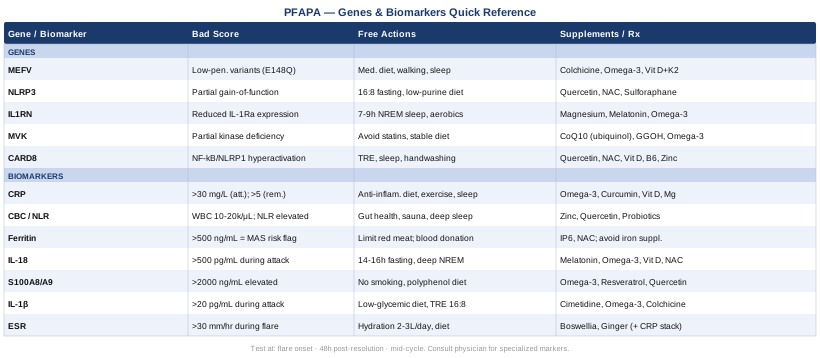
7 Key Biomarkers to Monitor in PFAPA Syndrome
The value of tracking biomarkers in PFAPA is not just confirmation that inflammation is happening — you already know that when your child has a 40°C fever every four weeks. The real value is in the pattern: what the baseline looks like between attacks, how steeply levels rise during flares, and whether they return fully to normal in remission. Those patterns reveal the depth of the underlying immune dysregulation and guide decisions about when to escalate management versus when lifestyle changes alone might be enough.
1. C-Reactive Protein (CRP)
CRP is produced by the liver in response to IL-6 and TNF-α — two cytokines that rise sharply during PFAPA flares. During an active episode, CRP typically exceeds 30 mg/L and sometimes reaches 100 mg/L or above. Within 48–72 hours of corticosteroid treatment or natural resolution, it drops. Between attacks, it should fall below 5 mg/L (with high-sensitivity CRP ideally under 1 mg/L). A persistently elevated CRP between episodes should prompt investigation: PFAPA alone should not sustain a chronically elevated baseline.
How to Measure It
Standard CRP is available at virtually any clinical laboratory and costs $15–40 in the US, almost always covered by insurance. High-sensitivity CRP (hsCRP), which provides greater precision at lower concentrations, costs $25–60 and is preferred for monitoring between attacks. Track it at three points in the cycle: during a flare (peak activity), 48–72 hours after resolution, and at mid-cycle (7–10 days before the next expected attack).
If the Score Is Bad, the Plan Without Supplements
A persistently elevated CRP between attacks calls for a strict anti-inflammatory dietary overhaul before anything else. Eliminate refined sugars, seed oils, ultra-processed foods, and alcohol. Center meals around olive oil, fatty fish (salmon, sardines, mackerel), leafy greens, berries, and legumes. Exercise 30 minutes at moderate intensity five days per week — this consistently lowers CRP over 8–12 weeks, not through vague "anti-inflammatory effects" but through measurable reductions in IL-6 production. Sleep 7–9 hours consistently: even three nights of partial sleep deprivation raise CRP significantly. Manage chronic psychological stress, which elevates IL-6 and drives persistent CRP elevation.
If the Score Is Bad, the Plan With Supplements
- Omega-3 fatty acids (EPA + DHA): 2–4g per day with food. Continuous use. Reduces IL-6 and CRP over 8–12 weeks. Side effects: fishy aftertaste, mild blood thinning. A 2-week break every 3 months is optional. - Curcumin with piperine (BCM-95 or theracurmin form preferred): 500–1000 mg/day. Cycle: 8 weeks on, 2 weeks off. Inhibits NF-κB, reducing CRP synthesis. Side effects: GI discomfort at high doses; mild blood thinning. - Vitamin D3 with K2: 2000–5000 IU/day (100–200 mcg MK-7). Optimize serum levels to 60–80 ng/mL. Continuous use. Monitor serum levels every 6 months. - Magnesium glycinate: 300–400 mg before bed. Continuous. Reduces NF-κB activation. Side effects: loose stools at excessive doses.
2. Complete Blood Count With Differential (CBC)
During a PFAPA flare, the CBC reliably shows leukocytosis — white blood cell counts typically between 10,000 and 20,000/μL — with neutrophil predominance. This reflects acute innate immune activation. Between attacks, the CBC should normalize completely. Persistent neutrophilia between episodes points toward another diagnosis or a coexisting condition.
The neutrophil-to-lymphocyte ratio (NLR), which can be calculated from standard CBC results, is particularly useful over time. A chronically elevated NLR between attacks — even when individual values appear borderline normal — may reflect sustained low-grade inflammasome activity that contributes to attack frequency.
How to Measure It
CBC with differential is one of the most affordable lab tests available. Cost range: $30–60, almost always covered by insurance. Measure during an active flare and at mid-cycle to establish your inter-attack baseline. Running it alongside CRP at each time point gives useful complementary context.
If the Score Is Bad, the Plan Without Supplements
Between attacks, if CBC shows mild persistent leukocytosis or an elevated NLR, prioritize three interventions: gut health optimization (fermented foods, high-fiber diet to shift microbiome toward immunoregulatory bacteria), consistent deep sleep, and moderate sauna use (Finnish-style, 15–20 minutes, 2–3x per week). Avoid excessive aerobic overtraining, which transiently raises circulating neutrophils. During flares, adequate hydration and rest support natural resolution; partial fever suppression with non-steroidal anti-inflammatories is generally appropriate.
If the Score Is Bad, the Plan With Supplements
- Zinc bisglycinate: 15–30 mg/day. Continuous. Regulates neutrophil function. Add 1 mg copper per 15 mg zinc if using long-term (>12 weeks). - Quercetin: 500 mg twice daily with food. Cycle: 6 weeks on, 2 weeks off. Reduces excessive neutrophil activation. Side effects: mild GI at high doses. - Probiotics: 10–30 billion CFU, multi-strain blend (Lactobacillus rhamnosus GG, Bifidobacterium longum). Daily with food. Supports regulatory T-cell activity that dampens excessive neutrophil recruitment. Side effects: initial bloating.
3. Ferritin
Ferritin is both an acute-phase reactant and a safety marker in PFAPA. It rises during attacks as part of the inflammatory response and should return to normal between episodes (typically 20–200 ng/mL for adults; reference ranges differ for children). Persistently elevated ferritin between attacks suggests ongoing subclinical inflammation worth investigating.
More critically: ferritin becomes a red-flag marker when values become very high. Ferritin consistently above 500 ng/mL, particularly with atypical symptoms — prolonged fever, splenomegaly, pancytopenia — should raise immediate concern for macrophage activation syndrome (MAS), a rare but life-threatening complication of autoinflammatory conditions. This warrants urgent medical evaluation, not watchful waiting.
How to Measure It
Ferritin is a standard lab test. Cost range: $25–60. Measure during an active flare, 48 hours after resolution, and at mid-cycle. If ferritin climbs steeply during what seems like a typical PFAPA episode, contact your physician — rising ferritin that does not track with the usual attack pattern should prompt prompt reassessment.
If the Score Is Bad, the Plan Without Supplements
If ferritin is elevated between attacks due to persistent inflammation, reducing the underlying inflammatory drive (through the lifestyle measures described under CRP) is the primary lever. If high ferritin reflects excess iron stores (confirmed by elevated serum iron and transferrin saturation), limit red meat to 1–2 servings per week and avoid iron-fortified foods. For eligible adults, regular blood donation every 8–12 weeks is the most evidence-backed method for reducing ferritin safely through controlled iron depletion.
If the Score Is Bad, the Plan With Supplements
- IP6 (inositol hexaphosphate): 1–2g per day on an empty stomach. Cycle: 12 weeks on, 4 weeks off. Natural iron chelation. Take away from food and other minerals to avoid binding. Side effects: may reduce mineral absorption if taken with food. - NAC (N-acetylcysteine): 600 mg twice daily. Cycle: 4 weeks on, 1 week off. Reduces oxidative stress associated with elevated ferritin and modulates iron storage proteins. Side effects: GI upset; sulfur odor. - Avoid all supplemental iron while ferritin is elevated. Take vitamin C supplements separately from iron-rich meals during this period.
4. Interleukin-18 (IL-18)
IL-18 is a pro-inflammatory cytokine that amplifies the IL-1β response and activates natural killer cells and T cells. It is one of the most PFAPA-specific biomarkers available. During active episodes, IL-18 typically rises 3 to 10 times above the normal range. Between flares in well-controlled cases, it returns to near-baseline. This on/off pattern mirrors the clinical PFAPA cycle — making it valuable not just for confirming a flare but for tracking whether the underlying system is calming down between attacks.
Elevated IL-18 also helps distinguish PFAPA from more serious conditions. In macrophage activation syndrome or systemic juvenile idiopathic arthritis (sJIA), IL-18 can exceed 10,000 pg/mL and remains persistently elevated. In typical PFAPA, elevations are significant but episodic. Research in pediatric autoinflammatory diseases has consistently identified serum IL-18 as one of the most discriminating markers of active PFAPA, with normal range typically cited below 200 pg/mL and PFAPA attack values commonly exceeding 500 pg/mL.
How to Measure It
Serum IL-18 requires a specialized laboratory — it is not part of routine panels. Cost range: $150–400, depending on the laboratory and region. ELISA-based assays are standard. Request this test during an active flare (ideally within the first 24–48 hours of onset) and again 7–10 days into remission to establish your personal on/off pattern. Academic medical centers and pediatric rheumatology programs are the most reliable sources for this test.
If the Score Is Bad, the Plan Without Supplements
The most mechanistically grounded non-supplement intervention for elevated IL-18 is time-restricted eating or intermittent fasting. Beta-hydroxybutyrate (BHB), produced during fasting, directly inhibits NLRP3 inflammasome assembly — and NLRP3 is a primary driver of IL-18 production. A 14–16 hour daily fasting window is practical for most adults; discuss with a pediatrician before applying this to children. Deep sleep is the other high-leverage target: IL-18 production is measurably higher in sleep-deprived individuals, while consistent NREM-rich sleep supports cytokine regulation throughout the cycle.
If the Score Is Bad, the Plan With Supplements
- Melatonin (low dose): 0.5–1 mg, 30 minutes before bed. Continuous. Improves deep NREM sleep architecture and has direct anti-IL-18 effects in monocytes. Keep dose low to avoid morning grogginess. - Omega-3 (EPA-dominant): 3–4g EPA + DHA per day, continuous. EPA specifically reduces NLRP3-driven IL-18 production. Side effects: blood thinning at high doses. - Vitamin D3 with K2: 2000–5000 IU/day. Vitamin D receptors on macrophages directly modulate IL-18 expression. Optimize to 60–80 ng/mL serum; monitor twice yearly. - NAC: 600–1200 mg/day. Cycle: 4 weeks on, 1 week off. Reduces mitochondrial ROS that prime NLRP3 activation. Side effects: GI, sulfur odor. - Clinical note: If IL-18 remains consistently elevated and attacks are frequent, cimetidine (an H2 blocker available OTC) used at 20–40 mg/kg/day in children has shown preventive efficacy in PFAPA in small studies. Anakinra (recombinant IL-1Ra) is also effective and specifically targets the pathway upstream of IL-18. Both require physician discussion.
5. S100A8 and S100A9 (Serum Calprotectin)
S100A8 and S100A9 are calcium-binding proteins released by activated neutrophils and monocytes. Together they form the calprotectin complex, which functions as a damage-associated molecular pattern (DAMP) — directly activating Toll-like receptor 4 (TLR4) and amplifying the innate immune cascade. In PFAPA, these proteins are substantially elevated during flares and tend to normalize between episodes when the condition is well-managed.
What makes S100A8/S100A9 particularly useful is its sensitivity. Research in pediatric autoinflammatory diseases has shown that the calprotectin complex rises earlier in the inflammatory cascade than CRP — potentially providing earlier biological warning of an impending flare, before fever develops. Chronically elevated S100A8/A9 between attacks likely reflects persistent low-grade neutrophil and monocyte activation that is driving shorter inter-attack intervals.
How to Measure It
Serum S100A8/A9 (also called serum calprotectin) requires a specialized laboratory. Cost range: $100–250. Some academic pediatric rheumatology centers include it routinely in autoinflammatory workup. Note that fecal calprotectin — a different test available in many standard labs ($60–130) — measures gut inflammation rather than systemic neutrophil activation and is not a substitute here. Measure serum calprotectin during a flare and at mid-cycle. Values above 2,000 ng/mL are generally considered elevated; reference ranges vary by lab and age.
If the Score Is Bad, the Plan Without Supplements
The primary target is neutrophil and monocyte hyperactivation. Key changes: eliminate smoking entirely (smoking dramatically increases S100A8/A9 via chronic neutrophil priming), reduce ultra-processed food and excessive saturated fat intake (which independently activate TLR4), significantly increase dietary polyphenols through bright-colored vegetables, berries, brassicas, and olive oil-based foods. Gut microbiome optimization is directly relevant here: gut dysbiosis amplifies systemic TLR4 signaling, and studies of serum calprotectin in inflammatory conditions consistently show associations with microbiome composition.
If the Score Is Bad, the Plan With Supplements
- Omega-3 fatty acids: 3–4g EPA + DHA per day, continuous. Directly reduces TLR4 expression and S100A9 secretion from monocytes. Most robust single OTC intervention for calprotectin elevation. - Resveratrol: 250–500 mg/day with food. Cycle: 8 weeks on, 2 weeks off. Inhibits NF-κB and reduces S100A8 transcription in monocytes. Side effects: mild GI; avoid high doses in pregnancy. - Quercetin with bromelain: 500–1000 mg/day. Cycle: 6 weeks on, 2 weeks off. Reduces TLR4 signaling and neutrophil degranulation. Side effects: GI at high doses. - MSM (methylsulfonylmethane): 1–3g/day, continuous. Reduces neutrophil activation and oxidative burst. Well-tolerated; mild GI adjustment initially.
6. Interleukin-1 Beta (IL-1β)
IL-1β is the central driver of PFAPA syndrome. Every effective pharmacological treatment — corticosteroids, colchicine, cimetidine, anakinra, canakinumab — works at least partly by blocking or reducing IL-1β activity. During a PFAPA flare, IL-1β is produced primarily by activated monocytes and dendritic cells in the tonsillar tissue, and it drives the fever, aphthous ulcers, and lymphadenopathy that define each episode.
Measurable serum IL-1β during an attack confirms active inflammasome engagement and provides direct rationale for targeting IL-1 signaling. It has also shifted thinking about PFAPA management from "wait and manage episodes" toward "interrupt the underlying molecular cycle." Research in the autoinflammatory field — and the documented efficacy of IL-1 blockers in PFAPA specifically — makes this biomarker a critical anchor for treatment decisions in refractory cases.
How to Measure It
Serum IL-1β measurement requires a specialized ELISA or multiplex cytokine panel. Cost range: $200–500. Available through academic medical centers and some direct-to-consumer advanced labs. Timing matters: measure within the first 24–36 hours of a flare for peak values. Normal serum IL-1β is typically under 5 pg/mL; during PFAPA attacks, values commonly range between 20 and 50 pg/mL or higher. Note that tissue-level (tonsillar) IL-1β is substantially higher than serum measurements — serum is directionally useful but not the gold standard.
If the Score Is Bad, the Plan Without Supplements
The most powerful metabolic intervention targeting IL-1β production is reducing NLRP3 inflammasome activation through diet. A strict low-glycemic, low-saturated-fat pattern reduces the primary substrates that activate NLRP3 — cholesterol crystals, uric acid, glucose-derived reactive oxygen species. Time-restricted eating (16:8 for adults) generates BHB, which has been shown to directly inhibit NLRP3 assembly in a landmark 2015 Nature Medicine study by Youm et al.. Regular moderate exercise (30–45 minutes, 4–5x per week) reduces circulating IL-1β over time through anti-inflammatory myokine signaling. Visceral fat reduction is critical: adipose tissue is an active site of IL-1β secretion.
If the Score Is Bad, the Plan With Supplements
- Cimetidine (Tagamet, OTC H2 blocker): 20–40 mg/kg/day in children (weight-adjusted, divided doses); 800–1600 mg/day for adults. Used off-label for PFAPA prevention. Discuss with a physician. Side effects: uncommon at standard doses; some CYP450 drug interactions. - Omega-3 (EPA + DHA): 3–4g/day. Continuous. Most evidence-backed OTC intervention for IL-1β reduction. - Curcumin (BCM-95 or theracurmin): 500–1000 mg/day. Cycle: 8 weeks on, 2 weeks off. Inhibits NF-κB and NLRP3. Side effects: GI at high doses. - Colchicine (prescription): 0.6–1.8 mg/day, weight-adjusted for children. Used off-label for PFAPA prevention. Side effects: diarrhea, GI upset, rare myopathy with statins. - Anakinra (prescription IL-1Ra): Off-label use in refractory PFAPA, used as flare aborter or prevention. Discuss with a pediatric rheumatologist.
7. Erythrocyte Sedimentation Rate (ESR)
ESR is one of the oldest and most accessible inflammatory markers in medicine. While less specific than CRP or IL-18, it provides a useful complementary view. In PFAPA, ESR typically rises during flares (often 30–80 mm/hr) and normalizes completely between episodes. Persistent elevation between attacks warrants investigation — PFAPA alone should not sustain a chronically elevated ESR.
ESR also serves as a trend marker. Serial measurements over 3–6 months can reveal whether baseline inflammation is drifting upward before that change becomes clinically obvious — which may allow for earlier intervention adjustments.
How to Measure It
ESR is a standard lab test available at any clinical facility. Cost range: $15–40, almost always covered by insurance. Normal ranges vary by age and sex. Measure during a flare, after resolution, and at mid-cycle. Track alongside CRP for the most complete picture.
If the Score Is Bad, the Plan Without Supplements
ESR is influenced by red blood cell aggregation, which increases with elevated fibrinogen and with dehydration. Adequate hydration (2–3 liters/day) is a simple, underutilized intervention that keeps readings more accurate and supports blood rheology. Anti-inflammatory diet, weight management, regular moderate exercise, and sleep optimization apply here for the same mechanistic reasons as CRP.
If the Score Is Bad, the Plan With Supplements
The core stack mirrors the CRP protocol (omega-3, curcumin, vitamin D, magnesium). Two additions worth considering: - Boswellia serrata (5-LOXIN or Boswellin PS, 65% boswellic acid): 100–300 mg twice daily. Cycle: 8 weeks on, 2 weeks off. Inhibits 5-LOX, reducing prostaglandin-driven fibrinogen production and ESR elevation. Side effects: mild GI; rare hepatotoxicity at very high doses. - Ginger extract (5% gingerols standardized): 1–2g/day, continuous. Reduces circulating fibrinogen levels, mechanically lowering ESR. Side effects: mild GI, mild blood thinning.
The Genetic Layer: 5 Genes That Shape How PFAPA Behaves
Genetics in PFAPA does not work the way it does in Familial Mediterranean Fever or CAPS, where a single pathogenic mutation explains the condition. PFAPA is a complex, polygenic phenotype — but that does not mean genetics are irrelevant. Multiple genes involved in innate immune signaling, particularly within the IL-1 pathway and inflammasome network, appear in PFAPA patients at rates higher than in the general population. Understanding which variants are present can explain why some patients respond well to colchicine, why others require IL-1 blockade, and why some children resolve spontaneously while others carry the condition into adulthood.
Gene 1: MEFV (Mediterranean Fever Gene)
MEFV encodes pyrin, a protein that normally acts as a brake on NLRP3 inflammasome activity. Pathogenic MEFV mutations cause Familial Mediterranean Fever. But lower-penetrance variants — particularly E148Q, R202Q, and P369S — appear at substantially higher rates in PFAPA patients than in healthy controls. These variants do not cause classic FMF, but they appear to lower the threshold for IL-1β-driven flares by partially disinhibiting inflammasome activation. Children with PFAPA who carry MEFV variants may experience more frequent or more intense attacks, and they typically respond better to colchicine than those without such variants.
If the Gene Is Bad, the Plan Without Supplements
A strict Mediterranean dietary pattern is the most well-supported lifestyle intervention for MEFV carriers — and not coincidentally, this diet has documented anti-inflammatory effects on the same pyrin-NLRP3 axis that MEFV variants dysregulate. Prioritize olive oil, legumes, fatty fish, vegetables, and whole grains; minimize red meat, refined carbohydrates, and alcohol. Daily walking of 30 or more minutes, consistent sleep, adequate hydration during flares, and active stress management (which affects the HPA-pyrin signaling interaction) are the core non-negotiables.
If the Gene Is Bad, the Plan With Supplements
- Colchicine (prescription): 0.6–1.8 mg/day, weight-adjusted. First-line pharmacological choice for MEFV variants in PFAPA. Discuss with rheumatologist. Side effects: diarrhea, GI upset, rare myopathy with concurrent statin use. Do not combine with clarithromycin without medical supervision. - Omega-3 (EPA + DHA): 2–4g/day, continuous. Reduces downstream IL-1β after pyrin-mediated inflammasome activation. - Vitamin D3 with K2: optimize serum to 60–80 ng/mL. Continuous. Vitamin D response elements have been identified in the MEFV promoter region, suggesting direct gene regulatory effects. - Quercetin: 500 mg twice daily. Cycle: 6 weeks on, 2 weeks off. Modulates pyrin-associated signaling. - Curcumin: 500–1000 mg/day (bioavailable form). Cycle: 8 weeks on, 2 weeks off. Side effects: GI; blood thinning.
Gene 2: NLRP3
NLRP3 encodes the core protein of the NLRP3 inflammasome — the molecular machine that cleaves and activates both IL-1β and IL-18. Gain-of-function mutations in NLRP3 cause CAPS (Cryopyrin-Associated Periodic Syndromes). But low-frequency NLRP3 variants with partial gain-of-function activity appear in PFAPA patients and in those with unexplained periodic fevers, creating a partial activation phenotype rather than a full CAPS picture. NLRP3 is also the gene most sensitive to metabolic stressors: cholesterol crystals, uric acid, glucose spikes, and reactive oxygen species all activate it. This makes NLRP3-associated PFAPA particularly responsive to metabolic interventions.
If the Gene Is Bad, the Plan Without Supplements
Time-restricted eating is the highest-leverage non-supplement intervention for NLRP3 variants. Fasting-derived beta-hydroxybutyrate directly inhibits NLRP3 assembly by binding a specific domain in the inflammasome complex — this mechanism was confirmed in the Youm et al. 2015 study in Nature Medicine. A 16:8 fasting schedule is practical for adults. Beyond fasting: reduce purine-rich foods if uric acid is elevated (this is a direct NLRP3 trigger), limit saturated fats, avoid alcohol, and increase dietary polyphenols from broccoli sprouts, berries, and quercetin-rich foods.
If the Gene Is Bad, the Plan With Supplements
- Quercetin with bromelain: 500–1000 mg/day. Cycle: 6 weeks on, 2 weeks off. One of the most studied NLRP3 inhibitors available OTC. Side effects: mild GI. - NAC: 600–1200 mg/day. Cycle: 4 weeks on, 1 week off. Reduces mitochondrial ROS that trigger NLRP3 assembly. - Sulforaphane (from broccoli sprout extract, 50–100 μmol/day): Continuous. Activates Nrf2, reducing NLRP3 activation via oxidative stress reduction. Side effects: sulfur odor; GI at high doses. - BHB salts or exogenous ketones: 5–10g per dose, between meals or during fasting windows. Provides the NLRP3-inhibiting signal of fasting without full caloric restriction. Most useful between attacks as ongoing suppression. Side effects: GI adaptation needed.
Gene 3: IL1RN (IL-1 Receptor Antagonist Gene)
IL1RN encodes interleukin-1 receptor antagonist (IL-1Ra), the naturally occurring protein that competes with IL-1α and IL-1β for the IL-1 receptor. When IL-1Ra is low or less functional, IL-1β signaling proceeds without its main endogenous brake — which is precisely the pathological state in PFAPA. Polymorphisms in IL1RN that reduce expression or functional activity have been found at higher rates in children with recurrent fever syndromes, including PFAPA.
The clinical relevance is direct and unusually clear: the drug anakinra is literally recombinant IL-1Ra. When IL1RN variants are driving insufficient endogenous IL-1Ra production, anakinra essentially replaces what the gene is not producing. This is one of the better examples in autoinflammatory genetics where a pharmacological approach directly compensates for a specific genetic deficit.
If the Gene Is Bad, the Plan Without Supplements
IL-1Ra is released in significant quantities during deep NREM sleep. Sleep optimization is therefore the highest-leverage lifestyle intervention for IL1RN insufficiency — more so than for the other genes on this list. Prioritize 7–9 consistent hours, a dark and cool sleeping environment (18–20°C), no screens 60–90 minutes before bed, and fixed wake times. Moderate aerobic exercise increases IL-1Ra production in the 24 hours post-workout. Chronically elevated cortisol from sustained psychological stress blunts IL-1Ra release, creating a feedback loop where stress reduces the natural IL-1β brake — managing stress is therefore not optional for this gene variant.
If the Gene Is Bad, the Plan With Supplements
- Magnesium glycinate: 300–400 mg before bed. Continuous. Improves sleep architecture toward more deep NREM, indirectly increasing IL-1Ra release overnight. Side effects: loose stools at high doses. - Melatonin (low dose): 0.5–1 mg, 30 minutes before sleep. Continuous. Improves NREM quality and has direct anti-IL-1β effects. Keep dose low. - Omega-3: 2–4g/day, continuous. Increases IL-1Ra production in macrophages. - Ashwagandha (KSM-66): 300–600 mg/day. Cycle: 6 weeks on, 2 weeks off. Reduces cortisol, supporting the HPA-immune balance that allows IL-1Ra production. Side effects: rare hepatotoxicity at very high doses; avoid in pregnancy and thyroid disorders. - Anakinra (prescription): For patients with confirmed IL1RN variants and frequent attacks, this is the most direct pharmacological compensation. Discuss with a pediatric rheumatologist or clinical immunologist.
Gene 4: MVK (Mevalonate Kinase)
MVK encodes mevalonate kinase, an enzyme in the cholesterol and isoprenoid biosynthesis pathway. Pathogenic MVK mutations cause Mevalonate Kinase Deficiency (MKD), ranging from mild Hyperimmunoglobulinemia D Syndrome (HIDS) to more severe mevalonic aciduria. PFAPA clinically overlaps with mild MKD, and partial MVK deficiency — insufficient to cause classic HIDS but enough to alter isoprenoid signaling — may lower the threshold for NLRP3-driven fever episodes.
The mechanism is indirect but tractable: the mevalonate pathway produces geranylgeranyl pyrophosphate, a compound required for proper Rho GTPase signaling, which in turn suppresses NLRP3 inflammasome activation. Partial MVK deficiency means less of this suppression — a lower inflammasome activation threshold, particularly during metabolic stress or fever episodes themselves (which enzymatically stress the mevalonate pathway further).
If the Gene Is Bad, the Plan Without Supplements
The most important lifestyle adjustment for MVK variants is careful management of medications that further inhibit the mevalonate pathway. Statins block HMG-CoA reductase upstream of MVK and can precipitate attacks in MVK-deficient patients — if statins are medically necessary, discuss this with your physician explicitly. Beyond medication management: ensure adequate dietary protein and healthy fat intake (the mevalonate pathway requires sufficient acetyl-CoA substrate), avoid prolonged extreme caloric restriction, maintain metabolic stability, and track personal fever triggers (often minor viral infections or physical stress).
If the Gene Is Bad, the Plan With Supplements
- CoQ10 (Ubiquinol form): 200–400 mg/day with meals. Continuous. The mevalonate pathway produces CoQ10 as a downstream product; partial MVK deficiency can create subclinical CoQ10 insufficiency. Side effects: generally excellent; mild GI at very high doses. - Geranylgeraniol (GGOH): 150–300 mg/day with food. Emerging supplement that provides the isoprenoid compound downstream of MVK, potentially bypassing the enzymatic deficit. Mechanistically well-grounded; human clinical evidence is early. Side effects: minimal. - Omega-3: 2–3g/day, continuous. Reduces NLRP3 sensitivity, which MVK-partial-deficient individuals are particularly prone to. - Specific statin considerations: if statins are medically required, pravastatin or rosuvastatin are preferred due to different metabolic pathways. Discuss with your physician.
Gene 5: CARD8
CARD8 encodes a caspase activation and recruitment domain protein that functions as an endogenous suppressor of both the NLRP1 inflammasome and the NF-κB pathway. The most studied variant, T60I, has been linked to NLRP1 inflammasome hyperactivation and elevated IL-1β production. CARD8 polymorphisms have been associated with increased risk across multiple inflammatory conditions — and in the context of PFAPA and periodic fever syndromes, they create a lower background activation threshold for NF-κB and NLRP1-driven inflammation.
Practically, this means that CARD8 variants make the immune system more easily triggered by minor stressors — viral exposure, temperature changes, physical or emotional stress — with a lower recovery ceiling between events.
If the Gene Is Bad, the Plan Without Supplements
The lifestyle approach for CARD8 variants closely parallels NLRP3: time-restricted eating, anti-inflammatory diet, and sleep quality as the three core pillars. One specific note: avoid prolonged use of high-dose supplemental retinoids (preformed vitamin A in supplement form), as retinoids interact with NLRP1-CARD8 pathways in specific genetic backgrounds. Beta-carotene from vegetables is safe. Because CARD8 variants lower the threshold for virus-triggered attacks specifically, standard infection prevention habits — consistent handwashing, keeping vaccinations current, avoiding close contact during respiratory illness seasons — become meaningfully higher priority.
If the Gene Is Bad, the Plan With Supplements
- Quercetin: 500–1000 mg/day. Cycle: 6 weeks on, 2 weeks off. Inhibits NF-κB transcription and reduces NLRP1 assembly. Side effects: mild GI. - NAC: 600–1200 mg/day. Cycle: 4 weeks on, 1 week off. Reduces ROS-driven NF-κB activation. - Vitamin D3 with K2: 2000–5000 IU/day. Continuous. CARD8 expression is partially regulated by vitamin D receptor signaling; optimize to 60–80 ng/mL. - Vitamin B6 (pyridoxal-5-phosphate form): 25–50 mg/day. Continuous. Modulates caspase activity and NF-κB signaling. Critical: stay below 100 mg/day long-term — higher doses over months can cause peripheral neuropathy. - Zinc bisglycinate: 15–30 mg/day (with 1–2 mg copper if long-term). Continuous. CARD8 regulatory activity involves zinc-dependent cysteine protease function.
Inflammation, Fever, and Immunity: 10 Insights From Huberman Lab Research
Andrew Huberman and his guests — particularly immunologists, sleep researchers, and metabolic scientists — have covered the precise biological pathways that are most relevant to PFAPA across multiple episodes. What follows is a synthesis of the ten most useful insights for managing periodic fever and autoinflammatory conditions, drawn from the research featured in that series.
1. IL-1β Is Your Sleep Signal — and Your Flare Signal
IL-1β was identified decades ago as a key molecule promoting sleep — specifically the deep NREM sleep that follows infection and fever. The biology here is not metaphorical: the same cytokine that drives PFAPA flares is also the signal your brain uses to initiate deep, restorative sleep. This means that during a PFAPA episode, the deep sleep your child or you experience is biologically appropriate. It also means that chronically disrupted sleep during inter-attack periods may modulate IL-1β tone in ways that affect attack readiness. Prioritizing consistent deep sleep between attacks is not just general health advice — it is mechanistically relevant to the disease cycle.
2. Deep NREM Sleep Is the Body's Most Powerful Anti-Inflammatory Window
During NREM sleep, particularly slow-wave sleep (SWS), the brain and immune system perform coordinated regulatory activity. IL-1Ra (interleukin-1 receptor antagonist) is released during deep NREM, and inflammatory cytokine production is suppressed. Fragmented sleep, delayed sleep timing, or insufficient total sleep duration measurably reduces this anti-inflammatory window. Huberman has consistently emphasized the non-negotiable nature of sleep for immune function — and for PFAPA, this is not background advice but a primary lever, particularly for patients with IL1RN variants that already compromise endogenous IL-1Ra production.
3. Fasting Generates BHB — a Pharmacological Brake on the NLRP3 Inflammasome
Huberman Lab has covered the science of time-restricted eating and its immune effects in detail. One of the most actionable findings: fasting for 12–16 hours drives the liver to produce beta-hydroxybutyrate (BHB), which directly inhibits NLRP3 inflammasome assembly. This was documented in the Youm et al. 2015 Nature Medicine study referenced earlier. For PFAPA patients with NLRP3 or MEFV variants, regular time-restricted eating between attacks is a feasible, zero-cost intervention with a clear mechanism — not a wellness trend but targeted inflammasome modulation.
4. Cold Exposure Between Attacks Recalibrates Innate Immune Tone
Brief, controlled cold exposure — cold showers, 1–3 minutes, daily or 4–5 times per week — drives norepinephrine release, which has anti-inflammatory effects mediated partly through beta-2 adrenergic receptors on immune cells. Huberman has discussed this effect extensively. For PFAPA patients, cold exposure between attacks (avoiding it during active fever) may support a lower baseline immune activation state. Evidence is largely from stress-physiology research rather than PFAPA-specific trials, but the mechanism is plausible and the practice is low-risk between episodes.
5. Nasal Breathing Produces Nitric Oxide — a Built-In Anti-Inflammatory Signal
The nasal passages and paranasal sinuses produce nitric oxide (NO), a molecule with potent anti-inflammatory and antimicrobial properties. Mouth breathing bypasses this production. Huberman has repeatedly emphasized nasal breathing during rest and low-intensity exercise as a fundamental health practice. For PFAPA — a condition with prominent pharyngeal and upper respiratory tract involvement — nasal breathing also reduces pathogen load reaching the tonsils and supports local mucosal immune regulation. Taping the mouth during sleep (lightly, with surgical tape) to maintain nasal breathing is a low-risk, evidence-adjacent intervention worth discussing with a physician, particularly for children with adenoidal hypertrophy.
6. Vagal Tone Connects Breathing Patterns to Systemic Cytokine Regulation
The vagus nerve is a major pathway through which the nervous system regulates inflammatory cytokine production — particularly TNF-α and IL-6. Higher vagal tone (reflected in higher heart rate variability, or HRV) is associated with more effective anti-inflammatory reflexes. Huberman has discussed the physiological sigh (double inhale through the nose followed by a long exhale through the mouth) as one of the fastest ways to shift the autonomic nervous system toward parasympathetic dominance and improve vagal tone acutely. For PFAPA patients, integrating structured breathing practices between attacks is a concrete way to improve the autonomic-immune regulatory axis.
7. Moderate Exercise Releases Anti-Inflammatory Myokines
Muscle tissue during moderate exercise releases IL-6 — which sounds counterintuitive given IL-6's role in driving CRP and inflammation. But exercise-derived IL-6 from muscle is distinct from immune-cell-derived IL-6: it triggers downstream IL-10 and IL-1Ra production, creating a net anti-inflammatory effect over 24–48 hours. Excessive or exhausting exercise, on the other hand, can transiently elevate pro-inflammatory markers. The Huberman recommendation — 150–200 minutes of moderate cardio per week — aligns with what the research supports for systemic cytokine reduction in inflammatory conditions. Between PFAPA attacks, consistent moderate exercise is a reliable suppressor of baseline IL-1β and TNF-α.
8. Morning Light Exposure Anchors the Circadian-Immune Cycle
The immune system operates on a circadian clock. Natural killer cell activity, cytokine production rhythms, and dendritic cell function all follow 24-hour cycles regulated by light exposure. Huberman emphasizes 5–10 minutes of morning outdoor light exposure within 30–60 minutes of waking as the foundational practice for setting the circadian clock. For children with PFAPA — whose immune cycles may already be disrupted by frequent episodes — maintaining a stable circadian anchor for the immune system is worth treating as a genuine health practice, not a lifestyle preference.
9. The Gut-Immune Axis Shapes Inflammasome Tone Systemically
Approximately 70% of immune cells reside in or near the gut. Gut microbiome composition directly influences systemic IL-1β and NLRP3 inflammasome activity through several mechanisms, including short-chain fatty acid production (which inhibits NLRP3), lipopolysaccharide (LPS) leakage from gram-negative bacteria (which activates TLR4 and NLRP3), and mucosal immune education. Huberman Lab episodes on gut health have emphasized fiber diversity, fermented foods, and avoiding chronic antibiotic overuse. For PFAPA patients — many of whom have received repeated antibiotic courses for fevers misdiagnosed as strep — intentional microbiome recovery is a meaningful intervention.
10. Social Safety and Psychological Stress Directly Regulate Baseline Cytokines
Huberman has discussed research showing that chronic psychological stress, social isolation, and perceived lack of safety measurably elevate baseline IL-6, TNF-α, and CRP — independent of infection or injury. The mechanism involves sustained cortisol and norepinephrine signaling that sensitizes immune cells to produce higher cytokine output. For parents managing a child with PFAPA, and for adults living with it, the chronic low-grade stress of anticipating the next episode is real and biologically relevant. Active stress management — social connection, therapy, breathing practices, meaningful structure — is not tangential to PFAPA management. It is a direct input into the inflammatory baseline.
Complementary Approaches That May Support PFAPA Management
The approaches below are not alternatives to medical care — they are additions to it. Each was selected because it has some human clinical evidence relevant to autoinflammatory or closely related immune conditions, and because the mechanism is plausible for PFAPA specifically.
The Autoimmune Protocol (AIP) From Sarah Ballantyne
PFAPA is classified as autoinflammatory rather than autoimmune — the distinction matters clinically, but the underlying immune dysregulation shares significant overlap with autoimmune conditions. Both involve excessive innate immune activation, dysregulated cytokine production, and heightened inflammatory response to otherwise harmless triggers. Sarah Ballantyne's Autoimmune Protocol, detailed in The Paleo Approach and its clinical companion texts, is a structured elimination and reintroduction dietary framework specifically designed to reduce intestinal permeability and modulate the gut-immune axis — both of which are relevant entry points for PFAPA management.
The AIP eliminates grains, legumes, dairy, eggs, nightshades, nuts, seeds, alcohol, and most seed oils during the elimination phase, replacing them with nutrient-dense whole foods, organ meats, fermented vegetables, and a high diversity of above-ground vegetables. Clinically, AIP has been studied in inflammatory bowel disease, Hashimoto's thyroiditis, and other immune-mediated conditions with published results in journals including Inflammatory Bowel Diseases and Cureus. No PFAPA-specific RCT exists for AIP, but the mechanistic rationale — reducing LPS-driven TLR4 activation, supporting mucosal immunity, and eliminating common NLRP3 dietary triggers — aligns well with the pathways involved.
Practically, a 4–6 week AIP elimination phase between attacks can serve as a diagnostic as much as a therapeutic tool: if attack frequency or severity decreases, it suggests dietary factors are contributing. Reintroduction is systematic, one food category at a time, to identify specific personal triggers. This protocol requires planning, especially for children with PFAPA — working with a registered dietitian familiar with AIP is recommended to avoid nutritional gaps during the elimination phase.
Microbiome-Directed Therapies
Research on PFAPA has increasingly focused on the tonsil microbiome as a contributing factor — not just as a site of infection but as an immunological environment that may prime the periodic activation of tonsillar immune cells. Studies examining tonsil microbial composition in PFAPA patients have found differences compared to healthy controls and to patients with simple recurrent tonsillitis, suggesting that the local microbial community shapes the abnormal immune response that characterizes each episode. Systemic gut dysbiosis amplifies this further through LPS leakage and dysregulated short-chain fatty acid signaling.
Targeted microbiome interventions include high-diversity fermented food intake (2–3 servings of fermented vegetables, kefir, or kimchi daily), prebiotic fiber supplementation (inulin, FOS, psyllium — 5–10g/day, titrated slowly to avoid bloating), and spore-forming probiotics (such as Bacillus subtilis strains), which survive stomach acid and colonize the gut reliably. A small pilot study published in Beneficial Microbes found that multi-strain probiotic supplementation reduced respiratory infection frequency in children — a relevant finding given that minor respiratory infections frequently trigger PFAPA flares. Post-antibiotic microbiome recovery with probiotics and prebiotic fiber is especially important for children with PFAPA who have received repeated antibiotic courses.
Application: introduce fermented foods gradually over 4–6 weeks, then add a prebiotic fiber supplement starting at 3g/day and increasing over 2 weeks. Probiotics should ideally be taken on an empty stomach or at bedtime. After any antibiotic course, run a full 4-week course of multi-strain probiotics before resuming standard supplementation. Evidence for this specific application in PFAPA is limited and largely mechanistic, but risk is low and the approach complements other anti-inflammatory strategies well.
Mindfulness Meditation / MBSR
Mindfulness-Based Stress Reduction (MBSR), developed by Jon Kabat-Zinn, is one of the most studied mind-body interventions in the clinical literature. Its relevance to PFAPA is indirect but mechanistically real: chronic psychological stress elevates baseline IL-6, NF-κB activity, and CRP — all of which contribute to the inflammatory milieu that lowers the PFAPA flare threshold. Randomized controlled trials of MBSR have demonstrated measurable reductions in IL-6 and CRP in chronically stressed adults, including a frequently cited study by Davidson et al. in Psychosomatic Medicine (2003) showing that MBSR reduced inflammatory markers and improved immune outcomes.
The specific protocol most studied is the standard 8-week MBSR program: weekly 2.5-hour group sessions plus a full-day retreat, combined with 45 minutes of daily home practice. Shorter protocols — 4-week adaptations, app-guided programs — have also shown effects on stress biomarkers in RCTs, though generally smaller. For parents of children with PFAPA who are managing significant parental stress around the condition, MBSR may offer physiological benefits as well as functional support.
For practical application: the app-based versions of MBSR (Waking Up, Insight Timer, or the Palouse MBSR course, which is free) provide accessible starting points. Aim for 10–20 minutes of daily mindfulness practice. For children old enough to participate, brief breath-awareness exercises and body scan techniques are appropriate from around age 7–8 onward, with well-designed programs available through the MindUP curriculum and similar evidence-based school-based programs. The evidence base for mindfulness in pediatric immune conditions is small but growing.
Breathing-Based Therapies
Controlled breathing practices — particularly slow, extended-exhale breathing and resonance frequency breathing (at approximately 5–6 breaths per minute) — activate the vagus nerve and shift autonomic tone toward parasympathetic dominance. This reduces sympathetic nervous system-driven cytokine production and improves heart rate variability (HRV), an indirect measure of vagal tone and anti-inflammatory capacity. A randomized trial by Streeter et al. in the Journal of Alternative and Complementary Medicine demonstrated that yoga breathing significantly reduced IL-6 and TNF-α compared to controls in adults with elevated baseline stress. Resonance frequency biofeedback breathing specifically has RCT evidence for reducing CRP in multiple inflammatory conditions.
For PFAPA: the most practical protocol is 10 minutes of slow diaphragmatic breathing daily, at a rate of 5–6 full breath cycles per minute (approximately 5 seconds in, 5–7 seconds out through the nose). This can be done at any point between attacks. Apps like Breath Ball or the Apple Health breathing feature provide timing assistance. The physiological sigh (double nasal inhale, long slow exhale) is a faster-acting autonomic reset that can be used acutely during stressful moments. During active attacks with high fever, do not attempt vigorous breathing exercises — rest is appropriate. The breathing practice is specifically a between-attack intervention for lowering the inflammatory baseline.
Chinese Herbal Medicine
Chinese herbal medicine (CHM) has a long history of treating fever-related and periodic inflammatory conditions. For autoinflammatory conditions specifically, several well-researched herbs target the IL-1β and NF-κB pathways directly. Berberine — an alkaloid found in Coptis chinensis (Huang Lian) and other CHM herbs — is one of the most studied natural compounds for NLRP3 inflammasome inhibition, with multiple in-vitro and early clinical studies supporting its effect on IL-1β and NF-κB. Astragalus membranaceus (Huang Qi) has immunomodulatory effects in human trials focused on immune cell function and cytokine balance.
A systematic review of CHM interventions for autoinflammatory and immune-mediated conditions has found modest but consistent reductions in inflammatory biomarkers including CRP and ESR, particularly when berberine-containing formulas are used. No PFAPA-specific CHM trial exists to date. The most relevant compounds — berberine hydrochloride (500 mg twice daily with food, 8 weeks on, 4 weeks off), standardized Astragalus extract (500–1000 mg/day), and modified Buzhong Yiqi Tang formula (used in pediatric recurrent fevers in some clinical settings in China) — should be discussed with a licensed practitioner of traditional Chinese medicine who has familiarity with autoinflammatory conditions.
Practical application requires caution around drug interactions: berberine is a moderate CYP3A4 inhibitor and can interact with cyclosporine, some antibiotics, and anticoagulants. For children with PFAPA, dosing must be weight-adjusted and supervised by a qualified TCM practitioner. Evidence for CHM in PFAPA specifically is very limited — it should be considered an adjunct to, not a replacement for, established management strategies.
Conclusion
PFAPA syndrome is not a single problem with a single answer. It is a complex pattern of immune dysregulation, shaped by genetics, driven by measurable molecular signals, and influenced by modifiable factors that most standard clinical visits do not have time to address. The seven biomarkers covered in this article give you a structured way to see what is actually happening in the body — not just during attacks, but between them. The five genes give you a framework for understanding why this particular pattern of inflammation keeps returning for you or your child. And the lifestyle and complementary strategies give you concrete, evidence-grounded actions that target the pathways directly.
The next smart step depends on where you are in the process. If you have not yet tracked CRP, ferritin, and a basic CBC between attacks, start there — the information is affordable, widely available, and will immediately clarify whether the system is fully resetting between episodes. If you have already done that and want to go deeper, discuss IL-18 and serum calprotectin with your physician, especially if attacks are frequent or intensifying. If genetics interest you, consider a clinical genetics consultation or direct-to-consumer panel that includes MEFV and NLRP3 — the results genuinely change the conversation about which interventions to prioritize. And regardless of where you start, the fundamentals — sleep quality, moderate exercise, anti-inflammatory diet, time-restricted eating, gut health — are not generic health advice. For the specific biology driving PFAPA, they are targeted interventions. That is the difference between general wellness and informed management.