This article contains AI generated content.
· UpdatedPolyarteritis Nodosa Genes and Biomarkers: 4 Genes and 7 Biomarkers to Track
Introduction
If you or someone you care about has received a diagnosis of polyarteritis nodosa, you already know how disorienting it can be. PAN is a rare systemic vasculitis — inflammation of medium-sized blood vessel walls — that can affect the kidneys, nerves, skin, gut, and muscles, often in unpredictable combinations. Because it mimics other diseases and requires invasive testing to confirm, many people spend months or years before reaching a clear answer. Even after diagnosis, the path forward can feel opaque.
What makes PAN particularly complex is its heterogeneity. Two people with the same diagnosis may have completely different underlying triggers, different organ involvement, and very different responses to treatment. One form is linked to chronic hepatitis B infection. Another is increasingly recognized as a monogenic disorder caused by mutations in a single gene. The rest are classified as idiopathic, meaning no known cause has been identified. Generic advice — eat anti-inflammatory foods, rest, manage stress — does apply at a general level, but it misses the precision this condition demands.
This article takes a more targeted approach by looking at both the biological signals your body produces and the genetic architecture that may shape your vulnerability to PAN. Biomarkers are the most actionable tool here: measurable values in your blood that reveal what is happening at any moment and how much a treatment or lifestyle intervention is actually working. Genetics adds another layer, identifying predispositions that may inform how you respond to certain medications or lifestyle changes, and helping distinguish PAN subtypes that require very different management strategies.
The goal is not to replace your rheumatologist or offer miracle protocols. It is to give you a clearer map so that when you walk into a specialist's office, you arrive with better questions and a sharper understanding of your own biology. That combination — better information plus good medical care — genuinely changes outcomes for people navigating rare inflammatory conditions.
Summary
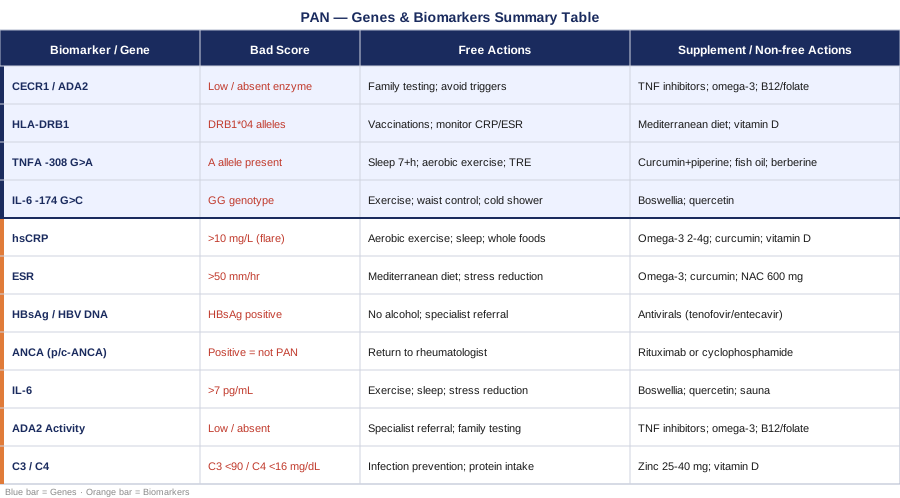
This article covers two complementary tools for understanding polyarteritis nodosa more deeply: 7 actionable biomarkers that track disease activity, organ stress, and treatment response, and 4 genes that research has linked to PAN susceptibility or a PAN-like phenotype. You will find specific reference ranges, real cost estimates, and practical protocols — both supplement-free and supplement-supported — for each marker or gene when the result is abnormal. Beyond the labs and genetics, you will also find a summary of a landmark book on inflammation science, and a curated selection of complementary approaches backed by meaningful human evidence. Whether you are newly diagnosed, in remission, or trying to understand a relapse, the goal is to give you concrete next steps rather than vague reassurances.
7 Biomarkers Worth Tracking in Polyarteritis Nodosa
Biomarkers are the closest thing medicine currently has to a live readout of what your immune system and vascular tissue are doing. In a condition as variable as PAN, tracking the right ones over time — not just at diagnosis — is one of the most practical decisions a patient can make. The seven markers below were selected because each adds distinct, non-redundant information: some reveal active inflammation, others identify the specific PAN subtype driving treatment decisions, and a few can flag rare genetic forms of the disease that standard rheumatology workups often miss.
Biomarker 1: High-Sensitivity C-Reactive Protein (hsCRP)
CRP is a protein produced by the liver in response to cytokines released during active inflammation. High-sensitivity CRP (hsCRP) is the more precise variant of the standard CRP test. In active PAN, hsCRP is almost universally elevated — often significantly above 10 mg/L during flares. What makes it particularly useful is its responsiveness to treatment: as corticosteroid therapy takes effect, hsCRP should fall within days to weeks. A hsCRP that remains elevated despite treatment is a signal worth discussing with your physician, as it may indicate inadequate disease control or an alternative diagnosis.
How to measure it: hsCRP is a standard blood test ordered at any hospital or commercial lab (Quest, LabCorp in the US). The cost is typically $15–$50 without insurance, or often included in a general inflammatory panel. Request hsCRP specifically rather than standard CRP, as the standard test has a much higher detection threshold and will miss low-grade residual inflammation.
If the score is elevated: plan without supplements: The most effective non-pharmacological strategy for lowering systemic CRP is a combination of sustained aerobic exercise (30 minutes, 4–5 days per week at moderate intensity), elimination of ultra-processed foods, and prioritizing restorative sleep (7–9 hours nightly). In active PAN, these lifestyle measures are adjuncts — not replacements — for prescribed immunosuppression. However, during remission, consistent low-intensity movement and dietary discipline have been shown across multiple trials to reduce basal inflammatory tone measurably. Minimizing alcohol and managing body weight (if relevant) also reduce hepatic CRP production independent of medication.
If the score is elevated: plan with supplements or equipment: Omega-3 fatty acids (EPA + DHA, 2–4 g/day from high-quality fish oil) have the strongest evidence base for reducing CRP among commonly available supplements, with multiple meta-analyses supporting an effect. Curcumin with piperine (500–1000 mg curcumin + 5–10 mg piperine, twice daily with food) shows meaningful anti-inflammatory effects in human trials. Vitamin D supplementation to maintain serum 25(OH)D above 40 ng/mL is associated with lower CRP in populations with deficiency. Note: all supplements should be discussed with your rheumatologist, particularly during active treatment, since omega-3s have mild anticoagulant effects and some herbal compounds interact with immunosuppressants. Cycling supplements is not standard for these compounds; they can be used continuously but reassessed quarterly.
Biomarker 2: Erythrocyte Sedimentation Rate (ESR)
ESR measures how quickly red blood cells fall through a tube of plasma in one hour — a faster fall indicates more inflammatory proteins are present. Like hsCRP, ESR is elevated in active PAN, often above 50–100 mm/hr during significant flares. The key difference is kinetics: CRP rises and falls quickly (within hours to days), while ESR is slower to change and can stay elevated for weeks after inflammation has subsided. Together, hsCRP and ESR give a more complete temporal picture than either alone.
How to measure it: ESR is one of the least expensive inflammatory markers available, typically costing $10–$25 at a standard lab. Normal values are gender- and age-dependent: roughly under 15 mm/hr in young men, under 20 mm/hr in young women, with higher thresholds accepted in people over 50. In PAN monitoring, absolute values matter less than the trend over serial measurements.
If the score is elevated: plan without supplements: ESR responds to the same lifestyle levers as hsCRP: inflammation-conscious nutrition (Mediterranean-style dietary pattern, whole foods emphasis), consistent moderate exercise, and sleep quality. One underappreciated lever is chronic psychological stress, which elevates cortisol and systemic inflammatory markers. Structured stress-reduction practice — even 10–15 minutes of daily breathwork or meditation — has measurable effects on ESR over weeks in inflammatory conditions. Addressing untreated infections (particularly chronic HBV if not already assessed) is critical since uncontrolled viral activity will keep ESR elevated regardless of other interventions.
If the score is elevated: plan with supplements or equipment: The same omega-3 and curcumin protocols mentioned under hsCRP apply here. NAC (N-acetylcysteine, 600 mg twice daily) has shown anti-inflammatory effects by reducing oxidative stress, which drives cytokine release. Low-level laser therapy (photobiomodulation) has emerging evidence for modulating systemic inflammatory markers, though its application in vasculitis specifically remains poorly studied — it should not be considered a primary intervention. Red light panels (630–850 nm) used 10–15 minutes daily are being explored in several autoimmune contexts, but the evidence in PAN is absent; flag this to your physician before using.
Biomarker 3: Hepatitis B Surface Antigen (HBsAg) and HBV DNA
This is one of the most critical diagnostic biomarkers in PAN evaluation and one that directly changes treatment. Approximately 7–10% of PAN cases in developed countries and a higher proportion in regions with endemic HBV are caused by hepatitis B virus — a categorically different pathophysiology than idiopathic PAN. In HBV-associated PAN, the virus triggers immune complex deposition in vessel walls, causing the same necrotizing vasculitis pattern. The distinction matters profoundly because HBV-associated PAN is treated primarily with antiviral therapy and plasma exchange, not aggressive immunosuppression. Treating it as idiopathic PAN with high-dose corticosteroids + cyclophosphamide can facilitate viral replication and worsen outcomes.
How to measure it: HBsAg is a standard serology test available everywhere, costing $20–$50. If HBsAg is positive, quantitative HBV DNA (viral load) should follow, which costs $50–$150. A hepatitis B core antibody (anti-HBc) test should also be included to identify past exposure. This panel should be ordered at diagnosis in every person with PAN and should be repeated if disease activity changes unexpectedly.
If HBsAg is positive: plan without supplements: Immediate referral to both a rheumatologist and an infectious disease or hepatology specialist is the essential first step. Lifestyle measures include complete alcohol avoidance (which accelerates hepatic fibrosis and viral replication), a high-nutrition diet to support liver function, and elimination of hepatotoxic medications where possible. Close sexual partners and household members should be tested and vaccinated if susceptible.
If HBsAg is positive: plan with supplements or equipment: Antiviral treatment (tenofovir or entecavir, prescribed by an infectious disease specialist or hepatologist) is the medical cornerstone. From a supportive standpoint, milk thistle (silymarin, 140–420 mg daily) has hepatoprotective properties in multiple clinical trials. However, it can affect cytochrome P450 enzymes and alter drug metabolism, so it must be reviewed by your prescribing physician before use. NAC has hepatoprotective properties at 600–1200 mg daily but again requires medical oversight in this context.
Biomarker 4: ANCA Panel (p-ANCA and c-ANCA)
Antineutrophil cytoplasmic antibodies are not present in classic PAN — which is precisely why measuring them is essential. Genuine PAN is ANCA-negative by definition according to the 2022 ACR/EULAR classification criteria. If a patient has vasculitis with positive ANCA (particularly MPO-ANCA or PR3-ANCA), the diagnosis shifts to granulomatosis with polyangiitis, microscopic polyangiitis, or eosinophilic granulomatosis — all of which have different treatment protocols, prognoses, and disease trajectories. An ANCA panel is therefore both diagnostic and a way of ruling out conditions that mimic PAN closely.
How to measure it: The ANCA panel with reflex to MPO and PR3 titers costs $100–$250 at most commercial labs. It should be ordered at initial diagnosis and repeated if there is a significant change in the clinical picture, such as new renal involvement, pulmonary symptoms, or ENT manifestations developing in someone with a previous idiopathic PAN diagnosis.
If ANCA is unexpectedly positive: The value of a positive result here is reclassification — this is diagnostic information that changes the entire treatment plan. There are no lifestyle or supplement interventions that specifically address ANCA positivity. The actionable response is returning to your rheumatologist for re-evaluation and potentially additional testing (tissue biopsy, CT angiography). ANCA-associated vasculitides respond well to rituximab and cyclophosphamide in ways that differ from treatment of classic PAN.
Biomarker 5: Interleukin-6 (IL-6)
IL-6 is a pleiotropic cytokine at the center of the acute phase response. In PAN, IL-6 is produced by activated macrophages and endothelial cells in inflamed vessel walls, and its elevation correlates with disease activity more dynamically than ESR in some patients. Increasingly, IL-6 is being measured not just as a research tool but as a clinical monitoring marker — particularly given that IL-6 inhibitors (tocilizumab) are now used in some refractory inflammatory conditions, making IL-6 levels directly relevant to treatment selection. A 2020 analysis of cytokine profiles in systemic vasculitis confirmed significantly elevated IL-6 in active disease phases compared to remission.
How to measure it: Serum IL-6 is not routinely ordered but is available at specialty labs and academic centers. Cost ranges from $50–$150. Normal is typically under 7 pg/mL, though laboratory reference ranges vary. It is most informative when measured serially — baseline, then at 4–8 week intervals during active treatment — rather than as a one-time value.
If IL-6 is elevated: plan without supplements: IL-6 is tightly connected to visceral adipose tissue (belly fat), which functions as an endocrine organ secreting pro-inflammatory cytokines. Body composition changes through sustained resistance and aerobic exercise, combined with caloric-controlled nutrition, can measurably reduce circulating IL-6 in people with excess adiposity. Sleep deprivation independently elevates IL-6; improving sleep architecture (consistent bedtime, darkness, limiting caffeine after noon) is a practical intervention with a meaningful effect size. Chronic social isolation and unmanaged anxiety also drive IL-6 elevations through neuroimmune pathways.
If IL-6 is elevated: plan with supplements or equipment: Boswellia serrata (AKBA extract, 100–400 mg daily) has shown IL-6 reducing effects in human inflammatory trials. Quercetin (500–1000 mg daily) inhibits NF-κB signaling, which drives IL-6 transcription, and has early human evidence in inflammatory conditions. Both should be cycled (8 weeks on, 2 weeks off) and discussed with your physician, especially given the potential for interaction with immunosuppressants metabolized via CYP3A4. Sauna use (15–20 minutes, 3–4 times weekly, 80–90°C) produces heat shock protein responses and appears to modulate IL-6 regulation favorably, though its safety during active PAN flares must be cleared with your rheumatologist first.
Biomarker 6: ADA2 Enzyme Activity
This is the most clinically underutilized biomarker on this list — and potentially the most important for a specific subset of PAN patients. Deficiency of ADA2 (DADA2) is a monogenic autoinflammatory disorder caused by biallelic loss-of-function mutations in the CECR1 gene (now renamed ADA2). It presents clinically and histologically with findings indistinguishable from idiopathic PAN: fever, livedo reticularis, peripheral neuropathy, abdominal vessel involvement, and medium-vessel necrotizing vasculitis on biopsy. It can also cause early-onset stroke. ADA2 enzyme activity in plasma can be measured directly and will be markedly low or absent in affected individuals. Research published by Zhou et al. in the New England Journal of Medicine (2014) established the link between CECR1 mutations and this PAN-like phenotype, with profound treatment implications: DADA2 responds to TNF inhibitors (etanercept, adalimumab) rather than conventional immunosuppression, which often fails.
How to measure it: ADA2 enzyme activity is measured in plasma (not serum) at specialized reference labs. Not all commercial labs offer it; testing may require referral to a center with expertise in autoinflammatory diseases. Cost ranges from $200–$500 and is often covered by insurance when the clinical indication is documented. Genetic confirmation via CECR1 sequencing should follow a low enzyme activity result.
If ADA2 activity is low: plan without supplements: This finding requires urgent rheumatology/immunology specialist referral — specifically someone familiar with autoinflammatory diseases. Conventional immunosuppression (cyclophosphamide, azathioprine) used in idiopathic PAN is often poorly effective in DADA2 and does not prevent stroke recurrence. Family members (parents and siblings) should be tested, as DADA2 is autosomal recessive and relatives may carry variants. Avoidance of triggering infections and vaccinations (with live vaccines given specifically under specialist guidance) are relevant precautions.
If ADA2 activity is low: plan with supplements or equipment: The evidence-based treatment for DADA2 is TNF inhibitor therapy (etanercept 25 mg twice weekly or adalimumab 40 mg every two weeks), which has dramatically reduced stroke and systemic flare rates in published case series. From a supportive standpoint, omega-3 fatty acids (3–4 g/day EPA+DHA) have vascular anti-inflammatory effects relevant to the vascular pathology of DADA2. Vitamin B12 and folate optimization are important given the risk of stroke and neurological involvement — maintaining homocysteine below 10 μmol/L is a reasonable target. Any supplement additions must be reviewed by the treating specialist, as TNF inhibitors affect immune surveillance significantly.
Biomarker 7: Complement Proteins (C3 and C4)
The complement system is a group of proteins that amplify immune responses and facilitate the clearance of immune complexes. In vasculitis driven by immune complex deposition (including HBV-associated PAN), complement proteins are consumed — meaning C3 and C4 levels fall during active disease as they are recruited to inflammation sites. This consumptive pattern is diagnostically informative: low C3/C4 with active vasculitis points toward an immune complex mechanism, which helps distinguish PAN subtypes and guides treatment strategy. Conversely, normal complement levels in active disease are more consistent with idiopathic PAN.
How to measure it: C3 and C4 are standard serum tests, each costing $20–$50 and widely available. Normal C3 is roughly 90–180 mg/dL; normal C4 is 16–47 mg/dL, though lab-specific reference ranges apply. These should be measured at diagnosis and monitored during active treatment in patients with suspected immune complex disease.
If complement levels are low: plan without supplements: Low complement indicates active immune complex consumption and is a signal to intensify treatment, not to substitute lifestyle interventions for medical management. The underlying disease driver must be addressed — in HBV-associated PAN, that means antiviral therapy. The best non-pharmacological contribution is rigorous infection prevention (handwashing, avoiding sick contacts, staying current on inactivated vaccines as advised by your rheumatologist), as intercurrent infections can trigger immune complex cascades and further suppress complement levels. Nutritional support for hepatic protein synthesis (complement proteins are made in the liver) through adequate protein intake (1.2–1.5 g/kg body weight daily) is a practical and evidence-aligned measure.
If complement levels are low: plan with supplements or equipment: There is no direct supplement that raises complement levels — they rise when the underlying inflammatory driver is controlled. Zinc (25–40 mg daily for up to 8 weeks, then cycling off for 2 weeks) supports immune regulation and hepatic protein synthesis. Maintaining vitamin D adequacy (above 40 ng/mL) supports immune modulation and may reduce complement-activating immune complex formation. These are supportive tools only, meaningful in the context of appropriate medical treatment.
The seven biomarkers above are not meant to be ordered all at once without medical context. Working with a rheumatologist to build a targeted monitoring panel — typically hsCRP, ESR, HBsAg/HBV DNA, and ANCA at diagnosis, with IL-6 and ADA2 activity added when clinically warranted — is the most practical approach.
What Genetics Research Reveals About Polyarteritis Nodosa
The genetics of PAN is a young and evolving field. Unlike conditions such as lupus or rheumatoid arthritis, where large genome-wide association studies have identified dozens of risk loci, PAN's rarity has limited the size of genetic studies available. What exists falls into two categories: monogenic forms with high penetrance (DADA2, primarily) and polygenic susceptibility variants with modest individual effect sizes. Understanding both can shift the diagnostic framing meaningfully — and in the case of DADA2, it can change the treatment entirely.
Gene 1: CECR1 / ADA2 (Adenosine Deaminase 2)
Among the genetic findings relevant to PAN, CECR1 stands in its own category. Biallelic (two-copy) loss-of-function mutations in CECR1 cause DADA2, a monogenic autoinflammatory disease with PAN-like medium-vessel vasculitis. ADA2 is an enzyme that degrades extracellular adenosine; its absence shifts macrophage polarization toward a pro-inflammatory M1 phenotype and destabilizes endothelial integrity. The result is recurrent systemic inflammation, skin livedo, neuropathy, and in severe cases, fatal stroke. Over 80 pathogenic variants have been documented in the ADA2 gene to date.
If the gene is affected: plan without supplements: Genetic counseling and cascade testing of first-degree family members are the first steps after confirmed biallelic mutation. Because DADA2 is autosomal recessive, parents of an affected individual are typically carriers (one mutated copy) without significant clinical risk, but siblings have a 25% chance of being affected. Carrier status in a reproductive-age person has implications for family planning discussions. On a practical daily level, avoiding situations that trigger inflammation — infections, extreme stress, overexertion during flares — reduces the frequency of acute episodes while systemic treatment is optimized.
If the gene is affected: plan with supplements or equipment: TNF inhibitor therapy (etanercept or adalimumab) is the established targeted treatment for DADA2 and represents a case where genetic information directly selects the treatment. Supportive omega-3 supplementation (3–4 g/day EPA+DHA) for its vascular anti-inflammatory effects is reasonable adjunctive care. Folate (400–800 mcg daily) and B12 (1000 mcg sublingual daily if borderline low) to keep homocysteine below 10 μmol/L are especially relevant given stroke risk. Coenzyme Q10 (100–200 mg daily) has mitochondrial and vascular endothelial support functions that may be relevant in DADA2 — animal and observational data are more substantial than human RCT evidence here, so it should be considered investigational adjunct use only.
Gene 2: HLA-DRB1 (Human Leukocyte Antigen)
HLA genes encode the proteins that present antigens to T cells, and specific HLA alleles are associated with altered susceptibility or severity in multiple autoimmune and autoinflammatory conditions. In medium-vessel vasculitis broadly, certain HLA-DRB1 alleles — particularly DRB1*04 variants — have been associated with increased risk and distinct clinical phenotypes in European populations. The evidence in PAN specifically is weaker than in rheumatoid arthritis or ANCA-vasculitis, and this information is currently more useful for research stratification than routine clinical management. That said, knowing your HLA type can inform risk assessment and help contextualize treatment response patterns.
If high-risk HLA alleles are present: plan without supplements: HLA type cannot be changed. Its value lies in anticipatory awareness rather than direct intervention. Individuals with DRB1*04 may have higher inflammatory reactivity to infections, so staying current on vaccinations (with inactivated vaccines), maintaining good gut barrier function, and minimizing repeated triggers of systemic immune activation are the practical implications. Regular monitoring of CRP and ESR — rather than waiting for symptoms — gives an early warning window.
If high-risk HLA alleles are present: plan with supplements or equipment: There is no supplement that modifies HLA gene expression. What can be modified is the downstream inflammation that HLA-mediated immune activation drives. An anti-inflammatory dietary pattern (Mediterranean, emphasizing olive oil, oily fish, vegetables, legumes), vitamin D sufficiency above 40 ng/mL, and polyphenol-rich foods (berries, green tea) support immune regulation at the T-cell level in ways that are consistent with HLA biology. These are population-level sensible choices rather than targeted HLA interventions.
Gene 3: TNFA (-308 G>A Polymorphism)
The TNFA -308 G>A single nucleotide polymorphism sits in the promoter region of the tumor necrosis factor alpha gene and affects how much TNF-alpha is produced in response to immune stimulation. The A allele at this position is associated with higher constitutive and inducible TNF-alpha production. TNF-alpha is a master pro-inflammatory cytokine that drives monocyte and macrophage activation — the same cellular machinery central to necrotizing vasculitis. Studies in ANCA-associated vasculitis and related conditions have found higher TNFA A-allele frequency in affected individuals compared to controls, though PAN-specific evidence is limited and primarily from small cohort studies.
If the TNFA A allele is present: plan without supplements: Lifestyle factors that reduce TNF-alpha induction include avoiding chronic sleep restriction (each night below 6 hours raises baseline TNF-alpha), consistent moderate aerobic exercise (which temporarily raises then adaptively lowers basal TNF-alpha with regular practice), and eliminating or drastically reducing ultra-processed carbohydrates that drive NF-κB/TNF-alpha signaling via advanced glycation end products. Time-restricted eating (14:10 or 16:8 window) has shown reduction in inflammatory cytokines including TNF-alpha in multiple human trials.
If the TNFA A allele is present: plan with supplements or equipment: Curcumin with piperine (500–1000 mg + 5–10 mg, twice daily with food) directly inhibits NF-κB, which drives TNFA transcription — making it mechanistically well-matched to this polymorphism. EPA-rich fish oil (2–4 g/day) competes with arachidonic acid and reduces TNF-alpha production at the membrane phospholipid level. Both can be used continuously with quarterly reassessment. Berberine (500 mg twice daily with meals) also shows TNF-alpha suppressing effects in human trials, though it interacts with several medications metabolized by CYP enzymes — check with your prescriber before adding it.
Gene 4: IL-6 Promoter Polymorphism (-174 G>C)
The IL-6 gene promoter polymorphism at position -174 (rs1800795) affects basal and stimulated IL-6 transcription. The G allele is associated with higher IL-6 production in most populations, though direction of effect varies by tissue type and population. IL-6 drives the acute phase response, promotes B-cell antibody production, and accelerates the shift to a Th17 inflammatory phenotype — all of which are implicated in vasculitis pathophysiology. Carriers of the GG genotype may have higher circulating IL-6 at baseline, which is relevant both to PAN susceptibility and to the choice of monitoring strategy. This is an area where the connection between genotype and clinical outcome in PAN specifically is preliminary; studies of IL-6 polymorphisms in vasculitis come mainly from GCA (giant cell arteritis) research rather than PAN-specific cohorts.
If the high-producing IL-6 genotype is present: plan without supplements: The same sleep, exercise, and stress reduction practices described under the IL-6 biomarker section apply here. What is specifically worth adding is attention to visceral adiposity, which is the largest contributor to elevated basal IL-6 in genetically predisposed individuals. Waist circumference below 90 cm in men and 80 cm in women is a practical target. Intermittent cold exposure (cool shower finishes of 30–90 seconds daily) has been shown to modulate IL-6 responsiveness through adrenergic pathways; this is low-risk and can be practiced without equipment.
If the high-producing IL-6 genotype is present: plan with supplements or equipment: Boswellia serrata (150–400 mg AKBA extract daily) and quercetin (500–1000 mg daily) are the most relevant supplement choices for mechanistically targeting IL-6 production at the transcription level. Both are generally well tolerated, though boswellia may cause mild GI symptoms in some people and should be cycled (8 weeks on, 2 weeks off) to maintain effect. If IL-6 levels remain persistently high despite lifestyle and supplementation in confirmed active disease, the rheumatology discussion around tocilizumab (an IL-6 receptor antagonist used in some refractory inflammatory conditions) becomes relevant — your genetics plus your serum IL-6 trend together make a compelling case for that conversation.
A Silent Fire: What Inflammation Science Now Tells Us That Changes the Conversation
A Silent Fire: The Story of Inflammation, Diet and Disease by Shilpa Ravella, MD (W.W. Norton, 2022) is one of the most rigorously sourced books on chronic inflammation written for a general but scientifically curious audience. Ravella is a transplant gastroenterologist and Columbia University faculty member, and her framework challenges the conventional separation between autoimmune disease, metabolic disease, and lifestyle — arguing they are manifestations of the same underlying inflammatory dysregulation, just expressed through different tissues. For someone navigating PAN, this reframing is practically useful.
10 Key Insights from "A Silent Fire"
1. Inflammation is not the enemy — dysregulated inflammation is. Ravella is careful to distinguish acute, purposeful inflammation (which heals wounds and clears infections) from chronic, low-grade, tissue-damaging inflammation. PAN sits at the severe end of the second category. Understanding this distinction prevents overcorrection in either direction.
2. The gut microbiome is a major regulator of systemic inflammatory tone. Ravella presents evidence that microbiome diversity predicts inflammatory disease risk and severity independent of genetics. Low diversity correlates with higher circulating IL-6, TNF-alpha, and CRP — the same markers elevated in PAN.
3. Ultra-processed foods are structurally pro-inflammatory in ways that go beyond caloric content. Emulsifiers, seed oils in excess, and advanced glycation end products generated during industrial food processing all activate innate immune pathways. Ravella synthesizes dozens of human intervention trials showing that diet changes move CRP and ESR measurably.
4. Sleep is the most underestimated immune regulator available to everyone. A single night of poor sleep elevates IL-6, IL-1β, and TNF-alpha the following morning. Chronic sleep restriction — even losing one hour nightly over a week — produces a persistent inflammatory state measurable in blood.
5. Visceral fat is immunologically active tissue, not inert storage. Adipocytes secrete IL-6, TNF-alpha, and leptin in proportion to their size. This makes body composition change a direct anti-inflammatory intervention, not just a general health goal.
6. The microbiome-inflammation axis responds to dietary fiber more than any other single variable. Fermentable fibers (from vegetables, legumes, and whole grains) feed bacteria that produce short-chain fatty acids, which directly suppress NF-κB signaling in gut-associated immune tissue. Ravella cites trials showing 30+ plant food varieties per week as an achievable, impactful target.
7. Exercise creates short-term IL-6 elevation that drives long-term anti-inflammatory adaptation. This is one of the most counterintuitive findings Ravella covers: the very cytokine elevated in PAN is temporarily raised during aerobic exercise, which then programs muscle tissue to release anti-inflammatory interleukins (IL-10, IL-4). Consistent moderate exercise resets basal inflammatory tone downward over time.
8. Stress activates inflammatory gene expression via glucocorticoid receptor resistance. Chronic cortisol elevation, paradoxically, can make cells resistant to cortisol's anti-inflammatory effects — the same pathway exploited by corticosteroid therapy in PAN. Chronic stress can thus reduce the effectiveness of prescribed prednisone at the cellular level.
9. Immune memory means prior infections permanently reshape your inflammatory set point. Ravella explains how trained innate immunity — particularly after severe infections or repeated immune challenges — can lower the threshold for inflammatory activation for years afterward. For PAN patients, this gives context to flares that seem to occur without obvious trigger.
10. Inflammation connects rather than separates different diagnoses. Ravella's most challenging argument is that treating PAN as an isolated diagnosis misses the systemic inflammatory ecology that enabled it. Tracking biomarkers, improving the microbiome, managing sleep and stress, and using targeted supplementation are all addressing the same root process — not separate lifestyle add-ons.
Complementary Approaches With Meaningful Evidence
The following modalities were selected for inclusion because they have meaningful human clinical evidence in inflammatory or autoimmune contexts, or address mechanisms — vascular health, stress-mediated immune activation, gut microbiome function — directly relevant to PAN. None of these replace medical management. All should be discussed with your treating physician before starting, particularly when immunosuppressant therapy is ongoing.
The Autoimmune Protocol (AIP) — Sarah Ballantyne
The Autoimmune Protocol, developed by immunologist and medical researcher Sarah Ballantyne, PhD, and detailed in The Paleo Approach (2014), is a dietary and lifestyle elimination framework specifically designed for autoimmune and inflammatory conditions. It removes dietary triggers of intestinal permeability and immune activation — including gluten, dairy, eggs, nightshades, legumes, grains, nuts, and seeds — while emphasizing nutrient density, organ meats, fermented foods, and restorative sleep and stress practices. The underlying rationale is that gut barrier integrity is central to systemic immune dysregulation, and that removing epithelial irritants while flooding the system with fat-soluble vitamins, zinc, and gut-healing collagen can shift immune activity meaningfully.
A published pilot study by Konijeti et al. (2017, published in Inflammatory Bowel Diseases) demonstrated significant reduction in clinical disease activity and inflammatory markers in IBD patients following the AIP diet over 11 weeks. While this trial was in IBD rather than vasculitis, the mechanisms studied (gut permeability, cytokine profiles, mucosal healing) are directly relevant to PAN's inflammatory biology. The instruction for PAN patients considering AIP is to treat it as a structured elimination-reintroduction protocol with physician oversight, not a permanent restrictive diet.
To apply it practically: begin with a strict 4–6 week elimination phase supervised by a registered dietitian or knowledgeable practitioner, followed by systematic reintroduction of eliminated foods at 3-day intervals while monitoring symptoms and biomarkers. The lifestyle pillars — 8 hours of sleep, daily gentle movement, stress management, and social connection — are as central as the dietary component. PAN patients on corticosteroids should note that the AIP's emphasis on blood sugar stabilization is especially relevant, as corticosteroids reliably elevate blood glucose and drive visceral adiposity.
Mindfulness-Based Stress Reduction (MBSR)
MBSR is an 8-week structured program developed by Jon Kabat-Zinn at the University of Massachusetts Medical School in the late 1970s. It combines body scan meditation, seated and walking mindfulness, and gentle yoga with group psychoeducation about stress physiology. Its relevance to PAN is not mystical — it is mechanistic. Chronic psychological stress activates the hypothalamic-pituitary-adrenal axis and sympathetic nervous system in ways that increase NF-κB-driven cytokine production and reduce glucocorticoid sensitivity, potentially undermining the effectiveness of prescribed corticosteroid therapy.
A meta-analysis published in Brain, Behavior, and Immunity (2016) across 20 randomized controlled trials demonstrated that mindfulness-based interventions significantly reduced blood concentrations of CRP and IL-6 relative to control groups in populations with stress-related inflammatory conditions. In rheumatic disease populations specifically, MBSR has been shown to reduce patient-reported pain, fatigue, and psychological distress — outcomes that matter independently of laboratory markers. The evidence for MBSR in PAN specifically does not yet exist in published literature, but the upstream inflammatory biology it targets is shared.
The most accessible form is to complete an 8-week MBSR course — available in-person through medical centers or online through platforms such as Palouse Mindfulness. Practice is typically 30–45 minutes daily: 20–30 minutes of formal meditation plus brief informal practice throughout the day. It is genuinely low-risk, requires no equipment, and can be started during active treatment without concerns about drug interaction.
Breathing-Based Therapies
Breathing practices — particularly slow, controlled breathing at approximately 5–6 breath cycles per minute — activate the vagal afferent pathway and increase heart rate variability (HRV), a physiological marker of parasympathetic tone. Higher vagal tone is associated with lower systemic inflammation through the cholinergic anti-inflammatory pathway: acetylcholine released at vagal nerve endings suppresses macrophage TNF-alpha production. For PAN patients, where TNF-alpha and IL-6 are central to vessel wall inflammation, this pathway is directly relevant.
A randomized trial published in Frontiers in Human Neuroscience (2018) showed that diaphragmatic breathing training practiced 20 minutes daily for 8 weeks significantly increased cortisol clearance and reduced oxidative stress markers in healthy adults. Additional research in inflammatory conditions has demonstrated that slow paced breathing improves HRV and reduces CRP in populations with elevated cardiovascular risk — a category that overlaps substantially with PAN, given its vascular pathology. The protocol is low-risk and mechanistically grounded, even if PAN-specific RCT data are not yet available.
To apply practically: practice slow diaphragmatic breathing at a 5-second inhale / 5-second exhale rhythm (roughly 6 breaths/minute) for 15–20 minutes daily, preferably in the morning or before bed. No equipment is required, though a biofeedback device such as the Inner Balance sensor or a simple HRV-tracking wearable can provide objective feedback on vagal tone improvement over weeks. This is compatible with all PAN medications and can be practiced during periods of flare as long as physical exertion is not involved.
Microbiome-Directed Therapies
The connection between gut microbiome composition and systemic autoimmunity is one of the most active research areas in inflammatory disease. Dysbiosis — reduced diversity and increased gut permeability — allows bacterial products (lipopolysaccharides, peptidoglycans) to translocate into systemic circulation where they activate innate immune receptors and drive chronic inflammatory tone. In vasculitis, the gut-immune axis appears relevant: PAN patients often have gastrointestinal involvement, and the microbiome may contribute to the level of baseline immune activation on which the disease is layered.
A clinical review published in Nature Reviews Rheumatology (2016) documented altered microbiome composition in several forms of systemic vasculitis, with reduced populations of anti-inflammatory butyrate-producing bacteria (particularly Faecalibacterium prausnitzii) compared to controls. While PAN-specific microbiome intervention trials have not yet been conducted, the mechanistic overlap with better-studied autoimmune conditions supports gut-directed dietary strategies as a reasonable adjunct.
The practical approach combines dietary fiber diversity (targeting 30+ plant food varieties per week, per Tim Spector's work validated in the British Gut Project), daily fermented food intake (unsweetened kefir, kimchi, miso, or natural yogurt if dairy is tolerated), and if indicated under medical supervision, targeted probiotic supplementation with strains including Lactobacillus rhamnosus GG and Bifidobacterium longum. Prebiotics (inulin, FOS from chicory root, 3–5 g daily) feed beneficial bacteria directly. Antibiotic stewardship — avoiding unnecessary antibiotic courses — is equally important, as even a single broad-spectrum course can reduce microbiome diversity measurably for months.
Conclusion
Polyarteritis nodosa is a complex condition, and managing it well requires more than a diagnosis and a prescription — it requires a dynamic, information-driven relationship with your own biology. The seven biomarkers covered in this article give you a practical monitoring framework: some track active disease, others identify the specific subtype, and at least one (ADA2 enzyme activity) can reveal a genetic form of the disease that changes treatment entirely. The four genetic markers add context, particularly CECR1/ADA2, where a single genetic finding can explain years of difficult-to-control disease and redirect therapy to something far more effective.
The complementary strategies — dietary protocol, stress reduction, microbiome care, breathing practice — do not offer cures. What they offer is measurable improvement in the inflammatory environment that PAN operates within. Small consistent gains in CRP, sleep quality, gut health, and vagal tone accumulate into a meaningfully different biological substrate over months and years.
The most useful next step is to bring a targeted biomarker request to your next appointment: start with hsCRP, ESR, HBsAg, HBV DNA, and ANCA if not yet measured. If you have any unexplained PAN features — early stroke, livedo, family history — ask about ADA2 enzyme activity and CECR1 genetic testing. Better information, precisely collected, is the lever you have.
Neurological: Nerve Conditions
Cardiovascular: Vascular Conditions
Autoimmune: Inflammatory Conditions
Urological: Kidney Conditions