This article contains AI generated content.
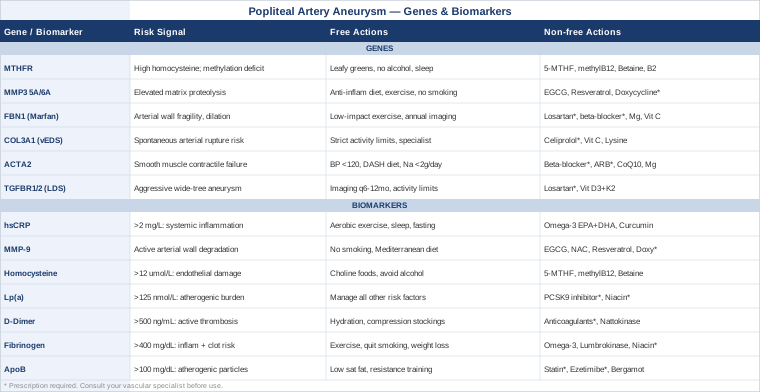
· UpdatedPopliteal Artery Aneurysm Genes And Biomarkers — 6 Genes And 7 Biomarkers To Track
Introduction
A popliteal artery aneurysm is the most common peripheral artery aneurysm, yet it often goes undetected until a complication — thrombosis, embolism, or acute limb ischemia — demands urgent care. If you or someone close to you has received this diagnosis, or if you carry known risk factors such as a family history of aortic or peripheral aneurysm, you are probably wrestling with questions that routine appointments don't fully answer: Why did this happen? What is actively driving the abnormal widening of the artery? And what can be measured, tracked, and acted upon before the situation worsens?
Generic cardiovascular advice — eat better, move more, quit smoking — is not wrong, but it is far too broad for a condition as specific as popliteal artery aneurysm. PAA has its own distinct biological drivers: connective tissue vulnerabilities, inflammatory cascades, protease activity in the vessel wall, and coagulation dynamics that standard cholesterol panels simply cannot capture. People who feel reassured because their LDL looks acceptable may still be carrying a cluster of risk markers that quietly fuel aneurysm progression or thrombotic complications.
This article approaches popliteal artery aneurysm from two angles that most general health resources overlook. The first is the set of biomarkers you can actually measure and track over time — dynamic signals from your bloodstream that reflect what the vessel wall is undergoing right now. The second is the genetic terrain: specific gene variants that predispose certain people to arterial wall fragility, connective tissue weakness, or impaired inflammatory regulation. Neither angle offers a cure, but both offer something more useful — actionable information.
The goal here is a clear, organized map rather than an overwhelming data dump. We will cover seven clinically meaningful biomarkers, then six genetic variants that deserve attention. Beyond that, a section on what the most current longevity medicine thinking adds to this picture, and finally complementary approaches with real clinical evidence. Better information does not guarantee better outcomes, but it consistently leads to better questions — and better questions are where good care begins.
7 Biomarkers to Track for Popliteal Artery Aneurysm Monitoring
Why Biomarkers Add What Imaging Cannot
Imaging — duplex ultrasound, CT angiography, MRI — tells you the current size and shape of an aneurysm at a single point in time. Biomarkers tell you something fundamentally different: the biological processes actively occurring in the vessel wall, the coagulation state of the blood flowing through it, and the systemic inflammatory or metabolic conditions that are accelerating or slowing aneurysm progression. Together they offer a dynamic picture that static imaging cannot provide.
For popliteal artery aneurysms specifically, the most relevant biomarkers cluster around four themes: matrix degradation (the structural breakdown of the arterial wall), systemic inflammation, thrombotic risk (because intraluminal thrombus is a major complication driver unique to PAA), and metabolic-endothelial dysfunction. The seven biomarkers below cover all four themes.
Biomarker 1 — hsCRP (High-Sensitivity C-Reactive Protein)
Why it matters for PAA
hsCRP is the most accessible marker of low-grade systemic inflammation, and chronic vascular inflammation is a central mechanism in aneurysm formation and progression. Elevated hsCRP is consistently associated with worse cardiovascular outcomes, and in peripheral artery aneurysmal pathology it reflects the inflammatory milieu driving matrix metalloproteinase activity and vessel wall remodeling. A value above 2 mg/L places you in a higher-risk cardiovascular category; above 3 mg/L is considered high risk by standard clinical definitions.
How to measure it
A standard blood test ordered specifically as hsCRP — not standard CRP, which is less sensitive at the low ranges that matter. Cost: $15–60 depending on lab and insurance. Measure fasting and in the absence of acute illness or infection, as any acute inflammatory trigger — a cold, a dental infection, an injury — will spike the value misleadingly. If the first result is unexpectedly high, retest after 2 weeks before acting on it.
If the score is bad: the plan without supplements
Aerobic exercise is the most evidence-based lifestyle intervention: 30 minutes of brisk walking or cycling five days per week reduces hsCRP by approximately 30–40% over 3 months in multiple meta-analyses. Reducing ultra-processed food intake, improving sleep quality (targeting 7–8 hours), and managing psychological stress through structured practices all lower background inflammation. Time-restricted eating — a 12–16 hour overnight fast — consistently reduces hsCRP in clinical studies and requires no dietary restriction otherwise.
If the score is bad: the plan with supplements or equipment
Omega-3 fatty acids (EPA+DHA combined, 2–4 g/day) have strong evidence for reducing hsCRP and vascular inflammation. Cycling: continuous use, though some clinicians suggest 3 months on and 1 month off around any surgical procedures due to mild blood-thinning effects. Side effects are minor: fishy aftertaste, mild GI discomfort at high doses. Curcumin in a bioavailable form — Meriva or BCM-95, 500–1000 mg/day — shows consistent hsCRP reduction in randomized trials. Berberine (500 mg twice daily with food) has demonstrated anti-inflammatory effects in vascular studies as well. Red-light photobiomodulation therapy at 660–850 nm wavelength for 10–20 minutes daily has early human evidence for reducing systemic inflammation markers.
Biomarker 2 — MMP-9 (Matrix Metalloproteinase-9)
Why it matters for PAA
MMP-9 is arguably the most mechanistically relevant biomarker for arterial aneurysm disease. It is an enzyme responsible for degrading type IV collagen and other extracellular matrix proteins that give the arterial wall its structural integrity. In aneurysmal tissue, MMP-9 is consistently overexpressed compared to normal arterial tissue. Elevated circulating MMP-9 reflects active matrix degradation — the vessel wall is being broken down faster than it can be repaired. Research on MMP-9 and peripheral arterial aneurysm has grown substantially over the past decade, confirming its relevance well beyond aortic disease.
How to measure it
MMP-9 is measured via ELISA assay from a blood sample. It is not included in any standard panel and must be specifically ordered. Cost: $80–200, often out-of-pocket. LabCorp and Quest Diagnostics offer it with a physician order. Functional medicine practitioners and vascular specialists are most likely to order it routinely. Normal reference ranges vary by lab; values above the upper quartile of normal for your demographic warrant attention and should be trended over time.
If the score is bad: the plan without supplements
Reducing MMP-9 without supplements centers on controlling its upstream drivers: inflammation, oxidative stress, and insulin resistance. Consistent aerobic exercise reduces MMP-9 via downregulation of NF-κB signaling, one of the primary transcription factors for MMP production. Smoking cessation is non-negotiable — tobacco products are among the strongest known upregulators of MMP-9 in vascular tissue. A Mediterranean-style diet reduces MMP-9 through its effects on oxidative stress and prostaglandin balance. Reducing visceral adipose tissue through caloric moderation and resistance training also lowers MMP-9 meaningfully, since visceral fat is itself a significant secretor of this enzyme.
If the score is bad: the plan with supplements or equipment
Doxycycline (a tetracycline antibiotic) is the only pharmacological agent with direct clinical trial evidence as an MMP inhibitor for aortic aneurysms and is sometimes considered off-label for peripheral aneurysms — discuss specifically with your vascular specialist. Dosing in trials: 100 mg twice daily for 3–6 months. Side effects include GI sensitivity and sun sensitivity; not suitable for continuous long-term use without reassessment. Natural MMP-9 inhibitors with human evidence include EGCG from green tea extract (400–800 mg/day standardized), resveratrol (500 mg/day taken with a fat-containing meal), and N-acetylcysteine (600–1800 mg/day), which reduces oxidative-stress-driven MMP activation. Cycling: 3 months on, 1 month off for EGCG and NAC. Take EGCG with food to avoid nausea on an empty stomach.
Biomarker 3 — Homocysteine
Why it matters for PAA
Homocysteine is an amino acid that, when elevated, directly damages the endothelium — the thin cell layer lining every blood vessel. Endothelial dysfunction impairs the vessel wall's ability to regulate inflammation, repair oxidative damage, and resist aneurysmal dilation. Elevated homocysteine (above 10–12 µmol/L) is independently associated with both atherosclerotic disease and aneurysm risk. In PAA patients, elevated homocysteine frequently coexists with MTHFR gene variants, creating a clear, actionable gene-biomarker link that makes this one of the most clinically useful pairs to investigate together.
How to measure it
Fasting plasma homocysteine is a standard lab test available at most commercial labs. Cost: $25–60. Optimal range: below 8–10 µmol/L. Moderate hyperhomocysteinemia: 15–30 µmol/L. Any value above 12 µmol/L warrants investigation into B-vitamin status and MTHFR genotype before assuming a simple dietary deficiency.
If the score is bad: the plan without supplements
Dietary choline from whole food sources — eggs, liver, legumes — supports the methylation cycle that clears homocysteine through the BHMT pathway. Moderate protein from varied sources, including adequate methionine from whole food rather than processed protein concentrates. Regular aerobic exercise modestly reduces homocysteine independently of diet. Avoiding excessive alcohol consumption is important, as alcohol depletes folate and B12 simultaneously.
If the score is bad: the plan with supplements or equipment
This is one of the clearest supplement use cases in all of vascular medicine. The methylation cycle requires B6, B9 (folate), and B12 to convert homocysteine safely. If MTHFR variants are present (see the genetics section), methylated forms are essential: methylfolate (5-MTHF, 400–1000 mcg/day), methylcobalamin (1000 mcg/day sublingual), and pyridoxal-5-phosphate (25–50 mg/day). For those without confirmed MTHFR issues, a high-quality B-complex is usually sufficient. Betaine (trimethylglycine, 1.5–3 g/day) drives the alternative BHMT enzyme pathway for homocysteine clearance, independent of folate status — it is a powerful adjunct. Riboflavin (B2, 50–100 mg/day) supports residual MTHFR enzyme activity. Cycling: continuous is appropriate; reassess homocysteine every 3–6 months. Very high B6 above 100 mg/day long-term can cause peripheral neuropathy — stay below this threshold.
Biomarker 4 — Lipoprotein(a)
Why it matters for PAA
Lipoprotein(a) — abbreviated Lp(a) — is an LDL-like particle carrying an additional apolipoprotein(a) protein, which makes it simultaneously more pro-inflammatory, more pro-thrombotic, and more damaging to arterial walls than standard LDL. Unlike LDL, Lp(a) is almost entirely genetically determined — diet and exercise have minimal effect on its level. Approximately 20% of the population carries levels above 50 mg/dL (or 125 nmol/L), which confers a substantially elevated risk of peripheral arterial disease, aneurysm formation, and thrombotic complications. Peter Attia, MD, consistently identifies Lp(a) as one of the most underdiagnosed and underappreciated cardiovascular risk factors precisely because it is invisible on a standard lipid panel and unresponsive to conventional lipid-lowering advice.
How to measure it
A single blood test ordered specifically as Lp(a) — it is absent from standard lipid panels. Cost: $30–100. Preferred unit is nmol/L (more granular than mg/dL). Optimal: below 75 nmol/L. High risk: above 125 nmol/L. Because Lp(a) is genetically set and highly stable, one accurate measurement is usually sufficient for life; retesting every 5 years is a reasonable habit.
If the score is bad: the plan without supplements
Because Lp(a) is primarily genetic in origin, lifestyle has limited direct impact on the value itself. However, reducing the consequences of high Lp(a) through rigorous control of other risk factors — blood pressure, inflammation, smoking — substantially reduces the overall cardiovascular burden. In post-menopausal women, estrogen-based hormone therapy is one of the few interventions that lowers Lp(a) meaningfully, though the full risk-benefit analysis requires individual medical discussion.
If the score is bad: the plan with supplements or equipment
Niacin (nicotinic acid, 1–2 g/day extended-release) can reduce Lp(a) by 15–25% in some studies. However, at therapeutic doses niacin carries significant risks — flushing, potential hepatotoxicity, and possible adverse interactions when added to statins in certain populations — making physician supervision mandatory. PCSK9 inhibitors (injectable medications evolocumab or alirocumab) reduce Lp(a) by 20–30% and are the current pharmacological standard when risk is elevated. RNA-targeted therapies (pelacarsen, olpasiran) in late-stage clinical trials show 70–90% Lp(a) reduction and represent the most promising emerging horizon. Aspirin (75–100 mg/day) does not lower Lp(a) but reduces its pro-thrombotic activity — the bleeding and benefit tradeoff requires medical discussion specifically for PAA patients.
Biomarker 5 — D-Dimer
Why it matters for PAA
D-dimer is a fibrin degradation product produced when blood clots form and are broken down. It rises when coagulation and fibrinolytic systems are actively engaged. In popliteal artery aneurysms specifically, the slow and turbulent blood flow within the aneurysm sac creates conditions that actively promote intraluminal thrombus formation. This is clinically critical: intraluminal thrombus in PAA is the primary source of distal emboli, which can cause acute limb ischemia even in aneurysms that appear stable on imaging. The relationship between PAA thrombus and embolic limb complications is well documented in vascular surgery literature. Persistently elevated D-dimer in a known PAA patient signals active thrombus dynamics and heightened embolic risk.
How to measure it
D-dimer is a routine test available at most standard labs. Cost: $30–80. It should be interpreted carefully because it rises non-specifically with age, acute infection, cancer, pregnancy, and recent surgery. In the context of a known PAA, a persistently elevated D-dimer above 500 ng/mL FEU — using lab-specific and age-adjusted reference ranges — is clinically meaningful. Serial monitoring every 3–6 months provides more information than a single isolated value.
If the score is bad: the plan without supplements
Adequate hydration, avoiding prolonged immobility, and graduated compression stockings (20–30 mmHg) reduce venous stasis and lower background D-dimer. For PAA-related D-dimer elevation, the most direct intervention is often the surgical or endovascular repair of the aneurysm itself — the mechanical cause must be addressed. Your vascular surgeon should be informed immediately if D-dimer shows a rising trend across serial measurements.
If the score is bad: the plan with supplements or equipment
Anticoagulation (warfarin, rivaroxaban, or apixaban) may be considered by your vascular team to manage intraluminal thrombus and reduce embolic risk pending definitive repair. Nattokinase (2000–4000 FU/day) is a fermented soy enzyme with fibrinolytic activity and modest clinical evidence for cardiovascular thrombus risk reduction; it must not be combined with anticoagulants without medical supervision. Omega-3 fatty acids (3–4 g/day EPA+DHA) reduce platelet aggregation and modestly lower fibrinogen, complementing D-dimer reduction. For nattokinase: cycle 3 months on, 1 month off; monitor bleeding time if combined with any anticoagulant agent.
Biomarker 6 — Fibrinogen
Why it matters for PAA
Fibrinogen is both a coagulation factor and an acute-phase reactant — it rises with inflammation and simultaneously increases blood viscosity and clot-forming tendency. In peripheral artery aneurysms, elevated fibrinogen promotes thrombus formation within the aneurysm sac while also signaling systemic inflammatory load. Thomas Dayspring, MD, has highlighted fibrinogen as a critically underused cardiovascular biomarker: in many patients, it reflects thrombotic and inflammatory burden more directly than CRP does, particularly in those with metabolic syndrome or insulin resistance patterns.
How to measure it
Ordered as fibrinogen level or fibrinogen activity. Cost: $25–60 at standard labs. Optimal range: 200–350 mg/dL. Elevated in cardiovascular context: above 400 mg/dL. Interpret alongside hsCRP — both elevated together constitutes a stronger inflammatory-thrombotic signal than either alone. Fibrinogen also rises with smoking; cessation often produces measurable reductions within 4–8 weeks.
If the score is bad: the plan without supplements
Exercise is the most powerful lifestyle reducer of fibrinogen — moderate-intensity aerobic activity 4–5 days per week reduces fibrinogen by approximately 10–20% over 3 months in controlled studies. Smoking cessation is the highest-priority intervention: it is among the strongest drivers of fibrinogen elevation in otherwise healthy individuals. Achieving and maintaining a healthy body weight through sustainable dietary changes also reduces chronic fibrinogen elevation, as adipose tissue is a source of fibrinogen-stimulating cytokines.
If the score is bad: the plan with supplements or equipment
Omega-3 fatty acids (EPA+DHA, 3 g/day) reduce fibrinogen by approximately 8–15% in randomized trials — one of their clearest anticoagulant benefits. Aged garlic extract (600–1200 mg/day) modestly reduces fibrinogen and platelet aggregation with an excellent long-term safety profile. Lumbrokinase — a fibrinolytic enzyme with clinical evidence from Chinese trials — reduces fibrinogen directly; dose: 2 capsules twice daily on an empty stomach. Cycle: 3 months on, 1 month off. Side effects include increased bleeding risk; do not combine with anticoagulants without physician oversight. Niacin at therapeutic doses (1–2 g/day) also reduces fibrinogen but carries the side effect profile discussed under Lp(a).
Biomarker 7 — ApoB (Apolipoprotein B)
Why it matters for PAA
ApoB is the structural protein present on every atherogenic lipoprotein particle — LDL, VLDL, IDL, and Lp(a) each carry exactly one ApoB molecule. Unlike LDL-cholesterol, which measures the content (cholesterol mass) of particles, ApoB measures the number of atherogenic particles circulating in the bloodstream. You can have a normal LDL-C but a high particle count — and the particle count is what drives atherosclerotic plaque formation. Allan Sniderman, MD, has argued compellingly for decades that ApoB is the most accurate single predictor of atherosclerotic cardiovascular risk. In PAA, where atherosclerosis frequently coexists with and accelerates arterial wall vulnerability, ApoB tracking gives a more complete lipid picture than any standard panel.
How to measure it
A single blood test ordered as apolipoprotein B. Cost: $30–80. Aggressive prevention target (used by Attia and Sniderman): below 80 mg/dL. Standard acceptable range: below 100 mg/dL. ApoB above 120 mg/dL combined with elevated Lp(a) represents a high-burden atherogenic profile requiring active pharmacological consideration.
If the score is bad: the plan without supplements
Reducing dietary saturated fat and refined carbohydrates lowers ApoB through reduced hepatic VLDL production — the mechanism is particle output, not cholesterol restriction per se. Resistance training and aerobic exercise together improve insulin sensitivity and reduce hepatic VLDL secretion. Time-restricted eating and caloric moderation are effective when visceral fat contributes to elevated ApoB, as insulin resistance is a primary driver of excess particle production.
If the score is bad: the plan with supplements or equipment
Statins remain the most evidence-based pharmaceutical intervention for elevated ApoB and are the standard of care. Ezetimibe (10 mg/day) reduces ApoB by 15–20% as monotherapy or as an adjunct to statins. PCSK9 inhibitors provide 50–60% ApoB reduction for patients unable to reach targets with statins. Bergamot citrus extract — standardized to bergamot polyphenolic fraction (BPF), 500–1000 mg/day — has clinical trial evidence for ApoB and LDL reduction and is a reasonable natural adjunct before or alongside pharmaceutical options. Bergamot: continuous use; minimal cycling needed; side effects are rare at standard doses.
With these seven biomarkers tracked regularly, you gain a dynamic window into the biological processes most relevant to PAA progression — one that goes far beyond what any single imaging appointment can reveal. The next step is understanding the genetic substrate that determines how your body is predisposed to handle — or fail to handle — these pressures.
The Genetic Architecture of Popliteal Artery Aneurysm: 6 Key Variants
How Genetics Fit Into the PAA Picture
Biomarkers tell you what is happening right now. Genes tell you what your body is fundamentally predisposed to do — where the structural and metabolic vulnerabilities lie, and where targeted interventions are most likely to matter. For popliteal artery aneurysm, genetic factors are underappreciated in routine clinical discussions but increasingly well characterized in the research literature. Knowing your genetic landscape does not mean your fate is sealed; it means you can make more informed decisions about surveillance intensity, lifestyle priorities, and which specialist conversations are most important.
Gene 1 — MTHFR (Methylenetetrahydrofolate Reductase)
The MTHFR gene encodes the enzyme central to the methylation cycle — the process that converts homocysteine into methionine and generates the methylated compounds needed for DNA repair, neurotransmitter synthesis, and vascular endothelial maintenance. The two most studied variants — C677T and A1298C — reduce enzyme efficiency by 30–70% depending on whether you carry one or two copies. The result is elevated homocysteine (the biomarker covered above), impaired production of active folate, and downstream effects on vascular wall integrity. MTHFR variants are extremely common — C677T homozygosity affects roughly 10–15% of populations of European descent.
If the gene is bad — plan without supplements: Optimize dietary folate from whole food sources daily — leafy greens, liver, legumes, avocado. Minimize alcohol, which depletes folate and B12 simultaneously. Prioritize consistent sleep for overall methylation efficiency. Critically: avoid high-dose standard folic acid supplementation if you carry the C677T homozygous variant, as unconverted synthetic folic acid can paradoxically worsen methylation by competing with active methylfolate at the receptor level.
If the score is bad — plan with supplements: L-methylfolate (5-MTHF, 400–1000 mcg/day) is the active form that bypasses the impaired enzyme. Methylcobalamin B12 (1000 mcg/day sublingual for better absorption). Betaine/TMG (1.5–3 g/day) drives the parallel BHMT clearance pathway independently of MTHFR status. Riboflavin (B2, 50–100 mg/day) supports residual MTHFR enzyme activity — underappreciated but important. Frequency: daily, continuous use. Side effects are minimal; start with lower doses and titrate upward, as rapid methylation improvement can temporarily worsen anxiety in sensitive individuals during the initial weeks.
Gene 2 — MMP3 (Matrix Metalloproteinase-3), 5A/6A Polymorphism
MMP3 encodes matrix metalloproteinase-3, a master regulatory protease that activates many downstream MMPs including MMP-9. The 5A variant in the MMP3 promoter region leads to higher MMP-3 expression compared to the 6A variant, resulting in increased matrix-degrading activity in vascular tissue. The 5A allele has been associated with aortic and peripheral artery aneurysm risk in multiple genetic association studies. Carriers of the 5A/5A genotype carry a higher baseline matrix degradation tendency — precisely the biological mechanism that allows arterial walls to dilate beyond their normal dimensions.
If the gene is bad — plan without supplements: Every anti-inflammatory lifestyle measure applies with particular force here because MMP3 is a transcription-regulated gene — chronic low-grade inflammation continuously upregulates its expression. Smoking cessation, Mediterranean diet, aerobic exercise, and visceral fat reduction all reduce MMP-3 activity through NF-κB and AP-1 pathway downregulation. This is a gene where environmental inputs genuinely matter.
If the score is bad — plan with supplements: EGCG from green tea (400–800 mg/day standardized extract, taken with food to avoid nausea) inhibits MMP-3 transcription through multiple pathways and has human evidence. Resveratrol (250–500 mg/day with a fat-containing meal to improve absorption) shows consistent MMP-3 inhibition in human vascular tissue studies. Doxycycline (by prescription, 100 mg/day as a subtherapeutic MMP-inhibitory dose) is the most direct pharmaceutical option — medical supervision required. Cycle EGCG and resveratrol: 3 months on, 1 month off for both. Side effects are minimal at these doses; the main caution is nausea from EGCG on an empty stomach.
Gene 3 — FBN1 (Fibrillin-1): Marfan Syndrome Spectrum
FBN1 mutations cause Marfan syndrome, a connective tissue disorder characterized by tall stature, lens dislocation, aortic root dilation, and — critically for this article — increased risk of peripheral arterial aneurysms including popliteal. Even subclinical or partial FBN1 variants (sometimes called MASS phenotype) can predispose to arterial wall fragility without meeting the full Marfan diagnostic criteria. If you have a family history of aortic or peripheral aneurysm, unusually long fingers (arachnodactyly), pectus deformity, or joint hypermobility, genetic testing for FBN1 and related connective tissue genes is clinically warranted.
If the gene is bad — plan without supplements: Strict avoidance of high-intensity isometric exercise — heavy lifting, contact sports, competitive wrestling — is critical. Valsalva-type straining generates acute arterial pressure spikes that stress genetically weakened walls. Low-impact aerobic activity (swimming, cycling at moderate intensity) is preferred and safe. Annual imaging surveillance of the aortic root and any known peripheral aneurysms is the minimum surveillance standard.
If the score is bad — plan with supplements or equipment: Losartan (an angiotensin receptor blocker) has demonstrated benefit in Marfan-associated aortic aneurysm by blocking downstream TGF-beta overactivation — it is now considered standard pharmacological care in confirmed Marfan syndrome and is managed by cardiology or medical genetics. Beta-blockers (atenolol, bisoprolol) reduce aortic root growth rate by blunting hemodynamic wall stress. These are prescription medications requiring specialist input. Magnesium glycinate (400 mg/day elemental magnesium) supports vascular smooth muscle relaxation as an adjunct. Vitamin C (1 g/day) supports collagen cross-linking. These are supportive measures only and do not replace medical management.
Gene 4 — COL3A1 (Collagen Type III Alpha-1): Vascular Ehlers-Danlos Syndrome
Mutations in COL3A1 cause vascular Ehlers-Danlos syndrome (vEDS), the most life-threatening form of connective tissue disorder. It is characterized by spontaneous arterial rupture, intestinal perforation, and peripheral aneurysms — including popliteal. Even heterozygous pathogenic variants carry serious clinical risk. vEDS-associated popliteal aneurysms have distinct features compared to atherosclerotic PAA: they occur in younger individuals, run in families, and carry a high risk of spontaneous rupture even at diameters smaller than those that would trigger intervention in non-EDS patients. If any first-degree relative has experienced spontaneous arterial rupture or peripheral aneurysm at a young age, vEDS genetic testing is an urgent conversation to initiate.
If the gene is bad — plan without supplements: Formal genetic counseling and a structured vascular EDS management protocol are non-negotiable. Activity restrictions are stricter than for FBN1 — any activity involving risk of physical trauma to the arteries must be avoided. All surgical interventions carry elevated risk from arterial fragility; referral to a center with vascular EDS expertise is warranted before any planned procedure.
If the score is bad — plan with supplements or equipment: Celiprolol — a selective beta-1 blocker with beta-2 agonist properties — has clinical trial evidence specifically for vEDS, reducing arterial event rates significantly in a randomized trial. It is the only agent with near-disease-modifying evidence for this condition and requires prescription and close cardiology oversight. Vitamin C (1–2 g/day) and lysine (1–3 g/day) support collagen cross-linking. These are meaningful adjuncts, not replacements for celiprolol and specialist management.
Gene 5 — ACTA2 (Smooth Muscle Actin Alpha-2)
ACTA2 encodes the primary contractile protein of vascular smooth muscle cells. Pathogenic variants cause familial thoracic aortic aneurysm and dissection but have been associated with peripheral aneurysms, early-onset coronary disease, and stroke as well. Smooth muscle cells in ACTA2-mutant arterial walls fail to maintain normal wall tension, contributing to progressive dilation under ordinary blood pressure. The mechanism is different from MMP-mediated matrix breakdown — it is a failure of active mechanical maintenance — which means management priorities differ somewhat.
If the gene is bad — plan without supplements: Rigorous blood pressure control is the cornerstone intervention. Even modest hypertension dramatically accelerates aneurysm growth when smooth muscle contractile capacity is impaired at a genetic level. Target systolic blood pressure below 120 mmHg using DASH diet, sodium restriction below 2 g/day, and regular aerobic exercise as first-line tools before considering medication.
If the score is bad — plan with supplements or equipment: Beta-blockers and angiotensin receptor blockers are the pharmacological standard for ACTA2-associated aneurysm and require cardiology input. Coenzyme Q10 in the ubiquinol form (200–400 mg/day) supports vascular smooth muscle energy metabolism and has mitochondrial benefits relevant to contractile cell function. Magnesium L-threonate or glycinate (400 mg elemental magnesium/day) supports smooth muscle relaxation and vascular tone regulation. Both are suitable for continuous use; side effects at these doses are minimal and primarily digestive for magnesium.
Gene 6 — TGFBR1 / TGFBR2 (TGF-Beta Receptors): Loeys-Dietz Syndrome
Mutations in TGFBR1 and TGFBR2 cause Loeys-Dietz syndrome, a connective tissue disorder with aggressive arterial aneurysm formation across the entire vascular tree — including peripheral arteries. Unlike Marfan syndrome, Loeys-Dietz aneurysms can rupture at smaller sizes and require more aggressive surveillance schedules and lower intervention thresholds. TGF-beta signaling dysregulation in these patients promotes excessive and disorganized arterial wall remodeling, with a paradoxical upregulation of TGF-beta activity in the vessel wall despite the receptor mutation.
If the gene is bad — plan without supplements: Whole-body imaging surveillance (including peripheral arteries) every 6–12 months is standard in confirmed Loeys-Dietz. All activity restrictions from the FBN1 section apply here with equal or greater force. Referral to a multidisciplinary connective tissue disease team — not just a general vascular surgeon — is essential for the most informed management decisions.
If the score is bad — plan with supplements or equipment: Losartan has the strongest pharmacological evidence for TGFBR-mutation aneurysms, blocking downstream TGF-beta pathway overactivation — it is the current pharmaceutical standard of care and requires specialist prescription and monitoring. Vitamin D optimization (targeting serum 25-OH-D at 50–70 ng/mL) supports TGF-beta pathway regulation; supplement with D3 plus K2 if deficient. Frequency: daily continuous; recheck serum levels every 6 months. Side effects at physiological repletion doses are rare.
Understanding these six genetic factors alongside your biomarker profile gives you a substantially richer picture of what is driving your vascular vulnerability and what interventions are most likely to match your biology.
What Longevity Medicine Reveals About Vascular Aneurysm Risk
Peter Attia's Framework Applied to Peripheral Arterial Disease
Peter Attia, MD — author of Outlive: The Science and Art of Longevity and host of The Drive podcast — has dedicated substantial attention to cardiovascular risk assessment and the gap between what standard clinical practice does and what the evidence supports. His framework, while not developed specifically for PAA, maps directly onto the biology of peripheral arterial aneurysm in ways that are genuinely useful.
Know Your Lp(a) — One Test That Changes the Entire Risk Picture
Attia argues that not knowing your Lp(a) value is one of the most common and consequential oversights in cardiovascular medicine. He recommends that everyone — not just those with risk factors — get a single Lp(a) measurement in adulthood. For PAA patients, this is not optional: Lp(a) promotes both atherosclerotic deposition in the arterial wall and the pro-thrombotic environment that makes PAA complications more severe and less predictable.
ApoB Over LDL-C: The Particle Count Principle
Standard cardiology still reports LDL cholesterol as the primary lipid target, but Attia — following the work of Allan Sniderman — consistently emphasizes that ApoB is the more accurate metric because it counts atherogenic particles rather than their cholesterol mass. You can have an apparently normal LDL-C with a dangerous particle burden that a standard lipid panel misses entirely. For PAA patients already navigating a complex vascular diagnosis, adding ApoB to every routine lipid check costs very little and adds substantially to the risk picture.
Zone 2 Training as the Central Metabolic Intervention
Attia has extensively covered Zone 2 aerobic training — exercising at an intensity where you can hold a conversation but are slightly breathless — as the most effective metabolic intervention available without a prescription. At this intensity, mitochondrial biogenesis increases, insulin sensitivity improves, and — critically for PAA — inflammatory markers including hsCRP and fibrinogen decrease significantly with consistent training. The recommended dose in his framework: 180–200 minutes of Zone 2 per week, spread across 4–5 sessions. For PAA patients, this level is achievable through brisk walking, easy cycling, or swimming without hemodynamic stress.
Sleep as a Vascular Repair Window
Attia identifies sleep as the single most underutilized intervention in cardiovascular health. During deep sleep, blood pressure undergoes a normal nocturnal dip of 10–20 mmHg, arterial repair processes accelerate, and cortisol (a known driver of MMP activation and vascular wall inflammation) falls substantially. Chronic poor sleep — consistently below 7 hours — eliminates this nocturnal blood pressure dip, significantly increasing cardiovascular event risk. For PAA patients, sleep quality is not a secondary concern that can be addressed later — it is a frontline vascular health tool.
Muscle Mass as Metabolic Protection
Skeletal muscle is the body's largest glucose sink. Low muscle mass (sarcopenia) drives chronic insulin resistance, elevated triglycerides, and higher ApoB particle production — all compounding vascular risk. Attia advocates for resistance training throughout life and particularly for individuals managing cardiovascular disease. For PAA patients without specific activity restrictions, progressive resistance training 2–3 days per week is a meaningful, modifiable risk reducer that pays dividends across multiple biomarker domains simultaneously.
Blood Pressure — The Most Direct Aneurysm Accelerator
Attia has described hypertension as "the most important modifiable risk factor that most people treat least seriously." For aneurysms this is mechanistically literal — higher blood pressure means higher wall stress, faster dilation rate, and increased risk of rupture or thrombotic complication. He targets systolic blood pressure below 120 mmHg in high-risk individuals. Every 10 mmHg reduction in systolic blood pressure meaningfully slows aneurysm expansion rate regardless of cause, making blood pressure management arguably the highest-yield single intervention for PAA patients who are not yet surgical candidates.
Continuous Glucose Monitoring for Hidden Metabolic Stress
Attia recommends periodic continuous glucose monitor (CGM) use — wearing a CGM for 2–4 weeks at a time — even in non-diabetic individuals, to identify postprandial glucose spikes that drive oxidative stress and vascular inflammation. For PAA patients, postprandial glucose above 140 mg/dL is associated with endothelial damage and increased MMP activation — processes that are completely invisible on a standard HbA1c measurement alone. A brief CGM trial can reveal whether your current eating pattern is generating metabolic stress that your fasting labs are missing.
Omega-3s as a Multi-Pathway Vascular Intervention
Across Attia's cardiovascular prevention discussions, omega-3 fatty acids recur as one of the few supplements with multiple converging lines of evidence: reducing triglycerides, lowering hsCRP, reducing platelet aggregation, lowering fibrinogen, and providing structural benefit to cell membranes in the arterial wall. The REDUCE-IT trial demonstrated significant cardiovascular event reduction with high-dose EPA supplementation (icosapentaenoic acid, 4 g/day). For PAA patients, the anti-thrombotic effects — reducing intraluminal thrombus formation risk — are particularly relevant.
Testosterone and Thrombotic Risk in Male PAA Patients
PAA affects men in approximately 95% of cases. Attia has addressed the complex relationship between testosterone and vascular health: testosterone supports muscle mass, insulin sensitivity, and metabolic health, but supraphysiological levels from exogenous testosterone can increase hematocrit and thrombotic risk — both concerning for PAA patients. For men on testosterone replacement therapy, monitoring hematocrit (keep below 52%) and tracking D-dimer and fibrinogen regularly is prudent cardiovascular management that many primary care physicians do not routinely perform.
Complementary Approaches with Meaningful Evidence
Breathing-Based Therapies
Structured slow breathing — targeting 5–6 breaths per minute (approximately 5 seconds in, 5 seconds out) — activates the parasympathetic nervous system and has demonstrated effects on arterial stiffness, heart rate variability, and blood pressure. For PAA patients, arterial stiffness is directly relevant: stiffer arteries increase pulse pressure and wall stress on the aneurysm. A meta-analysis of slow and device-guided breathing trials found consistent systolic blood pressure reductions of 5–10 mmHg with regular practice — clinically meaningful for aneurysm management.
A practical protocol: 15 minutes of slow breathing daily using the HeartMath approach, the Buteyko method, or a device like RESPeRATE. Eight weeks of consistent practice produces measurable blood pressure and arterial tone changes in the majority of participants across randomized trials. Measurable improvement begins within 2–4 weeks of daily practice.
For PAA patients, slow breathing is a zero-cost, zero-risk intervention that can begin immediately alongside standard medical care. One important caution: avoid breath-retention or breath-holding techniques (such as the Wim Hof Method) — acute breath-holding generates intrathoracic pressure spikes that stress weakened arterial walls and are contraindicated in known aneurysm patients.
Mindfulness Meditation and MBSR
Mindfulness-Based Stress Reduction (MBSR) — the structured 8-week program developed by Jon Kabat-Zinn at the University of Massachusetts — has peer-reviewed evidence for reducing both hsCRP and blood pressure in controlled studies. Chronic psychological stress elevates cortisol, activates NF-κB inflammatory pathways, and sustains the sympathetic nervous system in a state that maintains higher arterial tone and higher inflammatory biomarker levels. For PAA patients, this chronic stress physiology is a direct but often ignored contributor to vascular wall deterioration.
Published trials indexed on PubMed show MBSR producing significant systolic blood pressure reductions in hypertensive populations. The mechanism involves reductions in cortisol, improvements in HRV, and downregulation of inflammatory gene expression. For PAA patients where blood pressure control is a frontline aneurysm management tool, this is a clinically relevant finding.
A realistic implementation: the free Palouse Mindfulness online curriculum provides a validated 8-week MBSR course without cost. The full protocol involves 30–45 minutes of daily formal practice, but even 10–15 minutes of consistent daily meditation produces measurable CRP and cortisol reductions within 8 weeks. MBSR is not a substitute for antihypertensive medication in patients who need it, but it is a meaningful adjunct that multiple cardiology guidelines now acknowledge.
Tai Chi
Tai chi is a slow, flowing movement practice combining low-intensity aerobic exercise, balance training, and deliberate breathing. Its relevance for PAA patients lies in its capacity to improve peripheral circulation, reduce blood pressure, and lower inflammatory markers — all without generating the hemodynamic spikes of higher-intensity exercise. It is particularly suited to older patients and those with limited exercise tolerance or balance concerns common in peripheral vascular disease.
A systematic review and meta-analysis of tai chi for cardiovascular risk factors — available in the PubMed literature — found consistent reductions in systolic blood pressure (approximately 7 mmHg), triglycerides, and LDL-cholesterol with regular practice at 3–5 sessions per week over 12 weeks. The blood pressure reduction is clinically meaningful for aneurysm wall stress management.
The practical approach: Yang-style tai chi, 30–45 minutes per session, 3–5 times per week. Community classes, hospital-based cardiac rehabilitation tai chi programs, and structured online instruction are all appropriate starting points. Blood pressure and peripheral circulation improvements become measurable within 12 weeks of consistent practice. Because tai chi involves no impact loading and only moderate cardiovascular effort, it is appropriate for most PAA patients including those awaiting or recovering from surgical repair.
Biofeedback
Biofeedback uses real-time physiological monitoring — heart rate variability, skin conductance, respiratory rate, or blood pressure — to train individuals to voluntarily control normally automatic body functions. Heart rate variability biofeedback in particular has clinical evidence for blood pressure reduction and is recognized in several cardiovascular rehabilitation guidelines as an adjunct intervention.
A specific protocol: HRV biofeedback using a device such as the HeartMath Inner Balance sensor or a Polar H10 chest strap with compatible HRV training software. Practicing at 5–6 breaths per minute while tracking HRV coherence in real-time teaches the cardiovascular system to operate in a more parasympathetically balanced state. A randomized controlled trial showed HRV biofeedback training (20 minutes, 3 times per week for 10 weeks) reduced systolic blood pressure by 7–10 mmHg compared to control — a meaningful effect for aneurysm wall stress management.
For PAA patients, biofeedback makes blood pressure-lowering benefits of relaxation visible and measurable in real-time, substantially improving adherence compared to unassisted meditation or breathing practices. Consumer-grade devices for home practice cost $100–300; clinical biofeedback sessions with a trained psychophysiologist run $80–150 per session, with 6–10 sessions sufficient to internalize the technique before transitioning to home practice.
Progressive Muscle Relaxation
Progressive muscle relaxation (PMR) — systematically tensing and then releasing muscle groups throughout the body — produces parasympathetic nervous system activation, lowers cortisol, and generates measurable blood pressure reductions. It is among the best-studied structured relaxation techniques in clinical trials, with applications across hypertension management, anxiety reduction, and cardiac rehabilitation.
A meta-analysis of PMR and blood pressure found consistent systolic blood pressure reductions of 5–8 mmHg with regular practice — clinically significant in the aneurysm context. Some studies also document reductions in fibrinogen and CRP with regular PMR, adding an anti-inflammatory benefit to the blood pressure effect.
For PAA patients specifically: practice PMR for 20–30 minutes once daily using a guided audio recording (many freely available through hospital wellness programs and apps such as Insight Timer). Evening practice is optimal — it reduces pre-sleep sympathetic activation and supports the nocturnal blood pressure dip that is protective for vascular health. One important practical note: during the tensing phase, use moderate effort — avoid maximum-effort muscle contractions, especially in the lower extremities, to avoid generating venous pressure surges that may add unnecessary stress to the popliteal region. Side effects are absent. A 30-day daily commitment is a reasonable first trial to assess impact on sleep quality and morning blood pressure readings.
Conclusion
Popliteal artery aneurysm is a condition where the standard tools of management — imaging surveillance and surgical planning — leave real gaps in understanding. The seven biomarkers covered here give you a way to measure the biological processes driving your condition in real time, not just its anatomical size at a single point in time. The six genetic variants give you insight into your structural predispositions and make clear which surveillance intensity, specialist referrals, and targeted interventions are most justified for your specific biology.
The most practical next steps are sequential: start by measuring what you don't yet know — hsCRP, homocysteine, Lp(a), and ApoB are the highest-yield first choices if you are starting from a standard lipid panel. Share these results with your vascular specialist and discuss how they fit into your current management. If your family history suggests connective tissue disease, a genetics referral is worth initiating now rather than waiting. And begin immediately with lifestyle interventions that lower multiple biomarkers simultaneously: consistent Zone 2 aerobic exercise, anti-inflammatory nutrition, blood pressure management below 120 mmHg systolic, and 7–8 hours of quality sleep.
You do not need to act on everything in this article at once. Choose one measurable starting point, gather better data, and let that data guide your next conversation with a qualified professional. That sequence — measure, understand, act — is how better outcomes are built.
Men's Health
Cardiovascular: Blood Vessel Conditions Vascular Conditions
Autoimmune: Inflammatory Conditions Connective Tissue Conditions