This article contains AI generated content.
· UpdatedPost-Bariatric Surgery Arthropathy – 5 Genes and 6 Biomarkers to Track
Introduction
You went through bariatric surgery to reclaim your health, and in many ways you succeeded. The weight came off. The metabolic markers improved. And then, somewhere in the first year or two post-surgery, your joints started sending a different message — stiffness in the morning, swollen knuckles, a knee that flares for no obvious reason. This is not the outcome anyone expected, and it leaves most people without a real explanation.
The standard response from general practitioners is often reassuring but vague: weight loss is good for joints, anti-inflammatories are available if needed, and maybe a referral to a rheumatologist. What rarely happens is a systematic look at what bariatric surgery actually does to your biochemistry — the cascade of nutritional shifts, metabolic changes, and inflammatory signals that can, in certain individuals, create the conditions for joint disease to emerge or worsen.
This article is built on the idea that the answer to post-bariatric arthropathy lies in the details. Your individual nutrient absorption capacity, your genetic predisposition to uric acid accumulation, your vitamin D receptor sensitivity, your inflammatory baseline — these variables matter enormously and rarely get addressed in a standard clinical visit. Generic supplementation protocols and standard rheumatology workups often miss the most actionable leverage points.
The good news is that these variables are measurable. This article walks through six biomarkers that can reveal what is actually happening in your joints right now, and five genes that explain why your risk profile may differ from someone who had the exact same surgery. Combined, these two lenses give you a far more targeted starting point than "take calcium and rest."
Summary
This article covers 6 actionable biomarkers — including serum uric acid, 25-OH Vitamin D, hs-CRP, homocysteine, zinc-to-copper ratio, and Omega-3 Index — that can reveal the biochemical drivers of joint inflammation after bariatric surgery. Each biomarker section includes how to test it, what a bad result means, and a clear plan with and without supplements to correct it.
The genetics section explores 5 genes — SLC2A9, ABCG2, VDR, MTHFR, and COL1A1 — that shape how your body handles uric acid, Vitamin D signaling, methylation, and collagen integrity after surgery. Knowing your variants can explain why standard supplementation hasn't worked and how to personalize your recovery.
Beyond biomarkers and genetics, you'll find a summary of one of the most relevant Huberman Lab episodes for post-surgical inflammation, four evidence-backed complementary modalities for joint pain, and a conclusion with a practical next step.
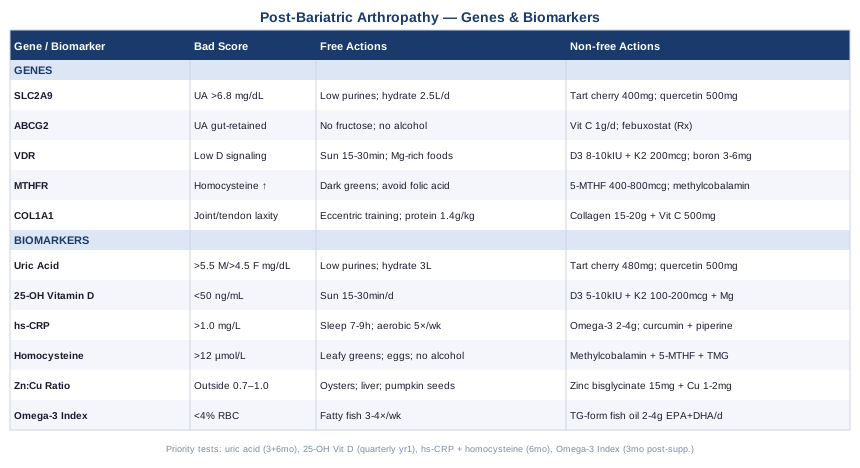
6 Biomarkers That Reveal What Is Happening in Your Joints After Bariatric Surgery
Most post-bariatric follow-up panels focus on hemoglobin, B12, ferritin, and calcium. These are critical, but they are not the full picture for someone experiencing joint pain. The six biomarkers below map more directly onto the mechanisms that drive arthropathy after bariatric procedures — and each one is something you can test, interpret, and act on.
Biomarker 1: Serum Uric Acid
Why it matters: Rapid weight loss — the defining feature of bariatric surgery success — triggers a massive release of purines from dying adipose cells, sharply elevating serum uric acid in the months following surgery. Uric acid crystals deposit in joints, causing gout, and even subclinical elevations sustain low-grade inflammatory arthropathy that doesn't always present classically. The prevalence of new-onset gout in the first year post-bariatric surgery is significantly higher than in matched non-surgical populations, as documented in research published through multiple cohort analyses in PubMed.
How to measure it: A standard serum uric acid blood test. Cost: $15–40 in most labs, often included in a metabolic panel. Optimal target is below 5.5 mg/dL for men and below 4.5 mg/dL for women; clinical gout risk increases sharply above 6.8 mg/dL. Test at 3 months post-surgery and again at 6 months, then annually.
If the score is high: plan without supplements
Reduce dietary purines — organ meats, anchovies, sardines, red meat in large quantities, and beer (fructose in standard beer compounds uric acid elevation). Increase hydration substantially: 2–3 liters of water daily lowers uric acid through enhanced renal clearance. Moderate fructose intake from all sources including fruit juice, as fructose metabolism directly upregulates uric acid synthesis. Regular low-impact movement (swimming, walking) improves kidney clearance.
If the score is high: plan with supplements or equipment
Tart cherry extract: 480 mg twice daily, anthocyanins reduce xanthine oxidase activity and promote uric acid excretion. Cycle 5 days on, 2 days off if using continuously for more than 3 months. Quercetin: 500 mg once daily with meals, inhibits xanthine oxidase and urate reabsorption. May cause mild GI discomfort; cycle 8 weeks on, 2 weeks off. Luteolin: emerging evidence suggests synergy with quercetin for uric acid reduction. Physician-prescribed allopurinol or febuxostat should be discussed if levels exceed 7.5 mg/dL persistently. Infrared sauna (20 minutes, 3x per week) may support renal clearance but evidence is indirect.
Biomarker 2: 25-OH Vitamin D
Why it matters: Vitamin D deficiency is nearly universal after Roux-en-Y gastric bypass and sleeve gastrectomy because a significant portion of dietary Vitamin D and its fat-soluble cofactors are absorbed in the duodenum and proximal jejunum — sections bypassed or bypassed-equivalent in most bariatric procedures. Low Vitamin D does not just affect bone density. The Vitamin D receptor (VDR) is expressed in chondrocytes, synoviocytes, and immune cells, and deficiency shifts the joint environment toward pro-inflammatory cytokine dominance. Musculoskeletal pain, joint stiffness, and fatigue that mimic fibromyalgia are frequently reversible with adequate repletion. A systematic review published via PubMed confirmed high prevalence of Vitamin D insufficiency in bariatric surgery patients despite standard supplementation protocols.
How to measure it: Serum 25-hydroxyvitamin D test. Cost: $30–70. Optimal range: 50–80 ng/mL (not just the clinical "sufficient" threshold of 30 ng/mL). Test quarterly in the first year post-surgery, then biannually.
If the score is low: plan without supplements
Direct sun exposure (unprotected skin to arms and face) for 15–30 minutes daily between 10am and 2pm. This is free but limited in northern latitudes and winter months. Dietary Vitamin D from fatty fish, egg yolks, and fortified foods will have reduced bioavailability post-surgery but is still worth maximizing.
If the score is low: plan with supplements or equipment
Standard post-bariatric protocols recommend 3,000 IU daily, but individuals with malabsorption, obesity, or VDR variants often need 5,000–10,000 IU of Vitamin D3 daily. Always pair with Vitamin K2 (MK-7) at 100–200 mcg daily to direct calcium into bones rather than soft tissue. Magnesium (glycinate or malate, 300–400 mg daily) is required for Vitamin D metabolism. Retest 8 weeks after any dose change. If levels remain low despite 10,000 IU daily, consider liquid D3 with K2 for improved absorption post-surgery. Side effects of excess: hypercalcemia (rare below 10,000 IU); cycle full dose for 12 weeks, then reduce to maintenance (2,000–4,000 IU) once optimal range is reached.
Biomarker 3: High-Sensitivity CRP (hs-CRP)
Why it matters: C-reactive protein is the most clinically accessible proxy for systemic low-grade inflammation. In post-bariatric patients with joint pain, hs-CRP distinguishes between mechanical joint stress (which normalizes as gait adapts to new body weight) and true inflammatory arthropathy (which persists and can progress). Interestingly, bariatric surgery initially reduces CRP dramatically within the first 6 months as adipose-driven inflammation subsides — but a subset of patients show a secondary CRP elevation in year two that correlates with nutrient deficiencies, gut microbiome disruption, and emerging autoimmune patterns. Peter Attia frequently emphasizes that hs-CRP above 1 mg/L in the absence of acute infection warrants investigation of root causes rather than simple monitoring.
How to measure it: Serum hs-CRP (not standard CRP, which is less sensitive). Cost: $20–50. Target: below 0.5 mg/L for optimal joint health; 0.5–1.0 mg/L is acceptable; above 1.0 mg/L warrants action. Test every 6 months if tracking arthropathy trajectory.
If the score is high: plan without supplements
Prioritize sleep quality (poor sleep is a primary driver of CRP elevation), reduce ultra-processed food intake, eliminate trans fats completely, and increase dietary polyphenols from vegetables, berries, and olive oil. Sustained aerobic exercise (30 minutes, 5x per week at moderate intensity) is one of the most evidence-supported non-pharmacological CRP reducers. Stress reduction through structured breathing practices (4-7-8 breathing, 10 minutes daily) directly reduces cortisol-mediated CRP elevation.
If the score is high: plan with supplements or equipment
Omega-3 fatty acids (EPA+DHA, 2–4 g daily with food) reduce CRP through PGE3 pathway modulation. Curcumin with piperine (500 mg curcumin + 5 mg piperine twice daily, 8 weeks on, 4 weeks off; piperine increases absorption by ~2000%). Resveratrol: 200–500 mg daily, some evidence for NF-κB suppression. Monitor for GI side effects with curcumin — reduce dose if bloating occurs post-surgery. Red light therapy (photobiomodulation, 630–850 nm panels) used over joints for 10–15 minutes daily shows some evidence for local IL-6 and TNF-alpha suppression.
Biomarker 4: Homocysteine
Why it matters: Homocysteine elevation is one of the most overlooked post-bariatric complications. Bariatric surgery severely impairs B12, B6, and folate absorption — the three nutrients that drive homocysteine clearance through the methylation cycle. Elevated homocysteine is not just a cardiovascular risk marker; it directly damages synovial tissue, promotes oxidative stress in chondrocytes, and amplifies the inflammatory cascade in joints. Studies on rheumatoid arthritis consistently show elevated homocysteine as both a risk factor and a driver of disease severity. After bariatric surgery, the probability of subclinical hyperhomocysteinemia is very high without aggressive supplementation.
How to measure it: Serum homocysteine. Cost: $25–60. Optimal: below 8 µmol/L; above 12 µmol/L is clinically elevated; above 15 µmol/L significantly increases joint and cardiovascular risk. Test at 6 months post-surgery and annually.
If the score is high: plan without supplements
Increase dietary intake of leafy greens (methylfolate-rich), eggs (choline and B12), and legumes. Minimize alcohol, which directly depletes B vitamins. Structured sleep (7–9 hours) improves methylation efficiency. This approach alone is rarely sufficient post-bariatric surgery given the absorption limitations.
If the score is high: plan with supplements or equipment
Methylcobalamin (B12): 1,000–2,000 mcg sublingual daily (bypasses intrinsic factor absorption issues). Methylfolate (5-MTHF): 400–800 mcg daily — use the methylated form rather than folic acid, as a significant portion of the population has MTHFR variants that impair folic acid conversion. Pyridoxal-5-phosphate (P5P, active B6): 25–50 mg daily. Betaine (TMG): 1,000–3,000 mg daily provides an alternative methylation donor pathway. Recheck homocysteine 8–12 weeks after starting this protocol. No meaningful cycling needed at these doses; monitor B6 toxicity (neuropathy) above 100 mg daily.
Biomarker 5: Zinc-to-Copper Ratio
Why it matters: Both zinc and copper are absorbed primarily in the duodenum and proximal small intestine — the zone most compromised in gastric bypass. This creates a predictable dual deficiency, but the ratio matters as much as absolute levels. Zinc deficiency impairs collagen synthesis, reduces cartilage matrix repair capacity, and suppresses immune regulation in joints. Copper deficiency disrupts elastin and collagen crosslinking (lysyl oxidase requires copper), leading to tendon and ligament laxity that manifests as diffuse joint instability. Paradoxically, supplementing zinc without copper can worsen copper deficiency, and vice versa — making the ratio critical. Target zinc-to-copper ratio: 0.7–1.0 (both measured in mg/L or µg/dL using the same unit system).
How to measure it: Serum zinc and serum copper panel. Cost: $40–90 for both. Some labs offer ceruloplasmin as an additional copper marker. Test annually, or sooner if joint symptoms include widespread ligament laxity or tendinopathy.
If the ratio is off: plan without supplements
For low zinc: increase oysters (highest dietary zinc source), red meat, pumpkin seeds, and hemp seeds. For low copper: increase liver, shellfish, nuts, and seeds. Avoid high-dose zinc supplementation from a single product without considering its copper-lowering effect.
If the ratio is off: plan with supplements or equipment
Zinc bisglycinate: 15–25 mg daily (well-tolerated form, better absorbed post-surgery) paired with copper gluconate or bisglycinate: 1–2 mg daily. A ratio of approximately 15:1 (zinc to copper) in supplementation is considered balanced. Avoid zinc oxide (poor absorption). Cycle: 12 weeks full supplementation, 4-week break to reassess, retest serum levels. High-dose zinc (above 40 mg) can cause nausea and copper depletion; always confirm with labs before escalating.
Biomarker 6: Omega-3 Index
Why it matters: The Omega-3 Index measures the percentage of EPA+DHA in red blood cell membranes and serves as the most reliable long-term indicator of omega-3 status. After bariatric surgery, fat absorption is altered, and dietary fatty acid incorporation into cell membranes can be significantly reduced even with supplementation — particularly in gastric bypass where bile mixing is compromised. A low Omega-3 Index (below 4%) is associated with elevated prostaglandin E2 and leukotriene B4 production, both of which drive the inflammatory mediators directly implicated in synovitis and cartilage degradation. Peter Attia considers the Omega-3 Index one of the most underused and cost-effective cardiovascular and inflammatory biomarkers available. An optimal index (above 8%) predicts lower inflammatory arthropathy risk and better pain modulation.
How to measure it: Omega-3 Index test (home finger-prick card, or lab-based RBC fatty acid analysis). Cost: $50–100 (OmegaQuant is a well-established provider). Test 3 months after beginning supplementation, then annually.
If the score is low: plan without supplements
Fatty fish 3–4 times per week (salmon, sardines, mackerel, herring). Wild-caught is preferable for EPA+DHA density. Walnuts and flaxseed provide ALA, which converts to EPA/DHA at less than 10% efficiency — useful support but not sufficient to move the Omega-3 Index alone.
If the score is low: plan with supplements or equipment
Triglyceride-form fish oil or krill oil: 2–4 g EPA+DHA daily with the largest meal (fat improves absorption). Triglyceride form is absorbed approximately 70% better than ethyl ester form — particularly important post-bariatric. Algal oil DHA: useful for patients with post-surgical fat malabsorption who need a different delivery form. Re-test at 3 months. Cycling is not required. Monitor for blood thinning effect if on anticoagulants — discuss with prescribing physician. Target: Omega-3 Index above 8%.
The six biomarkers above give you a real-time picture of the biochemical environment your joints are living in. Once those are mapped, the next layer — genetics — explains why your numbers look the way they do.
5 Genes That Shape Your Joint Risk After Bariatric Surgery
Genetics does not determine destiny after bariatric surgery, but it does set the terrain. Two patients with identical surgeries and nearly identical diets can have dramatically different joint outcomes — and genetics is often why. The five genes below were selected because they have direct relevance to the metabolic and structural mechanisms that drive post-bariatric arthropathy.
Gene 1: SLC2A9 – Urate Transport and Gout Risk
What it does: SLC2A9 encodes GLUT9, a glucose-urate transporter that plays a major role in renal urate reabsorption. Variants in this gene are the single most significant genetic predictor of serum uric acid levels in genome-wide association studies. The rs734553 and rs3775948 variants are particularly well-studied and are consistently associated with elevated serum uric acid. Post-bariatric surgery amplifies whatever uric acid baseline genetics has set — so someone with a high-risk SLC2A9 genotype enters surgery already closer to the gout threshold.
If the gene variant is unfavorable: plan without supplements
Strict purine restriction, sustained high fluid intake (minimum 2.5 liters daily), and avoidance of fructose (which competitively inhibits uric acid excretion via URAT1). Regular low-impact cardiovascular exercise to improve renal blood flow and uric acid clearance. Avoid crash caloric restriction post-surgery recovery phases, which further spikes uric acid from tissue catabolism.
If the gene variant is unfavorable: plan with supplements or equipment
Tart cherry concentrate (400–500 mg anthocyanins daily), quercetin (500 mg twice daily), and luteolin (100 mg daily) address the enzymatic and transport-level drivers. If serum uric acid remains above 7 mg/dL despite dietary intervention, discuss xanthine oxidase inhibitor therapy with a physician. Alkaline mineral water (pH 7.5–8.5) may improve urate solubility and renal excretion. Cycle quercetin: 8 weeks on, 2–3 weeks off; monitor for interactions with CYP3A4 substrates.
Gene 2: ABCG2 – Secondary Urate Transporter
What it does: ABCG2 encodes a multi-drug resistance protein that also functions as a urate efflux transporter in the gut and kidney. The Q141K variant (rs2231142) is one of the most replicated genetic findings in gout research and is especially prevalent in East Asian populations. It reduces ABCG2 function by approximately 50%, causing gut urate retention and elevated serum levels independent of dietary intake. Interestingly, ABCG2 dysfunction means that dietary urate reduction alone produces a smaller response — the default treatment assumption fails genetically susceptible individuals.
If the gene variant is unfavorable: plan without supplements
The same dietary framework as SLC2A9, but with particular emphasis on low-fructose intake and avoiding alcohol (both strongly suppress ABCG2 activity further). Monitoring uric acid more frequently — every 3 months post-surgery — is especially important with this variant.
If the gene variant is unfavorable: plan with supplements or equipment
Vitamin C (500–1,000 mg daily) is one of the better-studied uricosuric agents that is safe, affordable, and works through a separate pathway from ABCG2 — making it particularly useful when ABCG2 function is impaired. Inositol hexanicotinate (non-flushing niacin form, 500 mg twice daily) shows some uricosuric effect. For persistent hyperuricemia above 8 mg/dL, the combination of dietary management and low-dose febuxostat (physician-prescribed) has strong evidence. Cycling for Vitamin C: continuous use is safe at these doses; monitor for oxalate kidney stone risk if history of stones.
Gene 3: VDR – Vitamin D Receptor
What it does: The VDR gene encodes the nuclear receptor for active Vitamin D (1,25-dihydroxyvitamin D3). Its polymorphisms — TaqI, BsmI, FokI, and ApaI — affect receptor binding affinity and transcriptional efficiency. Someone with unfavorable VDR variants may have normal serum 25-OH Vitamin D but poor downstream biological response in joint tissues. This explains why some post-bariatric patients supplement Vitamin D aggressively and still develop musculoskeletal pain — the problem is at the receptor level, not the supply level. VDR variants are also associated with altered immune regulation, including in rheumatoid arthritis susceptibility.
If the gene variant is unfavorable: plan without supplements
Maximize sun exposure — UV-B induced Vitamin D synthesis bypasses some of the receptor-level limitations by producing more total 25-OH D. Prioritize magnesium sufficiency (found in leafy greens, nuts, seeds), as magnesium is required for VDR activation. Weight-bearing exercise directly upregulates VDR expression in bone and muscle tissue.
If the gene variant is unfavorable: plan with supplements or equipment
Target the higher end of the optimal 25-OH Vitamin D range (70–80 ng/mL rather than 50 ng/mL) to compensate for reduced receptor sensitivity. Vitamin D3 dosing may need to be 8,000–10,000 IU daily with careful monitoring. Ensure Vitamin K2 (MK-7) 200 mcg daily. Boron (3–6 mg daily) has been shown in human studies to enhance Vitamin D receptor sensitivity and reduce urinary calcium excretion. Retest 25-OH D every 8 weeks during optimization. Consider testing 1,25-dihydroxyvitamin D (active form) to assess conversion efficiency if symptoms persist despite adequate 25-OH D.
Gene 4: MTHFR – Methylation and Homocysteine
What it does: MTHFR encodes methylenetetrahydrofolate reductase, the enzyme that converts dietary folate into the active methylation donor 5-MTHF. The C677T variant (homozygous TT genotype) reduces enzyme activity by up to 70%, and the A1298C variant has an additive effect. In the post-bariatric context, reduced folate absorption plus impaired MTHFR function creates a compounding risk for hyperhomocysteinemia — elevating both cardiovascular and joint inflammation risk simultaneously. Gary Brecka, who has popularized MTHFR awareness in functional medicine contexts, emphasizes that homozygous C677T individuals essentially cannot process standard folic acid from food fortification or basic supplements. Ali Torkamani's genomic medicine work further frames MTHFR not as a rare variant but as a widely prevalent and clinically underappreciated one — present in heterozygous form in up to 40% of certain populations.
If the gene variant is unfavorable: plan without supplements
Eliminate all fortified foods (many use folic acid in non-methylated form, which can competitively block the limited MTHFR enzyme in homozygous individuals). Prioritize dark leafy greens (naturally contain folate, not folic acid), eggs (choline supports an alternative methylation pathway), and organ meats. Reduce alcohol completely — it directly depletes B vitamins and impairs methylation.
If the gene variant is unfavorable: plan with supplements or equipment
5-MTHF (methylfolate) at 400–800 mcg daily bypasses the MTHFR step entirely. Methylcobalamin (1,000–2,000 mcg sublingual) provides the downstream methyl group donor. Trimethylglycine (TMG/betaine) at 1,000–2,000 mg daily uses the BHMT pathway as a backup methylation route. Do not use high-dose methylfolate (above 1,000 mcg) without monitoring, as overmethylation can cause anxiety and irritability in sensitive individuals — start at 400 mcg and increase gradually. No cycling required at standard doses; retest homocysteine after 8 weeks.
Gene 5: COL1A1 – Collagen Integrity and Joint Structure
What it does: COL1A1 encodes the alpha-1 chain of type I collagen — the most abundant structural protein in tendons, ligaments, cartilage, and bone. The Sp1 polymorphism (rs1800012) alters the collagen matrix architecture, producing collagen with reduced tensile strength. Individuals with the T allele (Ss or TT genotype at this locus) have documented higher risk of tendon rupture, ligamentous laxity, and osteoporosis. After bariatric surgery, where Vitamin C and copper (both cofactors for collagen synthesis) are frequently depleted, a pre-existing COL1A1 vulnerability becomes far more clinically significant. Diffuse joint hypermobility, tendinopathy, and soft tissue joint pain without obvious inflammatory markers may trace back to this gene.
If the gene variant is unfavorable: plan without supplements
Progressive resistance training (particularly tendon-loading exercises: slow eccentrics, isometrics) is the most evidence-supported intervention to upregulate collagen synthesis in tendons and ligaments. Adequate dietary protein (1.2–1.6 g/kg body weight) ensures substrate availability. Avoid prolonged immobility and sudden high-impact loading, both of which stress compromised collagen networks.
If the gene variant is unfavorable: plan with supplements or equipment
Hydrolyzed collagen peptides (15–20 g daily, preferably Type I/III): human trials show increased collagen synthesis markers when taken 30–60 minutes before exercise. Vitamin C (500 mg, timed 30–60 minutes pre-exercise with collagen) is essential for hydroxylation of proline and lysine in collagen synthesis. Glycine (3–5 g daily, stand-alone or from bone broth) is the rate-limiting amino acid in collagen. Silicon (orthosilicic acid form, 5–10 mg daily) has human evidence for increased collagen synthesis. Cycle collagen peptides for 12 weeks, then 4-week reassessment; no meaningful cycling required for Vitamin C or glycine at these doses.
Understanding your genetic terrain transforms how you interpret your biomarker results — and vice versa. One lens explains the numbers; the other explains why they are the way they are. Together, they define a plan that is genuinely yours.
What the Huberman Lab Gets Right About Inflammation and Joint Recovery
The Huberman Lab podcast has dedicated multiple episodes to joint health, inflammation, and the biology of recovery — framing the conversation in ways that often challenge conventional clinical assumptions. The following ten insights from those episodes and their cited literature are among the most immediately relevant for post-bariatric arthropathy.
1. Sleep Is the Master Anti-Inflammatory
Huberman's recurring emphasis: poor sleep elevates IL-6, TNF-alpha, and CRP by mechanisms entirely independent of diet or exercise. Targeting 7–9 hours with sleep onset before midnight is not negotiable for anyone managing joint inflammation.
2. The Cortisol-Inflammation Relationship Is Bidirectional
Chronic low cortisol (common post-major surgery) paradoxically increases inflammatory cytokine activity. Morning cortisol optimization — sunlight within 30 minutes of waking, cold water face immersion — helps calibrate the diurnal cortisol arc that regulates inflammation.
3. Omega-3s Work Best as a Sustained Commitment
Huberman emphasizes that EPA/DHA effects on inflammatory prostaglandins require minimum 8–12 weeks of consistent dosing to shift the cellular membrane ratio meaningfully. Most patients stop before the threshold is reached.
4. Zone 2 Aerobic Exercise Reduces Inflammatory Markers More Than Intensity
Moderate-intensity aerobic exercise (conversation-pace cardio, 30–45 minutes, 4–5 times per week) consistently lowers hs-CRP and inflammatory cytokines. High-intensity exercise without recovery amplifies rather than reduces inflammation.
5. The Gut-Joint Axis Is Real and Measurable
The emerging research on gut dysbiosis driving systemic joint inflammation — through lipopolysaccharide (LPS) translocation and altered bile acid signaling — is directly relevant post-bariatric surgery, where gut anatomy and microbiome composition are profoundly altered.
6. Vitamin D Is a Hormone, Not Just a Supplement
Framing Vitamin D as a hormone clarifies why deficiency has systemic joint and immune effects far beyond what calcium metabolism explains — and why blood levels must be actively managed, not assumed from standard supplementation.
7. Pain Sensitization Can Become Independent of Tissue Damage
Huberman's coverage of pain neuroscience: after prolonged joint inflammation, central sensitization can amplify pain signals even after the peripheral trigger is resolved. Addressing pain psychology alongside biochemistry is therefore not optional.
8. Cold Exposure Has Nuanced Effects on Inflammation
Brief cold immersion (1–3 minutes, cold shower or cold plunge post-exercise) blunts the exercise-induced inflammatory cascade. When used correctly — after exercise but before a recovery window — it can reduce joint swelling and pain in arthropathy. When used excessively, it may blunt anabolic signaling needed for tissue repair.
9. Magnesium Is the Most Systematically Underdosed Mineral
Huberman consistently flags magnesium as deficient in most modern diets and essential for over 300 enzymatic reactions — including those governing Vitamin D activation, inflammation regulation, and muscle-joint tension. Post-bariatric patients absorb less of it. Magnesium malate or glycinate at 300–400 mg nightly is a foundational intervention.
10. The Benefits of Structured Breathing on Pain Are Not Placebo
Physiological sighs (double inhale through the nose followed by a long exhale) and coherence breathing (5-second inhale, 5-second exhale) demonstrably shift autonomic tone toward parasympathetic dominance, reducing pain perception and inflammatory signaling simultaneously.
Complementary Approaches With Meaningful Clinical Evidence
The following four modalities have human evidence supporting their application to joint pain and inflammatory arthropathy. None replace the foundational biochemical work above, but several can meaningfully reduce pain and improve function while the root-cause interventions take effect.
Tai Chi
Tai chi is a slow, flowing movement practice from Traditional Chinese Medicine that combines weight shifting, joint mobilization, and mindfulness — making it uniquely appropriate for post-bariatric patients managing joint pain during a period of significant physical transition. Unlike high-impact exercise, it loads joints progressively without compressive forces that worsen inflammatory arthropathy. Its emphasis on proprioceptive training also addresses the joint instability that can emerge from rapid weight loss and potential COL1A1-related ligamentous laxity.
A randomized controlled trial published in The New England Journal of Medicine demonstrated that 12 weeks of tai chi significantly reduced pain and stiffness in patients with chronic musculoskeletal conditions, with improvements maintained at 24-week follow-up. The functional gains exceeded those achieved by standard stretching protocols. Multiple meta-analyses of tai chi for knee osteoarthritis confirm consistent pain reduction and improved range of motion.
For post-bariatric arthropathy specifically: begin with a beginner Tai Chi program (Yang-style is most accessible), 20–30 minutes, 3 times per week. Online instruction is sufficient for beginners. Progress to 5x per week over 8 weeks. Avoid classes that are too fast-paced initially; the slow, deliberate form is what generates the proprioceptive and anti-inflammatory benefit. Tai chi appears safe for all joint locations and does not require special equipment.
Low-Level Laser Therapy / Photobiomodulation
Photobiomodulation (PBM) uses red and near-infrared light (600–1000 nm wavelengths) to stimulate mitochondrial function in tissue cells, reduce inflammatory cytokines (particularly IL-1β and TNF-alpha), and promote tissue repair in joint cartilage, synovium, and periarticular tissue. For post-bariatric arthropathy, it is particularly relevant because it addresses inflammation locally without requiring systemic drug exposure — important in a population already managing multiple supplements and potential drug interactions.
A systematic review and meta-analysis published in The Lancet found that LLLT reduced pain and morning stiffness in chronic joint conditions, with effect sizes that were statistically significant across multiple joint sites. More recent trials specifically targeting knee OA and inflammatory arthritis have confirmed these findings. The World Association for Laser Therapy has published dosing guidelines that form the basis of clinical protocols.
Practical application: commercially available PBM panels (red/near-infrared combination, 630–850 nm) can be used at home. Apply to affected joints for 10–15 minutes daily. Target: 3–5 mW/cm² at 660 nm and 5–50 mW/cm² at 830 nm. Consistent daily use for 8–12 weeks yields the best outcomes. Avoid direct application over active cancer sites or eyes. Evidence is strongest for knee and hand joints; evidence for spinal joints is more limited.
Microbiome-Directed Therapies
The gut microbiome undergoes dramatic reorganization after bariatric surgery — altered anatomy, changed bile acid flow, reduced gastric acid, and shifts in intestinal transit time all reshape microbial communities within weeks of surgery. There is substantial and growing evidence that gut dysbiosis drives systemic inflammatory arthropathy through LPS translocation (leaky gut allowing gram-negative bacterial fragments into circulation), altered short-chain fatty acid production (which regulates Treg cells that suppress joint inflammation), and disrupted bile acid-FXR signaling (which modulates uric acid metabolism). Post-bariatric patients with joint pain who also report bloating, irregular bowel habits, or food intolerances are especially likely to benefit from this approach.
A study published in Annals of the Rheumatic Diseases demonstrated significant associations between specific gut bacterial imbalances and inflammatory joint disease severity, supporting the clinical validity of microbiome-targeted interventions. Probiotic supplementation with Lactobacillus casei and Bifidobacterium longum has shown reductions in inflammatory cytokines in rheumatoid arthritis populations in RCTs.
A targeted microbiome protocol for post-bariatric arthropathy: start with L-glutamine (5–10 g daily in water on an empty stomach) for gut barrier repair — 8 weeks minimum. Introduce a multi-strain probiotic emphasizing Lactobacillus acidophilus, L. rhamnosus, and Bifidobacterium species (10–50 billion CFU daily). Add resistant starch (green banana flour or cooked-and-cooled potatoes) progressively as a prebiotic — start with small amounts to avoid gas and bloating. Avoid unnecessary antibiotics and NSAIDs (which worsen dysbiosis). Consider a comprehensive stool microbiome test (Genova GI Effects or comparable) to identify specific imbalances before supplementing.
Mindfulness Meditation / MBSR
Mindfulness-Based Stress Reduction (MBSR), developed by Jon Kabat-Zinn, is an 8-week structured program that combines body scanning, breath awareness, and gentle movement to shift the nervous system's relationship with chronic pain. Its relevance to post-bariatric arthropathy goes beyond pain psychology: MBSR demonstrably reduces serum IL-6 and CRP through vagal tone modulation, stress hormone reduction, and improved sleep architecture — addressing inflammatory biomarkers directly. For a patient managing the psychological complexity of life after bariatric surgery (identity change, body image, dietary restriction), MBSR offers a dual benefit: pain management and psychological integration.
A meta-analysis published in JAMA Internal Medicine found that MBSR produced moderate and statistically significant reductions in pain intensity and functional impairment in chronic pain conditions, with effects sustained at 6-month follow-up. A separate analysis specifically found reductions in inflammatory biomarkers in participants completing the full 8-week program.
For practical application post-bariatric surgery: access the full MBSR protocol through Kabat-Zinn's Full Catastrophe Living (book) or the Palouse Mindfulness free online program (a complete 8-week MBSR course). Commit to 20–30 minutes of formal practice daily for 8 weeks before assessing benefit. Body scan practice is particularly useful before sleep; breath awareness practice is best done in the morning before eating. The program requires no equipment and has no physical contraindications. Consistency over intensity is the key variable for both inflammation and pain outcomes.
Conclusion
Post-bariatric arthropathy is not a random complication or an inevitable price of surgery. In most cases, it reflects a specific — and measurable — disruption in biochemistry: uric acid dysregulation, vitamin and mineral depletion, impaired methylation, degraded collagen substrate, or systemic inflammation amplified by genetic predisposition. These are not abstract problems. They show up in lab values, respond to targeted interventions, and improve with time when the right factors are addressed.
The practical next step is not to do everything at once. Start by checking serum uric acid, 25-OH Vitamin D, hs-CRP, and homocysteine at your next lab visit — these four alone will give you more actionable information than most post-bariatric follow-up panels provide. If you have access to genetic testing, prioritize MTHFR and SLC2A9 results as your first interpretive lens. Then bring these findings to a clinician who is familiar with post-bariatric nutritional medicine — or seek out one who is. Better information, consistently acted on, produces better outcomes. That is the most accurate and honest thing this article can offer.
Endocrine & Metabolic Autoimmune
Musculoskeletal: Bone Conditions Joint Conditions Tendon & Ligament Conditions
Endocrine & Metabolic: Obesity
Autoimmune: Inflammatory Conditions Connective Tissue Conditions