This article contains AI generated content.
· UpdatedPost-Cardiac Injury Syndrome — 5 Genes And 6 Biomarkers To Track
Introduction
Post-cardiac injury syndrome (PCIS) arrives at an already difficult moment. You've been through a cardiac event — open-heart surgery, a myocardial infarction, a catheter ablation, or even a pacemaker implantation — and weeks later, your body responds with fever, chest pain, and pericardial inflammation. Your cardiologist recognizes it, names it, and starts treatment. For many patients, the standard protocol works. For roughly 15–30% who experience recurrences, it often feels like an incomplete answer.
The frustrating reality is that generic anti-inflammatory treatment — NSAIDs, colchicine, sometimes corticosteroids — works broadly but doesn't explain why you developed PCIS when someone else with the same procedure didn't. It doesn't tell you whether your inflammation is truly resolving or quietly smoldering below the clinical threshold. And it doesn't look closely at the immune system, even though PCIS is, at its core, an autoimmune-inflammatory phenomenon triggered by cardiac tissue injury.
This article takes a different approach. Rather than reviewing the standard treatment protocol, it focuses on the tools that help you understand your individual biology: specific measurable biomarkers that track the true activity level of your immune response, and specific genetic variants that shape how aggressively your system reacts to cardiac injury. These aren't experimental concepts — they're underused clinical tools that can move your care from reactive to precise.
Better information doesn't guarantee a better outcome, but it consistently enables better decisions. Knowing your inflammatory status in real numbers, understanding your genetic predisposition, and applying targeted interventions can change the trajectory of a condition that often feels outside your control. What follows covers six actionable biomarkers you can start tracking today, five genetic factors that explain individual susceptibility, a practical framework drawn from precision medicine, and complementary strategies backed by clinical evidence.
Summary
This article covers 6 measurable biomarkers — including hsCRP, high-sensitivity troponin, anti-heart antibodies, IL-6, and NT-proBNP — that reveal the true immune activity level after cardiac injury, with practical plans for each. It covers 5 genetic variants — HLA-DRB1, IL1B, TNFA, IL6, and PTPN22 — that explain why some people develop PCIS and others don't, each with response strategies with and without supplements. Beyond lab work, there is a 10-point breakdown of Peter Attia's precision inflammation framework applied to PCIS, and four evidence-supported complementary modalities — mindfulness, breathing therapy, microbiome support, and Tai chi — with condition-specific protocols.
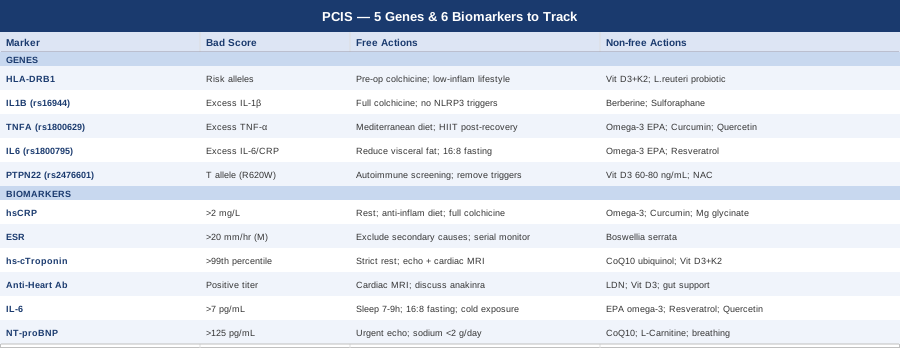
6 Biomarkers to Track in Post-Cardiac Injury Syndrome
Post-cardiac injury syndrome is a diagnosis made clinically, but it doesn't have to be managed blindly. Six specific biomarkers give you a precise, quantitative window into what's happening immunologically — and whether your treatment is genuinely working or merely masking symptoms.
1. High-Sensitivity CRP (hsCRP)
Why it matters
High-sensitivity C-reactive protein is the single most important biomarker in PCIS management. Produced by the liver in response to IL-6 and other pro-inflammatory signals, CRP rises sharply within hours of acute inflammation and falls quickly when inflammation subsides — making it the closest thing to a real-time thermometer for your immune activity. In active PCIS, hsCRP is elevated in virtually every case, often rising above 20–40 mg/L during the acute phase.
What gives hsCRP its clinical weight in PCIS is its role in treatment timing. Current ESC pericardial disease guidelines are explicit: anti-inflammatory therapy should not be tapered until hsCRP has fully normalized. Patients and clinicians who taper based on symptom relief alone — when CRP is still measurably elevated — account for the majority of preventable recurrences. CRP-guided tapering is one of the most evidence-supported strategies in this condition.
Persistent hsCRP above 30–40 mg/L also predicts downstream complications including large pericardial effusion, cardiac tamponade risk, and — over a longer horizon — constrictive pericarditis.
How to measure it
hsCRP requires no fasting and is available at any clinical laboratory. It is distinct from standard CRP — specify high-sensitivity when ordering.
- Standard lab cost: $15–40 out of pocket - With insurance: Typically covered under cardiac or inflammatory workup codes - Direct-to-consumer: Available through Quest and LabCorp DTC services for $30–50 in most US states - Target in PCIS: Complete normalization (below 2 mg/L) before any taper; ideally confirmed on two sequential draws 2–4 weeks apart
If the score is bad — the plan without supplements
If hsCRP remains above 10 mg/L on treatment, or rebounds after tapering, address these in order:
- Eliminate physical activity during active inflammation. Exercise raises CRP acutely and significantly. Guidelines recommend restricting strenuous and competitive activity until hsCRP normalizes. - Remove dietary drivers of CRP: refined carbohydrates, seed oils rich in omega-6 (canola, soybean, sunflower), processed meats, and alcohol all independently and measurably elevate hsCRP. - Address occult infection. Unresolved dental disease, chronic sinusitis, or urinary infections sustain low-grade CRP elevation that can obscure your PCIS baseline. A dental X-ray and urine culture are reasonable. - Prioritize sleep. Even one night of poor sleep raises CRP by measurable amounts. A consistent 7–9 hour sleep window with stable circadian timing is a direct anti-inflammatory intervention. - Complete the full colchicine course prescribed by your physician. The ICAP trial demonstrated that completing a 3-month course halved acute pericarditis recurrence rates — premature discontinuation is one of the most controllable PCIS risk factors.
If the score is bad — the plan with supplements or equipment
- Omega-3 fatty acids (EPA/DHA): 2–4 g/day of high-quality fish oil with meals. Well-documented hsCRP reduction with consistent use. Duration: ongoing, with quarterly reassessment. No cycling needed. Side effects: mild GI upset, fishy aftertaste; rare bleeding risk at very high doses; review if on anticoagulants. - Curcumin (phospholipid complex or BCM-95 form): 500–1000 mg twice daily with food. Moderate but consistent evidence for CRP reduction across multiple populations. Cycle: 8 weeks on, 2 weeks off. Side effects: GI upset at higher doses; avoid on anticoagulants. - Magnesium glycinate: 300–400 mg at night. Magnesium deficiency independently elevates hsCRP; supplementation is low-risk and broadly useful in cardiac patients. No cycling required. Side effects: loose stools at high doses — adjust accordingly. - Sauna (only with cardiologist clearance after full resolution): Far-infrared at 45–60°C for 15–20 minutes, 3–4x/week. Regular sauna use is associated with reduced inflammatory markers and cardiovascular mortality in population studies. Do not use during active PCIS, during effusion, or without explicit cardiac clearance.
2. ESR (Erythrocyte Sedimentation Rate)
Why it matters
ESR is a slower, less specific complement to hsCRP. Where CRP rises and falls within 24 hours of inflammatory change, ESR can remain elevated for weeks after CRP has normalized. This lag makes it diagnostically useful rather than redundant: a normal CRP with still-elevated ESR suggests smoldering immune activity that hasn't fully resolved — a signal worth tracking rather than ignoring.
ESR is influenced by fibrinogen, immunoglobulins, and red cell count. In PCIS patients with concurrent anemia, infection, or elevated immunoglobulins, ESR may be elevated for reasons beyond cardiac inflammation, requiring interpretation in context. However, in straightforward cases, a persistently high ESR after CRP normalization is a reason to extend monitoring rather than discharge the patient.
How to measure it
ESR is a simple blood test (Westergren method) available at any clinical lab.
- Cost: $10–30; often ordered alongside CRP as part of an inflammatory panel - Target: Below 20 mm/hr (men), below 30 mm/hr (women) - Caveat: Non-specific; elevated in anemia, pregnancy, infections, and malignancy — always interpret alongside clinical context
If the score is bad — the plan without supplements
Persistently elevated ESR after CRP normalization warrants exclusion of secondary causes before assuming PCIS activity. Consider:
- Occult infection (blood cultures, dental X-ray, urinalysis) - Concurrent autoimmune condition (ANA, RF, complement panel) - Unresolved pericardial effusion (echocardiogram)
If none are found, continuing the current anti-inflammatory course with serial monitoring every 2–4 weeks is appropriate. Do not escalate treatment based on ESR alone.
If the score is bad — the plan with supplements or equipment
Interventions overlap significantly with those for hsCRP. Prioritize omega-3s, sleep, and anti-inflammatory diet. One additional option:
- Boswellia serrata extract (65% boswellic acid standardized): 200–400 mg twice daily. Evidence for ESR reduction in inflammatory conditions is promising though limited in PCIS specifically. Cycle: 8 weeks on, 2 weeks off. Side effects: mild GI upset; well-tolerated in most populations.
3. High-Sensitivity Cardiac Troponin (hs-cTn)
Why it matters
Troponin is the biomarker of myocardial injury. In the context of PCIS, an elevated troponin doesn't indicate a new heart attack — it indicates that pericardial inflammation has extended into the myocardium itself, a presentation called myopericarditis. This distinction matters significantly for prognosis and management.
Patients with troponin elevation in PCIS are at higher risk for ventricular arrhythmia, reduced LV function, and long-term myocardial scarring visible on cardiac MRI. Studies by Imazio and colleagues, summarized in multiple prospective cohorts, show that troponin positivity in pericarditics correlates directly with the degree of myocardial involvement on gadolinium-enhanced CMR. This population requires stricter physical restriction and longer treatment duration.
High-sensitivity troponin is also valuable for differential diagnosis: a STEMI-pattern rise and fall of troponin suggests ischemic injury; a mild plateau elevation in the context of pleuritic chest pain and diffuse ST elevation points toward myopericarditis.
How to measure it
- Test type: High-sensitivity troponin I or T (hs-cTnI or hs-cTnT) — not standard troponin; significantly more sensitive - Cost: $50–100; requires physician order; not commonly available DTC - Reference range: Below 14–20 ng/L for most hs-cTnI assays (lab-specific — confirm your lab's 99th percentile) - In PCIS: Values above the 99th percentile with characteristic presentation confirm myocardial involvement
If the score is bad — the plan without supplements
Elevated troponin in PCIS is a clear signal that self-management is insufficient — this requires medical supervision:
- Absolute physical restriction. The ESC recommends a minimum 6-month restriction from competitive sport and strenuous activity in confirmed myopericarditis. - Echocardiography to assess wall motion, ventricular function, and effusion. - Cardiac MRI with gadolinium contrast (the gold standard) to quantify myocardial inflammation and fibrosis extent. - Do not attempt early steroid use in myopericarditis — evidence suggests it may increase recurrence risk. Colchicine plus NSAIDs remain the primary approach.
If the score is bad — the plan with supplements or equipment
Once myocardial involvement is confirmed, supplement interventions should be conservative and discussed with your cardiologist:
- CoQ10 (Ubiquinol form): 200–400 mg/day with a fat-containing meal. Ubiquinol supports mitochondrial function in cardiomyocytes; some evidence for benefit in inflammatory cardiomyopathy. No cycling required; long-term use is appropriate. Well-tolerated with minimal side effects. - Vitamin D3 + K2: Target serum 25-OH vitamin D at 50–80 ng/mL. Vitamin D has immunomodulatory effects directly relevant to the autoimmune mechanism of PCIS. Typical dose: 2000–5000 IU D3/day + 100–200 mcg K2 (MK-7 form). Monitor blood levels every 3 months initially.
4. Anti-Heart Antibodies (AHA)
Why it matters
Anti-heart antibodies offer the most direct evidence of the autoimmune mechanism underlying PCIS. After cardiac injury, intracellular proteins — myosin heavy chains, actin, heat shock proteins — are released into the pericardial space and systemic circulation. In genetically susceptible individuals, the immune system generates antibodies against these cardiac-derived antigens, initiating and sustaining the inflammatory cycle.
AHAs have been detected in 70–90% of PCIS patients and at significantly lower rates in post-cardiac-procedure patients who did not develop PCIS. Multiple AHA subtypes exist: anti-sarcolemmal, anti-myosin, anti-heat shock protein 60. Their presence confirms the autoimmune nature of the reaction and correlates with recurrence risk.
This biomarker is underused in routine practice due to specialized testing requirements. However, in patients with recurrent or refractory PCIS, a positive AHA result provides a mechanistic explanation for why standard therapy is insufficient — and justifies escalation to immune-modulating treatments such as intravenous immunoglobulin (IVIG) or anakinra (IL-1 receptor antagonist).
How to measure it
- Test type: Indirect immunofluorescence or ELISA, sent to specialized cardiac immunology or autoimmunity labs - Cost: $150–300; requires physician referral; not standard in US outpatient labs - Availability: More accessible at academic medical centers in the US and widely available in specialized centers in Europe (Germany, Italy) - Optimal timing: 4–12 weeks after the acute cardiac injury, when antibody titers are at peak levels
If the score is bad — the plan without supplements
A positive AHA in recurrent or refractory PCIS is a direct signal to escalate care:
- Request a cardiac MRI with gadolinium to assess myocardial fibrosis and current inflammatory activity. - Discuss with your cardiologist whether escalation to anakinra is appropriate. Randomized evidence shows anakinra dramatically reduces recurrence in pericarditis refractory to standard treatment. - Eliminate immune activation triggers: occult infections, high psychological stress, major physical exertion, and sleep deprivation all feed the autoimmune cycle.
If the score is bad — the plan with supplements or equipment
- Low-dose naltrexone (LDN): 1.5–4.5 mg at bedtime. LDN transiently blocks opioid receptors, which upregulates endogenous opioids and modulates immune activity via microglial pathways. Evidence in cardiac autoimmunity is early; this requires a physician prescription and discussion. Side effects are generally mild (vivid dreams, initial sleep disruption). No significant drug interactions at low dose. - Vitamin D3 optimization (as described above): Directly relevant to autoimmune antibody production; reduces Th17-driven immune activation. - Gut microbiome support: Dysbiotic gut flora sustains and amplifies autoimmune signaling. High-fiber diet, fermented foods, and a multispecies probiotic (see complementary strategies section) reduce systemic immune activation over weeks to months.
5. Interleukin-6 (IL-6)
Why it matters
IL-6 is the central upstream orchestrator of the inflammatory cascade in PCIS. Produced by macrophages, fibroblasts, and vascular endothelium in response to cardiac tissue injury, IL-6 drives the liver to produce CRP — making it the signal upstream of your most commonly tracked marker. Monitoring IL-6 directly offers an earlier and more mechanistically precise view of inflammation.
In PCIS, IL-6 often remains elevated longer than CRP, making it useful when CRP appears to have normalized but clinical symptoms persist or recur. IL-6 also predicts the severity of pericardial inflammation and correlates with effusion size. From a therapeutic perspective, tocilizumab (an IL-6 receptor antagonist widely used in rheumatoid arthritis) has been reported in case series as an effective rescue therapy in refractory PCIS — knowing your IL-6 level can help justify this escalation to an immunologist or rheumatologist.
How to measure it
- Test type: ELISA or electrochemiluminescence; available through standard reference labs - Cost: $80–150; increasingly available in specialized inflammation panels - Reference range: Below 7 pg/mL; active PCIS often shows 10–30+ pg/mL - Caveat: IL-6 is highly sensitive to sample handling delays and acute infections — minor upper respiratory infections can transiently elevate levels; interpret in clinical context
If the score is bad — the plan without supplements
Elevated IL-6 above 15–20 pg/mL during convalescence warrants:
- Rule out ongoing infection first — IL-6 is acutely elevated by any bacterial or viral trigger. - Review sleep quality specifically. Sleep deprivation is one of the most potent studied stimulators of IL-6; 7–9 hours with stable sleep timing is a measurable intervention. - Implement caloric timing: 16:8 intermittent fasting significantly reduces IL-6 in controlled short-term studies. Begin only after the acute phase has resolved and caloric needs are adequate. - Gradual cold exposure (cold shower escalation, 30 seconds building to 2–3 minutes) once fully recovered and cardiac-cleared; this activates the norepinephrine-mediated anti-inflammatory pathway that reduces IL-6.
If the score is bad — the plan with supplements or equipment
- EPA-dominant omega-3s: EPA specifically has greater IL-6-suppressing activity than DHA. Target an EPA:DHA ratio ≥ 2:1 at 3–4 g/day total. Ongoing use with quarterly monitoring. - Resveratrol: 200–500 mg/day with a fat-containing meal (improves bioavailability significantly). Has specific evidence for IL-6 pathway modulation. Cycle: 8 weeks on, 2 weeks off. Side effects: mild GI upset; avoid with warfarin due to CYP450 interaction. - Quercetin + bromelain: 500 mg quercetin + 250 mg bromelain twice daily. Quercetin has documented anti-IL-6 activity across multiple inflammatory RCTs; bromelain enhances absorption and adds independent anti-inflammatory effect. Well-tolerated ongoing.
6. NT-proBNP
Why it matters
NT-proBNP (N-terminal pro-B-type natriuretic peptide) is a marker of cardiac wall stress. In PCIS, it serves a specific role: detecting when pericardial inflammation is beginning to impair cardiac function. As pericardial effusion accumulates or constrictive physiology develops, ventricular filling is restricted, chamber wall stress rises, and NT-proBNP increases.
In early PCIS without significant effusion, NT-proBNP should be normal or near-normal. A rising value — particularly with worsening dyspnea, peripheral edema, or declining exercise tolerance — should prompt urgent echocardiography to rule out cardiac tamponade or early constriction before they become emergencies. Physicians like Peter Attia and Thomas Dayspring have advocated for broader use of NT-proBNP in preventive cardiac monitoring precisely because it detects subclinical hemodynamic dysfunction before clinical symptoms are obvious.
How to measure it
- Test type: Standard blood test; same blood draw as other cardiac markers - Cost: $40–80; typically covered under cardiac follow-up - Reference range: Below 125 pg/mL (age under 75) is generally normal; values above 300 pg/mL in PCIS context suggest meaningful hemodynamic involvement - Alternative: BNP is an acceptable alternative with similar clinical utility (note: reference ranges differ between BNP and NT-proBNP — do not interchange thresholds)
If the score is bad — the plan without supplements
Elevated NT-proBNP in PCIS is not a lifestyle problem — it is a medical signal requiring urgent evaluation:
- Immediate echocardiography to assess effusion size, cardiac tamponade physiology, or constrictive pericarditis. - Urgent communication with your cardiologist — pericardiocentesis may be necessary. - Strict sodium restriction (below 2 g/day) can reduce preload and modestly lower NT-proBNP in borderline cases where hemodynamics are preserved.
If the score is bad — the plan with supplements or equipment
After hemodynamic causes are excluded and NT-proBNP remains mildly elevated without effusion:
- CoQ10 (Ubiquinol, 200–400 mg/day): Secondary evidence from heart failure trials suggests NT-proBNP modestly improves with CoQ10 alongside standard therapy. Ongoing use; well-tolerated. - L-Carnitine: 1–2 g/day; supports mitochondrial energy production in cardiomyocytes. Strongest evidence in ischemic cardiomyopathy but theoretically relevant in inflammatory cardiomyopathy. Side effects: fishy odor at high doses; mild GI upset. - Breathing training (incentive spirometer or structured respiratory exercises): 10–15 minutes twice daily; improves respiratory mechanics and can modestly reduce ventricular preload by optimizing intrathoracic pressure dynamics. Evidence in heart failure is consistent; directly applicable in PCIS with pleuropericardial involvement.
The Genetic Factors Behind Post-Cardiac Injury Syndrome
Not everyone who undergoes cardiac surgery, survives a myocardial infarction, or has an ablation procedure develops PCIS. Incidence after cardiac surgery ranges from 15–40% depending on the procedure type; after MI, post-infarction pericarditis (including Dressler's syndrome) occurs in roughly 1–5% of cases, depending on how delayed presentations are counted. This variability is not random — it has a genetic basis that is now becoming better defined. Understanding your genetic risk doesn't undo what happened, but it explains why and can guide prevention and treatment intensity for future episodes.
Gene 1: HLA-DRB1 — The Autoimmune Identity Card
What it does
HLA-DRB1 encodes the major histocompatibility complex class II beta chain — the core molecular mechanism by which your immune system presents antigen fragments to T-helper cells to distinguish self from non-self. Specific alleles, particularly DRB1*04 and DRB1*07, are significantly overrepresented in patients with post-pericardiotomy syndrome and autoimmune pericarditis, as demonstrated in multiple immunogenetic studies. Carriers of these alleles are more likely to generate an antibody response against cardiac proteins released during injury — the fundamental autoimmune mechanism of PCIS.
If the gene is bad — the plan without supplements
For carriers of high-risk HLA-DRB1 alleles:
- Discuss prophylactic colchicine before any planned future cardiac procedure. The COPPS-2 trial demonstrated that perioperative colchicine significantly reduces post-pericardiotomy syndrome incidence in the general surgical population; the benefit is likely amplified in immunogenetically predisposed individuals. - Inform surgical and cardiology teams of your genetic risk so that PCIS surveillance is initiated early postoperatively, before clinical presentation. - Maintain a consistently low-inflammatory lifestyle baseline. An immune system already operating at low inflammatory set-point has greater reserve before autoimmune activation is triggered by cardiac injury.
If the gene is bad — the plan with supplements or equipment
- Vitamin D3 + K2 (targeting 60–80 ng/mL 25-OH-D): HLA-DRB1-associated autoimmunity is significantly modulated by vitamin D, which directly promotes Treg differentiation and suppresses autoreactive T-cell populations. Dose: 3000–5000 IU D3/day with 200 mcg K2 (MK-7). Monitor blood levels every 3 months initially. - Lactobacillus reuteri probiotic: L. reuteri has demonstrated specific ability to modulate the Th17/Treg balance — directly relevant to HLA-DRB1-associated autoimmunity. 1–5 billion CFU/day. No significant side effects. Can be cycled 3 months on, 1 month off.
Gene 2: IL1B (rs16944) — The Inflammation Ignition Switch
What it does
IL-1β is one of the most potent pro-inflammatory cytokines in the body. The IL1B rs16944 polymorphism (A allele) is associated with significantly higher IL-1β transcription in response to immune stimulation. Carriers produce a more intense initial inflammatory response to the same cardiac injury compared to non-carriers. The direct relevance to PCIS is substantial: anakinra (an IL-1 receptor antagonist) is among the most effective therapies for refractory recurrent pericarditis, and colchicine works in part by blocking the NLRP3 inflammasome that activates IL-1β — both of which point to IL-1β as a core pathogenic driver. Carriers of high-activity IL1B variants tend toward explosive initial presentations and higher recurrence risk.
If the gene is bad — the plan without supplements
- Complete the full prescribed colchicine course without shortening it, even after symptom resolution. This gene variant is exactly the population where a complete course matters most. - Eliminate dietary NLRP3 inflammasome triggers: excess fructose, refined carbohydrates, high-purine foods that raise uric acid, and high saturated fat meals all directly activate NLRP3/IL-1β signaling. - Optimize sleep rigorously. IL-1β is specifically upregulated by sleep deprivation in controlled human studies — even a single night below 6 hours produces measurable IL-1β elevation.
If the gene is bad — the plan with supplements or equipment
- Berberine: 500 mg twice daily with meals. Berberine inhibits NLRP3 inflammasome activation and reduces IL-1β production in multiple controlled studies. Cycle: 8 weeks on, 2 weeks off. Monitor liver enzymes for long-term use. Side effects: GI upset, loose stools; can lower blood glucose — monitor if diabetic. - Sulforaphane (from broccoli sprout concentrate): 10–30 mg/day standardized sulforaphane (confirm active sulforaphane content, not only glucoraphanin). Activates Nrf2, which suppresses NLRP3 and IL-1β transcription. Ongoing use; mild GI upset is the primary side effect.
Gene 3: TNFA (rs1800629) — The Sustained Amplifier
What it does
TNF-α is a master cytokine that amplifies and sustains inflammatory cascades. The TNFA rs1800629 polymorphism (A allele, also referred to as TNF-308G>A) is associated with significantly higher TNF-α production in response to inflammatory stimuli. In autoimmune pericarditis, elevated TNF-α sustains the immune cycle past the point where it should self-limit, promotes fibrous remodeling of the pericardium, and is a key driver of the transition from acute to constrictive disease. Carriers of high-producing TNFA alleles may present with more persistent inflammation, more pericardial thickening on imaging, and greater difficulty achieving full remission with standard anti-inflammatory treatment.
If the gene is bad — the plan without supplements
- Commit to a strict Mediterranean dietary pattern: the combination of olive oil polyphenols, fatty fish, vegetables, and low refined carbohydrate intake produces documented TNF-α reduction within 8–12 weeks of adherence in clinical trials. - High-intensity interval training (HIIT) is one of the most powerful non-pharmacological TNF-α-lowering interventions when deployed in fully recovered individuals. Even 20-minute sessions 3x/week reduce circulating TNF-α significantly in RCTs. This applies only after full PCIS resolution and explicit cardiologist clearance.
If the gene is bad — the plan with supplements or equipment
- EPA-dominant omega-3s (3–4 g/day): Specific TNF-α-lowering effect, particularly at higher EPA concentrations. Ongoing use. - Curcumin (phospholipid complex, 1 g/day with fat): Inhibits NF-κB, the primary transcription factor for TNF-α. Cycle: 8 weeks on, 2 weeks off. Well-tolerated with standard precautions. - Quercetin + Bromelain (500 mg / 250 mg twice daily): Combined evidence for TNF-α reduction with complementary absorption enhancement. 8-week cycles; well-tolerated.
Gene 4: IL6 (rs1800795) — The Upstream CRP Driver
What it does
The IL6 rs1800795 polymorphism (C allele) is associated with higher baseline and stimulus-triggered IL-6 production. Since IL-6 is the primary driver of CRP synthesis, carriers tend to run higher hsCRP across inflammatory contexts — making them appear sicker on standard labs than their actual tissue damage might justify, and also making them genuinely higher-risk for inflammatory complications. In PCIS, high IL-6 producers may have more severe initial presentations, slower CRP normalization, and higher recurrence risk. Tracking IL-6 directly alongside CRP is particularly valuable in these individuals.
If the gene is bad — the plan without supplements
- Do not treat slowly normalizing CRP as treatment failure if you carry this variant — this may reflect your IL-6 genetic baseline rather than persistent PCIS activity. Use IL-6 measurement directly to distinguish. - Reduce visceral adiposity, which is the single largest modifiable source of circulating IL-6. Even 5% body weight reduction from a high-visceral-fat baseline produces meaningful IL-6 reduction within months. - Implement 16:8 intermittent fasting once the acute phase has resolved; controlled studies show consistent IL-6 reduction with this pattern in adults with elevated baseline inflammatory markers.
If the gene is bad — the plan with supplements or equipment
- EPA/DHA at 3–4 g/day with EPA emphasis (as described above) - Resveratrol (200–500 mg/day): Specific IL-6 pathway modulation; take with a fat-containing meal - Photobiomodulation (red/near-infrared light, 630–850 nm): Emerging evidence for systemic IL-6 reduction via mitochondrial and anti-inflammatory pathways. Applied to the chest and upper back area. 10–15 minutes, 3x/week using a clinical-grade device (Joovv, Mito Red, or equivalent). Only after full PCIS resolution. Evidence is early but growing.
Gene 5: PTPN22 (rs2476601) — The Autoimmune Risk Multiplier
What it does
PTPN22 encodes a phosphatase critical for T-cell receptor signaling and immune self-tolerance. The rs2476601 variant (R620W, T allele) is one of the most widely replicated autoimmune risk variants in human genetics, increasing susceptibility to rheumatoid arthritis, lupus, type 1 diabetes, and autoimmune thyroid disease. While PCIS-specific PTPN22 studies are limited, the mechanism maps directly: this variant lowers the threshold for T-cell activation, making the immune system more prone to recognizing cardiac proteins as foreign antigens after injury. Carriers who develop PCIS are more likely to have aggressive autoimmune presentations, higher AHA titers, and higher risk of progression to chronic or recurrent disease.
If the gene is bad — the plan without supplements
- Screen annually for other autoimmune conditions. PTPN22 rs2476601 increases risk broadly — an annual ANA, anti-dsDNA, RF, and complement panel is reasonable and detects emerging autoimmune conditions before they're symptomatic. - Identify and eliminate environmental T-cell hyperactivation triggers: chronic viral reactivation (EBV, CMV), mold exposure, and certain chemical toxins (pesticides, BPA, phthalates) are documented environmental co-factors in PTPN22-associated autoimmunity. - Discuss with your cardiologist and rheumatologist whether extended or escalated immunosuppressive treatment is warranted given this background.
If the gene is bad — the plan with supplements or equipment
- Vitamin D3 (targeting 60–80 ng/mL 25-OH-D): Vitamin D directly promotes Treg differentiation, specifically countering the Th1/Th17 excess associated with PTPN22 variants. Dose as above. - NAC (N-acetylcysteine): 600 mg twice daily. Antioxidant that reduces oxidative-stress-driven T-cell hyperactivation. Well-tolerated; no cycling required; no significant interactions at standard doses. - Gut permeability support: Leaky gut dramatically amplifies autoimmune T-cell responses in genetically predisposed individuals. L-glutamine (5 g/day), zinc carnosine (75 mg/day), and an 8-week reduced-lectin dietary trial can be considered as an adjunct. Evidence is moderate in autoimmune conditions broadly; risk is low.
What Peter Attia's Precision Medicine Framework Reveals About PCIS
In Outlive: The Science and Art of Longevity (2023), Peter Attia develops a comprehensive precision framework for preventing what he calls "the four horsemen" of premature death, with cardiovascular disease driven by inflammation at the center. While Attia doesn't address PCIS directly, his approach to inflammatory biomarkers, immune health, and metabolic optimization maps precisely onto what PCIS patients need most. Here are the ten most impactful ideas from his framework applied to post-cardiac injury syndrome recovery.
1. CRP Is a Signal Pointing at a Problem, Not the Problem Itself
Attia argues that elevated hsCRP is almost never the issue — it points at an upstream driver: poor diet, poor sleep, occult infection, or metabolic dysfunction. The discipline in PCIS management is to track CRP to true zero while simultaneously finding and fixing those upstream causes. His discussion of the JUPITER trial (PMID 18997196) — which showed that rosuvastatin reduced cardiovascular events largely through CRP reduction — underscores how clinically powerful lowering CRP actually is.
2. Sleep Is the Most Underutilized Anti-Inflammatory Intervention Available
Attia cites extensive controlled data showing that sleep deprivation — defined as below 7 hours consistently — produces measurable elevations in CRP, IL-6, TNF-α, and fibrinogen. For PCIS patients, sleep optimization is not a lifestyle nicety but a direct and measurable inflammatory intervention. Tracking sleep architecture with an Oura Ring or WHOOP provides a real-time feedback loop on recovery quality.
3. Zone 2 Cardio Is Specifically Anti-Inflammatory Without the Immune Activation Risk of High-Intensity Exercise
Zone 2 aerobic exercise (60–70% of maximum heart rate) is Attia's cornerstone for systemic inflammation reduction, and it has a critical advantage in PCIS: it can be reintroduced earlier in recovery than HIIT, which transiently raises pro-inflammatory cytokines. Zone 2 produces improvements in mitochondrial function and anti-inflammatory cytokine profiles that HIIT doesn't replicate at the cellular level.
4. Visceral Fat Drives IL-6 Independently of Body Weight
Attia emphasizes DEXA or MRI-measured visceral adiposity — not BMI — as the true predictor of inflammatory tone. Visceral fat is metabolically active tissue that secretes IL-6 and TNF-α continuously. For PCIS patients with elevated visceral adiposity, reducing it through caloric restriction and Zone 2 exercise is the highest-impact long-term anti-inflammatory intervention available.
5. The Omega-3 Index Offers a More Stable Inflammation Marker Than Serum Levels
Attia recommends measuring the Omega-3 Index — the percentage of EPA and DHA in red blood cell membranes — rather than serum fatty acids, because it reflects 3-month average tissue incorporation rather than a single-day snapshot. Target above 8%; most people are at 4–5%. Reaching 8% typically requires 2–4 g/day of high-quality EPA/DHA and takes approximately 3–4 months of consistent supplementation.
6. The Lipid-Inflammation Connection — Statins May Do Double Duty in PCIS
Attia advocates for ApoB and LDL-P over LDL-C as cardiovascular risk markers, and notes that statins have anti-inflammatory effects independent of lipid lowering (including hsCRP reduction). For PCIS patients who are candidates for statin therapy on cardiovascular grounds, the anti-inflammatory pleiotropic effects may provide additional benefit.
7. Gut Permeability Drives Systemic Autoimmunity Through Bacterial Translocation
A permeable gut allows bacterial lipopolysaccharide (LPS) to enter the bloodstream, triggering continuous low-grade IL-6 and TNF-α elevation. For PCIS patients with autoimmune features, repairing gut barrier function through dietary intervention is a meaningful and underused adjunct to standard treatment.
8. Continuous Glucose Monitoring Reveals Steroid-Driven Inflammation Amplification
PCIS patients treated with corticosteroids face significant glucose dysregulation as a side effect — and glucose variability itself drives further IL-6 and CRP production, creating a paradoxical inflammatory loop. A 2-week CGM trial allows real-time dietary adjustment to minimize glucose spikes while on steroid therapy, potentially reducing the inflammation that steroids are simultaneously trying to suppress.
9. NT-proBNP as a Cardiac Stress Early Warning System
Attia advocates explicitly for including NT-proBNP in preventive cardiac panels, precisely because it detects subclinical hemodynamic stress before clinical symptoms appear. In PCIS follow-up, this fits perfectly: a quietly rising NT-proBNP may be the earliest detectable signal of constrictive physiology developing before it becomes symptomatic.
10. HRV as a Real-Time Recovery Barometer
Heart rate variability (HRV) reflects the balance between sympathetic and parasympathetic nervous system activity, and it drops measurably during active inflammation, poor sleep, and high stress. Attia recommends daily HRV tracking as a guide to training load, but the principle applies equally to PCIS: a consistently low HRV during convalescence signals ongoing physiological stress that should delay physical resumption, regardless of what symptoms alone suggest.
Complementary Approaches With Evidence in Post-Cardiac Injury Syndrome
These approaches are not alternatives to medical treatment — they are low-risk adjuncts that target the inflammatory and autonomic mechanisms underlying PCIS when combined appropriately with standard care.
Mindfulness Meditation / MBSR
Mindfulness-Based Stress Reduction involves an 8-week structured program of meditation, body scanning, and gentle movement that directly modulates the hypothalamic-pituitary-adrenal axis. Chronic psychological stress activates the same inflammatory cascade — IL-6, TNF-α, CRP — that drives PCIS recurrence. MBSR consistently reduces these markers in clinical populations by lowering cortisol-driven immune activation and improving parasympathetic tone.
A meta-analysis of mindfulness interventions found significant reductions in CRP, IL-6, and cortisol in adults with chronic inflammatory conditions. While no RCT has specifically enrolled PCIS patients, the mechanism is directly relevant and the risk profile is essentially zero.
For PCIS recovery, a practical entry point is daily 10–15 minute sessions using a guided app (Waking Up, Insight Timer, or Headspace), beginning during the acute symptomatic phase. Progress to 30–45 minute formal sessions 3–4x/week to replicate the MBSR protocol. This can run in parallel with medication treatment with no contraindications.
Breathing-Based Therapies
Slow controlled breathing at 4–6 breaths per minute activates the vagal cholinergic anti-inflammatory pathway — a direct nerve-mediated suppression of TNF-α, IL-6, and IL-1β release by the vagus nerve. This is a mechanistically distinct anti-inflammatory pathway from diet and supplements, making breathing practice a genuinely additive intervention rather than a redundant one.
Controlled trials of slow paced breathing in cardiac patients consistently show improvements in HRV, reduced sympathetic tone, and anti-inflammatory cytokine profiles. In the context of PCIS with pleuritic chest pain, diaphragmatic breathing also reduces the pleural movement that exacerbates pain during inspiration.
Practical protocol: begin with 5 minutes of 4-7-8 breathing (inhale 4 seconds, hold 7 seconds, exhale 8 seconds) twice daily in the acute phase, progressing to 10 minutes of 5-5 breathing (equal inhale and exhale) as a long-term daily maintenance practice. The HeartMath Inner Balance device provides real-time HRV biofeedback linked to breathing coherence, which accelerates learning and quantifies improvement.
Microbiome-Directed Therapies
Gut dysbiosis — reduced microbial diversity, reduced short-chain fatty acid (SCFA) producers, and increased gram-negative bacteria — permits bacterial LPS translocation into the bloodstream. This LPS drives continuous IL-6 and TNF-α elevation through toll-like receptor signaling, sustaining the immune activation that feeds PCIS recurrence even after the original cardiac injury has healed. A leaky gut effectively keeps the autoimmune gas pedal partially depressed.
A growing body of literature links gut microbiome composition to systemic inflammatory markers and autoimmune cardiac conditions. While PCIS-specific microbiome trials do not yet exist, the mechanistic evidence from related autoimmune conditions — lupus, rheumatoid arthritis, inflammatory cardiomyopathy — is strongly supportive of addressing gut health as an anti-inflammatory strategy.
The practical protocol: eliminate ultra-processed food and excess sugar (primary microbiome disruptors), increase prebiotic fiber from onions, garlic, leeks, asparagus, and green bananas, and add 1–2 daily servings of fermented foods (kefir, kimchi, live-culture sauerkraut). A multispecies probiotic containing Lactobacillus rhamnosus GG, Bifidobacterium longum, and L. reuteri taken at bedtime for 8–12 weeks can meaningfully shift microbiome composition. This is low-risk, accessible, and compatible with all standard PCIS medications.
Tai Chi
Tai chi is a low-intensity mind-body movement practice combining slow, flowing physical movements with breath coordination and focused attention. For PCIS patients, it occupies a therapeutic niche that vigorous exercise cannot fill during recovery: it is gentle enough to be safe during cardiac convalescence before full exercise clearance is given, yet it produces measurable improvements in autonomic nervous system balance, inflammatory markers, and functional capacity.
A systematic review and meta-analysis of Tai chi in cardiac populations published in cardiology literature found significant improvements in CRP, IL-6, quality of life, and autonomic tone. The mechanism includes improved vagal regulation (the same pathway targeted by breathing therapies), reduced cortisol, and indirect benefits to endothelial function.
Practical entry point: three 30–45 minute sessions per week beginning with standing Yang-style or 8-form Tai chi. Many PCIS patients can begin Tai chi while still symptomatic, with the explicit framing that this is a guided movement meditation rather than aerobic training. Community cardiac rehabilitation programs, senior centers, and streaming platforms (YMCA, YouTube) offer accessible beginner-level instruction.
Conclusion
Post-cardiac injury syndrome doesn't have to be managed blindly. The biomarkers covered here — hsCRP, ESR, high-sensitivity troponin, anti-heart antibodies, IL-6, and NT-proBNP — give you a quantitative, real-time picture of your immune response that symptom monitoring alone can never provide. The five genetic variants — HLA-DRB1, IL1B, TNFA, IL6, and PTPN22 — explain why some people develop this condition more severely and why some are at higher risk of recurrence. Together, these tools shift PCIS from a diagnosis managed reactively to one that can be tracked and addressed with precision.
The practical next step is straightforward: bring an expanded inflammatory panel (at minimum hsCRP, troponin, NT-proBNP) to your next cardiology follow-up. If you've had more than one PCIS episode, ask about anti-heart antibody testing and IL-6 measurement. If you want to understand your genetic predisposition, consumer panels (including those from companies like Genomics and others) can identify several of the variants discussed here. And regardless of lab findings, the lowest-risk, highest-value interventions — sleep quality, omega-3 supplementation, anti-inflammatory diet, and a daily breathing practice — can begin today. Better information, combined with appropriate medical care, is the most reliable path to lasting recovery.