This article contains AI generated content.
· UpdatedPost-COVID-19 Arthritis: 6 Genes and 7 Biomarkers to Track
Introduction
If you developed joint pain, stiffness, or swelling weeks or months after recovering from COVID-19, you are not imagining it. Post-COVID arthritis is one of the increasingly documented manifestations of long COVID, and it affects people across all age groups — including those who had a mild initial infection. The joints most commonly involved are the knees, ankles, wrists, and small joints of the hands, and the pattern can mimic rheumatoid arthritis, reactive arthritis, or undifferentiated inflammatory arthritis. What makes it confusing is that standard clinical workups often come back borderline or negative, leaving patients without a clear explanation.
Generic anti-inflammatory advice — rest more, take ibuprofen, eat less sugar — is rarely enough when the underlying driver is a dysregulated immune response triggered by a viral infection. The mechanisms at play in post-COVID arthritis include molecular mimicry, persistent viral antigen load, cytokine dysregulation, and autoantibody production. These are not problems that resolve uniformly with lifestyle tweaks, which is why many people spend months cycling through therapies that produce only partial relief.
What can actually move the needle is understanding your individual biology. Certain genetic variants make you more susceptible to inflammatory joint disease following viral triggers, while specific circulating biomarkers can reveal whether your immune system is still operating in a heightened state months after infection. This is not speculative personalized medicine — it is practical, trackable information that can guide both your conversations with clinicians and your own health decisions.
This article takes two complementary approaches. The first maps out the seven most clinically relevant biomarkers to track for post-COVID arthritis — what each one reveals, how to measure it, and what evidence-backed actions can improve it. The second covers six key genetic variants that may influence your susceptibility and trajectory. Together, they offer a sharper picture than any single test or general protocol could provide. Better information does not guarantee a cure, but it dramatically improves the odds of finding the right path forward.
7 Biomarkers to Track for Post-COVID Arthritis
Biomarkers are measurable signals from your blood, tissue, or fluid that reflect underlying biological processes. In post-COVID arthritis, they serve two critical functions: confirming that inflammation is still active, and pointing toward specific mechanisms — autoimmune, coagulation-related, or metabolic — that can be targeted more precisely. The following seven biomarkers were selected for their combination of clinical relevance, measurement accessibility, and actionability.
1. High-Sensitivity CRP (hsCRP)
Why it matters: C-reactive protein is synthesized by the liver in response to interleukin-6 (IL-6) and other pro-inflammatory cytokines. The high-sensitivity version detects low-grade chronic inflammation that standard CRP tests miss. In post-COVID arthritis, persistently elevated hsCRP — even at levels considered "borderline" by conventional labs — signals that the immune system has not fully returned to baseline. Peter Attia emphasizes hsCRP as a cornerstone inflammatory marker because it integrates the signal from multiple upstream cytokine pathways simultaneously.
How to measure it: A standard blood draw ordered by any GP or through direct-access labs. Cost typically ranges from $10 to $40. Optimal range: below 0.5 mg/L. Values between 1 and 3 mg/L indicate low-grade chronic inflammation; above 3 mg/L in the absence of acute infection is clinically significant.
If the score is bad — the plan without supplements: Time-restricted eating (8–10 hour eating window) has shown measurable reductions in hsCRP in multiple trials. Aerobic exercise at moderate intensity three to four times per week — specifically zone 2 cardio at 60–70% of maximum heart rate — reduces resting inflammatory load over 8 to 12 weeks. Prioritizing 7–9 hours of sleep consistently also drives hsCRP down, as sleep deprivation is one of the fastest ways to elevate it. Cold water immersion (10–15 minutes at 14–16°C, two to three times per week) has preliminary evidence for reducing systemic inflammation markers in post-viral fatigue populations.
If the score is bad — the plan with supplements or equipment: Omega-3 fatty acids at 2–4 g EPA+DHA daily (taken with a fatty meal) reduce hsCRP after 8–12 weeks in clinical trials — a 2012 meta-analysis in JAMA Internal Medicine confirmed this effect across multiple populations. Cycling: continuous use is generally safe long-term; side effects include mild GI discomfort and a slight increase in LDL particle size in some individuals (monitor lipids after 3 months). Curcumin with piperine (500 mg curcumin + 5 mg piperine, twice daily) has shown hsCRP reduction in inflammatory arthritis trials; cycle 8 weeks on, 2 weeks off to avoid adaptation. Red light therapy (photobiomodulation) using devices emitting at 660 nm and 830 nm, applied over inflamed joints for 10–15 minutes daily, has emerging evidence for reducing local and systemic inflammatory markers.
2. Interleukin-6 (IL-6)
Why it matters: IL-6 is a pivotal cytokine in the inflammatory cascade triggered by SARS-CoV-2. It drives synovial inflammation, promotes the differentiation of immune cells that attack joint tissue, and stimulates the production of acute-phase proteins including CRP. Critically, elevated IL-6 in the post-acute phase — weeks or months after infection — suggests that the cytokine response has not resolved. In clinical practice, tocilizumab (an IL-6 receptor blocker) is used in severe COVID-19 precisely because of this mechanism. Tracking IL-6 directly gives more upstream information than CRP alone.
How to measure it: A specialized blood test, less commonly ordered in routine panels. Cost ranges from $40 to $120 through reference labs such as Quest Diagnostics or LabCorp. Serum reference range: below 7 pg/mL. Values above 10–15 pg/mL in a non-acutely ill individual suggest persistent immune activation.
If the score is bad — the plan without supplements: Resistance training — counterintuitively — reduces resting IL-6 over time despite causing acute spikes during sessions. Three sessions per week of progressive resistance training (compound movements, 60–75% of one-rep max) for 12 weeks has been shown to lower basal IL-6 in inflammatory populations. Reducing visceral adipose tissue through sustained caloric deficit is also highly effective, as adipose tissue is a major source of IL-6. Stress reduction through structured relaxation has measurable impact: cortisol and IL-6 are closely linked, and chronic HPA axis activation perpetuates IL-6 elevation.
If the score is bad — the plan with supplements or equipment: Vitamin D3 at 4,000–5,000 IU daily (adjusted to blood level; target 50–70 ng/mL) suppresses IL-6 gene expression. This is particularly relevant in post-COVID populations, as vitamin D deficiency was strongly associated with cytokine storm severity — research published in PLOS ONE (2021) documented inverse correlations between vitamin D status and IL-6 levels in COVID-19 patients. Co-supplement with K2 (100–200 mcg MK-7 daily) when using D3 at these doses to direct calcium appropriately; no cycling needed for D3 at physiological doses if monitored. Melatonin at 0.5–2 mg (low-dose, 30 minutes before sleep) has shown IL-6 suppression in multiple inflammatory models; start at 0.5 mg to avoid morning grogginess.
3. Anti-Cyclic Citrullinated Peptide Antibodies (Anti-CCP)
Why it matters: Anti-CCP antibodies are highly specific for rheumatoid arthritis and related autoimmune joint diseases. Their presence in a post-COVID patient is a significant finding: it suggests that molecular mimicry or viral-triggered autoimmunity has initiated a process that may not resolve spontaneously. Importantly, anti-CCP can be positive years before clinical rheumatoid arthritis develops. Early detection provides a window to intervene — through lifestyle, supplementation, or early disease-modifying treatment — before significant joint damage occurs.
How to measure it: Blood test ordered as part of a rheumatology workup or directly through labs. Cost: $40 to $90. Negative: below 20 U/mL. Weakly positive: 20–39 U/mL. Strongly positive: above 40 U/mL. Strongly positive results in the context of post-COVID joint pain warrant urgent rheumatology referral.
If the score is bad — the plan without supplements: Anti-CCP positivity itself does not respond to lifestyle alone once established, but the rate of progression from autoantibody positivity to full clinical RA is significantly modified by modifiable factors. Eliminating tobacco (one of the strongest environmental triggers for anti-CCP production), maintaining a low-inflammatory diet emphasizing omega-3 fatty acids, and managing periodontal health (Porphyromonas gingivalis infection is mechanistically linked to citrullination) are the evidence-based free interventions. Intermittent fasting has shown reductions in autoimmune activity in early-stage populations.
If the score is bad — the plan with supplements or equipment: The autoimmune protocol (AIP) diet, developed by Sarah Ballantyne (discussed further in Strategy 4), has preliminary evidence for reducing autoantibody levels in Hashimoto's thyroiditis and is now being explored in RA-adjacent conditions. Supplementing with boron (3–6 mg daily) has a small but intriguing evidence base for reducing inflammatory arthritis markers. Most critically, if anti-CCP is strongly positive, a rheumatologist should evaluate disease-modifying antirheumatic drug (DMARD) options — hydroxychloroquine is sometimes used in early anti-CCP-positive patients to delay progression.
4. Serum Ferritin
Why it matters: Ferritin is both an iron storage protein and an acute-phase reactant — it rises sharply during inflammation and infection. In post-COVID patients, markedly elevated ferritin that fails to normalize months after recovery suggests ongoing macrophage activation and systemic inflammation. Conversely, very low ferritin (even within the "normal" lab range) can drive fatigue and immune dysfunction that worsens post-COVID symptoms. The optimal range is distinct from the merely "normal" lab range: Thomas Dayspring and other metabolic medicine specialists typically target ferritin between 50 and 150 ng/mL for women and 75 to 200 ng/mL for men.
How to measure it: Standard blood test included in many iron panels. Cost: $15 to $40. The key is interpreting it in context — high ferritin with high CRP = active inflammation; high ferritin with normal CRP = possible iron overload; low ferritin = iron deficiency even if hemoglobin is normal.
If the score is bad (elevated) — the plan without supplements: Identify and treat the source of inflammation (other elevated biomarkers will point toward this). Regular blood donation (two to four times per year for eligible individuals) is the most direct and evidence-backed way to reduce ferritin when it is elevated due to iron overload rather than inflammation. Reducing red meat intake and avoiding cooking in cast iron reduces iron input.
If the score is bad (low) — the plan with supplements or equipment: Iron bisglycinate (25–50 mg elemental iron, every other day rather than daily to maximize absorption per a 2017 study in Haematologica) taken with vitamin C and separate from calcium. Side effects: constipation (take with magnesium), dark stools. If ferritin remains stubbornly low despite oral iron, IV iron infusion is available through hematology referral and resolves deficiency rapidly. For elevated ferritin from inflammation: IP6 (inositol hexaphosphate) at 1–2 g daily on an empty stomach has been studied as a natural chelator; cycle 12 weeks on, 4 weeks off; monitor full iron panel during use.
5. Erythrocyte Sedimentation Rate (ESR)
Why it matters: ESR measures how quickly red blood cells settle in a tube — a proxy for inflammatory protein levels in blood. It is less specific than CRP but captures a slightly different aspect of inflammation that complements hsCRP. In post-COVID arthritis, ESR can remain elevated long after acute infection in patients who develop a reactive or autoimmune joint process. It is particularly useful for tracking response to treatment over weeks, as it changes more slowly than CRP.
How to measure it: Included in most standard inflammatory panels. Cost: $10 to $30. Normal values: under 15 mm/hr for men under 50; under 20 mm/hr for women under 50. Values above 40 mm/hr warrant further investigation.
If the score is bad — the plan without supplements: ESR responds to the same interventions as CRP: anti-inflammatory diet, aerobic exercise, sleep optimization, and stress reduction. One specific intervention with direct ESR data is the Mediterranean diet — adherence over six months reduced ESR in rheumatoid arthritis patients by a clinically meaningful margin in observational studies. Reducing alcohol intake, which increases inflammatory protein levels, is also directly impactful.
If the score is bad — the plan with supplements or equipment: Boswellia serrata (500 mg of 65% AKBA extract, twice daily) has been shown to reduce ESR in inflammatory arthritis over 8–12 weeks. Cycling: 12 weeks on, 4 weeks off; generally well tolerated with rare GI side effects. Infrared sauna (20–30 minutes at 55–70°C, three to four times per week) improves peripheral circulation and has shown reduction in ESR in small inflammatory arthritis trials; ensure adequate hydration.
6. D-Dimer
Why it matters: D-dimer reflects fibrin degradation — an indicator of recent or ongoing coagulation activity. SARS-CoV-2 is known to cause endothelial damage and microclot formation, and elevated D-dimer months after infection — documented in multiple long COVID cohorts — may contribute to joint ischemia, synovial hypoxia, and localized inflammation. In the context of post-COVID arthritis, persistent D-dimer elevation is a signal that the vascular component of the pathology has not resolved and may be driving joint symptoms through a different mechanism than classical autoimmunity.
How to measure it: Standard coagulation blood test. Cost: $30 to $70. Normal range: below 0.5 mg/L FEU. In long COVID patients, values between 0.5 and 1.5 mg/L are frequently reported and clinically relevant even if technically below the thrombosis threshold.
If the score is bad — the plan without supplements: Gradual, progressive aerobic exercise is the best-evidenced non-pharmacological intervention for improving fibrinolysis and reducing D-dimer. Walking 30–45 minutes daily at a brisk pace initiates this mechanism. Hydration is underrated: even mild dehydration increases blood viscosity and D-dimer. Deep breathing exercises (4-7-8 pattern or coherent breathing at 5–6 breaths per minute) reduce sympathetic tone, which improves endothelial function.
If the score is bad — the plan with supplements or equipment: Nattokinase (2,000 FU, once daily on an empty stomach) is the most widely studied fibrinolytic enzyme; a 2022 randomized controlled trial documented D-dimer reduction in long COVID patients taking nattokinase over 6 months. Important caution: do not combine with anticoagulant medications without physician oversight; cycle 8 weeks on, 4 weeks off and retest. Lumbrokinase is a more potent alternative with less published data in long COVID but used in integrative medicine practice. PEMF (pulsed electromagnetic field) therapy devices applied over affected limbs have shown improvements in microcirculation and coagulation markers in small trials.
7. Complement C3 and C4
Why it matters: The complement system is a part of the innate immune response that can be chronically activated in autoimmune and post-viral conditions. C3 and C4 levels that are either abnormally low (indicating consumption due to active autoimmune disease) or abnormally high (indicating inflammatory activation) both carry clinical significance. In post-COVID arthritis patients who have not responded to conventional anti-inflammatory therapy, complement dysregulation is an underexplored driver. Allan Sniderman and other precision medicine practitioners increasingly include complement profiling in complex inflammatory workups.
How to measure it: Blood test ordered through rheumatology or direct-access labs. Cost: $40 to $80 for both C3 and C4. Normal ranges: C3 90–180 mg/dL; C4 16–47 mg/dL. Low C4 in particular, especially combined with positive anti-nuclear antibodies (ANA), raises concern for lupus-spectrum disease that can be triggered or unmasked by SARS-CoV-2.
If the score is bad — the plan without supplements: If complement is low due to consumption, the priority is identifying and treating the underlying autoimmune trigger — this requires specialist input. If complement is elevated as an inflammatory reactant, the general anti-inflammatory measures described above (sleep, exercise, Mediterranean diet) apply. Reducing alcohol and refined carbohydrates specifically reduces complement activation via the lectin pathway.
If the score is bad — the plan with supplements or equipment: Quercetin (500 mg twice daily with food) has complement-modulating properties and also inhibits mast cell degranulation, which can activate complement independently. Cycle 8 weeks on, 2 weeks off; generally safe with rare digestive side effects. Zinc at 25–40 mg daily (as zinc picolinate or zinc carnosine) supports complement regulation and has antiviral properties relevant to post-COVID immune reconstitution; do not exceed 40 mg daily without monitoring copper levels (supplement with 1–2 mg copper when using zinc at these doses).
6 Genes That May Shape Your Post-COVID Arthritis Risk
Genetics do not determine fate, but they do set predispositions. In post-COVID arthritis, several genetic variants influence how your immune system responds to viral triggers, how aggressively it inflames joint tissue, and how efficiently it resolves inflammation. Understanding your genetic profile — through direct-to-consumer testing such as 23andMe combined with interpretation tools, or through clinical genetic panels — allows you to intervene where your biology is most vulnerable.
1. HLA-B27
What it affects: HLA-B27 is the most studied gene in inflammatory arthritis triggered by infections. It encodes a surface protein involved in presenting antigens to the immune system. Carriers of HLA-B27 are significantly more susceptible to reactive arthritis following bacterial and viral infections — and emerging data suggests that SARS-CoV-2 triggers a similar reactive arthropathy in HLA-B27-positive individuals. The gene is present in approximately 8% of Western populations but in up to 90% of patients with ankylosing spondylitis.
If the gene is bad — the plan without supplements: HLA-B27-positive individuals should prioritize spinal mobility exercises daily — yoga and specific McKenzie extension exercises prevent the axial stiffness that can progress to fusion over years. Avoiding prolonged sitting and maintaining posture awareness is more important in HLA-B27 carriers than the general population. Early aggressive treatment of any GI infections (Salmonella, Campylobacter, Yersinia) is critical, as gut-joint axis dysbiosis is a key trigger for reactive arthritis in this population.
If the gene is bad — the plan with supplements or equipment: Probiotics targeting gut barrier integrity (specifically Lactobacillus rhamnosus GG and Bifidobacterium longum) are particularly relevant for HLA-B27 carriers given the gut-joint axis. Take daily, long-term; generally safe. Low-starch diet, advocated by Alan Ebringer's research, has a specific evidence base in HLA-B27-positive ankylosing spondylitis patients — reducing dietary starch reduces Klebsiella colonization in the gut, which cross-reacts with HLA-B27 through molecular mimicry. TENS units applied over inflamed spinal or joint segments provide non-pharmacological pain relief during flares.
2. TNFA (Tumor Necrosis Factor Alpha Gene Variants)
What it affects: Variants in the TNFA promoter region, particularly the -308G/A polymorphism (rs1800629), increase baseline TNF-alpha production. TNF-alpha is a master regulator of joint inflammation and is the direct target of several highly effective biologics (adalimumab, etanercept). If you carry the high-producing variant, you are more likely to mount an aggressive joint inflammatory response to COVID-19 and more likely to develop a persistent post-COVID arthritis that mimics rheumatoid or psoriatic disease.
If the gene is bad — the plan without supplements: Zone 2 aerobic exercise (60–70% max heart rate, four to five sessions per week for 30–45 minutes) consistently reduces resting TNF-alpha over 10–12 weeks. This is one of the most replicated anti-TNF effects in exercise physiology literature. Weight management is critical: adipose tissue is a major source of TNF-alpha, and even 5–10% body weight reduction produces measurable TNF reductions. Eliminating trans fats and reducing refined carbohydrates is specifically anti-TNF through NF-κB pathway suppression.
If the gene is bad — the plan with supplements or equipment: Resveratrol (500 mg daily, with a fatty meal) inhibits NF-κB signaling, thereby reducing TNF-alpha transcription — a 2019 systematic review in Nutrients documented anti-inflammatory effects in autoimmune conditions. Cycle 12 weeks on, 4 weeks off; caution with anticoagulants. Berberine (500 mg twice daily before meals) reduces TNF-alpha through AMPK pathway activation; cycle 8 weeks on, 4 weeks off; can lower blood glucose and should be monitored in diabetics.
3. IL6 Gene Variants (rs1800795)
What it affects: The -174G/C polymorphism in the IL6 promoter region determines how aggressively your body produces IL-6 in response to inflammatory stimuli. The G allele (high producer) is associated with higher circulating IL-6, more severe COVID-19, and greater risk of post-COVID autoimmune phenomena. Ali Torkamani at Scripps Research has highlighted IL-6-related variants as particularly relevant to post-viral immune dysregulation in precision medicine contexts.
If the gene is bad — the plan without supplements: Cold thermogenesis — cold showers (2–3 minutes at end of shower, daily) or cold water immersion — activates norepinephrine release, which directly suppresses IL-6 gene expression. This is not a small effect: Wim Hof method practitioners have been shown to voluntarily suppress cytokine responses including IL-6 in a landmark 2014 PNAS study. Resistance training as described above drives long-term downregulation of resting IL-6.
If the gene is bad — the plan with supplements or equipment: Tocilizumab (IL-6 receptor antagonist) is a pharmaceutical option for severe cases — discuss with a rheumatologist if biomarker-confirmed IL-6 elevation is persistent. For non-pharmaceutical approaches: EGCG from green tea (400–600 mg standardized extract daily) has shown IL-6 inhibitory effects in inflammatory models; cycle 8 weeks on, 2 weeks off; take with food to avoid nausea. Infrared sauna (see ESR section) has also demonstrated specific IL-6 reduction in small trials.
4. PTPN22 (rs2476601)
What it affects: PTPN22 encodes a tyrosine phosphatase that regulates T-cell and B-cell activation. The rs2476601 risk allele impairs the regulatory checkpoint that normally prevents self-reactive immune cells from targeting joint tissue. This variant is one of the strongest common genetic risk factors for rheumatoid arthritis, type 1 diabetes, and other autoimmune conditions. In the post-COVID context, SARS-CoV-2 infection may provide the second hit that tips PTPN22 risk carriers into clinical autoimmunity, particularly when anti-CCP or ANA also become positive.
If the gene is bad — the plan without supplements: Regulatory T-cell (Treg) function is particularly important in PTPN22 risk carriers, and Treg activity is enhanced by adequate sleep (7–9 hours), stress reduction (HPA axis dysregulation suppresses Tregs), and intermittent fasting (24–48 hour fasts, done safely 1–2 times per month, have immunological reset effects documented in multiple studies). Avoiding smoking is especially critical for PTPN22 risk carriers — the combination of the rs2476601 variant and smoking produces a dramatically higher anti-CCP-positive RA risk than either factor alone.
If the gene is bad — the plan with supplements or equipment: Vitamin D (as described under IL-6) directly promotes Treg differentiation. Glutathione precursors — N-acetyl cysteine (600 mg twice daily) — support the redox environment needed for Treg function; generally safe, cycle 8 weeks on, 2 weeks off; sulfur odor is common side effect. If anti-CCP becomes positive in a PTPN22 risk carrier, early rheumatology consultation for hydroxychloroquine evaluation is strongly advised.
5. ACE2 Gene Variants
What it affects: ACE2 is the cellular entry receptor for SARS-CoV-2. Variants in the ACE2 gene affect receptor expression level and binding efficiency, which influences both COVID-19 severity and downstream renin-angiotensin system (RAS) dysregulation. Critically, ACE2 is also expressed in synovial tissue, and SARS-CoV-2 RNA has been detected in synovial fluid in post-COVID arthritis cases — raising the possibility that viral persistence in joints, influenced by ACE2 receptor dynamics, contributes to ongoing inflammation.
If the gene is bad — the plan without supplements: Nasal breathing over mouth breathing reduces ACE2 expression in upper respiratory epithelium (based on nitric oxide-mediated regulation). Establishing consistent nasal breathing during sleep (mouth taping if needed) and exercise has indirect benefits for RAS balance. Blood pressure optimization through Mediterranean diet and DASH-aligned eating supports healthy ACE2/ACE ratio, which is anti-inflammatory in the RAS balance.
If the gene is bad — the plan with supplements or equipment: Quercetin has documented ACE2 interaction properties and may reduce viral persistence in tissues; use as described above. Licorice root extract (as DGL — deglycyrrhizinated licorice, 380 mg twice daily before meals) has antiviral and anti-inflammatory properties; cycle 6 weeks on, 2 weeks off; standard licorice (non-DGL) can raise blood pressure and should be avoided. Monitor blood pressure throughout.
6. STAT4 (rs7574865)
What it affects: STAT4 encodes a transcription factor that mediates IL-12 and IL-23 signaling — pathways central to Th1 and Th17 immune responses. The rs7574865 risk variant amplifies these pathways, increasing the probability of autoimmune joint and systemic disease. STAT4 variants are associated with both rheumatoid arthritis and systemic lupus erythematosus, and they have been flagged as relevant to post-viral autoimmunity in immunogenetics research. The Th17 pathway, in particular, drives synovitis — the same mechanism targeted by biologics like secukinumab (anti-IL-17) in psoriatic arthritis.
If the gene is bad — the plan without supplements: Short-chain fatty acids (SCFAs) produced by gut bacteria — particularly butyrate — directly suppress Th17 polarization and promote Treg balance. Increasing dietary fiber from diverse plant sources (30+ different plant foods per week is the Zoe Nutrition benchmark), along with resistant starch (cooled potatoes, green banana flour) promotes SCFA-producing bacteria. Reducing ultra-processed food and emulsifiers, which damage the gut barrier and drive Th17 activation, is specifically relevant for STAT4 risk carriers.
If the gene is bad — the plan with supplements or equipment: Tributyrin or sodium butyrate (600 mg with meals, short-burst protocol of 4 weeks) supplementation delivers butyrate directly. Melatonin at low dose (0.5–1 mg) also modulates STAT4-downstream signaling. Akkermansia muciniphila supplementation (as Pendulum Akkermansia product or through fermented foods) has emerging evidence for improving Th17/Treg balance; generally safe, take before meals; research is early but promising.
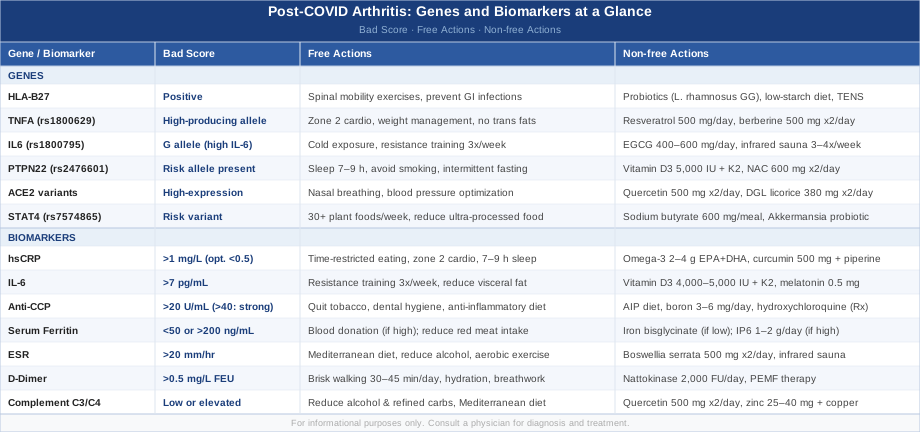
Summary Table: Genes and Biomarkers at a Glance
The Book That May Change Your Approach: "Outlive" by Peter Attia
Outlive: The Science and Art of Longevity by Peter Attia (2023) is not specifically about post-COVID arthritis, but it contains the most actionable, study-dense framework for using biomarkers and personalized medicine to reverse chronic inflammatory conditions — and it directly challenges the "wait and see" mentality that leaves many post-COVID patients without answers for months or years.
1. The Four Horsemen Framework Applied to Inflammation
Attia argues that chronic inflammation is the root driver of all four major causes of premature death and disability. Post-COVID arthritis is a window into a systemic inflammatory state — treating only the joints while ignoring the systemic picture is treating symptoms, not causes.2. Rethinking "Normal" Lab Ranges
Standard lab reference ranges are derived from population averages, which include metabolically unhealthy individuals. Attia advocates for optimal ranges, not merely non-pathological ranges. For hsCRP, his target is below 0.5 mg/L. For ferritin, he targets 75–150 ng/mL. Many post-COVID patients are told their labs are "normal" when they are actually in ranges that Attia and colleagues consider pathological.3. Zone 2 Cardio as Anti-Inflammatory Medicine
Attia dedicates substantial attention to zone 2 training (60–70% max heart rate, conversational pace) as the most evidence-supported tool for reducing systemic inflammation, improving mitochondrial function, and lowering resting cytokine levels. For post-COVID patients, starting at 20 minutes three times per week and building to 45 minutes four to five times per week over 12 weeks is his recommended progression.4. Sleep Is the Highest-Leverage Anti-Inflammatory Intervention
Poor sleep raises IL-6, TNF-alpha, and CRP measurably within 72 hours. Attia's protocol for sleep optimization includes keeping room temperature at 67–68°F (19–20°C), complete darkness, consistent wake time (more important than bedtime), and minimizing alcohol. This is not optional — it is foundational to any biomarker improvement strategy.5. The Omega-3 to Omega-6 Ratio Matters More Than Total Intake
Attia emphasizes that the modern Western diet provides an omega-6:omega-3 ratio of approximately 20:1, when the ancestral ratio was closer to 4:1. This imbalance drives arachidonic acid pathway inflammation chronically. Correcting this through eliminating seed oils (sunflower, canola, soybean) and supplementing with high-dose EPA+DHA (2–4 g daily) is central to his anti-inflammatory protocol.6. Continuous Glucose Monitoring Reveals Hidden Inflammatory Drivers
Attia recommends wearing a CGM for at least 4 weeks to identify glycemic variability. Post-meal glucose spikes above 140 mg/dL activate NF-κB, stimulate TNF-alpha and IL-6 production, and glycate proteins — all of which worsen joint inflammation. Identifying and eliminating specific foods that cause personal glucose spikes can produce rapid reductions in inflammatory biomarkers.7. Visceral Adipose Tissue: The Silent Cytokine Factory
Visceral fat — measured most accurately by DEXA or MRI — is metabolically active tissue that continuously secretes IL-6, TNF-alpha, and resistin. Attia argues that DEXA scanning should be standard in any serious health evaluation. Reducing visceral fat by 10–15% can produce more significant reductions in inflammatory biomarkers than most supplements.8. Strength Training Preserves Immune Architecture
Muscle tissue is not just structural — it acts as an endocrine organ secreting myokines that have profound anti-inflammatory effects. IL-15, irisin, and brain-derived neurotrophic factor (BDNF) — all secreted during resistance training — counter the effects of the cytokines driving post-COVID joint damage. Attia's minimum: two strength sessions per week targeting all major muscle groups.9. The ApoB Connection
ApoB (apolipoprotein B) is Attia's preferred cardiovascular marker, but its relevance to post-COVID arthritis lies in the vascular dimension of long COVID — endothelial dysfunction, microclot formation, and impaired tissue oxygen delivery all worsen with elevated ApoB. Tracking ApoB alongside D-dimer provides a more complete picture of the vascular component of joint pathology.10. Early Testing Is Non-Negotiable
Attia's most paradigm-challenging argument is that waiting for symptoms to become severe before ordering advanced testing is backwards. Post-COVID patients who measure their biomarkers at six weeks, three months, and six months post-infection have a dramatically greater ability to intervene early — before autoimmune processes become entrenched, before joint damage accumulates, and before the window for disease modification narrows.Complementary Approaches With Human Evidence
Several evidence-informed modalities offer meaningful adjunct benefit for post-COVID arthritis when layered onto the biomarker-guided protocol above.
Yoga for Post-COVID Joint Mobility and Inflammation
Yoga combines gentle joint mobilization, breath regulation, and nervous system downregulation — three mechanisms directly relevant to post-COVID arthritis. Joint stiffness from synovial inflammation is improved by consistent range-of-motion work, while the parasympathetic activation from breath-focused yoga reduces cortisol and downstream cytokine production. For post-COVID patients, yoga also addresses the fatigue and dysautonomia that often accompany joint symptoms.
A 2015 randomized controlled trial published in the Journal of Rheumatology found that 8 weeks of yoga produced significant reductions in disease activity, pain, and inflammatory markers compared to usual care in rheumatoid arthritis patients. The protocol used 3 sessions per week of 60 minutes combining postures, breath work, and relaxation.
For post-COVID arthritis specifically, begin with restorative or gentle yoga rather than vigorous vinyasa, as overexertion in the early post-COVID period can trigger post-exertional malaise. Start with two 30-minute sessions per week and build slowly over 8–10 weeks. Yin yoga (long-held passive stretches targeting connective tissue) is particularly effective for joint capsule mobility. Avoid inversions and loaded weight-bearing postures during active flares.
Mindfulness Meditation and MBSR for Pain and Immune Dysregulation
Mindfulness-Based Stress Reduction (MBSR) is an 8-week structured program developed by Jon Kabat-Zinn that combines body scan, sitting meditation, and mindful movement. Its relevance to post-COVID arthritis is both direct and indirect: it reduces pain catastrophizing (which amplifies perceived pain intensity), lowers cortisol (which drives inflammatory cytokine production), and has been shown to reduce NF-κB activity — the master inflammatory switch.
A randomized controlled trial published in Brain, Behavior, and Immunity demonstrated that MBSR participants showed reduced NF-κB activity and lower pro-inflammatory gene expression compared to controls. Subsequent meta-analyses have confirmed that mind-body practices reduce CRP and IL-6 in chronic inflammatory populations.
The practical protocol: the formal MBSR program is 8 weeks long (one group session per week plus daily home practice of 40–45 minutes). For those who cannot access formal MBSR, apps such as Waking Up, Ten Percent Happier, or Headspace offer structured progressions. Begin with 10 minutes daily, building to 20–30 minutes. Body scan practice is particularly useful for post-COVID patients to develop non-reactive awareness of joint sensations without amplifying pain signaling. Consistency over intensity is the key variable in the evidence.
The Autoimmune Protocol (AIP) Diet — Sarah Ballantyne
The Autoimmune Protocol is a phased dietary framework developed by Dr. Sarah Ballantyne (PhD, immunologist) that eliminates foods hypothesized to drive gut barrier dysfunction, molecular mimicry, and systemic autoimmunity, then systematically reintroduces them to identify individual triggers. It is the most rigorously developed dietary approach for autoimmune arthritis and is directly relevant to post-COVID arthritis given its autoimmune pathophysiology overlap.
A pilot study published in Inflammatory Bowel Diseases demonstrated that the AIP diet produced significant reductions in inflammatory markers and clinical disease activity in patients with inflammatory bowel disease — an autoimmune condition sharing immune mechanisms with post-COVID arthritis. For RA and related conditions, case series and practitioner-reported outcomes suggest meaningful benefit, though large RCTs remain pending.
The elimination phase lasts 30–90 days and removes grains, legumes, dairy, eggs, nightshades, nuts, seeds, refined oils, alcohol, NSAIDs, and food additives. The reintroduction phase then identifies specific personal triggers. For post-COVID arthritis patients, the most common inflammatory triggers identified on reintroduction are: nightshades (tomatoes, peppers, eggplant), dairy, gluten-containing grains, and eggs. Work with a nutritionist familiar with AIP for the reintroduction protocol; doing it unsupported makes it difficult to isolate triggers. Ballantyne's book The Paleo Approach is the foundational reference.
Low-Level Laser Therapy (LLLT) / Photobiomodulation for Joint Inflammation
Low-level laser therapy uses specific wavelengths of red and near-infrared light (typically 630–980 nm) to penetrate tissue and stimulate mitochondrial function, reduce local inflammation, and promote tissue repair. In post-COVID arthritis, LLLT addresses both the joint-level inflammation and the systemic mitochondrial dysfunction that many long COVID patients experience. It is non-invasive, drug-free, and increasingly accessible through at-home devices.
A Cochrane systematic review of LLLT in rheumatoid arthritis found consistent evidence for short-term reduction in pain and morning stiffness, with a favorable safety profile. The effect is localized to treated joints, which makes it complementary — rather than a replacement for — systemic interventions. The protocols used 3–5 sessions per week for 4–6 weeks.
Home devices capable of therapeutic output are now commercially available at $200–$800 (Joovv, Mito Red, and Theralight are common brands). For joint applications, position the device 6–12 inches from the affected joint and treat for 10–20 minutes per area. Use wavelengths of 660 nm (red, for superficial joints) and 830–850 nm (near-infrared, for deeper penetration in knees, hips). Effects are cumulative — allow 3–4 weeks before evaluating response. Contraindicated over active malignancy sites or directly over the thyroid gland.
Microbiome-Directed Therapies for the Gut-Joint Axis
The gut-joint axis is increasingly recognized as a central mechanism in inflammatory arthritis. Dysbiosis — imbalance in gut microbiota composition — activates the immune system through multiple pathways including leaky gut, bacterial translocation, and molecular mimicry. SARS-CoV-2 infection directly disrupts gut microbiota for months, and this dysbiosis may perpetuate joint inflammation long after viral clearance. Microbiome-directed therapies aim to restore balance through targeted probiotics, prebiotics, and dietary strategies.
A 2017 review in Nature Reviews Rheumatology detailed the gut-joint axis mechanisms in rheumatoid arthritis and established the scientific basis for microbiome intervention as an adjunct to standard treatment. Post-COVID-specific research from the Human Gut Microbiome Initiative has further documented prolonged dysbiosis in long COVID patients.
Practical protocol: begin with a high-quality multi-strain probiotic (10+ billion CFU, including Lactobacillus acidophilus, L. rhamnosus GG, and Bifidobacterium species) taken daily for a minimum of 12 weeks. Add diverse prebiotic fiber (chicory root, inulin, green banana flour, asparagus) to feed beneficial species. Consider a GI microbiome test (Viome or uBiome equivalents) to identify specific deficiencies. Advanced options include fecal microbiota transplant (FMT) for refractory cases — this remains experimental for arthritis indications outside clinical trials but is an active area of investigation. A food-first approach (30+ different plant foods per week, fermented foods daily) is the foundation on which supplementation builds.
Conclusion
Post-COVID arthritis sits at the intersection of virology, immunology, and individual genetic predisposition — which is exactly why generic advice so rarely resolves it. Tracking the seven biomarkers outlined here gives you a real-time window into what is driving your symptoms. Understanding your genetic profile across the six variants discussed tells you where your immune system is structurally predisposed to go wrong. Together, these two layers of information move you from reactive to proactive.
The most important next step is not finding the perfect supplement — it is getting the baseline measurements. Book the blood panel, start with hsCRP and IL-6, add anti-CCP if not already done, and review the results with both your GP and, where possible, a rheumatologist familiar with post-COVID presentations. Better information, taken seriously and acted on systematically, is the clearest path forward available right now.
Musculoskeletal: Joint Conditions
Autoimmune: Inflammatory Conditions Connective Tissue Conditions
Infectious: Viral Infections