This article contains AI generated content.
· UpdatedPost-Streptococcal Reactive Arthritis - 5 Genes And 6 Biomarkers To Track
Introduction
Post-streptococcal reactive arthritis catches most people completely off guard. You had a strep throat — you took the antibiotics, you felt better — and then weeks later your joints started swelling. The infection was treated, the bacteria were gone, and yet here you are with arthritis that no one seems to have a clear answer for. It is a disorienting experience, and the explanations from medical professionals often stop at "your immune system overreacted" without saying much about why it happened, how long it might last, or what you can actually do about it beyond NSAIDs and watchful waiting.
What makes post-streptococcal reactive arthritis (PSRA) particularly difficult to manage is that the standard playbook rarely matches individual reality. Two people with the same strep throat, the same timing, and the same initial symptoms can have dramatically different outcomes. One resolves within six weeks; the other struggles with recurring joint inflammation for a year or more. Generic protocols do not explain that divergence, and they certainly do not help you understand whether your body is at risk of a prolonged course.
That divergence is not random. It is shaped by specific gene variants that influence how intensely your immune system responds to streptococcal antigens, and by measurable biomarkers that reveal whether that immune response is cooling down or persisting beneath the surface. Tracking those markers — and understanding what drives them — is a meaningfully different approach than adjusting medications based on symptoms alone.
This article breaks that approach into actionable parts. The first section covers six biomarkers, starting with the diagnostic anchors and moving to the markers that track disease activity and individual risk over time, with practical plans for when any of them are off. The second section maps five gene variants that shape individual susceptibility to PSRA, with concrete strategies for each. Beyond the lab data, you will find a summary of the most practically useful inflammation framework from precision medicine, evidence-based complementary approaches, and a dietary reset specifically designed for immune hyperreactivity. Better information does not guarantee recovery, but it makes it measurably more likely.
Summary
This article covers six key biomarkers for post-streptococcal reactive arthritis — from ASO titers and Anti-DNase B (the diagnostic cornerstones) to hsCRP, ESR, HLA-B27, and complement C3/C4 — each with cost ranges, optimal targets, and specific action plans with and without supplements. It then maps five genetic variants (HLA-B27, HLA-DRB1, TNF-alpha -308G>A, IL-1RA VNTR, and TLR2/TLR4) that determine why some people recover in weeks while others do not resolve for months, with practical protocols for each. Beyond the lab work, you will find 10 inflammation insights from Peter Attia's precision medicine framework that challenge how conventional medicine interprets these numbers, an autoimmune dietary protocol from Sarah Ballantyne with strong mechanistic backing, and evidence-based complementary modalities including photobiomodulation, microbiome therapy, mindfulness-based stress reduction, and yoga. The goal is a map, not a miracle: better data leads to better decisions — and that is the only reliable path through chronic post-infectious inflammation.
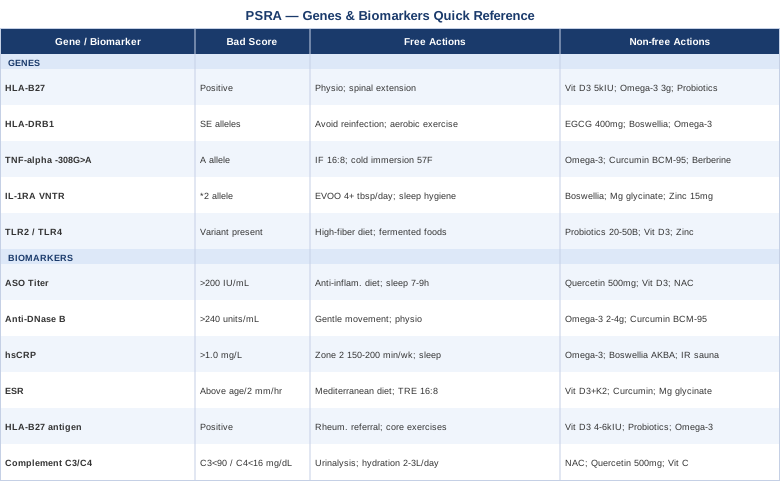
6 Biomarkers That Actually Tell You What Is Happening
Most people diagnosed with PSRA get a CRP and ESR at the initial visit, maybe a throat culture, and little else. That is enough to confirm inflammation exists but not enough to understand where the immune response stands, how active it currently remains, or whether it is likely to resolve soon or persist. The six biomarkers below form a more complete diagnostic and monitoring panel — from confirming the streptococcal trigger to tracking real-time inflammatory activity and assessing genetic risk for a prolonged course.
Biomarker 1: Anti-Streptolysin O (ASO) Titer
Why it matters. The ASO titer is the cornerstone confirmation test for recent Group A Streptococcal (GAS) infection. It measures the antibodies your immune system produced against streptolysin O, a pore-forming toxin secreted by the bacteria. In PSRA, a significantly elevated ASO titer confirms that strep was the triggering event and distinguishes PSRA from other reactive arthritides triggered by gastrointestinal or genitourinary pathogens. It also provides a rough indication of how intense the initial antibody response was — an important context for predicting the inflammatory trajectory.
What it reveals. A high ASO tells you the body mounted a strong humoral response to streptococcal antigens. In some individuals this response is self-limiting; in others, cross-reactive immune activity — where antibodies directed at strep antigens inadvertently target joint tissue through molecular mimicry — continues even after the bacteria are gone. An ASO that remains persistently elevated three to six months after initial infection may indicate ongoing immune activation rather than simple post-infection noise. The titer typically peaks at three to six weeks post-infection and begins normalizing by six to twelve months.
How to Measure It
ASO is a standard blood test performed by immunoturbidimetry or nephelometry at most clinical laboratories. Cost: $20–$60. The normal reference range is typically below 200 IU/mL for adults; pediatric ranges are higher. Some labs still use the older Todd unit system where normal is below 240 units. The key is not the absolute value in isolation but whether it is elevated relative to the age-specific normal range and whether it is trending downward on serial measurements over three to six months.
If the Score Is Bad: Plan Without Supplements
Confirm with your physician that the original strep infection was fully treated and that antibiotic adherence was complete. If antibiotics were taken, verify whether a follow-up throat culture was done. Eliminate recurring strep exposures: test household contacts for carriage if your ASO remains persistently elevated. Adopt a consistent anti-inflammatory dietary pattern — Mediterranean-style eating has measurable effects on the background inflammatory drive that maintains aberrant immune responses. Prioritize restorative sleep (7–9 hours nightly with consistent timing). Avoid intense physical training during active flares, as heavy exertion elevates IL-6 and can sustain rather than reduce systemic inflammatory signaling.
If the Score Is Bad: Plan With Supplements or Equipment
Quercetin at 500 mg twice daily with meals has demonstrated inhibition of mast cell activation and modulation of IgE-mediated immune responses in multiple in vitro and human trials. Cycle 8 weeks on, 2 weeks off; generally well-tolerated, though caution is warranted if you take quinolone antibiotics simultaneously. Vitamin D3 at 2,000–5,000 IU daily paired with vitamin K2-MK7 at 100 mcg modulates adaptive immune responses and has shown reduction of inappropriate antibody activity in autoimmune conditions. Test serum 25-OH-D and target 50–70 ng/mL. NAC (N-acetylcysteine) at 600–1,200 mg daily supports glutathione production and suppresses NF-κB-driven immune amplification. Generally well-tolerated; avoid in individuals with active bleeding disorders or those taking nitroglycerin.
Biomarker 2: Anti-DNase B (ADB)
Why it matters. Anti-DNase B is consistently overlooked in PSRA workups, but it is more sensitive than ASO in a significant proportion of cases — particularly when the strep infection involved the skin rather than the throat, or when the ASO titer has already begun to decline by the time arthritis symptoms appear. Using both ASO and Anti-DNase B together raises the diagnostic sensitivity for recent GAS infection well above 90%, compared to roughly 80% for ASO alone.
What it reveals. Anti-DNase B measures antibodies against DNase B, an enzyme produced by streptococcal bacteria during active infection. Its key clinical advantage is persistence: Anti-DNase B remains detectably elevated for six to nine months after infection, significantly longer than ASO's typical three-to-six-month window. This makes it particularly valuable for detecting PSRA that presents weeks after the initial infection when ASO may have already normalized. A normal ASO with an elevated ADB in someone with joint symptoms is a meaningful clinical signal that should not be dismissed.
How to Measure It
The enzyme inhibition assay for Anti-DNase B is available at most reference laboratories, though not all general practice labs run it routinely — request it specifically alongside ASO. Cost: $25–$80. Normal ranges vary by age: for adults, below 200–240 units/mL; children's ranges are higher. As with ASO, the trend over serial measurements matters more than any single value.
If the Score Is Bad: Plan Without Supplements
Because ADB stays elevated longer, a single high reading without joint symptoms or disease activity does not require urgent intervention — the three-to-six-month trend is more informative. Where elevated ADB accompanies active joint inflammation, the same foundational approach applies: confirmed strep clearance, minimized reexposure, anti-inflammatory diet, and quality sleep. Gentle joint loading — swimming, walking, cycling — maintains mobility and supports lymphatic drainage without aggravating synovitis during recovery. Physical therapy with a practitioner experienced in inflammatory arthritis significantly improves functional outcomes even when inflammatory markers remain elevated.
If the Score Is Bad: Plan With Supplements or Equipment
Omega-3 fatty acids (EPA + DHA combined at 2–4 g/day in triglyceride form) are among the most robustly supported anti-inflammatory nutritional interventions in joint disease. Multiple meta-analyses in inflammatory arthritis have found significant reductions in joint tenderness scores and inflammatory markers with therapeutic omega-3 dosing. No cycling required; take with the largest meal of the day. At doses above 3 g/day, mild blood-thinning effects may occur — discuss with your physician before use if you are on anticoagulants. Curcumin in BCM-95 form at 500–1,000 mg daily modulates NF-κB and leukotriene B4 production, both of which drive the persistent synovitis phase of PSRA. Cycle 6 weeks on, 1 week off; take with food to reduce gastric irritation.
Biomarker 3: High-Sensitivity CRP (hsCRP)
Why it matters. While standard CRP is commonly ordered, high-sensitivity CRP offers a far more granular picture of systemic inflammation, especially at lower levels that standard assays cannot accurately detect. In PSRA, hsCRP is the most practical real-time tracker of active inflammatory disease. Critically, the conventional "normal" threshold of below 10 mg/L was designed to detect acute illness in emergency settings — not to optimize inflammatory health or manage chronic post-infectious conditions. For someone monitoring PSRA over weeks and months, even CRP persistently at 3–5 mg/L represents meaningfully elevated chronic inflammation that should prompt action, not reassurance.
What it reveals. CRP is produced by the liver in direct response to circulating IL-6, rising within hours of an inflammatory stimulus and falling relatively quickly when inflammation resolves. This makes it the best near-real-time gauge of current disease activity available in standard blood panels. In PSRA, a persistently elevated hsCRP weeks after strep clearance confirms ongoing immune-driven joint inflammation rather than residual post-infectious fatigue or mechanical symptoms.
How to Measure It
High-sensitivity immunoassay from a routine blood draw; most laboratory panels include it — request the high-sensitivity version specifically. Cost: $10–$50. Optimal monitoring target: below 1.0 mg/L. Below 0.5 mg/L is ideal for long-term inflammatory health. Values above 3 mg/L during quiescent periods indicate persistent unresolved inflammation. Collect the sample fasting for best consistency; vigorous exercise in the 24 hours before testing can transiently elevate CRP independently of disease activity.
If the Score Is Bad: Plan Without Supplements
Zone 2 aerobic exercise — steady-state effort where you can comfortably hold a conversation, roughly 60–70% of maximum heart rate — performed for 150–200 minutes per week has the strongest anti-inflammatory effect among all lifestyle interventions. It reduces IL-6 output from visceral adipose tissue, the main peripheral driver of elevated CRP. Prioritize sleep quality above nearly everything else: even a single night of poor sleep raises CRP and IL-6 measurably within 48 hours. Eliminate or sharply reduce ultra-processed foods, refined carbohydrates, and industrial seed oils — each of these consistently elevates baseline CRP through distinct mechanisms. A 12-week Mediterranean diet intervention has shown CRP reductions of 30–40% in inflammatory arthritis patients in multiple controlled trials.
If the Score Is Bad: Plan With Supplements or Equipment
Omega-3s at therapeutic doses (as described above) are the first-line nutritional intervention. Boswellia serrata standardized to 30% AKBA at 100–200 mg/day has demonstrated CRP-reducing and anti-leukotriene effects in joint inflammation trials, with effects comparable to NSAIDs in some head-to-head studies. Cycle 8 weeks on, 2 weeks off; mild GI discomfort is possible, especially without food. Infrared sauna at 20–30 minutes per session, three to four times per week, improves vascular tone and has shown measurable TNF-alpha reduction in several controlled studies. Home units range from $300–$2,000; many urban gyms and wellness centers offer per-session access at $15–$40.
Biomarker 4: ESR (Erythrocyte Sedimentation Rate)
Why it matters. ESR and CRP are routinely ordered together, but they measure fundamentally different aspects of inflammation. Where hsCRP reflects acute, current inflammatory activity, ESR is a slower, more sustained signal — it rises and falls over days to weeks rather than hours. This makes it less sensitive for detecting acute flares but genuinely valuable for confirming sustained low-grade inflammatory activity in a condition like PSRA, where smoldering joint inflammation can persist long after the acute presentation resolves. Discordance between a persistently high ESR and a low CRP also serves as a useful clinical flag, suggesting alternative explanations like fibromyalgia, hypothyroidism, or anemia.
What it reveals. ESR measures how quickly red blood cells fall through plasma in a vertical tube. Elevated inflammatory proteins — particularly fibrinogen — cause faster sedimentation by promoting red cell aggregation. In PSRA, a persistently elevated ESR combined with elevated hsCRP confirms that the inflammatory process has not genuinely resolved, even when symptoms seem to have improved. A normalized ESR after treatment is a more reliable indicator of genuine disease remission than symptom reduction alone.
How to Measure It
Westergren method; standard blood test available at all clinical labs. Cost: $5–$20. Age-adjusted interpretation is important: a practical rule is age divided by 2 for men and (age + 10) divided by 2 for women, in mm/hr. For a 40-year-old woman, the upper normal by this formula is approximately 25 mm/hr. Consistent values above these thresholds without active infection suggest ongoing inflammatory disease activity worth addressing.
If the Score Is Bad: Plan Without Supplements
Sustained aerobic exercise, Mediterranean dietary pattern, and sleep optimization are first-line interventions, as with hsCRP. One underused intervention for ESR specifically: time-restricted eating (16:8 pattern — eating within an 8-hour window, fasting overnight) has shown measurable reduction in fibrinogen and other acute-phase proteins in multiple human trials. This does not require caloric restriction, only timing — a common starting point is eating between 10 am and 6 pm. ESR also responds well to stress reduction, as chronic sympathetic nervous system activation maintains elevated acute-phase protein production through cortisol-driven liver synthesis.
If the Score Is Bad: Plan With Supplements or Equipment
Vitamin D3 + K2 (as above), curcumin BCM-95 at 500 mg twice daily, and magnesium glycinate at 200–400 mg taken at night form a practical foundational stack for persistently elevated ESR. Magnesium deficiency is common in the general population and specifically amplifies inflammatory cytokine production through NLRP3 inflammasome activation. No cycling is required for magnesium at standard doses; evening dosing also improves sleep quality through its effect on GABA receptors. Cold water immersion at 57–60°F for 3–10 minutes, three to four times per week, has shown measurable anti-inflammatory and stress-regulatory effects in controlled human trials and represents an accessible, free-to-low-cost intervention that complements the supplement protocol.
Biomarker 5: HLA-B27 Antigen
Why it matters. HLA-B27 occupies a unique position in PSRA workup: it is simultaneously a genetic variant and a clinically actionable biomarker, and it is among the most important pieces of information for predicting the long-term disease course. Approximately 8% of the general Caucasian population carries the HLA-B27 allele, but it is present in 30–50% of PSRA patients who develop axial joint involvement or who progress toward ankylosing spondylitis. Its presence does not cause disease on its own, but in someone who already has reactive arthritis, a positive HLA-B27 result substantially shifts both risk and clinical management priorities.
What it reveals. HLA-B27 encodes a cell surface protein that presents peptide fragments to cytotoxic T-cells. One leading mechanistic theory is that HLA-B27 presents fragments of streptococcal proteins in configurations that cross-react with self-peptides in joint and spinal tissue, triggering an autoimmune-like T-cell response. Practically, a positive HLA-B27 in a PSRA patient warrants closer monitoring for sacroiliac joint involvement, anterior uveitis, and progression toward spondyloarthropathy — none of which are inevitable, but all of which are significantly more likely in this genetic context. MedlinePlus provides a useful clinical overview of HLA-B27 testing that is worth reviewing before discussing results with your physician.
How to Measure It
Flow cytometry or molecular typing from a peripheral blood sample. Cost: $100–$250. This is a one-time test — your HLA type is genetically fixed and does not change with treatment or disease course. A positive result is not a diagnosis; it is a risk modifier. Approximately 80% of HLA-B27 carriers never develop any spondyloarthropathy. Its value in PSRA is for prognosis and monitoring intensity, not diagnosis of the acute condition.
If the Score Is Bad: Plan Without Supplements
Request rheumatology follow-up rather than managing PSRA solely with a general practitioner when HLA-B27 is positive — the monitoring protocol changes substantially. Regular assessment for sacroiliac joint involvement (intermittent buttock pain, morning stiffness exceeding 45 minutes) and periodic eye health review for anterior uveitis risk should be built into your care plan. Core strengthening and spinal extension exercises — McKenzie protocol, supervised physiotherapy emphasizing extension-biased movement — are particularly important in HLA-B27-positive individuals to maintain spinal mobility and counter the axial fusion risk. Maintaining a healthy body composition reduces visceral fat-driven TNF-alpha output, which is additive to HLA-B27-related immune hyperreactivity.
If the Score Is Bad: Plan With Supplements or Equipment
Vitamin D3 at therapeutic dosing (targeting 60–80 ng/mL via serum 25-OH-D, typically requiring 4,000–6,000 IU/day with K2-MK7 at 100 mcg) specifically suppresses Th17 cell differentiation — the immune pathway most implicated in HLA-B27-driven spondyloarthropathy. Multi-strain probiotics targeting gut microbiome diversity (formulas including Lactobacillus rhamnosus GG and Bifidobacterium longum at 20–50 billion CFU/day) address the increasingly well-characterized gut-immune axis in HLA-B27-related joint disease. Cycle 3 months on, 1 month off. Omega-3s at 3–4 g EPA+DHA/day provide downstream suppression of TNF-alpha and IL-17, both critically elevated in HLA-B27-positive inflammatory disease. Side effects at higher doses: mild blood-thinning effect — relevant to note before surgery.
Biomarker 6: Complement C3 and C4
Why it matters. Complement testing is rarely included in standard PSRA workups, yet it provides information that neither CRP nor ESR can offer. First, it helps distinguish between typical reactive arthritis and more serious post-streptococcal complications — particularly immune complex-mediated nephritis, which can develop silently alongside joint disease and cause permanent kidney damage if not identified. Second, complement levels reflect the severity of immune complex activity in general, with low values indicating active complement consumption that correlates with more aggressive disease.
What it reveals. C3 and C4 are serum proteins in the complement cascade that get consumed during immune complex formation and deposition. In active immune complex disease, they are produced more slowly than they are used, causing serum levels to fall. Normal complement levels with elevated ASO and joint symptoms fits the typical PSRA pattern. Significantly depressed C3 and C4 in the same clinical context raises the possibility of post-streptococcal glomerulonephritis or a systemic lupus-like process that requires different investigation and management.
How to Measure It
Nephelometry from a blood sample; available at all major reference laboratories. Cost: $50–$150 for C3 and C4 together. Normal reference ranges: C3: 90–180 mg/dL; C4: 16–47 mg/dL. Values below the lower normal in the context of active post-streptococcal symptoms should prompt nephrology or rheumatology consultation and urinalysis with microscopy to assess kidney involvement.
If the Score Is Bad: Plan Without Supplements
Low complement in active PSRA warrants urinalysis with microscopy to screen for hematuria, proteinuria, or casts that would indicate glomerulonephritis. If kidney involvement is confirmed, this becomes a medical priority that changes the management hierarchy entirely. For mildly depressed complement without kidney involvement, anti-inflammatory dietary measures (high omega-3, low refined carbohydrate, abundant antioxidant-rich vegetables) reduce immune complex formation and the oxidative burden on complement proteins. Ensure adequate hydration (2–3 liters of water daily) and avoid high-dose NSAIDs if kidney function is even borderline impaired, as they reduce renal prostaglandin-mediated blood flow.
If the Score Is Bad: Plan With Supplements or Equipment
NAC at 600–1,200 mg/day supports systemic antioxidant status through glutathione synthesis and reduces oxidative tissue damage from complement-mediated activity. Quercetin at 500 mg twice daily has complement-modulating and immune complex-inhibiting effects documented in several preclinical models. Vitamin C at 500–1,000 mg twice daily supports complement protein synthesis (C1q in particular is vitamin C-dependent) and reduces the oxidative burden from immune complex deposits. All three are well-tolerated at these doses with no required cycling. Monitor serum creatinine and urinalysis every 4–6 weeks until complement levels normalize.
The biomarkers above tell you precisely where the inflammation stands today. But the gene variants in the next section explain why your immune system is wired to respond the way it does — and why some individuals with PSRA need more targeted intervention than others.
The Genes That Explain Why Some People Stay Sick
Understanding the genetic architecture behind PSRA does not require a DNA test done today. But knowing which variants are associated with more intense reactions, longer disease courses, and differential responses to specific interventions gives you a meaningful edge when designing a recovery strategy and working with your medical team. The five variants below are the ones with the strongest clinical relevance to PSRA specifically.
Gene 1: HLA-B27
What it affects. HLA-B27 is a major histocompatibility complex class I gene on chromosome 6 encoding a cell surface protein that presents peptide antigens to CD8+ cytotoxic T-cells. In streptococcal infection, certain HLA-B27 subtypes present bacterial peptides in configurations that cross-react with self-peptides expressed in synovial and spinal tissue — the molecular mimicry mechanism. This triggers CD8+ T-cell–mediated attack on joint tissue that can persist long after the bacteria have been cleared, simply because the immune system keeps recognizing the same epitopes in self-tissue.
Beyond joint risk, HLA-B27 carriers have a substantially elevated risk of anterior uveitis (eye inflammation presenting as acute red eye with photophobia) and, with repeated reactive arthritis episodes, a clinically meaningful risk of ankylosing spondylitis. As noted in the biomarker section, about 8% of Caucasian populations carry HLA-B27, but in PSRA patients with spinal symptoms, that prevalence rises dramatically. It does not determine destiny — most carriers live entirely without spondyloarthropathy — but it reframes how vigilantly PSRA should be monitored and treated.
If the Gene Is Bad: Plan Without Supplements
Early physiotherapy specifically targeting spinal mobility, sacroiliac joint health, and thoracic extension is the most important structural intervention. McKenzie extension protocol practiced daily, yoga-based spinal extension sequences, and supervised hydrotherapy all maintain the range of motion that prevents the axial stiffness that is the earliest sign of ankylosing spondylitis progression. Plan for three or more supervised sessions per week during active disease, transitioning to maintenance exercise independently. Annual ophthalmology screening is worth adding proactively. Maintain body weight in the lean-normal range — visceral fat-driven inflammatory amplification is additive to the HLA-B27 risk.
If the Gene Is Bad: Plan With Supplements or Equipment
Vitamin D3 at 5,000 IU/day targeting serum 25-OH-D of 60–80 ng/mL suppresses Th17 cell differentiation through VDR-mediated gene regulation. Th17 cells are the dominant immune effectors in HLA-B27-driven spondyloarthropathy. Omega-3s (3–4 g EPA+DHA/day in triglyceride form) reduce downstream TNF-alpha and IL-17 output with consistent evidence across multiple inflammatory arthritis trials. Multi-strain probiotics at 20–50 billion CFU/day address the gut-immune axis component of spondyloarthropathy — intestinal dysbiosis and gut wall permeability are increasingly recognized cofactors in HLA-B27-related disease. Probiotics: cycle 3 months on, 1 month off. D3 and omega-3s are continuous. Side effects at high omega-3 doses: mild platelet effects — relevant before surgery or if on anticoagulants.
Gene 2: HLA-DRB1 (Shared Epitope Alleles)
What it affects. HLA-DRB1 is an MHC class II gene governing the adaptive immune response by presenting peptide antigens to CD4+ helper T-cells. Certain alleles — particularly those encoding the shared epitope, a conserved amino acid sequence in the DRβ1 chain found in DRB1*01, *04, and *10 subtypes — are associated with heightened antibody production in response to streptococcal infection and an increased likelihood of developing persistent reactive arthritis. The mechanism involves more vigorous activation of Th1 and Th17 helper T-cell programs following antigen presentation of strep-derived peptides.
In PSRA specifically, the evidence for HLA-DRB1 is less definitive than for HLA-B27 and is largely extrapolated from its well-established role in rheumatoid arthritis, where shared epitope alleles significantly amplify the autoimmune response. Clinically, it may explain why a subset of PSRA patients develop erosive or persistent joint disease beyond the typical reactive arthritis time course. Early studies in related post-infectious arthritides have found shared epitope alleles overrepresented in patients with chronic disease activity.
If the Gene Is Bad: Plan Without Supplements
Minimize recurrent streptococcal exposures through practical household hygiene, early testing and treatment of strep throat in household contacts, and discussing annual prophylactic antibiotic protocols with your physician if you experience multiple PSRA flares per year. Anti-inflammatory dietary patterns reduce the background adaptive immune activation level that shared epitope alleles amplify. Regular low-intensity aerobic activity during remission (daily walking, swimming, cycling) maintains joint health and reduces visceral fat-driven immune activation without triggering inflammatory flares.
If the Gene Is Bad: Plan With Supplements or Equipment
Green tea extract (EGCG) at 400–600 mg/day has demonstrated inhibition of antigen-presenting cell activation and reduction in CD4+ T-cell hyperresponsiveness in in vitro studies and early human trials. Cycle 8 weeks on, 2 weeks off; take with food to avoid gastric irritation; caution with hepatic enzyme elevation at very high doses — use standardized extracts and stay within evidence-supported dosing ranges. Boswellia AKBA at 100–200 mg/day of a 30%-standardized extract reduces Th1 cytokine production and 5-lipoxygenase activity with a good human evidence base in inflammatory joint conditions. Omega-3s at 2–3 g/day reduce Th1 and Th17 downstream cytokine output and complement the dietary anti-inflammatory foundation.
Gene 3: TNF-Alpha (TNFA -308G>A Polymorphism)
What it affects. Tumor necrosis factor-alpha sits at the center of inflammatory arthritis. The TNFA gene contains a well-characterized polymorphism at position -308 in the gene's promoter region: individuals carrying the A allele — either the GA (heterozygous) or AA (homozygous) genotype — produce two to three times more TNF-alpha in response to an immune stimulus compared to GG homozygotes. In streptococcal infection, this translates to a more intense initial cytokine storm and — critically — a more persistent one.
Research in reactive arthritis and spondyloarthropathy has consistently found the -308A allele overrepresented in patients with more severe and treatment-resistant disease. TNF-alpha directly drives synovial membrane proliferation and cartilage erosion — it is the molecular target of biologic medications (etanercept, adalimumab, infliximab) used in severe inflammatory arthritis. For someone with PSRA who carries the high-producing allele, the implication is practical: standard NSAID therapy may be insufficient for TNF suppression, and lifestyle and nutritional interventions targeting TNF should be prioritized early.
If the Gene Is Bad: Plan Without Supplements
Intermittent fasting (16:8 protocol) has been shown in multiple controlled human trials to measurably reduce circulating TNF-alpha within 12 weeks, even without caloric restriction. The mechanism involves reduction of visceral adipose tissue output of TNF and modulation of NF-κB signaling through adipokine normalization. Cold water immersion at 57–60°F for 3–10 minutes, three to four times per week, activates the autonomic nervous system in ways that reduce TNF-alpha output, likely through vagal anti-inflammatory pathway activation. Both are free-to-low-cost interventions with mechanistic grounding and meaningful human evidence.
If the Gene Is Bad: Plan With Supplements or Equipment
Omega-3s at 3–4 g EPA+DHA/day directly reduce TNF-alpha transcription through PPAR-gamma receptor activation — one of the most consistently supported anti-TNF nutritional mechanisms in the literature. Curcumin BCM-95 at 500–1,000 mg/day inhibits NF-κB, the transcription factor that drives TNF-alpha gene expression; cycle 6 weeks on, 1 week off, take with food. Berberine at 500 mg twice daily with meals has demonstrated TNF-alpha suppression in human trials for metabolic and inflammatory conditions; cycle 8 weeks on, 2 weeks off. GI adaptation (bloating, loose stools) is common in the first two weeks but typically resolves; avoid on an empty stomach.
Gene 4: IL-1 Receptor Antagonist (IL1RN) VNTR Polymorphism
What it affects. Interleukin-1 beta (IL-1β) is a potent pro-inflammatory cytokine that drives joint swelling, fever, and synovial tissue destruction in reactive arthritis. Its natural physiological counterbalance is the interleukin-1 receptor antagonist (IL-1RA), encoded by the IL1RN gene. A variable number tandem repeat (VNTR) polymorphism in intron 2 of IL1RN determines how much IL-1RA protein is produced. The IL-1RA*2 allele — two copies of an 86-base-pair repeat — is consistently associated with lower IL-1RA output relative to IL-1β activity, meaning the natural brake on the IL-1 inflammatory system operates at reduced capacity.
Studies on IL1RN polymorphisms in inflammatory joint diseases have found IL-1RA*2 carriers to have more active synovitis, higher CRP levels, and slower spontaneous resolution of disease activity. In practical terms: if your body makes less IL-1RA, your IL-1β-driven joint inflammation runs hotter and longer. This allele may be one of the clearest explanations for why some PSRA cases simply do not follow the typical self-limiting course.
If the Gene Is Bad: Plan Without Supplements
Mediterranean diet with high-quality extra virgin olive oil at four or more tablespoons daily is worth treating as a primary intervention rather than a background recommendation. Oleocanthal, the phenolic compound responsible for the peppery sensation in fresh EVOO, inhibits both COX enzymes and IL-1β secretion through mechanisms that mirror low-dose ibuprofen — one well-cited study estimated that 50 mL of EVOO daily produces an anti-inflammatory effect comparable to approximately 10% of the recommended adult ibuprofen dose. For someone with a chronically under-regulated IL-1 axis, this is not a trivial effect. Sleep quality is non-optional: IL-1β and sleep deprivation form a reinforcing feedback loop where poor sleep elevates IL-1β and elevated IL-1β disrupts sleep architecture, particularly slow-wave sleep. Breaking this cycle through sleep hygiene and consistent circadian timing is a specific priority for IL1RN*2 carriers.
If the Gene Is Bad: Plan With Supplements or Equipment
Boswellia AKBA at 100–200 mg/day of 30%-standardized extract inhibits 5-lipoxygenase and has demonstrated downstream reduction in IL-1β activity in joint inflammation studies. Cycle 8 weeks on, 2 weeks off; take with food. Magnesium glycinate at 300–400 mg nightly reduces NLRP3 inflammasome activation — the cellular machinery that generates mature IL-1β — and simultaneously improves sleep quality. Zinc picolinate at 15–25 mg daily with food supports IL-1RA expression and has shown anti-inflammatory effects in controlled trials in inflammatory arthritis. For long-term use above 25 mg/day, add copper at 2 mg/day to prevent depletion; otherwise, cycle zinc 12 weeks on, 4 weeks off.
Gene 5: TLR2 and TLR4 Variants
What it affects. Toll-like receptors are the innate immune system's primary pathogen recognition sensors. TLR2 is the most relevant receptor for streptococcal infection because it directly recognizes peptidoglycan and lipoteichoic acid — the principal cell wall components of Group A Streptococcus. TLR4 modulates downstream signaling amplification and the inflammatory cytokine profile of the subsequent immune response. Variants in both genes — most notably TLR2 Arg753Gln and TLR4 Asp299Gly — alter either the sensitivity of pathogen recognition or the downstream NF-κB signaling intensity.
A TLR2 variant that reduces recognition efficiency may lead to incomplete initial strep clearance, prolonging the antigenic stimulus that drives immune activation. TLR4 variants that alter signaling can change the entire cytokine profile of the innate response, potentially shifting toward a more prolonged and cross-reactive pattern. Evidence for these specific variants in PSRA specifically remains largely extrapolated from related reactive arthritides and innate immune research, but the biological mechanism connecting them to persistent post-infectious inflammation is clearly established. NIAMS provides background on reactive arthritis pathophysiology that contextualizes the innate immune role in post-infectious arthritis.
If the Gene Is Bad: Plan Without Supplements
The gut microbiome is a primary modulator of TLR2 signaling. Commensal gut bacteria calibrate innate immune sensitivity — without microbial diversity, TLR2-driven responses become dysregulated and prone to overreaction. A dietary pattern supporting microbiome diversity (25–40 g/day of varied fiber sources including vegetables, legumes, and whole grains) directly improves TLR signaling calibration. Daily consumption of fermented foods (kefir, sauerkraut, kimchi, miso) has shown measurable improvements in microbiome diversity and TLR-driven inflammatory responses in human trials. Avoid unnecessary broad-spectrum antibiotic use outside of confirmed strep infections, as it depletes the commensal bacteria that regulate TLR sensitivity.
If the Gene Is Bad: Plan With Supplements or Equipment
Multi-strain probiotics at 20–50 billion CFU/day including Lactobacillus acidophilus, Bifidobacterium longum, and L. rhamnosus directly modulate TLR2 and TLR4 signaling in gut epithelium by strengthening barrier function and competing with pathogenic bacteria for mucosal adhesion sites. Cycle 3 months on, 1 month off. Vitamin D3 upregulates the expression of antimicrobial peptides (cathelicidin, beta-defensin) downstream of TLR2 activation, improving initial pathogen clearance and reducing the antigenic persistence that drives PSRA. Zinc at 15–25 mg/day with food is a required cofactor for multiple TLR-associated intracellular signaling proteins; deficiency consistently impairs innate immune calibration and is common in people with chronic inflammatory conditions.
With the biological picture — markers, genes, and actionable plans — in hand, the next layer is understanding how daily habits translate all of this into practice. The framework below draws directly from one of the most evidence-dense approaches to chronic inflammation management available.
10 Insights From Precision Medicine That Most Doctors Do Not Discuss With PSRA Patients
Peter Attia's Outlive: The Science and Art of Longevity (2023) does not address post-streptococcal reactive arthritis by name, but it offers one of the most actionable frameworks currently available for understanding, measuring, and managing the chronic inflammation that drives PSRA's persistence. What distinguishes Attia's approach is its direct challenge to passive "normal range" medicine — the clinical habit of declaring patients healthy when they fall within population-level reference intervals rather than within genuinely optimal ranges. For someone tracking PSRA biomarkers over months, this reframing changes how every result should be interpreted.
1. Standard Lab Ranges Were Designed for Disease Detection, Not Health Optimization
The CRP threshold of below 10 mg/L was calibrated for emergency medicine — to avoid over-investigating low-risk patients in acute settings. Attia targets below 0.5 mg/L for patients with any chronic inflammatory burden. The same logic applies to ESR, complement levels, and ferritin. A result that reads "within normal limits" on a lab printout can still represent meaningfully elevated chronic inflammation by any objective standard of health optimization. Do not accept normality as a target — target optimal.
2. Visceral Fat Is the Most Reversible Driver of Systemic Inflammation
IL-6, TNF-alpha, and CRP are all substantially driven by visceral adipose tissue — the metabolically active fat stored around the abdominal organs, not the subcutaneous fat visible under the skin. Visceral fat is not well-captured by BMI. A DEXA scan body composition measurement ($50–$150) or a waist-to-height ratio below 0.5 is a more accurate proxy for visceral fat-driven inflammatory load. Reducing visceral fat through Zone 2 exercise and dietary change directly reduces CRP and TNF-alpha — two of the six biomarkers tracked in this article.
3. Zone 2 Exercise Is the Most Effective Anti-Inflammatory Intervention Available
Attia is explicit about this across multiple podcasts and in Outlive: four sessions per week of 45–60 minutes of Zone 2 aerobic exercise (steady-state, 60–70% of max heart rate, conversational pace) reduces IL-6, CRP, and TNF-alpha more reliably and with broader systemic benefit than any supplement or pharmaceutical anti-inflammatory available. For PSRA patients, the key practical constraint is that this recommendation applies to remission periods and subacute phases — active flares with significantly swollen joints require modification, typically substituting low-impact activities like swimming or cycling.
4. Sleep Is a Non-Negotiable Physiological Intervention
A single night of short sleep (under 6 hours) raises measurable elevations in IL-6 and CRP within 48 hours — not after weeks of cumulative deprivation, but immediately. Attia frames sleep not as a lifestyle preference but as the foundational physiological intervention that makes all other anti-inflammatory strategies more effective. Consistent sleep timing (same bedtime and wake time regardless of weekend or schedule) matters as much as total duration for circadian-governed immune regulation.
5. Omega-3 Supplementation Requires Therapeutic Dosing
Most people take 1 g of fish oil from a grocery store bottle and observe no measurable effect — because no measurable effect is what the evidence predicts at that dose. The clinical trials showing anti-inflammatory benefit in inflammatory arthritis used 2–4 g EPA+DHA combined, in triglyceride form (not ethyl ester form, which has lower bioavailability). Attia consistently recommends checking the form and dosing carefully when evaluating omega-3 supplementation. This is the dose range that reliably shifts eicosanoid production patterns toward anti-inflammatory prostaglandins.
6. Glucose Variability Drives Inflammation Even Without Diabetes
Post-meal glucose excursions — spikes above 140 mg/dL one hour post-meal — trigger NF-κB activation and inflammatory cytokine release even in individuals with perfectly normal fasting glucose and HbA1c. Attia uses continuous glucose monitors (CGMs) with his patients to identify and eliminate these hidden inflammatory triggers. For PSRA patients managing persistent CRP elevation, a two-week CGM trial ($50–$90 for consumer-grade devices in many markets) can reveal surprising dietary drivers of inflammation that no blood panel would catch.
7. Strength Training Preserves the Metabolic Tissue That Dampens Inflammation
Skeletal muscle mass is the primary site of insulin-mediated glucose uptake and a significant buffer against visceral fat accumulation. Attia argues that resistance training two to three times per week — with progressive loading — is essential not just for joint protection and bone density in inflammatory arthritis patients, but for the whole-body metabolic environment that determines baseline inflammatory signaling. Muscle does not just protect joints; it actively suppresses the systemic conditions that allow chronic inflammation to persist.
8. ApoB Matters More Than LDL When Inflammation Is Present
Chronic inflammation dramatically accelerates atherosclerosis — it is why patients with rheumatoid arthritis, psoriatic arthritis, and ankylosing spondylitis have elevated cardiovascular mortality independent of traditional risk factors. PSRA patients, especially HLA-B27-positive individuals with prolonged disease, face similar elevated risk. Attia's preferred lipid marker is ApoB (apolipoprotein B), which counts atherogenic particle number directly and is a better predictor of cardiovascular events than LDL cholesterol in high-inflammation states. If you are managing PSRA long-term, add ApoB to your annual panel.
9. Alcohol Has No Safe Dose During Active Inflammation
Even moderate alcohol consumption — one to two drinks daily — measurably increases CRP, disrupts slow-wave sleep architecture, and activates NF-κB-driven inflammatory gene expression. Attia's clinical position is clear: for patients with any active inflammatory condition, there is no evidence-supported dose of alcohol that does not worsen the underlying biology. This is not a moral position; it is a pharmacological one based on alcohol's direct effects on the same pathways being measured and managed.
10. Proactive Testing Beats Reactive Treatment
The central message of Outlive — and its most applicable lesson for PSRA management — is that most of the damage done by chronic inflammatory disease occurs silently before symptoms drive clinical action. Regular biomarker monitoring on a quarterly basis during active disease and semi-annually during remission is the only way to catch persistent subclinical inflammation before it causes irreversible joint, cardiovascular, or renal damage. Do not wait for a flare. Track the numbers.
Tracking data and optimizing biology through lifestyle and supplements forms the evidence-based core of PSRA management. Certain complementary modalities add meaningful additional benefit through distinct mechanisms — particularly for pain regulation, gut health, and the neurological amplification of inflammation.
Complementary Approaches With Meaningful Clinical Evidence
The Autoimmune Protocol — Resetting Immune Hyperreactivity Through Diet
The Autoimmune Protocol (AIP) developed by Dr. Sarah Ballantyne is a structured elimination and reintroduction dietary framework designed for conditions where the immune system reacts to or attacks self-tissue. PSRA sits directly in this category: the cross-reactive immune response to streptococcal antigens has autoimmune characteristics, with joint tissue damage driven by the same molecular mimicry mechanisms that drive conditions like rheumatoid arthritis and ankylosing spondylitis. The AIP specifically targets intestinal permeability — the weakening of the gut epithelial barrier that allows bacterial antigens, food proteins, and lipopolysaccharides to cross into systemic circulation and activate TLR-driven inflammatory cascades. For PSRA patients with TLR2 variants (Gene 5 above), this gut-barrier-mediated secondary inflammation is a particularly relevant target. The protocol removes foods associated with barrier disruption (grains, legumes, nightshades, dairy, eggs, nuts, seeds) and replaces them with nutrient-dense proteins, organ meats, diverse vegetables, and fermented foods.
A pilot clinical trial published in Inflammatory Bowel Diseases demonstrated significant reductions in disease activity indices within six weeks of AIP adoption in Crohn's disease patients. Extrapolation to reactive arthritis is supported mechanistically but lacks direct RCT evidence in PSRA specifically. Multiple case series and observational data in spondyloarthropathy and reactive arthritis document clinical improvements in joint symptoms and inflammatory markers with AIP-style elimination protocols. The biological rationale is sound: reducing secondary gut-derived antigenic stimulation in a condition where TLR2-driven innate immune hyperreactivity is already activated by streptococcal antigens directly addresses a meaningful amplification pathway.
In practice, AIP is implemented as a strict 30–90-day elimination phase followed by a systematic reintroduction phase where eliminated foods are added back one category at a time, every five to seven days, to identify individual triggers. Ballantyne's book The Paleo Approach provides the detailed clinical rationale and protocol. Work with a registered dietitian or AIP-trained nutritionist to ensure nutritional adequacy — particularly for calcium, B vitamins, and fiber — during the elimination phase. The most common practical challenge is social and logistical; meal prep and planning support are essential for adherence beyond the first two weeks.
Mindfulness-Based Stress Reduction (MBSR) — Breaking the Stress-Inflammation Loop
Chronic pain and chronic inflammation are neurologically bidirectional: unresolved inflammatory signaling drives central sensitization (the nervous system amplification of pain signals), and chronic psychological stress maintains elevated cortisol and sympathetic nervous system tone that directly amplifies TNF-alpha and IL-6 production. Mindfulness-Based Stress Reduction (MBSR), the structured 8-week program developed at the University of Massachusetts Medical School by Jon Kabat-Zinn, addresses both sides of this loop through meditation, body scanning, and gentle movement. For PSRA specifically — where the uncertainty of a post-infectious arthritis (will this resolve, when will it come back?) generates ongoing psychological distress that itself amplifies inflammation — MBSR addresses both the physiological and psychological components of the disease burden simultaneously.
A randomized controlled trial in Arthritis Care & Research found that MBSR significantly reduced pain catastrophizing, fatigue, and morning stiffness in inflammatory arthritis patients, with improvements maintained at six-month follow-up. The physiological mechanism includes vagal nerve activation: consistent MBSR practice increases heart rate variability (HRV) — a proxy for parasympathetic nervous system tone — and higher vagal tone is directly associated with reduced TNF-alpha and IL-6 production through the cholinergic anti-inflammatory pathway. This is not a soft or vague claim; the cholinergic anti-inflammatory reflex mediated by acetylcholine acting on alpha-7 nicotinic receptors on macrophages is one of the best-characterized neuroimmune regulatory mechanisms known.
MBSR is typically delivered in 2.5-hour group sessions weekly over 8 weeks, with recommended daily 45-minute home practice. Certified programs are widely available through hospitals, university medical centers, and online platforms (Palouse Mindfulness is a well-regarded free online version). The time commitment is the primary practical barrier; structured app-based formats (Headspace, Insight Timer's MBSR series) have weaker evidence than the full 8-week program but represent a realistic starting point. For PSRA patients with sleep-disrupting nocturnal pain, the body scan meditation component specifically has shown improvement in sleep onset and sleep quality in inflammatory arthritis populations.
Low-Level Laser Therapy (LLLT) / Photobiomodulation — Reducing Local Joint Inflammation
Low-level laser therapy (LLLT), also called photobiomodulation, applies near-infrared or red light at specific wavelengths (typically 630–1,000 nm) to stimulate mitochondrial energy production in local tissue and reduce inflammatory signaling at the cellular level. The mechanism involves cytochrome c oxidase stimulation in the mitochondrial electron transport chain, increasing local ATP production and reducing reactive oxygen species that amplify inflammatory responses. The result is reduced production of local PGE2, IL-1β, and TNF-alpha in treated tissue — an anti-inflammatory effect that is mechanistically not disease-specific.
A systematic review and meta-analysis of randomized controlled trials on LLLT in rheumatoid arthritis — a condition sharing the key inflammatory drivers of PSRA (TNF-alpha, IL-1β, IL-6, synovial membrane activation) — found statistically significant improvements in pain, morning stiffness, and range of motion versus placebo, with a favorable safety profile. A study published in Photomedicine and Laser Surgery specifically reported significant reductions in CRP and joint swelling in inflammatory arthritis patients receiving LLLT over four weeks. Direct evidence in PSRA is limited; the extrapolation is supported by mechanism rather than condition-specific RCT data.
The practical protocol for PSRA joint involvement: professional-grade devices (class 3B or class 4 laser) applied to affected joints for 30–60 seconds per treatment point, three to five times per week for 4–8 weeks, by a physiotherapist or sports medicine physician with LLLT training. Home devices — handheld near-infrared devices or red light panels ($50–$400 for quality consumer products) — operate at lower power densities than clinical units but may provide meaningful benefit for superficial joints. Key parameters for home use: wavelength of 660 nm for surface-level joint inflammation, 810–830 nm for deeper tissue; ensure adequate exposure time to meet minimum energy dose thresholds of 1–4 J/cm². A physiotherapist experienced in LLLT can set up a home protocol based on specific joints affected.
Microbiome-Directed Therapies — Addressing the Gut-Joint Axis
The gut microbiome is not peripheral to PSRA management — it is mechanistically central. Even though PSRA is triggered by pharyngeal strep rather than an enteric infection, the gut immune system plays a key regulatory role in calibrating systemic inflammatory responses. An expanding body of research has linked gut dysbiosis to spondyloarthropathy — the inflammatory arthritis spectrum that HLA-B27-positive PSRA can progress toward. Specifically, depletion of Faecalibacterium prausnitzii and Akkermansia muciniphila — two of the most important anti-inflammatory commensal species — has been documented in spondyloarthropathy patients compared to healthy controls. These species produce short-chain fatty acids (SCFAs) that directly strengthen the intestinal barrier, reduce gut epithelial permeability, and modulate TLR-driven inflammatory signaling systemically.
A small randomized trial published in Clinical Rheumatology found that probiotic supplementation with multi-strain Lactobacillus and Bifidobacterium formulas reduced arthritis disease activity scores and secondary inflammatory markers including CRP in patients with reactive arthritis over 12 weeks. Effect sizes were modest but consistent across multiple secondary endpoints. The mechanism includes competitive exclusion of pathogenic bacteria, reinforcement of gut barrier integrity, and direct modulation of TLR2 signaling in gut epithelial cells — all directly relevant to the TLR2/TLR4 gene discussion earlier in this article.
Practically, microbiome-directed therapy for PSRA begins with diet — specifically the high-fiber, diverse plant-food dietary pattern that is the primary driver of commensal microbiome diversity. Beyond diet, multi-strain probiotics at 10–50 billion CFU/day during active PSRA are a reasonable intervention. Daily fermented foods (kefir, sauerkraut, kimchi, miso) provide both live organisms and postbiotics that modulate TLR responses. Prebiotic fiber — inulin from chicory root, resistant starch from cooled potatoes and green bananas, pectin from apples — at 10–20 g/day specifically feeds the anti-inflammatory species depleted in spondyloarthropathy. For more targeted intervention, comprehensive stool microbiome testing (Genova Diagnostics, Diagnostic Solutions GI-MAP) can identify specific dysbiosis patterns — typically $250–$400 with practitioner order — and guide specific probiotic strain selection.
Yoga — Joint Mobility and Nervous System Anti-Inflammation
Restorative and gentle yoga styles have measurable effects on both joint function and inflammatory markers in arthritis populations that are consistently underappreciated. The evidence is most robust for rheumatoid arthritis, where an 8-week randomized controlled trial published in Arthritis Care & Research found significant improvements in joint function, physical activity, and psychological well-being following a structured yoga program, with trend-level reductions in CRP. The physiological mechanisms are multiple: vagal tone improvement from breath-focused practice reduces TNF-alpha and IL-6 through the cholinergic anti-inflammatory pathway; cortisol reduction decreases immune hyperreactivity; gentle joint loading through a pain-free range maintains cartilage nutrition and synovial fluid circulation; and the mindfulness component reduces pain catastrophizing and central sensitization.
For PSRA specifically, the most clinically meaningful yoga application is maintaining joint range of motion through the recovery period — a time when pain-driven movement avoidance creates a deconditioning cycle that worsens long-term function even after inflammation resolves. A protocol of 20–30 minutes of gentle yoga four to five times per week, emphasizing diaphragmatic breathwork and slow movement through comfortable ranges, has been shown to reduce morning stiffness and improve functional mobility in inflammatory arthritis patients. The Iyengar yoga tradition is particularly suited to joint conditions — it uses props (blocks, bolsters, straps) to support joints in modified positions that allow full benefit without joint loading. Many Iyengar teachers offer therapeutic yoga sessions adapted specifically for arthritis.
The critical practical caution: during active flares with significant joint swelling, yoga should be limited to gentle breath work, supine positions, and restorative postures that do not load the affected joints. Restorative yoga — passive positions held for 5–10 minutes with full prop support — is appropriate during flares and specifically supports parasympathetic nervous system activation and cortisol reduction. Transition to more active yoga practice only once joint inflammation measurably resolves, as verified by improving hsCRP and ESR and reducing joint swelling.
Conclusion
Post-streptococcal reactive arthritis is not a condition where standard treatment plus patience is always sufficient. For many people, the inflammatory process persists not because the infection was untreated, but because specific genetic variants amplify the immune response to streptococcal antigens, and because the biomarkers tracking that response are either not being measured or not being interpreted with enough precision to drive meaningful action.
The six biomarkers covered here — ASO, Anti-DNase B, hsCRP, ESR, HLA-B27, and complement C3 and C4 — give you and your physician a real monitoring framework rather than a general-purpose inflammation panel. The five gene variants layer on individual susceptibility, explaining why the same infection produces such different trajectories in different people. The complementary approaches — AIP dietary protocol, MBSR, photobiomodulation, microbiome support, and yoga — are not replacements for medical care; they are evidence-grounded tools that work through distinct mechanisms to reduce the total inflammatory burden.
The next practical step is not a complete overhaul of everything simultaneously. It is identifying which biomarkers you have not yet had measured, requesting them at your next appointment, and coming prepared to discuss what results in either direction would mean for your specific management plan. Better data leads to better decisions. In a condition as variable and individually driven as PSRA, that is not a small thing — it is the whole game.
Musculoskeletal: Spine Conditions
Autoimmune: Inflammatory Conditions
Infectious: Bacterial Infections