This article contains AI generated content.
· UpdatedPrimary Lateral Sclerosis Genes And Biomarkers - 5 Genes And 7 Biomarkers To Track
Most information available on primary lateral sclerosis falls into one of two categories: a clinical definition copied from a textbook, or reassurance that "it progresses more slowly than ALS." Neither of those helps much when you are the one waking up at 3 a.m. wondering whether the stiffness in your legs this month is the same disease behaving predictably, or something shifting into a different, faster gear.
Part of the difficulty is that primary lateral sclerosis (PLS) is genuinely a moving target on paper. It sits on a spectrum with amyotrophic lateral sclerosis (ALS) and hereditary spastic paraplegia (HSP), it is rare enough that few neurologists see more than a handful of cases in a career, and it usually takes years of watching and re-testing before a diagnosis is considered secure. Generic advice — "stay active," "see a specialist," "there's no cure" — is accurate, but it is not useful for someone trying to understand what is actually happening in their own corticospinal tract, or what their own lab values and family history might be pointing to.
A more useful approach starts from the data your body and your genome can actually give you: which biomarkers correlate with disease behavior and prognosis, which genes have real (if still limited) evidence connecting them to PLS, and which supportive strategies have been tested in real patients rather than assumed to work. None of this amounts to a cure, and anyone who tells you otherwise about a neurodegenerative disease is not being straight with you. But tracking the right numbers, understanding your genetic risk honestly, and applying supportive strategies with actual trial evidence behind them is a meaningfully different position than waiting passively for the next neurology appointment.
That is the goal of this article: to walk through the biomarkers worth tracking, the genes worth knowing about, a research program that has quietly challenged some assumptions about how "fixed" motor neuron disease trajectories really are, and the complementary approaches that have been tested — imperfectly, but tested — in real patients. Better information will not change your genes. It can change the quality of the decisions you and your care team make around them.
Summary
Primary lateral sclerosis doesn't hand out much certainty, but it does leave measurable traces — in blood, in urine, in imaging, and sometimes in genetic testing results that were ordered for a different reason entirely. Below, you'll find the seven biomarkers that neurologists and researchers actually use to distinguish PLS from ALS, track its slow progression, and flag when the picture might be changing, each with realistic cost ranges and both supplement-free and supplement-supported approaches for when a number looks unfavorable. You'll also find the five genes most consistently linked to PLS and its juvenile form — including one that shows up in a small but real percentage of people diagnosed with "pure" PLS. Beyond genes and biomarkers, there's a look at a research program that has spent over a decade studying the rare patients whose ALS or PLS stabilized or improved instead of progressing, and a review of which complementary therapies — from inspiratory muscle training to music therapy — actually have trial data behind them for motor neuron disease, and which are still speculative. The point isn't false optimism. It's knowing exactly which levers are real.
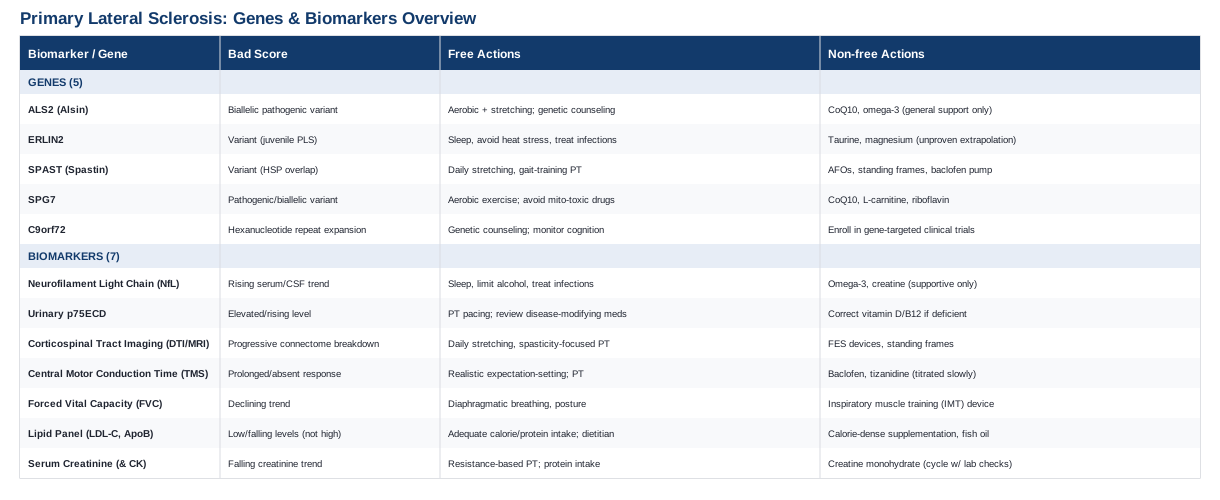
The Biomarkers That Matter Most In Primary Lateral Sclerosis
Biomarkers matter more in PLS than in almost any other neurological condition for a specific reason: diagnosis itself depends on watching numbers change, or fail to change, over years. There is no single blood test or scan that confirms PLS. Instead, clinicians build a picture from several data points, looking for the pattern that separates a slowly progressive, upper-motor-neuron-only disease from ALS (which involves lower motor neurons too and progresses faster) or from a treatable mimic like a compressive spinal lesion or hereditary spastic paraplegia. Tracking these markers yourself, in partnership with your neurologist, turns a diagnosis that can otherwise feel like a waiting game into something closer to a dashboard.
1. Neurofilament Light Chain (NfL)
Neurofilament light chain is a structural protein released into blood and cerebrospinal fluid when axons are damaged. It has become one of the most studied biomarkers across all motor neuron diseases because it correlates with the rate and intensity of neurodegeneration — and, importantly for PLS, it tends to be meaningfully lower than in ALS. A 2023 study comparing serum NfL across motor neuron disease subtypes found average levels of about 370 pg/mL in ALS compared to roughly 155 pg/mL in PLS and 177 pg/mL in progressive muscular atrophy, with the marker able to distinguish ALS from the slower forms with reasonable accuracy Serum Neurofilaments in Motor Neuron Disease and Their Utility in Differentiating ALS, PMA and PLS.
How to measure it: A blood draw sent for serum NfL testing (sometimes called Nf-L or through platforms like Quanterix Simoa) typically costs $150–$400 out of pocket in the US when not covered by insurance or a research study; CSF NfL via lumbar puncture is more invasive and usually reserved for diagnostic workups, generally costing more due to procedure fees. Many neurology research centers now offer this as part of routine motor neuron disease monitoring, sometimes at reduced cost through a study.
If the score is bad, the plan without supplements: A persistently rising NfL trend (checked every 3–6 months) is a signal to revisit the diagnosis and treatment plan with your neurologist rather than something to self-manage — it may indicate faster axonal loss than expected for PLS and warrants re-evaluation for ALS conversion, an alternative diagnosis, or a change in disease-modifying therapy. Prioritizing sleep, avoiding excess alcohol, and managing intercurrent infections promptly are reasonable general-neuroprotection habits, though none of them have been shown to lower NfL specifically in PLS.
If the score is bad, the plan with supplements or equipment: There is no supplement with human trial evidence showing it lowers NfL in PLS specifically. Omega-3 fatty acids (1–2 g/day EPA/DHA) and creatine monohydrate (3–5 g/day) are sometimes used in motor neuron disease for general mitochondrial and membrane support; both are low-risk at standard doses, though creatine can cause mild GI upset or water retention and should be discussed with a physician if kidney function is a concern. These should be framed as supportive, not corrective — NfL trends should still be interpreted by your care team.
2. Urinary p75ECD
p75ECD is the extracellular fragment of the p75 neurotrophin receptor, shed into urine when motor neurons are stressed or dying. Unlike NfL, it can be measured non-invasively from a urine sample, which makes it appealing for frequent monitoring. Research has found that urinary p75ECD levels are elevated in ALS relative to healthy controls, rise as the disease progresses, and independently predict survival — making it both a progression and prognostic marker Urinary p75ECD: A prognostic, disease progression, and pharmacodynamic biomarker in ALS. Its behavior specifically in PLS is less studied than in ALS, but it is increasingly used across the motor neuron disease spectrum.
How to measure it: This is currently mostly available through specialized research labs and some academic ALS/MND centers rather than routine commercial panels; when available, a urine collection generally costs in the $50–$150 range, though access varies significantly by region and is more common within clinical trials than as a standalone test.
If the score is bad, the plan without supplements: A rising trend supports closer clinical follow-up and can help your neurologist judge whether current disease-modifying treatment (such as riluzole, where used) needs review. Physical and occupational therapy adjustments to reduce strain on already-stressed motor units — pacing activity, avoiding eccentric overload of spastic muscles — are reasonable, low-cost responses.
If the score is bad, the plan with supplements or equipment: No supplement protocol has trial evidence of lowering p75ECD specifically. Given that it reflects neurotrophic stress, some clinicians extrapolate from broader neurodegeneration research to recommend vitamin D correction if deficient (typically 1,000–2,000 IU/day, retested in 3 months) and adequate B12 status, both low-risk when dosed to lab targets rather than arbitrarily high amounts.
3. Corticospinal Tract Imaging (DTI / Motor Connectome MRI)
Because PLS is fundamentally a disease of the upper motor neurons and the corticospinal tract, imaging that visualizes this pathway directly is one of the more PLS-specific biomarkers available. Diffusion tensor imaging (DTI) measures the integrity of white matter tracts, and a 2023 longitudinal study using DTI, structural MRI, and functional connectivity mapping in 41 PLS patients found progressive, widespread breakdown of the brain's motor connectome over time — not just isolated corticospinal tract damage — concluding that PLS should not be considered a "benign" or non-progressive condition Not a benign motor neuron disease: longitudinal imaging captures relentless motor connectome disintegration in primary lateral sclerosis.
How to measure it: DTI/MRI protocols are typically performed at academic medical centers with neuroimaging research capability; a research-grade scan can range from $500–$2,500 depending on center and insurance coverage, and is not yet a standard commercial lab test. It's most accessible through enrollment in a PLS or MND natural history study, several of which are recruiting through major ALS/MND research centers.
If the score is bad, the plan without supplements: Findings of accelerating connectome loss should prompt a conversation about spasticity management (physical therapy, stretching protocols, splinting) and reassessment of whether the clinical picture still fits PLS or is trending toward ALS. Regular, structured stretching (daily, 10–15 minutes per major muscle group) is a standard, low-risk way to manage the downstream effects of corticospinal tract loss even though it doesn't change the imaging itself.
If the score is bad, the plan with supplements or equipment: No supplement has been shown to reverse corticospinal tract degeneration on imaging. Functional electrical stimulation (FES) devices and standing frames are sometimes used under physical therapy guidance to maintain circulation and joint range in the context of progressive spasticity; these carry minimal side effects beyond skin irritation at electrode sites and should be introduced gradually (starting at 2–3 sessions per week).
4. Central Motor Conduction Time (TMS)
Transcranial magnetic stimulation (TMS) measures how quickly a signal travels from the motor cortex down the corticospinal tract to the target muscle — the central motor conduction time (CMCT). In PLS, this pathway is specifically damaged, and clinical reference material notes that TMS can help support a PLS diagnosis, with affected patients often showing prolonged CMCT, a higher cortical stimulation threshold, and sometimes an absent, non-reproducible cortical response compared to ALS patients, though the text also notes the technique's limited availability in routine clinical settings Primary Lateral Sclerosis (StatPearls).
How to measure it: TMS is performed in specialized neurophysiology clinics, generally as part of a diagnostic workup rather than routine monitoring, at a cost typically in the $300–$800 range depending on the center; it is more often available at academic neurology departments than community clinics.
If the score is bad, the plan without supplements: A markedly prolonged or absent response supports the upper-motor-neuron-predominant pattern typical of PLS and should guide realistic expectations and spasticity treatment planning rather than trigger alarm on its own — this is largely an expected finding in confirmed PLS, not a marker you can "improve" through lifestyle change.
If the score is bad, the plan with supplements or equipment: There is no supplement or device shown to normalize central motor conduction time. Antispasticity medications (baclofen, tizanidine) prescribed by a neurologist remain the primary tool for managing the functional consequences of prolonged CMCT, and should be titrated slowly with attention to sedation and weakness as common side effects.
5. Forced Vital Capacity (FVC) And Respiratory Function
Respiratory muscles are ultimately controlled by motor neurons too, and forced vital capacity — how much air you can forcefully exhale after a full breath — is one of the most practical, widely available biomarkers in motor neuron disease. It directly informs decisions about non-invasive ventilation timing and is tracked routinely in ALS/MND clinics, even though respiratory decline tends to occur later and more gradually in PLS than in ALS.
How to measure it: Spirometry is quick, non-invasive, and inexpensive — typically $25–$100 as part of a clinic visit, and often included at no extra cost during routine neurology follow-ups. Home spirometers are also available for $50–$150 for more frequent self-monitoring between appointments.
If the score is bad, the plan without supplements: A declining FVC trend (checked every 3 months, or more often if borderline) should prompt a pulmonology referral. Diaphragmatic breathing exercises and posture correction (avoiding slumped positions that restrict lung expansion) are free, low-risk ways to support the respiratory muscles you still have.
If the score is bad, the plan with supplements or equipment: The best-tested equipment-based option here is inspiratory muscle training (IMT), a device-based breathing exercise. A randomized, double-blind trial in ALS patients found a modest, non-statistically-significant improvement in maximum inspiratory pressure with IMT, with gains partially lost after training stopped — the authors concluded it may help slow respiratory decline but called for more evidence INSPIRATIonAL — Inspiratory muscle training in amyotrophic lateral sclerosis. A typical protocol is 5 sets of 5 breaths at 50% of maximum inspiratory pressure, twice daily, adjusted by a respiratory therapist; side effects are minimal but can include lightheadedness if overdone, so sessions should be paced and reassessed monthly.
6. Lipid Panel (LDL-C, ApoB, Total Cholesterol)
This is a counterintuitive one. In most chronic disease contexts, higher LDL cholesterol is treated as a straightforward risk factor to lower. In motor neuron disease, the relationship flips: a large study measuring lipids and apolipoproteins in ALS patients found that higher total cholesterol, LDL-C, LDL-C/HDL-C ratio, apolipoprotein B (ApoB), and ApoB/ApoAI ratio at diagnosis were each independently associated with lower mortality risk — meaning better, not worse, survival Lipids, apolipoproteins, and prognosis of amyotrophic lateral sclerosis. This likely reflects the hypermetabolic, calorie-burning state common in motor neuron disease rather than lipids causing protection directly, but it's exactly the kind of nuance that clinicians like Peter Attia, Thomas Dayspring, and Allan Sniderman — who have spent careers arguing for ApoB as the more accurate lipid risk marker over LDL-C alone — would flag as a reason not to apply general cardiovascular lipid targets uncritically in this population.
How to measure it: A standard lipid panel costs $15–$50 through most commercial labs or as part of routine bloodwork; an ApoB add-on typically costs $20–$40 more and is the more advanced, precision-oriented option Attia and Sniderman generally recommend over LDL-C alone for any patient, motor neuron disease or otherwise.
If the score is bad, the plan without supplements: In PLS/ALS, an unexpectedly low or falling lipid panel — rather than a high one — is the finding worth flagging to your care team, since it may reflect unintentional weight loss and hypermetabolism. Ensuring adequate total caloric and protein intake, working with a dietitian familiar with motor neuron disease, is the first-line, no-supplement response.
If the score is bad, the plan with supplements or equipment: If intake is genuinely inadequate, calorie-dense nutritional supplementation (including options such as fish oil for its additional anti-inflammatory profile, 1–2 g/day) may be used under dietitian guidance; this is about preventing an energy deficit, not "raising cholesterol" as a treatment goal, and should be reassessed every 2–3 months alongside weight and FVC trends.
7. Serum Creatinine (And Creatine Kinase)
Creatinine is usually thought of as a kidney marker, but in the context of motor neuron disease it doubles as a rough proxy for muscle mass, since it's a byproduct of muscle creatine metabolism. A study following ALS patients found that lower baseline serum creatinine, and a faster rate of decline in creatinine over time, independently predicted shorter survival — even after adjusting for other prognostic factors Decreased serum creatinine levels predict short survival in amyotrophic lateral sclerosis. Creatine kinase (CK), a related enzyme, can also reflect ongoing denervation, although it tends to be more prominent in ALS with lower motor neuron involvement than in pure PLS.
How to measure it: Both are part of routine basic metabolic and muscle enzyme panels, typically $10–$30 combined, and often already included in standard neurology follow-up bloodwork.
If the score is bad, the plan without supplements: A falling creatinine trend supports a focus on resistance-based physical therapy within safe limits (to preserve remaining muscle mass) and adequate protein intake (generally 1.0–1.2 g/kg/day unless otherwise directed by a renal or neurology specialist).
If the score is bad, the plan with supplements or equipment: Creatine monohydrate supplementation (3–5 g/day) is the most directly relevant option, since it supports the same energy pathway the biomarker reflects; it is generally well tolerated, with mild water retention as the most common side effect, and should be cycled with periodic kidney function checks (every 3 months) given that creatinine is also a kidney marker and supplementation can complicate its interpretation as a muscle-mass proxy.
Taken together, these seven markers give a far more concrete picture than "the disease is progressing slowly" — they show which system (axonal integrity, respiratory reserve, muscle mass, corticospinal conduction) is under the most strain at any given time. That same instinct — looking past the diagnosis label to the underlying biology — is exactly what makes genetic testing worth understanding too, even though PLS is far more often sporadic than inherited.
What Your Genes May Be Telling You
Most adult-onset PLS is sporadic, without a clear genetic cause, and genetic testing is not part of routine PLS diagnosis unless there's a family history, unusually early onset, or overlapping features with hereditary spastic paraplegia. That said, a handful of genes come up consistently enough in the research literature that it's worth understanding what they do and what, realistically, can and can't be done about them.
1. ALS2 (Alsin)
ALS2 encodes a protein called alsin, involved in endosomal trafficking and axonal transport within neurons — the same "housekeeping" system that keeps very long motor neuron axons supplied and functioning. Biallelic (two-copy) pathogenic variants in ALS2 cause a spectrum of disease that includes juvenile primary lateral sclerosis (onset before age 25), sitting alongside infantile ascending hereditary spastic paraplegia and juvenile ALS on the same genetic continuum ALS2-Related Disorder (GeneReviews). This is recessive, meaning both gene copies need to carry a pathogenic variant — carrying just one is not expected to cause disease.
If the gene is bad, the plan without supplements: Because alsin loss affects axonal transport in very long neurons, the most consistent, non-supplement recommendation is regular, moderate aerobic and stretching exercise, which supports vascular and metabolic health in surviving motor neurons without added mechanical strain. Genetic counseling for family planning is also a concrete, non-pharmacological step worth taking given the recessive inheritance pattern.
If the gene is bad, the plan with supplements or equipment: There is no human trial evidence of any supplement compensating for alsin loss specifically — this remains a research target (axonal transport and endosomal trafficking support), not an established intervention. General mitochondrial-support supplements sometimes used in motor neuron disease more broadly, like CoQ10 (100–200 mg/day) or omega-3s (1–2 g/day), carry low risk at standard doses but should be understood as generic support, not gene-specific correction, and reviewed with a neurologist every few months for tolerance.
2. ERLIN2
ERLIN2 encodes a protein involved in endoplasmic reticulum function, particularly in regulating calcium signaling and processing of certain membrane proteins. Like ALS2, it is one of the genes specifically listed in clinical reference material as associated with juvenile-onset PLS Primary Lateral Sclerosis (StatPearls). Evidence here is thinner than for ALS2 — it is described mainly in case reports and small case series rather than large cohorts, so the strength of the human evidence should be considered preliminary.
If the gene is bad, the plan without supplements: Since ERLIN2 relates to endoplasmic reticulum (ER) stress handling, minimizing additional physiological stress on cells — adequate sleep, avoiding heat extremes that increase metabolic strain, and managing infections promptly — is a reasonable, evidence-adjacent general precaution, though it has not been tested specifically in ERLIN2-related PLS.
If the gene is bad, the plan with supplements or equipment: No supplement has been tested in humans for ERLIN2-related disease. Compounds studied in other ER-stress-related neurodegenerative contexts, such as taurine (500–1,000 mg/day) or magnesium glycinate for general cellular calcium handling support, are low-risk at standard doses but are extrapolations, not directed evidence, and should be treated as optional rather than core to any plan.
3. SPAST (Spastin)
SPAST is the most commonly mutated gene in hereditary spastic paraplegia and encodes spastin, a protein that severs microtubules to allow proper axonal transport and remodeling. Because PLS and HSP overlap clinically (both cause progressive spasticity from corticospinal tract dysfunction), SPAST is one of the HSP-associated genes clinicians consider when working up a PLS-like presentation, especially with an earlier onset or family history Primary Lateral Sclerosis (StatPearls).
If the gene is bad, the plan without supplements: Structured physical therapy focused on spasticity management — daily stretching, gait training, and avoiding contractures — is the best-established, non-supplement intervention for SPAST-related spastic conditions, typically 3–5 sessions per week with a therapist familiar with spastic paraplegia.
If the gene is bad, the plan with supplements or equipment: No supplement corrects microtubule-severing dysfunction. Equipment-based approaches — ankle-foot orthoses, standing frames, and in more advanced cases intrathecal baclofen pumps — are established symptomatic tools prescribed by neurology, not gene-targeted therapies; side effects vary by device and should be managed with the prescribing team, with dosing (for baclofen pumps) titrated gradually to avoid excess sedation or weakness.
4. SPG7
SPG7 encodes paraplegin, a mitochondrial protein involved in quality control of mitochondrial proteins within neurons. It is another HSP-associated gene flagged in PLS genetic workups, particularly when there are subtle additional findings like cerebellar signs or optic atrophy that hint at a broader mitochondrial component Primary Lateral Sclerosis (StatPearls). SPG7-related disease can be recessive or show variable effects with a single variant, and evidence connecting it specifically to a PLS phenotype (rather than classic HSP) remains limited.
If the gene is bad, the plan without supplements: Given the mitochondrial link, regular moderate-intensity aerobic exercise (which promotes mitochondrial biogenesis) 3–4 times weekly is a reasonable, well-tolerated foundation, alongside avoiding known mitochondrial stressors such as certain antibiotics (e.g., aminoglycosides) when alternatives exist — a point worth flagging to any prescribing physician.
If the gene is bad, the plan with supplements or equipment: Mitochondrial-support supplement combinations (CoQ10 100–300 mg/day, L-carnitine 500–1,000 mg twice daily, riboflavin 50–100 mg/day) are commonly used in other mitochondrial disorders and are low-risk at these doses, with occasional GI upset as the main side effect; however, direct trial evidence in SPG7-related PLS specifically does not yet exist, so this should be framed to patients as a plausible, low-risk extrapolation rather than a proven fix, and cycled with liver and kidney function checks every 6 months for long-term use.
5. C9orf72
C9orf72 is the most common genetic cause of ALS and frontotemporal dementia, caused by an expanded hexanucleotide repeat. It is included here specifically because it occasionally shows up in people diagnosed with PLS, not just ALS. A large genetic study across the motor neuron disease spectrum found the C9orf72 expansion in about 37% of familial ALS cases and 6.1% of sporadic ALS cases, but also in 0.9% of patients (1 out of 110) with a clinical diagnosis of PLS, compared to none of the controls tested Hexanucleotide repeat expansions in C9ORF72 in the spectrum of motor neuron diseases. That's a small percentage, but it means a PLS diagnosis doesn't fully rule out this expansion, and it's part of why genetic counseling is sometimes recommended even in "sporadic-looking" PLS with any family history of ALS, dementia, or psychiatric illness.
If the gene is bad, the plan without supplements: A positive C9orf72 result changes the conversation toward family genetic counseling, closer monitoring for any emerging cognitive or behavioral changes (given the FTD association), and often referral to a specialized ALS/MND center or clinical trial network, since this is the most actively studied genetic target in the field, including antisense oligonucleotide approaches.
If the gene is bad, the plan with supplements or equipment: There is no supplement that addresses a repeat expansion. The most relevant "equipment" here is arguably access to clinical trial infrastructure — C9orf72 carriers are often eligible for gene-targeted trials not open to non-carriers — so the most concrete action is discussing trial eligibility with an MND research center rather than pursuing supplementation.
Genes explain predisposition, but they rarely explain the full story of why one person's disease behaves differently than another's — which is exactly the question a long-running research program at Duke University has spent over a decade trying to answer.
10 Insights From The ALS Reversals Research Project
Most people are told that motor neuron disease, once diagnosed, follows an unbroken downward trajectory. A research program based at the Duke ALS Clinic and led by neurologist Richard Bedlack has spent more than ten years studying the rare exceptions to that rule — patients diagnosed with ALS (and, in the broader motor neuron disease framework this touches PLS as well) whose disease unexpectedly plateaued or reversed. It's not a book or a podcast, but the published findings function the same way: they challenge an assumption clinicians and patients often treat as settled. Here are the ten most useful things this body of research suggests.
1. Reversals Are Real, But Rare
An analysis of the large PRO-ACT ALS clinical trial database found that while over 16% of participants experienced a plateau in disease progression, fewer than 1% experienced a true reversal How common are ALS plateaus and reversals?. The takeaway isn't false hope — it's that plateaus are more common than most patients are told, and worth tracking rather than assuming every stable month is a fluke.
2. Reversal Patients Skew Male With Limb-Onset Disease
In a case series specifically studying reversals, patients who improved were more likely to be male and to have limb-onset (rather than bulbar-onset) disease "ALS reversals": demographics, disease characteristics, treatments, and co-morbidities. This doesn't predict outcomes for any individual, but it's a data point worth knowing rather than assuming reversal is entirely random.
3. Some "Reversals" Are Misdiagnoses — And That's Useful Information
The same study found myasthenia gravis notably overrepresented among reversal cases, suggesting some had been misdiagnosed with a motor neuron disease when they actually had a treatable neuromuscular junction disorder. For PLS specifically, where diagnosis already requires ruling out mimics, this is a direct reminder to make sure alternative diagnoses have been genuinely excluded, not just considered once.
4. Faster Initial Progression Doesn't Always Mean a Worse Long-Term Course
Counterintuitively, reversal cases often showed faster-than-typical progression before their improvement. This challenges the instinct to treat an early rapid decline as an automatic worst-case signal — it's a pattern worth discussing with a specialist rather than assuming the trajectory is fixed.
5. Pure Lower Motor Neuron Presentations Were Overrepresented
Reversal cases were more likely to have presentations dominated by lower motor neuron findings. This is a reminder of just how much subtype matters when interpreting any individual's prognosis — a lesson directly relevant to why PLS (upper-motor-neuron-only) behaves so differently from classic ALS.
6. A Cluster of Treatments Showed Up More Often in Reversal Cases
Curcumin, luteolin, cannabidiol, azathioprine, copper, glutathione, vitamin D, and fish oil were each used more frequently among reversal patients than controls in the case series. The researchers were careful to frame this as an association worth investigating, not proof of causation — sample sizes were small, and correlation in a self-selected case series is not the same as a controlled trial result.
7. The Researchers Explicitly Called For Mechanism Studies, Not More Anecdotes
Rather than promoting any of the associated treatments, the published conclusion was that ALS reversals "warrant evaluation for mechanisms of disease resistance" — an intentionally cautious, hypothesis-generating stance that stands in contrast to how these same substances often get marketed online.
8. Disease Resistance May Be a More Useful Frame Than "Cure"
The project's framing — studying why some nervous systems resist ongoing degeneration — is a subtly different question than searching for a cure, and arguably a more scientifically tractable one. It shifts the research question toward identifiable biological differences (genetic, immunological, metabolic) rather than a single intervention.
9. Genetic Analysis Is a Core Part of the Ongoing Work
The research program has expanded into dedicated genetic analyses of reversal cases, looking for protective variants the same way this article looks for risk-associated ones — reinforcing that genetics in motor neuron disease isn't only about what raises risk, but potentially what lowers it too.
10. Documentation And Verification Standards Matter
A recurring theme across this research is the emphasis on verifying reversals with objective clinical scoring (like the ALSFRS-R functional rating scale) rather than self-report alone. For anyone tracking their own PLS trajectory, this is a practical lesson: use the same structured, repeatable measurements your clinic uses, not just a subjective sense of "better" or "worse" month to month.
These insights are a useful reminder that biology isn't perfectly deterministic even in serious neurodegenerative disease — but they sit alongside, rather than replace, the kind of structured symptom management that has actual trial data behind it in motor neuron disease specifically.
Complementary Approaches Worth Considering
None of the following are treatments for PLS itself, and none should replace neurology follow-up. But several have been tested in real motor neuron disease patients, with real (if sometimes modest) results, which puts them a notch above the general wellness advice that circulates around rare neurological diagnoses.
Breathing-Based Therapies
Because motor neuron disease eventually affects the muscles involved in breathing, and because respiratory decline is one of the more consequential aspects of disease progression to manage, structured breathing exercises have a clearer rationale here than in most conditions. Inspiratory muscle training (IMT) uses a small handheld resistance device to strengthen the diaphragm and accessory breathing muscles through repeated, resisted inhalation.
A randomized, double-blind trial in ALS patients (the INSPIRATIonAL study) compared real IMT to a sham device and found a 6.1% improvement in maximum inspiratory pressure in the training group, though the difference did not reach statistical significance and gains were partly lost after training stopped INSPIRATIonAL — Inspiratory muscle training in amyotrophic lateral sclerosis. The authors concluded IMT may help slow respiratory decline, while calling for larger trials.
For PLS, where respiratory involvement tends to occur later and more gradually than in ALS, a realistic approach is to introduce IMT once FVC first shows any downward trend, under guidance from a respiratory therapist, at low resistance initially (twice daily, 5 sets of 5 breaths), reassessing monthly and stopping if lightheadedness or excessive fatigue occurs.
Music Therapy
Music therapy uses structured musical activity — active singing, rhythmic breathing exercises set to music, or therapist-guided playing — delivered by a trained music therapist, distinct from simply listening to music recreationally. In motor neuron disease, it has been studied specifically for its effects on mood, communication, and quality of life rather than motor function.
A randomized controlled trial of 30 ALS patients comparing standard care plus active music therapy against standard care alone found significantly improved quality-of-life scores (measured by the McGill Quality of Life Questionnaire) in the music therapy group after 12 sessions Active music therapy approach in amyotrophic lateral sclerosis: a randomized-controlled trial.
For someone living with PLS, this translates most directly to seeking out a certified music therapist (not just a music-loving hobby) if quality of life, mood, or speech-related engagement is a concern, typically in weekly sessions; there are no meaningful physical side effects, making this one of the lower-risk complementary options on this list.
Massage Therapy
Spasticity — the stiffness and increased muscle tone characteristic of PLS — is a natural target for manual therapy. Massage is generally used as an adjunct within a broader palliative and rehabilitative care plan rather than a standalone treatment for the underlying disease.
A descriptive account of interdisciplinary palliative care in ALS specifically notes that massage "can be a useful adjunctive treatment for spasticity and pain when medication side effects are unwanted," within a holistic care model aimed at improving quality of life for patients and families Interdisciplinary palliative care, including massage, in treatment of amyotrophic lateral sclerosis. It's worth noting this is a descriptive clinical account rather than a controlled trial, so the evidence base, while reasonable, is not as rigorous as a randomized study.
A practical approach is to work with a massage therapist experienced in neurological conditions, focusing on the specific spastic muscle groups identified by your physical therapist, once or twice weekly, avoiding deep-tissue pressure over areas with reduced sensation or circulation concerns.
Mindfulness-Based Interventions
Living with a slowly progressive, hard-to-predict neurological disease carries a real psychological burden, and it affects caregivers as much as patients. A randomized controlled trial tested an online, non-meditative mindfulness intervention in ALS patients and their caregivers, finding higher quality-of-life scores and lower depression, anxiety, and negative emotion in the patient group, and lower caregiver burden, depression, and anxiety in the caregiver group An online non-meditative mindfulness intervention for people with ALS and their caregivers: a randomized controlled trial.
It's worth being precise here: this particular trial used a non-meditative mindfulness format (attention and acceptance-based exercises without formal seated meditation), which is somewhat different from classic MBSR — so if you're specifically looking for the evidence base behind seated meditation practice in motor neuron disease, this study doesn't quite cover that; it does, however, support mindfulness-based approaches broadly.
A realistic way to apply this is a structured, short daily practice (10–20 minutes) using a program designed for chronic illness, ideally involving both the patient and primary caregiver, since the trial's benefit extended to both groups; there are no physical risks, though some people find sitting with difficult emotions uncomfortable at first, which a facilitator can help navigate.
Photobiomodulation (Low-Level Laser Therapy)
Photobiomodulation uses low-level red or near-infrared light, theorized to support mitochondrial function in stressed cells, including neurons. It's included here with a significant caveat: the evidence in motor neuron disease is currently preclinical only.
A study using percutaneous low-level laser therapy (810 nm), with and without supplementary riboflavin, in the SOD1-G93A transgenic mouse model of familial ALS found reduced spinal cord glial activation and a transient improvement in motor performance and body weight — but no significant improvement in survival or motor neuron counts, the primary outcomes Light therapy and supplementary Riboflavin in the SOD1 transgenic mouse model of familial amyotrophic lateral sclerosis (FALS). In plain terms: this is real research, but it's animal research with mostly null results on the outcomes that matter most, not a validated human therapy.
Given that, photobiomodulation should be treated as speculative for PLS at this stage — reasonable to discuss with a neurologist if you're curious, low-risk if pursued through a reputable device and practitioner, but not something to expect meaningful disease-modifying benefit from, and not a substitute for the better-evidenced approaches above.
Bringing It Together
Primary lateral sclerosis doesn't come with a single number or gene that tells you everything you need to know — but it does leave a trail of measurable signals, from neurofilament light chain and corticospinal tract imaging to genes like ALS2 and C9orf72 that occasionally surface in unexpected places. None of these amount to a cure, and treating them as one would be dishonest. What they do offer is a way to move from a vague sense of "watching and waiting" to a concrete set of numbers you and your neurologist can track together, alongside supportive strategies — inspiratory muscle training, structured spasticity management, mindfulness support for the whole household — that have actual trial data behind them, however modest.
The most useful next step is rarely dramatic: ask your neurology team which of these biomarkers are already part of your monitoring plan and which aren't, request genetic counseling if family history or age of onset makes it relevant, and pick one or two of the complementary approaches above to trial deliberately, tracked with the same structured scales your clinic already uses. Better information doesn't rewrite the biology — but it does make every decision from here more informed than the one before it.
Neurological: Brain Conditions Nerve Conditions Spinal Cord Conditions