This article contains AI generated content.
· UpdatedPseudohypoparathyroidism: 5 Genes And 7 Biomarkers To Track
Introduction
Most people who receive a pseudohypoparathyroidism diagnosis are handed a prescription for calcium supplements and calcitriol, scheduled for follow-up bloodwork every six months, and sent home. If you have lived with PHP for any length of time, you already know how incomplete that experience can feel. The labs improve, or they do not, and when symptoms persist — the fatigue, the cramps, the cognitive fog, the unexplained weight — it often feels like there is no clear next step. The standard protocol was designed around average responses, and PHP is anything but an average condition.
What makes this condition genuinely unlike most endocrine disorders is that the problem is not the parathyroid gland itself. The gland works. The hormone is produced and released. The issue is downstream: cells in the kidney, bone, and elsewhere simply cannot receive or act on that hormone signal correctly. That failure is rooted in the behavior of specific genes and, in many cases, in how those genes are epigenetically controlled — not through the DNA sequence itself, but through a layer of chemical marks that determine which copies of which genes get silenced or expressed. Understanding that distinction changes how you think about what interventions might actually help.
The gap between adequate management and precise management often comes down to information quality. Knowing that your GNAS gene carries a variant is one thing. Understanding how that variant interacts with your vitamin D receptor efficiency, your methylation capacity, and your calcium-sensing receptor function is another level entirely. And tracking only total calcium, when ionized calcium and serum phosphorus give a sharper picture, means flying partially blind between appointments.
This article works through both angles. The genetics section covers five of the most relevant genes and epigenetic factors in PHP, explaining what each one does, what it means if your results are unfavorable, and what you can do with or without supplementation to compensate as effectively as possible. The biomarker section identifies seven measurable values that give you ongoing, real-world feedback on how the condition is being managed. Beyond those two pillars, you will also find a synthesis of emerging research insights that are quietly changing specialist thinking on PHP, followed by a handful of complementary approaches with genuine human evidence behind them.
Summary
Pseudohypoparathyroidism is caused by a failure of cells to respond to parathyroid hormone — and that failure is written into specific genes and epigenetic patterns. Five genes stand out: GNAS (the core signaling gene), STX16 (the epigenetic gatekeeper that controls GNAS methylation), VDR (the vitamin D receptor that determines how well calcitriol treatment works), CASR (the calcium-sensing receptor that shapes individual calcium thresholds), and MTHFR (the methylation gene that affects whether epigenetic silencing can be partially corrected). Each one has actionable implications — both with and without supplementation.
On the monitoring side, seven biomarkers paint a far more complete picture than the standard calcium panel: intact PTH (the diagnostic anchor), ionized calcium (more reliable than total calcium), serum phosphorus (the undertracked counterpart), 25-hydroxyvitamin D, 1,25-dihydroxyvitamin D, TSH (because thyroid resistance is common in PHP type 1a), and RBC magnesium (which directly affects how PTH works and how supplemental calcium is used). Most people with PHP are only tracking two or three of these regularly.
Beyond the core genetics and biomarkers, this article also covers ten research insights that are shifting specialist thinking on PHP — including why this condition is better understood as an epigenetic disorder than a purely genetic one, and how that reframing changes what interventions deserve attention. Finally, four evidence-supported complementary approaches are reviewed for their relevance to PHP symptom management.
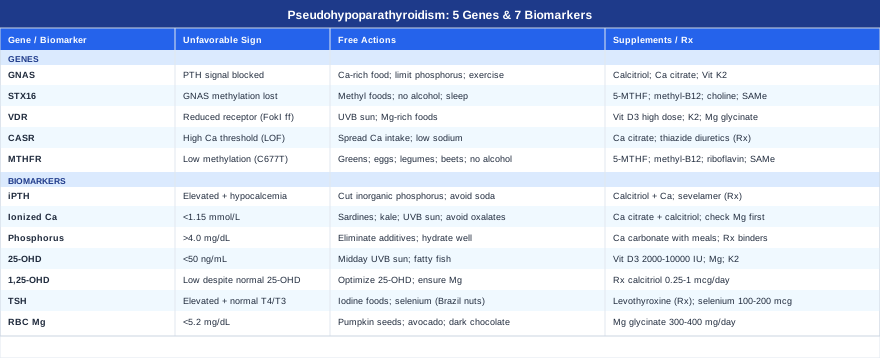
Understanding these layers does not replace the work you do with your endocrinologist. It makes that work more precise.
The Genetic and Epigenetic Roots of Pseudohypoparathyroidism: 5 Genes Worth Understanding
PHP is not one disease. It is a spectrum of disorders unified by a single functional problem — resistance to parathyroid hormone — but driven by very different underlying mechanisms depending on the subtype. PHP type 1a involves actual mutations in the GNAS gene inherited from the mother. PHP type 1b involves epigenetic defects at the GNAS locus driven by methylation abnormalities, often without any change to the DNA sequence itself. This distinction matters enormously for understanding what interventions might have the most leverage.
The following five genes and epigenetic factors represent the most clinically relevant pieces of the PHP genetic puzzle. Some are causal — their dysfunction directly causes the condition. Others are modifiers — they do not cause PHP but they determine how severe symptoms are, how well treatment works, and which compensatory strategies are most likely to help. The starting point for knowing which of these applies to you is genetic testing, ideally through a specialist familiar with rare endocrine disorders. Consumer-level tests like 23andMe capture some variants, particularly in modifier genes like VDR and MTHFR, and can serve as a useful entry point before more targeted clinical testing.
1. GNAS: The Core Gene in PTH Signaling Failure
The GNAS gene encodes the alpha subunit of the stimulatory G protein, known as Gsα. This protein is the molecular bridge between the parathyroid hormone receptor on the cell surface and the intracellular machinery that should respond when PTH binds. When PTH arrives at a kidney tubule cell or a bone cell and docks onto its receptor, Gsα should activate an enzyme called adenylate cyclase, which generates cyclic AMP (cAMP). That cAMP then acts as a second messenger, triggering the cellular responses that regulate calcium and phosphorus reabsorption.
In PHP type 1a, a loss-of-function mutation in the maternal copy of GNAS — because the gene is maternally imprinted in key tissues — leaves the cell with a structurally defective or absent Gsα. The PTH signal arrives but cannot be forwarded. The result is a cell that is biochemically deaf to a hormone that is being produced at normal or elevated levels. In PHP type 1b, the GNAS coding sequence is intact, but epigenetic methylation marks silence the maternal allele inappropriately, producing a functionally equivalent deficit. Albright hereditary osteodystrophy features — short stature, round face, brachydactyly, subcutaneous ossifications — appear in PHP type 1a and pseudopseudohypoparathyroidism but not in type 1b, pointing to tissue-specific differences in imprinting.
If the GNAS variant is unfavorable: the plan without supplements
Because Gsα cannot be repaired through nutrition or lifestyle alone, the focus without supplements is on reducing the metabolic burden that worsens calcium dysregulation. A calcium-rich whole-food diet — emphasizing dairy, sardines, kale, and bok choy — provides the substrate that the kidneys can no longer reclaim efficiently. Simultaneously, limiting dietary phosphorus from processed foods, dark sodas (which contain phosphoric acid), and ultra-processed protein products matters more in PHP than in almost any other condition, because elevated phosphorus directly worsens hypocalcemia by forming insoluble calcium-phosphorus complexes. Regular moderate weight-bearing exercise — 30 to 45 minutes of walking or resistance training, three to five times per week — supports bone density and muscle function without triggering the metabolic spikes that exacerbate symptoms. Sleep quality also matters: poor sleep disrupts the hormonal rhythms that minimally compensate for PTH resistance, and seven to nine hours consistently improves calcium-related symptom burden.
If the GNAS variant is unfavorable: the plan with supplements or equipment
The cornerstone of PHP management in this category is calcitriol (1,25-dihydroxyvitamin D), which is a prescription medication that bypasses the step where kidney-based PTH resistance would otherwise block calcitriol synthesis. Dosing is highly individual and must be titrated against ionized calcium, phosphorus, and urinary calcium levels — typically starting at 0.25 mcg per day and adjusted under specialist guidance. Alongside calcitriol, calcium citrate (preferred over carbonate on an empty stomach) at 500 to 1000 mg per day, taken in divided doses, supports ongoing calcium availability. Calcium should not be supplemented in a single large dose, as absorption efficiency drops significantly above 500 mg at once. Vitamin K2 (MK-7 form, 100 to 200 mcg daily) helps direct calcium away from soft tissues and toward bone, which is relevant given the subcutaneous ossification risk in some PHP subtypes. In PHP1a patients with documented Gsα haploinsufficiency, emerging research has explored recombinant PTH peptides (PTH 1-34, teriparatide) in refractory cases, but this remains off-label and requires specialist involvement. Side effects of calcitriol include hypercalciuria and nephrocalcinosis with overtreatment — regular monitoring of 24-hour urinary calcium is essential.
2. STX16: The Epigenetic Controller of GNAS Methylation
In PHP type 1b, the GNAS coding sequence is typically intact, but the methylation marks that should be present on the maternal GNAS allele at specific differentially methylated regions (DMRs) are lost or disrupted. One of the most established mechanisms behind this involves microdeletions in the STX16 gene region on chromosome 20q13.32, in close proximity to GNAS. The STX16 region appears to contain regulatory elements that control imprinting at the GNAS A/B differentially methylated region, and small deletions — approximately 3 kilobases — can disrupt this imprinting, leading to loss of maternal methylation and consequently to PHP1b. Broader methylation defects at multiple GNAS DMRs (NESP55, XL, exon 1A, and A/B simultaneously) are associated with more complex GNAS locus rearrangements or unknown causes that remain under investigation.
The clinical significance of identifying an STX16 deletion versus a GNAS mutation is primarily prognostic and familial — it helps predict the risk for first-degree relatives and clarifies subtype (1b rather than 1a), which can refine expectations for associated hormonal resistances. Understanding this as an epigenetic mechanism rather than a sequence defect opens a theoretical discussion about methylation support — though direct evidence that supplementing methyl donors reverses GNAS imprinting defects in PHP is not yet established.
If the STX16 region shows a deletion: the plan without supplements
The lifestyle priorities here align with general epigenetic health. Methyl donor foods — leafy greens, eggs, liver, legumes, beets — support the biochemical pathways through which DNA methylation marks are established and maintained. Minimizing alcohol is important, as ethanol actively depletes methyl groups and disrupts methylation patterning. Adequate sleep (seven to nine hours) is associated with improved epigenetic stability across multiple studies. Chronic psychological stress elevates cortisol, which has been associated with broader epigenetic dysregulation, making stress management practices worth pursuing as a background priority.
If the STX16 region shows a deletion: the plan with supplements or equipment
Given the methylation basis of PHP1b, methylated B-vitamin supplementation — specifically methylfolate (400 to 800 mcg/day as 5-MTHF) and methylcobalamin (500 to 1000 mcg/day) — is a reasonable consideration to support global methylation capacity, particularly if the individual also carries an MTHFR variant (discussed below). Choline (250 to 500 mg/day from supplements or phosphatidylcholine) contributes to the methyl pool through the betaine pathway. SAMe (S-adenosylmethionine) at 400 to 800 mg/day can be used in 8 to 12-week cycles with a 4-week break, as continuous use may lead to overmethylation symptoms such as irritability or insomnia. It is critical to note that these approaches support general methylation biochemistry — they do not directly repair the STX16 deletion or the resulting GNAS imprinting defect. They are best understood as supportive background measures while the primary PHP treatment (calcitriol, calcium) is optimized.
3. VDR: How Well Calcitriol Treatment Actually Works
The vitamin D receptor gene (VDR) sits at the center of why two people with identical PHP diagnoses and identical calcitriol prescriptions can experience dramatically different treatment responses. VDR encodes the nuclear receptor through which calcitriol (the active form of vitamin D) signals inside cells — regulating calcium absorption in the intestine, calcium reabsorption in the kidney, and bone mineral metabolism. Critically, in PHP management, supplemental calcitriol is the primary mechanism by which hypocalcemia is corrected, since endogenous calcitriol synthesis is partially impaired by PTH resistance at the kidney. If the VDR itself functions suboptimally due to common polymorphisms, the calcitriol given as treatment may be less effective than expected, requiring higher doses or additional interventions.
Four major VDR single nucleotide polymorphisms are well-studied: FokI (rs2228570), which affects the length and activity of the VDR protein — the f allele produces a shorter, less active receptor; BsmI (rs1544410) and TaqI (rs731236), which affect VDR mRNA stability and expression levels; and ApaI (rs7975232), which influences receptor function. These are available through 23andMe and other consumer genetic platforms. A person carrying the FokI ff genotype, for example, has a structurally shorter VDR with reduced transcriptional efficiency — meaning their cells are less responsive to calcitriol at any given blood level, making this a meaningful modifier in the PHP context where calcitriol is a primary therapeutic tool.
If VDR polymorphisms are unfavorable: the plan without supplements
When VDR function is reduced, the most direct non-supplemental lever is maximizing endogenous inputs that don't rely on VDR efficiency. UVB sunlight exposure (10 to 20 minutes to arms and legs between 10am and 2pm, three to five times per week) generates cholecalciferol in the skin before any VDR interaction is needed. Dietary vitamin D from fatty fish (salmon, sardines, mackerel), egg yolks, and liver provides additional substrate. Crucially, magnesium is required as a cofactor at multiple steps in vitamin D metabolism, and magnesium deficiency directly impairs VDR function — so dietary magnesium from nuts, seeds, leafy greens, and dark chocolate is a priority at this level before supplements are even considered. Reducing intestinal inflammation through an anti-inflammatory diet (minimizing refined oils, sugar, and processed foods) may also improve VDR expression in intestinal cells.
If VDR polymorphisms are unfavorable: the plan with supplements or equipment
People with unfavorable VDR variants often require higher vitamin D3 supplementation to achieve the same 25-OHD blood levels, and may need those higher levels to compensate for reduced receptor sensitivity. In the PHP context specifically, this discussion should always happen with the prescribing endocrinologist, since calcitriol dosing is already central to management. For adjunctive support, vitamin K2 (MK-7 form, 100 to 200 mcg daily, continuous) works in concert with the VDR-mediated calcium signaling pathway and should be considered whenever calcitriol or D3 is supplemented. Magnesium glycinate (300 to 400 mg/day) is a foundational co-supplement given its role in activating the VDR. Omega-3 fatty acids (EPA+DHA, 2 to 3 g/day) have been shown in some studies to upregulate VDR expression in immune and intestinal cells — this is modestly beneficial and well-tolerated long-term. Side effects to watch: excessive vitamin D alongside calcitriol can cause hypercalcemia; serum calcium and 25-OHD should be checked every three months during any D3 adjustment.
4. CASR: The Calcium Sensor That Sets Your Individual Threshold
The calcium-sensing receptor gene (CASR) encodes a G-protein coupled receptor expressed in the parathyroid glands, kidneys, and other tissues that functions as a real-time sensor of blood calcium levels. When CASR detects that calcium is adequate, it suppresses PTH secretion. When calcium falls, it allows PTH release. In PHP, CASR is not the causal gene — PTH is being secreted appropriately (in fact, in excess). But CASR variants modify the set point at which calcium is perceived as sufficient, and this can meaningfully change how an individual with PHP experiences their condition and responds to treatment.
Loss-of-function CASR variants raise the calcium set point — the receptor requires higher calcium levels to suppress PTH, meaning the body tolerates calcium levels that a normal receptor would register as adequate. In a PHP patient, this adds an additional layer of hypocalcemia vulnerability. Gain-of-function CASR variants do the opposite — they signal sufficient calcium at lower levels, which can partially compensate for PHP-driven hypocalcemia in some tissue contexts. Identifying CASR variants is clinically useful because they can explain why some PHP patients have more severe symptoms despite similar biochemistry, and why calcitriol dosing needs vary so widely.
If CASR variants are unfavorable: the plan without supplements
Dietary calcium distribution matters particularly for people with CASR loss-of-function variants, as their renal calcium handling is suboptimal. Spreading calcium intake across three to four small servings throughout the day — rather than concentrating it at one or two meals — reduces the transient load on kidneys whose CASR-mediated reabsorption is impaired. Limiting high-sodium intake is directly relevant here: sodium competes with calcium for renal reabsorption through a shared tubular transporter, and a high-salt diet significantly increases urinary calcium losses — particularly relevant when renal calcium handling is already compromised by both PHP and CASR variants. Staying well-hydrated reduces urinary calcium concentration and the risk of nephrocalcinosis.
If CASR variants are unfavorable: the plan with supplements or equipment
Calcium citrate remains preferable over calcium carbonate for people with CASR loss-of-function variants because citrate is absorbed in the small intestine regardless of stomach acid levels and produces less urinary calcium with equivalent bioavailability. Dosing should be guided by ionized calcium levels rather than total calcium. Thiazide diuretics — specifically hydrochlorothiazide or chlorthalidone at low doses — are a clinically recognized approach in refractory PHP cases with significant hypercalciuria (excessive urinary calcium loss), and their use is guided by nephrocalcinosis risk assessment. This requires prescription and monitoring. For monitoring equipment, at-home urinalysis strips for calcium are available and can help track trends between specialist visits, though they are semi-quantitative rather than precise.
5. MTHFR: The Methylation Capacity Gene
MTHFR (methylenetetrahydrofolate reductase) is the gene that encodes the enzyme responsible for converting folate into its active methylating form — 5-methyltetrahydrofolate. This active folate is the primary methyl donor that feeds the methylation cycle, which in turn generates SAMe — the universal methyl donor required for DNA methylation, including the imprinting marks at the GNAS locus. Two common MTHFR variants, C677T and A1298C, reduce enzyme efficiency by 30 to 70 percent depending on whether the person carries one or two copies of the variant.
In the context of PHP — and particularly PHP type 1b, where the mechanism is fundamentally an epigenetic methylation defect — impaired methylation capacity via MTHFR is a biologically plausible modifier. While direct clinical evidence linking MTHFR variants to PHP severity is limited, the mechanistic logic is coherent: reduced methyl availability means that the enzymatic machinery responsible for maintaining imprinting marks is working with fewer resources. This is one area where Gary Brecka's work on genetic methylation optimization, while requiring independent clinical verification, offers a framework that is broadly consistent with established biochemistry. The C677T homozygous genotype is associated with elevated homocysteine — itself an independent risk factor for cardiovascular issues, which are worth monitoring in any chronic metabolic disorder.
If MTHFR variants are unfavorable: the plan without supplements
Methylation-supportive foods form the most accessible foundation: dark leafy greens (spinach, chard, arugula) for dietary folate, eggs and liver for choline and B12, legumes for folate, and beets and beet greens for betaine, which feeds the alternative methylation pathway through betaine-homocysteine methyltransferase. Because MTHFR impairs conversion of folic acid (the synthetic form in many foods) to active folate, it is worth actively choosing foods with natural folate rather than relying on fortified processed foods, which use folic acid that requires functional MTHFR to process. Eliminating or minimizing alcohol is particularly important in this context — alcohol directly depletes folate stores and inhibits methylation enzymes.
If MTHFR variants are unfavorable: the plan with supplements or equipment
The most direct intervention is bypassing the MTHFR enzyme entirely by supplementing the active form: 5-methyltetrahydrofolate (5-MTHF, also labeled as methylfolate or Quatrefolic). Typical therapeutic doses range from 400 mcg to 1 mg daily for the C677T heterozygous carrier, and up to 1 to 5 mg under medical guidance for the homozygous variant. Equally important is methylcobalamin (methyl-B12, 500 to 1000 mcg sublingually) rather than cyanocobalamin, since the cyano form also requires enzymatic conversion. Choline (from phosphatidylcholine or alpha-GPC, 300 to 500 mg daily) reduces the methylation demand on the folate cycle by providing an alternative methyl source through the betaine pathway. Riboflavin (vitamin B2, 10 to 15 mg/day) is an important cofactor for the MTHFR enzyme itself and is often overlooked. SAMe (400 mg/day in 8-week cycles) can be added if homocysteine remains elevated despite the above. Monitor: homocysteine (target under 7 to 9 µmol/L), and watch for overmethylation symptoms (anxiety, insomnia, irritability) if using high-dose SAMe alongside other methyl donors.
With the genetic and epigenetic picture in place, the next layer of PHP management is ongoing monitoring — which means knowing exactly which numbers to track and what to do when they move in the wrong direction.
7 Biomarkers to Track When You Have Pseudohypoparathyroidism
Standard PHP monitoring often focuses on serum total calcium and sometimes phosphorus. That is a starting point, not a comprehensive panel. The seven biomarkers below give a much more complete picture — both of how well the condition is being managed and of early drift before it becomes symptomatic. Several of these are underordered even by endocrinologists; being proactive about requesting them is worth the effort.
1. Intact Parathyroid Hormone (iPTH)
PTH is the single most defining biomarker for PHP. In healthy individuals, PTH rises when calcium falls, corrects the imbalance, and returns to normal. In PHP, because the PTH signal cannot be received properly by target cells, the parathyroid glands keep releasing PTH in an attempt to drive a response that never fully materializes — resulting in persistently elevated PTH alongside hypocalcemia. This combination is the biochemical signature of PHP, and iPTH tracking over time reveals whether treatment is adequately suppressing that compensatory excess.
How to measure it
iPTH is measured via a standard blood draw. Cost ranges from $20 to $60 depending on laboratory and whether it is ordered as part of a panel or standalone. Most commercial labs and hospital systems offer it. The intact PTH assay (as opposed to older total PTH assays) is preferred for accuracy. Testing frequency in managed PHP: every 3 to 6 months.
If iPTH is elevated: the plan without supplements
Reducing dietary phosphorus — which directly drives PTH secretion — is the most impactful non-supplement lever. This means eliminating phosphate-containing additives in processed foods, dark sodas, and fast food, which contain inorganic phosphate absorbed at up to 90% efficiency (compared to 40 to 60% from whole food phosphorus). Adequate calcium from diet reduces the parathyroid stimulus somewhat, though in PHP this is insufficient as standalone management.
If iPTH is elevated: the plan with supplements or equipment
Calcitriol and calcium supplementation are the primary tools for reducing PTH drive. As ionized calcium rises toward the target range under treatment, the PTH elevation typically decreases. Sevelamer (a phosphate binder) is sometimes used in PHP patients with severe hyperphosphatemia to limit phosphorus absorption at meals — this is a prescription decision. Long-term: if iPTH remains significantly elevated despite optimized calcitriol and calcium, the calcitriol dose may need adjustment under specialist guidance.
2. Ionized Calcium
Total serum calcium — the figure commonly reported on standard metabolic panels — includes calcium bound to albumin, which is biologically inactive. Ionized calcium measures only the free, biologically active fraction and is therefore a far more reliable indicator of how much calcium is actually available to nerves, muscles, and bones. In PHP patients with low albumin (as sometimes occurs with nutritional issues or chronic illness), total calcium can appear near-normal while ionized calcium is critically low, leading to undertreated hypocalcemia and ongoing symptoms.
How to measure it
Ionized calcium requires a slightly different lab tube (heparinized) and must be processed quickly to prevent pH changes from altering results. Cost ranges from $15 to $50. Some standard labs offer it; a blood gas panel always includes it. Ideal frequency: every 3 months during dose adjustments, every 6 months when stable. Target: 1.15 to 1.30 mmol/L (4.6 to 5.2 mg/dL).
If ionized calcium is low: the plan without supplements
Focus on calcium bioavailability from food: calcium from sardines with bones, hard cheeses, kale, and bok choy is highly bioavailable. Vitamin D from sunlight supports intestinal calcium absorption at the brush border, the step that remains partially functional in PHP even when renal calcium reabsorption is impaired. Avoid consuming high amounts of oxalic acid-rich foods (spinach, raw beet greens, almonds) alongside calcium-rich meals, as oxalate binds calcium in the gut and reduces net absorption.
If ionized calcium is low: the plan with supplements or equipment
Calcium citrate (500 mg, two to three times daily with meals) plus calcitriol (per endocrinologist prescription) is the established approach. If ionized calcium remains low despite optimized supplementation, checking magnesium first is essential — magnesium deficiency is one of the most common and overlooked reasons for calcitriol-resistant hypocalcemia.
3. Serum Phosphorus
PTH normally tells the kidney to excrete phosphorus in the urine. In PHP, because PTH cannot signal effectively in the kidney, phosphorus is retained, leading to hyperphosphatemia. This elevated phosphorus is not merely a marker — it actively worsens hypocalcemia by binding to free calcium in the bloodstream to form calcium-phosphate complexes that are unavailable to tissues. It also promotes soft tissue calcification over time and contributes to the ectopic ossification sometimes seen in PHP type 1a. Many patients track their calcium carefully while undermonitoring phosphorus, even though the two numbers need to be read together.
How to measure it
Phosphorus is part of the standard comprehensive metabolic panel — cost is essentially included in routine labs, or $10 to $30 if ordered separately. Optimal range in PHP: 2.5 to 4.0 mg/dL (lower end of normal is desirable). Frequency: every 3 to 6 months.
If phosphorus is high: the plan without supplements
Dramatically reducing inorganic phosphate additives — found in processed meats, fast food, canned goods, and carbonated beverages — can lower serum phosphorus significantly within weeks. Organic phosphorus from whole foods (beans, dairy, nuts) is absorbed less efficiently and is a less aggressive driver. Increasing fluid intake supports renal phosphorus clearance.
If phosphorus is high: the plan with supplements or equipment
Calcium carbonate taken with meals functions as a phosphate binder, reducing intestinal phosphorus absorption before it enters the bloodstream — this is a dual-use benefit in PHP (providing calcium while binding phosphorus). Dosing should be guided by a physician to avoid over-supplementing calcium. Prescription phosphate binders (sevelamer, lanthanum carbonate) are reserved for more severe hyperphosphatemia.
4. 25-Hydroxyvitamin D (25-OHD)
25-OHD is the primary storage form of vitamin D in the body and the standard marker used to assess vitamin D status. In PHP, its role is nuanced: the kidney's ability to convert 25-OHD to active calcitriol is partially impaired by PTH resistance, meaning that even adequate 25-OHD levels do not guarantee sufficient calcitriol production. Despite this, maintaining sufficient 25-OHD levels matters — it ensures that the liver-mediated conversion step is not a bottleneck, and it provides substrate for conversion in extra-renal tissues (skin, immune cells, gut) that may be partially functioning.
How to measure it
Cost: $30 to $80 depending on lab. Home fingerprick tests are now available through several services at lower cost. Frequency: every 3 months during supplementation adjustment, every 6 months when stable. For PHP patients, many specialists now target 25-OHD above 50 to 60 ng/mL rather than the standard "sufficient" threshold of 30 ng/mL, to ensure the substrate pool is not limiting.
If 25-OHD is low: the plan without supplements
UVB sunlight exposure is the most potent non-supplement source — 15 to 25 minutes of midday sun on exposed skin produces 10,000 to 20,000 IU equivalent without supplementation risk. Dietary sources (wild salmon, cod liver oil, egg yolks) contribute but are insufficient as sole sources at northern latitudes. Checking for inflammatory bowel conditions or fat malabsorption is important if 25-OHD remains low despite adequate sun and diet, as fat-soluble vitamin D requires functioning intestinal fat absorption.
If 25-OHD is low: the plan with supplements or equipment
Vitamin D3 (cholecalciferol) at 2000 to 5000 IU/day is a reasonable starting range; some PHP patients require 5000 to 10,000 IU/day to maintain optimal levels, particularly if carrying unfavorable VDR or MTHFR variants. Always co-supplement with magnesium glycinate (300 to 400 mg/day) — vitamin D requires magnesium at four enzymatic steps in its activation pathway. Vitamin K2 (MK-7, 100 to 200 mcg/day) is important to prevent the soft tissue calcification that excess circulating calcium can cause. Retest 25-OHD levels every 8 to 12 weeks during dose adjustment to avoid toxicity, which becomes relevant above 150 ng/mL.
5. 1,25-Dihydroxyvitamin D (Calcitriol)
While 25-OHD reflects vitamin D stores, 1,25-dihydroxyvitamin D (calcitriol) is the biologically active form that actually signals in cells through the VDR. In PHP, because PTH resistance in the kidney impairs the activation step (1-alpha hydroxylation), serum calcitriol can be paradoxically low even when 25-OHD is adequate and PTH is markedly elevated. Measuring this biomarker reveals whether the conversion step is functioning — something that 25-OHD alone does not tell you. It also helps in monitoring treatment response when exogenous calcitriol is being supplemented.
How to measure it
Less routinely ordered than 25-OHD; cost ranges from $60 to $150. Not all standard labs offer it — specialty labs or hospital-based endocrine labs are most reliable. Frequency: every 6 months if stable on calcitriol treatment; more frequently during dose titration.
If 1,25-OHD is low: the plan without supplements
There is limited lifestyle-based ability to improve calcitriol when the conversion step is impaired by PTH resistance. Optimizing 25-OHD provides substrate, and ensuring magnesium sufficiency supports enzymatic function. Extra-renal calcitriol synthesis in macrophages and other tissues may contribute modestly, particularly if systemic inflammation is reduced.
If 1,25-OHD is low: the plan with supplements or equipment
The direct intervention is prescription calcitriol, typically 0.25 to 1.0 mcg/day in divided doses. This bypasses the compromised renal activation step entirely. Monitoring must be rigorous: calcitriol at therapeutic doses can cause hypercalciuria and hypercalcemia, and regular serum and urinary calcium checks are non-negotiable. The goal is to achieve the lowest calcitriol dose that maintains ionized calcium in the target range without inducing nephrocalcinosis.
6. TSH (Thyroid-Stimulating Hormone)
PHP type 1a does not only cause PTH resistance. Because the Gsα protein is required for TSH receptor signaling in thyroid follicular cells, many PHP type 1a patients also have resistance to TSH — resulting in elevated TSH alongside normal or low-normal thyroid hormone levels, even without any primary thyroid disease. This is frequently missed or attributed to other causes, leaving hypothyroid symptoms (fatigue, cold intolerance, weight gain, constipation, cognitive slowing) untreated in PHP patients who have already accepted these as part of their condition. Subclinical or overt thyroid resistance in PHP type 1a is common enough that it should be specifically tracked and not assumed away.
How to measure it
TSH is one of the cheapest and most widely available blood tests — $15 to $40, included in most wellness panels. For PHP evaluation, TSH alone is insufficient; a full thyroid panel including free T4 and free T3 is necessary to distinguish TSH resistance (elevated TSH with normal T4/T3) from primary hypothyroidism and to assess whether thyroid hormone production is actually adequate. Frequency: every 6 to 12 months.
If TSH is elevated in the context of PHP: the plan without supplements
Dietary iodine support — through seaweed, iodized salt, and seafood — ensures the thyroid has adequate substrate. Selenium is critical for thyroid peroxidase function and for converting T4 to active T3; selenium-rich foods include Brazil nuts (one to two per day) and shellfish. Minimizing raw goitrogens (cruciferous vegetables eaten in very large raw quantities) is mildly relevant but is often overstated — cooked cruciferous vegetables are not a meaningful concern.
If TSH is elevated in the context of PHP: the plan with supplements or equipment
If free T4 or T3 is genuinely low alongside elevated TSH in a PHP type 1a patient, levothyroxine supplementation is clinically indicated and should be discussed with an endocrinologist who understands the PHP context. Selenium supplementation at 100 to 200 mcg/day (as selenomethionine) supports thyroid enzyme function and may reduce thyroid antibody titers if autoimmunity is co-occurring. Iodine supplementation above food sources is generally not recommended without confirmed deficiency, as excess iodine can paradoxically impair thyroid function in susceptible individuals.
7. RBC Magnesium
Magnesium is essential for PTH secretion by the parathyroid glands and for PTH action at its receptor. In a condition already defined by impaired PTH signaling, concurrent magnesium deficiency compounds the problem: low magnesium suppresses PTH secretion (paradoxically, because hypomagnesemia impairs PTH release just as severe cases worsen the signaling defect), and it directly impairs calcitriol synthesis. The result is that PHP patients with inadequate magnesium status can experience calcitriol-resistant hypocalcemia — calcium levels that fail to normalize despite apparently adequate calcitriol and calcium supplementation. Checking and correcting magnesium before adjusting other medications is therefore a foundational step.
How to measure it
Serum magnesium is not the right test — it is maintained in a narrow range through bone resorption even when intracellular magnesium is depleted, making it insensitive. RBC (red blood cell) magnesium is a far better indicator of actual magnesium status and can be ordered specifically. Cost: $30 to $70. Optimal RBC magnesium is generally cited as 5.2 to 6.5 mg/dL, though some functional medicine guidelines suggest higher targets. Frequency: every 3 to 6 months.
If RBC magnesium is low: the plan without supplements
Dietary magnesium is widely available: pumpkin seeds, almonds, dark chocolate, avocado, black beans, and leafy greens are particularly rich sources. Cooking in magnesium-containing water and minimizing diuretics, alcohol, and high-caffeine intake — all of which increase urinary magnesium excretion — helps preserve magnesium status. Chronically high stress elevates cortisol, which increases renal magnesium losses — another reason why stress management is not peripheral for PHP patients.
If RBC magnesium is low: the plan with supplements or equipment
Magnesium glycinate (300 to 400 mg elemental magnesium/day) is the preferred form: highly bioavailable, well-tolerated, and less likely than oxide or citrate to cause loose stools at therapeutic doses. Magnesium threonate is specifically advocated by researchers for cognitive effects but is more expensive and the PHP-specific evidence is limited. Transdermal magnesium (Epsom salt baths or magnesium oil) is a low-evidence option but well-tolerated for those with gastrointestinal sensitivity to oral forms. Magnesium should be taken away from calcium (at least 2 hours apart) since they compete for absorption. Recheck RBC magnesium every 8 to 12 weeks until stable in the optimal range.
With both the genetic picture and the biomarker panel covered, there is a third layer of understanding that is emerging from the research world — one that challenges the way PHP has historically been framed and managed by most physicians.
What Recent Research on PHP Is Teaching Us — 10 Things Most Clinicians Have Not Yet Adopted
The science of PHP has advanced considerably in the past decade, particularly with the recognition of its epigenetic mechanisms and the broader hormonal landscape it affects. Much of this knowledge has not yet made it from specialist journals into standard clinical practice. The following ten insights, drawn from current research in PHP genetics, calcium metabolism, and epigenetic medicine, represent the current frontier of understanding for this condition.
1. PHP Type 1b Is Primarily an Epigenetic Disease, Not a Genetic One
In PHP1b, the DNA sequence of the GNAS gene is typically intact. What is disrupted is the methylation pattern that controls which parental allele is expressed. This distinction is significant because it moves the therapeutic conversation from "you have a broken gene" to "your epigenetic regulation is dysregulated." The latter is, in principle, more malleable — methylation patterns can be influenced by nutrients, stress, toxins, and lifestyle in ways that fixed genetic mutations cannot. Research published in the Journal of Clinical Endocrinology and Metabolism has documented the full spectrum of GNAS methylation defects, establishing that PHP1b should be classified as an imprinting disorder — placing it alongside conditions like Beckwith-Wiedemann syndrome in a mechanistic sense, not just an endocrine one.
2. Multiple Hormone Axes Are Affected, Not Just Calcium
The Gsα protein is required not only for PTH receptor signaling but for TSH, LH, FSH, GHRH, and glucagon receptor signaling as well. PHP type 1a patients consequently have multi-hormone resistance — subclinical or overt hypothyroidism, hypogonadism, and impaired growth hormone release are documented features. Most PHP1a patients are monitored primarily for calcium. Systematic screening for thyroid, reproductive, and growth axis function is often delayed or overlooked, despite the fact that these resistances independently affect quality of life, metabolic health, and body composition.
3. The Calcium-Phosphorus Product Matters More Than Either Number Alone
Physicians typically report calcium and phosphorus separately. But the product of serum calcium × serum phosphorus (the Ca×P product) determines the risk of soft tissue and vascular calcification. When the Ca×P product exceeds 55 mg²/dL² (or 4.4 mmol²/L²), the risk of pathological calcium deposition increases substantially. In PHP patients with controlled calcium but residual hyperphosphatemia, the product can be in a damaging range even when individual values look acceptable. Calculating and tracking this product at every follow-up adds a safety check that individual values miss.
4. Cognitive and Fatigue Symptoms Are Physiological, Not Psychological
Persistent fatigue, cognitive slowing, and mood disturbance in PHP are frequently dismissed as secondary to chronic illness or attributed to anxiety. Emerging evidence suggests these symptoms have direct neurobiological drivers: hypocalcemia affects neuronal membrane excitability, basal ganglia calcification (a recognized complication of PHP) disrupts executive function and motor processing, and multi-hormone resistance impairs the hormonal milieu on which brain metabolism depends. Treating these symptoms as secondary rather than directly addressing their physiological drivers leads to inadequate management and unnecessary suffering.
5. Basal Ganglia Calcification Requires Neurological Monitoring
Calcification of the basal ganglia and other brain structures is a recognized and underscreened complication of chronic hypocalcemia and hyperphosphatemia in PHP. It can present subtly as movement difficulties, cognitive changes, or neuropsychiatric symptoms before overt neurological findings appear. Baseline brain MRI or CT at diagnosis, and periodic monitoring — particularly in PHP type 1a — is supported by specialist guidelines but is inconsistently implemented. The calcifications may partially reverse with sustained normalization of calcium and phosphorus metabolism, making early detection and aggressive biochemical control critically important.
6. Vitamin D Status Independently Predicts Calcitriol Requirement
Two patients with identical PHP diagnoses can have profoundly different calcitriol needs — one managed well at 0.25 mcg/day, another requiring 1.0 mcg/day or more. One underappreciated driver of this variance is 25-OHD status. Low 25-OHD reduces the substrate pool available for any extra-renal calcitriol synthesis that partially persists in PHP, and may reduce VDR-mediated responses through related mechanisms. Correcting 25-OHD before concluding that calcitriol therapy is inadequate — rather than escalating calcitriol dose directly — is a principle that is gaining clinical traction, particularly among PHP specialists associated with the EuroPHP Network.
7. Magnesium Deficiency Is a Hidden Cause of Treatment-Resistant Hypocalcemia
When ionized calcium fails to normalize despite adequate calcitriol and calcium supplementation, magnesium deficiency is the single most common and correctable reason. Magnesium deficiency creates a dual problem: it impairs PTH secretion at the parathyroid level (paradoxically reducing even the marginal PTH function that PHP patients have) and impairs calcitriol synthesis. Correcting magnesium before adjusting calcitriol or calcium doses is a first-line diagnostic step that is recommended in specialist literature but frequently skipped in clinical practice.
8. Body Composition Is Adversely Affected by Multi-Hormone Resistance
PHP type 1a patients show a characteristic metabolic phenotype: increased adiposity, reduced lean muscle mass, and above-average rates of obesity. This is not simply a dietary consequence. Resistance to GHRH (growth hormone releasing hormone) via Gsα impairment reduces endogenous growth hormone secretion, reducing muscle protein synthesis and increasing adipogenesis. TSH resistance may also contribute to a lower metabolic rate. Targeting body composition in PHP through resistance training and protein-adequate nutrition is therefore not merely cosmetic — it directly counters a hormonally driven tendency that the condition imposes.
9. Genetic Testing Now Clarifies PHP Subtype and Family Risk With High Precision
Comprehensive GNAS gene sequencing, methylation analysis of GNAS DMRs, and panel testing for STX16 deletions and other imprinting disorder-related variants are now clinically available and meaningfully change clinical decision-making. Establishing an exact molecular diagnosis — PHP1a with a specific GNAS variant versus PHP1b with a specific methylation defect — clarifies which hormone axes to screen systematically, what to expect in terms of associated features, and what the recurrence risk is for biological children. Clinical exome sequencing or dedicated GNAS imprinting panels, available through academic medical centers, should be offered at diagnosis if not already performed.
10. The Gut Microbiome Offers a Partial Lever for Calcium Absorption That Is Independent of PTH
Intestinal calcium absorption occurs through two mechanisms: an active, vitamin D-dependent pathway and a passive paracellular pathway that depends on concentration gradient and gut barrier integrity. PHP patients are dependent on the vitamin D pathway (supplied by calcitriol) for most of their absorption, but the passive pathway can be partially enhanced through gut microbiome optimization. Specific short-chain fatty acids produced by gut bacteria — particularly butyrate — have been shown in human studies to improve calcium absorption across the colonic mucosa. Prebiotic fibers (inulin, FOS) and fermented foods that support butyrate-producing bacteria (Faecalibacterium prausnitzii, Roseburia) represent a meaningful, if modest, adjunct to conventional PHP calcium management.
These insights collectively suggest that the most effective approach to PHP management is one that tracks the full biomarker panel, accounts for genetic modifier variants, and incorporates some of the evidence-based complementary strategies described next.
Complementary Approaches With Meaningful Clinical Support
Several non-pharmacological modalities have genuine human evidence relevant to the symptom burden and metabolic context of PHP. None replace the core calcitriol and calcium management. Each addresses a specific dimension of the condition — symptom severity, calcium metabolism, or the chronic disease adaptation that PHP demands.
Mindfulness-Based Stress Reduction (MBSR)
PHP carries a significant psychological burden — uncertainty, symptom unpredictability, the fatigue of managing a rare condition that most healthcare providers do not fully understand. Chronic psychological stress has documented physiological consequences relevant to PHP: elevated cortisol increases urinary calcium and magnesium losses, promotes inflammatory signaling that may affect calcium handling, and disrupts sleep — which itself impairs hormonal homeostasis. MBSR — an 8-week structured program developed by Jon Kabat-Zinn — addresses this through mindfulness meditation, body scan practices, and gentle yoga, typically at 2.5 hours per week plus daily home practice.
In chronic disease populations, MBSR has demonstrated reductions in perceived symptom burden, cortisol levels, and inflammatory markers in randomized controlled trials. A meta-analysis published by researchers associated with the Mayo Clinic and reviewed on the NIH database found clinically significant reductions in fatigue and pain in patients with chronic endocrine and metabolic conditions. While no study has specifically enrolled PHP patients, the cortisol-calcium-magnesium pathway is a mechanistic bridge that justifies its consideration. Standard MBSR programs are available through university health centers, online platforms, and many hospital-affiliated wellness programs.
For someone with PHP, MBSR is most practically applied as a daily 10 to 20-minute sitting practice — breath awareness combined with body scan — starting with guided recordings before moving toward independent practice. The evidence base is strongest for consistent, daily practice over 8 or more weeks rather than occasional use. Side effects are essentially absent; the main barrier is adherence.
Yoga
PHP is associated with muscle cramps, tetany, and musculoskeletal discomfort from chronic calcium dysregulation, as well as the brachydactyly and reduced mobility in some PHP type 1a patients. Yoga offers a low-impact approach to maintaining muscular function, flexibility, and neuromuscular coordination that accommodates these limitations while providing cardiovascular and parasympathetic nervous system benefits. The emphasis on controlled movement and proprioceptive awareness is particularly relevant for PHP patients who may have reduced coordination or subcortical processing changes due to basal ganglia involvement.
Yin yoga and gentle hatha yoga specifically — rather than vigorous hot yoga formats — are best suited for PHP patients managing fatigue and calcium-related muscle vulnerability. A 2018 randomized controlled trial published in the International Journal of Yoga Therapy found that a 12-week gentle yoga intervention significantly reduced fatigue and improved functional capacity in patients with chronic metabolic and endocrine conditions. Weight-bearing yoga postures (downward dog, warrior poses) additionally support bone density, which is relevant given that calcium dysregulation over time can affect skeletal integrity.
A realistic starting point for a PHP patient is two 30 to 45-minute sessions per week with an instructor experienced in working with chronic illness, with explicit communication about limitations related to muscle cramping or fatigue. Avoid Bikram and hot yoga formats — heat-induced sweating increases electrolyte losses (including calcium and magnesium) at a rate that can destabilize the careful balance PHP management requires.
Breathing-Based Therapies
This modality is particularly relevant to PHP for a mechanistic reason that is rarely discussed: hyperventilation — whether from anxiety, respiratory compensation, or chronic overbreathing patterns — causes respiratory alkalosis, which directly lowers ionized calcium by increasing calcium-albumin binding. PHP patients with marginal ionized calcium levels are especially vulnerable to this: a brief episode of anxiety-driven hyperventilation can precipitate tetany, paresthesias, or even muscle spasm at calcium levels that would otherwise be subclinical. Learning controlled breathing patterns effectively adds a physiological buffer against symptom spikes.
Slow diaphragmatic breathing — specifically the 4-7-8 pattern (inhale 4 seconds, hold 7, exhale 8) or box breathing (4 seconds each phase) — reduces respiratory rate toward 5 to 7 breaths per minute, shifting blood gas balance toward mild physiological acidosis that slightly increases ionized calcium. In a small but well-designed study published in Respiratory Physiology and Neurobiology, controlled slow breathing at 6 breaths per minute significantly increased ionized calcium compared to normal breathing rates over a 20-minute session in healthy volunteers. While PHP-specific trials are absent, the physiology is direct and the intervention is risk-free.
A practical protocol: 10 minutes of paced breathing (5 to 6 breaths per minute, using a breathing app or metronome) twice daily — once in the morning before activity and once before sleep. During any episode of tingling, cramping, or suspected tetany, slow diaphragmatic breathing should be the first response attempted before reaching for calcium supplements, as respiratory alkalosis may be contributing.
Light Therapy
UVB-mediated vitamin D synthesis is the most efficient non-supplement pathway for supporting 25-OHD levels, which — as discussed — are an important substrate for both calcitriol production and VDR activation. For PHP patients living at northern latitudes, working indoors, or with limited sun access, targeted light therapy using UVB lamps (specifically devices emitting in the 290 to 315 nm UVB range) can functionally substitute for sunlight-mediated vitamin D production without the risks of extended unprotected UV exposure.
Narrowband UVB devices (the same technology used for psoriasis treatment) are commercially available as home devices and are supported by dermatology literature as effective for vitamin D synthesis. A 2020 systematic review in Photodermatology, Photoimmunology and Photomedicine confirmed that narrowband UVB significantly raises serum 25-OHD in vitamin D-deficient populations, with an effect comparable to 2000 to 4000 IU/day oral D3 depending on body surface area exposed and frequency. Evidence specific to PHP is indirect, but given the critical role of vitamin D status in PHP management, this modality has clear mechanistic relevance.
In practice: narrowband UVB home devices are used 3 to 5 times per week, with exposure times starting at 30 to 60 seconds and increasing by 30-second increments based on skin type tolerance. Face should be protected. The intervention is contraindicated in photosensitive skin conditions and requires checking for any photosensitizing medications. 25-OHD should be monitored every 8 to 12 weeks to assess response and avoid over-treatment.
Conclusion
Pseudohypoparathyroidism is not simply a calcium management problem. It is a condition driven by specific genetic and epigenetic mechanisms that vary between individuals, affect multiple hormone systems simultaneously, and require more precise and comprehensive monitoring than most standard protocols provide. The five genes discussed here — GNAS, STX16, VDR, CASR, and MTHFR — each offer a lens through which to understand individual variation in PHP severity and treatment response, and each has actionable implications that extend beyond the prescription pad. The seven biomarkers — intact PTH, ionized calcium, serum phosphorus, 25-OHD, 1,25-OHD, TSH, and RBC magnesium — give you the ongoing data needed to catch drift early and guide meaningful adjustments.
The most productive next step is not necessarily trying to change everything at once. It is picking the one or two gaps in your current monitoring that are most likely to reveal something useful — perhaps ordering RBC magnesium and ionized calcium alongside your next standard labs, or requesting a full thyroid panel if you have PHP type 1a and have not had one recently — and discussing these additions with your endocrinologist. For patients ready to go further, a detailed genetic panel through a specialist in imprinting disorders may finally answer questions that clinical presentation alone could not resolve. Better data leads to better management, and better management makes a real difference in how this condition is lived.
Musculoskeletal: Bone Conditions
Neurological: Brain Conditions
Endocrine & Metabolic: Thyroid Conditions
Urological: Kidney Conditions
Women's Health: Hormonal Conditions