This article contains AI generated content.
· UpdatedPsoriasis Genes And Biomarkers: 5 Genes And 6 Biomarkers To Track
Introduction
Living with psoriasis means managing something that rarely follows a predictable pattern. Flares appear without obvious cause, remissions come and go, and treatments that work brilliantly for one person do almost nothing for another. Most people with moderate-to-severe psoriasis have tried the standard advice — reduce stress, eat better, use the prescribed topical — and found it helps, but not enough, or not consistently. What often goes unexamined is the individual biology underneath: the specific inflammatory signals running hot, the nutritional gaps feeding that inflammation, and the genetic variants shaping how your immune system responds.
Generic psoriasis protocols are built around population averages. They're useful starting points, but they can't account for the fact that two people with identical plaque patterns may have completely different inflammatory profiles. One might have a severe vitamin D deficiency amplifying immune dysregulation. Another might be driving chronic inflammation through insulin resistance. Treating both with the same approach — and measuring success only by how the skin looks — leaves a lot of biological root causes untouched.
This article takes a different approach. It focuses on what can actually be measured and addressed: six biomarkers that track the inflammatory and metabolic processes most tightly linked to psoriasis severity, and five genetic variants that help explain why some people's immune systems are wired toward this kind of dysregulation in the first place. For each, there is a practical path forward — lifestyle changes first, then targeted supplementation — with dosing guidance and honest notes on what the evidence actually supports.
Understanding your biomarker profile and genetic predispositions won't replace dermatological care, but it can shift the conversation from trial-and-error to something more precise. Better information tends to lead to better decisions — and in a condition as variable as psoriasis, that precision matters. This article covers the biomarkers your blood tests can reveal today, the genes worth understanding if you have access to testing, a synthesis of science-backed lifestyle insights, and the complementary approaches with the most meaningful clinical evidence.
Summary
Psoriasis is driven by specific, measurable biology — not just bad luck or stress. The six biomarkers covered in this article (hsCRP, Vitamin D, Uric Acid, Homocysteine, Fasting Insulin, and IL-17A) each reveal a different piece of the inflammatory puzzle, with clear thresholds, affordable testing options, and actionable plans for when results come back abnormal. Beyond blood work, five genetic variants — HLA-Cw6, IL23R, IL17A/IL17F, CARD14, and TRAF3IP2 — explain why the immune system is predisposed to this kind of dysregulation, and what can partially compensate for each risk gene. The article also draws on Huberman Lab research on sunlight, sleep, cold exposure, and gut health as underused tools in managing immune-mediated skin conditions. Finally, four complementary approaches with real clinical evidence — including MBSR mindfulness with a landmark psoriasis-specific study, light therapy, microbiome interventions, and the Autoimmune Protocol — are assessed honestly, with specific protocols and realistic expectations. This is not a cure guide. It is a roadmap for understanding your specific biology and acting on it intelligently.
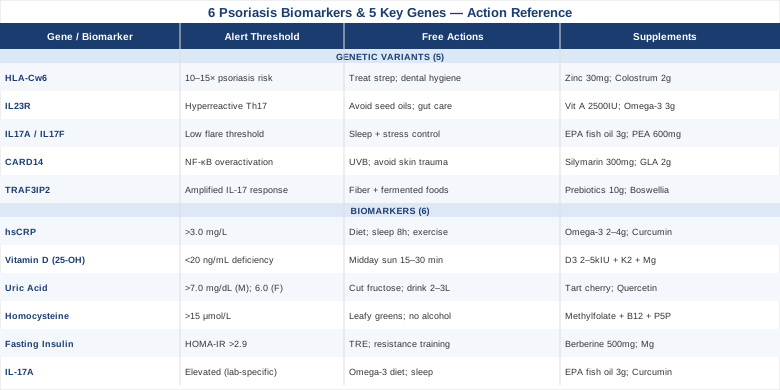
6 Biomarkers Worth Tracking If You Have Psoriasis
Most people with psoriasis have their skin assessed at appointments but leave without any laboratory data about what is happening internally. That is a missed opportunity. Psoriasis is a systemic inflammatory disease — the plaques on the skin are a visible expression of immune dysregulation that extends well beyond the dermis. Several blood-based markers track the processes most directly implicated in psoriasis severity and flare frequency. Knowing where yours stand is one of the most actionable things you can do.
1. High-Sensitivity C-Reactive Protein (hsCRP)
Why it matters: CRP is produced by the liver in response to inflammation, and the high-sensitivity version of the test can detect low-grade, chronic inflammation that standard CRP misses. In psoriasis, hsCRP correlates meaningfully with disease severity — patients with higher PASI (Psoriasis Area and Severity Index) scores tend to have consistently elevated hsCRP levels. Beyond tracking psoriasis activity, elevated hsCRP is a strong predictor of cardiovascular disease, which people with psoriasis face at significantly higher rates than the general population. This dual relevance makes it one of the first biomarkers worth checking.
How to Measure It
hsCRP is a standard blood test available through any GP or private lab. Cost ranges from $15–$40 in the US (or equivalent in other markets), and it requires only a simple blood draw. Optimal target: below 1.0 mg/L. Peter Attia considers below 0.5 mg/L ideal for long-term health. Levels above 3.0 mg/L indicate significant systemic inflammation. Request hsCRP specifically — standard CRP is less sensitive and less useful for tracking low-grade inflammation.
When Results Come Back Elevated: Lifestyle-First Approach
The most evidence-supported lifestyle interventions for reducing hsCRP involve metabolic and dietary changes. Eliminating ultra-processed foods, refined seed oils, and added sugars consistently reduces inflammatory markers within 4–8 weeks in most studies. Prioritizing sleep (7–9 hours; sleep deprivation sharply raises CRP), reducing visceral fat through sustained caloric control, and increasing structured movement (150+ minutes per week of moderate aerobic exercise) all produce meaningful reductions. Cold water immersion (10–15 minutes at 55–65°F, 3–4x weekly) has emerging evidence for reducing systemic inflammation, though evidence specifically in psoriasis is limited. These are not optional suggestions — they are the highest-impact levers.
When Results Come Back Elevated: Adding Targeted Supplements
If lifestyle changes alone are insufficient after 8–12 weeks, several supplements have meaningful clinical support:
Omega-3 fatty acids (EPA + DHA): 2–4g daily of combined EPA+DHA from high-quality fish oil. No cycling required; this can be taken continuously. Side effects: mild GI upset (take with food), possible blood-thinning at higher doses — discuss with a physician if on anticoagulants. Look for a product that lists EPA and DHA separately and is third-party tested.
Curcumin with piperine: 500–1000mg daily. Cycle 8–12 weeks on, 4 weeks off to prevent adaptation and assess continued need. Generally well tolerated; GI discomfort possible. Must be taken with piperine (black pepper extract) or in a phospholipid-bound form for meaningful absorption. Evidence for reducing hsCRP in inflammatory conditions is solid.
Ginger extract: 1000–2000mg standardized extract daily. Can be taken continuously. Mild GI effects at higher doses. Works synergistically with omega-3s on inflammatory pathways.
2. 25-OH Vitamin D
Why it matters: Vitamin D is not simply a nutrient for bones — it is a potent immune modulator. Vitamin D receptors are found on nearly every immune cell, including the T-helper cells (particularly Th17) that are central drivers of psoriasis. Multiple observational studies show that people with psoriasis have significantly lower vitamin D levels than the general population, and that lower levels correlate with greater disease severity. The mechanism makes sense: vitamin D suppresses the IL-17 and IL-23 pathways that are the primary therapeutic targets of modern biologic drugs. Deficiency removes a natural brake on these pathways.
How to Measure It
The 25-hydroxyvitamin D blood test (also written as 25(OH)D) is widely available and costs $30–$60 through private labs, and is often covered by insurance. Target range for immune function: 40–60 ng/mL (some integrative practitioners aim for 60–80 ng/mL, though evidence for benefit above 60 ng/mL is weaker). Deficiency is defined as below 20 ng/mL; insufficiency as 20–30 ng/mL. Test in winter specifically, when levels are typically lowest.
When Results Come Back Below Optimal: Lifestyle-First Approach
Safe sun exposure (UVB specifically) is the most physiologically natural way to raise vitamin D. Aim for 15–30 minutes of midday sun on large body surface areas (arms, legs, torso) — the exact time depends on skin tone, latitude, and season. Notably, this is also a form of light therapy with direct evidence for psoriasis (covered in detail later). Darker skin tones require significantly longer exposure for equivalent synthesis. For people in northern latitudes during winter, food sources (fatty fish, egg yolks) can contribute but are rarely sufficient to meaningfully raise levels.
When Results Come Back Below Optimal: Adding Targeted Supplements
Vitamin D3 (cholecalciferol): Start at 2000–5000 IU daily for most deficient individuals. Always pair with Vitamin K2 (MK-7 form, 100–200mcg daily) to prevent calcium misrouting as D3 increases calcium absorption. Add magnesium glycinate (300–400mg daily) — magnesium is required to convert D3 to its active form, and deficiency in magnesium blunts the D3 response. Re-test at 90 days. Do not exceed 10,000 IU daily without physician monitoring; toxicity is rare but real above this threshold. No cycling required.
3. Uric Acid
Why it matters: Uric acid is a byproduct of purine metabolism, and its elevation (hyperuricemia) is a well-documented comorbidity in psoriasis — appearing in up to 20–30% of patients with moderate-to-severe disease. Elevated uric acid reflects excessive oxidative stress and cell turnover (the rapid keratinocyte proliferation in psoriasis directly generates purines), and independently drives inflammation through NLRP3 inflammasome activation. The connection is bidirectional: psoriasis generates elevated uric acid, and elevated uric acid amplifies inflammatory signaling. Psoriatic arthritis patients, in particular, frequently have elevated uric acid alongside joint symptoms.
How to Measure It
Serum uric acid is a standard metabolic panel component, often included in routine bloodwork. Cost: $10–$25 standalone. Optimal: below 5.5 mg/dL. Hyperuricemia threshold: above 7.0 mg/dL in men, above 6.0 mg/dL in women. Uric acid fluctuates with diet — test fasting and avoid purine-heavy foods for 24 hours before the draw for an accurate baseline.
When Results Come Back Elevated: Lifestyle-First Approach
Dietary changes can produce meaningful reductions in 4–6 weeks. Eliminating high-fructose corn syrup and reducing added sugars is the single most impactful dietary change — fructose directly stimulates uric acid production. Reducing red meat and organ meats (purine-dense) and minimizing alcohol (especially beer) also reduces levels significantly. Hydration matters: aim for 2–3 liters of plain water daily, as uric acid clearance is highly dependent on urine volume. Increasing low-purine plant proteins (lentils, tofu) as a protein source rather than high-purine animal proteins is a practical long-term shift.
When Results Come Back Elevated: Adding Targeted Supplements
Tart cherry extract: 480mg twice daily. Tart cherries contain anthocyanins that inhibit xanthine oxidase (the enzyme that produces uric acid) and also reduce NLRP3 inflammasome activation. Can be taken continuously; no significant side effects. Evidence for reducing uric acid levels and gout frequency is robust.
Quercetin: 500–1000mg daily. Also inhibits xanthine oxidase and has additional anti-inflammatory effects relevant to psoriasis. Take with food for better absorption. No strict cycling required, though cycling 8 weeks on/2 weeks off is reasonable long-term. Well tolerated; rare GI side effects.
Vitamin C: 500–1000mg daily. Has mild uricosuric (uric acid-lowering) effects and is generally well tolerated. Often overlooked but has solid supporting evidence.
4. Homocysteine
Why it matters: Homocysteine is an amino acid that accumulates when methylation pathways are impaired — usually due to inadequate folate, B12, or B6 intake, or genetic polymorphisms in methylation enzymes (particularly MTHFR). In psoriasis, elevated homocysteine is significantly more common than in the general population, and appears to reflect both the metabolic burden of chronic inflammation and underlying methylation insufficiency. Beyond its connection to psoriasis, elevated homocysteine is a well-established independent risk factor for cardiovascular disease — relevant given that psoriasis already elevates cardiovascular risk substantially. Addressing it targets both skin and systemic health simultaneously.
How to Measure It
Fasting homocysteine is a simple blood draw, costing $30–$50 at private labs or through functional medicine panels. Optimal: below 8–9 μmol/L. Moderately elevated: 10–15 μmol/L. High risk: above 15 μmol/L. Always test fasting. If elevated, test B12 and folate levels alongside to understand the cause.
When Results Come Back Elevated: Lifestyle-First Approach
Food-first interventions focus on increasing dietary folate (leafy greens, legumes, liver) and natural B12 sources (meat, fish, eggs, dairy). Eliminating alcohol — which blocks folate absorption and impairs methylation — can alone reduce elevated homocysteine within weeks. Moderating coffee consumption (above 4–5 cups daily is associated with higher homocysteine) and increasing physical activity (exercise upregulates methylation enzyme activity) are secondary but relevant lifestyle factors.
When Results Come Back Elevated: Adding Targeted Supplements
This is a case where supplementation tends to be highly effective because the cause is usually a specific nutrient gap.
Methylfolate (5-MTHF): 400–800mcg daily. Use the methylated form specifically — not folic acid — particularly if you may carry MTHFR variants (extremely common). Continuous use; safe long-term. Note: very high doses can cause a "folate flush" in people sensitive to methylation changes — start at 400mcg and increase if needed.
Methylcobalamin (B12): 500–1000mcg daily, sublingual for best absorption. Continuous use. Essentially no toxicity risk at these doses. Hydroxocobalamin is an alternative if methylcobalamin causes overstimulation in sensitive individuals.
Pyridoxal-5-Phosphate (P5P, active B6): 25–50mg daily. Do not exceed 100mg daily long-term — peripheral neuropathy has been reported with sustained high-dose B6, though mainly with inactive pyridoxine forms. Continuous use at 25–50mg is considered safe.
These three together — the methylation trio — are typically sufficient to normalize homocysteine within 8–12 weeks.
5. Fasting Insulin and HOMA-IR
Why it matters: The link between psoriasis and insulin resistance is well-established and bidirectional. Psoriasis drives systemic inflammation that impairs insulin signaling; insulin resistance in turn elevates TNF-alpha, IL-6, and other pro-inflammatory cytokines that amplify psoriatic inflammation. Metabolic syndrome (of which insulin resistance is the core) is present in a substantial proportion of psoriasis patients, and its severity tracks with psoriasis severity. Perhaps most importantly, insulin resistance is highly modifiable — it is one of the most actionable levers in the entire psoriasis-inflammation cycle.
How to Measure It
Fasting insulin requires a blood draw after an 8–12 hour fast. Cost: $25–$60. Standard labs often don't include it — request it specifically. Use it alongside fasting glucose to calculate HOMA-IR (Homeostatic Model Assessment of Insulin Resistance) = (fasting insulin × fasting glucose) ÷ 405. Optimal HOMA-IR: below 1.0. Insulin resistance: above 1.9. Significant resistance: above 2.9. Fasting insulin alone: below 5 μIU/mL is ideal; above 15 μIU/mL is clearly problematic.
When Results Come Back Elevated: Lifestyle-First Approach
This is the one biomarker where lifestyle interventions are definitively the primary treatment — and they work fast. Time-restricted eating (eating within an 8–10 hour window) reduces insulin exposure by extending fasting periods, and has meaningful effects on HOMA-IR within 4–8 weeks. Eliminating refined carbohydrates and ultra-processed foods while maintaining adequate protein (1.6–2.0g per kg of body weight) prevents the blood sugar spikes that drive repeated insulin surges. Resistance training (3+ sessions per week) is particularly effective — skeletal muscle is the primary site of insulin-mediated glucose disposal, and building muscle mass directly improves insulin sensitivity. Even a 30-minute daily walk after meals produces measurable reductions in post-meal glucose and insulin.
When Results Come Back Elevated: Adding Targeted Supplements
Berberine: 500mg, 2–3 times daily with meals. Activates AMPK and produces insulin-sensitizing effects comparable in some studies to metformin. Cycle 8 weeks on, 4 weeks off — berberine can suppress gut bacteria diversity with prolonged continuous use. Avoid if taking medications metabolized by CYP3A4 (check with a pharmacist). Do not combine with prescription diabetes medications without medical supervision.
Magnesium glycinate: 300–400mg daily at night. Magnesium is a cofactor in insulin receptor signaling, and deficiency (extremely common) impairs glucose metabolism. Safe for continuous use; soft stools at higher doses.
Alpha-lipoic acid (ALA): 300–600mg daily. Improves insulin sensitivity and has antioxidant properties relevant to psoriasis-associated oxidative stress. Take on an empty stomach for best absorption. Cycle as needed — ALA can temporarily reduce B-vitamin levels with prolonged high-dose use.
6. Interleukin-17A (IL-17A)
Why it matters: IL-17A is the cytokine most directly at the center of psoriasis pathophysiology. It is produced by Th17 cells activated by IL-23, and it directly drives the keratinocyte hyperproliferation and neutrophil recruitment that create plaques. The fact that biologic drugs targeting IL-17A (secukinumab, ixekizumab) and its receptor (bimekizumab) are among the most effective psoriasis treatments in existence tells you how central this pathway is. Measuring circulating IL-17A gives you a direct read on how active this pathway is in your specific case.
How to Measure It
IL-17A is not yet part of routine clinical bloodwork — it is typically measured in research or specialist contexts, or via specialized functional medicine labs. Cost: $100–$250 depending on the lab. Reference ranges vary significantly between labs; work with a clinician who can interpret the result in context. Companies like LabCorp, Quest, and various functional medicine panels offer serum cytokine panels. While not an everyday test, it is valuable before initiating or after changing treatment to establish a baseline.
When Results Come Back Elevated: Lifestyle-First Approach
The lifestyle interventions that most directly suppress Th17 activity and IL-17A production include: omega-3 fatty acids in the diet (EPA and DHA shift immune cells away from the Th17 phenotype toward regulatory T-cell activity), reducing saturated fat and refined carbohydrates (which promote Th17 polarization), adequate sleep (sleep deprivation acutely shifts immune balance toward inflammatory cytokine production), and sustained stress management (cortisol dysregulation from chronic stress promotes IL-17 pathway activation). These are not minor influences — each has mechanistic plausibility and supporting human data.
When Results Come Back Elevated: Adding Targeted Supplements
EPA-dominant fish oil: 3–4g combined EPA+DHA daily, with a ratio favoring EPA. EPA specifically reduces IL-17A in several autoimmune models. Continuous use; monitor for blood-thinning effects at the higher end. Look for products that disclose EPA and DHA content separately.
Curcumin (BCM-95 or phospholipid-bound form): 1000mg daily. Directly suppresses IL-6 and STAT3 signaling upstream of Th17 differentiation. Cycle 8–12 weeks on/4 weeks off.
Lactobacillus reuteri probiotics: Specific strains of L. reuteri (particularly DSM 17938 and ATCC PTA 6475) have been shown to reduce Th17 differentiation and IL-17 production in animal and early human studies. Take 1–5 billion CFU daily, continuously. Refrigerate after opening. More data is needed in psoriasis specifically, but the mechanism is plausible and side effects are minimal.
---
Knowing where your biomarkers stand provides a measurable, actionable foundation. But understanding why your immune system tends toward this kind of dysregulation in the first place — the genetic layer underneath — adds another dimension of clarity.
The Genetics Behind Psoriasis: 5 Key Variants
Psoriasis has one of the strongest genetic components of any common inflammatory condition. The heritability is estimated at 60–90%, meaning genetics explains a substantial portion of why some people develop it and others don't. That said, genetics is not destiny — gene expression is modifiable by environment, lifestyle, and targeted interventions. This section covers the five variants with the most established evidence, what each does biologically, and what compensation strategies look like.
If you have access to genome sequencing (23andMe, AncestryDNA raw data analyzed through a third-party tool, or clinical genetic testing), these are the variants worth examining.
1. HLA-C (HLA-Cw6 Variant)
What it is: HLA-Cw6 (part of the PSORS1 locus on chromosome 6p21) is the single strongest known genetic risk factor for psoriasis. It accounts for approximately 35–50% of the genetic risk for plaque psoriasis. HLA-Cw6 carriers have a 10–15 times higher lifetime risk of developing psoriasis compared to non-carriers. The gene encodes a protein involved in presenting antigens to immune cells, and the Cw6 variant appears to aberrantly present self-antigens (including keratin fragments) as foreign threats, triggering T-cell attacks on skin tissue.
What it affects: Specifically linked to earlier onset psoriasis (before age 40), more severe disease, and a higher likelihood of guttate psoriasis — the form often triggered by streptococcal throat infections. Interestingly, HLA-Cw6 carriers also tend to respond better to biologics targeting IL-17 and IL-12/23 than non-carriers, which has implications for treatment selection.
Compensating Without Supplements
Since the variant increases susceptibility to infection-triggered flares, aggressive management of streptococcal infections (prompt treatment of throat infections, considering tonsillectomy in cases of recurrent strep-triggered guttate flares) directly addresses one of the primary environmental triggers for this genotype. Reducing antigenic load through oral health optimization (periodic dental checks, treating gum disease) and avoiding skin trauma (Koebner phenomenon — injury triggering new plaques) is particularly relevant for Cw6 carriers.
Adding Targeted Support
Zinc (15–30mg daily) supports healthy immune recognition and has antimicrobial effects relevant to reducing the streptococcal load that frequently triggers Cw6-associated flares. Take as zinc glycinate or bisglycinate; avoid zinc oxide (poor absorption). Take with food to reduce nausea. Cycle 8 weeks on, 2 weeks off, as zinc competes with copper — consider 1–2mg copper supplement if using long-term. Bovine colostrum (2–3g daily) supports mucosal immune function and may reduce infection frequency; evidence is early but mechanism is plausible.
2. IL23R (Interleukin-23 Receptor Gene)
What it is: Several variants in IL23R are strongly associated with psoriasis and psoriatic arthritis. IL-23 is an upstream cytokine that drives differentiation of Th17 cells — the main producers of IL-17A. Variants in IL23R that increase receptor sensitivity or expression effectively amplify the IL-23 → IL-17 → psoriasis axis. This is also why drugs targeting IL-23 (guselkumab, risankizumab) are highly effective: they block this very pathway at its upstream trigger.
What it affects: Individuals carrying risk variants in IL23R have a fundamentally more reactive Th17 arm of immunity. This makes them more susceptible to psoriasis but also potentially to other IL-17-driven inflammatory conditions (ankylosing spondylitis, inflammatory bowel disease). The pathway is particularly sensitive to dietary fatty acid ratios and gut microbiome composition.
Compensating Without Supplements
Reducing dietary factors that stimulate IL-23 production is the most direct lifestyle lever: refined carbohydrates, linoleic acid-rich seed oils (corn, soybean, sunflower oil), and chronic sleep deprivation all upregulate IL-23 signaling. Improving gut barrier integrity matters specifically for this variant — intestinal permeability allows bacterial lipopolysaccharides (LPS) to enter circulation and directly stimulate IL-23 production from dendritic cells. Eliminating gluten and dairy temporarily (the AIP protocol discussed in the complementary section) and focusing on gut-healing foods (bone broth, fermented vegetables) addresses this.
Adding Targeted Support
Vitamin A (retinol, not beta-carotene): Adequate vitamin A is required for regulatory T-cell function that counterbalances Th17 responses. Liver (1–2 servings weekly) is the most efficient dietary source. If supplementing, use retinol at 2500–5000 IU daily — beta-carotene conversion is highly variable and unreliable. Do not exceed 10,000 IU daily long-term due to hepatotoxicity risk. Omega-3 EPA/DHA (3g daily) has direct effects on suppressing IL-23 production from dendritic cells — particularly relevant for this variant. Resveratrol: 250–500mg daily; inhibits STAT3 and NF-κB, which sit downstream of IL-23R signaling. Evidence is mostly in vitro and animal studies — use as adjunct, not primary intervention. Cycle 8 weeks on/4 weeks off.
3. IL17A and IL17F (Interleukin-17 Genes)
What it is: Variants in IL17A and IL17F affect baseline expression levels of the IL-17 cytokines themselves. Risk variants tend to increase IL-17 production, pushing the inflammatory set point higher from baseline. Since IL-17A is the primary effector cytokine in psoriatic plaques, higher intrinsic production means the threshold for developing and sustaining a flare is lower.
What it affects: Directly influences baseline inflammatory tone of the skin. Carriers may notice that even minor triggers (small infections, stress events, dietary lapses) are sufficient to initiate flares that non-carriers would not experience. The psoriasis may appear earlier in life and may be more resistant to topical-only management.
Compensating Without Supplements
Micro-trigger reduction is particularly important for this genotype: meticulous skin care to prevent micro-injuries, consistent stress management (high cortisol directly stimulates IL-17 production), and strict consistency with sleep (even one poor night measurably elevates IL-17A). For this variant specifically, the compounding effects of multiple small triggers matter — where another person might flare only under extreme stress, an IL17A risk-variant carrier may flare from a combination of moderate stress, poor sleep, and a salty meal. Managing all three simultaneously, not just one at a time, is the strategy.
Adding Targeted Support
EPA-rich fish oil (3–4g daily) is the most directly relevant supplement — EPA is incorporated into immune cell membranes and reduces IL-17 production. Long-term continuous use is appropriate; monitor blood thinning. Palmitoylethanolamide (PEA): 600–1200mg daily. An endogenous fatty acid amide that downregulates mast cell and inflammatory signaling; has shown anti-inflammatory effects in several skin-adjacent conditions. Limited psoriasis-specific data but plausible mechanism for IL-17 attenuation. Well tolerated; no cycling required.
4. CARD14
What it is: CARD14 (Caspase Recruitment Domain Family Member 14) mutations are found in a subset of psoriasis patients — particularly those with familial plaque psoriasis and pustular psoriasis. CARD14 mutations cause constitutive activation of NF-κB in keratinocytes, meaning the skin's own cells are perpetually sending inflammatory alarm signals regardless of what is happening in the immune system. This is one reason why some psoriasis cases seem almost entirely intrinsic to the skin and respond poorly to systemic immunosuppression.
What it affects: This variant particularly drives keratinocyte-intrinsic inflammation — the skin cells themselves are dysregulated, not just the T-cells attacking them. This has implications for treatment: interventions that target only T-cell activity may be less effective; therapies that also address keratinocyte signaling (like apremilast, or topical treatments targeting NF-κB) may be relatively more effective.
Compensating Without Supplements
Topical approaches targeting NF-κB in keratinocytes become particularly relevant: consistent use of topical corticosteroids or vitamin D analogues (calcipotriol) specifically targets this keratinocyte-level pathway. Minimizing mechanical trauma to skin — pressure, friction, scratching — is especially important, as physical stress activates NF-κB in keratinocytes directly. Sun exposure (managed UVB) suppresses NF-κB in keratinocytes and is mechanistically relevant for this variant.
Adding Targeted Support
Silymarin (milk thistle extract): 200–400mg daily. Inhibits NF-κB in multiple tissue types including skin; some early clinical data in psoriasis. Continuous use; hepatoprotective side benefits. Evening primrose oil (GLA): 2–3g daily. Gamma-linolenic acid suppresses NF-κB and has been used in inflammatory skin conditions. Continuous use; generally well tolerated. Some older clinical data in psoriasis showing modest benefit.
5. TRAF3IP2 (ACT1)
What it is: TRAF3IP2 encodes the ACT1 protein, which is a critical signaling adapter in the IL-17 receptor pathway. Risk variants in this gene alter the downstream signaling efficiency following IL-17A binding, affecting how intensely cells respond to IL-17 stimulation. It has been associated with both psoriasis and psoriatic arthritis in genome-wide association studies.
What it affects: The variant modifies the signal amplification step downstream of IL-17A binding — essentially how much inflammation a given amount of IL-17A generates. Combined with elevated IL-17A production (from IL17A gene variants), this can create a compounding effect: more IL-17A produced and greater downstream response per unit of IL-17A.
Compensating Without Supplements
Since this gene affects signal amplification rather than cytokine production itself, upstream interventions become more important: reducing IL-17A production (dietary and lifestyle interventions above) will have amplified benefits in this genotype because each unit reduction in IL-17A translates to a larger downstream effect. Prioritizing gut microbiome health (high-fiber diet, fermented foods) is particularly relevant — microbiome dysbiosis is one of the upstream triggers for the IL-17 axis that TRAF3IP2 amplifies.
Adding Targeted Support
Inulin-type prebiotics (5–10g daily, gradually increased to avoid gas) specifically feed Lactobacillus and Bifidobacterium species that downregulate Th17 differentiation. Combined with a high-quality probiotic (containing L. plantarum and B. longum), this addresses the microbiome upstream trigger relevant to TRAF3IP2 amplification. Continuous use is appropriate. Boswellic acids (AKBA from Boswellia serrata): 100–300mg AKBA daily; inhibits 5-lipoxygenase and leukotriene B4, which sit downstream of IL-17R signaling. Cycle 8 weeks on/2 weeks off. Limited direct psoriasis evidence but strong anti-inflammatory mechanistic rationale.
---
Understanding genetics and biomarkers gives you a data layer to work from. The next question is what the broader science of lifestyle medicine says about immune regulation and skin health — and some of the most compelling recent synthesis comes from Huberman Lab's work on these mechanisms.
Huberman Lab Insights Applied to Psoriasis: What the Research Actually Shows
Andrew Huberman and his collaborators at the Huberman Lab (Stanford School of Medicine) have produced extensive content on immune regulation, skin biology, inflammation, light exposure, and gut-brain interactions — all of which are directly relevant to an immune-mediated skin condition like psoriasis. No single Huberman episode is dedicated to psoriasis, but the research underlying several episodes maps directly onto its core mechanisms. What follows are the ten most practically applicable insights, each supported by the mechanistic science Huberman frequently cites.
1. Morning Sunlight Exposure Regulates Cortisol and Immune Tone
Consistent early morning sunlight exposure (10–30 minutes, eyes open, outdoors, within 1–2 hours of waking) sets the cortisol awakening response — a healthy, predictable cortisol peak that then falls through the day. When this pattern is disrupted (by artificial light at night, erratic sleep, or no outdoor time), cortisol can be chronically elevated at low levels throughout the day. Chronic low-level cortisol elevation promotes Th17 polarization and IL-17 production — directly relevant to psoriasis. This is free, takes 15 minutes, and has cascading downstream effects on immune regulation.
2. UVB Light Has Direct Immunosuppressive Effects on Skin
Huberman has discussed extensively how UVB light (present in outdoor sunlight at solar noon) generates nitric oxide in the skin and directly suppresses local immune activation. This is not incidental — phototherapy (narrowband UVB) is one of the most effective standard treatments for psoriasis. The immunosuppressive effects of UVB on skin T-cells are well-documented. Controlled, non-burning sun exposure at midday is a legitimate adjunct tool — not just for vitamin D synthesis, but for the direct immunosuppressive effect on skin tissue.
3. Sleep Is Non-Negotiable for Inflammatory Reset
During slow-wave sleep, the brain's glymphatic system clears inflammatory metabolites, and peripheral immune cells undergo regulatory rebalancing. Sleep deprivation acutely raises IL-6, TNF-alpha, and IL-17A — all of which are central to psoriasis pathophysiology. Huberman's sleep protocols emphasize cool sleeping temperature (65–68°F), complete darkness, consistent timing (same wake time daily), and avoiding alcohol (which fragments sleep architecture despite appearing sedating). For psoriasis patients, poor sleep is not just a consequence of discomfort — it is an active driver of the inflammatory state.
4. Cold Exposure Reduces Chronic Inflammation Through Norepinephrine
Brief cold water immersion (2–3 minutes in cold water, 55–65°F, 3–4 times weekly) triggers a robust norepinephrine release (300–400% increase, per research Huberman cites). Norepinephrine has potent anti-inflammatory effects and suppresses TNF-alpha production. Several reports suggest cold immersion reduces psoriasis plaque severity in some individuals, though this remains anecdotal without controlled trials. The mechanism — norepinephrine-mediated anti-inflammatory signaling — is sound, and the risk of a short cold shower or brief cold plunge is minimal.
5. Omega-3s Are Not Optional for Resolving Inflammation
Huberman consistently emphasizes the EPA:AA (arachidonic acid) ratio in immune cell membranes as a regulator of prostaglandin balance. High omega-6 seed oil consumption shifts this ratio toward pro-inflammatory prostaglandins; omega-3 EPA supplementation shifts it back. This is one of the most consistent dietary findings in psoriasis research — multiple studies have found that omega-3 supplementation reduces plaque severity as an adjunct to standard therapy. The therapeutic range (2–4g EPA+DHA daily) requires supplementation for most people — dietary fish consumption alone is usually insufficient.
6. High-Intensity Exercise Acutely Raises, Then Chronically Lowers, Inflammatory Markers
The dose-response relationship between exercise and inflammation is nuanced, which Huberman addresses directly. Intense exercise spikes IL-6 acutely (within 30–60 minutes), which can temporarily worsen psoriatic skin in some patients during a flare. However, regular exercise chronically reduces baseline inflammatory markers (hsCRP, TNF-alpha) and improves insulin sensitivity — net anti-inflammatory over time. During active flares, moderate exercise (walking, swimming) is preferable to high-intensity training. During remission, building aerobic and resistance capacity is actively protective.
7. The Gut-Immune Axis Is Not Peripheral to Psoriasis
Research Huberman has covered extensively shows that 70–80% of immune cells reside in or around the gut. Intestinal permeability allows microbial antigens (particularly LPS from gram-negative bacteria) into systemic circulation, where they activate dendritic cells and trigger IL-23 → IL-17 cascades — directly driving psoriatic inflammation. Improving gut barrier integrity is not an alternative medicine concept — it is a legitimate upstream target for IL-23/IL-17 pathway regulation. Eliminating alcohol, reducing NSAIDs, increasing fiber, and eating fermented foods all have documented effects on intestinal permeability.
8. Stress-Induced Immune Dysregulation Follows Specific Patterns
Huberman's work on the stress response distinguishes between acute stress (beneficial, sharpens immune function) and chronic psychological stress (dysregulatory). Chronic psychological stress elevates substance P, which directly stimulates mast cells and Th17 differentiation — one of the clearest mechanisms by which stress triggers psoriasis flares. The Physiological Sigh (two quick inhales through the nose followed by a long exhale through the mouth) is Huberman's most evidence-supported real-time stress reduction tool, triggering parasympathetic activation within seconds. Practiced 3–5 times at moments of acute stress, it blunts the cortisol spike that would otherwise amplify IL-17 signaling.
9. Fermented Foods Outperform Probiotic Supplements for Microbiome Diversity
A 2021 Stanford study (co-authored with Justin Sonnenburg, frequently cited by Huberman) directly compared high-fiber diets versus high-fermented-food diets on immune markers. Fermented foods (kimchi, kefir, sauerkraut, yogurt — 4–6 servings daily) produced consistent reductions in 19 inflammatory markers, including IL-17A, within 10 weeks. High fiber alone increased microbiome diversity in some participants but also transiently increased certain inflammatory markers. For psoriasis patients, this suggests prioritizing fermented foods alongside fiber, not instead of it.
10. Nasal Breathing and Nitric Oxide Production
Huberman has highlighted the role of nasal breathing in generating nitric oxide (NO) in the nasal sinuses, which is then carried into the lungs with each breath. Nitric oxide has direct vasodilatory and anti-inflammatory effects in the skin vasculature — relevant because psoriatic skin is characterized by abnormal angiogenesis and vascular activation. Habitual mouth breathing reduces systemic nitric oxide by 50–75%. Taping the mouth during sleep (mouth tape is widely available, starting at $10) to enforce nasal breathing is a simple, low-cost intervention that affects systemic NO levels throughout the night.
---
These lifestyle insights complement, but don't replace, targeted clinical interventions. For some people with psoriasis, there are also specific complementary modalities with meaningful clinical evidence that are worth knowing about.
Complementary Approaches With Real Clinical Evidence
The following four modalities have meaningful human clinical evidence specifically for psoriasis or closely related autoimmune skin conditions. Each has limitations, and none replaces standard medical care — but each offers a specific protocol that can be layered onto existing treatment without meaningful risk.
Mindfulness-Based Stress Reduction (MBSR)
MBSR is a structured 8-week program developed by Jon Kabat-Zinn at the University of Massachusetts, involving guided meditation, body scan practices, and mindful movement. It is particularly relevant to psoriasis because psychological stress is one of the most documented triggers for flares — and because skin has direct neurogenic connections that respond to the stress-immune axis. The program addresses the chronic psychological stress component that many patients identify as a primary driver of worsening skin.
The evidence here is unusually direct. A landmark randomized controlled trial by Kabat-Zinn and colleagues (published in Psychosomatic Medicine, 1998) specifically studied psoriasis patients undergoing phototherapy (UVB and PUVA). Patients who listened to mindfulness meditation tapes during phototherapy sessions cleared their skin at approximately four times the rate of controls receiving the same phototherapy without the mindfulness component. This is not a soft finding — it was a randomized, controlled design with objective outcome measures.
The practical protocol: a formal MBSR course (available in-person through hospitals and community centers, or online through platforms like Palouse Mindfulness for free) is preferable to ad hoc practice because it builds skills systematically. During phototherapy sessions specifically, guided body scan audio during treatment is a directly applicable approach. Outside of phototherapy, 20–30 minutes of daily formal practice (MBSR-style, not just general meditation apps) is the dose used in research.
Light Therapy (Narrowband UVB Phototherapy)
Light therapy is not an alternative treatment for psoriasis — it is an evidence-based standard of care with decades of clinical trial data. Narrowband UVB (NB-UVB, 311–313 nm) suppresses T-cell activity in the skin, reduces Th17 differentiation, induces regulatory T-cells, and has direct effects on keratinocyte biology. It is considered one of the most effective and safest long-term treatments for moderate-to-severe plaque psoriasis. PUVA (psoralen plus UVA) is more effective but carries higher long-term carcinogenesis risk and is typically reserved for recalcitrant cases.
Home NB-UVB phototherapy units are now available (though expensive — $2000–$5000 for full-body units), and numerous controlled trials have demonstrated that home UVB phototherapy produces outcomes comparable to clinic-based treatment with superior adherence and quality of life. The AAD and British Association of Dermatologists both endorse home phototherapy as a viable option for appropriate patients. Dermatologist supervision is required to initiate treatment and calibrate dosing.
The realistic application: discuss phototherapy specifically with your dermatologist rather than accepting topicals as the only non-biologic option. For patients who cannot access clinic phototherapy 2–3 times per week (the standard protocol), home unit rental programs exist in several countries. Controlled, non-burning outdoor sun exposure at midday is a free partial substitute for UVB, particularly in summer months at mid-latitudes — it does not match NB-UVB in precision but provides the same fundamental UV wavelengths.
Microbiome-Directed Therapies
The gut-skin axis in psoriasis has moved from hypothesis to reasonably well-supported biology over the past decade. Multiple studies have documented distinct gut microbiome compositions in psoriasis patients compared to healthy controls — with reduced abundance of Faecalibacterium prausnitzii (a potent anti-inflammatory species) and increased abundance of pro-inflammatory gram-negative bacteria. Since gut-derived LPS enters circulation and directly stimulates the IL-23 pathway that drives psoriatic inflammation, therapeutic microbiome modification is a legitimate upstream strategy.
Specific human evidence includes several small controlled trials showing that Lactobacillus and Bifidobacterium-based probiotic supplementation (for 8–12 weeks) reduces PASI scores and inflammatory markers in psoriasis patients, with effect sizes roughly comparable to low-potency topical treatments. The Stanford fermented foods study mentioned earlier provides additional evidence that dietary microbiome interventions can reduce circulating IL-17A specifically. This is an active research area with evolving recommendations — results are meaningful but not definitive.
The practical protocol: daily intake of 2–4 servings of fermented foods (kefir, plain full-fat yogurt, kimchi, kombucha, sauerkraut), combined with 20–30g daily of dietary fiber from diverse plant sources (not supplements). Add a probiotic containing Lactobacillus plantarum WCFS1 and Bifidobacterium longum — strains with the most relevant evidence for immune modulation. Begin gradually with fermented foods to avoid GI disturbance; build over 2–4 weeks. Assess impact on flare frequency over a 3-month period.
The Autoimmune Protocol (AIP) — Sarah Ballantyne's Framework
The Autoimmune Protocol, developed and systematized by Dr. Sarah Ballantyne (author of The Paleo Approach), is a structured elimination and reintroduction dietary protocol specifically designed for autoimmune conditions. Since psoriasis is an autoimmune disease involving aberrant T-cell activity and barrier dysfunction in multiple tissues, it is directly within the intended scope of AIP. The protocol is built on a substantial foundation of scientific literature — Ballantyne references hundreds of peer-reviewed studies in her work — rather than anecdote.
The AIP elimination phase removes all grains, legumes, nightshades, eggs, dairy, alcohol, nuts, seeds, and refined sugars for a minimum of 30–90 days. These foods contain compounds (lectins, saponins, gluten, specific food antigens) with documented effects on intestinal permeability, immune activation, and autoimmune triggers. The elimination phase is followed by a careful, structured reintroduction of individual food categories to identify personal triggers. This is not a permanent elimination diet — it is a diagnostic-therapeutic protocol.
Meaningful clinical evidence for AIP in autoimmune conditions broadly includes a 2017 pilot study in inflammatory bowel disease showing significant reductions in inflammatory markers and disease activity scores. Psoriasis-specific data is limited to case series and patient-reported outcomes, but the mechanistic rationale is strong (gut permeability, food antigen-driven immune activation) and consistent with the biomarker and genetic insights covered earlier. The realistic approach: commit to a strict 60-day elimination phase with the support of Ballantyne's book or an AIP-trained practitioner, then reintroduce foods systematically to identify which (if any) drive your specific flares. Many patients discover specific trigger foods that were otherwise invisible.
Conclusion
Psoriasis is complex, but it is not opaque. The biomarkers in this article — hsCRP, Vitamin D, Uric Acid, Homocysteine, Fasting Insulin, and IL-17A — give you six concrete data points that can be measured today, tracked over time, and actively improved through specific interventions. The genetic variants add context about why your immune system is calibrated the way it is, and what compensatory strategies are most relevant to your specific biology. Neither layer demands expensive testing to get started — an hsCRP, Vitamin D, and fasting insulin panel can be ordered for under $100 and reveals more clinically useful information than most standard dermatology appointments produce.
The next smart step is not to implement everything at once. Start with the two or three biomarkers most likely to be abnormal for you — Vitamin D and hsCRP are the highest-yield starting points for most psoriasis patients — and work systematically from there. Bring these results to a dermatologist or integrative physician who can interpret them in the context of your full clinical picture. Better data leads to better decisions, and in psoriasis, better decisions lead to longer remissions.
Skin Endocrine & Metabolic Autoimmune
Musculoskeletal: Joint Conditions
Skin: Inflammatory Skin Conditions
Autoimmune: Inflammatory Conditions Autoimmune Skin Conditions