This article contains AI generated content.
· UpdatedPyomyositis Genes & Biomarkers — 5 Genes and 6 Biomarkers To Track
Introduction
If you or someone close to you has received a pyomyositis diagnosis, the first thing that probably strikes you is how unfamiliar it feels. A bacterial infection taking hold inside skeletal muscle tissue — forming pus-filled abscesses deep within what is supposed to be one of the body's most protected compartments — sits outside the experience of most patients and even many clinicians outside infectious disease. Its incidence has been rising steadily in temperate countries, driven largely by growing populations living with diabetes, HIV, or immunosuppressive treatments, but it remains poorly understood at the individual level.
What makes pyomyositis particularly difficult to navigate is that two people can face an identical bacterial exposure and only one will develop a muscle abscess. Blood sugar control, immune status, inflammatory genetics, and even the functional state of pattern-recognition receptors all contribute to that difference. Generic guidance — take antibiotics, drain the abscess, rest — is necessary and correct, but it leaves most of the individual picture untouched.
This article takes a more targeted approach. It walks through the six biomarkers most worth tracking before, during, and after a pyomyositis episode, and the five genetic variants most likely to shape how an individual's immune system handles bacterial invasion of muscle tissue. Knowing which numbers to watch and which genomic tendencies may be working against you creates a much sharper foundation for discussions with your medical team.
Nothing here replaces acute medical care — pyomyositis is always a condition requiring professional management, often including surgical drainage and intravenous antibiotics. But better information leads to better decisions, and that principle applies whether you are trying to understand a recent episode, reduce the likelihood of recurrence, or support someone else through recovery.
Summary
This article covers the six most actionable biomarkers for monitoring pyomyositis — from the ones your emergency physician checks in the first hour to the one most likely to reveal why the infection happened in the first place. It then examines five genetic variants that influence bacterial susceptibility and immune response intensity, with practical guidance on what to do when those variants work against you. A shorter genetics-focused section follows, alongside a summary of relevant insights from research on immune optimization, and a review of complementary approaches that carry meaningful clinical evidence for infection recovery and immune resilience.
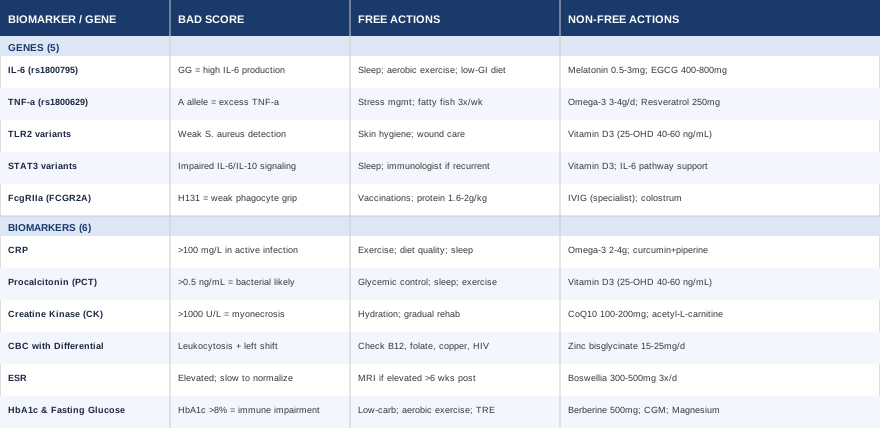
6 Biomarkers to Track in Pyomyositis
Biomarkers serve two distinct purposes in pyomyositis: diagnosing and staging an active infection, and understanding the underlying vulnerabilities that made the infection possible. The six markers below cover both functions. Some belong to the acute workup that any emergency physician will order; others require specific requests and are often missed in standard panels but are arguably more important for long-term prevention.
1. C-Reactive Protein (CRP)
Why it matters: CRP is synthesized by the liver within four to six hours of tissue injury or bacterial challenge, making it the fastest objective signal of systemic inflammation available in routine blood work. In pyomyositis, CRP is almost universally elevated, often dramatically so — values above 100 mg/L are common in confirmed cases, and values above 200 mg/L are not unusual in severe presentations. Because CRP falls quickly when infection is controlled, it serves as a real-time proxy for treatment response over days and weeks of antibiotic therapy.
How to measure it: Standard serum CRP is included in many hospital panels and can be ordered as an outpatient test. High-sensitivity CRP (hs-CRP) is a different assay calibrated for the lower range (below 10 mg/L) used in cardiovascular risk assessment — it is not the right tool for tracking active infection. For pyomyositis monitoring, standard CRP is appropriate. Cost typically ranges from $10–$30 out of pocket; most insurance covers it when infection is suspected. Results are available within hours.
If the score is bad, the plan without supplements: In acute pyomyositis, a rising or persistently elevated CRP despite antibiotics signals inadequate source control — the abscess may not be fully drained, a new collection may have formed, or the wrong antibiotic is being used. The non-supplement response is clinical: repeat imaging (MRI is the gold standard), reassessment of antibiotic coverage, and often repeat drainage. During recovery and for long-term prevention, the lifestyle levers for baseline CRP reduction include sustained aerobic exercise (150 minutes or more per week), a dietary pattern low in ultra-processed foods, adequate sleep (seven to nine hours), and glycemic control if diabetes is present. Each of these has robust evidence for lowering chronic low-grade inflammation independent of medication.
If the score is bad, the plan with supplements or equipment: For chronic elevation after resolution of acute infection — suggesting ongoing immune dysregulation rather than active infection — a few evidence-grounded options exist. Omega-3 fatty acids (EPA + DHA, 2–4 g/day combined) have meta-analytic support for reducing CRP in inflammatory states; cycling is not typically required but gastrointestinal tolerance should be assessed, and high doses may mildly prolong bleeding time. Curcumin with piperine (500–1000 mg curcumin, 5–10 mg piperine, once or twice daily) has shown CRP-lowering effects in multiple RCTs; it is generally safe but should be paused before surgeries and used cautiously with blood thinners. Magnesium glycinate (300–400 mg/day) supports anti-inflammatory signaling pathways, and many adults are deficient. These are adjuncts to, not replacements for, the lifestyle factors listed above. Continuous use is reasonable; reassess CRP every three months.
2. Procalcitonin (PCT)
Why it matters: Procalcitonin is a precursor peptide that rises specifically in response to bacterial infection, making it significantly more specific than CRP for distinguishing bacterial from viral or non-infectious causes of inflammation. In pyomyositis, PCT is typically elevated, and serial PCT measurement has value both for confirming bacterial etiology and for guiding antibiotic de-escalation — a strategy now supported by multiple randomized trials in the infectious disease literature. PCT rises and falls faster than ESR and tracks active bacterial load more reliably than WBC alone.
How to measure it: PCT is a serum test ordered separately from standard metabolic panels. Not all outpatient labs offer it, but hospital labs and reference laboratories routinely do. Cost ranges from $30–$80 out of pocket. Turnaround is typically two to four hours. A value below 0.1 ng/mL suggests bacterial infection is unlikely; values above 0.5 ng/mL suggest it is probable; values above 2 ng/mL correlate with systemic sepsis risk. In confirmed pyomyositis, tracking PCT every forty-eight to seventy-two hours during hospitalization is more informative than a single measurement.
If the score is bad, the plan without supplements: A persistently elevated PCT despite seventy-two hours of appropriate antibiotics should prompt reassessment of source control — incomplete drainage, secondary bacteremia, or resistant organism. This is a clinical decision point, not a lifestyle one. For long-term PCT prevention (keeping baseline near zero between episodes), the primary levers are the same as for CRP: glycemic control, sleep quality, regular physical activity, and avoidance of repeated mucosal barrier compromise (e.g., skin injuries in athletes, injection drug use).
If the score is bad, the plan with supplements or equipment: Vitamin D3 deficiency is associated with impaired innate immune response and increased bacterial infection risk. Restoring 25(OH)D to the 40–60 ng/mL range (typically requiring 2000–5000 IU/day of D3 with K2 co-supplementation) is one of the most evidence-supported immune-maintenance interventions available. Test 25(OH)D levels before supplementing; retest after ninety days. There are no significant cycling requirements for maintenance dosing at these levels, though very high doses (above 10,000 IU/day) require closer monitoring for hypercalcemia.
3. Creatine Kinase (CK)
Why it matters: Creatine kinase leaks from damaged or dying muscle cells, making it the most direct serum signal of muscle tissue destruction. In pyomyositis, CK elevation reflects the degree of myonecrosis — how aggressively the infection is destroying the muscle it has invaded. Interestingly, CK is not always dramatically elevated in early-stage pyomyositis (particularly stage one, before frank abscess formation), which is part of why the condition is so frequently missed on initial presentation. When CK is substantially elevated — particularly above 1000 U/L — it signals more advanced muscle damage and warrants urgent imaging.
How to measure it: CK is a standard serum test included in many comprehensive metabolic panels or ordered as CK or CPK (creatine phosphokinase). Cost is typically $10–$25. Results are same-day. Normal range varies by sex: roughly 40–200 U/L in women and 55–270 U/L in men, though reference ranges differ slightly between laboratories. A single high value is less informative than a trend — CK peaks at muscle damage peak and should fall as infection is controlled.
If the score is bad, the plan without supplements: Elevated CK in acute pyomyositis is managed by treating the infection — adequate drainage and antibiotics reduce bacterial burden, which reduces ongoing muscle destruction, which allows CK to normalize. Ensuring adequate hydration is important because myoglobin released from damaged muscle (which accompanies CK elevation) can injure the kidneys. During recovery, gradual reintroduction of physical activity rather than aggressive exercise protects recovering muscle and prevents spurious re-elevation.
If the score is bad, the plan with supplements or equipment: During and after recovery, coenzyme Q10 (100–200 mg/day) and acetyl-L-carnitine (500–1000 mg twice daily) support mitochondrial energy production in recovering muscle tissue. Neither directly treats infection but both may assist cellular recovery post-damage. If CK remains elevated long after infection resolution, this warrants investigation for statin-induced myopathy (a common drug interaction) or an unresolved inflammatory myopathy — this is a clinical question, not a supplement one.
4. Complete Blood Count with Differential (CBC-diff)
Why it matters: The complete blood count — specifically the white blood cell count with differential — provides a real-time snapshot of the immune system's mobilization against bacterial infection. In pyomyositis, leukocytosis (WBC above 11,000 cells/µL) with a left shift (elevated band neutrophils) is the classic finding, present in the majority of cases. Absolute neutrophil count, lymphocyte-to-monocyte ratio, and the presence or absence of toxic granulation in neutrophils all add nuance. Lymphopenia in particular is a red flag worth noting: it may suggest underlying HIV, severe nutritional deficiency, or a degree of immune exhaustion that predisposed the patient to the infection.
How to measure it: The CBC with differential is one of the least expensive and most widely available blood tests, typically costing $10–$20 and available within hours from any clinical laboratory. It should be part of every baseline workup for suspected pyomyositis and repeated every forty-eight to seventy-two hours during acute management to track immune response.
If the score is bad, the plan without supplements: Persistent leukocytosis suggests ongoing bacterial activity; the management is clinical. Chronic leukopenia (low WBC outside the acute phase) warrants investigation for HIV, nutritional deficiencies (particularly B12, folate, copper), or bone marrow suppression. Lymphopenia between episodes is a signal to have an immunologist involved in long-term management.
If the score is bad, the plan with supplements or equipment: For immune resilience between episodes, zinc bisglycinate (15–25 mg/day) supports neutrophil function and T-cell production. Zinc is a commonly depleted mineral in people with diabetes or GI malabsorption — both common risk factors for pyomyositis. Do not exceed 40 mg/day long-term without monitoring copper (zinc and copper compete for absorption; copper deficiency can worsen leukopenia). Cycling zinc is practical: eight to twelve weeks on, two to four weeks off if used at higher doses.
5. Erythrocyte Sedimentation Rate (ESR)
Why it matters: ESR is a non-specific inflammatory marker that rises more slowly than CRP and falls more slowly — making it a useful complement rather than a substitute. In pyomyositis, ESR is nearly universally elevated and often remains high for weeks after CRP begins to normalize. This makes ESR a useful trailing indicator of residual inflammation during recovery. Persistently elevated ESR many weeks after an episode suggests either incomplete infection resolution, the development of a chronic osteomyelitis focus, or an underlying inflammatory condition that predisposed to the infection.
How to measure it: ESR is inexpensive ($5–$15) and universally available. Normal values vary by age and sex: the Westergren method gives upper limits of roughly 20 mm/hr in younger men, 30 mm/hr in younger women, and higher thresholds in older adults. Like CRP, a single reading matters less than the trend over weeks of treatment.
If the score is bad, the plan without supplements: A persistently elevated ESR six or more weeks after apparent resolution of pyomyositis warrants repeat MRI to rule out residual abscess, chronic osteomyelitis, or a rare complication such as septic arthritis in adjacent joints. This is an imaging and clinical decision, not a supplement one.
If the score is bad, the plan with supplements or equipment: For chronic low-level ESR elevation in the post-recovery phase, the same lifestyle levers that reduce CRP apply: dietary quality, sleep, and aerobic exercise. Boswellia serrata extract (standardized to 65% boswellic acids, 300–500 mg three times daily) has shown anti-inflammatory effects in several RCTs for musculoskeletal conditions and is worth considering if ESR remains elevated after six weeks of standard lifestyle measures; it is generally well tolerated, though GI effects occur in some users.
6. HbA1c and Fasting Glucose
Why it matters: This is arguably the most important of the six — not for tracking active infection, but for understanding why it happened. Diabetes mellitus is the single most common predisposing condition for pyomyositis in temperate countries, accounting for anywhere from thirty to sixty percent of cases in case series from North America and Europe. Chronic hyperglycemia impairs neutrophil chemotaxis, phagocytic killing ability, and the integrity of the microvascular supply that carries immune cells to threatened tissue. An HbA1c above 8% creates a measurably compromised environment for bacterial defense inside muscle tissue. Many patients receive their pyomyositis diagnosis before diabetes has been formally identified — the infection is sometimes the first clinical signal that glycemic control has been poor for years.
How to measure it: HbA1c reflects average blood glucose over the prior two to three months and costs $15–$40. Fasting glucose ($5–$15) complements it by showing the current point value. Together they give both the trend and the present state. For anyone who has experienced pyomyositis without a prior diabetes diagnosis, both tests should be ordered immediately. For people with known diabetes, both should be tracked quarterly during and after recovery.
If the score is bad, the plan without supplements: HbA1c reduction is primarily achieved through dietary carbohydrate moderation, sustained aerobic exercise (which dramatically improves insulin sensitivity), weight loss where applicable, and stress reduction (cortisol directly elevates blood glucose). A reduction of even 1% in HbA1c produces clinically meaningful improvements in immune function. Time-restricted eating (a ten-to-twelve-hour eating window) has shown HbA1c-lowering effects in multiple trials independent of calorie restriction. Consistency over months — not dramatic short-term interventions — is what drives durable change.
If the score is bad, the plan with supplements or equipment: Berberine (500 mg, two to three times daily with meals) has shown HbA1c-lowering effects comparable to metformin in several trials in people with type 2 diabetes; it should be used under medical supervision, is not appropriate in pregnancy, and can interact with medications metabolized by the liver. Magnesium supplementation (300–400 mg/day as glycinate or malate) has modest evidence for improving insulin sensitivity in magnesium-deficient individuals, and deficiency is common in people with poorly controlled diabetes. A continuous glucose monitor (CGM) — now available over the counter in many countries — is among the most powerful tools available for understanding individual glycemic patterns and targeting behavior change precisely. A two-to-four-week CGM session is inexpensive relative to its informational value and does not require a prescription in many markets.
With these six biomarkers tracked systematically, you move from reactive management to proactive surveillance — knowing not just that pyomyositis has occurred, but understanding the biological terrain that allowed it.
The Genetic Landscape: 5 Variants That Shape Susceptibility and Immune Response
Genetic testing for infectious disease susceptibility is still an emerging field, and the genes described below do not determine destiny — they shift probability. Understanding them helps explain why some people seem to be disproportionately vulnerable to serious bacterial infections despite reasonable health habits, and it opens doors to targeted interventions.
Gene 1: IL-6 (rs1800795) — The Inflammation Amplifier
What it does: The IL-6 gene encodes interleukin-6, one of the most powerful acute-phase inflammatory cytokines. The rs1800795 variant (also written as -174G/C) determines baseline IL-6 transcription activity. Carriers of the C allele tend to produce less IL-6 in response to bacterial challenge, while GG homozygotes produce higher levels. In bacterial infection, higher IL-6 drives faster acute-phase responses (including CRP synthesis) and recruits immune cells more aggressively — which can be beneficial for clearing infection, but also contributes to tissue damage when the response overshoots.
Evidence quality: The association between this variant and infectious disease susceptibility has been studied in sepsis, ICU outcomes, and musculoskeletal infections. Evidence is at the level of association studies and mechanistic research; prospective trials on pyomyositis specifically are not yet available.
If the gene is bad — plan without supplements: For carriers with high-IL-6 tendency (GG genotype), the priority is avoiding the triggers that push IL-6 into pathological ranges: chronic sleep deprivation (which dramatically amplifies IL-6 release), sedentary behavior, excess body fat (especially visceral), and high glycemic load diet. Regular moderate aerobic exercise — not extreme training — is the most reliable lifestyle lever for appropriate IL-6 modulation.
If the score is bad — plan with supplements or equipment: Melatonin (0.5–3 mg, thirty minutes before bed) has documented IL-6 modulating properties at physiological doses; it also directly supports sleep quality, addressing two pathways simultaneously. Green tea extract (EGCG) at 400–800 mg/day has shown IL-6-lowering effects in multiple human trials; cycling eight weeks on, two weeks off reduces theoretical concerns about long-term liver load, and it should be taken with food. Monitoring: recheck CRP as a proxy for IL-6 activity every three months.
Gene 2: TNF-α (rs1800629, -308G/A) — The First Responder Dial
What it does: Tumor necrosis factor-alpha is a central mediator of the initial immune response to bacterial pathogens. The -308G/A variant (rs1800629) produces higher TNF-α levels in carriers of the A allele (GA or AA genotype). Higher TNF-α can be protective in early infection — it is essential for macrophage activation and bacterial killing — but excess TNF-α contributes to tissue destruction, fever severity, and septic shock risk in uncontrolled infections.
Evidence quality: This is one of the most studied cytokine polymorphisms in infectious disease, with documented associations with sepsis outcomes, susceptibility to intracellular infections, and autoimmune conditions. Its specific role in pyomyositis has not been studied in large cohorts, but its mechanistic relevance is well established.
If the gene is bad — plan without supplements: High-TNF tendencies make stress management especially important: acute psychological stress activates the HPA axis in ways that intersect directly with TNF-α signaling. Mind-body practices (discussed later in this article) have measurable effects on cytokine profiles in human trials. Dietary focus: omega-3 fatty acids from food sources (fatty fish three or more times per week) have the best evidence base for modulating TNF-α through prostaglandin pathways.
If the score is bad — plan with supplements or equipment: EPA/DHA omega-3s at 3–4 g/day (pharmaceutical-grade fish oil or algae-based equivalents) have shown TNF-α reduction in multiple RCTs — this is the highest-confidence supplement choice for this gene variant. Continuous use is appropriate; monitor LDL-P (fish oil can occasionally raise LDL particle number) every six months. Resveratrol (250–500 mg/day of a quality trans-resveratrol supplement) has shown inhibition of TNF-α-driven NF-κB signaling in human studies; it is generally safe but has complex interactions with medications metabolized by CYP450 enzymes.
Gene 3: TLR2 (Toll-Like Receptor 2 Variants) — The Bacterial Sensor
What it does: Toll-like receptor 2 sits on the surface of macrophages and neutrophils, functioning as a pattern recognition receptor that detects bacterial cell wall components — specifically the peptidoglycan and lipoteichoic acid that are the signature of gram-positive bacteria like Staphylococcus aureus, the most common causative organism in pyomyositis. Several TLR2 variants reduce receptor sensitivity, meaning the immune system's alarm bell rings more softly when S. aureus is present — allowing bacterial replication to advance further before an effective response mobilizes.
Evidence quality: TLR2 polymorphisms and their relationship to staphylococcal infection susceptibility have been studied in the context of endocarditis, osteomyelitis, and skin infections. The association is supported by functional studies. Large pyomyositis-specific cohorts are lacking but the mechanistic logic is strong.
If the gene is bad — plan without supplements: Maintaining skin barrier integrity is particularly important for people with reduced TLR2 function, because skin is the primary entry point for S. aureus. This means prompt wound care, avoidance of shared equipment in contact sports, and careful hygiene around any transcutaneous devices (catheters, needles, monitoring equipment). Nasal carriage of S. aureus — present in roughly thirty percent of the general population — is a documented risk factor for invasive infection in those with immune vulnerabilities; decolonization with mupirocin nasal ointment (a prescription medication) is an option worth discussing with a physician for recurrent cases.
If the score is bad — plan with supplements or equipment: Vitamin D3 (targeting 25(OH)D at 40–60 ng/mL) directly upregulates the expression of antimicrobial peptides including defensins and cathelicidins in macrophages, partially compensating for reduced TLR2 sensitivity by strengthening downstream bacterial killing. This is one of the most mechanistically coherent uses of vitamin D in immune support and is supported by several human trials. Standard monitoring: test 25(OH)D at baseline and after ninety days of supplementation.
Gene 4: STAT3 (Signal Transducer and Activator of Transcription 3)
What it does: STAT3 is a transcription factor activated by multiple cytokine signaling pathways, including those triggered by IL-6 and IL-10. It plays a critical role in balancing pro- and anti-inflammatory immune responses. Loss-of-function STAT3 variants cause hyper-IgE syndrome (also called Job's syndrome), a rare primary immunodeficiency characterized by recurrent staphylococcal abscesses in skin, lung, and occasionally muscle — a presentation that overlaps meaningfully with pyomyositis. Less severe hypomorphic STAT3 variants are more common in the general population and may subtly impair coordinated responses to bacterial infection without meeting the diagnostic threshold for a defined immunodeficiency.
Evidence quality: The STAT3 loss-of-function and pyomyositis connection is well established at the rare disease level (hyper-IgE syndrome). For common variants and mild STAT3 insufficiency in the general pyomyositis population, evidence is preliminary. This gene is worth testing if recurrent pyomyositis or recurrent staphylococcal infections are present.
If the gene is bad — plan without supplements: Any person with recurrent pyomyositis — two or more episodes — should be referred to an immunologist for formal evaluation of primary immunodeficiency, with STAT3 functional testing as part of that workup. Lifestyle-wise, consistently adequate sleep is the most powerful non-pharmacologic regulator of STAT3 activity, since STAT3 signaling is closely linked to circadian biology and disrupted in chronically sleep-deprived individuals.
If the score is bad — plan with supplements or equipment: Given the complexity of STAT3 biology, there are no specific supplements with robust evidence for directly compensating STAT3 insufficiency. The indirect approach is optimizing the cytokines that feed into STAT3 signaling. Supporting IL-6 regulation (through the interventions described above) and ensuring adequate vitamin D status are the most evidence-grounded indirect strategies. Prophylactic antibiotics (trimethoprim-sulfamethoxazole or similar) for preventing recurrent staphylococcal infection are a clinical option discussed by immunologists in people with documented susceptibility — this is a medical rather than supplement decision.
Gene 5: FcγRIIa (rs1801274, FCGR2A) — The Antibody Effector Link
What it does: Fc-gamma receptor IIa (encoded by FCGR2A) sits on the surface of macrophages and neutrophils and binds to IgG antibodies that have coated bacterial cells, triggering phagocytosis and killing. The rs1801274 variant (H131R) affects binding affinity: the H131 allele binds IgG2 with lower affinity than the R131 allele. IgG2 is the immunoglobulin subclass primarily responsible for coating encapsulated bacteria and, to a lesser extent, S. aureus. Reduced FcγRIIa binding efficiency means the phagocytic "handle" for clearing opsonized bacteria is weaker — a disadvantage in any bacterial infection but particularly relevant when bacterial burden inside muscle is the challenge.
Evidence quality: The FCGR2A variant has documented associations with susceptibility to sepsis, invasive bacterial infections, and slower clearance of bacteremia in hospital studies. Its specific relevance to pyomyositis is inferred from this literature rather than from condition-specific trials.
If the gene is bad — plan without supplements: Maintaining high antibody titers through vaccination is directly relevant here. S. aureus vaccines are currently in development but not yet approved; however, staying current on pneumococcal and other bacterial vaccines is wise for anyone with known phagocytic deficiencies. For recurrent pyomyositis with documented FCGR2A H131 homozygosity, an immunologist should evaluate whether intravenous immunoglobulin (IVIG) therapy might be appropriate — this is a specialist clinical decision.
If the score is bad — plan with supplements or equipment: Ensuring robust IgG production requires adequate protein intake (1.6–2.0 g/kg body weight/day), zinc (see above), and vitamin A (from food sources: liver, egg yolk, dairy; or from beta-carotene-rich vegetables). Avoiding chronic alcohol use, which directly suppresses antibody production and neutrophil function, is one of the most impactful non-supplement steps for this gene. Colostrum (bovine, standardized immunoglobulin preparations) is sometimes discussed in this context; evidence in humans is early but it is generally safe and represents a low-risk adjunct.
What the Science on Immune Optimization Says — Key Insights From Peter Attia's Framework
Peter Attia, the physician and author of Outlive, approaches infectious disease risk through the same longevity and biomarker lens that he applies to cancer and cardiovascular disease — a framework that translates unusually well to pyomyositis susceptibility because both are fundamentally about biological resilience rather than luck.
1. Metabolic health is immune health
Attia argues that the most upstream driver of chronic immune dysfunction is metabolic disease — specifically insulin resistance and its downstream effects on inflammation, cellular energy, and immune cell function. His view that virtually all chronic disease risk reduction begins with metabolic health applies directly to pyomyositis, where diabetes is the dominant predisposing factor.
2. VO₂ max as an immune resilience proxy
Attia considers VO₂ max one of the most powerful predictors of overall healthspan, noting that high cardiorespiratory fitness is associated with markedly lower all-cause mortality. In the infectious disease context, aerobic capacity directly correlates with macrophage function, NK cell activity, and systemic inflammatory baseline — all relevant to bacterial defense.
3. Sleep is the non-negotiable immune lever
In Attia's hierarchy of lifestyle interventions, sleep quality ranks above nutrition and exercise in terms of near-term immune impact. One night of five hours or less of sleep reduces NK cell activity by nearly thirty percent. For anyone recovering from pyomyositis or trying to prevent recurrence, seven to nine hours of consistent, high-quality sleep is not optional.
4. Zone 2 training for macrophage function
Attia's emphasis on zone 2 aerobic exercise (training at a conversational pace, below lactate threshold, for three to four sessions of forty-five to sixty minutes per week) is directly relevant to immune surveillance. This training intensity upregulates mitochondrial biogenesis in immune cells and reduces the chronic systemic inflammation associated with sedentary behavior without the immunosuppressive effects of very high-intensity training.
5. Protein adequacy is underappreciated in immune recovery
Attia emphasizes that most adults chronically under-consume protein relative to what is needed for tissue maintenance, immune function, and recovery from illness. In pyomyositis recovery, where muscle tissue has been directly destroyed, meeting or exceeding 1.6–2.0 g/kg/day of protein is particularly important for reconstruction of affected tissue and restoration of immune cell production.
6. Continuous glucose monitoring changes behavior
Attia has described CGM as one of the highest-leverage behavior change tools available, because it makes the glycemic consequences of specific foods, sleep patterns, and stress events immediately visible. For pyomyositis patients with known or borderline diabetes, a two-to-four-week CGM session produces insights that standard quarterly HbA1c checks entirely miss.
7. ApoB matters more than total cholesterol for infection context
Attia and cardiologist Thomas Dayspring argue that ApoB (apolipoprotein B) is a more meaningful cardiovascular risk marker than LDL-C. While this is primarily a cardiovascular argument, chronic dyslipidemia and atherosclerotic burden impair microvascular function in muscle tissue — and microvascular dysfunction is a contributing factor in pyomyositis, particularly in the diabetic population where small vessel disease is common.
8. Strength training matters for immune aging
Muscle mass is now understood to be an active immune organ — skeletal muscle releases myokines including IL-15 and BDNF that regulate immune cell trafficking and NK cell function. Attia's emphasis on resistance training two to three times per week, targeting all major muscle groups, directly supports immune resilience and is particularly relevant in recovery from a condition that destroys muscle.
9. Early warning biomarkers beat crisis management
A theme throughout Attia's work is that standard medicine intervenes too late — when disease is already advanced — rather than catching signals during the long window when intervention can prevent progression. The six biomarkers described in this article (particularly HbA1c and CRP) fit this philosophy precisely: they flag deteriorating metabolic and inflammatory health years before conditions severe enough to invite bacterial invasion of muscle tissue.
10. Stress physiology is not separate from infection biology
Attia references the growing literature on psychoneuroimmunology, noting that chronic psychological stress activates the same inflammatory pathways (TNF-α, IL-6, cortisol-mediated immunosuppression) that increase bacterial infection susceptibility. Addressing stress through structured practices is not soft medicine — it is measurable immune support.
Complementary Approaches Worth Knowing About
All approaches in this section are adjunctive to standard medical care, not replacements for it. Pyomyositis always requires professional management.
The approaches below have meaningful clinical evidence relevant to infection recovery, immune function, or the management of underlying vulnerabilities. They are selected specifically for their applicability to the pyomyositis context.
Mindfulness Meditation and MBSR
Mindfulness-Based Stress Reduction is an eight-week structured program developed by Jon Kabat-Zinn that has been studied in over one hundred randomized trials. Its relevance to pyomyositis is indirect but real: chronic stress suppresses neutrophil function, elevates cortisol, and drives the inflammatory gene expression that worsens both metabolic and immune outcomes. In a landmark study published in Psychosomatic Medicine, MBSR participants showed significantly reduced NF-κB activity — the master switch for cytokine-driven inflammation — compared to controls.
A specific and evidence-supported protocol is the MBSR eight-week course (available in person or online through organizations affiliated with the University of Massachusetts Medical School). The core practice is forty-five minutes of formal mindfulness daily, combined with body scan and mindful movement. Studies examining inflammatory biomarkers (including IL-6 and CRP) in MBSR participants have shown measurable reductions after eight weeks, with effects maintained at twelve-month follow-up in adherent participants.
For practical application in pyomyositis recovery, beginning MBSR after the acute infection phase (once medically stable) is appropriate. The stress reduction effects are cumulative — starting with ten to twenty minutes of daily breath-focused meditation and building toward longer sessions is more sustainable than attempting full forty-five-minute sessions immediately. The most realistic approach is a guided app-based program during recovery combined with a formal MBSR course once mobility and energy allow full participation.
Microbiome-Directed Therapies
The gut microbiome directly regulates systemic immune function through short-chain fatty acid production, toll-like receptor training, and the modulation of regulatory T-cell populations. Dysbiosis — characterized by reduced diversity and loss of key commensal species — has been associated with increased susceptibility to systemic bacterial infections, including in populations with diabetes and HIV, the two leading risk groups for pyomyositis. Emerging research suggests that gut microbiome composition influences the systemic inflammatory baseline that determines whether a localized bacterial challenge becomes a contained local reaction or progresses to deep tissue invasion.
A relevant area of research involves dietary fiber and fermented food consumption as the most evidence-grounded microbiome interventions. A 2021 randomized trial published in Cell (Wastyk et al.) demonstrated that a high-fermented food diet (including yogurt, kefir, kimchi, and fermented vegetables) increased microbiome diversity and reduced nineteen inflammatory protein markers including IL-6 and IL-12 in healthy adults over ten weeks — effects larger than those seen in a high-fiber intervention alone.
For practical application in pyomyositis recovery, the most realistic entry point is incorporating two to three servings of fermented foods daily alongside a high-fiber, plant-forward diet. This approach avoids the regulatory gray areas of probiotic supplements (which have heterogeneous evidence) and instead leverages the consistent finding that diverse diet generates diverse microbiome. Probiotic supplementation with Lactobacillus rhamnosus and Bifidobacterium longum strains has some evidence in ICU-level bacterial infection prevention and is reasonable to add if dietary change alone is insufficient; quality of product matters significantly in this category.
The Autoimmune Protocol (AIP) — Sarah Ballantyne
While pyomyositis is primarily an infectious rather than autoimmune disease, a meaningful proportion of pyomyositis cases occur in the context of autoimmune conditions (systemic lupus, dermatomyositis, inflammatory bowel disease) or immunosuppressive treatments for autoimmune disease. For this subset of patients, the Autoimmune Protocol developed by Dr. Sarah Ballantyne is directly relevant.
The AIP is a structured elimination diet that removes grains, legumes, nightshades, eggs, dairy, nuts, seeds, alcohol, and food additives for a minimum of thirty days, followed by systematic reintroduction to identify personal immune triggers. It is focused on gut barrier integrity — leaky gut allows bacterial antigens to cross the intestinal wall and trigger systemic immune activation that may worsen both autoimmune activity and susceptibility to secondary infections. A pilot study in Inflammatory Bowel Diseases (Konijeti et al., 2017) found significant clinical remission rates in Crohn's disease following AIP, with reductions in inflammatory markers.
For practical application in the context of pyomyositis in an autoimmune patient, the AIP is best approached as a thirty-to-ninety-day structured experiment, ideally with guidance from a registered dietitian familiar with elimination protocols. It is not a permanent diet but a diagnostic and therapeutic reset. Its greatest value in this context is identifying whether specific foods are contributing to the chronic immune activation that sets the stage for opportunistic infections.
Breathing-Based Therapies
Structured breathing practices — particularly slow diaphragmatic breathing at four to six breaths per minute — have documented effects on autonomic nervous system balance, specifically increasing parasympathetic (vagal) tone. High vagal tone is associated with lower baseline inflammatory cytokine levels including IL-6 and TNF-α, through the well-characterized cholinergic anti-inflammatory pathway. This pathway allows the vagus nerve to suppress macrophage cytokine production directly — a mechanism studied at the cellular level and increasingly being targeted therapeutically.
A practical protocol supported by clinical research is resonance frequency breathing: breathing at exactly 5.5 breaths per minute (a five-to-six second inhale, a five-to-six second exhale) for twenty minutes, twice daily. This frequency maximizes heart rate variability (HRV) — the best non-invasive measure of vagal tone — and has been studied in trials ranging from PTSD to chronic pain, consistently showing reductions in inflammatory markers over six to eight weeks. The Huberman Lab podcast episode on breathing and the work of Stephen Porges on polyvagal theory provide additional context.
For pyomyositis recovery specifically, breathing practices are safe at all stages of recovery, require no equipment (though a biofeedback HRV device like a Garmin, Polar H10, or Oura Ring helps optimize the frequency), and have no side effects. Beginning with five minutes of slow diaphragmatic breathing before bed and during stress episodes, then building to structured resonance frequency sessions, is a practical entry point.
Low-Level Laser Therapy (Photobiomodulation)
Photobiomodulation (PBM) uses red and near-infrared light (typically 630–1100 nm wavelengths) to stimulate mitochondrial function in cells, reduce local inflammation, and accelerate tissue repair. Its relevance to pyomyositis is primarily in the post-infection recovery phase, where muscle tissue damaged by bacterial invasion and the inflammatory response requires cellular rebuilding. Multiple trials have demonstrated PBM's effects on accelerating muscle recovery from injury and reducing inflammatory cytokine levels in treated tissue.
A relevant systematic review in Lasers in Medical Science documented significant improvements in muscle recovery biomarkers — including CK normalization — in athletes receiving PBM versus sham treatment following muscle injury protocols. While pyomyositis is not an athletic injury, the cellular mechanisms (mitochondrial ATP production, reduction in reactive oxygen species, promotion of angiogenesis) apply to any muscle tissue in need of repair.
Practically speaking, PBM for post-pyomyositis muscle recovery would typically involve treatment by a physiotherapist or sports medicine physician using a class 3B or class 4 therapeutic laser, applied to the previously affected muscle region two to three times per week over four to eight weeks. Consumer-grade red light therapy panels (660–850 nm) are now widely available and may provide some benefit for superficial tissue, though clinical-grade devices penetrate more deeply into muscle. PBM is contraindicated directly over active infection sites and should be applied only after confirmed resolution of the abscess on imaging. Cost per clinical session varies ($30–$100); consumer devices represent a larger upfront cost ($200–$800) but allow ongoing home use.
Conclusion
Pyomyositis is a condition that sits at the intersection of infectious biology, immune function, metabolic health, and individual genetic susceptibility. Understanding it through biomarkers and genetics does not change the fundamental requirement for proper acute medical treatment — antibiotics, drainage, close monitoring — but it transforms what comes after.
The six biomarkers described here give you a structured way to track the infection as it resolves, identify the metabolic vulnerability most likely to have predisposed you, and measure whether your interventions are actually moving the needle. The five genetic variants give context to individual differences in immune response that otherwise remain invisible. Together, they shift the conversation from "you had bad luck" to "here is the specific biology involved, and here is how to address it."
The most useful next step is specific: request the biomarker panel most relevant to your situation (starting with CRP, HbA1c, and CK), speak with your physician about whether immunological evaluation is appropriate if this is a recurrent episode, and begin with the most evidence-grounded lifestyle lever — glycemic control, sleep, and sustained aerobic exercise — before adding any supplements. Every reasonable decision starts with better information, and you now have a great deal more of it.
Musculoskeletal: Muscle Conditions
Endocrine & Metabolic: Diabetes & Blood Sugar
Autoimmune: Inflammatory Conditions
Infectious: Bacterial Infections