This article contains AI generated content.
· UpdatedRat-Bite Fever — 5 Genes and 7 Biomarkers to Track
Introduction
Rat-bite fever is one of those infections that does not look the same twice. Two people can contract the same bacterial strain, follow the same antibiotic protocol, and still have entirely different recoveries — one bouncing back in ten days, the other dealing with persistent joint pain, fatigue, or elevated inflammatory markers for weeks afterward. That variability is not random. It reflects real differences in how the immune system fires, how inflammation resolves, and what the individual's biological baseline looked like when the infection hit.
Generic advice for rat-bite fever stays close to the surface: seek treatment after a rodent bite, watch for fever and rash, take the full antibiotic course. That is accurate and non-negotiable. But it leaves out the layer that actually explains why recovery differs — and why some people end up with liver involvement, prolonged arthritis, or unexplained fatigue long after their blood cultures have cleared. Most people dealing with those complications never get a useful answer about why.
This article goes one level deeper. The first section covers seven biomarkers that provide the clearest real-time picture of how your body is responding to and recovering from rat-bite fever — what each marker reveals, how to measure it, and what specific steps can move it in the right direction. The second section explores five host genes that shape susceptibility, inflammatory intensity, and joint involvement, with practical plans for each. Beyond those two frameworks, you will also find a summary of what current immunology science says about bacterial infection recovery, and which complementary approaches have meaningful clinical evidence in this context.
Better information does not replace your physician's judgment or your antibiotic prescription. But it does give you more informed questions to ask, a clearer way to interpret your lab results, and a more complete picture of what your biology is doing during one of the more unusual infections a person can encounter.
Summary
This article breaks down 7 biomarkers — from the CBC white cell count and CRP to procalcitonin, liver enzymes, ferritin, ESR, and D-dimer — that reveal how severely rat-bite fever is affecting your system and whether recovery is on track. Each biomarker comes with a measurement guide, a plan without supplements, and an evidence-based plan with specific supplements and tools, including dosages, cycling protocols, and side effects. The article then covers 5 host genes — TLR4, IL-6, TNF-alpha, HLA-B27, and CFH — that explain why some people experience more intense fever, prolonged arthritis, or higher complication risk, again with practical plans for each genotype. Beyond the lab and genetics work, you will find a summary of ten key immune science insights from Immune by Philipp Dettmer, and four complementary approaches — microbiome restoration, mindfulness, breathing therapy, and massage — with specific clinical evidence for post-infection recovery.
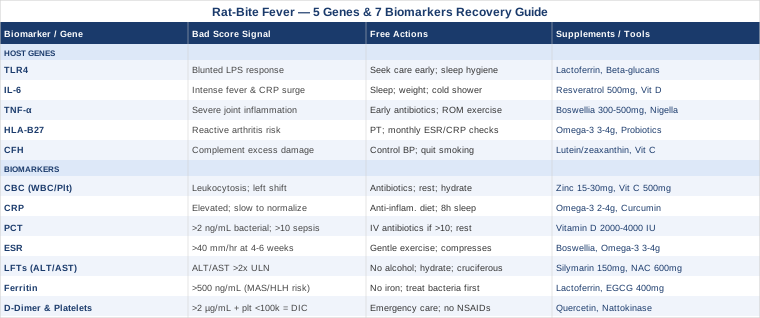
7 Biomarkers to Track During and After Rat-Bite Fever
Rat-bite fever caused by Streptobacillus moniliformis triggers a predictable but individually variable inflammatory cascade. The bacterium is gram-negative, meaning it carries lipopolysaccharide (LPS) in its outer membrane — a potent activator of the innate immune system. How intensely that activation unfolds, which organs become involved, and how quickly the process resolves differs from person to person. These seven biomarkers provide the most informative window into each phase of that process.
1. Complete Blood Count (CBC) with Differential
Why it matters: The CBC is the first and most fundamental marker to check. Leukocytosis — elevated white blood cell count — is nearly universal in active rat-bite fever, typically ranging from 10,000 to 30,000 cells per microliter, often with a left shift meaning an elevated proportion of immature neutrophil forms in circulation. A left shift is the bone marrow's emergency signal: it is producing new neutrophils faster than they can mature, which is characteristic of serious bacterial infection. Thrombocytopenia (low platelets) can appear in more severe cases and is an early red flag for coagulopathic complications.
How to measure it: Standard CBC with differential at any clinical lab. Cost: $15–50. Typically ordered at diagnosis, then repeated at 48–72 hours into antibiotic treatment if symptoms are not clearly improving. In hospitalized patients, daily monitoring may be appropriate.
If the score is bad — the plan without supplements: The primary driver of CBC abnormalities in active RBF is the infection itself, and completing the full antibiotic course — typically 7–14 days of penicillin G IV or oral amoxicillin, with doxycycline as an alternative for penicillin-allergic patients — is the cornerstone intervention. Rest and adequate hydration support bone marrow function. Avoid NSAIDs if platelet count is low, as they impair platelet function and increase bleeding risk. Recheck the CBC weekly during recovery to confirm trending toward normal.
If the score is bad — the plan with supplements: Zinc at 15–30 mg/day during and for 4–6 weeks after infection supports neutrophil function and pathogen clearance — there is consistent human evidence for zinc's role in neutrophil-mediated bacterial killing. Dose cycle: 4–6 weeks maximum; supplement with 1–2 mg copper daily if extending beyond 4 weeks to prevent depletion. Side effects: nausea at high doses, copper deficiency with long-term use. Vitamin C at 500–1000 mg/day modestly supports neutrophil activity and is well-tolerated throughout the treatment course.
2. C-Reactive Protein (CRP)
Why it matters: CRP is synthesized by the liver in response to IL-6 signaling and rises sharply within 6–12 hours of the onset of bacterial infection. In rat-bite fever, it is both a diagnostic aid and a treatment response marker. Serial CRP measurements matter more than a single value: a CRP falling at 48–72 hours into antibiotic treatment signals adequate response. CRP that remains elevated or rises despite antibiotics raises the concern of an inadequate drug choice, an abscess, a secondary septic joint, or early endocarditis — the most feared complication of RBF. Pepys and Hirschfield (2003) provide the foundational review of CRP biology and its clinical interpretation across infectious conditions.
How to measure it: Standard CRP: $10–30. High-sensitivity CRP (hs-CRP): $20–50. For active infection monitoring, standard CRP is sufficient and more clinically relevant. hs-CRP is better suited to long-term post-recovery cardiovascular risk assessment.
If the score is bad — the plan without supplements: An anti-inflammatory dietary pattern — removing refined sugars, processed seed oils, and ultra-processed foods — reduces the chronic inflammatory background that amplifies infection-driven CRP. Prioritizing 7–9 hours of sleep is not optional here: the resolution phase of acute inflammation is most active during slow-wave sleep, and sleep deprivation measurably impairs CRP normalization. Minimize additional physical and psychological stressors during the treatment period.
If the score is bad — the plan with supplements: Omega-3 fatty acids (EPA+DHA combined, 2–4 g/day) have robust human evidence for reducing CRP and downstream inflammatory cytokines by providing substrate for anti-inflammatory resolvin and protectin synthesis — the molecules that actively switch off inflammation rather than merely suppress it. Cycle: 8–12 weeks on, then reassess with repeat CRP. Side effects: mild antiplatelet effect at doses above 3 g/day; caution if on anticoagulants. Curcumin with piperine (500–1000 mg/day) may support CRP reduction during the post-infection recovery phase; begin after completing antibiotics to avoid potential pharmacokinetic interactions.
3. Procalcitonin (PCT)
Why it matters: Procalcitonin is one of the most specific available biomarkers for distinguishing bacterial from viral infection. It rises within 2–4 hours of bacterial endotoxin exposure and tracks infection severity more closely than CRP in the early window. In rat-bite fever — where diagnosis is often delayed because of the disease's rarity and its mimicry of viral syndromes, drug reactions, and rheumatologic presentations — an elevated PCT can provide critical early confirmation of bacterial etiology before blood cultures return (which can take 48–72 hours and have sensitivity as low as 25–50% in RBF). PCT above 2 ng/mL indicates systemic bacterial infection; values above 10 ng/mL suggest sepsis-level risk and warrant immediate escalation of care. Falling PCT during treatment is a reliable marker of treatment response.
How to measure it: PCT assay at clinical labs: $50–150. Increasingly available as point-of-care testing. Recommended at diagnosis and at 48–72 hours into treatment to assess trajectory.
If the score is bad — the plan without supplements: Very high PCT in the context of RBF primarily demands aggressive antibiotic therapy and, when PCT exceeds 10 ng/mL, hospital admission for intravenous penicillin G. PCT normalization directly follows bacterial clearance. No lifestyle intervention substitutes for antibiotic therapy at this threshold, but adequate sleep and avoiding additional physical stress support the clearance process.
If the score is bad — the plan with supplements: Vitamin D has documented roles in modulating the innate immune response and regulating the procalcitonin pathway via toll-like receptor signaling. Vitamin D deficiency (25-OH vitamin D below 30 ng/mL) is associated with prolonged PCT elevation during bacterial infections. If deficiency is identified, correcting it with 2,000–4,000 IU/day supports immune efficiency and may accelerate PCT normalization. Target serum level: 40–60 ng/mL. Monitor serum calcium to avoid hypercalcemia with extended high-dose supplementation.
4. Erythrocyte Sedimentation Rate (ESR)
Why it matters: ESR is a slower marker than CRP — it rises over 24–48 hours and remains elevated for days to weeks after CRP has begun to normalize. This lag makes it particularly informative in rat-bite fever because of the condition's high rate of joint involvement: polyarthritis affects approximately 50–70% of RBF patients. Persistent ESR elevation at 4–6 weeks post-treatment — especially above 40–50 mm/hr — signals ongoing synovitis that has not fully resolved, and warrants further investigation to rule out reactive arthritis or septic joint complication. Running CRP and ESR in parallel gives you both the fast-moving and the slow-resolving pictures of inflammation.
How to measure it: Standard Westergren ESR: $10–25. Include in initial workup and repeat at 2 and 6 weeks post-treatment.
If the score is bad — the plan without supplements: Gentle range-of-motion exercises for affected joints during recovery support synovial fluid circulation and maintain joint mobility without loading inflamed structures. Avoid high-impact activity until ESR is trending down. Alternating cold and warm compresses on affected joints (10–15 minutes, 2–3 times daily) provides symptomatic relief and supports local circulation. If ESR remains above 40 mm/hr six weeks after completing antibiotics, follow up with rheumatology to evaluate for reactive arthritis — a condition for which HLA-B27 status (covered in the genetics section below) is particularly relevant.
If the score is bad — the plan with supplements: Boswellia serrata standardized extract (300–500 mg three times/day) has human clinical trial evidence for reducing joint inflammation and has a specific mechanism — inhibition of 5-lipoxygenase — that is directly relevant to the leukotriene-mediated inflammation of post-infectious arthritis. Cycle: 8–12 weeks; reassess ESR at endpoint. Side effects: occasionally mild GI discomfort; generally well-tolerated. Omega-3 fatty acids (3–4 g EPA+DHA/day) also reduce joint-specific inflammation via protectin pathways, and the two approaches are safely combined.
5. Liver Function Tests (ALT, AST, GGT, Bilirubin)
Why it matters: Hepatic involvement in rat-bite fever is documented in approximately 15–25% of cases, particularly where treatment has been delayed or the infection has disseminated systemically. S. moniliformis can seed the liver directly or trigger focal hepatitis through systemic inflammatory signaling. Elevated ALT and AST — especially if both rise above twice the upper limit of normal — signal liver stress that needs monitoring. Unrecognized hepatic involvement can complicate antibiotic metabolism (both penicillin and doxycycline are partly hepatically processed) and indicates a more aggressive infection course requiring closer follow-up. GGT and bilirubin add information about whether the pattern is predominantly hepatocellular or cholestatic.
How to measure it: Comprehensive metabolic panel or hepatic function panel: $20–60. Run at diagnosis. If values are elevated, repeat weekly until normalization. Recheck at 4 weeks post-treatment as a minimum.
If the score is bad — the plan without supplements: Complete alcohol abstinence during active infection and for at least 4 weeks after LFT normalization. Reduce acetaminophen to the lowest effective dose; avoid entirely if ALT or AST exceeds three times the upper limit of normal. Maintain hydration at 2–3 liters of water daily to support hepatic clearance. Increase cruciferous vegetables (broccoli, Brussels sprouts) in the diet — their sulforaphane content upregulates hepatic detoxification pathways via the Nrf2 transcription factor.
If the score is bad — the plan with supplements: Silymarin (standardized milk thistle extract, 150 mg three times/day) has well-documented hepatoprotective effects across multiple hepatitis etiologies; its antioxidant and anti-fibrotic mechanisms are relevant regardless of the trigger. Meta-analytic evidence supports its use in both viral and toxic hepatitis. Cycle: 8–12 weeks until LFTs normalize. Side effects: mild laxative effect in some individuals. NAC (N-acetylcysteine, 600 mg twice daily) supports hepatic glutathione synthesis, which is the liver's primary antioxidant defense during inflammatory stress; particularly valuable if any acetaminophen use is occurring concurrently.
6. Ferritin
Why it matters: Ferritin is an acute-phase reactant: during infection and inflammation, it rises independent of actual iron stores, driven by cytokine signaling from the infected tissue. Moderate ferritin elevation in active RBF is expected and reflects the inflammatory state. However, very high ferritin — above 500 ng/mL, and especially above 1,000 ng/mL — combined with falling CBC values (rather than rising) is a red flag for macrophage activation syndrome (MAS) or hemophagocytic lymphohistiocytosis (HLH). These are rare but life-threatening complications of severe bacterial infections in which macrophage overactivation leads to immune-mediated destruction of red blood cells and platelets. Monitoring ferritin longitudinally provides an early warning system for this progression.
How to measure it: Serum ferritin: $20–50. Include in initial workup and repeat if recovery stalls, fever persists beyond 7 days on antibiotics, or CBC trends worsen unexpectedly.
If the score is bad — the plan without supplements: In active infection, elevated ferritin reflects inflammation rather than iron excess; iron supplementation is contraindicated (iron feeds bacterial growth and does not address the underlying problem). Focus on bacterial clearance through antibiotics. If ferritin is very high (above 500 ng/mL) alongside worsening CBC and elevated liver enzymes, this pattern demands urgent specialist evaluation — it is not a self-manageable situation.
If the score is bad — the plan with supplements: Once the infection has resolved and ferritin remains persistently elevated above 200 ng/mL in women or 300 ng/mL in men (without concurrent iron-deficiency anemia), this suggests residual low-grade inflammation. Lactoferrin (200–300 mg/day) is an iron-binding glycoprotein with anti-inflammatory properties that may modulate ferritin through immune regulation. EGCG from green tea extract (400 mg/day standardized) has shown modest ferritin-lowering effects in studies on metabolic inflammation. Cycle: 6–8 weeks with reassessment. Side effects: do not use EGCG if liver enzymes remain elevated; high doses of EGCG in susceptible individuals have been associated with hepatotoxicity.
7. D-Dimer and Platelet Count
Why it matters: D-dimer is a fibrin degradation product that rises when the coagulation cascade has been activated. In any severe bacterial infection, including rat-bite fever, elevated D-dimer combined with a falling platelet count can signal early disseminated intravascular coagulation (DIC) — a serious complication in which the clotting system activates inappropriately throughout the circulation, simultaneously creating clots and consuming clotting factors, leading to paradoxical bleeding. A pattern of D-dimer above 2 µg/mL alongside platelets below 100,000/µL with ongoing fever warrants immediate escalation to emergency care. This biomarker pair is not routine in mild RBF but becomes essential when the patient is significantly unwell or failing to respond to outpatient antibiotics.
How to measure it: D-dimer: $30–80. Platelet count is included in the standard CBC ($15–50). D-dimer is ordered when fever persists beyond 5–7 days on appropriate antibiotics, when unexplained bruising appears, or when the patient's clinical status worsens rather than improves.
If the score is bad — the plan without supplements: Elevated D-dimer in active RBF requires urgent medical management, not self-treatment. Complete IV antibiotic therapy is the primary intervention. Avoid NSAIDs and antiplatelet agents entirely if platelets are low. Rest and maintain hydration. This is one biomarker where the priority is emergency care rather than supplementation — no supplement addresses active DIC.
If the score is bad — the plan with supplements: Once the acute phase has fully resolved and D-dimer has normalized, if there is residual low-grade platelet dysregulation, quercetin (500 mg twice daily) has modest anti-platelet aggregation and anti-inflammatory evidence in human studies. Nattokinase (2,000 FU/day) has early evidence for supporting fibrinolytic activity in post-infectious and cardiovascular contexts, though robust RCT data specifically in post-RBF coagulopathy is lacking. Cycle: 4–6 weeks with recheck. Side effects: do not combine with anticoagulant medications without physician supervision.
The Genetic Picture: 5 Host Genes That Shape Your Response
The same bacterial exposure does not produce the same disease in everyone. Host genetic variation — particularly in genes that govern pattern recognition, cytokine signaling, and complement activation — explains a meaningful portion of the individual variability in rat-bite fever severity, joint involvement, and recovery trajectory. This is not determinism; it is context. Knowing your genetic profile tells you which areas of your biology are working at a disadvantage and where targeted interventions are most likely to be useful.
1. TLR4 (Toll-Like Receptor 4) — The Gram-Negative Sensor
What it does: TLR4 is the primary innate immune receptor for lipopolysaccharide (LPS), the structural component of gram-negative bacterial outer membranes. Streptobacillus moniliformis is gram-negative — which means TLR4 is literally the first molecular alarm that fires when the immune system encounters this pathogen. The speed and intensity of that alarm depends heavily on TLR4 function. Two well-studied polymorphisms — Asp299Gly (rs4986790) and Thr399Ile (rs4986791) — are associated with blunted TLR4 signaling. Counterintuitively, reduced TLR4 signaling increases susceptibility to gram-negative bacterial infections by delaying the early innate response and allowing bacterial dissemination before containment begins.
If the gene is bad — the plan without supplements: With reduced TLR4 function, the window between bacterial entry and effective immune response is longer than average. The practical implication is clear: do not wait to see if symptoms resolve on their own after a rodent bite. Fever, rash, or joint pain within 3–10 days of any rodent exposure warrants same-day medical evaluation. The body's early warning system is less sensitive; you need to act earlier, not later. Maintaining adequate sleep (7–9 hours), healthy weight, and low chronic stress all support baseline innate immune tone as background measures.
If the score is bad — the plan with supplements: Lactoferrin (500–1000 mg/day) has been shown to modulate TLR4 signaling and enhance innate immune response to gram-negative bacteria by acting as a natural LPS-binding protein that facilitates pattern recognition. Mushroom-derived beta-glucans (lion's mane or reishi extract, 500–1000 mg/day) serve as TLR4 and dectin-1 agonists, effectively amplifying the pattern recognition response. These are preventive-leaning tools rather than acute treatment. Cycle: 4–6 weeks during periods of known exposure risk; rest for 2–4 weeks. Side effects: lactoferrin is generally well-tolerated; beta-glucans may cause transient mild GI changes at initiation.
2. IL6 Gene — The Fever and Acute-Phase Intensity Dial
What it does: Interleukin-6 is the cytokine most responsible for the acute phase response: it signals the liver to produce CRP and ferritin, raises body temperature via hypothalamic signaling, and activates both T cells and B cells. The −174 G/C polymorphism (rs1800795) in the IL-6 gene promoter influences baseline IL-6 production. The GG genotype is associated with higher IL-6 output in response to bacterial stimulation — which in practice means more intense fever, higher CRP, faster ferritin rise, and a generally more amplified acute-phase response during bacterial infections.
If the gene is bad — the plan without supplements: For GG individuals who tend toward high IL-6 responses, the background factors that chronically elevate IL-6 deserve attention: sleep deprivation, psychological stress, obesity, and sedentary behavior all compound the IL-6 signal during acute infection. Prioritizing sleep quality, reducing chronic psychological stressors, and maintaining a healthy body weight serve as meaningful buffers. During recovery, cold exposure protocols — cold showers at approximately 15°C for 2–3 minutes — may modulate post-infection IL-6 via norepinephrine-mediated anti-inflammatory signaling.
If the score is bad — the plan with supplements: Resveratrol (500 mg/day) has human study evidence for downregulating IL-6 at the transcriptional level, partly through SIRT1 activation and NF-κB inhibition. Cycle: 8 weeks on, 2 weeks off; resveratrol has estrogen-mimetic effects at high doses and warrants caution in hormone-sensitive conditions. Vitamin D (2,000–4,000 IU/day, with serum monitoring) directly suppresses IL-6 gene transcription via the vitamin D receptor — one of the most well-documented immune-modulatory effects of vitamin D. Target serum 25-OH vitamin D: 40–60 ng/mL. Monitor calcium with extended supplementation above 4,000 IU/day.
3. TNF Gene (TNFA rs1800629) — The Inflammatory Amplifier
What it does: TNF-alpha is a master pro-inflammatory cytokine that amplifies the innate immune response to bacterial infection, drives fever, and is central to joint inflammation. The −308 G/A polymorphism (rs1800629) in the TNF gene promoter is one of the most studied inflammatory genetic variants. The A allele — present in GA or AA genotypes — is associated with higher TNF-alpha production in response to bacterial stimulation. Higher TNF activity in the context of RBF translates to more intense systemic inflammation and, critically, potentially more severe and prolonged joint involvement. TNF-alpha is the cytokine that rheumatologic biologics target in chronic arthritis — its role in driving synovitis is mechanistically well-established.
If the gene is bad — the plan without supplements: For individuals with the A allele at rs1800629, joint involvement in RBF deserves close monitoring. Early and complete antibiotic treatment reduces the bacterial stimulus driving TNF amplification — the TNF-driven loop requires ongoing bacterial LPS exposure to sustain, so bacterial clearance is the primary modulator. During recovery, gentle range-of-motion exercises for affected joints maintain mobility without provoking TNF-mediated synovitis. Avoid high-impact loading of affected joints for 2–4 weeks after the acute infection phase has resolved.
If the score is bad — the plan with supplements: Boswellia serrata extract (300–500 mg three times/day) specifically inhibits TNF-alpha at the transcriptional level, in addition to its 5-lipoxygenase inhibition — two complementary anti-inflammatory mechanisms relevant to joint recovery. Cycle: 8–12 weeks; reassess with ESR and CRP. Nigella sativa (black seed oil, 1,000 mg twice daily) has clinical data showing TNF-alpha reduction in human studies of inflammatory conditions. Cycle: 8 weeks; monitor blood glucose if diabetic, as Nigella sativa has documented blood sugar-lowering effects.
4. HLA-B27 — The Reactive Arthritis Risk Gene
What it does: HLA-B27 is a human leukocyte antigen class I molecule involved in antigen presentation to cytotoxic T cells. Its association with reactive arthritis — sterile joint inflammation triggered by remote bacterial infection — is one of the most established gene-disease associations in immunology. HLA-B27-positive individuals who develop systemic bacterial infections, including rat-bite fever, carry a substantially elevated risk of developing post-infectious arthritis that persists beyond the clearance of the bacteria. The mechanism involves molecular mimicry: bacterial antigens that cross-react with joint tissue antigens, sustained by HLA-B27-mediated T-cell activation.
If the gene is bad — the plan without supplements: For HLA-B27-positive individuals recovering from RBF: if joint symptoms persist or worsen beyond 4–6 weeks after completing antibiotics, reactive arthritis should be the working diagnosis and rheumatology referral is warranted. Physical therapy focused on axial spine and peripheral joint mobility — particularly if spine, sacroiliac, or larger lower extremity joints are involved — is the standard conservative approach. Monthly monitoring of ESR and CRP for 3 months post-treatment provides objective data for both you and your physician.
If the score is bad — the plan with supplements: Omega-3 fatty acids at higher doses (3–4 g EPA+DHA/day) target the leukotriene and prostaglandin pathways that are particularly active in HLA-B27-related joint inflammation. Probiotics with Lactobacillus reuteri and Lactobacillus casei strains have emerging evidence for modulating the gut-joint axis involved in reactive arthritis — the gut microbiome shapes the peripheral immune tone that sustains or resolves post-infectious joint inflammation. Cycle: probiotics for 12 weeks continuously; omega-3 fatty acids can be maintained long-term with an annual review. Side effects: omega-3 at doses above 3 g/day has mild antiplatelet effects; avoid in the acute infection phase if platelet count is borderline.
5. CFH (Complement Factor H) — The Complement Regulation Gene
What it does: The complement system is a front-line component of innate immunity against gram-negative bacteria: it drives direct bacterial lysis through the membrane attack complex and opsonizes bacteria for phagocytic clearance. Complement Factor H (CFH) is a regulatory protein that prevents complement from attacking host cells alongside pathogens. The rs1061170 (Y402H) polymorphism is well-characterized: the histidine (H) variant is associated with reduced complement regulation — meaning complement activation proceeds more intensely and with less precise targeting. In the context of bacterial infection, this may improve bacterial clearance but at the cost of more intense inflammatory tissue damage in the joints, kidneys, and liver.
If the gene is bad — the plan without supplements: For CFH-H variant carriers, monitoring renal function (creatinine, urine protein) alongside the standard RBF biomarker panel is a prudent addition, as complement-driven renal involvement — while rare — is documented in severe bacterial infections. Controlling blood pressure is the single most impactful modifiable factor for CFH-related inflammatory risk. Smoking cessation is equally important: both smoking and hypertension worsen complement dysregulation independently of infectious triggers.
If the score is bad — the plan with supplements: Lutein and zeaxanthin (10–20 mg/day), originally studied in the context of CFH variants and age-related macular degeneration, also modulate complement-driven systemic inflammation through NF-κB inhibition pathways. They are among the few compounds with evidence specific to CFH variant carriers. Vitamin C (1,000 mg/day) supports both complement protein synthesis and complement activity modulation. These supplements are primarily supportive of long-term inflammatory regulation rather than acute infection management. Cycle: continuous for lutein/zeaxanthin (reassess at 12 weeks); vitamin C can be maintained indefinitely at this dose. Side effects: both are well-tolerated at these doses.
Ten Things Immune by Philipp Dettmer Gets Right About Bacterial Infection
Immune: A Journey into the Mysterious System That Keeps You Alive by Philipp Dettmer (2021) synthesizes hundreds of peer-reviewed studies into the most accessible and mechanistically accurate lay account of how the immune system works. For anyone dealing with a bacterial infection as unusual and systemically variable as rat-bite fever, it reframes the entire experience in a way that is practically useful. These are the ten most relevant insights for RBF patients and those in recovery.
1. The First 72 Hours Determine How Bad It Gets
The innate immune system has roughly 72 hours to contain a bacterial infection before the adaptive immune response is called in. By the time RBF symptoms appear — fever, rash, joint pain at day 3–10 post-bite — the innate system has already been fighting and losing ground. Seeking antibiotic treatment immediately at the first symptom does not represent overcaution; it aligns with the actual biology of bacterial containment windows.
2. Neutrophils Are Your First Responders — and They Die in Hours
The neutrophils that spike in your CBC during bacterial infection survive only 5–90 hours. The left shift in your differential count — elevated immature forms called band neutrophils — tells you the bone marrow is in emergency production mode, replenishing cells that are dying faster than usual. This is why serial CBCs matter in active infection: a rising WBC with progressive left shift signals escalating demand, not just maintenance.
3. Inflammation Is Purposeful, Not Accidental
Fever, joint swelling, and pain during RBF are coordinated immune tools, not collateral side effects. Fever specifically inhibits bacterial growth by raising tissue temperature beyond what most mesophilic bacteria (including S. moniliformis) tolerate optimally, while simultaneously accelerating lymphocyte and macrophage activity. Aggressive fever suppression early in infection may work against bacterial clearance — discuss fever management strategy with your physician rather than defaulting to maximum antipyretic dosing.
4. IL-6 Is the Signal That Drives Everything You Can Measure
IL-6 orchestrates the entire acute-phase response: it instructs the liver to produce CRP and ferritin, tells the hypothalamus to raise body temperature, and activates the adaptive immune arm. When your CRP is elevated, your ferritin is rising, and you have a fever, you are largely observing the downstream effects of IL-6. Understanding this helps you interpret why CRP normalizes faster than ESR — CRP has a short half-life, while the synovial inflammation IL-6 triggers in joints is slower to resolve.
5. The Complement System Punches Holes in Bacteria Within Minutes
Complement proteins can assemble into membrane attack complexes that drill through bacterial membranes, lysing the cell within minutes of initial detection. For gram-negative bacteria like S. moniliformis, this is an immediate first-line defense that operates independently of antibodies or T cells. This is the mechanism behind CFH genetic variants — complement regulation is a genuine tradeoff between bacterial killing speed and inflammatory precision.
6. Macrophages Clean Up — and Can Catastrophically Overactivate
Macrophages consume dead neutrophils, bacterial debris, and infected cells throughout the infection. This cleanup role is essential. But when macrophages become pathologically activated — in macrophage activation syndrome — they begin destroying healthy blood cells, driving the hyperferritinemia and falling CBC that represent the most dangerous complication trajectory in severe bacterial infections. Dettmer explains this biology in detail; the ferritin and CBC pattern described in the biomarker section above reflects exactly this mechanism.
7. The Adaptive Immune System Takes 5–14 Days to Arrive
Antibodies and antigen-specific T cells take 5–14 days from first bacterial encounter to become available in meaningful numbers. This is why stopping antibiotics early — because you feel better on day 5 — is genuinely dangerous in RBF: you feel better because innate suppression has partially controlled symptoms, but the bacteria are still present, and the adaptive immune system has not yet finished building its targeted response. Completing the full course provides the bridge to adaptive clearance.
8. Your Gut Microbiome Programs Your Immune System's Default Settings
Gut bacteria train regulatory T cells and calibrate the immune system's inflammatory baseline. Dettmer dedicates significant attention to how this calibration shapes the intensity of systemic immune responses. Antibiotic treatment for RBF — particularly penicillin and doxycycline — disrupts this calibration by altering the microbiome for weeks to months. The case for microbiome support after completing antibiotics is not speculative; it reflects documented immune-regulatory biology.
9. Sleep Is When the Immune System Does Its Best Work
Slow-wave sleep drives the production of IL-1β and TNF-alpha at levels that consolidate immune memory and support tissue repair. It is also when lymphocytes migrate most effectively to lymph nodes for activation and when growth hormone — a repair signal — peaks. Dettmer documents the mechanistic link between sleep quality and antibody production. Cutting sleep during or after infection measurably impairs adaptive immunity. This is not a lifestyle preference; it is immune infrastructure.
10. Resolution Is Active, Not Passive
The resolution of inflammation — CRP falling, ESR normalizing, joints healing — requires active resolution mediators: resolvins, protectins, and maresins derived from omega-3 fatty acids; anti-inflammatory cytokines including IL-10 and TGF-beta; and regulatory T-cell activity. Healing does not happen simply because the bacteria are gone — it happens because the immune system actively switches gears. This is the mechanistic basis for omega-3 supplementation during recovery: these fatty acids literally supply the precursors for the chemistry of resolution.
Complementary Approaches for Supporting Recovery
These approaches do not treat the bacterial infection — antibiotics do that. They address the symptoms and sequelae that often persist through and after the acute phase of rat-bite fever: gut disruption from antibiotics, joint pain and inflammation, stress-mediated immune suppression, and muscle tension around inflamed joints.
Microbiome-Directed Therapies
Antibiotic treatment for rat-bite fever — whether penicillin-based or doxycycline — substantially disrupts the gut microbiome. Penicillin and amoxicillin preferentially alter gram-positive commensal populations; doxycycline has broad-spectrum gut effects. The disrupted microbiome recovers slowly and incompletely without targeted support, and this matters for immune function: the gut microbiome programs regulatory T cells and sets the systemic inflammatory tone that influences recovery speed.
A randomized controlled trial by Hickson et al. (2007) published in the British Medical Journal demonstrated that Lactobacillus casei Shirota supplementation during and after antibiotic therapy significantly reduced antibiotic-associated diarrhea and Clostridioides difficile detection compared to placebo — directly applicable to the antibiotic course required in RBF. The intervention involved twice-daily probiotic supplementation started on the first day of antibiotics.
For practical application: begin a multi-strain probiotic (minimum Lactobacillus rhamnosus GG and Saccharomyces boulardii, 10–50 billion CFU/day) simultaneously with your antibiotic course, taken 2 hours after each antibiotic dose to avoid direct bacterial kill-off. Continue for 4 weeks after completing antibiotics. Add prebiotic fiber (inulin or partially hydrolyzed guar gum, 5–10 g/day) to actively feed the recovering microbial community. Stop and consult your physician if GI symptoms worsen or persist beyond the first week.
Mindfulness Meditation and MBSR
The psychological burden of a frightening and unusual diagnosis like rat-bite fever — combined with potentially prolonged recovery — activates the HPA axis and elevates cortisol. This is not merely emotional: cortisol directly suppresses lymphocyte proliferation, inhibits antibody production, and impairs T-cell homing to infected tissues. Chronic stress-mediated cortisol elevation measurably slows the immune resolution process.
A meta-analysis by Black and Slavich (2016) in Annals of the New York Academy of Sciences reviewed 20 randomized controlled trials of mindfulness-based stress reduction (MBSR) interventions and found consistent, significant reductions in inflammatory markers including CRP and IL-6 across clinical populations. The effect size was modest but reproducible, and mechanistically coherent with what is known about cortisol and immune function. Standard MBSR programs involve 8 weeks of structured practice: weekly 2.5-hour group sessions plus 20–45 minutes of daily home practice.
For practical application during RBF recovery, a simplified daily practice of 15–20 minutes of breath-focused attention is a realistic starting point. Guided MBSR apps (Insight Timer, structured clinical MBSR programs) provide accessible entry points. The goal is not stress elimination but consistent parasympathetic activation and cortisol normalization — both of which directly support the inflammatory resolution markers you are tracking.
Breathing-Based Therapies
Controlled breathing at approximately 5–6 breaths per minute — resonance frequency breathing — activates the parasympathetic nervous system via baroceptor stimulation and vagal tone enhancement. This reduces sympathetic drive, measurably lowers circulating cortisol, and has shown reductions in IL-6 and CRP in clinical populations. During the fever and joint pain of rat-bite fever, sustained sympathetic activation is the default state; it prolongs inflammatory signaling and delays resolution.
Research by Lehrer and colleagues on heart rate variability biofeedback-assisted breathing demonstrated significant anti-inflammatory effects and autonomic rebalancing in chronic disease populations, with protocols that are easily adapted to acute recovery contexts. The protocol involves 10–20 minutes of paced breathing at 0.1 Hz (approximately 6 breaths per minute), twice daily, using a free biofeedback app (Kardia, HRV4Biofeedback) to maintain the rhythm accurately.
For practical application: begin during the recovery phase, once fever has resolved and antibiotics are underway. Even 10 minutes of slow diaphragmatic breathing before sleep has documented effects on nocturnal cortisol and sleep quality — both of which directly support immune recovery. Combining this with the mindfulness practice above creates a mutually reinforcing parasympathetic protocol that addresses the cortisol-immune axis at multiple points.
Massage Therapy
The polyarthritis associated with rat-bite fever — classically affecting knees, wrists, elbows, and ankles — produces both direct joint inflammation and secondary muscle guarding in the surrounding soft tissue. Massage therapy does not address the synovitis at the cellular level, but it has clinical evidence for reducing pain perception, improving local circulation, and decreasing periarticular muscle tension, all of which affect functional recovery and pain-driven disability.
A systematic review by Bervoets et al. (2015) in BMC Musculoskeletal Disorders found short-term improvements in pain and function from massage therapy in arthritic conditions. While not specific to post-infectious arthritis, the pathophysiology is sufficiently similar — synovitis, periarticular guarding, impaired joint mobility — that the approach transfers appropriately. Evidence in this specific context is limited and the effect is symptomatic rather than disease-modifying, which should be clearly understood.
For practical application: Swedish or gentle effleurage massage of affected limbs, with specific instruction to avoid direct pressure on acutely inflamed joint lines. Sessions of 30–45 minutes, 1–2 times per week, during the joint recovery phase. Communicate clearly with the massage therapist about which joints are involved and their current inflammatory status. Do not begin massage during the acute febrile phase; wait until fever has resolved and at least 48 hours of antibiotics have been completed.
Conclusion
Rat-bite fever is a bacterial infection that demands prompt antibiotic treatment above everything else — that point is non-negotiable. Within that framework, however, the recovery experience is highly variable, and that variability is not arbitrary. Your CBC trajectory, CRP, procalcitonin, ESR, liver enzymes, ferritin, and coagulation markers each carry specific information about how your body is handling the infection and whether resolution is on track. Tracking them turns a passive waiting process into an active, data-informed one.
Your genetic profile adds a second layer of context. Whether you carry TLR4, IL-6, TNF-alpha, HLA-B27, or CFH variants can help explain why your response looks the way it does — and which interventions are most aligned with your individual biology. Neither the biomarker data nor the genetic data replaces clinical judgment, but both give you better questions to ask and a more complete picture of what your biology is signaling.
The smartest next step is establishing a monitoring plan with your physician that covers at minimum CRP, ESR, and liver enzymes if you had any systemic symptoms — and adding procalcitonin and CBC monitoring if initial symptoms were severe. If recovery has been slower than expected, a genetics panel through a clinical provider can offer context that standard labs cannot. And regardless of your genetic profile, the foundational infrastructure of recovery — consistent sleep, dietary quality, stress regulation, and microbiome restoration after antibiotics — is where the most reliable and accessible gains are.
Musculoskeletal: Joint Conditions
Digestive: Liver & Gallbladder Conditions
Autoimmune: Inflammatory Conditions
Infectious: Bacterial Infections