This article contains AI generated content.
· UpdatedReactive Synovitis: 5 Genes And 6 Biomarkers To Track
Introduction
If you have been dealing with reactive synovitis, you already know the strange exhaustion that comes with it — not just the joint pain and swelling, but the uncertainty of not knowing why your immune system responded this way when most people who caught the same infection simply recovered. The synovial membrane inflames, the joint fills with fluid, and suddenly ordinary movement feels like a negotiation. For some people, a round of anti-inflammatories resolves the episode cleanly. For others, it drags on, recurs, or shifts into something more persistent and harder to explain.
Standard treatment protocols address the inflammation directly, which is appropriate and necessary. What they rarely do is explain the individual factors that made the reaction so pronounced — or give you tools to detect early when the immune system is starting to shift again. That gap between general treatment and personal understanding is where most patients find themselves left on their own.
This article takes a more precise approach. Rather than restating what reactive synovitis is at the textbook level, it focuses on two specific layers that are often bypassed in routine care: the biomarkers measurable in blood that can tell you how active your inflammation is, how much joint tissue is at risk, and whether current management is actually working; and the genetic variants that may explain why some people are disproportionately vulnerable to this condition in the first place. Neither provides a cure. Together, they provide a much sharper map.
The article is organized around six practical biomarkers worth tracking — with concrete action plans for abnormal results — and five genes with meaningful links to synovial inflammation. Beyond those two sections, there is also a framework drawn from recent work on proactive inflammation management, along with complementary approaches that have genuine clinical evidence in this context. Better information does not guarantee better outcomes, but it dramatically improves the quality of decisions along the way.
Summary
This article covers six blood biomarkers — hsCRP, ESR, IL-6, MMP-3, anti-CCP with rheumatoid factor, and ferritin/CBC — that collectively reveal how actively the immune system is attacking joint tissue, how much structural degradation may be occurring right now, and whether your current management approach is actually moving the needle. For each one, you will find what optimal ranges look like for reactive synovitis, how to get tested and at what cost, and what to do — with and without supplements — when results are out of range. The genetics section covers five key variants: HLA-B27, TNF-α -308G>A, IL-1β/IL-1RN, PTPN22 R620W, and IL-17A, with specific action plans for each. Beyond biomarkers and genes, the article also unpacks how Peter Attia's proactive medicine framework from Outlive applies to inflammatory joint management, and closes with five complementary approaches — including Sarah Ballantyne's Autoimmune Protocol, photobiomodulation, tai chi, MBSR, and microbiome-directed therapy — each selected for having meaningful human clinical evidence rather than theoretical plausibility alone.
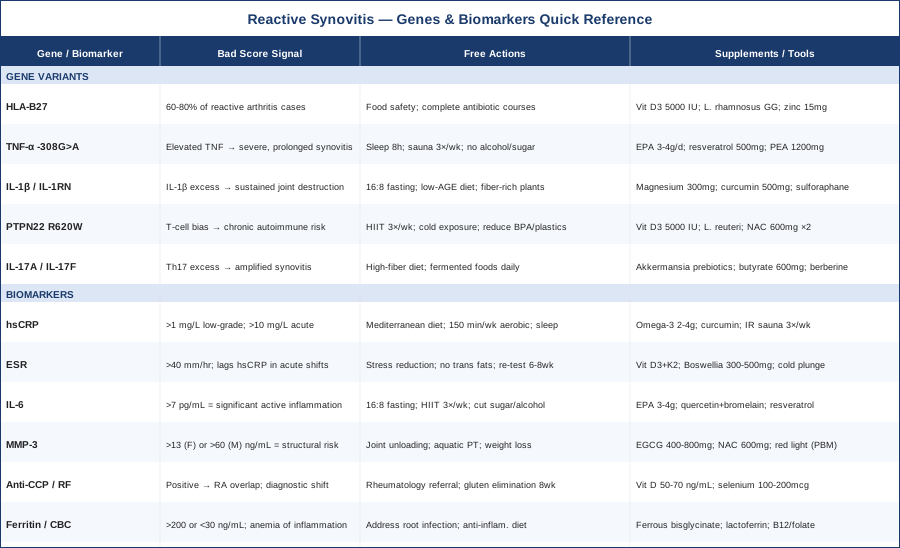
6 Biomarkers to Track If You Have Reactive Synovitis
Tracking biomarkers in reactive synovitis is not about adding anxiety to an already uncomfortable condition. It is about replacing guesswork with information. Inflammation in this condition does not always move in lockstep with how the joint feels — it waxes and wanes in response to triggers, treatments, and immune activity that is not visible from the outside. A handful of targeted blood tests can quantify what is happening beneath the surface and help you and your physician make more precise decisions at every stage of the condition.
The six biomarkers below were selected on three criteria: direct relevance to synovial inflammation biology, practical accessibility through standard or specialty labs, and actionability — meaning that an abnormal result points clearly toward a defined response.
Biomarker 1: hsCRP (High-Sensitivity C-Reactive Protein)
hsCRP is the most accessible and widely useful marker of systemic inflammation available outside of a research setting. The liver produces CRP in response to cytokines — primarily IL-6 — released from inflamed synovial tissue. Standard CRP testing detects significant elevations, but high-sensitivity CRP (hsCRP) is able to detect low-grade, chronic inflammation that standard testing misses entirely. Peter Attia, in his clinical practice and in Outlive, places hsCRP at the center of any inflammation-monitoring panel — not just as a cardiovascular risk marker but as a proxy for ongoing immune activation that slowly damages tissue across systems.
In acute reactive synovitis, hsCRP is typically elevated above 10 mg/L. In people with persistent low-grade synovitis — where the joint is not dramatically swollen but inflammation continues subclinically — hsCRP can hover between 3 and 10 mg/L for months. That range is easy to dismiss clinically but can be significant over time when it reflects sustained MMP activation and cartilage exposure.
How to measure it: Standard blood test ordered as "hsCRP" or "hs-CRP." Cost ranges from $15–40 at most commercial labs, frequently covered by insurance when inflammation is suspected. Results return within 24–48 hours. Optimal target: below 1.0 mg/L. In active synovitis, levels above 10 mg/L indicate moderate-to-high disease activity. Published research on hsCRP in reactive arthritis consistently demonstrates its utility as a disease activity monitor.
If the score is bad: the plan without supplements
The most impactful non-supplement intervention for elevated hsCRP is resolving the triggering infection if it has not been fully cleared — culture confirmation and completed antibiotic therapy, not just symptomatic resolution. Beyond that, a Mediterranean-pattern anti-inflammatory diet (abundant olive oil, fatty fish three times per week, varied vegetables, minimal refined carbohydrates and industrial seed oils) has reproducible evidence for CRP reduction. Moderate-intensity aerobic exercise — 150 minutes per week of walking, cycling, or swimming — lowers CRP independently of weight loss. Sleep optimization (7–9 hours, consistent schedule) is among the most underused levers: even two to three nights of poor sleep elevates IL-6 and CRP measurably. Apply these changes consistently for at least 8–12 weeks before re-testing.
If the score is bad: the plan with supplements or equipment
Omega-3 fatty acids (EPA + DHA): 2–4g/day of combined EPA+DHA from high-quality fish oil. Multiple randomized controlled trials show CRP reductions of 20–35% at these doses. Take with food. Continue daily, monitor every 3 months. Side effects: mild GI upset initially, blood-thinning effects at doses above 4g/day warrant physician awareness.
Curcumin (liposomal or theracurmin form): 500–1000mg/day of bioavailable curcumin. Well-documented CRP reduction in inflammatory conditions. Cycle: 8 weeks on, 2 weeks off. Potential interaction with anticoagulants.
Magnesium glycinate: 300–400mg before bed. Low magnesium independently correlates with elevated CRP. Inexpensive and well-tolerated. Side effects: loose stool at higher doses.
Infrared sauna: 3x/week, 20 minutes at moderate temperature. Growing evidence for CRP reduction via heat shock protein activation and improved vascular function. Hydration is essential.
Biomarker 2: ESR (Erythrocyte Sedimentation Rate)
ESR is a classic, inexpensive inflammation marker that measures how quickly red blood cells settle in a tube over one hour. While less specific than hsCRP — it rises with anemia, pregnancy, and other conditions — it provides a useful secondary signal and is particularly valuable for tracking the sustained phase of inflammation rather than acute spikes. In reactive synovitis, ESR and hsCRP generally move together, but ESR lags behind acute changes, making it a better indicator of ongoing disease burden rather than acute flares. When CRP normalizes but ESR remains elevated, that discordance is clinically significant and worth investigating.
How to measure it: Standard blood test, often included automatically in basic inflammatory panels. Cost: $10–25. Normal reference: below 20 mm/hr for men, below 30 mm/hr for women (rising modestly with age). In active reactive synovitis, ESR is typically above 40 mm/hr.
If the score is bad: the plan without supplements
Persistent infection, poor sleep, and chronic psychological stress are the three most impactful non-pharmaceutical drivers of elevated ESR. Stress specifically elevates both ESR and CRP through cortisol-mediated immune pathway shifts, so a structured daily stress-reduction practice — even 10 minutes of diaphragmatic breathing or progressive muscle relaxation — has measurable effects on ESR over 8 weeks. Eliminating processed foods and trans fats is equally foundational. Re-test every 6–8 weeks during active management.
If the score is bad: the plan with supplements or equipment
Vitamin D3 + K2: If serum 25(OH)D is below 40 ng/mL — extremely common in people with inflammatory conditions — supplement 2000–5000 IU D3 daily with 100–200mcg K2. Vitamin D insufficiency is independently associated with higher ESR and more severe inflammatory joint disease. Re-test 25(OH)D at 3 months.
Boswellia serrata extract: 300–500mg three times daily of an extract standardized to AKBA content. Well-studied in inflammatory joint conditions with consistent evidence for ESR and pain reduction. Cycle: 12 weeks on, 2 weeks off.
Cold exposure (contrast therapy or cold plunge): 3–5 minutes of cold immersion at 10–15°C, three times per week. Activates anti-inflammatory norepinephrine release pathways. Side effects: start gradually; avoid with cardiovascular contraindications.
Biomarker 3: IL-6 (Interleukin-6)
IL-6 is a pro-inflammatory cytokine that sits upstream of CRP in the inflammatory cascade — it is what the synovial tissue actually produces, which then instructs the liver to make CRP. This makes serum IL-6 a more direct and earlier indicator of joint immune activity than CRP. In reactive synovitis, elevated IL-6 drives the cardinal clinical features: pain, swelling, cartilage matrix degradation, and bone remodeling with chronic exposure. When IL-6 is elevated while CRP is still borderline, you are catching the process at an earlier and more modifiable stage.
Studies on IL-6 in inflammatory arthritis have consistently demonstrated that synovial IL-6 levels correlate better with disease severity than CRP alone in early-stage inflammatory joint conditions.
How to measure it: Serum IL-6 is available through specialty labs (LabCorp, Quest Diagnostics) as a standalone test or within a cytokine panel. Cost: $50–120. Optimal target: below 1.8 pg/mL. Elevated IL-6 above 7 pg/mL in non-acutely infectious states signals significant active inflammation.
If the score is bad: the plan without supplements
Fasting and time-restricted eating (16:8 protocol) has demonstrated IL-6 reductions in human clinical studies of inflammatory conditions. High-intensity interval training — counterintuitively — produces an acute IL-6 spike that subsequently triggers powerful downstream anti-inflammatory cytokine responses (the myokine paradox). Three weekly sessions of 20-minute HIIT can reduce baseline IL-6 over 8–12 weeks in people whose joint condition allows it. Avoid this during acute active flares. Reducing refined carbohydrates and alcohol — both strong IL-6 inducers — is the quickest dietary lever.
If the score is bad: the plan with supplements or equipment
EPA-rich omega-3s at therapeutic doses: 3–4g/day combined EPA+DHA. EPA specifically downregulates IL-6 via PPAR-γ pathway activation at the cellular level.
Quercetin + bromelain complex: 500mg quercetin + 400mg bromelain twice daily. Quercetin inhibits NF-κB, a master regulator of IL-6 transcription. Take between meals. Cycle: 8 weeks on, 2 weeks off. Well-tolerated.
Resveratrol: 250–500mg/day. Acts as a SIRT1 activator with secondary IL-6 suppression documented in human cell studies and some clinical trials. Take with evening meal. May interact with blood thinners.
Biomarker 4: MMP-3 (Matrix Metalloproteinase-3)
MMP-3 is arguably the most underutilized biomarker in reactive synovitis management, and one of the most clinically meaningful. Matrix metalloproteinase-3, also called stromelysin-1, is an enzyme produced by synovial fibroblasts and macrophages that degrades collagen, proteoglycans, and other structural components of joint cartilage. Serum MMP-3 rises when synovial membrane is actively inflamed and when tissue destruction is occurring — which is why it is used as a standard monitoring tool in rheumatoid arthritis but is rarely ordered in reactive synovitis, despite having strong direct biological relevance.
In practical terms, MMP-3 is the biomarker that distinguishes painful-but-stable synovitis from inflammation that is actively remodeling tissue. That distinction matters enormously for decisions about treatment aggressiveness and long-term joint protection. Evidence on MMP-3 in synovial inflammation supports its utility as both a disease activity marker and a response-to-treatment monitor.
How to measure it: Serum MMP-3 is available through specialty labs and rheumatology panels. Cost: $80–150 as a standalone test. Reference ranges vary by lab but are typically 5–13 ng/mL for women and 17–60 ng/mL for men. Elevated MMP-3 in the context of active synovitis indicates ongoing structural risk requiring more aggressive management.
If the score is bad: the plan without supplements
Mechanical unloading of the affected joint is the first priority: partial rest, avoidance of impact loading, and physical therapy focused on low-resistance movement. Aquatic therapy is particularly appropriate here — it allows joint mobilization without compression. Weight management matters significantly: adipose tissue independently produces MMP-3-stimulating cytokines, and a 5–10% body weight reduction in overweight individuals measurably lowers MMP-3 levels over 12 weeks. Re-test at 8–12 week intervals.
If the score is bad: the plan with supplements or equipment
Green tea extract (EGCG): 400–800mg/day of standardized epigallocatechin gallate. In vitro and early human studies show EGCG suppresses MMP-3 expression in synovial cells via AP-1 inhibition. Take with food. Side effects: potential liver stress at very high doses; stay within recommended ranges.
N-acetylcysteine (NAC): 600mg twice daily. Reduces the oxidative stress that upregulates MMP-3 production. Well-tolerated. Mild GI discomfort occasionally at initiation.
Collagen peptides + vitamin C: 10–15g hydrolyzed collagen + 500mg vitamin C taken 30–60 minutes before physical therapy. Evidence supports improved extracellular matrix synthesis and potentially reduced net MMP activity through enhanced structural substrate.
Photobiomodulation (red light therapy): 660–850nm wavelengths at 20–40 mW/cm², applied directly over the affected joint for 10–15 minutes per session, 3–5 times per week. Growing published evidence for MMP suppression via mitochondrial activation in synovial tissue. See the photobiomodulation section below for full protocol.
Biomarker 5: Anti-CCP and Rheumatoid Factor Panel
Anti-cyclic citrullinated peptide antibodies (anti-CCP) and rheumatoid factor (RF) are not markers of reactive synovitis itself — they are critical differential diagnosis markers that reveal what reactive synovitis may actually be. Anti-CCP is highly specific for rheumatoid arthritis, a distinct autoimmune condition that can present with synovitis in its early stages and be genuinely difficult to distinguish from reactive synovitis clinically. In pure reactive synovitis, anti-CCP should be negative. If it is positive or borderline, the diagnosis and management pathway changes substantially.
This matters on an ongoing basis because reactive synovitis, in genetically predisposed individuals — particularly HLA-B27 carriers and those with PTPN22 variants — can evolve toward a more chronic autoimmune-adjacent picture over time. Serial monitoring allows you to catch that shift before it becomes entrenched.
How to measure it: Standard blood test, frequently bundled in rheumatology panels. Anti-CCP alone: $40–80. RF: $15–35. Anti-CCP below 20 U/mL is generally considered negative. Both are available through LabCorp, Quest, and most hospital labs.
If the score is bad: the plan without supplements
A confirmed positive anti-CCP in the context of reactive synovitis warrants immediate rheumatology referral — this is a diagnostic finding that changes the entire management trajectory, not something to address with lifestyle alone. In borderline cases (weakly positive with an ambiguous clinical picture), a strict gluten elimination trial for 8–12 weeks is worth considering: there is documented evidence of anti-CCP cross-reactivity with certain grain proteins in genetically susceptible individuals, and dietary modification occasionally normalizes borderline values.
If the score is bad: the plan with supplements or equipment
Vitamin D optimization: Low vitamin D is strongly and independently associated with anti-CCP positivity and autoimmune activation. Target 25(OH)D of 50–70 ng/mL through supplementation as needed.
Selenium (selenomethionine form): 100–200mcg/day. Selenium-dependent enzymes are involved in the citrullination process that generates anti-CCP target epitopes. Evidence is preliminary but biologically coherent. Stay within safe range; toxicity occurs above 400mcg/day.
The Autoimmune Protocol described in Strategy 4 below provides the most comprehensive dietary framework for borderline or positive anti-CCP findings in this context.
Biomarker 6: Ferritin and Complete Blood Count
Ferritin and the CBC are often overlooked in reactive synovitis workups because they seem too basic — but that is precisely what makes them valuable anchors for the full clinical picture. Ferritin is a storage protein for iron, but it is also an acute-phase reactant: it rises with ongoing inflammation, infection, and tissue damage. In reactive synovitis, an elevated ferritin signals that infection or immune activation may not be fully resolved. A persistently high ferritin alongside normalized CRP is a discordance worth investigating further.
The CBC adds another dimension: neutrophil predominance in elevated WBC count points toward active bacterial infection; elevated monocytes and lymphocytes suggest a more chronic, immune-mediated phase. Anemia of chronic inflammation — low hemoglobin with normal or high ferritin — is common in prolonged synovitis and directly contributes to fatigue, reduced exercise capacity, and impaired recovery. Thomas Dayspring has consistently highlighted ferritin as a functional inflammation indicator rather than simply an iron storage test, and that framing applies directly here.
How to measure it: Both are standard, inexpensive, universally available tests. CBC: $10–25. Ferritin: $15–35. Optimal ferritin target: 30–150 ng/mL. Ferritin above 200 in the context of synovitis suggests active immune activation; below 30 suggests independent iron deficiency with separate management implications.
If the score is bad: the plan without supplements
For elevated ferritin driven by inflammation: address the underlying cause directly — unresolved infection, high refined carbohydrate and alcohol intake, and sedentary pattern are the primary drivers. For low ferritin with anemia of chronic inflammation: iron supplementation is often less effective than resolving the inflammatory state that is sequestering iron. Anti-inflammatory diet changes come first, iron support second.
If the score is bad: the plan with supplements or equipment
For iron deficiency specifically: Ferrous bisglycinate 25–50mg with vitamin C, away from calcium and coffee. Gentler than ferrous sulfate with significantly fewer GI side effects. Re-test ferritin and CBC at 8 weeks.
For anemia of chronic inflammation: Lactoferrin 100–300mg/day modulates iron metabolism and has documented anti-inflammatory secondary effects. Evidence is growing in inflammatory conditions.
Vitamin B12 and folate panel check: Deficiencies in both can generate CBC findings that mimic or compound anemia, particularly in people following restrictive diets. Supplement as indicated.
The Genetic Side: 5 Variants That May Explain Your Vulnerability
Understanding the genetic drivers of reactive synovitis does not change your diagnosis, but it can explain a great deal about severity, recurrence risk, and which interventions are most likely to be effective for you specifically. The five genes below have the strongest direct evidence in human studies. Most can be identified through consumer genetic testing platforms (23andMe, AncestryDNA) for the common polymorphisms, with clinical genetic panels offering more complete coverage. Research from teams including Ali Torkamani's group at Scripps has increasingly highlighted how common inflammatory gene variants interact with infectious environmental triggers to produce outsized immune responses in specific individuals.
Gene 1: HLA-B27
HLA-B27 is the most important single genetic risk factor for reactive synovitis and the related spondyloarthropathies. Approximately 60–80% of people who develop reactive arthritis carry the HLA-B27 allele, compared to roughly 8% of the general Caucasian population. HLA-B27 codes for a cell surface protein that helps the immune system distinguish self from non-self. Certain bacterial peptides from Chlamydia, Salmonella, Shigella, Campylobacter, and Yersinia — the most common triggers of reactive synovitis — appear to share structural motifs with the HLA-B27 protein itself, a phenomenon called molecular mimicry. This causes the immune system to continue attacking synovial tissue alongside the pathogen, and sometimes after the pathogen has been cleared.
Published research on HLA-B27 in reactive arthritis consistently identifies it as the strongest genetic predictor of both risk and severity.
If the gene is bad: the plan without supplements
HLA-B27 positivity does not make synovitis inevitable — it elevates risk substantially when you encounter triggering pathogens. The primary lifestyle strategy is reducing infectious exposure (food safety practices, appropriate prevention measures for sexually transmitted Chlamydia) and acting swiftly when infection does occur — completing full antibiotic courses rather than stopping at symptom resolution. Reducing high-impact joint loading within 48 hours of any gastrointestinal or urogenital infection gives the immune system time to process the pathogen without coupling that response to mechanical joint stress.
If the gene is bad: the plan with supplements or equipment
Vitamin D3 (5000 IU/day in deficiency): Particularly important for HLA-B27 carriers; vitamin D directly modulates T-regulatory cell activity and dampens the autoimmune-adjacent responses this gene variant promotes.
Targeted probiotics: Lactobacillus rhamnosus GG and Bifidobacterium longum strains help regulate the mucosal immune response at the intestinal interface most relevant to reactive synovitis triggers. 25–50 billion CFU/day from a quality multi-strain product.
Zinc (15–30mg/day): Zinc is essential for T-cell regulation and has specific relevance to HLA-mediated immune signaling. Cycle: continuous supplementation with 3-month breaks to prevent copper depletion. Add 1–2mg copper if taking zinc long-term.
Gene 2: TNF-α -308G>A Polymorphism
The TNF-α -308G>A variant (rs1800629) is one of the most intensively studied inflammatory gene polymorphisms in rheumatology. Carriers of the A allele at this position have elevated TNF-α promoter activity, meaning they produce more tumor necrosis factor in response to immune stimulation. In the context of reactive synovitis, higher TNF-α amplifies the synovial inflammatory response, accelerates cartilage degradation partly through MMP upregulation, and contributes to the persistence of inflammation well beyond the initial infectious trigger. Carriers of the A allele are at documented higher risk for more severe and prolonged synovitis.
Evidence on TNF-α gene variants in reactive arthritis positions this polymorphism as a meaningful modifier of disease severity rather than a binary risk factor.
If the gene is bad: the plan without supplements
Sleep quality is the highest-yield intervention for TNF-α carriers: sleep deprivation is among the most potent known inducers of TNF-α, and HLA-B27 carriers who also carry the TNF A allele represent a double-hit combination. Heat exposure through sauna use (3x/week, 20–25 minutes) has demonstrated TNF-α modulation through heat shock protein pathway activation. Alcohol elimination and significant reduction in refined sugar are non-negotiable; both are direct TNF-α inducers with dose-response relationships.
If the gene is bad: the plan with supplements or equipment
EPA-rich omega-3s at 3–4g/day: EPA specifically downregulates TNF-α through PPAR-γ activation at the cellular transcription level.
Resveratrol 500mg/day: Demonstrated inhibition of TNF-α-driven NF-κB signaling in clinical studies of inflammatory conditions. Take with evening meal. Monitor for interactions with anticoagulants.
Palmitoylethanolamide (PEA) 600–1200mg/day: An endocannabinoid-adjacent compound with documented TNF-α modulation in joint inflammation. Well-tolerated with minimal side effects. Cycle: 12 weeks on, 2 weeks off.
Infrared sauna, 3x/week: The consistent heat exposure and resulting HSP activation documented in sauna research has complementary effects to PEA and omega-3s for this gene variant. Ensure adequate hydration.
Gene 3: IL-1β / IL-1RN Gene Cluster
The IL-1 gene cluster includes IL-1β (the primary pro-inflammatory interleukin-1 isoform) and IL-1RN (its receptor antagonist), and variants that increase IL-1β output or reduce IL-1RN buffering shift the immune balance toward sustained inflammation. In synovial tissue, IL-1β is a central driver of cartilage destruction — it induces synoviocytes to produce prostaglandins, matrix metalloproteinases, and nitric oxide. The ratio of IL-1β activity to IL-1RN counter-activity may be more predictive of disease behavior than either value in isolation.
Carriers of high-IL-1β variants tend to show more pronounced inflammatory responses to identical infectious triggers, longer resolution times, and higher recurrence rates.
If the gene is bad: the plan without supplements
Intermittent fasting — particularly 16:8 daily or periodic 24-hour fasting — has shown consistent IL-1β reductions in human clinical studies of inflammatory conditions. Reducing dietary advanced glycation end products (AGEs), which are formed by cooking proteins and fats at very high temperatures (frying, grilling at high heat), lowers NLRP3 inflammasome activation, the key upstream driver of IL-1β processing. A fiber-rich, plant-diverse diet that supports a microbiome less likely to generate lipopolysaccharide (LPS) from gram-negative bacteria is the cornerstone approach, since LPS is among the most potent NLRP3 activators known.
If the gene is bad: the plan with supplements or equipment
Magnesium glycinate or threonate (300–400mg/day): Magnesium directly inhibits the NLRP3 inflammasome that activates IL-1β. Very safe, widely underused for this indication. Side effects: loose stool at higher doses.
Curcumin (liposomal or theracurmin) 500–1000mg/day: Among the most well-documented natural NLRP3/IL-1β inhibitors. Cycle: 8 weeks on, 2 weeks off.
Sulforaphane (from broccoli sprout extract) 30–60mg/day: NRF2 activation through sulforaphane reduces NLRP3-driven IL-1β production measurably. Take in the morning. Continuous use with quarterly monitoring of response.
Gene 4: PTPN22 R620W (rs2476601)
PTPN22 encodes a protein tyrosine phosphatase that regulates T-cell activation thresholds, and the R620W variant is one of the most consistently replicated autoimmune-risk gene discoveries in post-GWAS research. Carriers display altered T-cell signaling that tips the immune system toward autoimmune reactivity rather than precise pathogen-specific responses. While PTPN22 is most established for rheumatoid arthritis, lupus, and type 1 diabetes, it also elevates risk for the autoimmune-adjacent picture in reactive synovitis — particularly the tendency for the condition to become chronic rather than self-limiting, and the probability of evolving toward more structured autoimmune joint disease over time.
Research on PTPN22 in inflammatory joint conditions frames it as a modifier of immune precision rather than a direct cause of any single condition.
If the gene is bad: the plan without supplements
T-regulatory cell function is the key target for PTPN22 risk carriers. High-intensity exercise (3x/week) improves T-regulatory cell ratios measurably. Regular cold exposure through cold showers or brief immersion activates norepinephrine pathways that dampen T-cell overactivation. Reducing environmental toxin load — particularly bisphenol A from plastics, phthalates, and heavy metals — is specifically relevant, as these disrupt the phosphatase pathways that PTPN22 variants already partially compromise.
If the gene is bad: the plan with supplements or equipment
Vitamin D3 (5000 IU/day to target): Vitamin D directly modulates T-regulatory cell differentiation — the specific cellular pathway disrupted by PTPN22 variants.
Lactobacillus reuteri probiotic: L. reuteri has demonstrated T-regulatory cell induction in human trials at doses of 10–100 billion CFU/day. Among the most mechanistically well-supported probiotics for immune balance.
N-acetylcysteine (NAC) 600mg twice daily: Reduces oxidative stress that amplifies T-cell hyperactivation in PTPN22 carriers. Well-tolerated, inexpensive, widely available.
Gene 5: IL-17A and IL-17F Variants
IL-17A and IL-17F are cytokines produced primarily by Th17 cells — a T-helper lineage deeply implicated in the inflammatory pathology of spondyloarthropathies and reactive joint disease. Variants in IL-17A (rs2275913) and IL-17F (rs763780) that increase expression or activity amplify the synovial response through neutrophil recruitment and synergistic amplification of TNF-α and IL-6 effects. The validation of this pathway as a therapeutic target is reflected in the clinical adoption of IL-17 biologics (secukinumab, ixekizumab) for severe spondyloarthropathy — the same family of conditions that reactive synovitis belongs to on a spectrum.
For people without biologics who carry these variants, the gut-IL-17 axis is the key practical leverage point: the gut microbiome is the primary regulator of Th17 differentiation, which is why gut-origin infections are so reliably able to trigger synovitis in predisposed individuals.
If the gene is bad: the plan without supplements
High-fiber, varied-plant diet that actively supports microbiome diversity is the cornerstone approach. Fermented food consumption — kimchi, kefir, live-culture yogurt, sauerkraut — has been shown in Stanford human trial data to reduce Th17-associated inflammatory markers within 10 weeks of consistent intake. Reducing ultra-processed food, sugar, and alcohol reduces the gut dysbiosis that continuously drives Th17 excess in genetically predisposed individuals.
If the gene is bad: the plan with supplements or equipment
Akkermansia-targeting prebiotics (partially hydrolyzed guar gum, inulin, pectin blend): supports microbiome compositions that counter-regulate Th17 overproduction. Daily, continuous use.
Sodium butyrate or tributyrin 600mg/day: Short-chain fatty acid support suppresses Th17 differentiation directly through intestinal epithelial signaling. Cycle: 12 weeks on, 4 weeks off.
Berberine 500mg twice daily with food: Modulates gut microbiome composition and downregulates Th17 pathway activity. Cycle: 8 weeks on, 4 weeks off. Note: berberine has meaningful interactions with diabetes medications and metformin; check with a physician before use.
What Peter Attia's "Outlive" Changes About Managing Inflammation
Peter Attia's 2023 book Outlive: The Science and Art of Longevity is not specifically about joint disease. But for anyone managing a condition like reactive synovitis — where inflammation is chronic, episodic, and capable of causing structural damage if poorly managed — the framework it offers is directly and immediately applicable. The central argument is that conventional medicine waits for disease to become obvious, then reacts. Attia calls for "Medicine 3.0": detecting early signals, measuring what actually matters, and intervening before damage accumulates. That is precisely the approach reactive synovitis demands.
Here are the ten most practically relevant ideas from Outlive for people managing inflammatory joint conditions.
1. Standard Panels Miss the Signals That Actually Matter
Attia argues consistently that conventional lab panels are optimized to identify established disease, not prevent tissue damage in people who are "technically normal." For reactive synovitis, this means the difference between accepting a negative CRP at face value and ordering hsCRP, IL-6, and MMP-3 to see what is actually happening at the cellular level.
2. Treat Inflammation as a Continuous Risk, Not a One-Time Fire
The medical model tends to treat inflammation episodically — flare occurs, treat it, move on. Attia's framework treats inflammation as a background risk state that must be continuously monitored and modulated. In reactive synovitis, this shift in framing is the difference between reactive management (treat flares) and proactive management (keep the inflammatory baseline low between flares).
3. Zone 2 Cardio Is the Most Reliable Anti-Inflammatory Tool Available
Attia devotes significant space to zone 2 aerobic exercise — steady-state, conversational-pace cardio (cycling, swimming, walking) sustained for 45+ minutes, 3–4 times per week — as the single intervention with the most robust evidence for reducing systemic inflammation. For reactive synovitis, aquatic zone 2 exercise eliminates joint compression while delivering full systemic anti-inflammatory benefit.
4. Sleep Is a Clinical Variable, Not a Lifestyle Choice
Attia cites research showing that CRP, IL-6, and TNF-α all rise measurably within 72 hours of sleep disruption. He recommends tracking sleep as rigorously as diet or exercise, using consistent schedules, temperature-optimized environments, and reduction of evening light exposure as first-line interventions rather than sleeping aids.
5. Muscle Mass Is Joint Protection
Attia makes a detailed evidence-based case that skeletal muscle mass is among the strongest predictors of both longevity and physical resilience. For joint disease specifically, sufficient muscle mass around an affected joint dramatically reduces mechanical loading stress, improves proprioception, and accelerates recovery after flares. Resistance training, adapted to current joint tolerance, belongs in any comprehensive reactive synovitis management protocol.
6. Most People Who Take Omega-3s Are Under-Dosing
Attia recommends measuring the Omega-3 Index (EPA+DHA as a percentage of erythrocyte membrane fatty acids) and targeting 8–12%, a level that typically requires 2–4g of actual EPA+DHA daily — not 1000mg capsules containing mostly filler oil. Most commercially available fish oil products are dosed at one-quarter to one-half the level needed to produce meaningful anti-inflammatory effects on biomarkers.
7. Gut Health Is an Upstream Variable for Immune Dysregulation
Attia discusses the bidirectional relationship between gut microbiome composition and systemic immune function. For reactive synovitis — which is triggered by gut pathogens and amplified by ongoing gut-derived LPS translocation — this is not a peripheral consideration. Protecting the microbiome through fermented foods, fiber diversity, and judicious use of antibiotics is a direct inflammation-management strategy.
8. Serial Biomarker Tracking Reveals Trajectories That Symptoms Conceal
A single lab result tells you almost nothing on its own. Attia emphasizes that the value of biomarkers is in their trajectory: is hsCRP trending toward 0.5 or toward 5? Is MMP-3 declining with treatment or quietly rising? Serial tracking over months transforms these markers from one-time snapshots into genuinely actionable signals.
9. Psychological Stress Drives Inflammation Independently of Everything Else
Attia cites studies showing that chronic psychological stress elevates IL-6 and TNF-α through cortisol dysregulation pathways, independently of diet, exercise, and sleep quality. In practical terms, this means that even a well-optimized physical management program may produce blunted biomarker improvements if psychological stress is not concurrently addressed.
10. Early Precision Prevents Irreversible Outcomes
The overarching takeaway from Outlive as applied here: in any condition where inflammation can cause structural damage — as it can in recurrent or persistent synovitis — the window for preventing irreversible outcomes is earlier and narrower than most patients and clinicians appreciate. The biomarkers and genetic factors covered in this article are the instruments for working within that window rather than reacting after it has closed.
Complementary Approaches with Real Evidence for Joint Inflammation
What follows are five approaches with genuine clinical evidence that is specific enough to reactive or inflammatory synovitis to be worth serious consideration. None of these is presented as a replacement for medical management. Each has meaningful support in peer-reviewed literature for this category of condition.
The Autoimmune Protocol (AIP) by Sarah Ballantyne
The Autoimmune Protocol, developed by PhD scientist and author Sarah Ballantyne, is a structured dietary and lifestyle intervention designed to reduce the immune dysregulation at the core of autoimmune and immune-adjacent inflammatory conditions. For reactive synovitis — particularly in HLA-B27 carriers, PTPN22 variant carriers, and anyone with borderline anti-CCP — the condition occupies a space between purely reactive and genuinely autoimmune, and the AIP framework is built precisely for that terrain.
Ballantyne's protocol eliminates the most potent dietary immune-activation triggers: grains, legumes, dairy, eggs, nightshades, nuts, seeds, alcohol, and refined oils. Simultaneously it emphasizes high nutrient density through organ meats, bone broth, fermented vegetables, wild-caught fatty fish, and colorful plant foods, targeting the specific micronutrients — vitamin A, K2, D3, zinc, magnesium, and omega-3s — that govern T-cell balance and mucosal immune regulation. A pilot clinical study published in the context of inflammatory bowel disease showed significant biomarker improvements. Patient-reported outcomes and case series in inflammatory joint conditions suggest meaningful reductions in disease activity scores over 6–12 weeks on the elimination phase.
The elimination phase typically runs 30–90 days, followed by systematic food reintroduction to identify individual triggers. For reactive synovitis, the protocol is most relevant during active flares and in recurrent presentations. Full protocols, recipes, and scientific backing are available at Sarah Ballantyne's AIP resource.
Low-Level Laser Therapy and Photobiomodulation
Low-level laser therapy (LLLT), also called photobiomodulation (PBM), uses specific wavelengths of red and near-infrared light (typically 630–1000nm) to stimulate mitochondrial function in target tissue. In actively inflamed synovial tissue, PBM has been shown to reduce prostaglandin E2 and pro-inflammatory cytokines, decrease MMP activity, and promote tissue repair through mitochondrial ATP production enhancement. A systematic review of photobiomodulation in inflammatory arthritis found consistent evidence for reductions in joint pain, stiffness, and inflammatory markers with a favorable safety profile.
The most studied protocols for joint inflammation use 660nm (red) and 850nm (near-infrared) wavelengths at power densities of 20–100 mW/cm², applied directly over the affected joint for 10–15 minutes per session, 3–5 times per week, over a minimum of 4–8 weeks. Research on photobiomodulation in synovial inflammation supports its use as a genuine adjunct to standard management rather than a placebo-only intervention.
Home devices (entry-level panels from various manufacturers) cost $300–800. Clinical treatment through a physical therapist or rehabilitation setting costs $50–100 per session. The therapy is non-invasive with minimal side effects when used appropriately; avoid direct eye exposure to the light source during treatment.
Tai Chi
Tai chi is a low-impact movement practice combining slow, flowing joint mobilization, balance training, and coordinated breath regulation. In reactive synovitis, its primary clinical value is maintaining joint mobility and proprioception during and after inflammatory episodes without imposing the mechanical stress of weight-bearing or high-impact exercise. Meta-analyses of tai chi in inflammatory arthritis consistently show reductions in pain scores, improvements in joint range of motion, and modest but reproducible reductions in ESR and CRP over 12-week practice periods.
Randomized trial evidence on tai chi in inflammatory joint disease from multiple research groups supports its inclusion as an adjunct therapeutic modality, not a passive activity. In studies of rheumatoid arthritis and related spondyloarthropathies, two 60-minute tai chi sessions per week over 12 weeks produced significant improvements in disease activity scores and inflammatory markers compared to standard care controls.
Practically, tai chi is best introduced after the acute phase has resolved. Even 20 minutes of daily gentle practice produces cumulative benefits. Online programs, community center classes, and YouTube resources provide accessible entry points at minimal cost.
Mindfulness-Based Stress Reduction (MBSR)
MBSR, developed by Jon Kabat-Zinn at the University of Massachusetts, is a structured 8-week program combining mindfulness meditation, body scan practice, and gentle movement. Its relevance to reactive synovitis extends beyond pain perception. As established in the genetics section above, chronic psychological stress independently elevates IL-6 and TNF-α through cortisol-mediated immune pathway modulation. MBSR has demonstrated measurable reductions in these cytokines in clinical trials of chronic inflammatory disease, not just improvements in pain reporting.
Controlled research on MBSR in inflammatory arthritis shows reductions in pain intensity, disease activity scores, and psychological distress, with secondary improvements in sleep quality and fatigue — two factors with their own direct inflammatory consequences. For reactive synovitis specifically, the stress-cortisol-cytokine axis means that a consistent mindfulness practice operates as an anti-inflammatory intervention, not merely a coping tool.
The standard 8-week MBSR program is available in person at hospital-affiliated wellness centers ($300–600 for the full course) and online through multiple platforms. Daily practice at home requires no equipment and can be built around a 10–20 minute daily commitment.
Microbiome-Directed Therapies
The gut-joint connection in reactive synovitis is direct, not metaphorical: Salmonella, Shigella, Campylobacter, and Yersinia are gut pathogens that directly breach the intestinal barrier, generate the post-infectious immune response that cross-reacts with joint tissue, and persistently dysregulate the mucosal immune environment in genetically vulnerable individuals. For those with HLA-B27 and IL-17A variants, the gut microbiome plays an additional regulatory role in Th17 differentiation that translates directly into synovial inflammation severity.
Microbiome-directed approaches with documented human evidence include: targeted probiotic supplementation (particularly Lactobacillus reuteri, Lactobacillus rhamnosus GG, and Bifidobacterium longum), structured fermented food protocols, prebiotic fiber diversification, and elimination of dysbiosis drivers — unnecessary antibiotics post-recovery, PPIs, alcohol, and ultra-processed food. Research on the gut-joint axis in reactive arthritis has expanded substantially in recent years, with multiple groups showing that microbiome diversity inversely correlates with disease severity in spondyloarthropathies.
A practical starting protocol: four weeks of daily fermented food consumption (2–3 servings, alternating between kimchi, kefir, and live-culture yogurt) combined with a high-fiber diet (aiming for 30–40g daily from varied plant sources), plus a multi-strain probiotic at 25–50 billion CFU/day. Stool microbiome testing (through functional labs) can identify specific dysbiosis patterns for more targeted intervention if standard approaches plateau. Cost for a 4-week targeted protocol: $50–300 depending on approach.
Conclusion
Reactive synovitis is not a condition that rewards a passive or purely reactive approach. The inflammation driving it is measurable across multiple biomarkers. The genetic factors that amplify it in some individuals are identifiable. And the levers available to modulate it — from precision biomarker-guided intervention to genetic-informed supplementation to microbiome support — are practical and accessible without requiring specialist gatekeeping for most of the initial steps.
What changes with the information in this article is not the diagnosis — it is the relationship to it. You stop waiting for the next flare and start actively monitoring the conditions that make flares more or less likely. The most sensible next step is not attempting all of this simultaneously: it is selecting one or two measurements to take first — hsCRP and ESR if you have not tested recently, a genetics panel if accessible and affordable — and building a tracking habit from there. Discuss meaningful abnormal results with a rheumatologist who is open to precision approaches alongside standard protocols. Revisit biomarkers every 8–12 weeks. Note what changes and what does not. That discipline, applied over months rather than days, is where the real shifts tend to appear.
Musculoskeletal: Joint Conditions
Autoimmune: Inflammatory Conditions
Infectious: Bacterial Infections