This article contains AI generated content.
· UpdatedRelapsing Fever — 5 Genes And 7 Biomarkers To Track
Introduction
Relapsing fever follows a rhythm that feels almost deliberate. The temperature spikes, you go through days of shaking chills and exhaustion, and then — just as abruptly — it lifts. A week or two later, it returns, sometimes harder than before. That cycle, named for exactly what it does, can repeat several times before the infection clears, and understanding why it happens the way it does in your specific body is rarely explained in a useful way.
Most available information about relapsing fever stays at the surface: it is bacterial, caused by Borrelia spirochetes transmitted by certain ticks or body lice, and it responds to antibiotics. That is all accurate. But it leaves out the questions most people actually carry once the acute phase is over — why did recovery feel incomplete, why did some people develop serious complications while others bounced back quickly, and what specific signals in the body are worth watching after the fever finally stops returning.
The biology underneath that variation is not random. Certain measurable blood markers reveal how hard the infection hit specific organ systems — the liver, clotting machinery, platelet production, and inflammatory signaling. At the same time, inherited differences in immune genes appear to influence how vigorously the body mounts and ultimately resolves its defense against spirochetes. Neither is a trivial detail. Both shape what recovery looks like and what it needs.
This article works through both angles in practical terms. The core section covers seven biomarkers worth tracking during and after a relapsing fever episode, with guidance on what each reveals, how to measure it, and what to do if the result is abnormal. A second section covers five genetic variants that shape immune response to Borrelia infection, with specific strategies for each — including options with and without supplementation. Beyond those, there is a synthesis of the most important research-based insights from the field and a review of complementary approaches that carry genuine clinical evidence.
Summary
Relapsing fever causes measurable damage to multiple body systems even after the acute febrile episodes resolve — and most of that damage is trackable. The seven biomarkers in this article each capture a different piece of the picture: platelet count reveals how much the blood cell production machinery was strained, CRP and ferritin map the depth and persistence of inflammation, liver enzymes and bilirubin expose hepatic involvement that often goes unmonitored, coagulation markers flag early warning signs of clotting dysfunction, and the blood smear remains the most direct window into whether spirochetes are still present.
Five genetic variants — TLR2, TNF-alpha, IL-10, NLRP3, and HLA-DRB1 — show up repeatedly in the research on Borrelia immunity and help explain why two people with the same infection can have very different experiences of it. For each, there are specific dietary, behavioral, and supplementary strategies that address the downstream biology, with cycling protocols and known side effects included so the information is actually usable.
The article also synthesizes the ten most clinically important insights from Stephen Harrod Buhner's research on Borrelia biology — insights that challenge the assumption that antibiotics alone restore full immune function — and covers four complementary modalities with the strongest evidence for supporting recovery, from microbiome restoration after antibiotic treatment to breathing-based vagal tone interventions with documented cytokine-lowering effects.
If you have had relapsing fever and feel your recovery has plateaued, or if you are trying to understand why your experience differed from what you read about, this article gives you the most specific biological map currently available to work from.
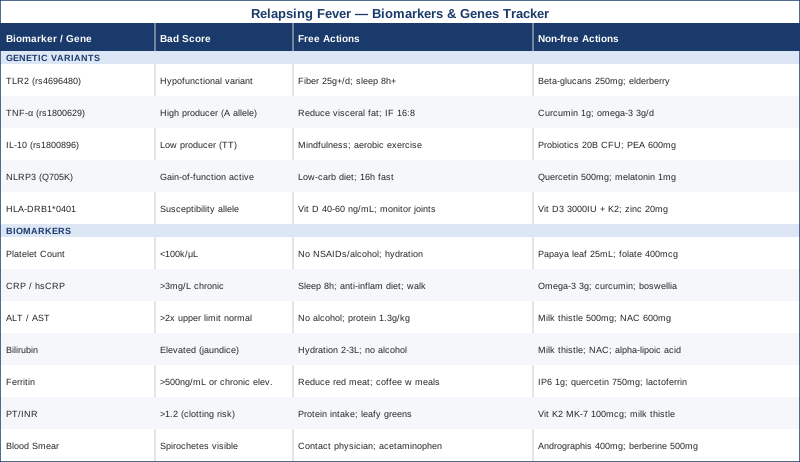
7 Biomarkers to Track Through a Relapsing Fever Episode
Relapsing fever does not only cause fever. The spirochetes that drive it — various Borrelia species depending on geography and vector — trigger an inflammatory cascade that leaves measurable traces across multiple organ systems. Tracking these markers during the febrile phase and again two to four weeks after resolution can reveal whether recovery is on track, whether a specific system needs additional attention, and in some cases whether the inflammatory state has quieted as completely as it appears to clinically.
None of these tests are exotic. Most are available through standard laboratories, with costs that range from $20 to $150 depending on the specific panel and clinical setting.
1. Platelet Count
Why it matters
Thrombocytopenia — a drop in platelet count below normal — is one of the most consistent findings in relapsing fever and one of the most useful diagnostic signals. Clinical case series and outbreak reports from endemic regions in sub-Saharan Africa and North America document platelet counts below 100,000 cells/µL in the majority of symptomatic patients, with severe cases dropping below 50,000. The mechanism involves spirochete-triggered platelet activation and consumption alongside direct bone marrow effects during periods of high spirochetemia.
Platelet count also functions as a recovery marker. Normalization typically occurs within one to two weeks of effective antibiotic therapy. If counts remain suppressed after treatment ends, it warrants investigation into whether the infection has fully cleared or whether there is secondary bone marrow involvement or post-infectious immune-mediated thrombocytopenia.
How to measure it
Standard complete blood count (CBC). Cost: $20–$50 at most clinical labs. No fasting required. Ideally measured during a febrile episode and again two to four weeks after treatment completion to confirm recovery.
If the count is low — the plan without supplements
The first priority is clinical: platelet counts below 50,000 require close monitoring for bleeding signs. Avoid aspirin, ibuprofen, and naproxen entirely — these impair platelet function and meaningfully increase bleeding risk even at moderate platelet levels. Avoid alcohol. Maintain good hydration, since dehydration can worsen platelet dysfunction. Keep activity to light walking; avoid any situation where bruising or injury is likely. The most important step is ensuring the underlying infection is being treated — platelet recovery depends directly on clearing the bacterial load.
If the count is low — the plan with supplements
Papaya leaf extract has been studied specifically for thrombocytopenia, with randomized controlled trials in dengue fever showing meaningful platelet increases through support of megakaryocyte maturation. Its direct relevance to relapsing fever has not been tested in human trials, but the mechanism is not infection-specific. Dose: 25–50 mL of standardized juice extract twice daily, or an equivalent encapsulated standardized extract. Duration: limit to the acute and early recovery phase. Side effects: mild nausea in some individuals.
Folate (400–800 mcg/day) and Vitamin C (500–1000 mg/day in divided doses) support bone marrow recovery and reduce platelet oxidative stress respectively. These are appropriate as baseline support rather than high-dose therapeutic interventions. Avoid vitamin C above 2 g/day during acute illness without medical supervision.
2. C-Reactive Protein (CRP)
Why it matters
CRP is the liver's rapid-response signal to systemic infection and inflammation. In relapsing fever, CRP rises steeply during febrile episodes — often to 100 mg/L or higher — and drops substantially when the fever breaks, making it a useful monitoring marker across the clinical course. The high-sensitivity CRP (hsCRP) version, which detects lower-level chronic inflammation below 10 mg/L, is more useful after the acute phase for assessing whether background inflammatory activity has returned to normal.
An hsCRP that remains above 3 mg/L weeks after antibiotic completion suggests ongoing low-grade inflammation, which may reflect incomplete immune resolution or post-infectious immune dysregulation. This matters because chronic low-grade inflammation is independently associated with fatigue, cognitive impairment, and cardiovascular risk accumulation over time — all relevant in the post-recovery window.
How to measure it
Standard CRP: included in many general panels, cost $15–$40. High-sensitivity CRP: $25–$60. Measure during acute illness and again four to six weeks post-treatment. Fasting is not required but is recommended for hsCRP accuracy.
If CRP is elevated — the plan without supplements
Prioritize sleep quality above almost everything else. CRP responds strongly to sleep deprivation, and immune recovery is significantly impaired when sleep is fragmented. Target 7.5–9 hours nightly during the recovery period. Adopt a dietary pattern that reduces inflammatory load: minimize refined carbohydrates, seed oils, and ultraprocessed food. Increase fatty fish, leafy greens, and colorful vegetables. Moderate physical activity — walking, light cycling — consistently reduces CRP in the post-acute window; high-intensity exercise transiently raises it, so delay vigorous training until hsCRP is clearly declining. Psychological stress management matters measurably here — cortisol dysregulation from unresolved psychological stress directly sustains CRP elevation through the hypothalamic-pituitary-adrenal axis.
If CRP is elevated — the plan with supplements
Omega-3 fatty acids (EPA + DHA combined, 2–4 g/day from fish oil or algae-based sources) have the strongest evidence among supplements for reducing CRP, supported by multiple meta-analyses across diverse inflammatory conditions. Take with a meal containing fat for optimal absorption. No cycling required at this dose; side effects are typically limited to mild GI effects.
Curcumin with phospholipid or piperine formulation for bioavailability (500–1000 mg/day standardized) inhibits NF-κB, the transcription factor that drives CRP synthesis in the liver. Cycle 8–12 weeks on, 3–4 weeks off to avoid tolerance. Can cause loose stools at higher doses. Avoid initiating during active antibiotic treatment without checking for interactions.
Boswellia serrata extract (300–400 mg of AKBA-standardized extract, twice daily) inhibits 5-LOX inflammatory signaling and has demonstrated CRP-lowering effects in clinical trials of inflammatory conditions. Cycle similarly to curcumin.
3. Liver Enzymes (ALT and AST)
Why it matters
Hepatic involvement is a recognized and relatively common feature of relapsing fever. ALT (alanine aminotransferase) and AST (aspartate aminotransferase) are released from damaged liver cells into the bloodstream when spirochetes or the immune response targeting them disrupts hepatocyte integrity. Elevations in the range of two to five times the upper limit of normal are documented during febrile episodes across multiple clinical series.
Most cases normalize within weeks of effective antibiotic treatment. However, pre-existing liver conditions, alcohol use, or concurrent hepatotoxic medications can significantly amplify the elevation and delay recovery. In severe cases, liver involvement progresses to hepatomegaly and, rarely, fulminant hepatic failure. Monitoring ALT and AST lets you quantify hepatic strain and track whether it is resolving on the expected timeline.
How to measure it
Included in a comprehensive metabolic panel (CMP). Cost: $30–$80. Measure during acute illness and again four to six weeks after treatment completion. Fasting is not strictly required but reduces variability.
If ALT/AST is elevated — the plan without supplements
Avoid alcohol completely during active hepatic involvement and continue abstaining until enzymes normalize — this is non-negotiable. Avoid unnecessary medications that are hepatically processed, including high-dose acetaminophen (keep to 1500 mg/day or less if pain relief is needed), newly started statins, and high-dose niacin. Maintain adequate protein intake — 1.2–1.5 g/kg body weight per day from quality sources — to support hepatocyte repair. Keep physical activity moderate; intense exertion during active enzyme elevation can worsen AST through muscle breakdown, making results harder to interpret.
If ALT/AST is elevated — the plan with supplements
Milk thistle (silymarin) is the best-evidenced hepatoprotective supplement across multiple liver conditions, with a well-established safety profile. Dose: 420–560 mg/day of silymarin-standardized extract in divided doses. Continue until enzymes normalize plus four additional weeks. Cycling for ongoing use: 8 weeks on, 4 weeks off. Side effects are rare; mild laxative effect in some individuals.
NAC (N-acetylcysteine) (600 mg twice daily with meals) replenishes glutathione — the liver's primary antioxidant — and is particularly relevant if acetaminophen has been used for fever management, since acetaminophen depletes hepatic glutathione. Side effects: mild nausea if taken on an empty stomach. Cycle 6–8 weeks on, 2–4 weeks off.
TUDCA (tauroursodeoxycholic acid) (250–500 mg/day) supports bile acid homeostasis and has hepatocyte membrane-stabilizing effects with emerging evidence in inflammatory and drug-induced liver injury. This is a more advanced option; cost is higher and evidence specific to spirochetal hepatitis is limited, but biological plausibility is strong.
4. Bilirubin (Total and Direct)
Why it matters
Jaundice — yellowing of the skin and sclera — is a recognized presentation of relapsing fever, particularly in severe or untreated cases. It reflects elevated bilirubin, which can arise through two mechanisms: hepatocellular processing failure (from the liver damage described above) and hemolysis, where spirochete-associated red blood cell destruction releases heme faster than the liver can clear it.
Measuring total bilirubin and fractionating into direct (conjugated) and indirect (unconjugated) reveals which mechanism is dominant and guides clinical management. Direct bilirubin elevation points toward hepatocellular or obstructive causes; indirect elevation suggests hemolysis. In the recovery period, bilirubin that remains elevated when liver enzymes have normalized is a signal to investigate for ongoing hemolytic activity.
How to measure it
Included in a comprehensive metabolic panel. Direct/indirect fractionation may require a specific add-on order. Cost: $20–$60. Measure during the febrile phase and at follow-up four to six weeks post-treatment.
If bilirubin is elevated — the plan without supplements
Hydration is the core non-pharmaceutical intervention: bilirubin excretion depends on adequate bile flow and renal clearance, both of which require good fluid intake. Target two to three liters of water daily. Avoid alcohol, prolonged fasting, and high-fat meals during active elevation — all of these impair hepatic bilirubin processing. Discuss with your prescribing physician any medications that may displace bilirubin from albumin binding, which can increase free bilirubin and worsen jaundice. Moderate outdoor light exposure — UVA degrades unconjugated bilirubin in skin tissue — may provide modest benefit for mild elevations, which is the same principle underlying phototherapy in neonatal jaundice.
If bilirubin is elevated — the plan with supplements
Milk thistle (silymarin) and NAC — dosed as described in the liver enzyme section — are the primary supportive supplements here, given that hepatic bilirubin clearance depends directly on hepatocyte function and glutathione availability. Alpha-lipoic acid (300–600 mg/day) provides additional antioxidant support relevant in hemolytic stress contexts. Vitamin C (500–1000 mg/day) may support heme clearance through antioxidant mechanisms. These are supportive, not corrective — the underlying infection must be treated.
5. Ferritin
Why it matters
Ferritin is commonly measured as a marker of iron stores, but during infection and inflammation it functions as an acute-phase reactant — rising sharply in response to cytokine activity, particularly IL-6, which directly stimulates hepatic ferritin synthesis. In relapsing fever, ferritin elevation reflects the intensity of the inflammatory response and correlates with disease severity.
Very high ferritin — above 500 ng/mL in the context of ongoing symptoms — is a flag for severe hyperinflammatory states such as hemophagocytic lymphohistiocytosis (HLH), a rare but serious complication that has been reported in Borrelia infections. Tracking ferritin alongside CRP gives you two complementary views of inflammatory activity and is particularly useful in post-acute follow-up to confirm that the inflammatory state is winding down.
How to measure it
Standalone blood test. Cost: $30–$60. Measure during acute illness and again four to six weeks post-treatment. Ferritin above 500 ng/mL in the context of ongoing symptoms should prompt medical evaluation for complications.
If ferritin remains chronically elevated post-recovery — the plan without supplements
Acutely elevated ferritin during active infection normalizes as the infection resolves — no specific intervention beyond treating the underlying cause is needed for that phase. If ferritin remains persistently elevated post-recovery (above 200 ng/mL in women, above 300 ng/mL in men) in the absence of ongoing infection, this may indicate residual inflammatory activity or true iron overload. Reduce heme iron intake from red meat and organ meats. Avoid cooking in cast iron pans. Do not supplement iron unless a true deficiency is confirmed by full iron panel. Coffee and tea at meals measurably reduce iron absorption. If true iron overload is confirmed through transferrin saturation and genetic testing, therapeutic phlebotomy is the most effective and well-evidenced approach.
If ferritin remains elevated — the plan with supplements
IP6 (inositol hexaphosphate) at 1–2 g/day taken on an empty stomach (two hours before or after meals) chelates iron in the gut and may reduce body iron load with sustained use. Evidence is preliminary but biologically plausible. Avoid taking alongside other mineral supplements, as IP6 binds broadly. Cycle: 8–12 weeks on, 4 weeks off.
Quercetin (500–1000 mg/day, taken with meals) has documented iron-chelating properties and also modulates NLRP3 inflammasome activity — relevant since high ferritin and ongoing inflammation are typically co-occurring. Side effects are minimal; a mild diuretic effect is occasionally reported.
Lactoferrin (300–600 mg/day) is a milk-derived iron-binding protein that may reduce iron availability to residual bacteria and modulate inflammatory cytokines. Cycle: 6–8 weeks on, 2–4 weeks off.
6. Coagulation Markers (PT/INR and D-Dimer)
Why it matters
Severe relapsing fever can trigger coagulopathy through multiple mechanisms: direct spirochete activation of the coagulation cascade, platelet consumption, and impaired synthesis of clotting factors when liver function is compromised. Prothrombin time (PT) and its standardized ratio (INR) reflect the extrinsic coagulation pathway and are sensitive to deficiencies of hepatically synthesized clotting factors. D-dimer, a fibrin degradation product, rises when both clotting activation and subsequent fibrin dissolution are elevated — which occurs in disseminated intravascular coagulation (DIC), a potentially serious complication documented in severe or late-presenting cases of relapsing fever.
Coagulopathy monitoring is most relevant for hospitalized patients during active illness and for individuals with significant liver enzyme elevation or clinical bleeding signs during recovery.
How to measure it
Coagulation panel (PT/INR): $30–$80. D-dimer: $40–$100. These are typically ordered in hospital settings during acute illness; outpatient follow-up requires a standing order from your physician.
If PT/INR is elevated — the plan without supplements
This level of coagulopathy requires direct medical management — do not attempt to self-manage. Avoid all anticoagulant and antiplatelet agents unless prescribed. Maintain adequate protein intake to support clotting factor synthesis. Vitamin K-rich foods (leafy greens) should remain in the diet unless you are on warfarin therapy, in which case discuss any dietary changes with your prescribing physician before making them. Keep physical activity limited to light walking until coagulation parameters normalize.
If PT/INR is mildly elevated during recovery (1.2–1.5) — the plan with supplements
Vitamin K2 (MK-7 form) (100–200 mcg/day) supports carboxylation of clotting factors II, VII, IX, and X and may help restore appropriate clotting factor activity during the post-recovery phase. Do not use if on warfarin therapy. Liver support with NAC and milk thistle (as dosed above) remains relevant since clotting factor synthesis is fundamentally a hepatocyte function. Omega-3 supplementation should be kept below 2 g/day during recovery given its mild anticoagulant effect.
7. Blood Smear and Spirochetemia
Why it matters
During a febrile episode of relapsing fever, spirochetes circulate in the bloodstream in sufficient numbers to be visible under a light microscope on a standard peripheral blood smear. This is the most direct diagnostic marker — not a surrogate signal, but the organism itself. Spirochetemia is highest at the fever peak and falls sharply, sometimes disappearing entirely, when the fever breaks, which is why timing of the sample is critical.
Beyond initial diagnosis, blood smear at follow-up can confirm spirochete clearance and can distinguish a true relapse — new spirochetemia — from a Jarisch-Herxheimer reaction (a transient fever spike triggered by antibiotic treatment itself, caused by rapid spirochete lysis releasing bacterial products). This distinction matters significantly for how subsequent treatment decisions are made.
How to measure it
Peripheral blood smear — $50–$150 depending on whether a specialist reviews it. Both thick and thin smears increase sensitivity for low-density spirochetemia. Ideally collected at peak fever. In community or outpatient settings this may require referral to a hospital or reference laboratory.
If the smear is positive during or after treatment — the plan without supplements
A positive smear during or after a treatment course indicates active spirochetemia and requires immediate communication with your treating physician to evaluate antibiotic adequacy, organism species, and potential resistance patterns. No supplement or lifestyle intervention substitutes for this step. Supportive care: manage fever with acetaminophen rather than NSAIDs, maintain hydration, and be specifically alert to Jarisch-Herxheimer reaction symptoms — rigors, temperature spike, and blood pressure drop occurring two to six hours after the first antibiotic dose — which require monitoring but typically not treatment discontinuation.
If the smear is positive and you are pursuing adjunctive support — the plan with supplements
Andrographis paniculata extract (400 mg standardized extract twice daily) has documented in vitro activity against multiple Borrelia species and is widely used in integrative Borrelia protocols as an adjunct to antibiotic treatment, not a replacement for it. Cycle with antibiotic treatment and take a two-week break afterward. Side effects: rare GI upset; potential interaction with blood pressure medications.
Berberine (500 mg three times daily with meals) has demonstrated antimicrobial properties in preclinical spirochete research and is commonly included in integrative Borrelia frameworks. Cycle 4–6 weeks on, 2–4 weeks off. Side effects: mild GI changes; avoid during pregnancy.
---
Understanding what your blood markers reveal gives you a precise picture of where recovery stands. Understanding what was written into your biology before this infection ever arrived adds a second, equally useful layer — one that helps explain individual variation and shapes which strategies are most relevant for you specifically.
5 Genetic Variants That Shape Your Immune Response to Borrelia
Genetic testing through consumer platforms or clinical SNP panels cannot diagnose relapsing fever or predict who will contract it. What it can offer is a clearer picture of why your immune system responds the way it does — why inflammation may have run hotter or longer than expected, or why certain recovery approaches may work better for you than population-level recommendations suggest. The five variants below span different nodes of the immune response to spirochetal infection: pattern recognition, pro- and anti-inflammatory cytokine balance, inflammasome activation, and adaptive antigen presentation.
The evidence base varies across these variants. Some are well-replicated in human Borrelia research; others are based on related spirochete studies (particularly Lyme disease research using Borrelia burgdorferi) or extrapolated from broader inflammatory infection literature. This is noted where relevant.
1. TLR2 (rs4696480) — The First Alert System
What it does
Toll-like receptor 2 (TLR2) sits on the surface of innate immune cells and detects bacterial lipoproteins — the specific molecular patterns that Borrelia spirochetes display prominently on their outer membrane. TLR2 is the primary receptor responsible for the innate immune alert to Borrelia infection. The rs4696480 polymorphism, and the related TLR1 variant rs5743618 in TLR2's signaling partner, have been associated in human studies with different intensities of cytokine response to Borrelia burgdorferi — findings that are biologically relevant to relapsing fever Borrelia species, which share the same lipoprotein recognition mechanism.
Individuals with hypofunctional TLR2 variants may have a blunted early innate response, allowing higher spirochete loads before the adaptive immune system activates. Those with hyperfunctional variants may experience more intense early symptoms but achieve faster initial clearance.
If this gene has a hypofunctional variant — the plan without supplements
The most impactful non-supplemental approach to supporting TLR2 signaling is gut microbiome health. Butyrate-producing gut bacteria upregulate TLR2 expression at mucosal surfaces in human tissue studies. A diet rich in prebiotic fiber — leeks, onions, garlic, asparagus, oats, and resistant starch — consistently increases butyrate producers. Target 25–35 g/day of diverse fiber from whole food sources.
Sleep is also directly relevant: TLR2 expression on peripheral blood mononuclear cells follows a circadian pattern that degrades measurably with chronic sleep insufficiency. Prioritizing 7.5–9 hours nightly is a low-cost intervention with documented immune effects.
If this gene has a hypofunctional variant — the plan with supplements
Beta-glucans (1,3/1,6-beta-glucan from oats or yeast, 250–500 mg/day) are among the best-documented TLR2 agonists in the supplement literature and directly modulate TLR2 signaling, supporting innate immune activation without triggering inappropriate inflammation. Cycle: 8–12 weeks on, 4 weeks off to avoid immune fatigue. Side effects: minimal; occasional mild bloating.
Elderberry extract standardized to anthocyanins (300–600 mg/day) modulates innate immune signaling through TLR-associated pathways and has shown effects on cytokine production in human immune cell studies. Most relevant during active infection or the early recovery period.
2. TNF-alpha (rs1800629) — The Double-Edged Fever Driver
What it does
Tumor necrosis factor-alpha (TNF-α) is a central pro-inflammatory cytokine that drives fever, orchestrates immune cell recruitment, and activates bacterial-killing mechanisms. In relapsing fever, TNF-α surges dramatically during the febrile phase and is one of the primary mediators of the high fever, chills, and systemic collapse of symptoms. Research on Borrelia recurrentis — the louse-borne variant — has specifically documented that TNF-α surge is central to the Jarisch-Herxheimer reaction when antibiotic treatment is initiated.
The rs1800629 polymorphism (G>A) in the TNF-α promoter region influences the quantity of TNF-α produced in response to immune triggers. The A allele (GA or AA genotype) is associated with high TNF-α production. This is a genuinely double-edged trait: higher TNF-α facilitates faster initial bacterial clearance but produces more severe symptoms, greater tissue damage, and meaningfully higher risk of serious Jarisch-Herxheimer reaction.
If this gene is a high-producer variant — the plan without supplements
The most impactful lifestyle intervention for high TNF-α producers is reducing visceral adipose tissue, which functions as an autonomous TNF-α source and significantly amplifies the response to any subsequent immune challenge. Consistent moderate-intensity exercise (150+ minutes weekly) and a diet limiting refined carbohydrates and ultraprocessed food are the most evidence-supported strategies for visceral fat reduction.
Intermittent fasting (16:8 or 5:2 pattern) has documented TNF-α-reducing effects through AMPK activation and autophagy-mediated reduction of inflammatory signaling, with supporting data from multiple human clinical trials. This is appropriate in the post-recovery period, not during active infection when caloric support is needed. Cold water exposure (10–15°C for 2–5 minutes, three to five times weekly) activates norepinephrine and has demonstrated modest downregulation of TNF-α in controlled studies; the effect is cumulative rather than dramatic.
If this gene is a high-producer variant — the plan with supplements
Curcumin (500–1000 mg/day with phospholipid or piperine formulation) directly inhibits NF-κB, the transcription factor that drives TNF-α gene expression. This is the most targeted supplement-level intervention for this specific pathway. Cycle 8 weeks on, 3 weeks off.
Quercetin (500–1000 mg/day) complements curcumin by inhibiting TNF-α release at the mast cell level. Take with bromelain (100–200 mg) for enhanced absorption. Both can cause mild GI effects at higher doses.
Omega-3 fatty acids (EPA + DHA, 3–4 g/day) are among the strongest evidence-based TNF-α modulators in the supplement literature, with multiple meta-analyses confirming the effect across inflammatory conditions. The dose at the higher end of this range is appropriate specifically for high TNF-α producers.
3. IL-10 (rs1800896) — The Inflammation Brake
What it does
Interleukin-10 (IL-10) is the immune system's primary anti-inflammatory cytokine — the brake pedal on the inflammatory response that TNF-α and other pro-inflammatory signals initiate. In spirochetal infection, IL-10 plays a paradoxical role: it limits tissue damage from excessive inflammation but may also protect spirochetes from immune clearance if it rises too early or too strongly, since it dampens the immune mechanisms responsible for killing bacteria.
Research on Borrelia infection has specifically documented that spirochetes actively upregulate host IL-10 production as an immune evasion strategy — exploiting the body's own dampening system to protect themselves from clearance. The rs1800896 polymorphism in the IL-10 promoter region influences baseline and stimulated IL-10 production. Low IL-10 producers (TT genotype) may experience more intense inflammatory symptoms but may clear infection more effectively; high IL-10 producers (CC genotype) may have better symptom tolerance but face theoretically greater risk of prolonged infection.
If this gene is a low-producer variant — the plan without supplements
Psychological stress strongly suppresses IL-10 while driving pro-inflammatory cytokines upward, making stress management a direct immunological intervention rather than a wellness platitude. Structured mindfulness practice and regular moderate aerobic exercise consistently increase IL-10 in human studies and are the two highest-leverage behavioral interventions for low IL-10 producers.
If this gene is a low-producer variant — the plan with supplements
Probiotics — particularly Lactobacillus reuteri and Bifidobacterium longum strains — have shown IL-10 upregulation effects in gut mucosal and systemic studies. Multi-strain formulations at 10–50 billion CFU/day from high-quality refrigerated sources are the most practical approach. Cycle: 4–8 weeks on, then maintain with prebiotic-rich dietary fiber.
PEA (palmitoylethanolamide) (600–1200 mg/day in divided doses) is an endogenous fatty acid amide with anti-inflammatory properties partly mediated through IL-10 modulation. Evidence is strongest in chronic pain and neuropathy; accumulating in broader inflammatory conditions. Well tolerated with no significant drug interactions identified at standard doses.
4. NLRP3 (Q705K Variant) — Inflammasome Activation and Fever Intensity
What it does
NLRP3 is the central component of the NLRP3 inflammasome — a multiprotein complex that activates caspase-1 and triggers the release of IL-1β and IL-18. IL-1β acts directly on the hypothalamus to drive fever, making NLRP3 not a peripheral player but a central engine of the febrile response itself. In relapsing fever, NLRP3 inflammasome activation is triggered by spirochetes and by the cellular stress associated with high bacterial loads.
The Q705K variant (rs35829419) in NLRP3 is associated with gain-of-function inflammasome activity, meaning carriers produce more IL-1β in response to inflammatory stimuli. The implication for relapsing fever is potentially more severe and longer-lasting febrile episodes and a heightened systemic inflammatory response. The evidence base is strongest in autoinflammatory conditions; extrapolation to relapsing fever Borrelia is biologically plausible but direct human studies are not yet available.
If this gene is an active variant — the plan without supplements
Ketogenic dietary patterns have demonstrated specific NLRP3 inflammasome suppression through beta-hydroxybutyrate (BHB), which directly inhibits NLRP3 activation in mechanistic studies. A strict ketogenic diet is not necessary for everyone; even a moderate low-carbohydrate approach that generates some endogenous BHB may offer partial benefit. Time-restricted eating (16-hour fast, 8-hour eating window) reduces NLRP3 activity through AMPK and mTOR pathway effects. Both are appropriate for post-recovery use, not during active febrile illness.
If this gene is an active variant — the plan with supplements
Quercetin (500–1000 mg/day) directly inhibits NLRP3 inflammasome assembly in preclinical research with early human data supporting the anti-inflammatory effect. This is the most targeted supplement for this pathway at accessible dose levels.
Melatonin (0.5–3 mg at bedtime) has emerging evidence as a direct NLRP3 inhibitor, separate from its sleep-regulating role. At standard doses, side effects are minimal. Possible vivid dreams, particularly at doses above 2 mg.
Exogenous ketone salts (beta-hydroxybutyrate) (10–15 g per serving, one to two times daily) mimic the NLRP3-suppressing effect of dietary ketosis without requiring full dietary adherence. This is a more advanced option relevant for individuals who cannot maintain a ketogenic diet but want the molecular effect during periods of active inflammation. Not required as a continuous supplement — cycle during high-inflammation phases.
5. HLA-DRB1 — Adaptive Immunity and Post-Infectious Risk
What it does
HLA-DRB1 encodes a major histocompatibility complex (MHC) class II protein that presents bacterial peptides to CD4+ T helper cells — a critical step in the transition from innate to adaptive immune response and in generating immunological memory. Different HLA-DRB1 alleles present peptide fragments from Borrelia outer surface proteins with varying efficiency, affecting both the quality of the adaptive immune response and the risk of post-infectious immune complications.
In Lyme disease research (the most extensively studied Borrelia infection in genetics), specific HLA-DRB1 alleles — particularly HLA-DRB1*0401 — are associated with increased risk of antibiotic-refractory Lyme arthritis, where an autoimmune cross-reaction against joint tissue follows spirochetal infection. Analogous post-infectious inflammatory phenomena have been documented in relapsing fever, though less extensively studied. If you carry a susceptibility allele, vigilance for post-infectious joint or neurological symptoms is particularly warranted.
If this gene has a susceptibility allele — the plan without supplements
The primary practical implication is heightened vigilance for post-infectious autoimmune phenomena: joint swelling, fatigue, or neurological symptoms appearing weeks after the infection has apparently cleared should not be self-managed as ongoing infection without current microbiological confirmation. Vitamin D sufficiency is directly relevant to HLA-mediated immune regulation — vitamin D receptors on T cells and antigen-presenting cells modulate T helper cell polarization, and deficiency is consistently associated with amplified autoreactive T-cell responses. Target serum 25(OH)D levels of 40–60 ng/mL, confirmed by testing.
If this gene has a susceptibility allele — the plan with supplements
Vitamin D3 + K2 (2000–5000 IU D3 with 100–200 mcg K2 MK-7, daily) supports T-regulatory cell function and reduces autoreactive immune signaling. Test 25(OH)D before supplementing and retest at three months to calibrate the dose. Avoid supplementing above 10,000 IU/day without monitoring.
Zinc picolinate or bisglycinate (15–25 mg/day with food) supports T-cell maturation and quality, relevant for HLA-dependent antigen presentation efficiency. Cycle four to six months on, one to two months off. If supplementing zinc long-term, add 1–2 mg copper daily to prevent depletion.
---
Biomarkers and genetic variants give you precision — but the broader framework for understanding what is actually happening inside the body during and after Borrelia infection, and why conventional treatment alone may not always be sufficient, is laid out in one research-dense resource that is worth knowing about.
The Book That Changed How Practitioners Think About Borrelia
Stephen Harrod Buhner is an herbalist and researcher who spent years compiling the peer-reviewed scientific literature on Borrelia biology. His book Healing Lyme (second edition, 2015) and the companion volume Healing Lyme Disease Coinfections are dense with cited studies — primarily microbiology and immunology research — and challenge the assumption that antibiotics alone restore full immune and neurological function after spirochetal infection. Although written around Borrelia burgdorferi (Lyme disease), the mechanisms he covers are directly relevant to relapsing fever Borrelia species, which share the core biological strategies.
The following ten points represent the most clinically important — and in some cases most surprising — claims Buhner makes, each grounded in the scientific literature he cites.
1. Borrelia Actively Suppress the Immune Response
Borrelia do not simply evade immune detection passively — they produce proteins that suppress macrophage activity, interfere with B-cell signaling, and reduce cytokine production in ways that actively protect the organism from clearance. Antibiotics remove the bacterial load, but the immune suppression they induced can persist beyond treatment, requiring active restoration rather than passive recovery.
2. Antigenic Variation Is the Engine of the Relapsing Pattern
Relapsing fever Borrelia are uniquely equipped for surface antigen switching — generating new protein variants that escape the antibodies the immune system just built. This is not incidental but a core survival feature. It also means that addressing the host immune environment — not just the bacterial count — is essential for durable recovery.
3. The Immune Response Itself Causes Much of the Damage
A recurring theme in Buhner's analysis is that many tissue-level effects of spirochetal infection are not caused directly by the bacteria but by the host inflammatory response to them — particularly TNF-α, IL-1β, and IL-6 surges. This directly explains the Jarisch-Herxheimer reaction and supports the rationale for anti-inflammatory co-management alongside antibiotic treatment.
4. Borrelia Has Specific Tropism for Neural Tissue
Multiple Borrelia species can cross the blood-brain barrier and trigger neurological inflammation that manifests as cognitive changes, mood disruption, and neuropathic pain. This is supported by imaging and histological studies, not by inference from symptoms alone. Neurological support during recovery is, by this evidence, a functional component of treatment, not an afterthought.
5. Standard Testing Misses Significant Infection Burden
Serological testing for many relapsing fever Borrelia species has well-documented sensitivity limitations. Buhner documents the gap between what standard clinical tests detect and what more specialized research assays find. A negative result does not always mean no infection burden, particularly when post-treatment symptoms persist.
6. Specific Herbs Have Documented Anti-Borrelia Activity
Buhner identifies herbs with peer-reviewed evidence of activity against Borrelia species in minimum inhibitory concentration studies: Cryptolepis sanguinolenta, Andrographis paniculata, Artemisia annua, and Uncaria tomentosa (cat's claw). These are plants with documented in vitro data against multiple Borrelia species. Buhner frames them as adjuncts to antibiotic treatment, not replacements.
7. IL-10 Manipulation Is Central to Borrelia Evasion
Borrelia specifically upregulates IL-10 in host cells to protect themselves from immune clearance — a directly measured phenomenon in Borrelia research, not a theoretical model. This is what makes the IL-10 genetic variant (discussed earlier) particularly relevant: the biology is already being actively exploited by the organism, and the genetic context determines how vulnerable to that exploitation you are.
8. Biofilm Formation Reduces Antibiotic Access
Borrelia can form biofilms — structured bacterial colonies protected by an extracellular matrix — that are significantly more resistant to antibiotics than free-floating spirochetes. This is documented in vitro and has implications for treatment duration and the potential value of biofilm-disrupting agents. Buhner covers the evidence and discusses enzyme-based and herbal approaches to improving antibiotic penetration.
9. Mitochondrial Support Is Part of Recovery
The combination of bacterial toxins, sustained inflammatory signaling, and antibiotic treatment creates oxidative stress that impairs mitochondrial function — a documented mechanism for the fatigue, exercise intolerance, and cognitive symptoms that persist after infection clears. Buhner recommends CoQ10, NAC, magnesium, and B vitamins as part of the recovery phase. These are grounded in published mitochondrial biology.
10. Microbiome Restoration Is a Functional Requirement
Borrelia infection combined with antibiotic treatment significantly reduces gut microbiome diversity and depletes strains essential for immune regulation, IL-10 balance, and butyrate production. Buhner presents microbiome restoration — through targeted probiotics, fermented foods, and prebiotic-rich diet — as a functional component of full immune recovery, not a wellness supplement to the real treatment.
---
These insights from the research naturally point toward supportive approaches that can be layered alongside the core medical and nutritional framework. The following covers the complementary modalities with the clearest human clinical evidence for this specific context.
Complementary Approaches With Real Evidence
Mindfulness Meditation and MBSR
Chronic and relapsing illness places significant and sustained physiological stress on the body — and that stress is not immunologically benign. Cortisol dysregulation from unresolved psychological stress directly sustains elevated TNF-α and IL-6, impairs immune surveillance, and disrupts sleep quality — all of which are already compromised by relapsing fever. Mindfulness-Based Stress Reduction (MBSR) is a structured eight-week program that teaches systematic attention training through meditation and body awareness practice, developed at the University of Massachusetts Medical School.
Multiple clinical trials and meta-analyses document MBSR's effects on pro-inflammatory cytokines, sleep quality, and subjective illness burden across chronic disease populations. A meta-analysis examining MBSR's biological effects found significant reductions in IL-6 and cortisol across multiple conditions (Schutte & Malouff, Annals of Behavioral Medicine, 2014). For relapsing fever recovery, the most relevant mechanisms are sleep normalization, stress hormone regulation, and the downstream reduction in inflammatory cytokines that accompanies both.
Practically: formal MBSR programs run eight weeks with 2.5-hour weekly sessions and 30–45-minute daily home practice. App-based guided practice (Waking Up, Insight Timer, or Calm) at 15–30 minutes daily has produced measurable benefits in four to six weeks in multiple randomized trials. Begin with breath-focused attention practice and body scan. Consistent daily practice matters more than session length — benefit accumulates over weeks, not after a single session.
Microbiome-Directed Therapy
Both relapsing fever infection and its standard antibiotic treatment — typically doxycycline or penicillin derivatives — substantially disrupt the gut microbiome. Antibiotic-related disruption reduces microbial diversity, depletes butyrate-producing anaerobes, and can allow opportunistic pathogen overgrowth. The downstream consequences extend well beyond digestion: microbiome disruption reduces IL-10 production, impairs mucosal immunity, and sustains systemic inflammatory dysregulation — all of which are already challenged during active Borrelia infection.
Targeted microbiome restoration involves a layered protocol: a high-quality multi-strain probiotic during and after antibiotic treatment (10–50 billion CFU/day including Lactobacillus and Bifidobacterium strains, taken two hours apart from any antibiotic dose), combined with prebiotic fiber intake from diverse plant sources (25–35 g/day), and gradual introduction of fermented foods as acute illness resolves. Research from the Sonnenburg Lab at Stanford (Wastyk et al., Cell, 2021) found that a high-fermented-food diet produced measurably greater microbiome diversity and lower inflammatory cytokines than a high-fiber diet alone in healthy adults — with direct relevance to the post-antibiotic recovery context.
Practically: begin probiotic supplementation from the first day of antibiotic treatment. Continue for 60–90 days post-treatment. Introduce fermented foods (kefir, yogurt, kimchi, sauerkraut) at one to two servings daily as tolerated. Increase dietary fiber gradually rather than abruptly — rapid increases cause significant bloating in a disrupted microbiome. If dysbiosis symptoms persist beyond three months post-treatment, a comprehensive gut microbiome test (Genova GI Effects, Viome, or Doctor's Data GI360) can guide more targeted restoration.
Breathing-Based Therapies
The vagus nerve — the primary pathway of the parasympathetic nervous system — plays a direct role in immune regulation through what is called the inflammatory reflex. Vagal activation suppresses TNF-α production from macrophages via the cholinergic anti-inflammatory pathway. This mechanism has been studied in human clinical trials of vagal nerve stimulation for rheumatoid arthritis and inflammatory bowel disease, with measurable cytokine reductions documented. Slow, controlled breathing at approximately five to six breaths per minute (five-second inhale, five-second exhale) is a non-invasive method of increasing vagal tone with documented effects on heart rate variability and inflammatory markers in randomized trials.
A specific protocol with supporting evidence is coherent breathing with heart rate variability (HRV) biofeedback: twenty minutes daily at 5.5–6 breaths per minute, with biofeedback provided by a pulse oximeter or HRV-capable wearable for real-time optimization. Research by Lehrer and colleagues published in Biofeedback found consistent increases in vagal tone and reductions in inflammatory markers after four to eight weeks of daily HRV biofeedback. Note: Wim Hof-style hyperventilation protocols are specifically not appropriate during active illness or for individuals with coagulopathy — these are physiologically stressful techniques that transiently reduce CO2 and increase systemic arousal.
Practically: begin with five minutes of diaphragmatic breathing (four-count inhale, four-count hold, six-count exhale) twice daily, working up to fifteen to twenty minutes once daily. Use a free HRV tracking app (HRV4Training, Elite HRV) to verify the effect on your own baseline. Practice at a consistent time — morning or early evening — and integrate with mindfulness practice where possible for compounded benefit.
Chinese Herbal Medicine
Several herbs from the Chinese materia medica have documented direct activity against Borrelia species in laboratory studies. Andrographis paniculata (Chuan Xin Lian) has in vitro data against multiple Borrelia species and is the most extensively researched single herb in this context. Artemisia annua (Qing Hao) is widely recognized for its antimicrobial activity against intracellular and cell-wall-deficient pathogens and has been studied for anti-Borrelia effects. Astragalus membranaceus (Huang Qi) is an immunomodulatory herb with documented effects on T-cell and NK cell activity, directly relevant to supporting adaptive immune recovery.
Evidence for Chinese herbal medicine in spirochetal infections comes primarily from in vitro studies and smaller clinical series rather than large randomized trials. A notable study by Feng and colleagues published in Frontiers in Medicine tested multiple herbal extracts against stationary-phase Borrelia burgdorferi — the form most resistant to antibiotics — and found that Cryptolepis sanguinolenta, black walnut, and sweet wormwood (Artemisia annua) demonstrated strong activity. Results are directly relevant to understanding anti-Borrelia mechanisms across species. This evidence is early-stage and should not be extrapolated to claims of clinical cure.
Practically: if pursuing Chinese herbal medicine for Borrelia-related conditions, work with a licensed Traditional Chinese Medicine practitioner who has experience with infectious conditions. Herb-drug interactions are real and clinically significant, particularly with antibiotics, anticoagulants, and immunosuppressants. For informed self-management, Andrographis paniculata (400 mg standardized extract twice daily, cycled over four to eight weeks with a two-week break) is the most practical single-herb starting point with a defined protocol and known side effect profile. Avoid during pregnancy. Do not exceed recommended doses in an attempt to accelerate effect.
Conclusion
Relapsing fever is a treatable infection, and the acute phase is not usually the lasting problem. What can linger is the aftermath: inflammatory markers that stay elevated, organ systems that were strained and recover unevenly, and an immune environment that needs active support to return to baseline rather than just time. The seven biomarkers covered here — platelet count, CRP, liver enzymes, bilirubin, ferritin, coagulation markers, and blood smear — give you measurable signals to track rather than relying entirely on how you feel.
The genetic variants covered in the bonus section add a layer of explanation for individual variability and can point toward which strategies — dietary, behavioral, or supplementary — are most likely to be relevant for your specific immune biology. The complementary approaches covered have genuine evidence behind them and, used with appropriate expectations, meaningfully support the core medical framework.
The clearest next step is to identify which of these markers have not yet been measured and bring that list to your next medical appointment. If your recovery feels slower or less complete than expected, specific numbers from the panels described here will produce better conversations — and better decisions — than symptom descriptions alone. Better information does not guarantee a faster outcome, but it consistently narrows the gap between where you are and where you want to be.