This article contains AI generated content.
· UpdatedRhabdomyolysis Genes and Biomarkers - 5 Genes and 6 Biomarkers to Track
Introduction
Rhabdomyolysis - the rapid breakdown of skeletal muscle cells and the release of their contents into the bloodstream - is the kind of condition that does not announce itself with obvious warning signs until it is already serious. You wake up with extreme muscle pain, notice dark brown urine, feel fatigued beyond what any training session should produce. Sometimes it follows an unusually intense workout. Sometimes it follows an illness, a medication change, or nothing obvious at all. What almost no one explains afterward is why it happened to you, specifically, when others doing the same things are perfectly fine.
Part of the answer is individual biology. Two people can run the same race, take the same medication, or work the same physical job under identical conditions and have radically different outcomes. One leaves with a slightly elevated CK that normalizes within 48 hours. The other develops acute kidney injury. That gap is not random - it is encoded in genetic variants that alter how muscle cells handle energy, calcium, or structural stress, and it shows up in biomarkers that, if tracked properly, can tell you how close you are to a dangerous threshold before you cross it.
Generic prevention advice - stay hydrated, don't overtrain, avoid certain drugs - is not wrong, but it is not targeted enough to be reliable for someone with a specific vulnerability. Telling a person with an RYR1 variant to "drink more water" is technically correct but misses the dominant mechanism that puts them at risk. The same applies to someone with CPT2 deficiency who is following a low-carbohydrate diet before long training sessions. The intervention needs to match the biology.
This article takes two complementary approaches to rhabdomyolysis. The first examines the six biomarkers that offer the most useful clinical information - how to measure them affordably, what abnormal values mean in practice, and what can be done without and with supplements to bring them back to safe territory. The second looks at five genetic variants with the strongest evidence linking them to elevated rhabdomyolysis susceptibility, with practical strategies for each. Together, they give you a more complete map of your own risk and more specific options for managing it.
6 Biomarkers That Tell You More Than Any Symptom Checklist
When muscle cell membranes fail, the contents of those cells enter the bloodstream. Proteins, enzymes, and electrolytes that belong inside muscle suddenly circulate freely, reaching the kidneys, the liver, and the heart in quantities those organs were not designed to handle. The six biomarkers below each track a different piece of that chain. Measured together and serially over the course of an episode or a high-risk training block, they give you a picture that a single blood draw at one point in time cannot.
Biomarker 1: Creatine Kinase (CK)
Why it matters
Creatine kinase is the central diagnostic marker for rhabdomyolysis. It is an enzyme found predominantly in skeletal muscle, and when muscle cells break down, CK leaks into the blood in large quantities. A normal CK sits below approximately 200 U/L in most laboratories. In rhabdomyolysis, values can exceed 10,000 U/L, and in severe cases can climb past 100,000 U/L. Peak CK typically occurs 24 to 72 hours after the triggering event, meaning an initial measurement taken too soon may underestimate the extent of damage.
Most clinicians use a threshold of five times the upper limit of normal - roughly 1,000 U/L - as a working diagnostic criterion, though many cases present at far higher levels. Research on CK thresholds in acute rhabdomyolysis consistently shows that peak CK correlates with the extent of muscle injury, though it does not perfectly predict which patients will develop kidney complications.
Serial CK measurements during recovery matter as much as the peak value. A CK that fails to fall within 24 to 48 hours of aggressive treatment, or that rises again after an initial decline, suggests ongoing muscle breakdown - whether from continued physical strain, medication, or an underlying metabolic condition that has not yet been identified. In people prone to recurrent episodes, a persistently elevated baseline CK between events is itself a signal worth investigating.
How to Measure It
CK is available through any standard metabolic or muscle enzyme panel. Through direct-access labs such as Ulta Lab Tests or Walk-In Lab, a standalone CK costs approximately $15 to $60 without a physician order. Most primary care physicians can order it without a specialist referral. During recovery from an active episode, testing every 24 to 48 hours until levels return to personal baseline is the standard monitoring approach.
If the Score Is Bad: The Plan Without Supplements
The primary intervention is aggressive hydration. In clinical settings this means intravenous saline at high rates. For mild presentations (CK below 5,000 U/L, no dark urine, no signs of kidney involvement), high-volume oral fluid intake targeting pale urine is the practical equivalent. Rest is non-negotiable - continuing physical activity while CK remains elevated dramatically increases kidney injury risk. Avoiding nephrotoxic agents during the recovery period is equally critical: NSAIDs including ibuprofen and naproxen, certain antibiotics, and contrast dyes all compound kidney stress when myoglobin is already circulating.
If the Score Is Bad: The Plan with Supplements or Equipment
Once the acute phase has resolved and CK is trending downward, tart cherry extract (480 mg twice daily for 7 to 10 days post-exertion) has been studied for reducing CK elevation after exercise-induced muscle damage by approximately 20 to 30% compared to placebo in randomized trials. Tart cherry and post-exercise CK elevation. Frequency: daily during active recovery periods, cycled off during lower-intensity training phases. Side effects are minimal.
L-carnitine at 2 to 3 g per day for 3 to 4 weeks post-episode has evidence for reducing markers of oxidative muscle damage in recovery contexts. GI discomfort and a fishy odor at higher doses are the main side effects. Compression garments worn in the 24 to 48 hours post-exercise have modest evidence for reducing exercise-induced CK elevation and are low-risk, low-cost additions to any return-to-training protocol.
Biomarker 2: Myoglobin (Serum and Urine)
Why it matters
Myoglobin is the oxygen-carrying protein found specifically in muscle cells. When muscle breaks down, myoglobin floods the bloodstream and is filtered into the urine - which is why the cola-colored or tea-colored urine characteristic of rhabdomyolysis occurs. Myoglobin is directly toxic to the renal tubules. It precipitates in acidic urine, physically blocking tubular flow and triggering local inflammatory damage.
Unlike CK, myoglobin clears from the blood rapidly (half-life of 1 to 3 hours), which means serum myoglobin can normalize even while kidney injury is still progressing. This makes urine myoglobin monitoring particularly important: persistent myoglobinuria despite a falling serum level indicates continued renal tubular exposure.
How to Measure It
Serum and urine myoglobin tests cost approximately $30 to $80 each through direct-access labs. For home monitoring, urine dipstick testing detects hemoglobin and myoglobin together for under $1 per strip. A positive dipstick with no red blood cells on microscopic examination is strongly suggestive of myoglobinuria - a useful and inexpensive screening signal. This low-cost combination - dipstick monitoring plus CK from a direct-access lab - provides meaningful real-time information without requiring a hospital visit for mild presentations.
If the Score Is Bad: The Plan Without Supplements
The most important non-supplement intervention is urine alkalinization, which reduces myoglobin precipitation. In clinical settings, bicarbonate is added directly to intravenous saline. For milder cases with physician guidance, dissolving 1/4 to 1/2 teaspoon of sodium bicarbonate per liter of water and consuming it gradually can shift urine pH upward and reduce precipitation. This should only be used short-term - metabolic alkalosis is a real risk with excessive use. High-volume plain fluid intake remains the cornerstone of treatment regardless.
If the Score Is Bad: The Plan with Supplements or Equipment
N-acetylcysteine (NAC) at 600 mg two to three times daily has been studied for its antioxidant and renal tubular-protective effects in toxic kidney injury contexts. Evidence specific to myoglobinuria is largely from animal models and case series rather than large randomized trials - this is an area of ongoing research, not established practice. NAC and renal protection in muscle injury. NAC at therapeutic doses is generally well tolerated; nausea is the most common side effect at higher doses. Use in recovery only and with physician awareness if kidney function is already impaired.
Biomarker 3: Serum Creatinine and Blood Urea Nitrogen (BUN)
Why it matters
These two markers directly reflect kidney function. Creatinine is a waste product of muscle metabolism normally filtered by the kidneys; BUN measures the clearance of nitrogen compounds from protein breakdown. When the kidneys are injured by circulating myoglobin, both rise. In rhabdomyolysis specifically, creatinine can increase disproportionately fast because damaged muscle releases its own stored creatinine directly into the blood - not just the filtered metabolic byproduct. A BUN-to-creatinine ratio below 10:1 in the context of rhabdomyolysis often signals this muscle-source elevation rather than frank renal failure, an important clinical distinction.
Approximately 10 to 50% of rhabdomyolysis cases develop some degree of acute kidney injury (AKI), making this the most dangerous and consequential complication to track. Studies on rhabdomyolysis-associated AKI consistently identify peak CK above 15,000 to 20,000 U/L and dehydration as the strongest independent predictors of kidney involvement.
How to Measure It
Creatinine and BUN are included in the basic metabolic panel (BMP), which costs $10 to $40 through direct-access labs. Estimated glomerular filtration rate (eGFR) is calculated automatically from creatinine values and age. These should be checked at the same time as CK during any suspected episode and repeated every 24 to 48 hours until clearly improving.
If the Score Is Bad: The Plan Without Supplements
The dominant intervention is restoring adequate renal blood flow through volume repletion - allowing the kidneys to dilute and clear the myoglobin load before it precipitates. Practically, this means targeting consistently pale yellow urine. Eliminating all nephrotoxic agents during recovery is essential: NSAIDs, aminoglycoside antibiotics, contrast dyes, and ACE inhibitors in the setting of low blood pressure all compound renal stress when myoglobin is already present.
If the Score Is Bad: The Plan with Supplements or Equipment
Vitamin D optimization - maintaining serum 25-hydroxyvitamin D between 40 and 60 ng/mL - is associated with better renal resilience and reduced inflammatory signaling in tissue injury contexts. Deficiency is extremely common and contributes to impaired muscle membrane integrity over time. A standard maintenance dose of 2,000 to 4,000 IU per day (with vitamin K2 as MK-7, 100 to 200 mcg for proper calcium routing) is appropriate for most adults with confirmed insufficiency. Dose above 4,000 IU should be guided by measured blood levels. Side effects at physiologic doses are rare.
Biomarker 4: Serum Potassium
Why it matters
Potassium is overwhelmingly an intracellular electrolyte - roughly 98% of the body's potassium lives inside cells. When muscle cells rupture, they release their potassium stores directly into the bloodstream, causing hyperkalemia. This is one of the most immediately life-threatening complications of severe rhabdomyolysis. Elevated potassium disrupts cardiac electrical conduction and can cause fatal arrhythmias. A serum potassium above 5.5 mEq/L warrants urgent clinical attention; above 6.0 to 6.5 mEq/L represents a cardiac emergency.
The speed of potassium rise matters as much as the absolute level. Chronic mild hyperkalemia is tolerated better than acute large increases, because the heart has time to adapt its ion channel expression. Acute rhabdomyolysis-driven hyperkalemia provides no such adaptation time.
How to Measure It
Potassium is included in the basic metabolic panel (BMP). It should be checked at presentation and monitored closely throughout the acute phase. Home point-of-care potassium testing devices exist but are not widely available at consumer level; laboratory testing is the standard. The cost is included in the BMP, approximately $10 to $40 through direct-access labs.
If the Score Is Bad: The Plan Without Supplements
Hyperkalemia in rhabdomyolysis is managed primarily by treating the rhabdomyolysis itself - clearing the potassium load through high urine output. Dietary potassium restriction during the acute phase (reducing bananas, potatoes, leafy greens, legumes, and concentrated fruit juices) lowers the incoming load while the kidneys work to clear what has already been released. In clinical settings, calcium gluconate stabilizes cardiac membranes, sodium bicarbonate and insulin-glucose infusions drive potassium back into cells temporarily while the underlying cause is addressed.
If the Score Is Bad: The Plan with Supplements or Equipment
Once past the acute phase and into recovery, magnesium glycinate (200 to 400 mg at night) supports normal muscle cell membrane integrity and electrolyte homeostasis, potentially reducing the amplitude of electrolyte shifts during future training. Magnesium and potassium regulation are closely linked - magnesium deficiency impairs the cell membrane pumps that normally keep potassium inside cells. The glycinate form is well absorbed and is the gentlest on GI function. Loose stools at higher doses are the main side effect. Most adults benefit from ongoing use given the widespread dietary magnesium insufficiency in Western diets.
Biomarker 5: Lactate Dehydrogenase (LDH)
Why it matters
LDH is an enzyme present in most tissues, including skeletal muscle, cardiac muscle, liver, red blood cells, and lung. It is less specific than CK for muscle injury alone, but rises substantially in rhabdomyolysis and provides useful additional context. Its primary clinical value is as a secondary confirmation marker and a tool for identifying ongoing tissue breakdown when CK begins to normalize.
When LDH remains elevated after CK has returned to normal, it suggests either residual muscle damage that CK has underrepresented, hepatic involvement (possibly from myoglobin toxicity or a concurrent medication effect), or hemolysis. This pattern is a useful prompt for further investigation rather than an endpoint marker in itself.
How to Measure It
LDH is available as a standalone test or as part of a comprehensive metabolic panel (CMP), typically $15 to $45 through direct-access labs. LDH isoenzyme analysis can differentiate tissue source (LDH-5 is skeletal muscle-specific), but this is rarely necessary clinically and adds cost. A basic LDH paired with CK is sufficient for most monitoring purposes.
If the Score Is Bad: The Plan Without Supplements
Persistently elevated LDH in the recovery phase primarily signals ongoing cellular stress or a secondary process. The approach mirrors CK management: rest, hydration, and removal of any identifiable trigger. If LDH remains elevated after full CK normalization, a physician should evaluate whether persistent low-grade muscle injury, a hepatic process, or hemolysis is contributing. This distinction matters because each has a different intervention path.
If the Score Is Bad: The Plan with Supplements or Equipment
Coenzyme Q10 (CoQ10) at 100 to 300 mg per day, taken with a fat-containing meal for optimal absorption, has evidence for reducing exercise-induced oxidative stress and cellular membrane damage. In statin users - one of the most common drug-related causes of rhabdomyolysis - CoQ10 supplementation is particularly relevant because statins deplete endogenous CoQ10 by blocking the same mevalonate pathway that produces it. CoQ10 and statin-associated muscle injury. CoQ10 is well tolerated at standard doses; for statin-associated cases, ongoing use is reasonable. The ubiquinol form may be better absorbed for individuals over 50.
Biomarker 6: ALT and AST (Liver Enzymes)
Why it matters
AST (aspartate aminotransferase) is found in both liver and muscle; ALT (alanine aminotransferase) is more liver-specific. In rhabdomyolysis, AST often rises significantly from muscle breakdown alone - not from liver damage. If this is not understood, it can trigger unnecessary hepatic investigations. The key distinguishing pattern: AST elevated alongside markedly high CK, but ALT normal or only mildly elevated, points to a muscle source rather than hepatic injury.
Tracking ALT and AST matters for two additional reasons in rhabdomyolysis. First, several medications that cause rhabdomyolysis also cause hepatotoxicity (statins, certain antibiotics, some supplements), making concurrent liver monitoring important. Second, severe muscle breakdown can cause secondary hepatic stress through circulating myoglobin and systemic inflammation, making it genuinely relevant beyond its role as a differentiating marker.
How to Measure It
ALT and AST are included in the comprehensive metabolic panel (CMP), typically $25 to $50 through direct-access labs. They are routinely ordered together as liver function tests (LFTs) and require no special preparation.
If the Score Is Bad: The Plan Without Supplements
If the elevation is muscle-sourced (high CK, elevated AST, near-normal ALT), treating the rhabdomyolysis itself resolves both markers. If there is genuine hepatic involvement, identifying and removing the causative agent is the first priority. Alcohol is particularly important here: it dramatically sensitizes muscle to oxidative damage and impairs the liver's ability to handle the inflammatory load simultaneously. Complete avoidance during any rhabdomyolysis recovery period is not optional.
If the Score Is Bad: The Plan with Supplements or Equipment
For documented concurrent hepatic stress alongside muscle injury, milk thistle (silymarin) at 140 to 200 mg three times daily for 4 to 8 weeks has modest evidence for hepatoprotection during toxic or oxidative liver injury. Silymarin and hepatoprotection. It is not a first-line treatment for rhabdomyolysis itself but may support liver resilience in cases where hepatic involvement is confirmed. Side effects at standard doses are minimal; avoid in individuals with allergies to plants in the Asteraceae family.
Understanding Your Genetic Risk: 5 Key Genes
Biomarkers tell you what is happening in real time. Genetics explain why it happens at all, and why the threshold differs so dramatically between individuals. The five genes below have the strongest human evidence linking them to elevated rhabdomyolysis susceptibility. For each, practical strategies are available whether or not supplement use is appropriate.
Gene 1: ACTN3 (R577X Polymorphism)
What it affects
Alpha-actinin-3, encoded by ACTN3, is a structural protein found exclusively in fast-twitch (Type II) muscle fibers - the fibers responsible for explosive power and high-intensity contractions. The R577X variant (rs1815739) introduces a premature stop codon, resulting in complete absence of this protein in individuals carrying two copies of the X allele (XX genotype). This genotype is present in roughly 18% of Europeans and up to 25% of East Asians, making it one of the more common functional polymorphisms in human populations.
The practical implication: XX individuals have less robust fast-twitch fiber architecture. Under conditions of sudden high-intensity or eccentric loading - sprinting, heavy strength training, plyometrics - these fibers may be more vulnerable to membrane disruption than those in individuals with the RR or RX genotype. ACTN3 R577X and exercise-induced muscle damage. Some studies suggest XX individuals demonstrate higher post-exercise CK elevations under matched training conditions, indicating more membrane disruption per unit of effort.
If the Gene Is Unfavorable: The Plan Without Supplements
The most effective compensation is adjusting training specificity and progression rate. Eccentric loading - the lengthening phase of muscle contraction, as in the descent of a squat, downhill running, or the negative phase of a curl - generates the highest force per fiber and is the primary driver of Type II fiber membrane disruption. Implementing a slower progressive overload protocol (no more than 10% weekly increase in intensity or volume) gives the structural components of fast-twitch fibers more time to remodel and adapt.
Prioritizing aerobic base development through consistent Zone 2 training - moderate-intensity cardio at 60 to 70% of maximum heart rate - leverages the endurance phenotype that ACTN3 XX individuals naturally express more. A comprehensive warm-up (15 to 20 minutes of progressive intensity) before explosive effort reduces peak mechanical stress at the most vulnerable moment of any session.
If the Gene Is Unfavorable: The Plan with Supplements or Equipment
Creatine monohydrate at 3 to 5 g per day (no loading phase required) has strong evidence for reducing exercise-induced muscle damage markers and supporting faster phosphocreatine resynthesis - both of which may partially compensate for reduced fast-twitch fiber efficiency in XX individuals. Cycle of 8 to 12 weeks on, 4 weeks off if desired; continuous use is also well-supported in the literature. The main initial side effect is water retention of 1 to 2 kg in the first week; long-term creatine use at these doses is safe and extensively studied.
Ensuring adequate protein timing - 25 to 40 g of high-quality protein with sufficient leucine within 30 minutes of completing a session - supports faster myofibrillar repair and may reduce the amplitude of the CK spike in the 24 to 72 hours following intense training.
Gene 2: RYR1 (Ryanodine Receptor 1)
What it affects
The ryanodine receptor 1, encoded by RYR1, is the primary calcium release channel in skeletal muscle. When a motor nerve signal arrives, RYR1 opens and allows calcium to flood the muscle cell, triggering contraction. In its normal state, it closes efficiently once the signal ends. Pathogenic variants in RYR1 cause the channel to be hypersensitive: it opens more easily, stays open longer, and floods cells with calcium without an appropriately matched stimulus. This mechanism underlies malignant hyperthermia (MH) - a potentially fatal response to volatile anesthetic agents - and increasingly, it is recognized as a direct cause of exertional rhabdomyolysis even in the absence of any anesthetic exposure.
More than 400 RYR1 variants have been identified. Many are penetrant only under specific environmental triggers: high ambient heat, extreme exertion, caffeine loading, or fever. People with RYR1 variants may have multiple rhabdomyolysis episodes that appear idiopathic for years until comprehensive genetic testing identifies the underlying mechanism. RYR1 variants and exertional rhabdomyolysis susceptibility.
If the Gene Is Unfavorable: The Plan Without Supplements
Environmental modification is the highest-priority intervention for confirmed RYR1 pathogenic variants. Exercising in cool environments significantly reduces risk - heat dramatically increases the probability of RYR1 channel opening. Exercise during fever or acute illness must be avoided entirely. Caffeine, which sensitizes RYR1 channels, should be minimized or eliminated from pre-workout routines: pre-workout supplements, energy drinks, and high-dose espresso before intense training are specifically contraindicated.
Gradual exercise progression with mandatory extended cool-down periods reduces thermal and metabolic stress accumulation. Anyone with a confirmed pathogenic RYR1 variant must inform all treating anesthesiologists before any surgical procedure - this is a non-negotiable safety requirement.
If the Gene Is Unfavorable: The Plan with Supplements or Equipment
Dantrolene sodium is the acute medical treatment for malignant hyperthermia and RYR1-mediated crises in clinical settings. It is not a preventive supplement. For daily risk reduction, cooling vests and cold-water immersion post-exercise are among the most evidence-supported tools for athletes with heat-sensitive RYR1 biology. Cold-water immersion at approximately 15°C for 10 to 15 minutes post-exercise reduces core temperature efficiently and is practical for most athletes. Commercial cooling vests are available from $80 to $400 and can be used during warm-weather outdoor training.
Magnesium glycinate at 400 mg nightly may help stabilize calcium channel dynamics over time, given magnesium's role as a physiological calcium antagonist at multiple receptor sites. Evidence specific to RYR1 is preliminary and mechanistic rather than from clinical trials, but the safety profile and broad benefit profile make this a reasonable ongoing supplement for most RYR1-variant individuals.
Gene 3: CPT2 (Carnitine Palmitoyltransferase II)
What it affects
Carnitine palmitoyltransferase II, encoded by CPT2, is the enzyme that allows long-chain fatty acids to enter the mitochondria for energy production. When CPT2 is deficient - through rare homozygous mutations causing severe metabolic disease, or through more common heterozygous variants that reduce enzyme efficiency - the muscle cannot sustain energy production from fat during prolonged or fasting-state exercise. When fat oxidation fails and glycogen reserves are depleted, the cell runs out of ATP, and the membrane fails. CPT2 deficiency is the most common inherited cause of exercise-induced rhabdomyolysis in adults.
Triggers are specific and, once identified, highly recognizable: prolonged aerobic exercise, fasting before training, cold exposure, fever, or a high-fat diet immediately preceding exertion. The specificity of these triggers is often what leads to a genetic diagnosis after years of apparent idiopathic rhabdomyolysis. CPT2 deficiency and exercise-induced rhabdomyolysis in adults.
If the Gene Is Unfavorable: The Plan Without Supplements
The most effective intervention for CPT2-deficient individuals is ensuring carbohydrate availability before and during exercise. Because the block is specifically in fat oxidation via long-chain fatty acid transport, maintaining glucose availability directly bypasses the dysfunctional CPT2 pathway. A carbohydrate-containing meal 2 to 3 hours before prolonged exercise, plus 30 to 60 g of carbohydrate per hour during sessions lasting more than 60 minutes, prevents the energy failure that triggers membrane breakdown.
Fasting exercise protocols - increasingly popular in general fitness communities - are specifically dangerous for CPT2-variant individuals and should be avoided entirely. Keeping high-intensity sessions under 45 to 60 minutes also limits the demand placed on fat oxidation pathways.
If the Gene Is Unfavorable: The Plan with Supplements or Equipment
L-carnitine at 2 g per day is the most directly targeted supplement intervention, supporting carnitine-dependent fatty acid transport by increasing substrate availability. Evidence is strongest in heterozygous individuals with partial enzyme function rather than complete deficiency. Medium-chain triglycerides (MCTs), added as MCT oil at 1 to 2 tablespoons per day (started at 1 teaspoon and increased gradually over 2 to 4 weeks), bypass the CPT2 pathway entirely. Medium-chain fats enter mitochondria via a carnitine-independent route, allowing fat-based energy production without requiring functional CPT2. GI distress - nausea, diarrhea, cramping - is the primary side effect and is best managed by slow introduction.
Gene 4: PYGM (Myophosphorylase — McArdle Disease)
What it affects
PYGM encodes myophosphorylase, the enzyme that breaks down muscle glycogen into glucose for energy. In McArdle disease (glycogen storage disease type V), homozygous PYGM mutations completely abolish this enzyme, preventing the muscle from using any of its stored glycogen. Exercise rapidly depletes available ATP and causes rhabdomyolysis. Heterozygous PYGM variants - one functional copy, one impaired - can reduce enzyme efficiency meaningfully without producing the classic full McArdle phenotype. This partial deficiency may contribute to exercise intolerance and an elevated rhabdomyolysis risk that goes undiagnosed for years.
The hallmark sign of PYGM dysfunction is the second wind phenomenon: significant pain and fatigue within the first few minutes of exercise, followed by a distinct improvement as the body switches to blood-borne glucose and fatty acid metabolism. Recognizing this pattern is often what prompts the genetic workup. PYGM mutations, McArdle disease, and exercise physiology.
If the Gene Is Unfavorable: The Plan Without Supplements
For PYGM-variant individuals, warm-up strategy is critical and non-negotiable. A prolonged, gradual warm-up of 15 to 20 minutes at very low intensity allows the cardiovascular system to deliver blood-borne glucose and fatty acids to muscle before peak demand arrives, effectively engineering the second wind before the hard effort begins. High-intensity efforts from a cold start are potentially dangerous and should be systematically avoided. Eating a small amount of rapidly absorbed carbohydrate - fruit juice, glucose tablets - immediately before intense effort provides exogenous glucose when glycogen access is limited.
If the Gene Is Unfavorable: The Plan with Supplements or Equipment
Sucrose ingested 5 minutes before exercise is one of the most specific and evidence-supported interventions for PYGM dysfunction. Studies in individuals with McArdle disease show that a small pre-exercise sucrose dose (approximately 75 g dissolved in water) significantly reduces rhabdomyolysis risk and improves exercise capacity by providing a direct glucose source independent of the blocked glycogen pathway.
Vitamin B6 (pyridoxine) at 50 to 100 mg per day is sometimes used as an adjunct because B6 is a cofactor for glycogen phosphorylase enzymes. Evidence is limited for this specific use and is based primarily on biochemical rationale rather than clinical trials - inform any treating physician before starting. Avoid chronic doses above 200 mg per day; peripheral neuropathy is a documented risk at high long-term doses.
Gene 5: LPIN1 (Lipin-1)
What it affects
LPIN1 encodes lipin-1, a protein involved in lipid synthesis, fatty acid oxidation regulation, and mitochondrial function within muscle cells. Homozygous LPIN1 mutations cause a severe form of recurrent acute rhabdomyolysis triggered primarily by febrile illness in children. More common LPIN1 polymorphisms appear to lower the rhabdomyolysis threshold more broadly, particularly under conditions of metabolic stress.
Unlike the exercise-dominant genetic forms described above, LPIN1-related rhabdomyolysis is often triggered by viral illness, fasting, or fever rather than physical exertion per se. During metabolic stress, impaired lipin-1 function leads to failure of normal fatty acid handling within muscle cells. This pattern - rhabdomyolysis during illness rather than during exercise - is often the distinguishing clinical clue. LPIN1 and rhabdomyolysis in metabolic stress.
If the Gene Is Unfavorable: The Plan Without Supplements
The highest-priority strategy for LPIN1-variant individuals is maintaining carbohydrate intake during any febrile illness. Fasting during a fever dramatically increases the metabolic stress that LPIN1 dysfunction makes dangerous. Oral rehydration solutions with glucose, soft carbohydrate-rich foods, or even diluted fruit juice kept in small, frequent amounts during illness prevents the metabolic crisis that an impaired lipin-1 pathway makes more likely.
Reducing intense exercise for at least 5 to 7 days after any viral illness is equally critical. The combination of residual inflammation, LPIN1-related metabolic vulnerability, and physical exertion creates a perfect storm for rhabdomyolysis.
If the Gene Is Unfavorable: The Plan with Supplements or Equipment
Riboflavin (vitamin B2) at 50 to 100 mg per day supports mitochondrial electron transport chain function and may partially compensate for lipid oxidation inefficiency in LPIN1-related contexts. Evidence is mechanistic rather than from direct clinical trials for LPIN1 variants specifically, but the safety profile is excellent: excess riboflavin is water-soluble, cleared renally, and causes only harmless yellow urine at higher doses.
Alpha-lipoic acid (ALA) at 300 to 600 mg per day, taken with food, has evidence for improving mitochondrial fatty acid metabolism and reducing oxidative stress through its unique antioxidant and mitochondrial support properties. GI sensitivity is the main side effect at higher doses. Avoid in individuals with known thiamine deficiency, as ALA can worsen thiamine depletion in this context.
What Peter Attia's Framework Reveals About Rhabdomyolysis Prevention
Peter Attia, MD - longevity physician and host of The Drive podcast - has brought more rigorous, evidence-based thinking about exercise physiology, muscle biology, and biomarker tracking to mainstream audiences than almost any other contemporary voice in medicine. His 2023 book Outlive: The Science and Art of Longevity does not focus specifically on rhabdomyolysis, but several of its core frameworks apply directly. Ten of the most relevant insights are summarized below.
1. Muscle Is the Primary Metabolic Buffer
Attia repeatedly makes the point that muscle mass is not merely a performance asset but a critical metabolic reserve. Larger, well-conditioned muscle stores more glycogen, clears more glucose per unit of insulin, and provides a physiological cushion against acute stress. Applied to rhabdomyolysis: better-conditioned muscle undergoes a lower relative strain at any given absolute exercise intensity, reducing per-fiber membrane stress.
2. Zone 2 Training Is the Foundation
Attia treats Zone 2 cardio - exercise at roughly 60 to 70% of maximum heart rate, where conversation is possible but clearly effortful - as the irreplaceable base of all fitness development. For rhabdomyolysis-prone individuals, this is directly applicable: consistent Zone 2 training builds mitochondrial density and efficiency, making the muscle less reliant on anaerobic pathways that generate the metabolic stress most associated with membrane failure.
3. VO2 Max Predicts Physiological Resilience
Attia cites consistent data showing that each 1-MET increase in cardiorespiratory fitness produces meaningful reductions in all-cause mortality. The relevance for rhabdomyolysis: individuals with higher aerobic fitness experience the same absolute exercise bouts at a lower relative physiological cost, substantially raising the threshold before catastrophic membrane disruption occurs.
4. Protein Intake Is Systematically Underestimated
Attia argues from current evidence that most people consume insufficient protein for optimal muscle protein synthesis and repair, recommending approximately 1 gram per pound of body weight per day. Adequate protein - particularly leucine-rich sources - supports faster membrane repair after each training session and may reduce the cumulative damage that builds toward an episode of frank rhabdomyolysis.
5. Baseline Biomarker Tracking Is a Clinical Tool
In The Drive podcast episodes on exercise physiology, Attia has discussed the value of tracking CK during training blocks to identify overtraining before symptoms become serious. Establishing a personal resting-state baseline CK and monitoring it periodically during heavy training phases makes early elevation detectable before it approaches dangerous thresholds.
6. Sleep Is a Primary Recovery Variable
Attia is emphatic that sleep is the dominant recovery variable for all tissue repair, including muscle. Growth hormone secretion during slow-wave sleep drives muscle protein synthesis and membrane repair. Chronically poor sleep - under 7 hours, fragmented architecture, or poor circadian alignment - impairs this process. For rhabdomyolysis-prone individuals, consistent high-quality sleep of 7 to 9 hours is not optional.
7. Eccentric Load Is the Dominant Damage Mechanism
Attia discusses the mechanics of eccentric contractions - where muscle lengthens under load - as the primary source of structural muscle damage. Downhill running, the descent phase of resistance training, and plyometric landing absorb the highest forces per fiber. This knowledge changes training programming: eccentric-heavy activities should be introduced with extreme caution and slower progressive loading for rhabdomyolysis-susceptible individuals.
8. Continuous Glucose Monitoring Reveals Hidden Vulnerabilities
Attia advocates for periodic CGM use even in non-diabetic individuals seeking to understand their metabolic responses. For rhabdomyolysis-prone individuals with suspected CPT2 or PYGM variants, CGM can reveal glucose dropping during prolonged exercise - a red flag that the muscle is approaching energy failure through substrate depletion. This gives a real-time warning that standard training metrics like heart rate or perceived exertion do not provide.
9. Chronic Inflammation Is the Common Mechanism
Across his work, Attia returns consistently to chronic low-grade inflammation as the underlying mechanism common to most metabolic dysfunction. Rhabdomyolysis is an acute inflammatory event superimposed on whatever baseline inflammatory state already exists. Strategies that reduce chronic inflammation - minimizing processed food consumption, optimizing sleep, managing persistent psychological stress, maintaining body fat within healthy ranges - directly reduce the severity of acute inflammatory events when they occur.
10. Marginal Gains Compound Over Decades
Perhaps the most important reframe in Attia's entire framework is temporal. Elite-level physiological resilience is not built through a single intervention but through small, consistent improvements compounded over years. Applied to rhabdomyolysis: the goal is not to find the one thing that eliminates risk but to systematically reduce every contributing factor - fitness level, recovery quality, nutritional sufficiency, genetic risk management - until the cumulative result is a substantially more resilient physiology.
Complementary Approaches Worth Considering
For a condition as acute and potentially serious as rhabdomyolysis, complementary approaches are most relevant in two specific contexts: reducing susceptibility that increases the likelihood of future episodes, and supporting recovery once the acute phase has been medically managed. The modalities below have the most meaningful human evidence applicable to these goals.
Low-Level Laser Therapy and Photobiomodulation
Photobiomodulation (PBM), also called low-level laser therapy or LLLT, applies near-infrared or red-light wavelengths to tissues to stimulate mitochondrial function through the cytochrome c oxidase pathway, reduce oxidative stress, and accelerate cellular repair processes. Its relevance to rhabdomyolysis lies in its consistently demonstrated effects on exercise-induced muscle damage. Multiple randomized controlled trials in athletic populations have shown that PBM applied before or after intense exercise significantly reduces CK elevation and subjective muscle soreness in the 24 to 72 hours following high-intensity training.
A systematic review and meta-analysis of randomized trials found that photobiomodulation significantly reduced post-exercise CK levels and delayed-onset muscle soreness scores across diverse athletic populations. Photobiomodulation and exercise-induced muscle damage meta-analysis. The mechanism appears to involve mitochondrial membrane stabilization and accelerated clearance of reactive oxygen species within the muscle cell.
For practical application, full-body red and near-infrared light panels at 660 nm and 850 nm wavelengths are commercially available for home use, ranging from $300 to $1,500 depending on power output and panel size. Applying PBM for 10 to 20 minutes per targeted muscle group immediately post-exercise or the morning after an intense session may meaningfully reduce peak CK responses. The approach is safe, non-thermal at therapeutic dosing, and has no known drug interactions. It is not appropriate during the acute clinical phase of rhabdomyolysis when medical management is the priority.
Mindfulness Meditation and MBSR
Mindfulness-based stress reduction (MBSR), developed by Jon Kabat-Zinn, is an 8-week structured program combining guided mindfulness meditation, body scan practices, and gentle movement. Its connection to rhabdomyolysis is indirect but mechanistically sound: sustained psychological stress elevates cortisol and catecholamine output, impairs muscle recovery, increases systemic oxidative stress, and may lower the threshold at which exercise-induced membrane disruption occurs. Athletes who chronically ignore internal signals of overexertion often do so partly under psychological pressure - competitive urgency, fear of losing fitness, training culture norms.
Randomized trials of MBSR have documented reductions in perceived exertion during physical training, lower inflammatory markers including CRP and IL-6, and improved recovery self-awareness. MBSR, exercise recovery, and inflammatory markers. While no trials have specifically studied MBSR in rhabdomyolysis populations, the underlying physiology makes the application relevant for individuals whose episodes are related to overtraining or inadequate recovery practices.
Practically, MBSR can be accessed through in-person programs (typically 8 weeks of 2 to 3 hours weekly plus daily home practice), or through online equivalents. Free guided practices are available at the UCLA Mindful Awareness Research Center. For rhabdomyolysis-prone individuals, the most actionable applications are learning to identify internal physical warning signals before they become dangerous, reducing the performance anxiety that drives pushing through those signals, and building the body awareness to modify training appropriately on high-stress or high-fatigue days.
Breathing-Based Therapies
Controlled breathing practices - including slow diaphragmatic breathing, extended exhale techniques, and structured respiratory protocols such as the physiological sigh - activate the parasympathetic nervous system and accelerate the transition from exercise-induced sympathetic dominance to recovery. Immediately following intense training, how quickly the body shifts from fight-or-flight mode to rest-and-repair mode directly determines the efficiency of the inflammatory clearance and repair cascade.
Research from Andrew Huberman's group at Stanford, published in Cell Reports Medicine in 2023 (Balban et al.), found that cyclic sighing - a double inhale through the nose followed by a long exhale - performed for 5 minutes per day produced greater reductions in self-reported stress and anxiety than mindfulness meditation practiced for the same duration over 4 weeks. Balban et al. 2023, cyclic sighing and stress physiology. The implications for post-exercise recovery are practical: structured breathing in the 10 minutes following a hard session may accelerate cortisol clearance and the initiation of repair signaling.
For practical application, 5 to 10 minutes of structured slow breathing (inhale for 4 counts, hold for 4, exhale for 6 to 8 counts) immediately post-training requires no equipment and fits any schedule. Resonance frequency breathing at approximately 5 to 6 breaths per minute - the rate that maximizes heart rate variability - is the most studied approach for parasympathetic activation. Evidence specific to rhabdomyolysis is absent; these techniques are presented as low-cost, no-risk recovery supports with strong general physiological rationale.
Conclusion
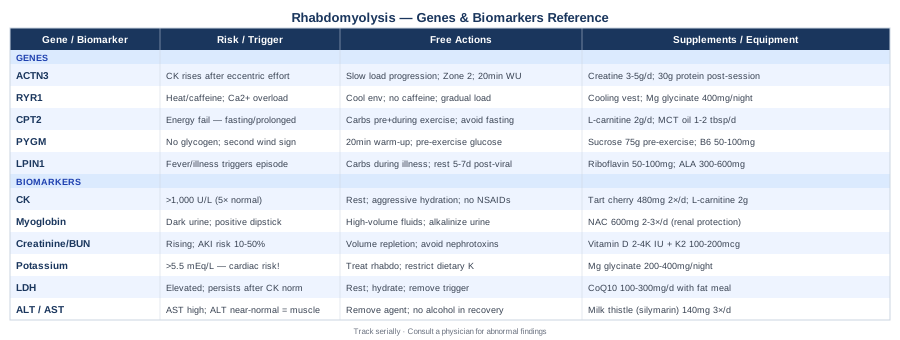
Rhabdomyolysis is not simply a bad workout or an unfortunate coincidence. For many people, it reflects a specific combination of underlying biology and preventable exposures that interact to push the muscle past a threshold that varies considerably from person to person. The six biomarkers covered here - CK, myoglobin, creatinine, potassium, LDH, and liver enzymes - give you the tools to monitor both the severity of an episode and the completeness of recovery. The five genetic variants - ACTN3, RYR1, CPT2, PYGM, and LPIN1 - give you a framework for understanding why your individual threshold may be different from someone else's, and what specifically you can do about it.
The most useful next step depends on where you are right now. If you have experienced one or more unexplained episodes, genetic testing through a sports medicine specialist or medical geneticist is worth prioritizing. If you are currently recovering, serial CK, creatinine, and potassium tracking gives you the data to return to activity safely rather than guessing. If prevention is the goal, building aerobic capacity, managing recovery quality, addressing nutritional gaps, and identifying your specific triggers provides the highest-leverage changes available. Discuss any significant findings with a qualified physician before acting on them, particularly if kidney function is involved or if genetic testing reveals a pathogenic variant. Better information leads to better decisions - and in the case of rhabdomyolysis, that difference can matter considerably.
Musculoskeletal: Muscle Conditions Sports Injuries
Autoimmune: Inflammatory Conditions
Urological: Kidney Conditions