This article contains AI generated content.
· UpdatedRoss River Fever Arthritis: 5 Genes And 6 Biomarkers To Track
Introduction
If you've been diagnosed with Ross River Fever and the joint pain that was supposed to fade in a few weeks is still there months later, you are not imagining it, and you are not alone. Studies suggest that anywhere from 10 to 60 percent of people who contract Ross River virus develop persistent arthritis symptoms lasting beyond three months — some for well over a year. The fatigue, stiffness, and swelling are real, and the medical advice to rest and take anti-inflammatories, while reasonable, doesn't explain why some people recover in three weeks while others are still struggling at eighteen months.
The virus is the same. The treatment protocol is largely the same. The outcomes are not. That gap between identical exposures and dramatically different recoveries is where individual biology becomes important, and where generic advice runs out of usefulness. "It'll pass" is technically true for most people but practically unhelpful for the person who has been waiting for that to happen since last summer.
What's increasingly clear from research into alphavirus-associated arthritis is that several measurable factors — both in your blood and in your DNA — may help explain why your immune system is taking so much longer to resolve the inflammatory response. Your baseline inflammatory state, your immune gene variants, your vitamin D status, your iron handling, and your natural killer cell function all interact with the virus in ways that shape your experience of the disease. These aren't fringe ideas; they're testable, trackable, and in many cases, modifiable.
This article takes two interconnected approaches. The first walks through six specific biomarkers you can measure right now to get a clearer picture of where your immune system stands and which pathways are keeping inflammation running. The second covers five genetic variants that appear to shape susceptibility to prolonged RRV arthritis, along with practical plans for each. Beyond those, you'll find a summary of one of the most useful nutrition-based frameworks for post-inflammatory recovery, and a selection of complementary approaches with actual human evidence behind them. Better information doesn't promise a cure, but it does allow for better decisions.
Summary
This article covers six measurable biomarkers — hsCRP, IL-6, vitamin D, ferritin, NK cell activity, and RRV-specific antibody titers — each with a practical action plan for improving a poor result, with and without supplements. It then explores five genetic variants (HLA-B27, TNF-α rs1800629, VDR FokI/BsmI, IL-6 rs1800795, and CCR5 Δ32) that may explain why some people's immune systems struggle to resolve RRV-driven joint inflammation, along with what to do if you carry the risk variants. Further in, you'll find a summary of The Wahls Protocol by Dr. Terry Wahls — one of the most compelling nutritional frameworks for post-inflammatory recovery — distilled into ten actionable insights. Finally, the article reviews the best-supported complementary approaches for RRV arthritis, including tai chi, photobiomodulation, mindfulness-based stress reduction, the autoimmune protocol, and microbiome-directed strategies.
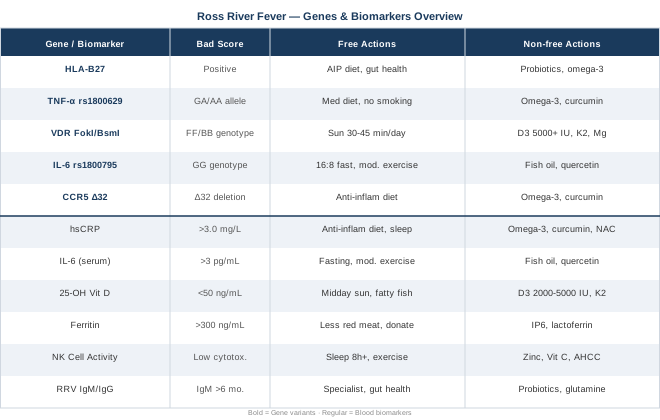
6 Biomarkers to Track If You Have Ross River Fever Arthritis
Biomarkers are objective measurements — not symptoms, not opinions, not estimates. They tell you what is actually happening in your biology at a given moment. For someone dealing with post-RRV arthritis, six markers stand out as particularly informative: they map the key pathways driving ongoing inflammation and give you levers to pull, whether through lifestyle, nutrition, or targeted supplementation. Each one also changes over time, which means tracking them gives you feedback on whether your interventions are working.
Biomarker 1: hsCRP — The Inflammation Alarm
Why it matters: High-sensitivity C-reactive protein (hsCRP) is produced by the liver in direct response to inflammatory signalling, primarily from IL-6. In Ross River Fever, hsCRP rises sharply during acute infection and, in patients who go on to develop chronic arthritis, it often remains persistently elevated. Several studies on alphavirus-associated arthritis have used CRP as a marker of ongoing systemic inflammation — and for good reason. It is one of the most accessible, affordable, and clinically validated indicators of the inflammatory activity that is driving your joint symptoms.
Optimal range: below 1.0 mg/L is considered low risk; below 0.5 mg/L is optimal by functional medicine standards. A value above 3.0 mg/L puts you in a range where chronic inflammatory burden is significant enough to require active intervention.
How to measure it: A standard blood test available at virtually any GP clinic or commercial lab. Cost: approximately $20–50 (covered by Medicare in Australia if ordered by a physician with clinical justification; covered similarly under insurance in the US). Request specifically high-sensitivity CRP, not standard CRP, as it offers greater precision in the low-to-moderate range.
If the score is bad, the plan without supplements: The lifestyle approaches with the strongest evidence for lowering hsCRP include an anti-inflammatory dietary pattern (Mediterranean or autoimmune protocol), sleep optimisation targeting 7–9 hours with consistent timing, moderate aerobic exercise for at least 150 minutes per week, and elimination of refined seed oils and ultra-processed carbohydrates. Cold water immersion (3–10 minutes in water below 15°C, three times weekly) has been shown in multiple trials to reduce systemic CRP over time. Stress management, whether through mindfulness or structured relaxation, also consistently reduces inflammatory markers.
If the score is bad, the plan with supplements or equipment: Omega-3 fatty acids (EPA/DHA combined, 2–4g/day with meals) are among the best-studied supplements for CRP reduction. Take with food to reduce GI side effects; if you are on anticoagulants, discuss with your physician first. Curcumin with piperine (500–1000mg/day, cycle 8 weeks on / 4 weeks off) directly inhibits NF-κB, the transcription factor driving CRP production. Avoid if on blood thinners or within two weeks of surgery. NAC (N-acetylcysteine) at 600mg twice daily supports glutathione production and reduces oxidative stress upstream of CRP; generally well-tolerated but avoid at very high doses with kidney disease.
Biomarker 2: IL-6 — The Joint Inflammation Driver
Why it matters: Interleukin-6 is the cytokine most directly responsible for activating the acute phase response that produces CRP — but it does far more than that. In Ross River Fever, IL-6 appears to be a key mediator of joint inflammation and macrophage recruitment. Research into RRV pathogenesis has consistently found elevated IL-6 in symptomatic patients, and some studies suggest that IL-6 persistence correlates with symptom chronicity. Understanding your IL-6 level gives you more granular information than CRP alone, and it helps identify whether your inflammatory load is upstream (at the cytokine level) or downstream (at the acute phase level).
Optimal range: below 2–3 pg/mL in most laboratory reference ranges, though functional medicine practitioners often target below 1.8 pg/mL.
How to measure it: IL-6 requires a specialty blood test and is not typically included in standard inflammatory panels. Order through a functional medicine physician, immunologist, or advanced diagnostics lab. Cost: approximately $80–150. Some labs require samples to be processed quickly, so plan accordingly. In Australia, this can be requested through a rheumatologist referral.
If the score is bad, the plan without supplements: Time-restricted eating (a 12–16 hour overnight fast, 6 days per week) has shown consistent ability to reduce IL-6 in multiple human studies on metabolic and inflammatory disease. Keep exercise intensity moderate during active RRV flares — very intense exercise temporarily spikes IL-6, which is counterproductive. Weight management matters: adipose tissue is an active IL-6-secreting organ, and even modest fat reduction reduces baseline IL-6 significantly. Improving sleep quality (not just duration) is also meaningful here.
If the score is bad, the plan with supplements or equipment: EPA-dominant fish oil (3–4g/day) directly interferes with the arachidonic acid pathway that feeds IL-6 production. Quercetin (500mg twice daily with meals) inhibits several IL-6 upstream pathways and has human evidence for reducing inflammatory markers in autoimmune-adjacent conditions. Cycle quercetin 8 weeks on / 4 weeks off; avoid at very high doses if you have thyroid issues or are on quinolone antibiotics. Boswellia serrata (400mg three times daily with food) has solid evidence in inflammatory arthritis and works through a complementary AKBA/5-LOX pathway; cycle after 12 weeks of use; occasional mild GI discomfort reported.
Biomarker 3: 25-OH Vitamin D — The Immune Regulator
Why it matters: Vitamin D is not primarily a bone mineral — it is a steroid hormone with widespread immunomodulatory effects. Vitamin D receptors (VDRs) are expressed on virtually every immune cell, including the macrophages and T cells that drive joint inflammation in RRV. Low vitamin D is associated with impaired resolution of viral inflammatory states, and multiple studies on inflammatory arthritis link deficiency to worse outcomes and longer symptom duration. For RRV patients — many of whom live in sun-rich Australian climates but spend significant time indoors during recovery — deficiency is more common than expected.
Optimal range: 50–80 ng/mL (125–200 nmol/L). Most GP reference ranges list 30 ng/mL as sufficient, but functional medicine practitioners and researchers like Dr. Rhonda Patrick argue for the higher end of this range for genuine immune benefit.
How to measure it: The 25-OH vitamin D blood test is widely available and inexpensive. Cost: $30–60; covered in many countries when ordered by a physician. Retest 3 months after any dose change to evaluate response.
If the score is bad, the plan without supplements: 15–25 minutes of direct midday sun on exposed arms and legs (not through glass) produces substantial vitamin D synthesis, particularly in lighter skin types. Dietary sources with meaningful D3 content include wild-caught salmon, sardines, mackerel, egg yolks, and cod liver oil. These sources alone rarely raise levels significantly in someone who is deficient, but they contribute as part of a broader strategy.
If the score is bad, the plan with supplements or equipment: Vitamin D3 (not D2) at 2000–5000 IU/day taken with the largest fat-containing meal of the day. Always pair with K2 MK-7 (100–200 mcg/day) to direct calcium appropriately and prevent arterial calcification. Add magnesium glycinate (300–400mg/day in the evening) — magnesium is required for converting vitamin D to its active form, and deficiency in magnesium will blunt supplementation response. Retest 25-OH D every 3 months and adjust dose accordingly. Do not exceed 10,000 IU/day without medical supervision; toxicity (hypercalcemia) is rare but real at very high doses.
Biomarker 4: Ferritin — The Iron-Inflammation Intersection
Why it matters: Ferritin is usually discussed as an iron storage marker, but it's also a potent acute-phase reactant. During active Ross River Fever, ferritin can rise substantially as part of the macrophage-driven inflammatory response. Chronically elevated ferritin (above 300 ng/mL in men, above 200 ng/mL in women) independently promotes oxidative stress and can amplify joint inflammation through iron-catalysed free radical production. On the flip side, very low ferritin causes fatigue that compounds the exhaustion typical of RRV recovery. Either extreme is a problem.
Optimal range: 50–100 ng/mL for most functional medicine purposes, with some practitioners targeting the lower end of this range to reduce iron-driven oxidative stress.
How to measure it: Standard blood test, included in most iron panels. Cost: $20–40. Always interpret alongside serum iron, total iron-binding capacity (TIBC), and transferrin saturation for a complete picture of iron metabolism.
If the score is bad (high), the plan without supplements: Reduce red meat to 2–3 times per week. Avoid supplemental iron unless a deficiency is confirmed. Blood donation is one of the most effective strategies for reducing chronically elevated ferritin — one whole blood donation lowers ferritin by approximately 30–50 ng/mL. Avoid taking vitamin C with iron-rich meals when ferritin is high, as it dramatically increases iron absorption. Tea and coffee with meals naturally reduce iron absorption and are useful when ferritin is elevated.
If the score is bad (high), the plan with supplements or equipment: IP6 (inositol hexaphosphate) at 1–2g/day taken away from meals chelates excess iron and reduces ferritin over 8–12 weeks of use. Lactoferrin (300mg/day) modulates iron transport and has additional anti-inflammatory properties. Do not use these if your ferritin is in the normal range — they will reduce iron absorption and may create deficiency. If ferritin is below 30 ng/mL, this is a separate issue requiring iron support rather than reduction.
Biomarker 5: NK Cell Activity — The Viral Clearing Capacity
Why it matters: Natural killer (NK) cells are innate immune cells that don't need prior exposure to a pathogen to recognise and destroy infected cells. They're your first-line viral response. Impaired NK cell cytotoxicity has been proposed as one mechanism underlying chronic post-viral syndromes, including persistent RRV arthritis — the hypothesis being that diminished NK function prevents efficient resolution of viral remnants and the downstream inflammatory signalling they sustain. Research on post-infectious fatigue syndromes has consistently found reduced NK cell function in affected patients compared to healthy controls.
How to measure it: An NK cell activity assay or a full lymphocyte subset panel measures NK cell number and function. Cost: $100–300 at specialty or functional medicine labs. A simpler proxy available through many labs is the CD4/CD8 T-cell ratio on a lymphocyte subset panel ($100–200), which gives a broader picture of immune balance. Some functional medicine practitioners also use a simple differential white cell count (part of a standard CBC) as a rough orientation.
If the score is bad, the plan without supplements: Sleep is the most powerful modifiable factor for NK cell function — studies have shown that reducing sleep to 6 hours or less for just one week can reduce NK cell cytotoxicity by up to 70%. This is not a minor consideration. Moderate exercise (not overtraining) enhances NK cell activity chronically. Sunlight and time outdoors independently support immune tone. Reducing chronic psychological stress — particularly the sustained low-grade kind — is also meaningful, as cortisol chronically suppresses NK activity.
If the score is bad, the plan with supplements or equipment: Zinc (15–25mg elemental zinc with food daily; cycle after 3 months of continuous use to avoid copper depletion — add 2mg copper if using zinc for more than 8 weeks continuously). Vitamin C (500–1000mg/day in buffered form). AHCC (Active Hexose Correlated Compound), a mushroom-derived supplement, has published clinical trials supporting NK cell enhancement — typically dosed at 3g/day for 6–8-week cycles. Mild GI discomfort is the most commonly reported side effect. This is one of the more compelling adjunct options specifically for viral immune recovery.
Biomarker 6: RRV-Specific IgM and IgG Titers — Where You Are in the Immune Timeline
Why it matters: RRV-specific antibody titers are diagnostic markers, but they also carry prognostic information. IgM is the antibody produced in the early acute phase of infection; its persistence beyond four to six months post-diagnosis may indicate ongoing immune activation rather than a fully resolved infection. IgG is the long-term memory antibody and its presence simply confirms prior exposure. Tracking both over time — particularly whether IgM is fading as it should — helps distinguish a recovering immune response from one that is still running in a sustained activation loop.
How to measure it: RRV-specific serology (IgM and IgG) through a reference pathology laboratory or hospital pathology service. In Australia, where RRV is endemic, this test is widely available and routinely ordered. Cost: approximately $80–150. This is typically the test used for initial diagnosis; retesting 3–6 months later adds meaningful context.
If IgM persists beyond six months, the plan without supplements: This warrants a referral to an infectious disease specialist or rheumatologist. Persistent IgM does not necessarily mean the virus is actively replicating, but it does mean the immune system has not resolved its response to it. Support the immune resolution process with all of the strategies above — sleep, vitamin D, zinc, NK cell support — and consider a comprehensive gut health assessment. There is emerging evidence that gut barrier dysfunction perpetuates systemic immune activation that can sustain antibody production long after the initial trigger is gone.
If IgM persists, the plan with supplements or equipment: A high-quality, multi-strain probiotic (50 billion CFU/day, with strains including Lactobacillus rhamnosus and Bifidobacterium longum, 8-week cycles) to support gut-immune balance. Glutamine (5g/day, taken away from meals) to support gut barrier integrity. These are supportive, not curative — the goal is reducing the systemic immune burden so the body can complete its resolution process. Regular retesting every 3 months gives you the feedback loop you need.
The six biomarkers above give you a working map of your inflammatory terrain. The next layer is understanding whether any of your genetic variants are making that terrain harder to navigate.
5 Genetic Variants That May Shape How Your Body Handles RRV Arthritis
Genetics doesn't determine destiny in inflammatory disease, but it does influence probability. Certain gene variants shift the setpoints of your immune system — how much inflammation you generate, how efficiently you resolve it, and how sensitive you are to specific environmental inputs like vitamin D or omega-3 fatty acids. Understanding your variant status doesn't change the genes, but it changes the targets. A plan built around your actual inflammatory architecture will always outperform a generic one.
Consumer genetic testing (23andMe, AncestryDNA) combined with third-party analysis tools such as Promethease or FoundMyFitness by Dr. Rhonda Patrick can identify most of the variants below. More targeted SNP panels are available through functional medicine physicians and specialty labs.
Gene 1: HLA-B27 — The Reactive Arthritis Risk Flag
HLA-B27 is an allele of the major histocompatibility complex located on chromosome 6. It encodes a surface protein that presents intracellular peptides to cytotoxic T cells. It is most famous for its strong association with ankylosing spondylitis and reactive arthritis — conditions where the immune system attacks joint tissue, often triggered by microbial or viral exposure. RRV arthritis and classic reactive arthritis share some mechanistic features, including macrophage and T-cell-driven synovial inflammation, which is why HLA-B27 status can be relevant for RRV patients who experience unusually severe or persistent joint involvement.
Testing: A blood test ordered by a GP or rheumatologist. Cost: $80–150. Positive/negative result; approximately 8% of people of European ancestry carry HLA-B27, with lower prevalence in Asian and African populations. It is not a diagnosis — it is a risk amplifier.
If the gene is bad, the plan without supplements: Adopt an anti-inflammatory dietary framework from the outset — the autoimmune protocol (AIP) is particularly relevant here. Pay close attention to gut health: there is credible theoretical and some early clinical evidence suggesting that certain gut bacteria (historically Klebsiella pneumoniae) may trigger HLA-B27-mediated joint reactions through molecular mimicry. A high-fibre, diverse plant-based diet (consistent with phase 2 AIP reintroduction) supports a microbiome less likely to contain these triggers. Avoid overexertion of joints during flares; prioritise joint-preserving movement like swimming and tai chi.
If the score is bad, the plan with supplements or equipment: A high-potency multi-strain probiotic (50 billion CFU/day, particularly Bifidobacterium infantis and Lactobacillus acidophilus, 8-week cycles with 2-week breaks). Omega-3 fatty acids at 3–4g/day continuously. No supplements directly modify HLA-B27 expression — this is a structural gene — but the goal is reducing the environmental and microbial triggers that activate HLA-B27-mediated joint reactions. Side effects of these supplements are minimal; GI tolerance generally improves after 1–2 weeks of probiotic use.
Gene 2: TNF-α rs1800629 — The High-Flame Variant
The TNF-alpha -308 G/A polymorphism (rs1800629) is one of the most studied SNPs in the inflammatory arthritis literature. The A allele (whether GA heterozygous or AA homozygous) is associated with increased TNF-alpha transcription — meaning if you carry it, your immune system produces more of this master pro-inflammatory cytokine in response to infectious or tissue triggers. TNF-alpha amplifies nearly every downstream inflammatory pathway, recruits immune cells to joints, and sustains synovial inflammation. In the context of RRV infection, an already potent viral trigger interacts with a genetically higher-output TNF-alpha system — a combination that may partly explain severe or prolonged joint disease.
Testing: 23andMe raw data analysed through Promethease or FoundMyFitness. Direct SNP testing: $50–100 at specialty labs. The AA genotype is the highest-risk; GA is intermediate; GG is baseline.
If the gene is bad, the plan without supplements: Dietary pattern is the most impactful lever here. Both the Mediterranean diet and the ketogenic diet have direct evidence for reducing TNF-alpha levels in human trials. Eliminate refined seed oils (linoleic acid-rich vegetable oils amplify inflammatory signalling through AA pathway competition). Smoking dramatically amplifies TNF-alpha expression in -308 A carriers — this is non-negotiable. Cold water immersion (10–15 minutes in water at 10–15°C, three times weekly) has human evidence for blunting TNF-alpha. Adequate sleep (7.5–9 hours) consistently tracks with lower TNF-alpha in population studies.
If the score is bad, the plan with supplements or equipment: Omega-3 FA (EPA/DHA combined, 3–4g/day with the largest meal) — EPA directly suppresses NF-κB, the transcription factor upstream of TNF-alpha production. Take continuously; GI side effects are rare at this dose but can be managed by taking with food. Curcumin with piperine (500–1000mg/day, 8 weeks on / 4 weeks off; avoid within 2 weeks of any planned surgery due to mild platelet-inhibiting effects). Resveratrol (250–500mg/day taken with a fat-containing meal for absorption) activates SIRT1 and inhibits NF-κB; cycle 12 weeks on / 4 weeks off. Potential interactions with anticoagulants and oestrogen-sensitive conditions — discuss with your physician.
Gene 3: VDR FokI and BsmI — When Vitamin D Doesn't Land Properly
The vitamin D receptor gene (VDR) produces the protein through which vitamin D exerts its immune-regulating effects. Two commonly tested variants — FokI (rs2228570) and BsmI (rs1544410) — affect receptor efficiency. Carriers of the FF genotype at FokI have a shorter, less efficient VDR protein that binds vitamin D less effectively, meaning they may need higher serum vitamin D levels to achieve the same immunomodulatory effect. The BB genotype at BsmI shows a similar pattern in some contexts.
This matters enormously for RRV patients because vitamin D's ability to suppress macrophage activation and promote T-regulatory cell activity is one of the primary mechanisms through which inflammation from viral arthritis resolves over time. If your VDR is less functional, you may be running vitamin D at a higher serum level than your body can effectively use — and supplementing without knowing this will underperform.
Testing: Available through 23andMe raw data + third-party analysis. Direct VDR panel testing: $80–150 through functional medicine or genetics labs.
If the gene is bad, the plan without supplements: More aggressive sun exposure strategy: for FF genotype carriers, targeting 30–45 minutes of full-body midday sun exposure on a clear day (adjusted for skin tone — darker skin requires substantially more time) produces more substrate for downstream vitamin D pathways. The skin's production of previtamin D3 partially bypasses some receptor efficiency issues by increasing total available substrate.
If the score is bad, the plan with supplements or equipment: VDR variant carriers typically need higher D3 doses to reach the same functional endpoint. A reasonable starting point for FF/BB carriers is 5000–8000 IU of vitamin D3 daily with the largest fat-containing meal. Monitor 25-OH vitamin D every 3 months and adjust dose to maintain 70–80 ng/mL (higher than standard targets, to compensate for reduced receptor sensitivity). Always pair with K2 MK-7 (200 mcg/day) and magnesium glycinate (400mg/day before bed). Do not exceed 10,000 IU daily without medical supervision. Calcium should not be supplemented alongside; vitamin D increases calcium absorption naturally, and excess supplemental calcium with VDR variants may risk deposition issues.
Gene 4: IL-6 rs1800795 — Running Hot on Cytokines
The -174 G/C polymorphism in the IL-6 gene (rs1800795) influences baseline IL-6 production and the magnitude of the IL-6 response to inflammatory triggers. The GG genotype is associated with higher IL-6 output — which in ordinary health may be inconsequential, but in the context of a viral infection that already drives IL-6 sharply upward (as RRV does), it compounds the inflammatory response significantly. Individuals with the GG genotype who contract RRV may experience a more intense and prolonged inflammatory state than CC carriers exposed to exactly the same virus.
Testing: 23andMe raw data + Promethease analysis. Direct SNP panel: $50–100. Combining this genetic information with an actual IL-6 blood test gives you both the predisposition and the current functional state.
If the gene is bad, the plan without supplements: Time-restricted eating is one of the most consistently documented interventions for reducing IL-6 in human studies — a 16:8 window (16-hour fast, 8-hour eating window) six days per week has shown meaningful results in trials of metabolic and inflammatory conditions. Moderate-intensity aerobic exercise (not high-intensity during active flares — HIIT transiently spikes IL-6, which amplifies the problem). Managing body composition matters: adipose tissue is a primary producer of IL-6, and even a modest reduction in adiposity can meaningfully lower baseline IL-6 in GG genotype carriers. Psychological stress management is also important, as cortisol directly drives IL-6 gene expression.
If the score is bad, the plan with supplements or equipment: EPA-dominant fish oil (4g/day; EPA specifically rather than DHA shows stronger IL-6 inhibition through COX-2 competition). Quercetin (500–1000mg twice daily with food, 8 weeks on / 4 off; generally safe, but avoid high doses alongside quinolone antibiotics or if there are thyroid concerns). Boswellia serrata (400mg three times daily with food; AKBA, its active compound, inhibits 5-LOX, which is a parallel inflammatory pathway not addressed by COX inhibitors; cycle off after 12 weeks; occasional mild GI discomfort). For GG genotype carriers, these three in combination address multiple arms of the IL-6-driving inflammatory network simultaneously.
Gene 5: CCR5 Δ32 rs333 — A Complex Immune Traffic Pattern
CCR5 is a chemokine receptor expressed on macrophages and T cells. It plays a significant role in orchestrating the migration of immune cells into inflamed tissues — including the synovium of affected joints in Ross River Fever. The Δ32 deletion polymorphism (rs333) creates a non-functional CCR5 receptor. This variant is famous in virology for conferring resistance to HIV-1 (which uses CCR5 as an entry co-receptor), but its role in alphavirus responses is more nuanced.
Research into RRV pathogenesis has identified CCR5-mediated signalling in macrophage recruitment to joint tissue during active infection. Δ32 carriers may have a different macrophage trafficking pattern — the implications for whether inflammation is more or less likely to persist are not fully established in RRV specifically, but the variant is relevant to understanding why immune resolution may follow different timelines in different individuals.
Testing: rs333 (the CCR5 Δ32 variant) is available through 23andMe raw data analysis. Direct SNP testing: $50–80. Heterozygous carriers (one deleted, one functional allele) represent approximately 10–15% of European-ancestry populations. Homozygous deletions are rare (1–2%) and warrant specialist immunological review.
If the gene is bad, the plan without supplements: Heterozygous Δ32 carriers have altered macrophage recruitment profiles. During active RRV joint flares, prioritise joint rest and gentle movement over intensity; the macrophage-driven component of joint inflammation may behave atypically. An anti-inflammatory diet reduces the overall inflammatory burden on a system that may have subtly different immune traffic patterns. Working with a rheumatologist who can monitor joint progression over time is particularly valuable for Δ32 carriers with persistent symptoms.
If the score is bad, the plan with supplements or equipment: There is no supplement that directly modifies CCR5 function or the Δ32 status. The strategy here is systemic: omega-3 fatty acids (3g/day continuous), curcumin (500mg/day, cycling as above), and a strong anti-inflammatory lifestyle foundation. The value in knowing your CCR5 status is primarily clinical — it may help explain unusual patterns of immune response and should inform conversations with a specialist about how to monitor and manage your specific immune profile. Frequency: ongoing baseline protocol.
Understanding these genetic variants positions you well. But there is one more body of practical knowledge — from a researcher who reversed her own severe autoimmune condition through targeted nutrition — that is worth understanding in detail.
What The Wahls Protocol Gets Right About Post-Inflammatory Recovery
The Wahls Protocol by Dr. Terry Wahls, a clinical professor and researcher at the University of Iowa, began as a personal experiment. Diagnosed with secondary progressive multiple sclerosis — a condition for which there is no known reversal — she spent years studying the mitochondrial and cellular nutritional requirements of immune cells before redesigning her own diet around those requirements. The results were dramatic: she went from a wheelchair to cycling 18 miles a day. What makes the Wahls Protocol particularly relevant for RRV arthritis is that it targets the same cellular systems — mitochondrial function, immune regulation, gut-brain-immune axis — that drive post-viral inflammatory chronicity.
This is not a treatment for Ross River Fever, but it is one of the most rigorously constructed nutritional frameworks for immune-mediated inflammatory conditions. Here are the ten most impactful insights from Dr. Wahls' work for anyone dealing with post-RRV joint disease.
1. Mitochondria Are the Real Battlefield
Wahls' central argument is that most chronic inflammatory and autoimmune conditions involve mitochondrial dysfunction in immune cells. When mitochondria in macrophages and T cells can't produce adequate ATP, immune resolution processes stall. Every nutritional intervention in the protocol is aimed at restoring mitochondrial output: B vitamins, CoQ10 precursors, and antioxidants are prioritised as primary immune fuels, not afterthoughts.
2. Nine Cups of Vegetables Per Day Is Not an Exaggeration
The protocol prescribes 9 cups of vegetables daily, divided across three categories: leafy greens (3 cups), sulfur-rich vegetables (3 cups), and colourful vegetables (3 cups). Each category provides distinct micronutrients that feed different arms of the immune and mitochondrial system. This quantity is clinically intentional, not arbitrary — it reflects the actual micronutrient density required to support immune cell function at the mitochondrial level.
3. Leafy Greens for Methylation and Nerve Signalling
Kale, chard, collards, and spinach are prioritised for their folate, B12 (in specific forms), and fat-soluble vitamins. Folate and B12 are critical for methylation — a biochemical process that regulates gene expression including inflammatory cytokine genes like TNF-α and IL-6. Poor methylation, which is common in people with MTHFR gene variants, may sustain inflammatory gene expression even in the absence of active viral stimulus.
4. Sulfur-Rich Vegetables for Glutathione
Cabbage, onions, garlic, leeks, broccoli, and other allium/brassica vegetables supply sulfur amino acids and glucosinolates that are precursors to glutathione — the body's master antioxidant. Depleted glutathione amplifies oxidative stress in inflamed joints. Wahls found that restoring sulfur intake through food sources was more effective than supplementation alone, partly because of co-factors in whole vegetables that support the synthesis process.
5. Coloured Vegetables for Mitochondrial Antioxidants
Red, yellow, orange, and purple vegetables provide carotenoids, polyphenols, and anthocyanins that directly protect mitochondria from oxidative damage. These compounds also modulate NF-κB activity — the same transcription factor driving TNF-α and IL-6 in RRV arthritis. Beets, carrots, red cabbage, and berries are among the most potent sources.
6. Eliminating Gluten and Dairy Reduces Intestinal Permeability
Wahls describes gluten and dairy as her non-negotiables for immune regulation. Both have documented effects on intestinal tight junction integrity in susceptible individuals, contributing to "leaky gut" — a state of increased gut permeability that amplifies systemic immune activation. For RRV patients with ongoing inflammation, a gut barrier that is poorly regulated creates ongoing immune stimulus even after the viral trigger has cleared.
7. Animal Protein and Saturated Fat Are Not the Enemy
The Wahls Protocol explicitly includes high-quality animal protein (particularly organ meats for nutrient density) and embraces saturated fat from grass-fed sources. Wahls argues — with supporting data — that the mitochondrial membranes of immune cells require specific lipids, including saturated and omega-3 fats, to maintain functional structure. The fear of dietary fat that has shaped conventional medical nutrition advice for decades, she contends, has left immune cells chronically under-resourced.
8. Time-Restricted Eating Activates Mitochondrial Repair
Wahls recommends a minimum 12-hour overnight fast, with many patients extending to 16 hours. This activates autophagy — the cellular recycling process through which damaged mitochondrial components are cleared and rebuilt. In post-viral inflammatory states, where mitochondrial damage may be driving immune dysfunction, autophagy is not a luxury; it's a repair mechanism that conventional eating patterns (grazing throughout the day) suppress.
9. Electrical Muscle Stimulation as a Movement Alternative
For patients too fatigued or in too much pain to exercise, Wahls introduced functional electrical stimulation (FES) cycling — a technology that electrically stimulates muscles through exercise motions. This is relevant for RRV patients in acute or severe chronic phases where voluntary exercise is limited. It maintains muscle mass, stimulates circulation, and preserves metabolic function during periods where movement would otherwise be impossible.
10. Track Fatigue and Joint Symptoms as Nutrient Feedback
Wahls' approach treats symptom tracking as a diagnostic tool. Fatigue spikes, brain fog, and joint flares are interpreted as micronutrient deficiency signals rather than random disease events. The protocol trains patients to connect symptom patterns to dietary patterns — a skill that transforms passive suffering into actionable self-experimentation. For RRV patients navigating an unpredictable recovery, this framework offers agency where there was previously none.
Complementary Approaches With Real Evidence Behind Them
Conventional and nutritional interventions alone don't exhaust the options for RRV arthritis management. Several complementary modalities have human clinical evidence that is meaningful — not just plausible — and are worth understanding for anyone managing persistent joint symptoms.
Tai Chi for Joint Mobility and Inflammation
Tai chi is a Chinese movement practice that combines slow, deliberate postures with controlled breathing and meditative focus. In the context of inflammatory arthritis, it occupies an unusual position: it provides structured movement that preserves and improves joint range of motion without the impact load that aggravates inflamed synovium. It also activates the parasympathetic nervous system, which directly reduces cortisol and, through that pathway, reduces the inflammatory cytokine load.
For arthritis specifically, a systematic review published in 2006 in the journal Arthritis & Rheumatism found that tai chi consistently improved pain scores, physical function, and psychological well-being in participants with various arthritis conditions, with no adverse effects reported. A more recent review focused on rheumatoid arthritis similarly found clinically significant improvements in joint pain and morning stiffness.
The practical protocol for RRV patients: begin with a beginner tai chi class (community classes, online video, or local studio) of 30–45 minutes, two to three times weekly. Avoid pushing through acute joint pain; the goal is fluid movement within a comfortable range. Progress gradually over 8–12 weeks. Tai chi's accessibility — it requires no equipment, is low-cost, and can be scaled to any fitness level — makes it particularly appropriate for patients managing the fatigue dimension of RRV alongside joint symptoms.
Low-Level Laser Therapy for Joint Inflammation
Low-level laser therapy (LLLT), also called photobiomodulation, uses specific wavelengths of red and near-infrared light (typically 630–1000nm) applied to tissue to stimulate mitochondrial function, reduce oxidative stress, and modulate inflammatory signalling. The mechanism is cellular rather than thermal — the light activates cytochrome c oxidase in mitochondria, increasing ATP production and reducing reactive oxygen species. In inflamed joints, this translates to reduced prostaglandin production and lower local inflammatory cytokine concentrations.
A Cochrane review published in 2009 on LLLT for rheumatoid arthritis found statistically significant reductions in pain and morning stiffness, with a good safety profile. While the evidence is specifically stronger for rheumatoid arthritis than post-viral arthritis, the underlying mechanism (reducing joint-level inflammation via photobiomodulation) is applicable regardless of the upstream cause.
Practical application: LLLT devices are available in two forms — clinical devices used by physiotherapists and sports medicine practitioners, and consumer devices (typically lower power but accessible for home use). A clinical session (6–8 treatments over 2–3 weeks) is a reasonable entry point to assess whether you respond. For home devices, look for red/NIR panels or handheld devices in the 630–850nm range with power output above 50mW at the treatment point. Apply to affected joints for 10–20 minutes per session, 4–5 times weekly. Side effects are minimal; do not apply over eyes or to actively infected tissue.
Mindfulness-Based Stress Reduction for Chronic Joint Pain
Mindfulness-Based Stress Reduction (MBSR) is an eight-week structured program developed by Dr. Jon Kabat-Zinn that combines sitting meditation, body scan, and gentle yoga with instruction in cognitive approaches to pain. It is one of the most rigorously studied non-pharmacological pain interventions in medicine, with a meta-analytic evidence base that is hard to dismiss. For RRV patients with chronic joint pain, MBSR addresses not only the subjective experience of pain but also the psychological amplification loops — catastrophising, hypervigilance to symptoms, avoidance — that are well-documented to worsen chronic pain outcomes.
A 2016 JAMA Internal Medicine randomised controlled trial comparing MBSR, cognitive behavioural therapy, and usual care for chronic low back pain found MBSR produced clinically significant improvements in pain and functional disability maintained at 52 weeks. While this study focused on back pain, the mechanisms translate to inflammatory joint pain: the pain-modulation pathways altered by MBSR (descending inhibitory systems, default mode network regulation) are not condition-specific.
For RRV patients: the standard MBSR format is 8 weeks, 2.5 hours per week plus a day-long retreat. Many hospitals, mindfulness centres, and online platforms offer certified courses. Apps (Insight Timer, Ten Percent Happier) provide accessible entry points. Start with 10–15 minutes of body scan or guided breathing daily before committing to the full structured program. Realistic expectations: MBSR does not eliminate pain but consistently shifts the relationship to it in ways that reduce suffering and improve function.
The Autoimmune Protocol for Post-Viral Inflammation
The Autoimmune Protocol (AIP) designed by Dr. Sarah Ballantyne, a medical researcher who developed the framework partly to manage her own autoimmune conditions, is a two-phase dietary and lifestyle approach aimed at reducing the immune system inputs that sustain autoimmune and post-infectious inflammatory states. The elimination phase removes grains, legumes, dairy, eggs, nightshades, nuts, seeds, alcohol, and refined seed oils for a minimum of 30–60 days. The reintroduction phase systematically reintroduces foods to identify individual triggers.
For RRV arthritis, the rationale is clear: the post-viral immune dysregulation that sustains joint inflammation shares mechanistic features with autoimmune arthritis (macrophage infiltration, T cell dysregulation, intestinal permeability). AIP addresses the gut-immune axis directly, removing known antigenic triggers and gut-disrupting compounds while simultaneously flooding the system with nutrient-dense whole foods that support immune regulation.
A 2017 pilot clinical trial published in Inflammatory Bowel Diseases tested AIP in Crohn's disease and ulcerative colitis, finding clinically significant reductions in inflammatory markers and symptom scores. While not a RRV-specific trial, the inflammatory mechanisms share enough common ground to make the evidence relevant. Ballantyne's approach is practical: her book The Paleo Approach provides the complete framework, and her website (ThePaleoMom.com) offers extensive free resources for managing the elimination and reintroduction phases. Expect a transition period of 1–2 weeks when beginning elimination; work with a nutritionist experienced in elimination diets to ensure adequate nutrient intake during this phase.
Microbiome-Directed Therapies for the Gut-Immune Axis
The connection between gut microbiome composition and systemic immune function is one of the most active areas of research in the past decade. A healthy gut microbiome, characterised by high microbial diversity and adequate populations of butyrate-producing bacteria, maintains intestinal barrier integrity, supports T-regulatory cell development, and prevents the chronic low-grade immune activation that sustains post-viral inflammatory states. Dysbiosis — microbial imbalance — is increasingly documented in post-infectious fatigue and inflammatory conditions, and there is reason to hypothesise it plays a role in persistent RRV arthritis.
Evidence from inflammatory arthritis research shows that microbiome composition differs between patients with active disease and healthy controls, and that targeted probiotic interventions can reduce systemic inflammatory markers. A 2017 systematic review in Rheumatology found that probiotic supplementation significantly reduced CRP and improved symptom scores in rheumatoid arthritis, though evidence in reactive and post-viral arthritis specifically is still early.
Practical protocol: Begin with a high-quality, multi-strain probiotic (30–50 billion CFU/day, including Lactobacillus rhamnosus GG, Bifidobacterium longum, Lactobacillus acidophilus), taken with food, for 8-week cycles. Pair with prebiotic fibre (inulin or partially hydrolysed guar gum, 5–10g/day, increasing slowly to avoid GI discomfort). Add fermented foods — kefir, kimchi, sauerkraut, or kombucha — daily for diverse microbial exposure. Avoid unnecessary antibiotics and NSAIDs when possible, as both significantly disrupt microbiome composition. Evidence in RRF is limited and largely extrapolated, so manage expectations accordingly — this is a foundational strategy, not a standalone treatment.
Conclusion
Ross River Fever arthritis is not a mystery in the sense that it has no explanation — the mechanisms are increasingly understood. What has been missing, for most patients, is access to information that connects those mechanisms to their individual biology in a way that suggests specific, actionable next steps. The biomarkers covered in this article — hsCRP, IL-6, vitamin D, ferritin, NK cell activity, and RRV-specific antibody titers — give you a measurable picture of where your immune system stands right now and a concrete framework for improving each poor result. The genetic variants add a layer of personalisation: understanding whether your inflammatory setpoints are genetically elevated helps you calibrate interventions that go beyond what one-size-fits-all advice can offer.
The most useful next step is not necessarily the most complicated one. Getting your hsCRP and vitamin D tested this week, starting a Mediterranean or AIP dietary pattern, optimising your sleep, and booking an appointment with a rheumatologist or functional medicine physician who takes post-viral arthritis seriously — these are achievable moves that compound over time. Recovery from post-infectious arthritis is rarely linear, but it is almost always influenced by the decisions you make about inflammation, nutrition, sleep, and self-monitoring. Better information, consistently applied, gives your immune system the best conditions to finish what it started.