This article contains AI generated content.
· UpdatedRubella Arthritis Genes and Biomarkers — 5 Genes and 6 Biomarkers to Track
Introduction
If you are dealing with joint pain following a rubella infection or a rubella-containing vaccine — especially if you are a woman over twenty-five — you may have noticed that most medical guidance stops at "it should resolve on its own." For a significant subset of people, it does not. The joint inflammation persists for months or returns in cycles, often without a clear explanation or a precise plan.
What makes rubella arthritis particularly challenging is that it sits at an uncomfortable intersection. It resembles rheumatoid arthritis closely enough to cause diagnostic confusion, yet it has its own immunological logic rooted in how your immune system responded to the rubella virus. Generic anti-inflammatory advice — rest, NSAIDs, time — may blunt the symptoms but does not address why your specific immune system responded so aggressively or why the inflammation is lingering.
The deeper answer often lies in two directions: what your genes say about how your immune and inflammatory systems are wired, and what your blood biomarkers reveal about what is actively happening right now. Neither is a complete picture alone. Together they give you something rare in post-viral arthritis care: a way to measure, track, and act with real precision rather than waiting and hoping.
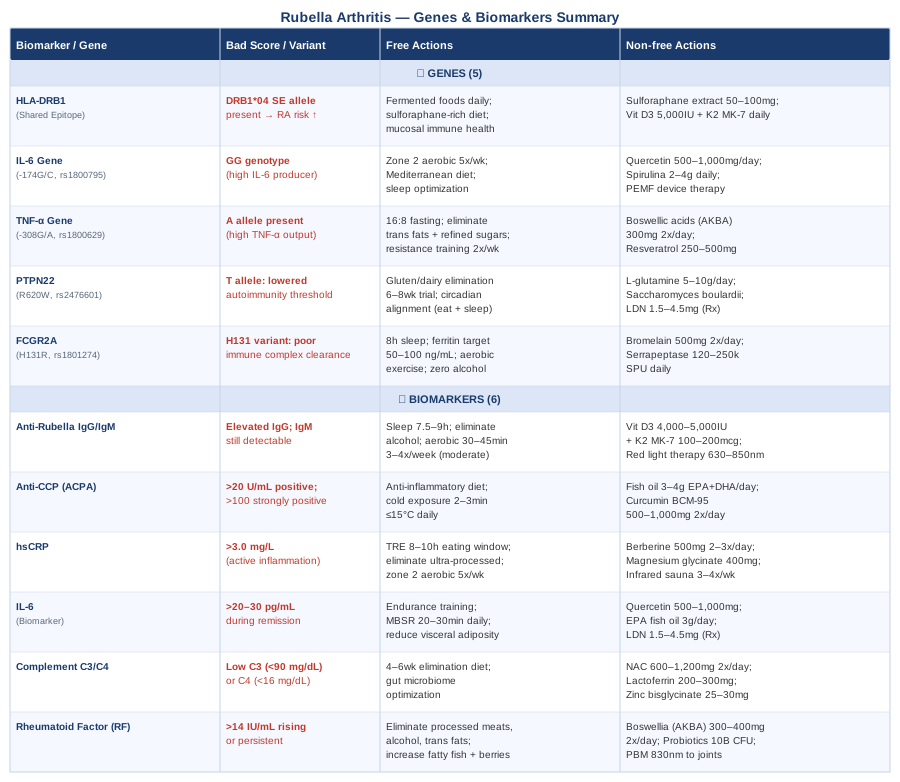
This article covers both. The main section focuses on six biomarkers you can test, track over time, and directly respond to through lifestyle, supplementation, and medical collaboration. A second section unpacks the five most relevant genes, explaining what each one means and what compensatory strategies exist if your variants are unfavorable. Following those, you will find a summary of one of the most clinically grounded frameworks for autoimmune recovery, plus evidence-based complementary approaches with documented relevance to joint inflammation. Better information genuinely does lead to better decisions — that is the premise here.
6 Biomarkers Worth Tracking if You Have Rubella Arthritis
Biomarkers in post-viral arthritis serve two functions at once: they confirm what is driving inflammation, and they give you a moving target to optimize against. The six below were selected for their direct mechanistic relevance to rubella-associated joint disease, their practical testability, and their responsiveness to interventions you can actually take.
Biomarker 1: Anti-Rubella IgG and IgM Antibodies
Why it matters: This is the foundational marker. Anti-rubella IgM indicates recent or ongoing immune activation against the rubella virus, while IgG titers reflect the degree and durability of your immune memory response. In chronic or recurrent rubella arthritis, persistently elevated or unusually high IgG titers — sometimes alongside detectable IgM — suggest the immune system is still actively engaging with viral antigens, possibly through viral RNA persistence in synovial tissue, as documented in research on joint fluid from affected patients.
How to measure it: A standard serology panel ordered by your GP or rheumatologist. Most labs perform enzyme-linked immunosorbent assay (ELISA). Cost typically ranges from $20 to $80 depending on region and whether IgM and IgG are ordered together. Paired samples taken 2–3 weeks apart are more informative than a single reading.
If the score is bad — the plan without supplements: The most powerful non-pharmacological intervention here is reducing the total inflammatory and immune burden. This means consistent sleep of 7.5 to 9 hours, elimination of alcohol (which directly impairs viral clearance and prolongs immune activation), and structured aerobic exercise at moderate intensity — three to four sessions weekly of 30 to 45 minutes. These measures support immune regulation through the autonomic nervous system and reduce the neuroimmune feedback loops that keep IgM elevated. Joint protection (avoiding mechanical stress on affected joints during flares) reduces local immune stimulation.
If the score is bad — the plan with supplements or equipment: Elderberry extract (Sambucus nigra) and beta-glucans have evidence for modulating antiviral immune responses, though evidence specific to rubella is limited. More relevant is low-dose vitamin D3 supplementation at 4,000–5,000 IU daily with K2 (100–200 mcg MK-7), which has been shown to shift immune responses away from the hyperreactive Th1 and Th17 patterns implicated in post-viral arthritis. Cycle vitamin D testing every three months to maintain a serum level of 50–80 ng/mL; do not exceed 100 ng/mL without medical supervision. Red light therapy panels (630–850 nm, 10–20 minutes daily, 5 days per week) have emerging evidence for immune modulation and may support resolution of persistent immune activation.
Biomarker 2: Anti-Citrullinated Protein Antibodies (ACPA / Anti-CCP)
Why it matters: ACPA is the most specific blood marker for rheumatoid arthritis. In rubella arthritis, it should ideally be negative — but its real diagnostic value is in ruling out the transition to seronegative or early seropositive RA, which can be triggered by viral infections in genetically susceptible individuals. A rising or positive anti-CCP in someone with rubella arthritis significantly changes the prognosis and the treatment approach. Peter Attia frequently emphasizes that understanding what type of joint disease you are dealing with is the prerequisite to effective treatment, and anti-CCP is central to that differentiation.
How to measure it: Ordered as anti-CCP antibody test (second-generation ELISA). Cost is typically $30 to $100. Normal is below 20 U/mL; a level above 100 U/mL is considered strongly positive.
If the score is bad — the plan without supplements: A positive anti-CCP warrants immediate rheumatology referral regardless of rubella history. On your own, an anti-inflammatory dietary pattern — eliminating refined carbohydrates, seed oils, and gluten if you have any sensitivity — has clinical support for reducing ACPA-associated inflammation. Daily cold exposure (cold showers of 2–3 minutes at ≤15°C, or cold water immersion) activates anti-inflammatory pathways via norepinephrine release. Frequency: daily or 5 days per week. No cycling required for cold exposure.
If the score is bad — the plan with supplements or equipment: Fish oil (omega-3) at 3–4 grams EPA+DHA daily has shown reductions in tender joint counts and morning stiffness in RA; this is relevant even in rubella-triggered arthritis with positive ACPA. Take with food to improve absorption; use enteric-coated capsules if GI discomfort occurs. Curcumin with piperine (500–1,000 mg twice daily of a bioavailable form like BCM-95 or Theracurmin) has anti-NF-κB effects that may reduce joint inflammation. Cycle curcumin with two weeks on, one week off to avoid adaptation. A 2012 randomized controlled trial found curcumin comparable to diclofenac sodium in RA symptom reduction. Side effect of high-dose curcumin: mild GI upset; avoid at very high doses if on anticoagulant therapy.
Biomarker 3: High-Sensitivity C-Reactive Protein (hsCRP)
Why it matters: hsCRP is the primary real-time indicator of systemic inflammation. In rubella arthritis, it correlates reasonably well with disease activity — elevated levels during flares, lower levels during remission. Thomas Dayspring has emphasized hsCRP as one of the most underused routine markers in primary care because its elevation predicts not just current inflammation but future cardiovascular events, which are increased in people with chronic inflammatory arthritis. Tracking hsCRP monthly during active disease gives you an objective measure that cuts through the subjective variability of joint pain reporting.
How to measure it: Standard blood test available at virtually any lab. Cost is $10 to $30. Target is below 1.0 mg/L for low cardiovascular risk; below 0.5 mg/L is optimal. Levels above 3.0 mg/L consistently indicate active inflammation.
If the score is bad — the plan without supplements: The single most powerful non-pharmacological intervention for hsCRP reduction is time-restricted eating with an 8–10 hour eating window, combined with elimination of ultra-processed foods. In clinical studies, time-restricted eating reduces hsCRP by 20–30% in subjects with elevated baseline values within six to eight weeks. Aerobic exercise at a moderate zone 2 intensity — where you can still hold a conversation — for 30–45 minutes, five times per week, has a well-documented suppressive effect on CRP through IL-6 clearance pathways. Sleep quality matters significantly: fragmented sleep raises CRP; consistent, uninterrupted sleep lowers it.
If the score is bad — the plan with supplements or equipment: Berberine (500 mg, 2–3 times daily with meals) has shown significant CRP reductions in clinical trials, likely through AMPK activation and gut microbiome modulation. Cycle with two months on, two weeks off; avoid with CYP3A4-dependent medications without medical advice. Magnesium glycinate (400 mg nightly) reduces CRP, particularly in people with low baseline magnesium — a common finding. Side effect is loose stools at higher doses; start at 200 mg and titrate up. Infrared sauna therapy (20–30 minutes at 50–60°C, three to four times per week) has clinical evidence for reducing CRP in inflammatory arthritis populations through heat shock protein induction and improved vascular tone.
Biomarker 4: Interleukin-6 (IL-6)
Why it matters: IL-6 is the central cytokine in rubella-associated joint inflammation. The rubella virus directly induces IL-6 production in synovial cells, making this one of the most mechanistically direct biomarkers in this condition. Elevated IL-6 drives cartilage degradation, fever, fatigue, and the transition from acute to chronic inflammation. It also upregulates CRP production in the liver, which is why tracking both together provides more information than either alone. IL-6 inhibitors (tocilizumab) are a major class of biologic therapy in inflammatory arthritis precisely because of this central role.
How to measure it: IL-6 serum testing is available through specialty labs and some hospital reference labs. Cost is typically $50 to $150. It is not a routine order at all clinics, so you may need to request it specifically. Normal is below 7 pg/mL; levels above 20–30 pg/mL during remission indicate ongoing subclinical inflammation.
If the score is bad — the plan without supplements: Sustained endurance exercise is one of the most reliably documented ways to chronically lower IL-6. A single aerobic session transiently elevates IL-6 (which is part of muscle signaling), but regular aerobic training consistently lowers the baseline inflammatory IL-6 over weeks. High psychological stress acutely raises IL-6 via cortisol pathways; structured relaxation practices — particularly MBSR-style mindfulness, practiced 20–30 minutes daily — have demonstrated direct IL-6 reduction in clinical trials. Reducing visceral adiposity (the most potent source of chronic IL-6 production) through caloric deficit and resistance training is a cornerstone intervention.
If the score is bad — the plan with supplements or equipment: Quercetin (500–1,000 mg daily, taken with fat for absorption) inhibits IL-6 gene transcription via NF-κB suppression. Use cyclically — eight weeks on, two weeks off. EPA from fish oil (specifically EPA > DHA in a 3:1 ratio) selectively reduces IL-6 more than DHA; Nordic Naturals or similar pharmaceutical-grade brands at 2–3 g EPA daily are appropriate starting points. Low-dose naltrexone (LDN) at 1.5–4.5 mg nightly has growing evidence for reducing IL-6 and inflammatory cytokines broadly in autoimmune conditions; this requires a prescription and collaboration with a physician who is familiar with off-label immunomodulatory use. Side effects of LDN include vivid dreams for the first two to four weeks, which typically resolve.
Biomarker 5: Complement C3 and C4
Why it matters: The complement system is directly activated by immune complexes formed when anti-rubella antibodies bind viral antigens — a core mechanism in rubella arthritis. Complement deposition in joint tissue contributes to local inflammation and tissue damage. Paradoxically, you can see both elevated complement levels (during acute activation) and depressed levels (due to consumption in active disease). Low C3 and C4 in the context of active arthritis suggests immune complex disease is ongoing and warrants closer follow-up. This marker connects directly to the immune clearance machinery encoded partly by the FCGR2A gene discussed in the genetics section.
How to measure it: C3 and C4 are standard immunology panel markers, widely available. Cost is $30 to $80 combined. Normal C3: 90–180 mg/dL; normal C4: 16–47 mg/dL. Interpretation must be done in clinical context — low values during a flare are more informative than values taken in remission.
If the score is bad — the plan without supplements: Immune complex-driven complement consumption is best addressed by reducing the antigen load driving complex formation (improving viral immune clearance as described under Biomarker 1) and by reducing overall immune burden through gut health optimization. An elimination diet protocol removing the eight major food antigens for 4–6 weeks, then systematically reintroducing, helps identify dietary triggers that may be generating additional immune complexes and consuming complement unnecessarily.
If the score is bad — the plan with supplements or equipment: N-acetylcysteine (NAC) at 600–1,200 mg twice daily supports glutathione synthesis and helps modulate complement-related oxidative damage. Cycle: take for six weeks, then take a two-week break. Lactoferrin (200–300 mg daily) has documented complement-modulating and antiviral properties particularly relevant in post-viral immune dysregulation. Zinc bisglycinate (25–30 mg daily with copper 1–2 mg to prevent depletion) supports complement protein synthesis. Avoid high-dose zinc without concurrent copper; watch for GI irritation at doses above 40 mg/day.
Biomarker 6: Rheumatoid Factor (RF)
Why it matters: Like anti-CCP, rheumatoid factor is primarily used diagnostically — to distinguish rubella arthritis from rheumatoid arthritis. Most rubella arthritis is seronegative (RF-negative), and a positive RF in this context suggests either concurrent early RA or a significant autoimmune shift triggered by the rubella immune response. Allan Sniderman's framework of measuring upstream and downstream markers together applies here: RF, anti-CCP, and inflammatory markers used together provide a cleaner diagnostic and prognostic picture than any single test. Serial RF testing every six months during active joint disease helps detect transitions toward established autoimmune arthritis early enough to intervene.
How to measure it: Standard blood test, $20 to $60. Normal is below 14 IU/mL in most labs. A single low positive may be non-specific; a rising value or consistently elevated value warrants concern.
If the score is bad — the plan without supplements: A consistently elevated RF warrants rheumatology referral as the priority. Independently, the most evidence-based self-intervention is anti-inflammatory dietary restructuring: eliminating processed meats, alcohol, trans fats, and refined sugars while increasing cruciferous vegetables, fatty fish, and polyphenol-rich berries. This is not about a specific diet protocol but about removing the most consistent dietary drivers of B-cell autoimmunity, which underlies RF production. Weight normalization, if relevant, demonstrably reduces RF in some patients.
If the score is bad — the plan with supplements or equipment: Boswellia serrata extract (AKBA-standardized, 300–400 mg twice daily) has clinical evidence for reducing RF-associated inflammation and has shown specific benefit in joint conditions in several randomized trials. Take continuously for 8–12 weeks before assessing response; cycling is not required but monitor for mild GI effects. Probiotics targeting Lactobacillus rhamnosus and Bifidobacterium longum strains (at least 10 billion CFU daily) have shown modest RF reductions in RA trials and may support the gut-immune axis in rubella-associated autoimmunity. Photobiomodulation (red and near-infrared light, 830 nm, applied to affected joints for 10–15 minutes daily) has a growing evidence base for reducing joint-level inflammation and improving function in seronegative arthritis.
With those six biomarkers mapped out, it is worth turning to the genetic layer — because understanding your baseline inflammatory wiring helps explain why your numbers look the way they do.
What Your Genes Reveal About Rubella Arthritis Risk and Severity
Genetics does not determine your destiny with rubella arthritis, but it does set the playing field. Several gene variants influence how intensely your immune system responds to the rubella virus, how effectively it clears the infection and viral antigens, and how prone you are to the inflammatory amplification that turns acute arthritis into a chronic condition. The five genes below have the strongest human evidence base.
Gene 1: HLA-DRB1 — The Shared Epitope
What it affects: The HLA-DRB1 gene encodes a key part of your immune system's antigen-presenting machinery. Certain alleles — particularly those carrying the "shared epitope" (SE) sequences, most notably DRB1*04 — are strongly associated with susceptibility to autoimmune arthritis triggered by infections. In rubella, these alleles influence how well your immune system can discriminate between viral antigens and self-tissue, making molecular mimicry more likely to occur. Studies on post-rubella vaccination arthritis have identified HLA associations in affected individuals, particularly among women with persistent joint complaints, as detailed in research published in the Annals of the Rheumatic Diseases.
If the gene is bad — the plan without supplements: HLA-DRB1 shared epitope variants cannot be changed, but their consequences can be blunted through immune tolerance strategies. The most evidence-based approach is oral tolerance induction via consistent low-level exposure to anti-inflammatory dietary compounds (particularly sulforaphane from broccoli sprouts, 50–100 mg daily) and avoiding molecular mimicry triggers like excess dietary citrullinated proteins (found in heavily processed, high-heat foods). Prioritizing mucosal immune health through fermented foods (kefir, kimchi, miso daily) strengthens regulatory T-cell activity, which counterbalances the Th17 excess that SE alleles promote.
If the score is bad — the plan with supplements or equipment: Sulforaphane from broccoli sprout extract (50–100 mg standardized glucoraphanin, activated by myrosinase) has demonstrated Nrf2 pathway activation, which significantly dampens the hyperinflammatory signaling that SE alleles promote. Take daily; no cycling required. Vitamin D3 at 5,000 IU + K2 modulates the HLA-DR pathway's downstream signaling by enhancing regulatory T-cell differentiation — this is one of the most direct gene-compensatory interventions available without prescription. Monitor serum levels to stay at 60–80 ng/mL.
Gene 2: IL6 (-174G/C Polymorphism) — Inflammatory Amplification
What it affects: The IL6 gene promoter polymorphism at position -174 (rs1800795) determines baseline IL-6 production. The GG genotype is associated with higher constitutive IL-6 production, which means that when a rubella infection or vaccine triggers an IL-6 response, people with this variant amplify it more strongly and sustain it longer. This explains why some individuals develop persistent joint inflammation after rubella exposure while others clear the virus with only mild or no joint symptoms.
If the gene is bad — the plan without supplements: Zone 2 aerobic training (30–45 minutes, five days per week, at an intensity where you can comfortably speak but not sing) is the most reliable chronic IL-6 reducer in people with high-producing genotypes. Anti-inflammatory dietary patterns — specifically the Mediterranean-style diet, which has IL-6-lowering effects verified in multiple clinical trials — partially compensate for the IL6 genotype by reducing the substrate for inflammatory signaling. Sleep optimization (consistent bedtime, dark room, 18–20°C ambient temperature) significantly reduces overnight IL-6 spikes.
If the score is bad — the plan with supplements or equipment: Quercetin 500–1,000 mg daily directly inhibits IL-6 transcription, making it particularly relevant for the GG genotype. Spirulina (2–4 g daily) has shown IL-6 reduction in clinical trials and provides phycocyanobilin, which inhibits the NADPH oxidase pathway upstream of IL-6 signaling. Cycle spirulina three months on, one month off. PEMF therapy devices (pulsed electromagnetic field, available as consumer devices) have shown reductions in IL-6 at the joint level when applied for 20–30 minutes daily to affected joints; evidence is emerging but consistent across small trials.
Gene 3: TNF-α (-308G/A Polymorphism) — The Inflammatory Gate
What it affects: TNF-α (tumor necrosis factor alpha) is a master inflammatory cytokine. The -308A allele (rs1800629) creates a higher-producing variant that is associated with increased TNF-α secretion upon immune stimulation. In the context of rubella arthritis, the A allele promotes a more aggressive synovial inflammatory response and increases the risk of chronicity. Biologic drugs (etanercept, adalimumab) that block TNF-α are among the most effective therapies in inflammatory arthritis, which speaks to how central this cytokine is.
If the gene is bad — the plan without supplements: Caloric restriction or intermittent fasting (16:8 daily or 5:2 weekly protocols) directly suppresses NF-κB, the transcription factor that drives TNF-α production, and has documented benefits in inflammatory arthritis in observational data. Eliminating trans fats and refined sugars completely is essential for the -308A carrier because these foods directly activate TNF-α production pathways. Resistance training twice per week (full body, compound movements) significantly reduces TNF-α through muscle-derived anti-inflammatory myokines over a 12-week consistent protocol.
If the score is bad — the plan with supplements or equipment: Boswellic acids (AKBA) at 300 mg twice daily have documented TNF-α inhibitory effects with a mechanism distinct from NSAIDs. Resveratrol (250–500 mg trans-resveratrol daily) activates SIRT1 and inhibits NF-κB, reducing TNF-α gene expression. Take with fat and piperine for absorption; cycle 8 weeks on, 2 weeks off. Possible interaction with anticoagulants at higher doses.
Gene 4: PTPN22 (R620W, rs2476601) — Autoimmunity Threshold
What it affects: PTPN22 encodes lymphoid tyrosine phosphatase, which regulates T-cell and B-cell activation. The 620W variant (T allele) is a well-validated risk factor for multiple autoimmune conditions including rheumatoid arthritis, type 1 diabetes, and lupus. In the context of rubella arthritis, carrying this variant lowers your immune system's threshold for mounting an autoimmune response when confronted with viral antigens — making the post-rubella autoimmune transition more likely. It is one of the strongest single-gene risk factors for autoimmunity identified in large-scale genome-wide association studies.
If the gene is bad — the plan without supplements: The PTPN22 620W variant makes gut barrier integrity particularly important, because leaky gut increases the systemic antigen load that an already lowered threshold immune system will react to. Eliminating gluten and dairy for a 6–8 week trial reduces the most common intestinal permeability triggers and has been associated with reduced autoimmune activity in observational studies. Circadian alignment — eating within a consistent window and sleeping on a consistent schedule — significantly stabilizes immune regulatory patterns that PTPN22 dysregulation disrupts.
If the score is bad — the plan with supplements or equipment: L-glutamine (5–10 g daily on an empty stomach) is the primary fuel for enterocytes and supports tight junction integrity, which directly reduces the antigen leak that amplifies autoimmune risk in PTPN22 carriers. Saccharomyces boulardii (5–10 billion CFU daily) independently supports gut barrier function and modulates Th17/Treg balance — a central imbalance in PTPN22 variant carriers. LDN (low-dose naltrexone, 1.5–4.5 mg) has specific relevance for PTPN22 variants because it up-regulates regulatory T-cell activity through the toll-like receptor 4 pathway. Requires a physician familiar with its off-label use; side effects are minimal after week four.
Gene 5: FCGR2A (H131R, rs1801274) — Immune Complex Clearance
What it affects: FCGR2A encodes the Fc-gamma receptor IIA, which mediates the clearance of immune complexes from circulation and tissue. The H131 variant (histidine at position 131) shows lower affinity for IgG-containing immune complexes compared to the R131 (arginine) variant, meaning immune complex clearance is less efficient. In rubella arthritis, where immune complexes formed between anti-rubella antibodies and viral antigens directly deposit in joints and activate complement, this variant directly predicts the degree of synovial inflammation. Lower FCGR2A activity means immune complexes linger longer and cause more tissue damage.
If the gene is bad — the plan without supplements: Supporting macrophage phagocytic efficiency is the key non-supplement strategy for FCGR2A H131 carriers. This is primarily accomplished through adequate sleep (macrophage function is highly circadian-dependent), iron optimization (neither deficient nor excess; ferritin at 50–100 ng/mL is the practical target), and aerobic exercise, which increases circulating monocytes and macrophage activation. Avoiding alcohol completely during active disease is critical — alcohol directly impairs FCGR2A-dependent immune complex clearance in the liver and spleen.
If the score is bad — the plan with supplements or equipment: Bromelain (500 mg twice daily between meals) has documented fibrin and immune complex-clearing properties that may partially compensate for reduced FCGR2A activity. Take for 8 weeks, rest for 2 weeks; avoid with blood thinners. Serrapeptase (120,000–250,000 SPU daily on an empty stomach) is another systemic enzyme with evidence for reducing circulating immune complexes and tissue fibrin deposits in inflammatory joint conditions. These enzymes work synergistically and are sometimes combined; monitor for unusual bruising as the only meaningful side effect.
A Framework That Reframes Post-Viral Autoimmunity: The Wahls Protocol
Why This Work Stands Out
Terry Wahls, MD, is a clinical professor at the University of Iowa who developed a structured nutritional and lifestyle protocol originally designed to arrest and reverse secondary progressive multiple sclerosis — a condition she was diagnosed with herself. What makes the Wahls Protocol compelling far beyond its original indication is its mechanistic foundation: it targets mitochondrial function, myelin support, and the reduction of autoimmune inflammation through targeted cellular nutrition. Her team has since run clinical trials published in peer-reviewed journals and the underlying science applies broadly to post-viral autoimmune conditions including rubella-associated arthritis.
The 10 Most Impactful Insights From the Wahls Protocol
1. Mitochondria drive immune regulation as much as energy production. Dysfunctional mitochondria in immune cells produce excess reactive oxygen species that amplify inflammatory signaling. Feeding mitochondria properly — through coenzyme Q10, B vitamins, sulfur-rich vegetables, and reducing mitochondrial toxins — directly reduces the inflammatory drive.
2. Nine cups of vegetables per day is not a metaphor — it is a threshold. Wahls' protocol specifies three cups of leafy greens, three cups of colorful vegetables, and three cups of sulfur-rich vegetables daily. Each category serves distinct biochemical functions: greens provide folate and B vitamins; colors provide antioxidants for mitochondria; sulfur vegetables (onions, garlic, cabbage) support glutathione production, which is depleted in autoimmune disease.
3. Leaky gut is not fringe — it is the mechanism. Intestinal permeability allows microbial antigens and food proteins to enter the bloodstream, creating a constant stream of immune complex formation. Wahls identifies gut restoration as the structural prerequisite for reducing autoimmune activity — not an optional add-on.
4. Gluten and dairy elimination is not a fad for autoimmune patients. Wahls' clinical observation, supported by growing trial data, is that casein (dairy) and gliadin (gluten) are the two most consistent drivers of intestinal permeability in genetically susceptible individuals. For post-rubella arthritis patients who carry HLA or PTPN22 risk variants, this is particularly relevant.
5. Fat quality changes immune cell membrane composition within weeks. Membrane fluidity, which determines how cytokine receptors signal, is directly shaped by dietary fat composition. Saturated fats and omega-6 fats stiffen membranes; omega-3 EPA/DHA and monounsaturated fats increase fluidity and improve anti-inflammatory signaling. This is not subtle: it changes measured cytokine profiles within four to six weeks of diet change.
6. Neuromuscular electrical stimulation reduces inflammation without drugs. Wahls incorporates electrical stimulation (specifically functional electrical stimulation) as part of her protocol, citing evidence for its role in reducing systemic inflammatory markers. The mechanism involves the cholinergic anti-inflammatory pathway — vagus nerve activation suppresses TNF-α and IL-6 production in real time.
7. Time-restricted eating amplifies every other intervention. Wahls' more advanced dietary protocols (Wahls Paleo Plus) incorporate ketogenic elements and time restriction. The evidence base for both on autoimmune disease is strengthening. Autophagy — cellular self-cleaning that removes damaged immune-activating debris — requires a fasting window of at least 16–18 hours to be meaningfully activated.
8. Toxic load matters — not just diet. Environmental toxins (pesticides, heavy metals, plasticizers) directly impair mitochondria and activate inflammatory gene expression. Wahls emphasizes environmental exposure reduction as seriously as dietary change. For rubella arthritis patients, reducing persistent organic pollutants through sauna-based sweating protocols (3–4 sessions weekly) has clinical plausibility.
9. Stress hormones directly suppress immune regulation. Chronic psychological stress floods the system with cortisol and sympathetic signals that suppress regulatory T-cell activity and amplify Th17-driven autoimmunity. Wahls integrates meditation, yoga, and community support not as wellness extras but as mechanistic anti-inflammatory tools.
10. Tracking matters more than perfection. Wahls' clinical work shows that patients who track their symptoms, diet, and biomarkers systematically improve faster and maintain gains longer than those who rely on memory alone. A simple daily log — joint pain score, fatigue, sleep hours, diet adherence — transforms subjective experience into actionable data.
Complementary Approaches With Clinical Relevance
The Autoimmune Protocol (Sarah Ballantyne)
The Autoimmune Protocol (AIP) developed by Dr. Sarah Ballantyne is a structured dietary and lifestyle elimination protocol specifically designed for autoimmune conditions. It removes the most common triggers of intestinal permeability and immune dysregulation — grains, legumes, dairy, eggs, nightshades, nuts, seeds, and all processed foods — for a period of 4–6 weeks, followed by a systematic reintroduction phase to identify individual triggers. For rubella arthritis, which shares immune pathology with other autoimmune arthritides, AIP addresses the gut-immune axis that underlies persistent inflammation.
The supporting evidence for AIP-style elimination in autoimmune conditions has grown significantly. A 2018 pilot study published in Inflammatory Bowel Diseases demonstrated clinically meaningful reductions in disease activity using the AIP protocol in patients with inflammatory bowel disease. While direct rubella arthritis trials do not exist, the mechanism of action (reducing intestinal antigen load, improving regulatory T-cell balance, reducing systemic inflammatory cytokines) applies across autoimmune joint conditions. Ballantyne's work is also notable for integrating sleep, stress, and movement as equally important protocol elements, not dietary afterthoughts.
Practical application: Begin with the full elimination phase for a minimum of 30 days, ideally 60. Reintroduce one food every 5–7 days, tracking joint symptoms carefully. Do not attempt reintroduction during a flare. The protocol is most effective when combined with consistent sleep (8+ hours), gentle daily movement, and active stress management. The key limitation is compliance — the dietary restrictions are significant, and social eating requires planning. Ballantyne recommends treating it as a temporary diagnostic tool, not a permanent diet, which makes the initial commitment more manageable.
Mindfulness-Based Stress Reduction (MBSR)
MBSR is an eight-week standardized program developed by Jon Kabat-Zinn at the University of Massachusetts Medical School. It combines body scan meditation, sitting meditation, mindful movement, and group inquiry, typically in 2.5-hour weekly sessions plus daily home practice of 45 minutes. Its relevance to rubella arthritis lies in the well-documented connection between psychological stress and inflammatory cytokine production — the stress-IL-6 axis, in particular, is directly relevant to this condition. Chronic stress is not a metaphor for arthritis patients; it measurably raises CRP, IL-6, and TNF-α through neuroimmune pathways.
A 2014 randomized controlled trial published in Psychoneuroendocrinology demonstrated that MBSR training produced significantly reduced IL-6 responses to social stress challenge compared to active control conditions. A systematic review of mind-body interventions in rheumatic diseases found consistent improvements in pain, fatigue, and psychological distress across multiple arthritis conditions, though effect sizes are moderate. Evidence is strongest for pain and quality of life outcomes; effects on objective inflammatory markers are real but smaller.
For rubella arthritis specifically, begin MBSR during a relative remission period — not at peak flare — since building a daily practice requires cognitive and motivational resources. The formal 8-week program is available in-person and as validated digital courses (the original UMASS curriculum has been adapted for online delivery). Minimum effective dose for biological effects appears to be 20–30 minutes of daily formal practice for at least six consecutive weeks. The body scan in particular has relevance for joint pain: it develops the capacity to observe pain without amplifying it, which reduces the catastrophizing that worsens chronic pain outcomes.
Yoga
Yoga involves postures (asanas), controlled breathing (pranayama), and meditative focus, making it a genuinely multi-mechanism intervention for inflammatory arthritis. The physical component improves joint range of motion, muscular support, and proprioception — all of which deteriorate in chronic arthritis. The breathing and meditative components activate the vagus nerve and parasympathetic nervous system, directly suppressing inflammatory cytokine production. For rubella arthritis, which often affects small hand joints and the wrists, yoga styles that modify weight-bearing on wrists (such as Iyengar yoga using props) are particularly practical.
A 2013 systematic review in Rheumatology International analyzed eight randomized controlled trials of yoga in rheumatoid arthritis and related conditions, finding consistent improvements in disease activity scores, morning stiffness, grip strength, and quality of life. The evidence is not sufficient to claim yoga reduces objective inflammatory markers consistently, but its functional and pain benefits are well-supported across multiple study designs.
For application to rubella arthritis: start with a beginner Iyengar or restorative yoga class (not hot yoga, which can trigger flares through heat-induced IL-6 release). Two to three sessions per week, 30–60 minutes each, is a reasonable starting protocol. Inform the instructor about your joint condition so modifications can be made. A particular emphasis on diaphragmatic breathing and supported poses for the hands and wrists maximizes benefit while minimizing flare risk. The combination of yoga with the dietary interventions above creates a coherent lifestyle protocol rather than a collection of isolated hacks.
Low-Level Laser Therapy (Photobiomodulation)
Low-level laser therapy (LLLT), now more precisely termed photobiomodulation (PBM), uses specific wavelengths of red (630–680 nm) and near-infrared (810–850 nm) light at low intensity to stimulate cellular energy production (via cytochrome c oxidase in mitochondria), reduce reactive oxygen species, and suppress local inflammatory signaling. It is entirely non-thermal at therapeutic doses and has an excellent safety profile. Its relevance to rubella arthritis is direct: PBM applied to affected joints reduces synovial inflammation, decreases pain, and improves joint function through mechanisms that are distinct from and complementary to anti-inflammatory medications.
A Cochrane review published in 2010 evaluated LLLT for rheumatoid arthritis and found statistically significant pain relief, reduced morning stiffness, and improved physical function compared to placebo, with results most pronounced at 830 nm wavelength. A 2018 systematic review confirmed these findings and extended them to other forms of inflammatory arthritis. The evidence is rated moderate rather than strong due to study heterogeneity, but the consistency of effect across multiple trials and the clear biological mechanism make LLLT a well-supported adjunct.
Practical application: Consumer-grade PBM panels and handheld devices are widely available at $100–$600. For joint applications, handheld devices at 830 nm with 100–200 mW output applied directly to affected joints for 10–15 minutes per joint, five days per week, replicates the protocols used in clinical trials. Avoid applying over open wounds or areas of known malignancy. There are no serious adverse effects documented at standard therapeutic doses. Results are typically apparent within 3–4 weeks of consistent use, making it practical to assess for individual response before long-term commitment.
Massage Therapy
Massage therapy, particularly Swedish massage and lymphatic drainage massage, offers mechanistically relevant benefits for rubella arthritis through three pathways: improved lymphatic drainage (which facilitates immune complex clearance from joint tissue), reduction of muscular guarding around inflamed joints, and activation of the parasympathetic nervous system, which suppresses inflammatory cytokine production. For a condition where immune complex deposition and local inflammation are primary drivers, lymphatic flow matters more than it typically receives credit for.
A 2007 randomized trial in the Journal of Alternative and Complementary Medicine found that moderate-pressure massage reduced pain, anxiety, and morning stiffness in patients with rheumatoid arthritis after a four-week course of weekly sessions. The reductions in CRP observed were modest but consistent. Evidence specifically for rubella arthritis is absent; the evidence base in inflammatory arthritis more broadly supports extrapolation.
Practical application: bi-weekly sessions with a licensed massage therapist trained in working with inflammatory joint conditions, for an initial 6–8 week course. Avoid deep tissue massage directly on acutely inflamed joints — this can worsen synovial inflammation. Gentle effleurage and lymphatic drainage techniques are appropriate even during moderate flares. At-home self-massage (particularly gentle lymphatic drainage strokes from the hands toward the axillary lymph nodes) performed 5–10 minutes daily can extend the benefit between sessions. Communicate your diagnosis clearly to any practitioner; an experienced therapist will adjust technique appropriately.
Conclusion
Rubella arthritis is not a single, uniform condition. It ranges from acute and self-limiting to chronic and debilitating, and how it plays out for any individual depends substantially on that person's immune genetics and the current state of their inflammatory biology. Tracking the six biomarkers outlined here gives you the ability to see what is actually happening rather than guessing from symptoms alone. Understanding the five genetic variants gives you the framework to interpret why your biomarkers look the way they do and what compensatory actions are most likely to help.
The next smart step is not to implement everything at once. Start with what is most measurable: a full baseline blood panel including hsCRP, anti-CCP, RF, anti-rubella titers, IL-6, and complement C3/C4. Bring those results to a rheumatologist who is familiar with post-viral arthritis. Then, layer in the dietary, lifestyle, and targeted supplement strategies that align with your specific findings. Progress in post-viral arthritis is real, measurable, and achievable — but it almost always requires this kind of specificity.
Women's Health Autoimmune
Musculoskeletal: Joint Conditions
Autoimmune: Inflammatory Conditions
Infectious: Viral Infections