This article contains AI generated content.
Sacral Stress Fracture: 4 Genes and 7 Biomarkers to Track
If you're reading this after a sacral stress fracture, you've probably already heard the standard script: rest, reduce impact, take some calcium and vitamin D, and give it time. That advice isn't wrong, but it's incomplete. It treats every sacral stress fracture as the same event with the same cause, when in reality the injury is usually the visible endpoint of something quieter that had been building for weeks or months — a training load that outpaced recovery, an energy deficit the body was quietly compensating for, a hormonal shift, or a bone remodeling process that had tipped toward breakdown rather than repair.
Generic advice is broad because it has to apply to everyone, which means it rarely explains why this happened to you specifically, or what would actually lower your risk of a repeat injury. Two runners with an identical sacral stress fracture can have completely different underlying pictures — one may be dealing with low energy availability and a suppressed reproductive axis, another with a genuine vitamin D deficiency, another with a genetic predisposition toward slower bone remodeling under load. Painting over these differences with the same three bullet points doesn't serve any of them well.
This article takes a more specific approach. Instead of general reassurance, it walks through the biomarkers that give the clearest picture of your bone health and remodeling status, what they mean, how to test them, and what a realistic improvement plan looks like — with and without supplements. It also covers the genetic variants that recent research has linked to stress fracture susceptibility, summarizes what may be the most useful book on this subject for anyone training seriously, and reviews complementary approaches with genuine supporting evidence.
None of this promises a guaranteed fix — bone remodels over months, not days, and healing a stress fracture safely still requires patience and, often, a clinician's judgment. But better information changes the decisions you make along the way: what to test, what to ask your doctor about, and what to actually change in your training and recovery. That's a realistic and useful kind of hope.
Summary
A sacral stress fracture rarely happens because someone simply "ran too much." Underneath the injury is usually a combination of bone remodeling status, hormonal signaling, nutrient sufficiency, and — increasingly, the research suggests — genetic variants that shape how efficiently your bones adapt to repeated loading. Below, we walk through seven biomarkers worth tracking, from the well-known (vitamin D) to the underused (bone turnover markers and reproductive hormone panels), each with realistic testing costs and specific improvement plans, with and without supplements. We then cover four gene variants — in COL1A1, VDR, CTR, and LRP5 — that human studies in military recruits and athletes have linked to stress fracture risk, along with what to do if your profile leans unfavorable. There's also a breakdown of the ten most useful ideas from Stacy Sims's ROAR, a book that directly connects female physiology, energy availability, and bone stress injury in a way most general sports medicine advice misses. Finally, we cover which complementary approaches — gait-retraining biofeedback, yoga, photobiomodulation, and mindfulness-based stress reduction — actually have human evidence behind them for bone stress and injury-related outcomes, and which don't.
7 Biomarkers Worth Tracking After a Sacral Stress Fracture
Bone is metabolically active tissue. It's constantly being broken down by osteoclasts and rebuilt by osteoblasts, and a stress fracture happens when the mechanical load on a specific spot — in this case, the sacrum, a common site in runners, military recruits, and postpartum or perimenopausal women — outpaces the bone's ability to repair micro-damage in time. That repair capacity isn't fixed. It's shaped by nutrient status, hormone signaling, inflammation, and energy balance, all of which are measurable. The seven biomarkers below give the clearest composite picture of why your bone may have been vulnerable, and what's realistic to change.
Why blood work matters more than a single DEXA scan
A DEXA scan tells you what your bone density is right now — useful, but static. It won't tell you whether your bone is currently in a net catabolic state, whether your hormones are suppressed, or whether a nutrient deficiency is actively undermining repair. Bloodwork captures the process, not just the outcome, which is exactly what you need after an acute stress fracture when the goal is to understand what to change, not just confirm that something is already wrong.
1. 25-hydroxyvitamin D (25(OH)D)
Vitamin D governs how efficiently your gut absorbs calcium and how well your bone matrix mineralizes. Low 25(OH)D is one of the most consistently identified risk factors for bone stress injury in the research literature — a widely cited study of Finnish military recruits found that serum 25(OH)D concentrations were significantly lower in the group that went on to develop bone stress fractures compared to those who didn't, and similar patterns have shown up in other recruit populations under sustained repetitive loading, as documented in the Journal of Bone and Mineral Research.
How to measure it: a standard serum 25(OH)D blood test, available through a physician's order or direct-to-consumer lab, typically runs $50 to $100 out of pocket, often less if covered by insurance as part of a fatigue or bone-health workup. Home fingerstick kits are also available for roughly $60 to $80, though accuracy varies more than with a venous draw. Aim for a level in the 40 to 60 ng/mL range (100–150 nmol/L) rather than simply clearing the "not deficient" bar of 20 ng/mL, since bone-specific research tends to associate the higher end of sufficiency with better outcomes.
If the score is low, the plan without supplements: get 15 to 30 minutes of midday sun exposure on bare skin several times a week (more if you have darker skin, since melanin reduces cutaneous synthesis), and increase dietary intake through fatty fish, egg yolks, and fortified dairy or plant milks. Managing body composition also matters, since vitamin D is fat-soluble and can be sequestered in adipose tissue, lowering circulating levels independent of intake.
If the score is low, the plan with supplements: vitamin D3 (cholecalciferol), dosed at 1,000 to 4,000 IU per day depending on how far below range you are, taken with a meal containing some fat for absorption. Many clinicians pair it with vitamin K2 (MK-7, 90–180 mcg/day) to help direct calcium toward bone rather than soft tissue, and magnesium (300–400 mg/day), which is a cofactor for vitamin D metabolism. Retest in 8 to 12 weeks rather than assuming the dose worked. No cycling is generally needed at these doses, but avoid sustained intake above 10,000 IU/day without medical supervision — the main risk is hypercalcemia, with symptoms like nausea, constipation, and in rare sustained-excess cases, kidney stones.
2. Bone turnover markers: CTX and P1NP
These two markers reveal what DEXA can't: whether your bone is currently being broken down faster than it's being rebuilt. CTX (C-terminal telopeptide) reflects osteoclast resorption activity; P1NP (procollagen type 1 N-terminal propeptide) reflects osteoblast formation activity. In a healthy, adequately fueled athlete, the two stay roughly coupled. In relative energy deficiency, overtraining, or acute post-fracture states, CTX often rises while P1NP stagnates or falls — a pattern of uncoupled remodeling that the International Olympic Committee's consensus statement on Relative Energy Deficiency in Sport (RED-S) identifies as a hallmark of the syndrome's effect on bone, alongside its effects on the broader hormonal and metabolic picture.
How to measure it: this requires a specialty or sports-medicine lab, since it's not part of routine primary-care panels. Expect $80 to $150 per marker, or $150 to $300 for a bundled bone turnover panel. Sample timing matters — both markers have a diurnal rhythm, so a fasted morning draw (ideally before 10am) gives the most comparable results between tests.
If the pattern is unfavorable, the plan without supplements: this is fundamentally an energy-availability and load-management problem before it's a supplement problem. That means closing the gap between calories consumed and calories burned through training (rather than restricting further), reducing high-impact training volume by roughly 20 to 30% for four to six weeks to let formation catch up to resorption, and adding progressive resistance training, which mechanically stimulates P1NP more directly than steady-state cardio.
If the pattern is unfavorable, the plan with supplements/equipment: collagen peptides (15 grams of hydrolyzed gelatin or collagen with roughly 50mg vitamin C) taken about an hour before loading has been shown in a controlled crossover study to roughly double circulating markers of collagen synthesis compared to placebo, per the protocol described in the American Journal of Clinical Nutrition. This is done as a pre-training ritual, not a daily standalone supplement — timing it before the loading stimulus is what the evidence supports. There's no meaningful cycling requirement, and side effects are minimal (mild GI upset in some people at higher gelatin doses).
3. Calcium, phosphate, and PTH (the calcium-regulation axis)
Calcium alone is a poor marker of bone health because your body tightly regulates serum calcium at the expense of bone if intake is inadequate — parathyroid hormone (PTH) will pull calcium out of bone to keep blood levels normal, masking a dietary problem until bone density has already suffered. Looking at calcium, phosphate, and PTH together reveals whether this compensatory pathway is active.
How to measure it: a basic metabolic panel with PTH added, widely available through primary care, generally $40 to $100 depending on whether PTH is bundled in. Albumin-corrected calcium is the number to look at, not raw total calcium, since protein binding affects the raw value.
If PTH is elevated with low-normal calcium, the plan without supplements: increase dietary calcium through dairy, leafy greens, canned fish with bones, and fortified foods, aiming for roughly 1,000 to 1,200 mg/day spread across meals (absorption is capped at around 500mg per sitting).
If PTH is elevated, the plan with supplements: calcium citrate or calcium carbonate, 500 to 600mg per dose, taken with food, split into two doses rather than one large dose to improve absorption. This is typically not a long-term indefinite supplement — recheck PTH and calcium after 8 to 12 weeks and taper once levels normalize. Watch for constipation (more common with carbonate) and avoid combining high-dose calcium supplements with high-dose vitamin D without monitoring, since together they can push toward hypercalcemia in susceptible individuals.
4. Reproductive hormones: estradiol, testosterone, LH, and FSH
This is the panel most often skipped, and arguably the most important one for anyone whose stress fracture occurred alongside irregular or absent menstrual cycles, unusually low libido, or a period of aggressive training combined with under-fueling. A large prospective multisite study of exercising girls and women found that bone stress injury incidence rose in a stepwise fashion with each additional female-athlete-triad risk factor present — low energy availability, menstrual dysfunction, and low bone density — with combined risk factors producing substantially higher injury rates than any single factor alone, as reported in the American Journal of Sports Medicine. In men, suppressed testosterone from overtraining and underfueling produces a comparable, if less studied, effect on bone remodeling.
How to measure it: a reproductive hormone panel (estradiol, testosterone, LH, FSH) through a physician or direct-to-consumer lab, typically $100 to $250. For women, timing relative to the menstrual cycle matters for interpretation — a low-normal estradiol in someone with regular cycles means something different than the same number in someone who hasn't had a period in months.
If the picture suggests suppression, the plan without supplements: this is addressed by restoring energy availability, not by any pill. In practice that means increasing caloric intake to match training demand, prioritizing carbohydrate around training sessions specifically (a common blind spot in athletes who eat "healthy" but under-fuel relative to output), and in some cases temporarily reducing training volume until cycles or normal hormone signaling return. This can take a few months, not a few weeks, and is worth doing under the guidance of a sports medicine physician or registered dietitian familiar with RED-S.
If the picture suggests suppression, the plan with supplements/equipment: there is no supplement that substitutes for adequate energy intake here — this is the one biomarker category where the "fix" is behavioral, not pharmacological. Hormonal contraceptives are sometimes prescribed to restore a bleed, but they do not reliably restore the underlying bone-protective hormonal signaling and shouldn't be treated as a bone-health fix on their own; that decision belongs with a physician who understands the distinction.
5. Ferritin and iron studies
Iron deficiency is common in endurance athletes, especially menstruating women, and low ferritin correlates with fatigue, reduced training capacity, and — indirectly — a higher likelihood of the kind of training breakdowns (form changes, compensations, overreaching) that precede stress injuries. It's not a direct bone marker, but it's cheap, commonly abnormal in this population, and easy to fix, which makes it worth including.
How to measure it: ferritin and a basic iron panel through routine bloodwork, $30 to $60. Aim for a ferritin level above 30 ng/mL for general health, with many sports physicians targeting above 40 to 50 ng/mL in endurance athletes specifically.
If ferritin is low, the plan without supplements: increase heme iron intake (red meat, poultry, fish) and pair non-heme sources (lentils, spinach) with vitamin C to improve absorption; avoid drinking coffee or tea within an hour of iron-rich meals, since tannins block absorption.
If ferritin is low, the plan with supplements: ferrous bisglycinate or ferrous sulfate, 25 to 65mg elemental iron, taken every other day rather than daily — research on iron absorption kinetics has shown that alternate-day dosing improves absorption and reduces GI side effects compared to daily dosing, because daily supplementation triggers a hormonal response (elevated hepcidin) that blocks absorption on subsequent days. Recheck ferritin after 8 to 12 weeks. Side effects include constipation and GI discomfort; don't supplement iron without a confirmed low ferritin, since iron overload is a real risk in people without a genuine deficiency.
6. TSH and a full thyroid panel
Thyroid hormone directly influences bone turnover rate — both overt hypothyroidism and hyperthyroidism disrupt normal remodeling, and subclinical thyroid dysfunction is easy to miss because symptoms (fatigue, cold intolerance, unexplained weight changes) get attributed to training load instead. It's a reasonable inclusion in any bone-health workup precisely because it's inexpensive and frequently overlooked in athletic populations.
How to measure it: TSH alone runs $30 to $50; a fuller panel with free T3, free T4, and thyroid antibodies runs $100 to $200. TSH alone is a reasonable first screen; anything outside normal range warrants the fuller panel.
If TSH is abnormal, the plan without supplements: address the input side first — chronic underfueling and excessive training volume can suppress thyroid output (this is part of the same RED-S picture as suppressed reproductive hormones), so correcting energy availability often normalizes mild TSH elevations without any other intervention.
If TSH is abnormal, the plan with supplements/equipment: iodine and selenium sufficiency support thyroid hormone synthesis and conversion, so a general multivitamin covering both (150 mcg iodine, 55–100 mcg selenium) is reasonable if dietary intake is uncertain — but true hypothyroidism requires medical management with thyroid hormone replacement, not supplements, and should be diagnosed and treated by a physician.
7. IGF-1 (insulin-like growth factor 1)
IGF-1 is a downstream mediator of growth hormone and a direct stimulator of osteoblast activity — it's one of the clearest blood markers of whether your body is in an anabolic (building) or catabolic (breaking down) state overall. Chronically low IGF-1 is a recognized feature of low energy availability and RED-S, and tracks with the same underfueling that suppresses reproductive hormones and elevates bone resorption markers.
How to measure it: available through most commercial labs, typically $80 to $150. Reference ranges are age- and sex-adjusted, so compare your result to the range provided by your specific lab rather than a generic number.
If IGF-1 is low, the plan without supplements: sufficient total protein intake (1.6 to 2.2 g/kg bodyweight for athletes) and closing any energy deficit are the two levers with the most direct evidence behind them — IGF-1 responds to overall nutritional status more than to any single food or nutrient.
If IGF-1 is low, the plan with supplements/equipment: there's no supplement shown to reliably raise IGF-1 independent of fixing energy intake; the closest supported lever is adequate protein distributed across meals (20–40g per meal) rather than concentrated in one sitting, since this better supports the anabolic signaling IGF-1 partly reflects. Resistance training is the "equipment" side of this equation — mechanical loading through structured strength training is one of the more reliable non-pharmacological ways to support the IGF-1/bone-formation axis over time.
Taken together, these seven markers create a picture that a single DEXA scan or a "take some vitamin D" recommendation simply can't. From here, it's worth asking whether your genetics are also playing a role — because for some people, the same training load and the same bloodwork numbers carry meaningfully different fracture risk depending on a handful of gene variants involved in bone collagen and remodeling.
What Your Genes May Be Telling You About Bone Stress Risk
Genetics research into stress fractures is newer and smaller in scale than the biomarker literature, and it's worth being upfront about that. Most of the strongest data comes from military recruit cohorts — a population that undergoes uniform, intense repetitive loading, which makes it easier to isolate genetic effects from training-load noise. The findings are still real and worth understanding, but treat them as directional risk information rather than a diagnosis. Researchers like Ali Torkamani, whose work on genomic risk scores has pushed the field toward combining many small-effect variants into more meaningful composite scores, and Gary Brecka, known for popularizing accessible functional-genomics panels, have helped bring this kind of variant-level thinking out of specialized research settings and into mainstream health optimization — the same logic applies here.
COL1A1 (Sp1 binding site polymorphism)
COL1A1 codes for type I collagen, the main structural protein in bone matrix. A well-studied variant affecting a transcription factor binding site (the "Sp1" polymorphism) alters the ratio of collagen protein chains produced, which affects bone matrix quality and mineral density. A meta-analysis and multiple cohort studies have linked the minor "s" allele to modestly reduced bone mineral density and a significantly increased risk of osteoporotic fracture, particularly in homozygous carriers, as shown in research on the Sp1 binding site variant.
If the gene is unfavorable, the plan without supplements: since this variant affects collagen matrix quality rather than mineral content specifically, the most direct lever is mechanical — progressive, consistent weight-bearing and impact loading (introduced gradually, not abruptly) is what stimulates collagen remodeling and matrix quality improvements over time. Adequate dietary protein (1.6–2.2 g/kg) supports the raw material for collagen synthesis regardless of the polymorphism's effect on transcription ratios.
If the gene is unfavorable, the plan with supplements or equipment: the collagen peptide plus vitamin C protocol described earlier (15g hydrolyzed collagen with vitamin C, an hour before loading) is a reasonable, low-risk addition here, since it directly targets collagen synthesis. There's no special cycling requirement — it's used around training sessions specifically, not as a continuous daily supplement. Side effects are minimal; mild GI discomfort is the main one reported.
VDR (vitamin D receptor)
The VDR gene determines how effectively your cells respond to vitamin D once it's circulating in the blood — meaning two people with identical 25(OH)D blood levels can have meaningfully different downstream calcium absorption and bone signaling depending on their VDR variant. A study of military conscripts examining eight bone-metabolism genes found that a specific VDR haplotype, particularly in combination with a calcitonin receptor (CTR) variant, was associated with roughly a threefold increase in femoral neck stress fracture risk, according to findings published on bone-related gene interactions in conscripts undergoing heavy mechanical loading. This is one of the more direct pieces of human evidence linking a specific gene combination to stress fracture risk rather than general osteoporosis risk.
If the gene is unfavorable, the plan without supplements: since the issue is receptor sensitivity rather than vitamin D availability, consistent sun exposure and dietary vitamin D still help, but you may need to aim toward the higher end of the healthy 25(OH)D range (50–60 ng/mL) rather than the low end to compensate for reduced receptor responsiveness — something worth discussing with a physician rather than assuming.
If the gene is unfavorable, the plan with supplements or equipment: vitamin D3 supplementation (as described in the biomarker section) becomes more important, not less, if you carry an unfavorable VDR variant, since you may need higher circulating levels to achieve normal downstream effects. Pairing with vitamin K2 and magnesium, retesting every 8 to 12 weeks, and avoiding megadosing above 10,000 IU/day remain the same guardrails. There is no equipment-based fix for receptor sensitivity itself.
CTR (calcitonin receptor, CALCR)
Calcitonin acts as a brake on osteoclast activity, slowing bone resorption. The CTR gene variant identified in the conscript study above, when combined with an unfavorable VDR haplotype, was tied to a substantially elevated stress fracture risk — the interaction between the two genes mattered more than either alone, which is a common and underappreciated pattern in bone-related genetics.
If the gene is unfavorable, the plan without supplements: this variant affects how well your body naturally restrains bone resorption, so the practical lever is minimizing unnecessary resorption triggers — avoiding prolonged energy deficits, managing training-load spikes (the classic "too much, too soon" pattern), and ensuring adequate sleep, since growth hormone pulses tied to deep sleep support the formation side of remodeling.
If the gene is unfavorable, the plan with supplements or equipment: there's no direct supplement analog to calcitonin available over the counter (prescription calcitonin exists for osteoporosis but isn't indicated here), so the more realistic approach is doubling down on the resorption-limiting biomarker plan above — vitamin D optimization, adequate calcium, and controlled training-load progression, monitored through periodic CTX testing to see whether resorption markers are trending favorably.
LRP5 (Wnt signaling pathway)
LRP5 is a co-receptor in the Wnt signaling pathway, one of the primary pathways controlling osteoblast activity and bone formation — mutations here are well known from rare high-bone-mass and low-bone-mass syndromes, but common variants also show milder effects on ordinary bone density and remodeling. The same conscript study found that a specific LRP5 haplotype was associated with stress fracture risk, particularly through its interaction with body weight and BMI, as reported alongside the VDR and CTR findings — a reminder that low body weight combined with an unfavorable LRP5 profile appears to compound risk rather than acting independently.
If the gene is unfavorable, the plan without supplements: given the BMI interaction found in the research, maintaining an adequate, sustainable body weight (rather than training in a chronic energy deficit) is the single most direct lever here. Progressive resistance training also mechanically stimulates the Wnt signaling pathway independent of genetics, making it one of the few interventions that works on this pathway regardless of your specific variant.
If the gene is unfavorable, the plan with supplements or equipment: there's no supplement that directly targets Wnt signaling safely for general use. The practical approach is structured strength training with progressive overload (using resistance bands, free weights, or machines 2–3 times weekly) combined with adequate caloric and protein intake to support the body weight side of the equation identified in the research. No specific cycling is needed; the main "side effect" risk is doing too much too soon, which is why gradual progression matters more here than in almost any other gene discussed.
Genetics gives you context for why the same training load might affect two people differently, but it's not something you act on in isolation. It's most useful layered on top of the biomarker picture — and on top of a broader understanding of how female physiology in particular changes the calculus, which is where Stacy Sims's research becomes directly relevant.
The Book That Reframes Bone Stress Injuries in Female Athletes
If you're a woman who developed a sacral stress fracture — a site that shows up disproportionately in female runners and postpartum athletes — ROAR, by exercise physiologist Stacy Sims, is arguably the single most useful book on the subject, because it directly challenges the "treat women like small men" default that still shapes a lot of generic sports medicine advice. It draws on a large body of underlying research on female-specific physiology, energy availability, and hormonal cycling, and connects those dots to bone stress injury risk more explicitly than most general training or nutrition books do. Here are ten of its most useful ideas.
1. Women are not small men, physiologically
Sims's foundational argument is that training and nutrition guidance built on male physiology research doesn't transfer cleanly to women, because hormonal cycling changes substrate use, thermoregulation, and recovery capacity in ways that male-based studies simply can't capture.
2. A missing period is a red flag, not a convenience
Sims is blunt that amenorrhea in an athlete isn't a sign of being "lean and fit" — it's a sign the body has downregulated reproductive function because it doesn't have enough energy to support both training and menstruation, a state directly tied to bone loss.
3. Low energy availability, not just "undereating," is the core problem
The book distinguishes between disordered eating and simply failing to eat enough relative to training volume — many athletes with bone stress injuries aren't restricting on purpose, they're under-fueling by miscalculating how much their training actually costs.
4. Cortisol elevation from chronic underfueling directly undermines bone
Sims connects the dots between sustained energy deficit, elevated cortisol, and the specific hormonal cascade that leads to reduced bone density and increased fracture risk — a mechanistic chain that's easy to miss if you're only looking at training mileage.
5. Fixing RED-S requires going "all in," not gradually re-adding calories
One of the more counterintuitive recommendations is that a partial fix — adding back a modest number of calories while continuing high training volume — often isn't enough to restore hormonal function; Sims argues for a more decisive combination of reduced training stress and increased fueling.
6. Heavy resistance training is protective, not optional
Sims pushes back on the idea that women should avoid heavy lifting for fear of "bulking up," arguing instead that heavy, low-rep strength training is one of the most direct tools for building and protecting bone density, particularly around the hip and spine.
7. Training should be periodized around the menstrual cycle, not ignored
The book argues that high-intensity work is generally better tolerated in the follicular phase, while the luteal phase may call for adjusted intensity and more attention to fueling — a level of periodization most training plans don't account for at all.
8. Hydration and electrolyte needs differ by cycle phase
Because progesterone shifts fluid balance and core temperature regulation, Sims argues women need different hydration strategies across the cycle, not a flat one-size-fits-all fluid intake recommendation.
9. Perimenopause introduces a second, distinct bone-risk window
Sims dedicates significant attention to the perimenopausal transition, where declining estrogen accelerates bone loss independent of training or energy status — meaning stress fracture risk in this life stage needs a different lens than RED-S in a 22-year-old athlete.
10. Fasted low-intensity training may do more harm than good for women
Where some general fitness advice promotes fasted cardio for fat loss, Sims argues this approach is more likely to push female athletes toward the same low-energy-availability state that undermines bone health, making it a poor default recommendation for women already managing training load.
The throughline across all ten points is the same one running through the biomarker and genetics sections above: bone stress injury is rarely just a mechanical overuse problem, and the hormonal, energy-availability, and cycle-related context matters as much as the training log. With that fuller picture in place, it's worth looking at which complementary approaches actually have evidence behind them for this specific injury, rather than assuming a wellness trend will transfer directly to bone health.
Complementary Approaches Worth Considering
Most complementary and alternative modalities don't have condition-specific evidence for stress fractures, and it's worth being honest about that rather than stretching thin data to fit. The four below are the ones with genuine human evidence relevant either to stress fracture prevention specifically, to bone density, or to the RED-S-related hormonal picture that so often underlies this injury.
Gait-retraining biofeedback
Gait-retraining biofeedback uses real-time feedback — from an accelerometer, pressure sensor, or a clinician watching a screen — to help a runner adjust footstrike patterns and reduce the peak forces transmitted up through the leg and pelvis with each stride. For anyone recovering from a bone stress injury and returning to running, this is one of the few interventions that directly targets the mechanical loading pattern implicated in the original injury, rather than addressing it indirectly through rest alone.
A controlled study comparing clinician-guided feedback to accelerometer-guided feedback found that both approaches produced meaningful reductions in peak tibial acceleration — on the order of 19 to 29% from baseline — and that the simpler, less expensive clinician-guided approach performed comparably to the more technical accelerometry-based method, as published in a gait-retraining trial on reducing tibial loads. While this specific research measured tibial loading rather than sacral loading directly, the underlying mechanism — reducing peak impact forces through gait modification — is directly relevant to any bone stress injury driven by repetitive impact.
In practice, this means working with a physical therapist or running coach who can video your gait or use simple wearable feedback (even a basic cadence app counts as an accessible entry point) during a graduated return to running, rather than jumping back into your pre-injury volume and form unchanged. Start with small, specific cues — often increasing step rate by 5-10% or softening initial ground contact — over several weeks, since abrupt gait changes carry their own injury risk if introduced too quickly.
Yoga
Yoga is relevant here less for stress reduction (though that matters too) and more because of direct evidence on bone mineral density, one of the core underlying factors in stress fracture risk. It combines weight-bearing postures, isometric holds, and balance work in a way that plausibly stimulates bone remodeling without the high-impact loading that caused the original injury — making it a reasonable option during a graduated return to activity when running or jumping is still off the table.
A ten-year study following compliant practitioners of a specific twelve-posture daily sequence found improved bone mineral density in the spine, hip, and femur, with over 80% of moderately to fully compliant participants showing bone gain rather than loss, and notably no fractures or serious injuries reported across more than 100,000 hours of practice, according to the study published in Topics in Geriatric Rehabilitation. It's worth noting this cohort was older and focused on osteoporosis prevention rather than athletic stress fracture recovery specifically, so the evidence is suggestive rather than definitive for a younger athletic population.
Realistically, this looks like a consistent 12 to 20 minute daily or near-daily practice focused on weight-bearing standing postures, once your treating clinician has cleared you for gentle loading — not a substitute for a supervised return-to-run program, but a reasonable adjunct during the period when higher-impact activity is still restricted.
Photobiomodulation (low-level laser therapy)
Photobiomodulation uses low-level laser or LED light believed to stimulate cellular energy production and growth factor release, with proposed effects on angiogenesis, osteogenic differentiation, and bone matrix synthesis at the fracture site. It's one of the more mechanistically plausible complementary options for actual fracture healing, since the proposed pathway maps onto known bone-repair biology rather than a more general wellness mechanism.
A systematic review evaluating photobiomodulation's effects on fracture healing found meaningful support for pain reduction, alongside preclinical and some clinical evidence of enhanced bone repair processes, though the review is clear that clinical significance and consistency across studies remain limited and that mechanisms in human bone formation aren't yet fully worked out, as detailed in the systematic review on low-level laser therapy in bone healing. This is a case where the evidence is real but genuinely mixed — worth knowing about, not worth over-relying on as a primary healing strategy.
If you want to try it, this is realistically done through a physical therapy or sports medicine clinic with a proper class III or IV therapeutic laser device, rather than a consumer-grade unit, generally as a series of sessions (commonly 2-3 times weekly for several weeks) alongside — not instead of — standard activity modification and the biomarker-driven plan above.
Mindfulness-based stress reduction (MBSR)
MBSR is relevant here specifically because of its documented effect on cortisol, and because chronic cortisol elevation — whether from training stress, life stress, or an energy deficit — is one of the mechanistic pathways connecting RED-S to bone loss discussed throughout this article. It's not a bone-specific intervention, but it targets one of the physiological levers that clearly matters.
A randomized study of competitive athletes using a modified MBSR program found reductions in both salivary cortisol and serum creatine kinase alongside decreased self-reported stress and depressive symptoms, compared to an active control group, as reported in the study on MBSR effects in competitive athletes. This is a cortisol and recovery-marker finding rather than a bone-density or fracture-risk finding directly, so it should be understood as supporting a plausible mechanism rather than proven fracture-prevention evidence.
A realistic entry point is a structured 8-week MBSR program (the traditional format used in most of the research), or, if that's not accessible, a daily 10 to 15 minute guided practice using a reputable app, layered on top of — not as a replacement for — addressing training load and energy availability directly.
Complementary approaches like these work best as one part of a broader plan grounded in what your bloodwork, genetics, and training history actually show — not as a standalone fix for an injury with a real mechanical and physiological cause.
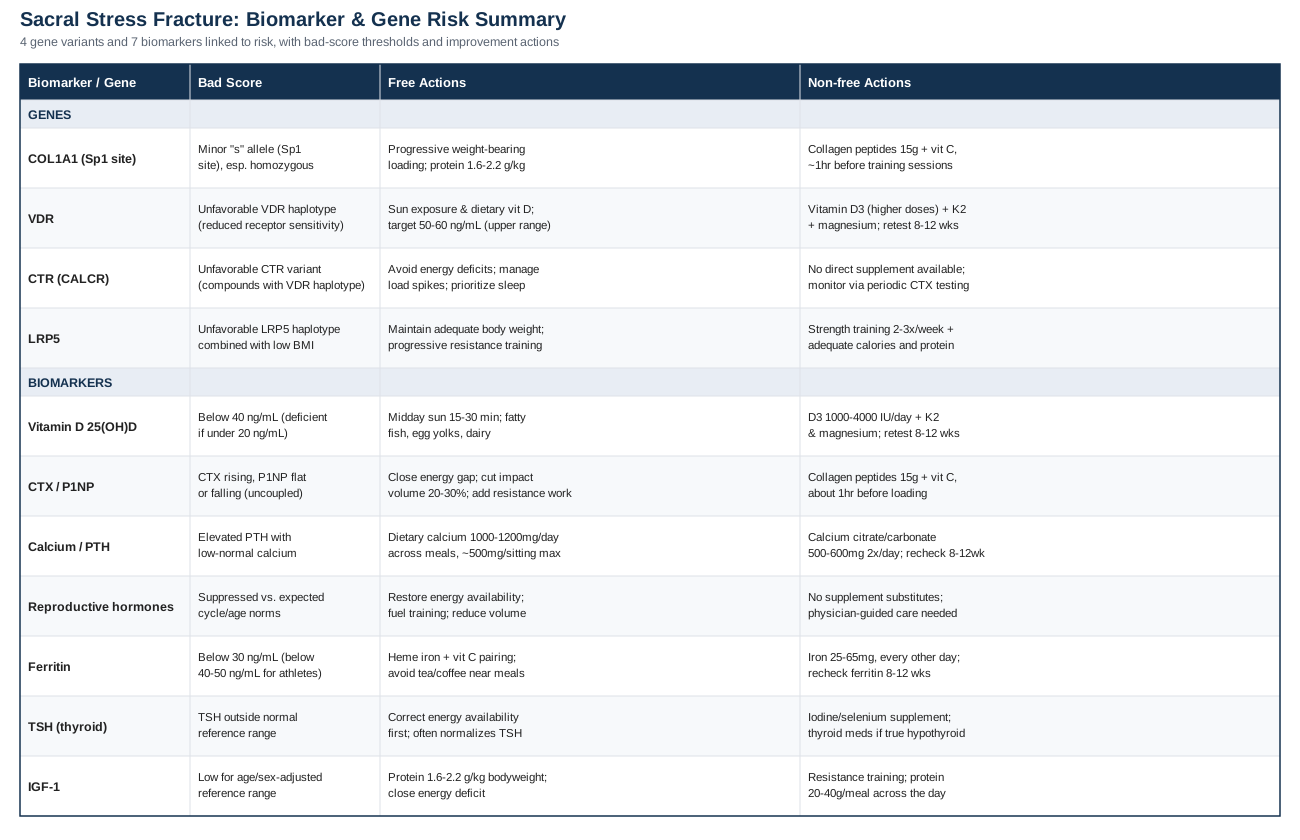
Conclusion
A sacral stress fracture is rarely just bad luck or "too much training." It's usually the visible result of an interplay between bone remodeling status, hormonal signaling, nutrient sufficiency, training load, and — for some people — a genetic predisposition that makes the same load riskier than it would be for someone else. The seven biomarkers covered here give you a concrete, testable picture of where things stand right now, with realistic paths forward whether or not you want to use supplements. The gene variants, while based on smaller and newer research, add useful context for why your risk profile might differ from someone else's despite similar training. And the broader picture from Stacy Sims's research, along with the complementary approaches with genuine supporting evidence, round out a plan that treats this injury as something to understand, not just wait out.
The next smart step isn't necessarily doing all of this at once. It's picking two or three of the biomarkers most likely to be relevant to your situation — vitamin D and bone turnover markers if you're not sure where to start, or the reproductive hormone panel if your cycle or training history raises a flag — getting them tested, and bringing the results to a physician or sports medicine specialist who can help interpret them alongside your specific injury and training history. That conversation, backed by real numbers, is worth far more than another round of generic rest-and-recover advice.
Women's Health Endocrine & Metabolic
Musculoskeletal: Spine Conditions