This article contains AI generated content.
· UpdatedSAPHO Syndrome — 5 Genes And 6 Biomarkers To Track
Introduction
Living with SAPHO syndrome means navigating a condition most clinicians have never encountered, one where bone pain, skin flares, and joint inflammation occur together in patterns that do not fit neatly into standard rheumatology or dermatology categories. Diagnosis often takes years. Treatment responses are unpredictable. And advice from well-meaning but under-informed practitioners can range from unhelpful to counterproductive.
The challenge is that generic anti-inflammatory protocols are rarely enough. SAPHO involves dysregulation of the innate immune system — the older, more primitive branch of immunity — which means it responds differently to interventions than classic autoimmune conditions like rheumatoid arthritis or lupus. Understanding the specific molecular drivers in your case is what separates a strategy that works from one that merely sounds reasonable.
This article takes a more targeted approach. Instead of listing generic lifestyle advice, it focuses on the biological levers most relevant to SAPHO: the inflammatory biomarkers that reflect what is happening in real time, and the genetic variants that may explain why some people develop this condition in the first place. Both perspectives offer something actionable — biomarkers give you measurable targets to track and move, while genetics reveal upstream vulnerabilities that can be partially compensated for through lifestyle, diet, and in some cases supplementation.
The goal here is not false hope or miracle claims. It is better information. When you know which markers are elevated, which pathways are overactive, and which genetic predispositions may be loading the gun, you are in a genuinely stronger position to work with a knowledgeable specialist, make informed decisions, and measure whether what you are doing is actually working.
6 Biomarkers That Matter in SAPHO Syndrome
Biomarkers in SAPHO are not just diagnostic checkboxes — they are real-time readouts of the biological processes driving your symptoms. Tracking them over time gives you feedback on whether treatment, diet, or lifestyle changes are having a measurable effect. The six below are selected because they are directly tied to the core mechanisms of SAPHO, are clinically available, and respond to interventions that are within reach.
1. High-Sensitivity C-Reactive Protein (hs-CRP)
Why it matters: CRP is produced by the liver in response to IL-6, one of the downstream cytokines released during SAPHO flares. High-sensitivity CRP (hs-CRP) detects levels that standard CRP assays miss, making it more useful for ongoing monitoring rather than just acute diagnosis. In SAPHO, hs-CRP correlates reasonably well with disease activity — when bone lesions are active or skin flares are intense, hs-CRP tends to be elevated. Peter Attia, who emphasizes hs-CRP as one of the most underused routine cardiovascular and inflammatory markers, recommends keeping hs-CRP below 0.5 mg/L as an aspirational target, though under 1 mg/L is a practical clinical goal for most patients.
How to measure it: Standard blood test, available at virtually any lab. Cost: $10–30 USD (often covered by insurance when ordered with an inflammatory workup). Results are typically available within 24–48 hours.
If the score is bad — the plan without supplements: Time-restricted eating (a 10–12 hour eating window) has been shown in multiple studies to reduce hs-CRP independent of weight loss. Eliminating ultra-processed foods, refined seed oils, and high-glycemic carbohydrates addresses the most common dietary drivers of elevated CRP. Prioritizing sleep (7–9 hours) is consistently associated with lower CRP — sleep restriction raises CRP through multiple independent pathways including TNF-α and IL-6 upregulation. Regular moderate aerobic exercise (30 minutes, 4–5 days per week) reduces hs-CRP over 12–16 weeks according to several randomized trials. Avoid intense training during flares, which can temporarily spike inflammation.
If the score is bad — the plan with supplements or equipment: High-dose omega-3 fatty acids (EPA + DHA, 2–4 g/day) have the strongest evidence for hs-CRP reduction among supplements — multiple meta-analyses confirm this effect. Curcumin (500–1000 mg/day of a high-bioavailability form such as BCM-95 or with piperine) reduces CRP in chronic inflammatory conditions; cycle 8 weeks on, 2 weeks off to avoid digestive habituation. Magnesium glycinate (300–400 mg at night) addresses a near-universal deficiency that independently elevates inflammatory markers. Photobiomodulation (red/near-infrared light therapy, 830–1070 nm, 10–15 min sessions daily) has emerging evidence for systemic anti-inflammatory effects. Side effects of high-dose fish oil include fishy aftertaste and possible mild anticoagulation — caution with blood thinners.
2. Erythrocyte Sedimentation Rate (ESR)
Why it matters: ESR is a less specific but useful complement to hs-CRP. It reflects a broader picture of inflammatory protein load in the blood and responds more slowly to changes in disease activity than CRP — which actually makes it valuable for tracking longer-term trends. In SAPHO, serial ESR measurements over months can indicate whether a treatment approach is working. Thomas Dayspring emphasizes ESR as a useful secondary inflammatory marker when CRP alone is ambiguous.
How to measure it: Basic blood test, usually included in a standard inflammatory panel. Cost: $5–20 USD. Normal range is typically under 20 mm/hr for men and under 30 mm/hr for women, though these thresholds vary slightly by age.
If the score is bad — the plan without supplements: The same dietary and sleep interventions that reduce hs-CRP also reduce ESR, but on a longer timeline (8–12 weeks). Eliminating alcohol — even moderate consumption — measurably reduces ESR over 4–6 weeks. Addressing dental infections and periodontal disease is often overlooked: chronic oral infections are a significant but correctable driver of elevated ESR.
If the score is bad — the plan with supplements or equipment: Vitamin D3 (2000–5000 IU/day depending on baseline levels, always taken with K2) modulates inflammatory pathways and reduces both ESR and CRP in deficient individuals. Boswellia serrata (300–500 mg standardized extract, 3 times daily) has evidence for reducing inflammatory markers in musculoskeletal conditions — cycle 6–8 weeks on, 2 weeks off. Monitor for GI upset. Sauna use (3–4 times per week, 15–20 minutes at 80°C) reduces acute phase reactants over 6–12 weeks in several Finnish and Japanese studies.
3. Interleukin-1 Beta (IL-1β)
Why it matters: IL-1β is arguably the most important biomarker in SAPHO syndrome. This cytokine is the central driver of autoinflammatory conditions, and its dysregulation is thought to be the primary reason SAPHO develops. Anakinra, an IL-1 receptor antagonist that directly blocks this pathway, is one of the most effective treatments for refractory SAPHO, which is direct pharmacological proof that IL-1β is central to this disease. Measuring IL-1β helps confirm whether this pathway is active in your case and whether IL-1-targeted interventions — pharmaceutical or lifestyle-based — are likely to be relevant.
How to measure it: Serum IL-1β via ELISA or multiplex cytokine panel. Not always available in routine labs — often requires a specialty immunology or research lab. Cost: $80–250 USD depending on panel. Interpretation requires a specialist; circulating IL-1β levels do not always correlate precisely with tissue-level activity.
If the score is bad — the plan without supplements: Ketogenic or very low carbohydrate diets have a measurable effect on NLRP3 inflammasome activity — the molecular complex that activates IL-1β. Human studies confirm that beta-hydroxybutyrate directly inhibits NLRP3 activation. Even a 3–4 week strict elimination of refined carbohydrates can significantly reduce IL-1β-driven inflammation. Cold exposure (cold showers or ice baths, 2–4 min at 10–15°C, 3–5 times per week) activates anti-inflammatory pathways and suppresses IL-1β over 4–8 weeks.
If the score is bad — the plan with supplements or equipment: Quercetin (500–1000 mg/day) directly inhibits NLRP3 inflammasome assembly in cell and animal studies, with early human data supporting anti-inflammatory effects; cycle 8 weeks on, 2 weeks off. Colchicine (low-dose, 0.5 mg once or twice daily) is a prescription anti-inflammatory with documented IL-1β pathway modulation — used in periodic fever syndromes closely related to SAPHO; discuss with a rheumatologist. Nigella sativa (black seed oil, 1–2 g/day) has emerging human data on IL-1β reduction in autoimmune contexts — cycle 8 weeks on, 2 weeks off. Monitor for GI side effects.
4. Tumor Necrosis Factor Alpha (TNF-α)
Why it matters: TNF-α plays a dual role in SAPHO: it drives both bone erosion at osteitis sites and skin inflammation. Anti-TNF biologics (etanercept, adalimumab) are used as second-line treatments in SAPHO, making circulating TNF-α levels relevant both diagnostically and for monitoring treatment response. Allan Sniderman has emphasized that TNF-α and its downstream consequences — including effects on lipid metabolism — are underappreciated in the management of systemic inflammation.
How to measure it: Serum TNF-α via ELISA or multiplex cytokine panel, same context as IL-1β. Cost: $80–250 USD, usually ordered alongside IL-1β and IL-6. Requires a specialty lab or hospital immunology service.
If the score is bad — the plan without supplements: Eliminating trans fats and minimizing linoleic acid (abundant in seed oils) reduces TNF-α production — this is one of the most robust dietary interventions supported by multiple dietary trials. Gut microbiome interventions (fermented foods, prebiotic fiber) reduce LPS translocation from the gut, which is a potent TNF-α stimulus. Addressing body weight — even a 5–10% reduction in individuals with overweight — significantly lowers circulating TNF-α.
If the score is bad — the plan with supplements or equipment: Palmitoylethanolamide (PEA, 600–1200 mg/day) has demonstrated TNF-α lowering effects in human studies on chronic inflammatory conditions — it is well-tolerated, and cycling is not strictly necessary. Resveratrol (500 mg/day with fat for absorption) modulates NF-κB, a key upstream regulator of TNF-α production; cycle 8–12 weeks. High-intensity interval training (HIIT), 2–3 sessions per week of 20–25 minutes total, produces acute anti-inflammatory adaptations including TNF-α reduction within 8–12 weeks — but should be avoided during active bone flares.
5. 25-OH Vitamin D
Why it matters: Vitamin D is not just a bone mineral regulator — it is a steroid hormone with profound effects on innate immune function. Low 25-OH Vitamin D is almost universally present in autoinflammatory conditions including SAPHO, and this is not coincidental. Vitamin D receptors are expressed on virtually every immune cell type. Deficiency allows unchecked inflammasome activation and reduces the production of antimicrobial peptides — including those that control Propionibacterium acnes, the bacterium found in bone biopsies of many SAPHO patients. Peter Attia recommends targeting a serum 25-OH Vitamin D level of 40–60 ng/mL (100–150 nmol/L) as optimal for immune function.
How to measure it: Standard serum 25-OH Vitamin D blood test. Cost: $30–80 USD; frequently covered by insurance. Widely available. Repeat every 6–12 months once supplementing, or quarterly when titrating dose.
If the score is bad — the plan without supplements: Safe midday sun exposure (arms and legs, 15–30 minutes, 3–4 times per week without sunscreen, at times when UV index is sufficient) can produce 1000–4000 IU/day depending on skin tone and latitude. This is the most physiologically natural approach and comes with additional benefits including mood regulation and circadian alignment. Note that adequate sun exposure is genuinely difficult above 40° latitude in winter.
If the score is bad — the plan with supplements or equipment: Vitamin D3 supplementation: start at 2000–4000 IU/day; retest at 3 months and titrate to achieve 40–60 ng/mL. Always combine with vitamin K2 (100–200 mcg MK-7 form) to direct calcium to bone rather than soft tissue. Magnesium (300–400 mg/day) is required to activate vitamin D — without adequate magnesium, supplementation is partially ineffective. At higher doses (above 5000 IU), monitor calcium and parathyroid hormone every 3–6 months. There is no standardized cycling protocol for vitamin D; continuous daily dosing is appropriate once you are in optimal range.
6. Bone Turnover Markers: P1NP and CTX
Why it matters: The osteitis component of SAPHO — abnormal bone formation and remodeling — is what distinguishes it from purely inflammatory arthritis. Two complementary markers capture this: P1NP (procollagen type 1 N-terminal propeptide) reflects bone formation activity, and CTX (C-terminal telopeptide of type 1 collagen) reflects bone resorption. In active SAPHO osteitis, both are often elevated, indicating excessive bone turnover. Bisphosphonates — one of the most effective treatments for SAPHO bone lesions — directly reduce CTX. Tracking these markers gives objective evidence of osteitis activity and treatment response over time, independent of imaging.
How to measure it: Serum P1NP and CTX via blood test at a lab with bone metabolism panels. Cost: $40–120 USD each; sometimes bundled. CTX is ideally drawn fasting in the morning (levels fluctuate with food intake). Interpretation benefits from comparison against age- and sex-adjusted reference ranges.
If the score is bad — the plan without supplements: Weight-bearing exercise (resistance training, 3–4 times per week) stimulates controlled bone remodeling and has been shown to normalize pathological turnover in inflammatory bone conditions — but must be adapted to avoid loading acutely inflamed sites. Anti-inflammatory diet modifications that reduce systemic IL-1β and TNF-α (as described above) also reduce pathological osteoclast activation. Avoiding smoking is critical: nicotine directly increases osteoclast activity and elevates CTX independent of other factors.
If the score is bad — the plan with supplements or equipment: Vitamin D3 + K2 (as above) directly reduce pathological bone resorption markers. Collagen peptides (10 g/day of hydrolyzed type 1 collagen) have shown in several human trials to reduce CTX and support P1NP normalization over 12 weeks. Silicon (orthosilicic acid, 6–10 mg/day) supports collagen synthesis in bone; cycle 12 weeks on, 4 weeks off. If bisphosphonates (prescription) are being considered by your rheumatologist, zoledronic acid infusion or oral alendronate are the options with the most SAPHO-specific data — these are not supplements but are worth discussing.
The Genetics of SAPHO: 5 Key Variants
Understanding the genetic architecture of SAPHO does not mean your fate is determined. Genes create tendencies, not certainties — and many of the relevant variants primarily affect pathways that respond well to targeted interventions. This section covers the five most studied genetic factors in SAPHO and autoinflammatory bone disease, with practical implications for each.
Gene 1: IL1RN — The IL-1 Brake Pedal
What it does: IL1RN encodes interleukin-1 receptor antagonist (IL-1Ra), a natural brake on IL-1β activity. Variants in this gene that reduce IL-1Ra production or function leave the IL-1β accelerator permanently partially floored — which is precisely what happens in SAPHO and related autoinflammatory bone diseases. Studies have identified IL1RN variants in a subset of SAPHO patients, particularly those with more aggressive or early-onset disease.
If the gene is bad — the plan without supplements: Focus on minimizing NLRP3 inflammasome triggers: eliminate seed oils and refined carbohydrates, implement time-restricted eating, maintain a consistently cool sleep environment (18–20°C bedroom), and minimize psychological stress through structured recovery practices (yoga, meditation). These interventions reduce the upstream load on the IL-1 pathway that the body's own IL-1Ra is failing to adequately control. Prioritize cold-adapted exercise (swimming, walking in cool temperatures) over heat-intensive training during active periods.
If the gene is bad — the plan with supplements or equipment: Quercetin and PEA (both described above) directly inhibit NLRP3 and reduce IL-1β secretion, partially compensating for reduced IL-1Ra activity. Anakinra (prescription IL-1Ra biologic injection) is the pharmacological approach directly replacing what the gene fails to produce — remarkably effective in IL1RN-variant SAPHO cases. This is a discussion for your rheumatologist. Frequency: daily injection in clinical use. Side effects include local injection site reactions and increased infection susceptibility.
Gene 2: NOD2 — Pattern Recognition Gone Wrong
What it does: NOD2 is a pattern recognition receptor in innate immune cells that detects bacterial cell wall components (muramyl dipeptide from peptidoglycan). Well-known loss-of-function variants (R702W, G908R, 1007fs) impair bacterial clearance and paradoxically lead to chronic inflammation — they are also associated with Crohn's disease and Blau syndrome. In SAPHO, NOD2 variants have been identified in case series linking defective bacterial handling to osteitis development, consistent with the hypothesis that Propionibacterium acnes triggers bone lesions in genetically susceptible individuals.
If the gene is bad — the plan without supplements: Gut health becomes critically important. A diverse fiber-rich diet (30+ different plant foods per week) supports microbiome diversity and reduces pathobionts that stimulate NOD2. Avoid antibiotic overuse — each course reduces microbiome diversity and may allow P. acnes and other opportunistic organisms to overgrow. Fermented foods (sauerkraut, kefir, kimchi) eaten daily have demonstrated effects on gut barrier integrity in multiple human studies.
If the gene is bad — the plan with supplements or equipment: Lactulose or inulin-type fructans (prebiotic fiber, 5–10 g/day, built up slowly) selectively feed anti-inflammatory Bifidobacterium and Lactobacillus species. Specific probiotic strains — Lactobacillus rhamnosus GG and Bifidobacterium longum — have evidence for reducing gut permeability and translocation. Butyrate supplementation (sodium or calcium butyrate, 600 mg/day) directly supports colonocyte health and strengthens tight junctions; cycle 12 weeks on, 4 weeks off to avoid tolerance. Monitor for GI bloating during prebiotic titration.
Gene 3: MEFV — The Mediterranean Fever Connection
What it does: MEFV encodes pyrin, a protein that regulates inflammasome assembly. Mutations in MEFV cause Familial Mediterranean Fever (FMF), a classic autoinflammatory syndrome. In SAPHO patients — particularly those from Mediterranean, Middle Eastern, or North African populations — MEFV variants have been found at higher-than-expected frequency, and SAPHO-FMF overlap syndrome has been described in the literature. Even heterozygous MEFV variants (one mutated copy rather than two) can alter inflammatory thresholds meaningfully.
If the gene is bad — the plan without supplements: Managing fever triggers is central for MEFV variants: sleep deprivation, physical overexertion, emotional stress, and rapid temperature changes can precipitate pyrin-mediated flares. Maintaining a regular sleep-wake cycle and avoiding drastic caloric restriction are practical steps. Anti-inflammatory dietary patterns — specifically Mediterranean diet, somewhat ironically — have documented benefits for MEFV carriers.
If the gene is bad — the plan with supplements or equipment: Colchicine (0.5–1 mg/day, prescription) is the gold-standard treatment for MEFV-associated autoinflammation and is often prescribed as part of SAPHO management when MEFV variants are present. This is a rheumatologist conversation, not a self-prescription. Supplementally, polyphenol-rich olive oil (3–4 tablespoons/day) combined with a low-saturated-fat diet has been shown to reduce inflammatory episodes in MEFV carriers in Mediterranean studies. Side effects of colchicine include GI upset (reduce dose) and, rarely, myopathy (monitor CK if on statins).
Gene 4: LPIN2 — Bone and Skin Inflammation Together
What it does: Mutations in LPIN2 cause Majeed syndrome, an autoinflammatory bone disease with striking similarities to SAPHO — including recurrent multifocal osteomyelitis, inflammatory dermatosis, and dyserythropoietic anemia. LPIN2 encodes lipin-2, which regulates lipid metabolism and interacts with the NLRP3 inflammasome. Even partial loss-of-function variants in LPIN2 (below the threshold for Majeed syndrome) may contribute to the autoinflammatory phenotype seen in SAPHO-like conditions. This gene is particularly worth testing in patients with early-onset disease and prominent skin involvement.
If the gene is bad — the plan without supplements: Lipid metabolism optimization becomes a priority: a diet moderate in overall fat with emphasis on anti-inflammatory omega-3 sources (fatty fish, flaxseed), reduced arachidonic acid (limit grain-fed red meat and egg yolks in excess), and adequate choline (eggs, liver in moderation). Lipin-2 is involved in phospholipid remodeling — supporting membrane lipid quality through diet is the most accessible non-supplement lever.
If the gene is bad — the plan with supplements or equipment: High-dose EPA-dominant fish oil (3–4 g EPA + DHA/day with EPA:DHA ratio of at least 2:1) targets the lipid mediator pathway most directly affected by LPIN2 dysfunction. Alpha-lipoic acid (300–600 mg/day) supports lipid metabolism and has anti-inflammatory NLRP3 effects; cycle 12 weeks on, 4 weeks off. Side effects of alpha-lipoic acid include mild GI discomfort and possible thiamine competition at very high doses (supplement with B1 if using long-term).
Gene 5: HLA-B27 — The Spondyloarthritis Overlap
What it does: HLA-B27 is a human leukocyte antigen variant classically associated with ankylosing spondylitis and spondyloarthropathies. While SAPHO is not a classic spondyloarthropathy, a subset of SAPHO patients — particularly those with sacroiliac joint or spinal involvement — are HLA-B27 positive. This subgroup tends to have a presentation closer to psoriatic spondylitis or axial spondyloarthritis and may respond better to anti-TNF biologics than to IL-1 inhibitors. HLA-B27 status is one of the most important genetic tests to obtain in SAPHO, as it directly influences treatment selection.
If the gene is bad — the plan without supplements: HLA-B27 positive individuals appear to have altered responses to Klebsiella pneumoniae and other gut bacteria — molecular mimicry between bacterial antigens and HLA-B27 is a leading hypothesis for spondyloarthritis triggering. A low-starch diet has been proposed (and studied) as a means of reducing Klebsiella overgrowth in the gut, which may reduce antigenic triggering. While evidence is preliminary, this approach has no significant downside and may be worth trialing for 12 weeks.
If the gene is bad — the plan with supplements or equipment: The prebiotic and probiotic interventions described for NOD2 also apply here. Specific addition: Lactobacillus casei has been studied in ankylosing spondylitis (the HLA-B27-related condition) with some evidence for reducing inflammatory markers — it is a reasonable addition to a probiotic protocol. For HLA-B27 positive SAPHO patients with axial symptoms, biologics targeting TNF-α or IL-17 are the pharmaceutical tools with the most direct evidence — always a specialist discussion.
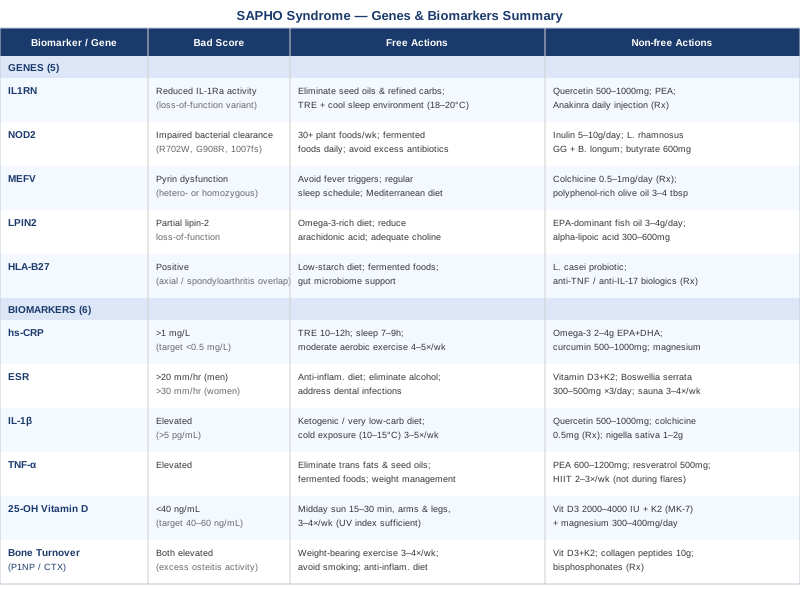
Summary Table: Genes and Biomarkers at a Glance
What Tom O'Bryan's Work on Autoimmunity Can Teach You About SAPHO
Tom O'Bryan is a functional medicine clinician and researcher whose work synthesizes hundreds of studies on the role of intestinal permeability, molecular mimicry, and chronic low-grade inflammation in the development of autoimmune and autoinflammatory conditions. His book The Autoimmune Fix and his "Betrayal" docuseries reference specific mechanisms directly relevant to SAPHO — without ever naming it, since it is too rare for a general-audience book. Here are the ten most important concepts from his framework applied to SAPHO.
1. The Gut Is the Starting Point for Most Autoinflammatory Triggers
O'Bryan argues — and the peer-reviewed literature increasingly supports — that increased intestinal permeability ("leaky gut") is not a consequence of autoimmune disease but a precursor to it. In SAPHO, the finding of Propionibacterium acnes in sterile bone lesions suggests exactly this: bacteria from the skin or gut are crossing compromised barriers and triggering inflammatory bone lesions in genetically susceptible individuals. The gut is the door — and the door needs to be fixed first.
2. Gluten Is Not the Enemy for Everyone, But for Some It Is Central
Non-celiac gluten sensitivity (NCGS) increases intestinal permeability through a zonulin-dependent mechanism even in people without celiac disease. O'Bryan recommends a rigorous 90-day gluten elimination as a diagnostic trial for anyone with systemic autoinflammatory features. In SAPHO patients who carry NOD2 or IL1RN variants, this trial is particularly worthwhile — compromised gut barrier + impaired bacterial clearance + gluten exposure is a convergence of factors that could plausibly maintain chronic osteitis.
3. Molecular Mimicry Is a Mechanism, Not a Metaphor
Several bacteria produce proteins that structurally resemble human tissue antigens. When the immune system generates antibodies against these bacteria, those antibodies can cross-react with human bone, cartilage, or skin. This is the leading mechanistic hypothesis for how P. acnes triggers SAPHO osteitis. Understanding this means understanding that the treatment target is not just the inflammation — it is the microbial trigger maintaining it.
4. Your Immune Tolerance Was Built in the First Three Years of Life
O'Bryan summarizes emerging research showing that infant microbiome composition, breastfeeding, antibiotic exposure, and early dietary introduction of diverse foods directly program immune tolerance for life. People who develop SAPHO in adulthood may have had suboptimal immune programming in early life — this does not mean reversing the condition is impossible, but it does explain why gut microbiome restoration (a later-life partial solution) is so important.
5. The Immune System Is Not Broken — It Is Confused
One of O'Bryan's most useful reframes is that autoimmunity is not the immune system attacking the self arbitrarily — it is the immune system responding to real signals with incorrectly calibrated responses. In SAPHO, the immune system is responding to bacterial antigens that should have been cleared, and failing to turn off the response once the bacteria are gone. This reframe opens up multiple intervention points that "immunosuppression only" thinking misses.
6. Labs Can Detect Silent Gut Damage Years Before Symptoms Worsen
Zonulin (marker of tight junction permeability), anti-gliadin antibodies, lipopolysaccharide-binding protein, and intestinal fatty acid binding protein (I-FABP) can detect subclinical gut barrier dysfunction. O'Bryan recommends these tests for anyone with autoinflammatory disease — because treating the gut without measuring the gut is guesswork.
7. A Multi-Tissue Antibody Panel Can Reveal Where the Cross-Reactivity Is
Cyrex Array 5 (available in the US and several European countries) tests for antibodies against multiple human tissues simultaneously. For SAPHO patients, elevated anti-bone or anti-connective tissue antibodies would confirm active molecular mimicry and guide targeted treatment prioritization.
8. Glyphosate and Environmental Toxins Upregulate Zonulin Independently
O'Bryan references research showing that glyphosate (the herbicide) independently increases intestinal permeability through zonulin pathways — on top of any dietary or microbiome factors. While this research is still maturing, the practical implication is straightforward: organic food, filtered water, and minimizing environmental toxin exposure are low-risk, potentially high-reward steps for people with autoinflammatory conditions.
9. Elimination Diets Should Be Done Properly or Not at All
A poorly executed elimination diet (eliminating one food for two weeks) misses the point entirely. O'Bryan recommends a minimum 3-month total elimination of the top suspected triggers (gluten, dairy, corn, soy) followed by systematic reintroduction. This is because IgG-mediated food sensitivities produce delayed reactions (24–72 hours) that are invisible in short-term trials.
10. Recovery Is a Spectrum, Not a Binary
O'Bryan is explicit that remission in autoinflammatory disease is achievable for many people, but it requires sustained effort over 1–3 years, not a 30-day protocol. He quotes studies showing that intestinal permeability can normalize over 6–12 months with consistent dietary and microbiome interventions — and that inflammatory biomarkers follow. Grounded hope, not a cure promise: better gut, better immune signaling, fewer flares.
Complementary Approaches With Meaningful Clinical Support
SAPHO is complex enough that no single modality works in isolation. Several complementary approaches have meaningful human clinical evidence — not as replacements for rheumatological care, but as adjuncts that can reduce symptom burden and potentially modulate the underlying inflammatory process.
Mindfulness-Based Stress Reduction (MBSR)
Chronic psychological stress is not just emotionally unpleasant in SAPHO — it is biologically relevant. Cortisol dysregulation from chronic stress directly upregulates NF-κB, the master transcription factor controlling IL-1β, TNF-α, and IL-6 production. MBSR is an 8-week structured program (developed by Jon Kabat-Zinn) that consistently reduces inflammatory markers in chronic inflammatory conditions. A 2016 randomized controlled trial found that MBSR reduced CRP and IL-6 compared to active control over 8 weeks.
The specific protocol: 45 minutes of daily mindfulness practice (body scan, sitting meditation, gentle movement) for 8 weeks. The structured group format has significantly better adherence than self-directed practice. Online delivery formats (MBSR Online through the UMass Center for Mindfulness) are validated and accessible.
Realistic application for SAPHO: use MBSR as a structural stress management intervention, not as a relaxation hobby. The 8-week commitment matters — 2-minute apps do not produce the same neurological adaptations. Track hs-CRP before and after the program to see whether your inflammatory markers respond. The evidence is limited for SAPHO specifically (too rare for dedicated trials), but the inflammatory pathway mechanisms are shared with other autoinflammatory conditions.
Microbiome-Directed Therapies
Given the hypothesized role of Propionibacterium acnes and gut permeability in SAPHO pathogenesis, microbiome-directed interventions are arguably one of the most mechanistically logical complementary approaches. Studies in related autoinflammatory conditions show consistent associations between reduced microbiome diversity and disease activity, and small trials of probiotic interventions have demonstrated measurable reductions in inflammatory cytokines.
The most evidence-backed protocol: a synbiotic approach combining fermented foods (150–200g of fermented vegetables or kefir daily) with targeted prebiotic fiber (partially hydrolyzed guar gum, 5–10g/day) and multi-strain probiotics including L. rhamnosus, B. longum, and L. plantarum. A Stanford trial by Wastyk et al. (2021) showed that high-fermented food diet (not just prebiotics) was more effective at increasing microbiome diversity and reducing inflammatory markers than a high-fiber diet alone.
For SAPHO specifically: the most practical starting point is replacing ultra-processed foods with whole plant foods and adding 1–2 portions of fermented foods daily for 12 weeks. If skin flares (pustulosis, acne) are prominent, address the skin microbiome simultaneously — this is under-studied but biologically coherent. Work with a gastroenterologist or functional medicine clinician to rule out small intestinal bacterial overgrowth (SIBO) before aggressive prebiotic supplementation, as SIBO can worsen with fiber in some patients.
Low-Level Laser Therapy (LLLT) / Photobiomodulation
Photobiomodulation uses red and near-infrared light (typically 630–1070 nm) to stimulate mitochondrial cytochrome c oxidase, increasing local cellular energy production and reducing oxidative stress and inflammatory mediators including TNF-α and IL-1β. For musculoskeletal pain — particularly over active osteitis sites or inflamed joints — there is Level 1 evidence for pain reduction. A Cochrane review found moderate-quality evidence that LLLT reduces chronic musculoskeletal pain compared to sham.
The specific protocol for SAPHO: class 3B or class 4 laser device, 830 nm wavelength, applied for 30–60 seconds per point over active osteitis sites (anterior chest wall, sternum, clavicular joints), daily or 5 times per week for 4–6 weeks. Devices in the 50–500 mW range are appropriate for home use; higher power class 4 devices are used in physical therapy settings.
Realistic application: LLLT is most useful for localized bone pain management — the anterior chest wall involvement that is so characteristic of SAPHO is anatomically accessible. It does not address systemic inflammation in the way that the dietary and supplementation strategies do, but it can meaningfully reduce pain at specific sites during active flares. Evidence for SAPHO specifically is absent (again, rarity), but the mechanism is site-specific rather than condition-specific. Costs range from $50–200 USD for a personal device to $30–80 per clinical session.
The Autoimmune Protocol (AIP) From Sarah Ballantyne
Sarah Ballantyne, a biomedical scientist (PhD), developed the Autoimmune Protocol as a therapeutic dietary elimination framework for autoimmune and autoinflammatory conditions based on her extensive review of the peer-reviewed literature. SAPHO, as an autoinflammatory condition, is directly in the scope of what AIP addresses. The protocol eliminates all foods with evidence of impairing gut barrier function (grains, legumes, dairy, eggs, nightshades, nuts, seeds, alcohol, refined sugars) for a minimum of 30 days, then systematically reintroduces them to identify individual triggers.
A 2017 pilot study on AIP in inflammatory bowel disease found significant reductions in endoscopic inflammation and inflammatory biomarkers at 6 weeks. This is the only published clinical trial of AIP, but the mechanisms underlying it — gut barrier repair, reduction of molecular mimicry triggers, microbiome modulation — are directly applicable to SAPHO. The evidence base is early but mechanistically coherent.
For SAPHO: the elimination phase (minimum 30 days, ideally 60–90 days) should be rigorous. The reintroduction phase is as important as the elimination — it is how you identify which specific foods drive your inflammatory load. Ballantyne's book The Paleo Approach provides the full research rationale and practical protocols. The protocol requires planning and social adjustment but has no downside risk when done correctly — it is a whole-food diet by definition. Work with a registered dietitian familiar with AIP to ensure nutritional adequacy during elimination.
Breathing-Based Therapies
Slow, diaphragmatic breathing (4–6 breaths per minute) activates the vagus nerve and shifts autonomic tone toward parasympathetic dominance — directly opposing the sympathetic nervous system activation that amplifies IL-1β and TNF-α production. The Wim Hof Method, which combines specific breathwork with cold exposure, has a published human randomized trial showing that trained practitioners suppress endotoxin-induced inflammation with significantly reduced TNF-α, IL-6, and IL-10 — an effect mediated through voluntary autonomic control.
The specific technique: cyclic hyperventilation (30 deep breaths followed by a breath hold at empty lungs) performed 3 rounds each morning, combined with 30–60 seconds of cold water exposure at the end of the morning shower. This combination, practiced daily for 4–8 weeks, has demonstrated significant effects on inflammatory cytokine responses in healthy volunteers. The Wim Hof Method app provides guided sessions.
For SAPHO: breathwork is among the most accessible and zero-cost adjuncts available. It does not require a device, a prescription, or a specialist. The Wim Hof trial is small and done in healthy volunteers, so extrapolating to SAPHO requires caution — but the vagal anti-inflammatory pathway it activates is mechanistically sound and widely supported. People with uncontrolled hypertension or epilepsy should consult a physician before attempting retention breath practices. For everyone else, a 20-minute daily morning protocol is a reasonable trial for 6–8 weeks while tracking inflammatory markers.
Conclusion
SAPHO syndrome is rare, poorly understood by many clinicians, and frustrating to manage — but it is not beyond the reach of informed, systematic intervention. The six biomarkers covered here give you measurable, actionable targets: track them at baseline, address the ones that are elevated through the specific interventions described, and retest every 3–6 months to confirm whether your approach is working. The five genetic factors provide a deeper layer of understanding — they explain why your immune system is responding the way it is, and they point toward specific pathway interventions worth prioritizing.
The next smart step is not to try everything at once. It is to get a solid baseline — hs-CRP, ESR, vitamin D, and bone turnover markers at minimum — and then work through the free interventions first (sleep, diet, gut health, stress management) before layering in supplements or specialized testing. Take what is useful from the complementary approaches that match your symptoms, and bring the biomarker and genetic data to a rheumatologist who is familiar with autoinflammatory conditions. Better data leads to better conversations, and better conversations lead to better decisions.
Musculoskeletal: Bone Conditions Joint Conditions
Skin: Inflammatory Skin Conditions
Autoimmune: Inflammatory Conditions