This article contains AI generated content.
· UpdatedScarlet Fever Genes And Biomarkers – 5 Genes And 6 Biomarkers To Track
Introduction
Scarlet fever tends to arrive fast and leave quickly — a strep throat with a distinctive rash, high fever, and the signature strawberry tongue. Antibiotics clear the infection. Most families move on. But the story does not always end there, and the quiet gap between "treated" and "fully resolved" is where the real risks often hide undetected.
What standard care rarely addresses is why different individuals react so differently to the same Group A Streptococcus bacteria. Some children sail through with a mild rash and a fading fever. Others develop post-streptococcal complications — rheumatic fever, glomerulonephritis, or prolonged inflammatory activation — that can silently affect the heart or kidneys over the following weeks. The prescription is the same. The infection looks the same. The biological response is not.
Generic advice — complete the antibiotic course, rest, monitor the temperature — is correct and essential. What it does not provide is a way to watch for complications at a biological level, understand why your immune system responded the way it did, or evaluate whether the infection has truly resolved. For families dealing with repeat infections or unusual reactions, that gap feels particularly significant.
This article takes a more grounded approach. The first section covers the six most clinically relevant biomarkers to track during and after scarlet fever — what they reveal, how much testing costs, and what to do when results fall outside the normal range. The second section examines the five genetic variants most studied in relation to streptococcal susceptibility and disease severity. Both sections include practical action plans. This knowledge does not replace medical care, but it does sharpen it considerably.
Summary
This article covers six key biomarkers — ASO titer, Anti-DNase B, CRP, CBC/Neutrophil-Lymphocyte Ratio, Procalcitonin, and ESR — that can reveal whether scarlet fever has truly resolved and flag early signs of dangerous complications like rheumatic fever or post-strep kidney disease. It then examines five genetic variants (HLA-DRB1, TLR4, IL-1β, MBL2, FCGR2A) that help explain why some people experience severe strep reactions while others barely notice them, along with practical compensation strategies. Beyond the lab work, the article includes an evidence-based immune resilience protocol drawn from a leading Huberman Lab episode, plus three complementary approaches with real clinical support — including microbiome restoration after antibiotics, which may be the most underappreciated piece of post-scarlet-fever recovery.
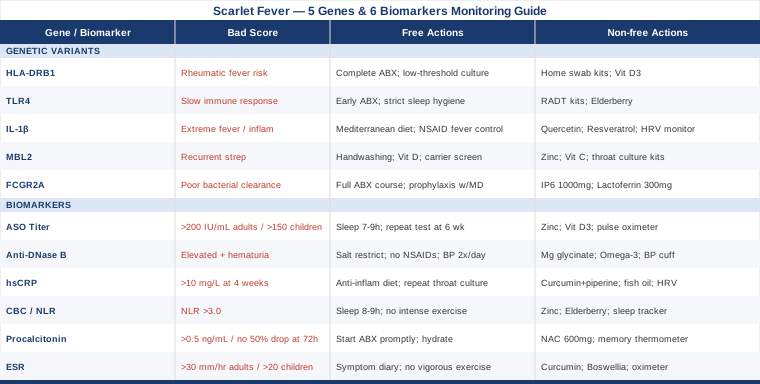
6 Biomarkers to Track During and After Scarlet Fever
Tracking biomarkers around a scarlet fever episode serves two distinct purposes. The first is confirming that the infection is bacterial, responding to antibiotics, and resolving as expected. The second — and often overlooked — purpose is monitoring for post-infectious complications that develop silently after the acute phase is over. The six markers below are chosen for their clinical relevance, availability in standard laboratories, and the actionable direction they provide when results are abnormal.
1. Anti-Streptolysin O (ASO) Titer
Why it matters
The ASO titer measures antibodies your immune system produces against streptolysin O, a toxin secreted by Group A Streptococcus. A rising titer confirms recent streptococcal infection and is one of the primary markers used to diagnose or rule out post-strep complications, particularly acute rheumatic fever. The American Heart Association and the Jones Criteria for rheumatic fever both include an elevated ASO (or another streptococcal antibody) as supporting evidence for the diagnosis.
Normal adult values are generally below 200 IU/mL. In children, values below 150 IU/mL are typically considered normal. Elevated titers persist for four to eight weeks after infection, which means a single normal result taken too early can be misleading — timing matters. A fourfold rise between two samples taken two to four weeks apart is considered strong evidence of recent streptococcal activity.
How to measure it
ASO titer is a standard blood test available at virtually any clinical laboratory. Cost ranges from approximately $30 to $80 depending on your country and whether it is ordered as a standalone or part of a panel. Results are typically available within one to two days. No fasting is required. Testing should ideally be done three to four weeks after symptom onset to catch peak antibody levels, not on the same day as diagnosis.
If the result is high — plan without supplements
An elevated ASO titer does not automatically mean complications have occurred, but it should prompt careful clinical evaluation. If a physician identifies rheumatic fever risk, penicillin or amoxicillin prophylaxis taken daily or monthly by intramuscular injection is the established preventive approach — it can continue for years in high-risk individuals. If the titer is elevated but no complications are confirmed, repeat testing in four to six weeks is typically recommended to confirm the titer is declining. Regular throat cultures in families with recurrent strep exposure are also appropriate. Lifestyle factors that matter: consistent sleep (7–9 hours), avoiding immune suppression from chronic stress, and not starting new immunosuppressants during the monitoring window.
If the result is high — plan with supplements and monitoring tools
Zinc (15–25 mg daily with food) has documented support for mucosal immune defense and may reduce susceptibility to recurrent strep colonization — cycle 5 days on, 2 days off to avoid copper depletion during long use. Vitamin D3 at 2,000–4,000 IU daily (adjusted to serum 25-OH-D level of 40–60 ng/mL) supports immune regulation and is often deficient in those with frequent respiratory infections. A pulse oximeter and a thermometer are the basic home monitoring tools; tracking daily temperature and resting heart rate during the follow-up period can catch early signs of carditis without a clinic visit. Repeat ASO in six weeks to confirm the titer trajectory.
2. Anti-DNase B Antibodies
Why it matters
Anti-DNase B is often more sensitive than ASO titer, particularly for detecting streptococcal infections that involved the skin rather than the throat — such as strep impetigo, which can also precede post-streptococcal glomerulonephritis (PSGN), a kidney complication. ASO titers rise prominently after throat infections but may not rise as consistently after skin infections. Anti-DNase B fills this gap. For children who develop unexplained swelling, reduced urine output, or hematuria (blood in urine) weeks after a strep infection, this marker is critical.
In PSGN, elevated anti-DNase B antibodies appear in roughly 75–80% of cases. The combination of ASO and anti-DNase B together has significantly higher diagnostic sensitivity than either marker alone.
How to measure it
Anti-DNase B is available through standard laboratory panels, though it may need to be specifically requested rather than being automatically included in a strep panel. Cost is typically $40 to $100. As with ASO, testing timing matters — levels peak at three to eight weeks after infection. Alongside anti-DNase B, a urinalysis (checking for protein and red blood cells) is an inexpensive and essential companion test when PSGN is suspected.
If the result is high — plan without supplements
An elevated anti-DNase B combined with any urinary abnormality should prompt nephrology consultation promptly. PSGN typically resolves on its own, but blood pressure monitoring and fluid management are essential. Dietary salt restriction during active kidney involvement reduces blood pressure load. Avoid NSAIDs during the acute phase as they can worsen kidney function under stress. Monitor blood pressure daily using a home cuff (available for $25–60) throughout the recovery period, ideally twice daily at the same time.
If the result is high — plan with supplements or equipment
Magnesium glycinate (200–300 mg nightly) can support blood pressure stability and has low risk; cycling is not required at these doses. Omega-3 fatty acids (2–3 g EPA/DHA daily with food) have anti-inflammatory effects relevant to kidney inflammation, though evidence specific to PSGN is mostly indirect. A home blood pressure monitor is the most important tool here — track readings morning and evening and share trends with your physician. Cycling omega-3s is not necessary for short-term use of four to twelve weeks; long-term use beyond three months at high doses should be discussed with a doctor.
3. High-Sensitivity C-Reactive Protein (hsCRP)
Why it matters
C-Reactive Protein is an acute-phase inflammatory protein produced by the liver in response to infection, tissue damage, or inflammatory activation. During active scarlet fever, CRP rises rapidly — often within six to twelve hours of infection onset — making it a useful early marker of bacterial rather than viral infection. More importantly for post-scarlet-fever monitoring, a persistently elevated hsCRP weeks after the acute infection has resolved may signal ongoing inflammatory activity that warrants investigation.
Standard CRP measures moderate to high levels. High-sensitivity CRP (hsCRP), increasingly recommended by physicians like Peter Attia for baseline cardiovascular and immune monitoring, detects lower-level chronic inflammation. In the context of post-strep complications, both standard and high-sensitivity assays are useful depending on the phase of the illness.
How to measure it
hsCRP is included in many standard blood panels or can be ordered standalone for roughly $20 to $50. Fasting is not required. As a baseline health biomarker, Peter Attia recommends targeting hsCRP below 0.5 mg/L. During active scarlet fever, levels above 50–100 mg/L are common. A result above 10 mg/L at four to six weeks post-infection is worth investigating.
If the result is elevated — plan without supplements
Identify whether inflammation is still driven by active infection versus early autoimmune activation — this distinction guides treatment. If CRP remains persistently elevated at four weeks, repeat throat culture and consider echocardiogram to assess cardiac involvement. Anti-inflammatory diet practices (reduce refined sugar, processed foods, and vegetable oils high in omega-6) have meaningful impact on baseline CRP and should begin as soon as appetite returns after acute illness.
[BOLD]If the result is elevated — plan with supplements or equipment[/TITLE]
Curcumin with piperine (500 mg curcumin, 5 mg piperine, twice daily with food) has documented CRP-lowering effects in multiple meta-analyses; cycle three months on, one month off. Fish oil EPA/DHA (2–3 g daily) consistently lowers hsCRP across clinical trials — no cycling required for standard doses. Avoid high-dose supplementation without blood monitoring if taking blood thinners. Wearable heart rate variability (HRV) monitors (Whoop, Oura Ring) can provide an indirect proxy for systemic inflammatory load over time — declining HRV in the weeks after scarlet fever often tracks with unresolved inflammation.
4. Complete Blood Count with Differential — Neutrophil-to-Lymphocyte Ratio (NLR)
Why it matters
A complete blood count (CBC) with differential is one of the most information-dense and affordable tests available. During acute scarlet fever, bacterial infection typically produces neutrophilia — an elevated absolute neutrophil count — along with possible mild anemia and elevated platelet count. The neutrophil-to-lymphocyte ratio (NLR), derived by dividing the absolute neutrophil count by the absolute lymphocyte count, is a particularly useful inflammation and immune stress marker that goes beyond what most standard lab reports highlight.
An NLR above 3.0 in adults suggests significant systemic stress or bacterial activation. Research published in multiple infectious disease journals has shown elevated NLR to correlate with infection severity and complication risk. Additionally, eosinophil elevation in the CBC weeks after acute infection can indicate allergic or post-inflammatory immune activity — a subtle signal worth noting.
How to measure it
CBC with differential is one of the lowest-cost blood tests available, typically $25 to $70. It is almost universally included in any initial infection workup. The key is to calculate NLR yourself from the report if the laboratory does not compute it automatically: divide the absolute neutrophil count by the absolute lymphocyte count. An NLR below 2.0 generally reflects a calm immune state. Values above 4.0 during the post-infection period may indicate incomplete resolution or early complication.
If the result is abnormal — plan without supplements
Persistent neutrophilia beyond two weeks post-treatment raises the question of antibiotic treatment failure or secondary infection — follow up with a physician and consider repeat throat culture. Lymphopenia (low lymphocyte count) can persist for several weeks after any acute infection; it resolves with adequate sleep, which is the single most impactful lifestyle variable for restoring lymphocyte counts. Target eight to nine hours during recovery. Reduce intense aerobic exercise during the neutrophil recovery phase, as overtraining transiently suppresses lymphocyte activity.
[BOLD]If the result is abnormal — plan with supplements or equipment[/TITLE]
Zinc (15–20 mg daily) supports neutrophil maturation and function. Elderberry extract has some data supporting faster immune normalization after acute viral and bacterial illness; dose typically 300–600 mg standardized extract daily for two to four weeks post-infection, then discontinue. Wearable sleep trackers (Oura, Garmin) provide objective sleep data, which directly correlates with immune recovery speed — use them during the four to six weeks post-infection monitoring window.
5. Procalcitonin (PCT)
Why it matters
Procalcitonin is a protein produced in large quantities when bacterial infections are present but suppressed during viral infections. This makes it one of the most clinically useful markers for distinguishing bacterial from viral illness — a relevant question in early scarlet fever presentation before confirmatory strep testing results are available. PCT also tracks closely with infection severity: levels above 0.5 ng/mL suggest significant bacterial infection, while levels above 2.0 ng/mL indicate severe systemic involvement. Levels normalize within 24 to 48 hours of effective antibiotic treatment, making it a useful early treatment-response marker.
Research in pediatric emergency care has documented that PCT-guided antibiotic decision-making reduces unnecessary antibiotic prescriptions without increasing complication rates — a clinically significant finding given the rise of antibiotic-resistant streptococcal strains.
How to measure it
PCT testing costs roughly $50 to $150 and is available in most hospital and outpatient lab settings, though it may not be included in a standard infection panel by default and sometimes needs to be specifically requested. Results are typically available within a few hours. PCT is most informative in the first 24 to 48 hours of illness, and again at 48 to 72 hours after beginning antibiotics to confirm treatment response.
If the result is elevated — plan without supplements
A PCT above 0.5 ng/mL at diagnosis confirms bacterial infection and supports the use of antibiotics — do not delay treatment. A PCT that fails to fall by at least 50% at 48 to 72 hours post-antibiotic suggests treatment is not working as expected, which may indicate antibiotic resistance, an unusual streptococcal strain, or a secondary bacterial infection. This should prompt immediate physician re-evaluation and potentially a throat culture with sensitivity testing. Rest, hydration, and fever management remain the cornerstone of supportive care.
If the result is elevated — plan with supplements or equipment
No supplements replace or accelerate antibiotic action in confirmed bacterial infection. However, N-acetylcysteine (NAC) at 600 mg twice daily has documented benefits on mucosal immunity and oxidative stress associated with acute bacterial infection — it may reduce recovery duration when added to standard care. Cycle: short-term use (one to two weeks maximum); avoid in those with asthma as it can occasionally trigger bronchoconstriction. A digital thermometer with memory logging is the most practical home monitoring tool — tracking temperature trajectory every four hours during the acute phase provides early warning of worsening versus resolution.
6. Erythrocyte Sedimentation Rate (ESR)
Why it matters
ESR measures how quickly red blood cells settle at the bottom of a test tube, which increases when inflammatory proteins are elevated in the blood. While it is a less specific marker than CRP or procalcitonin, ESR has a long clinical history as a post-infection monitoring tool. Crucially, ESR remains elevated for longer than CRP after acute inflammation resolves, making it useful for detecting smoldering post-strep inflammatory activity that CRP might miss by the time of follow-up testing.
In rheumatic fever, an elevated ESR (typically above 30 mm/hr in adults, above 20 mm/hr in children) is one of the supportive Jones Criteria. ESR also rises in post-streptococcal reactive arthritis, a joint complication distinct from rheumatic fever that can occasionally be mistaken for other arthritis conditions.
How to measure it
ESR is one of the cheapest blood tests available, typically $15 to $50. Normal values vary by age and sex — the classic Westergren reference is below 15 mm/hr in men and below 20 mm/hr in women, though slightly higher values are normal in older adults and young children. ESR should be measured at three to four weeks post-infection alongside ASO and anti-DNase B to create a complete post-strep inflammatory picture.
If the result is elevated — plan without supplements
Persistently elevated ESR at the four-week mark should trigger evaluation for rheumatic fever, reactive arthritis, or PSGN. Keep a symptom diary tracking joint pain, urinary changes, and cardiac symptoms (palpitations, unexplained fatigue) and share it with your physician. Reduce inflammatory dietary load: remove ultra-processed foods, add colorful vegetables and oily fish. Avoid vigorous exercise if carditis has not been excluded by echocardiogram — this is a firm clinical caution, not a vague suggestion.
If the result is elevated — plan with supplements or equipment
Curcumin and omega-3s (as noted under hsCRP) also reduce ESR over time with consistent use. Boswellia serrata extract (400 mg of standardized AKBA extract, twice daily with food) has clinical evidence for ESR reduction in inflammatory joint conditions; cycling three months on, one month off is reasonable. An affordable home pulse oximeter and blood pressure cuff are the key monitoring tools during the ESR follow-up window, as early carditis and nephritis can be detected through changes in resting heart rate and blood pressure before symptoms become obvious.
5 Genetic Variants That Influence Your Response to Scarlet Fever
Genetics does not determine whether you will get scarlet fever — that depends on exposure and timing. What genetics does influence is how severely your immune system reacts, how effectively it clears the infection, whether you are prone to complications, and why some families seem to attract repeat streptococcal infections while others do not. The five variants below represent the most studied genetic factors in Group A Streptococcus susceptibility and post-strep immune activation.
Gene 1: HLA-DRB1 — Immune Antigen Presentation
HLA-DRB1 encodes a protein that is part of the major histocompatibility complex (MHC) class II system — the molecular machinery that presents bacterial antigens to T-helper cells and triggers adaptive immune responses. Certain HLA-DRB1 variants (alleles) are associated with heightened immune responses to streptococcal antigens, including molecular mimicry — a process where antibodies produced against strep proteins mistakenly attack heart valve tissue, contributing to rheumatic fever.
Studies in rheumatic fever populations, particularly from South Asia and Sub-Saharan Africa, have found specific HLA-DRB1 alleles significantly overrepresented compared to controls. This helps explain geographic and ethnic disparities in rheumatic fever rates that go beyond differences in healthcare access alone.
If the gene variant is present — plan without supplements
Ensure every confirmed strep infection receives a full, appropriately dosed antibiotic course without interruption — this is the most powerful thing you can do to prevent rheumatic fever regardless of HLA status. Establish a low threshold for seeking throat cultures when respiratory symptoms appear in the family. Discuss secondary prophylaxis with your physician if you have had even one episode of rheumatic fever — HLA-DRB1 risk variants make recurrence significantly more dangerous.
If the gene variant is present — plan with supplements or equipment
Routine home throat swab test kits (available for $10–20 per test) can reduce the delay between strep symptoms and treatment initiation, which matters considerably for HLA-DRB1 variant carriers. Vitamin D3 optimization (serum 25-OH-D at 40–60 ng/mL) has documented effects on MHC class II expression and T-regulatory cell function, both relevant to molecular mimicry modulation. Dose 2,000–4,000 IU daily; retest serum levels every six months; no cycling required at standard doses.
Gene 2: TLR4 — Innate Immune Recognition of Streptococcus
Toll-Like Receptor 4 (TLR4) is part of the innate immune system's bacterial recognition machinery. It detects lipopolysaccharide (LPS) and other bacterial surface molecules, triggering the initial immune alarm that activates neutrophils, macrophages, and cytokine cascades. TLR4 polymorphisms — particularly the Asp299Gly and Thr399Ile variants — are associated with altered signaling efficiency and have been studied in the context of multiple bacterial infections, including streptococcal disease.
Individuals carrying blunted TLR4 variants may have a slower initial immune response to Group A Streptococcus, potentially allowing the bacteria to establish a deeper infection before the adaptive immune response is fully activated. Conversely, hyperfunctional TLR4 variants may drive excessive inflammation during infection — a different set of risks. The evidence is from small association studies and should be interpreted with appropriate caution.
If the gene variant is present — plan without supplements
Early antibiotic initiation is particularly important for individuals with suspected blunted TLR4 function — do not wait to see if symptoms resolve on their own when strep is suspected. Rapid antigen detection tests (RADT, available as home kits) enable same-day testing; don't delay by waiting for a lab appointment. Consistent sleep hygiene matters acutely here: TLR4 signaling is suppressed by sleep deprivation (even one night under five hours reduces innate immune response speed in human studies).
If the gene variant is present — plan with supplements or equipment
Vitamin D (as above) directly upregulates several TLR-pathway components including cathelicidin (LL-37), an antimicrobial peptide relevant to mucosal strep defense. Elderberry (Sambucus nigra) extracts have evidence for innate immune upregulation in early infection; 600 mg standardized extract at first symptoms for three to five days is a reasonable short-term application. A wearable continuous temperature sensor (Oura Ring, Whoop) detects fever onset before subjective symptoms appear — for TLR4 variant carriers, early physiological warning matters.
Gene 3: IL-1β (Interleukin-1 Beta) — Inflammatory Amplification
IL-1β is one of the most powerful pro-inflammatory cytokines in the body, and polymorphisms in the gene that controls its production (IL1B) are associated with exaggerated inflammatory responses to bacterial pathogens. The IL1B -511 C/T and -31 T/C polymorphisms have been linked to higher IL-1β production capacity, which in the context of scarlet fever means a more aggressive febrile response, greater tissue inflammation, and potentially more intense post-infectious inflammatory activation.
This variant is relevant not only during the acute infection but also afterward — IL-1β plays a central role in the inflammasome activation that drives some post-strep joint and cardiac inflammation. Research on rheumatic fever pathogenesis increasingly focuses on IL-1β driven mechanisms as a target for future therapeutic strategies.
If the gene variant is present — plan without supplements
Monitor fever more closely and intervene earlier with fever-reducing measures (ibuprofen or paracetamol at appropriate doses per physician guidance) to prevent extreme temperature spikes. More importantly, actively pursue anti-inflammatory dietary practices between infections: Mediterranean-style eating patterns consistently reduce circulating IL-1β levels in human dietary intervention studies. Avoid sugar spikes, which are reliable acute activators of IL-1β via NLRP3 inflammasome activation.
If the gene variant is present — plan with supplements or equipment
Quercetin (500 mg twice daily with food, with vitamin C for enhanced absorption) directly inhibits NLRP3 inflammasome activation — the same pathway IL-1β activates. Cycle three months on, two weeks off for long-term use. Resveratrol (250 mg with the main meal, taken alongside quercetin) has synergistic NLRP3 and IL-1β suppressing effects in human in vitro and some clinical data. HRV monitoring is particularly useful for IL1B variant carriers — high inflammation load consistently suppresses HRV, so tracking this metric across the post-scarlet-fever recovery window gives a real-time proxy of your inflammatory burden.
Gene 4: MBL2 — Complement Activation Efficiency
Mannose-Binding Lectin (MBL), encoded by the MBL2 gene, is a protein that recognizes carbohydrate structures on the surface of bacteria — including Group A Streptococcus — and activates the complement system, one of the oldest and most fundamental pathways in innate immunity. Low MBL levels, caused by several common MBL2 polymorphisms (the most studied being the A/B, A/C, and A/D codon 54, 57, and 52 variants), are associated with increased susceptibility to recurrent bacterial respiratory infections in children.
Studies in pediatric populations have found that MBL-deficient children experience significantly more frequent and more severe episodes of streptococcal infections than MBL-sufficient peers. MBL2 variants are not rare — roughly 30–40% of people of European descent carry at least one low-expression allele. This is a genuinely clinically relevant finding with practical implications for families seeing recurrent strep infections in their children. Evidence comes from multiple independent cohort studies and is considered reasonably robust.
If the gene variant is present — plan without supplements
Prioritize reducing streptococcal exposure at home: wash hands frequently, replace toothbrushes after every strep episode, avoid sharing cups and utensils during respiratory illness seasons. Ensure environmental conditions do not suppress MBL function further — chronic vitamin D deficiency impairs complement activity and should be corrected. Annual carriage screening in high-risk families (cultures of family members' throats when recurrence pattern is suspected) can identify asymptomatic carriers who act as a persistent reservoir.
If the gene variant is present — plan with supplements or equipment
No direct MBL supplement exists, but zinc (15–20 mg daily, 5 days on, 2 off) and vitamin A (as mixed carotenoids from food, or beta-carotene at 2,000–5,000 IU, not pre-formed retinol) both support complement pathway efficiency in studies. Vitamin C (500–1,000 mg daily) has direct complement-supporting actions in addition to its antioxidant role. Throat culture kits at home allow rapid detection and earlier treatment initiation — given the complement gap in MBL2 variant carriers, every hour of treatment delay matters more than in the general population.
Gene 5: FCGR2A — Immune Clearance Efficiency
Fc Gamma Receptor 2A (FCGR2A) is a receptor on immune cells — particularly macrophages and neutrophils — that binds to antibody-coated bacteria and triggers their destruction and clearance. The FCGR2A H131R polymorphism affects binding affinity to immunoglobulin G (IgG) antibodies. The R131 allele binds human IgG2 (a key antibody subclass for responses against polysaccharide antigens on bacterial surfaces) with significantly lower efficiency than the H131 allele.
This means R131 homozygotes may clear streptococcal bacteria less efficiently even after adequate antibody production — the machinery for killing opsonized (antibody-coated) bacteria is less responsive. This variant has been studied in relation to pneumococcal and meningococcal susceptibility, and while specific data on Group A Streptococcus is more limited, the mechanistic relevance is clear. The R131 allele is present in roughly 25–35% of people of European descent.
If the gene variant is present — plan without supplements
Ensure antibiotic courses are completed fully and never shortened — bacterial clearance efficiency is reduced, so relying on the immune system to finish what antibiotics started is riskier with this variant. Discuss extended prophylaxis with your physician if you have had rheumatic fever, as incomplete clearance may increase recurrence risk beyond the standard population probability.
If the gene variant is present — plan with supplements or equipment
Inositol hexaphosphate (IP6, 1,000–2,000 mg daily on an empty stomach) has evidence for macrophage and NK cell activity enhancement, which partially compensates for receptor-level clearance inefficiency. Cycle two months on, two weeks off. Lactoferrin (300 mg twice daily) has documented direct bacteriostatic effects against streptococcal species and also modulates macrophage activation — relevant here as a complement to reduced FcγR efficiency. Take during infection-risk periods, particularly autumn and winter school months.
What the Huberman Lab Episode on Immune Optimization Reveals
Andrew Huberman's podcast episode "How to Prevent and Treat Colds and Flu" (released December 2022) is one of the most accessible and evidence-referenced deep dives into practical immune optimization available to a general audience. While it is not specifically about scarlet fever, the mechanisms it covers are directly relevant to streptococcal susceptibility, recovery speed, and the post-infectious inflammatory period. Here are the ten most impactful takeaways with direct applications to scarlet fever risk and recovery.
1. Nasal Breathing as a First Defense Line
Huberman reviews the evidence that nasal breathing — compared to mouth breathing — significantly increases nitric oxide production in the nasal passages, which has documented antimicrobial effects and helps filter and inactivate pathogens before they reach the throat. Given that Group A Streptococcus colonizes the oropharynx, habits that reduce pathogen load at the nasal and pharyngeal level are genuinely relevant. Practical application: train nasal breathing during sleep using mouth tape if needed; address any structural obstruction causing chronic mouth breathing.
2. The Critical Role of Sleep for Immune Competence
Huberman cites research showing that even one night of five or fewer hours reduces natural killer (NK) cell activity by up to 70% the following day. During scarlet fever recovery and in the follow-up monitoring period, sleep is the single highest-leverage immune variable. He recommends anchoring wake time to a consistent morning light exposure to regulate circadian entrainment, which in turn governs immune cell cycling. Practical application: fixed wake time, morning outdoor light within 30 minutes of waking, darkness in the sleeping environment.
3. Cold Exposure for Immune Priming
Huberman reviews research on cold water exposure (cold showers, cold plunges) showing increases in norepinephrine and immune cell mobilization. The important caveat for scarlet fever specifically: cold exposure is not appropriate during the acute infection or the first two to three weeks of recovery when inflammation is high and the cardiovascular system may be under stress. It becomes relevant after confirmed resolution as a longer-term immune training strategy. Begin with 30-second cold showers, extend over weeks; two to three sessions per week is the protocol most consistent with the research Huberman cites.
4. Exercise Intensity Window During Infection
The episode covers the J-curve relationship between exercise and infection risk — moderate exercise consistently reduces infection susceptibility, while very high-intensity training transiently suppresses immunity for 24–48 hours post-session (the "open window" hypothesis). During the acute scarlet fever phase and the first four weeks post-infection, avoid high-intensity training. Light to moderate walking (20–30 minutes daily) supports lymphatic circulation and immune cell surveillance without suppressing recovery. Resume full training only after biomarker normalization is confirmed.
5. Echinacea — The Nuanced Evidence
Huberman addresses the echinacea question with refreshing precision: meta-analyses show modest but real reductions in cold and flu duration, but the effect is highly dose-, timing-, and formulation-dependent. For streptococcal infections specifically, echinacea is not a treatment — antibiotics remain essential — but evidence supports using it at symptom onset to activate early immune surveillance before the antibiotic begins working. Dose: 900 mg of Echinacea purpurea daily for up to ten days; do not use chronically.
6. Vitamin D — The Immune Hormone
Huberman covers the unusually broad evidence base for vitamin D in immune function, noting that it is more accurately described as a hormone than a vitamin, and that optimal immune function requires serum 25-OH-D levels significantly above the "sufficient" clinical threshold of 20 ng/mL. He references research showing D3 at 2,000–4,000 IU per day consistently moving most people from deficient into the 40–60 ng/mL range that correlates with optimal immune marker profiles. For scarlet fever and strep susceptibility, this is actionable: test, supplement if needed, and recheck in six months.
7. Zinc — Timing Matters More Than Dose
Huberman reviews evidence showing that zinc lozenges taken within the first 24 hours of upper respiratory symptoms consistently reduce duration — but efficacy drops sharply when started after 48 hours. He emphasizes zinc acetate or gluconate lozenges dissolving in the oral cavity, not swallowed capsules, for acute upper respiratory infection. Practically: keep zinc lozenges available at home (15–25 mg per lozenge, one every two to three hours while symptomatic, up to three to four days) specifically for use at symptom onset.
8. The Gut-Immune Axis and Antibiotic Recovery
One of the most underappreciated points in the episode is the role of gut microbiome integrity in immune function. Huberman cites research showing that a single course of broad-spectrum antibiotics can alter microbiome composition for up to two years without active restoration. For scarlet fever — which requires antibiotic treatment — this means the post-antibiotic microbiome rehabilitation is not optional. He recommends introducing probiotic-rich fermented foods (kefir, kimchi, sauerkraut, yogurt) not during the antibiotic course, but starting the day after it ends, and continuing for at least four to eight weeks.
9. Sauna and Thermal Stress as Immune Mobilization
Huberman reviews emerging research on regular sauna use (four or more sessions per week at 80–100°C, 15–20 minutes) and its association with reduced upper respiratory infection frequency. The proposed mechanisms include heat shock protein induction, enhanced white blood cell mobilization, and thermal killing of some pathogens in the upper respiratory tract. As with cold exposure, this is post-recovery application only — not appropriate during or immediately after acute infection. This is a medium-term immune resilience strategy, not an acute treatment.
10. Stress-Immunity Interaction Is Specific and Real
Huberman clarifies that "manage your stress" is too vague to be clinically useful. He breaks down the specific mechanisms: acute short-term stress (adrenaline-driven, lasting minutes) temporarily enhances immune surveillance; chronic stress (cortisol-driven, lasting weeks to months) reliably suppresses NK cell function, reduces IgA production in the gut and respiratory tract, and impairs vaccine responses. Specifically for scarlet fever recurrence prevention, the actionable insight is not to avoid stress but to prevent chronic stress accumulation using cyclic physiological sighing (two nasal inhales, one extended oral exhale, repeated four to five times) to reset the autonomic baseline. This takes under three minutes.
Complementary Approaches to Support Recovery and Immune Function
The following approaches are selected for having meaningful human evidence relevant to bacterial infection recovery, immune support, or post-infectious inflammation. None of them replace antibiotic treatment during active scarlet fever. They are most appropriate during the recovery phase and as long-term immune resilience strategies.
Microbiome-Directed Therapies
Antibiotic treatment for scarlet fever is non-negotiable — but it comes at a cost to the gut microbiome. Broad-spectrum antibiotics reduce microbial diversity, eliminate beneficial strains, and create conditions for dysbiosis that can persist for months without active intervention. The gut microbiome is deeply integrated with systemic immune regulation — roughly 70% of immune cells are in or near the gut wall, and microbiome composition directly influences immune tolerance, antibody production, and inflammatory tone.
A Cochrane review on probiotics for antibiotic-associated diarrhea found that Lactobacillus rhamnosus GG and Saccharomyces boulardii significantly reduced antibiotic-associated gut disruption. More relevant to immune recovery, trials using Lactobacillus rhamnosus and Bifidobacterium longum strains have shown improvements in secretory IgA levels and reduced upper respiratory infection frequency in children — a directly applicable finding for those recovering from scarlet fever.
Practical application: begin probiotic supplementation the day after completing the antibiotic course — not during, as concurrent use reduces efficacy. A multi-strain probiotic containing Lactobacillus rhamnosus GG, Bifidobacterium longum, and Saccharomyces boulardii (25–50 billion CFU daily) for four to eight weeks is a reasonable protocol. Alongside supplementation, add one to two servings of fermented foods daily (plain kefir, plain live-culture yogurt, or kimchi). Avoid probiotic use in immunocompromised individuals without physician guidance.
Mindfulness Meditation / MBSR
Mindfulness-Based Stress Reduction (MBSR) has accumulated a substantial body of clinical evidence showing measurable effects on immune function markers. Chronic stress, as noted above, suppresses both innate and adaptive immunity — and the post-scarlet-fever recovery period, particularly in families managing a child's illness alongside work and other children, is typically a high-stress window. The immune consequences of this stress layer on top of the infection itself.
A study by Davidson et al. (2003) published in Psychosomatic Medicine demonstrated that an eight-week MBSR intervention produced measurable increases in antibody titers to influenza vaccine compared to controls — direct evidence that the practice influences immune response quality, not just subjective stress. Additional studies have documented MBSR-associated reductions in CRP and IL-6 in various populations, though evidence specific to post-strep recovery is limited to general immune support data rather than condition-specific trials.
Practical application for scarlet fever recovery: a formal eight-week MBSR course is ideal but requires significant time commitment. A pragmatic starting point is a daily ten-minute mindfulness session (apps such as Waking Up or Insight Timer provide accessible guided sessions), focusing specifically on body scan and breath awareness. Consistency over four to six weeks is more important than session length. Begin during the post-acute recovery phase and continue through the biomarker follow-up monitoring window.
Breathing-Based Therapies
Breathing exercises — specifically slow-paced breathing and techniques derived from yogic pranayama — have documented effects on autonomic nervous system balance, inflammatory cytokine profiles, and mucosal immunity. The physiological link is through the vagus nerve: slow, deep breathing activates the parasympathetic branch of the autonomic nervous system, which in turn reduces pro-inflammatory cytokine release via the cholinergic anti-inflammatory pathway.
A 2015 randomized controlled trial examining slow breathing in healthy adults found significant reductions in salivary IL-6 and sympathetic nervous system markers over a four-week protocol. For scarlet fever specifically, breathing work is most relevant in the post-acute recovery phase when residual inflammatory activation, fatigue, and autonomic dysregulation from the infection and antibiotic stress are present.
Practical protocol: box breathing (four counts inhale, four hold, four exhale, four hold) for five minutes twice daily, or the cyclic physiological sigh technique described in the Huberman section above. Either can be started from the second day of antibiotic treatment, during rest periods. These practices are compatible with any medications and carry no contraindications for the typical post-scarlet-fever patient. Evidence for this specific condition is indirect — broad immune and anti-inflammatory evidence supports the relevance, but direct scarlet fever trials have not been conducted.
Conclusion
Scarlet fever is a treatable condition, and antibiotics remain the cornerstone of care. But what happens after the prescription ends — whether complications develop, how quickly immune function normalizes, and how susceptible someone remains to future strep infections — is shaped by a set of biological variables that are measurable and partially modifiable.
Tracking ASO titer and anti-DNase B at three to four weeks post-infection catches post-strep complications before they progress silently. Monitoring CRP, ESR, and CBC provides a real-time window into the immune normalization process. Procalcitonin answers the initial question — bacterial or not — more accurately than clinical judgment alone. Each of these tests is affordable, widely available, and directly actionable.
The genetic layer does not determine destiny, but it helps explain patterns. Knowing that you or your child carries reduced MBL2 function, altered TLR4 signaling, or an IL-1β high-producer variant changes the threshold for acting on symptoms, the supplements worth maintaining between infections, and the monitoring frequency that makes sense for your specific biology.
The next smart step is to discuss post-infection biomarker testing with your physician — specifically ASO titer, anti-DNase B, and hsCRP at the four-week mark if they were not already ordered. Bring your symptom diary. Ask about secondary prophylaxis if rheumatic fever has been raised as a concern. And use the recovery window to address the modifiable factors — sleep, microbiome, inflammatory diet — that shape every subsequent immune encounter.
Cardiovascular: Heart Conditions
Autoimmune: Inflammatory Conditions
Infectious: Bacterial Infections
Ear, Nose & Throat: Throat & Voice Conditions
Urological: Kidney Conditions