This article contains AI generated content.
· UpdatedSchistosomiasis and Arthritis: 5 Genes And 7 Biomarkers To Track
Introduction
For anyone who has lived in or traveled to a region where Schistosoma parasites are endemic — across much of sub-Saharan Africa, Brazil, parts of the Middle East, and Southeast Asia — the idea that a parasitic worm could be quietly fueling joint inflammation years after initial exposure is rarely on the radar. Schistosomiasis is well recognized as a cause of liver, bladder, and gut complications, but its role in triggering arthritis is documented in the medical literature yet rarely reaches a standard rheumatology workup. If you have unexplained joint pain with a history of tropical exposure and no clear diagnosis, this connection deserves serious attention.
Part of the problem is structural. Rheumatologists evaluate joint disease, infectious disease specialists manage parasites, and neither tends to run the other's tests by default. As a result, people with schistosomal arthropathy often receive a diagnosis of seronegative arthritis or undifferentiated inflammatory arthritis and are started on anti-inflammatory medications that address symptoms without touching the underlying driver. Generic advice about reducing inflammation — better sleep, anti-inflammatory foods, stress management — is not wrong, but it is incomplete when a parasite-driven immune cascade is the actual engine running the joint inflammation.
Two research areas are changing that picture. Biomarker tracking has evolved to the point where a targeted panel of seven measurable signals can tell you whether active infection is ongoing, how severely the immune system is dysregulated, how inflamed the joints are, and whether there is any autoimmune overlap to consider. Genetics and epigenetics research, meanwhile, is clarifying why some people with identical schistosome exposure develop joint complications while others do not — and what that means for individualized intervention.
This article covers both in practical terms. The primary focus is a seven-biomarker framework combining affordable standard tests with more specialized measurements, all relevant to the infection-to-arthritis pathway. Following that, a genetics section covers five key variants that influence susceptibility and immune behavior, with specific management plans for each. Neither section is about finding a miracle solution. Both are about giving you and your care team a more precise, evidence-based map of what is actually happening — which is consistently the most useful starting point for better outcomes.
Summary
Schistosomiasis-related arthritis is one of the most underdiagnosed manifestations of this widespread parasitic infection, affecting people long after the original exposure and rarely connected to its root cause. This article tracks two parallel frameworks: 7 biomarkers — including absolute eosinophil count, hsCRP, IL-10, TGF-β1, anti-schistosome serology, ESR, and anti-CCP antibodies — that reveal what is happening across infection activity, immune regulation, and joint-specific inflammation right now; and 5 genetic variants — HLA-B27, IL4, IL10, TGFB1, and TNF-α — that explain why individual responses to the same infection differ so dramatically. Each marker and each gene comes with a specific action plan: what to do without supplements, and what to add when that is not enough, with frequencies, cycling protocols, and side effects included.
Beyond the biomarker and genetics frameworks, the article draws on key insights from The Autoimmune Solution by Amy Myers, MD, which reframes infection-triggered arthritis through the lens of immune recalibration and offers actionable dietary and lifestyle protocols that go further than standard anti-inflammatory advice. A complementary approaches section then covers five evidence-supported modalities — including microbiome-directed therapy, the Autoimmune Protocol by Sarah Ballantyne, and mindfulness-based stress reduction — each assessed specifically for relevance to the parasite-arthritis connection. Whether your goal is to confirm a suspected diagnosis, track your response to treatment, or understand why your immune system responded the way it did, this article gives you the tools to ask sharper questions and take smarter next steps.
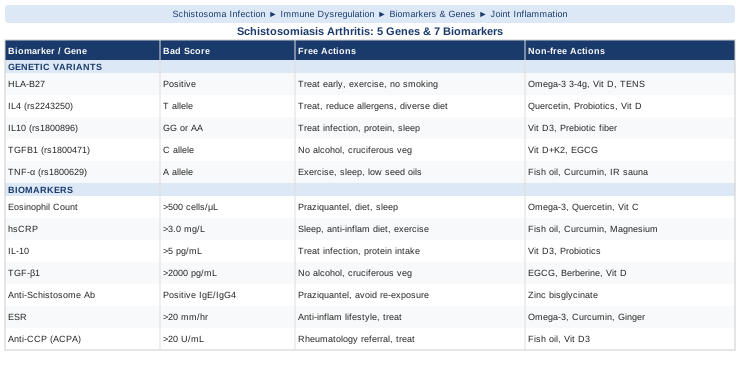
7 Biomarkers to Track for Schistosomiasis-Related Arthritis
Monitoring biological signals over time is more powerful than any single test result. In schistosomal arthritis, the relevant biomarkers span three domains: infection activity (is the parasite still driving the immune response?), immune dysregulation (how severely is the immune balance disturbed?), and joint-specific inflammation (how much damage is occurring at the joint level?). The seven markers below cover all three, and together they give a picture that no individual test could provide alone.
Absolute Eosinophil Count: The Infection Gauge
Why it matters. Eosinophils are white blood cells central to the immune response against parasitic worms. In schistosomiasis, eosinophil levels rise significantly because the body is actively attempting to combat the infection. Eosinophilia is one of the most consistent laboratory findings in active schistosomiasis and is considered a first-line screening signal in anyone with tropical exposure. Beyond reflecting infection activity, eosinophils release inflammatory mediators — including major basic protein and eosinophil cationic protein — that can directly contribute to tissue damage including in joint synovium. Eosinophilic synovitis, meaning eosinophil infiltration into the joint space, has been documented in the context of parasitic infections, making this marker directly relevant to arthritis pathogenesis. Research indexed at PubMed on eosinophilia and schistosomiasis supports this connection across multiple helminth-related arthritis presentations.
What it reveals. A normal absolute eosinophil count (AEC) is 100–500 cells/μL. In active or recent schistosomiasis, counts of 1,000–3,000 cells/μL or higher are common. Very high counts above 3,000 cells/μL suggest high worm burden or co-infection with other helminths. After successful antiparasitic treatment, eosinophil counts typically fall over weeks to months — making this marker useful not just for diagnosis but for tracking treatment response over time.
How to measure it
AEC is derived from a standard complete blood count (CBC) with differential, one of the most widely available and affordable tests in any clinical setting. Cost: $15–45 USD through most labs and hospitals. Order at baseline if parasitic exposure is suspected, then repeat at 8–12 weeks and 6 months after treatment to confirm the count is normalizing.
If the score is bad, the plan without supplements
An AEC elevated above 500 cells/μL with a history of schistosomal exposure makes treatment confirmation a priority. Praziquantel (40 mg/kg/day in two divided doses over one day) is the WHO-recommended treatment for all Schistosoma species and has a high cure rate when appropriately dosed. While awaiting treatment and during the recovery period: prioritize a whole-food, low-refined-sugar diet, since sugar and highly processed foods promote the inflammatory mediator release associated with eosinophil activation. Avoid re-exposure to contaminated freshwater. Consistent sleep of 7–9 hours per night is essential for immune regulation. Thirty minutes of moderate aerobic exercise daily has evidence for helping normalize immune cell counts by reducing chronic systemic inflammation over time.
If the score is bad, the plan with supplements or equipment
Omega-3 fatty acids (EPA + DHA): 2–3g of combined EPA+DHA per day from a quality fish oil product. EPA in particular has been shown to attenuate eosinophil activity and reduce Th2-driven inflammation by shifting prostaglandin metabolism. Take daily with a fat-containing meal; no cycling required. Potential side effects: mild GI upset in sensitive individuals; blood-thinning effect at doses above 4g/day — inform your prescribing physician if you take anticoagulants.
Quercetin: 500mg twice daily. Acts as a natural mast cell stabilizer and reduces histamine and cytokine release associated with eosinophil activation. Cycling protocol: 6 weeks on, 2 weeks off. Generally well tolerated; may interact with certain antibiotics (particularly fluoroquinolones) and blood pressure medications. Take with food.
Vitamin C: 500–1000mg per day. Supports immune resolution and has modest evidence for reducing eosinophil activation markers. Take in the morning; no cycling needed. Loose stools at doses above 3g/day in sensitive individuals.
High-Sensitivity CRP: Your Inflammation Baseline
Why it matters. High-sensitivity C-reactive protein (hsCRP) is produced by the liver in response to systemic inflammation and is considered one of the most clinically actionable blood tests in precision medicine — recommended by Peter Attia, among others, as a core element of a longevity-oriented health panel — precisely because it detects low-grade chronic inflammation that standard CRP assays miss. In schistosomal arthritis, hsCRP rises in proportion to the degree of immune activation and joint inflammation. Tracking it over time provides a clear, reproducible signal of whether inflammation is improving or worsening in response to treatment and lifestyle changes.
What it reveals. Below 1.0 mg/L is considered low inflammatory and cardiovascular risk. 1.0–3.0 mg/L is moderate. Above 3.0 mg/L indicates elevated systemic inflammation. In active schistosomal arthritis, values are commonly between 5 and 20 mg/L during flares. Values above 100 mg/L typically indicate bacterial infection or serious pathology and should prompt urgent evaluation — they are not consistent with parasitic-immune activation alone.
How to measure it
hsCRP is a standard blood test available at virtually any clinical laboratory. Cost: $20–50 USD, and frequently included in wellness panels. Test fasting in the morning for best baseline accuracy. Measure at baseline, then repeat at 6–8 weeks after any major intervention — antiparasitic treatment, dietary change, or supplementation protocol — to assess response.
If the score is bad, the plan without supplements
Treating schistosomiasis is the most direct way to reduce the immune stimulus driving CRP elevation. Beyond that, the most evidence-supported lifestyle interventions for lowering hsCRP are sleep optimization (even a single night of poor sleep measurably raises CRP — consistent 7–9 hours is non-negotiable), an anti-inflammatory dietary pattern emphasizing vegetables, fatty fish, legumes, and minimal refined carbohydrates and seed oils, and stress reduction (chronic psychological stress is independently documented as an hsCRP elevator through cortisol-mediated liver signaling). Thirty minutes of moderate aerobic activity five days per week has meta-analytic support for lowering hsCRP by 10–25% over 12 weeks.
If the score is bad, the plan with supplements or equipment
Fish oil (EPA+DHA): 2–3g/day. Meta-analyses show consistent reductions in hsCRP of 0.2–0.5 mg/L with high-dose omega-3 supplementation over 8–12 weeks.
Curcumin with piperine: 500–1000mg curcumin combined with 5–10mg piperine (black pepper extract to enhance absorption) per day. Multiple randomized controlled trials document hsCRP reduction with curcumin supplementation in arthritis populations. Cycling: 8 weeks on, 2 weeks off. Avoid with anticoagulants or active gallbladder disease. Take with a fatty meal for best absorption.
Magnesium glycinate: 300–400mg in the evening. Magnesium deficiency is associated with elevated inflammatory markers including CRP. Glycinate form is highly bioavailable and gentle on the digestive tract. Continuous use is appropriate at this dose. Reduce to 200mg if loose stools occur.
Interleukin-10: The Hidden Immune Suppressor
Why it matters. Interleukin-10 (IL-10) is an anti-inflammatory cytokine — but in schistosomiasis, its elevation tells a complicated story. Schistosome worms have evolved to induce high IL-10 production as a survival strategy: by stimulating regulatory immune responses in the host, the parasites suppress the effector immunity that would otherwise eliminate them. This immunomodulatory tactic allows chronic infection to persist for years or even decades. The consequence is a persistently dysregulated immune state that impairs the host's ability to resolve both the infection and the downstream joint inflammation it perpetuates. Elevated IL-10 may explain why arthritis symptoms persist even after standard inflammatory markers have partially normalized in some patients.
What it reveals. In serum, values below 5–9 pg/mL are typically within normal range, though reference values vary by assay. In chronic schistosomiasis, levels can be substantially elevated. Very high IL-10 alongside declining eosinophil counts may suggest a state of immune tolerance toward the parasite — the immune system is suppressed rather than actively fighting — which is associated with persistence of infection even after praziquantel treatment in some individuals.
How to measure it
IL-10 is measured via ELISA or multiplex cytokine panel at a specialty or reference laboratory. This is not a standard community lab test. Cost: $100–350 USD, depending on whether ordered as standalone or as part of a cytokine panel. It is most useful when ordered by a clinician with expertise in parasitic disease or immune dysregulation, as interpretation requires full clinical context.
If the score is bad, the plan without supplements
High IL-10 in the context of schistosomiasis is primarily addressed by treating the infection. Successful praziquantel treatment has been shown to reduce IL-10 levels over weeks to months in responsive patients. Support treatment response by ensuring adequate protein intake (protein is required for immune cell synthesis and antibody production), maintaining a diverse whole-food diet that supports regulatory T-cell balance, and eliminating immune-suppressing lifestyle factors — chronic sleep deprivation, alcohol, and excessive psychological stress all independently elevate IL-10 in chronic disease states.
If the score is bad, the plan with supplements or equipment
No supplement has strong evidence for directly lowering IL-10 in schistosomiasis specifically. However, vitamin D3 (2,000–4,000 IU/day based on blood levels, co-administered with vitamin K2 at 100–200mcg) is clinically relevant because vitamin D plays a key role in calibrating regulatory versus effector immune responses — supporting balance rather than the suppressed-regulatory pattern driven by schistosomal IL-10. Test 25-OH vitamin D levels before supplementing; target serum range 40–60 ng/mL. Annual monitoring with continuous supplementation is appropriate. Toxicity is not a concern below 10,000 IU/day in most adults, but medical supervision is warranted above 5,000 IU/day.
Multi-strain probiotics: Emerging evidence shows the gut microbiome modulates IL-10 production and immune regulation. A multi-strain probiotic (10–50 billion CFU/day, including Lactobacillus and Bifidobacterium species) may support more balanced cytokine responses. Continuous use is reasonable; minimal side effects at standard doses beyond mild bloating in the first few days.
TGF-β1: The Fibrosis Risk Signal
Why it matters. Transforming growth factor beta 1 (TGF-β1) is a cytokine that promotes tissue fibrosis and plays a central role in the chronic complications of schistosomiasis. In hepatic schistosomiasis, TGF-β1 drives the periportal fibrosis that is the most severe complication of S. mansoni and S. japonicum infection. In the arthritis context, elevated TGF-β1 signals that the body is in a pro-fibrotic state that may be simultaneously affecting periarticular tissue, joint capsules, and synovial structures. Chronically elevated TGF-β1 indicates a disease process that is building scar tissue rather than resolving inflammation — a trajectory that progressively worsens joint function if left unaddressed. Published research on TGF-β1 in schistosomal fibrosis is substantial, with musculoskeletal implications increasingly recognized.
What it reveals. Normal serum TGF-β1 ranges vary by assay, but values are typically below 2,000–5,000 pg/mL in serum (values are higher in plasma due to platelet contribution). Sustained elevation beyond the laboratory reference range in a patient with known schistosomiasis signals active fibrotic remodeling. This is actionable: it means anti-fibrotic approaches should be built into the intervention plan alongside anti-inflammatory ones.
How to measure it
TGF-β1 is measured by ELISA and requires a reference or specialty laboratory. Cost: $150–400 USD. Most meaningful when interpreted alongside liver ultrasound for periportal fibrosis assessment and other inflammatory markers. Request it through an infectious disease physician or a gastroenterologist familiar with tropical diseases.
If the score is bad, the plan without supplements
Reducing worm burden through antiparasitic treatment is the primary step — this decreases the ongoing stimulus for TGF-β1 production. An anti-fibrotic dietary approach is supported by evidence: eliminate alcohol (the most potent dietary driver of fibrosis in combination with TGF-β1 elevation), reduce refined sugars and ultra-processed foods, and increase cruciferous vegetables — sulforaphane from broccoli sprouts in particular has demonstrated anti-fibrotic effects by inhibiting TGF-β1-mediated gene expression in preclinical studies. Regular aerobic exercise has evidence for reducing hepatic fibrosis markers in other liver disease models and is a reasonable non-supplement intervention here.
If the score is bad, the plan with supplements or equipment
Vitamin D3 + K2: Vitamin D has specific evidence for inhibiting TGF-β1-mediated fibrosis in liver and kidney tissue. Same dosing protocol as described above.
EGCG (green tea extract): 400–800mg of EGCG-standardized extract per day. EGCG has been shown to attenuate TGF-β1-driven fibrosis in multiple research models and has demonstrated anti-fibrotic properties in joint tissue specifically. Cycling: 8 weeks on, 4 weeks off — avoid continuous long-term use at high doses due to hepatotoxicity risk with concentrated EGCG. Take with food; do not take on an empty stomach.
Berberine: 500mg twice daily with meals. Research has documented berberine's ability to attenuate TGF-β1 signaling and reduce fibrosis in multiple organ systems. Cycling: 8 weeks on, 4 weeks off. Side effects include GI discomfort in some individuals; can lower blood glucose — monitor closely if diabetic or on diabetes medications.
Anti-Schistosome Serology: Mapping the Immune Response
Why it matters. Antibody testing against schistosomal antigens gives a direct window into whether the immune system has been exposed to the parasite and what kind of response it has mounted. Two antibody classes are particularly informative: IgE reflects a more acute, reactive response associated with recent or active infection, while IgG4 reflects a chronic, tolerogenic response where the immune system has adapted to coexist with the parasite. High IgG4 with low IgE is a hallmark of chronic, established infection and correlates with immune suppression and higher worm burden. The IgE/IgG4 ratio therefore characterizes the immune state more precisely than either antibody class in isolation.
What it reveals. Positive serology confirms exposure to Schistosoma antigens. The antibody pattern then characterizes disease phase: predominantly IgE suggests recent or relatively active infection; predominantly IgG4 suggests chronic established infection. A falling IgE after treatment is a positive treatment response signal. Serology can remain positive for months to years after successful treatment, so it should be interpreted alongside clinical picture and other biomarker data rather than as a standalone cure-or-fail signal.
How to measure it
Schistosome-specific serology is available through reference laboratories specializing in tropical or parasitic diseases, and through the CDC in the United States. Cost: $50–150 USD per antibody class. In many countries it is available through university hospital tropical medicine centers. A positive screen should be followed by stool microscopy or PCR to assess for active egg shedding if not already performed.
If the score is bad, the plan without supplements
Positive serology with a clinical picture consistent with active infection warrants antiparasitic treatment. Beyond praziquantel, confirm diagnosis with stool egg counts or PCR, rule out co-infections (other helminths are common in schistosome-endemic areas), and ensure that living or travel conditions creating re-exposure are addressed. Monitor serology at 6 and 12 months after treatment to track immune resolution over time.
If the score is bad, the plan with supplements or equipment
No supplement directly clears schistosomal antibodies — that requires antiparasitic treatment and time. Supporting immune recovery after treatment is the goal: zinc bisglycinate at 15–30mg/day has been studied in the context of parasitic infections for its role in T-cell regulation and restoration of immune balance. Cycling: 4 months on, 1 month off. Do not exceed 40mg/day long-term without medical supervision (risk of copper depletion at extended high doses). Take with food to reduce any nausea.
Erythrocyte Sedimentation Rate: The Slow Burn Tracker
Why it matters. Erythrocyte sedimentation rate (ESR) is an older but still clinically useful marker of systemic inflammation. Unlike hsCRP, which rises and falls within hours to days, ESR changes more slowly — making it a better signal for tracking the trajectory of chronic, low-grade inflammation over weeks and months. In rheumatology, ESR is routinely used alongside CRP to assess disease activity in conditions like rheumatoid arthritis, ankylosing spondylitis, and polymyalgia rheumatica. For schistosomal arthritis, ESR provides a complementary inflammation read that can signal worsening or improving chronic disease activity even when acute CRP is temporarily normal.
What it reveals. Normal ESR: below 20 mm/hr for men under 50; below 30 mm/hr for women under 50 (values vary by laboratory and reference). In active inflammatory arthritis, ESR is often 40–80 mm/hr or higher. Very high ESR above 100 mm/hr warrants investigation for malignancy or serious systemic disease and is not consistent with uncomplicated parasitic arthritis. Tracking ESR trends over time — is it rising or falling? — is more clinically informative than any single value.
How to measure it
ESR is a standard, low-cost blood test. Cost: $10–30 USD. Measure at baseline and repeat monthly during active disease monitoring, or at 3-month intervals during stable phases. Its slow kinetics make it best suited for longer-interval trend tracking rather than short-term response monitoring.
If the score is bad, the plan without supplements
All anti-inflammatory lifestyle interventions relevant to hsCRP apply equally here: treat the infection, optimize sleep, improve dietary pattern, reduce stress, and maintain regular moderate aerobic exercise. ESR responds to the same biological drivers as CRP but more slowly — expect 8–12 weeks before meaningful changes become visible in response to lifestyle interventions.
If the score is bad, the plan with supplements or equipment
The supplement protocol for elevated ESR mirrors that for elevated hsCRP: omega-3 fatty acids, curcumin with piperine, and magnesium glycinate at the doses described above. Additionally, ginger extract standardized to 5% gingerols at 500–1000mg per day has shown moderate anti-inflammatory effects in inflammatory arthritis trials, with ESR reductions documented in several controlled studies. Continuous use is generally appropriate at standard doses. Side effects are minimal; mild GI upset in sensitive individuals. Avoid high doses in people on anticoagulants.
Anti-CCP Antibodies: Ruling Out the Overlap
Why it matters. Anti-cyclic citrullinated peptide (anti-CCP) antibodies, also known as ACPA, are the most specific blood marker for rheumatoid arthritis (RA). In reactive arthritis triggered by infection — including schistosomal arthritis — anti-CCP should typically be negative. This test therefore serves a critical diagnostic function: it distinguishes whether the joint inflammation is a reactive response to the parasite (in which case treating the infection should resolve the joints) or whether the infection has triggered a true autoimmune process requiring disease-modifying treatment.
What it reveals. A positive anti-CCP result (generally above 20 U/mL) suggests that true RA may have been triggered or is co-occurring with the schistosomal infection. This distinction has major treatment implications. Schistosomiasis has been proposed as a potential trigger of autoimmune arthritis through molecular mimicry — a process where immune responses against parasite antigens cross-react with self-proteins in joint tissue. A negative result supports the reactive arthritis diagnosis and focuses management on infection resolution. A positive result indicates need for formal rheumatology evaluation.
How to measure it
Anti-CCP is a standard laboratory test available at most hospitals and reference labs. Cost: $50–120 USD. Order as part of the initial arthritis workup alongside rheumatoid factor (RF) for completeness. Retesting is not usually necessary unless the clinical picture changes significantly.
If the score is bad, the plan without supplements
A positive anti-CCP in the context of schistosomal arthritis warrants rheumatology referral for formal RA evaluation and discussion of disease-modifying antirheumatic drugs (DMARDs). In parallel, treating the underlying infection remains essential — reducing the antigenic stimulus that may be perpetuating the autoimmune cascade. An anti-inflammatory dietary foundation with emphasis on gut barrier integrity is appropriate as a non-supplement cornerstone (see the Autoimmune Protocol section below).
If the score is bad, the plan with supplements or equipment
In RA, several supplements have evidence for modest anti-inflammatory benefit that may complement DMARD therapy: fish oil at 3–4g EPA+DHA/day has been shown in randomized trials to reduce disease activity scores and NSAID requirements in RA patients. Vitamin D3 at 2,000–4,000 IU/day — low vitamin D is associated with higher anti-CCP titers and more aggressive RA activity in epidemiological data. These supplements are adjuncts to, not replacements for, prescribed rheumatological care. Always inform your prescribing physician about all supplements when on DMARDs or biologics.
The Genetic Side: 5 Key Variants That Shape Your Risk
Understanding your biomarker profile answers what is happening in your body right now. Genetics answers why it is happening to you specifically — and why someone with identical schistosome exposure in the same village may have perfectly healthy joints while you are struggling with persistent inflammation. The five variants below are among the most studied in the context of Schistosoma infection and its systemic immune consequences. None are destiny. A risky variant does not mean joint damage is inevitable; a protective variant does not guarantee you will escape complications. They are, however, meaningful signals that can inform how aggressively to monitor and intervene, and they offer biologically rational targets for both lifestyle and supplement strategies.
Genetic testing for these variants is accessible through consumer platforms (23andMe and AncestryDNA provide raw data that can be cross-referenced with these SNPs using tools like Genetic Lifehacks) or through clinical genetic testing ordered by a physician. Epigenetic factors — particularly methylation patterns influenced by diet, stress, and environment — can modulate how these genes are expressed, meaning even an unfavorable genetic profile can be meaningfully compensated with the right approach.
HLA-B27: The Joint Vulnerability Marker
What it is. HLA-B27 is the most established genetic risk factor for reactive arthritis — the form of inflammatory arthritis triggered by infections. Schistosomal arthropathy shares features consistent with reactive arthritis (asymmetric joint involvement, association with gastrointestinal and urogenital infection). HLA-B27 carriers are at significantly elevated risk of developing reactive arthritis following various infections, including parasitic ones. Among people with reactive arthritis broadly, approximately 60–80% are HLA-B27 positive, compared to 6–8% in the general European-ancestry population — one of the strongest gene-disease associations in human immunogenetics.
What it may affect. HLA-B27-positive individuals appear to mount more intense and sometimes misdirected immune responses to microbial antigens, possibly due to molecular mimicry between HLA-B27 and pathogen-derived peptides. In practice, HLA-B27 positivity with a history of schistosomal infection should substantially heighten clinical suspicion for reactive arthropathy and influence how aggressively both infection and joint inflammation are addressed. Evidence here is well-established in the reactive arthritis literature with application to parasitic triggers being biologically well-supported.
If the gene is bad, the plan without supplements
If HLA-B27 positive: treat any active schistosomal infection without delay — the longer the antigenic exposure, the more opportunity for immune cross-reactivity to become established and self-sustaining. Exercise is the most evidence-supported joint-protective intervention for HLA-B27-associated arthritis — specifically spinal mobility work and weight-bearing aerobic activity. Water-based exercise (swimming, hydrotherapy) provides joint loading with minimal impact. Avoid smoking, which independently worsens HLA-B27-related arthritis outcomes. Regular rheumatological monitoring every 6–12 months is warranted for HLA-B27-positive individuals with any history of parasitic infection and joint symptoms.
If the gene is bad, the plan with supplements or equipment
Omega-3 fatty acids (EPA+DHA): 3–4g/day — EPA specifically modulates prostaglandin pathways involved in HLA-B27-related inflammation. Vitamin D3: 2,000–4,000 IU/day based on blood levels — vitamin D deficiency is prevalent in HLA-B27-associated spondyloarthropathies and supplementation has been associated with reduced disease activity in observational studies. TENS (transcutaneous electrical nerve stimulation) devices: available as home units for $30–150, with evidence for short-term pain reduction in inflammatory arthritis and the ability to reduce NSAID reliance. Use 20–30 minutes per session, 1–2 times daily during pain flares. No significant side effects; avoid over open wounds or near implanted electronic devices.
IL4 Variant (rs2243250): The Th2 Amplifier
What it is. The IL4 gene encodes interleukin-4, a cytokine central to Th2 immunity — the branch of the immune system that orchestrates responses to parasites, allergens, and extracellular pathogens. The rs2243250 variant (-590C/T) influences IL-4 transcription: the T allele is associated with higher IL-4 production. In schistosomiasis, the immune response is Th2-dominated by nature, so individuals carrying the T allele may mount an even more pronounced Th2 response — translating to higher eosinophilia, stronger IgE responses, more mast cell and basophil activation, and potentially more tissue inflammation in joints and other organs. Most human studies on this variant in schistosomiasis come from African and Brazilian cohorts; the evidence is consistent but still accumulating.
What it may affect. Elevated IL-4 production sustains the Th2 skew that schistosome worms exploit for survival. Unchecked Th2 inflammation is simultaneously associated with eosinophilic tissue infiltration, mast cell activation, and increased IgE-mediated pathology — all of which can amplify joint damage in the parasite-arthritis context. Knowing you carry the T allele is an argument for earlier, more aggressive infection treatment and closer monitoring of eosinophil counts.
If the gene is bad, the plan without supplements
A Th2-amplifying variant calls for minimizing all ongoing Th2 stimuli: treat infection promptly, minimize allergen and toxin exposures that further stimulate Th2 (dust mites, mold, food allergens), and focus on a diverse fiber-rich diet that supports regulatory T-cell development as a natural brake on Th2 excess. Time in natural outdoor environments supports microbiome diversity, which is consistently associated with better Th1/Th2 immune balance in epidemiological studies.
If the gene is bad, the plan with supplements or equipment
Quercetin: 500mg twice daily — quercetin inhibits IL-4 production from Th2 cells and reduces IgE-mediated mast cell activation, making it particularly relevant for high-IL4 genotypes. Cycling: 6 weeks on, 2 weeks off. Lactobacillus rhamnosus GG: 10 billion CFU per day — this specific probiotic strain has shown capacity to reduce IL-4 levels and Th2 skewing in multiple human trials. Continuous use. Vitamin D3: promotes regulatory T-cell function and Th1 immune balance, directly countering Th2 excess in individuals with this variant. Same dosing as described throughout.
IL10 Variant (rs1800896): The Regulatory Toggle
What it is. The IL10 gene encodes interleukin-10, whose central role in parasite-driven immune suppression was covered in the biomarker section. The rs1800896 variant (-1082A/G) affects IL-10 promoter activity: the G allele is associated with higher IL-10 production, while the AA genotype produces less. In schistosomiasis, this variant predicts meaningful individual differences in immune regulation, susceptibility to chronic infection, and the balance between parasite tolerance and immune-mediated tissue damage. Most supporting evidence comes from African cohorts with endemic schistosomiasis.
What it may affect. High-producer IL10 genotypes (GG or GA) may generate so much regulatory signaling in response to parasitic infection that effective anti-parasite immunity is suppressed — contributing to higher worm persistence even after treatment. Low-producer genotypes (AA) may have less immune suppression but more unregulated inflammatory damage to joint tissue. Both extremes present different management priorities: high producers need closer post-treatment monitoring; low producers need more aggressive anti-inflammatory lifestyle support.
If the gene is bad, the plan without supplements
For high-producer genotypes: ensure antiparasitic treatment is not impeded by excessive immune tolerance — monitor AEC and serology closely post-treatment. For low-producer genotypes: the full anti-inflammatory lifestyle package (diet, sleep, stress, exercise) described throughout this article is even more important, since these individuals may experience more intense joint inflammation during active infection and less natural dampening of the inflammatory response.
If the gene is bad, the plan with supplements or equipment
Vitamin D3 (adequate levels support IL-10 calibration — not simply pushing it high or low, but promoting appropriate balance). Short-chain fatty acids from prebiotic fiber: butyrate produced by gut bacteria supports IL-10 regulation in the intestinal immune environment. Practical application: 1–2 daily servings of fermented foods (yogurt, kefir, kimchi) plus a dietary prebiotic such as inulin at 5–10g per day from chicory root or leeks. Temporary bloating is common when starting prebiotic fiber — increase dose gradually over two to three weeks.
TGFB1 Variant (rs1800471): The Fibrosis Predisposition
What it is. The TGFB1 gene encodes transforming growth factor beta 1. The rs1800471 variant (codon 25, G/C) affects TGF-β1 secretion: the C allele (Pro25 variant) is associated with higher TGF-β1 production. In studies of schistosomiasis-endemic populations, high-TGF-β1-producing genotypes have been associated with more severe periportal fibrosis and more aggressive tissue remodeling. Most evidence comes from Brazilian and Senegalese cohort studies on hepatic schistosomiasis — extrapolation to joint tissue is biologically well-motivated but less directly studied.
What it may affect. A high-producing TGF-β1 genotype means that once the pro-fibrotic cascade is initiated by infection, it runs harder and longer than in individuals with low-producer genotypes. This has direct practical consequences: catching and treating the infection early is more critical for these individuals, and anti-fibrotic interventions are more warranted regardless of current serum TGF-β1 levels. Periarticular fibrosis, capsular stiffness, and harder-to-reverse structural changes are the joint-level risks.
If the gene is bad, the plan without supplements
Anti-fibrotic lifestyle fundamentals: eliminate alcohol entirely (the most potent dietary driver of fibrosis in combination with elevated TGF-β1), reduce processed food and refined sugar (which promote pro-fibrotic signaling), increase cruciferous vegetables daily (sulforaphane from broccoli, cauliflower, and cabbage inhibits TGF-β1-mediated fibrotic gene expression), and perform regular aerobic exercise with evidence for reducing fibrosis markers in liver disease models — with plausible benefit in joint tissue.
If the gene is bad, the plan with supplements or equipment
Vitamin D3 + K2: Anti-fibrotic signaling benefit, same dosing as above. EGCG: 400–800mg/day cycled 8 weeks on / 4 weeks off — one of the better-studied natural anti-fibrotic compounds with TGF-β1-specific inhibitory activity. Resveratrol: 250–500mg/day of trans-resveratrol — shown to inhibit TGF-β1-driven fibrosis in multiple research models. Take with a fat-containing meal for best absorption. Cycling: 8 weeks on, 2 weeks off. Avoid higher doses if on blood thinners.
TNF-α Variant (rs1800629): The Inflammation Intensity Dial
What it is. Tumor necrosis factor alpha (TNF-α) is among the most important pro-inflammatory cytokines in joint disease. It drives synovial inflammation, promotes osteoclast activation, and is the primary target of some of the most effective RA biologics (adalimumab, etanercept, infliximab). The rs1800629 variant (-308G/A) in the TNF gene promoter influences TNF-α expression: the A allele is associated with higher TNF-α production and has been linked to more severe inflammatory outcomes across multiple infectious and inflammatory diseases. In schistosomiasis, the A allele has been associated with more intense systemic inflammation in some cohort studies. Research on TNF polymorphisms in schistosomiasis outcomes is ongoing, but the direction of effect is consistent.
What it may affect. In schistosomal arthritis, high-TNF genotypes likely experience more aggressive joint inflammation, more pain during active disease phases, and potentially faster joint damage if infection is not treated promptly. This is a mechanism that is directly targetable by lifestyle, diet, and supplementation — arguably more modifiable than other variants on this list, since TNF-α expression is particularly sensitive to environmental inputs.
If the gene is bad, the plan without supplements
Reduce all TNF-α-promoting lifestyle factors: chronic sleep deprivation, sedentary behavior, visceral adiposity (abdominal fat independently drives TNF-α production), smoking, and excess alcohol all meaningfully elevate TNF-α expression. A dietary pattern lower in omega-6 fatty acids (reducing seed oils such as soybean, corn, and sunflower) and higher in omega-3 directly modulates the TNF-α pathway at the level of prostaglandin synthesis. Regular aerobic exercise reduces visceral fat and directly lowers TNF-α — a high-TNF-genotype individual who commits to consistent exercise, good sleep, and a whole-food diet can meaningfully reduce expression through modifiable factors alone.
If the gene is bad, the plan with supplements or equipment
Fish oil (EPA+DHA): 3–4g/day — EPA directly inhibits arachidonic acid metabolism and reduces TNF-α production at the cellular level. Curcumin + piperine: Curcumin is one of the most studied natural inhibitors of NF-κB, the transcription factor that drives TNF-α expression. 1000mg curcumin + 10mg piperine per day; cycle 8 weeks on / 2 weeks off. Infrared sauna: 20–30 minute sessions, 3–4 times per week — shown in controlled studies to reduce inflammatory cytokines including TNF-α and to improve pain and quality of life in arthritis populations. Home portable units are available for $200–600; clinical infrared saunas typically cost $30–60 per session. Stay well hydrated; avoid use during acute infection fever or severe cardiovascular disease.
A Book That Reframes Infection-Triggered Arthritis
Both biomarker tracking and genetic analysis benefit from a conceptual framework that ties the biological details together into a coherent strategy. The Autoimmune Solution by Amy Myers, MD (2015, HarperOne) provides exactly that. Myers, a functional medicine physician who herself developed Graves' disease, has treated thousands of patients with infection-triggered immune dysregulation and autoimmune conditions. The book draws on peer-reviewed research to build a practical framework for understanding how infections, gut permeability, and immune dysfunction interact — and what to do about it. For anyone navigating schistosomal arthritis, particularly if anti-CCP came back positive or symptoms have persisted beyond infection treatment, the following insights from the book are the most applicable.
Every chronic illness starts somewhere on the immune spectrum
Myers describes immunity not as a binary healthy/sick state but as a spectrum. Moving along that spectrum happens gradually, often years before a formal diagnosis. Understanding where you are on the spectrum — using tools like biomarkers — is more actionable than waiting for a threshold diagnosis. For schistosomal arthritis, this means taking elevated eosinophil counts or borderline hsCRP seriously before they become established joint damage.
Infections are among the most powerful autoimmune triggers
Infections are listed among the top triggers of autoimmune activation in the book, alongside toxins, diet, and stress. Myers explains that certain pathogens — and the chronic immune states they create — can permanently shift immune calibration in susceptible individuals. Schistosome infection, with its years-long immune suppression and Th2 skewing, is a textbook example of the kind of chronic infectious trigger she describes.
Gut permeability is the gateway
Myers dedicates substantial content to leaky gut — the breakdown of intestinal barrier integrity that allows bacterial and parasitic antigens to enter systemic circulation and stimulate immune activation. Schistosomes affect intestinal blood vessels directly, and the local inflammation and immune dysregulation they produce are likely to impair gut barrier function. This matters because gut-derived antigens can activate systemic immune responses that reach the joints. Dietary strategies to restore barrier integrity (elimination of gluten, dairy, and processed foods for a minimum of 30 days) are a central protocol in the book.
Molecular mimicry: when your immune system mistakes you for the pathogen
This concept explains how an immune response mounted against a parasite can begin to cross-react with self-proteins — a mechanism directly relevant to why positive anti-CCP can appear in patients with schistosomal arthritis. The book explains this process in accessible terms and argues that reducing the antigenic burden (treating the infection) is the only way to interrupt the cross-reactive cycle. This reinforces the biomarker finding that treating the underlying infection is a prerequisite, not an optional step.
The elimination diet as an immune recalibration tool
Myers' elimination protocol removes the most common immune-activating foods — gluten, dairy, corn, soy, eggs, and nightshades — for a minimum of 30 days, then reintroduces them methodically. The purpose is not primarily food allergy testing but immune system dampening. In the context of schistosomal arthritis, this approach reduces the total immune stimulus while the infection is being resolved, giving the immune system less to react to and more capacity to recalibrate.
Nutrient deficiencies that silently fuel immune dysfunction
Myers identifies vitamin D, zinc, omega-3 fatty acids, magnesium, and B vitamins as the most clinically significant deficiencies she observes in autoimmune patients. All five appear in the supplement plans described in this article. The overlap is not coincidental — these are the same nutrients most relevant to regulating the IL-10, TGF-β1, and TNF-α pathways documented in schistosomal disease.
How toxins in food and environment compound immune burden
Myers documents the immune cost of chronic toxin exposure — from pesticide residues, heavy metals, and plastics — arguing that immune capacity is finite, and every burden the immune system is managing competes with its capacity to regulate inflammation appropriately. For schistosomal arthritis patients, removing unnecessary immune burdens (choosing organic produce for high-pesticide items, filtering drinking water, reducing plastic food container use) supports the immune system's ability to resolve the infection-related burden.
Stress hormones as a sustained autoimmune accelerant
Cortisol, released chronically during psychological stress, initially suppresses inflammation — but chronic elevation eventually disrupts immune regulation and paradoxically promotes autoimmune activity. Myers' protocol includes specific stress reduction practices not as soft suggestions but as biological necessities. The TNF-α and IL-10 variants described in the genetics section are both significantly influenced by cortisol levels.
Sleep as the most underrated immune intervention
Myers is unequivocal: insufficient sleep is one of the most powerful immune disruptors across every autoimmune condition she treats. The book cites research showing that consistent sleep deprivation raises inflammatory cytokines across the board — including CRP, TNF-α, and IL-6 — and disrupts the overnight immune regulation and repair cycles that are essential for chronic disease management.
A four-pillar protocol that goes beyond supplements
Myers structures her intervention around four pillars: heal the gut, eliminate toxins, address infections, and manage stress. For schistosomal arthritis specifically, pillar three — addressing infections — is the most immediately critical, and it is the only condition under which the other pillars can be fully effective. This sequence matches the biomarker and genetic framework in this article: biomarkers track where you are across all four pillars simultaneously, and genetics tells you which pillars need the most reinforcement in your specific biology.
When medication is part of the picture
Myers does not dismiss pharmaceutical intervention — the book is explicit that DMARDs and biologics are appropriate and sometimes necessary for established autoimmune disease. The argument is that lifestyle and dietary interventions reduce the dose and duration of medication needed, and sometimes allow tapering under medical supervision. For anti-CCP positive schistosomal arthritis patients, this framing supports combining rheumatological care with the biomarker-guided lifestyle protocol described throughout this article.
Complementary Approaches Worth Knowing
Alongside biomarker tracking, genetic insights, and the anti-inflammatory protocols described above, several evidence-based complementary approaches have shown meaningful benefit for the specific challenges of infection-triggered arthritis with immune dysregulation. The five below were selected for clinical relevance to schistosomal arthritis specifically, not general wellness.
The Autoimmune Protocol (AIP)
The Autoimmune Protocol, developed by Sarah Ballantyne, PhD, in The Paleo Approach (2013), is a structured elimination and reintroduction diet designed specifically for autoimmune and immune-dysregulation conditions. It removes not only gluten and dairy but also grains, legumes, nightshades, eggs, nuts, seeds, alcohol, and seed oils — a broader elimination than most standard protocols — while emphasizing nutrient-dense foods that support gut barrier repair, immune modulation, and systemic inflammation reduction. For schistosomal arthritis with a positive anti-CCP, or for anyone whose joint symptoms have persisted beyond infection treatment, the AIP provides an evidence-supported dietary foundation that addresses the gut-permeability and immune-dysregulation mechanisms directly.
Ballantyne cites a pilot randomized controlled trial on the AIP in inflammatory bowel disease (Konijeti et al., Inflammatory Bowel Diseases, 2017) that found significant reductions in clinical disease activity and inflammatory markers after six weeks. While this study was in IBD rather than schistosomal arthritis specifically, the shared mechanisms — gut permeability, immune dysregulation, TH17 and Th2 imbalance — make the findings biologically relevant to the parasitic arthritis context. Human evidence in schistosomal arthritis itself is limited, but the AIP is one of the most biologically coherent dietary approaches for any infection-triggered autoimmune condition.
Practical application: commit to the elimination phase for a minimum of 30 days — 60–90 days is recommended for more established symptoms. Work with a nutritionist or functional medicine practitioner experienced with the AIP to ensure nutritional adequacy during the restriction phase. The reintroduction phase should proceed systematically, one food group at a time, monitoring joint symptoms and any biomarkers you are tracking for changes.
Microbiome-Directed Therapies
Schistosomiasis has a well-documented and bidirectional relationship with gut microbiome composition. Schistosome worms live in the mesenteric and portal blood vessels adjacent to the intestine, causing local inflammation, increased intestinal permeability, and measurable shifts in microbial community structure. Research in endemic populations has found that individuals with schistosomiasis have reduced microbiome diversity compared to uninfected controls, with lower abundance of short-chain fatty acid-producing bacteria such as Bifidobacterium and Faecalibacterium prausnitzii — changes that directly affect systemic immune regulation and gut barrier integrity. The gut-immune-joint axis means that microbiome disruption from the infection likely contributes to the joint inflammatory cascade independently of direct parasitic immune stimulation.
A systematic review published in PLoS Neglected Tropical Diseases examined microbiome changes in helminth infections and documented consistent depletion of regulatory microbiome taxa alongside increased intestinal permeability markers. Probiotic supplementation with Lactobacillus rhamnosus and Bifidobacterium longum strains has been studied in parasitic infection contexts and shown to partially restore microbiome diversity and reduce systemic inflammatory marker elevations.
Practically: start with dietary intervention — increase prebiotic fiber from diverse plant sources (aim for 30 different plant foods per week), include 1–2 daily servings of fermented foods, and minimize ultra-processed food intake that depletes microbiome diversity. Add a multi-strain probiotic (10–50 billion CFU) after or alongside antiparasitic treatment. If gut symptoms are significant, consider a gut-directed approach under the guidance of a gastroenterologist or functional medicine practitioner — stool microbiome testing can identify specific depletion patterns that guide targeted probiotic selection.
Mindfulness-Based Stress Reduction (MBSR)
Mindfulness-Based Stress Reduction, developed by Jon Kabat-Zinn at the University of Massachusetts Medical School, is an 8-week structured program combining meditation, body scanning, and gentle yoga. Its relevance to schistosomal arthritis lies in the well-documented bidirectional relationship between psychological stress, cortisol, and inflammatory cytokine production — particularly TNF-α and IL-6. Chronic stress independently maintains elevated inflammatory biomarkers, and in anyone managing a chronic parasitic-inflammatory condition, ongoing stress likely compounds the biological challenge significantly.
A meta-analysis of 29 randomized trials of MBSR in chronic pain conditions, published in JAMA Internal Medicine, found statistically significant reductions in pain severity, depression, and anxiety, with moderate effects on physical functioning. A randomized trial in rheumatoid arthritis specifically (Zautra et al., Pain, 2008) found that MBSR reduced disease activity and pain through both psychological and immunological pathways, with reductions in IL-6 documented in the MBSR group. Evidence specific to schistosomal arthritis does not exist, but the biological mechanisms are directly applicable.
Practical application: the full 8-week MBSR protocol involves one 2.5-hour group session per week plus daily home practice of 30–45 minutes. Digital programs including those through the University of Massachusetts are available online. For anyone managing active pain during flares, starting with shorter body scan practices of 10–15 minutes daily before committing to the full program is a reasonable entry point. Consistency matters more than session length — daily short practice consistently outperforms infrequent long sessions.
Chinese Herbal Medicine
Traditional Chinese medicine has a long historical record in the treatment of gu zheng — a category of parasitic disease historically encompassing schistosomiasis in endemic regions of China. Modern research has validated this in important ways: artemisinin, the Nobel Prize-winning antimalarial derived from Artemisia annua used in TCM, has also demonstrated anti-schistosomal activity in clinical studies as a prophylactic agent. Beyond artemisinin, several TCM formulas have been studied for schistosomiasis-associated liver fibrosis, with compounds including Salvia miltiorrhiza (danshen) showing antifibrotic effects in studies relevant to TGF-β1 pathways. For the joint inflammation component, formulas such as Juan Bi Tang and Du Huo Ji Sheng Wan have a long history of use in musculoskeletal inflammatory conditions.
A review of Chinese herbal medicine in inflammatory arthritis, including studies in rheumatoid arthritis, has found evidence for reduction in swollen joint count, ESR, and CRP with several TCM formulas. The evidence base is growing, though study quality varies significantly, and direct clinical trials in schistosomal arthritis are limited. The biological plausibility of combined anti-parasitic and anti-fibrotic/anti-inflammatory effects from TCM herbs is well-supported at the mechanistic level.
Practical application: Chinese herbal medicine for this condition requires consultation with a licensed practitioner of TCM who understands both the parasitic component and the joint manifestations — not an over-the-counter supplement approach. Inform your Western medical team of any herbal treatments to screen for drug-herb interactions, particularly with antiparasitic medications and any NSAIDs or DMARDs. In China and Taiwan, integrated TCM-Western medicine approaches to schistosomiasis exist in specialist centers and represent the most evidence-supported context for this modality.
Massage Therapy
Massage therapy is well-established as a supportive intervention for chronic inflammatory arthritis, with a body of evidence covering pain reduction, range of motion improvement, and quality of life. Its relevance in schistosomal arthritis is primarily symptomatic — managing the joint pain, muscle tension, and restricted movement that accompany inflammation — rather than addressing the underlying immune dysregulation directly. For patients dealing with prolonged joint symptoms, massage provides a non-pharmacological option with a favorable safety profile and documented benefit in similar conditions.
A randomized controlled trial in rheumatoid arthritis by Field et al. (published in 2002 in the Journal of Bodywork and Movement Therapies) found that moderate-pressure massage reduced pain, anxiety, and morning stiffness in RA patients compared to controls. A systematic review in osteoarthritis documented consistent improvements in pain and function with regular massage. Evidence specific to schistosomal arthritis or reactive arthritis from parasitic infection does not yet exist, but the pain and stiffness profile is sufficiently similar to justify its use as an adjunct.
Practical application: for active inflammatory arthritis, moderate-pressure techniques (not deep tissue) applied to affected joints and surrounding musculature are most appropriate. Session frequency of 1–2 times per week during flares tapering to monthly maintenance is a practical protocol. Self-massage with a tennis ball or foam roller on non-acutely-inflamed areas can supplement professional sessions. Always inform the massage therapist of your diagnosis and any acutely inflamed joints — direct pressure over actively inflamed synovium should be avoided.
Conclusion
Schistosomiasis-related arthritis sits at the intersection of infectious disease and rheumatology — a gap that too many patients fall through without a clear diagnosis or a targeted plan. The biology of this condition is specific enough that generic approaches consistently fall short, but specific enough that the right biomarkers and the right genetic understanding can meaningfully change the management picture.
The seven biomarkers covered here — eosinophil count, hsCRP, IL-10, TGF-β1, anti-schistosome serology, ESR, and anti-CCP — give you measurable, actionable signals across every relevant dimension of the condition. The five genetic variants — HLA-B27, IL4, IL10, TGFB1, and TNF-α — explain why your response differs from someone else's and what that means for your individualized intervention priorities. Both together are more powerful than either alone.
The practical next step is straightforward: start with the most accessible biomarkers first (CBC for eosinophil count, hsCRP, ESR, and anti-CCP are available through any standard lab), bring your results and travel or residence history to an infectious disease physician or tropical medicine specialist, and build from there. Genetic testing through consumer platforms can add useful context at low cost. Every measurement gives your care team sharper information to work with — and sharper information, consistently, is what produces better outcomes.