This article contains AI generated content.
· UpdatedSchnitzler Syndrome – 7 Biomarkers and 5 Genes to Track
Introduction
Living with Schnitzler syndrome means navigating a condition that most people — including many physicians — have never encountered. The hallmark combination of chronic urticarial rash, recurring fever, and deep bone pain, accompanied by a monoclonal protein circulating in the blood, is distinctive once you know what to look for. But reaching a diagnosis often takes years, and even after confirmation, managing the condition remains genuinely challenging. The inflammation is real, the discomfort is significant, and understanding what is actually driving it makes an enormous difference to the choices available.
Generic inflammation advice falls well short here. Schnitzler syndrome operates through a specific biological pathway — predominantly the IL-1β cascade — that is fundamentally distinct from classical autoimmune disease, allergic urticaria, or simple infection. Applying standard urticaria protocols or vague anti-inflammatory lifestyle tips without addressing the actual molecular drivers is like trying to reset a circuit breaker with a motivational poster. What matters is precision: knowing which biomarkers to track, what each one reveals, and which genetic factors are shaping your individual experience.
This article takes that more precise approach. Rather than generic advice, it focuses on the specific, measurable signals that matter most in Schnitzler syndrome — the biomarkers that can guide smarter monitoring and more targeted treatment conversations, and the genetic factors that help explain why the condition behaves differently from one person to the next. None of this replaces specialist care, but it is exactly the kind of information that changes the quality of the conversation you can have with your care team.
There is genuine reason for optimism here. The biology of Schnitzler syndrome is now well enough understood that specific treatments — particularly IL-1 receptor antagonists — have shown dramatic, sometimes near-complete efficacy. The growing genetic picture is pointing toward more personalized approaches. And the emerging evidence on metabolic and lifestyle interventions that modulate the very pathways involved in Schnitzler syndrome opens a meaningful adjunct lane alongside conventional treatment. The sections below walk through the seven most informative biomarkers, followed by the five most relevant genes, key insights from autoinflammatory research that rarely reach the clinic, and four complementary approaches with real clinical grounding.
Summary
This article covers 7 key biomarkers — from the defining monoclonal immunoglobulin (M-protein) to IL-1β, high-sensitivity CRP, ferritin, beta-2 microglobulin, CBC differential, and ESR — with specific guidance on what each reveals, how it is measured, what it costs, and what to do when results are abnormal. It then explores 5 critical genes — MYD88 L265P, NLRP3, IL1RN, IL1B, and TNFRSF11A — explaining the biological impact of each and offering practical plans both with and without supplements, including cycling protocols and side effect awareness. Beyond the lab values and genetics, you will find ten cutting-edge insights from autoinflammatory disease research that challenge standard medical thinking, plus four complementary approaches — including the Autoimmune Protocol, microbiome-directed therapy, MBSR, and breathing-based interventions — with evidence relevant to the specific pathways involved in Schnitzler syndrome. Whether newly diagnosed or years into managing this condition, this article gives you the tools to track smarter and advocate more effectively.
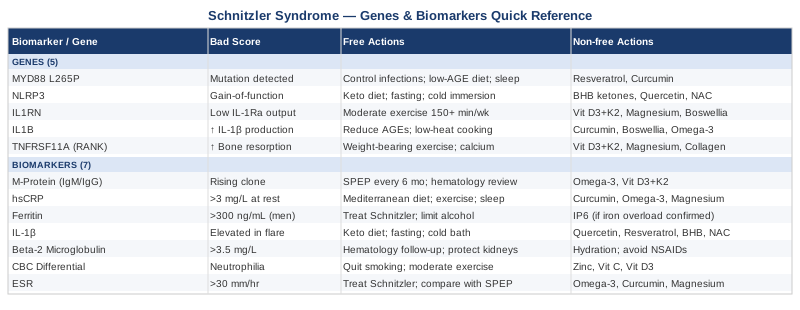
7 Biomarkers Worth Tracking in Schnitzler Syndrome
Biomarkers in Schnitzler syndrome serve two distinct purposes: confirming the diagnosis and tracking disease activity over time. Some are part of the formal diagnostic criteria; others are underused but highly informative for surveillance. The seven below represent the most practical and evidence-supported panel for anyone living with or monitoring this condition.
1. Monoclonal Immunoglobulin (M-Protein): The Defining Signal
Why it matters: A monoclonal immunoglobulin — most commonly IgM, occasionally IgG — is not merely a diagnostic curiosity; it is the molecular fingerprint of a rogue B-cell clone that sits at the center of the disease mechanism. According to the revised Strasbourg diagnostic criteria (de Koning et al., 2012, Allergy), the presence of a monoclonal immunoglobulin is an obligatory criterion — without it, the diagnosis cannot be confirmed. But beyond initial diagnosis, the M-protein serves as a long-term surveillance marker. A rising concentration over time signals clone expansion and increasing risk of lymphoproliferative transformation — a transition to Waldenström's macroglobulinemia or related lymphoma that occurs in roughly 15–20% of patients over a decade.
How to measure it: Serum protein electrophoresis (SPEP) is the initial screening test, detecting an abnormal band in the gamma region. Immunofixation electrophoresis (IFE) confirms the class (IgM vs. IgG) and light chain type (kappa vs. lambda). Some centers add a serum free light chain assay for greater sensitivity at low M-protein concentrations. Cost range: $50–150 for SPEP; $150–350 for IFE.
What it may reveal: The M-protein concentration, light chain ratio, and class all provide prognostic information. IgM-type is the most common and is closely linked to the MYD88 L265P somatic mutation discussed in the genetics section. Tracking SPEP and IFE every 6–12 months is the standard surveillance protocol in stable disease.
If the result is abnormal — plan without supplements
A confirmed M-protein requires specialist referral to a hematologist familiar with monoclonal gammopathies. Non-pharmacologically: establish a monitoring schedule (every 6 months), arrange baseline bone marrow evaluation if not yet completed, and report any constitutional symptoms — night sweats, unintentional weight loss, progressive lymph node swelling, new fatigue — without delay. Avoid live vaccines without specialist guidance, as immune activation is unpredictable in this setting.
If the result is abnormal — plan with supplements or equipment
No supplement directly reduces the M-protein, and attempting to do so without medical supervision introduces risk. Supportive immune regulation strategies include omega-3 fatty acids (EPA/DHA) at 2–4g/day with meals, cycling 3 months on / 1 month off (gentle B-cell regulatory effect; side effect: may prolong bleeding time at high doses) and vitamin D3 + K2 MK-7 at 2,000–4,000 IU D3 with 100mcg K2 daily, ongoing with blood monitoring every 6 months (supports immune homeostasis; side effect: hypercalcemia at very high doses). Always disclose any supplements to your hematologist.
2. High-Sensitivity C-Reactive Protein (hsCRP): The Inflammation Tracker
Why it matters: hsCRP is the most practical and affordable marker of systemic inflammation in Schnitzler syndrome. During active flares, CRP typically rises above 10 mg/L — and levels above 50 mg/L are seen in severe episodes. During apparent remission, a persistently elevated hsCRP (even at 3–5 mg/L) signals that background inflammation is not fully suppressed. Peter Attia consistently emphasizes hsCRP as a foundational inflammatory biomarker — subtle elevations carry long-term cardiovascular implications in any chronic inflammatory condition, and Schnitzler syndrome is no exception. It is also one of the clearest ways to gauge treatment response: a patient whose hsCRP drops from 40 mg/L to under 2 mg/L on anakinra is responding dramatically, and this shift is both objective and motivating.
How to measure it: Standard blood test, widely available. Cost range: $20–60. Measure during flares (to quantify severity), during remission (to establish your personal baseline), and at each monitoring visit. High-sensitivity CRP provides precision in the 0–10 mg/L range; standard CRP is sufficient above 10 mg/L.
What it may reveal: CRP reflects acute-phase changes within 24–48 hours (half-life ~19 hours), making it a dynamic, responsive marker. It does not distinguish Schnitzler inflammation from infection — if CRP spikes unexpectedly outside a typical flare pattern, exclude infection before attributing it to disease activity.
If hsCRP is elevated — plan without supplements
A Mediterranean-style dietary pattern — prioritizing extra-virgin olive oil, fatty fish, colorful vegetables, legumes, and nuts while reducing refined carbohydrates, ultra-processed foods, and seed oils — is the most evidence-supported non-supplement intervention for chronically elevated CRP. Aim for 150 minutes of moderate aerobic exercise per week (brisk walking, cycling, swimming). Prioritize 7–9 hours of sleep consistently; chronic sleep deprivation independently elevates CRP by 20–30% in clinical studies. Stress reduction (discussed further below) adds meaningfully to this picture.
If hsCRP is elevated — plan with supplements or equipment
Curcumin in a bioavailable form (BCM-95 or meriva), 500–1,000mg/day with food, cycling 8 weeks on / 2 weeks off — side effect: may interact with anticoagulants and CYP3A4-metabolized medications. Omega-3 EPA/DHA at 2–4g/day with meals, cycling 3 months on / 1 month off — side effect: may prolong bleeding time at higher doses. Magnesium glycinate at 300–400mg at night, ongoing — generally well tolerated, supports anti-inflammatory signaling. Infrared sauna sessions (2–3x/week, 15–20 minutes at 60–70°C, with adequate pre- and post-hydration) have shown CRP-lowering effects in small controlled trials through heat shock protein induction; direct evidence in Schnitzler syndrome is absent, but the mechanistic pathway is biologically plausible.
3. Serum Ferritin: More Than an Iron Marker
Why it matters: In the context of Schnitzler syndrome, ferritin functions primarily as an acute-phase reactant driven by IL-1β signaling rather than a simple iron storage indicator. IL-1β directly stimulates hepatic ferritin production — so ferritin tracks IL-1β-driven inflammation with reasonable fidelity. During flares, ferritin can rise substantially. Very high ferritin (consistently above 1,000 ng/mL) raises concern for macrophage activation syndrome (MAS), a serious complication of systemic autoinflammatory disease that requires urgent evaluation and specific treatment. Tracking ferritin over time is one of the more sensitive ways to detect a change in disease trajectory before full-blown symptoms escalate.
How to measure it: Standard blood test. Cost range: $20–60. Always interpret ferritin alongside CRP and transferrin saturation — isolated ferritin elevation with low CRP and high transferrin saturation (>45%) suggests iron overload rather than inflammation and requires a different evaluation pathway.
What it may reveal: A ferritin consistently above 300 ng/mL in men or 200 ng/mL in women (outside of obvious infection or confirmed iron overload) in someone with Schnitzler syndrome suggests persistent immune activation between flares. A steadily rising ferritin trend across multiple measurements — even if individual values remain within the laboratory's reference range — is worth discussing with your physician.
If ferritin is elevated — plan without supplements
Effectively treating the underlying Schnitzler syndrome is the primary lever — successful IL-1 blockade typically normalizes ferritin within weeks. Independently: reduce alcohol consumption (which raises ferritin through hepatocellular mechanisms independent of inflammation), moderate red meat intake (2–3 times per week maximum if iron intake is high), and maintain regular moderate aerobic exercise to support iron recycling and macrophage regulation.
If ferritin is elevated — plan with supplements or equipment
If co-existent iron overload is confirmed (elevated transferrin saturation), therapeutic phlebotomy (blood donation or medical venesection, every 2–3 months until ferritin normalizes, then maintenance as needed) is the most direct and cost-effective approach. IP6 (inositol hexaphosphate) at 800mg/day between meals, cycling 3 months on / 1 month off, has modest iron-chelating properties — side effect: may reduce absorption of zinc, calcium, and magnesium; separate from all medications and other supplements by at least 2 hours.
4. Interleukin-1 Beta (IL-1β): Measuring the Core Driver
Why it matters: IL-1β is the central cytokine in Schnitzler syndrome pathophysiology. The entire rationale for IL-1 receptor antagonist therapy (anakinra) rests on the consistent finding that Schnitzler syndrome patients have excess IL-1β activity driving their urticaria, fever, and systemic inflammation. Published case series repeatedly demonstrate that IL-1 blockade produces rapid and near-complete remission in the majority of patients — often within 24–48 hours of the first injection. Being able to measure IL-1β directly offers a way to confirm pathway activation, gauge adequacy of treatment, and detect subclinical relapse before symptoms escalate to a full flare.
How to measure it: ELISA-based plasma or serum measurement. This is not a standard community lab test — it is most commonly available in academic medical centers, specialized rheumatology practices, or research laboratories. Cost range: $100–350 (not routinely covered by insurance in most countries). IL-18 and IL-6 are sometimes measured alongside IL-1β for a fuller cytokine picture, particularly when treatment response is partial or incomplete.
What it may reveal: Elevated IL-1β during flares confirms central pathway activation. Normalized IL-1β on anakinra confirms adequate IL-1 blockade at the dose prescribed. A patient who remains symptomatic despite apparent treatment compliance may have ongoing IL-1β elevation pointing to dose insufficiency, or alternatively a normalized IL-1β pointing to a different cytokine driving residual symptoms.
If IL-1β is elevated — plan without supplements
The ketone body beta-hydroxybutyrate directly inhibits the NLRP3 inflammasome, the molecular machine responsible for processing pro-IL-1β into its active secreted form. A sustained ketogenic or very-low-carbohydrate dietary pattern is the most evidence-supported non-pharmacological approach to reducing NLRP3-mediated IL-1β activation. Intermittent fasting (16:8 or one meal per day) activates AMPK signaling, which inhibits NLRP3 through a complementary pathway. Cold water immersion (10–15 minutes at 10–15°C, 2–3x/week) activates the norepinephrine-driven anti-inflammatory reflex. None of these replace anakinra in active Schnitzler syndrome, but they address the same upstream biology as meaningful adjuncts.
If IL-1β is elevated — plan with supplements or equipment
Quercetin (500–1,000mg/day with food, cycling 8 weeks on / 2 weeks off; side effect: may inhibit CYP3A4 — check for drug interactions). Resveratrol (500mg/day with a fatty meal for absorption, cycling 3 months on / 1 month off; side effect: interacts with anticoagulants and CYP450 substrates — disclose to your physician). N-acetylcysteine (NAC) (600–1,200mg/day, cycling 2 months on / 1 month off; side effect: GI discomfort at higher doses, start low) reduces reactive oxygen species-mediated NLRP3 activation. Exogenous BHB (beta-hydroxybutyrate ketone salts) at 5–10g before main meals, cycling 3 months on / 1 month off, offers direct NLRP3 inhibition without requiring full ketogenic diet adherence — side effect: GI discomfort initially, titrate from 2.5g upward over 2 weeks.
5. Beta-2 Microglobulin (β2M): Watching the B-Cell Clone
Why it matters: Beta-2 microglobulin is shed from the surface of B lymphocytes and reflects both B-cell turnover and renal filtration capacity. In Schnitzler syndrome with IgM monoclonal protein, elevated β2M is a signal that the underlying B-cell clone is active and expanding. It is an established prognostic marker in Waldenström's macroglobulinemia — used in the Revised International Prognostic Scoring System for WM — and serves as a valuable long-term surveillance tool for the 15–20% lymphoproliferative transformation risk that accompanies Schnitzler syndrome over a decade. A steadily rising β2M trend over serial measurements is more informative than any single elevated value.
How to measure it: Standard blood test. Cost range: $50–120. Measure every 12 months in stable disease; every 6 months if trending upward or if other concerning changes appear in parallel (rising M-protein, new cytopenias, constitutional symptoms).
What it may reveal: Beta-2 microglobulin above 3.5 mg/L in someone with Schnitzler syndrome and IgM monoclonal protein warrants prompt hematology review. Critically: renal function must be checked simultaneously — impaired GFR raises β2M independent of lymphoproliferation, and this distinction matters enormously for the clinical interpretation.
If β2M is elevated — plan without supplements
Confirm that renal function is normal (eGFR above 60 mL/min/1.73m²) before attributing elevation to lymphoproliferation. Stay current with hematology follow-up. Maintain optimal cardiovascular and metabolic health to preserve kidney function long-term. Avoid chronic NSAID use, which reduces GFR and raises β2M independently of the B-cell clone. Report new constitutional symptoms — unexplained weight loss, lymphadenopathy, progressive fatigue — without delay.
If β2M is elevated — plan with supplements or equipment
No supplement reverses β2M elevation from a lymphoproliferative process — and no supplement should be used to substitute for hematology review in this setting. Supporting renal health through adequate daily hydration (2+ liters/day), avoiding nephrotoxic exposures, and managing blood pressure keeps the measurement accurate as a reflection of B-cell activity rather than impaired clearance. In confirmed lymphoproliferative progression, all decisions rest with your hematologist-oncologist.
6. Complete Blood Count with Differential: Reading the Innate Immune Pattern
Why it matters: Schnitzler syndrome is histologically defined by neutrophilic dermal infiltration — during urticarial episodes, neutrophils flood the dermis, producing the characteristic raised, non-pruritic rash. The peripheral blood CBC reflects this pattern: neutrophilia (elevated absolute neutrophil count) commonly accompanies flares. Beyond neutrophils, the CBC with differential tracks several clinically important developments: new or worsening anemia may indicate anemia of chronic disease or — more concerning — bone marrow infiltration; thrombocytopenia may signal marrow involvement or hypersplenism; new unexplained lymphocytosis may herald lymphoproliferative transformation. The CBC with differential is inexpensive, universally available, and surprisingly information-dense.
How to measure it: Standard blood test. Cost range: $15–50. Obtain at baseline, during flares, and every 6 months for surveillance. Trends matter more than single readings.
What it may reveal: An absolute neutrophil count consistently above 7,500/μL between flares suggests persistent innate immune activation not fully controlled by current treatment. A declining hemoglobin trend — even within the normal range — may reflect marrow stress. Any significant unexpected change in the differential warrants discussion with your specialist.
If neutrophils are chronically elevated — plan without supplements
Address the primary driver: effective IL-1 blockade typically normalizes neutrophil count within days to weeks. Non-pharmacologically, eliminate smoking (a direct and potent neutrophil activator), moderate alcohol intake, and address any occult chronic infections (dental disease, sinusitis, urinary tract issues). Regular moderate-intensity exercise — not extreme endurance training, which can paradoxically amplify innate immune activation — modulates neutrophil function in a beneficial direction.
If neutrophils are chronically elevated — plan with supplements or equipment
Zinc glycinate or bisglycinate (15–25mg/day with food, cycling 8 weeks on / 2 weeks off, always paired with 1–2mg copper to prevent depletion; side effect: zinc excess suppresses copper absorption and immune function). Vitamin C (500–1,000mg/day sustained-release form, ongoing — generally well tolerated) modulates neutrophil oxidative burst without abolishing bactericidal function. Vitamin D3 + K2 as described above regulates both neutrophil activity and broader innate immune tone.
7. Erythrocyte Sedimentation Rate (ESR): The Long-View Inflammation Signal
Why it matters: ESR measures how quickly red blood cells settle in a sample tube — a rate accelerated by fibrinogen, immunoglobulins, and other acute-phase proteins. In Schnitzler syndrome, ESR is almost universally elevated during active disease and is included as a minor diagnostic criterion in the Strasbourg framework (elevated CRP or ESR). Unlike CRP, which rises and falls dynamically within hours, ESR reflects a slower, more integrated picture of inflammatory burden — it can remain elevated for days after a flare resolves. Thomas Dayspring notes that ESR, while non-specific, provides a complementary inflammatory signal to CRP, and the two together offer a more complete view than either alone.
How to measure it: Standard blood test. Cost range: $10–40. Easy and inexpensive to track as part of a routine monitoring panel.
What it may reveal: A persistently elevated ESR above 30–40 mm/hr between flares suggests that background inflammation is not fully controlled. A very high ESR (above 100 mm/hr) should always prompt evaluation to exclude lymphoma, vasculitis, or another co-existing inflammatory process. An important caveat: monoclonal immunoglobulins independently raise ESR by increasing red blood cell aggregation — a rising ESR in Schnitzler syndrome may reflect a rising M-protein rather than worsening inflammation, and comparing ESR trends with SPEP trends helps distinguish these.
If ESR is elevated — plan without supplements
Treat the underlying Schnitzler syndrome effectively — this is the primary driver. Anti-inflammatory dietary patterns, consistent moderate exercise, stress management, and adequate sleep all contribute to lower ESR over time. Compare ESR trends with SPEP trends at each monitoring visit to detect M-protein-driven ESR elevation before attributing everything to active inflammation.
If ESR is elevated — plan with supplements or equipment
The same anti-inflammatory supplement stack relevant to hsCRP applies: omega-3 fatty acids (2–4g/day), curcumin (bioavailable form, 500–1,000mg/day, cycled), and magnesium glycinate (300–400mg at night). No supplement dramatically lowers ESR in isolation. Regular moderate aerobic exercise and infrared sauna (2–3x/week) may support clearance of acute-phase proteins over time, though ESR-specific evidence for these in Schnitzler syndrome is absent.
With those seven biomarkers mapped, the next natural question is why Schnitzler syndrome presents so differently from one person to the next — why some patients have mild intermittent episodes and others have severe, refractory disease. That is where the genetics become important.
5 Genes Shaping Your Schnitzler Syndrome Experience
Schnitzler syndrome is not a classic monogenic inherited disease in the way that cryopyrin-associated periodic syndromes (CAPS) are, but it carries a clear genetic signature. Some mutations are somatic — acquired in B cells rather than inherited — while others are germline polymorphisms that modulate inflammatory pathway activity. Together, they help explain disease severity, treatment requirements, and long-term risk.
1. MYD88 L265P: The Somatic Mutation at the Center
What it is: The MYD88 L265P somatic mutation is found in approximately 60–70% of Schnitzler syndrome patients with IgM monoclonal protein. MYD88 is an adaptor protein in toll-like receptor (TLR) and IL-1 receptor signaling cascades. The L265P variant constitutively activates NF-κB and JAK/STAT3 pathways within the mutant B-cell clone, driving its autonomous survival and monoclonal immunoglobulin production independent of normal regulatory signals. This same mutation was identified by Treon and colleagues in a landmark 2012 study as the hallmark molecular event in Waldenström's macroglobulinemia — directly explaining the clinical and biological overlap between that condition and Schnitzler syndrome, and the elevated transformation risk.
What it affects: MYD88 L265P drives not just B-cell survival but also inflammatory cytokine production through NF-κB activation — potentially amplifying the systemic inflammatory tone of the whole condition, not just maintaining the clone. Testing for this mutation is increasingly available through next-generation sequencing panels at academic hematology centers and is worth requesting if you have IgM-type Schnitzler syndrome.
If MYD88 L265P is confirmed — plan without supplements
Regular hematology surveillance — every 6 months minimum — is non-negotiable with this mutation confirmed. Beyond monitoring, a consistently low-inflammatory lifestyle directly addresses NF-κB activation through environmental and metabolic inputs: manage chronic infections promptly (dental disease, sinusitis, and urinary tract infections all chronically activate TLR-MYD88 signaling), avoid chronic sleep deprivation (which directly activates NF-κB in multiple tissues), and minimize refined carbohydrates, fructose, and trans fats, all of which are independent NF-κB activators.
If MYD88 L265P is confirmed — plan with supplements
Resveratrol (500mg/day with a fatty meal for absorption, cycling 3 months on / 1 month off; side effect: CYP450 interactions, avoid with anticoagulants) inhibits NF-κB signaling through SIRT1 activation — mechanistically relevant to the constitutive NF-κB driven by MYD88 L265P. Curcumin (bioavailable form, 500–1,000mg/day, cycling 8 weeks on / 2 weeks off; side effect: CYP3A4 interaction) similarly inhibits NF-κB at multiple nodes in the signaling cascade. Neither has been studied specifically in MYD88 L265P-positive Schnitzler syndrome — disclose to your hematologist before starting, as drug interactions in a medically managed setting matter.
2. NLRP3 Variants: The Inflammasome Amplifier
What it is: NLRP3 encodes cryopyrin, the sensor component of the NLRP3 inflammasome — the molecular machine that cleaves inactive pro-IL-1β into active, secreted IL-1β. Gain-of-function mutations in NLRP3 cause cryopyrin-associated periodic syndromes (CAPS), which overlap clinically with Schnitzler syndrome. In Schnitzler syndrome patients without classic CAPS mutations, milder NLRP3 variants and polymorphisms may increase inflammasome sensitivity, amplifying IL-1β output per inflammatory stimulus. The exact prevalence and clinical significance of NLRP3 polymorphisms specifically in Schnitzler syndrome is an active research area.
What it affects: Higher NLRP3 sensitivity means a lower activation threshold — more IL-1β per flare trigger, potentially more frequent and more severe episodes. NLRP3 is activated by a wide range of metabolic and environmental danger signals: uric acid crystals, cholesterol crystals, ATP, reactive oxygen species, silica, and fine particulate matter.
If NLRP3 activity appears elevated — plan without supplements
A ketogenic or very-low-carbohydrate dietary pattern is the single most evidence-supported non-pharmacological NLRP3 inhibitor available — beta-hydroxybutyrate, produced during ketosis, directly binds and inhibits the NLRP3 protein. Maintain this dietary pattern consistently rather than cycling it. Intermittent fasting (16:8 or one meal per day) activates AMPK, which phosphorylates and inhibits NLRP3 through a complementary mechanism. Cold water immersion (10–15 minutes at 10–15°C, 2–3x/week) activates the sympathetic anti-inflammatory reflex via norepinephrine. Minimize environmental NLRP3 activators: avoid cigarette smoke, fine air pollution exposure, and silica dust.
If NLRP3 activity appears elevated — plan with supplements
Exogenous BHB (ketone salts) (5–10g before main meals, cycling 3 months on / 1 month off; titrate from 2.5g to reduce GI discomfort). Quercetin (500–1,000mg/day with food, cycling 8 weeks on / 2 weeks off; CYP3A4 inhibition — check drug interactions). NAC (600–900mg twice daily, cycling 2 months on / 1 month off; start at lower end to minimize nausea) reduces the reactive oxygen species that act as NLRP3 activation signals upstream.
3. IL1RN: When the Natural Brake Fails
What it is: IL1RN encodes IL-1 receptor antagonist (IL-1Ra), the body's endogenous competitive inhibitor of IL-1 signaling. IL-1Ra binds to the IL-1 receptor with similar affinity to IL-1β but without activating it — effectively silencing the signal. The well-studied IL1RN VNTR polymorphism (a variable number tandem repeat in intron 2) affects IL-1Ra production levels, with certain allele combinations associated with reduced IL-1Ra output and therefore higher net IL-1 activity. This is mechanistically central to Schnitzler syndrome: reduced IL-1Ra → relatively unopposed IL-1β → more frequent and more intense inflammatory episodes.
What it affects: This is, in essence, the biological explanation for why anakinra works so dramatically in Schnitzler syndrome. Anakinra is a recombinant form of human IL-1Ra given as a daily subcutaneous injection — it directly compensates for the reduced endogenous IL-1Ra that IL1RN variants may contribute to, restoring the natural inhibitory balance at the receptor level.
If IL1RN variants are unfavorable — plan without supplements
Regular moderate-intensity exercise is one of the most potent natural IL-1Ra boosters available: contracting skeletal muscle produces and releases IL-1Ra directly into the bloodstream, independently of hepatic acute-phase responses. This effect is maximized at 60–70% maximum heart rate and diminishes at extreme intensities. Target 150–200 minutes per week of moderate activity. Adequate consistent sleep (7–9 hours) maintains baseline IL-1Ra levels. Discuss anakinra eligibility with a rheumatologist experienced in autoinflammatory disease if flares are frequent, debilitating, or steroid-requiring.
If IL1RN variants are unfavorable — plan with supplements
Vitamin D3 + K2 (2,000–5,000 IU D3 with 100mcg K2 MK-7 daily, ongoing with 6-monthly blood monitoring; side effect: hypercalcemia at very high doses, particularly in those with granulomatous disease) upregulates IL-1Ra expression through vitamin D receptor signaling on immune cells. Magnesium glycinate (300–400mg/day, ongoing) supports IL-1Ra production and general immune regulation. Boswellia serrata (AKBA-standardized extract, 300–400mg/day, cycling 8 weeks on / 2 weeks off; side effect: possible liver enzyme elevation with high doses long-term) modulates IL-1 signaling downstream through 5-lipoxygenase inhibition.
4. IL1B Polymorphisms: Turning Up the Signal at the Source
What it is: The IL1B gene encodes IL-1β itself. Two well-studied promoter region polymorphisms — IL1B -511C>T and IL1B -31T>C — increase transcriptional activity of the gene, meaning carriers produce more IL-1β per unit of inflammatory stimulus. These are common variants studied extensively in gastric cancer, periodontitis, cardiovascular disease, and inflammatory bowel disease. In Schnitzler syndrome — where IL-1β overproduction is already the central mechanism — these polymorphisms function as amplifiers, potentially worsening symptom severity, increasing flare frequency, and raising treatment dose requirements.
What it affects: Higher IL-1β gene transcription → more pro-IL-1β substrate available for inflammasome processing → greater inflammatory output per trigger event. The effect compounds on top of whatever NLRP3 inflammasome activity is present.
If IL1B polymorphisms are unfavorable — plan without supplements
Dietary reduction of advanced glycation end-products (AGEs) — formed during high-temperature cooking of animal proteins, found in fried foods, commercial processed meats, and commercially baked goods — directly reduces IL1B gene expression in inflammatory cells by suppressing RAGE receptor activation and downstream NF-κB. Shifting toward lower-heat cooking methods (poaching, steaming, slow cooking) and more plant-based proteins meaningfully reduces AGE exposure. The same ketogenic diet and fasting approaches relevant to NLRP3 also suppress the NF-κB pathway that drives IL1B transcription.
If IL1B polymorphisms are unfavorable — plan with supplements
Curcumin (bioavailable form, 500–1,000mg/day, cycling 8 weeks on / 2 weeks off; as above for side effects) directly suppresses IL1B transcription through NF-κB inhibition at the promoter level — one of the most mechanistically direct supplements available for this specific gene variant. Boswellia serrata (AKBA-standardized, 300–400mg/day, cycling 8 weeks on / 2 weeks off; side effects as above) inhibits 5-LOX and downstream IL-1β signaling. Omega-3 EPA/DHA (2–4g/day, cycling 3 months on / 1 month off) shifts the eicosanoid landscape toward anti-inflammatory prostaglandins and resolvins, reducing the overall inflammatory drive that feeds back into IL1B expression.
5. TNFRSF11A (RANK): The Bone Pain Connection
What it is: TNFRSF11A encodes RANK (Receptor Activator of Nuclear Factor Kappa-B), expressed on osteoclast precursors. When RANKL binds to RANK, it drives osteoclast differentiation and bone resorption — the cellular mechanism of bone destruction. This pathway is central to the bone pain that characterizes many Schnitzler syndrome cases: typically described as deep, aching pain in the long bones (tibiae, fibulae) and lumbar spine, confirmed on bone scintigraphy as areas of increased tracer uptake corresponding to active bone remodeling. Variants in TNFRSF11A that increase RANK expression or sensitivity amplify osteoclastic activity, potentially worsening skeletal symptoms over time. Notably, IL-1β itself directly induces RANKL expression on osteoblasts — creating a vicious cycle where Schnitzler syndrome inflammation simultaneously drives both cytokine excess and bone destruction.
What it affects: Greater RANK activity means more aggressive bone resorption, deeper bone pain, and potentially greater structural changes with longer disease duration. This gene is also implicated in Paget's disease of bone and familial expansile osteolysis, providing mechanistic context for why bone-targeted interventions used in those conditions may be relevant here.
If TNFRSF11A variants are unfavorable — plan without supplements
Weight-bearing exercise (3–4 sessions/week, 30–45 minutes of resistance or impact-loading activity) is the most evidence-supported approach to promoting bone formation and modulating the RANKL/OPG (osteoprotegerin) balance in favor of less resorption. Achieve and maintain vitamin D sufficiency (serum 25-OH-D above 40 ng/mL). Ensure adequate dietary calcium (1,000–1,200mg/day from food sources: dairy, leafy greens, sardines with bones, fortified plant milks). Reduce the dietary acid load (increase plant-based foods, reduce processed meats and refined grains) to support bone pH homeostasis.
If TNFRSF11A variants are unfavorable — plan with supplements
Vitamin D3 + K2 MK-7 (2,000–4,000 IU D3 with 100–200mcg K2 daily, ongoing with blood monitoring) is foundational — D3 supports calcium absorption and bone mineralization; K2 directs calcium into bone matrix rather than arterial walls. Magnesium glycinate (300–400mg/day, ongoing) is essential for bone matrix quality and frequently deficient in inflammatory states. Collagen peptides (10g/day in a beverage, continuous) support the structural bone matrix. Silicon as orthosilicic acid (6mg/day, cycling 3 months on / 1 month off) has shown bone density and connective tissue benefits in preliminary human trials. Strontium ranelate (prescription-only in most countries, 2g/day — discuss with your physician before considering, as it carries cardiovascular contraindications in specific patient groups) both inhibits osteoclasts and activates osteoblasts and has been used in osteoporosis management where bone structural change is confirmed.
The genetic picture makes clear that Schnitzler syndrome is not a single disease with a uniform biology — it is a cluster of related mechanisms shaped by individual molecular variation. What follows are ten of the most important insights from the cutting edge of autoinflammatory research, most of which have not yet found their way into standard clinical conversations.
What Autoinflammatory Disease Research Reveals That Most Doctors Don't Yet Discuss
Andrew Huberman's podcast series on immune regulation and inflammation — drawing on research from immunologists, metabolic scientists, and circadian biologists — has synthesized a body of evidence that holds particular relevance for conditions like Schnitzler syndrome. The following ten points represent the most impactful insights from that body of work and the broader autoinflammatory disease literature.
1. The NLRP3 Inflammasome Is a Metabolic Sensor as Much as an Immune One
NLRP3 is activated by metabolic danger signals — uric acid crystals, cholesterol crystals, free fatty acids, ATP released from damaged cells — at least as strongly as by pathogens. High uric acid from fructose-rich diets, hypercholesterolemia, and hyperglycemia each independently activate NLRP3. This means metabolic health is a direct upstream variable in IL-1β production. Reducing fructose intake, managing blood lipids, and maintaining insulin sensitivity are not generic health advice in this context — they are specific NLRP3 regulatory interventions.
2. Beta-Hydroxybutyrate Is a Molecular NLRP3 Off Switch
The ketone body beta-hydroxybutyrate (BHB), produced during fasting or ketogenic eating, directly binds to and inhibits NLRP3. This was demonstrated in a landmark study by Youm and colleagues (Nature Medicine, 2015), showing BHB suppressed NLRP3-dependent inflammatory disease in multiple animal models. The clinical implication is that nutritional ketosis offers a non-pharmacological brake on the same inflammasome pathway that anakinra blocks pharmacologically — and the two interventions are complementary, not competing.
3. A Single Night of Sleep Deprivation Measurably Raises IL-1β
Chronic sleep deprivation activates NF-κB signaling, increases IL-1β production, and elevates CRP — precisely the molecular events central to Schnitzler syndrome flares. Research discussed in multiple Huberman Lab episodes shows that even a single night of less than 6 hours of sleep raises IL-1β levels in healthy subjects. For someone with Schnitzler syndrome, poor sleep hygiene is not a secondary concern — it is a direct disease trigger that deserves the same attention as dietary choices.
4. Cold Exposure Suppresses NF-κB Through Norepinephrine
Cold water immersion triggers a sharp norepinephrine surge — norepinephrine directly inhibits NF-κB and suppresses downstream production of TNF-α, IL-6, and IL-1β. Andrew Huberman has detailed the protocol parameters (1–3 minutes at 10–15°C, 2–3x/week for sustained effect) across multiple episodes. For Schnitzler syndrome, the relevance is direct: a zero-cost, drug-free intervention that blunts the same transcriptional pathway driven by MYD88 L265P.
5. Gut Bacteria Suppress NLRP3 Through Short-Chain Fatty Acids
Butyrate and other short-chain fatty acids produced by fiber-fermenting gut bacteria directly inhibit NLRP3 activation and reduce IL-1β secretion from intestinal macrophages and dendritic cells. Loss of these microbial populations removes a natural anti-inflammatory brake at the intestinal immune interface, with systemic consequences. Restoring SCFA-producing bacteria through dietary fiber and fermented foods is therefore a mechanistically specific intervention for IL-1β-driven conditions.
6. Sustained IL-1β Elevation Carries Independent Cardiovascular Risk
The CANTOS trial (Ridker et al., NEJM, 2017) demonstrated that the IL-1β-blocking antibody canakinumab reduced major cardiovascular events in patients with elevated CRP, independent of any lipid-lowering effect. The implication for Schnitzler syndrome: effective IL-1 control is not just about quality of life and symptom relief — it may meaningfully reduce long-term cardiovascular risk. Tolerating partial treatment control has consequences beyond the skin and bones.
7. NLRP3 Inflammasome Activity Follows a Circadian Rhythm
NLRP3 activation peaks in the early evening in most immune tissues, aligned with the circadian clock. Time-restricted eating (finishing the last meal by 6–7 PM and fasting for 14–16 hours overnight) aligns metabolic and immune circadian timing, reducing overnight NLRP3 activation. This is a mechanistically specific, zero-cost intervention — not a generic "eat earlier" recommendation but a direct engagement with inflammasome biology.
8. Exercising Skeletal Muscle Produces IL-1Ra Directly
Contracting skeletal muscle releases IL-1Ra into the bloodstream at concentrations that are biologically meaningful for IL-1 pathway modulation. This effect peaks at moderate intensity and disappears or reverses at extreme exercise intensity. The practical recommendation is precise: 30–45 minutes of brisk walking, cycling, or swimming daily — not marathon training, not sedentary rest, but sustained moderate movement.
9. Advanced Glycation End-Products Activate the Same Pathway as MYD88 L265P
AGEs (formed during high-temperature cooking and found abundantly in ultra-processed foods) bind to RAGE receptors on macrophages and activate NF-κB — the same transcription factor constitutively activated by MYD88 L265P in Schnitzler syndrome B cells. Reducing dietary AGE exposure through cooking method changes and reduced processed food intake lowers inflammatory NF-κB signaling across the whole immune system, not just in the B-cell clone.
10. IL-1β May Support B-Cell Clone Survival — Not Just Drive Symptoms
Emerging research suggests that sustained IL-1β signaling may support the survival and proliferation of the monoclonal B-cell clone itself through NF-κB-mediated anti-apoptotic mechanisms. If confirmed in larger studies, this creates a mechanistic case for optimizing IL-1 control not merely for symptom relief, but as a potential disease-modifying strategy aimed at reducing long-term lymphoproliferative transformation risk — a conversation worth having explicitly with your specialist.
These insights collectively point toward a comprehensive strategy: optimized medical treatment of the primary IL-1β pathway, supported by targeted metabolic and lifestyle interventions that engage the same biology from a different angle. The complementary approaches below offer additional evidence-based tools within that framework.
Complementary Approaches With Meaningful Evidence
The following four modalities have meaningful human clinical evidence relevant to autoinflammatory disease, IL-1β-driven inflammation, or the specific biological pathways involved in Schnitzler syndrome. None replace medical treatment; all are compatible adjuncts to it.
The Autoimmune Protocol (AIP): A Dietary Framework Designed for Autoinflammatory Conditions
The Autoimmune Protocol, developed by research scientist Dr. Sarah Ballantyne and detailed in The Paleo Approach, is a structured elimination dietary framework specifically designed for autoimmune and autoinflammatory conditions. It removes dietary triggers of intestinal permeability and immune activation — including grains, legumes, dairy, eggs, nightshades, seeds, nuts in the initial phase, and seed-derived spices — while emphasizing nutrient-dense foods that support gut lining integrity, microbiome diversity, and immune regulatory balance. Its relevance to Schnitzler syndrome lies in the direct mechanistic link between gut barrier integrity and NLRP3 inflammasome activation: intestinal permeability allows bacterial lipopolysaccharide (LPS) into the portal circulation, where it activates TLR4 and primes the inflammasome for IL-1β release.
A clinical trial by Konijeti et al. (2017, Inflammatory Bowel Diseases) applied the AIP in patients with active inflammatory bowel disease, demonstrating significant reductions in inflammatory markers and endoscopic disease activity over 11 weeks with strong adherence. While no Schnitzler syndrome-specific AIP trial exists, the mechanistic overlap through gut-driven NLRP3 and IL-1β activation is directly relevant. The AIP also emphasizes micronutrient density — omega-3 fatty acids, zinc, magnesium, vitamin D — that independently support the anti-inflammatory picture.
Practically: begin with a strict 4–6 week elimination phase, tracking symptoms and inflammatory biomarkers (CRP, ferritin, ESR) before and after. Reintroduce food groups systematically — one at a time, every 5–7 days — to identify individual immune triggers. This is a substantial dietary commitment and working with a registered dietitian familiar with AIP significantly improves adherence and nutritional completeness. The goal is not permanent elimination but identification of your personal trigger landscape.
Mindfulness-Based Stress Reduction (MBSR): Anti-Inflammatory Through the Nervous System
MBSR is an 8-week structured program developed by Jon Kabat-Zinn at the University of Massachusetts, combining mindfulness meditation, body scan practice, and gentle movement. Its anti-inflammatory mechanism operates through the hypothalamic-pituitary-adrenal (HPA) axis and the cholinergic anti-inflammatory pathway: regular mindfulness practice reduces cortisol reactivity, lowers NF-κB activity in peripheral blood mononuclear cells, and reduces pro-inflammatory cytokine expression including IL-6 and TNF-α. Psychological stress is a direct IL-1β trigger in autoinflammatory conditions — not a metaphor but a molecular event mediated through glucocorticoid receptor desensitization and catecholamine-driven immune priming. In Schnitzler syndrome, stress-triggered flares are a consistent clinical observation.
A systematic review and meta-analysis by Bower and Irwin (2016, Brain, Behavior, and Immunity) found that MBSR and related mind-body interventions significantly reduced inflammatory biomarkers including CRP and IL-6 across multiple chronic conditions. Evidence specific to Schnitzler syndrome does not yet exist, but the mechanistic pathway is directly relevant and the risk profile is negligible.
For practical application: 20–30 minutes of daily mindfulness practice (breath-focused meditation or body scan), sustained over at least 8 weeks, represents the minimum effective dose. Free and low-cost MBSR programs are widely available online (including the original UMass MBSR framework). The investment of time is modest; the potential reduction in stress-triggered inflammatory burden is real and biologically grounded.
Microbiome-Directed Therapies: Shaping the Gut-Immune Axis
The gut microbiome directly modulates NLRP3 inflammasome activity through short-chain fatty acid (SCFA) production. Butyrate — produced by fiber-fermenting bacteria including Faecalibacterium prausnitzii and Roseburia intestinalis — inhibits NF-κB in intestinal epithelium and macrophages and suppresses NLRP3-dependent IL-1β secretion. Dysbiosis, characterized by loss of these SCFA-producing organisms, removes this natural anti-inflammatory brake and is associated with elevated systemic inflammatory markers across multiple conditions. The relevance to Schnitzler syndrome is mechanistically direct and supports the IL-1β reduction approach from a gut-up direction.
A systematic review of probiotic supplementation across inflammatory conditions (Eslami et al., 2019, Nutrients) found significant CRP reductions with multi-strain probiotic protocols; a clinical trial in metabolically stressed subjects demonstrated that dietary fiber supplementation significantly increased SCFA production and reduced circulating IL-1β (Dahl et al., 2023, Cell Host & Microbe). No Schnitzler-specific microbiome trial exists, but the mechanistic bridge to IL-1β pathobiology is solid.
Practical protocol: increase dietary prebiotic fiber intake to 25–35g/day (oats, Jerusalem artichoke, garlic, leeks, green banana, chicory root). Consider a multi-strain probiotic containing Lactobacillus acidophilus, L. rhamnosus GG, and Bifidobacterium longum at 10–20 billion CFU/day, taken 30 minutes before a meal, cycling 3 months on / 1 month off. Introduce 1–3 daily servings of fermented foods (kefir, kimchi, sauerkraut, miso) as the most practical microbiome-supporting dietary change. If you are on immunosuppressive therapy, discuss with your physician before starting probiotic supplementation.
Breathing-Based Therapies: Activating the Cholinergic Anti-Inflammatory Pathway
Slow diaphragmatic breathing at 5–6 breaths per minute (approximately 5 seconds in and 5 seconds out) activates the vagus nerve and the cholinergic anti-inflammatory pathway. Vagal efferent signals reach the spleen and other immune organs, suppressing macrophage and dendritic cell production of TNF-α and IL-1β through acetylcholine-mediated mechanisms. Heart rate variability (HRV), the most accessible clinical proxy for vagal tone, is inversely correlated with systemic inflammation across multiple studies — individuals with higher HRV consistently show lower CRP and IL-6 at population level.
A randomized controlled trial by Laborde et al. (2018, Psychophysiology) confirmed that slow-paced breathing at 5–6 breaths per minute significantly increased HRV and reduced physiological arousal within a single session. A systematic review by Zaccaro et al. (2018, Frontiers in Human Neuroscience) documented consistent autonomic and immune-regulatory effects across controlled breathing intervention trials. Direct evidence in Schnitzler syndrome is absent; the mechanistic pathway to IL-1β modulation is biologically credible.
The practical protocol is accessible and zero-cost: 10–20 minutes of slow diaphragmatic breathing at 5–6 breaths per minute, twice daily (morning on waking and evening before sleep). A basic HRV monitor (chest strap paired with a compatible app, $30–80) provides biofeedback to confirm technique and maintain motivation. Apps such as HeartMath Inner Balance make the pacing accessible to beginners. Begin with 5 minutes and build to 20 over 2–3 weeks.
Conclusion
Schnitzler syndrome is rare, biologically specific, and frequently misunderstood — but it is not beyond the reach of a well-informed approach. The seven biomarkers covered here give you a practical, affordable monitoring panel that goes well beyond a routine annual blood test: the M-protein tracks the defining B-cell clone; hsCRP and ESR reflect current inflammatory burden; ferritin signals IL-1β-driven immune activation; IL-1β directly measures the central pathological cytokine; beta-2 microglobulin watches for lymphoproliferative transformation; and the CBC differential reveals innate immune activity at the cellular level. Together, they paint a complete and actionable picture of where the disease stands. The five genetic factors — MYD88 L265P, NLRP3, IL1RN, IL1B, and TNFRSF11A — help explain the individual variation in severity and guide specific, mechanistically grounded interventions beyond standard treatment.
The most important next step is not a supplement protocol or a dietary change — it is a well-prepared conversation with a rheumatologist or autoinflammatory disease specialist who understands both the diagnostic criteria and the current treatment landscape. Bring your biomarker trends to that appointment. Ask directly about IL-1 blockade with anakinra if you have not had that conversation yet. Consider requesting MYD88 and NLRP3 genetic testing at an academic medical center if you want to understand your molecular profile in depth. Better information, brought into a capable clinical relationship, leads to better decisions — and that is exactly where meaningful progress in managing Schnitzler syndrome begins.
Musculoskeletal: Bone Conditions
Skin: Inflammatory Skin Conditions
Autoimmune: Inflammatory Conditions
Cancer & Oncology: Blood Cancer