This article contains AI generated content.
· UpdatedScurvy Genes and Biomarkers — 5 Genes And 7 Biomarkers To Track
Introduction
Most people think of scurvy as a relic of maritime history, something that disappeared when sailors discovered limes. Yet subclinical vitamin C deficiency is far more common in modern populations than clinical practice acknowledges. The signs are often quiet for years: persistent fatigue, slow-healing wounds, swollen or fragile gums, diffuse joint discomfort, and poor immune resilience. None of these trigger a scurvy diagnosis, yet all of them can trace directly to chronically insufficient vitamin C status — a gap that sits below the clinical threshold but well above irrelevance.
Generic dietary advice says eat more fruits and vegetables. That is true but incomplete, because it ignores the wide individual variation in how much vitamin C people actually absorb, retain, and use. Two people can eat identical diets and end up with plasma vitamin C levels that differ by a factor of three or more. Genetic variants in intestinal and cellular transport proteins, differences in metabolic demand driven by inflammation or oxidative stress, smoking status, and specific genetic polymorphisms that raise antioxidant consumption — all of these shift individual requirements in ways that population-level guidance simply cannot capture.
This article takes a more targeted approach. It maps out the most informative biomarkers for vitamin C status and the physiological systems it governs, alongside the key genetic factors that explain why standard recommendations miss the mark for a meaningful subset of people. Each marker and gene comes with a practical interpretation guide and a tiered action plan, so the information is directly usable rather than merely interesting.
The goal is not to replace clinical care but to help you bring more precise information to it. Understanding which biomarkers to track reveals what dietary habits cannot show on their own, and knowing your genetic context explains why a particular intake level may be genuinely insufficient for you specifically. Both angles are covered below — first the seven most actionable biomarkers to track, then the five genetic variants with the strongest evidence for shaping individual vitamin C biology and scurvy susceptibility.
Tracking the Right Biomarkers: A Window Into Your Vitamin C Status
Vitamin C touches more physiological systems than most people realize. It is required for collagen cross-linking, catecholamine synthesis, carnitine production, immune cell activation and recycling, iron absorption, and the regeneration of vitamin E and glutathione. When vitamin C status falls, the downstream signals appear across multiple organ systems simultaneously — not in a single value. The seven biomarkers below are the most informative and actionable ways to see that picture clearly.
1. Plasma Ascorbic Acid
Why it matters and what it reveals: Plasma ascorbic acid is the most direct, accessible measure of circulating vitamin C. It reflects recent dietary intake and current absorption efficiency. Levels below 23 μmol/L indicate frank deficiency, the clinical threshold below which scurvy symptoms emerge. The range 23–50 μmol/L represents marginal status — inadequate for optimal physiology even in the absence of overt symptoms. A functional optimum is generally considered 50–80 μmol/L, with plasma saturation occurring at around 70–80 μmol/L on typical divided oral intake. This single test, rarely included in standard panels, tells you more about your actual vitamin C biology than any dietary recall.
How to measure it: A fasting blood draw processed at most clinical laboratories. Samples must be handled promptly — ascorbic acid oxidizes rapidly after collection, so EDTA tubes with rapid plasma separation and freezing give the most reliable results. Cost range: $20–$60 through physician order or direct-access labs. Full reference and clinical guidance: NIH Office of Dietary Supplements — Vitamin C Health Professional Fact Sheet.
If the score is bad — the plan without supplements: Focus on the highest vitamin C density per calorie: red and yellow bell peppers (190 mg/100 g), guava (228 mg/100 g), kiwifruit (93 mg/100 g), fresh parsley, raw broccoli, and citrus. Eat these raw or very lightly steamed — cooking degrades ascorbic acid significantly, especially with prolonged heat. Distribute intake across two to three meals rather than all in one sitting, since intestinal absorption saturates above approximately 200 mg per dose. Reduce tobacco and excess alcohol, both of which accelerate vitamin C catabolism substantially.
If the score is bad — the plan with supplements or equipment: Ascorbic acid or sodium ascorbate at 250–500 mg twice daily with meals is effective for most people. Liposomal vitamin C at 250–500 mg/day offers improved cellular delivery for individuals with gastrointestinal limitations or transport gene variants. For rapid repletion under physician supervision, intravenous vitamin C achieves plasma levels unreachable with oral dosing. No cycling is needed at maintenance doses. Side effect to monitor: loose stools (osmotic diarrhea) at doses above individual bowel tolerance, typically 2,000–5,000 mg/day in healthy adults. Individuals with a prior kidney stone history should maintain doses at or below 1,000 mg/day with adequate hydration.
2. Leukocyte Ascorbic Acid
Why it matters and what it reveals: White blood cells actively concentrate ascorbic acid to roughly 80 times the plasma level, making leukocyte vitamin C concentration the gold-standard indicator of tissue-level stores. This matters because plasma levels can appear borderline-normal while cellular stores are genuinely depleted — a dissociation that explains persistent symptoms in people whose plasma values fall in the marginal range. Leukocyte levels also fall more slowly with deficiency and recover more slowly with supplementation, making them a superior indicator of chronic status versus acute dietary changes. A landmark review by Carr and Maggini published in Nutrients (2017) confirms that leukocyte ascorbic acid is among the most reliable markers of functional vitamin C adequacy in the context of immune competence. Carr AC, Maggini S. Vitamin C and Immune Function. Nutrients. 2017;9(11):1211.
How to measure it: Requires a freshly collected blood sample processed at a functional or integrative medicine specialty lab — not widely available at standard clinical laboratories. Cost range: $80–$180 through specialty labs; some comprehensive nutritional panels include it.
If the score is bad — the plan without supplements: The dietary approach mirrors that for plasma ascorbic acid, but with particular emphasis on consistency over quantity. Because leukocyte stores replete slowly over four to eight weeks of sustained intake, daily adherence to vitamin C-rich foods matters more than occasional high-dose meals. Reduce known depleting factors: smoking, excessive alcohol, and unmanaged chronic stress (which elevates cortisol and competes with ascorbic acid transport in cells).
If the score is bad — the plan with supplements or equipment: Supplementation at 500–1,000 mg/day of ascorbic acid or sodium ascorbate is typically sufficient to restore leukocyte stores within six to eight weeks. Liposomal formats are preferred for those with absorptive limitations. Retest leukocyte levels after eight to twelve weeks of consistent supplementation to confirm repletion. No cycling is necessary at these doses; long-term maintenance supplementation is appropriate if dietary intake remains consistently insufficient.
3. High-Sensitivity C-Reactive Protein (hsCRP)
Why it matters and what it reveals: Vitamin C is a potent modulator of the inflammatory cascade, and this relationship runs in both directions. Chronic low-grade inflammation depletes vitamin C because immune cells consume it rapidly during inflammatory activation — and impaired vitamin C status, in turn, allows inflammatory signaling to amplify. Elevated hsCRP creates a physiological environment in which vitamin C requirements rise above what standard dietary guidance accounts for, often invisibly. Peter Attia has consistently highlighted hsCRP as a foundational cardiovascular and metabolic risk marker that should be tracked longitudinally, not just at a single time point — and its intersection with vitamin C status is a clinically important dimension that is rarely discussed.
How to measure it: Standard fasting blood test available at most clinical laboratories. Cost range: $15–$40; often included in cardiovascular risk panels or comprehensive metabolic workups.
If the score is bad — the plan without supplements: Address upstream inflammatory drivers systematically: improve sleep quality (7–9 hours, consistent schedule), replace ultra-processed foods with whole foods, increase dietary omega-3 fatty acids (fatty fish three times per week), incorporate culinary anti-inflammatory compounds (turmeric, ginger, fresh herbs), and manage psychological stress through behavioral approaches. Consistent moderate exercise (150+ minutes per week) reliably reduces chronic hsCRP over eight to twelve weeks of adherence.
If the score is bad — the plan with supplements or equipment: Vitamin C supplementation at 500–1,000 mg/day has been shown in multiple trials to modestly but meaningfully reduce hsCRP in individuals with elevated baseline inflammation. Omega-3 supplementation at 2–4 g/day EPA+DHA is the most consistently evidence-backed supplement intervention for hsCRP reduction and pairs well with vitamin C. Retest after twelve weeks. Avoid initiating very high-dose vitamin C if hsCRP elevation may reflect an unidentified active infection, where masking inflammatory signals carries risk.
4. Serum Ferritin and Iron Panel
Why it matters and what it reveals: Vitamin C dramatically enhances non-heme iron absorption by reducing ferric iron (Fe³⁺) to the absorbable ferrous form (Fe²⁺) in the gut lumen. When vitamin C is depleted, iron absorption falls — a particularly important consideration for people relying on plant-based iron sources. Conversely, in individuals with iron overload conditions including HFE gene variants for hemochromatosis, sustained vitamin C supplementation can increase iron absorption to problematic levels. This bidirectional relationship means the iron panel and plasma vitamin C are best interpreted together rather than in isolation. Thomas Dayspring, one of the most rigorous biomarker clinicians in cardiovascular medicine, consistently advocates for ferritin measurement as part of comprehensive metabolic assessment given its dual role in iron metabolism and as an acute-phase reactant.
How to measure it: Standard blood draw. Ferritin, serum iron, total iron-binding capacity (TIBC), and transferrin saturation are typically ordered together as an iron panel. Cost range: $30–$80 for a full iron panel at most laboratories.
If the score is bad — the plan without supplements: For low ferritin with suspected vitamin C-iron deficiency connection: pair iron-rich foods (red meat, lentils, fortified grains, dark leafy greens) with vitamin C sources at the same meal to maximize absorption. Avoid tea or coffee within an hour of iron-rich meals — polyphenols meaningfully inhibit absorption. Cooking in cast iron pans modestly increases dietary iron content. For elevated ferritin: reduce processed red meat, alcohol, and refined sugar intake; regular aerobic exercise can modestly lower ferritin over time.
If the score is bad — the plan with supplements or equipment: If iron is genuinely low and linked to poor absorption, supplementing with 250–500 mg of vitamin C taken alongside iron-rich meals or iron supplements significantly improves absorption without requiring higher iron doses. Avoid supplemental vitamin C above 1,000 mg/day if HFE mutations or elevated transferrin saturation (above 45%) are present. For iron overload: therapeutic phlebotomy under medical supervision is the primary and most effective intervention.
5. Urinary Hydroxyproline-to-Creatinine Ratio
Why it matters and what it reveals: Vitamin C is the essential cofactor for prolyl hydroxylase and lysyl hydroxylase — the enzymes that hydroxylate proline and lysine residues in collagen to stabilize its triple-helix structure. Without adequate vitamin C, newly synthesized collagen is structurally deficient, and existing collagen breaks down without adequate replacement. The hallmark signs of clinical scurvy — perifollicular hemorrhage, corkscrew hairs, bleeding gums, slow wound healing, and joint pain — all reflect this collagen collapse. Urinary hydroxyproline excretion is a measure of collagen turnover and integrity, providing a functional window into the connective tissue consequences of vitamin C status before gross clinical signs appear.
How to measure it: A timed (usually 24-hour) urine collection, though spot urine with creatinine correction is also used. Available at most clinical labs but not routinely ordered — requires a specific physician request. Cost range: $50–$120 for a 24-hour urine hydroxyproline measurement.
If the score is bad — the plan without supplements: Immediate dietary correction with high vitamin C foods is the primary intervention. Adding dietary collagen precursors — glycine-rich foods, bone broth, gelatin — supports structural repair. Reduce connective tissue stressors: eliminate smoking (directly impairs collagen cross-linking by reducing tissue oxygen and enzyme activity), minimize NSAIDs where clinically appropriate (they impair collagen synthesis), and ensure adequate total protein intake overall.
If the score is bad — the plan with supplements or equipment: Vitamin C at 500–1,000 mg/day alongside collagen peptide supplementation (5–10 g/day) provides both the enzymatic cofactor and the substrate. Taking collagen peptides within 30–60 minutes of a vitamin C dose has been explored in research on athlete connective tissue recovery, with this combination potentially enhancing the efficiency of collagen synthesis. Red light therapy (photobiomodulation) at 660–850 nm wavelengths, 5–10 minutes per affected area, three to five times per week, has emerging evidence for supporting connective tissue recovery and represents a low-risk adjunct.
6. Complete Blood Count with Differential
Why it matters and what it reveals: Hematological changes are among the earliest signs of progressing vitamin C deficiency to appear in routine bloodwork. Scurvy produces a recognizable pattern: normocytic or macrocytic anemia (sometimes with a megaloblastic component if folate is co-deficient), reduced reticulocyte count, and occasionally thrombocytopenia from impaired platelet production and increased vascular fragility. The CBC is universally available and inexpensive, and reviewing it alongside plasma vitamin C and ferritin creates a highly informative cluster. The white cell differential also provides context for immune status and inflammatory activity.
How to measure it: Routine blood draw included in most standard checkups; widely available at any clinical lab as a standalone or bundled test. Cost range: $20–$45; typically included in comprehensive metabolic panels.
If the score is bad — the plan without supplements: When anemia appears in the context of suspected vitamin C deficiency, dietary correction focused simultaneously on vitamin C and iron-rich foods is the first step. Ensure adequate folate intake (dark leafy greens, legumes) if macrocytosis is present, as deficiencies often co-occur. Reassess CBC after eight weeks of consistent dietary correction before escalating.
If the score is bad — the plan with supplements or equipment: Vitamin C supplementation at 500–1,000 mg/day combined with dietary iron optimization typically corrects vitamin C-related anemia within six to twelve weeks. If macrocytosis is present, assess folate and B12 as co-deficiencies are common in the dietary patterns that also produce vitamin C depletion. Avoid iron supplementation in excess of documented need — use the iron panel to guide dosing, and retest CBC at eight to twelve weeks.
7. F2-Isoprostanes
Why it matters and what it reveals: F2-isoprostanes, formed by free-radical peroxidation of arachidonic acid in cell membranes, are considered the most reliable biomarker of systemic oxidative stress currently measurable in clinical practice. Vitamin C is the primary water-soluble antioxidant in plasma — when it is depleted, free-radical activity rises and F2-isoprostane levels follow. This marker captures the functional downstream burden of low vitamin C status in a way no other single test does: it demonstrates that the antioxidant shortfall has translational cellular consequences, not merely a numerical inadequacy. Controlled inpatient research conducted at the NIH confirmed that plasma vitamin C concentrations directly govern antioxidant capacity and oxidative stress indices, with implications for oral versus intravenous dosing strategies. PubMed: Padayatty et al. — Vitamin C pharmacokinetics, Ann Intern Med 2004.
How to measure it: Plasma or urine F2-isoprostanes measured by mass spectrometry. Not available at standard clinical labs — requires a specialty or research-affiliated laboratory. Cost range: $100–$250 through specialty labs; some advanced longevity and functional medicine panels include it.
If the score is bad — the plan without supplements: Maximize dietary antioxidant density: colorful vegetables and fruits (berries, pomegranate, tomatoes, dark leafy greens), and consistent vitamin C-rich foods. Reduce the primary oxidative stress drivers: processed seed oils high in omega-6 polyunsaturated fatty acids, tobacco smoke, excessive alcohol, and prolonged unmanaged psychological stress. Prioritize sleep quality — oxidative stress biomarkers rise significantly with even moderate sleep deprivation.
If the score is bad — the plan with supplements or equipment: Vitamin C at 500–1,000 mg/day is among the most robustly evidence-backed interventions for reducing F2-isoprostane levels in humans. Combining it with alpha-lipoic acid (300–600 mg/day), which regenerates both vitamin C and vitamin E in the antioxidant recycling network, may produce additive effects. Retest after twelve weeks. No cycling is required; long-term supplementation is appropriate given the difficulty of consistently achieving adequate antioxidant intake through diet alone in contemporary food environments.
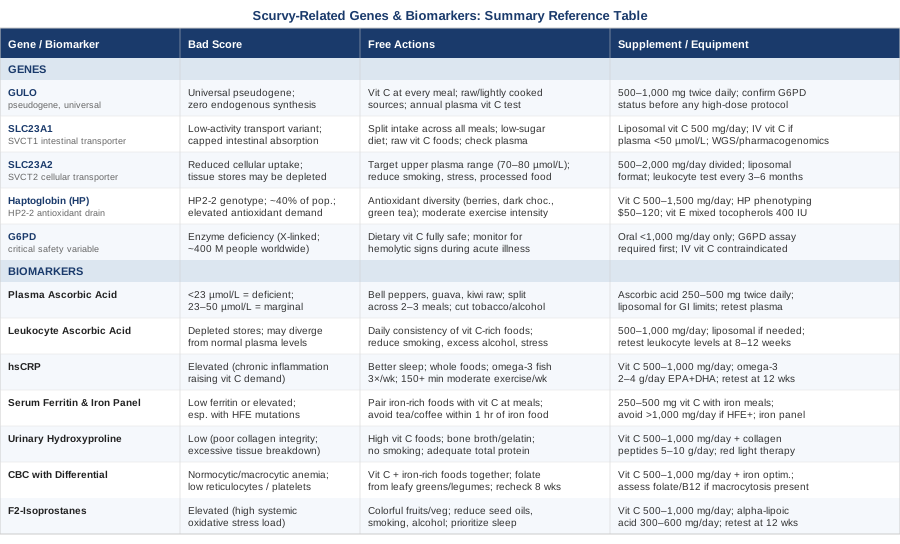
The biomarker data above maps what is happening in your blood and tissues. What it cannot fully explain is why those numbers fall where they do for you specifically — and that is where genetics comes in. The five genes below account for a meaningful share of the population-level variation in vitamin C status and functional requirement.
The Genetics Behind Your Vitamin C Needs
Understanding the genetic context does not require a clinical genetics degree — it requires knowing which variants are relevant, what they do, and what can be done about them. The five genes below are the ones with the strongest evidence base for shaping individual vitamin C biology and, by extension, individual susceptibility to the functional consequences of deficiency.
Gene 1: GULO — The Pseudogene Every Human Carries
What this gene does: GULO encodes L-gulonolactone oxidase, the enzyme responsible for the final step in endogenous ascorbic acid synthesis from glucose. In most mammals, GULO functions normally — a cat or dog under physiological stress can upregulate internal vitamin C production dramatically in response to illness or injury. Humans, other primates, guinea pigs, and a small number of other species carry a permanently non-functional GULO pseudogene, the result of a mutation that occurred approximately 63 million years ago. This is not a rare variant: every human alive today has this broken gene, meaning human vitamin C requirements are entirely dietary with zero endogenous synthesis capacity as a backstop.
Why it matters clinically: Extrapolating from functional GULO activity in other mammals, researchers estimate that a working enzyme would produce roughly 3,000–13,000 mg of ascorbic acid per day under normal conditions, scaling sharply upward during infection, injury, or intense physiological stress. The current RDA of 75–90 mg/day is calibrated to prevent clinical scurvy, not to approximate what functional synthesis would provide. This mismatch is the foundational reason that humans are structurally vulnerable to vitamin C shortfall in a way that most other mammals are not.
If the gene is bad — the plan without supplements: Since this pseudogene is universal, this is the baseline context for every person reading this article. The practical implication is not to assume the RDA is sufficient under stress, illness, intense training, or chronic inflammation — your body cannot upregulate synthesis to compensate the way other mammals can. Increase dietary vitamin C frequency (every meal), focus on raw or minimally cooked sources, and track plasma ascorbic acid at least annually, with more frequent monitoring when health is compromised.
If the gene is bad — the plan with supplements or equipment: Given the GULO pseudogene reality, researchers including Thomas Levy, MD, and Linus Pauling have argued that baseline supplementation of 1,000–3,000 mg/day represents a more physiologically defensible target than the RDA for most healthy adults — approximating what functional GULO might have provided. Dosing: 500–1,000 mg twice daily with meals. No cycling required. Key safety note: doses above 2,000 mg/day may produce osmotic diarrhea, and individuals with prior kidney stones should consult a physician before exceeding 1,000 mg/day. G6PD status (see gene 5 below) should be confirmed before any high-dose protocol.
Gene 2: SLC23A1 — The Intestinal Absorption Gate
What this gene does: SLC23A1 encodes SVCT1 (Sodium-dependent Vitamin C Transporter 1), the primary protein responsible for absorbing vitamin C from the intestinal lumen into circulation and for reabsorbing it from urine in the kidney. Common variants in SLC23A1 that reduce transporter activity directly cap how much vitamin C from food or supplements actually enters the bloodstream — creating a ceiling that no amount of dietary vitamin C can breach. A genome-wide association study identified SLC23A1 and SLC23A2 variants as major determinants of plasma vitamin C levels across populations, accounting for a significant share of individual variation independent of diet. PubMed: SLC23A1/SLC23A2 GWAS and plasma vitamin C levels.
If the gene is bad — the plan without supplements: Individuals with low-activity SLC23A1 variants may absorb meaningfully less vitamin C per milligram consumed. Practical compensations: distribute vitamin C intake across every meal rather than in a single dose, eat sources in the most bioavailable raw forms, and reduce dietary factors that compete with the transporter — primarily excess glucose, since glucose and ascorbate share certain transport mechanisms. A lower-sugar dietary pattern may improve the effective vitamin C gradient. Test plasma ascorbic acid four to six weeks after dietary changes to assess actual absorption response.
If the gene is bad — the plan with supplements or equipment: Standard oral ascorbic acid may remain insufficient for those with impaired SVCT1 regardless of dose, because the transporter bottleneck limits uptake. Liposomal vitamin C partially bypasses transporter-mediated absorption by delivering ascorbate in phospholipid vesicles via a partially transporter-independent route — it is the most logical supplement format for this variant. Start at 500 mg/day liposomal and measure plasma response at four weeks. If plasma vitamin C remains below 50 μmol/L, escalate dose or explore periodic intravenous vitamin C under medical supervision for sustained repletion. Genetic confirmation through direct-to-consumer whole genome sequencing or a pharmacogenomics panel is straightforward.
Gene 3: SLC23A2 — The Cellular Delivery System
What this gene does: SLC23A2 encodes SVCT2, which handles vitamin C uptake at the cellular level — particularly in the brain, adrenal glands, eyes, and immune cells where concentrations are maintained at 10–100 times plasma levels. Variants that reduce SVCT2 activity affect cellular saturation rather than plasma levels. Critically, this means plasma vitamin C can appear entirely normal on a standard blood test while specific high-demand tissues remain functionally deficient. This dissociation is clinically important: people with SLC23A2 variants may have persistent cognitive fatigue, mood instability, or poor immune resilience that does not correlate with plasma values.
If the gene is bad — the plan without supplements: The most practical dietary compensation for reduced SVCT2 activity is driving plasma vitamin C consistently into the upper range of normal (70–80 μmol/L rather than the low end of normal at 40 μmol/L). A higher plasma gradient forces greater cellular uptake even when transporter efficiency is reduced. Reduce cellular oxidative stress burdens — smoking, unmanaged chronic stress, excess processed food — to lower the demand side of the equation simultaneously.
If the gene is bad — the plan with supplements or equipment: Target plasma vitamin C in the upper normal range through supplementation at 500–2,000 mg/day in divided doses. Liposomal formats may enhance cellular delivery. No cycling is necessary; monitor with periodic plasma and, if available, leukocyte ascorbic acid measurements every three to six months to confirm adequate tissue loading. Many direct-to-consumer genomics platforms include SLC23A2 variant analysis as part of their standard SNP reports.
Gene 4: Haptoglobin (HP) — The HP2-2 Antioxidant Drain
What this gene does: The haptoglobin gene (HP) exists in two allelic forms — HP1 and HP2 — producing three genotypes: HP1-1, HP1-2, and HP2-2. Approximately 40% of the global population carries the HP2-2 genotype. Haptoglobin binds free hemoglobin released during red blood cell turnover and is itself a major antioxidant. HP2-2 produces a structurally less efficient protein, leaving more free hemoglobin to catalyze oxidative reactions and consume circulating antioxidants including vitamin C. Research has demonstrated that HP2-2 individuals have significantly lower plasma vitamin C levels compared to HP1-1 individuals on identical intakes — not because they absorb less, but because their antioxidant demand is chronically elevated. This is particularly relevant to cardiovascular risk, where the HP polymorphism has attracted serious clinical attention.
If the gene is bad — the plan without supplements: HP2-2 individuals should treat their vitamin C requirements as systematically elevated above population averages. Dietary strategy emphasizes antioxidant diversity rather than vitamin C alone — polyphenols from berries and dark chocolate, carotenoids from colorful vegetables, and green tea catechins can share the oxidative load. Exercise intensity should be moderated and recovery prioritized, as intense exercise releases free hemoglobin via intravascular hemolysis that HP2-2 handles less efficiently.
If the gene is bad — the plan with supplements or equipment: Supplemental vitamin C at 500–1,500 mg/day is particularly warranted for HP2-2 individuals, who have been identified in clinical research as a specific subgroup that does not achieve adequate antioxidant protection from standard dietary vitamin C intake. HP phenotyping via serum protein electrophoresis or a dedicated assay typically costs $50–$120. Vitamin E (as mixed tocopherols, 400 IU/day) in combination with vitamin C has been studied specifically in the HP2-2 context with evidence of additive antioxidant benefit. No cycling is required for long-term supplementation at these doses.
Gene 5: G6PD — The Critical Safety Variable
What this gene does: G6PD (glucose-6-phosphate dehydrogenase) deficiency is the most common enzymatic disorder in humans, affecting roughly 400 million people worldwide, with X-linked inheritance meaning it predominantly affects males. G6PD maintains reduced glutathione in red blood cells, protecting them from oxidative damage. In G6PD-deficient individuals, high-dose vitamin C — particularly intravenous — can trigger oxidative hemolysis, because red blood cells lack the capacity to neutralize the pro-oxidant effects that high ascorbate concentrations can produce in certain contexts. This is among the most important safety considerations in any vitamin C supplementation protocol, and it is frequently missed because G6PD status is not routinely tested.
If the gene is bad — the plan without supplements: G6PD-deficient individuals can generally maintain normal vitamin C status through whole-food diet without increased risk. Dietary vitamin C from fresh fruits and vegetables does not carry the hemolysis risk associated with high supplemental doses. No restriction of vitamin C-rich foods is necessary. Monitor for signs of hemolytic anemia during acute illness (fatigue disproportionate to the illness, dark urine, jaundice), when oxidative stress peaks. A standard G6PD enzyme assay ($30–$80) confirms deficiency and should be performed before initiating any supplementation protocol.
If the gene is bad — the plan with supplements or equipment: Oral supplementation below 1,000 mg/day appears safe for most G6PD-deficient individuals at standard clinical G6PD enzyme activity levels. Doses above 1,000 mg/day should only be considered under physician supervision with documented enzyme activity results. Intravenous high-dose vitamin C is contraindicated in confirmed G6PD deficiency due to the risk of acute hemolytic crisis. Begin any supplementation at a low dose (250 mg/day) and monitor for hemolysis signs over the first four weeks before escalating.
The genetic landscape above helps explain why two people following the same protocol can get such different results. It also points toward why some individuals should be more proactive about supplementation, and why a few others need to be cautious. The following resource dives into this entire space with a level of clinical rigor that has directly challenged mainstream medical assumptions about vitamin C.
What Thomas Levy's Research Gets Right About Vitamin C
Thomas Levy, MD, JD, is a cardiologist and board-certified internist who has authored multiple peer-reviewed papers and books on vitamin C, including Primal Panacea (2011) and Curing the Incurable. His body of work represents one of the most extensive evidence-based challenges to conventional medical thinking on vitamin C dosing — arguing that the gap between the RDA (75–90 mg/day) and physiological optimum is among the most consequential blind spots in modern clinical practice. Below are ten of the most important and practically useful insights from this work.
1. The RDA Prevents Scurvy, Not Deficiency
The current RDA was calibrated specifically to prevent clinical scurvy, not to support optimal immune function, collagen synthesis, neurotransmitter production, or antioxidant capacity. Levy argues that reframing the question from "what amount prevents scurvy" to "what amount supports full physiological function" shifts the target substantially upward. The plasma saturation point — where additional oral intake stops raising levels — sits around 1,000 mg/day in divided doses for most adults.
2. Vitamin C Requirements Scale With Stress
Under infection, surgery, trauma, intense training, or chronic inflammation, vitamin C is consumed at a rate that dietary intake alone cannot replenish. Hospitalized patients routinely present with near-scorbutic plasma vitamin C levels even on nominally adequate diets, because acute physiological demand overwhelms dietary supply. Levy's review of clinical literature shows that recognizing and correcting this acute deficit is one of the most consistently underutilized tools in hospital medicine.
3. Liposomal Delivery Changes the Pharmacokinetics
Standard oral ascorbic acid is subject to transporter saturation at the intestinal level — above roughly 200–400 mg per single dose, absorption efficiency falls sharply. Liposomal encapsulation partially bypasses this ceiling by delivering ascorbate in phospholipid vesicles via an endocytic route, achieving plasma levels meaningfully higher than equivalent oral doses of standard ascorbic acid. This is especially relevant for individuals with SLC23A1 variants (as discussed above).
4. Intravenous Vitamin C Reaches a Biologically Distinct Territory
At pharmacological doses achievable only intravenously (plasma levels of 200–400 μmol/L versus the dietary ceiling of ~80 μmol/L), ascorbate exhibits pro-oxidant activity selectively in cancer cells and infected tissue — a mechanism distinct from its physiological antioxidant role. Levy documents the clinical research on IV vitamin C in infectious disease and severe illness, noting controlled studies demonstrating benefit in sepsis, viral illness, and post-surgical inflammatory recovery.
5. Most Clinical Trials Use Inadequate Doses
A recurring methodological problem Levy identifies: the majority of clinical trials testing "vitamin C" use doses of 200–500 mg/day — insufficient to maintain physiological saturation under stress conditions. Negative or equivocal trial outcomes at these doses are frequently cited as evidence that vitamin C is ineffective, yet they reveal only that low doses under specific conditions produce limited results. This systematic underdosing has significantly distorted the clinical evidence base.
6. Bowel Tolerance as a Physiological Readout
Levy and Robert Cathcart, the physician who developed the concept, describe bowel tolerance — the oral dose at which vitamin C produces loose stools — as a rough but informative physiological signal. Healthy individuals may reach bowel tolerance at 2,000–4,000 mg/day, while acutely ill individuals may tolerate 20,000–100,000 mg/day before the same effect, because the body's consumption rate is vastly elevated. While not a laboratory marker, this real-world tolerance escalation tracks independently with physiological demand.
7. The Iron Interaction Requires Individualized Management
Levy explicitly addresses the nuance that vitamin C enhances iron absorption significantly. For most people with normal iron metabolism, this is beneficial. For individuals with hemochromatosis or confirmed HFE mutations, sustained high-dose vitamin C requires an accompanying iron panel to avoid inadvertent overload. This is precisely why tracking serum ferritin alongside plasma vitamin C, as outlined in the biomarker section above, is important before initiating any high-dose protocol.
8. Subclinical Deficiency Exists Between Scurvy and Optimal
Levy argues that the clinical binary — either you have scurvy or you are fine — misses a large middle ground. Plasma vitamin C levels between 23 and 50 μmol/L produce measurable deficits in immune function, collagen integrity, and oxidative stress management long before clinical signs appear. The majority of affected individuals are never identified, because no one tests for it. This is the group most likely to benefit from the biomarker tracking strategy outlined in this article.
9. Antioxidant Synergy Amplifies the Effect
Vitamin C functions within a coordinated antioxidant network rather than in isolation. It regenerates oxidized vitamin E, maintains glutathione in reduced form, and participates in recycling interactions with alpha-lipoic acid. Supplementing vitamin C alongside mixed tocopherol vitamin E, reduced glutathione, or alpha-lipoic acid may produce synergistic effects on oxidative stress biomarkers beyond what vitamin C alone achieves — a practical implication for anyone managing elevated F2-isoprostanes.
10. Safety at Moderate Doses Is Robustly Established
The safety record of oral vitamin C below 2,000 mg/day is exceptionally strong in published literature. The Institute of Medicine's upper tolerable intake level of 2,000 mg/day for adults is based primarily on osmotic diarrhea at higher doses rather than systemic toxicity. Kidney stone risk, while a legitimate concern for individuals with prior calcium oxalate stones, is modest at doses below 1,000 mg/day with adequate hydration. For most adults without G6PD deficiency or hemochromatosis, the benefit-to-risk profile of moderate supplementation is highly favorable.
Complementary Approaches Worth Considering
Microbiome-Directed Therapies
The gut microbiome plays a more active role in vitamin C metabolism than most clinicians appreciate. Certain bacterial taxa can both produce and degrade ascorbic acid, and the balance of this activity influences net absorption and retention. Dysbiosis — altered gut flora composition characterized by reduced microbial diversity and overgrowth of degradative species — may reduce the efficiency with which dietary vitamin C is absorbed and maintained in circulation, contributing to lower plasma levels despite apparently adequate intake. For individuals with persistent plasma vitamin C deficiency despite dietary effort, gut health represents a genuinely relevant upstream target.
Population-level research has identified gut microbiome composition as a significant predictor of plasma vitamin C levels, independent of dietary intake. Bacterial taxa associated with short-chain fatty acid production and a diverse, fiber-supported microbiome appear to support a gut environment more favorable to vitamin C absorption and retention. These findings, while not yet translated into specific clinical protocols for scurvy, align with the broader evidence that microbiome diversity supports nutrient assimilation generally. PubMed: gut microbiome and plasma vitamin C levels.
Practically: incorporate a diverse range of fermented foods (kefir, kimchi, sauerkraut, plain yogurt) daily. Prioritize dietary fiber from a wide variety of plant sources — the goal of 30 different plant foods per week, popularized by the American Gut Project, targets precisely the kind of microbial diversity associated with better nutrient metabolism. If dysbiosis is suspected or confirmed via comprehensive stool analysis, a targeted probiotic and prebiotic protocol guided by a clinician experienced in functional gut health is a reasonable step. Reassess plasma vitamin C levels eight to twelve weeks after implementing sustained microbiome changes to evaluate impact.
Chinese Herbal Medicine
Several herbs used in the classical Chinese pharmacopeia are among the richest natural sources of vitamin C and synergistic polyphenolic antioxidants on the planet. Rose hip (Rosa canina) and schisandra berry are examples of botanicals used in traditional formulations that carry substantial vitamin C loads alongside bioflavonoids known to enhance ascorbic acid absorption and cellular retention. Amla (Phyllanthus emblica), shared between Chinese and Ayurvedic traditions, is particularly notable — its antioxidant capacity is estimated at roughly 20 times that of an equivalent weight of orange.
Clinical evidence supports rose hip supplementation specifically. A meta-analysis examining rose hip powder in inflammatory conditions found significant reductions in CRP and joint pain scores in participants with osteoarthritis, with vitamin C content and polyphenol synergy identified as part of the mechanism. Standardized rose hip powder at 2,500–5,000 mg/day was used in several controlled trials included in this analysis. Bioflavonoids present in these preparations — rutin, quercetin, hesperidin — have been shown in human trials to enhance the bioavailability and tissue retention of ascorbic acid. PubMed: rose hip anti-inflammatory meta-analysis.
For practical application: standardized rose hip capsules at 2,000–4,000 mg/day provide meaningful vitamin C alongside synergistic compounds. Amla powder at 1–3 teaspoons daily in water, yogurt, or smoothies is one of the most bioavailable whole-food vitamin C sources available. Both are best consumed at consistent daily doses rather than intermittently. These are generally safe as regular use; monitor for gastrointestinal tolerance at higher doses, and individuals on anticoagulant medications should discuss with a clinician due to modest antiplatelet properties at high amla doses.
Ayurvedic Herbal and Lifestyle Therapy
Ayurvedic medicine positions amalaki (amla, Phyllanthus emblica) as the cornerstone of rasayana therapy — the class of practices aimed at tissue regeneration and longevity. From a modern biochemical perspective, this traditional emphasis aligns precisely with what vitamin C biology predicts: amla's extraordinary vitamin C density combined with synergistic tannins and polyphenols makes it among the most potent dietary antioxidant sources identified in contemporary food science. Beyond single herbs, the Ayurvedic dietary framework emphasizes freshly prepared, whole-food, seasonal meals — a pattern that naturally delivers higher vitamin C and total antioxidant intake compared to processed-food-dependent diets.
A randomized controlled trial examining daily amla supplementation in healthy adults found significant reductions in oxidative stress markers and improvements in endothelial function over twelve weeks, with improvements in plasma antioxidant capacity as a likely mediating mechanism. The combination of direct vitamin C content and bioenhancing polyphenols in amla produces effects that exceed what equivalent doses of isolated ascorbic acid achieve in some human studies — a genuine synergy rather than simple additive effect. PubMed: Phyllanthus emblica oxidative stress RCT.
Practically: incorporate amla powder at ½–1 teaspoon daily, ideally in cool or room-temperature preparations (heat degrades vitamin C significantly). Fresh or frozen amla fruit, where available, is superior to dried powder. Pair with Ayurvedic dietary principles of minimizing processed foods and eating freshly prepared whole foods at regular intervals — this structural change raises baseline vitamin C and polyphenol intake across the day without requiring individual supplementation discipline. This is a safe daily practice at food-level doses; individuals on blood thinners should discuss high-dose amla use with their prescribing clinician.
Conclusion
Scurvy is not just a historical footnote, and subclinical vitamin C deficiency is not a minor inconvenience. The evidence reviewed here makes clear that plasma vitamin C levels in the low-to-marginal range — more prevalent in modern populations than commonly acknowledged — carry measurable functional consequences across immune defense, collagen integrity, oxidative stress management, and iron metabolism. Equally important is what the genetic data adds: GULO, SLC23A1, SLC23A2, haptoglobin polymorphism, and G6PD status all shift individual requirements and safety profiles in ways that population-level dietary guidelines simply cannot account for.
The most practical next step is also the most straightforward: measure your plasma ascorbic acid. It is an inexpensive, widely available test that most people have never had, and its result immediately tells you whether dietary and supplementation strategies are warranted or already working. Add hsCRP and an iron panel, and you have a clinically meaningful picture of three interconnected systems that vitamin C governs most directly. If your levels are suboptimal, a structured approach — calibrated to your genetic context and guided by periodic retesting — offers a clear, low-risk pathway to improvement. Bringing this data to a clinician familiar with nutritional biochemistry will make that conversation substantially more productive than arriving without it.
Cardiovascular Skin Endocrine & Metabolic
Musculoskeletal: Joint Conditions
Autoimmune: Inflammatory Conditions Connective Tissue Conditions