This article contains AI generated content.
· UpdatedSeronegative Spondyloarthropathy: 6 Genes And 7 Biomarkers To Track
Introduction
If you have been diagnosed with seronegative spondyloarthropathy — or are still in the middle of figuring out whether that label fits — you likely already know the frustration of a condition defined partly by what is absent. No rheumatoid factor. No clear antibody signature to point at. Just inflammation, pain, stiffness, and a diagnostic process that can take years. That gap between symptoms and certainty is genuinely exhausting, and generic advice like "manage stress" or "eat anti-inflammatory foods" rarely touches what is actually driving the disease in any specific person.
Seronegative spondyloarthropathy is not a single condition. It encompasses ankylosing spondylitis, psoriatic arthritis, reactive arthritis, enteropathic arthritis, and undifferentiated forms — all sharing overlapping genetics, immune pathways, and a tendency to inflame joints, entheses, and often the gut. What drives the disease in one person may be dominated by HLA-B27-mediated antigen misprocessing; in another, IL-23/Th17 hyperactivation stemming from gut dysbiosis. The underlying biology differs enough that a single generic treatment plan will always leave something on the table.
The research base has advanced considerably over the last decade. Genome-wide association studies have confirmed multiple genetic loci with large effect sizes. Cytokine profiling has clarified which inflammatory axes matter most. Gut microbiome studies have established a direct mechanistic link between intestinal permeability and joint inflammation in SpA specifically. The evidence exists — but most patients never see it translated into a practical, personalized framework.
This article provides exactly that. The first section covers 7 measurable biomarkers — what each one reveals, how to test it, and what to do with a bad result, both with and without supplements. The second section addresses 6 key genes linked to SpA susceptibility, what each one does functionally, and how to mitigate the pathways they activate. Neither section replaces your rheumatologist. What they offer is a more precise picture of where your biology may be working against you — and where targeted action is most likely to move the needle.
7 Biomarkers to Track in Seronegative Spondyloarthropathy
Monitoring biomarkers in SpA is not just about confirming inflammation — most people already know the inflammation is there. The real value is in identifying which pathways are most active, detecting gut-related drivers that symptom assessment alone misses, and measuring biological responses to interventions before clinical scores change. These seven markers offer a feedback loop that clinical assessment cannot.
1. High-Sensitivity C-Reactive Protein (hsCRP)
Why it matters: hsCRP is the most commonly ordered marker of systemic inflammation and is routinely used to track SpA disease activity. Elevated hsCRP correlates with radiographic progression in ankylosing spondylitis and with treatment response to both NSAIDs and biologics. Its limitation is important to know: up to 40% of AS patients have normal or near-normal CRP despite active disease, particularly those with predominantly axial involvement. Used alone it is incomplete; tracked longitudinally alongside other markers, it becomes genuinely informative.
How to measure it: Standard blood test, widely available through GP, rheumatologist, or private lab. Cost: $10–30 in the US, often included in routine rheumatology panels. Optimal range is below 1 mg/L; above 3 mg/L signals significant systemic inflammation. In active SpA flares, values commonly exceed 20–50 mg/L. Peter Attia consistently recommends hsCRP (not standard CRP) as the inflammation baseline marker worth tracking in any chronic inflammatory condition.
If the score is bad — the plan without supplements: Remove the most reliable CRP-elevating dietary inputs: trans fats, refined carbohydrates, alcohol, and ultra-processed foods. Zone 2 cardiovascular exercise — 30 to 45 minutes at conversational intensity, 4–5 times weekly — is one of the most evidence-backed interventions for reducing chronic systemic inflammation over 8–12 weeks. Cold exposure (cold showers of 2–3 minutes or cold water immersion at 12–15°C, 3–4 times per week) produces norepinephrine surges that inhibit NF-κB signaling upstream of CRP production. Sleep extension to 7.5–9 hours with consistent timing reduces baseline CRP meaningfully; poor sleep is one of the most reliable CRP elevators.
If the score is bad — the plan with supplements or equipment: Omega-3 fatty acids (EPA+DHA at 2–4g daily, from a quality fish oil) have consistent human evidence for CRP reduction in inflammatory arthritis. Cycle 12 weeks on, 2 weeks off to assess ongoing need. Curcumin with piperine (500–1000mg curcumin, 2–3 times daily) has demonstrated CRP reductions in arthritis trials; avoid high doses if on anticoagulants. Infrared sauna (20–30 minutes, 3–5 sessions per week at 55–70°C) has emerging evidence for lowering CRP and improving vascular and immune markers in inflammatory conditions. Side effects: high-dose fish oil may loosen stools; curcumin may interact with blood thinners.
2. Erythrocyte Sedimentation Rate (ESR)
Why it matters: ESR is slower-reacting than CRP but captures a different dimension of inflammatory burden — particularly long-standing or chronic low-grade inflammation. In SpA, ESR and CRP are often elevated together, but the combination is more informative than either alone. Elevated ESR with normal CRP can suggest a smoldering inflammatory process not yet reaching acute-phase magnitude. ESR is also useful in tracking psoriatic arthritis and reactive arthritis, where the inflammatory pattern may differ from classical AS.
How to measure it: Routine blood test, often co-ordered with CRP in rheumatology workups. Cost: $5–20. Normal is typically below 20 mm/hr for men and below 30 mm/hr for women, though these thresholds vary slightly by lab and age. Very elevated ESR (above 80–100 mm/hr) in SpA context warrants investigation for active systemic inflammation or an overlapping condition.
If the score is bad — the plan without supplements: The same dietary and lifestyle interventions that lower CRP also reduce ESR, but typically over a longer time course (12–16 weeks versus 6–8). Time-restricted eating (16:8 protocol, 5 days per week) has shown modest reductions in ESR in observational studies and likely operates through reduced metabolic inflammation overnight. Chronic psychological stress directly activates the HPA axis and maintains elevated acute-phase reactants; structured stress reduction should be treated as a primary — not supplementary — intervention.
If the score is bad — the plan with supplements or equipment: Boswellia serrata (300–500mg standardized to AKBA content, 3 times daily) has clinical trial evidence for reducing inflammatory markers in joint conditions with an acceptable safety profile. Cycle 8 weeks on, 2–3 weeks off. Magnesium glycinate (300–400mg nightly) supports cortisol regulation and may reduce baseline inflammatory tone by improving sleep quality and HPA axis regulation. PEMF therapy (pulsed electromagnetic field devices, 10–20 minutes daily) has small but reproducible trials in inflammatory arthritis showing ESR improvements; home devices are available from $200–800. Side effects: Boswellia may cause mild GI discomfort in some individuals; avoid magnesium oxide forms due to poor absorption.
3. Fecal Calprotectin
Why it matters: Fecal calprotectin is one of the most important and underused biomarkers in SpA management. It is a protein released by activated neutrophils in the gut wall, and its elevation indicates intestinal mucosal inflammation. In SpA, subclinical gut inflammation is present in an estimated 40–60% of patients even without overt IBD symptoms — meaning many patients have a significant gut-driven inflammatory component they are completely unaware of. The gut-joint axis is increasingly understood as a central pathway in SpA: gut dysbiosis and mucosal inflammation are believed to activate systemic immune responses that propagate to joints and entheses. Peter Attia has highlighted fecal calprotectin as one of the key markers for detecting gut-origin systemic inflammation.
How to measure it: Stool test, available through your doctor or home testing kits. Cost: $30–50 for home testing, $80–150 via clinical labs. Normal is below 50 µg/g; above 250 µg/g indicates significant inflammation; values between 50–250 µg/g are borderline. Testing once or twice yearly is appropriate as routine monitoring for SpA patients, regardless of GI symptom presence.
If the score is bad — the plan without supplements: Remove the most common gut mucosal irritants: regular NSAID use (frequently prescribed for SpA but directly damages the gut mucosa and elevates calprotectin), alcohol, and gluten. A temporary low-FODMAP approach for 4–6 weeks can reduce fermentation-driven mucosal irritation. Consistent meal timing and thorough chewing reduce mucosal stress. High-diversity vegetable intake and fermented foods support butyrate-producing bacteria, which maintain gut barrier integrity.
If the score is bad — the plan with supplements or equipment: Multi-strain probiotics containing Lactobacillus rhamnosus GG and Bifidobacterium longum have the most evidence for reducing gut mucosal inflammation. Take daily for 8–12 weeks then retest. L-glutamine (5–10g daily on an empty stomach) is the primary energy substrate for gut epithelial cells and consistently supports mucosal healing in clinical trials. Zinc carnosine (75mg twice daily) has Japanese clinical trial evidence for gut mucosal protection. Cycle 8–10 weeks. Side effects: probiotics may cause transient bloating in the first 1–2 weeks; L-glutamine at high doses may increase glutamate load in sensitive individuals.
4. Interleukin-17A (IL-17A)
Why it matters: IL-17A is the central cytokine in SpA pathogenesis. Multiple biologic therapies targeting this pathway — secukinumab and ixekizumab — are now first-line treatments for AS, confirming IL-17A's biological primacy. Elevated IL-17A correlates with disease activity, enthesitis severity, and joint damage progression. For patients not yet on biologics, knowing whether the IL-17 pathway is hyperactive guides dietary, microbiome, and supplement strategies that specifically modulate Th17 cell function — the cell type that drives IL-17A production.
How to measure it: Serum cytokine test via specialty labs (Quest, LabCorp, or private labs in Europe). Cost: $50–150. This is not a routine rheumatology panel test but can be ordered through functional or integrative medicine physicians. Normal serum IL-17A is typically below 5 pg/mL; active SpA may show values from 10–40 pg/mL or higher. Interpret alongside disease activity scores for clinical context.
If the score is bad — the plan without supplements: The IL-17 axis is powerfully modulated by gut microbiome composition. Fermented foods (kefir, kimchi, natural yogurt, sauerkraut) consistently shift the gut environment toward lower Th17 activity and higher regulatory T cell populations. A 2021 study in Cell (Wastyk et al.) demonstrated that a high-fermented food diet significantly reduced 19 inflammatory proteins, including IL-17-related markers, in human participants. Reducing dietary sodium is also critical and underappreciated: excess salt directly promotes Th17 cell differentiation from naïve T cells in human mechanistic studies.
If the score is bad — the plan with supplements or equipment: Vitamin D3 (5000–10000 IU daily with K2-MK7 at 200µg) is among the most potent natural modulators of Th17/Treg balance. Test 25-OH vitamin D first and target serum levels of 60–80 ng/mL. Berberine (500mg, 2–3 times daily before meals) has direct Th17-suppressing effects in human studies and also addresses gut dysbiosis. Cycle 8 weeks on, 2 weeks off; avoid with blood thinners or CYP3A4-sensitive drugs. Quercetin (500–1000mg daily) modulates IL-17 upstream via NF-κB inhibition. Side effects: berberine may cause mild GI discomfort and is contraindicated in pregnancy.
5. TNF-alpha
Why it matters: TNF-alpha is the other major cytokine target in SpA, with multiple biologic inhibitors — adalimumab, etanercept, infliximab — demonstrating robust efficacy in randomized trials. Even in patients not yet using biologics, elevated TNF-alpha is associated with faster radiographic progression, more severe enthesitis, and greater systemic inflammation burden. Tracking it before and after dietary or lifestyle interventions reveals biological responsiveness. Thomas Dayspring, who emphasizes cytokine profiling in chronic disease, has highlighted TNF-alpha as a key upstream driver of both cardiovascular and musculoskeletal inflammatory cascades.
How to measure it: Serum test via specialty or private labs. Cost: $60–150. Normal fasting TNF-alpha is typically below 8 pg/mL; values in active inflammatory arthritis often range from 10 to above 30 pg/mL. Not a standard NHS or routine panel test — order through a rheumatologist or private lab specifically.
If the score is bad — the plan without supplements: Visceral adipose tissue is a major TNF-alpha source: even 5–10% body weight loss in overweight individuals significantly reduces circulating TNF-alpha. Resistance training (3 sessions per week) reduces TNF-alpha through myokine signaling — IL-6 released during muscle contraction has paradoxical anti-inflammatory downstream effects in the post-exercise phase. Eliminating trans fats, high-fructose corn syrup, and alcohol removes the most reliable dietary TNF-alpha promoters. Treating obstructive sleep apnea if present is critical, as hypoxic episodes during sleep are among the strongest TNF-alpha elevators known.
If the score is bad — the plan with supplements or equipment: High-EPA fish oil (3–4g EPA daily, from a fish oil with high EPA ratio) directly inhibits TNF-alpha gene transcription through PPAR-gamma activation. EGCG from green tea extract (400mg standardized, twice daily) inhibits NF-κB, the upstream activator of TNF-alpha. Uncaria tomentosa (cat's claw, 350mg standardized extract twice daily) has human trial evidence in inflammatory arthritis for TNF pathway inhibition. Cycle 8 weeks on, 2–3 weeks off. Red light / photobiomodulation (660nm and 850nm, 10–20 minutes daily over inflamed joints) has emerging evidence for local TNF-alpha suppression. Side effects: high-dose EGCG should be cycled carefully and avoided if liver enzymes are elevated; cat's claw has mild immunosuppressive properties and should not be combined with other immunomodulatory treatments without guidance.
6. 25-Hydroxyvitamin D (25-OH Vitamin D)
Why it matters: Vitamin D deficiency is significantly more prevalent in SpA patients than in the general population, and low 25-OH vitamin D is independently associated with higher disease activity scores, more enthesitis, and poorer treatment response. This is not a minor association. Vitamin D is a major regulator of immune tolerance: it suppresses dendritic cell activation, shifts T cells away from the Th17 phenotype, upregulates regulatory T cells, and modulates the gut immune environment. Its role in SpA is mechanistically central, not peripheral. Peter Attia targets 60–80 ng/mL as the optimal range for inflammatory conditions — well above the "sufficient" cutoff most labs use.
How to measure it: Standard blood test, widely available. Cost: $20–50. Most labs define sufficiency above 20 ng/mL, but for autoimmune and inflammatory conditions, functional medicine and sports medicine practitioners increasingly target 50–80 ng/mL. Test twice yearly — late summer and late winter — to understand your seasonal variation.
If the score is bad — the plan without supplements: Daily midday sun exposure to large skin surface areas (15–30 minutes, depending on skin tone and latitude) is the most effective non-supplement approach. Fatty fish, egg yolks, and liver contribute meaningful dietary vitamin D but rarely normalize a deficient level without sun or supplementation.
If the score is bad — the plan with supplements or equipment: Vitamin D3 plus K2-MK7 (start with 5000 IU D3 and 100–200µg K2 daily; adjust based on retesting at 8 weeks). Magnesium is required as a cofactor for vitamin D activation — without adequate magnesium, supplemented D3 may not convert to its active form effectively. Retest every 8–12 weeks and titrate to target. For severe deficiency (below 20 ng/mL), physician-supervised loading protocols exist. Side effects: excessive vitamin D above 150 ng/mL causes hypercalcemia; K2 directs calcium appropriately, reducing this risk at standard doses.
7. Zonulin (Gut Permeability Marker)
Why it matters: Zonulin regulates tight junction permeability in the gut epithelium. Elevated serum zonulin indicates increased intestinal permeability — what is commonly called "leaky gut" — a state in which bacterial antigens, lipopolysaccharides (LPS), and other gut-derived molecules enter systemic circulation and trigger immune activation. In SpA, gut barrier dysfunction is hypothesized to be one of the initiating events in the inflammatory cascade: bacterial antigens crossing the mucosal barrier may activate HLA-B27-restricted T cells via molecular mimicry, linking gut dysbiosis directly to joint and entheseal inflammation. Zonulin testing provides a measurable window into whether this mechanism is currently active.
How to measure it: Serum or stool test via specialty labs (Cyrex, Vibrant Wellness, or equivalent). Not typically available through standard NHS panels. Cost: $60–200. Pair with fecal calprotectin for a more complete picture of gut barrier status. Elevated zonulin above the lab reference range warrants a focused gut-healing intervention, even in the absence of GI symptoms.
If the score is bad — the plan without supplements: Remove the two most potent gut permeability triggers: gliadin (gluten) and high-dose regular NSAID use. A strictly gluten-free trial for 12 weeks is both a diagnostic and therapeutic step. Chronic stress directly increases gut permeability through mast cell activation in the gut wall — stress reduction is mechanistically relevant here, not merely supportive. Eating in a calm, seated, parasympathetic state (not rushed, not stressed), chewing thoroughly, and maintaining consistent meal timing all support tight junction integrity. Eliminate alcohol completely during a gut-healing protocol.
If the score is bad — the plan with supplements or equipment: L-glutamine (10g daily in two divided doses before meals) is the primary energy substrate for enterocytes and consistently reduces permeability markers in clinical settings. Deglycyrrhizinated licorice (DGL, 400–800mg before meals) supports the mucous layer without the blood-pressure effects of standard licorice. Sodium butyrate or tributyrin (600mg–1g daily) provides the short-chain fatty acid that directly maintains tight junction protein expression. Spore-based probiotics (e.g., Bacillus subtilis formulas) have specific clinical evidence for reducing zonulin levels. Cycle 8–12 weeks and retest. Side effects: L-glutamine at high doses may increase glutamate load in neurologically sensitive individuals; start with 5g and titrate up.
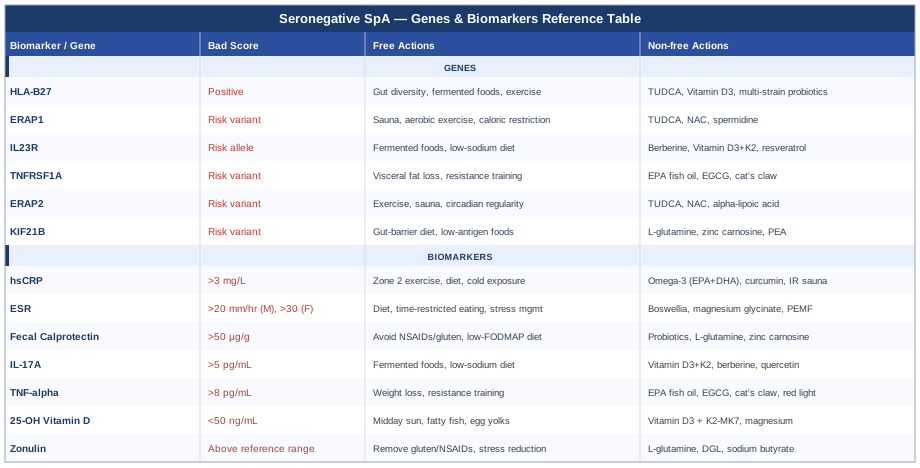
With the biomarker picture complete, the table below maps both the biomarkers and the genes that follow into a single reference summary.
6 Key Genes in Seronegative Spondyloarthropathy
Genetic variants do not determine disease destiny — but they do map the biological terrain. Understanding which variants you carry reveals which inflammatory pathways are structurally primed, making targeted interventions more rational and more likely to be effective. The following six genes represent the highest-confidence susceptibility loci from SpA genome-wide association studies, each with clear mechanistic implications.
Gene 1: HLA-B27
What it does: HLA-B27 is a cell-surface protein that presents intracellular peptides to immune cells. Approximately 85–90% of ankylosing spondylitis patients carry this allele (versus 5–8% of the general population), making it the single strongest genetic risk factor for SpA. Three dominant hypotheses exist for how it drives disease: misfolded HLA-B27 triggers endoplasmic reticulum stress and unfolded protein response; aberrant peptide presentation activates autoreactive cytotoxic T cells; and molecular mimicry with gut bacterial antigens confuses immune memory. Crucially, HLA-B27 transgenic rats raised in germ-free conditions do not develop SpA-like disease — confirming that the microbiome is required to activate its pathogenic potential.
If the gene is bad — the plan without supplements: Being HLA-B27 positive does not predict disease — only around 5% of carriers develop AS, and environmental factors largely determine whether the variant becomes pathogenic. The primary strategy is managing the microbial and mucosal environment that interacts with HLA-B27. Prioritize gut health through high-diversity plant eating and fermented foods. Maintain oral hygiene rigorously, manage urogenital health, and treat GI infections promptly — all of these represent bacterial antigen sources that may trigger molecular mimicry via HLA-B27. Low-impact mobility exercise (swimming, walking, yoga) preserves spinal range of motion regardless of disease stage. Avoid prolonged flexed-spine postures.
If the gene is bad — the plan with supplements or equipment: No supplement changes the HLA-B27 gene itself — but you can target the downstream mechanisms it activates. Endoplasmic reticulum stress (one of the central HLA-B27-driven mechanisms) can be modulated by tauroursodeoxycholic acid (TUDCA, 250–500mg daily), a bile acid with established ER stress-reducing properties. Vitamin D3 at therapeutic levels (targeting 60–80 ng/mL serum) directly modulates the downstream immune activation linked to HLA-B27 misfolding. Gut-targeted multi-strain probiotics address the microbiome co-requirement for HLA-B27 pathogenesis. Cycle TUDCA for 8 weeks on, 2 weeks off. Side effects: TUDCA is generally well-tolerated; mild GI effects possible at higher doses.
Gene 2: ERAP1 (Endoplasmic Reticulum Aminopeptidase 1)
What it does: ERAP1 trims peptides inside the endoplasmic reticulum before they are loaded onto HLA class I molecules, including HLA-B27. SpA-associated ERAP1 variants alter peptide trimming efficiency, producing an abnormal repertoire of peptides presented to immune cells. Critically, ERAP1 variants show epistatic interaction with HLA-B27 — their pathogenic effect is dramatically amplified in HLA-B27-positive individuals and largely absent in those who are HLA-B27 negative. This combination is one of the strongest gene-gene interactions identified in any immune-mediated disease.
If the gene is bad — the plan without supplements: ER protein quality control is the functional target. Heat shock proteins — molecular chaperones that manage misfolded proteins in the ER — are reliably induced by physical heat stress and exercise. Regular sauna use (4–5 sessions per week, 15–20 minutes, Finnish or infrared) and consistent aerobic exercise are the most accessible tools for increasing heat shock protein expression. Caloric restriction activates autophagy pathways that clear misfolded protein accumulations. Consistent circadian rhythm (regular sleep/wake timing) is an underappreciated regulator of ER protein quality control.
If the gene is bad — the plan with supplements or equipment: TUDCA (250–500mg daily) is the primary supplement choice for directly reducing ER stress — particularly relevant given the ERAP1/HLA-B27 interaction. N-acetylcysteine (NAC, 600mg, 1–2 times daily) supports glutathione production and reduces oxidative ER stress. Spermidine (1–2mg daily, or from food sources including wheat germ and aged cheese) promotes autophagy to clear misfolded protein accumulations. Cycle NAC for 12 weeks on, 2 weeks off. Side effects: NAC at higher doses may cause headaches or nausea; spermidine supplements are generally well-tolerated.
Gene 3: IL23R (Interleukin-23 Receptor)
What it does: IL23R encodes the receptor for interleukin-23, the cytokine that drives Th17 cell development and IL-17 production. A protective variant (R381Q) reduces IL-23 signaling and is strongly protective against SpA, IBD, and psoriasis — three conditions with overlapping genetics that confirms the IL-23/IL-17 axis as central to all three. Risk variants increase Th17 activity and susceptibility. This is now one of the best-validated therapeutic targets in SpA, with IL-23-targeting biologics (guselkumab, risankizumab) achieving efficacy in psoriatic arthritis trials.
If the gene is bad — the plan without supplements: Diet is the most powerful non-pharmaceutical modulator of the IL-23/IL-17 axis available. A 2021 Cell study (Wastyk et al.) demonstrated that high-fermented food intake significantly reduced 19 inflammatory markers including IL-17-related proteins in human subjects. Incorporate kefir, kimchi, natural yogurt, and sauerkraut daily. Reduce dietary sodium specifically — excess salt directly promotes Th17 cell differentiation from naïve T cells in human mechanistic studies, a finding highly relevant to IL23R risk variant carriers. Mediterranean-pattern eating consistently reduces IL-23/Th17 tone in long-term cohort studies.
If the gene is bad — the plan with supplements or equipment: Berberine (500mg, 2–3 times daily) targets the IL-23/Th17 pathway through microbiome modulation and NF-κB inhibition. Cycle 8 weeks on, 2 weeks off; check interactions with cardiac and diabetic medications. Vitamin D3 at 60–80 ng/mL serum is a potent Th17 suppressor and Treg promoter. Resveratrol (500mg daily with a fatty meal for absorption) has shown IL-23 and IL-17 pathway inhibition in human cell studies; clinical trial evidence in SpA specifically is limited. Side effects: berberine is not suitable during pregnancy and should not be combined with metformin without monitoring.
Gene 4: TNFRSF1A (TNF Receptor Superfamily Member 1A)
What it does: TNFRSF1A encodes TNFR1, the primary receptor for TNF-alpha. Variants in this gene alter how strongly cells respond to TNF-alpha signaling, influencing downstream NF-κB activation, prostaglandin production, and inflammatory tissue response. Higher TNFR1 signaling sensitivity means amplified responses to TNF-alpha generated from any source — visceral fat, gut bacteria, infections, or local immune activation in joints. This is the upstream receptor for the entire pathway targeted by TNF inhibitor biologics, and its genetic status helps explain why some patients respond dramatically to anti-TNF treatment while others do not.
If the gene is bad — the plan without supplements: Reducing endogenous TNF production is the primary target. Body composition improvement — specifically visceral fat reduction through caloric restriction and aerobic exercise — is the most impactful intervention, as visceral adipose tissue is a major TNF-alpha source. Resistance training 3 times per week generates myokines that suppress TNF-alpha post-exercise. Eliminating dietary TNF promoters (trans fats, alcohol, high-fructose corn syrup) and managing chronic infections, including periodontal disease, reduces the ongoing stimulus on an already sensitized receptor.
If the gene is bad — the plan with supplements or equipment: High-EPA fish oil (3–4g EPA daily) directly inhibits TNF-alpha gene transcription through PPAR-gamma activation. EGCG (green tea extract, 400mg standardized, twice daily) inhibits TNFRSF1A-downstream NF-κB signaling. Uncaria tomentosa (cat's claw, 350mg standardized twice daily) has human arthritis trial evidence for TNF pathway inhibition specifically. Cycle 8 weeks on, 2–3 weeks off. Side effects: high-dose EGCG stresses the liver at prolonged use; cycle carefully and recheck liver enzymes.
Gene 5: ERAP2
What it does: ERAP2 is an aminopeptidase with closely related function to ERAP1 — it also trims peptides in the ER for MHC class I loading. Its SpA-associated variants are often found in haplotype combinations with ERAP1, and their combined effect on aberrant peptide presentation may exceed either variant alone. Unlike ERAP1, whose effects are mostly concentrated in HLA-B27-positive patients, ERAP2 variants may influence peptide presentation by a broader set of HLA alleles — making it potentially relevant across the full SpA spectrum, including HLA-B27-negative cases. Evidence for ERAP2 in SpA comes from multiple independent GWAS datasets.
If the gene is bad — the plan without supplements: The ER stress reduction strategies for ERAP1 apply directly here. Consistent physical activity drives heat shock protein expression; sauna use provides additional thermal stress stimulus for ER protein quality control; circadian regularity supports ER homeostasis overnight. Reducing advanced glycation end products in the diet (limit charred, fried, and heavily processed foods) reduces an additional source of ER oxidative stress.
If the gene is bad — the plan with supplements or equipment: TUDCA, NAC, and spermidine (as described under ERAP1) remain the most mechanistically justified options. Adding alpha-lipoic acid (300–600mg daily) as an additional ER antioxidant and mitochondrial support agent provides complementary ER stress protection. Cycle 8–10 weeks on, 2 weeks off. Side effects: alpha-lipoic acid may lower blood glucose — monitor if diabetic or pre-diabetic; R-form is better absorbed than racemic.
Gene 6: KIF21B
What it does: KIF21B encodes a kinesin motor protein involved in intracellular vesicle transport in immune cells, particularly in regulating T cell activation signaling dynamics. SpA-associated variants lower T cell activation thresholds — making immune cells more reactive to gut-derived antigens crossing the mucosal barrier. KIF21B is a more recently identified SpA locus, shared across immune-mediated conditions including IBD and multiple sclerosis. Its mechanism connects directly to the gut-joint axis: a lower T cell activation threshold means more immune noise from bacterial antigens that breach a permeable gut barrier. Specific supplement interventions based on KIF21B status are not yet well-established; the mechanistic target is gut barrier integrity and antigen load management.
If the gene is bad — the plan without supplements: Since KIF21B lowers T cell activation thresholds in response to gut antigens, reducing the antigen burden reaching the immune system is the rational approach. This means gut barrier support (as described in the zonulin section), but also dietary practices that reduce high-antigen foods: properly prepared legumes (soaked and pressure-cooked to reduce lectins), avoidance of gliadin, and rotation of proteins to prevent chronic immunological priming from any single food antigen. Eliminating A1 beta-casein dairy (replacing with A2 dairy or avoiding entirely) reduces a specific mucosal irritant implicated in immune reactivity.
If the gene is bad — the plan with supplements or equipment: Gut-barrier interventions (L-glutamine, zinc carnosine, spore probiotics, as described in the zonulin section) are the first priority. Palmitoylethanolamide (PEA, 600mg twice daily) is an endocannabinoid-related compound with direct effects on T cell activation thresholds and well-documented human trial evidence in chronic inflammatory conditions. Cycle 10–12 weeks. Side effects: PEA is very well tolerated with minimal known side effects; avoid if allergic to palm-derived ingredients.
A Podcast That May Shift How You Manage SpA
The Huberman Lab episode on the gut-brain axis, combined with his dedicated episodes on the immune system, provides one of the most research-dense, practically framed overviews available for understanding how lifestyle inputs directly modulate inflammatory conditions like SpA. Andrew Huberman references dozens of primary studies in each episode and bridges mechanism to protocol in ways that are unusually actionable. Below are the 10 most impactful insights for SpA patients — each one challenging standard advice in some meaningful way.
10 Most Impactful Things to Understand
1. The gut-brain-immune connection is anatomical, not metaphorical. The vagus nerve carries bidirectional signals between gut and brain that directly modulate cytokine production. Vagal activation — through slow breathing, cold exposure, and even humming — produces measurable reductions in pro-inflammatory signaling within minutes.
2. Gut microbiome diversity predicts immune regulation far more than any single probiotic strain. People with higher microbiome alpha-diversity consistently show lower Th17 activity and stronger regulatory T cell populations. Diversity collapses with antibiotic courses, ultra-processed food, and chronic stress — three inputs most SpA patients have experienced.
3. Sleep is the only time the immune system fully recalibrates. During NREM stage 3 sleep, inflammatory cytokine profiles shift toward anti-inflammatory patterns and regulatory T cells are repopulated. Chronically disrupted sleep in SpA is not just a symptom — it actively perpetuates the disease.
4. Cold exposure suppresses NF-κB signaling — specifically. The norepinephrine surge from cold water immersion or cold showers (2–3 minutes at below 15°C) directly inhibits NF-κB, which sits upstream of both TNF-alpha and IL-17 production. This is not vague "stress adaptation" — it is a specific anti-inflammatory molecular event.
5. Dietary salt is a stronger Th17 driver than most clinicians acknowledge. High-sodium conditions promote Th17 cell differentiation from naïve T cells in human mechanistic studies. In patients with IL23R risk variants, excess dietary salt compounds an already sensitized inflammatory pathway.
6. Fermented food consistently outperforms fiber for inflammatory marker reduction. The Stanford Sonnenburg Lab 2021 trial showed fermented food reduced 19 inflammatory proteins in human subjects; high-fiber diet effects were more variable. For IL-17-driven conditions, fermented food is the higher-yield dietary investment.
7. Chronic low-dose cortisol is pro-inflammatory — the opposite of what most people assume. A single acute cortisol spike is anti-inflammatory. But chronic HPA axis activation from sustained psychological stress produces low-dose cortisol that is immunosuppressive in adaptive immunity but pro-inflammatory in innate immunity — exactly the arm driving SpA.
8. Circadian disruption directly increases gut permeability. Shift work, late-night eating, and irregular sleep timing alter gut tight junction protein expression and promote mucosal inflammation. Time-restricted eating aligned with daylight hours restores gut circadian patterns and reduces permeability markers.
9. Resistance exercise specifically upregulates IL-15 and IL-10, which reduce self-reactive T cell populations. This is a direct mechanical link between muscle contraction and autoimmune regulation — not general wellness, but a targeted immune effect.
10. Nasal breathing during exercise suppresses the systemic inflammatory response to physical stress. Nitric oxide produced in nasal passages has direct anti-inflammatory effects, and nasal breathing activates parasympathetic tone during exertion — blunting the cytokine spike that occurs with mouth-breathing high-intensity exercise.
Complementary Approaches with Meaningful Evidence
The Autoimmune Protocol (AIP) — Sarah Ballantyne
The Autoimmune Protocol is a structured dietary and lifestyle intervention developed by Sarah Ballantyne (PhD in biophysics), built on the principle that gut barrier integrity, nutrient density, and immune regulation are the three foundational levers in autoimmune and immune-mediated inflammatory conditions. For SpA, its relevance is particularly high given the central role of gut permeability and dysbiosis in disease pathogenesis. The AIP directly targets the gut-joint axis by removing foods associated with mucosal irritation and immune stimulation, while emphasizing organ meats, wild-caught fish, diverse vegetables, fermented foods, and bone broth for mucosal repair.
The protocol eliminates grains, legumes, dairy, eggs, nightshades, nuts, seeds, alcohol, and NSAIDs during an initial elimination phase, then reintroduces foods systematically. A 2017 pilot study (Konijeti et al.) in Inflammatory Bowel Disease demonstrated significant improvement in clinical disease activity scores and endoscopic mucosal healing in IBD patients following the AIP diet — highly relevant to SpA given the IBD-SpA gut overlap. Dedicated SpA RCT evidence does not yet exist, so this is best interpreted as mechanistically strong but clinically preliminary.
For practical application: follow the strict elimination phase for 30–60 days, tracking symptoms and biomarkers (especially fecal calprotectin and zonulin) before and after. Then reintroduce one food category every 5–7 days, monitoring for symptom or biomarker changes. The protocol requires planning but is thoroughly documented in Ballantyne's book The Paleo Approach. Do not use AIP as a substitute for prescribed SpA medications; treat it as a parallel gut-targeting strategy.
Yoga
Yoga is the most extensively studied complementary modality specifically for ankylosing spondylitis. Its dual benefit — spinal mobility preservation and parasympathetic nervous system activation — makes it an unusually good match for SpA, which combines structural joint risk with systemic inflammatory stress.
Multiple randomized trials have evaluated yoga in AS populations. A 2012 RCT published in the Journal of Rheumatology found that a 10-week yoga program significantly improved BASDAI (Bath Ankylosing Spondylitis Disease Activity Index), spinal flexibility, and self-reported quality of life compared to waiting-list controls. Subsequent systematic reviews have confirmed consistent benefits for mobility and patient-reported outcomes, with no significant adverse events when postures are adapted appropriately.
Begin with gentle, mobility-focused styles (Hatha, Yin) rather than heated or high-intensity variants during active flares. Prioritize thoracic extension (cat-cow, thread-the-needle, supported fish), hip flexor release (low lunge, pigeon), and breath-integrated movement. Practice 3–5 times weekly for 30–45 minutes. Avoid aggressive cervical or lumbar forward flexion in patients with known spinal ankylosis. Communicate your diagnosis to any teacher before starting, and inform your rheumatologist of your practice.
Microbiome-Directed Therapies
Microbiome-targeted interventions for SpA represent an emerging therapeutic frontier with increasingly solid mechanistic rationale. Multiple studies have confirmed that SpA patients have distinct gut microbial signatures compared to healthy controls — specifically reduced Faecalibacterium prausnitzii and Akkermansia muciniphila (key butyrate producers and mucosal defenders) alongside increased potentially pathogenic species. These shifts correlate with disease activity and gut permeability markers.
A 2014 study in Arthritis and Rheumatology identified specific dysbiosis patterns in AS and undifferentiated SpA patients that were absent in rheumatoid arthritis controls — suggesting a SpA-specific microbial fingerprint rather than a generic inflammatory arthritis signature. More recently, fecal microbiota transplantation (FMT) trials in AS are producing preliminary signals of disease activity reduction in subsets of patients, though no definitive trial data yet exists.
Practically: prioritize dietary prebiotic sources (Jerusalem artichoke, garlic, leek, asparagus, green banana) and diverse fermented foods daily to feed protective species. Use a clinically-dosed multi-strain probiotic containing L. rhamnosus, B. longum, and spore-forming strains. Consider targeted Akkermansia muciniphila supplementation (available commercially from specialized labs) as a more specific mucosal support strategy. FMT is not a standard SpA therapy and should only be pursued in the context of research trials.
Mindfulness Meditation (MBSR)
Mindfulness-Based Stress Reduction addresses one of the most under-managed drivers of SpA severity: chronic psychological stress and its direct upregulation of inflammatory cytokine production. In conditions where pain, uncertainty, disrupted sleep, and HPA axis dysregulation become mutually reinforcing, MBSR provides a structured, evidence-based method to interrupt the cycle — not as a relaxation technique but as a neurobiological intervention.
A 2016 meta-analysis in Arthritis Care and Research found significant improvements in pain scores, fatigue, and psychological wellbeing across mindfulness interventions in inflammatory arthritis populations. Separate trials in other chronic inflammatory conditions have documented reductions in CRP and IL-6 following MBSR, consistent with the known anti-inflammatory effects of chronic vagal tone upregulation.
A standard MBSR program is 8 weeks with weekly sessions and 30–45 minutes of daily home practice. Many validated programs are available online (Palouse MBSR, the Jon Kabat-Zinn foundational 8-week program, and structured app-based formats). For SpA specifically: use body scan practice to develop body awareness without amplifying pain catastrophizing, and use diaphragmatic breathing sequences (4-7-8 or box breathing) to activate vagal tone and directly reduce pro-inflammatory cytokine tone in the hours following practice.
Conclusion
Seronegative spondyloarthropathy is complex, but the biological mechanisms driving it are increasingly well-mapped. The seven biomarkers covered here — from hsCRP and fecal calprotectin to IL-17A and zonulin — give you a measurable feedback loop for tracking inflammation, gut health, and immune pathway activity that symptom scores cannot provide on their own. The six genetic loci — from HLA-B27 to KIF21B — explain why your immune system is structured the way it is and which pathways are most worth targeting with both lifestyle and supplement strategies.
None of this replaces your rheumatologist, your prescribed medications, or the monitoring your clinical team provides. What it adds is precision. The next smart step is concrete: identify one or two biomarkers you have not yet tracked, order the tests, and establish a baseline before making any intervention. From there, the data guides the decisions — and you show up to every appointment with better questions than before.
Musculoskeletal: Joint Conditions Spine Conditions
Digestive: Intestinal Conditions
Autoimmune: Inflammatory Conditions Connective Tissue Conditions