This article contains AI generated content.
· UpdatedSerum Sickness: 4 Genes And 6 Biomarkers To Track
Introduction
Serum sickness is one of those conditions that can feel baffling even after a diagnosis. You took a medication, received a biologic therapy, or had an antivenom — and then, days later, your joints ached, a rash spread across your skin, and your lymph nodes swelled. The symptoms seem disconnected from the cause. And when you ask why you reacted while others didn't, the usual answer is vague at best.
The honest answer is that not everyone's immune system processes foreign proteins the same way. Genetics shape how aggressively your body forms immune complexes, how efficiently you clear them, and how inflamed your tissues become when those complexes deposit in blood vessel walls and joints. Most standard care focuses on managing the acute reaction — corticosteroids, antihistamines, stopping the trigger — without ever looking at why your system overreacted in the first place.
This article takes a more specific approach. Whether you are recovering from an episode, trying to understand your risk of recurrence, or supporting someone managing a drug-induced serum sickness-like reaction, there are concrete things worth measuring and understanding. Both biomarkers and genes offer a clearer picture of what is happening beneath the surface, and that clarity can make a real difference in decisions about medications, monitoring, and lifestyle.
Better information does not guarantee better outcomes, but it consistently enables smarter choices. What follows covers the six most useful biomarkers to track across the course of serum sickness — from diagnosis through recovery — along with a look at genetic factors that may explain individual susceptibility. Beyond the lab data, you will also find evidence-based complementary approaches that may support immune regulation and reduce the chance of severe reactions in the future.
Summary
This article examines serum sickness through the lens of measurable biology. The six biomarkers section covers what to test, when to test it, what the results mean, and what to do if a value is abnormal — including both supplement-free and supplement-supported protocols with dosing and cycling guidance. The genetics section profiles four key genes that influence immune complex formation, complement activity, and drug metabolism — and explains what an unfavorable variant means in practice. A bonus section summarizes a powerful podcast episode on immune dysregulation, and a final section covers five complementary approaches with real clinical evidence, including the Autoimmune Protocol developed by Sarah Ballantyne. If you have ever wondered why your immune system responded the way it did — and what you can actually do about it — this article is a detailed, practical answer.
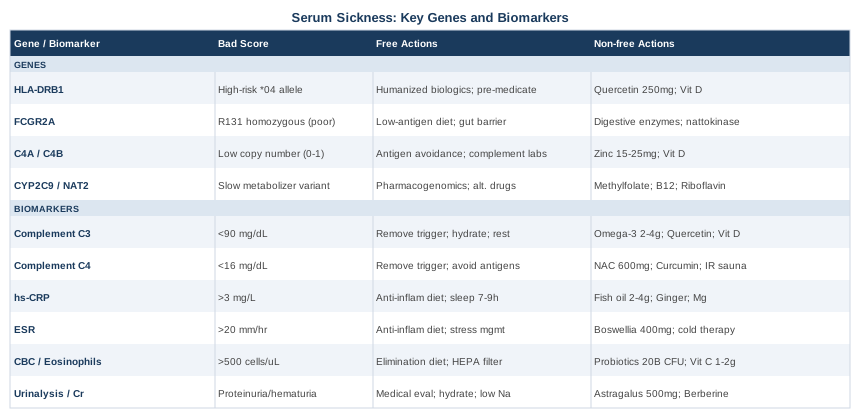
6 Biomarkers to Track in Serum Sickness
Monitoring serum sickness is not just about watching symptoms resolve. The right laboratory markers can tell you whether complement is being actively consumed, whether inflammation is escalating or retreating, whether your kidneys are under stress, and whether the underlying immune response has truly quieted down. These six biomarkers give you a meaningful, layered picture of what is happening — and when recovery is genuine rather than superficial.
1. Complement C3
Why it matters and what it reveals
Complement C3 is the central node of the complement system. In serum sickness, immune complexes — antibody-antigen aggregates circulating in the blood — activate complement via the classical pathway. As complement proteins are consumed in this activation process, serum levels of C3 fall measurably. A low C3 during a clinical presentation of fever, rash, and arthralgia is one of the strongest laboratory confirmations of serum sickness. It distinguishes the condition from simple drug allergy and from serum sickness-like reactions (SSLRs), which typically do not consume complement. According to StatPearls on Serum Sickness, complement consumption is a hallmark of true serum sickness and a key diagnostic differentiator.
How to measure it
C3 is measured via a standard serum blood draw ordered as part of a complement panel (often listed as "C3" or within a CH50 panel). Cost typically ranges from $30 to $90 depending on the lab and insurance status. Testing should occur at presentation, then every 7–14 days during recovery to confirm restoration toward baseline. Normal C3 range is approximately 90–180 mg/dL, though lab-specific reference ranges vary slightly.
If the score is bad, the plan without supplements
A low C3 calls for immediate removal of the causative antigen — stopping the offending drug or biologic. Beyond trigger elimination, reducing circulating immune complex burden is the priority. A whole-food, low-processed-sugar diet reduces systemic inflammation and limits additional immune complex formation. Adequate hydration supports renal clearance of immune complexes. Rest and avoidance of physical stress are appropriate during active complement depression, since strenuous exercise can transiently activate complement and worsen inflammation. Retesting C3 at 14 days should show normalization if the trigger has been removed; if levels remain low after three weeks, an underlying primary complement deficiency or autoimmune condition should be investigated.
If the score is bad, the plan with supplements or equipment
Omega-3 fatty acids (EPA + DHA, 2–4 g/day) have demonstrated suppression of complement-mediated inflammation in human studies. Take with food; cycle 12 weeks on, 4 weeks off to avoid excessive platelet effect. Quercetin (500 mg twice daily) inhibits mast cell degranulation and modulates classical complement pathway activity — use for 8–12 weeks during the acute-to-recovery phase. Vitamin D (2,000–4,000 IU/day) supports regulatory T-cell function, which limits immune complex overproduction; measure 25-OH-D first and target 40–60 ng/mL. Avoid aggressive supplementation during the acute phase when medical management (corticosteroids, antihistamines) is underway; these are best used in the recovery and prevention window.
2. Complement C4
Why it matters and what it reveals
C4 is consumed even earlier in the classical complement cascade than C3, making it a sensitive early indicator of immune complex-mediated activation. C4 levels drop in serum sickness, often before C3 falls significantly. C4 is also genetically complex: copy number variations in the C4A and C4B genes (covered in the genetics section) mean that some individuals have chronically low C4 at baseline, making them inherently more vulnerable to immune complex disease. Distinguishing a pathologically low C4 from a constitutionally low one requires knowing baseline values or comparing with C4 allotype testing.
How to measure it
C4 is ordered alongside C3 in a complement panel. Cost is typically $25–$80. Normal range is approximately 16–47 mg/dL. In active serum sickness, values may fall below 10 mg/dL. For individuals with recurrent episodes, establishing a personal baseline C4 during a healthy period is valuable for future comparisons.
If the score is bad, the plan without supplements
As with C3, the first intervention is removing the antigen. If C4 is disproportionately low relative to C3 — or is persistently low even after resolution — this signals a possible C4 gene copy number deficit. In that case, clinical evaluation should include assessment for lupus or other complement-deficiency-associated conditions. During recovery, a low-antigen diet avoiding common food immune triggers (gluten, dairy proteins, processed soy) may reduce the background immune complex load that strains C4 reserves.
If the score is bad, the plan with supplements or equipment
NAC (N-acetylcysteine, 600 mg twice daily) has demonstrated complement-modulating effects through its antioxidant activity; it is best cycled 8 weeks on, 2 weeks off. Curcumin (500–1,000 mg of a bioavailable form such as phytosome curcumin, twice daily with fat) suppresses complement activation and NF-κB signaling. Take during the recovery phase only; discontinue before any planned surgery. Infrared sauna sessions (3–4 per week, 15–20 minutes at 60–70°C) may support lymphatic clearance of immune complexes — use only once acute fever has fully resolved. No sauna during active febrile illness.
3. C-Reactive Protein (CRP) — High-Sensitivity
Why it matters and what it reveals
High-sensitivity CRP (hs-CRP) is a sensitive marker of systemic inflammation produced by the liver in response to IL-6 and other pro-inflammatory cytokines. In serum sickness, CRP rises with the inflammatory cascade driven by immune complex deposition. It is not specific to serum sickness — virtually any inflammation raises it — but its trajectory during treatment and recovery is clinically useful. A CRP that does not normalize within 3–4 weeks after trigger removal should prompt a search for a persistent antigen source or an alternative diagnosis. Peter Attia has consistently highlighted hs-CRP as one of the most actionable inflammatory biomarkers given its sensitivity and low cost.
How to measure it
hs-CRP is available at virtually any clinical lab, often as part of a metabolic or cardiovascular panel. Cost: $10–$40. Target levels below 1 mg/L for low systemic inflammation; 1–3 mg/L is intermediate; above 3 mg/L indicates high inflammation. During active serum sickness, values may exceed 10 mg/L.
If the score is bad, the plan without supplements
Anti-inflammatory dietary principles are the foundation: eliminate ultra-processed foods, added sugars, refined seed oils (corn, soybean, sunflower oil), and reduce alcohol. Increase oily fish (salmon, mackerel, sardines), colorful vegetables, and extra-virgin olive oil. Prioritize 7–9 hours of sleep, since sleep deprivation directly elevates CRP. Regular moderate aerobic exercise (30 minutes, 4–5 days per week) reduces chronic CRP, though this should be introduced gradually after the acute phase of serum sickness resolves, given that exercise temporarily spikes CRP.
If the score is bad, the plan with supplements or equipment
Fish oil (2–4 g EPA+DHA daily) has the strongest human evidence for hs-CRP reduction; effect visible within 4–6 weeks of consistent use. Cycle continuously or take 3 months on, 1 month off if on blood thinners. Ginger extract (1,000–2,000 mg/day with meals) reduces IL-6 and CRP in randomized trials; 12-week cycles. Magnesium glycinate (300–400 mg before bed) is associated with lower CRP in population studies and supports sleep quality. Continuous use at this dose is generally safe for most people; reduce if GI sensitivity occurs.
4. Erythrocyte Sedimentation Rate (ESR)
Why it matters and what it reveals
ESR measures the rate at which red blood cells settle in a tube over one hour — a proxy for the presence of inflammatory proteins (particularly fibrinogen and immunoglobulins) in the blood. In serum sickness, ESR elevates alongside CRP and can remain elevated longer, making it useful for tracking residual inflammation even as acute symptoms resolve. ESR is less specific than CRP but more sensitive to immune complex burden, which elevates immunoglobulin levels and slows red blood cell settling. Watching both CRP and ESR together gives a more complete picture: a falling CRP with a persistently elevated ESR may indicate ongoing but lower-grade immune activity.
How to measure it
ESR is one of the least expensive blood tests available: typically $10–$25. Normal values vary by age and sex: for adult men under 50, under 15 mm/hr; for women under 50, under 20 mm/hr. Values double roughly for individuals over 50. In active serum sickness, ESR commonly exceeds 40–60 mm/hr.
If the score is bad, the plan without supplements
The same anti-inflammatory lifestyle principles that reduce CRP will reduce ESR over time. Because ESR reflects immunoglobulin levels, reducing overall immune system activation — through dietary restraint, sleep optimization, and stress management — is the key lever. Monitor every 3–4 weeks during recovery. A persistent ESR elevation beyond 8 weeks post-trigger removal warrants investigation for an underlying autoimmune process.
If the score is bad, the plan with supplements or equipment
Boswellia serrata extract (400 mg twice daily) has demonstrated ESR-reducing effects in inflammatory conditions in randomized trials; 12-week cycles with a 4-week break. Combining with turmeric/curcumin is a common and generally safe approach. Cold water therapy — cold shower or brief cold immersion (3–5 minutes, 10–15°C) — has emerging evidence for reducing inflammatory markers; 3–5 sessions per week. Avoid in cardiovascular disease without medical clearance. Red light therapy (photobiomodulation) at 660–850 nm applied to joints for 10–15 minutes, 4–5 times per week, has shown anti-inflammatory effects in human studies; safe for home use with a validated device.
5. Complete Blood Count with Differential — Eosinophils and Neutrophils
Why it matters and what it reveals
A CBC with differential during serum sickness reveals characteristic patterns. Eosinophilia (elevated eosinophils, typically above 500 cells/μL) is common and reflects a Th2-skewed immune response associated with hypersensitivity reactions. Neutrophilia may occur in the acute inflammatory phase, while neutropenia has been noted in some drug-induced cases. Lymphocyte counts may be atypical in cases triggered by viral antigens. Tracking these cell populations over time helps assess whether the immune response is truly resolving or continuing at a subclinical level. An eosinophil count that remains persistently elevated after apparent clinical recovery suggests ongoing immune activation that warrants attention.
How to measure it
The CBC with differential is one of the most common and affordable blood panels: $15–$60. It is typically ordered at presentation and can be repeated every 2–3 weeks during recovery. Normal eosinophil range: 100–500 cells/μL (or 1–4% of total white blood cells).
If the score is bad, the plan without supplements
Persistent eosinophilia after trigger removal often indicates either residual hypersensitivity activation or an unresolved dietary or environmental antigen. An elimination protocol — removing the most common immune-activating foods (gluten, dairy, eggs, shellfish, tree nuts) for 4–6 weeks — may help identify or remove secondary triggers. Outdoor air quality matters: pollen and mold can maintain eosinophil elevation in sensitized individuals. Track with weekly symptom logs to correlate with exposures.
If the score is bad, the plan with supplements or equipment
Probiotics (particularly Lactobacillus rhamnosus GG and Bifidobacterium longum) have demonstrated eosinophil-lowering effects in allergic hypersensitivity studies. Dose: 10–50 billion CFU/day; continuous use for 3 months, then maintenance. Vitamin C (1,000–2,000 mg/day, divided doses) supports Th1/Th2 immune balance and may reduce eosinophil-driven inflammation; long-term use at these doses is generally well tolerated. HEPA air filtration in the bedroom reduces airborne antigen load and may lower background eosinophil activation during recovery.
6. Urinalysis with Microscopy and Serum Creatinine
Why it matters and what it reveals
Immune complex deposition in the kidneys — specifically in the glomeruli — is a serious complication of serum sickness that can develop silently while joint pain and rash dominate the clinical picture. Urinalysis detects hematuria (red blood cells in urine) and proteinuria (protein in urine), both of which signal glomerular inflammation. Serum creatinine and the estimated GFR (eGFR) confirm whether kidney filtration function is impaired. In most drug-induced cases, renal involvement is mild and transient, but it requires monitoring. Persistent proteinuria or hematuria after the acute phase resolves warrants nephrology referral. Thomas Dayspring has consistently emphasized urinalysis as an undervalued and inexpensive window into systemic vascular and immune complex activity.
How to measure it
Urinalysis with microscopy costs $15–$50. Serum creatinine with eGFR calculation is typically $15–$40 and is often bundled in a basic metabolic panel. Spot urine albumin-to-creatinine ratio (uACR) provides more precise protein quantification: $20–$60. Measure at presentation and at 2–4 week intervals until confirmed normal.
If the score is bad, the plan without supplements
Renal involvement in serum sickness calls for medical evaluation first — this is not a self-managed finding. Once nephrology has established the severity and any required treatment, supportive measures include adequate hydration (2–3 liters of filtered water daily), reduced sodium intake (below 2 g/day), and elimination of NSAIDs (which further stress renal perfusion). A plant-forward, low-processed-protein diet reduces glomerular filtration pressure. Blood pressure management is critical: each 10 mmHg elevation in systolic pressure accelerates kidney stress in inflammatory glomerular disease.
If the score is bad, the plan with supplements or equipment
Astragalus (standardized extract, 500 mg twice daily) has human evidence for nephroprotective effects in immune complex-mediated glomerular disease. Cycle 12 weeks on, 4 weeks off. Berberine (500 mg twice daily with meals) reduces inflammatory cytokines implicated in glomerular damage and improves metabolic kidney risk factors; 8–12 week cycles; do not combine with certain antibiotics or immunosuppressants without medical guidance. Home blood pressure monitoring (validated cuff, twice daily readings) provides data that consistently improves treatment decisions for any kidney-related condition.
Serum Sickness and Your Genes: 4 Key Variants That Shape Your Risk
Genetics does not determine whether you will develop serum sickness — the trigger antigen and the immune response it provokes are the proximate causes. But genetic variants influence how likely you are to form large immune complexes, how efficiently you clear them, and how intense the inflammatory response becomes. Understanding these variants can reframe recurrent or severe reactions from "bad luck" to a manageable biological tendency.
HLA-DRB1 — The Antigen Presentation Gene
The HLA-DRB1 gene encodes a major histocompatibility complex (MHC) class II protein responsible for presenting foreign antigens to T-helper cells. Certain HLA-DRB1 alleles — particularly those associated with shared epitope patterns — prime the immune system for exuberant T-cell responses to specific protein antigens. Individuals carrying high-risk HLA-DRB1 alleles (notably *04 subtypes) are overrepresented among those who develop severe serum sickness reactions to biologic therapies and antivenom preparations. This gene has been studied extensively in the context of rheumatoid arthritis and drug hypersensitivity.
If the gene is bad, the plan without supplements: Prioritize alternative formulations when available — for example, humanized or fully human monoclonal antibodies rather than chimeric or murine-derived biologics, which carry higher foreign protein antigen load. Before any new biologic therapy, discuss pre-medication protocols (antihistamines, corticosteroids) with your prescribing physician. Maintain a personal medication reaction log to share with any new provider.
If the score is bad, the plan with supplements or equipment: Low-dose quercetin (250–500 mg twice daily) may moderate MHC class II-driven T-cell hyperactivation through anti-inflammatory signaling. Vitamin D optimization (target 50–60 ng/mL) downregulates MHC class II expression in certain immune cell populations. Retest 25-OH-D quarterly and adjust dose accordingly.
FCGR2A — The Fc Receptor Clearance Gene
FCGR2A encodes the Fc gamma receptor IIA (FcγRIIA), which plays a pivotal role in clearing immune complexes from the circulation. A common single nucleotide polymorphism (SNP) at position 131 — H131R — produces two variants: the histidine variant (H131) binds IgG2-containing immune complexes efficiently, while the arginine variant (R131) binds poorly. Individuals homozygous for the low-affinity R131 allele accumulate immune complexes more readily, predisposing them to serum sickness and other type III hypersensitivity reactions. This variant has been studied in lupus and post-infectious vasculitis populations, with R131 homozygotes showing consistently worse immune complex-driven pathology.
If the gene is bad, the plan without supplements: Reduce dietary and environmental antigen load to minimize the circulating immune complex burden your reduced clearance capacity must manage. This means addressing gut permeability — which allows food antigens into the bloodstream — through an elimination diet trial and a high-fiber, diverse plant diet. Avoid repeated exposure to confirmed trigger antigens entirely.
If the score is bad, the plan with supplements or equipment: Digestive enzymes (including protease-rich formulas) taken with meals reduce the size and load of dietary protein antigens entering the bloodstream, easing the clearance burden on FcγR2A. Dose: 1–2 capsules with each main meal; cycle as needed without a rigid break schedule. Systemic enzymes (nattokinase or serrapeptase) taken between meals on an empty stomach have some evidence for supporting immune complex breakdown; 2,000–4,000 FU of nattokinase daily; avoid if on anticoagulants.
C4A / C4B Gene Copy Number Variation
The C4A and C4B genes, located within the HLA region on chromosome 6, show striking copy number variation: individuals may carry 0 to 6 copies of each gene. C4A protein is particularly efficient at solubilizing immune complexes, preventing their deposition in tissues. Those with low C4A copy numbers — carrying 0 or 1 copies — have chronically low C4A protein, impaired immune complex solubilization, and are constitutionally predisposed to immune complex diseases including serum sickness and lupus. This genetic architecture explains why baseline C4 can be low even outside of active disease in certain individuals. Genetic research from the Stanley Center at the Broad Institute has highlighted C4 copy number variation as a major determinant of complement-mediated immune phenotypes.
If the gene is bad, the plan without supplements: Because C4A deficiency is constitutional, the strategy is to reduce the immune complex burden rather than trying to raise C4. Achieve this through antigen minimization (as above), rigorous avoidance of confirmed drug triggers, and regular complement monitoring (C3, C4 panel every 6–12 months as baseline surveillance). Ensure any prescribing physician is aware of your constitutional C4 deficiency before initiating any biologic, antivenom, or high-antigen therapy.
If the score is bad, the plan with supplements or equipment: Support the downstream complement pathway through adequate zinc (15–25 mg/day; zinc is a cofactor for complement proteins), and copper balance (1–2 mg/day when supplementing zinc long-term). Cycle zinc supplementation: 12 weeks on, 4 weeks off. Sun exposure or vitamin D supplementation preserves complement function at the immune interface; target 25-OH-D above 40 ng/mL.
CYP2C9 and NAT2 — Drug Metabolism Genes
For drug-induced serum sickness-like reactions, the pharmacogenomic dimension matters considerably. CYP2C9 encodes a cytochrome P450 enzyme responsible for metabolizing numerous drugs including anti-epileptics, NSAIDs, and certain antibiotics. Poor metabolizer variants (*2/*2, *3/*3) result in slower drug clearance and prolonged antigen exposure, increasing the window during which immune complex formation can occur. NAT2 encodes an N-acetyltransferase enzyme critical for metabolizing aromatic amines, including drugs like hydralazine, isoniazid, and sulfonamides. Slow NAT2 acetylators accumulate reactive drug metabolites that can act as haptens — binding to endogenous proteins to form neo-antigens that trigger immune reactions indistinguishable from serum sickness.
If the gene is bad, the plan without supplements: Pharmacogenomic testing (available through companies like GeneSight, or as part of some hospital systems) identifies your CYP2C9 and NAT2 status before medication decisions. Present results to your prescribing doctor so that dose reductions or alternative drugs without NAT2 dependence can be selected. FDA drug label guidance now includes pharmacogenomic recommendations for several high-risk drug classes. The PharmGKB and CPIC guidelines offer specific prescribing adjustments by genotype.
If the score is bad, the plan with supplements or equipment: Support CYP2C9 and NAT2 enzyme activity through adequate folate (400–800 mcg methylfolate/day, especially if also MTHFR-variant), B12 (500–1,000 mcg methylcobalamin), and riboflavin (B2, 100 mg/day). These B vitamins support phase 2 liver detoxification. Do not use St. John's Wort, grapefruit, or large doses of resveratrol when on drugs cleared by CYP2C9, as these modulate enzyme activity unpredictably.
What the Research on Immune Dysregulation Gets Right — and What Most Doctors Still Miss
Rhonda Patrick's podcast episode "Micronutrients and the Immune System" (available on her FoundMyFitness platform) brings together over 40 peer-reviewed studies on how vitamin D, omega-3 fatty acids, zinc, and magnesium collectively regulate immune activation — including the T-helper cell skewing that underlies hypersensitivity reactions like serum sickness. While not written specifically about serum sickness, the mechanistic insights are directly applicable to anyone with a history of immune complex-mediated reactions.
The 10 Most Impactful Findings
1. Vitamin D is a master regulator of Th1/Th2 balance. Low 25-OH-D levels are associated with a Th2-skewed immune phenotype — the same shift that underlies allergic and hypersensitivity reactions. Correcting deficiency shifts balance toward regulated immune responses.
2. Omega-3 fatty acids directly suppress complement activation. EPA and DHA alter the lipid composition of immune cell membranes, reducing the clustering of complement receptors and dampening the inflammatory cascade triggered by immune complex deposition.
3. Zinc deficiency amplifies mast cell reactivity. Mast cells are key effectors of the immediate inflammatory response in serum sickness; zinc-replete individuals show lower mast cell degranulation in response to IgE and immune complex stimulation.
4. Magnesium is required for IL-10 production. IL-10 is the primary anti-inflammatory cytokine that terminates immune reactions. Magnesium-deficient immune cells produce less IL-10, prolonging inflammatory episodes.
5. Gut microbiome diversity predicts immune complex clearance efficiency. Short-chain fatty acids produced by butyrate-generating gut bacteria upregulate regulatory T cells (Tregs), which directly suppress immune complex-driven inflammation. Dysbiosis = less Treg activity = slower resolution.
6. Sleep deprivation raises IL-6 by as much as 40% within 48 hours. IL-6 is the main driver of CRP production and a key amplifier of the inflammatory cascade in serum sickness. Even mild sleep restriction during recovery delays biomarker normalization.
7. Chronic psychological stress suppresses regulatory T cells. Glucocorticoids released during chronic stress initially suppress inflammation but chronically impair Treg function, making hypersensitivity reactions more likely and prolonged.
8. Quercetin inhibits both the classical complement pathway and mast cell histamine release. It acts at multiple nodes of the serum sickness inflammatory cascade simultaneously, making it one of the most mechanistically interesting nutritional compounds for this specific condition.
9. Fermented foods increase IgA secretion at mucosal surfaces. Higher secretory IgA reduces antigen penetration from the gut, lowering the circulating antigen load that immune complexes form around.
10. Circadian rhythm disruption upregulates NF-κB at night. NF-κB is the master transcription factor for inflammatory cytokines. Irregular sleep schedules maintain a low-grade NF-κB activation state that prolongs inflammatory resolution.
Complementary Approaches with Real Evidence
The interventions below are selected because they have meaningful human clinical evidence relevant to immune regulation, hypersensitivity modulation, or inflammatory resolution — the core biological processes in serum sickness. They are not cures, and none replace medical care during an acute episode.
The Autoimmune Protocol (Sarah Ballantyne)
The Autoimmune Protocol (AIP), developed by Dr. Sarah Ballantyne and detailed in The Paleo Approach, is a structured dietary and lifestyle elimination protocol originally designed for autoimmune conditions. Its core mechanism is directly relevant to serum sickness: reducing the antigen load entering the bloodstream from the gut by eliminating foods that compromise intestinal barrier integrity (grains, legumes, nightshades, dairy, eggs, seeds, nuts, alcohol) while dramatically increasing nutrient density and microbiome diversity. Because serum sickness involves the formation of circulating immune complexes from foreign antigens, reducing the background antigen burden — including from gut-derived food antigens — is a sound biological rationale.
A pilot clinical trial (Konijeti et al., 2017, PMID 28858071) investigated the AIP in patients with inflammatory bowel disease and demonstrated significant reductions in inflammatory markers and clinical disease activity within 6 weeks, supporting the protocol's capacity to modulate systemic immune responses.
For practical application in serum sickness recovery, a 6-week strict AIP elimination phase followed by systematic reintroduction is recommended. The lifestyle component — sleep (minimum 8 hours), stress management, and gentle movement — is considered non-negotiable within the protocol. This is not an indefinite diet; it is a diagnostic and healing tool. Work with a registered dietitian familiar with AIP to ensure nutritional adequacy during the elimination phase.
Mindfulness-Based Stress Reduction (MBSR)
Chronic psychological stress maintains elevated levels of pro-inflammatory cytokines — particularly IL-6 and TNF-α — that prolong inflammatory resolution after serum sickness episodes. MBSR, the structured 8-week program developed by Jon Kabat-Zinn, has demonstrated significant reductions in inflammatory markers in randomized controlled trials. A well-cited trial published in Psychoneuroendocrinology found that MBSR reduced IL-6 and CRP in stressed adults, with effects maintained at 3-month follow-up.
The specific technique most relevant here is body scan meditation — a daily 30-45 minute practice in which attention is systematically moved through the body, activating the parasympathetic nervous system and reducing cortisol-driven immune dysregulation. The program's 8-week structure has been validated in over 30 clinical trials, and the protocol is widely available through apps (Insight Timer, Waking Up) and university-affiliated programs.
For serum sickness recovery, beginning MBSR 2–3 weeks after the acute phase resolves is the most practical timing. Practice daily — even 15-minute abbreviated sessions are documented to reduce inflammatory markers when consistent. Pair with sleep optimization for compounded benefit.
Microbiome-Directed Therapies
The gut microbiome is a central regulator of systemic immune balance. Immune complex-mediated conditions like serum sickness are associated with dysbiosis patterns characterized by reduced butyrate-producing bacteria (specifically Faecalibacterium prausnitzii and Akkermansia muciniphila) and depleted Treg-supporting microbiome diversity. Restoring microbiome architecture reduces systemic antigen penetration, enhances IL-10 production, and supports immune complex clearance.
A 2019 randomized trial (PMID 30889142) demonstrated that high-dose multi-strain probiotics combined with prebiotic fiber significantly reduced systemic inflammatory markers and improved immune regulatory cytokine profiles in participants with chronic immune activation. Key strains with the best evidence include Lactobacillus rhamnosus GG, Bifidobacterium longum, and Lactobacillus plantarum.
Practically, a microbiome-directed intervention for serum sickness recovery should include: a high-fiber diet targeting 35–40 g/day from diverse plant sources, daily fermented foods (kefir, sauerkraut, kimchi — 1–2 servings), and a multi-strain probiotic containing at least 20 billion CFU. Introduce fermented foods gradually if gut sensitivity is present. A specialized gut microbiome test (Viome, Genova GI Effects) can guide more targeted strain selection if budget allows ($200–$400).
Breathing-Based Therapies
Diaphragmatic breathing and slow-paced breathing techniques (4–6 breaths per minute) activate the vagus nerve and stimulate the cholinergic anti-inflammatory pathway — a neural circuit that directly suppresses macrophage-driven cytokine production, including TNF-α and IL-6. This is not metaphorical calm; it is a documented mechanistic pathway studied in the context of systemic inflammation. A 2014 PNAS study (PMID 25077537) demonstrated that trained individuals using breathing and meditation techniques were able to voluntarily modulate innate immune responses and reduce pro-inflammatory cytokine levels following endotoxin exposure.
The most practical protocol for serum sickness recovery is the 4-7-8 breathing method (inhale 4 counts, hold 7, exhale 8) or resonance frequency breathing at 5.5 breaths per minute using a biofeedback app such as HeartMath Inner Balance. Practice for 10–20 minutes daily; morning and pre-sleep sessions are most effective for vagal tone development.
Over 4–6 weeks, consistent slow breathing practice has been shown to measurably reduce CRP and ESR in individuals with elevated inflammatory baseline. It complements all other interventions listed here and can be started safely from day one of the recovery period.
Low-Level Laser Therapy / Photobiomodulation
Photobiomodulation (PBM) uses red (630–700 nm) and near-infrared (800–1,100 nm) light to stimulate mitochondrial cytochrome c oxidase, increasing cellular ATP production and reducing oxidative stress — two mechanisms relevant to the resolution of immune complex-driven tissue inflammation. In serum sickness, joint inflammation and skin lesion recovery may benefit from targeted PBM application. Human studies in rheumatoid arthritis and joint inflammation have demonstrated reduced inflammatory cytokines and improved pain scores with 2–4 week PBM courses.
A Cochrane-adjacent review on low-level laser therapy for rheumatoid arthritis identified consistent reductions in morning stiffness and joint tenderness, outcomes directly applicable to the joint component of serum sickness. Devices validated for home use (Joovv, PlatinumLED) deliver both 660 nm and 850 nm wavelengths. Sessions of 10–15 minutes over affected joints, 4–5 times per week.
In practice, begin PBM application once acute inflammation is stabilizing — usually week 2 of recovery. Avoid applying to acute, highly inflamed areas with active blistering. PBM is generally safe, well-tolerated, and combinable with all other listed approaches. It is particularly useful for residual joint pain that persists after systemic inflammatory markers have normalized.
Conclusion
Serum sickness is a condition where biology, timing, and individual genetics converge. Understanding that convergence — through the six biomarkers that track immune complex activity and inflammatory resolution, and through the four genetic variants that shape individual susceptibility — gives you something far more useful than a passive wait for symptoms to pass.
The clearest next step is to work with a physician who will order complement levels (C3 and C4), hs-CRP, ESR, a CBC with differential, and a urinalysis at your next encounter. If you have had more than one serum sickness episode, or if you are about to begin a biologic therapy, pharmacogenomic testing for CYP2C9 and HLA typing is a reasonable investment. In the meantime, sleep, an anti-inflammatory diet, gut microbiome support, and regular stress reduction are not vague advice — they are targeted interventions at the biological mechanisms that determine how severe your next immune complex episode will be, and how quickly your body recovers.
Bring your biomarker data to the conversation with your provider. Be specific. The more precisely you can describe what your immune system is doing, the more precisely you and your care team can respond.
Musculoskeletal: Joint Conditions
Skin: Inflammatory Skin Conditions
Autoimmune: Inflammatory Conditions
Urological: Kidney Conditions